A landscape shaped by wind erosion
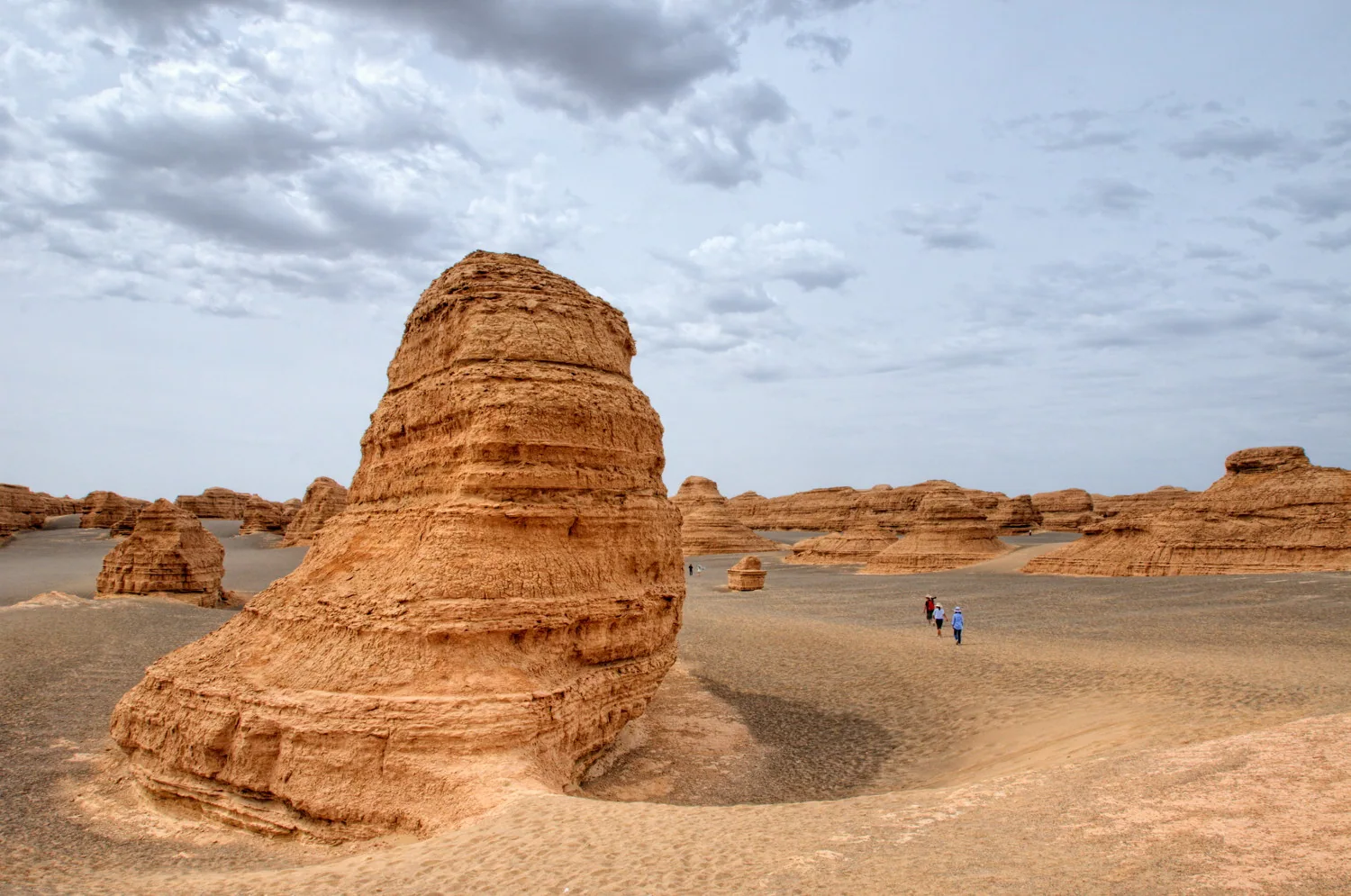
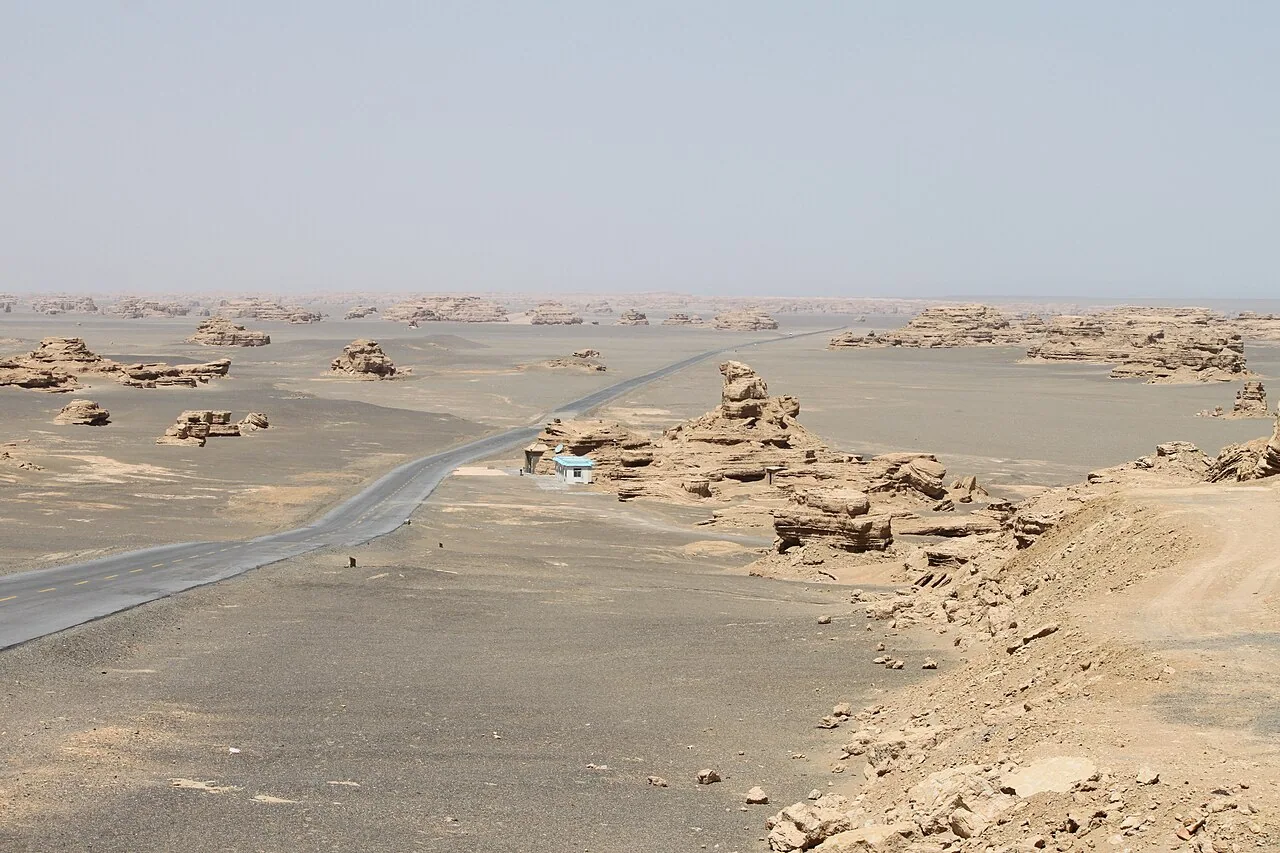
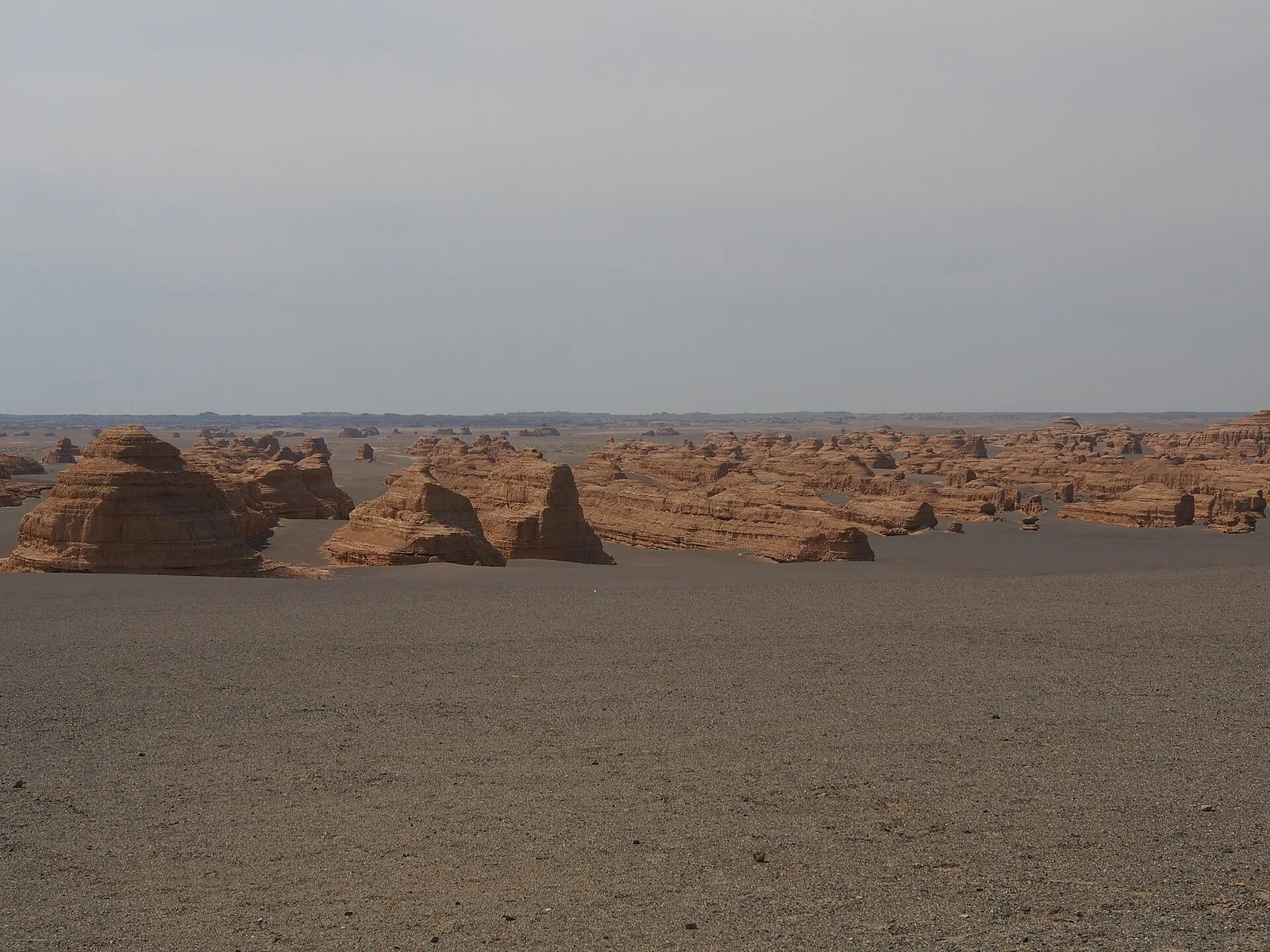
The geopark lies northwest of Dunhuang near the Yumen Pass area. Gansu’s provincial introduction describes a broad landscape of wind-eroded geological remains. The site is not a single rock or viewpoint: ridges, hollows and separated mounds extend across an open desert environment.
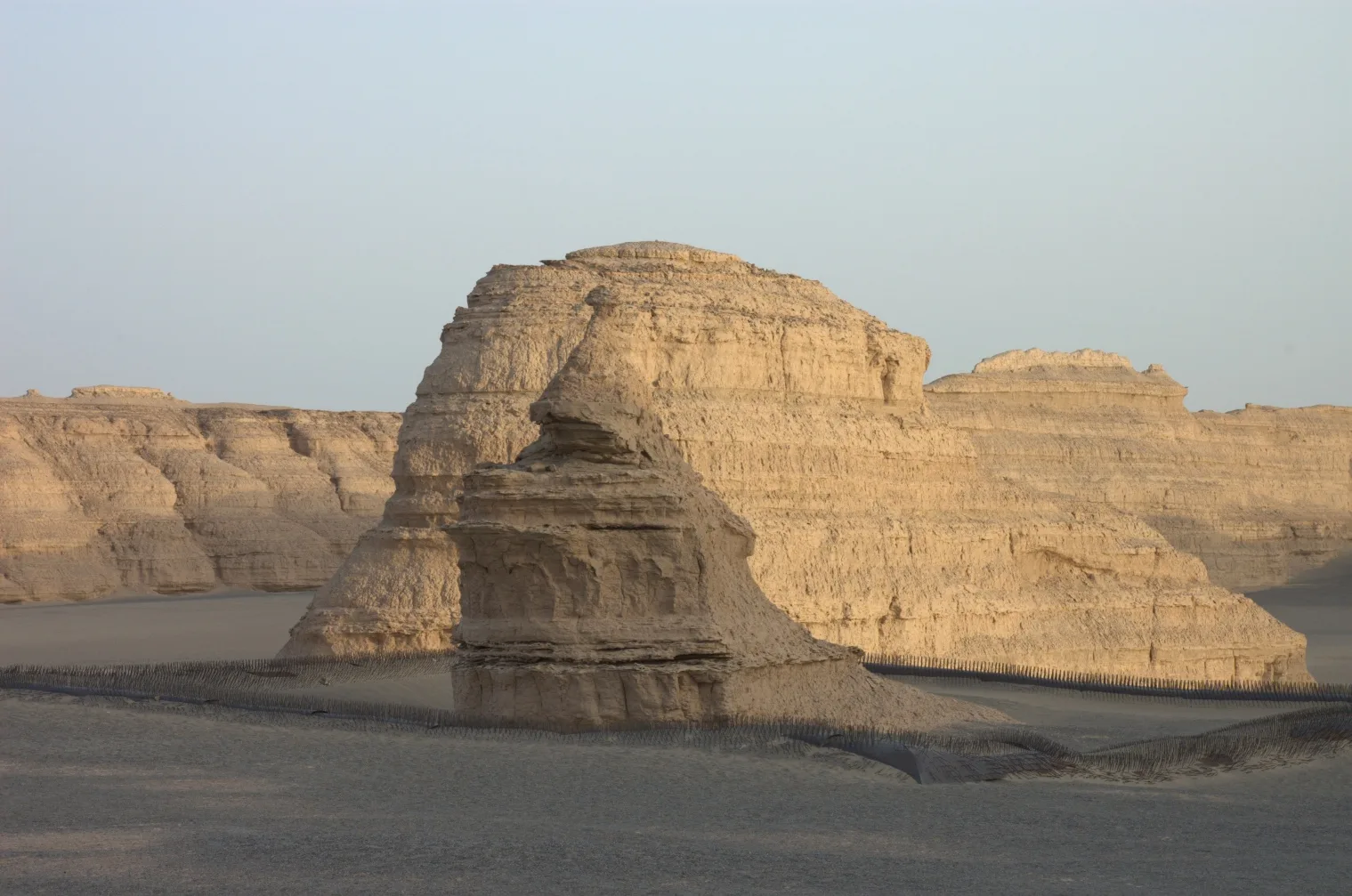
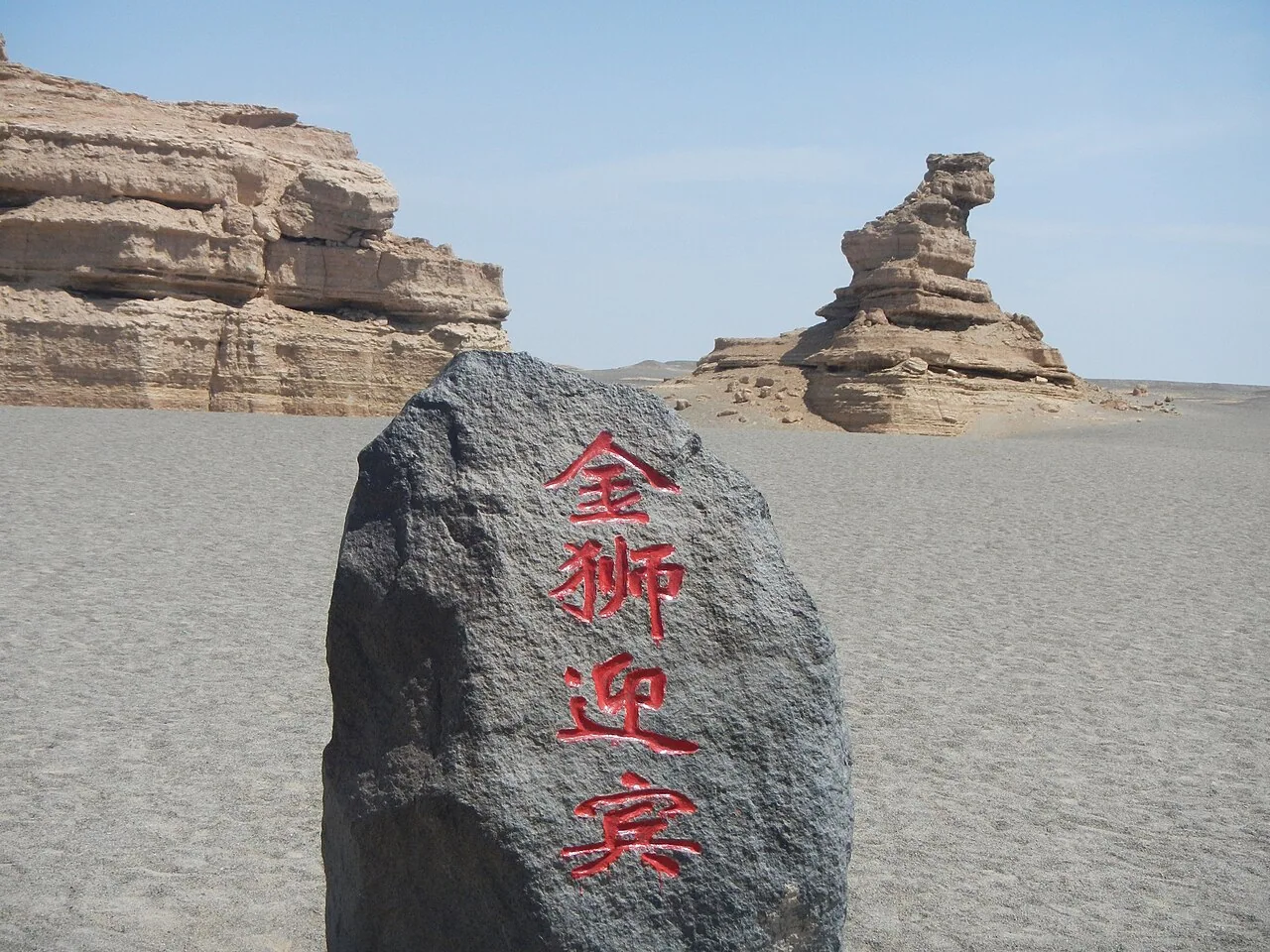
Yardang landforms develop as wind and water wear away exposed sedimentary layers over long periods. Softer material erodes more readily, while harder sections can remain as ridges or more isolated forms. The shapes are natural landforms rather than carved monuments, even when a ridge resembles a building or animal.
Distance and conditions matter
This is a remote site, so its landscape is best understood as a large outdoor geological area rather than a compact urban attraction. Weather, wind and visibility can change conditions across the open ground. Use designated visitor areas and follow the park’s current instructions for access.
The park’s geology explanations discuss how sediment layers, wind and water interact in shaping the landscape. That process is useful context when comparing one formation with another: look for differences in height, direction and the amount of material removed, rather than relying only on familiar “castle” or “animal” nicknames.
Useful official references
Check the relevant official service before making arrangements. These links are references, not a guarantee of current services.