Attractions
Browse all guides in this category. Select a card for details and related places.
All guides (97)
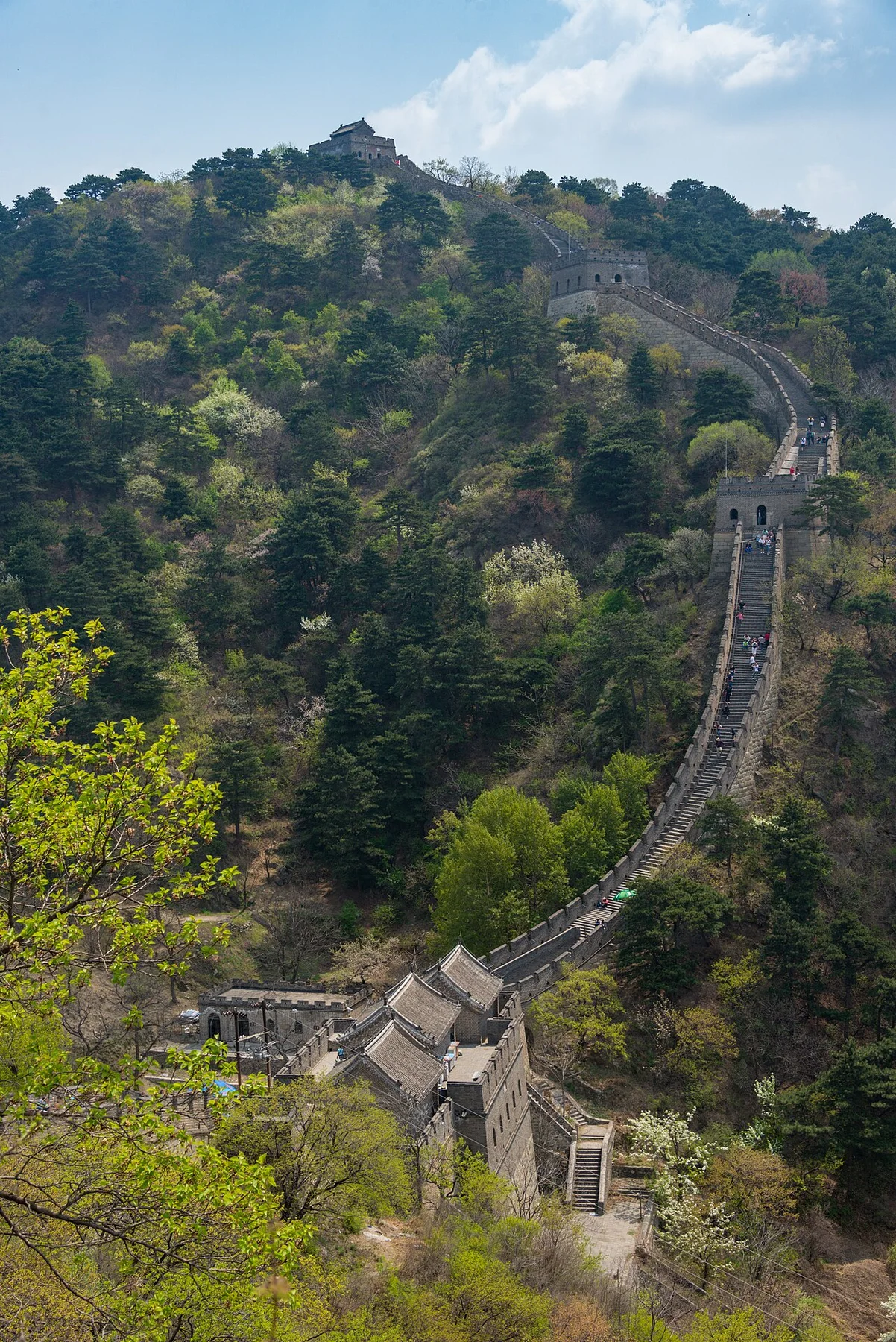
Mutianyu Great Wall
The Mutianyu section of the Great Wall follows the ridges of Huairou, where closely spaced watchtowers, steep stone steps, and Zhengguantai are key features of this Ming-dynasty stretch. Along the way, notice how the wall turns with the mountains, and choose a shorter out-and-back route to suit your fitness. A visit need not focus only on distant views.
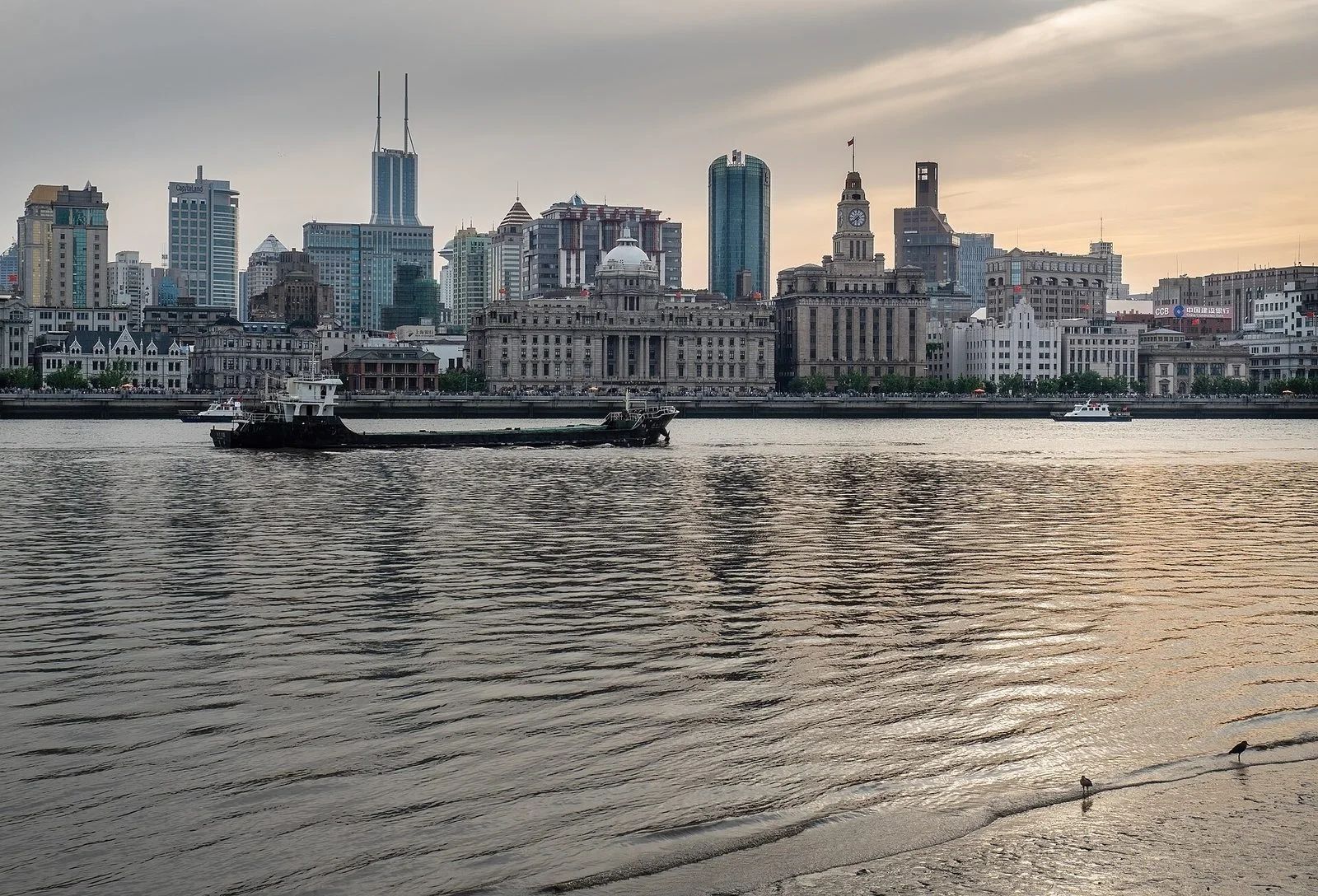
The Bund
A stretch of historic buildings on the west bank of the Huangpu River, facing Lujiazui's skyline to the east. Combine architectural details with activity on the river and views by day and night.
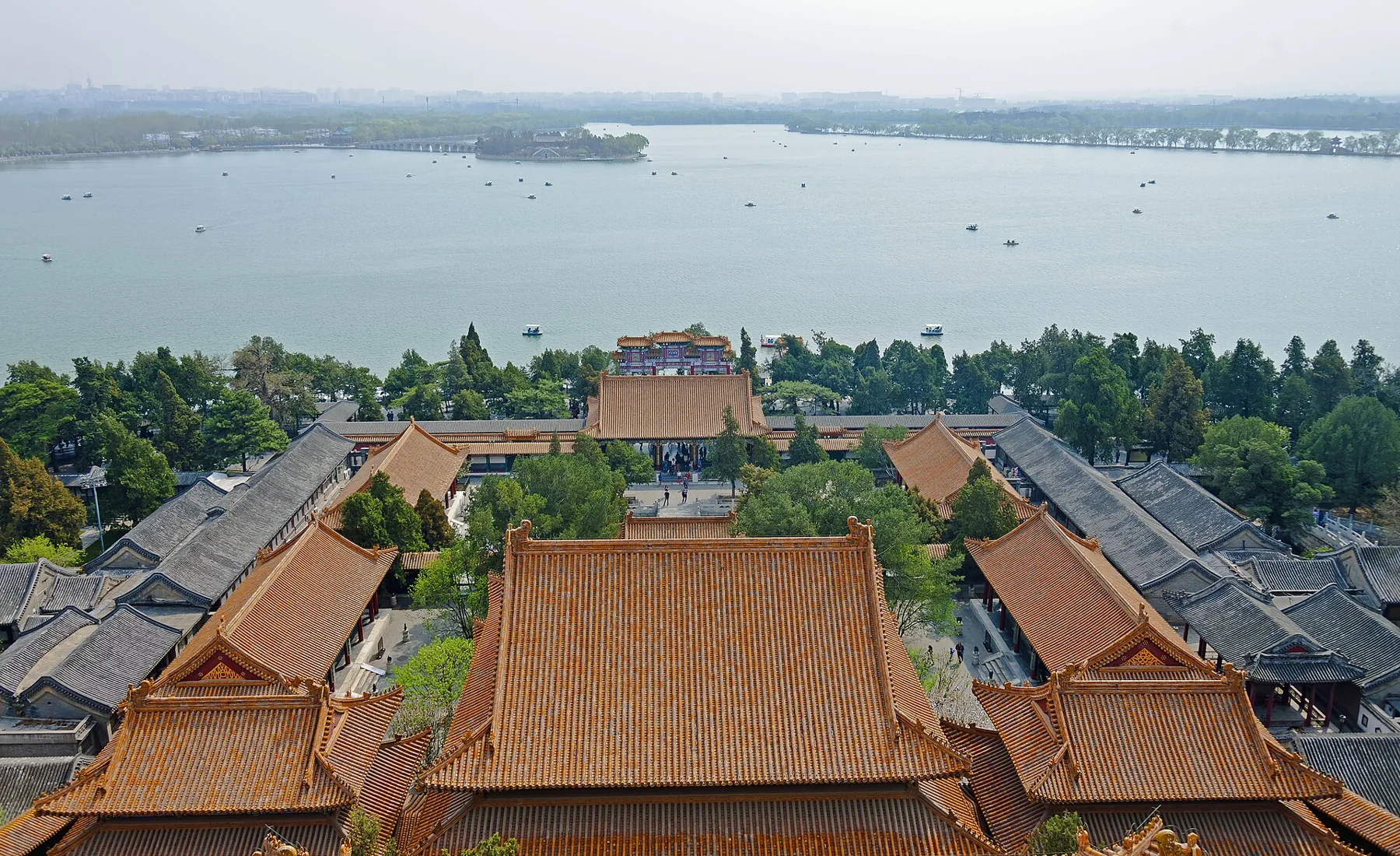
Summer Palace
Kunming Lake, Longevity Hill and the Long Corridor form the Summer Palace's main landscape. View bridges and hillside buildings from the shore, then examine paintings inside the corridor to see this imperial garden from different distances.
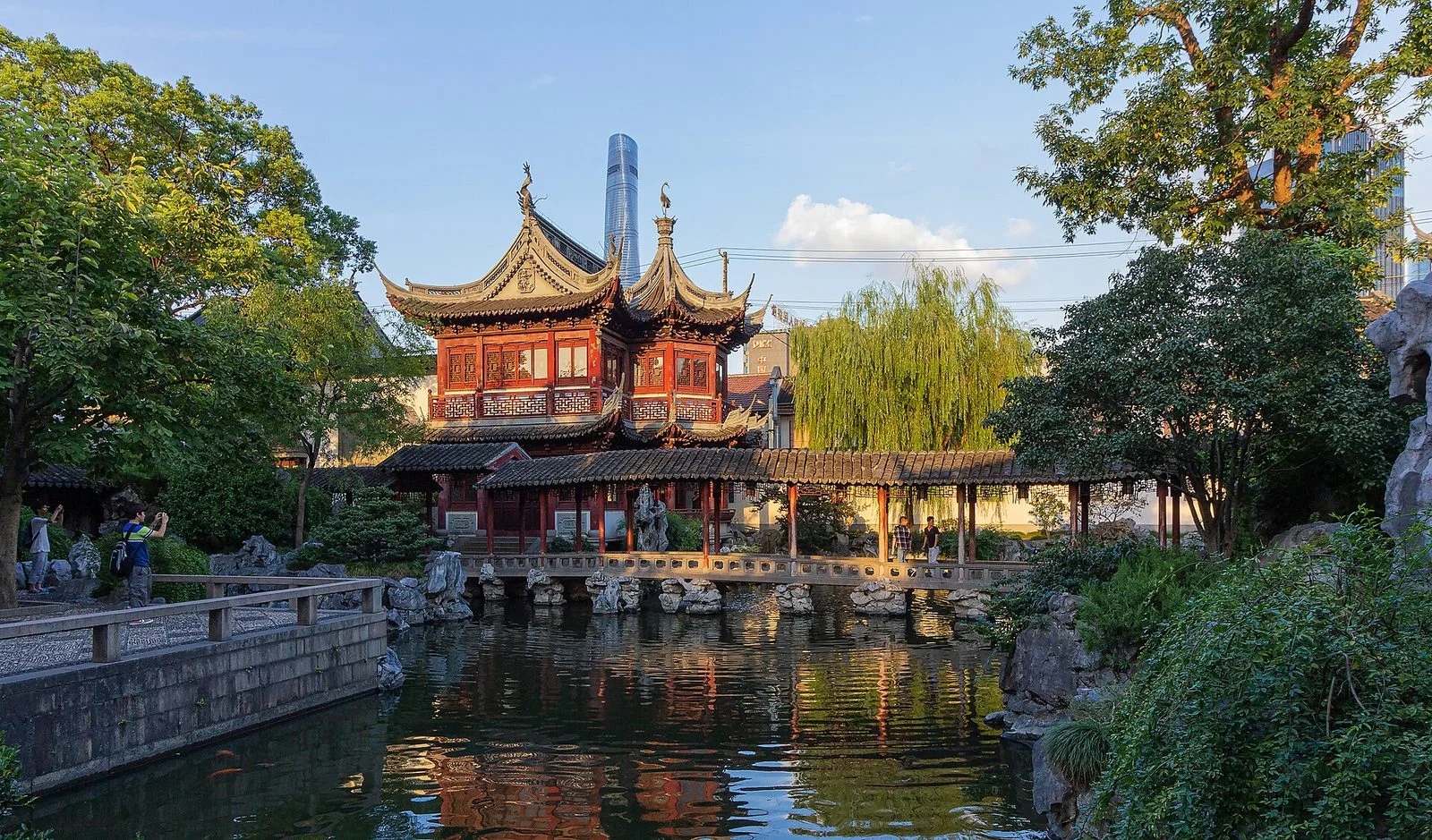
Yu Garden
A Ming-era private garden in the old town, where rockeries, halls, water and detailed carving create a succession of enclosed spaces. Distinguish the garden from the surrounding shopping complex before visiting.
Terracotta Army
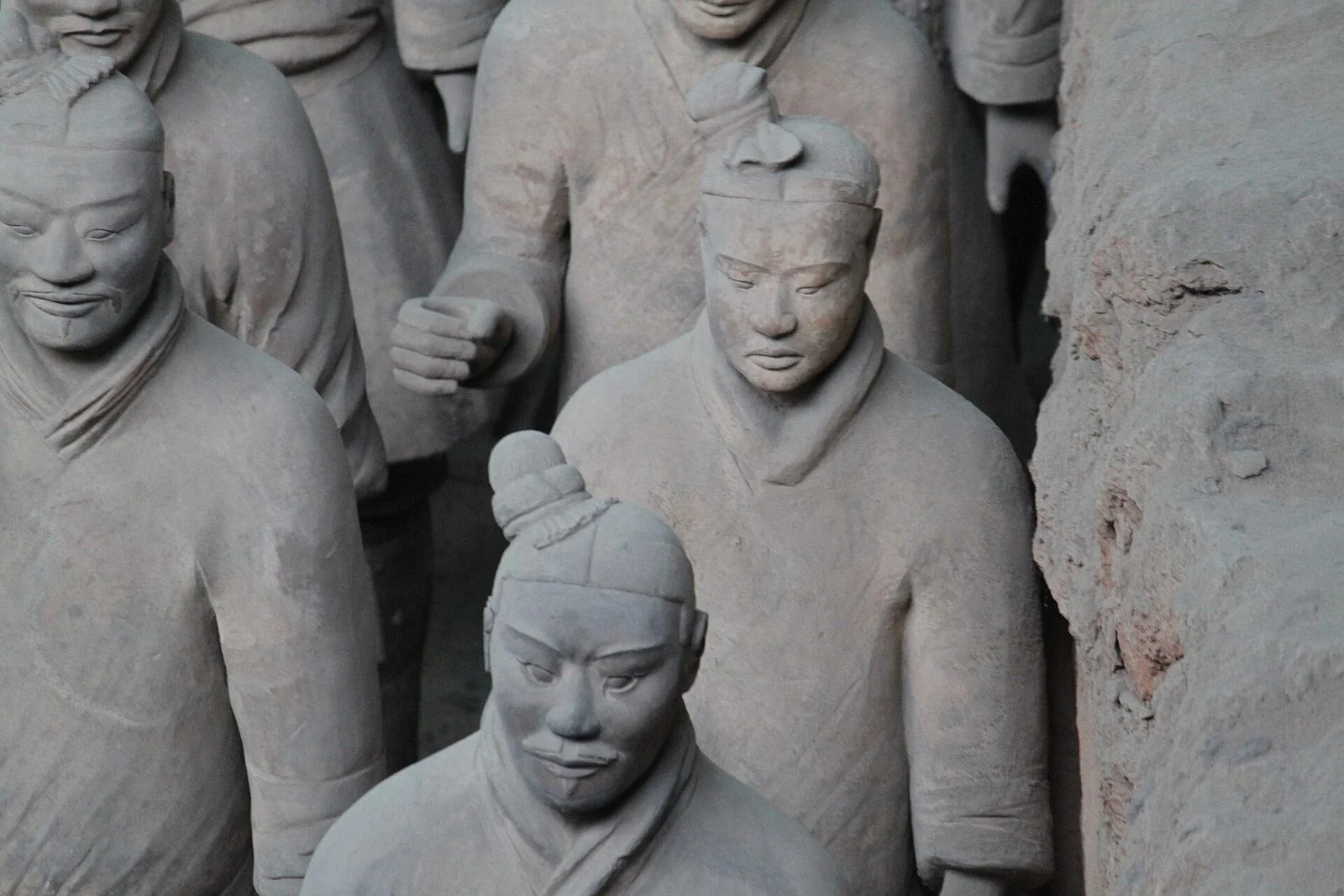
The excavated and open portion of the pits accompanying the First Qin Emperor's tomb: Pit 1 shows the army formation, Pit 2 its mix of troop types, and Pit 3 its command structure. The figures differ in armor, topknot and face, and the bronze chariots at Lishan Garden are the most direct introduction to Qin military organization and craftsmanship.

Chengdu Research Base of Giant Panda Breeding
Observe giant pandas in a conservation park in northeastern Chengdu, along with red pandas and the wooded habitats where animals live. The base combines research, breeding and public education; the visit is about patient observation, not waiting for a scheduled show.
Forbidden City
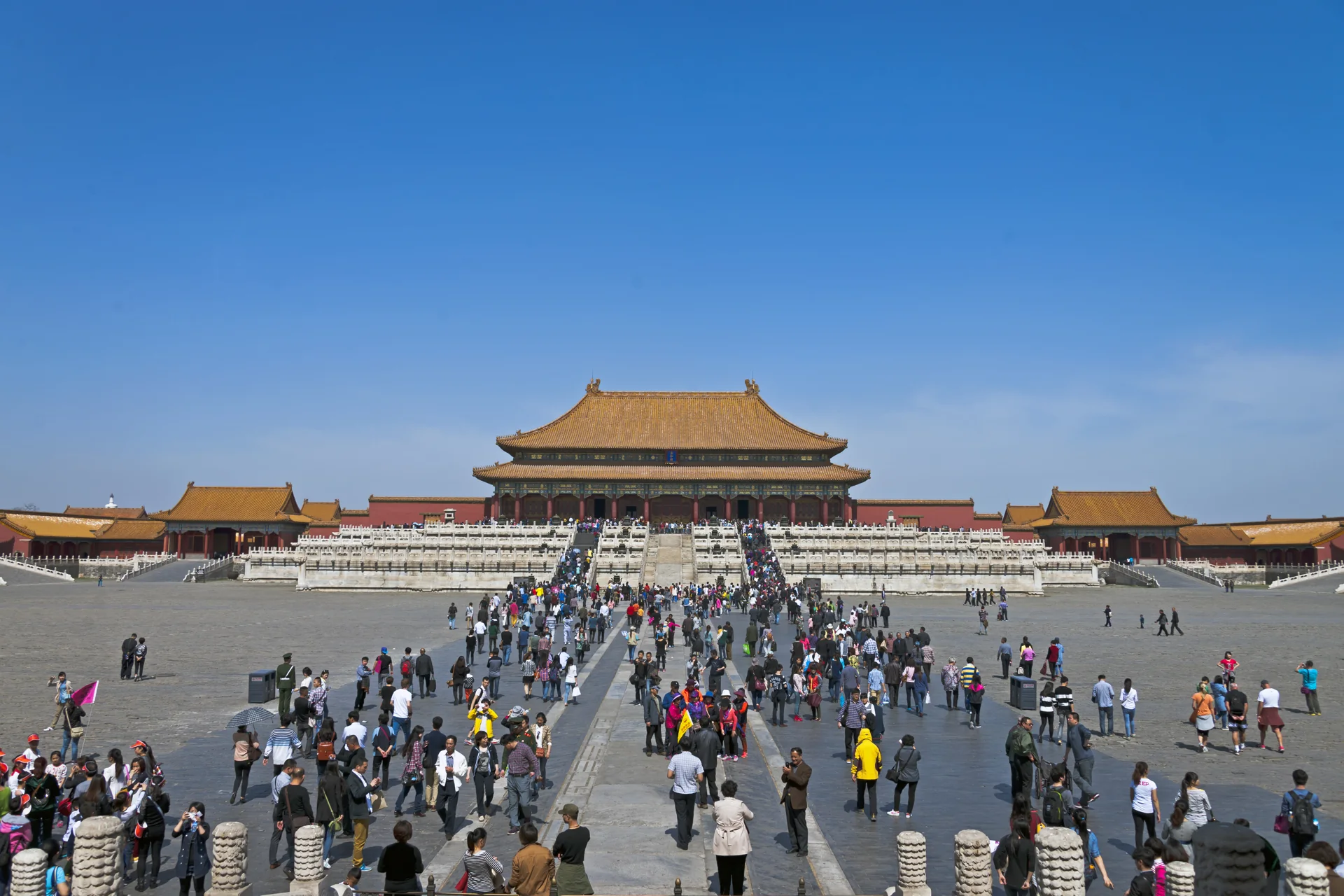
Follow the north–south axis through the Ming and Qing imperial palace, from the ceremonial courtyard of the Hall of Supreme Harmony to the Inner Court and Imperial Garden, then choose the Ningshou Palace area or special exhibitions according to your interests.
Wulingyuan Scenic and Historic Interest Area
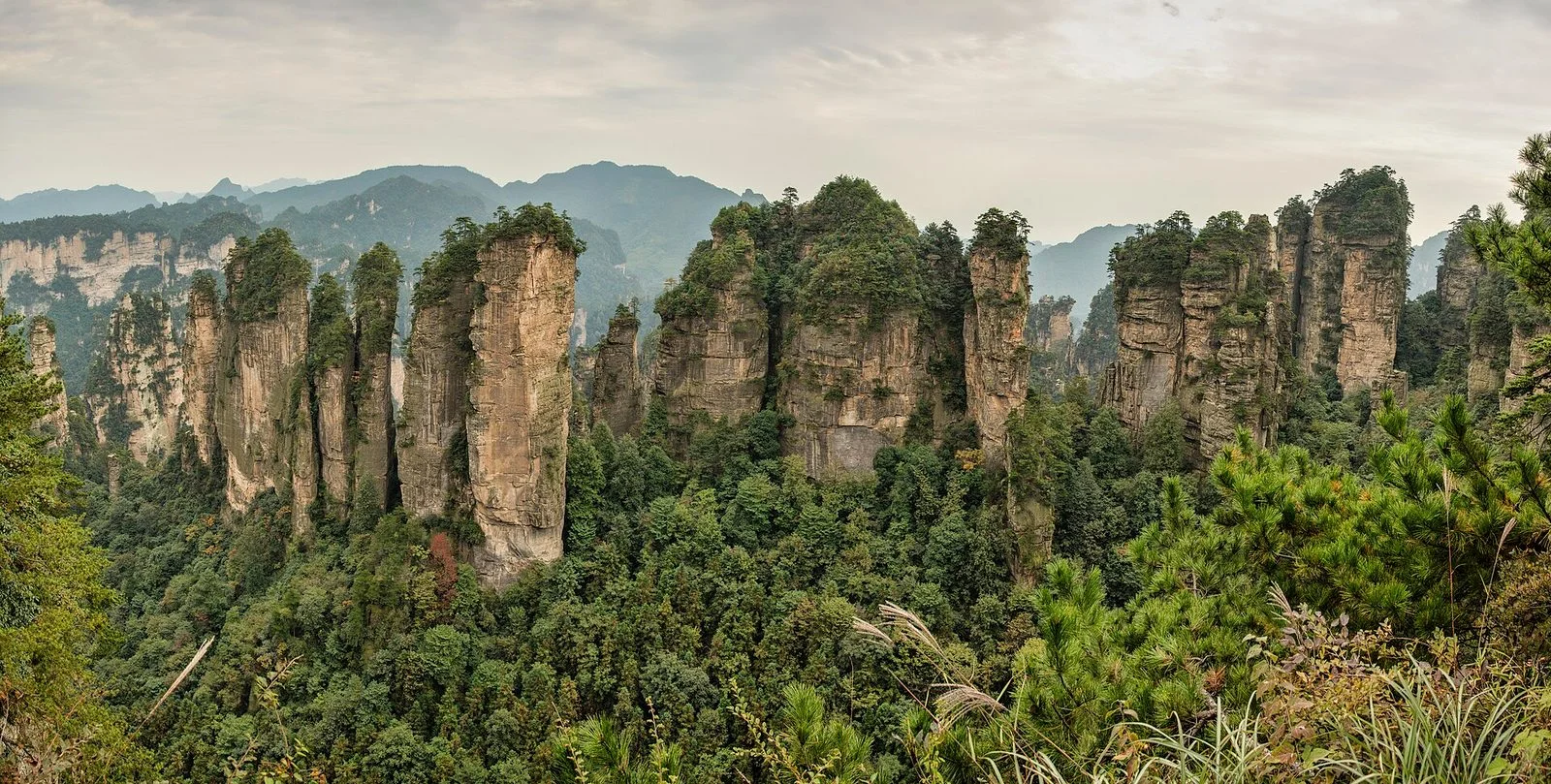
A vast sandstone peak forest in northwestern Hunan, where more than 3,000 rock pillars rise above wooded ravines and streams. High viewpoints and valley walks reveal different sides of the landscape.
Yellow Crane Tower
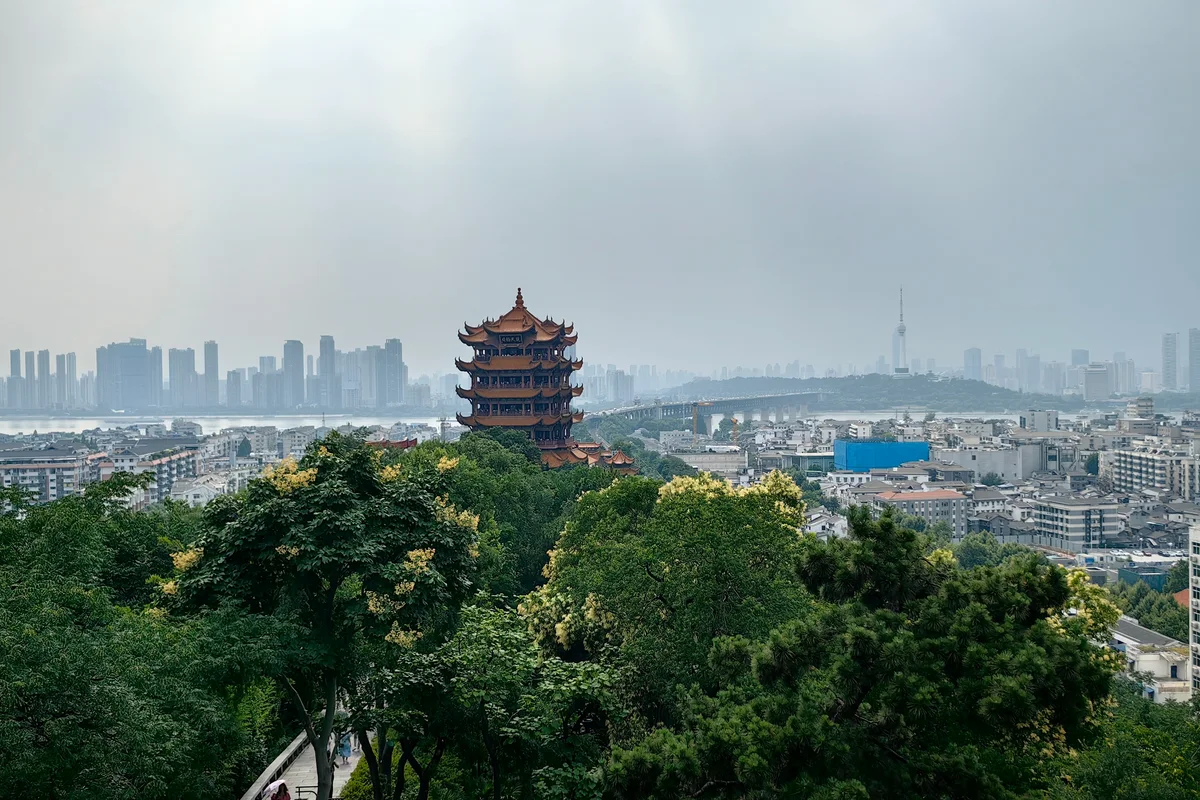
Visit Yellow Crane Tower on Snake Hill for its upturned eaves, poetry and views of the Yangtze River Bridge. Allow time for the main tower and gardens, where more distant viewpoints show the tower against the surrounding city.
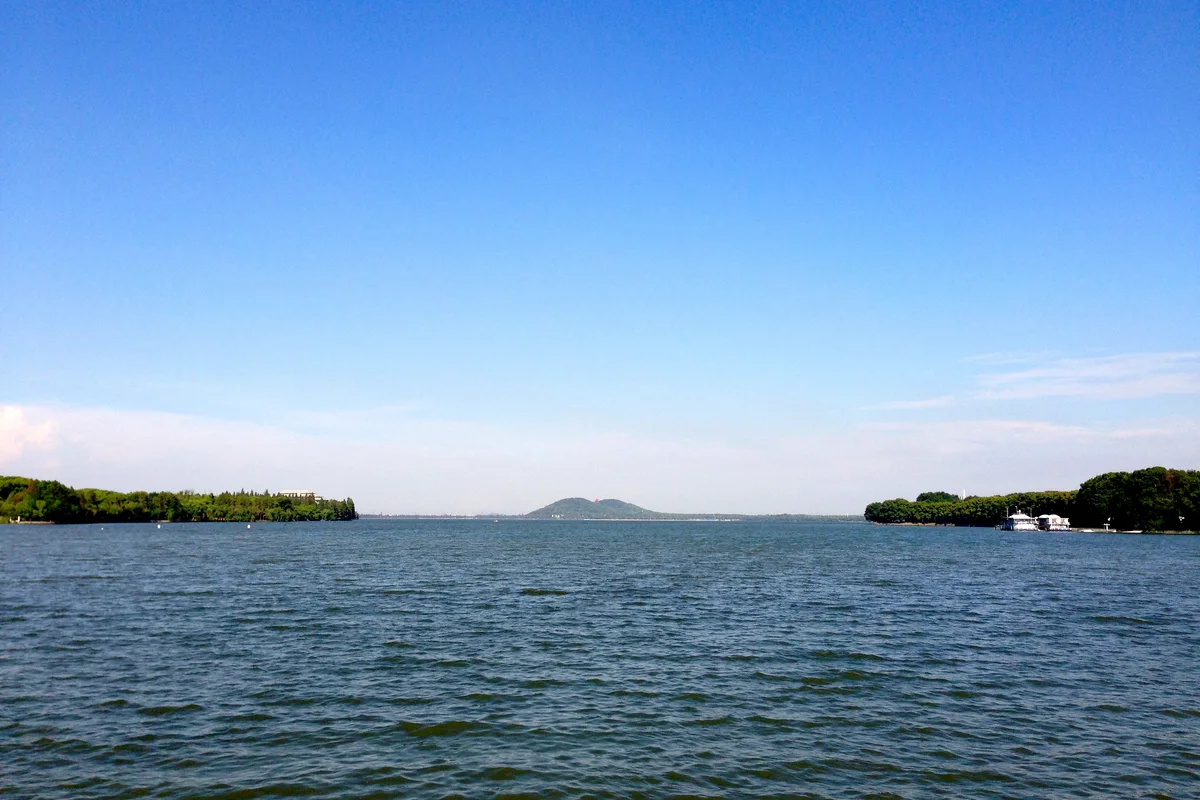
East Lake
East Lake has several visitor areas. Tingtao combines pavilions with lakeside walks, while Moshan and its connecting greenways suit a longer outdoor outing. Choose an area first: one entrance will not take you to every sight.
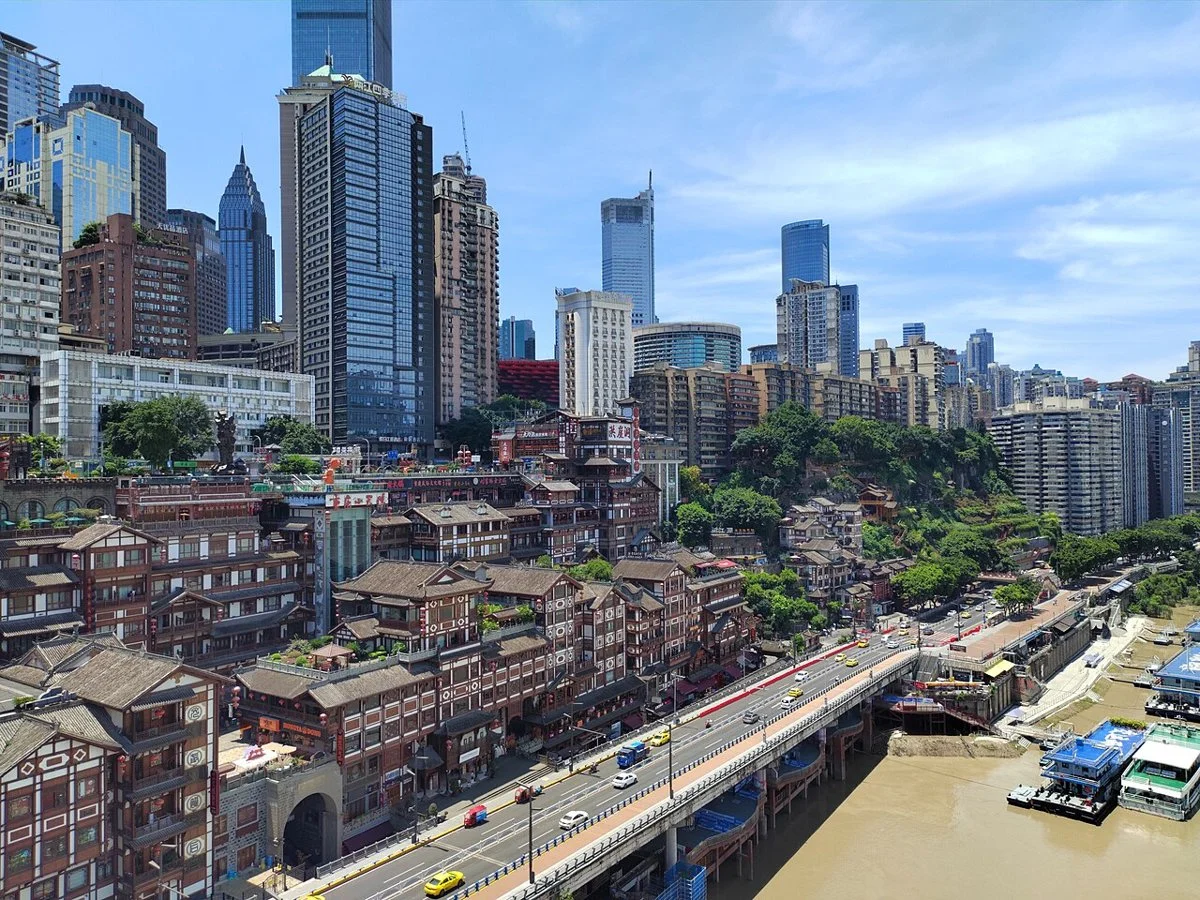
Hongya Cave
Layers of buildings modeled on traditional stilt houses link the hillside and riverbank. Daylight reveals the galleries and architectural details, while night lighting brings out the riverside silhouette.
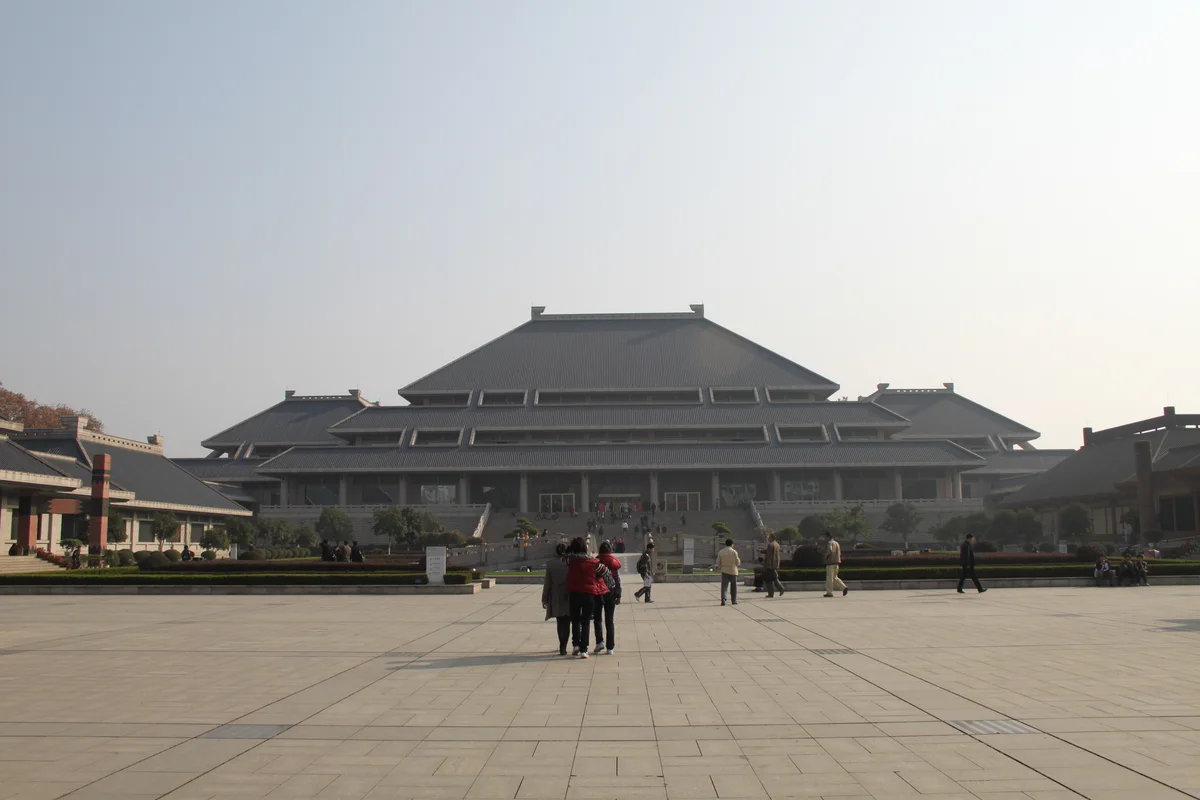
Hubei Provincial Museum
Start with the chime bells of Marquis Yi of Zeng and the Sword of Goujian. Look at the bells’ arrangement and individual details, then the sword’s decoration, with time left for other galleries.
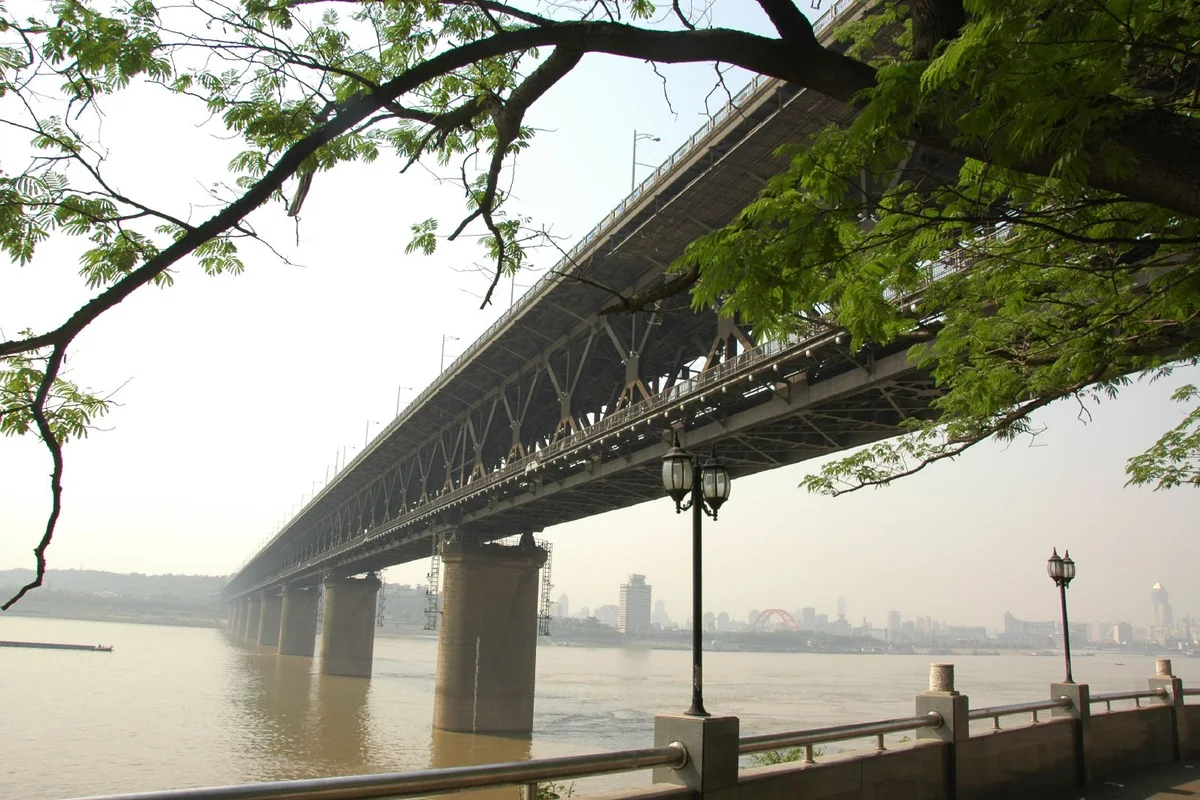
Wuhan Yangtze River Bridge
Opened in 1957, this road-and-rail bridge connects Wuchang and Hanyang. The riverbank offers views of steel beams, piers, and trains; the deck reveals the two banks. Choose between the experiences according to your energy.
Temple of Heaven
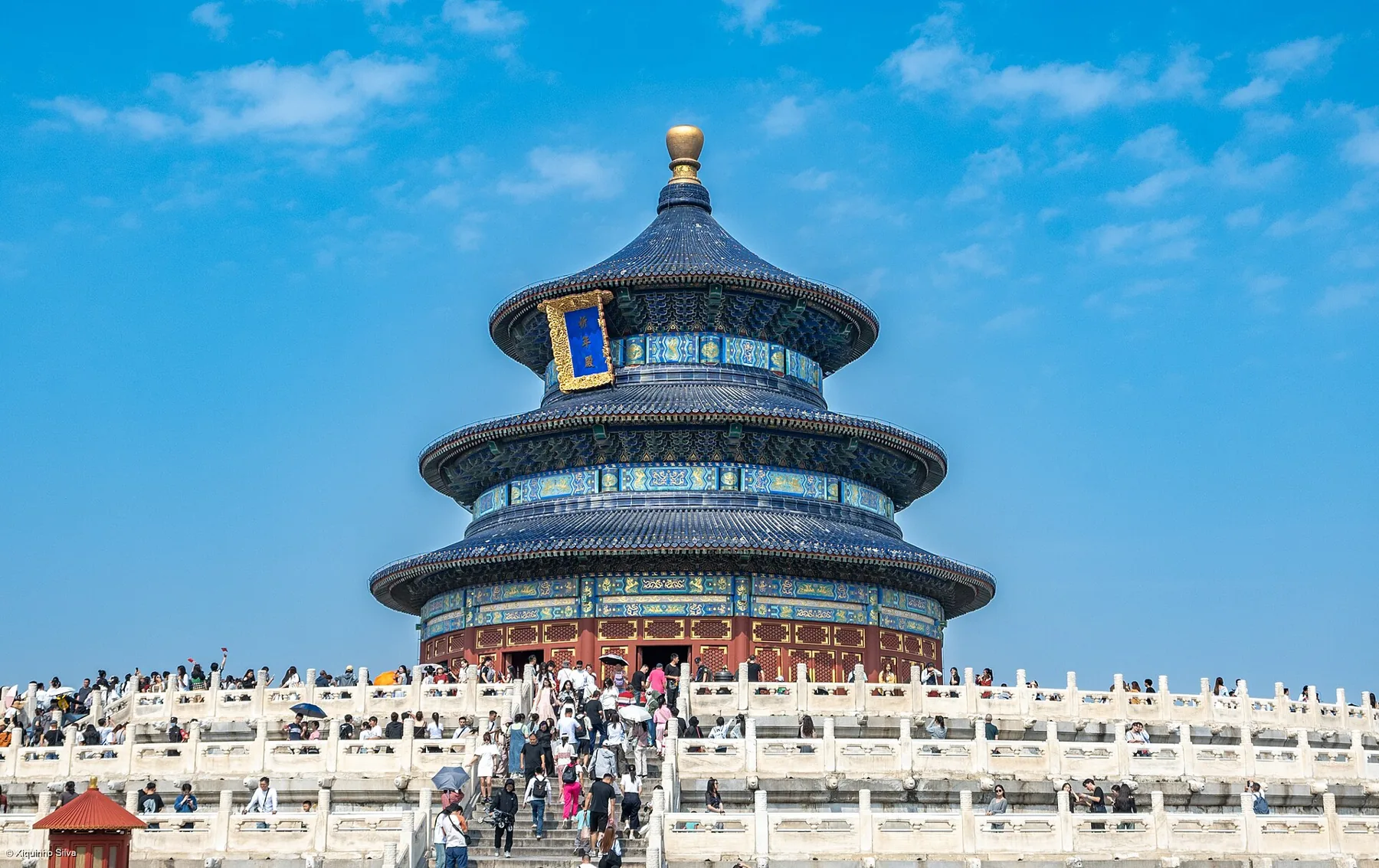
The Hall of Prayer for Good Harvests, Circular Mound Altar and Imperial Vault of Heaven reveal Ming and Qing rituals honoring Heaven. Blue-tiled circular halls, an open-air stone altar and old trees offer different things to see. The park and its main historic sights also have different opening hours.
Chongqing China Three Gorges Museum
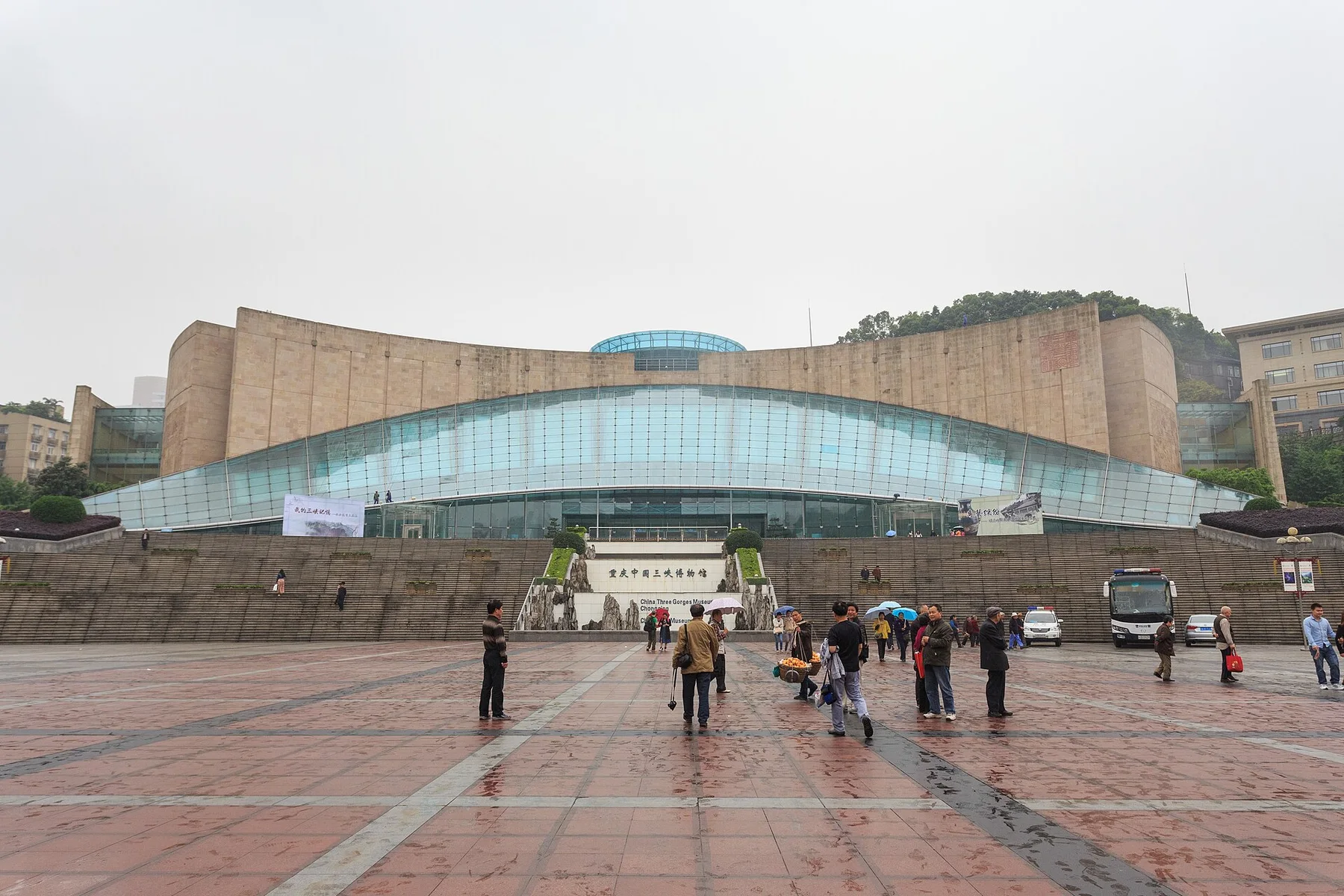
From the geography and artifacts of the Three Gorges to the history of the Ba and Yu region, Chongqing's opening as a treaty port and the war years, the main museum gives the hillside city a deeper context.
Dazu Rock Carvings
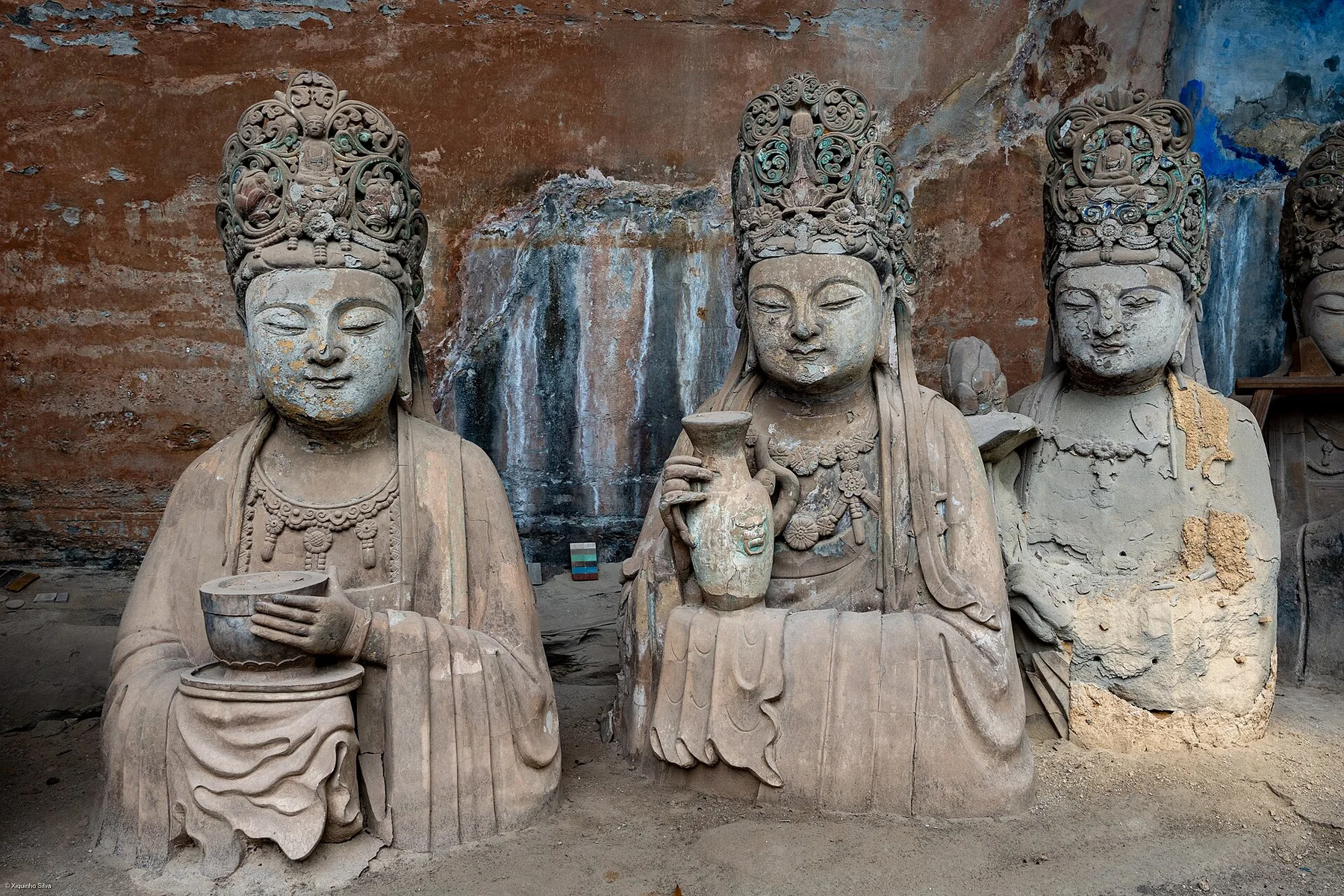
Religious figures and secular stories share the cliffs. Large sculptural groups at Baodingshan and detailed niches at Beishan offer different ways to explore the carvings.
Wuhou Shrine
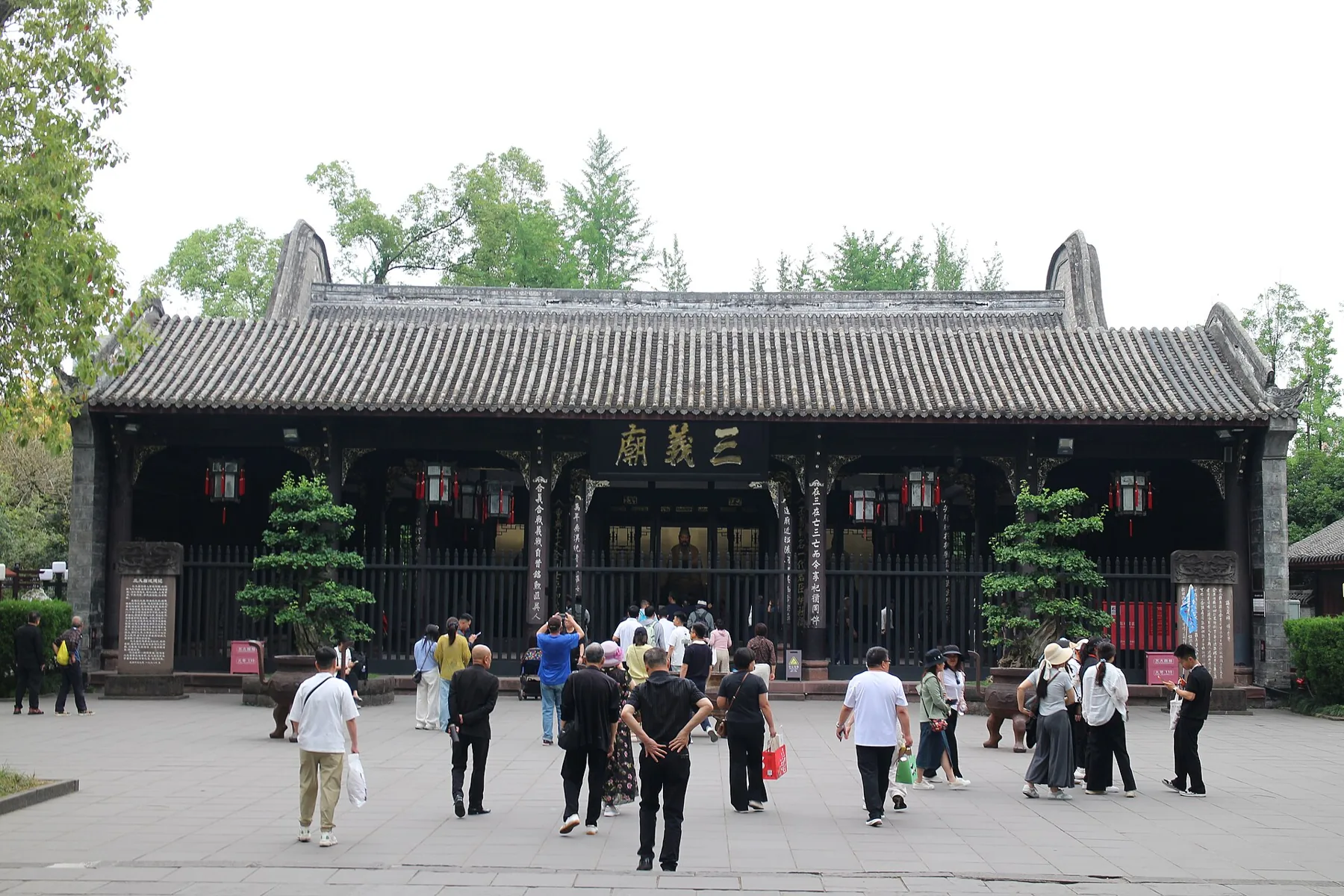
Read Chengdu's commemoration of Shu Han figures through the relationship between the halls of Liu Bei and Zhuge Liang, then follow the red walls and gardens through the shrine. The site reflects centuries of commemoration; it is not an intact complex of Three Kingdoms-era buildings.
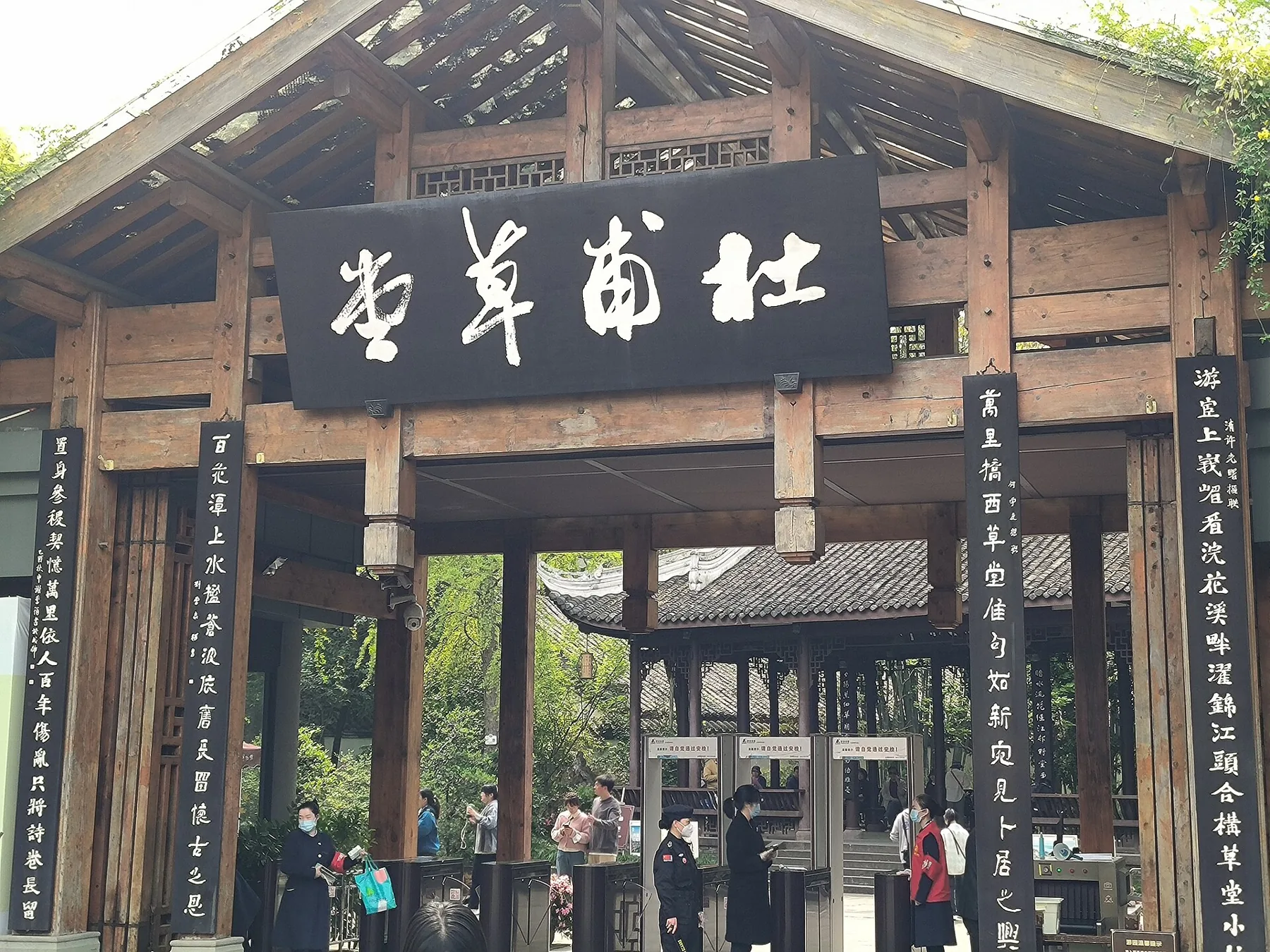
Du Fu Thatched Cottage
This memorial garden near Huanhua Creek introduces the years Du Fu lived in Chengdu. The thatched hut, Hall of Poetic History, Gongbu Shrine and bamboo-filled courtyards show both an imagined setting for the poet's life and the ways later generations have continued to commemorate him.
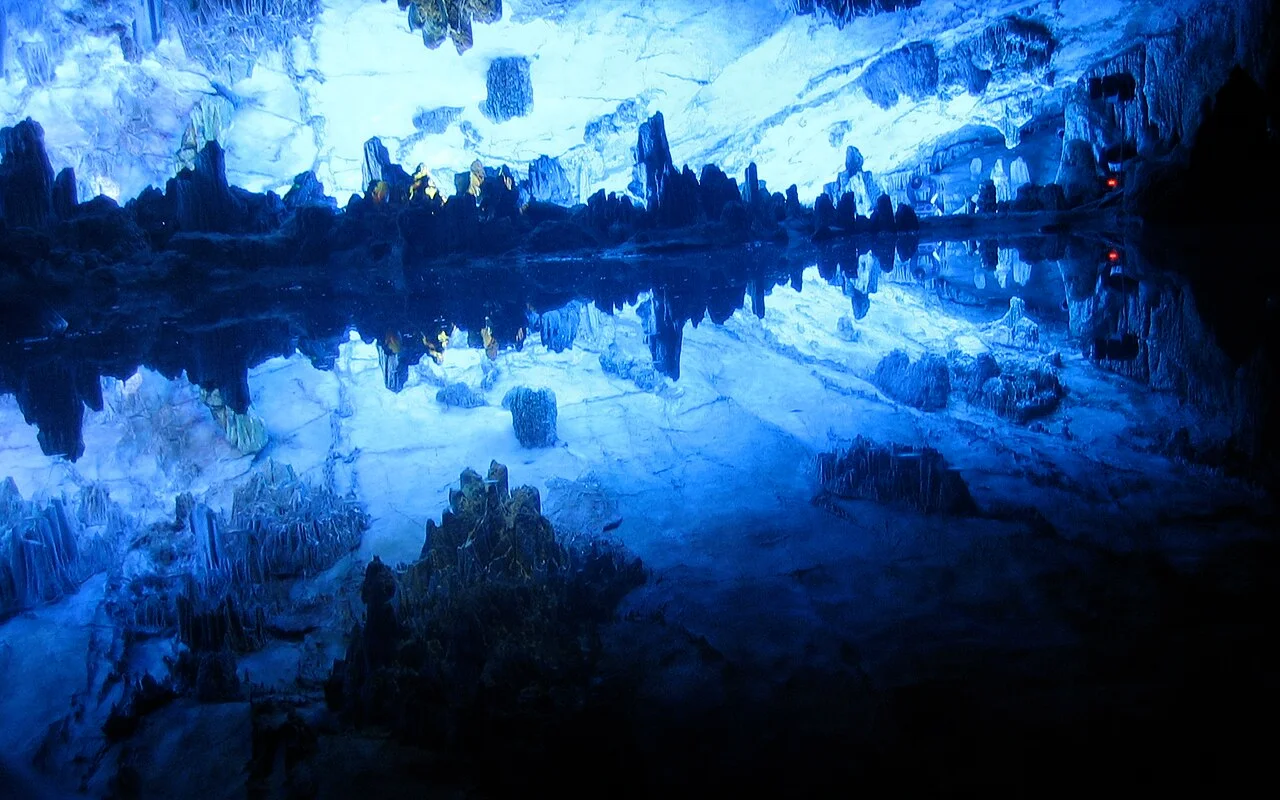
Reed Flute Cave
Reed Flute Cave is a show cave in Guilin with stalactites, stalagmites, columns and draperies. Artificial lighting and reflections reveal the limestone formations inside the hill.
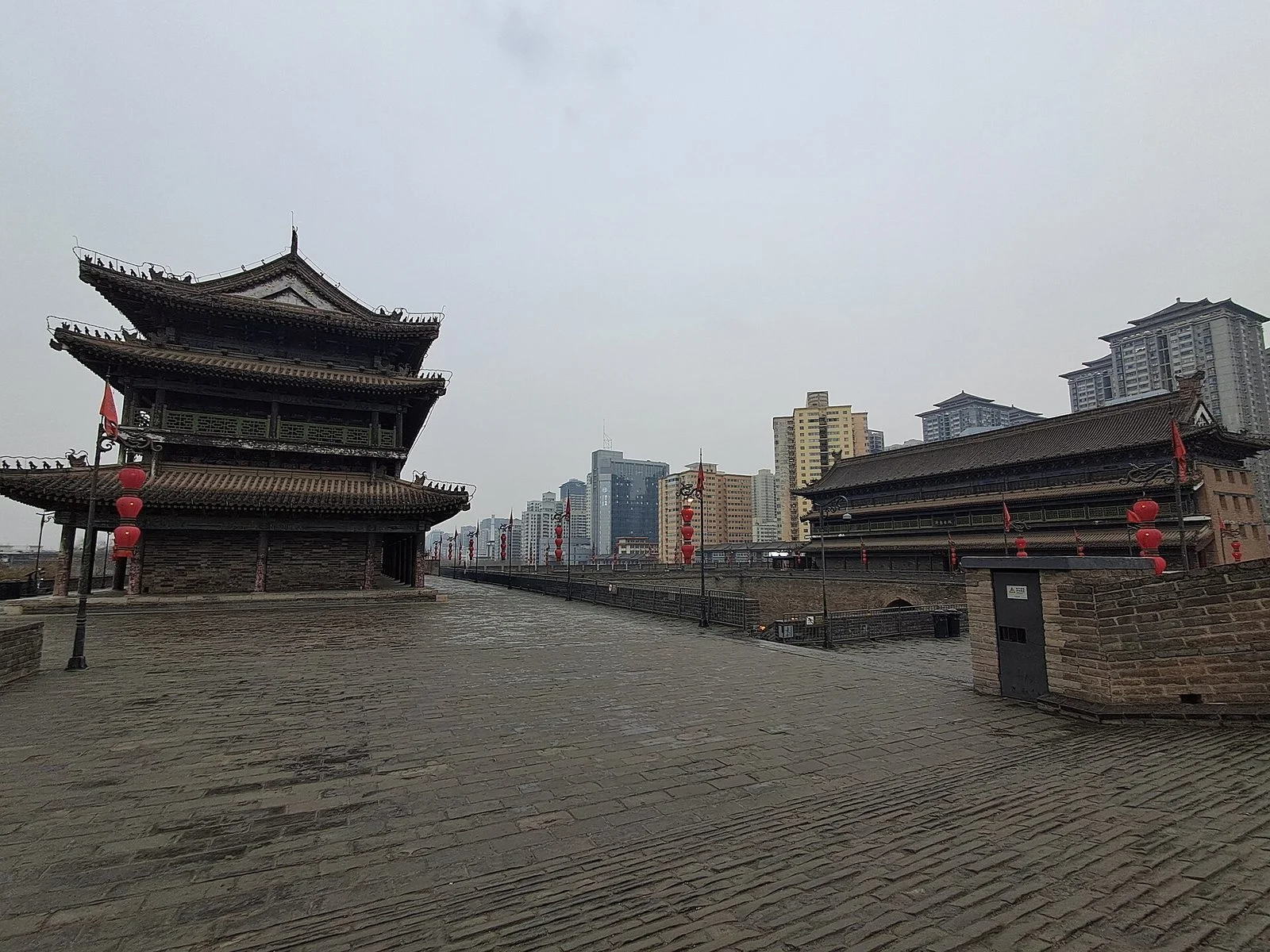
Xi'an City Wall
The Ming city wall of Xi'an prefecture, about 13.74 kilometers around, with gates such as Yongning and Hanguang and a complete system of bastions and watchtowers. You can walk or cycle on top, while the moat and ring park form a continuous circuit outside: the most direct way to read the city's layout.
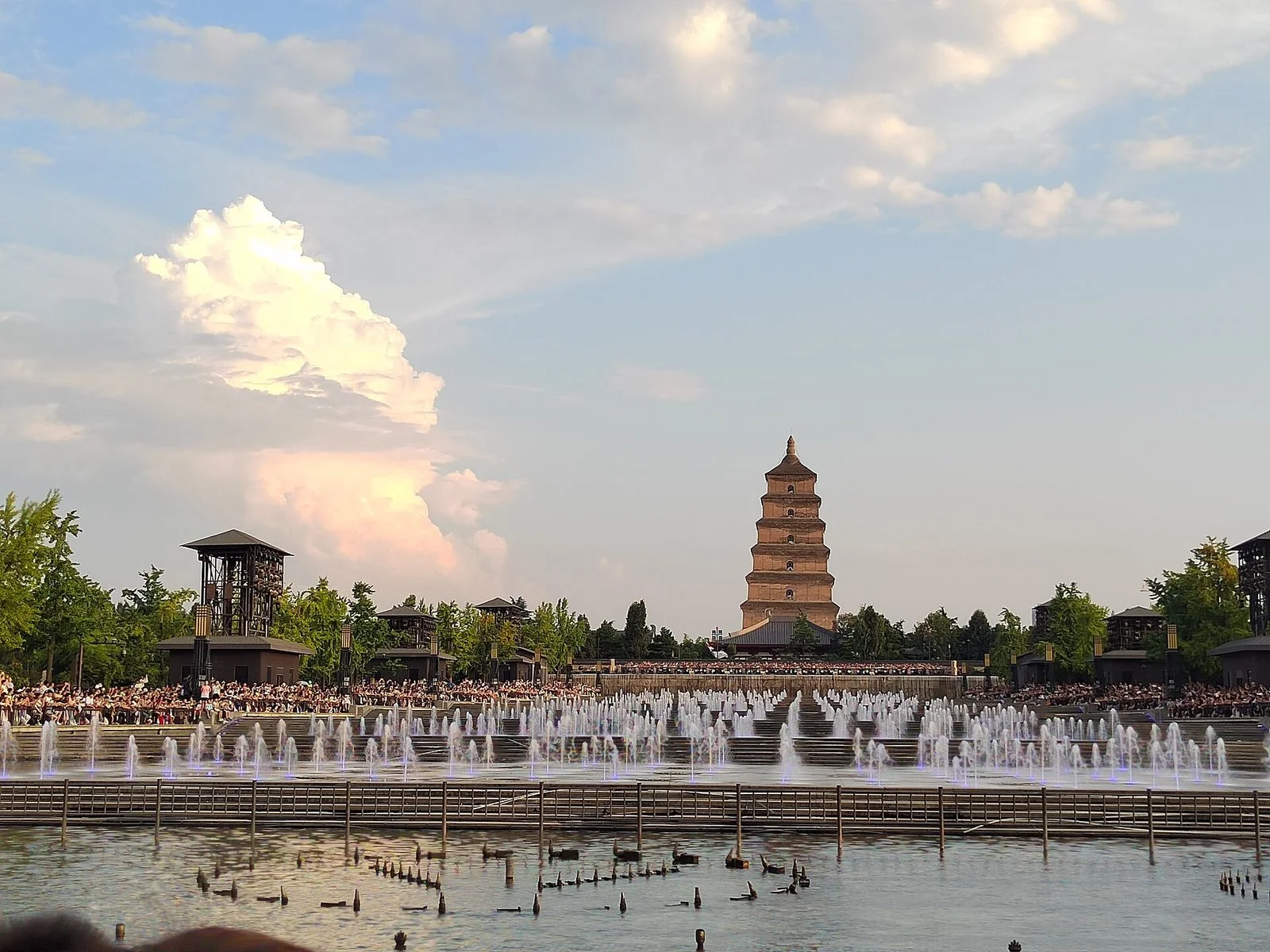
Giant Wild Goose Pagoda
A seven-story Tang brick pagoda of the pavilion type inside Da Ci'en Temple, built by Xuanzang to hold the scriptures and images he brought back. You can climb it for a view, and the temple steles and the north and south squares each have their own points of interest; the musical fountain on the north square is a modern addition.
Shaanxi History Museum
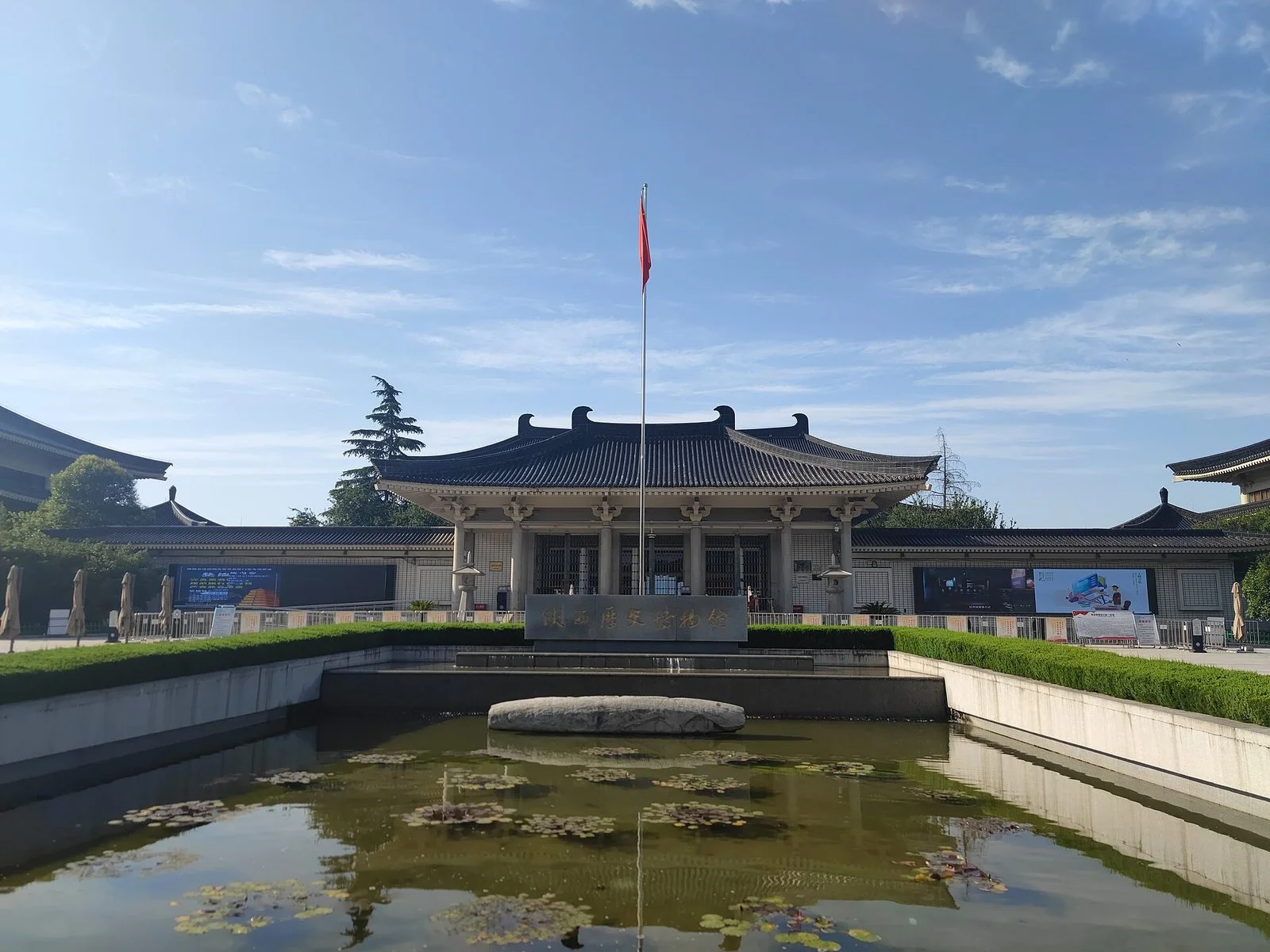
A national museum in Tang style that opened in 1991, with more than 1.7 million objects. Its permanent exhibition traces the Zhou, Qin, Han and Tang dynasties; the Hejiacun hoard and the Tang tomb murals are two highlights, and the mural gallery needs a separate ticket. Admission is free but requires a real-name booking, and the museum closes on Mondays.
Huaqing Palace
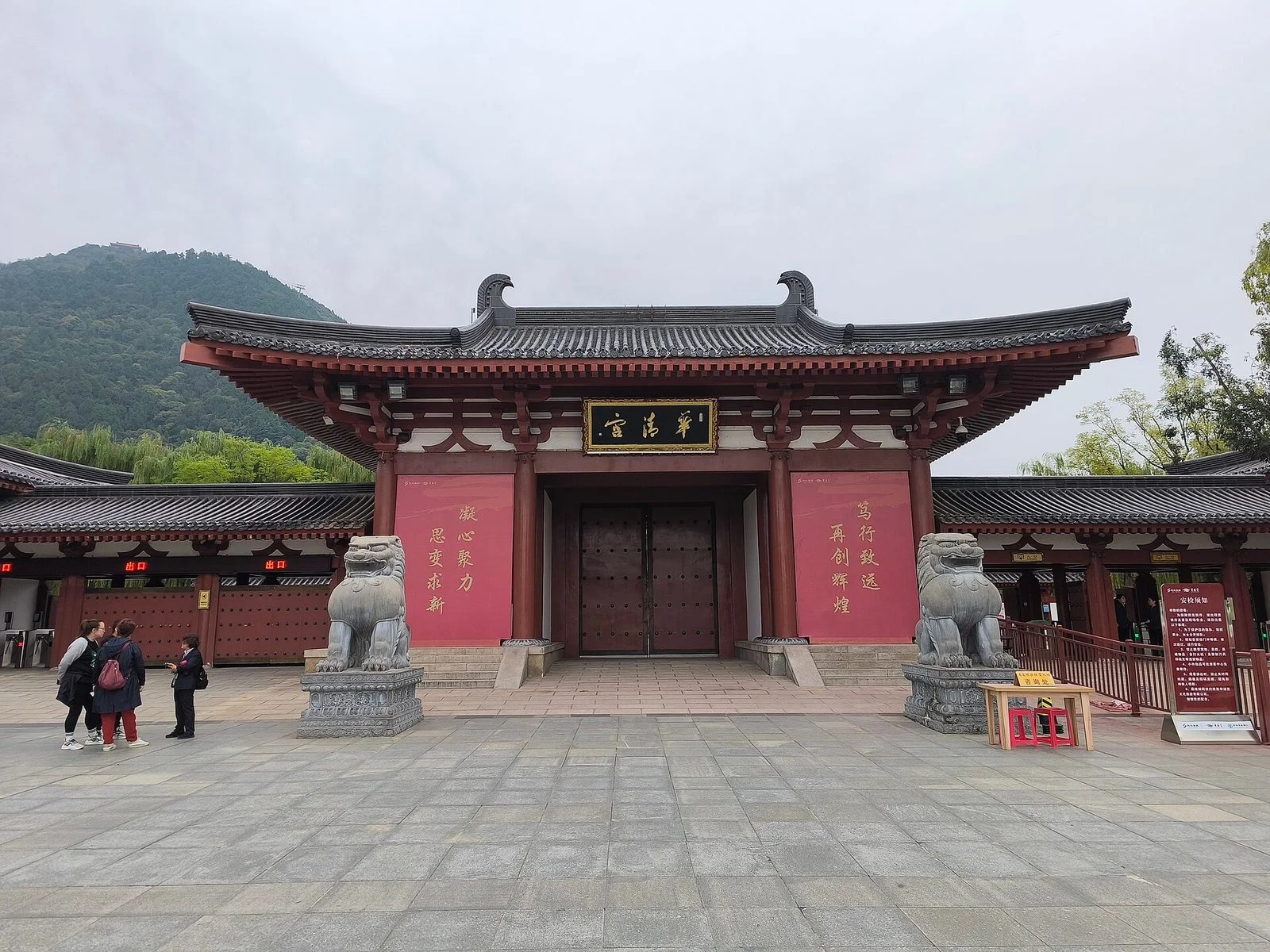
The site of the Tang Huaqing Palace on the northern slope of Mount Li. The Imperial Baths Site Museum preserves five groups of Tang pools, and the Five-Room Hall and the Bingjian Pavilion halfway up Mount Li are tied to the Xi'an Incident. It shares Lintong with the Terracotta Army but is a separate scenic area with its own ticket.
Yungang Grottoes
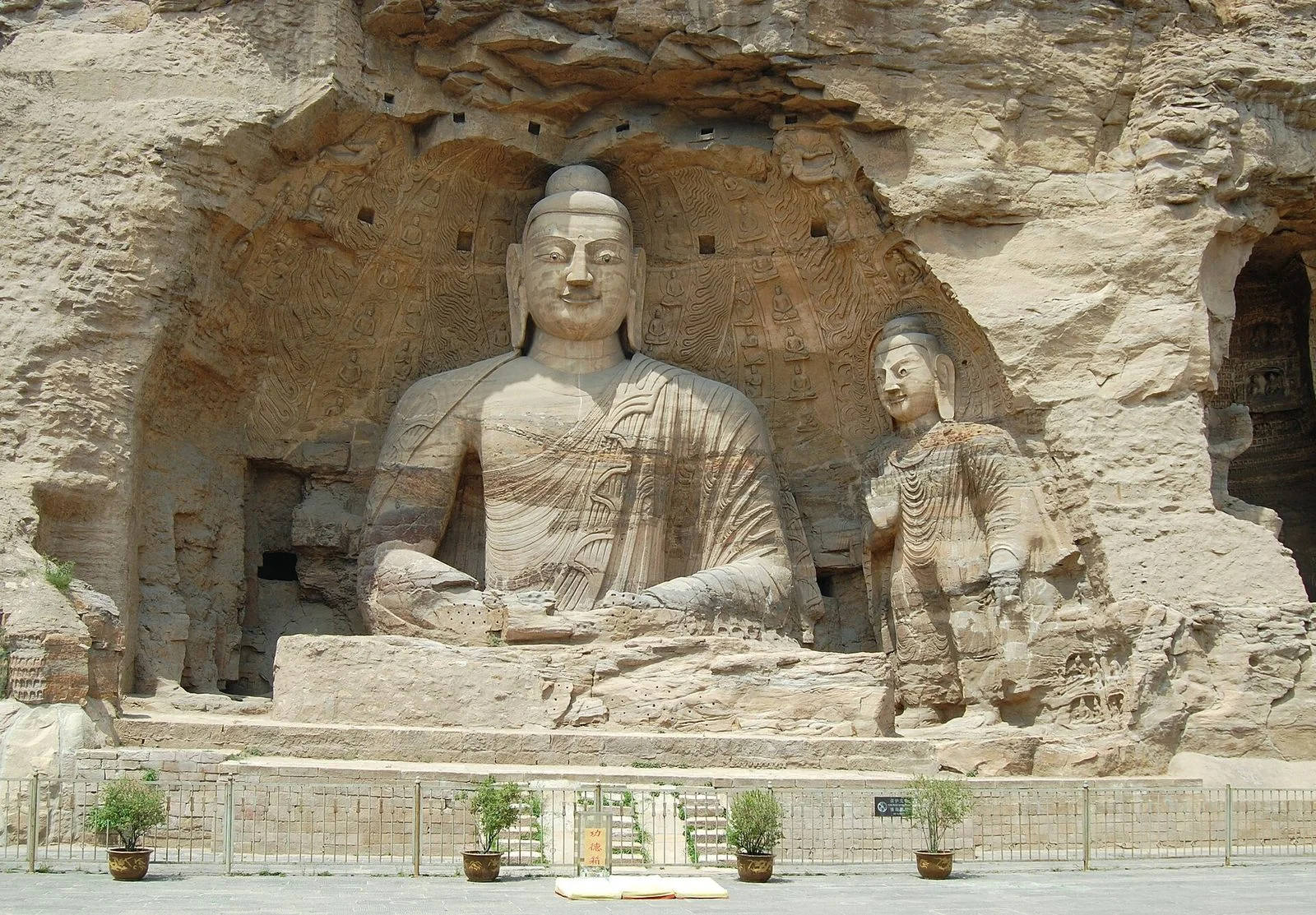
A Northern Wei imperial-sponsored grotto complex along the cliffs of Wuzhou Mountain, where enormous open-air Buddhas, dense small niches and motifs from different traditions reveal changes in Buddhist art during the fifth and sixth centuries.
Huayan Temple
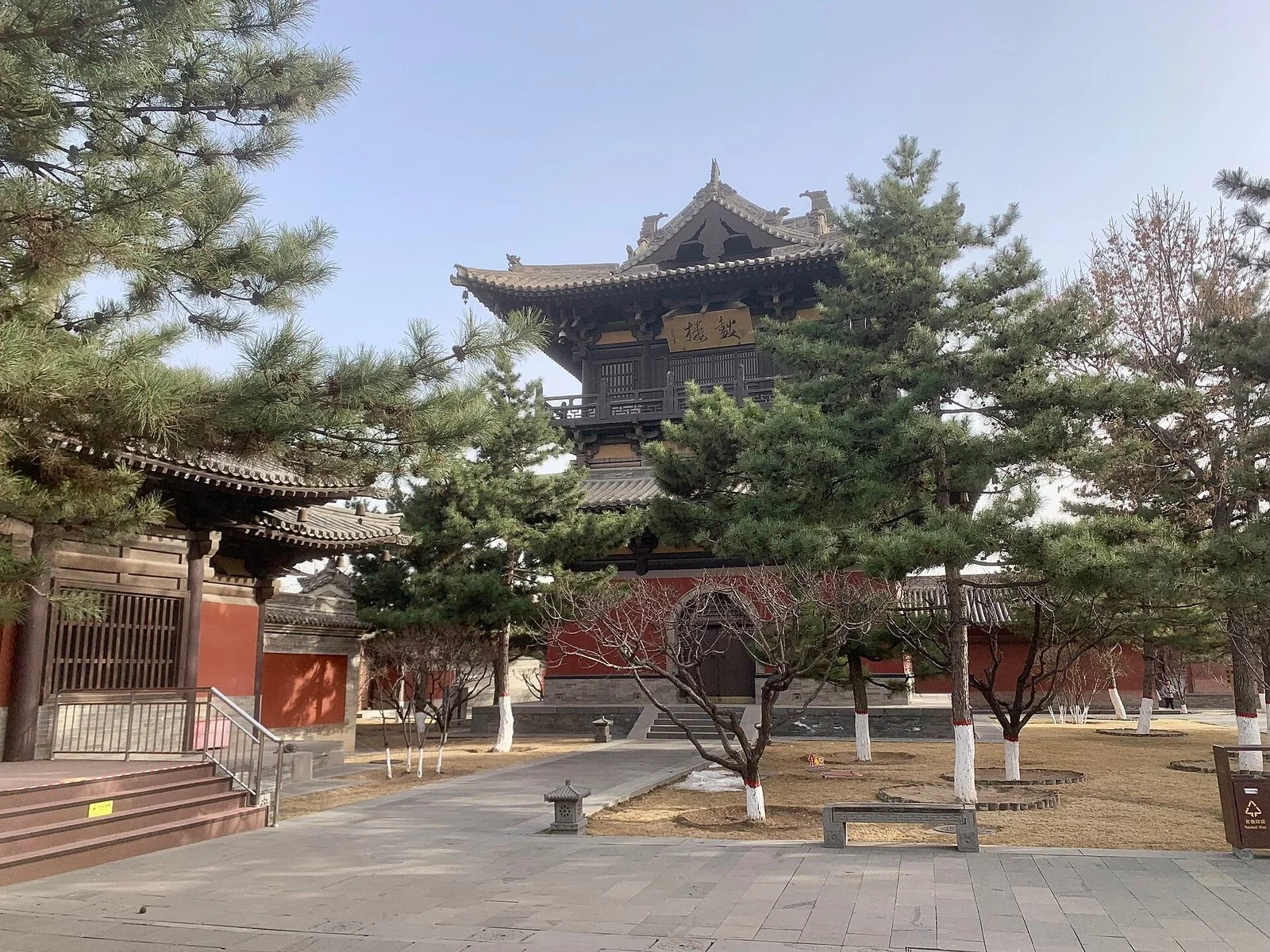
A temple in Datong's old city noted for Liao and Jin timber buildings, sculpture and wooden scripture cabinets. The spacious Mahavira Hall and the detailed figures in the Bojia Scripture Hall offer different points of focus.
Hanging Temple
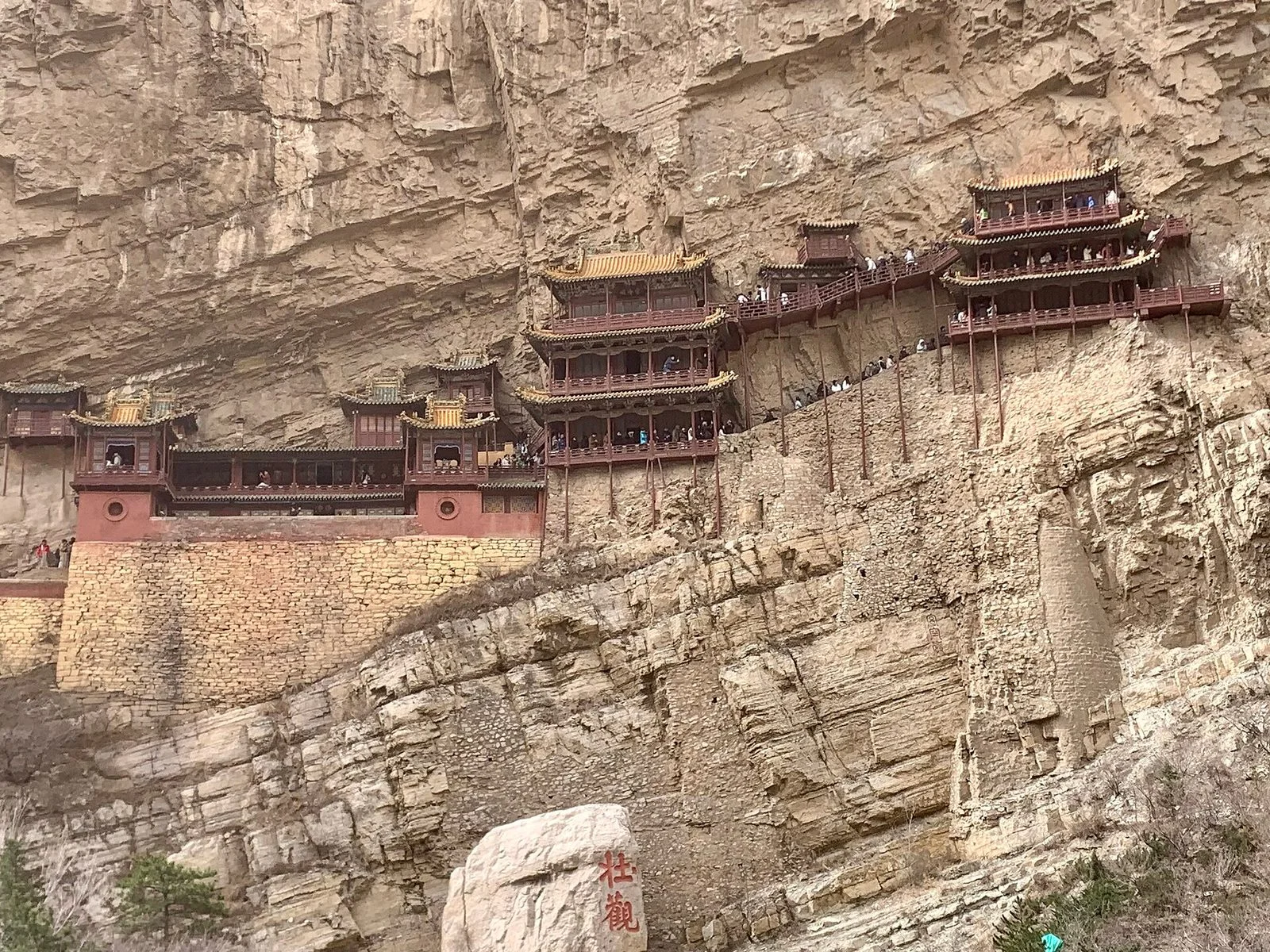
A temple on the cliffs of Cuiping Peak in Hunyuan, known for connected cliffside pavilions and walkways and for Buddhist, Daoist and Confucian figures. Viewing it from the ground and entering its raised buildings are different experiences.
Shanghai Museum East
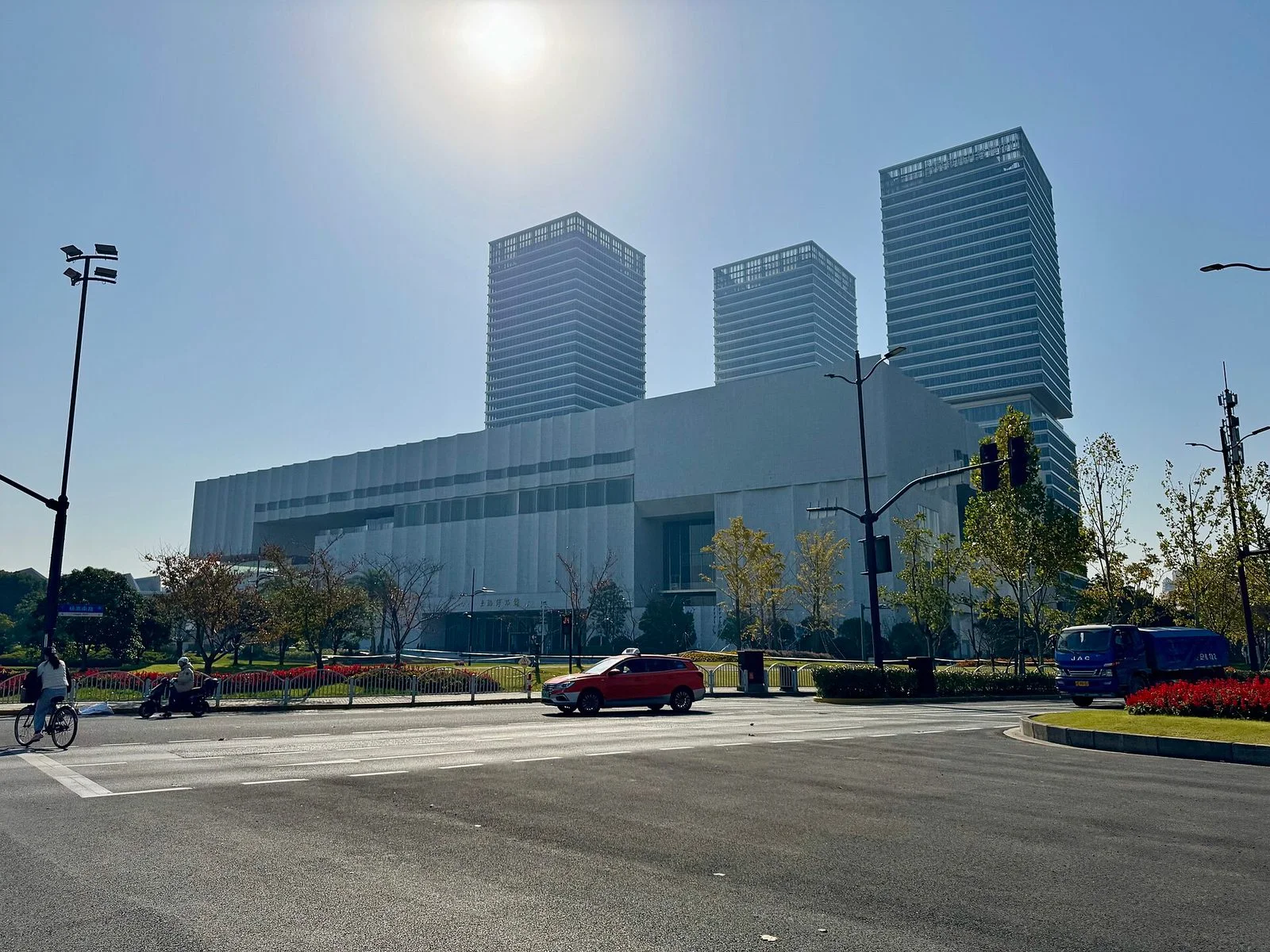
Shanghai Museum's Pudong venue explores ancient Chinese art through subjects such as bronze and ceramics. Its address, closing day and exhibition program are separate from those of the People's Square branch.
Zhanqiao Pier
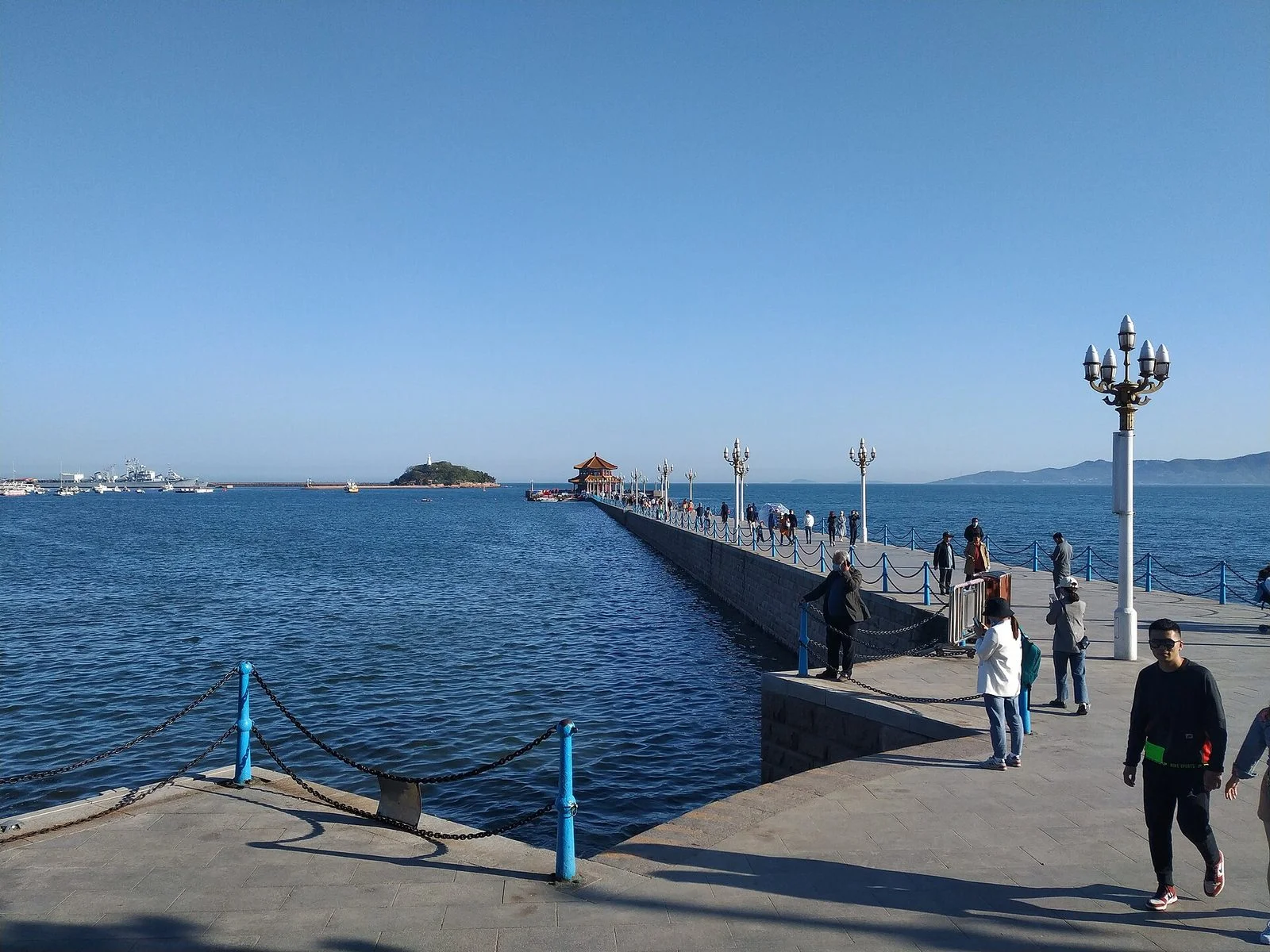
A century-old pier reaching into the sea from Qingdao Bay, ending at Huilan Pavilion and facing Little Qingdao across the water. The deck is narrow, and the two ends are the most congested; walking from the bridgehead to the tip is a good way to see the bay, the lighthouse, and the old city together.
Badaguan
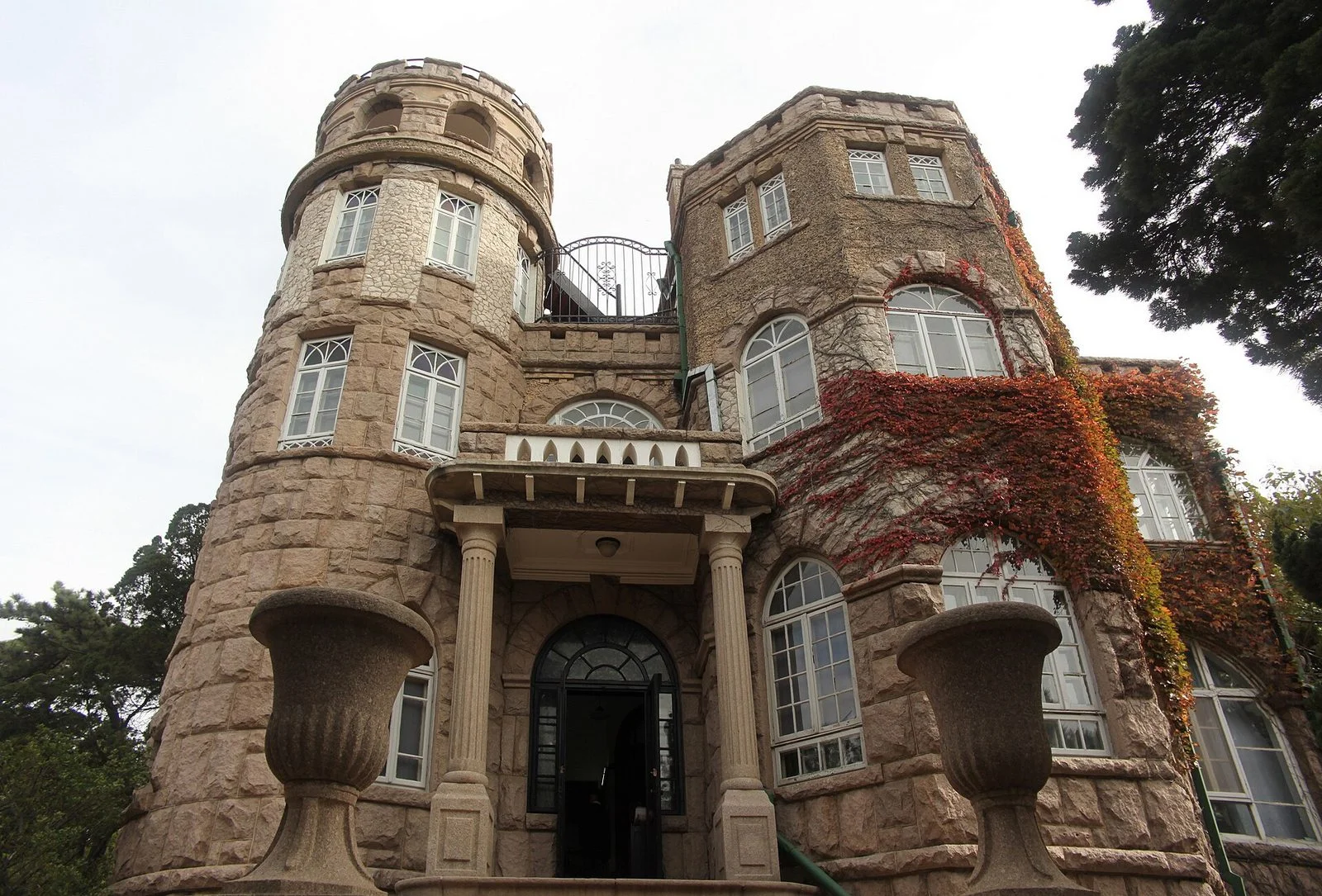
An old villa district between Taiping Cape and Huiquan Cape, on the southern slope of Taiping Hill. Ten roads named for mountain passes cross beneath the trees; Huashilou (Huashi Tower) and Gongzhulou (Princess House) are among the few buildings open to visitors, while most are quiet facades behind courtyard walls.
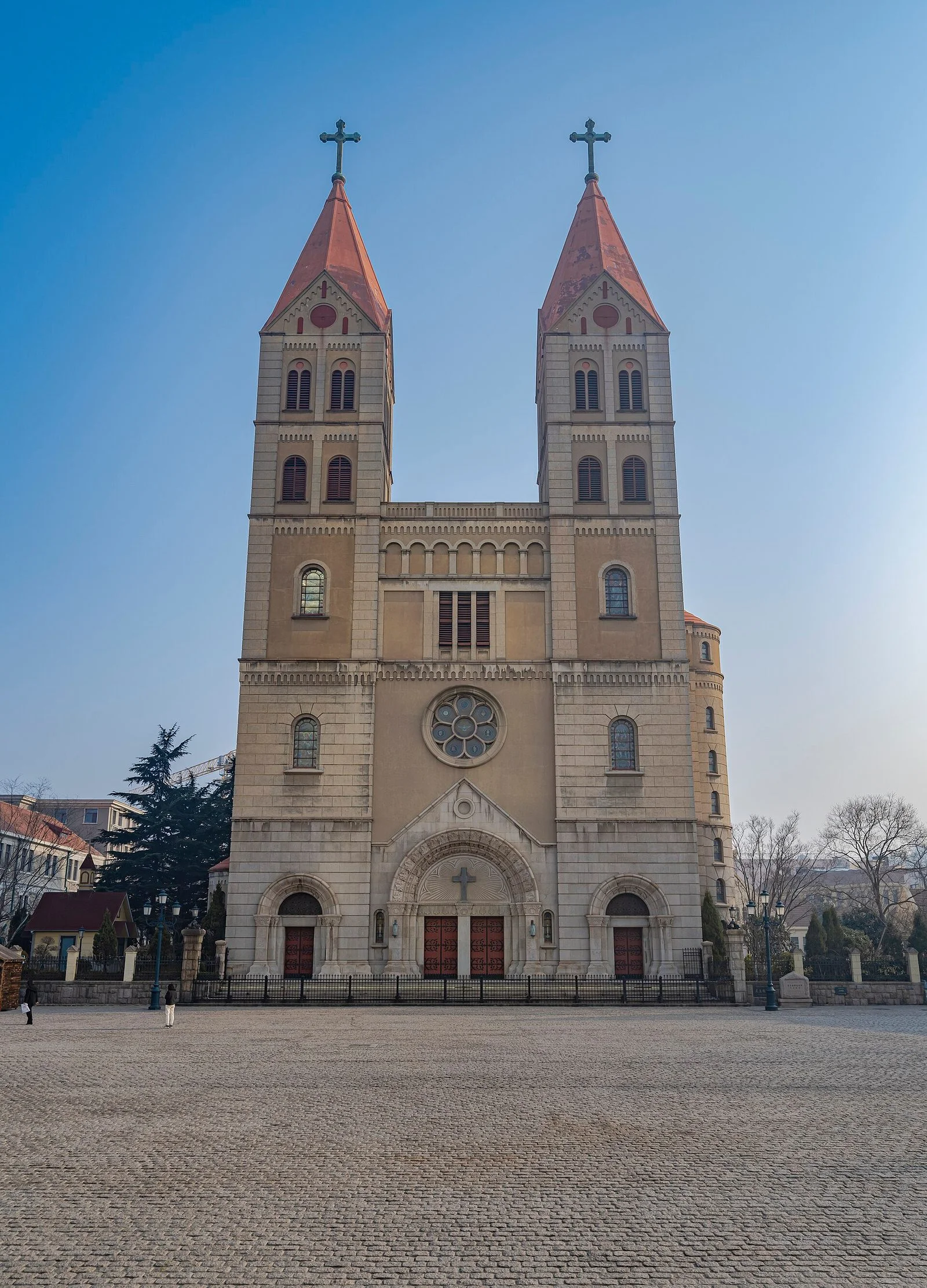
St. Michael's Cathedral
A twin-towered church on high ground at the northern end of Zhejiang Road, completed in 1934, its towers about 56 meters high. A granite base, rose window, and red spires define the old city skyline, and the small square in front is a good place to see the towers and the sloping streets of the old town.
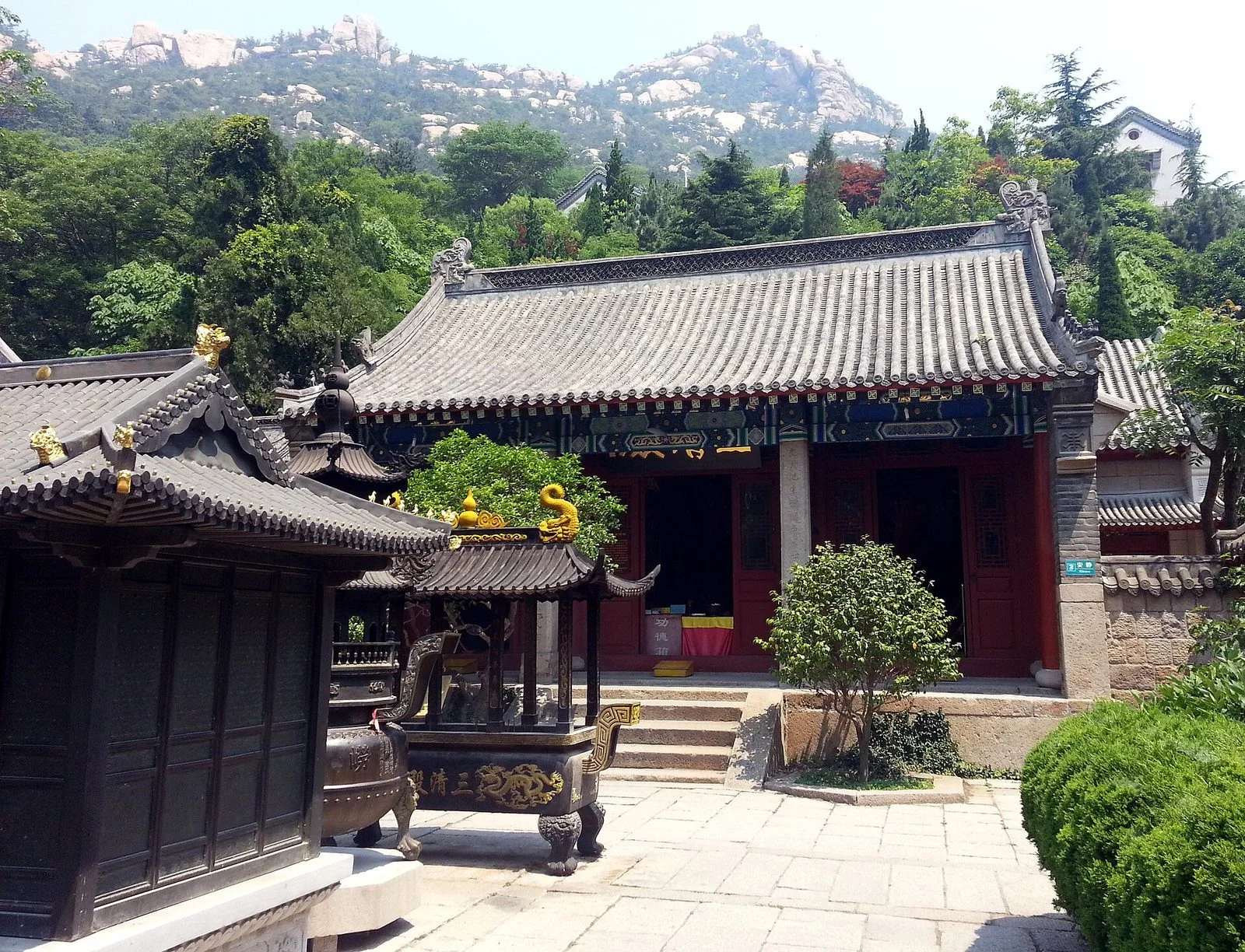
Laoshan
A mountain-and-sea scenic area in eastern Qingdao. Jufeng, Taiqing, Yangkou, Jiushui, and other visitor areas each have their own entrance and sights, with Taoist temples, ancient trees, and cliff inscriptions scattered between mountain and sea. Choose a visitor area first, then check tickets, reservations, and cableway status.
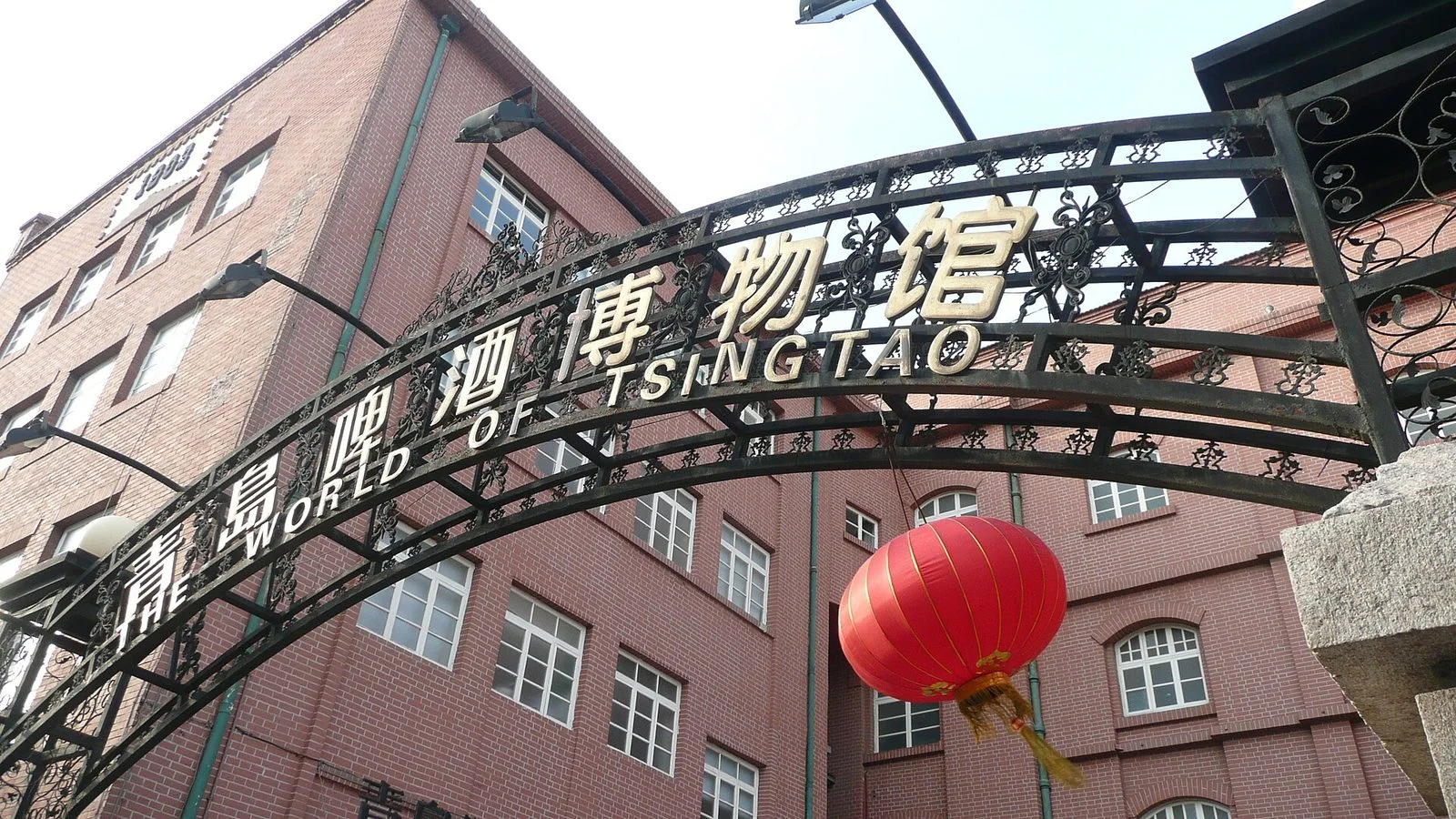
Tsingtao Beer Museum
The German-style red-brick brewery building from 1903 at 56 Dengzhou Road. Hall A tells the history of Tsingtao Beer from the brewery's founding in 1903 through exports, while Hall B shows the brewing process, old equipment, and a production line; the standard ticket includes two small beer samples, and a full visit takes about two hours.
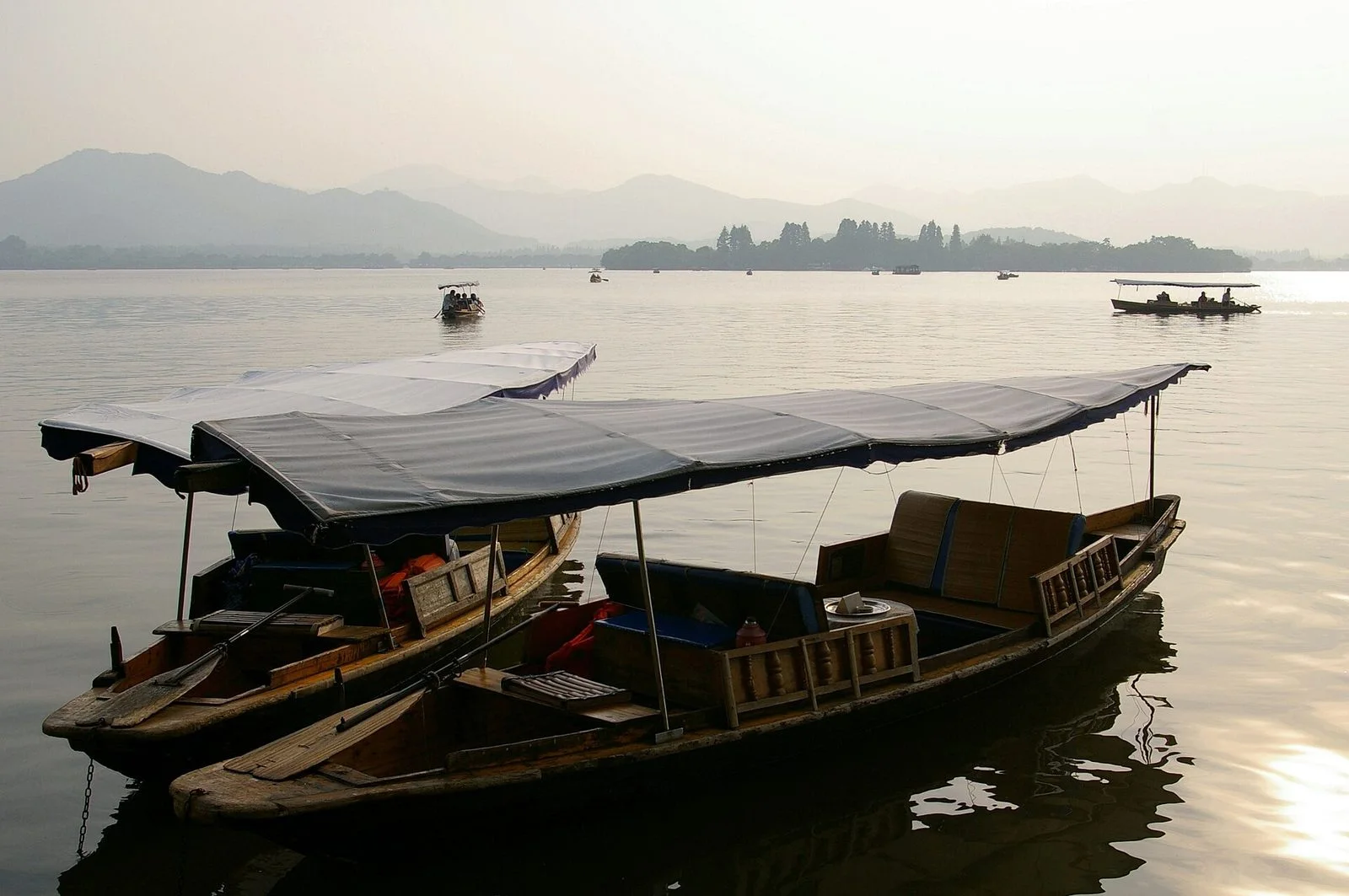
West Lake
Su and Bai causeways divide the water into distinct areas, with hills to the north, west and south facing the city on the eastern shore. Walking a causeway and looking across the water at pagodas and islands can help you understand this thousand-year-old cultural landscape more readily than checking off all “Ten Scenes.”
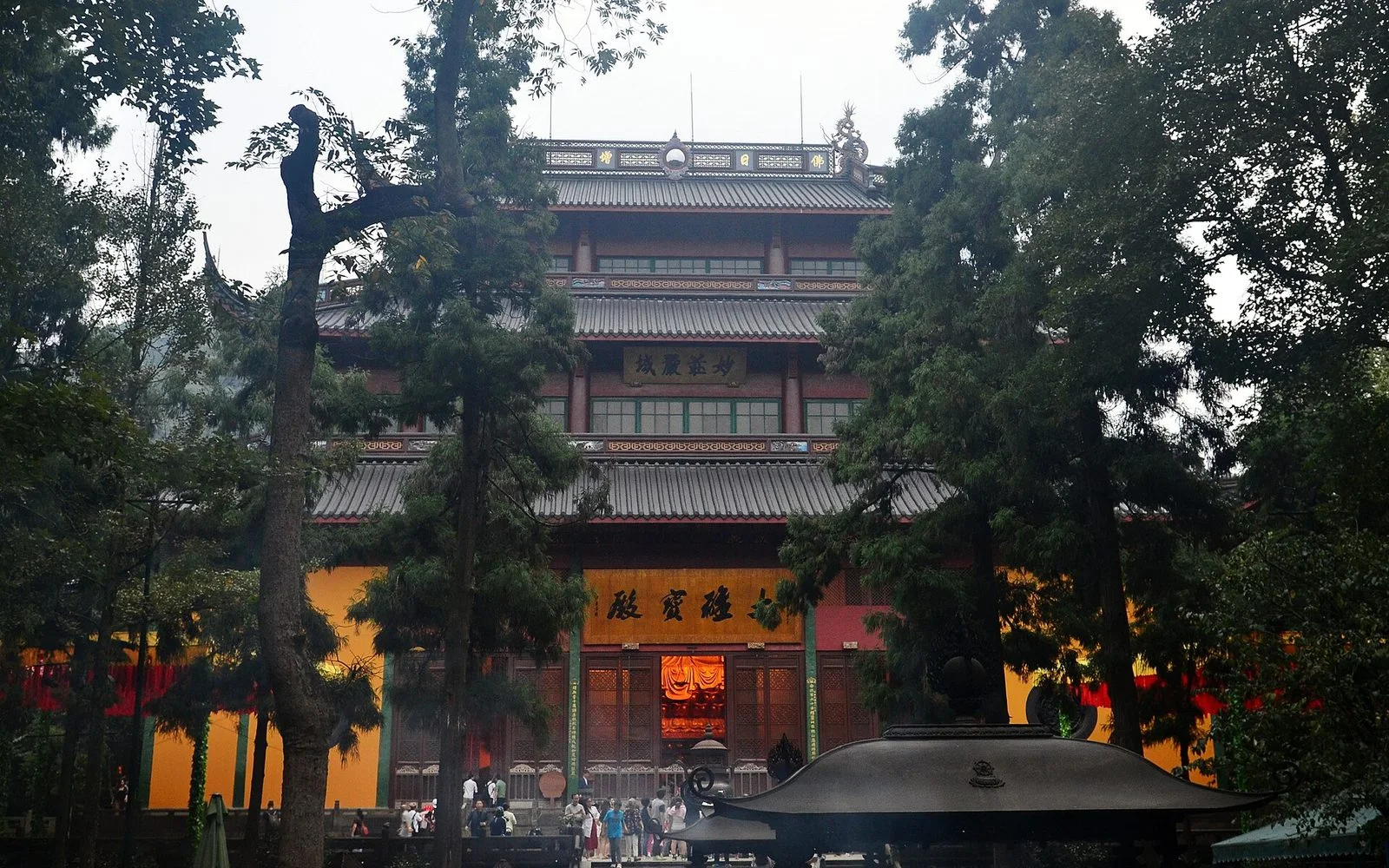
Lingyin Temple
A Buddhist temple in a valley west of West Lake, with a central axis extending back from the Hall of Heavenly Kings. Look closely at the camphorwood Buddha in the Mahavira Hall and the stone pagodas in the grounds. Admission to the Lingyin–Feilai Peak scenic area has been free since December 2025, but real-name reservations for timed entry still apply.
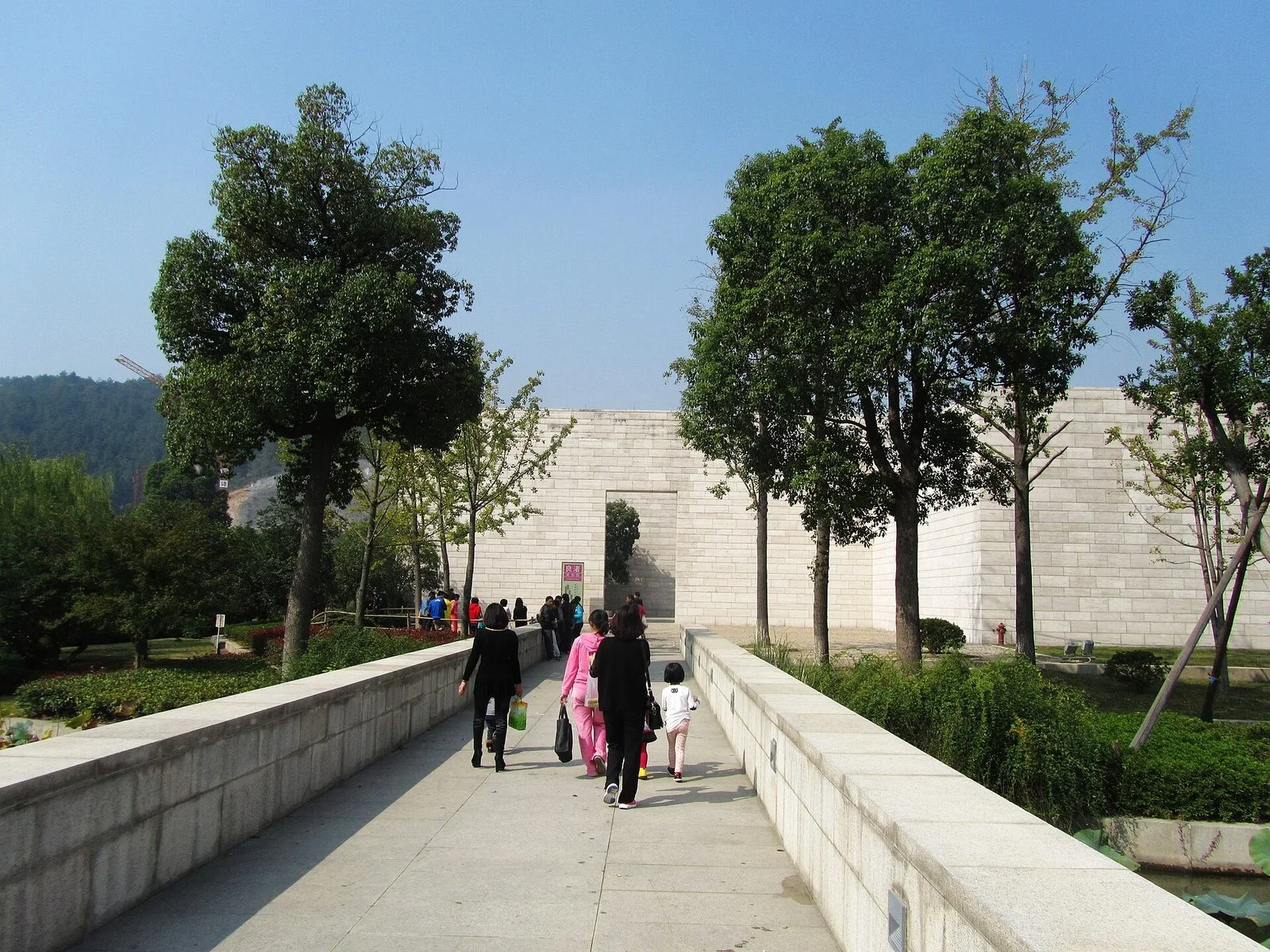
Liangzhu Museum
An archaeological site museum in Meilizhou Park, Yuhang, with three galleries explaining Liangzhu culture from about 5,300–4,300 years ago. Jade, stone and pottery objects introduce an early society, while the low stone walls, courtyards and water also deserve time.
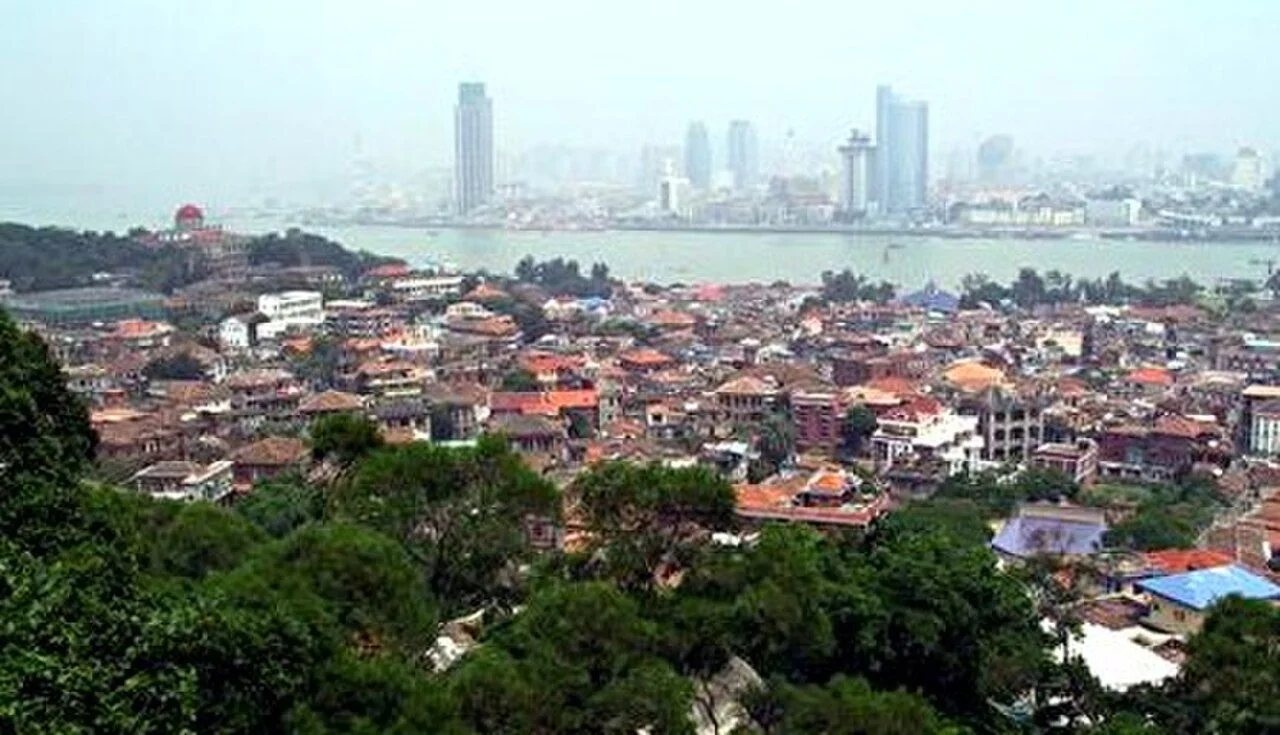
Gulangyu
A small island across the Lujiang waterway from Xiamen's old city, preserving the streets, gardens and varied architecture of a historic international community. Explore slowly on foot, look at residential facades, then head to the coast for views of Xiamen Island.
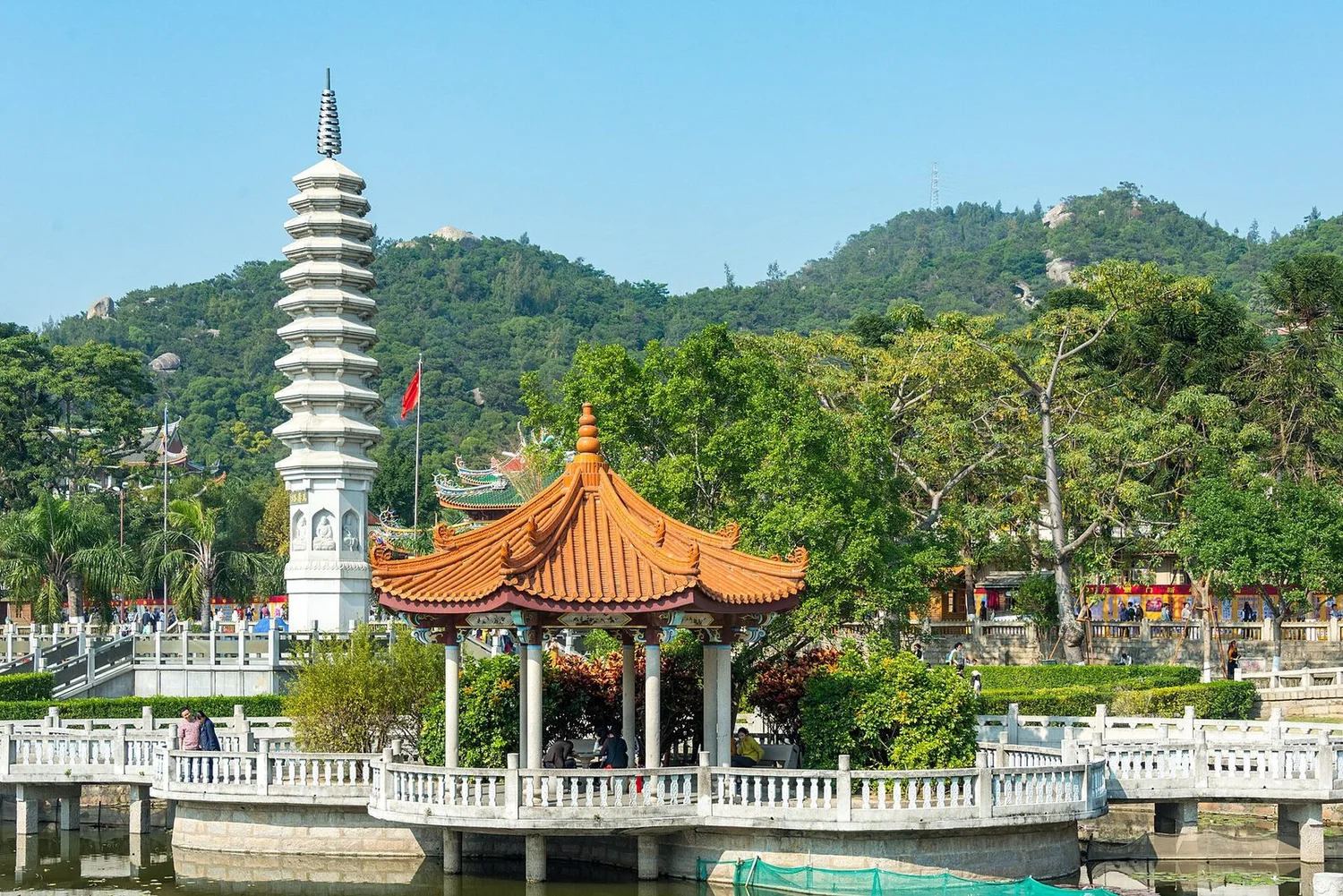
Nanputuo Temple
A Buddhist temple below Wulao Peak, beside Xiamen University. Halls and courtyards meet the hillside, offering a setting for looking at southern Fujian temple architecture while leaving space for ongoing religious activity.
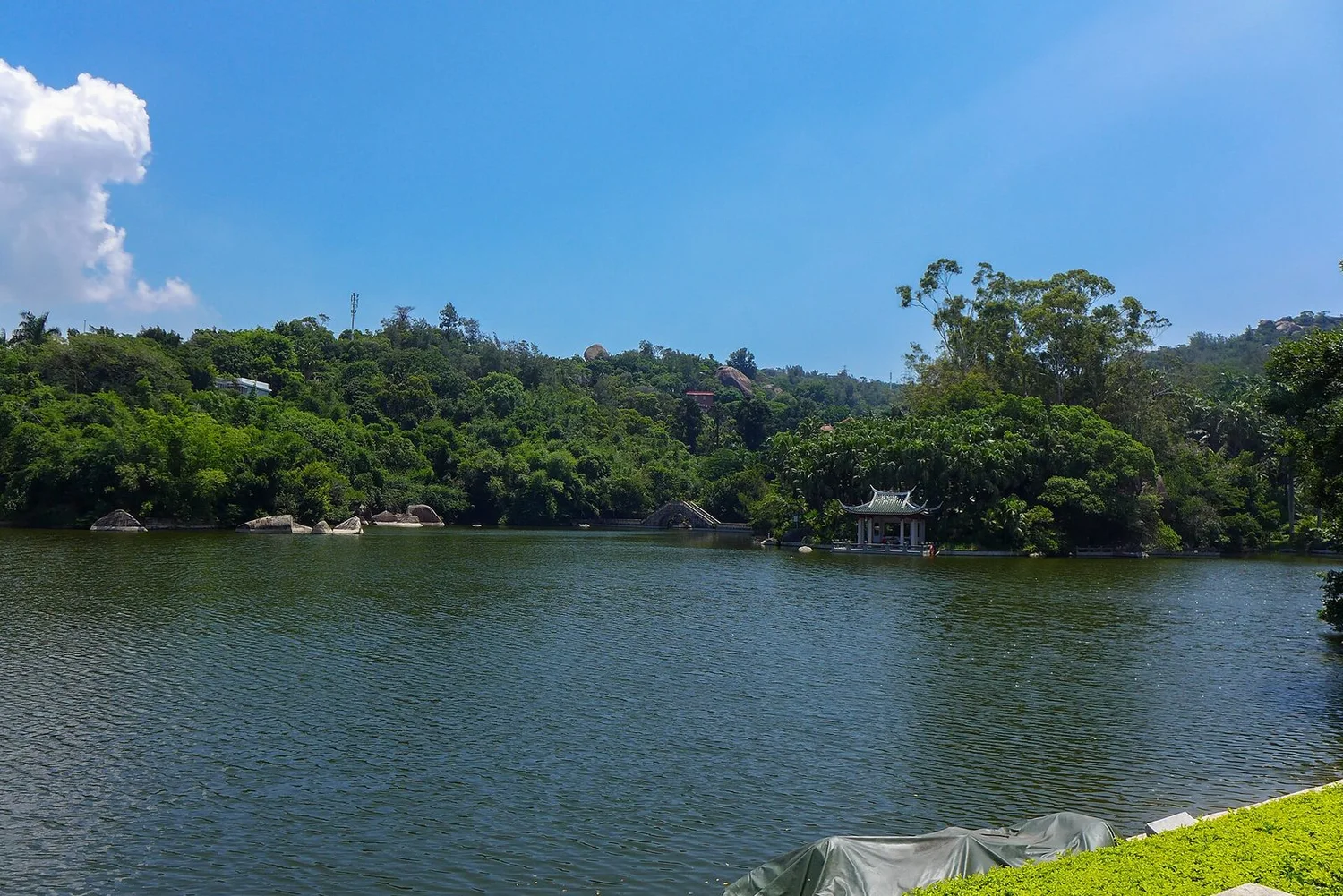
Xiamen Botanical Garden
Also called Wanshi Botanical Garden, its specialist gardens follow Wanshi Mountain's slopes, water and granite scenery. Rainforest plants, cacti and lakeshore views offer different experiences, so choose areas that match your interests.
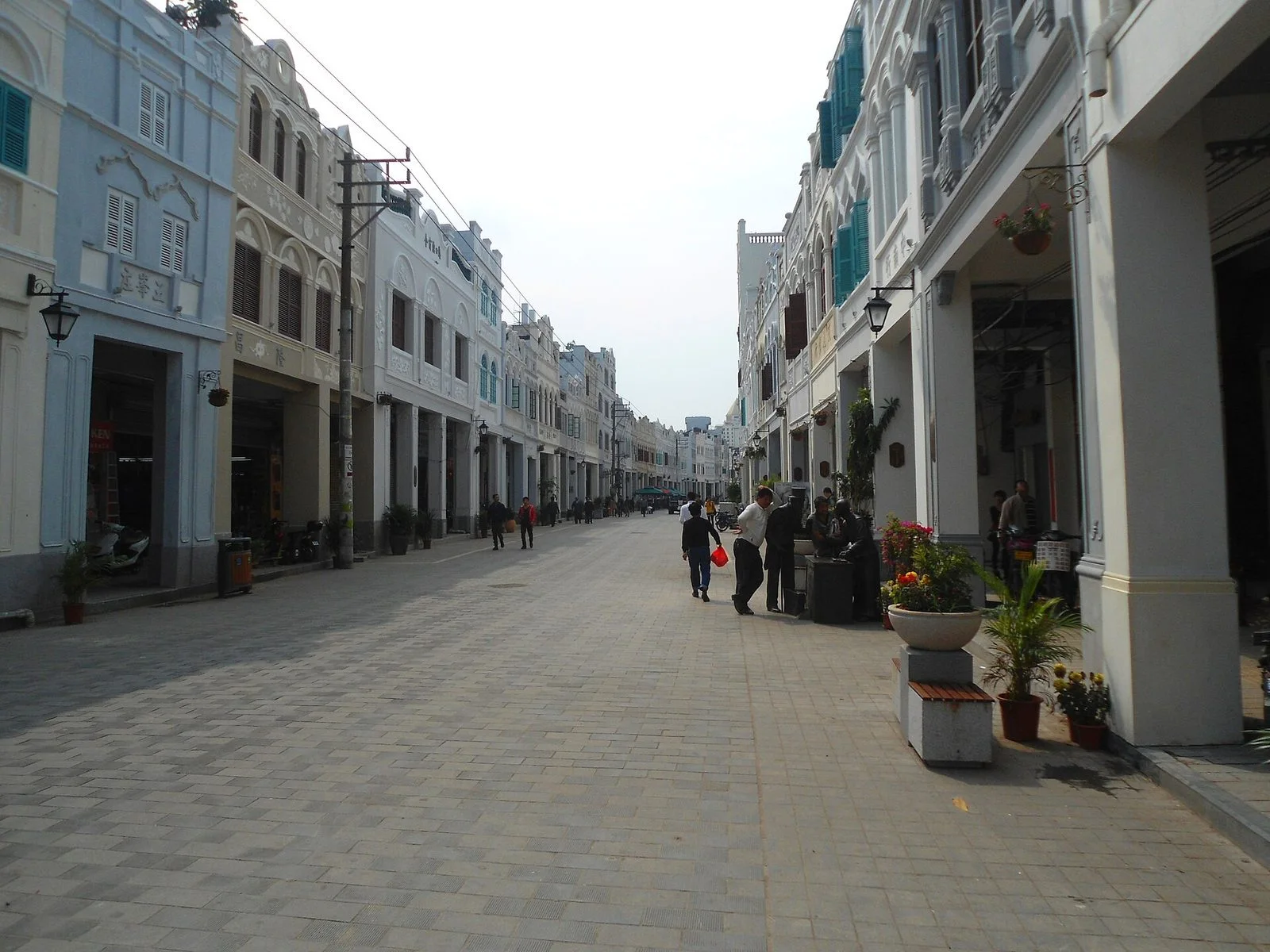
Qilou Old Street
Zhongshan Road and the surrounding old streets preserve the arcaded buildings of Haikou's trading port. Covered walkways, decorated pediments and windows, and Tianhou Temple bring connections with Southeast Asia and everyday Hainan life into one neighborhood.
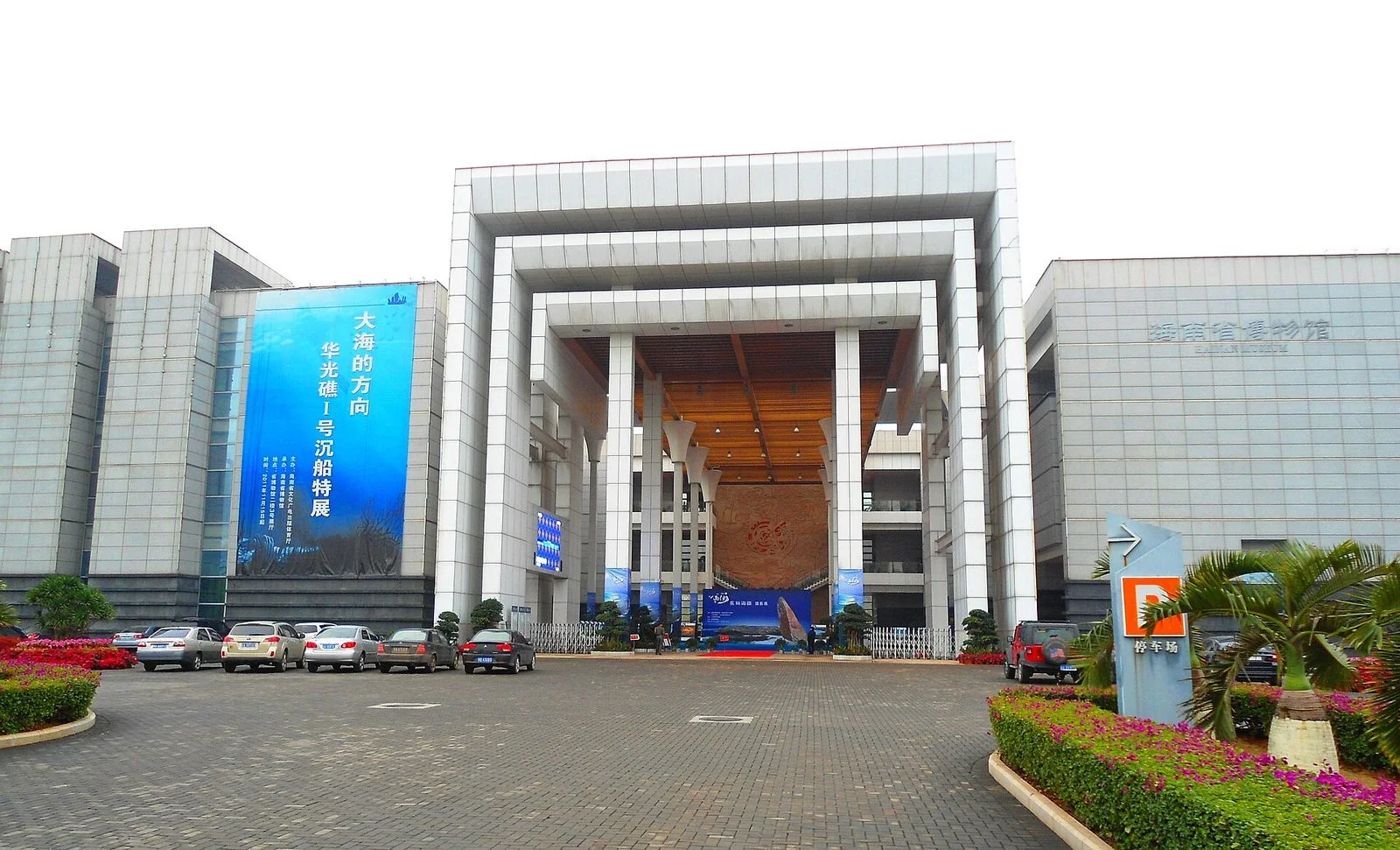
Hainan Provincial Museum
From South China Sea shipping and shipwrecks to Hainan's history, traditional crafts and food culture, Hainan Provincial Museum helps visitors understand Haikou in the context of the whole island.
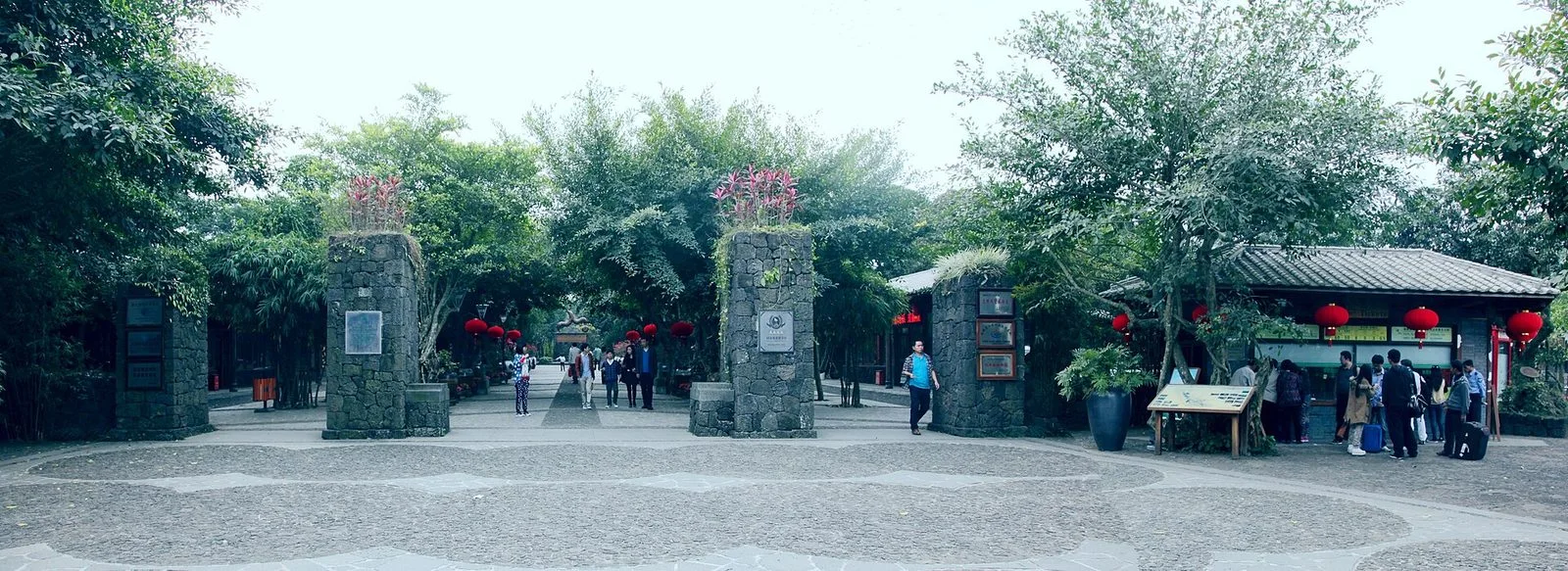
Leiqiong Haikou Volcanic Geopark
The volcanic scenic area in Haikou's Shishan Town centers on Ma'anling. Volcanic cones, lava remains and tropical vegetation reveal a geological landscape beyond the coastal city.
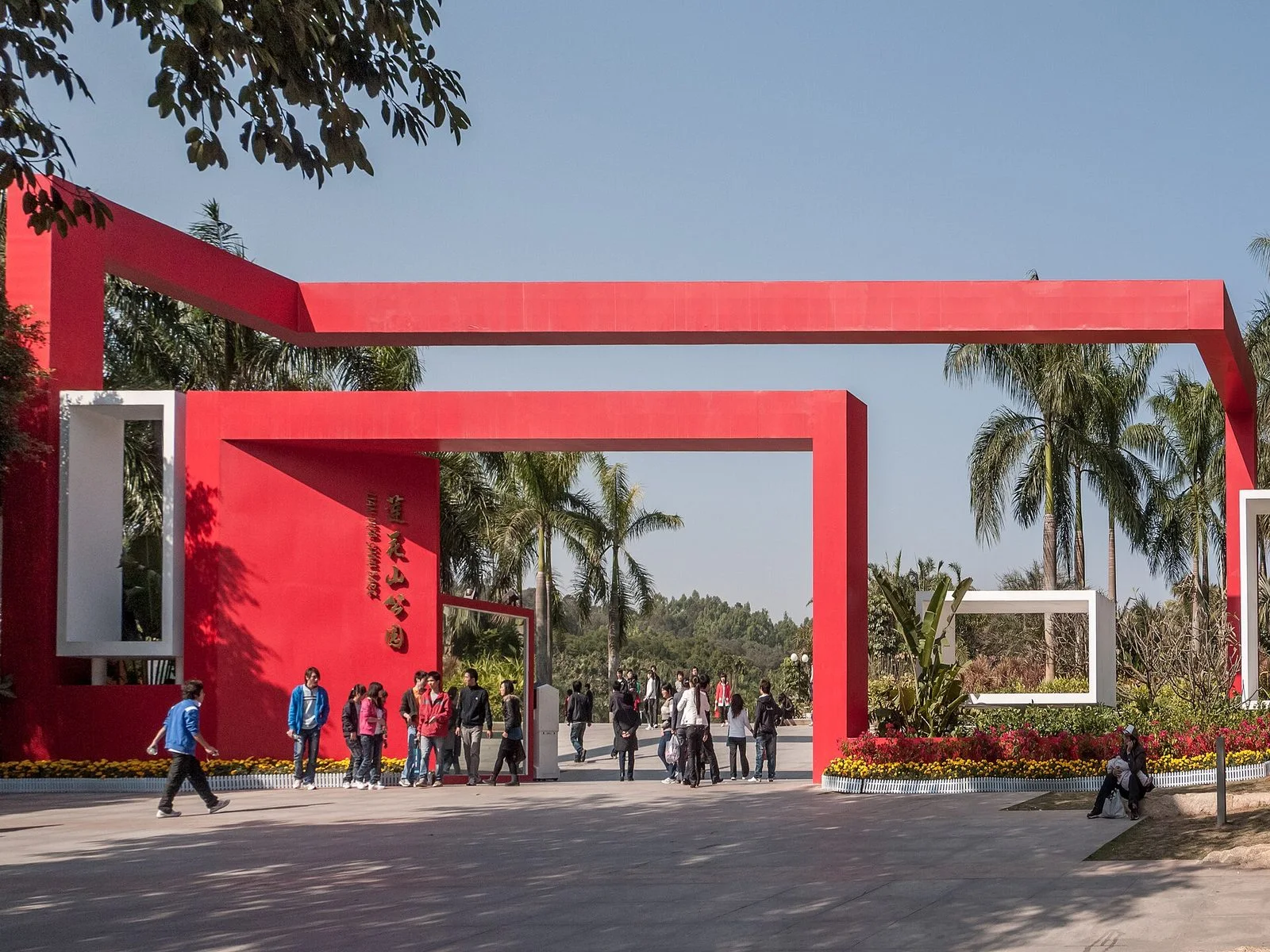
Lianhuashan Park
A city park north of central Futian, with hilltop views of the Civic Center and towers, and lawns and shaded paths that reveal Shenzhen's everyday leisure life.
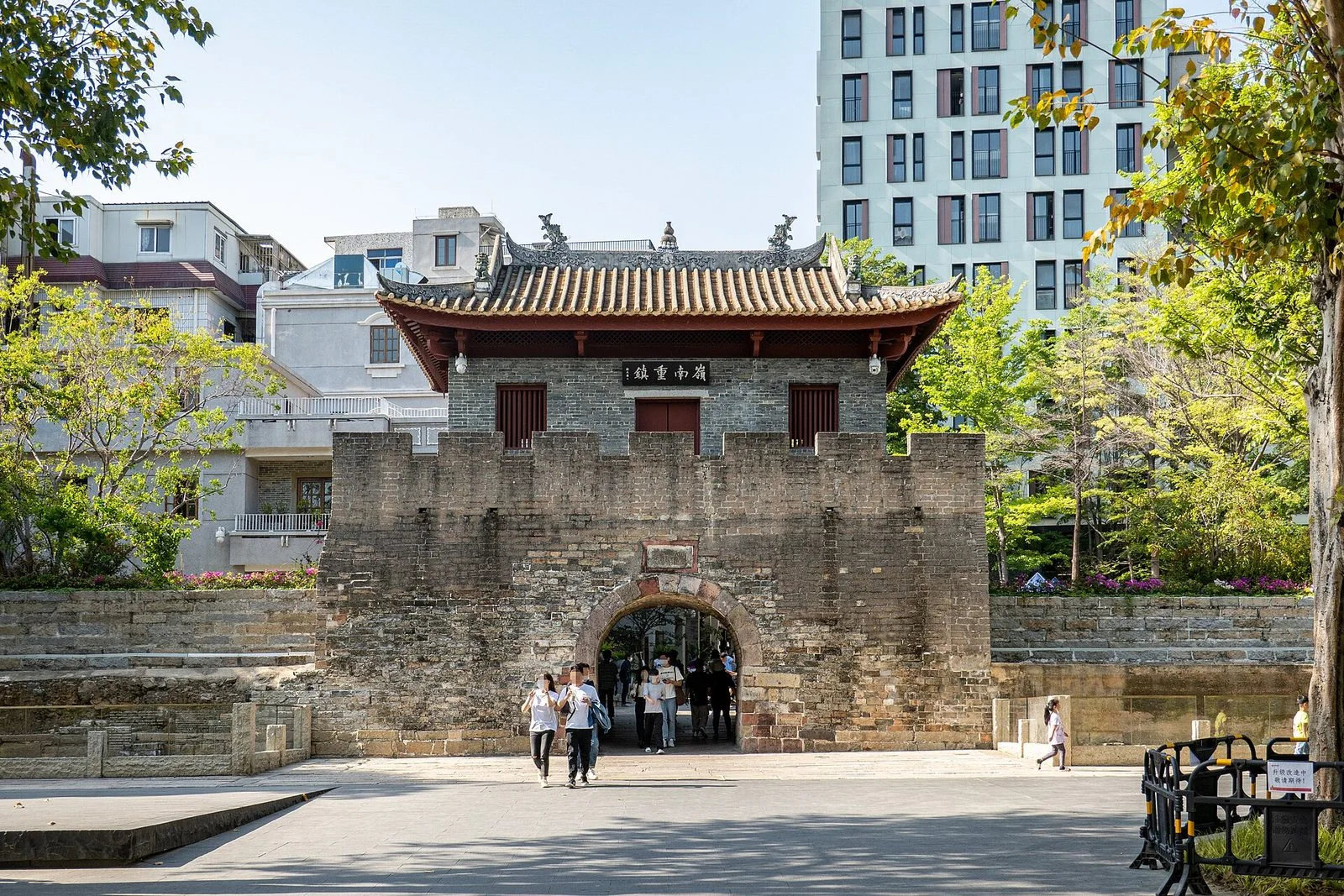
Nantou Ancient Town
A historic district in Nanshan, where the south gate, wall remains and museum explain regional history, while renewed streets accommodate exhibitions, shops and restaurants.
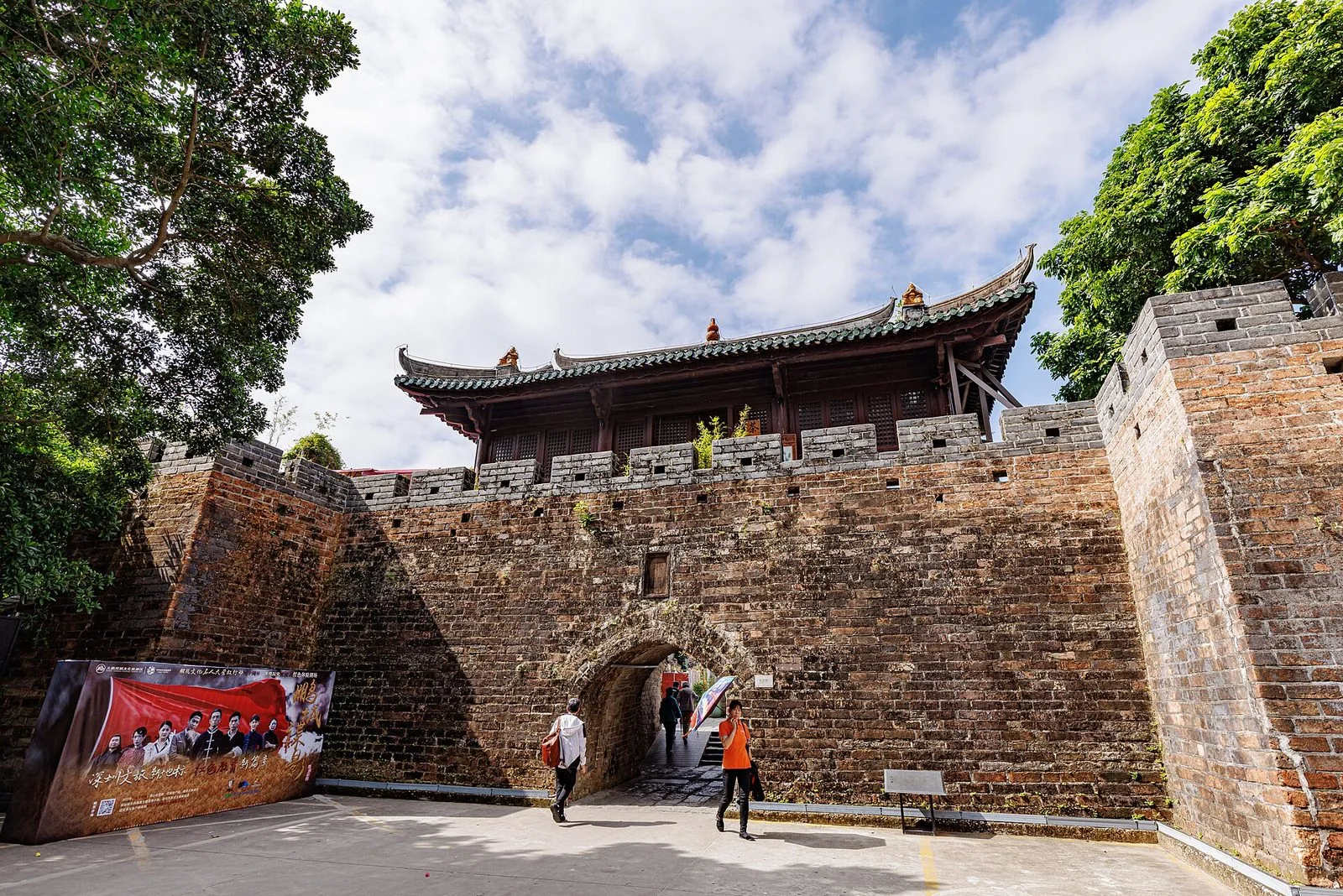
Dapeng Fortress
A historic town in eastern Shenzhen that preserves a Ming and Qing defensive layout, with gates, stone-paved lanes and generals' residences explaining coastal defence and settlement life.
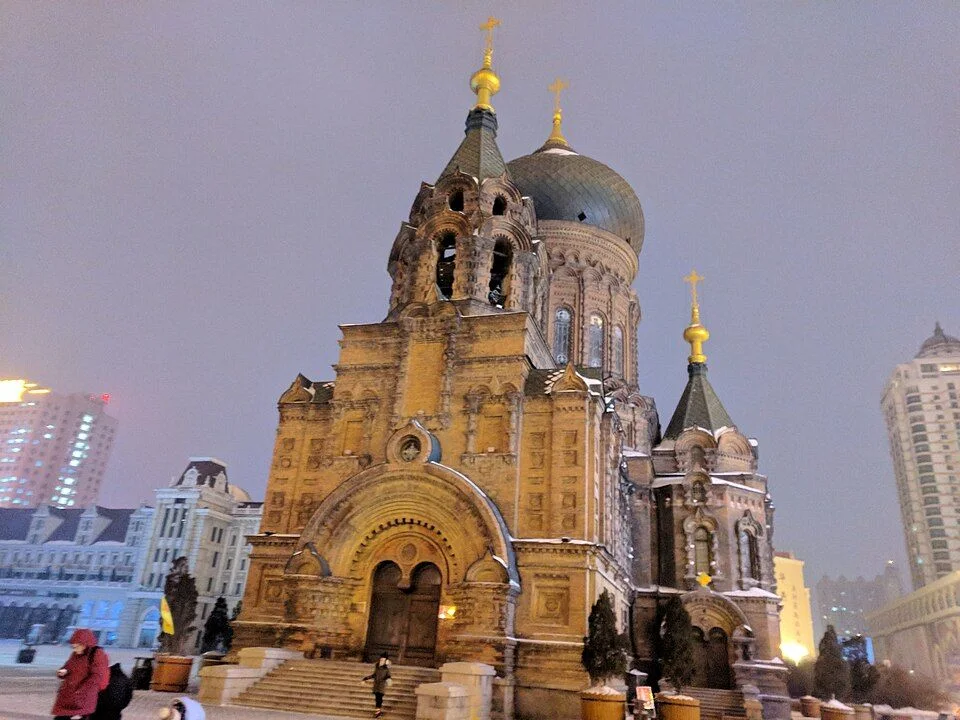
Saint Sophia Cathedral
Red brick walls, a green onion dome and a bell tower above the entrance form a familiar silhouette in old Harbin. Look closely at the arches and brick decoration, then view the main dome and four wings from the side of the square to understand both the building and its change from an Orthodox church to a city cultural landmark.
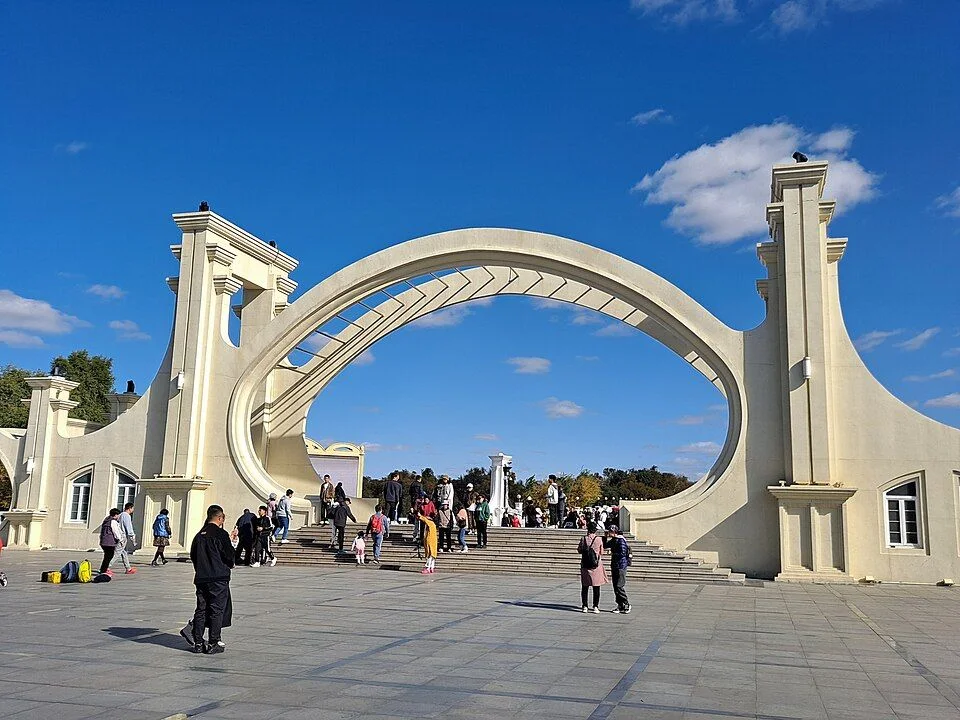
Sun Island
On the north bank of the Songhua River, Sun Island's lakes, woodland and garden paths show Harbin's more open side. Warmer months suit exploring the water and trees; winter snow sculptures turn the same outdoor setting into a seasonal exhibition. Before setting out, distinguish a regular park visit from the snow sculpture expo.
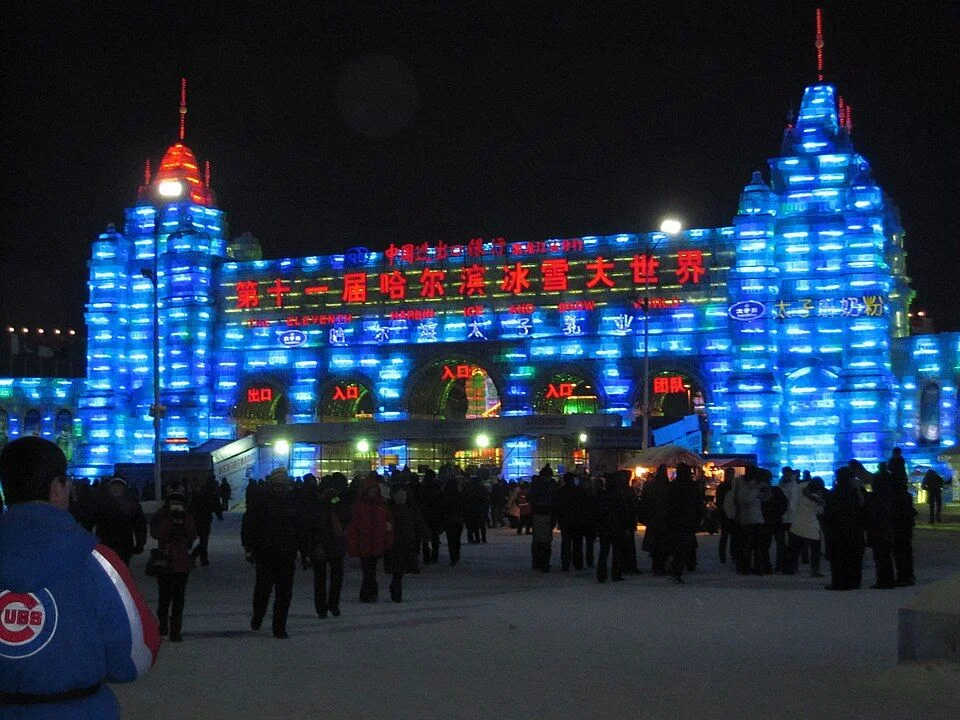
Harbin Ice and Snow World
Large ice buildings, translucent walls and night lighting are the main attractions of Ice and Snow World's outdoor winter park. Themes and activities are rebuilt for each edition. When choosing when to visit, consider the current opening announcement, available activities and places to rest in the severe cold.
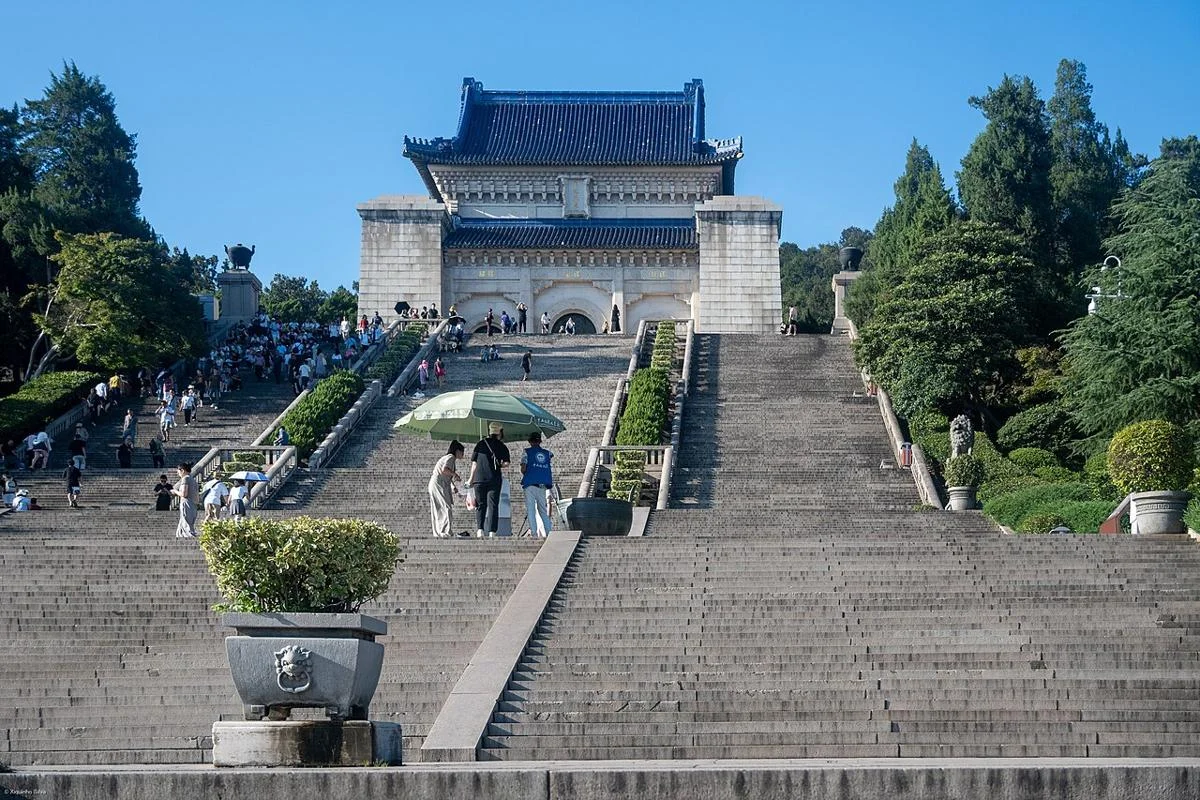
Sun Yat-sen Mausoleum
Sun Yat-sen's tomb on the southern slopes of Zhongshan is known for blue-tiled, white-stone buildings and an axis rising uphill. Long flights of steps link the ceremonial archway, mausoleum gate, stele pavilion and memorial hall. Take time to look at the architecture and allow for the physical effort of the climb.
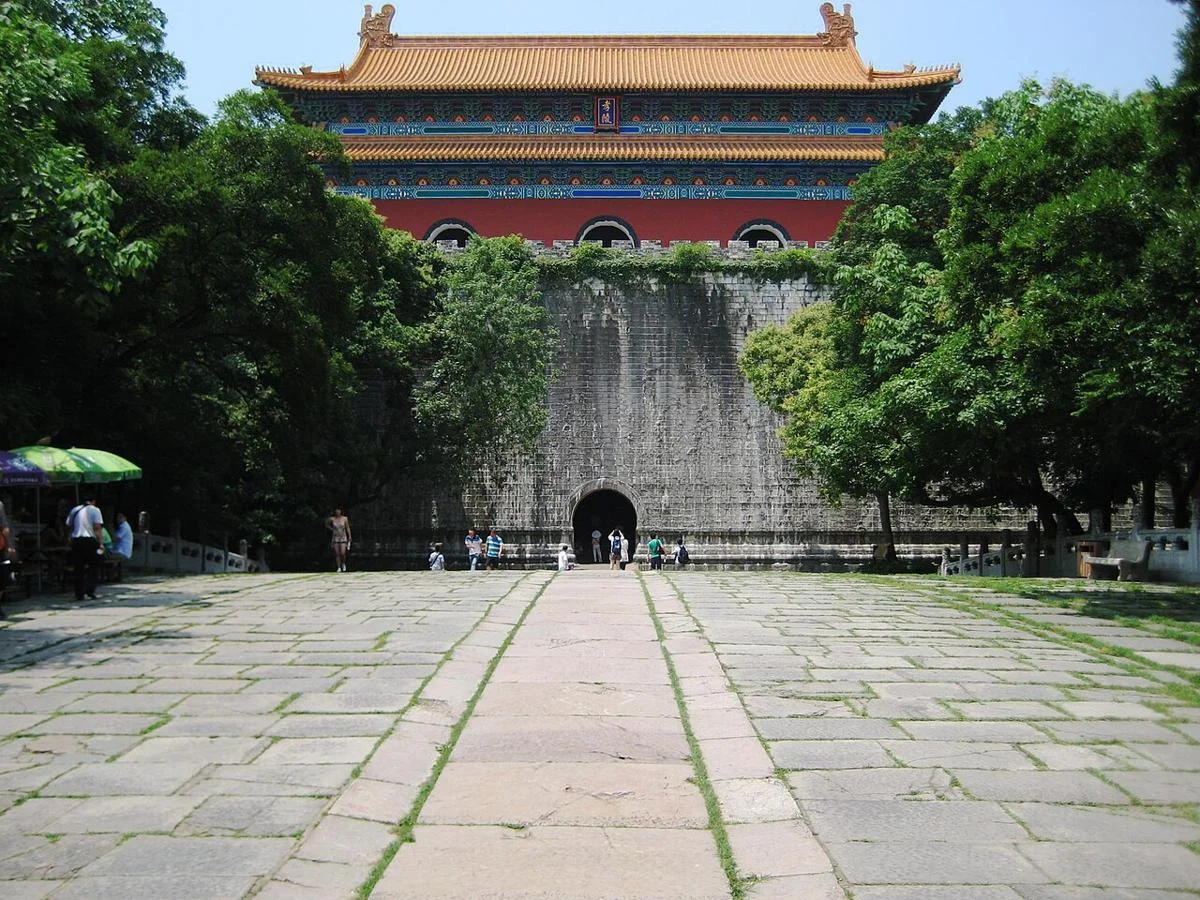
Ming Xiaoling Mausoleum
The tomb of Zhu Yuanzhang and Empress Ma lies on Zhongshan's southern slopes. Stone animals on Stone Elephant Road, mausoleum buildings and woodland are the main sights. It suits visitors willing to walk and take time with stone carvings and the tomb's layout.
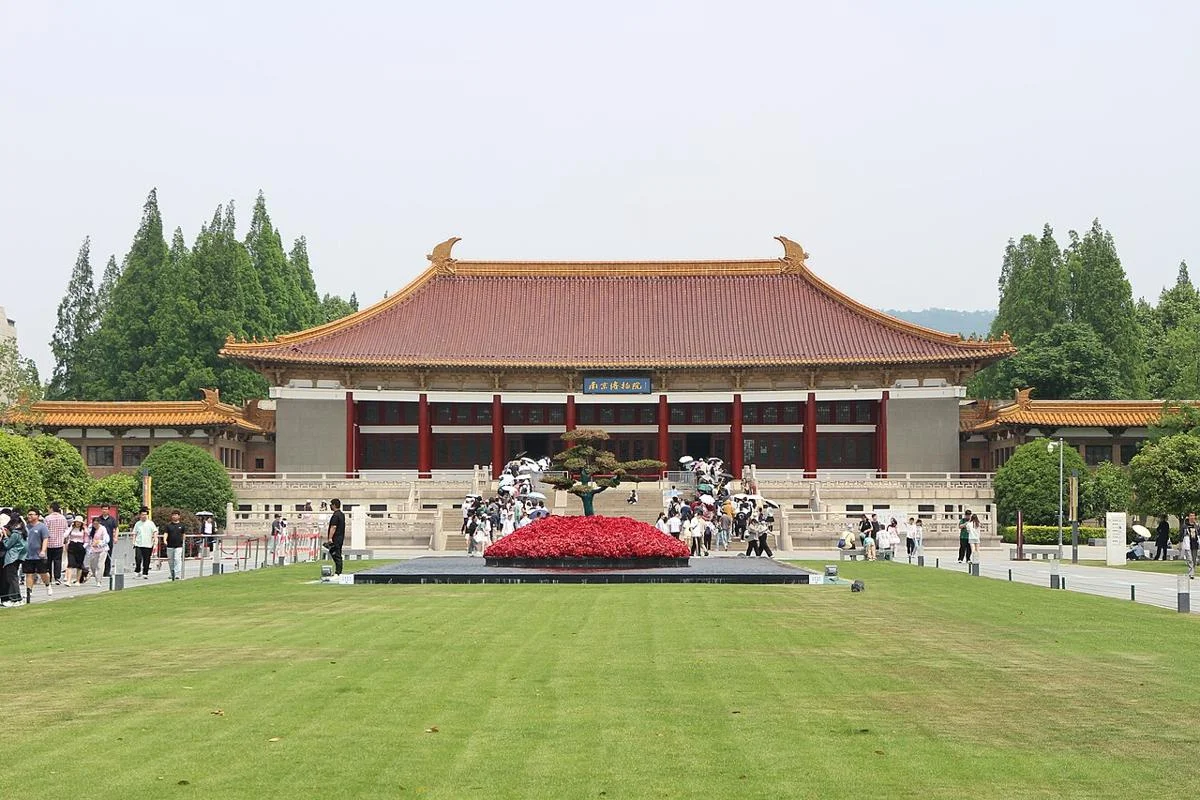
Nanjing Museum
A comprehensive museum centred on Jiangsu's history and collections, with six galleries covering history, special exhibitions, art, digital displays, intangible cultural heritage and the Republican era. Choose a theme and allow time for details. Foreign visitors must reserve in advance and bring their original passport for verification.
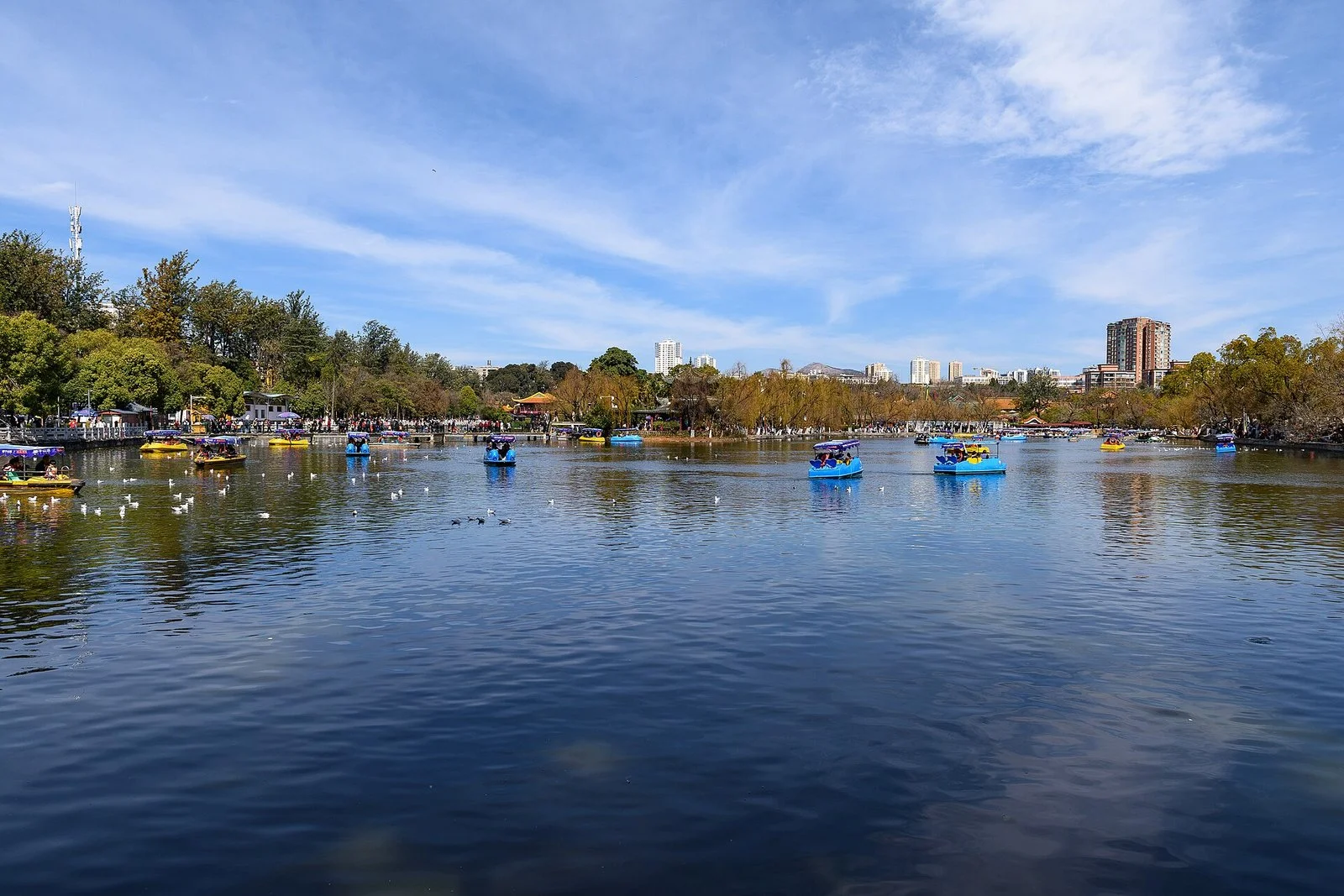
Green Lake
Causeways, pavilions and seasonal migratory birds are part of lakeside life in Kunming's old city. The nearby military academy and surrounding streets add a connection with the city's history.
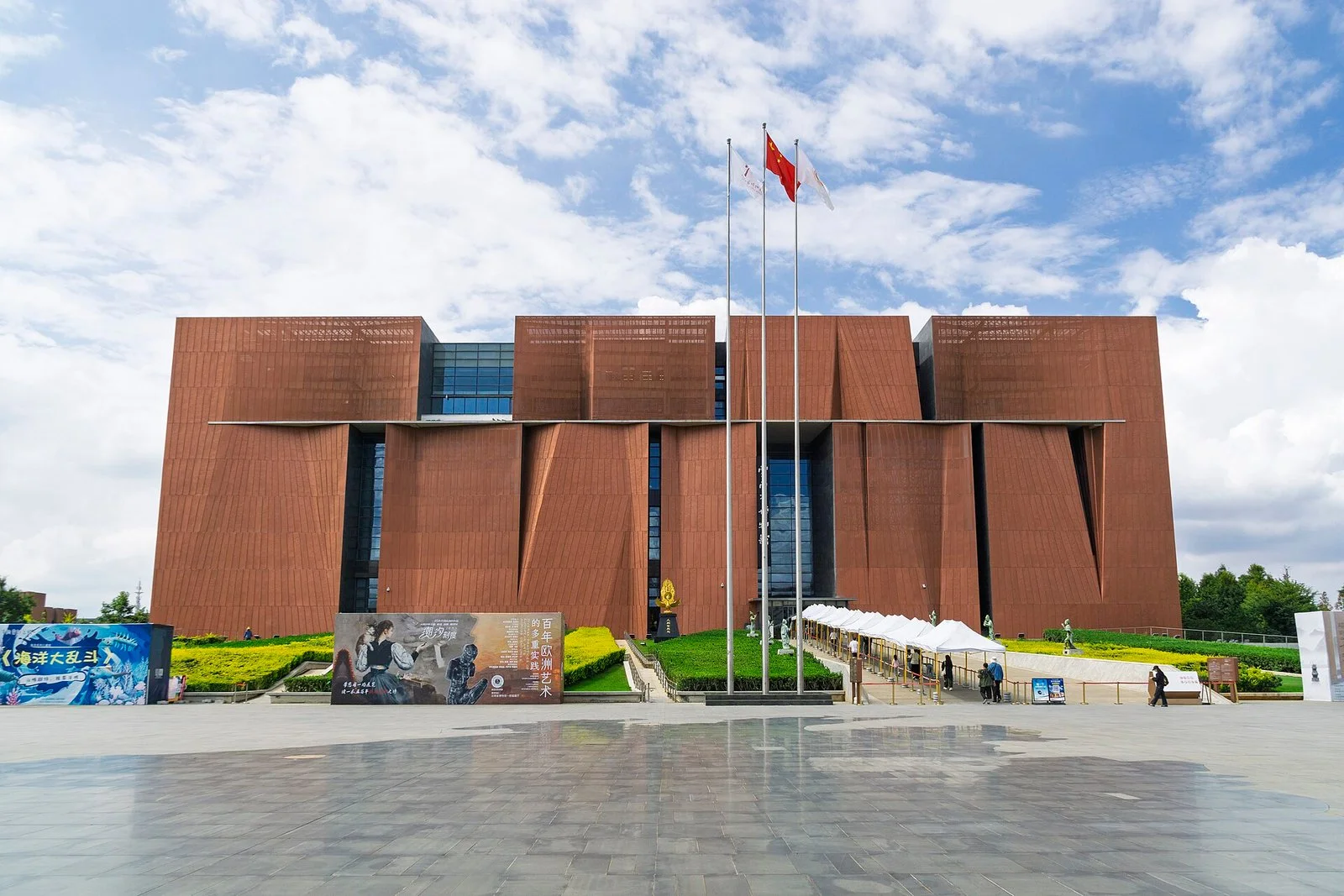
Yunnan Provincial Museum
The new museum in Guandu presents Yunnan's history through ancient Dian bronzes and Buddhist objects from the Nanzhao and Dali periods. Details of the objects help explain connections between the Dianchi area and the wider region.
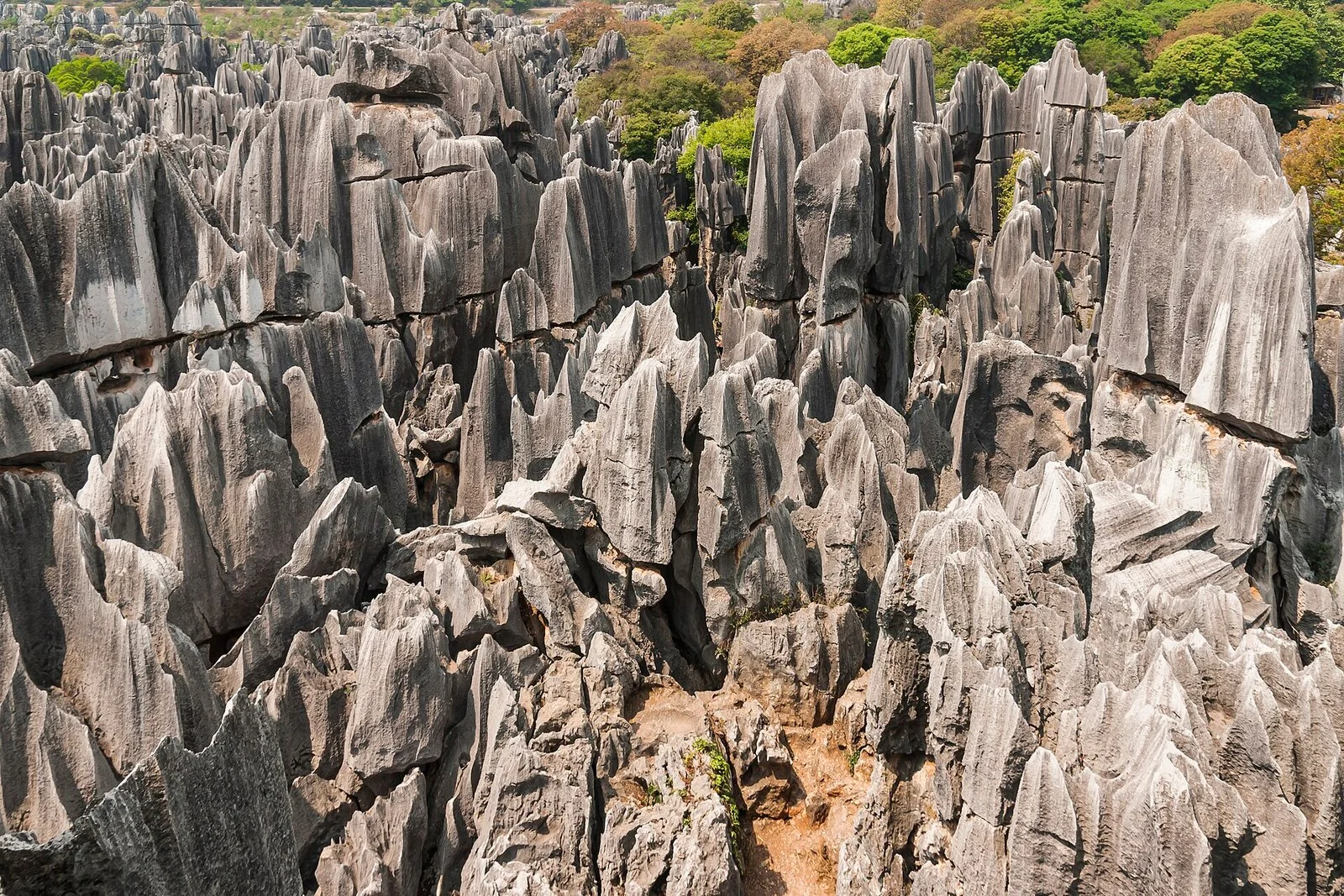
Stone Forest
The limestone landscape in Shilin Yi Autonomous County combines dense stone pillars, narrow gaps and open grassland, offering views at different distances. It forms part of the South China Karst World Heritage property.
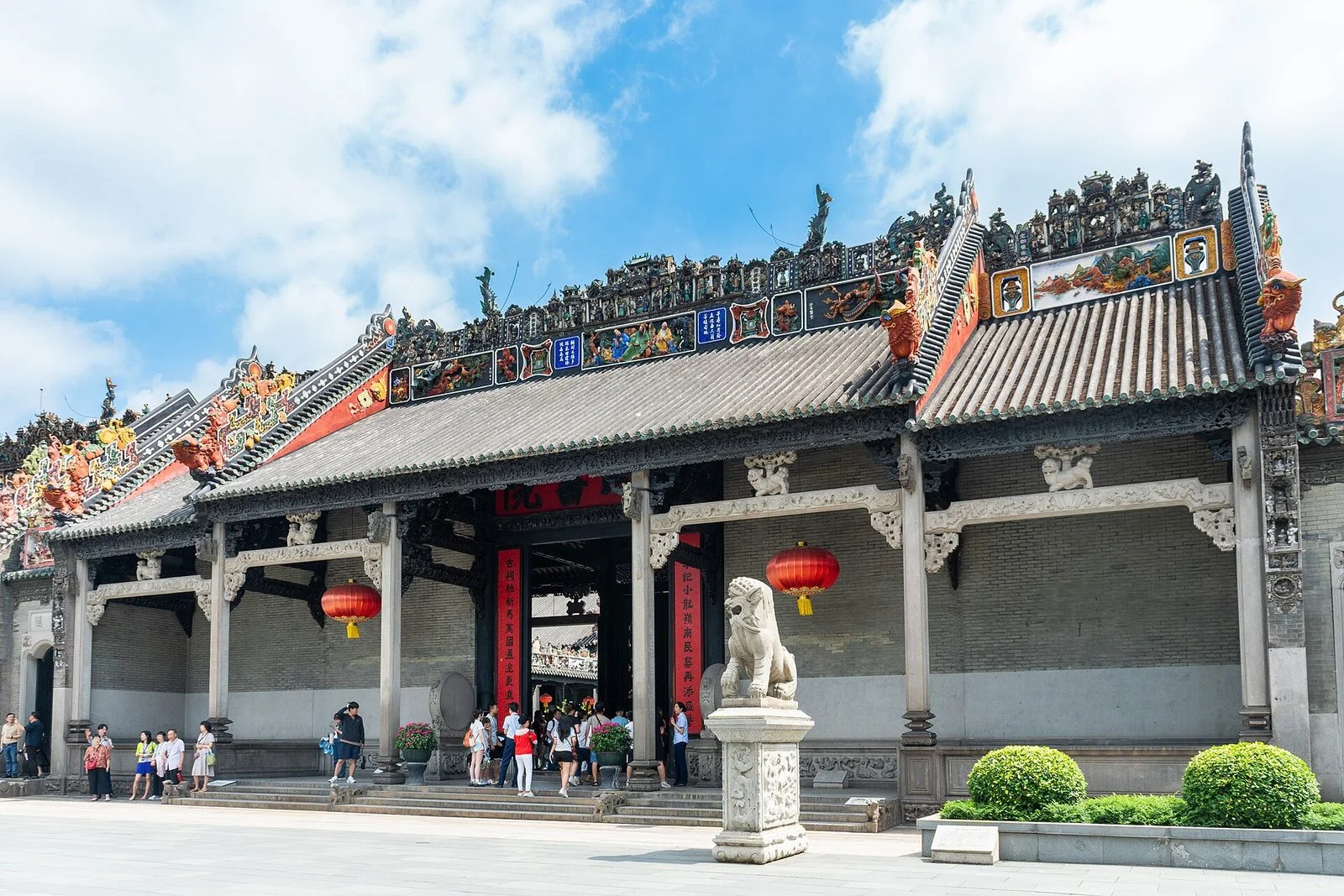
Chen Clan Ancestral Hall
A joint ancestral hall built by Chen clans from 72 counties of Guangdong in the Qing dynasty. It now operates as the Guangdong Folk Art Museum under the name Chen Clan Academy; the roof ridges, brick carvings and carved wooden screen doors are the highlights.
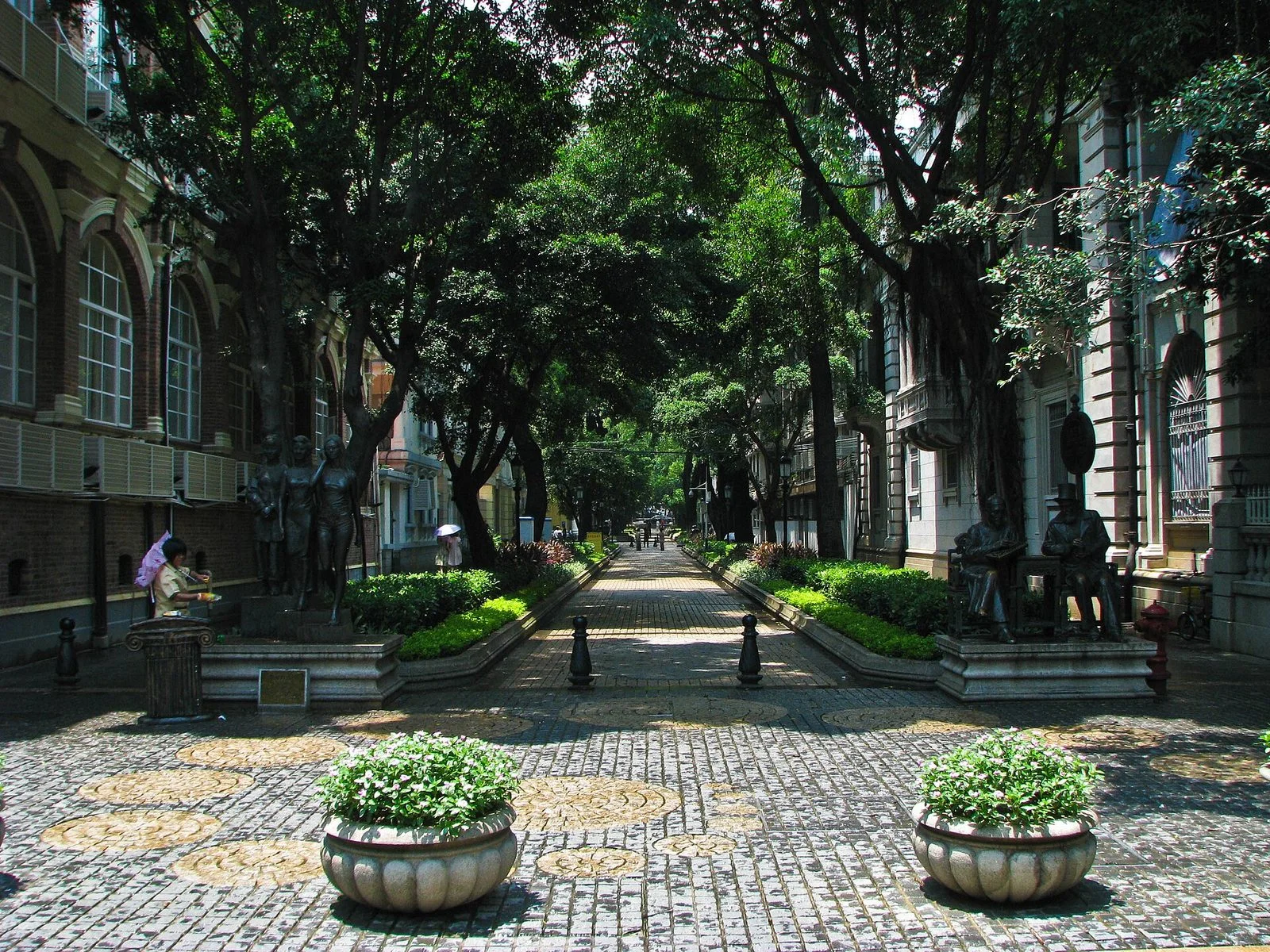
Shamian Island
A sandbank island in the Pearl River that retains the streets and buildings of the 19th-century British and French concession. It suits walking to look at facades, tree shade and the riverbank, not rushing through for photos.
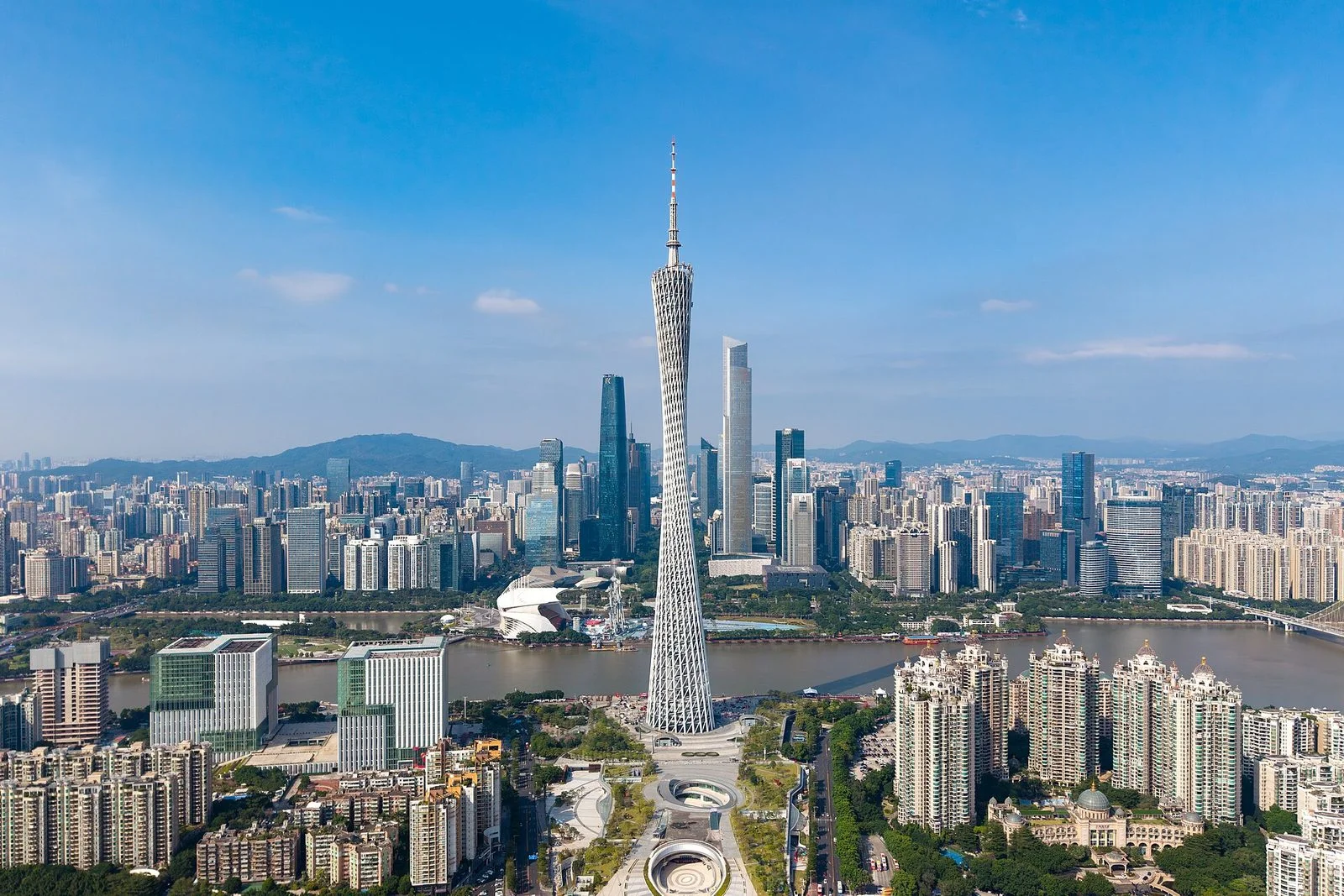
Canton Tower
A 600-meter observation tower whose body narrows at the waist and opens out again; going up is about seeing the Pearl River, the city’s central axis and the tower’s own steel structure.
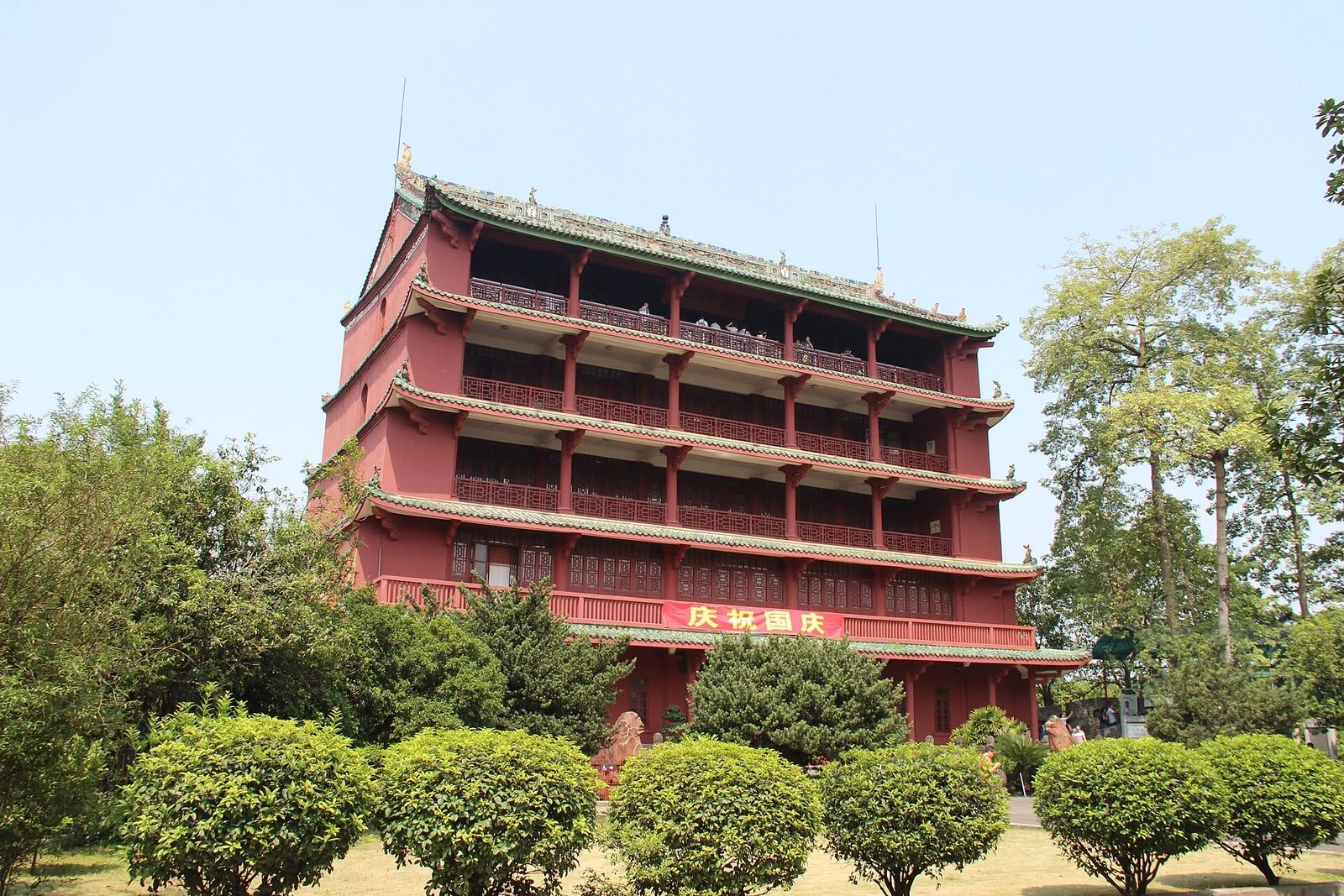
Yuexiu Park
A hill park north of Guangzhou’s old city, with the Five Rams Statue, Zhenhai Tower and the Ming city wall scattered across different hills. Treat it as a hilly neighborhood to walk through rather than looking for a single “main gate photo spot.”
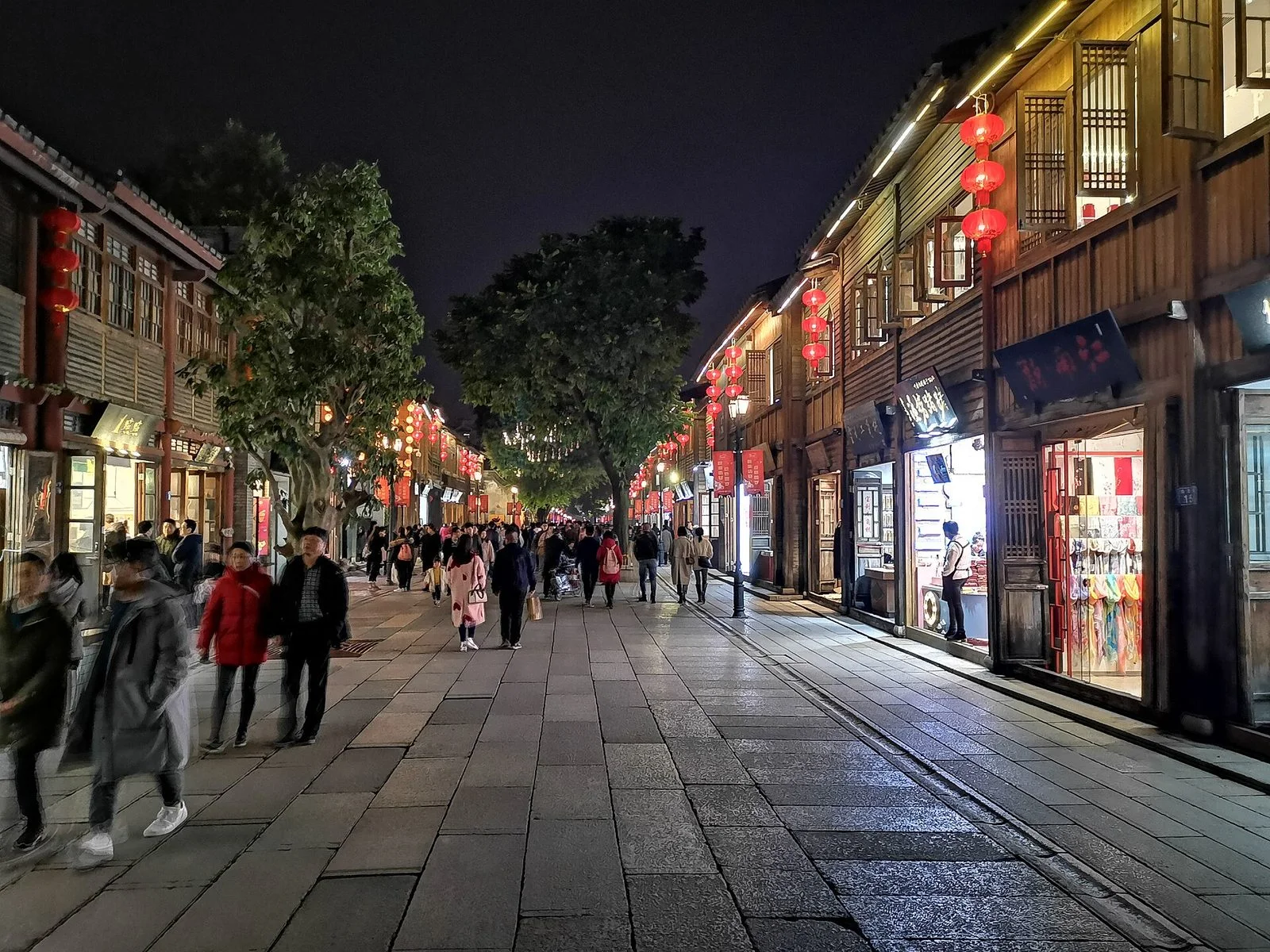
Sanfang Qixiang
Explore lanes and Ming- and Qing-era residences branching off Nanhou Street, and see how white walls, tiled roofs and courtyards form Fuzhou's old town. Suits visitors interested in traditional architecture, figures from modern Chinese history and neighborhood life.
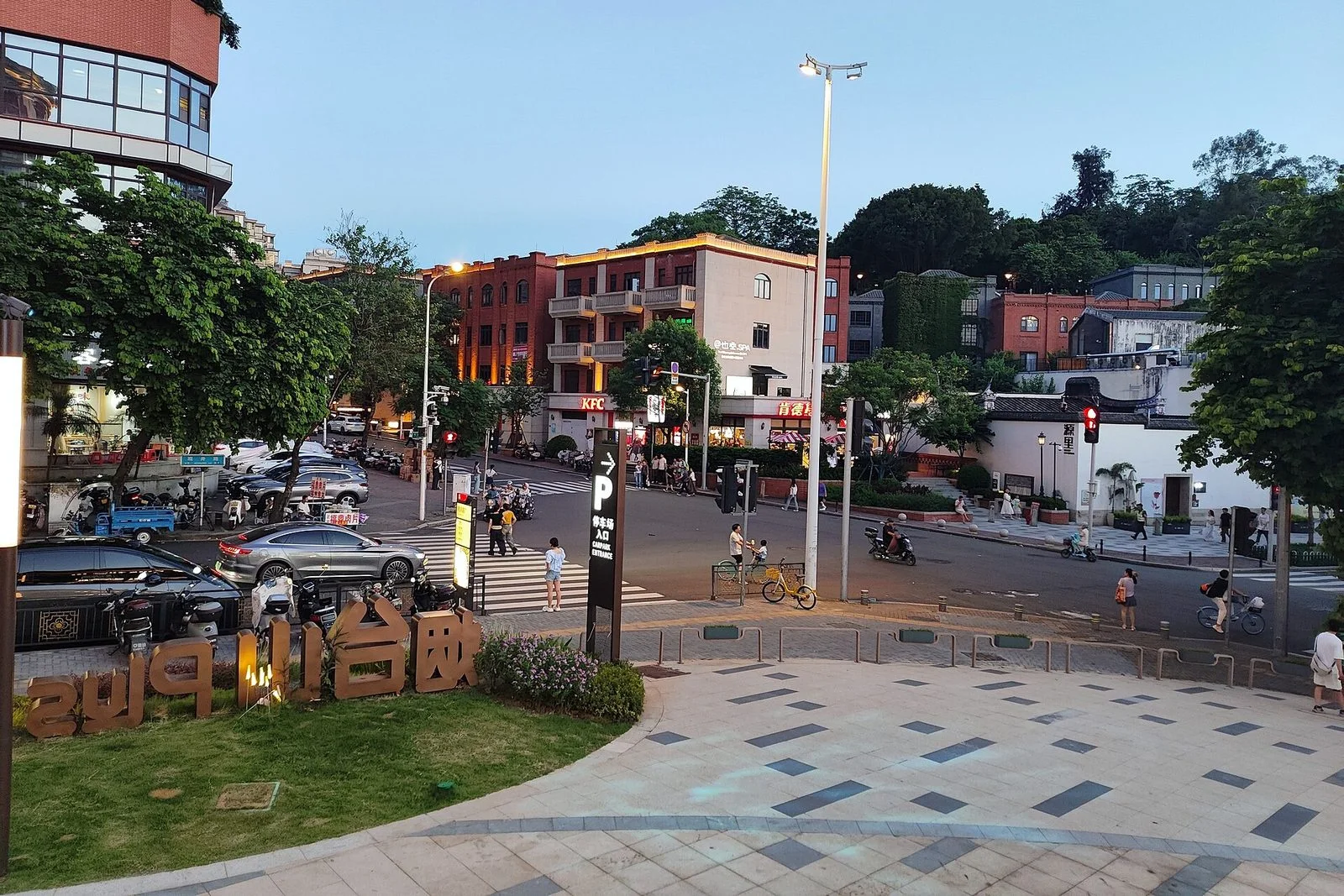
Yantai Hill
A hillside neighborhood south of the Min River, with former consulates, schools and homes, shaded slopes, and contemporary dining and shopping. Suits a walk between buildings; it is more than a single park entrance.
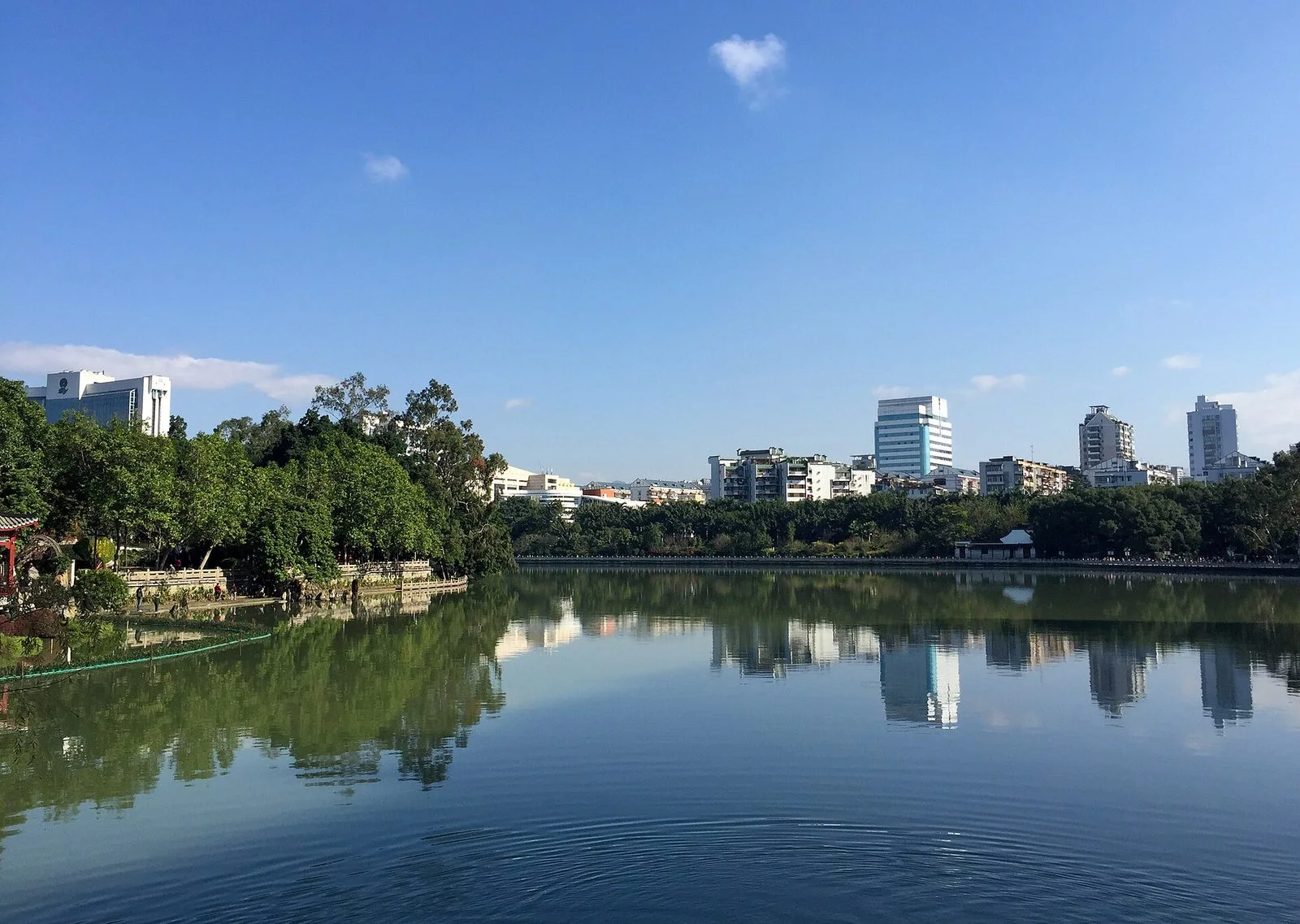
Fuzhou West Lake Park
A lakeside garden northwest of Fuzhou's old town, where islands, bridges, halls and waterside paths connect water management with urban leisure. Suits a slower walk, lake views and learning about Lin Zexu's role in the lake's history.
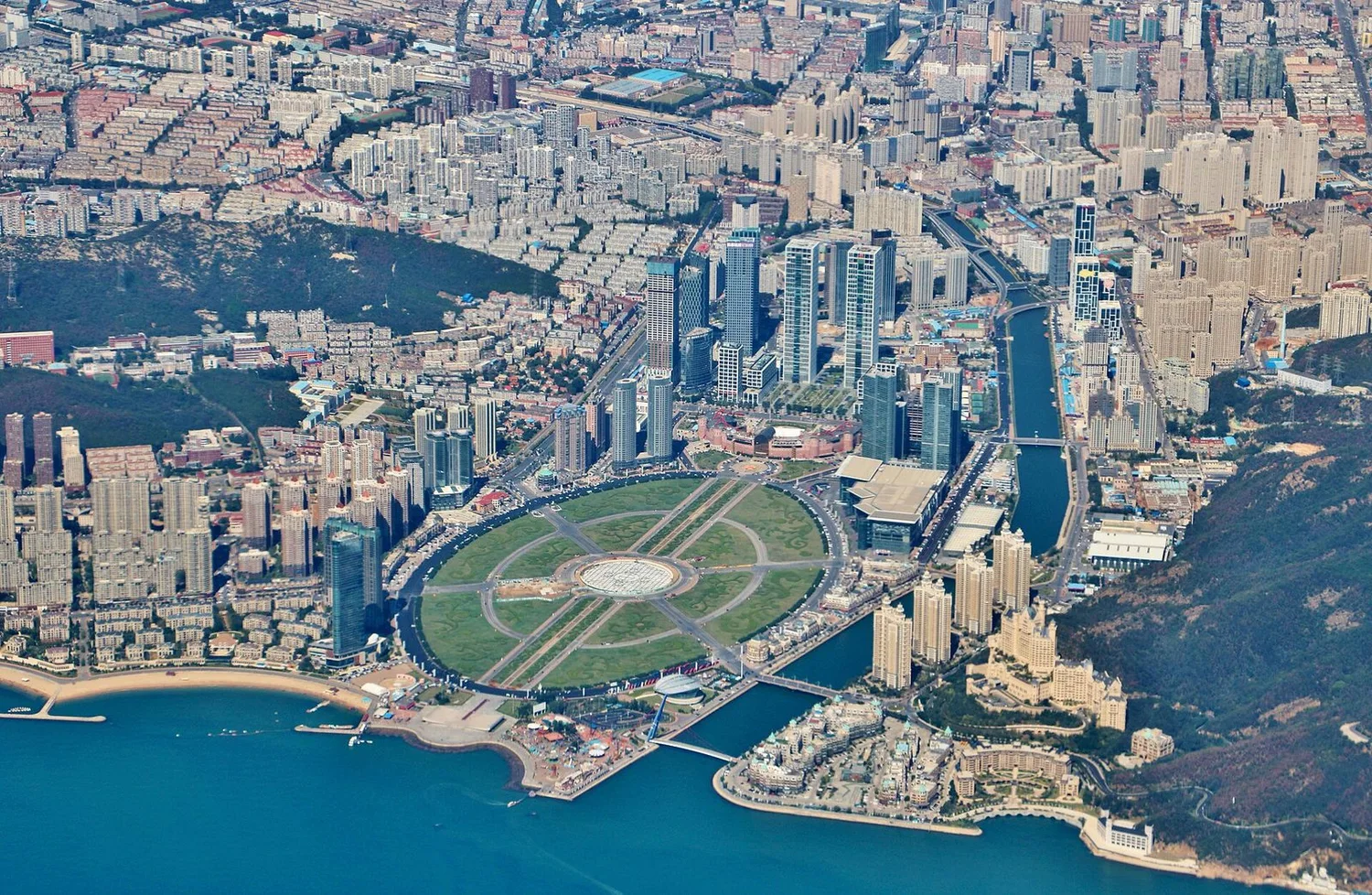
Xinghai Square
An expansive city square facing Xinghai Bay, with lawns, the centenary city sculpture and a bridge across the bay offering different coastal views.
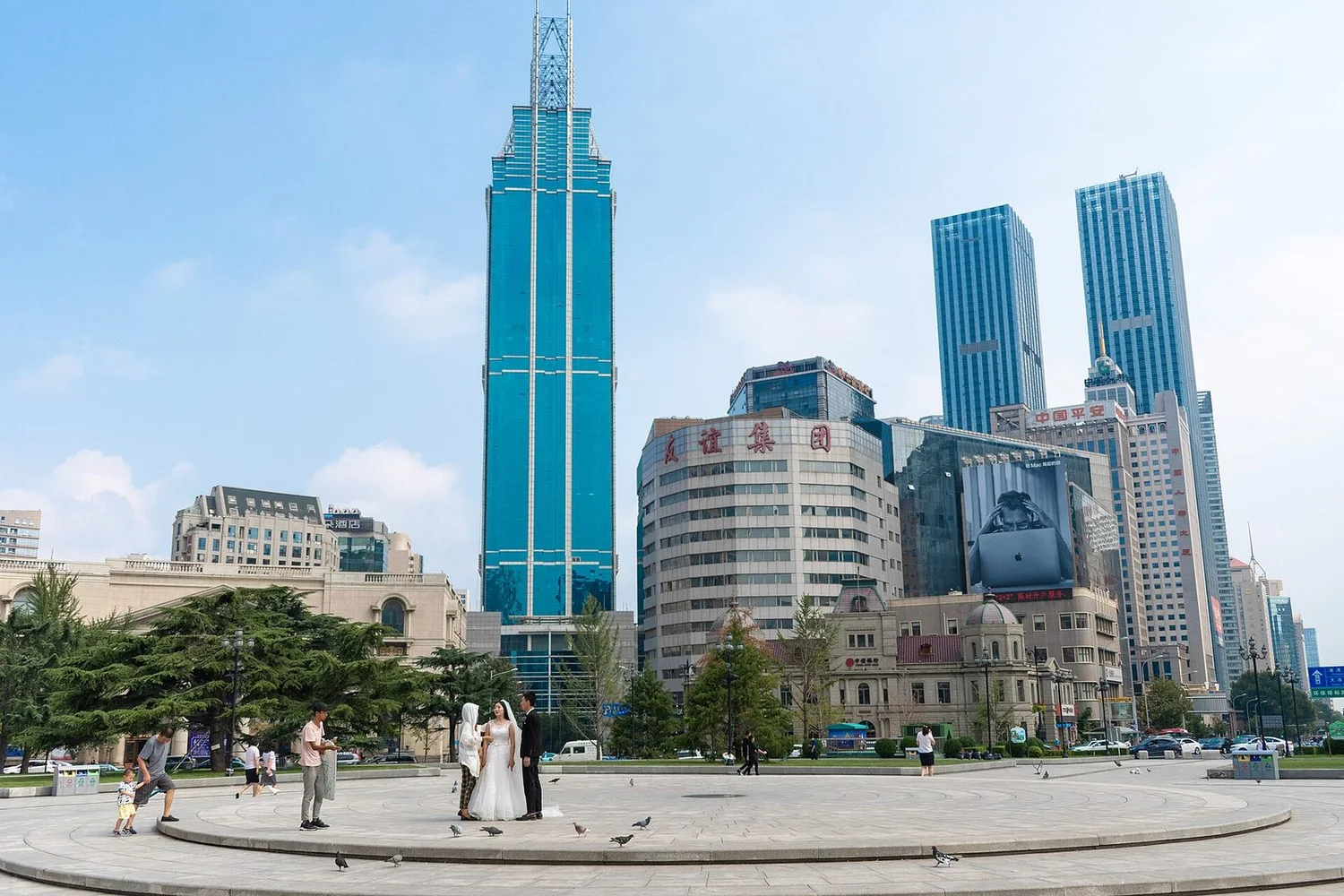
Zhongshan Square
Explore banks, hotels and city streets around a circular square, where facade details reveal different periods of Dalian's history.
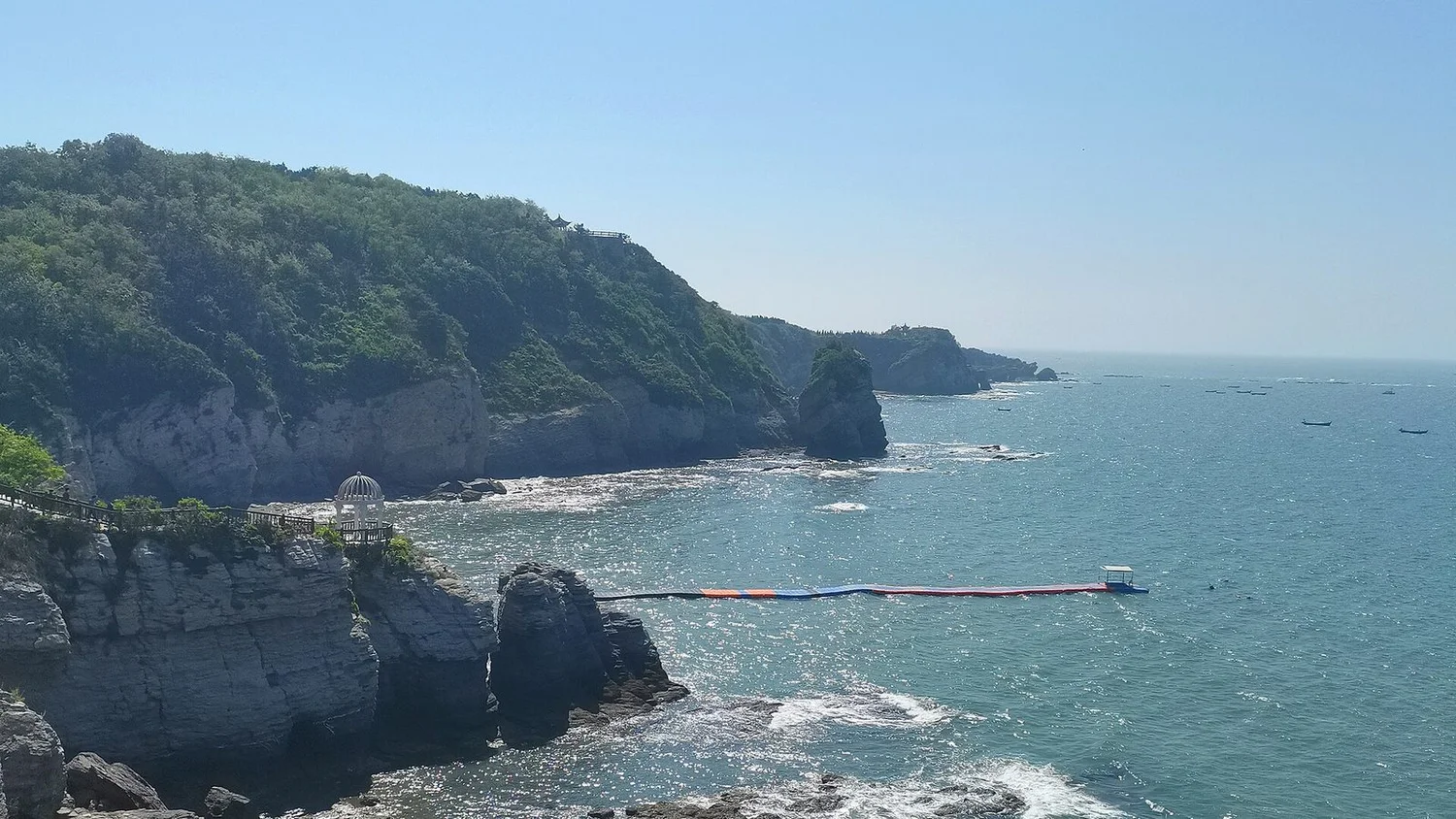
Jinshitan
Compare beach leisure and wave-eroded rocky shores northeast of Dalian, where the geopark's rock layers, headlands and animal-shaped formations offer another way to see the coast.
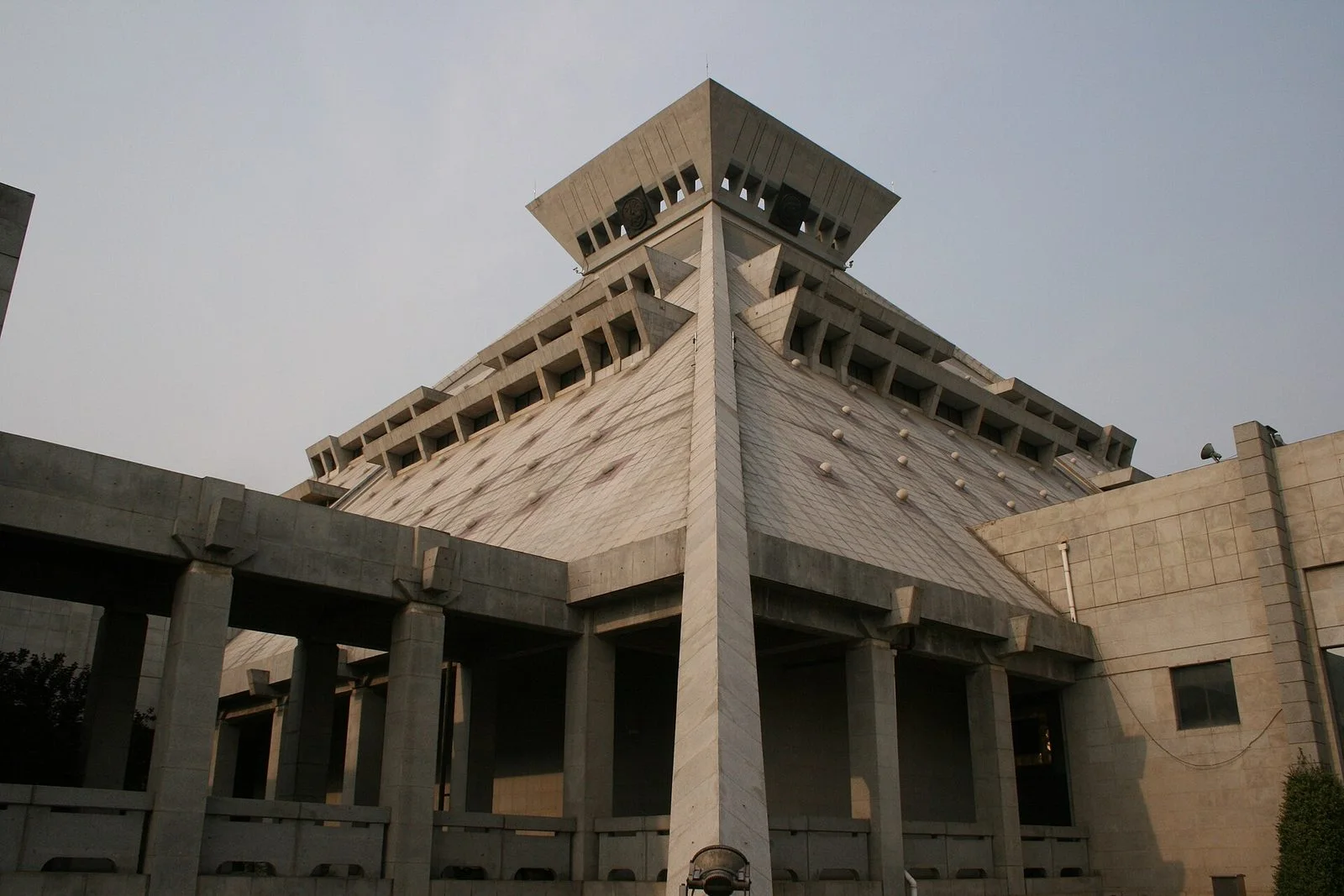
Henan Museum
At Henan Museum on Nongye Road, follow the history of the Central Plains from the Neolithic period to the Song, Jin and Yuan dynasties, connecting capitals, bronze ritual vessels and everyday objects. The substantial permanent exhibition suits visitors who want an overview of Henan's history before exploring a particular period.
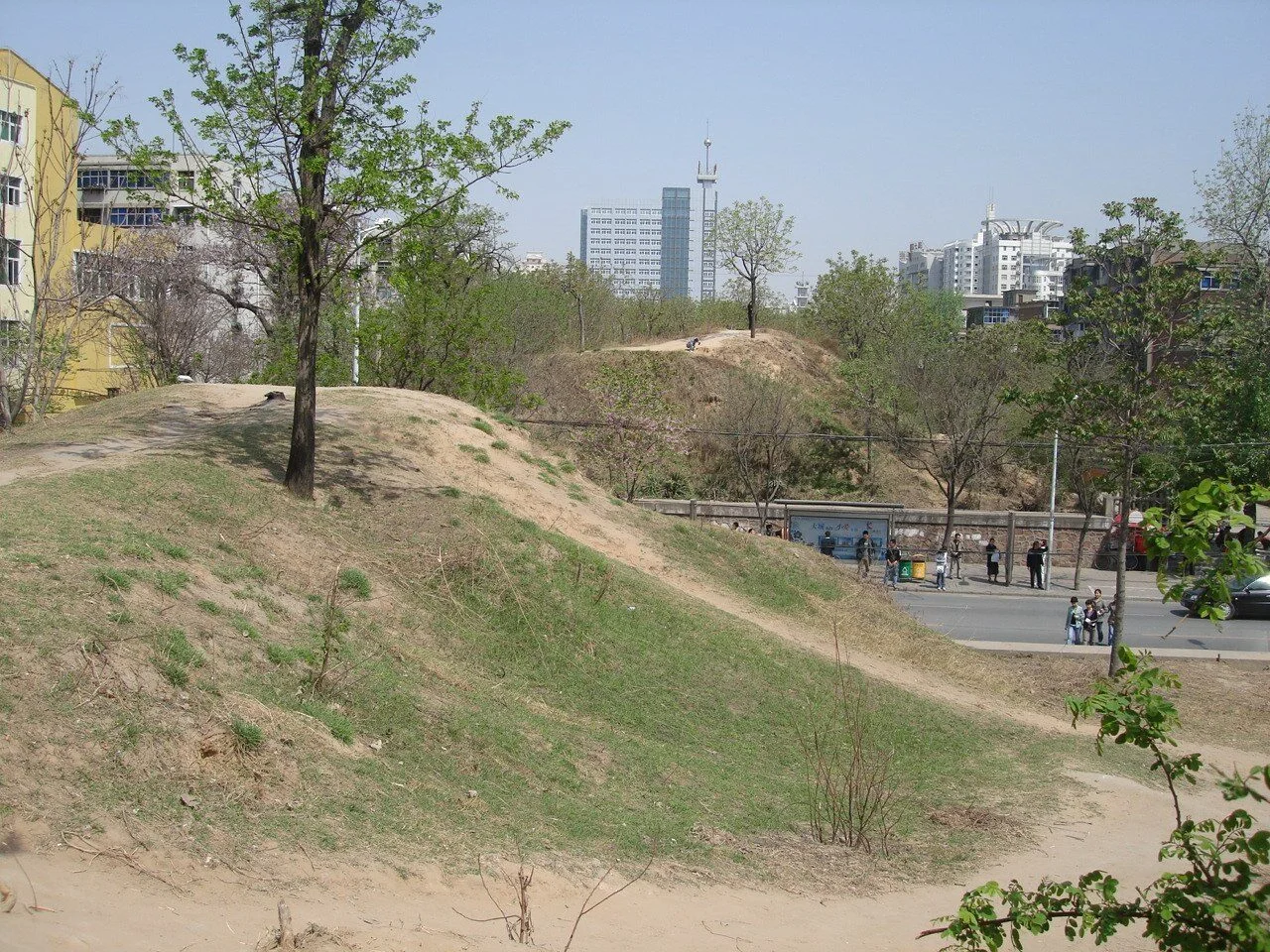
Zhengzhou Shang City Site
See the rammed-earth walls of an early Shang dynasty capital in Zhengzhou's old urban area. The remains meet modern streets and green spaces. Combining them with the museum's city models and excavated objects helps explain the walls, crafts and life of a royal capital more than 3,000 years ago.
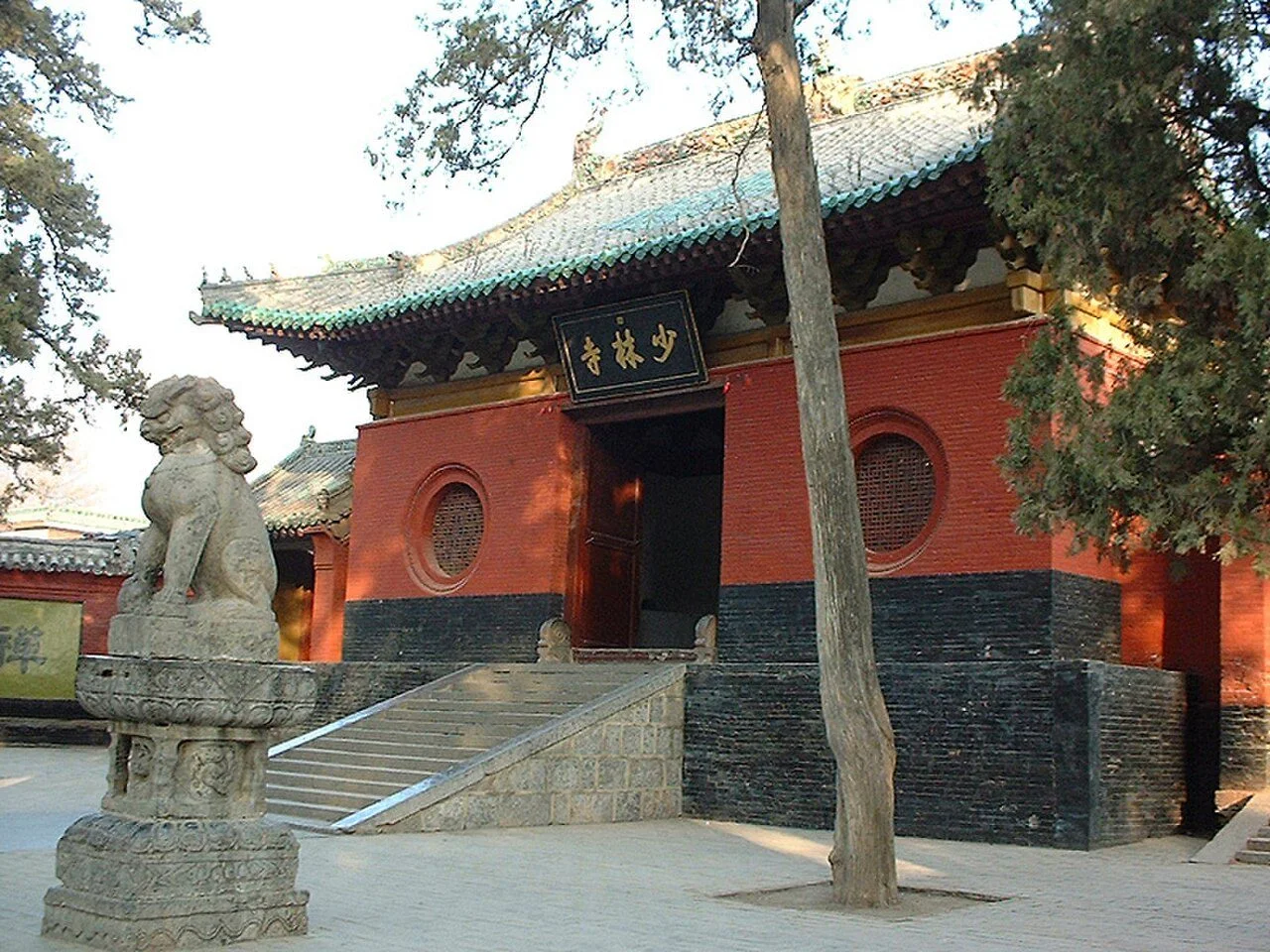
Shaolin Temple
At the foot of Mount Song in Dengfeng, within Zhengzhou's administrative area, explore the halls and inscriptions of Shaolin Temple's main compound and the nearby Pagoda Forest. Buddhist history and associations with Shaolin martial arts meet here. Visiting the monastery and climbing Mount Shaoshi require separate planning.
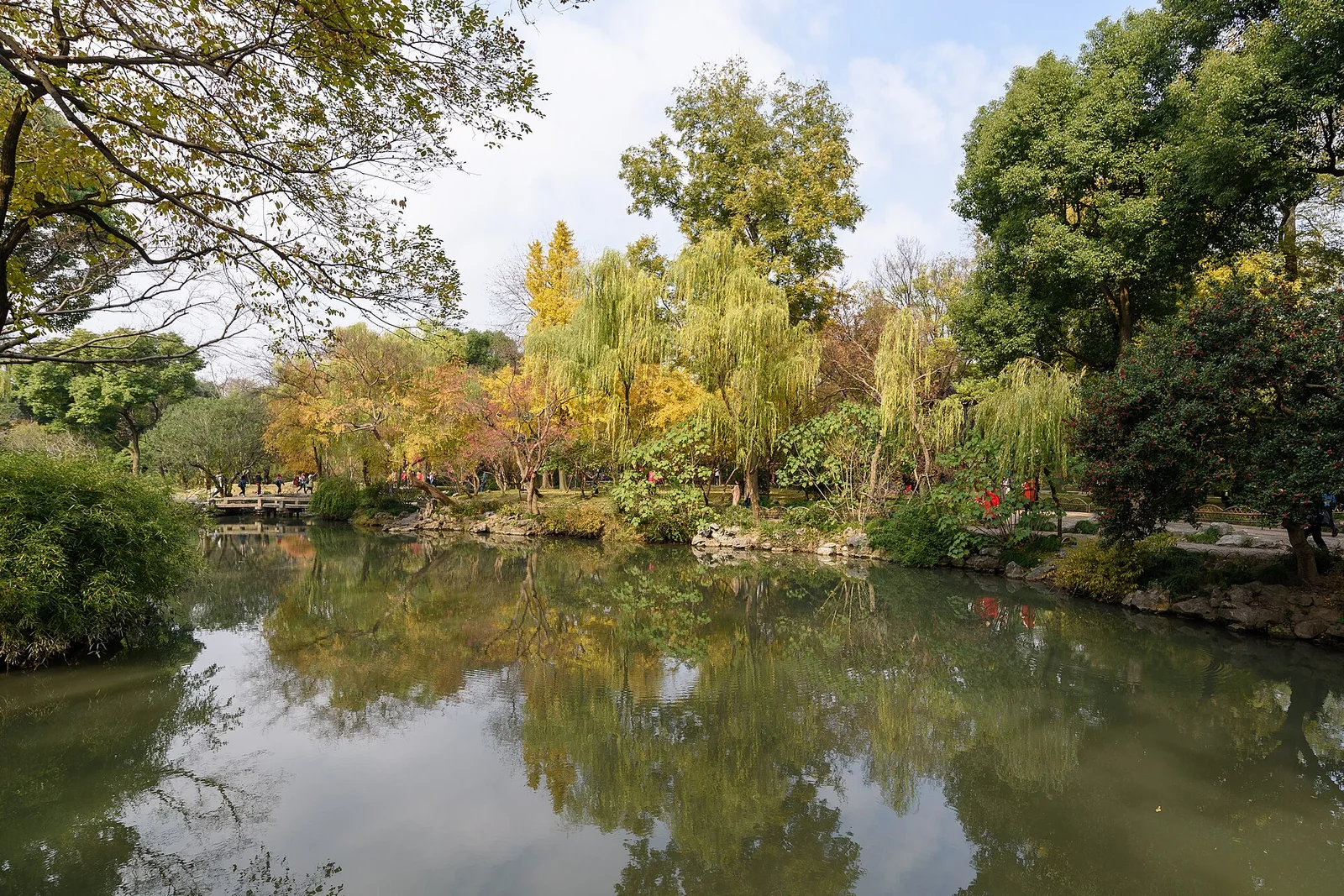
Humble Administrator's Garden
A large classical garden where open water, islands and pavilions organize long views. It is a useful choice for seeing how Suzhou garden design works at a spacious scale.
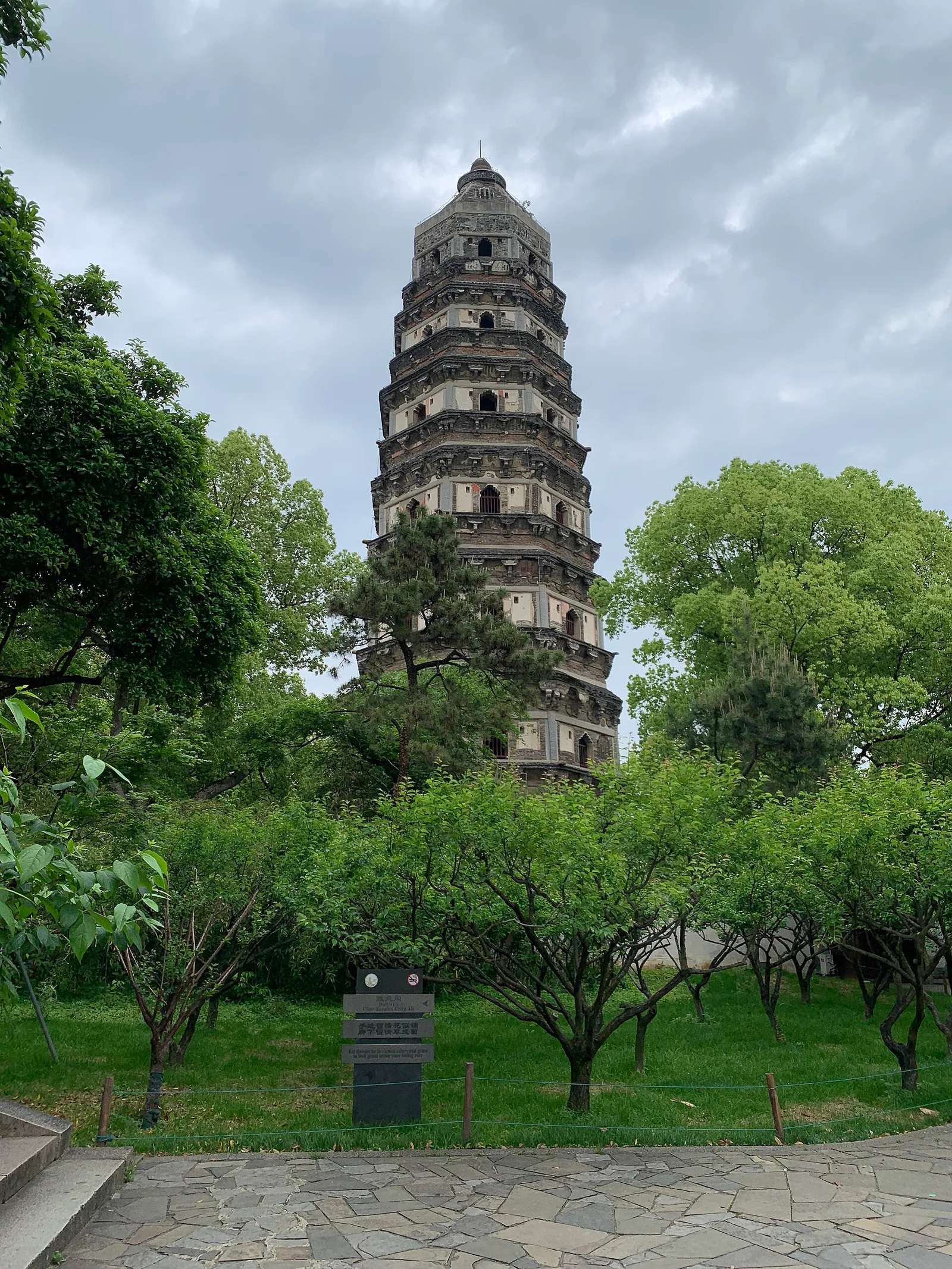
Tiger Hill
A wooded historic site in Suzhou whose defining landmark is the Yunyan Pagoda, visible above the hill. The site combines a recognisable skyline feature with paths through a larger garden landscape.
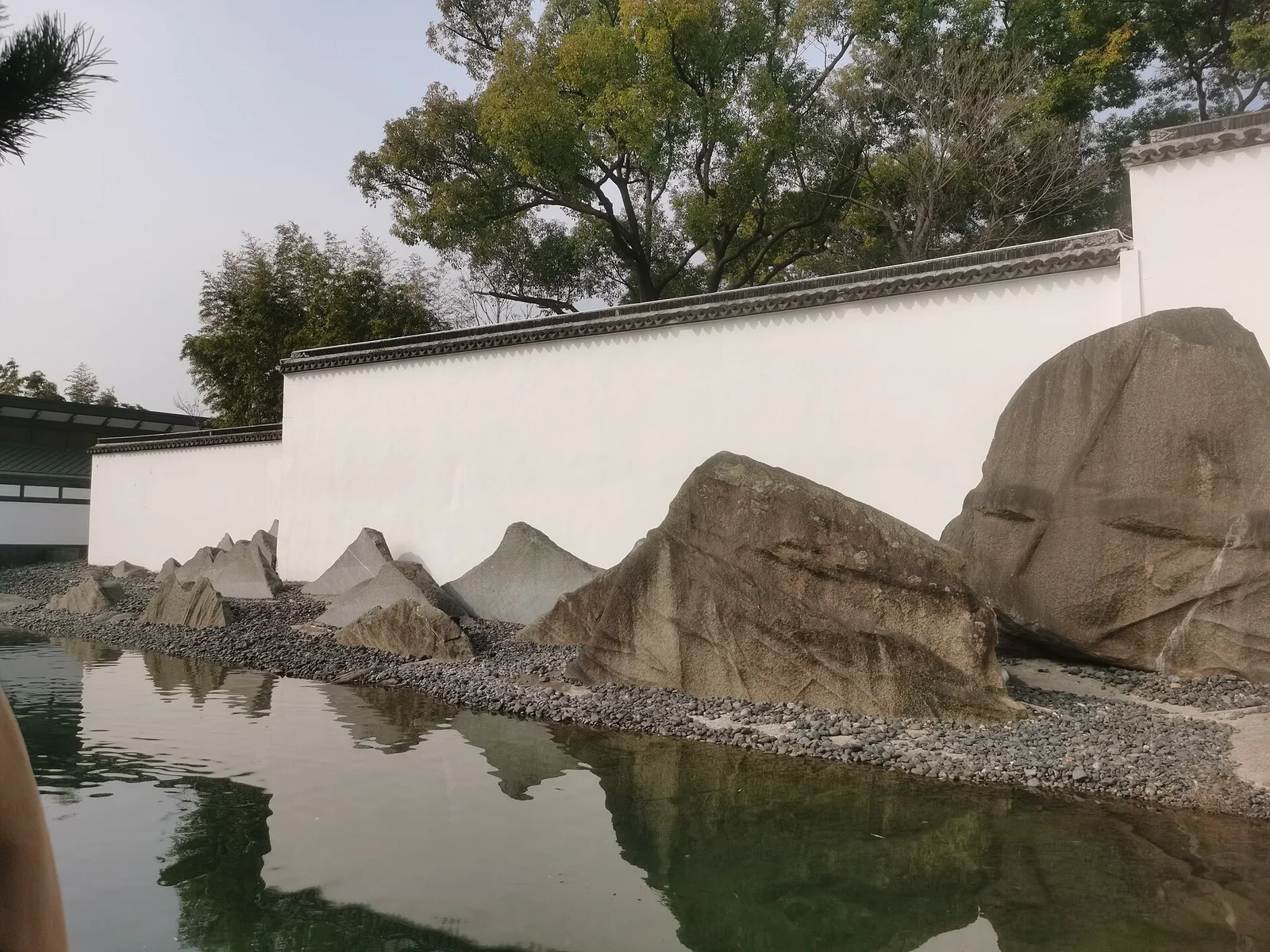
Suzhou Museum
The main museum building designed by I. M. Pei pairs white walls and dark roof edges with courtyards and carefully placed daylight. Architecture is a major part of the visit alongside the collections.
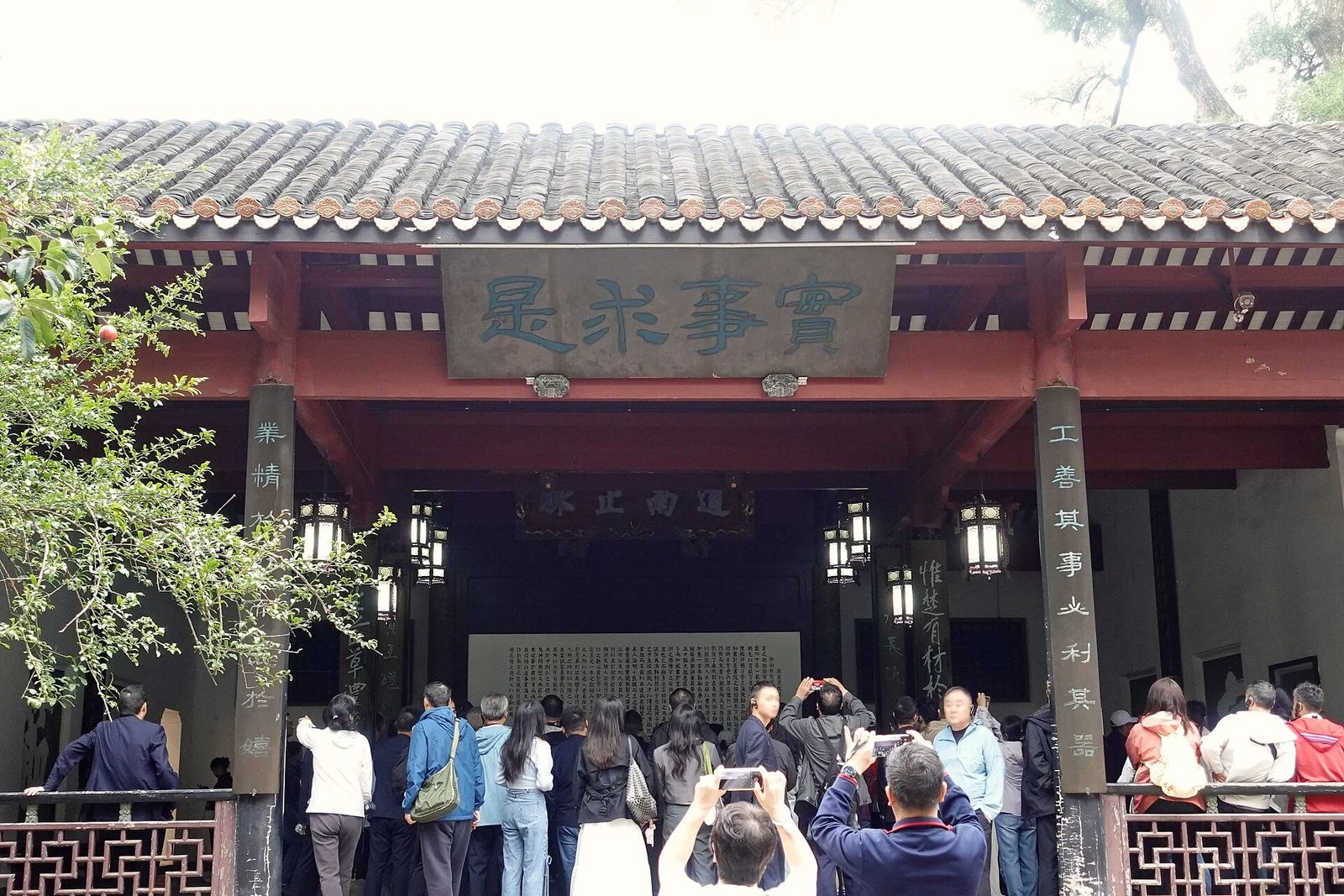
Yuelu Academy
Founded in 976, the academy still operates on the Hunan University campus. A walk along its central axis past the gate, lecture hall and Imperial Book Tower reveals both the building layout and the scholarly tradition left by Zhu Xi and Zhang Shi. It suits visitors interested in educational history, old architecture and campus life.
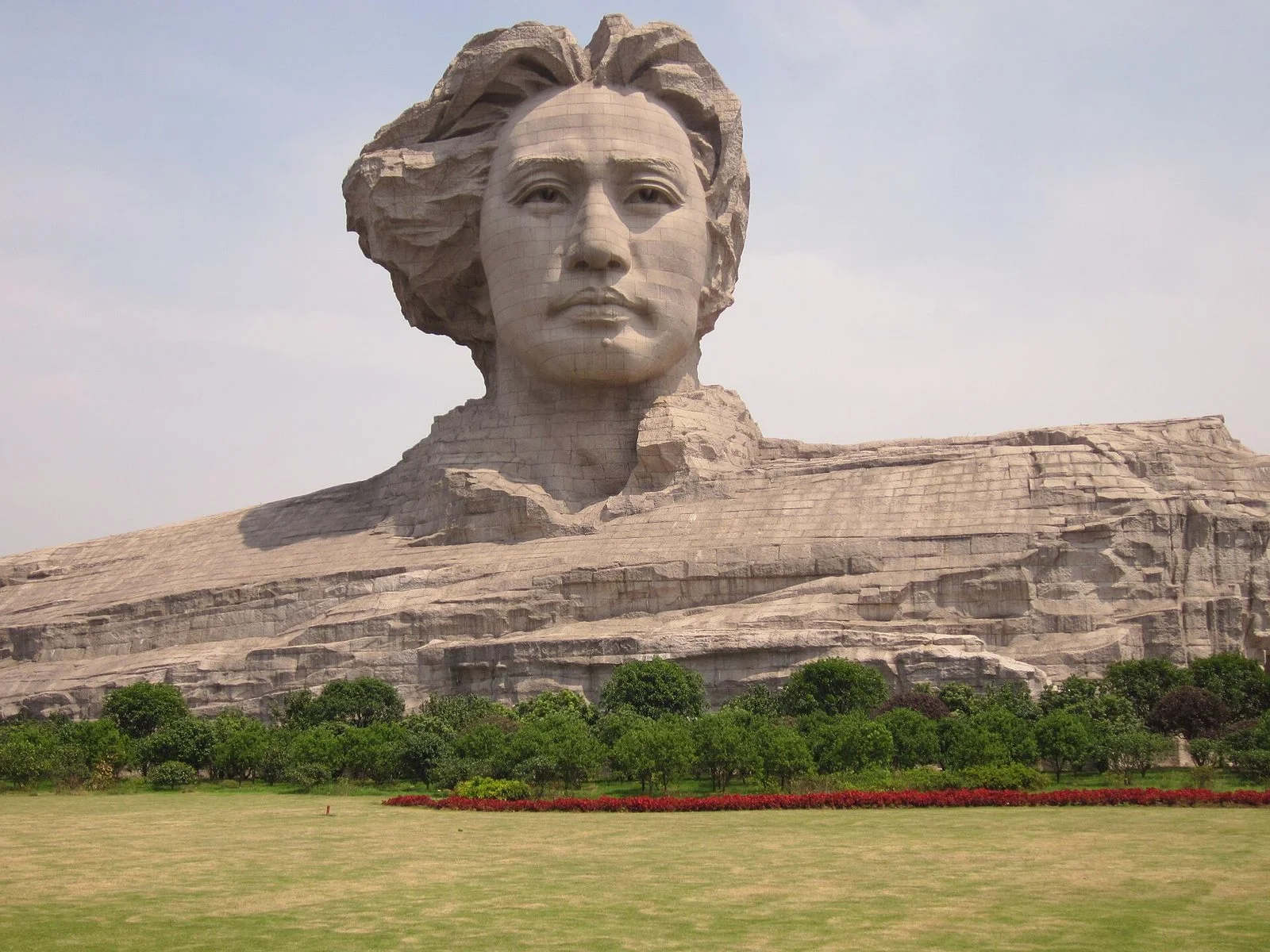
Orange Isle
A long, narrow sandbar in the middle of the Xiang River, with the young Mao Zedong sculpture at its head. Riverside paths, lawns and the city skyline meet here, good for walking, river views and photos; the isle is long, so allow enough time.
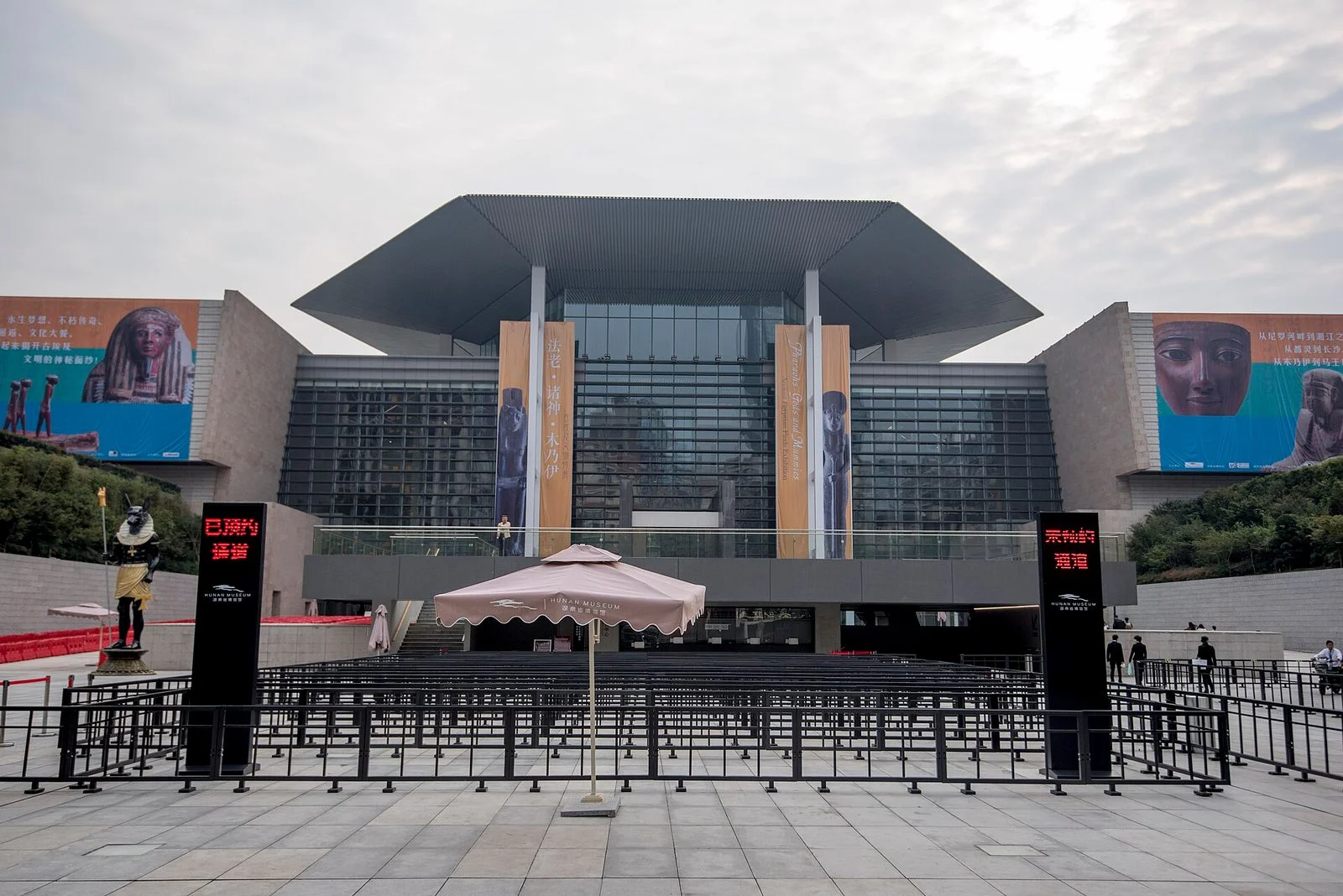
Hunan Museum
The Mawangdui Han tomb finds are the core: the T-shaped silk painting, the plain silk robes, textiles and the reconstruction of Xin Zhui's tomb chamber are all here. Permanent displays are free but need a real-name booking; passports are accepted, and half a day is worthwhile.
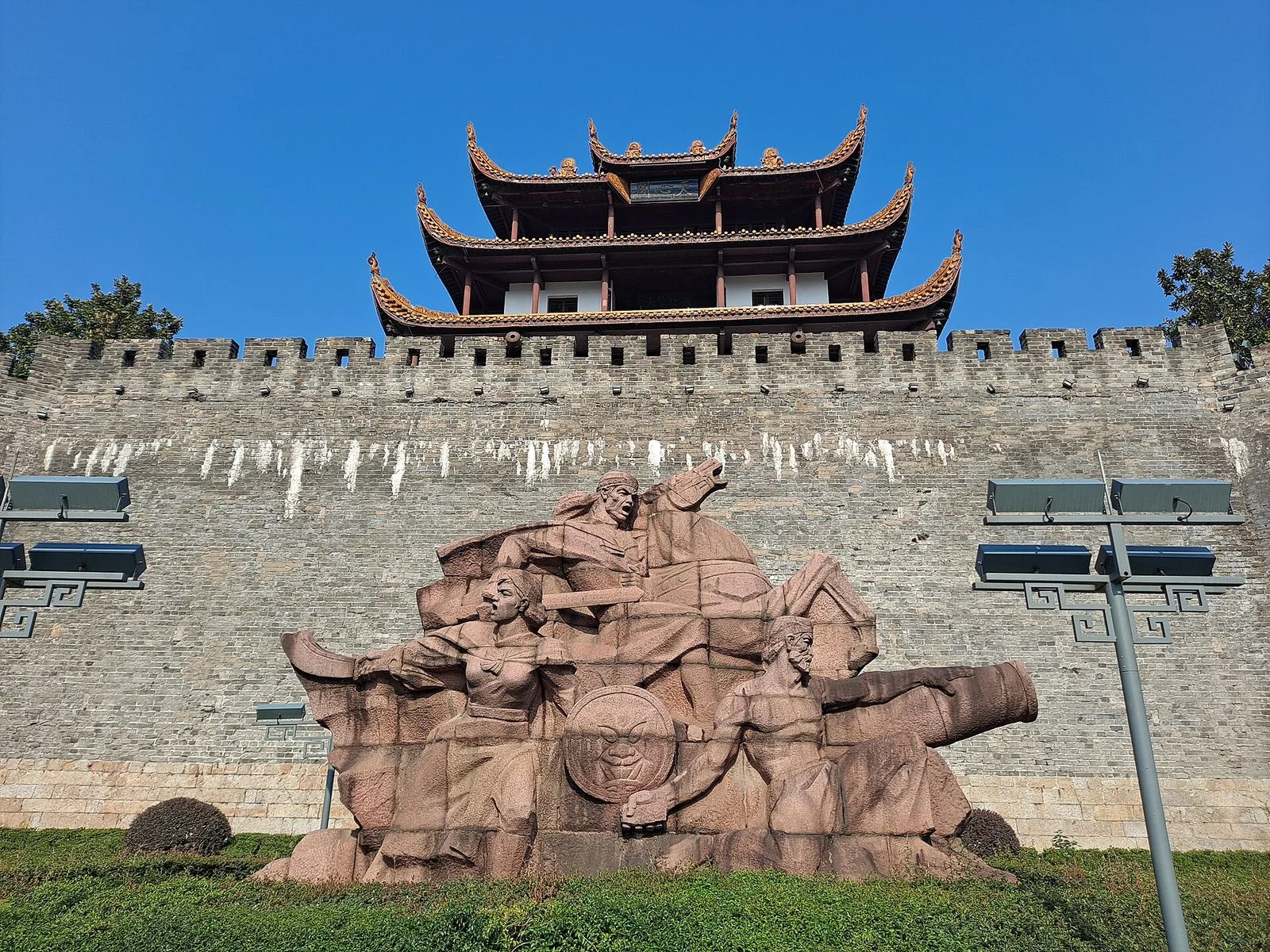
Tianxin Pavilion
A three-storey pavilion on the Ming city wall in the southeast corner of Changsha's old city, rebuilt in 1983. From the pavilion you look over old rooftops and new towers; wall, park and war memorials form one site, worth one to two hours.
Tianya Haijiao
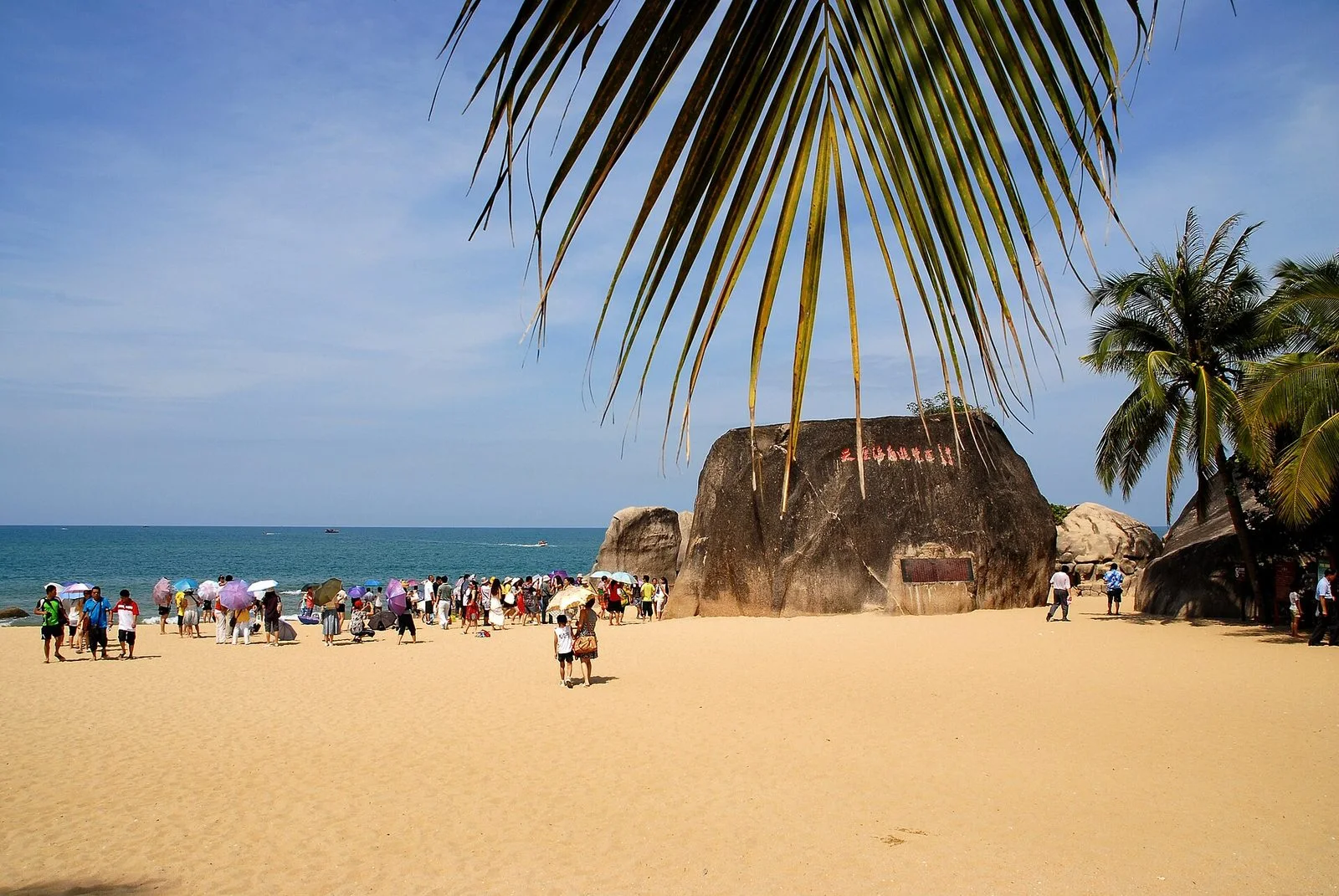
Tianya Haijiao brings granite boulders, cliff inscriptions and the beach at Tianya Bay together on one stretch of coast. Since admission became free, it works well as a half-day visit: look at the inscriptions, listen to the sea, then rest at Tianya Bookstore.
Nanshan Cultural Tourism Zone
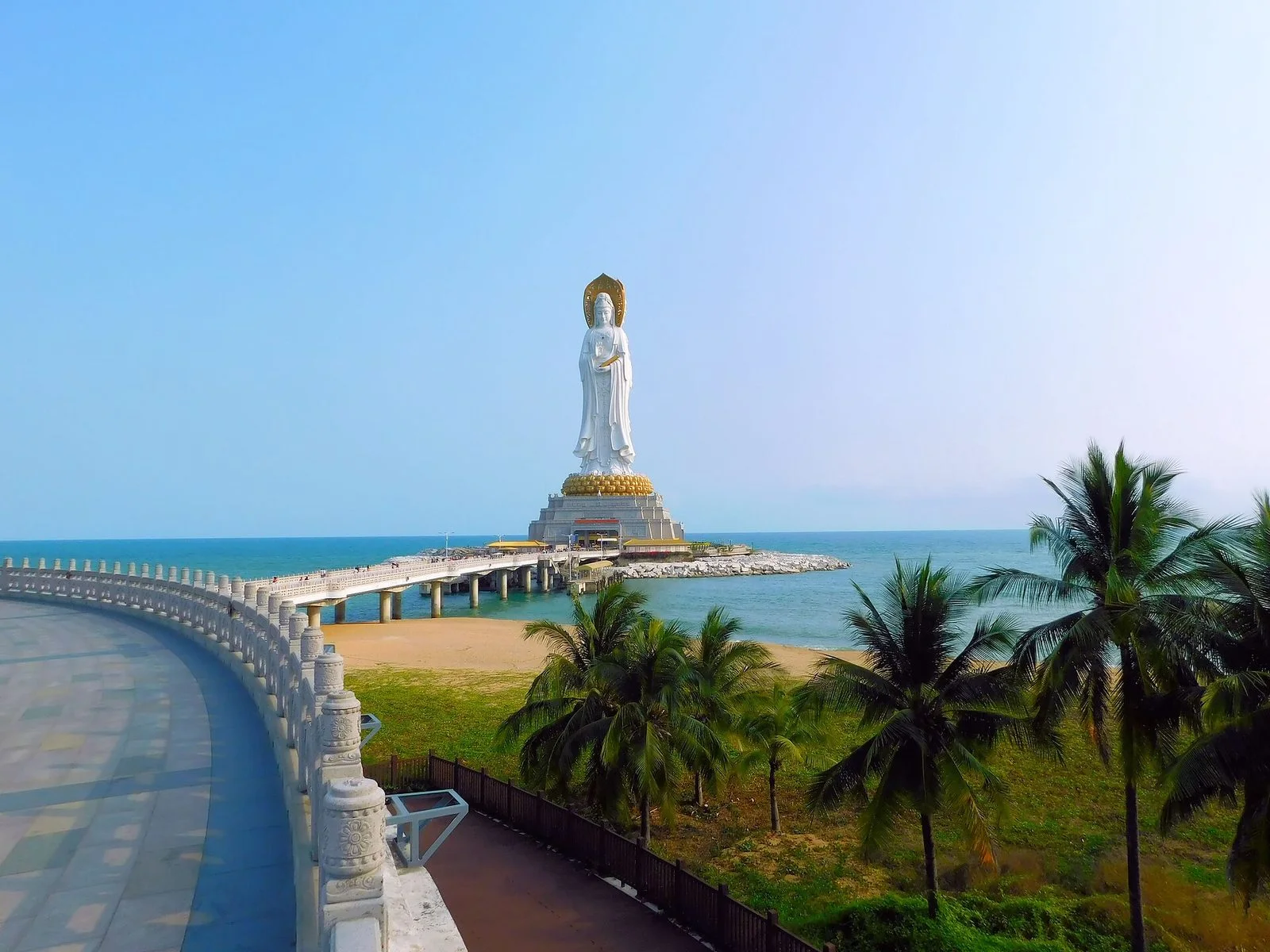
Nanshan combines the 108-meter Guanyin statue in the sea, a Nanshan Temple built in Tang dynasty style and tropical gardens on the same coastal hillside. The grounds are large and involve a lot of walking, so set aside at least half a day and choose according to your energy and interests.
Yalong Bay
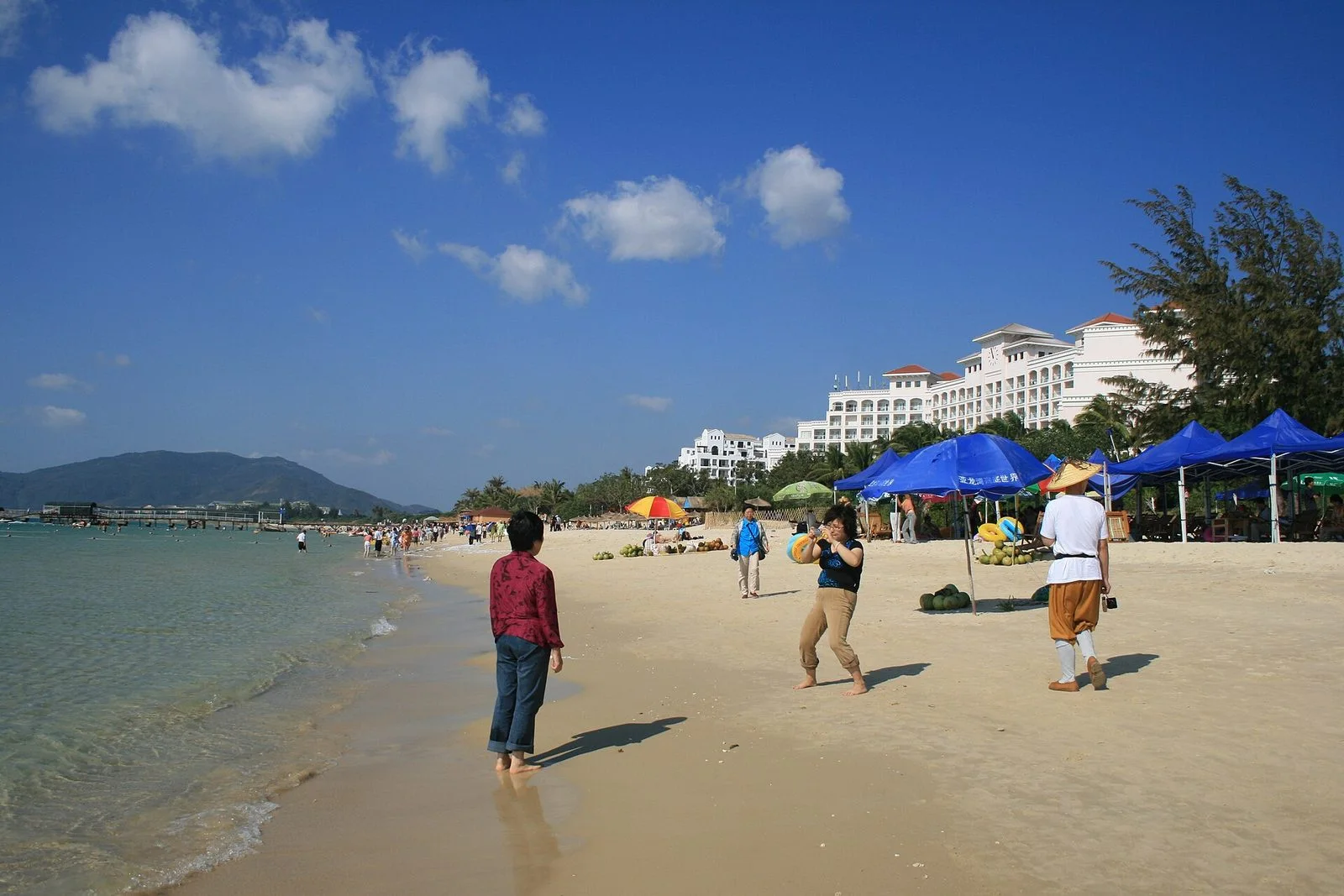
Yalong Bay's 7.5-kilometer beach of silver-white sand suits swimming and walking, and Yalong Bay Tropical Paradise Forest Park behind it offers a view over the bay from the hilltop. The beach and the park are separate outings, and either half a day or a full day can work.
Wuzhizhou Island
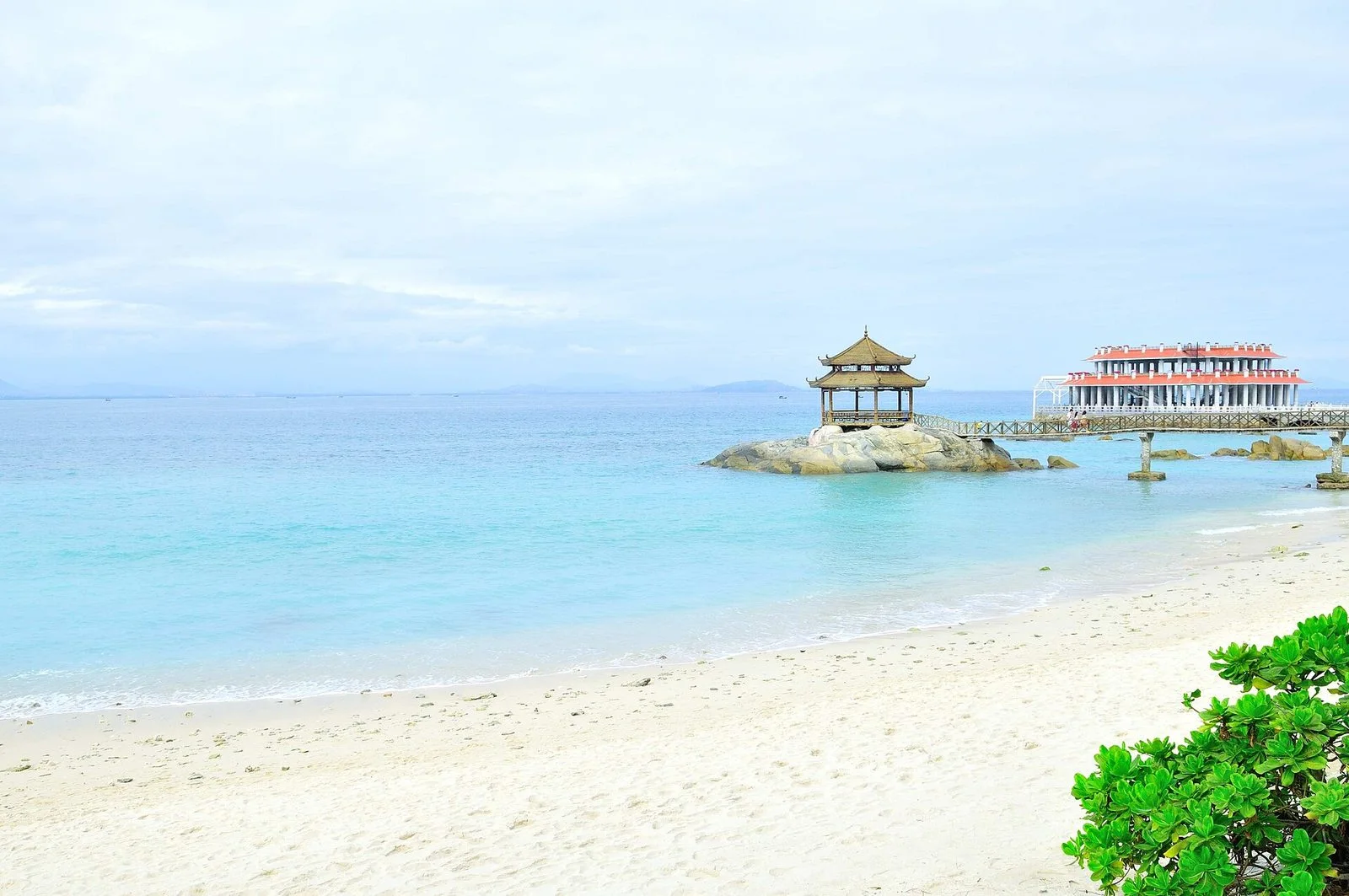
Wuzhizhou Island brings clear water, coral and an island loop road together on one small island, and suits diving, looking at reef rocks and water sports. Getting there means a boat crossing, and schedules and weather can change the shape of the day, so it is best to set aside a full day.
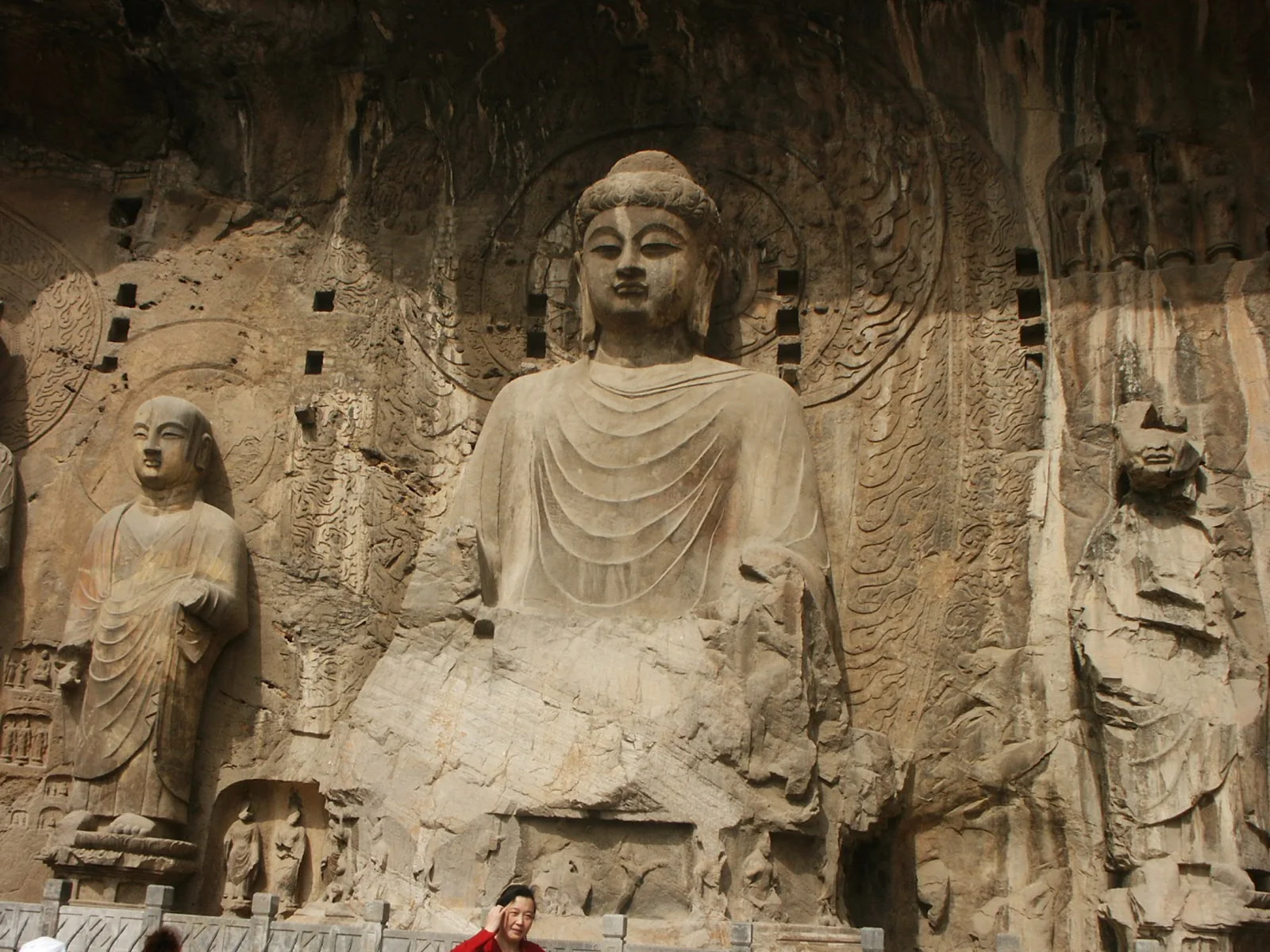
Longmen Grottoes
More than 2,300 caves and niches and some 110,000 statues line the cliffs on both sides of the Yi River. The point of Longmen is not a single giant Buddha but the way carving styles changed from the Northern Wei to the Tang within one river valley.
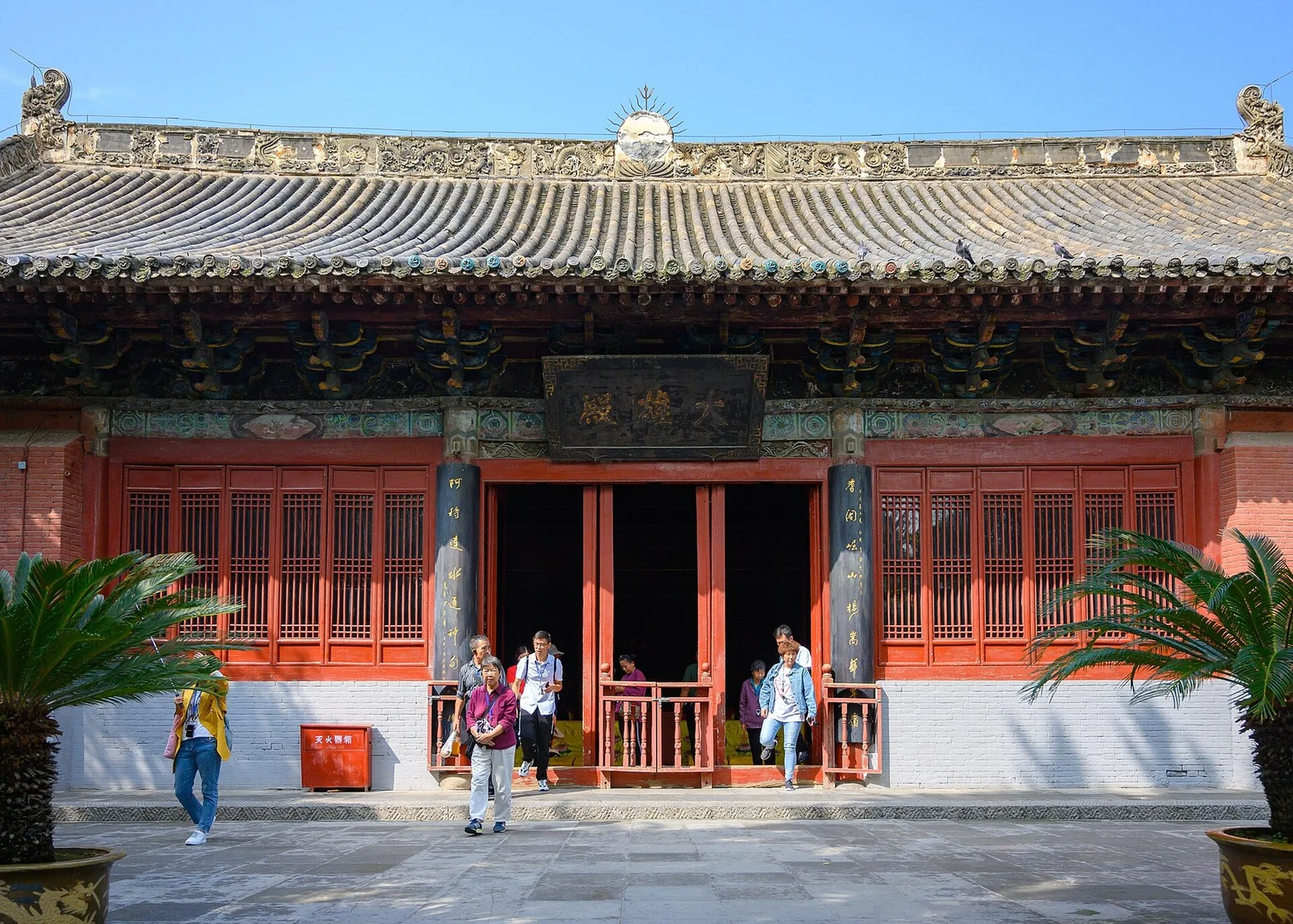
White Horse Temple
An officially founded temple dating to 68 CE, known as the “source of Buddhism” and its “ancestral court”. The five halls on its axis, the Qiyun Pagoda and the incense still offered there are more concrete than the title “China’s first ancient temple”.
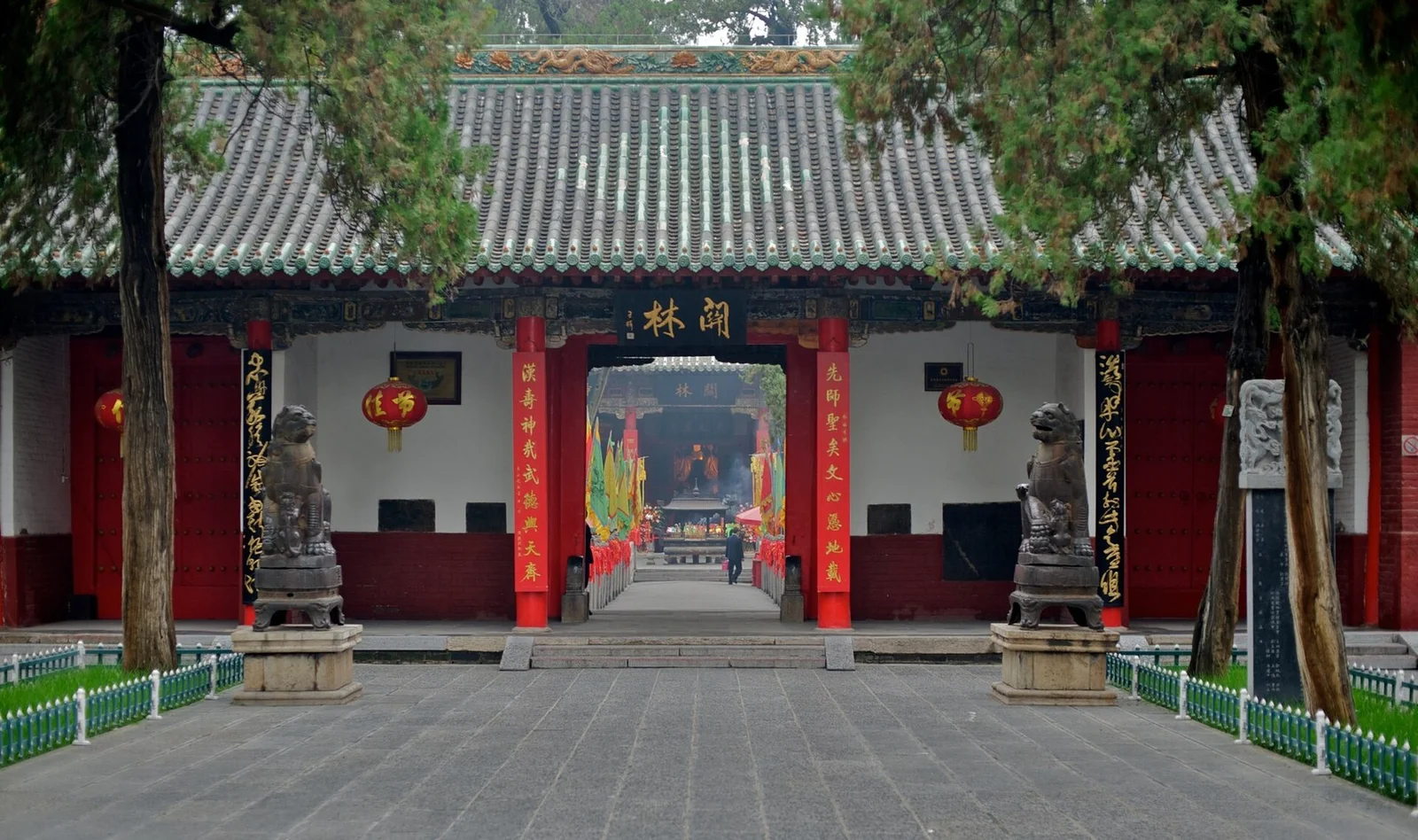
Guanlin Temple
A site traditionally associated with the burial of Guan Yu’s head, where tomb and temple stand together. The Ming-rebuilt axial courtyards, the stone-lion avenue and the continuing cult of Guan Gong make it both a monument and a living place of worship.
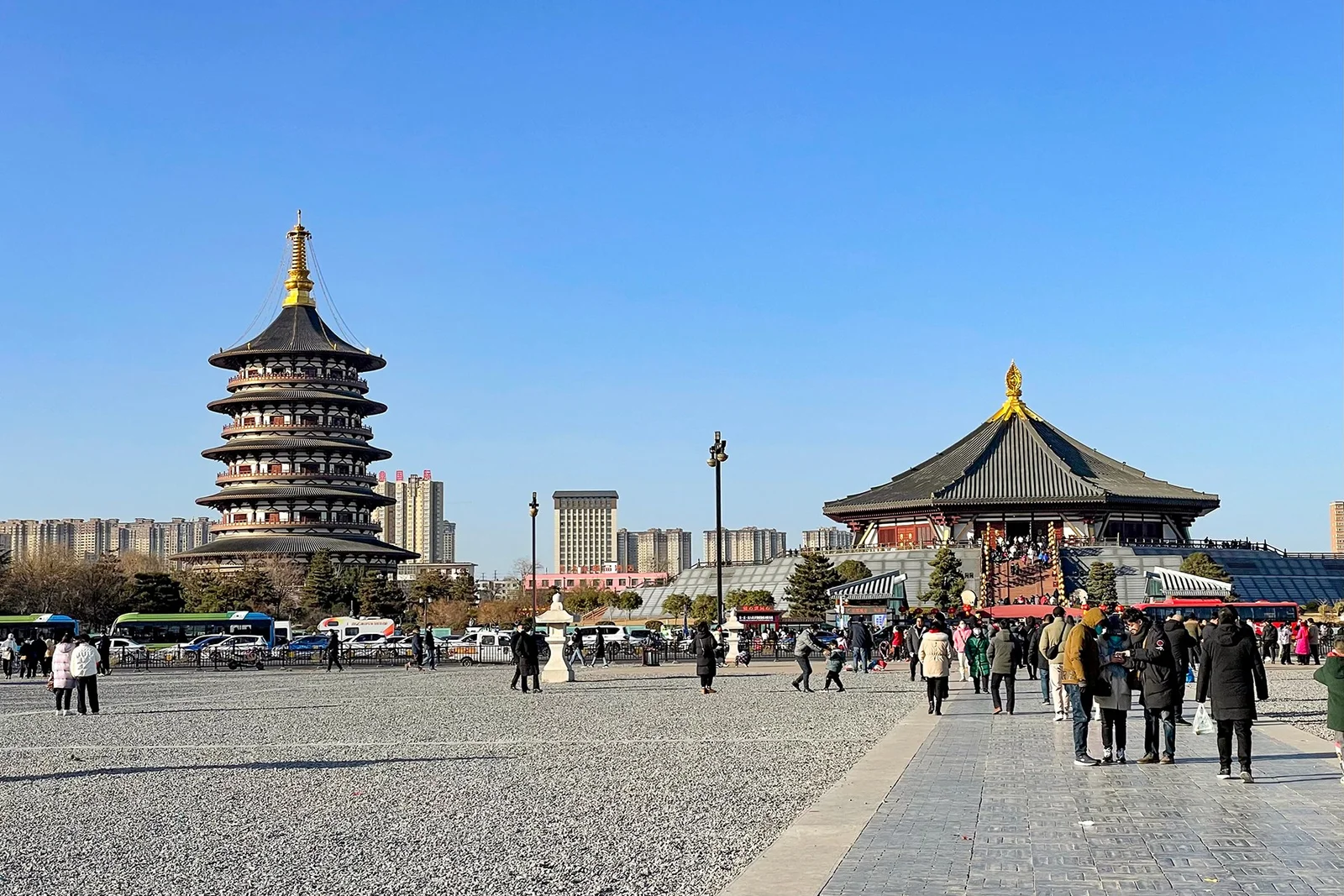
Sui-Tang Luoyang City National Archaeological Site Park
Mingtang, Tiantang, Yingtianmen and Jiuzhou Pool stand on the Sui-Tang palace site. The interest lies not only in how convincing the reconstructions look but in how original remains, building scale and evening performances are presented together.
Luoyang Ancient Tombs Museum
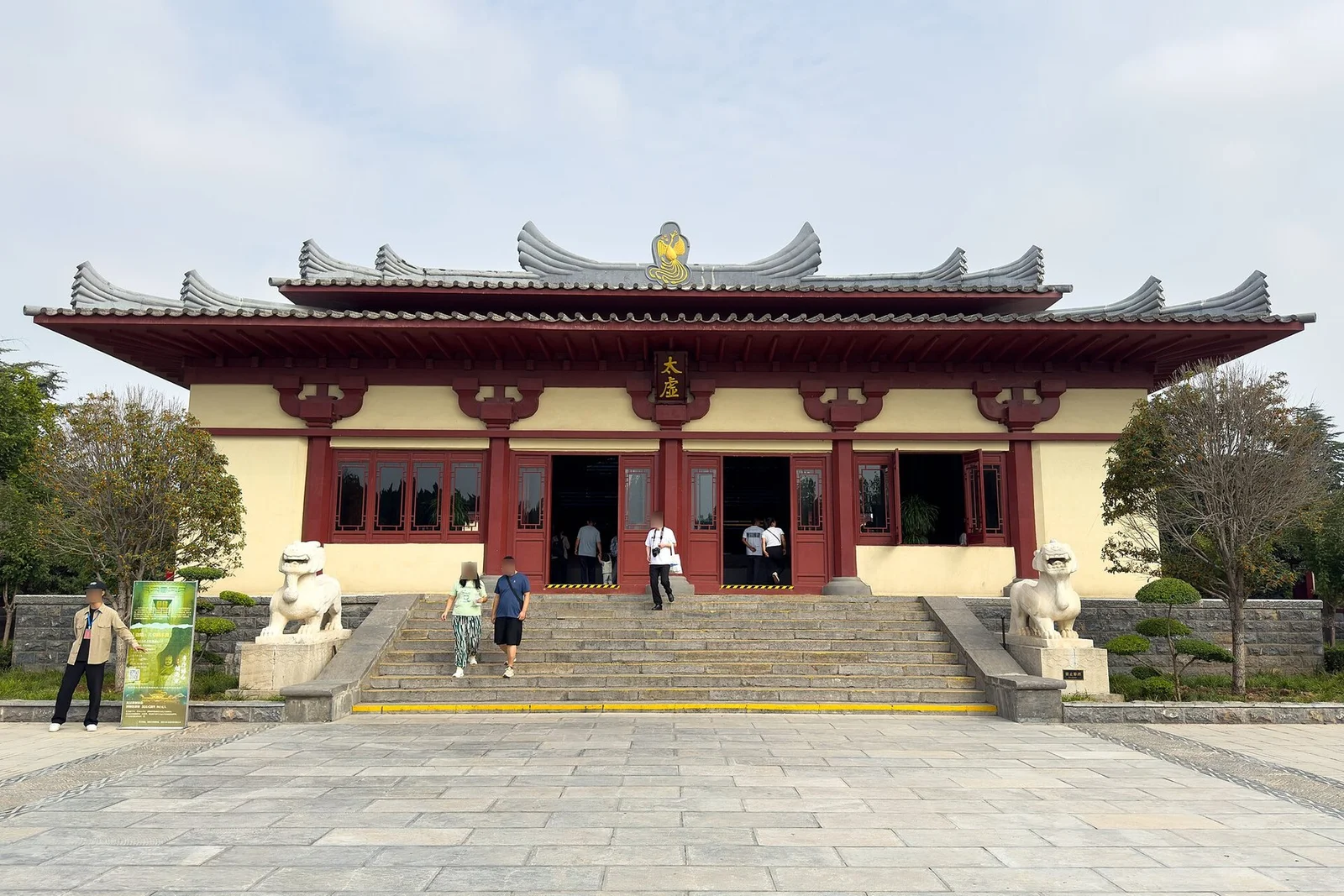
Twenty-five tombs from the Western Han to the Song and Jin are presented in one museum, together with the Northern Wei Jingling tomb and a mural hall. It shows the underground side of Luoyang and is one of China’s few museums devoted to tombs.
Potala Palace
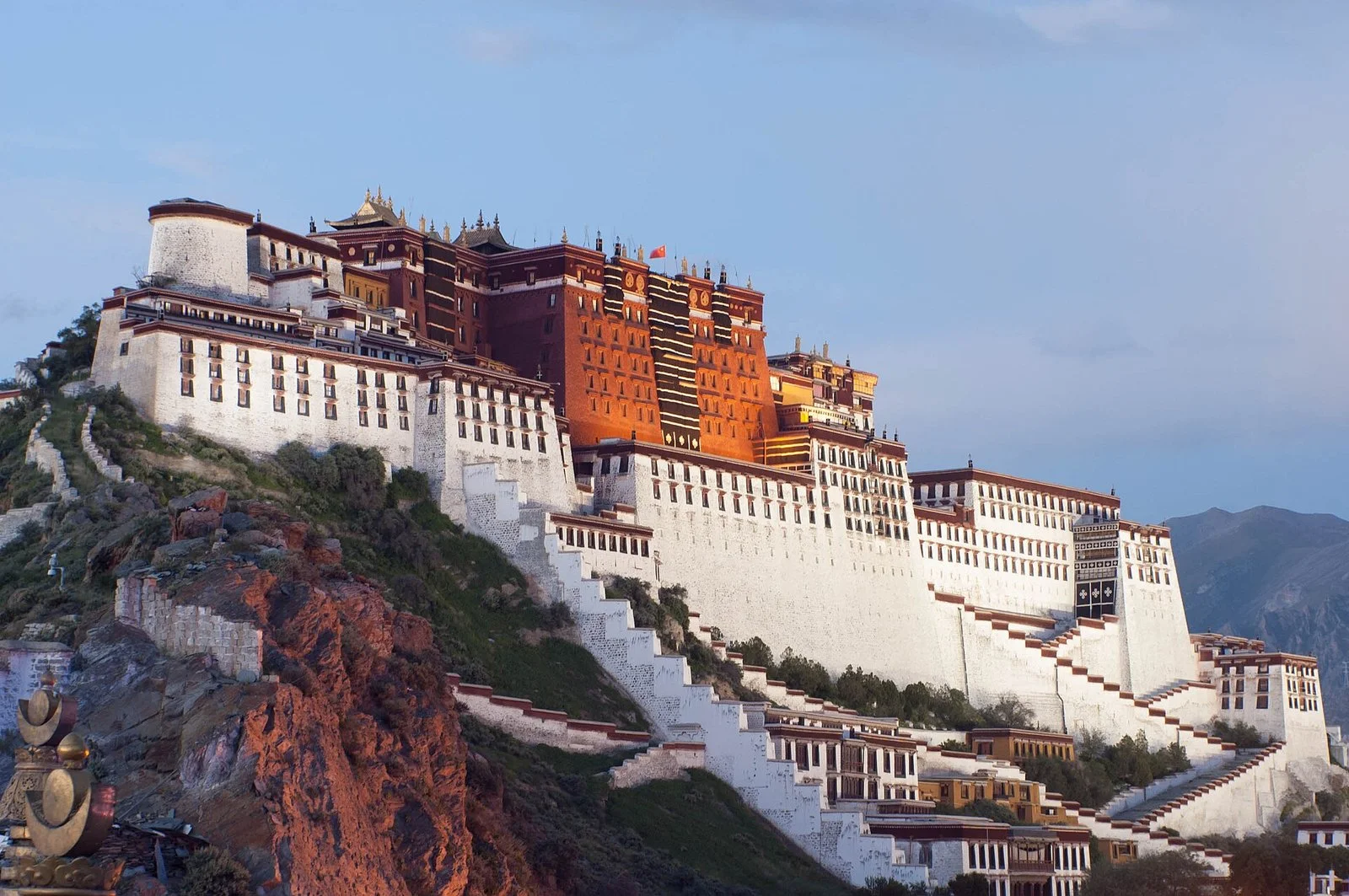
The Potala Palace stands on the Red Hill in Lhasa, its White Palace and Red Palace rising in layers along the slope. The Wordless Stele, the Deyang Shar courtyard, the East Assembly Hall, the reliquary halls of the Red Palace and the gilded roofs reveal layers of construction since the 7th century; there are many steps, so allow for stamina and a booked time slot.
Jokhang Temple
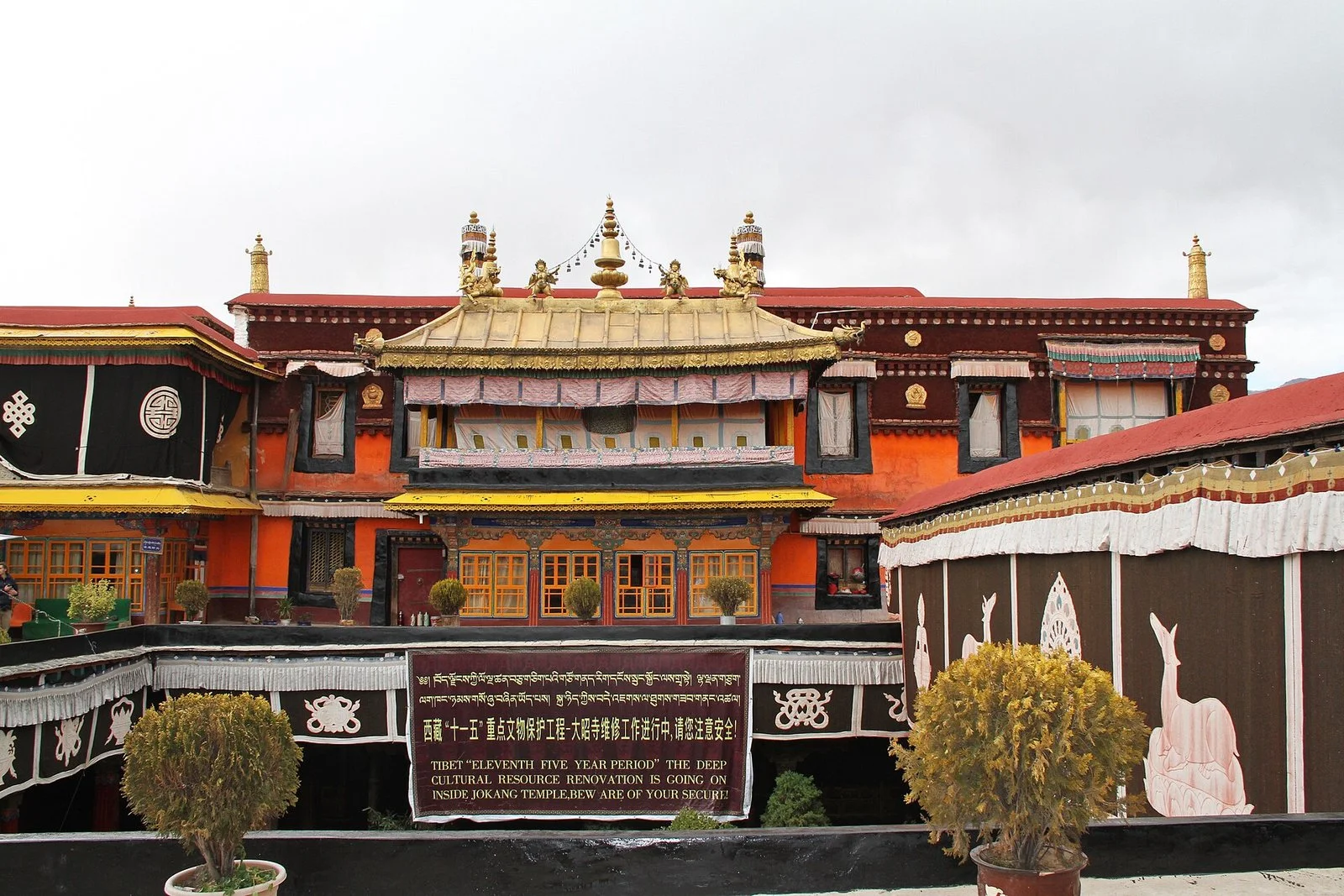
The Jokhang Temple stands at the center of Barkhor Street in Lhasa's old town and was founded in the 7th century; its main image is the life-size Shakyamuni at age twelve. What you see is not only halls and gilded roofs but also how the Nangkor, Barkhor and Lingkor kora routes link the temple, the streets and worshippers; visits require a real-name reservation in advance.
Norbulingka
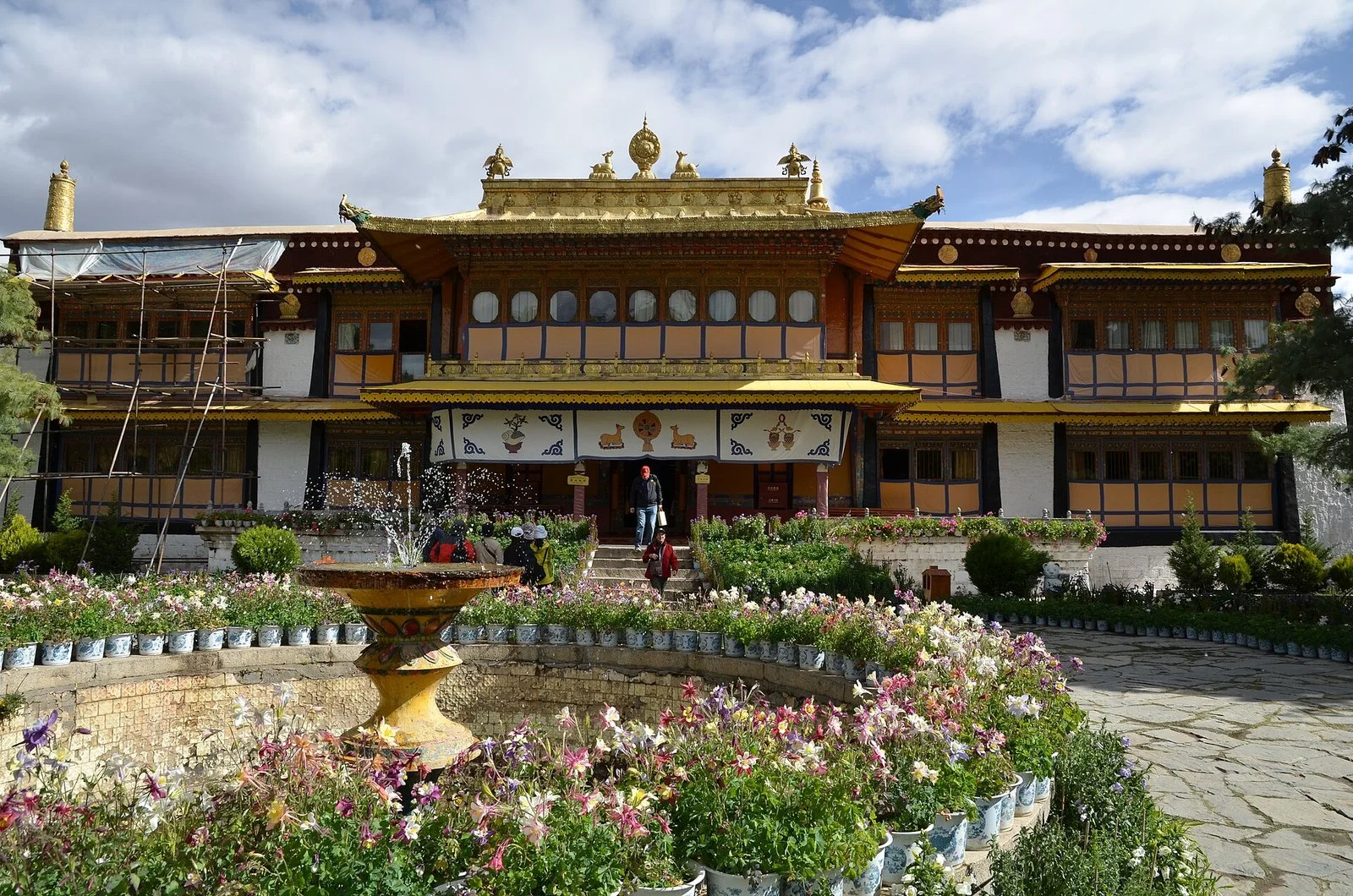
Norbulingka is the 'jewel garden' on Lhasa's western edge and became the summer palace of successive Dalai Lamas from the mid-18th century. Within its four palace complexes, the three main ones—Kelsang Phodrang, Chensel Phodrang and Takten Migyur Phodrang—stand scattered among trees, flower beds and ponds, and the garden suits a slow half-day, long enough to see how the buildings sit within the garden.
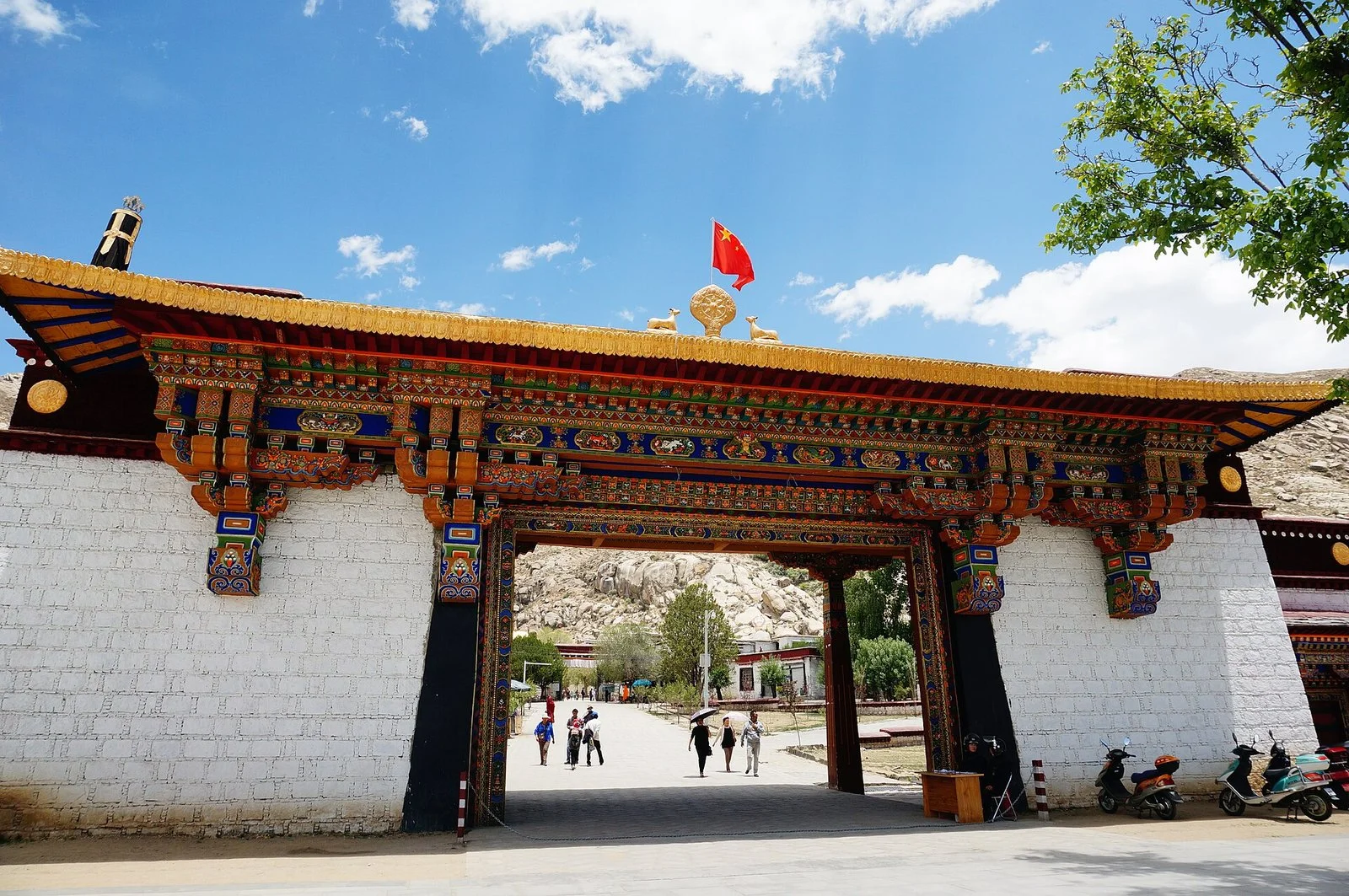
Sera Monastery
Sera Monastery stands at the foot of Sera Uze Hill north of Lhasa and was founded by Shakya Yeshe in 1419, with its halls spread along the slope. The 108 pillars of the Tsogchen Hall, the three dratsang colleges and the afternoon debate courtyard are the three things to focus on in this major Gelug monastery; debate times are subject to the monastery's notices.
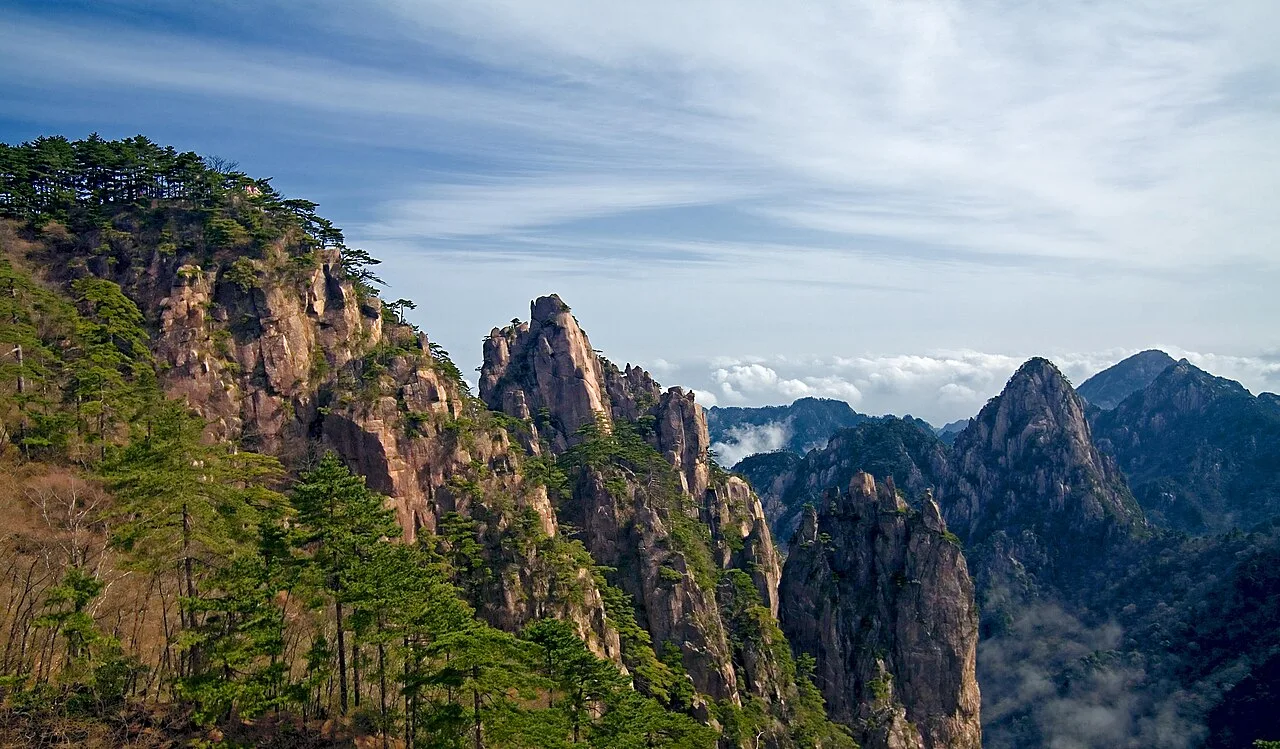
Mount Huangshan Scenic Area
Mount Huangshan is known for granite peaks, old pines and changing clouds. This guide explains the landscape, its heritage status and what to consider before exploring its steep mountain paths.
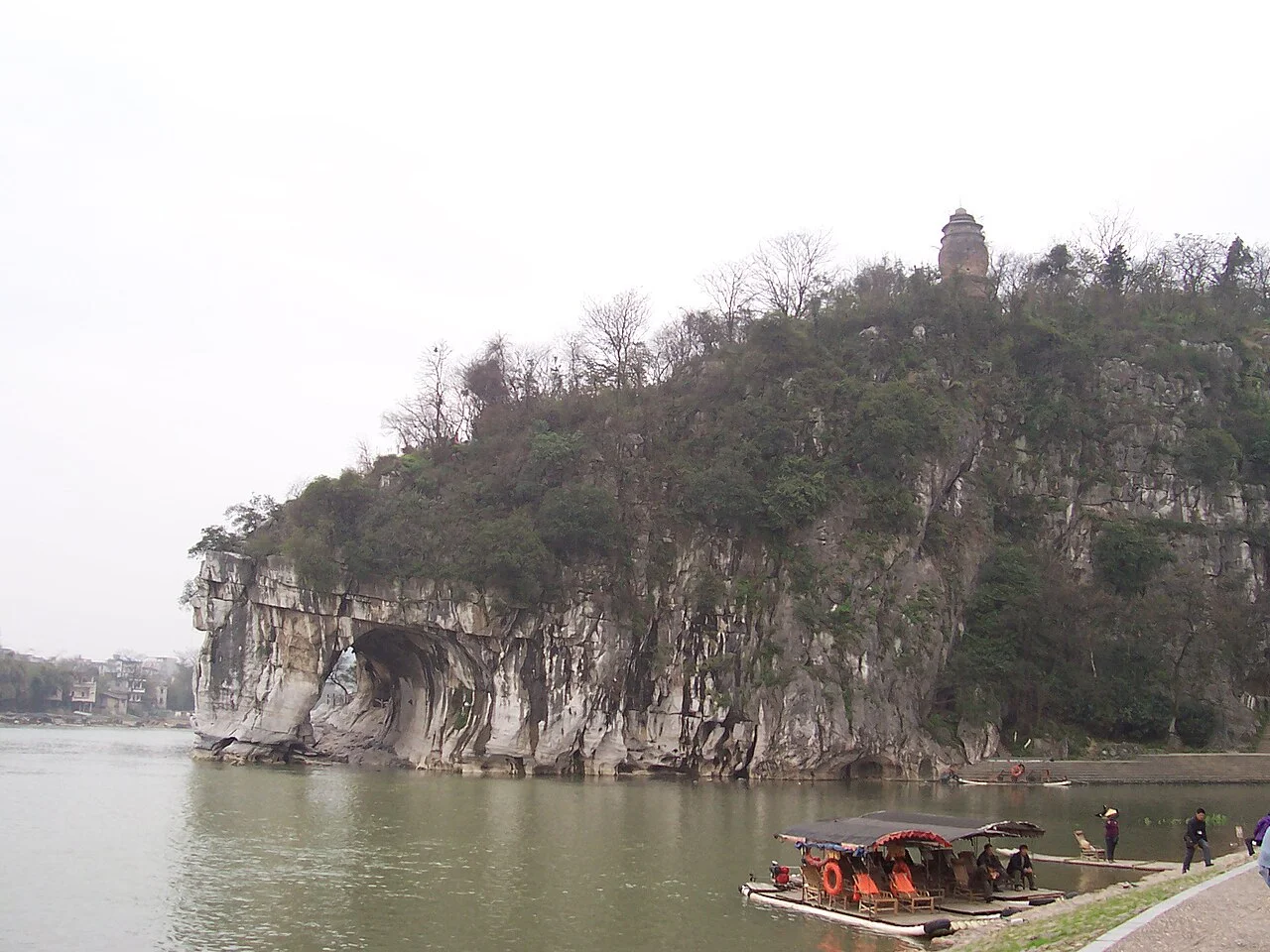
Elephant Trunk Hill
A limestone hill at the confluence of the Li and Taohua rivers, where the Water Moon Cave creates the profile that gives the landmark its name. Look at the rock from both the river edge and the hill paths.
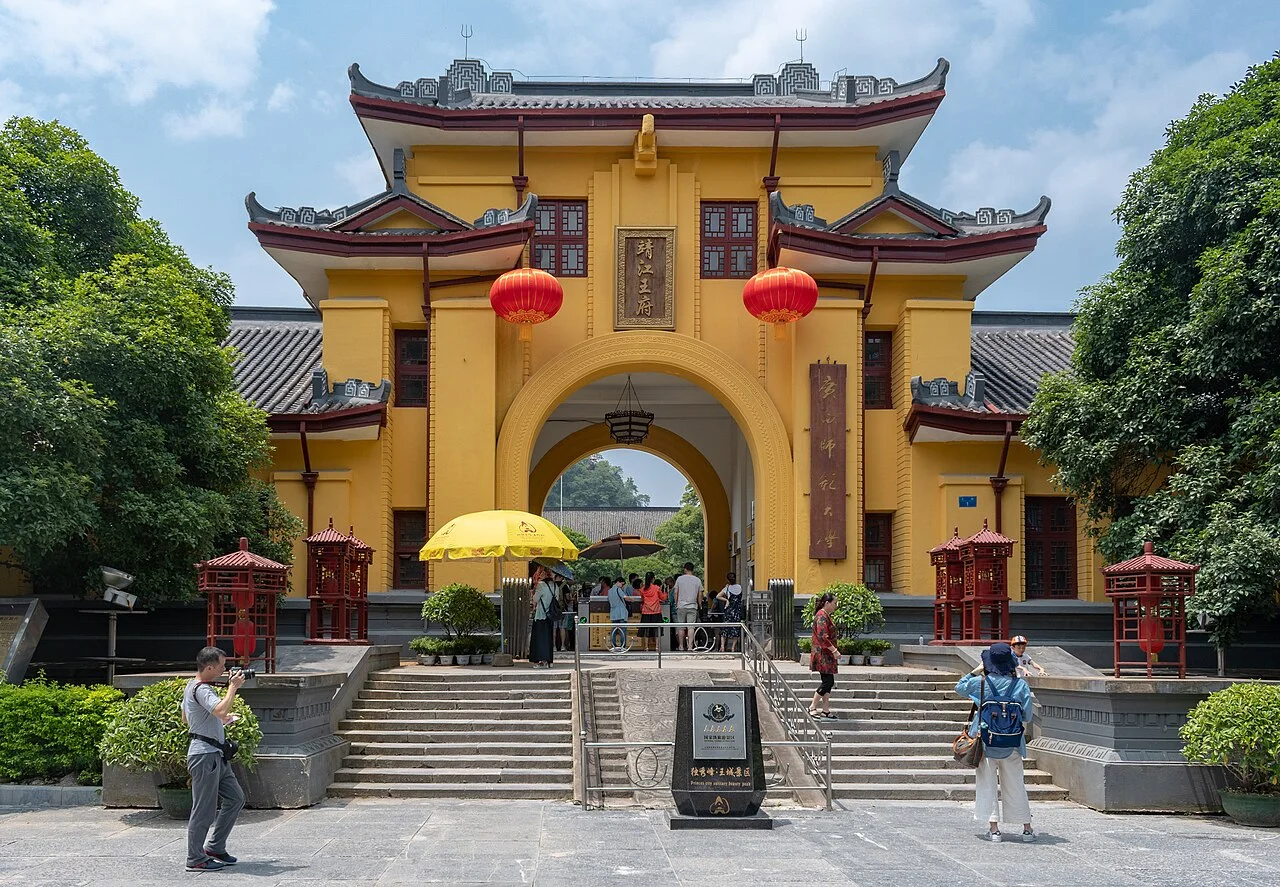
Solitary Beauty Peak and Jingjiang Princes' City
A walled palace compound built for the Jingjiang branch of the Ming imperial family, arranged around Solitary Beauty Peak. Its courtyards, stone inscriptions and examination history reveal a political and educational chapter of Guilin.
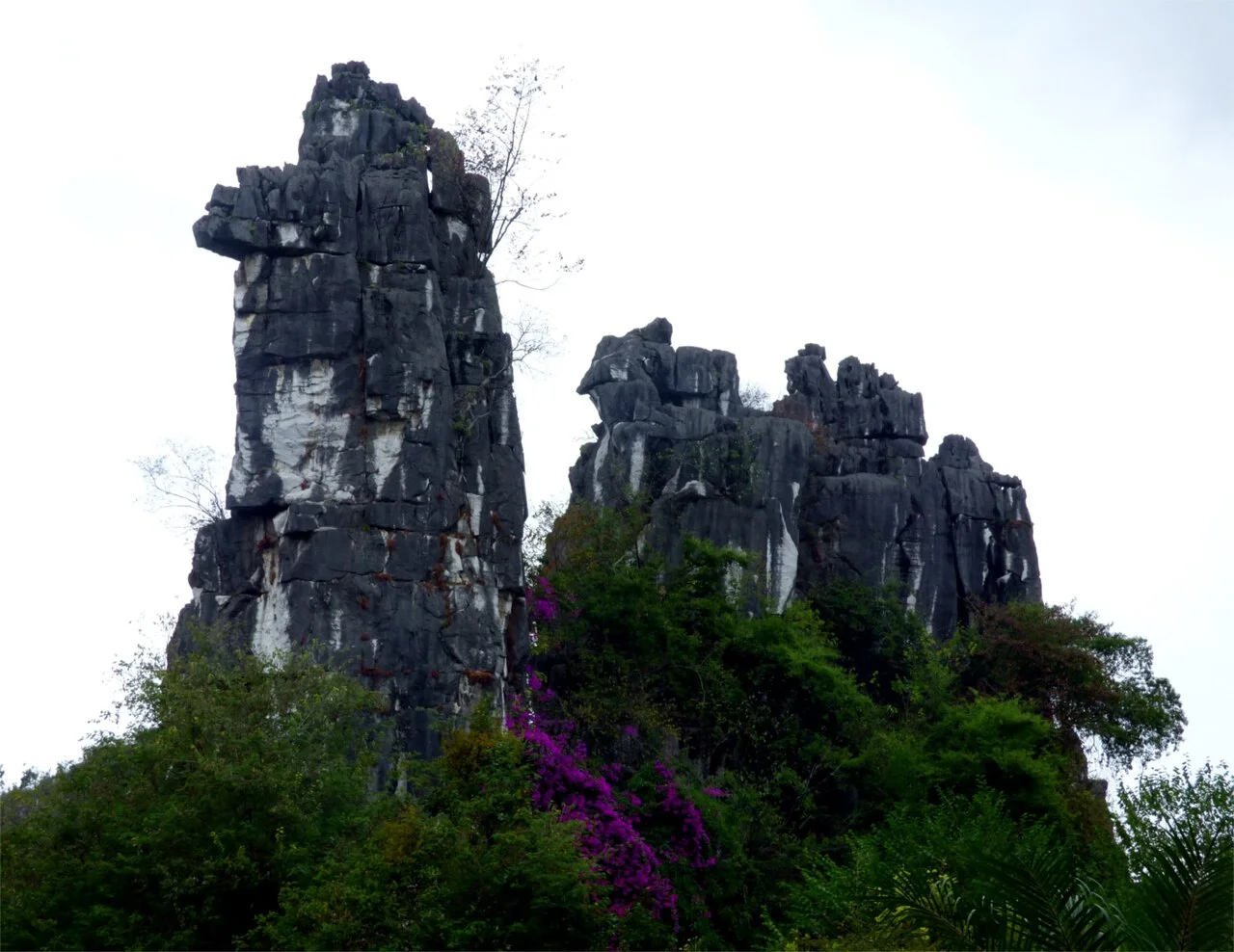
Seven Star Scenic Area
A large urban scenic area on the east bank of the Li River, combining karst peaks, Flower Bridge, Seven Star Cave and the Guihai Forest of Steles. Treat it as a varied landscape rather than a single viewpoint.
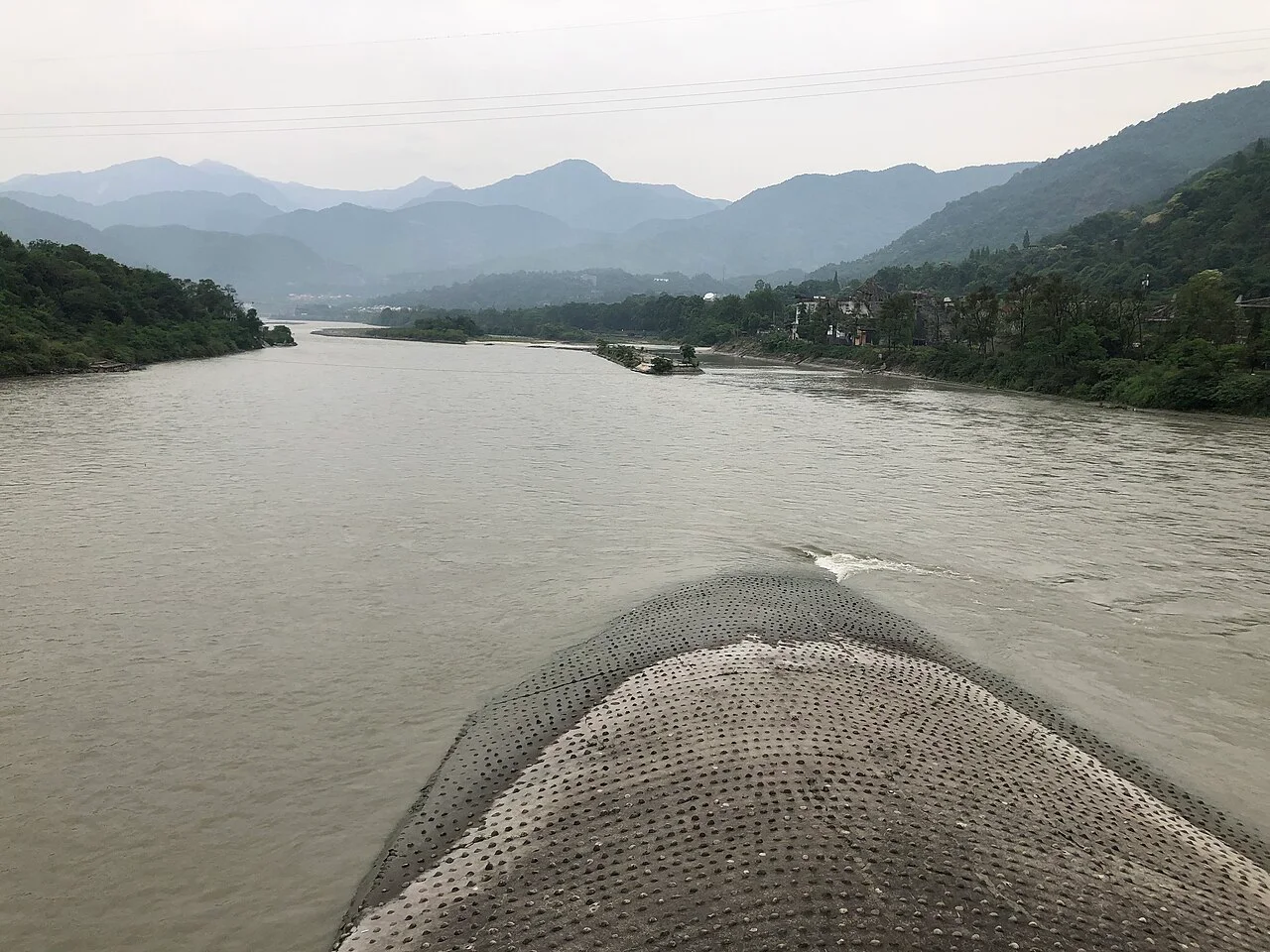
Dujiangyan Irrigation System
An ancient water-control system in Dujiangyan City, west of Chengdu’s central districts. Its fish-mouth levee, Feishayan spillway and Baopingkou channel divide and regulate river water without a conventional dam across the main channel.
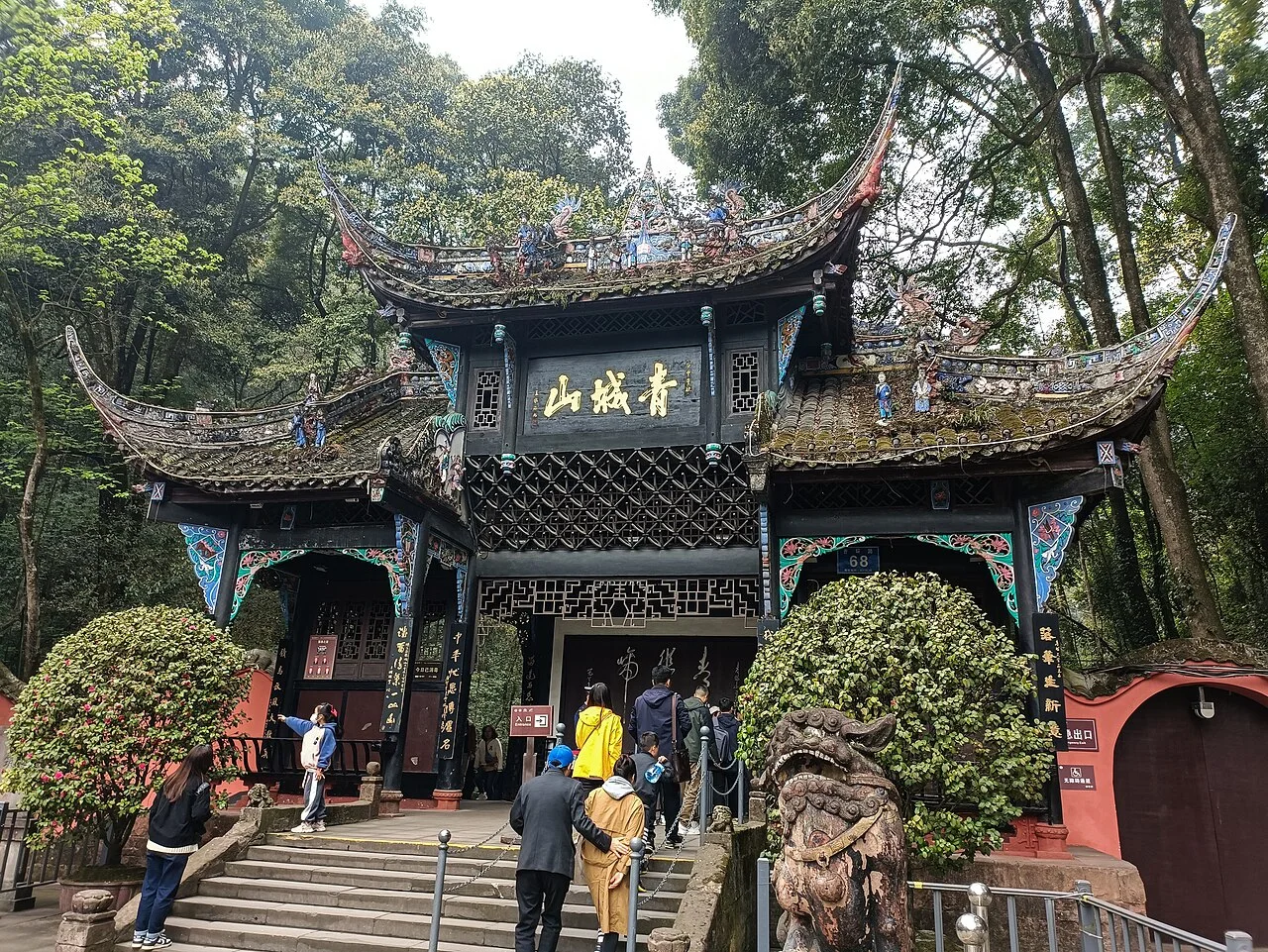
Mount Qingcheng
A forested mountain in Dujiangyan City, associated with Taoist history and a network of temples and paths. The front mountain combines shaded streams, steep slopes and religious architecture in a compact landscape.
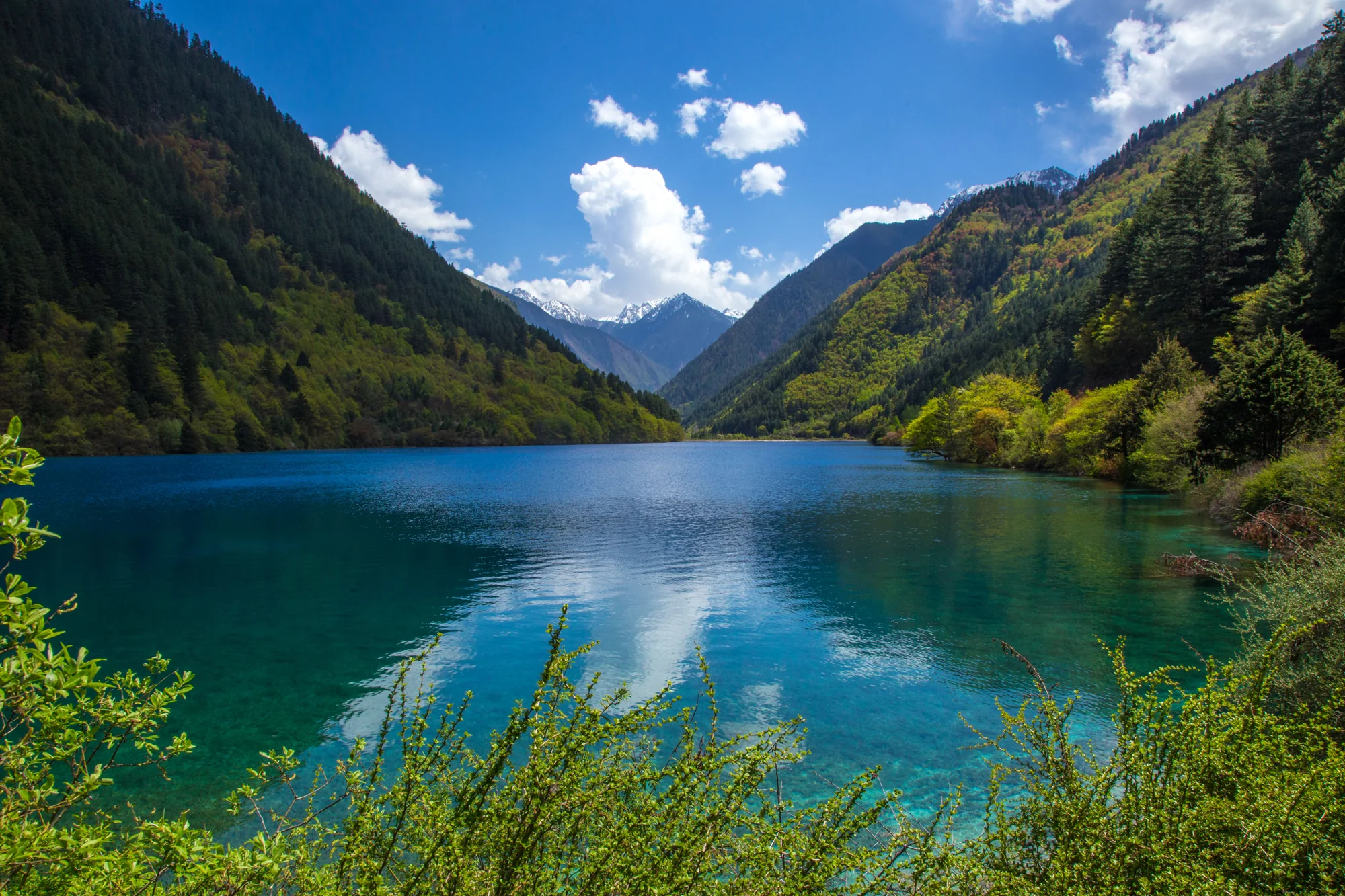
Jiuzhaigou Scenic Area
An area of alpine lakes and waterfalls in Sichuan's Min Mountains, with three valleys forming a Y. Underwater fallen trees at Five Flower Lake, broad mountain views at Long Lake and the stepped lakes of Shuzheng Valley offer different ways to see the landscape.
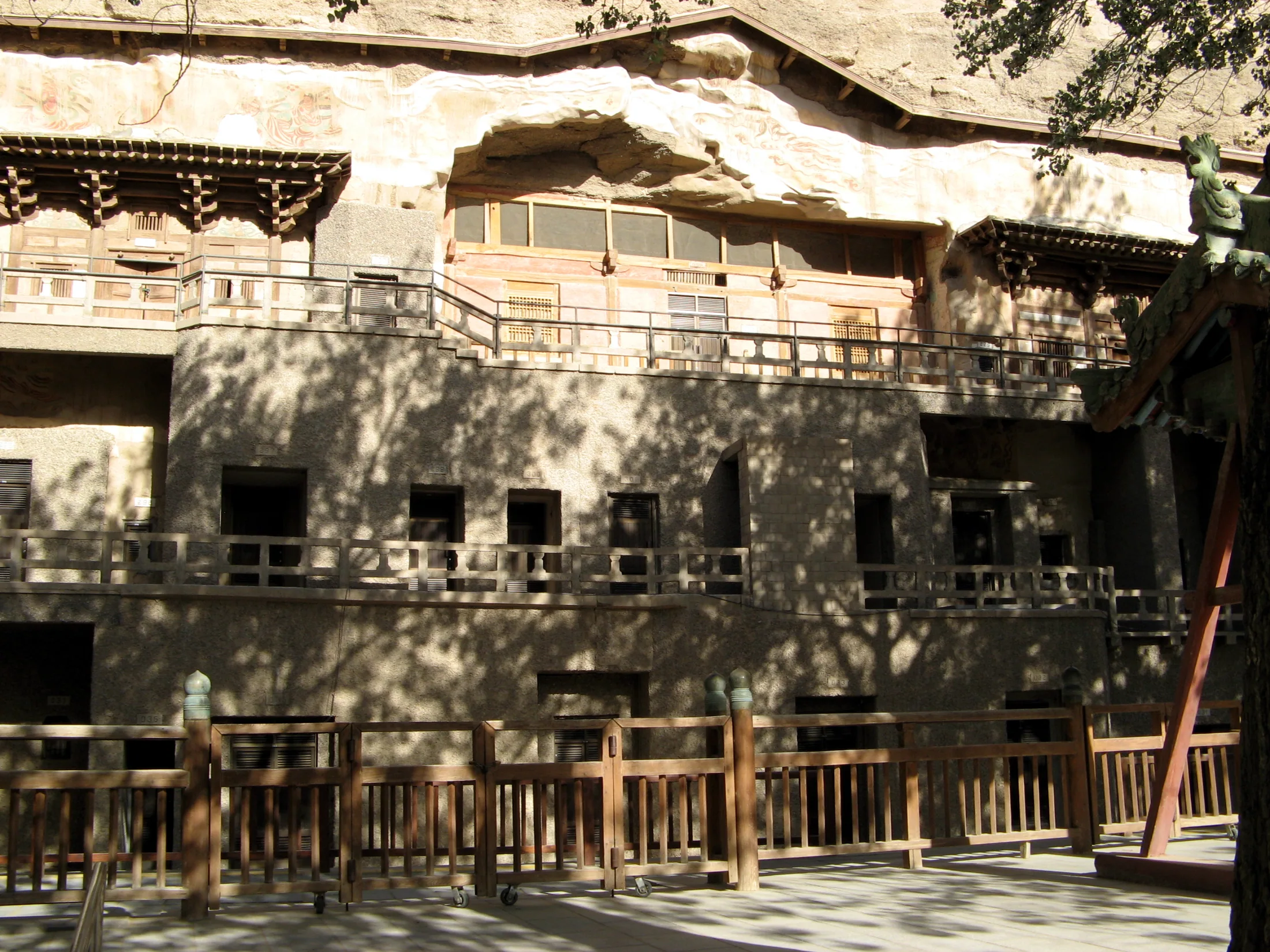
Mogao Caves
A cliffside complex of Buddhist cave sanctuaries where murals and sculptures preserve a thousand years of artistic exchange along the Silk Road.
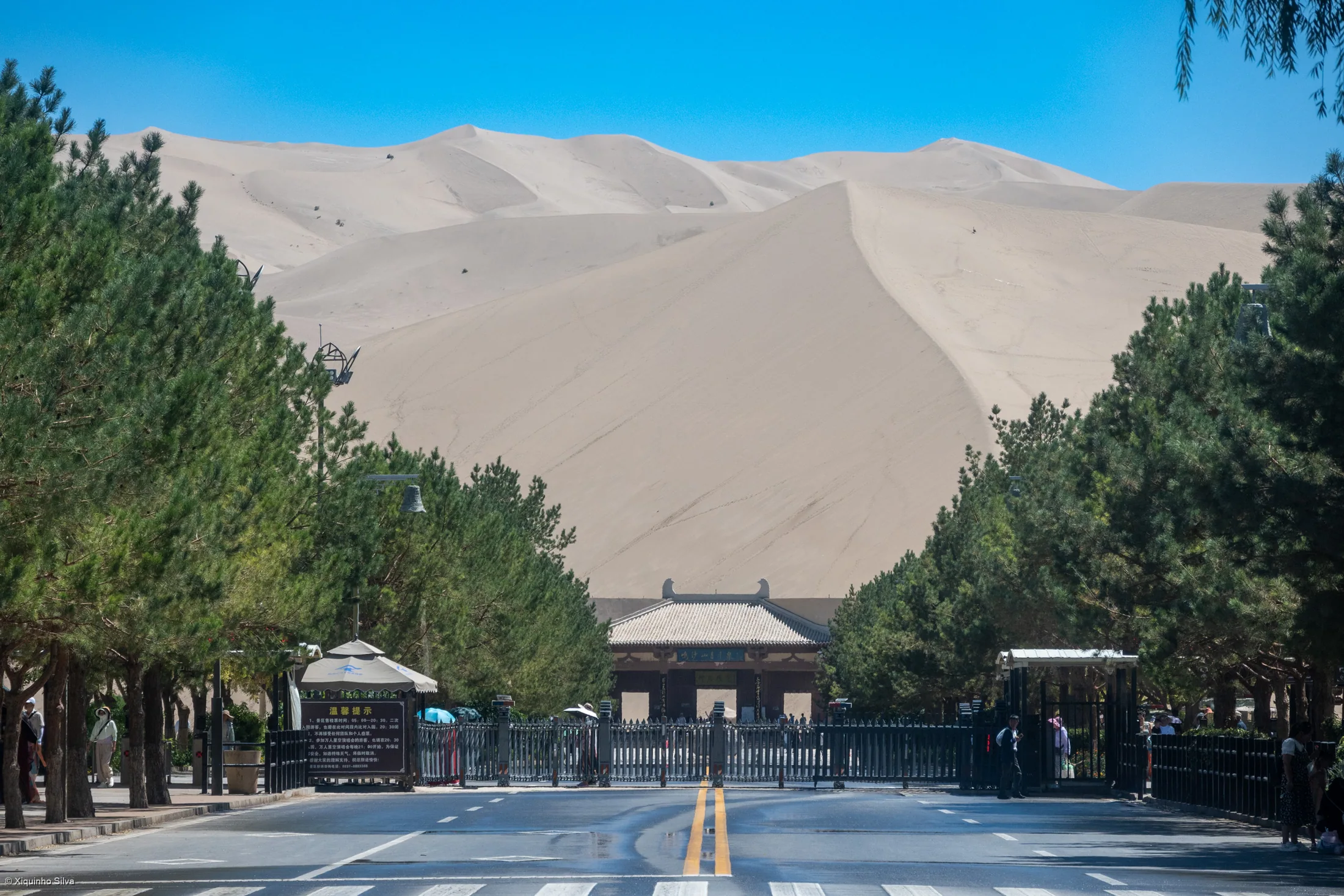
Mingsha Mountain and Crescent Moon Spring
A desert landscape south of Dunhuang where crescent-shaped dunes rise beside a spring, bringing moving sand and water into one view.
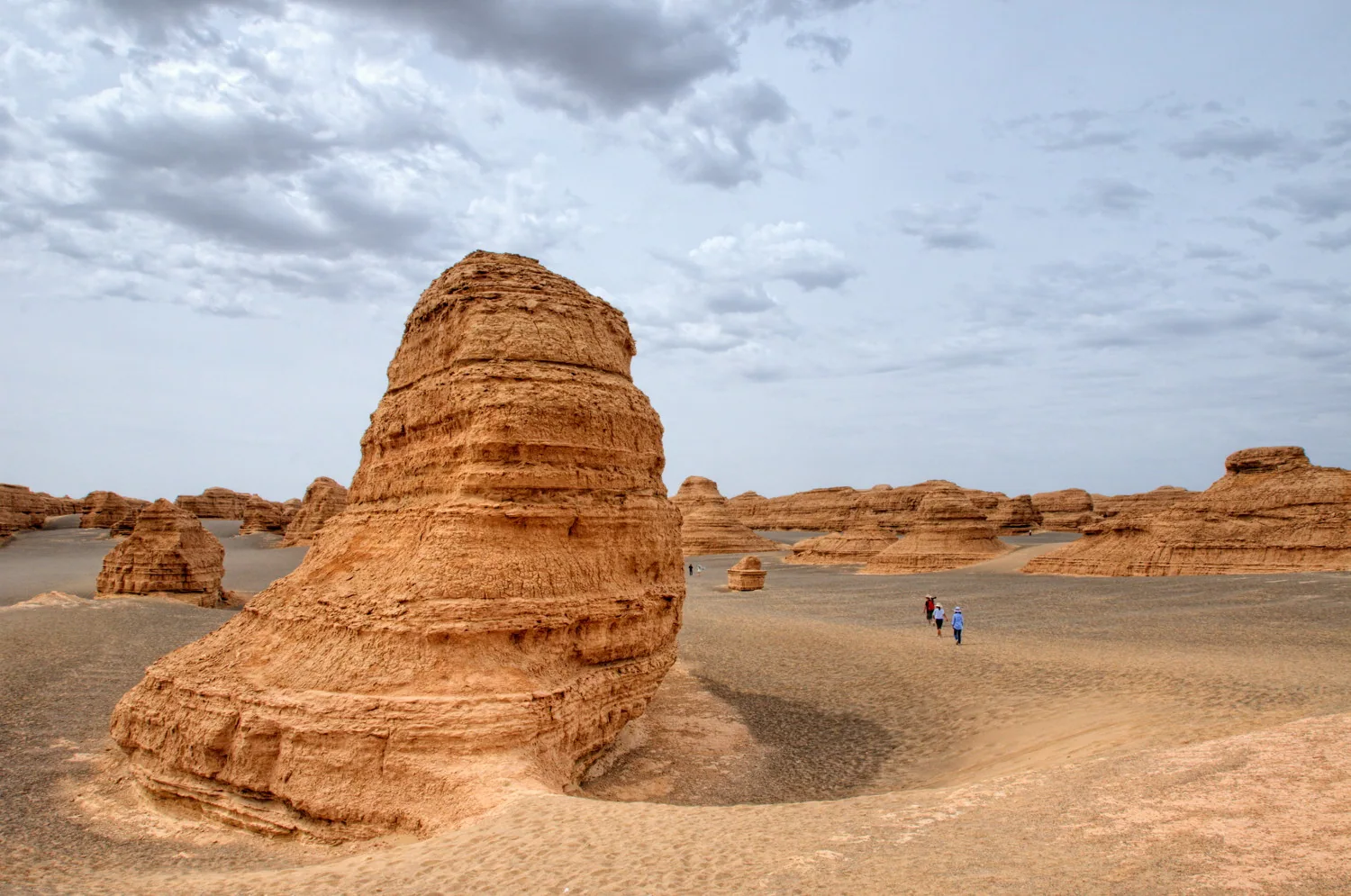
Dunhuang Yardang National Geopark
A remote desert landscape northwest of Dunhuang where wind erosion has shaped long ridges and isolated formations from ancient sediments.

Jade Dragon Snow Mountain
A mountain massif north of Lijiang, with glacier, meadow and valley landscapes gathered within one scenic area.