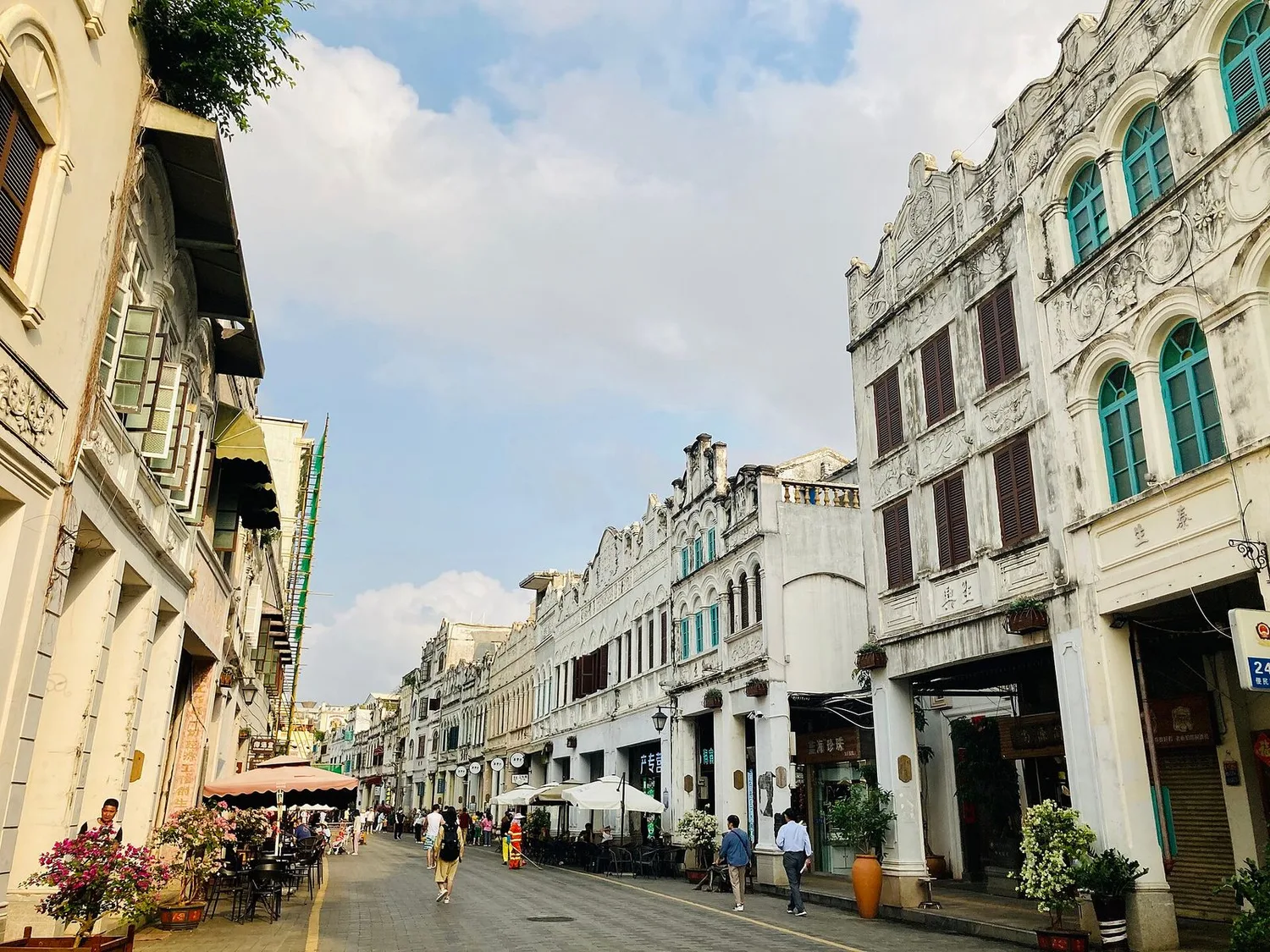
Choose a subject to explore first
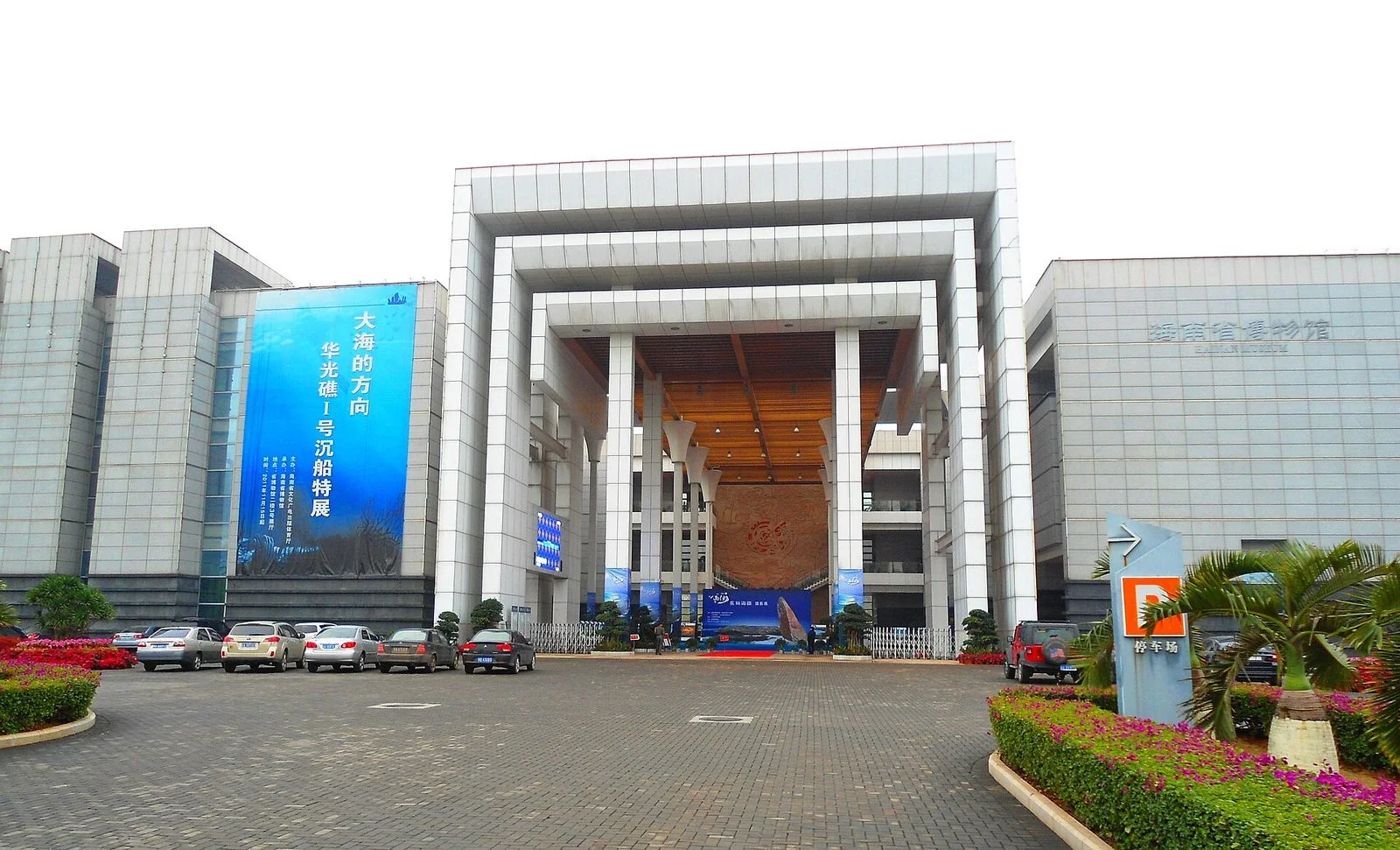
Hainan Provincial Museum in Haikou covers the island's history, maritime culture and local life. It suits visitors seeking background on the island, as well as those who have explored the old streets and tried local food and want to understand how these ways of life developed. With many exhibition themes, choose a focus such as maritime exchange, Hainan history or traditional culture before expanding into other interests, rather than rushing through every gallery.
Permanent exhibitions listed on the museum website include “Nanming Fange,” on South China Sea maritime civilization, and “Fangwai Fengjiang,” on Hainan history, alongside displays on huanghuali wood, agarwood and various forms of intangible cultural heritage. These are not interchangeable collections of artifacts: the maritime exhibition focuses on ships and routes, the history exhibition explains changes on the island, and the heritage displays turn to crafts, food and performance. Choose specific galleries according to what is open that day.
Ships, routes and coastal life
“Nanming Fange” brings maritime exchange together with the work and everyday lives of coastal residents. Here, the sea is both holiday scenery and a setting for shipping, fishing and salt production. Routes, ships and material remains of maritime life explain these connections. For first-time visitors to Hainan, this can build a fuller picture than memorizing isolated dynasty or port names.
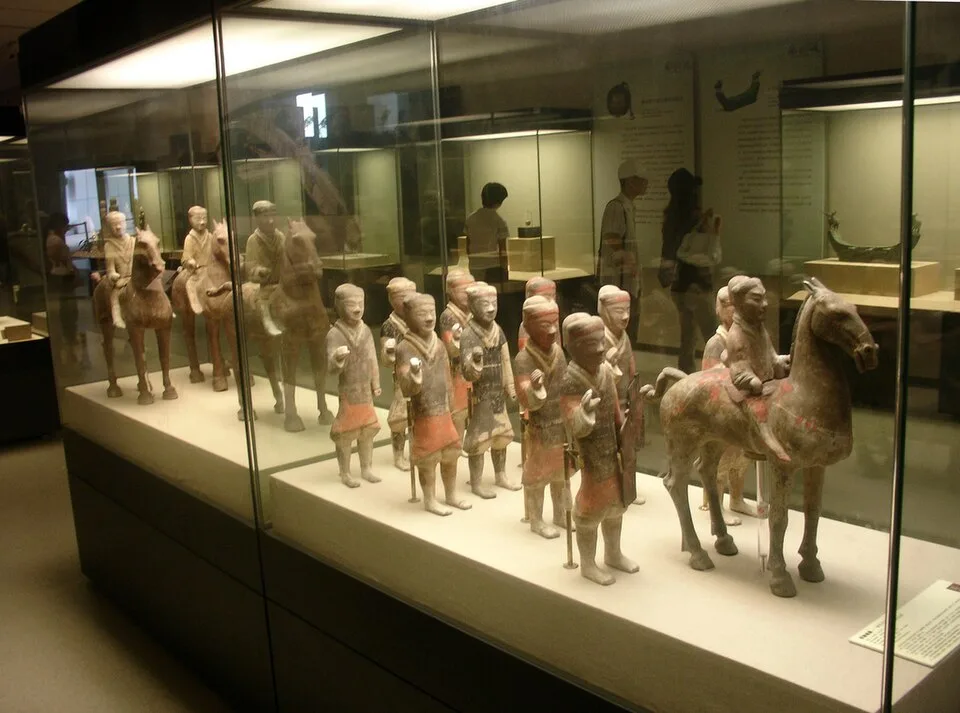
The Southern Song shipwreck “Huaguangjiao I” is an important thread through the exhibition. The wreck and underwater finds turn ancient navigation and trade from abstract maps into physical evidence. You can first read about ships and routes, then return to the objects and their uses to consider how they entered maritime trade. Displays may change; an old exhibition photograph cannot guarantee that an artifact will be on view on your visit.
Everyday crafts alongside history
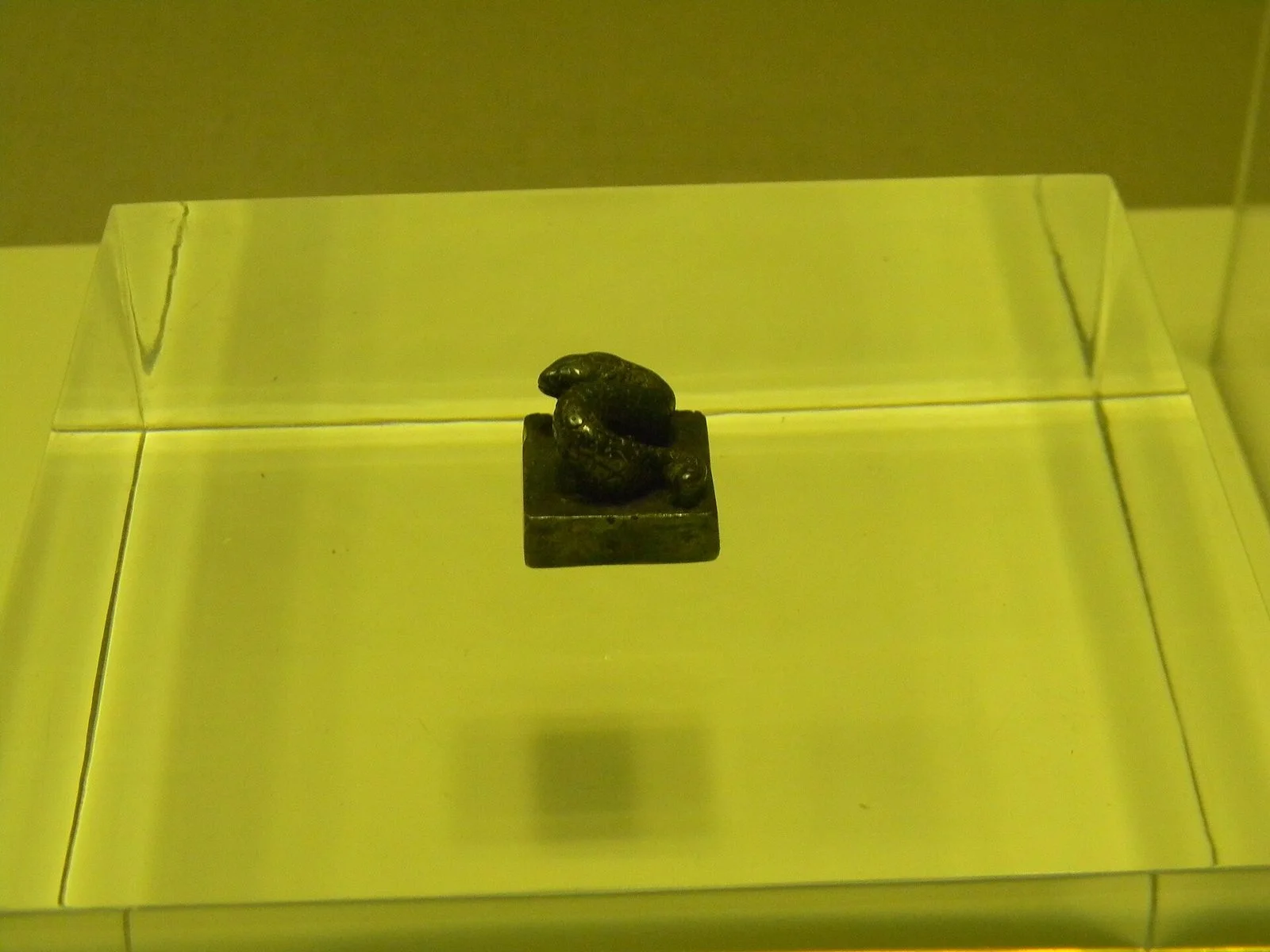
“Fangwai Fengjiang” follows Hainan's historical changes, providing context for the island, the strait, population movements and regional development. The silver seal inscribed “朱庐执刲” in the photograph belongs to the collection and offers an example of understanding ancient administrative activity through a small object. Look closely at its form and the explanation of its inscription. The artifact photograph records the collection and a past display, rather than promising that it is on view today.
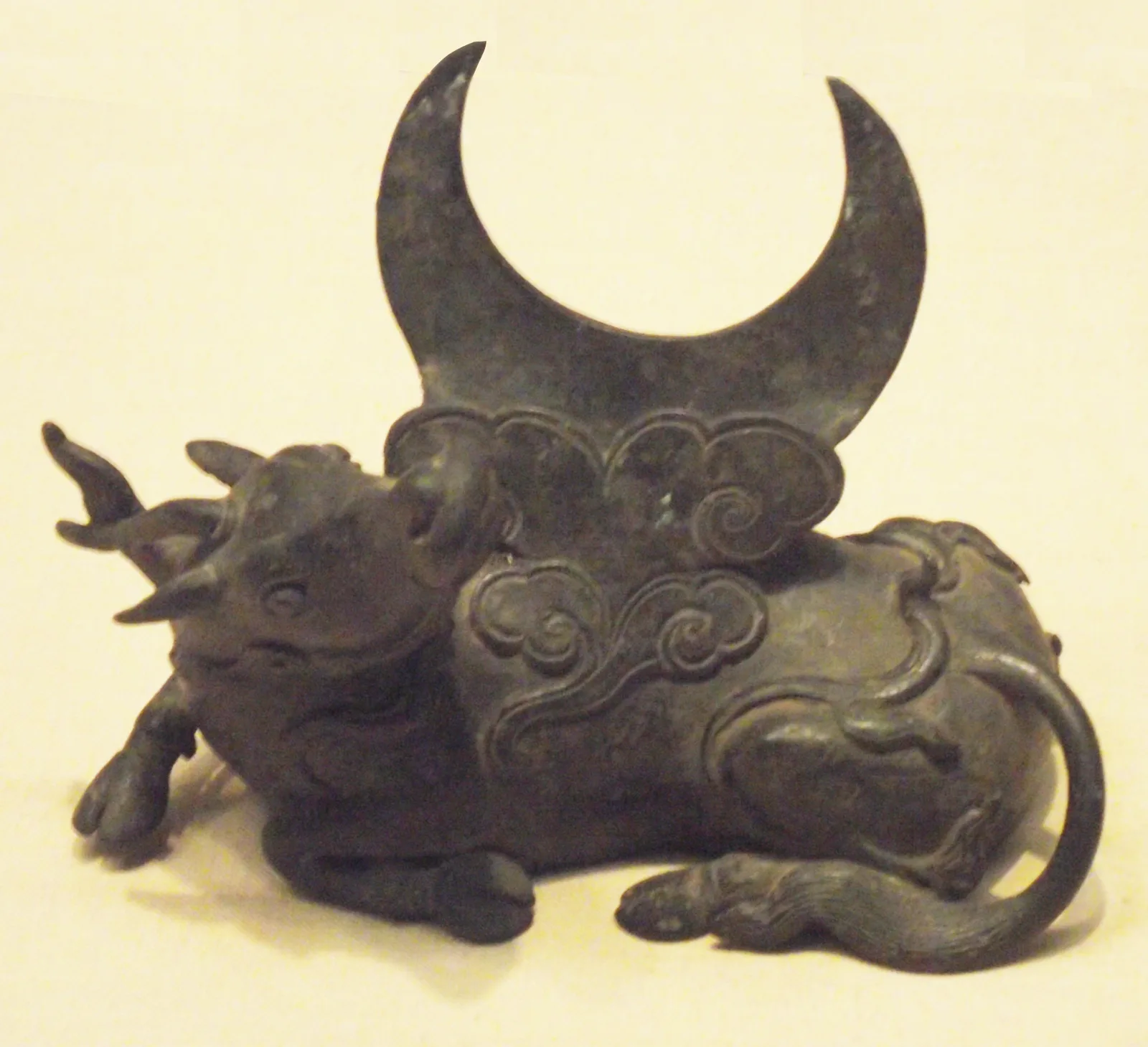
If neighborhood life interests you more, look for themes such as “Qiong Gongfang,” “Qiong Yaojie,” “Qiong Yacun” and “Qiong Xitai.” According to the museum, displays of crafts and food draw on the spatial form of qilou streets, while other exhibitions cover ethnic minority heritage and Hainan performing arts. Comparing these themes with buildings and food encountered in the old streets helps distinguish individual crafts, kinds of food and forms of performance. Any live demonstrations depend on the day's arrangements.
Check opening and booking arrangements
As of November 11, 2026, the museum homepage states that general admission is free. It normally opens at 9:00, stops admitting visitors at 16:30 and closes at 17:00, with Mondays reserved for closure and maintenance; holiday arrangements may differ. Free general admission does not mean every temporary exhibition is free or that booking conditions need not be checked. Use the official website's ticketing link for your intended date, paying particular attention to temporary closures and special-exhibition notices.
The museum has announced extended opening until 20:00 on November 14–15, 2026, with last admission at 19:30. It will also open on Monday, November 16, closing at 17:00 with last admission at 16:30. These are temporary arrangements for the museum expo and do not apply to other dates.
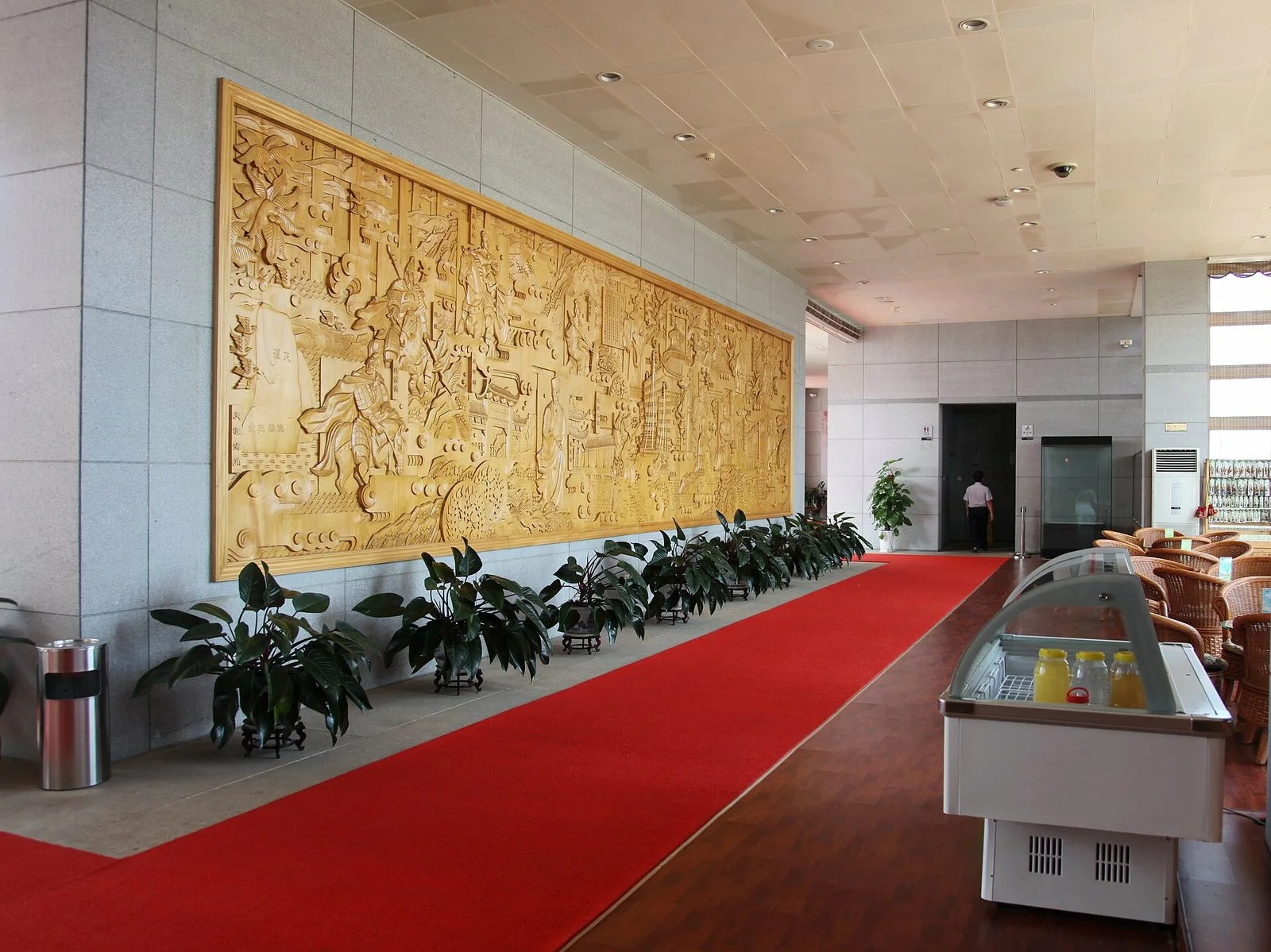
If foreign visitors cannot complete the identification fields on the booking page, they can first call the museum's booking enquiry number, 0898-36693927, to confirm accepted documents and admission procedures. Do not book using another person's identity. Allow around 2 to 3 hours for your chosen galleries; this is an estimate for reading and viewing. Historical interior photographs only illustrate the building and exhibition setting. Check museum information for current entrances, gallery locations and services.
Useful official references
Check the relevant official service before making arrangements. These links are references, not a guarantee of current services.