City introduction
Haikou's attractions occupy several different settings: qilou buildings in the old town connect shops with covered walkways, parks and the city skyline stretch along Haikou Bay, and the Shishan area to the southwest retains craters and basalt landforms. Connecting these places with a bowl of Hainan rice noodles or a table of laoba tea helps explain the port history and everyday life of Hainan's capital.
River mouth, strait and city neighborhoods
Haikou is in northern Hainan Island, facing the Qiongzhou Strait to the north. The Nandu River flows through the eastern city before reaching the sea. Haikou's name refers to a river mouth, and its port and trade have long influenced the city's development. The sea here is both a distant view and part of an environment of harbors, waterways and coastal life. The river-mouth landscape differs from the city-facing waterfront spaces of Haikou Bay.
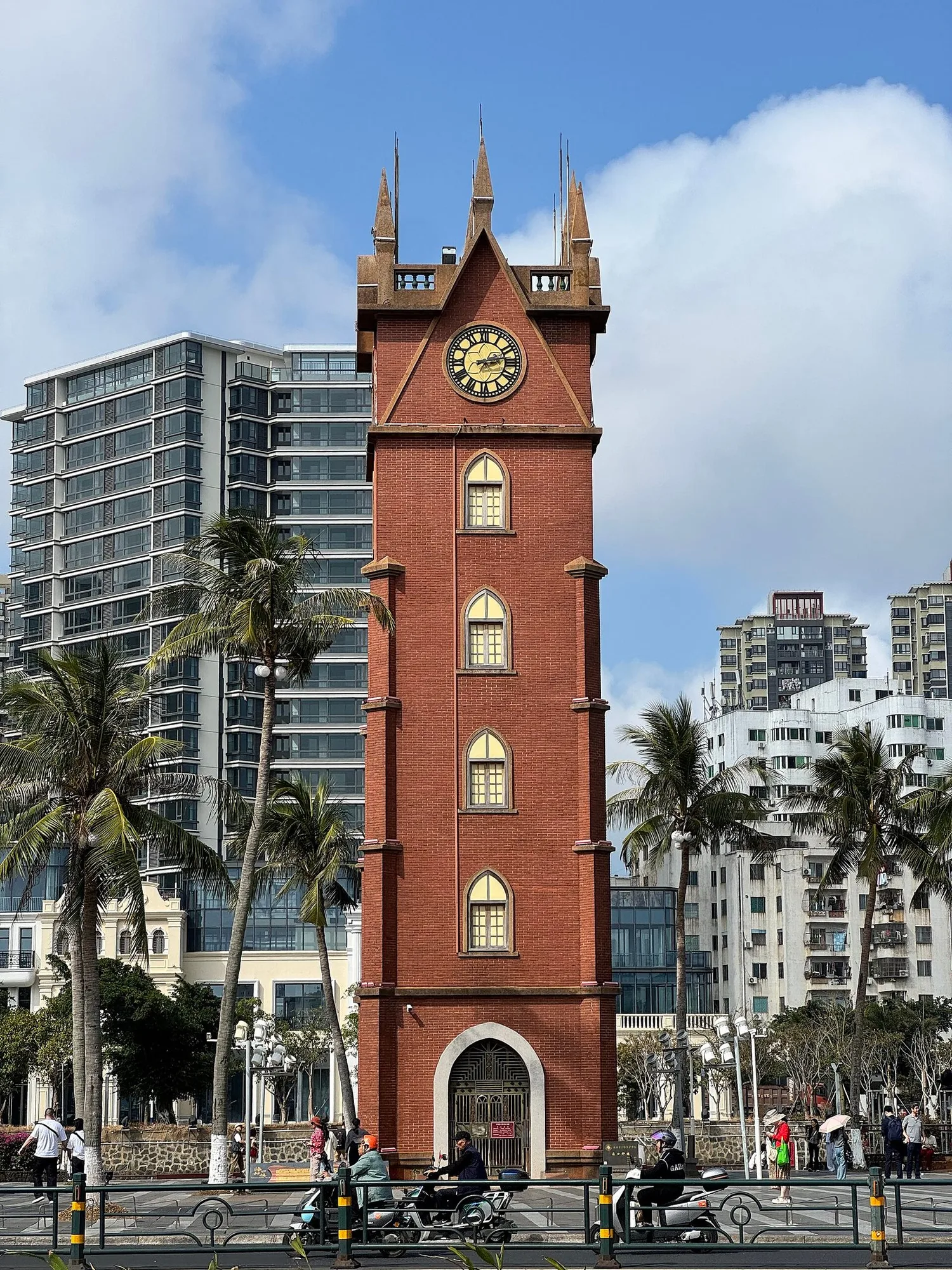
The two banks of Haidian Creek, the old neighborhoods and the newer coastal districts are best understood together on a city map. Haikou Clock Tower near Changdi Road is a landmark marking the old town's northern edge. Looking at bridges and buildings from the waterfront shows how the dense old streets meet the water. Haikou encompasses more than one beach or old street, and a single place name cannot summarize the attractions of its different areas.
Qilou streets and architecture shaped by overseas connections
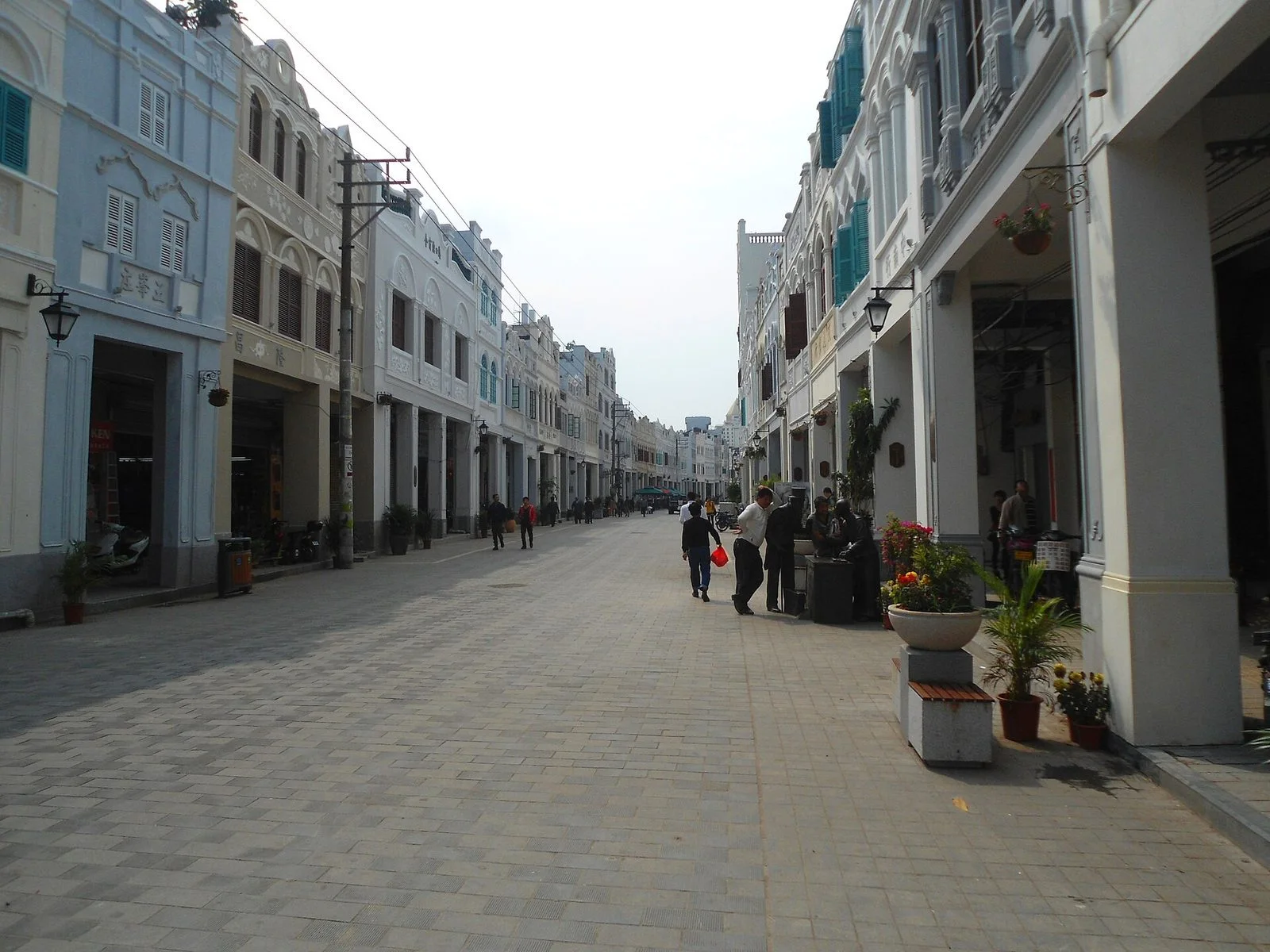
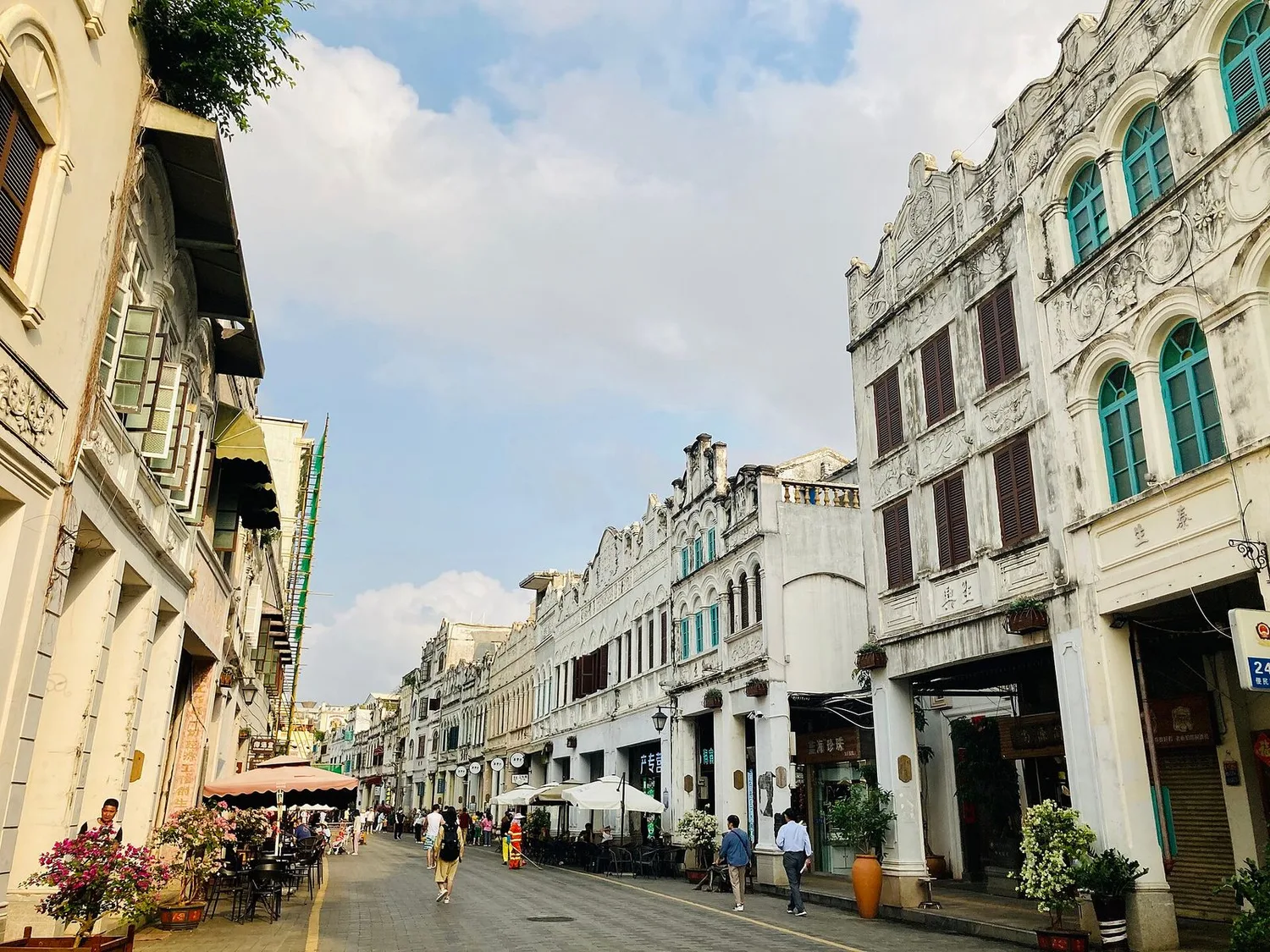
Zhongshan Road is among the streets representing Qilou Old Street. Ground floors are recessed behind colonnades, with upper floors extending over the walkways, connecting street-facing shops to sheltered pedestrian spaces. Shift your attention from signs to arches, window frames, pediments and the decoration of different facades: buildings on the same street do not all share one style.
These neighborhoods are connected with the history of Hainanese travel to and from Southeast Asia. Returning overseas Chinese left traces of the capital, tastes and habits they brought back. Street businesses and building exteriors can be viewed together, but a historical facade does not mean a shop retains its original trade. Architecture enthusiasts can examine the relationship between arcades and facades; those interested in neighborhood life can include street-side tea shops and snacks in their understanding of the old town.
Parks and coastal life around Haikou Bay
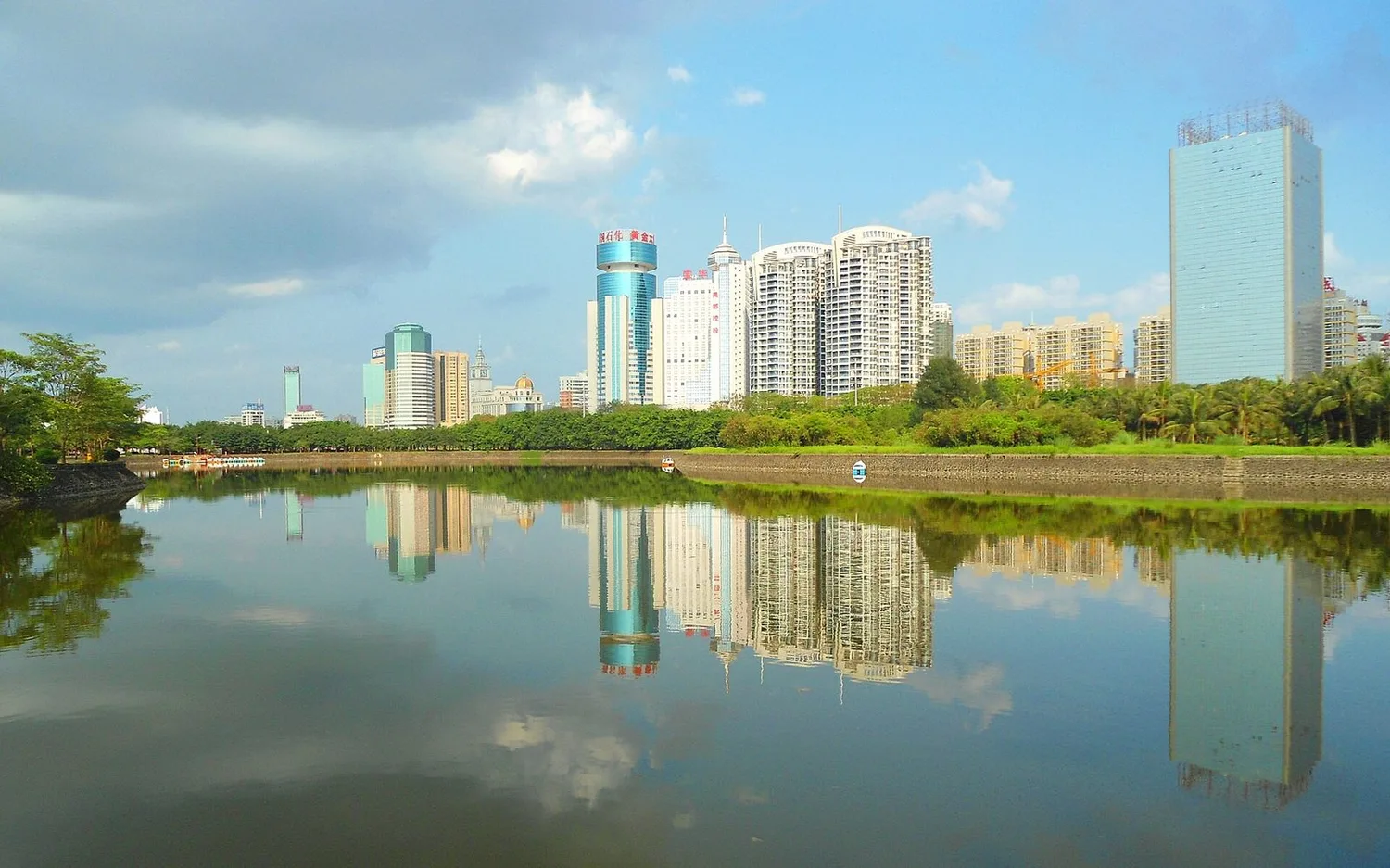
Moving from the old town toward Haikou Bay, the cityscape opens out. Parks such as Evergreen Park bring green spaces, water and surrounding high-rise buildings together, making a waterfront walk another way to understand the city. These places suit observation of everyday settings where parks meet urban neighborhoods. Buildings remain visible, and trees, park lakes and architecture together form Haikou's coastal appearance.
The west coast's waterfront spaces differ from the old town's narrow arcaded streets and suit visitors more interested in sea breezes, the shoreline and outdoor activities. Focus on Haikou Bay for city parks, or on the old town for streets and architectural details. Coastal scenery and swimming conditions are separate matters: calm water in a photograph does not mean every part of the coast is a swimming beach.
Volcanic landforms and Hainan's history
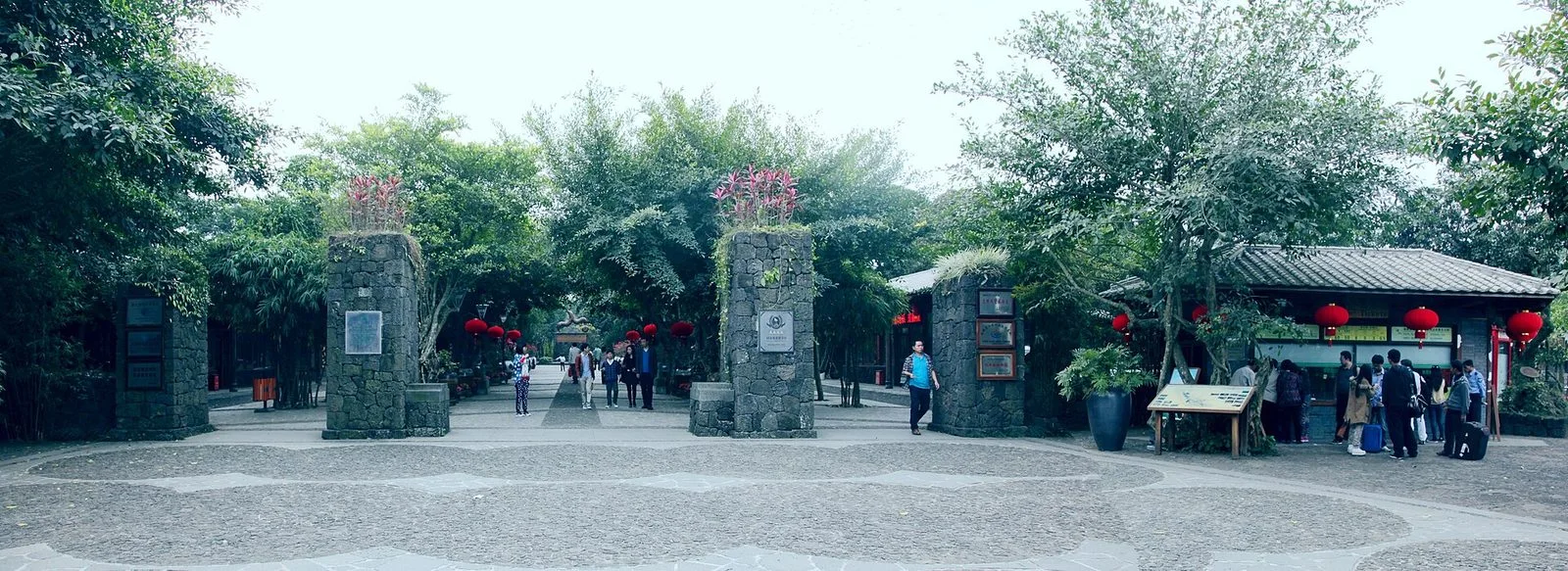
The Shishan area in southwestern Haikou has volcanic landforms. Craters, lava and local villages built from volcanic stone take the focus from the coast toward the island's interior. The value of visiting Haikou's volcanoes lies in observing landforms and rocks. The relationship between hills, vegetation and black porous stone explains how this place differs from an ordinary city park better than a photograph of a scenic-area sign alone.
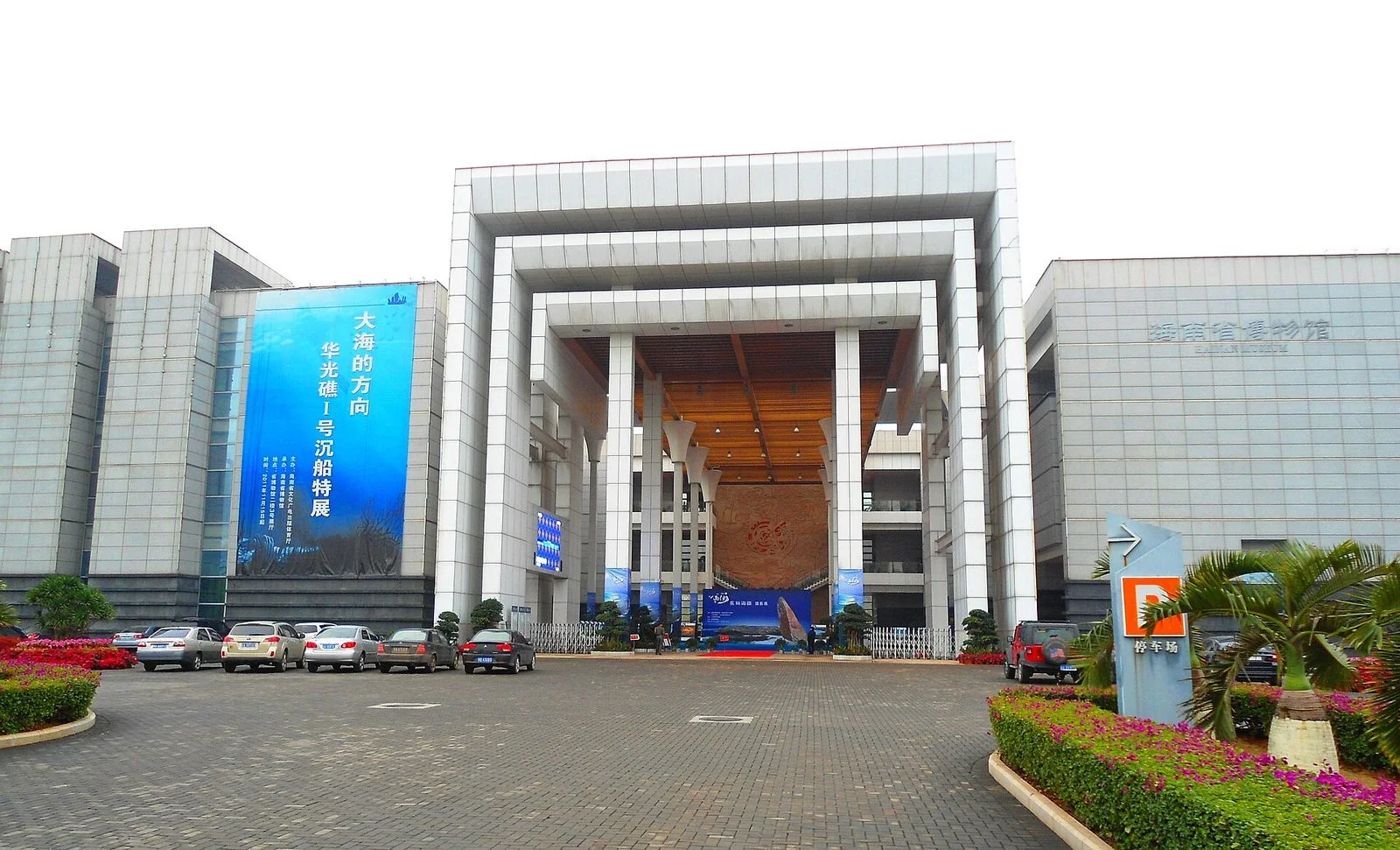
To learn about Hainan through exhibitions, consider Hainan Provincial Museum in Haikou. The museum and the volcanic landscape offer different perspectives: the former presents island history and culture through artifacts and displays, while the latter makes geological processes visible on site. Both complement the qilou district and show that Haikou offers more than coastal scenery alone.
Hainan noodles, desserts and a table of laoba tea
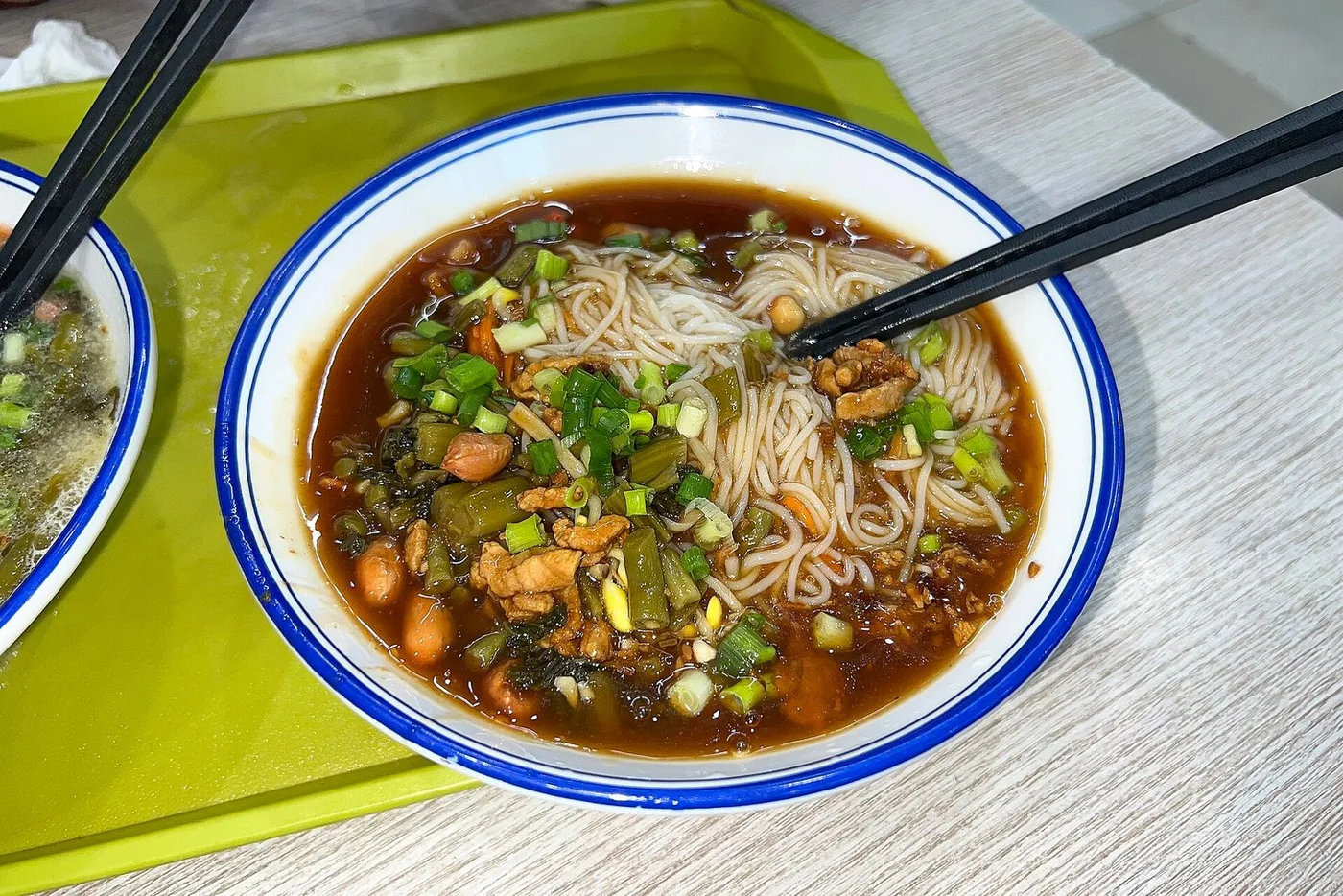
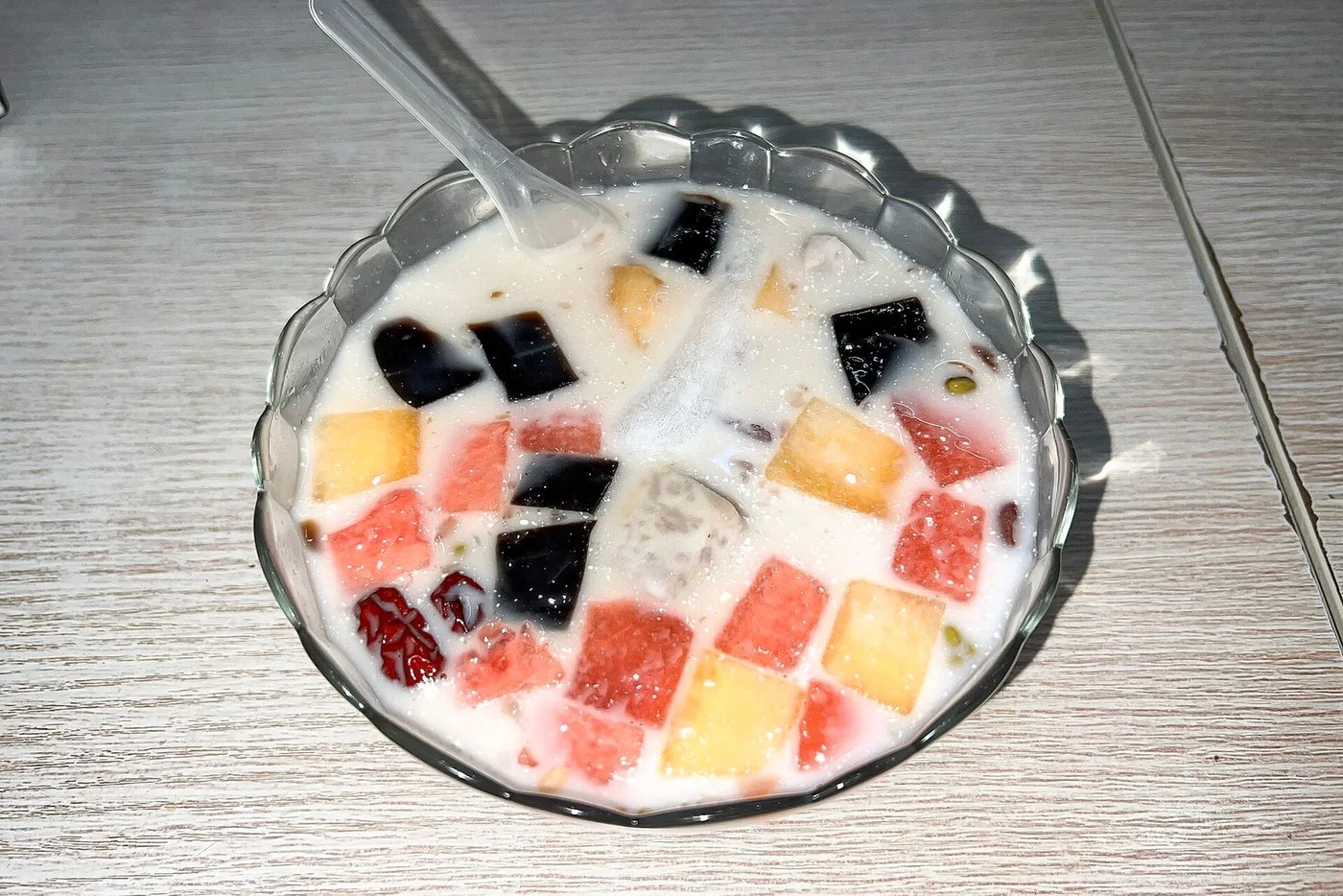
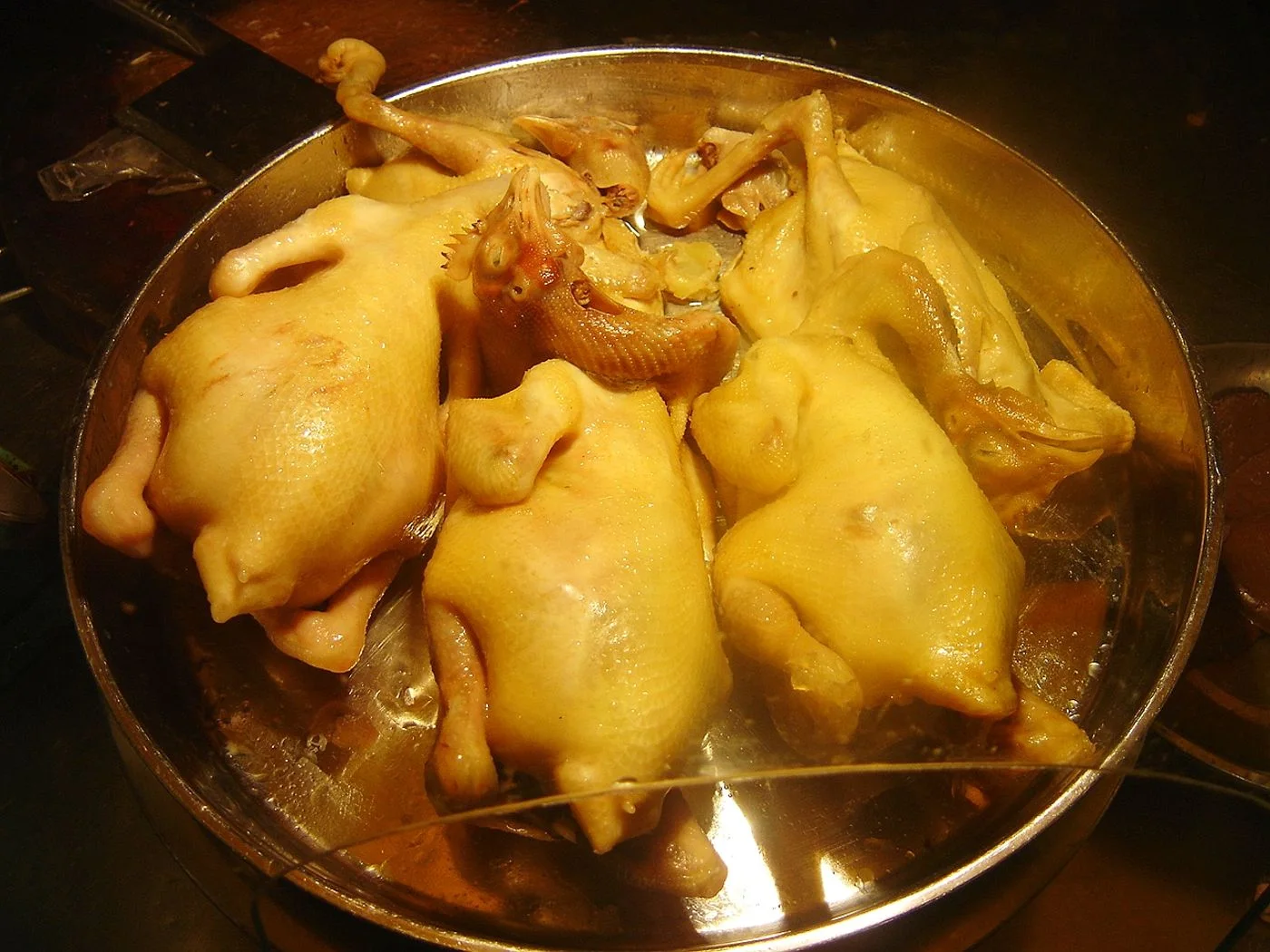
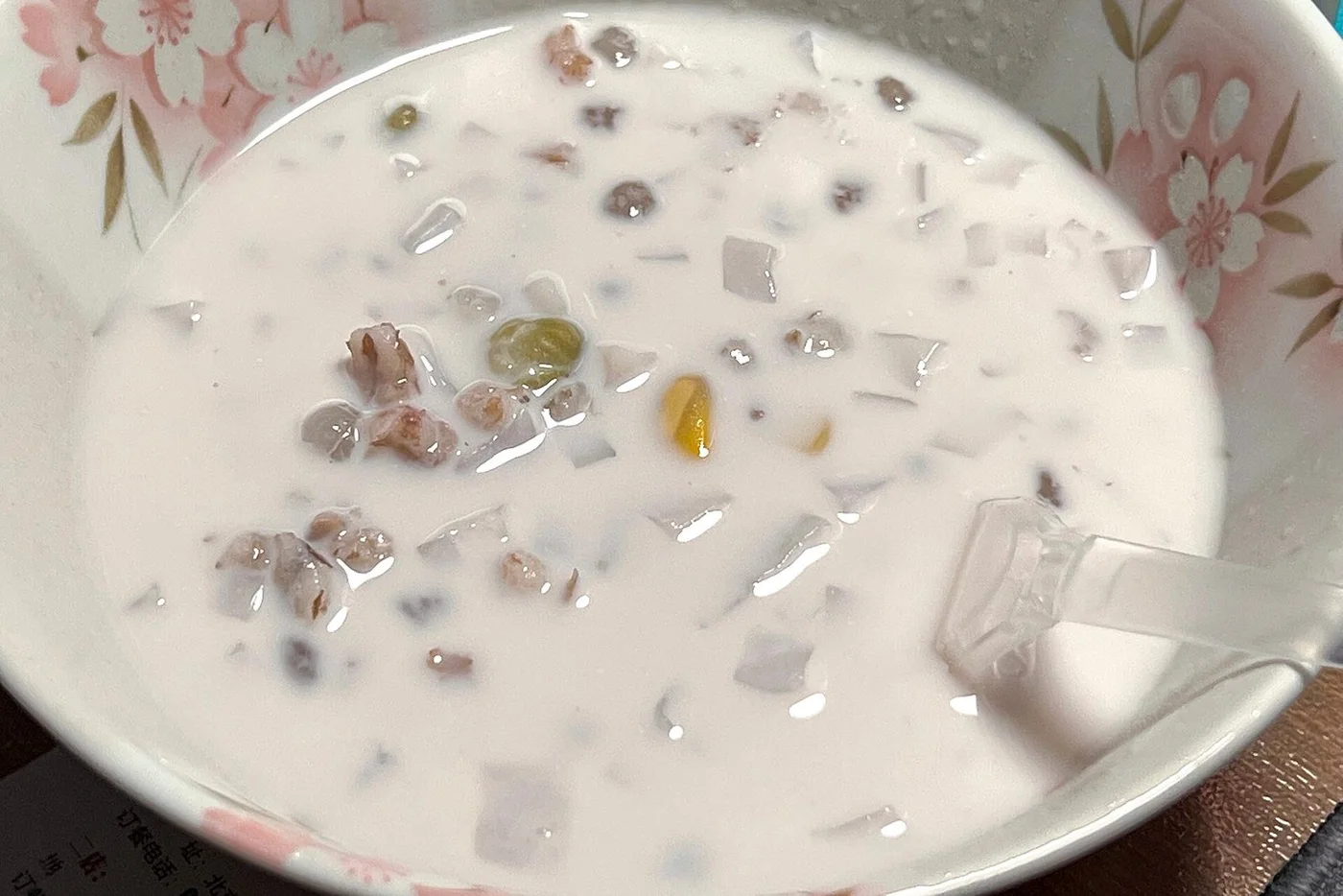
Hainan rice noodles combine rice noodles, toppings and sauce in a savory bowl, while qingbuliang combines coconut milk or sweet syrup with assorted ingredients in a dessert. Recipes vary between shops under the same names. Noodle shape, sauce and dessert base help explain them more than searching for a single uniform flavor. Wenchang chicken originated in Wenchang and is another representative Hainan dish found on Haikou tables. Its plain poached preparation, the chicken's own flavor and dipping sauces are central to understanding it.
Laoba tea is not the name of a tea variety but a local way of life combining tea, snacks and conversation. It is connected with tea- and coffee-drinking habits brought back from Southeast Asia by overseas Hainanese, while the food on the table varies by shop. For visitors, the appeal of a tea shop lies in sitting down to understand how a table of food and drink fits into neighborhood life, rather than treating it as a specialist shop for one famous tea.
From everyday retail to duty-free shopping
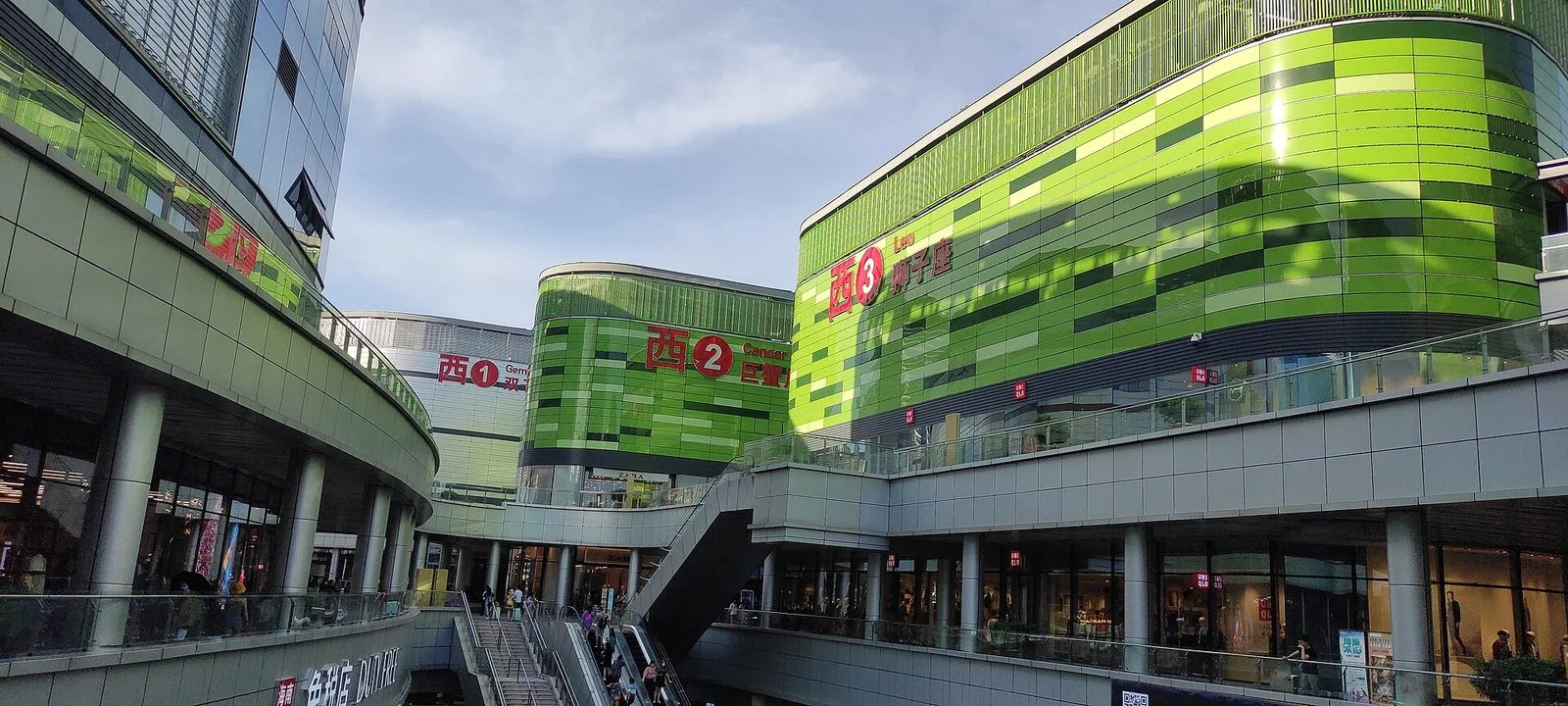
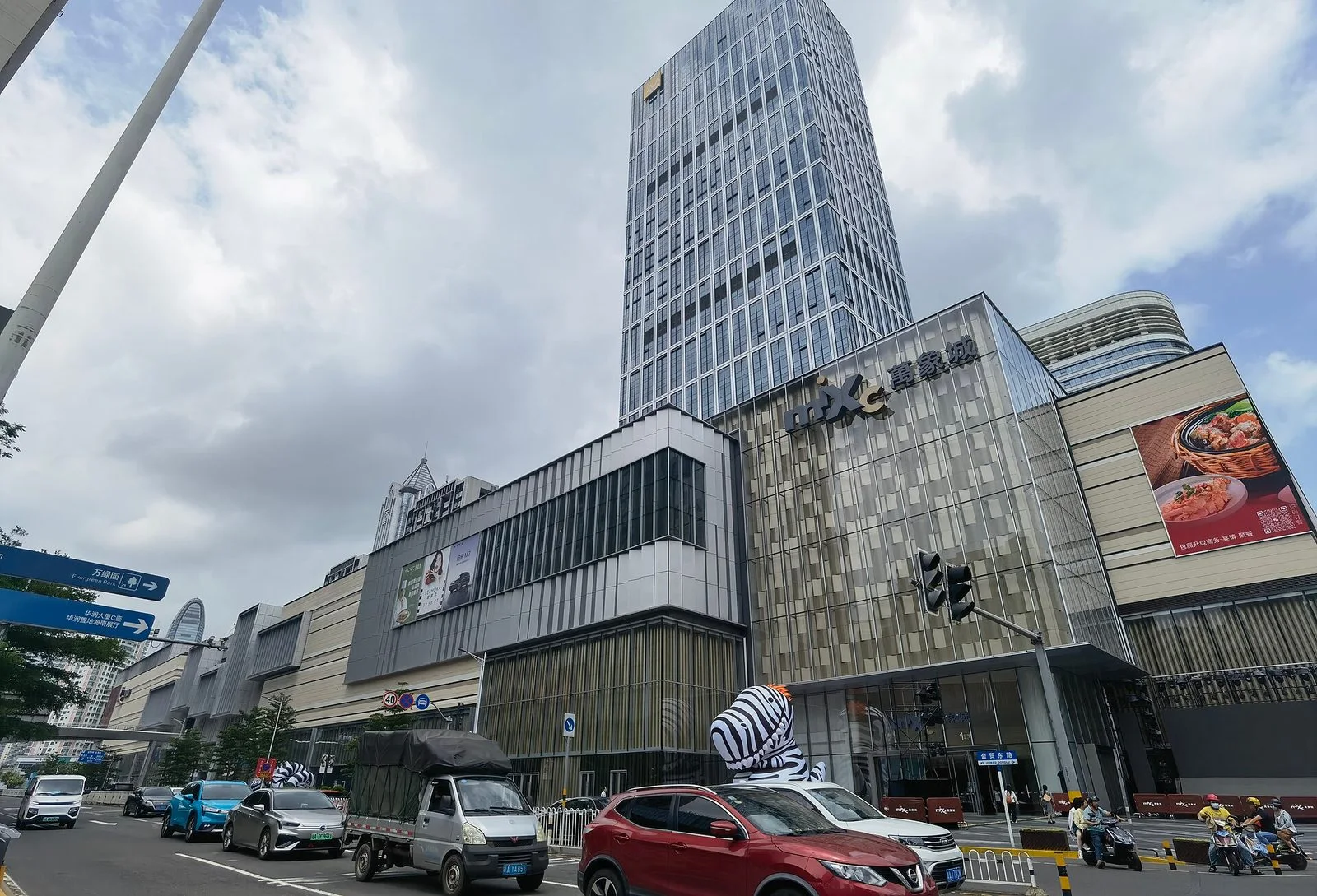
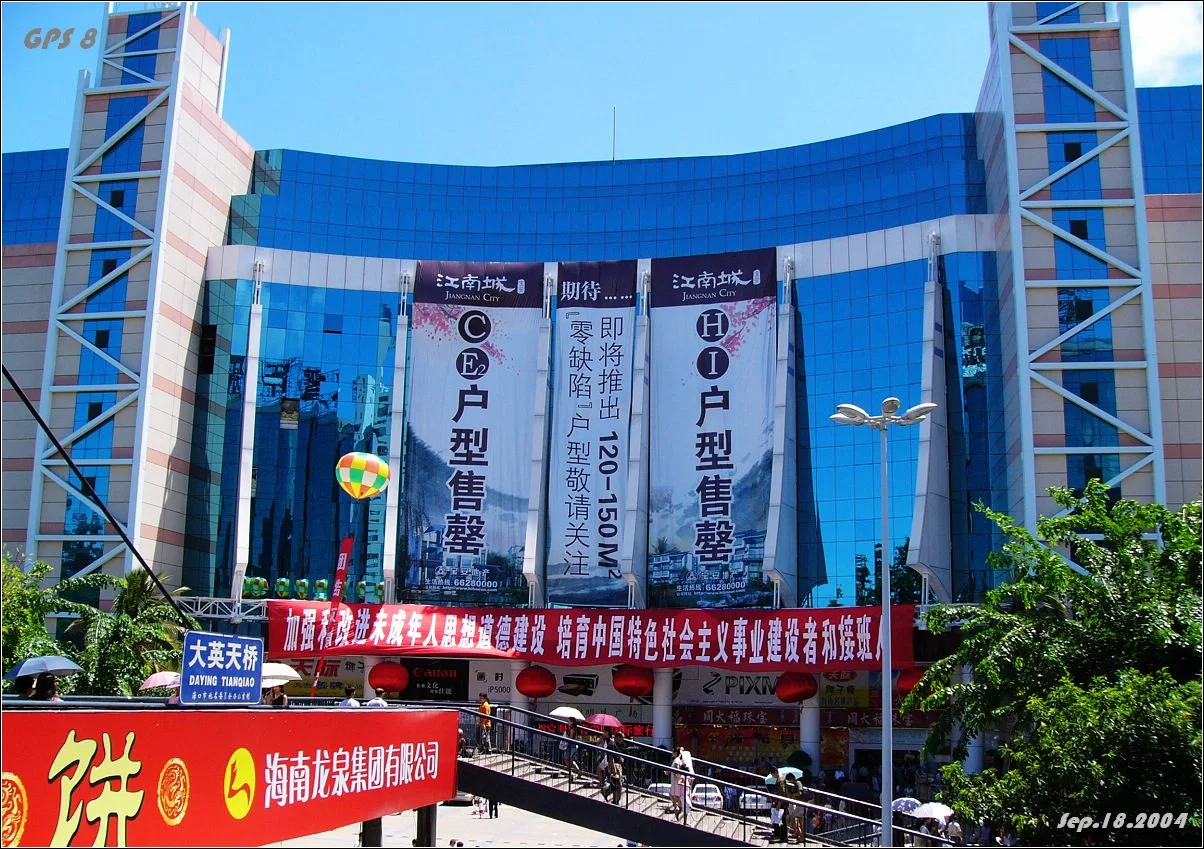
Haikou's modern commercial spaces have different focuses. Sun and Moon Plaza on Guoxing Avenue consists of several constellation-named buildings, with ordinary shops and restaurants sharing a commercial district with duty-free stores run by different operators. Haikou MixC in the Guomao area emphasizes branded retail and modern commercial space, while Hainan Mingzhu Plaza on Haixiu East Road is an established shopping center for everyday consumers, with department-store retail, mobile phones, digital products and dining. Their scope, positioning and building layouts differ, so choose according to your actual needs.
These malls and the street-facing shops in the qilou district offer different urban retail settings. Explore the old town if streets and old buildings interest you most; concentrated shopping areas make comparison easier if you need particular brands or everyday goods. Hainan offshore duty-free shopping has its own document, itinerary and collection conditions. Selling goods in Hainan does not mean every mall, product or itinerary qualifies. Specific conditions are explained in the relevant shopping entries.