Cities
Browse all guides in this category. Select a card for details and related places.
All guides (25)
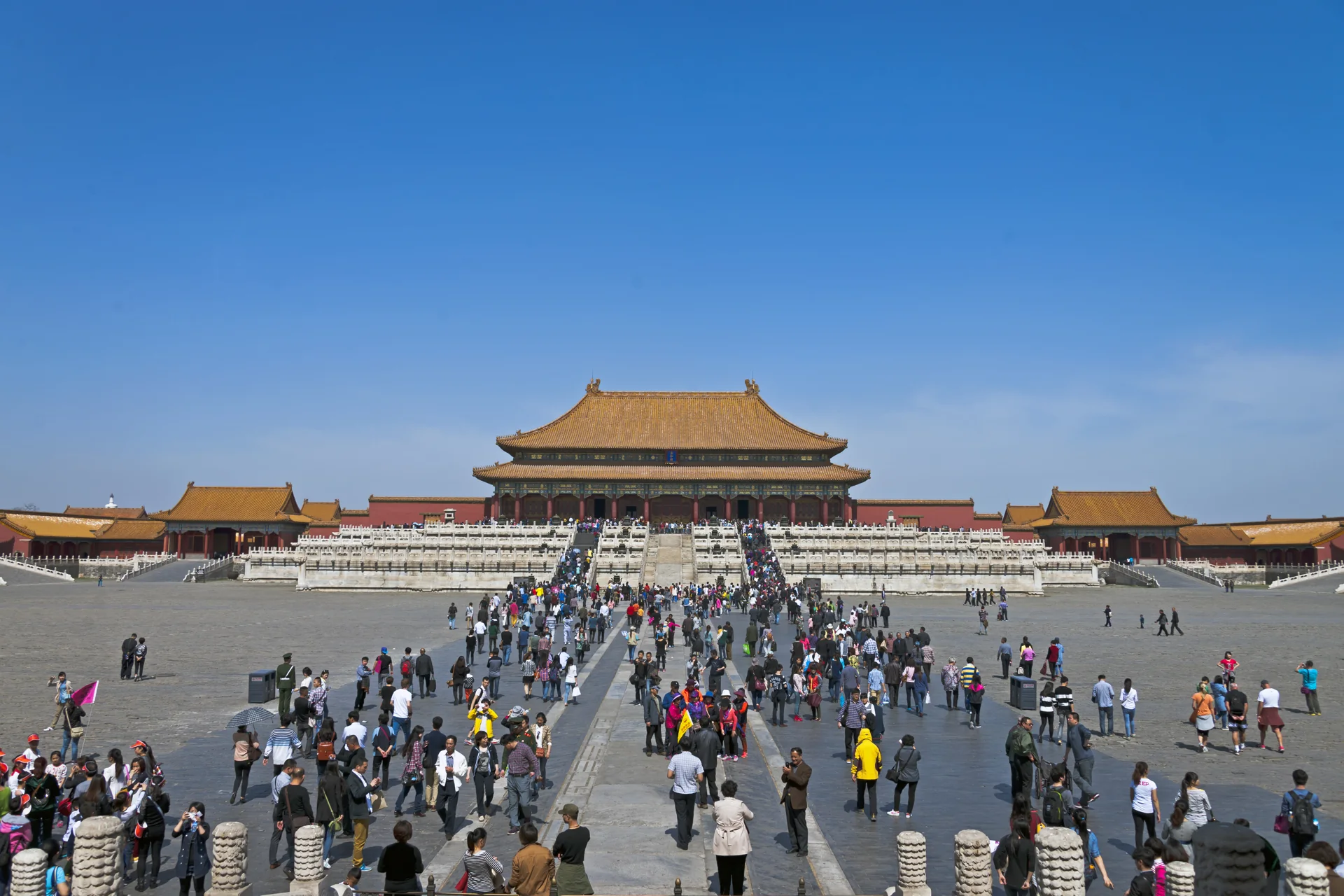
Beijing
Palaces and altars along the Central Axis, lakeside hutong lanes at Shichahai and imperial gardens in the northwest reveal different parts of Beijing's history. Art districts in former factories, old shops in the south, a secondhand market and meals of roast duck and zhajiangmian show its culture and everyday life.
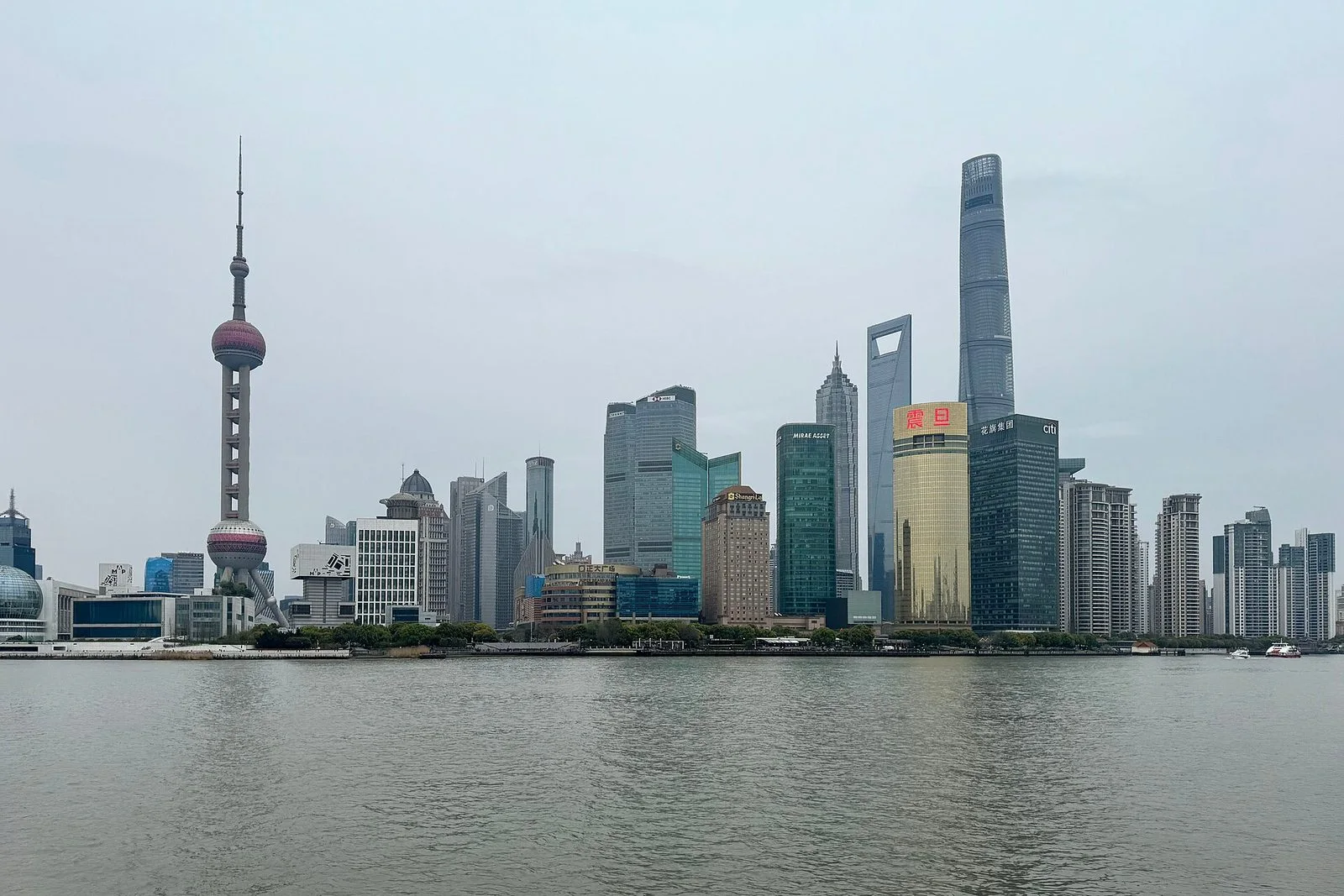
Shanghai
Across the Huangpu River, the Bund's historic buildings face the towers of Lujiazui. Away from the waterfront, Yu Garden, shikumen lanes, shopping streets and snack shops reveal other sides of Shanghai. Gardens, museums, neighborhood shopping and a basket of xiaolongbao give this large city details to explore.
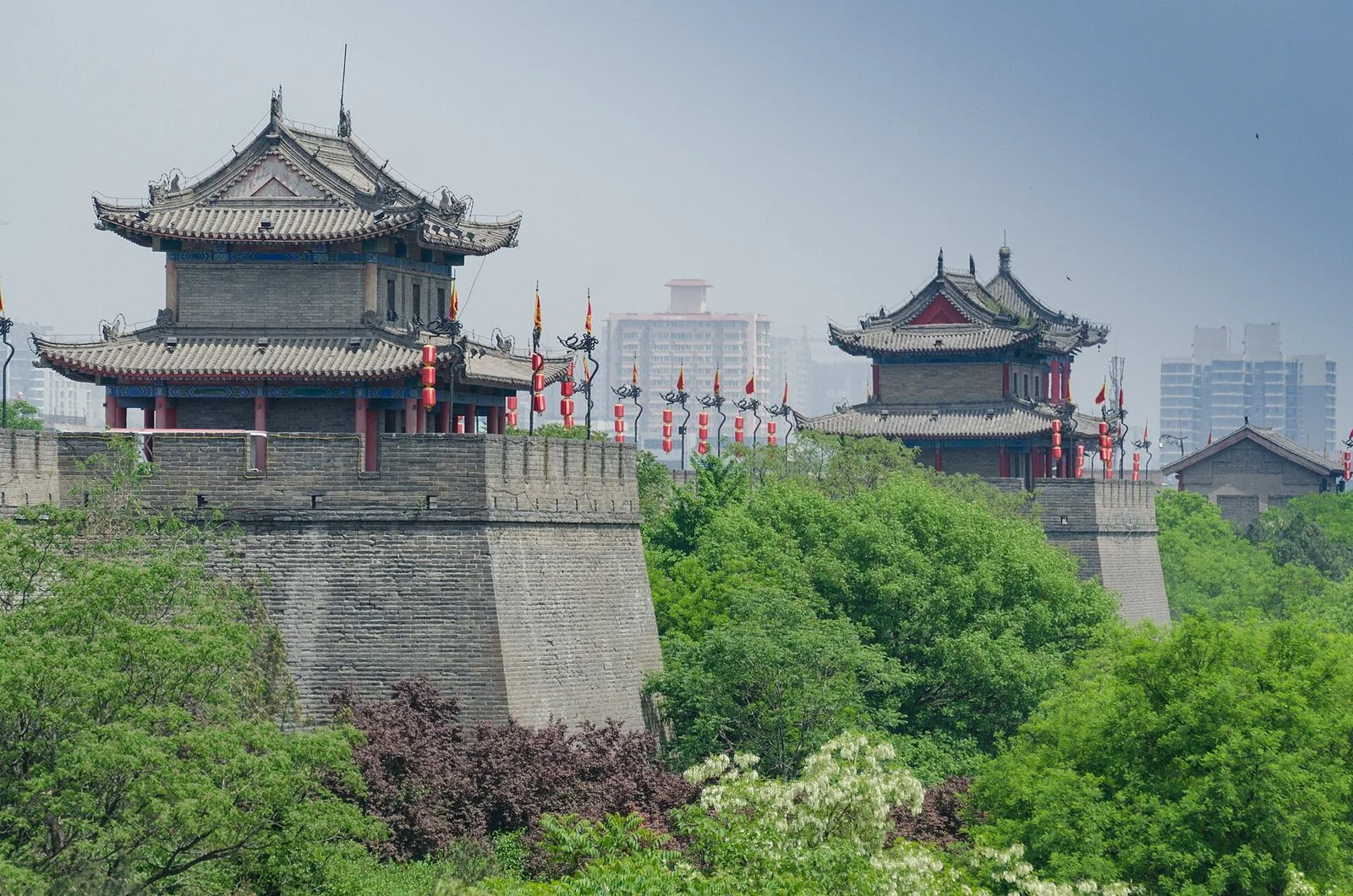
Xi'an
Xi'an sits in the middle of the Guanzhong Plain, with the Qinling Mountains to the south and the Wei River to the north. A square old city enclosed by its walls, the Bell and Drum towers, the pagodas and palace ruins left by Tang Chang'an, and the Terracotta Army at Lintong give the city several layers. Beyond the walls, the High-tech Zone, Qujiang and Chanba are another, contemporary Xi'an.
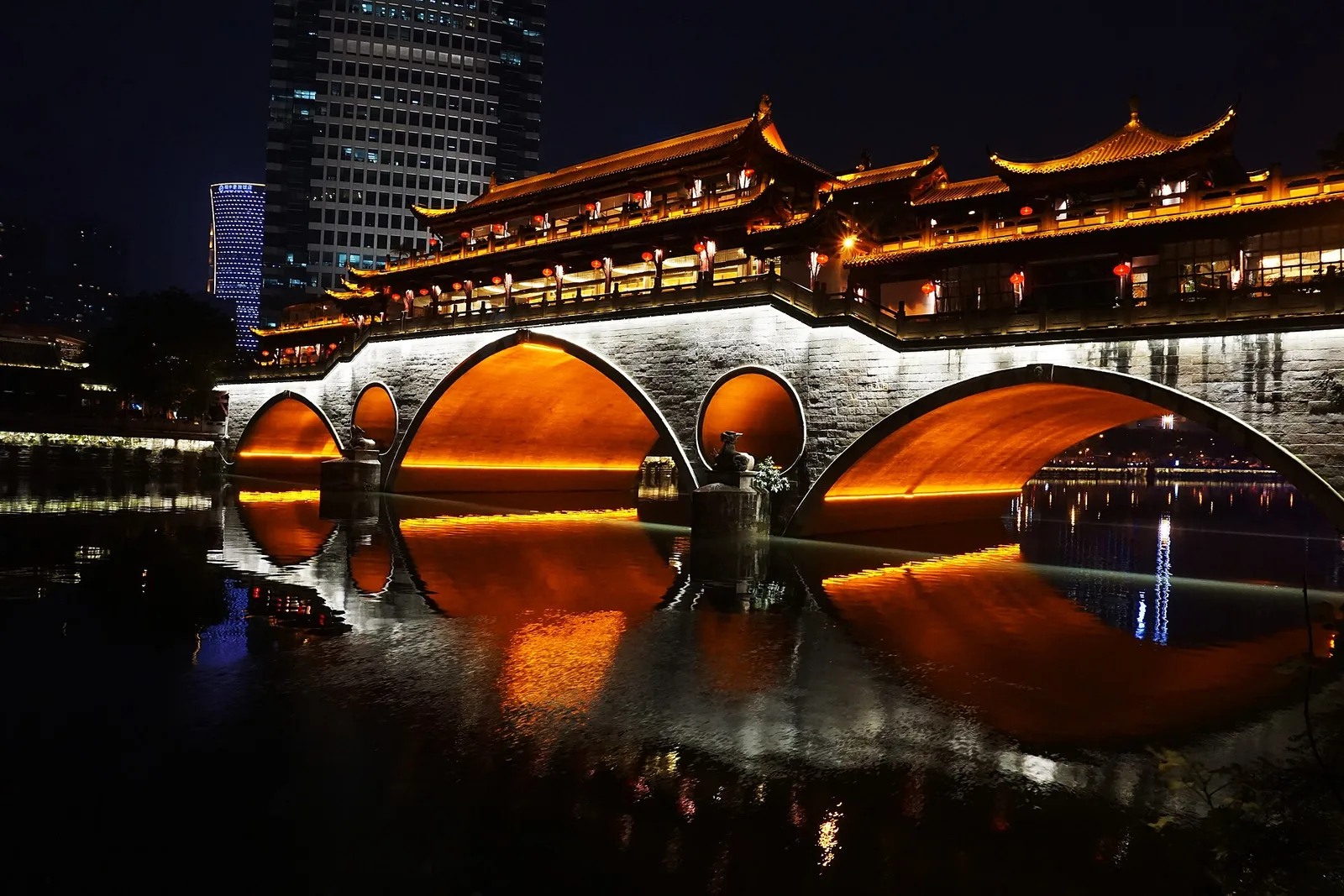
Chengdu
Chengdu lies on a plain in the western Sichuan Basin. Teahouse tables in People's Park, the courtyards of Wuhou Shrine and Du Fu Thatched Cottage, Sichuan dishes and snacks, and the shopping districts of Chunxi Road and Taikoo Li show different sides of daily life. The panda base northeast of the center offers an introduction to giant pandas and conservation.
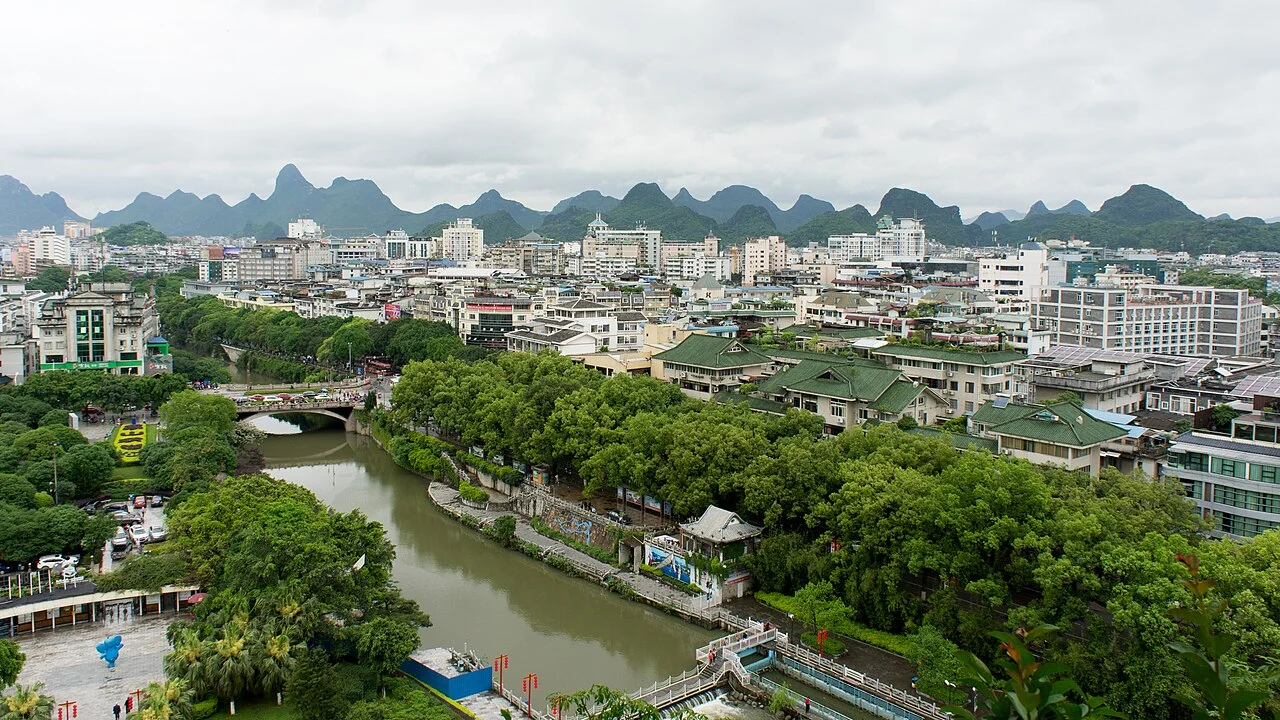
Guilin
Limestone peaks rise among Guilin's streets, lakes and riverbanks, while the Li River leads south toward Yangshuo. The city brings together the princely palace, caves and karst scenery with noodle shops, oil tea and changing commercial streets.
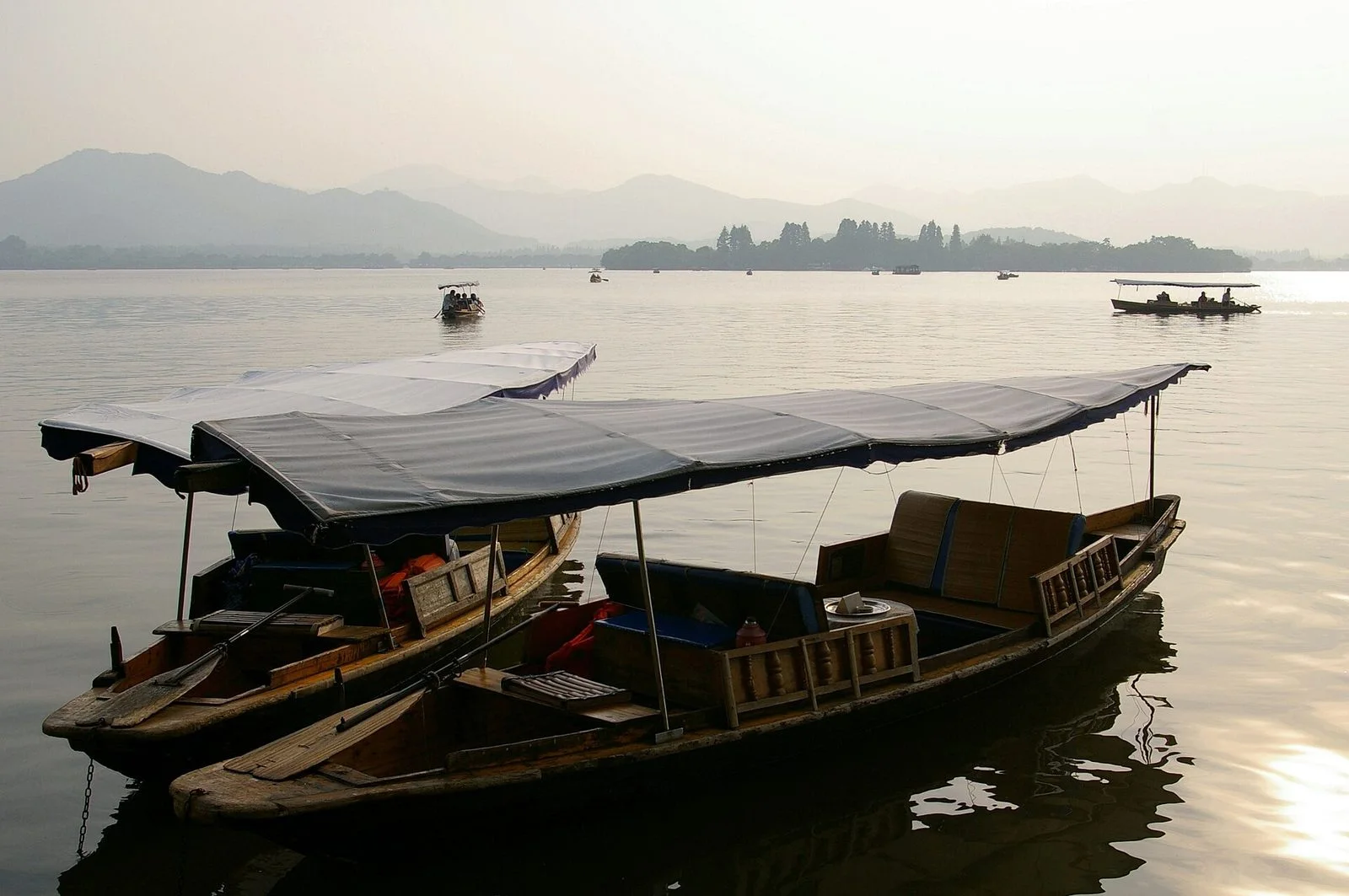
Hangzhou
West Lake's causeways and mountain views, the tea fields to the west, the canal's stone bridges and the new districts along the Qiantang River reveal different sides of Hangzhou. The Hubin shopping area and Hefang Street connect contemporary shopping with the old city, while pian er chuan noodles, Dongpo pork and Longjing tea offer an introduction through food and drink.
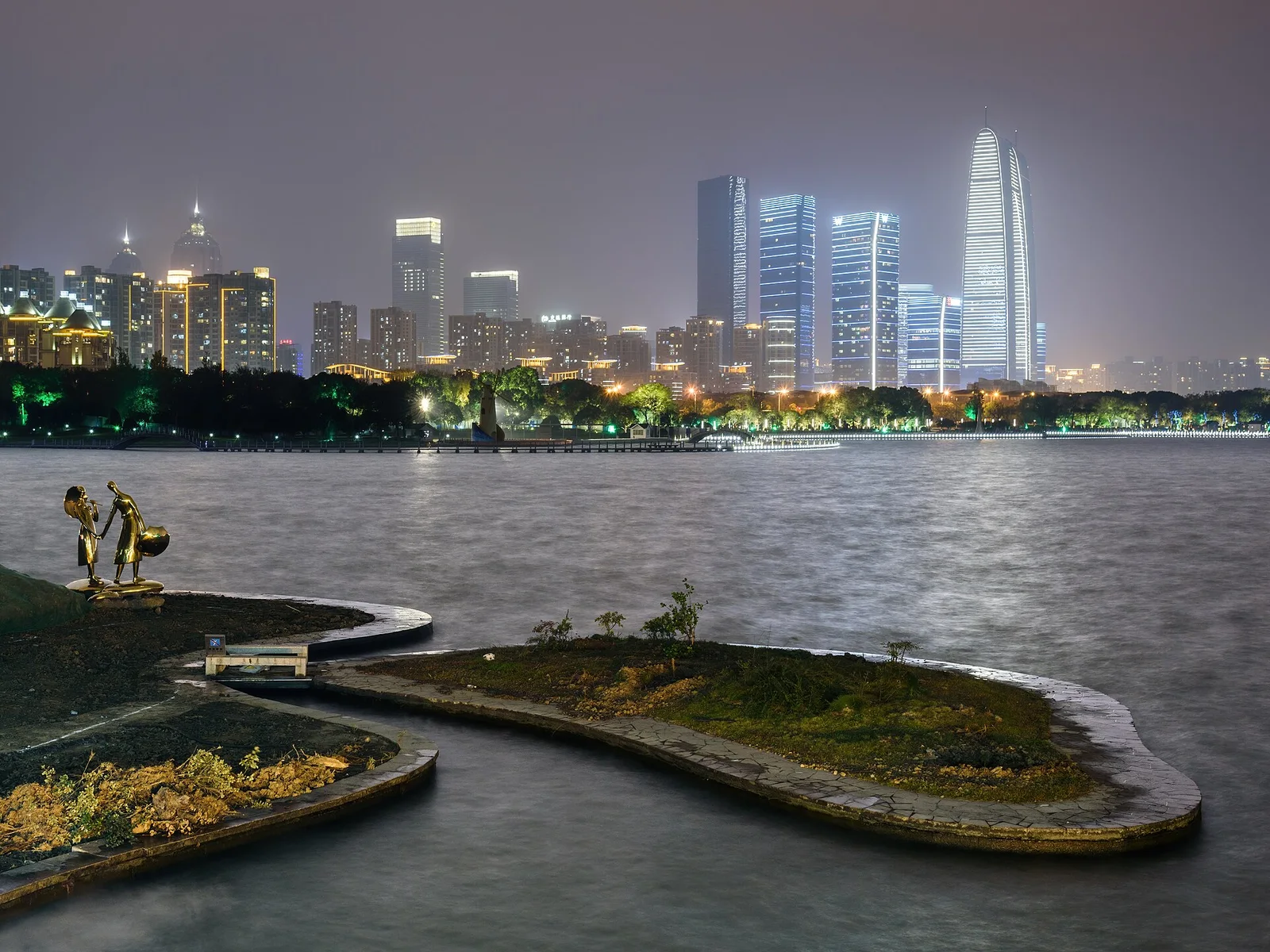
Suzhou
Canals and lanes shape Suzhou's old town, while classical gardens set compact courtyards against framed views. Around Jinji Lake, a newer business district gives the city a distinct modern skyline.
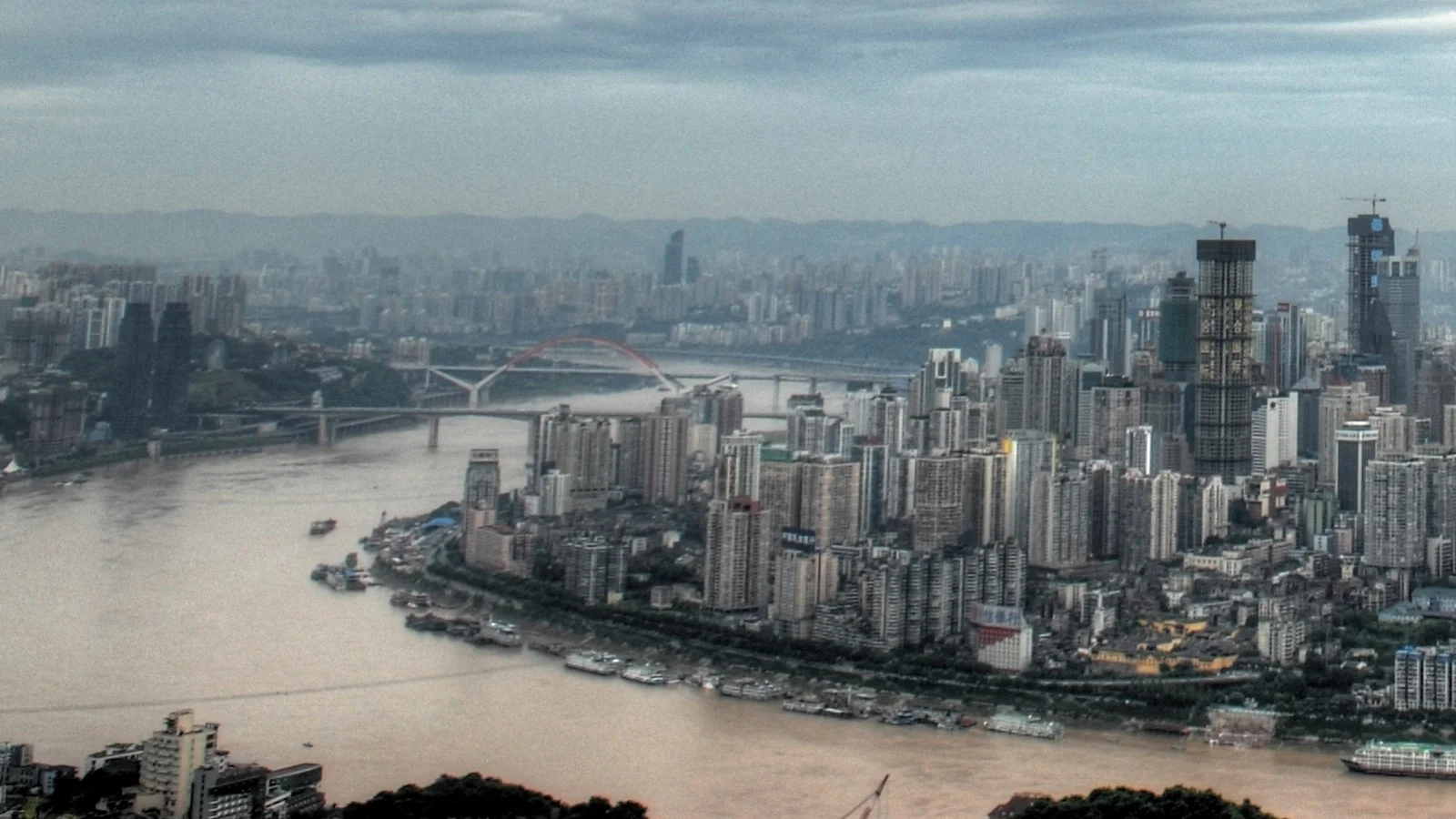
Chongqing
The Yangtze and Jialing rivers meet among hillside lanes, riverside buildings and modern shopping districts. Hotpot and xiaomian reveal different sides of everyday dining, while museums and the Dazu Rock Carvings take the story beyond the rivers to the history of the Ba and Yu region.
Wuhan
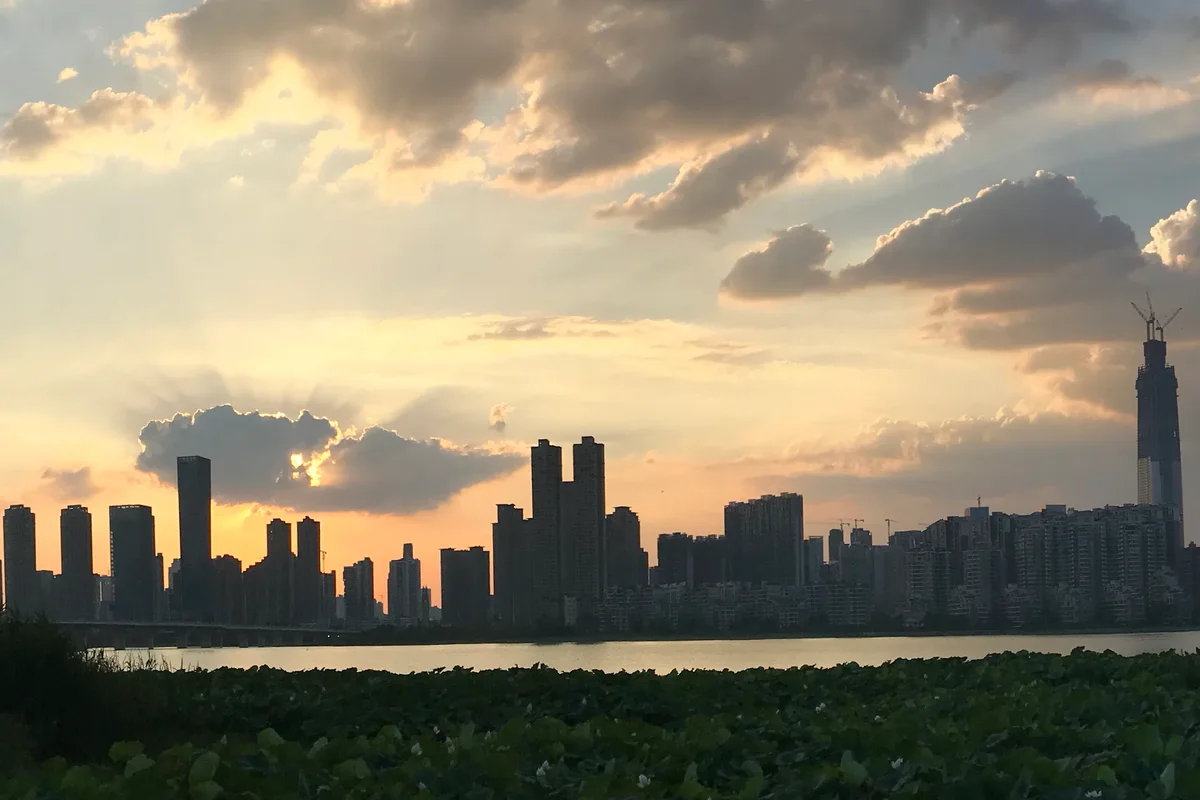
The Yangtze and Han rivers meet in Wuhan, with Wuchang, Hankou, and Hanyang facing one another across the water. Each town has its own streets and cityscape. From Yellow Crane Tower, the Yangtze River Bridge, East Lake, and Hankou’s historic districts to hot dry noodles, doupi, and the commercial life around Jianghan Road, these are some of the details that define the city.
Datong
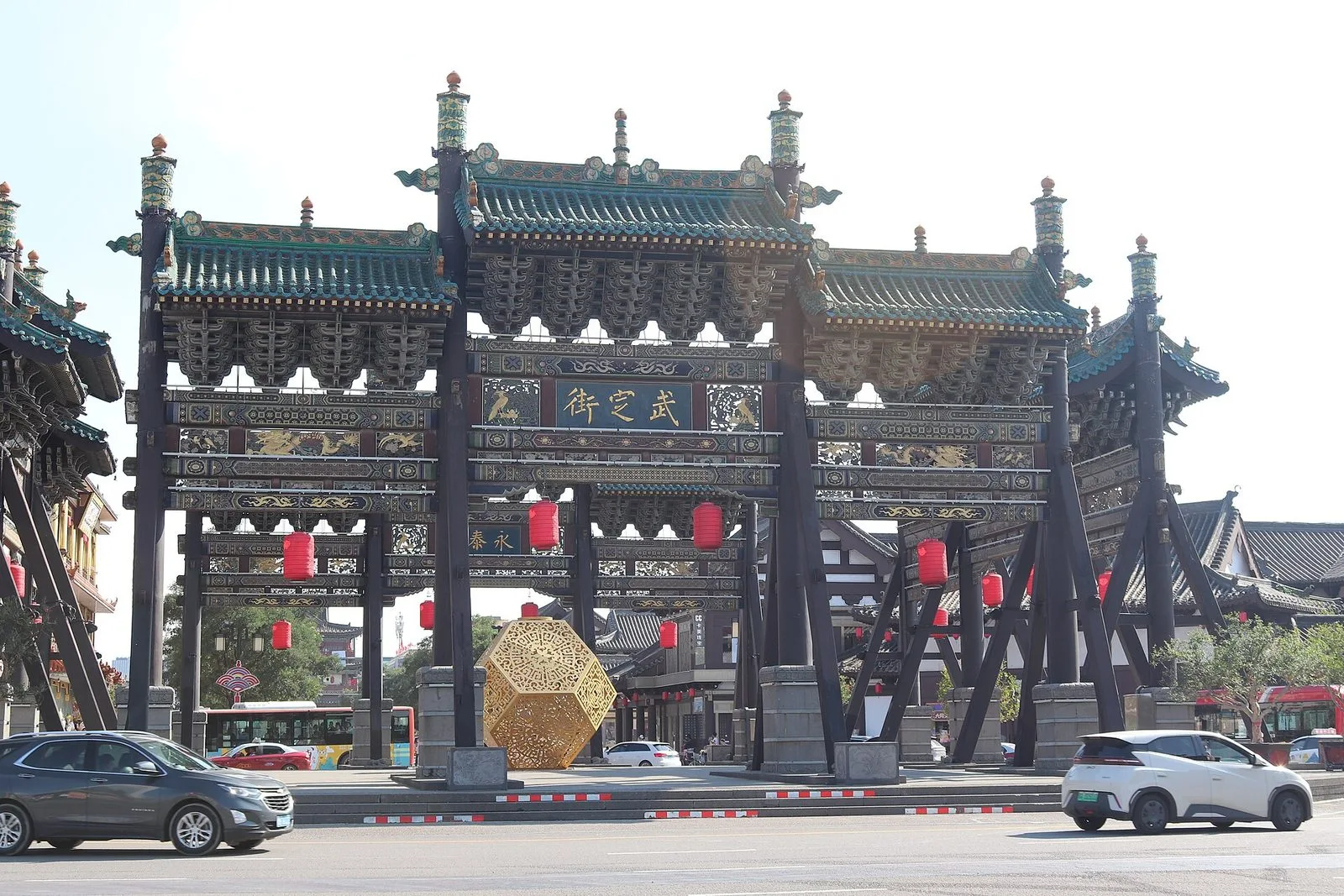
Datong's old city, western grottoes and the mountains of Hunyuan offer different ways to explore northern Shanxi: Northern Wei Buddhas, Liao and Jin timber halls, the cliffside Hanging Temple, and everyday meals of knife-cut noodles and oat flour dishes.
Qingdao
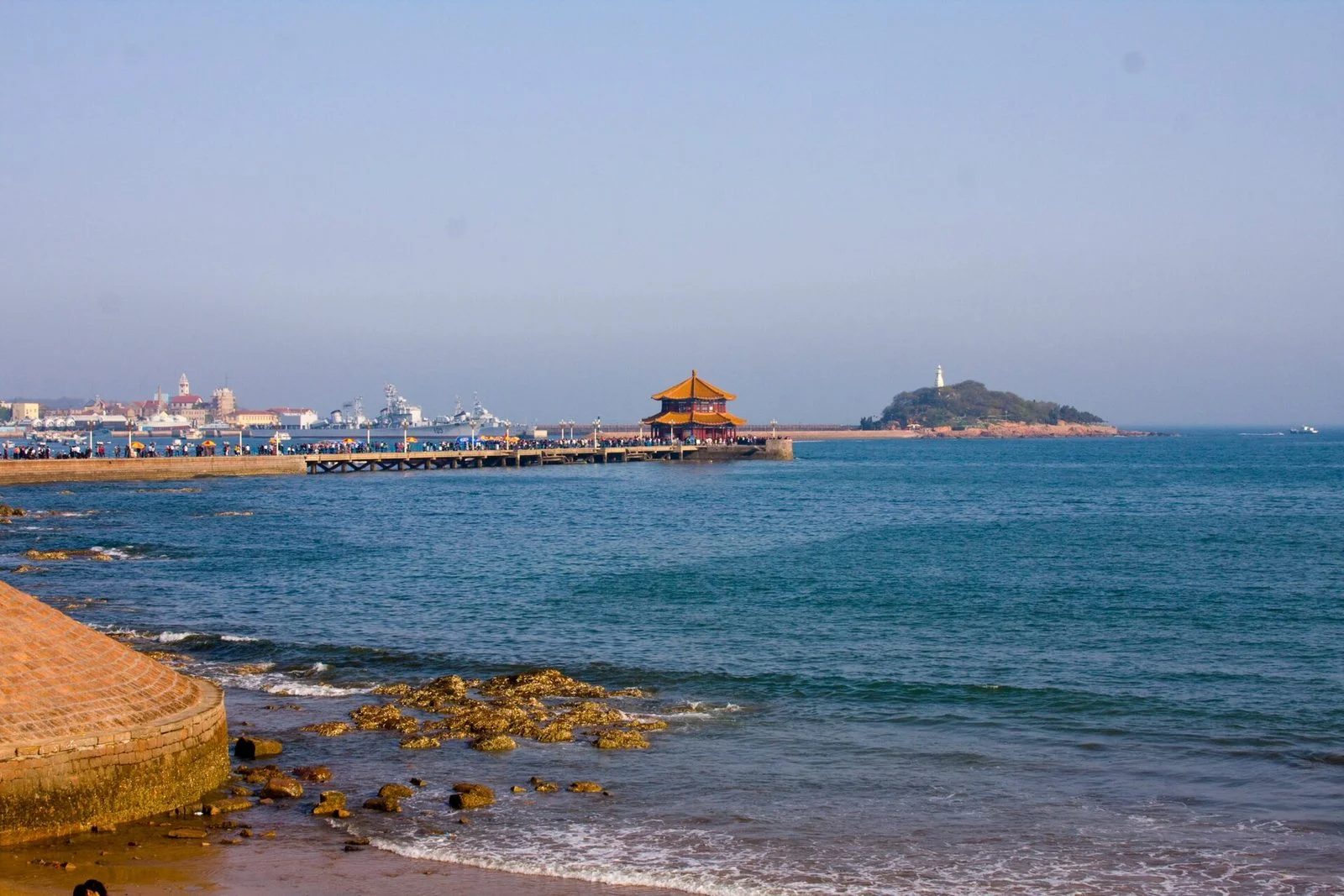
Qingdao lies on the south coast of the Shandong Peninsula, with Jiaozhou Bay reaching in from the west and Laoshan rising to the east; the main city stretches along the east shore of the bay in a long, narrow band. The old streets, liyuan courtyard housing, brewery and port industry of the German lease period sit in layers, while the bathing beaches, seafood markets and beer houses along the coast make up another side of daily life.
Xiamen
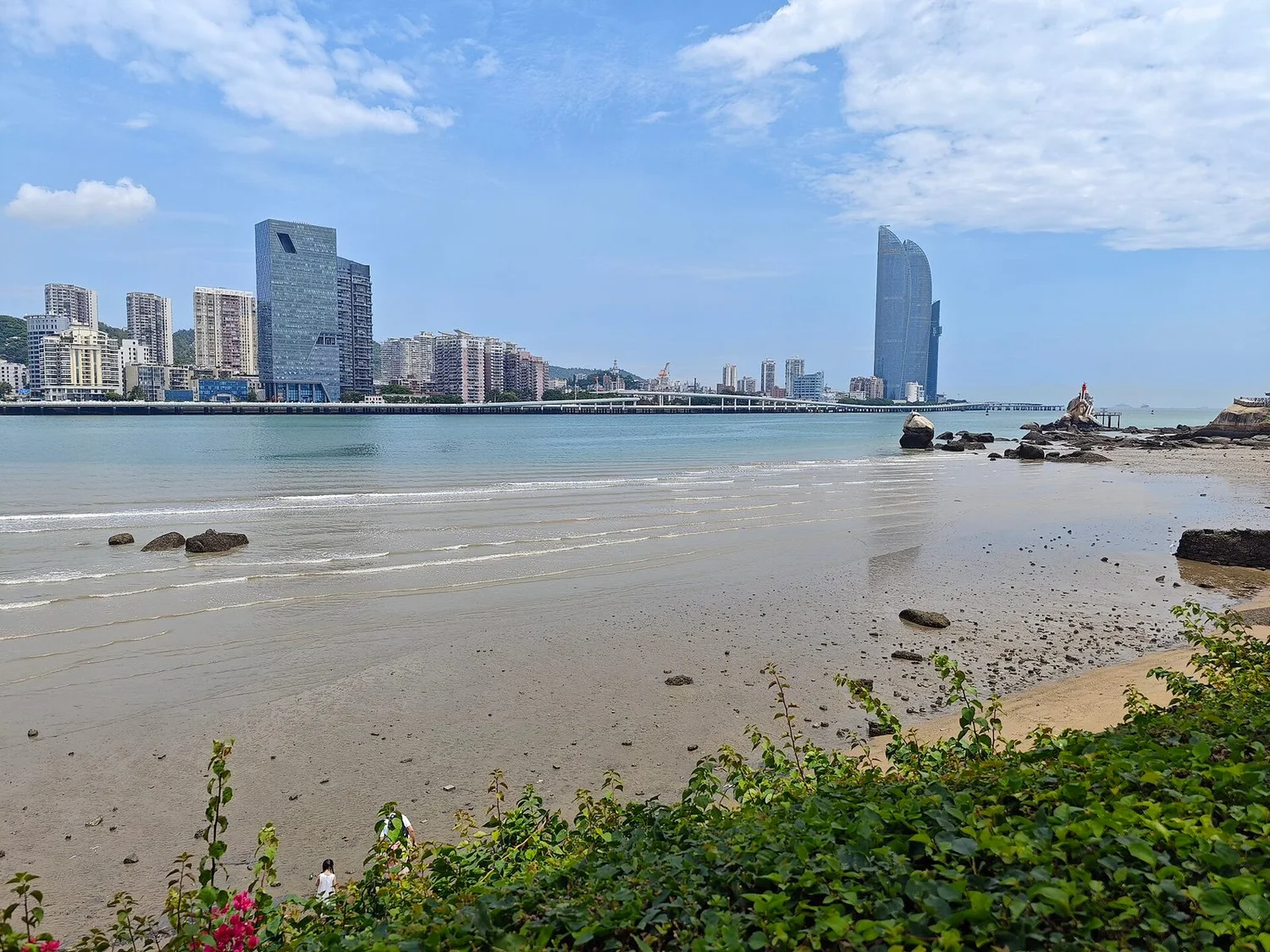
Xiamen brings together coastlines, hills and harbour neighbourhoods. Gulangyu's historic buildings, commercial life beneath Zhongshan Road's arcades, the temple below Wulao Peak and the botanical garden's tropical vegetation, along with shacha noodles and tusundong, reveal different sides of this coastal city in southern Fujian.
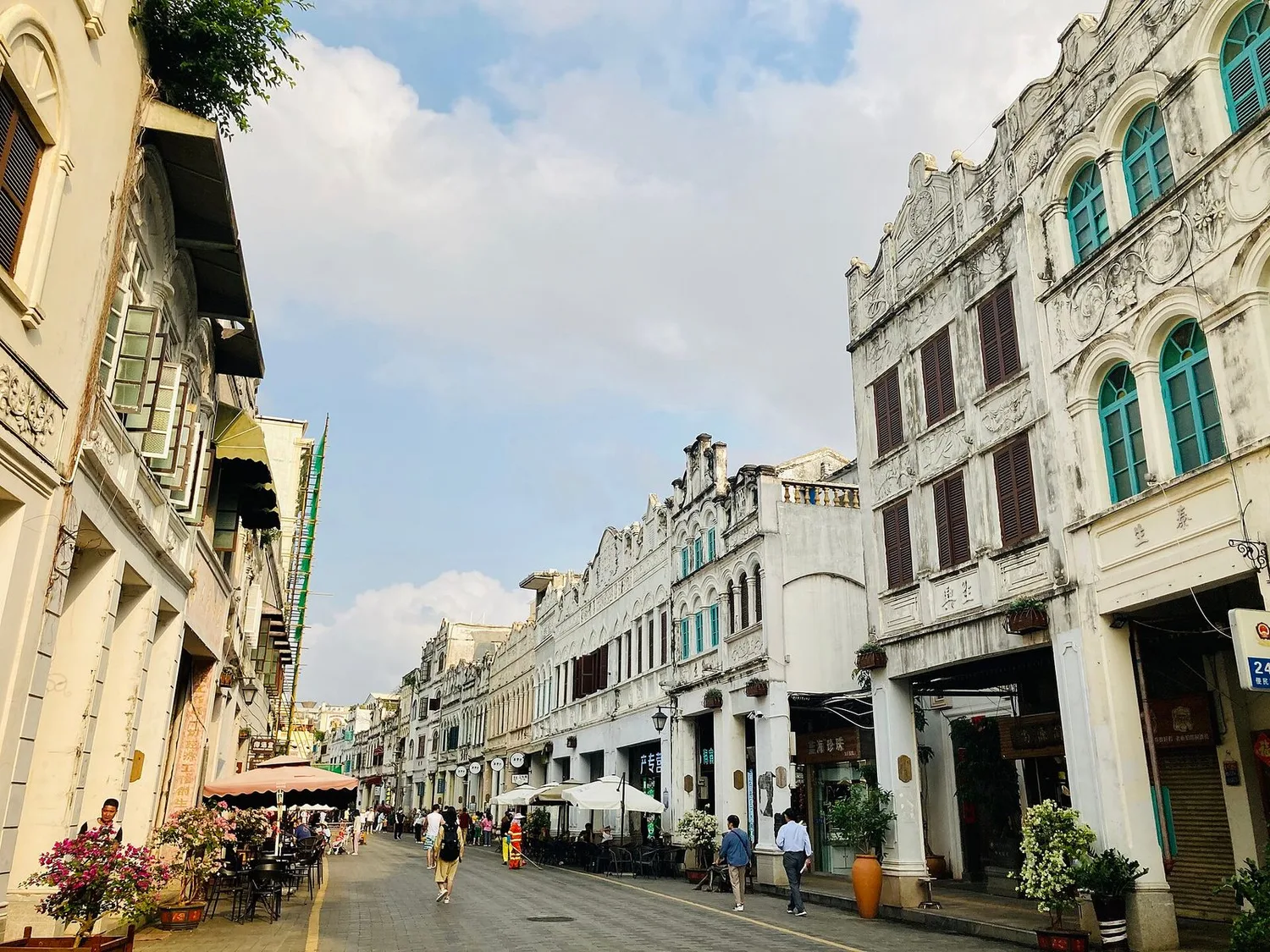
Haikou
Haikou lies on Hainan Island's northern coast, where the Nandu River flows into the Qiongzhou Strait. Arcaded old streets, parks around Haikou Bay, volcanic landforms near Shishan, Hainan rice noodles and laoba tea reveal a provincial capital shaped by its port and everyday Hainan life.
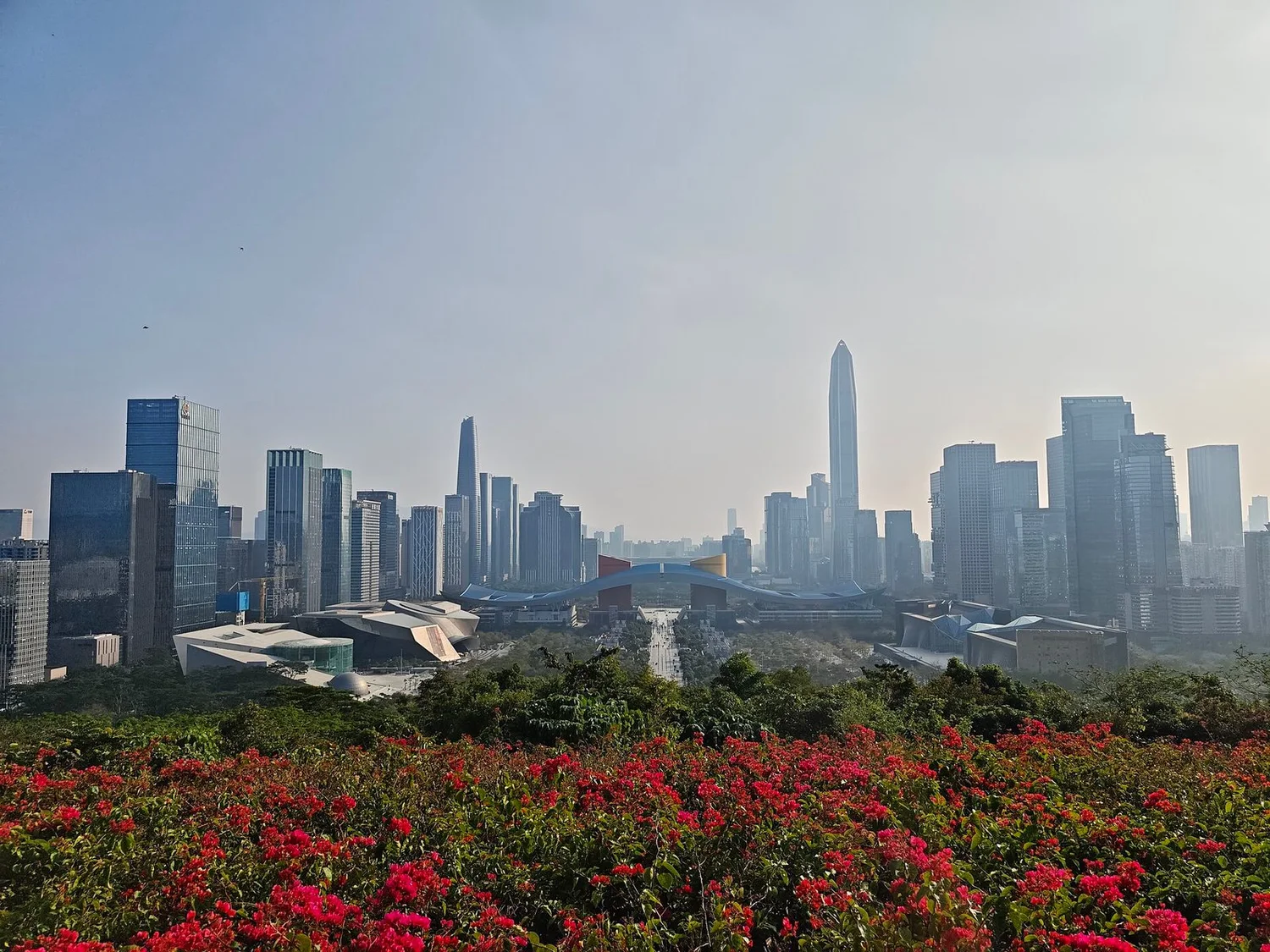
Shenzhen
Futian's towers and parks, Nantou's old streets and Dapeng's coastal defences reveal different periods of Shenzhen's history. Huaqiangbei's electronics markets, Dongmen's street commerce and Shekou's dining and leisure areas bring manufacturing, shopping and life by the sea into the same city.
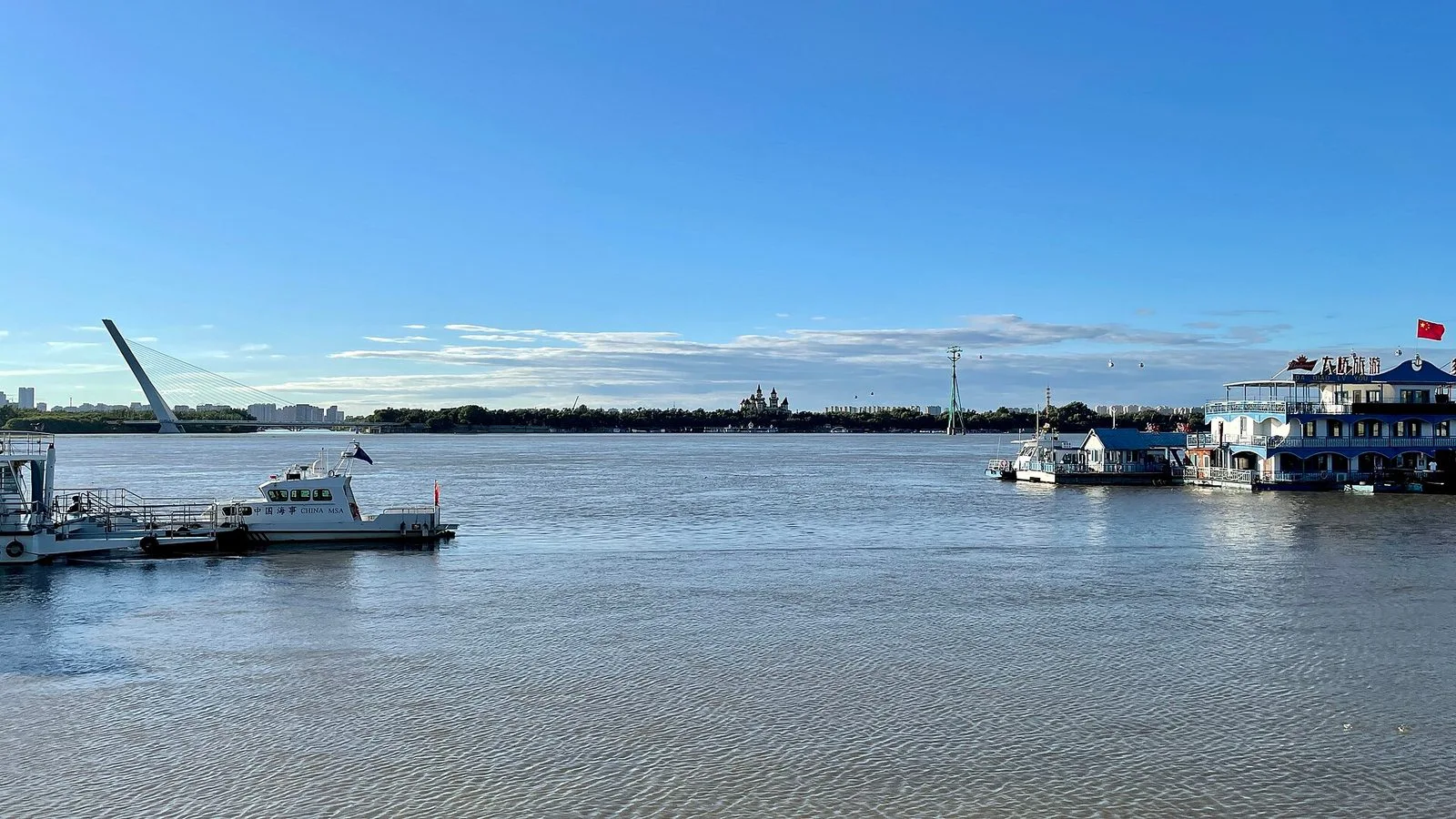
Harbin
Harbin spans both banks of the Songhua River, with the historic architecture of Central Street, Saint Sophia Cathedral and old Daowai, as well as Sun Island's green spaces and winter ice and snow displays. Guobaorou, hongchang sausage and daliba bread bring different food traditions to the same table. Exploring the riverbanks, neighborhoods and food gives a fuller picture of the city than seeing a single ice sculpture.
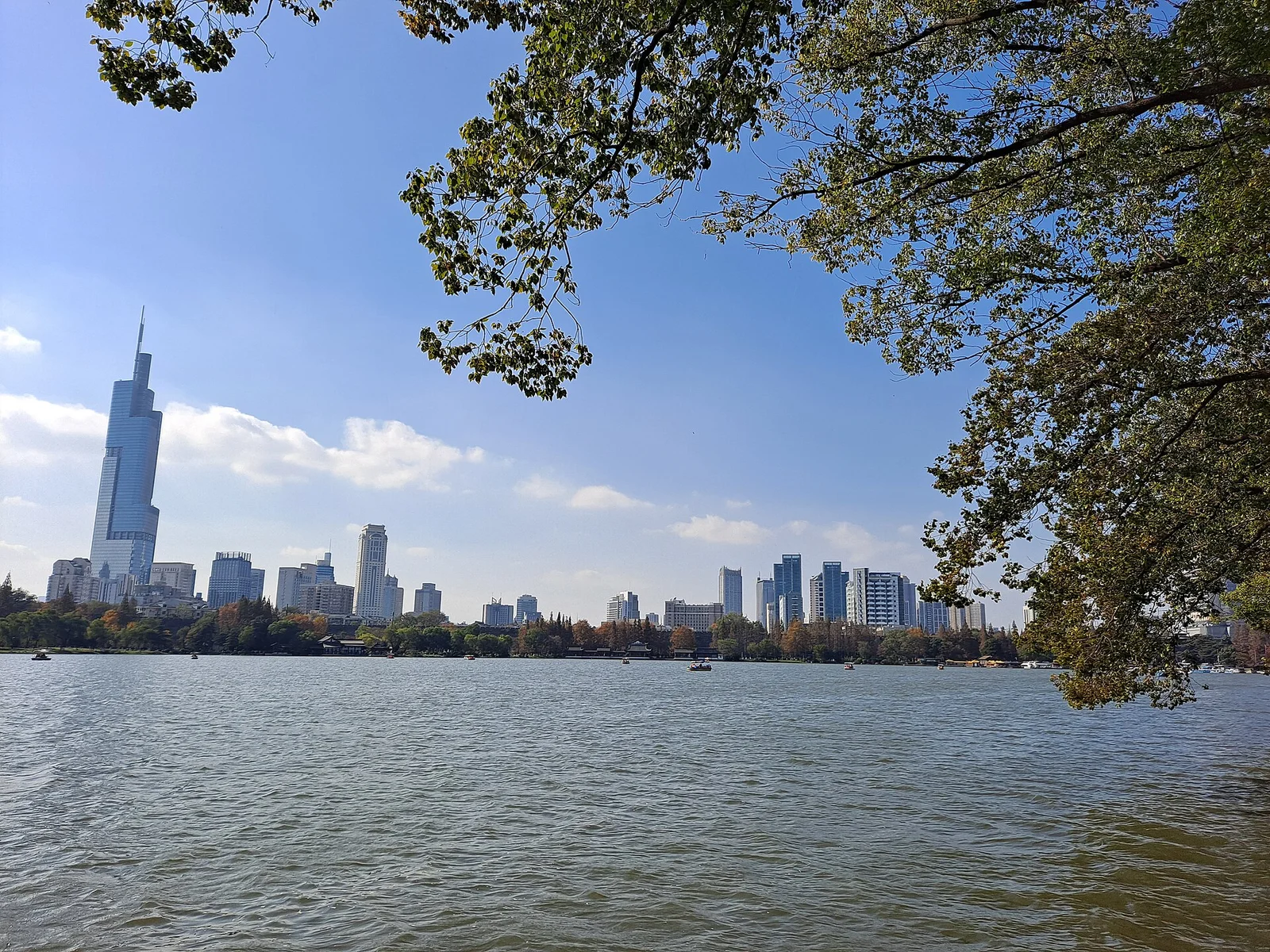
Nanjing
Nanjing's city walls, Zhongshan and Qinhuai River preserve memories of different periods. Xuanwu Lake offers views of mountains, water and the modern skyline, while the south of the city has lanes, shops and duck dishes. Sun Yat-sen Mausoleum, Ming Xiaoling Mausoleum and Nanjing Museum reveal different sides of this former capital through architecture and collections.
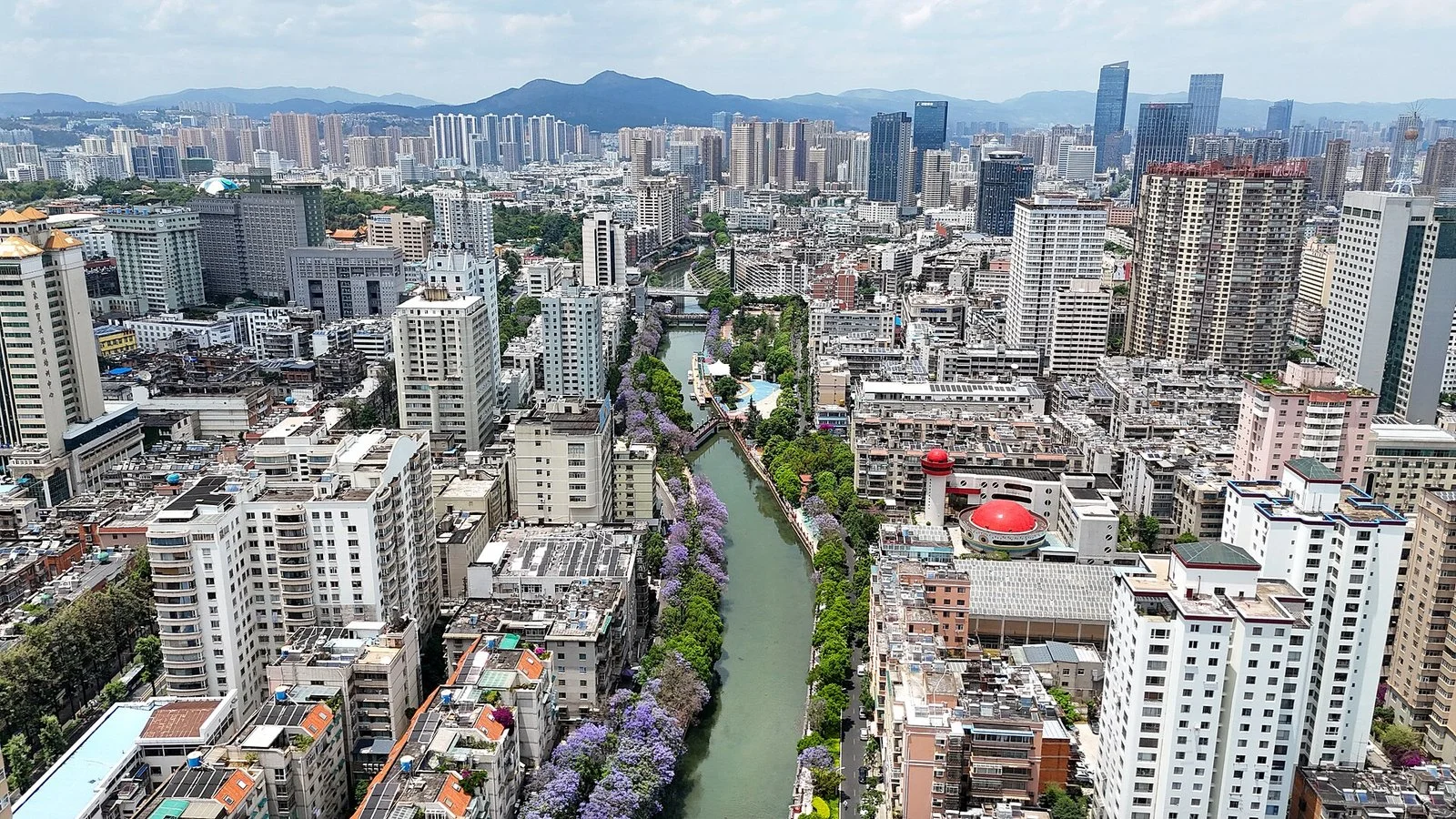
Kunming
Kunming lies on the Yunnan-Guizhou Plateau. Green Lake and the old city's streets, the open views of Dianchi Lake and the Western Hills, and Dounan's flower trade show different sides of the city. Rice noodles, steam-pot chicken and rose cakes bring Yunnan food into daily life, while the provincial museum and the Stone Forest to the east extend the view to ancient Dian history and karst landscapes.
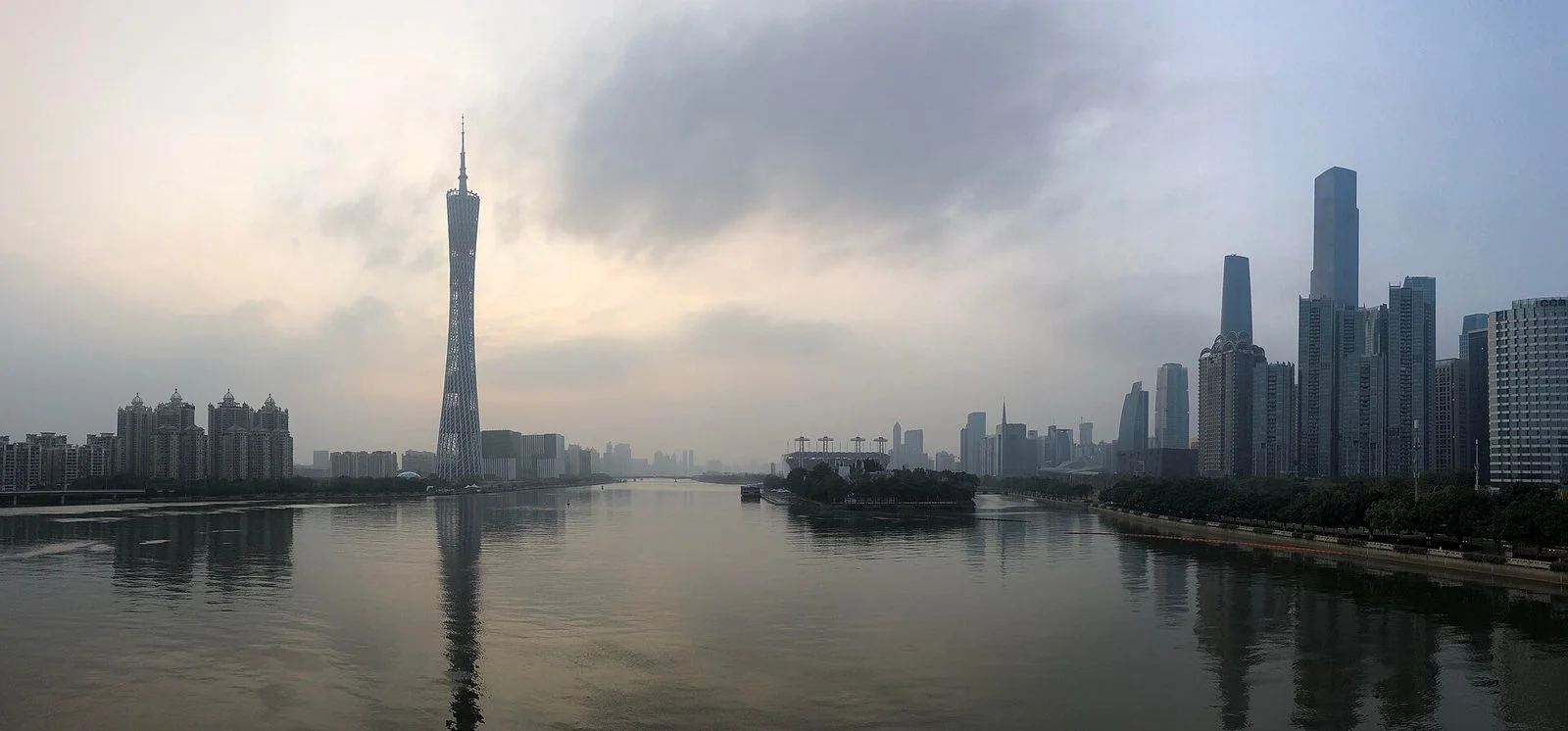
Guangzhou
Guangzhou stretches along the Pearl River, with Baiyun Mountain in the northeast and the old city set beside the new districts of Tianhe. The maritime Silk Road, the single-port trade system and the Canton Fair have kept the city’s commercial tradition alive to this day.
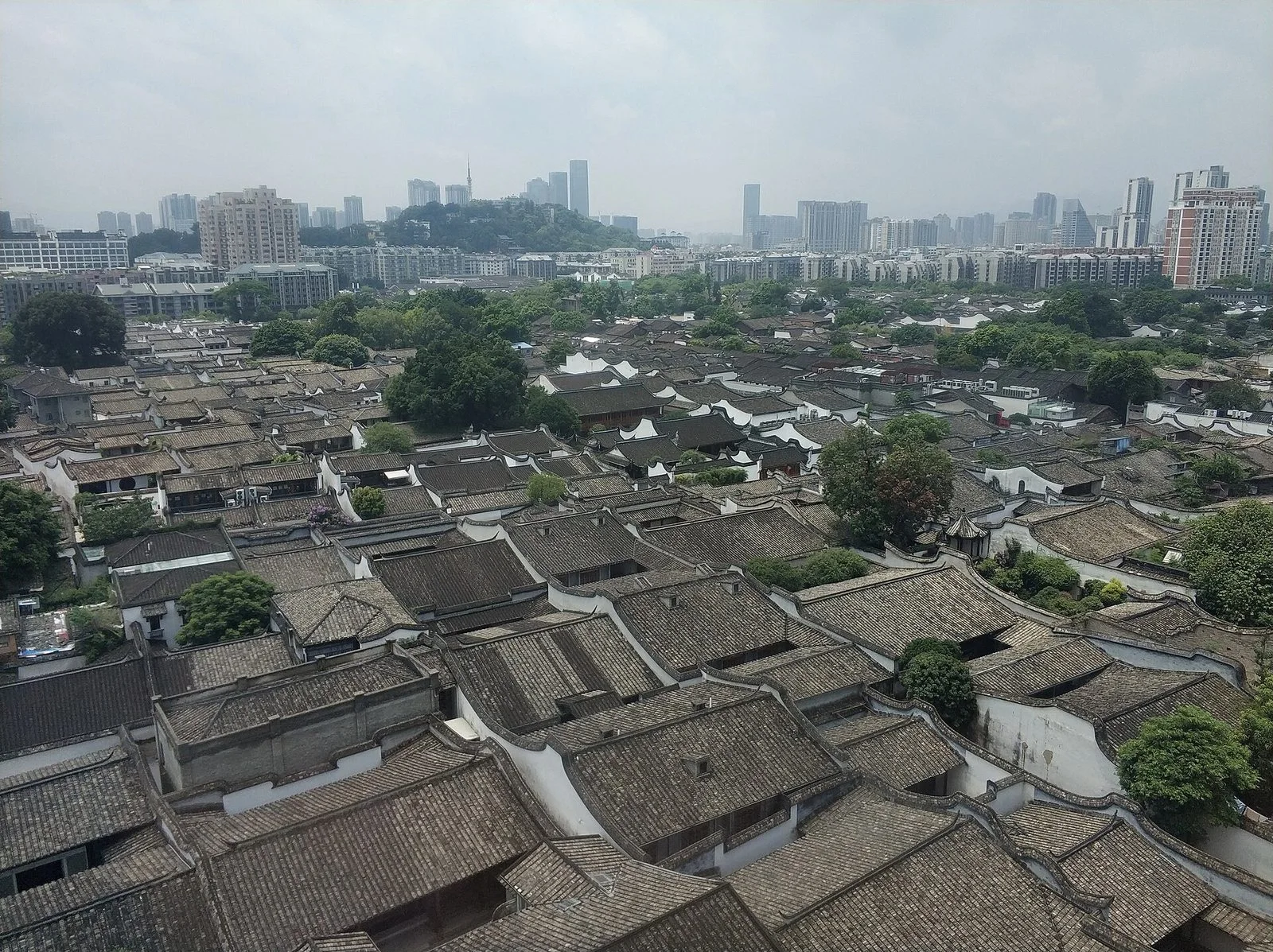
Fuzhou
Fuzhou's old lanes, Min River trading districts and Cangshan hillsides have distinct characters. Courtyards in Sanfang Qixiang, the shores of West Lake, Yantai Hill's historic buildings, and fish balls, rouyan and guobian offer ways to get to know Fujian's capital through its neighborhoods and everyday food.
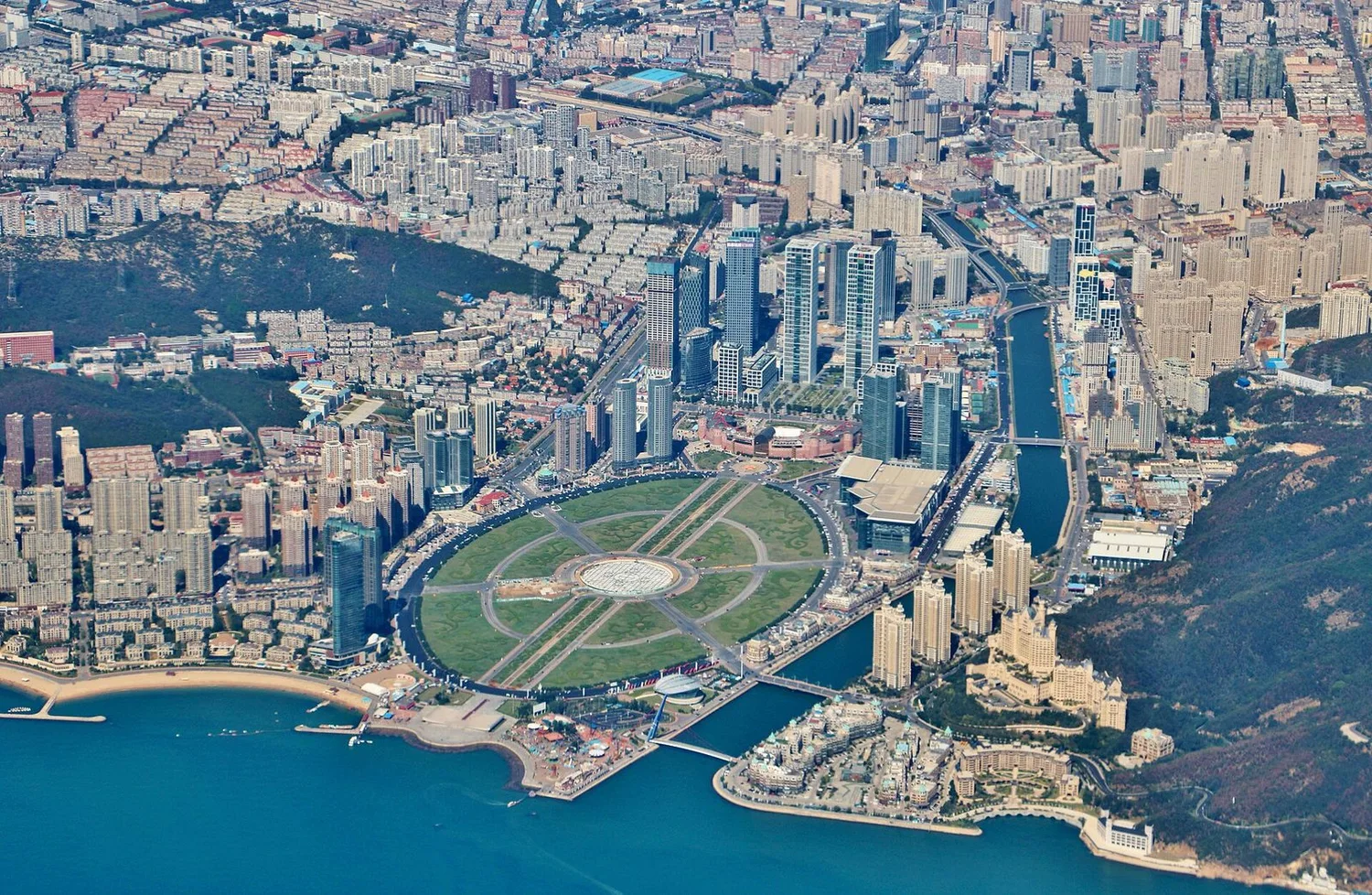
Dalian
A port city at the southern tip of the Liaodong Peninsula, where historic square-side streets, Xinghai Bay and Jinshitan's rocky shores reveal different urban and coastal landscapes.
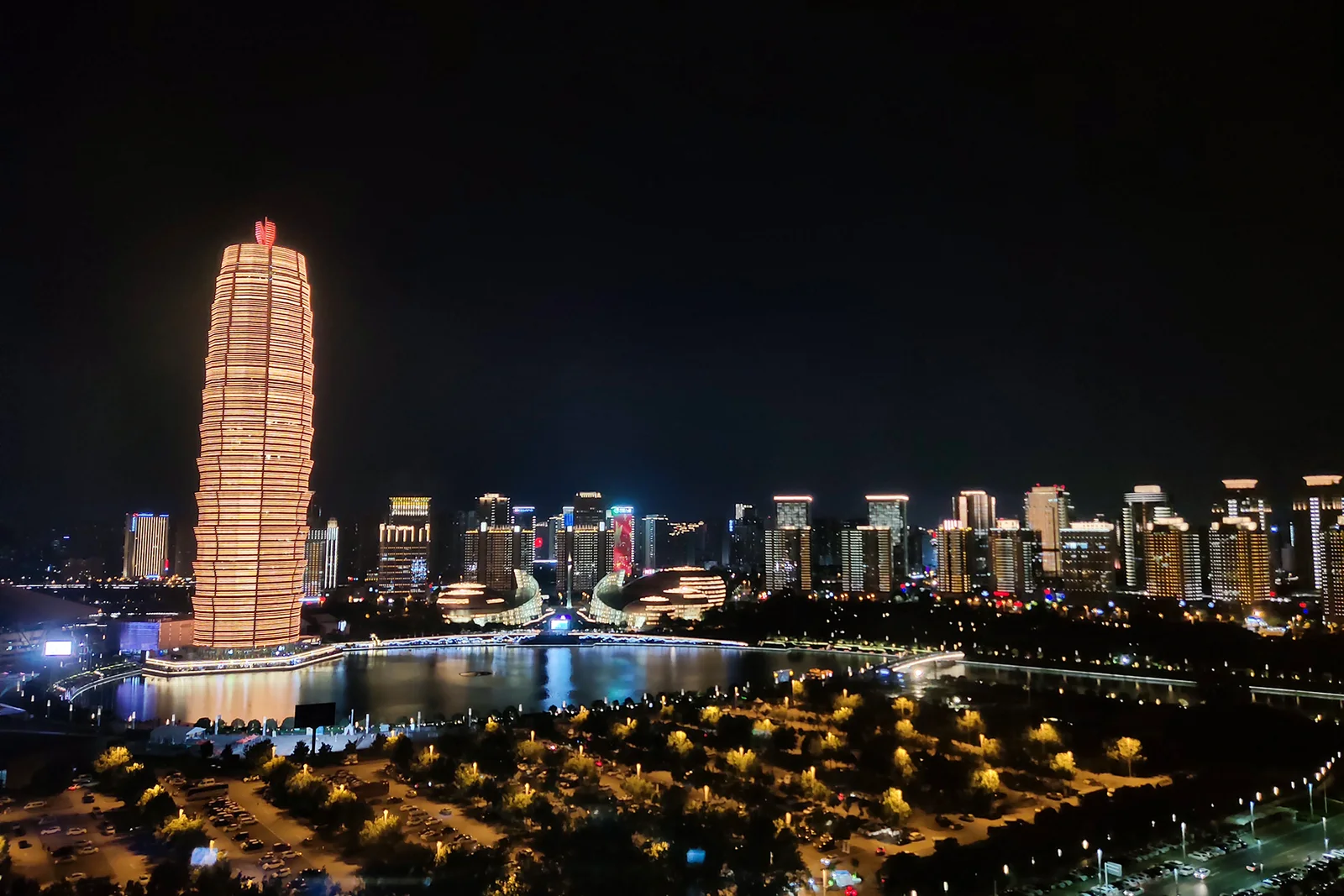
Zhengzhou
Zhengzhou brings Shang dynasty walls, Henan's archaeological collections and contemporary provincial-capital life into one city. Older shopping streets surround Erqi Square, while Ruyi Lake and modern architecture characterize Zhengdong New District. A bowl of huimian or hulatang adds everyday flavors between the landmarks. To the west, Dengfeng and Mount Song form a separate mountain cultural landscape worth understanding in its own right.
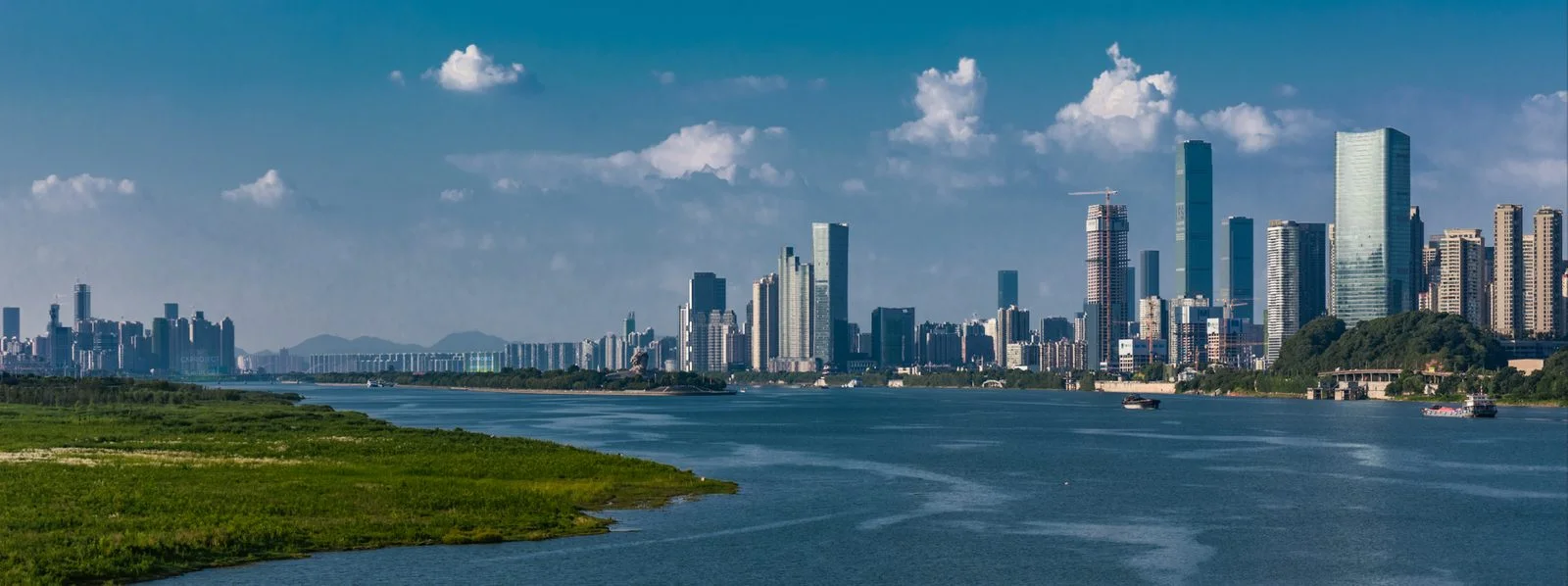
Changsha
Changsha stretches along the Xiang River, with Orange Isle in midstream, Yuelu Mountain and the university district on the west bank, and the old city, Tianxin Pavilion and Wuyi Square on the east. The Mawangdui tombs, Yuelu Academy, rice noodles and stinky tofu put two thousand years of history and the city's nightlife in one place.
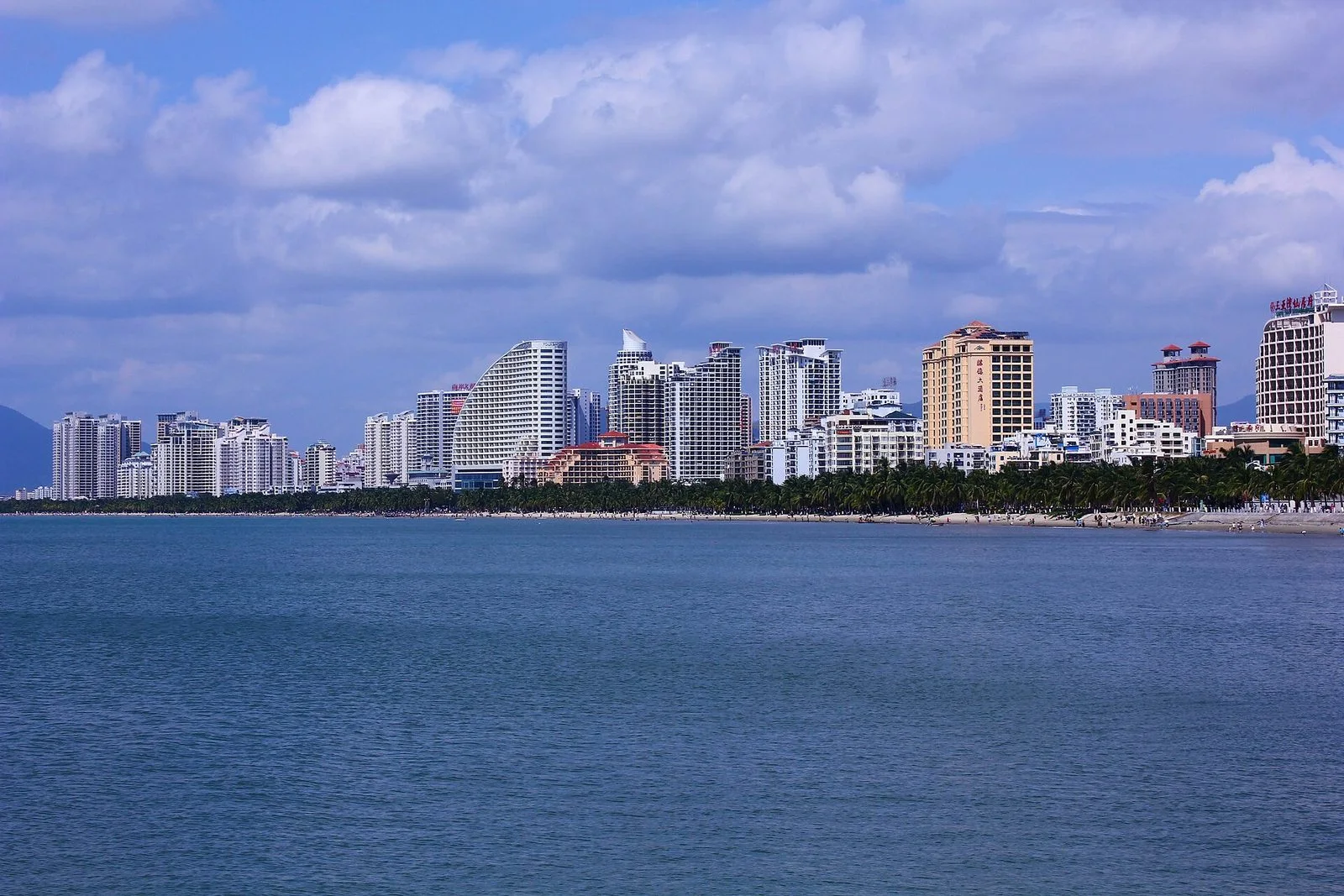
Sanya
Sanya sits at the southern tip of Hainan Island, where bays, hills and the old city lie side by side. Sanya Bay is for sunsets and city life, Dadonghai is the closest beach to the urban area, and Yalong Bay and Haitang Bay each form their own resort district; to the west are Tianya Haijiao, Nanshan and Yazhou, and to the east is Wuzhizhou Island.
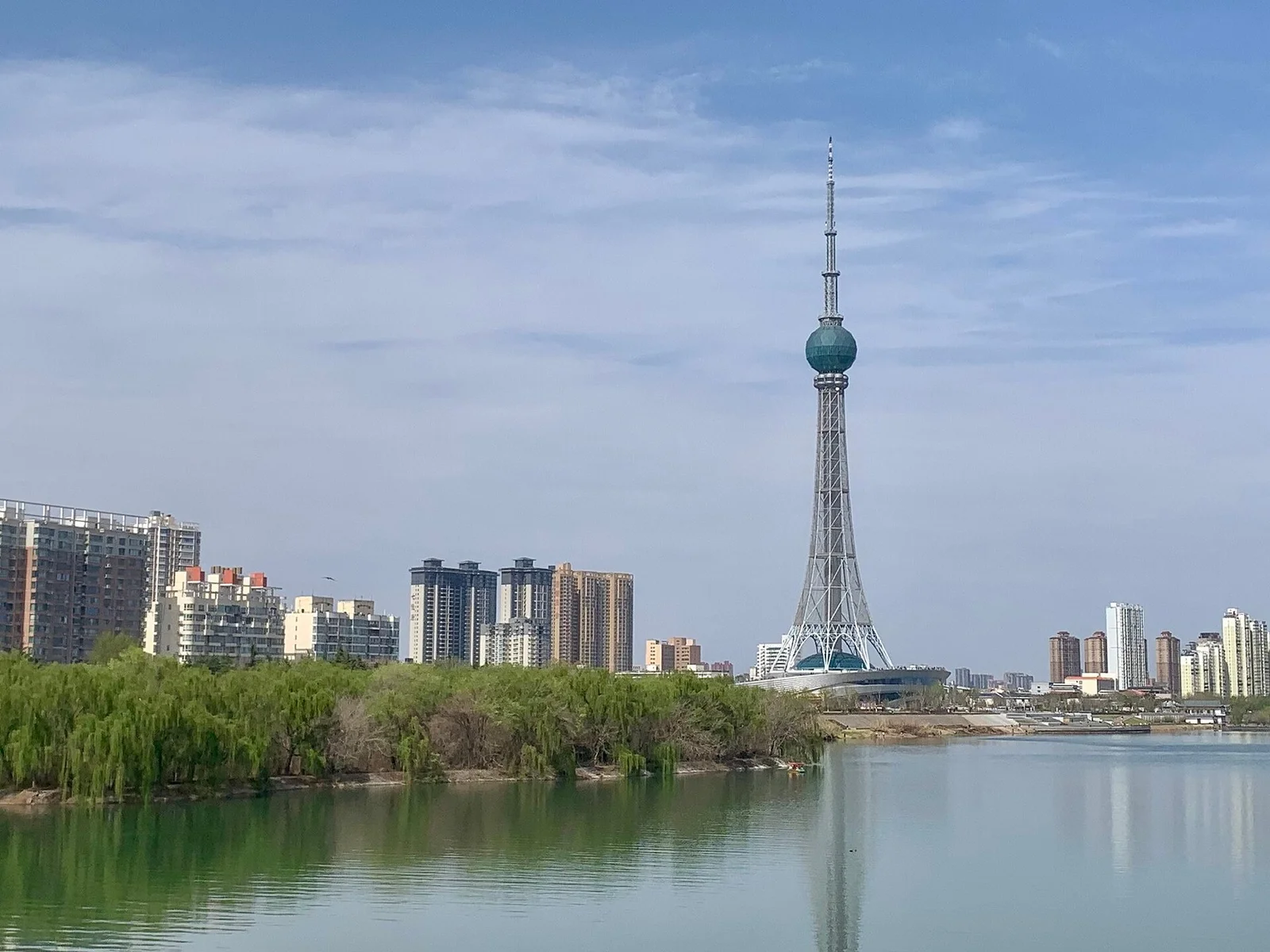
Luoyang
Luoyang holds five capital-city sites, the Longmen Grottoes above the Yi River and modern districts on both sides of the Luo River. The old town is walkable, but the major sites lie in different districts; the water banquet and the spring peony season represent banquet food and seasonal celebration.
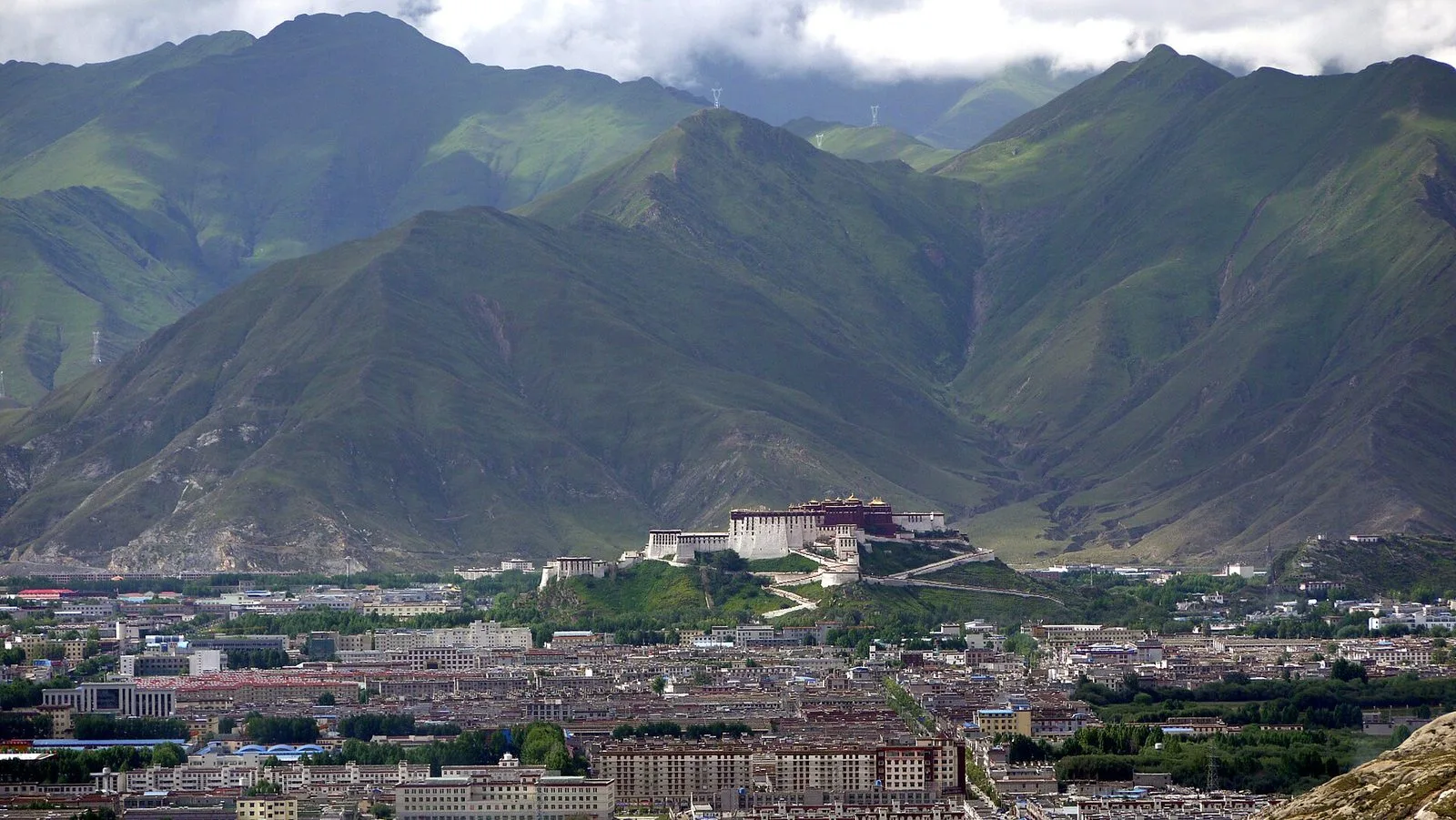
Lhasa
Lhasa spreads along the Lhasa River valley at about 3,650 meters. The Potala Palace on the Red Hill and the old Barkhor district around the Jokhang Temple form the city's two main poles, while sweet tea houses, kora routes and the monasteries of Sera and Drepung at the city's edge bring religious life and daily routine into the same valley.