City introduction
Xiamen lies on the southeastern coast of Fujian. The city includes both Xiamen Island and mainland urban districts across the bay. To get to know it, start with the old city and Gulangyu facing each other across the water, then turn to the island's hills, temple and botanical garden. Coastal scenery, the history of a trading port and everyday life in southern Fujian come together in different ways across its neighbourhoods.
A city of bays and islands
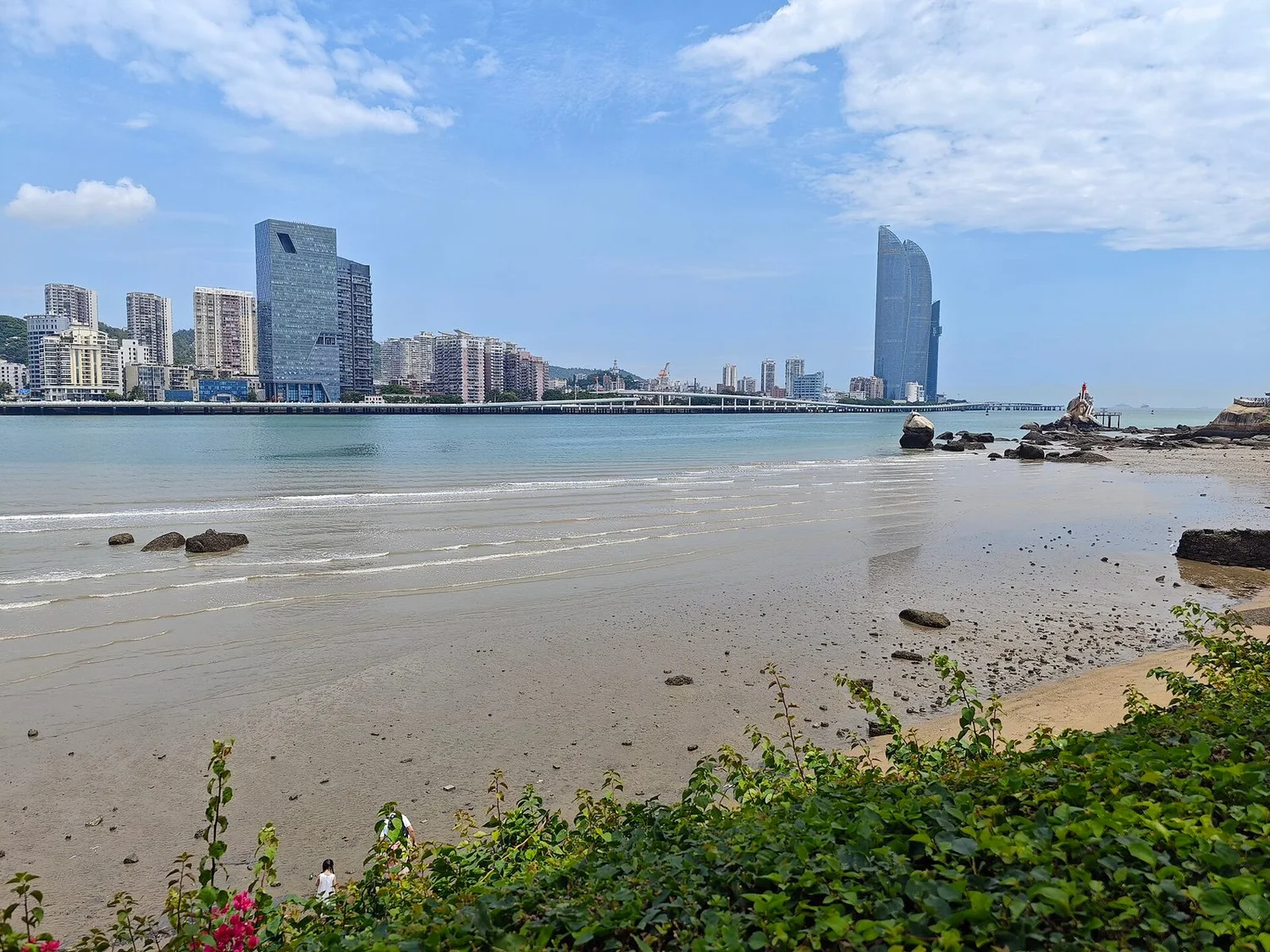
Xiamen is more than a small island. Siming and Huli are on Xiamen Island, while Jimei, Haicang, Tong'an and Xiang'an lie across the bay; bridges and tunnels link the island and mainland. Zhongshan Road, Nanputuo Temple and the botanical garden, all familiar to visitors, are on Xiamen Island. Gulangyu is a separate island across the Lujiang waterway. Understanding these locations helps explain why neighbouring shores in photographs belong to different parts of the city.
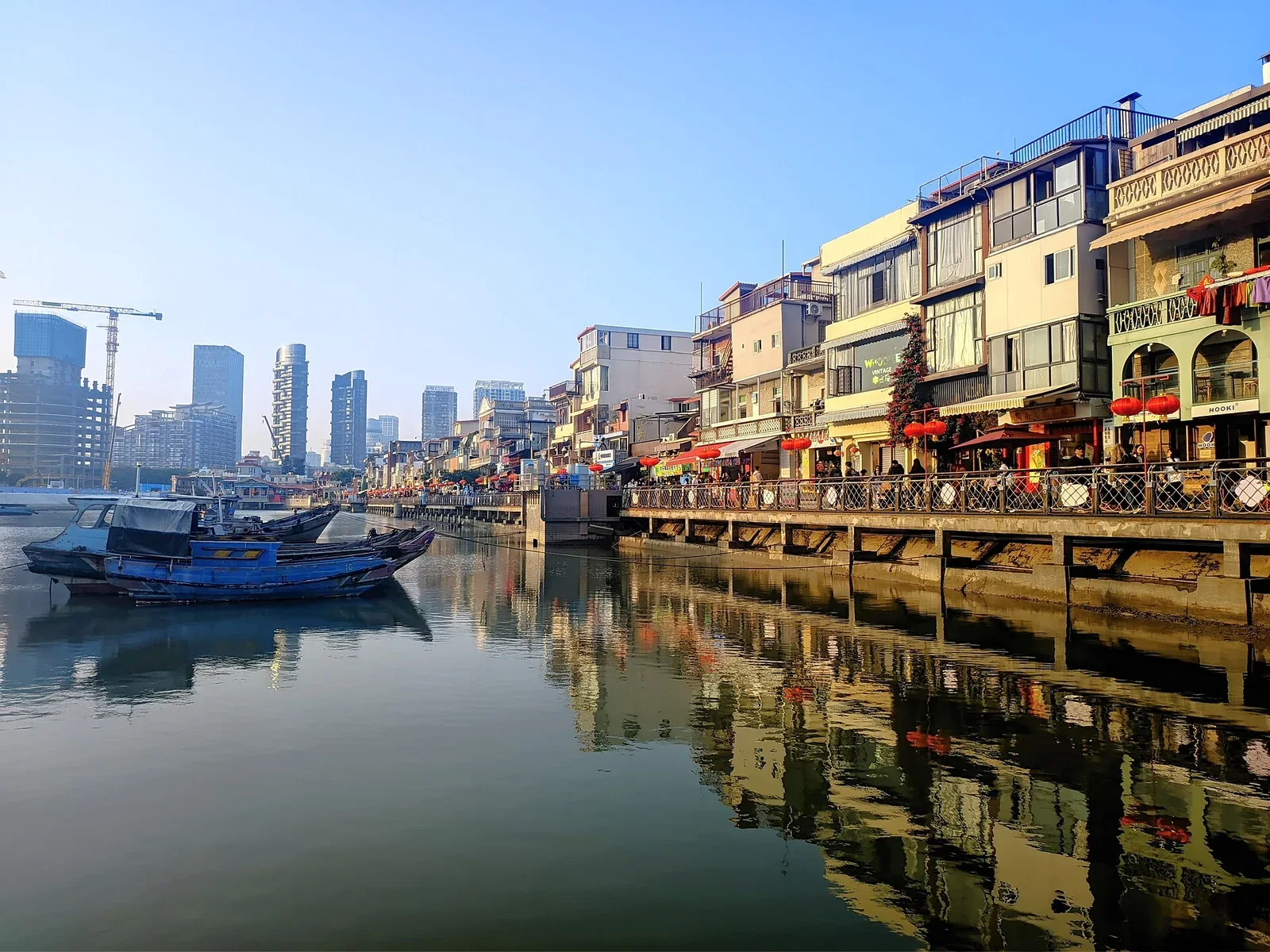
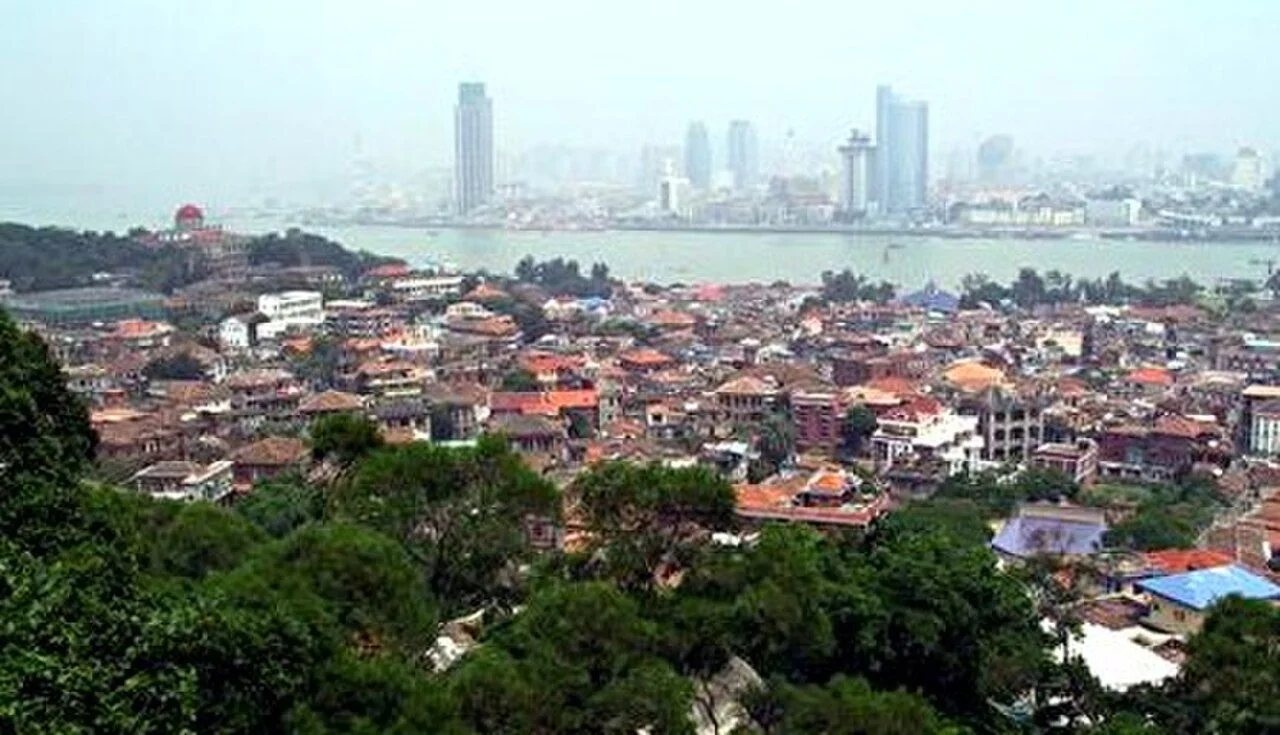
The bay offers several ways to see Xiamen. From the old city's waterfront, Gulangyu appears as trees and closely packed roofs; looking back towards Xiamen Island reveals modern buildings and the urban shoreline. Hills also extend into the city, so the seafront, temple and botanical garden can be close together while offering different settings. These differences are part of the city's appeal: open water beside dense streets, and wooded slopes beside traces of its trading-port past.
Traces of cultural exchange on Gulangyu
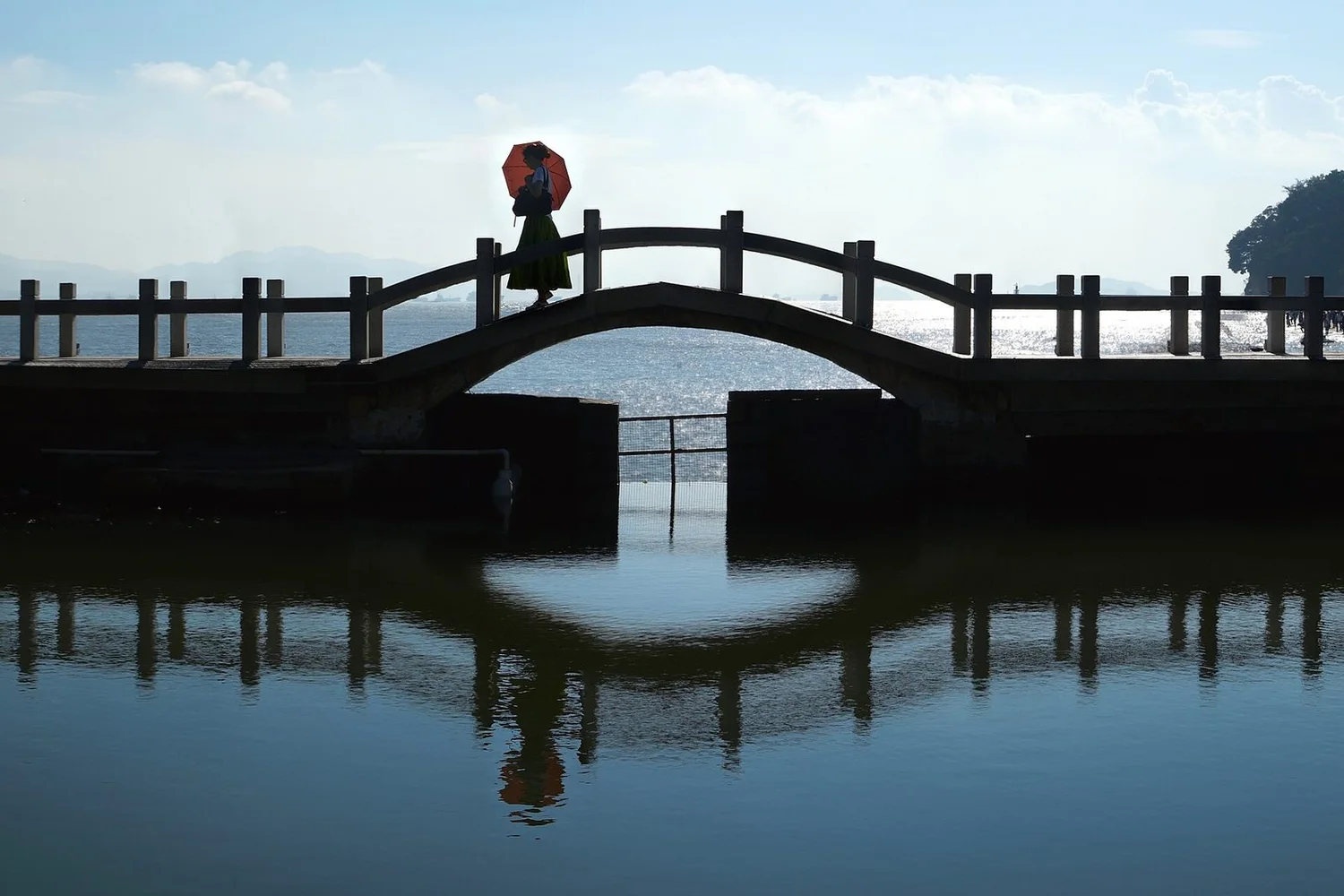
Gulangyu's World Heritage value lies in the historic community as a whole. After Xiamen opened as a trading port in 1843, Chinese and foreign residents, returning overseas Chinese, and varied religious and commercial activities helped shape the island. The international settlement established in 1903 is another part of that history. Its streets, gardens and buildings still reveal these connections, giving the island more to offer than a viewing platform.
The island combines traditional southern Fujian building elements with Western classical styles and buildings with verandas. These different influences also merged locally into a style known as Amoy Deco. Architecture enthusiasts can look at porches, window frames, roofs and courtyard walls, while those drawn to the sea may focus on gardens, bridges and the shoreline. Together, these views show how the houses fit the island's terrain and coast.
Old shopping streets, harbour shops and modern malls
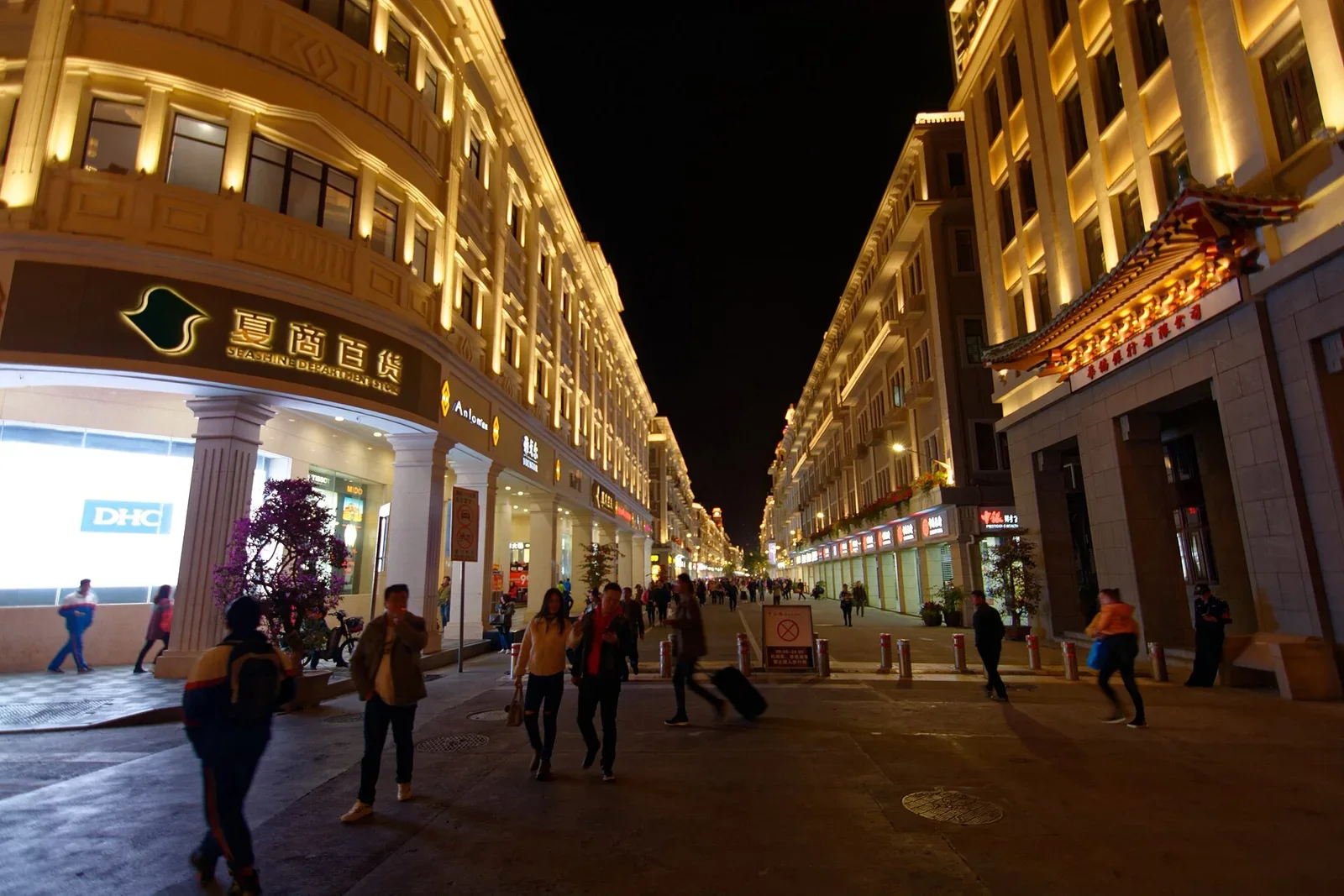
Zhongshan Road is near the old city's waterfront, where a continuous run of arcade buildings brings shops and pedestrian space together. Look at the windows, columns and decoration on the upper facades as well as the shops and restaurants still operating below. Architectural details are easier to see by day; lights and shoppers give the street a different character at night. Its appeal lies in buildings and commerce sharing the same streets, rather than in a single isolated historic building.
Shapowei has an old harbour setting, with waterside lanes beside the Art Zone's design shops, cafes and small retailers. It suits visitors interested in independent design, small gifts and waterfront neighbourhoods. SM Xiamen is around Wushipu; its operator lists it as a development with several phases, focused on concentrated retail, dining and indoor leisure. The three places offer different choices: Zhongshan Road for old-city commerce, Shapowei for shops beside the harbour, and SM for the modern malls that are part of everyday life in Xiamen.
Temples and hills reveal another side of Xiamen
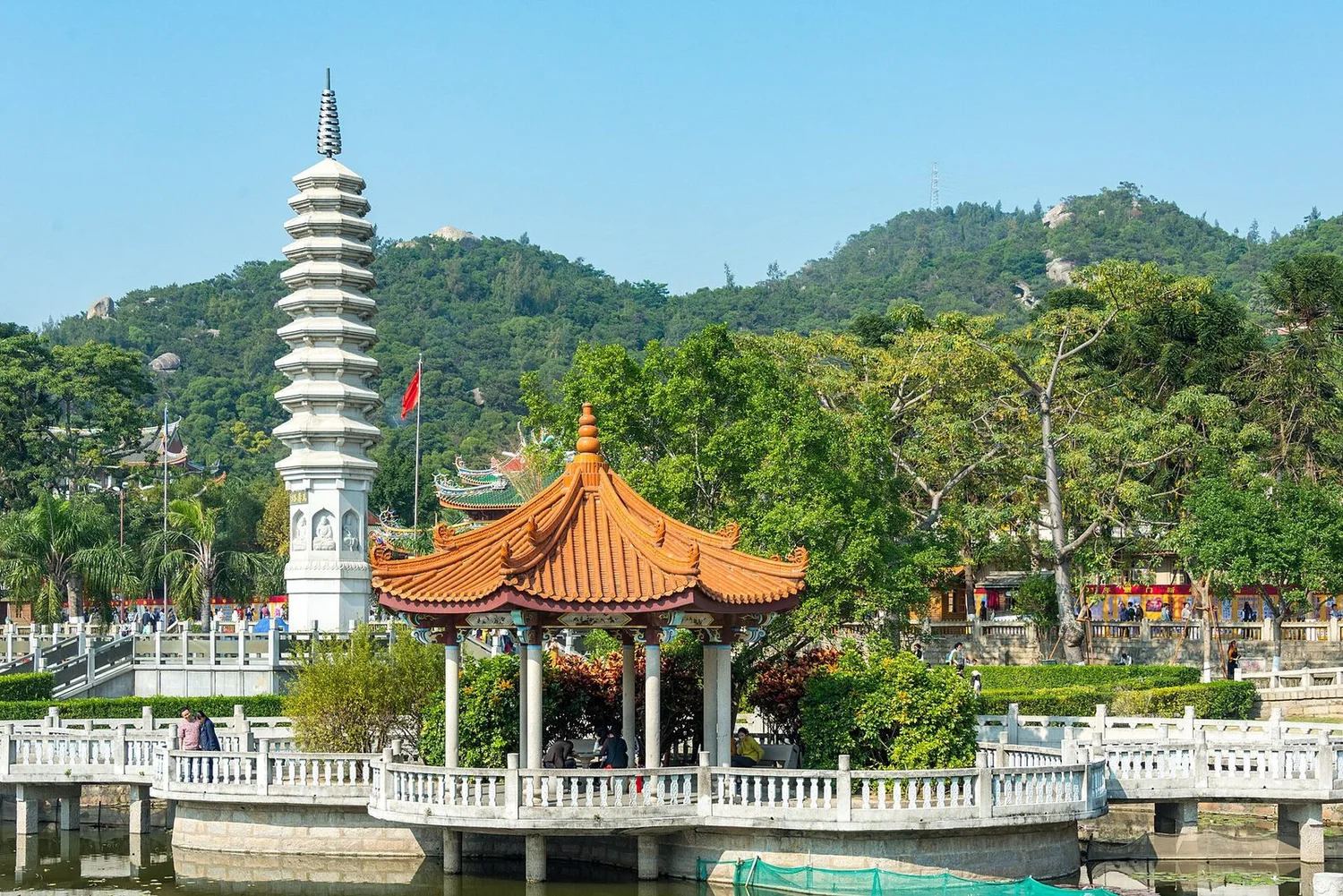
Away from the coast, Nanputuo Temple draws the eye towards Wulao Peak. The space in front, courtyards and successive halls meet the hillside, beside the urban area around Xiamen University. Rebuilt several times, the temple remains a place of religious activity. Its architecture and continuing Buddhist life are best understood together.
The temple's website traces its early history to the late Tang and Five Dynasties period, and records Shi Lang funding repairs and adding the Dabei Pavilion dedicated to Guanyin in the early Qing period. Its early origins and later rebuilding together shaped the temple seen today. The roofs, inscribed plaques and layers of courtyards reveal a Xiamen of religious spaces built around hills, alongside the port and sea views.
Lakeshore and tropical plants in the botanical garden
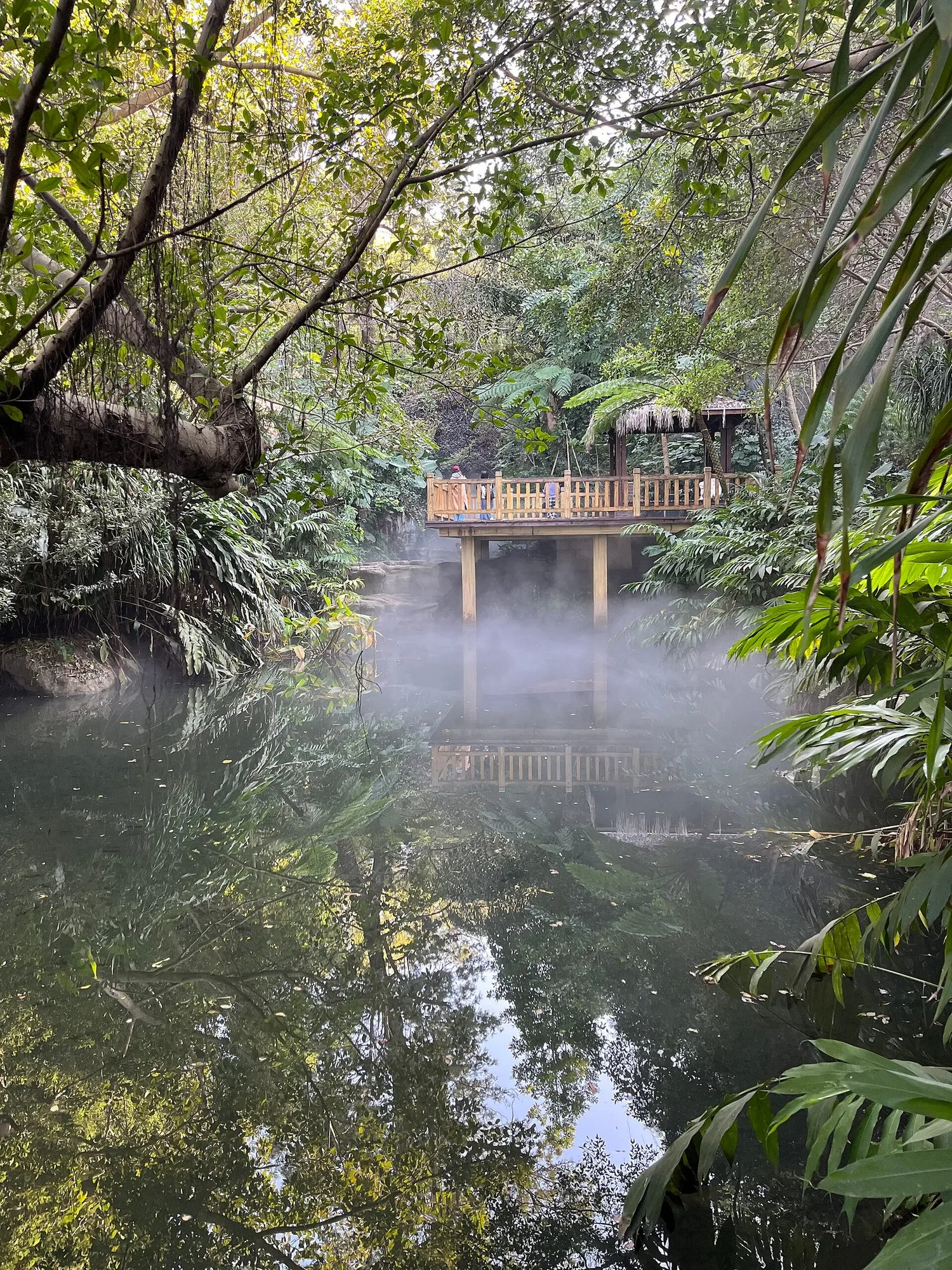
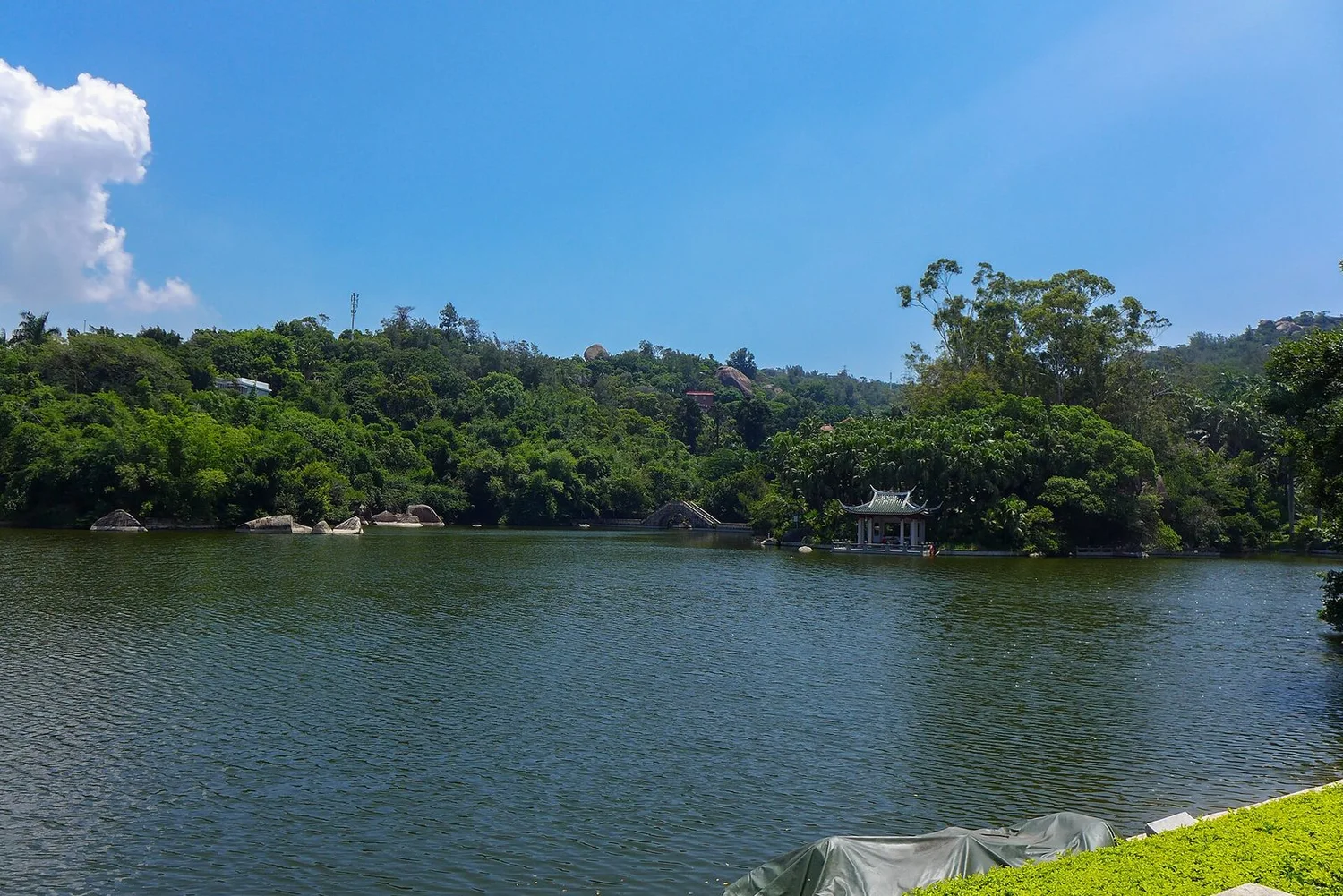
Wanshi Botanical Garden lies in the hills in the southeast of Xiamen Island, with rocks, inscriptions, water and specialist gardens interspersed throughout. The hills are scenery visitors can enter and examine, rather than just a backdrop beyond the city. Large rocks and plants spread across the slopes, while the lake opens up the view after the dense vegetation.
The plant displays present different environments too. Layers of trees, vines and damp watersides in the rainforest area contrast with the clearly visible stems, spines and ribs of the succulents. For visitors unfamiliar with plants, comparing shapes and growing environments can provide a clearer impression than memorising a list of names. The garden suits people who want green surroundings and are willing to pause to look at the details.
Southern Fujian flavours in hot noodles and a cold snack
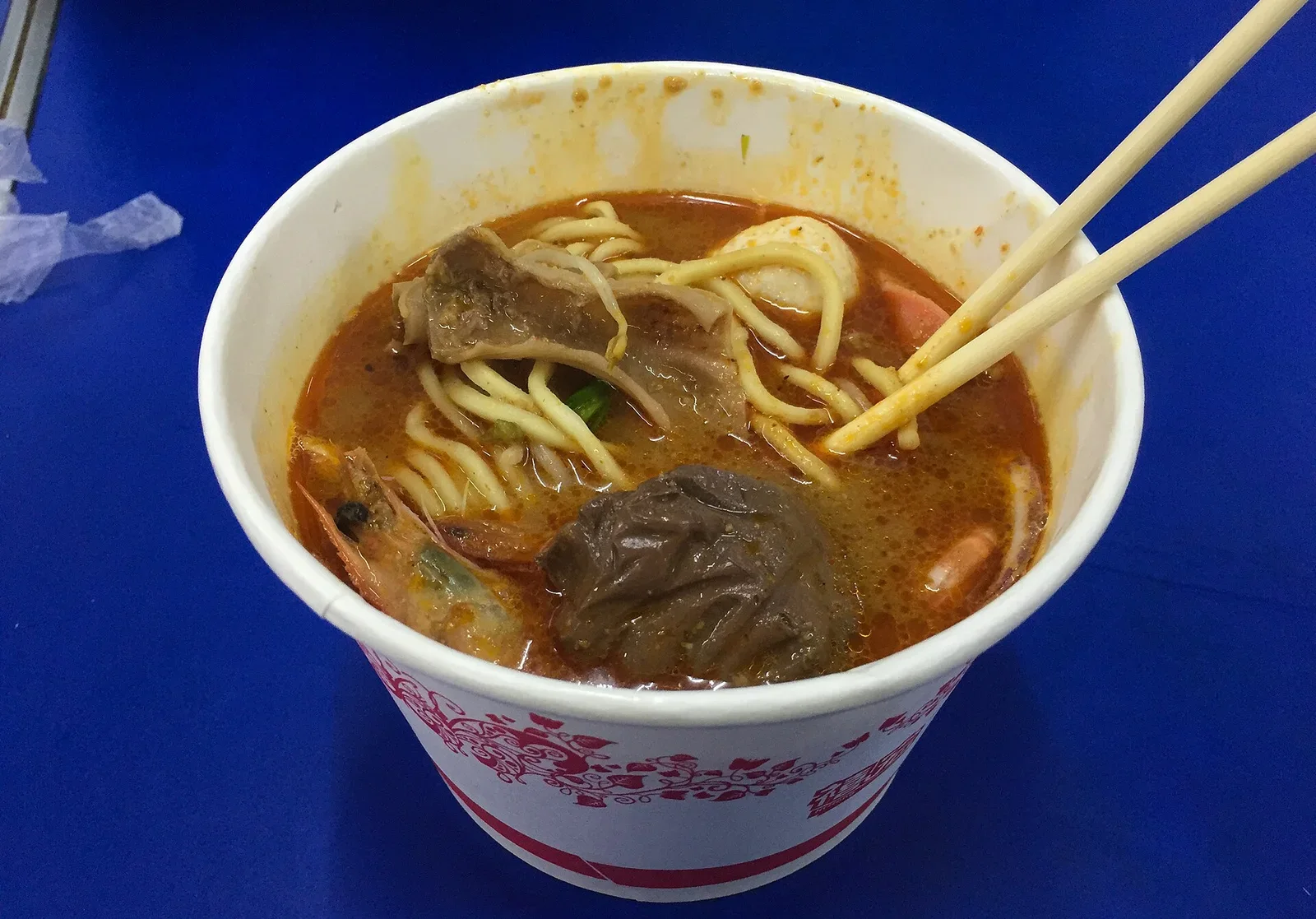
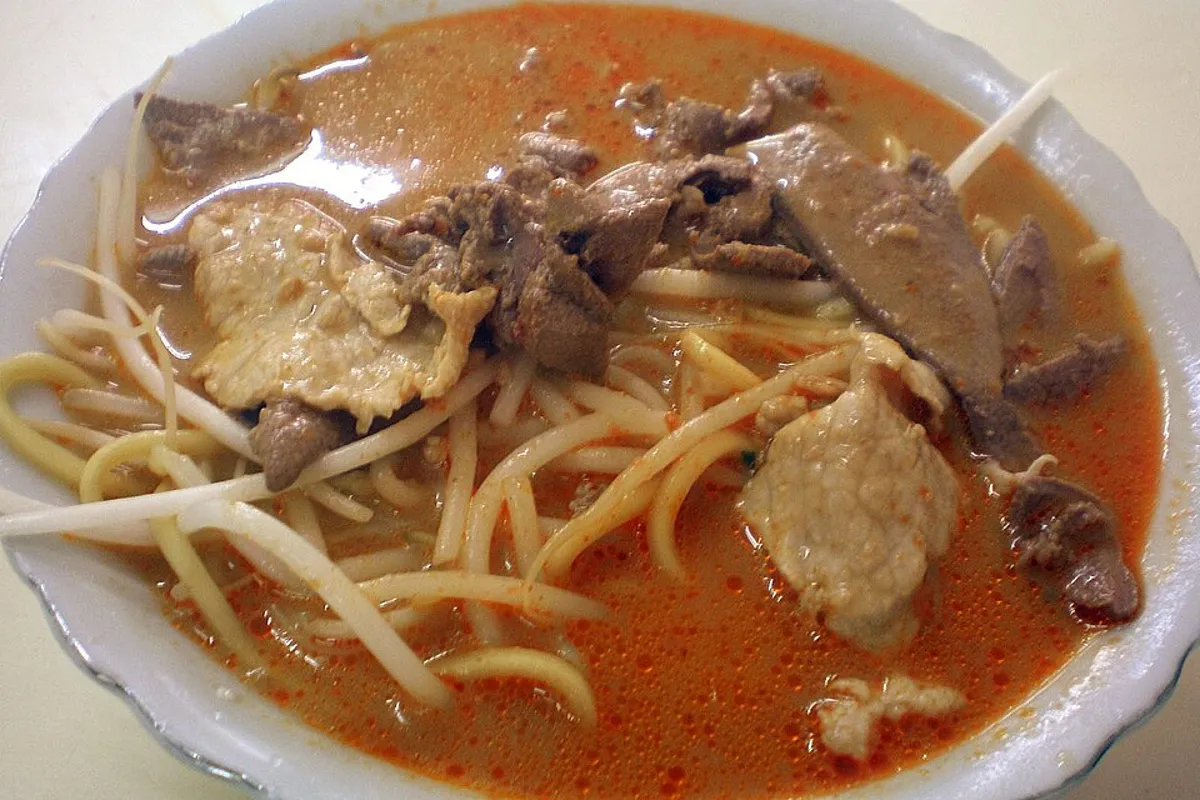
Shacha noodles concentrate Xiamen's snack flavours in their broth and added ingredients. Shacha sauce is mixed into hot broth and served with noodles and a choice of meat, seafood, bean products or vegetables. Peanuts, dried shrimp and chilli commonly contribute to the flavour; the rich broth and toppings vary by vendor. The noodles can form the main part of a meal. Choosing ingredients you like is more useful than looking for a single fixed 'standard bowl'.
Tusundong is a very different food. The 'tusun' in its name is not bamboo shoot but a marine sipunculid worm, cooked and set into a jelly, usually eaten cold. Together with shacha noodles, it shows the contrast between hot broth and cold dishes, and between noodles and marine ingredients in Xiamen's food. The ingredients may not be obvious to foreign visitors trying southern Fujian snacks for the first time. Anyone with vegetarian, peanut, seafood or other dietary restrictions should check more than the name.