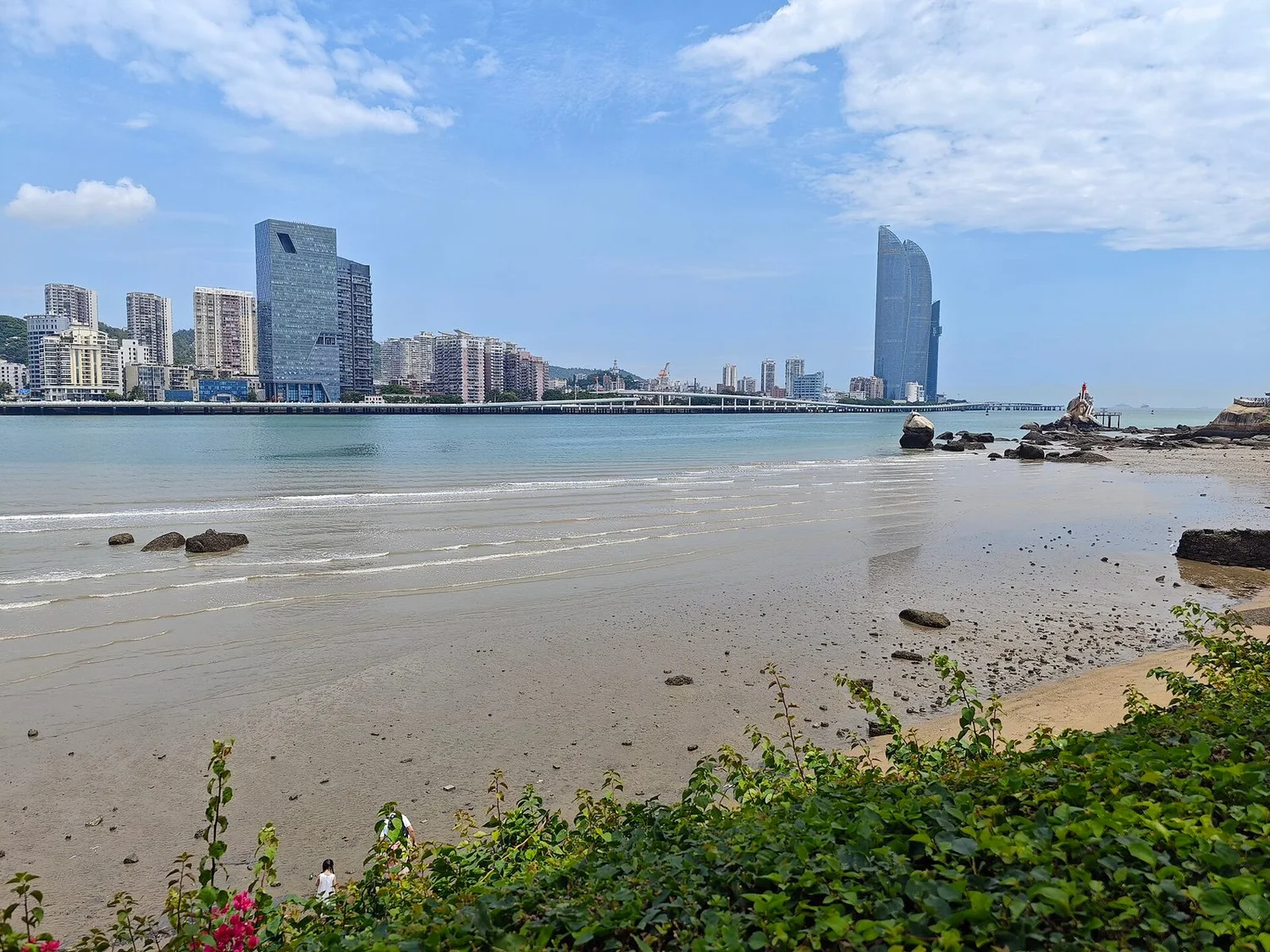
A botanical garden in the hills
Xiamen Botanical Garden, also known as Wanshi Botanical Garden, lies around Wanshi Mountain in the southeast of Xiamen Island. Botanic Gardens Conservation International lists its address as 25 Huyuan Road. Established in 1960, it spreads across undulating ground, with granite boulders, rock inscriptions, water and specialist gardens interspersed throughout. A visit involves more than looking at flowers along one level path.
Choose according to your interests. To look at plant shapes, compare succulents and rainforest vegetation; for relaxed scenery, focus on the lakeshore and nearby green areas; for local culture, look at how rock inscriptions and temples fit into the garden. It covers a large area. Your entrance, chosen specialist gardens and exit affect how far you walk, so a few names on the map should not be treated as a short sequence of nearby sights.
Looking at plant forms through cacti
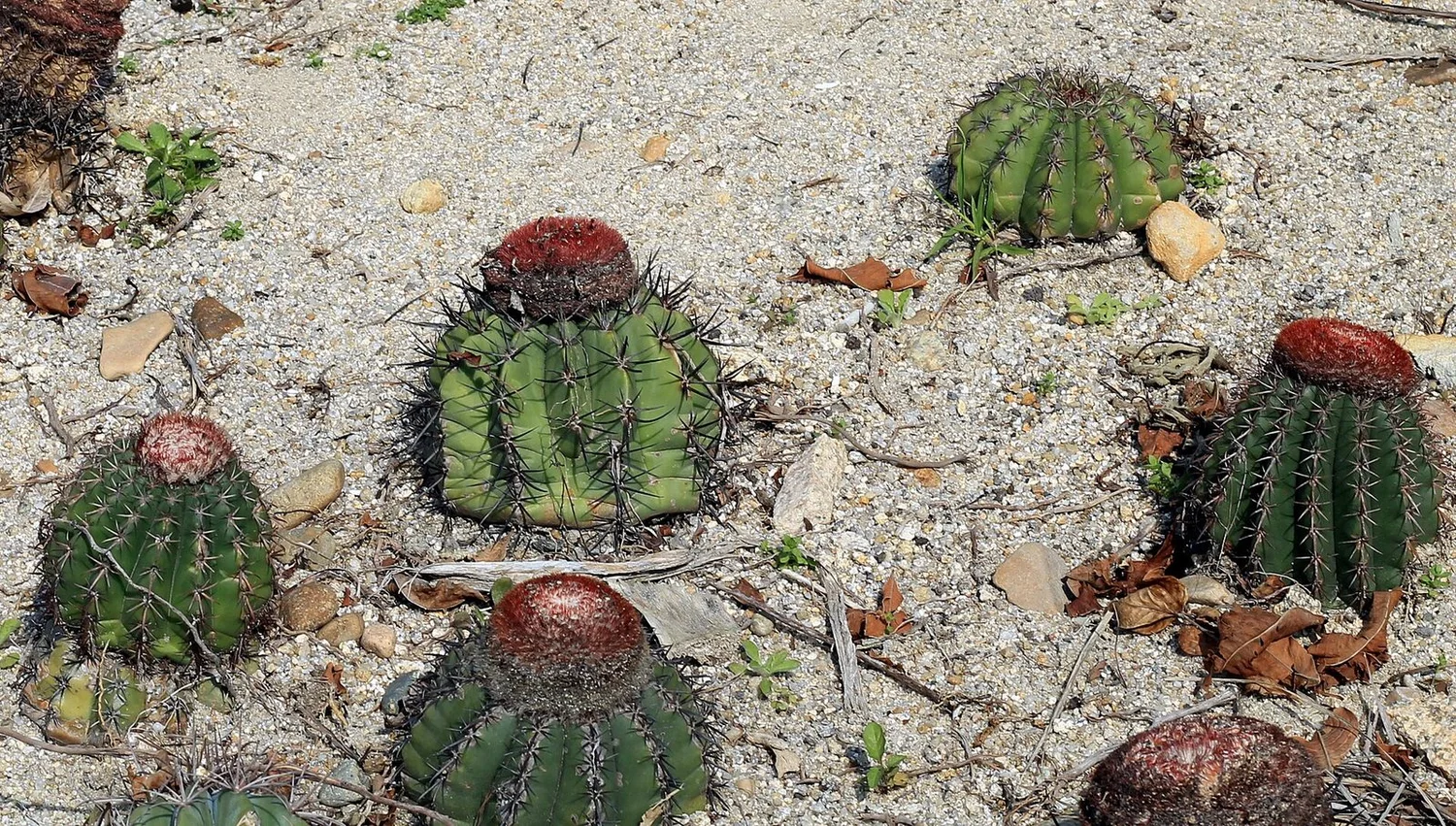
The succulent and desert-plant displays suit a close look at stem shapes, ribs and spines. Globular and columnar plants make it easy to see that differences go beyond leaves: some concentrate water-storing tissue in their stems, and their surfaces differ from those of familiar trees. Read the plant labels to identify individual species rather than guessing from appearance alone.
Move your attention from the overall planting to the top and surface of one plant. The ribs and spines of the globular cacti in the photograph illustrate this approach. Plants may have spines and may be sensitive to trampling. Stay on visitor paths, do not touch the plants or enter the beds, and stand securely before adjusting your camera angle.
Rainforest, water and changing light
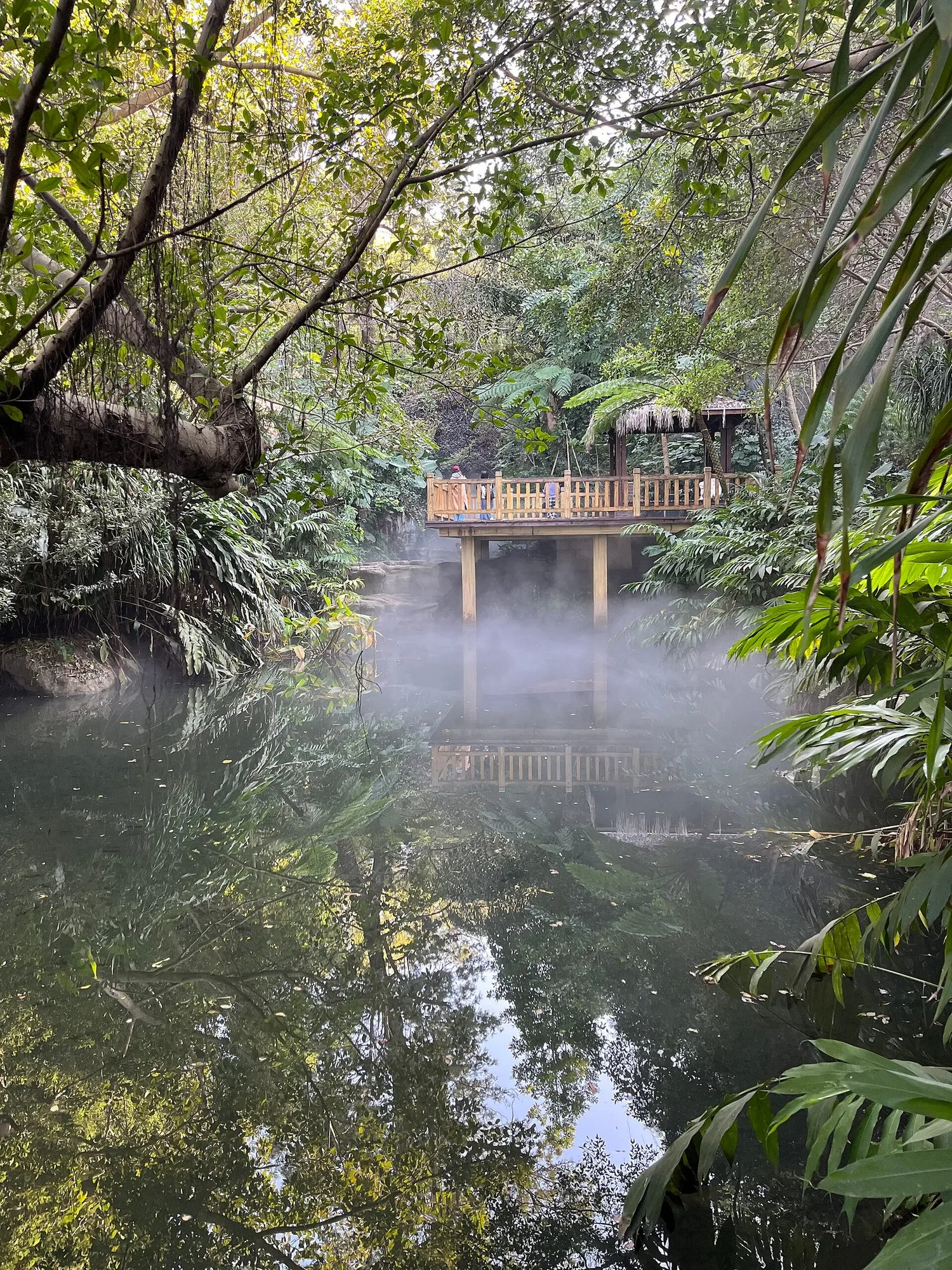
Rainforest World offers a different setting of layered vegetation and moisture. Trees, vines and water draw the view from open spaces into dense greenery. Compare leaf sizes, vegetation heights and where plants grow beside the water, rather than treating it only as a misty photography backdrop. The artificial mist is produced by equipment; a photograph does not mean mist runs all day.
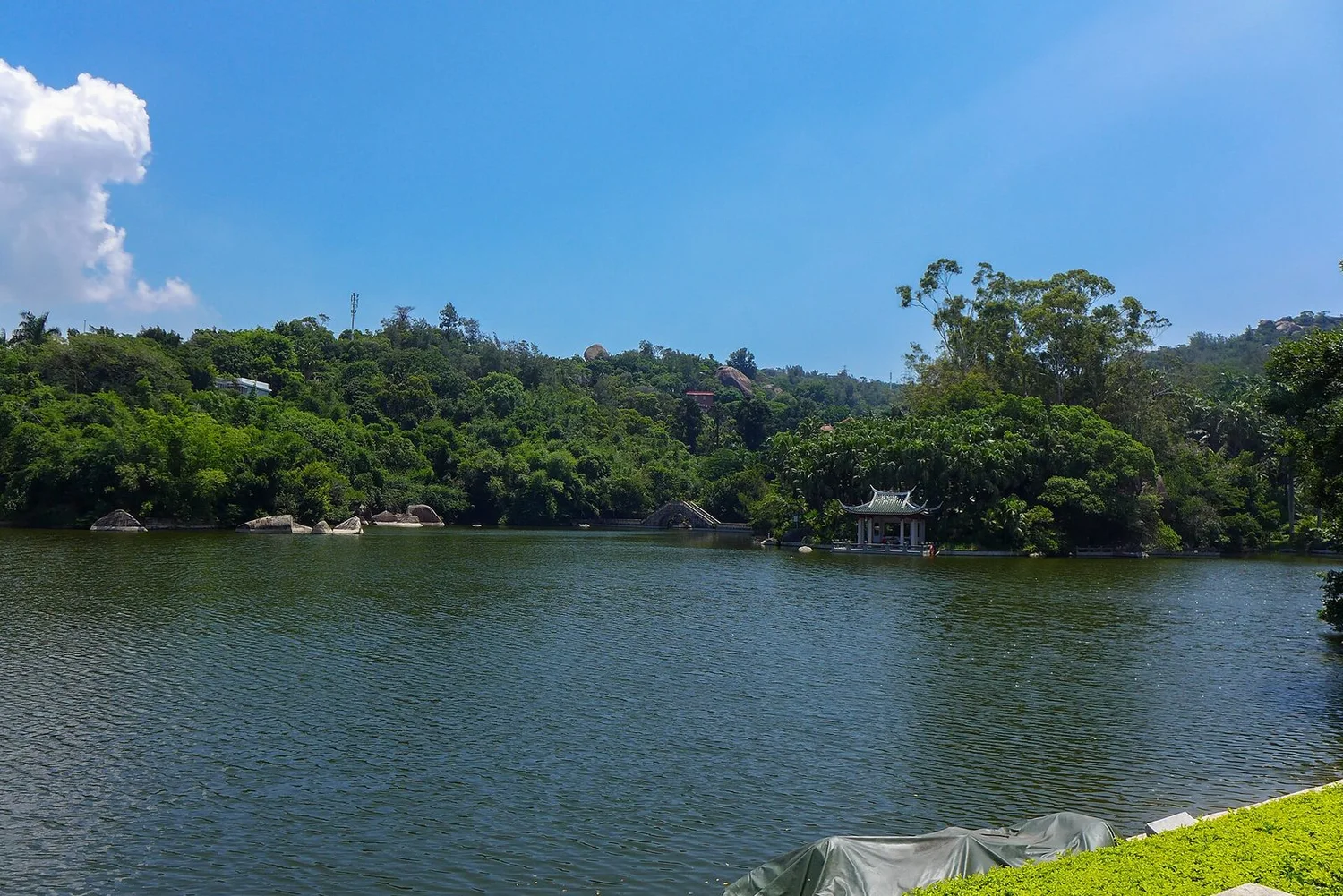
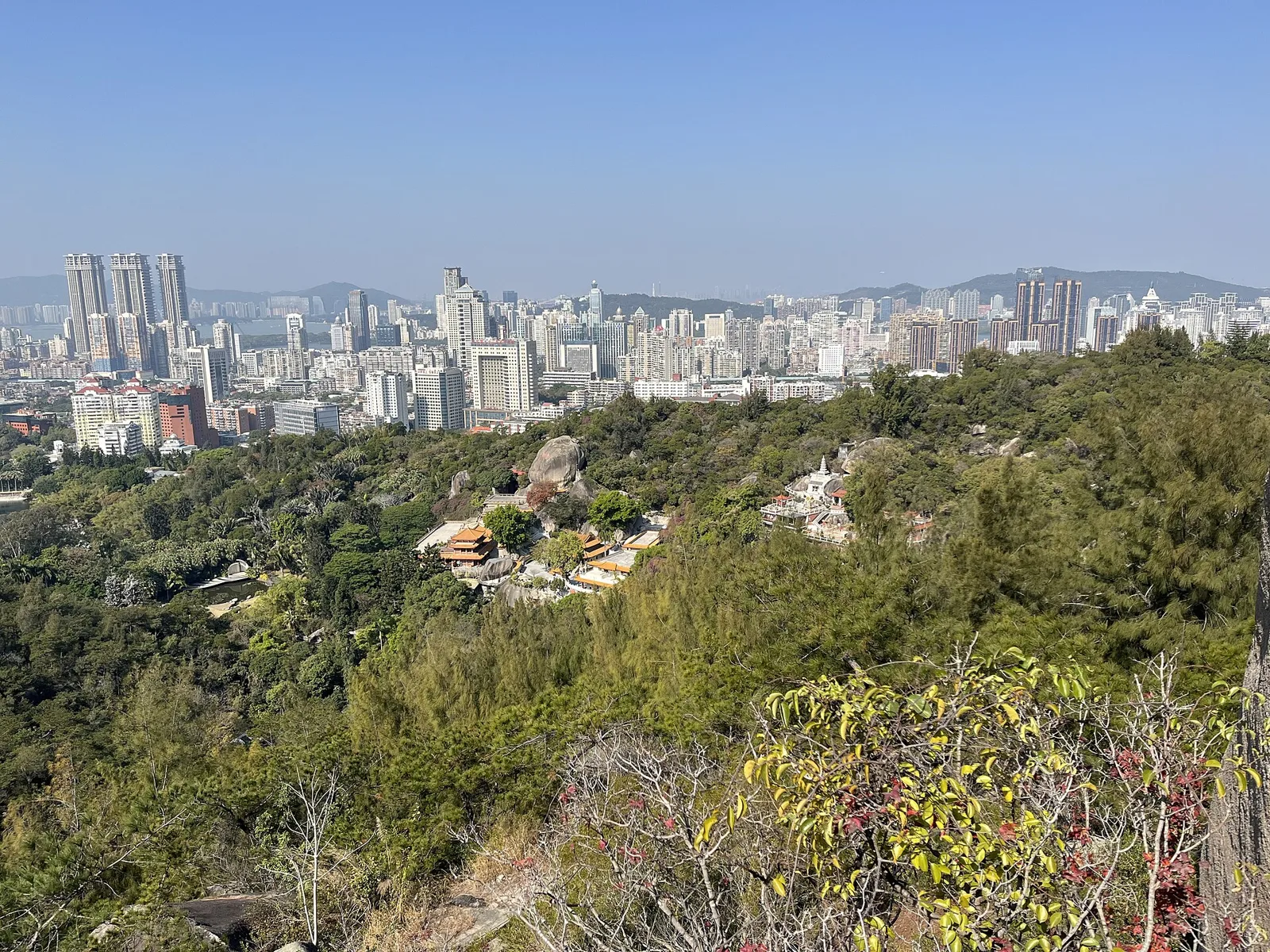
Compared with the dense rainforest, Wanshi Lake opens up a more distant view of hillside plants and buildings along the shore. Walking beside the lake and entering a specialist garden offer different ways to look around. Visitors seeking a relaxed walk can choose fewer of the scattered gardens. Consider allowing half a day for two or three areas, with extra allowance for slopes and breaks. This is a planning suggestion and does not mean it is enough to see the entire garden.
Choose your areas, then confirm entry arrangements
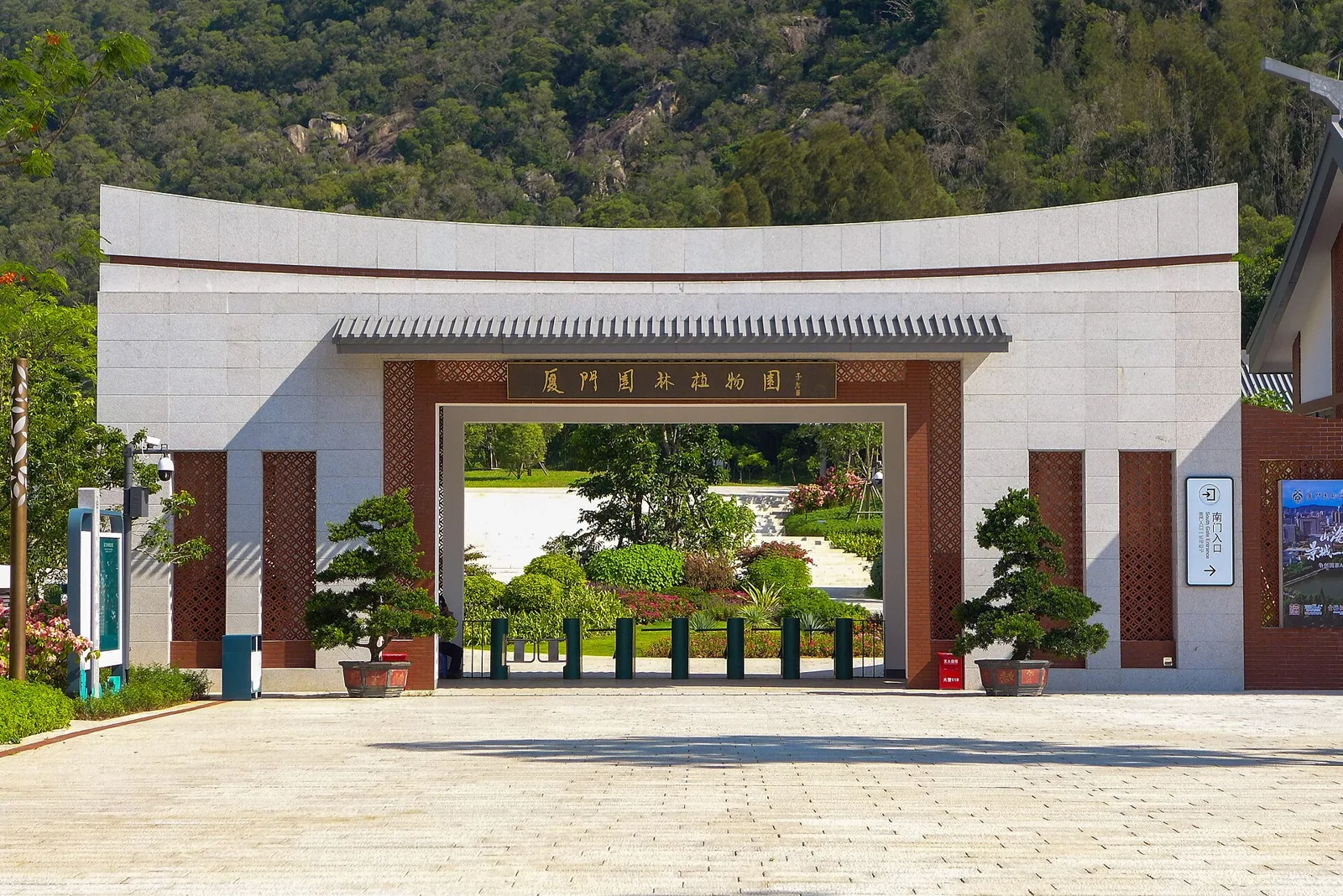
Before setting off, choose the specialist gardens you want to see and check which entrances are available that day. Once inside, use the visitor map to decide how far to walk. If you need a sightseeing vehicle or another transport service, ask separately about its route, last departure and charges. A ticket for one transport service does not cover every service in the garden. The photographs of Wanshi Lake and plant displays illustrate the scenery; they do not replace current entrance or path guidance.
There are slopes, rocks and waterside sections, so wear grippy shoes and bring drinking water. Allow breaks on exposed paths in strong sunshine, and reduce walking on slippery stone steps after rain. Check the garden's notices for closures, severe-weather measures, misting times and admission conditions. Prices and misting times may change. Follow the garden's current information rather than relying only on old guides or repeatedly crossing the hilly grounds to get one photograph.
Useful official references
Check the relevant official service before making arrangements. These links are references, not a guarantee of current services.