A historic international community in the streets
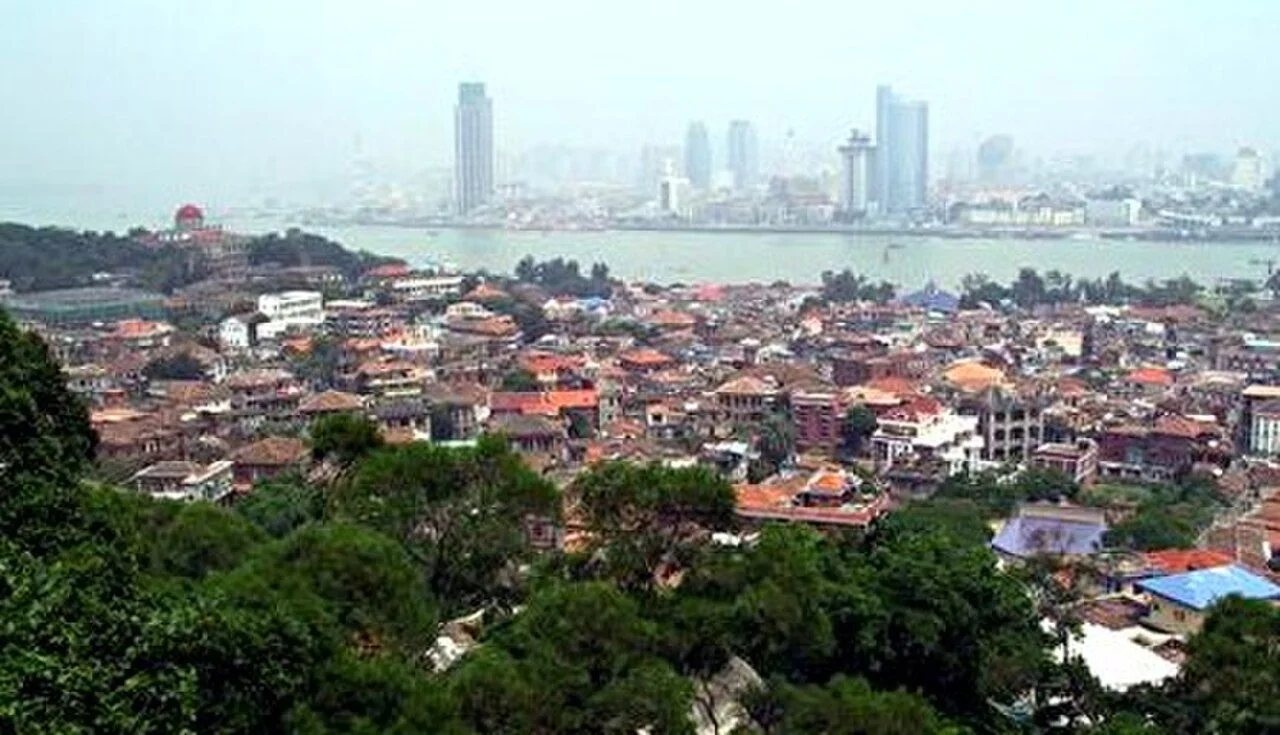
Gulangyu lies southwest of Xiamen Island, facing the old city across the water. UNESCO inscribed it as a Historic International Settlement, recognising the community formed by its streets, buildings, gardens and natural terrain. Xiamen's opening as a trading port in 1843 and the establishment of the island's international settlement in 1903 are key dates for understanding the neighbourhood. Its buildings date from different periods and also reflect the ways of living and building brought back by returning overseas Chinese.
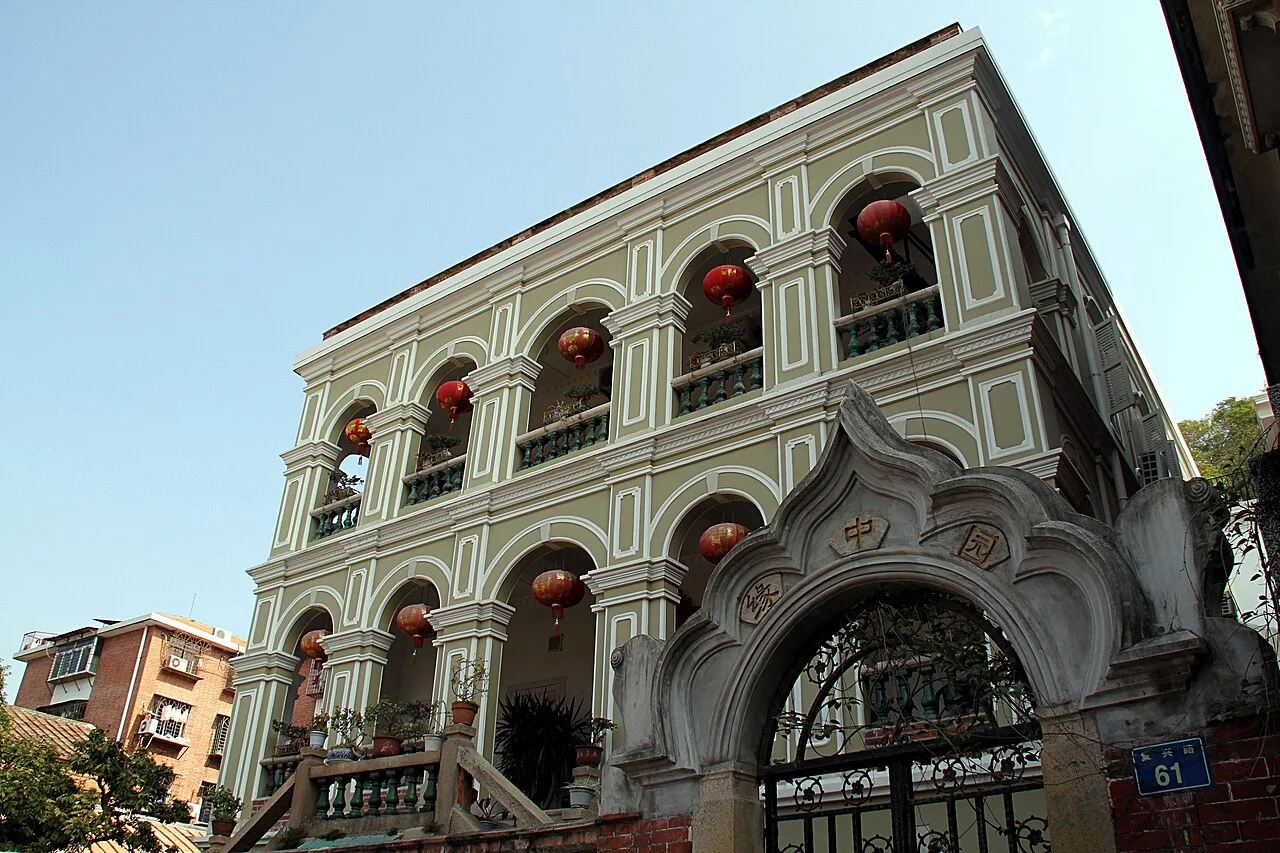
Look first at how roofs, porches, columns and exterior walls fit together. Traditional southern Fujian construction, European classical revival styles and colonial buildings with verandas coexist on the island. Their local and foreign elements also combined in Amoy Deco. There is no need to learn every term first: compare the window frames, balconies and courtyard walls of a few houses to see the variety along the streets.
Buildings in their hillside and coastal setting
The island's streets follow the rising and falling terrain, with houses, trees and walls often dividing views into small sections. Architecture enthusiasts can slow down to look at windows, doors and courtyards, rather than stopping only for a photograph at a busy junction. Street exteriors and ticketed interiors offer different experiences. An attractive courtyard gate does not mean the grounds are open to the public; check the signs before entering.
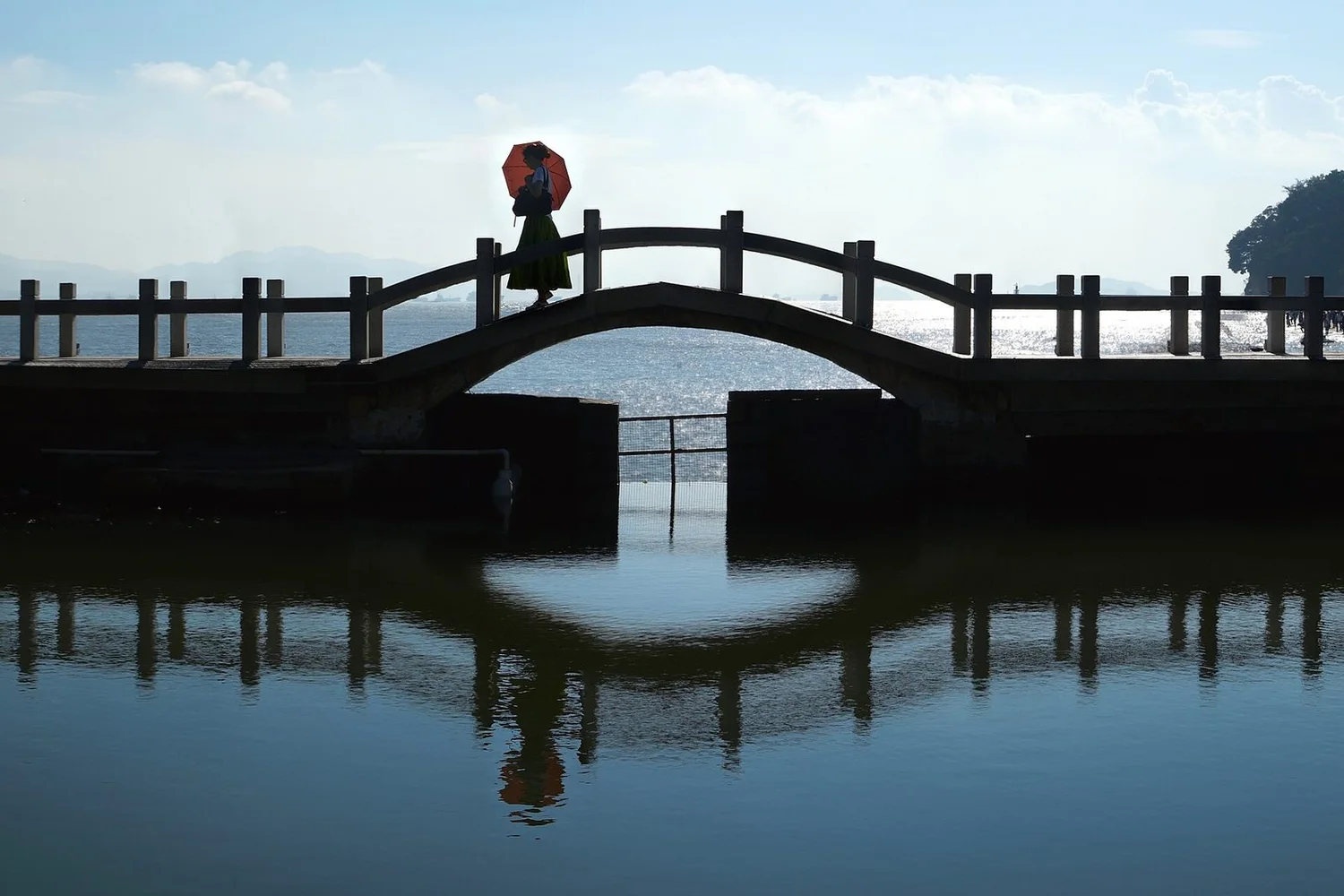
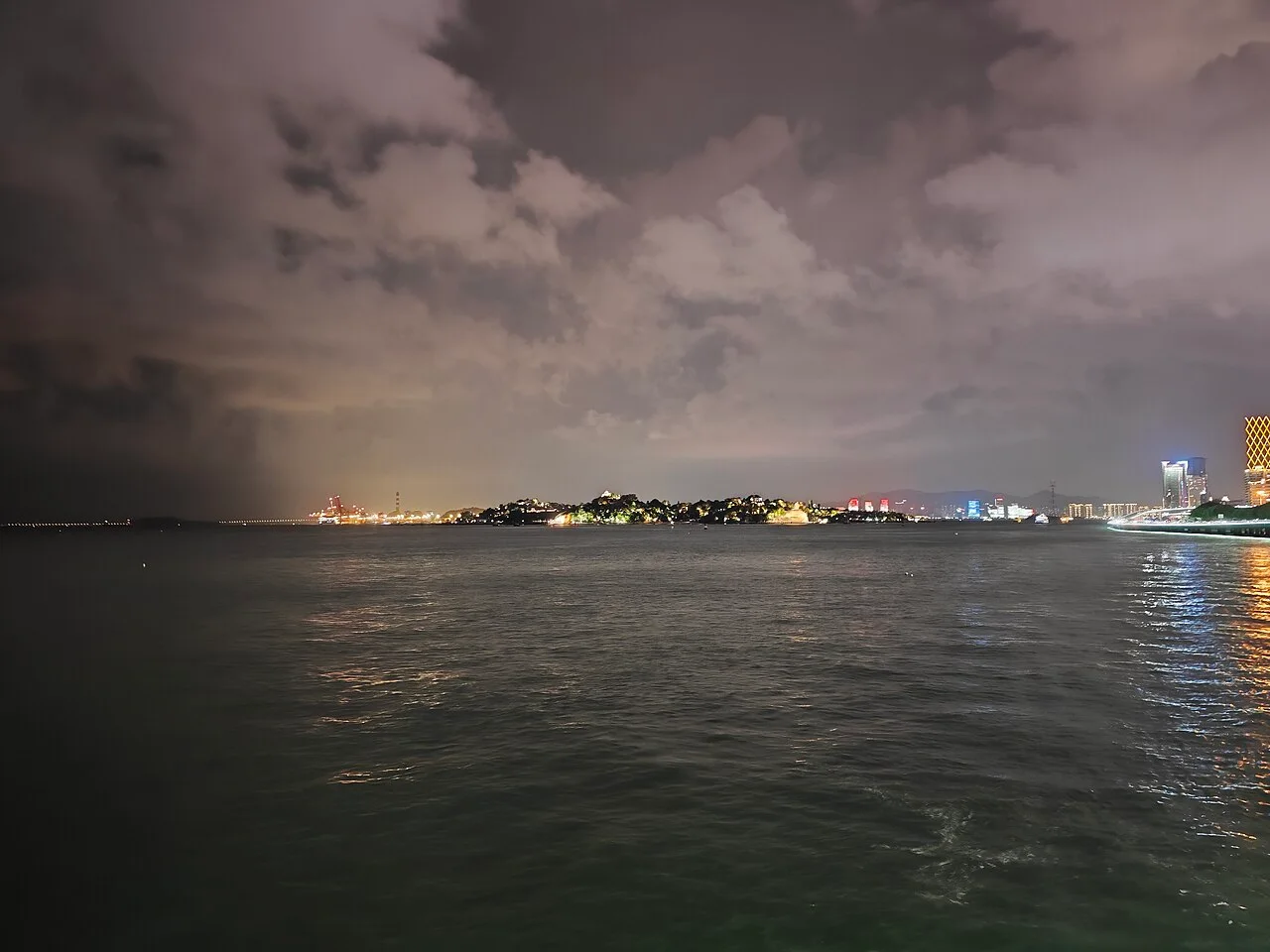
Turning from the interior towards the coast brings the dense streets and Xiamen Island's modern buildings into the same view. Seaside gardens, bridges and shorelines offer other perspectives after looking at the architecture. Consider allowing at least half a day for walking on the island, including finding your way, looking at buildings and taking breaks. This is a planning suggestion. If you prefer shorter walks, choose fewer places rather than including all the slopes and scattered sights in one visit.
When looking at Gulangyu's architecture, take in the facades, courtyard walls, trees, and slopes together. The houses are part of the lanes and terrain, not isolated photo backdrops. If a building has an interior exhibition open to visitors, check the entrance, ticketing, and photography rules with the venue or operator; seeing a facade from a public road does not mean that the courtyard or interior is open. Street signs and the direction of the lanes can also help you keep your bearings among the island's narrow streets.
Coastal views and walking conditions
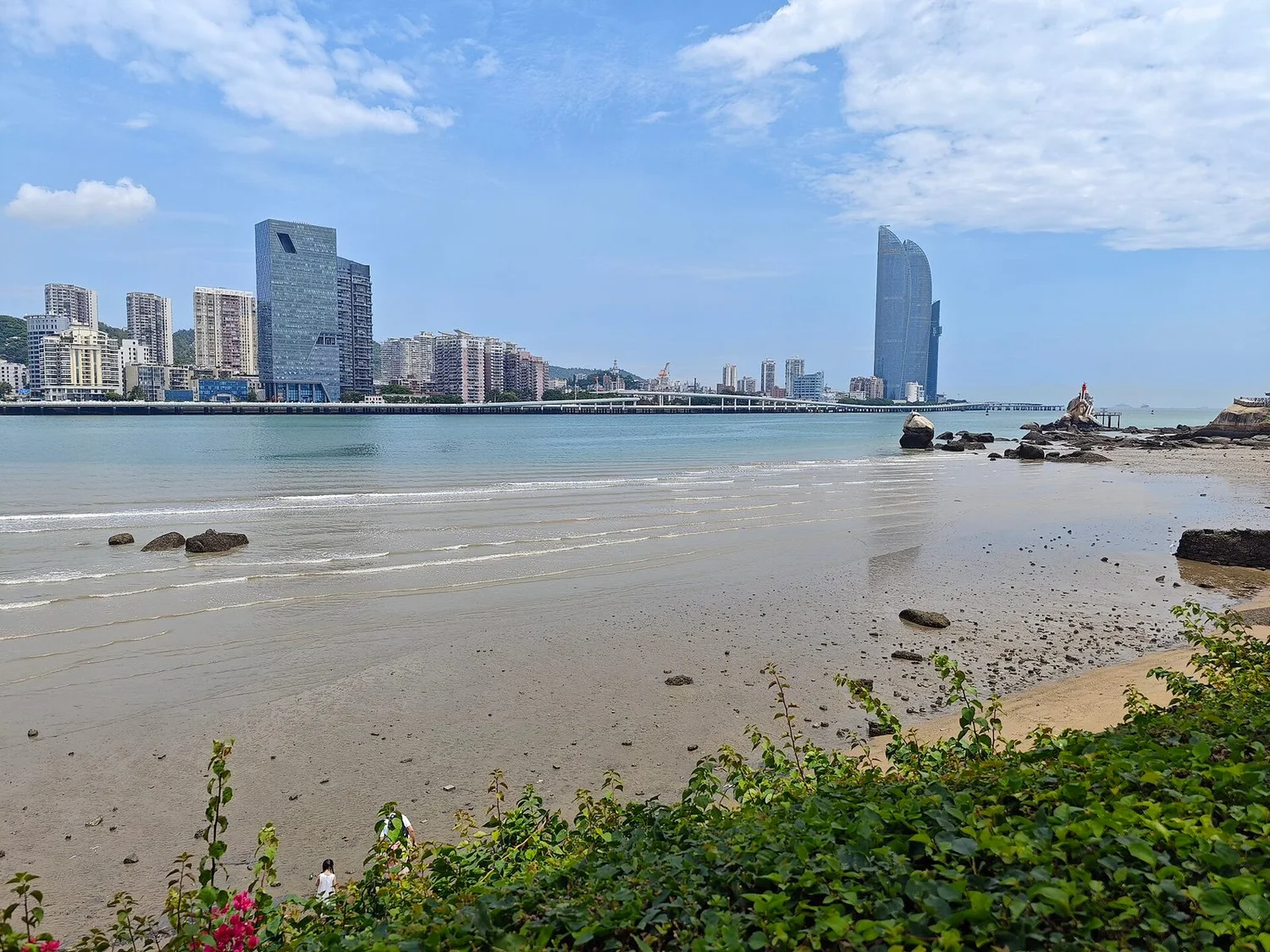
The coast offers views of the city across the water, bridges and the sea; nearby rocks and beaches change with the tide. The broad stretch of sand in a photograph will not look the same at every time, nor does it establish whether swimming is safe. Stay in permitted areas when taking photographs. Do not cross barriers to get closer to the water when rocks are slippery or waves are strong.
Walking on the island involves slopes and steps. Grippy shoes and breaks are more practical than trying to see every attraction. With children, a pushchair or companions with limited mobility, check the entrances and accessibility of the places you choose. Two sites that look close on a map may be linked by an uphill walk.
Check the ferry terminals and booked sailing
According to Xiamen Ferry's visitor FAQ read on November 11, 2026, tourist routes are separate from residents' services. During the day, tourist services run from Dongdu Passenger Terminal to terminals including Sanqiutian and Neicuo'ao; the departure terminal used at night is different. Before buying a ticket, check the departure point, destination and time. Do not simply go to the terminal opposite Zhongshan Road because it says 'Xiamen Ferry'. The official FAQ lists valid passports that meet the applicable rules among accepted booking documents. Foreign visitors should enter their document details as required by their chosen channel and carry the original document.
The ferry company's notice dated October 31, 2026 states that some first and last sailings on tourist routes will change from November 16, 2026, with the ticketing system and terminal notices taking precedence. Before setting off, check the company's website for that day's sailings, availability and suspension or resumption notices, and check the terminal for the return journey too. Allow for transport changes in strong winds or typhoon conditions. Ferry tickets and ticketed attractions on the island are separate purchases; check what each includes.
Useful official references
Check the relevant official service before making arrangements. These links are references, not a guarantee of current services.