City introduction
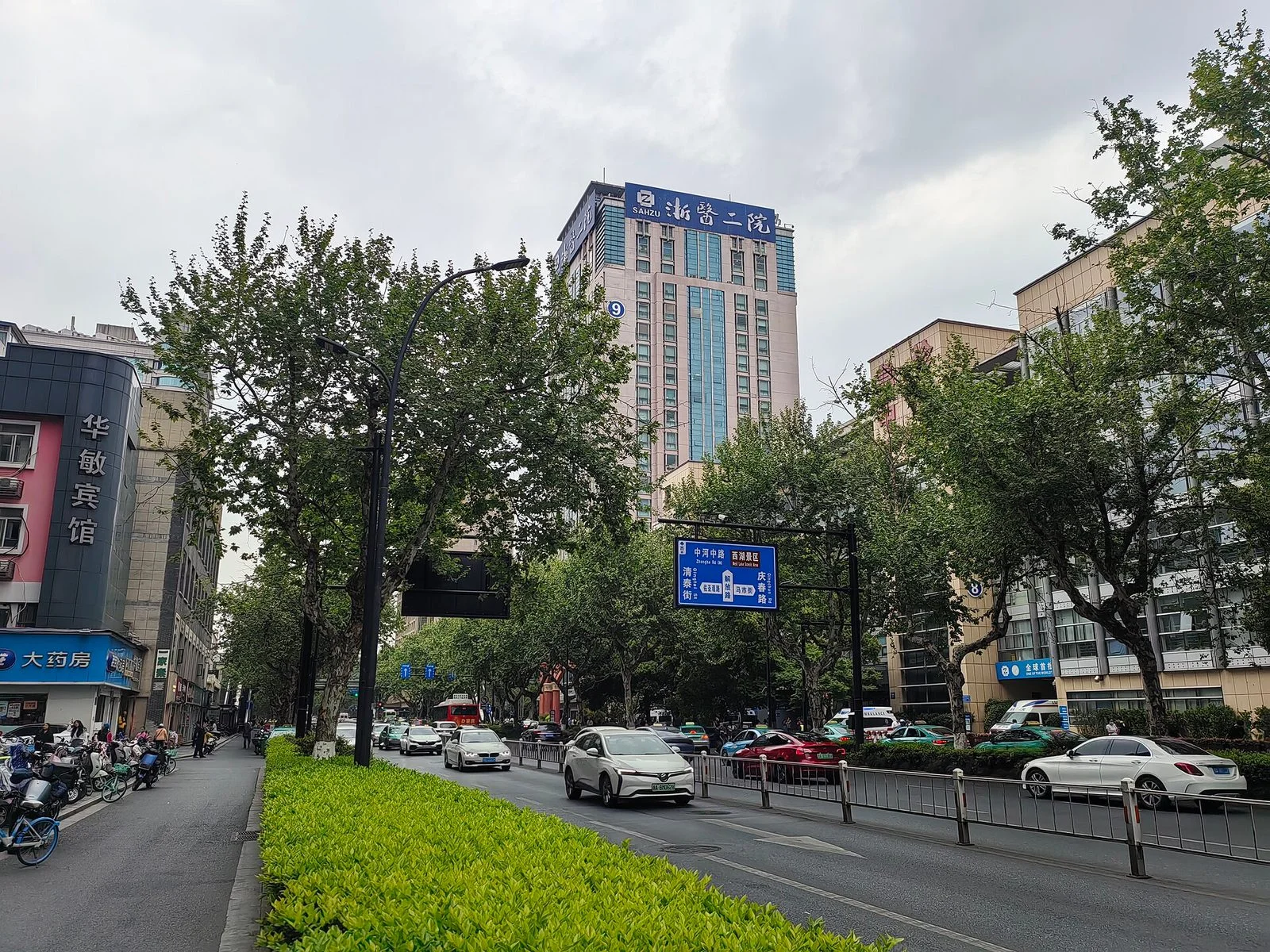
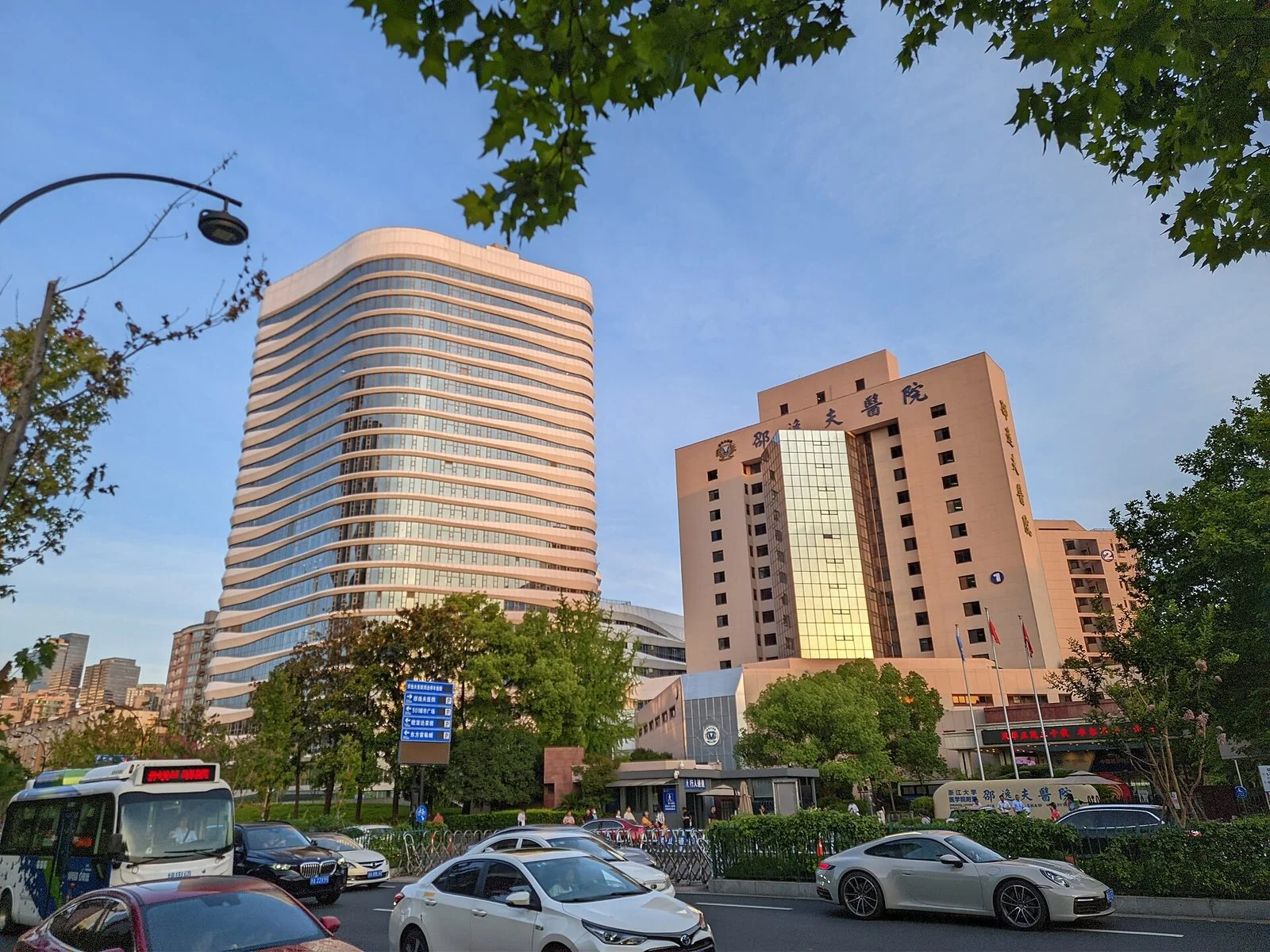
Hangzhou, the capital of Zhejiang Province, lies in the southern Yangtze River Delta. To understand the city, consider West Lake, the western hills, the canal to the north and the Qiantang River together. The lake meets the urban streets; tea fields and temples lie in the western hills; the canal preserves memories of trade and water transport; and broader new cityscapes extend along both banks of the Qiantang. Each area has its own daily life, beyond what a single photograph of West Lake can convey.
Where West Lake meets the city
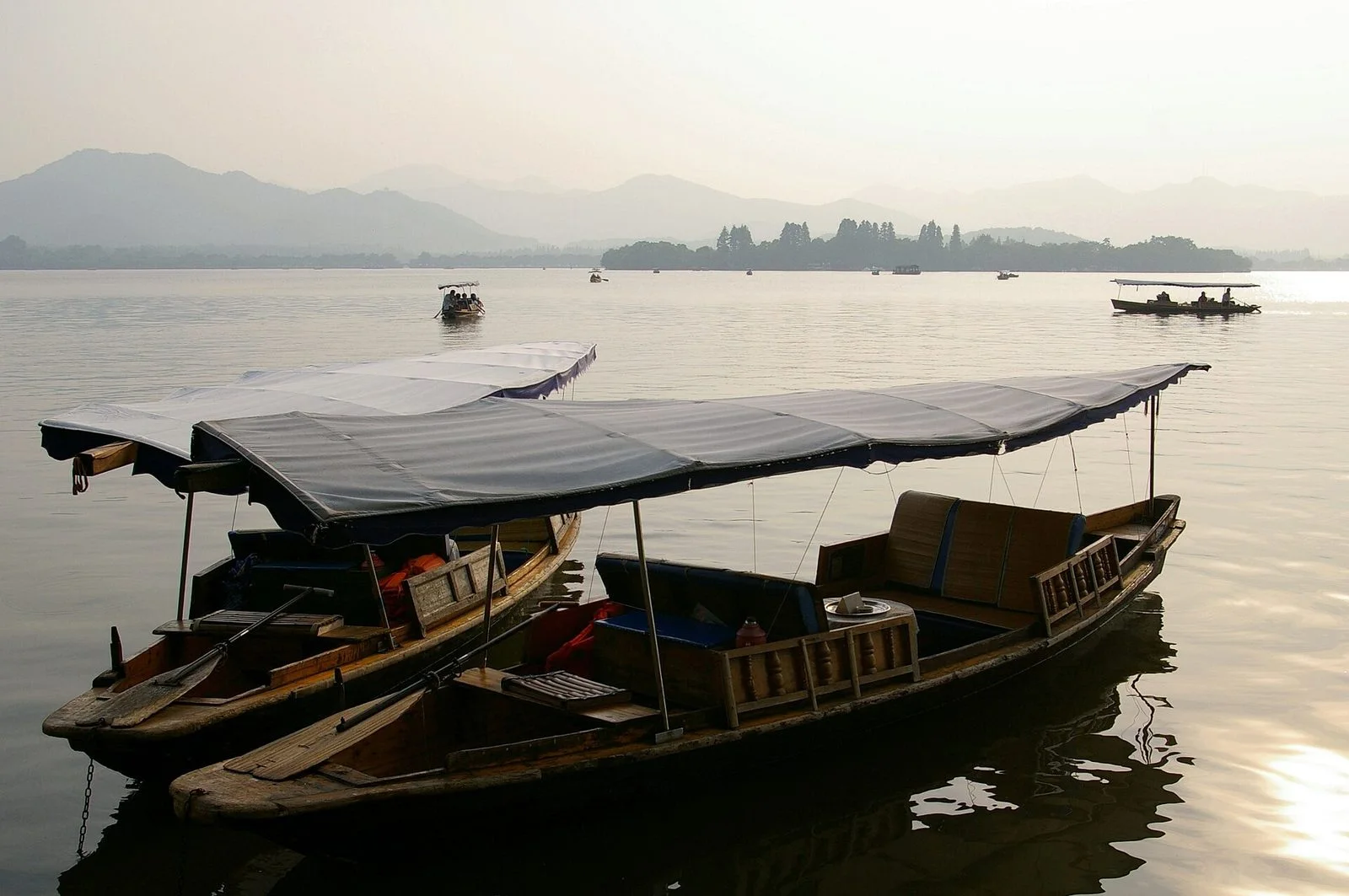
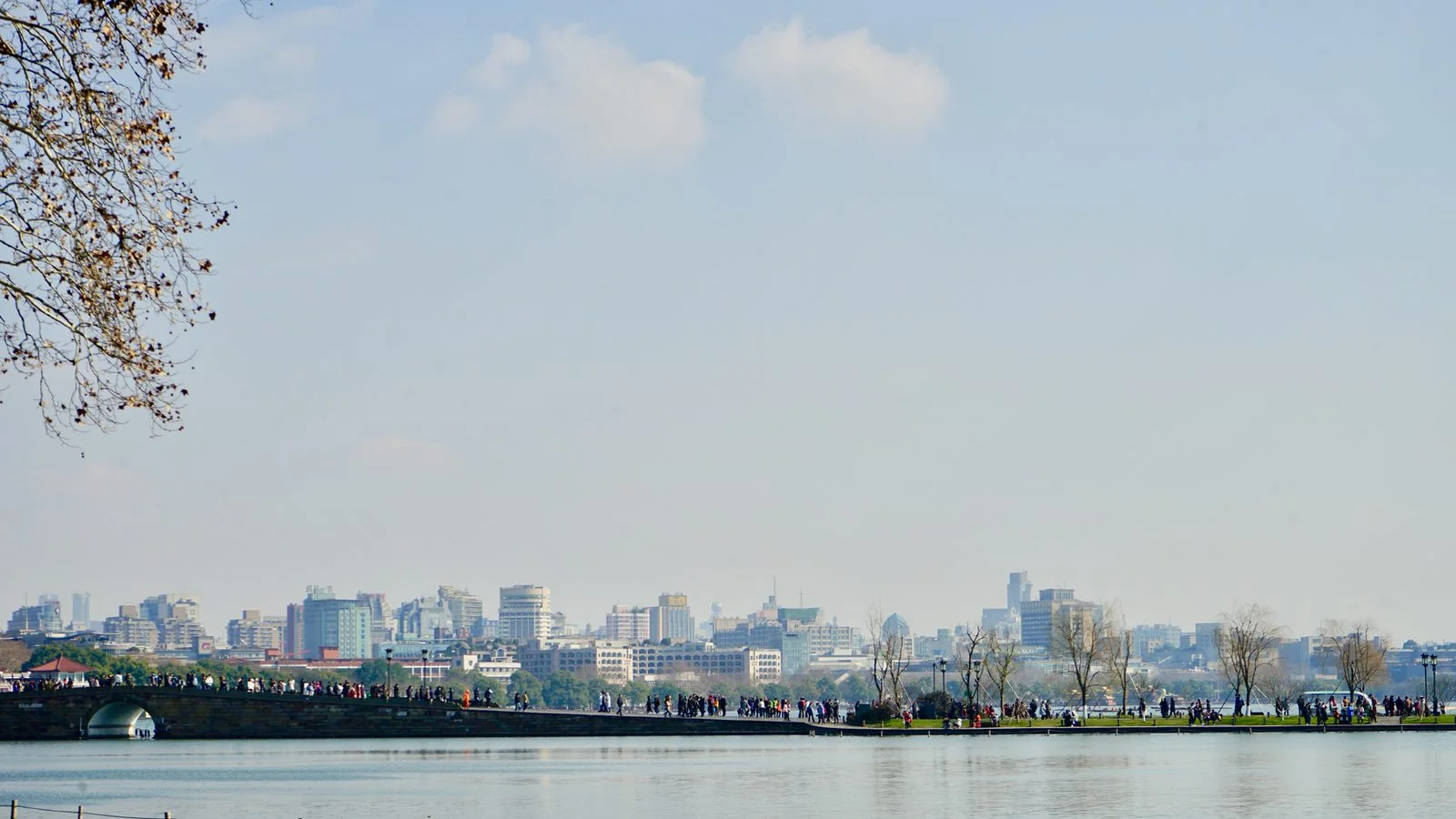
West Lake has hills on three sides and the city on the fourth. Around Hubin on the eastern shore, shops and streets sit close to the water. Looking west, buildings gradually give way to hills and trees. Causeways, bridges and islands divide the open water into different layers. As you walk along the shore or a causeway, the foreground shifts in relation to distant hills and pagodas. The lake offers many distinct viewpoints, rather than one fixed place for a photograph.
UNESCO recognizes West Lake as a cultural landscape, emphasizing the relationship between the lake and centuries of human work shaping its scenery. Causeways and islands formed through dredging, temples and pagodas, pavilions, gardens and trees combine with the surrounding hills. Names such as Bai Causeway and Su Causeway connect poetry and historical figures to the terrain. Even without knowing classical Chinese poetry, visitors can notice how bridges link the shores and causeways change the viewing angle to understand why the lake has long attracted painters and writers.
Temples and tea fields in the western hills
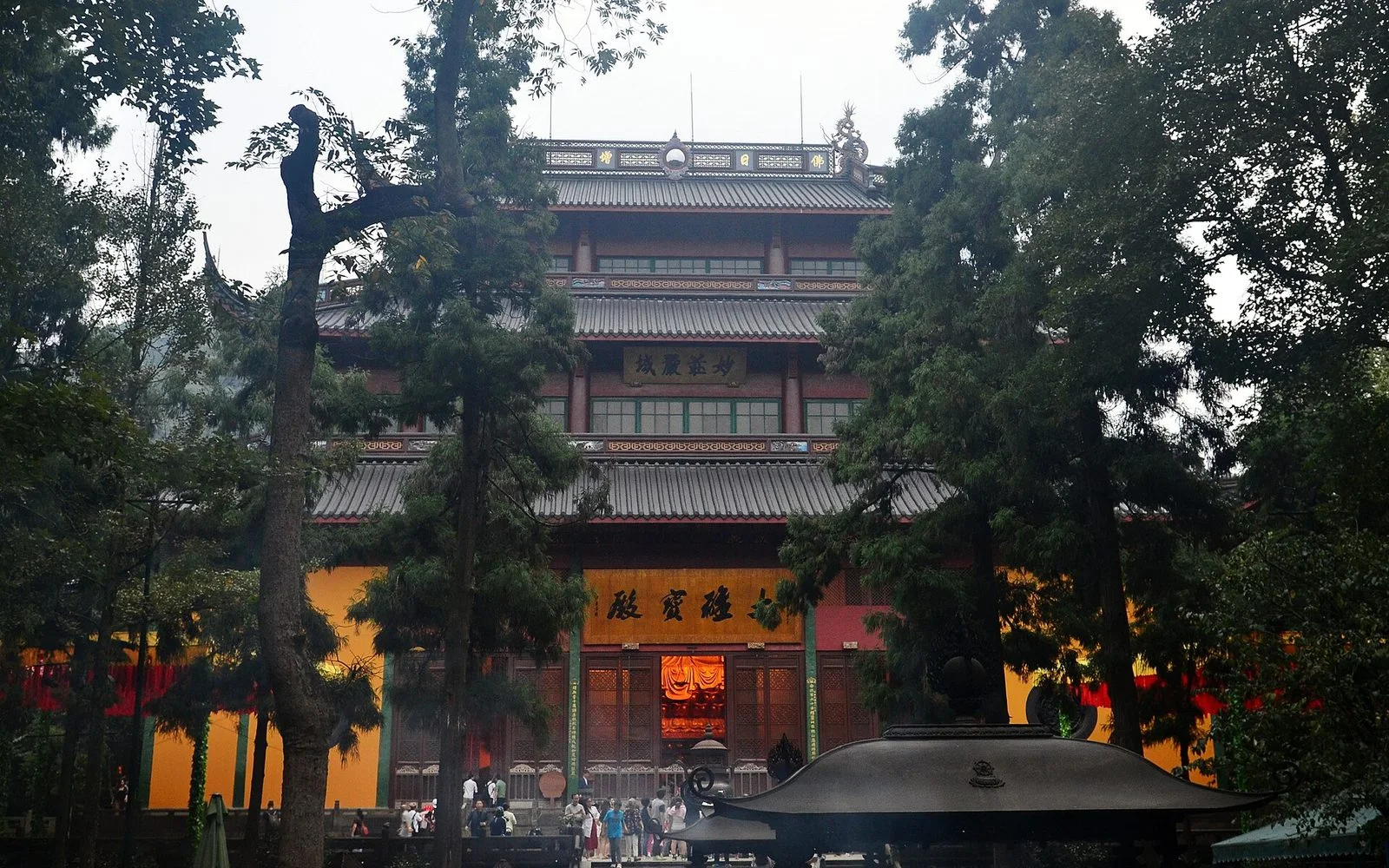
Beyond the lake to the west, Hangzhou has temples, rock carvings and tea-growing villages. Lingyin Temple's halls and Feilai Peak's carved cliff faces offer different things to see: an active Buddhist temple and religious images cut into rock. Understanding that distinction is more useful than treating the whole area as a single “Lingyin attraction.” Trees, slopes and buildings also create scenery quite different from the continuous commercial streets on the eastern shore.
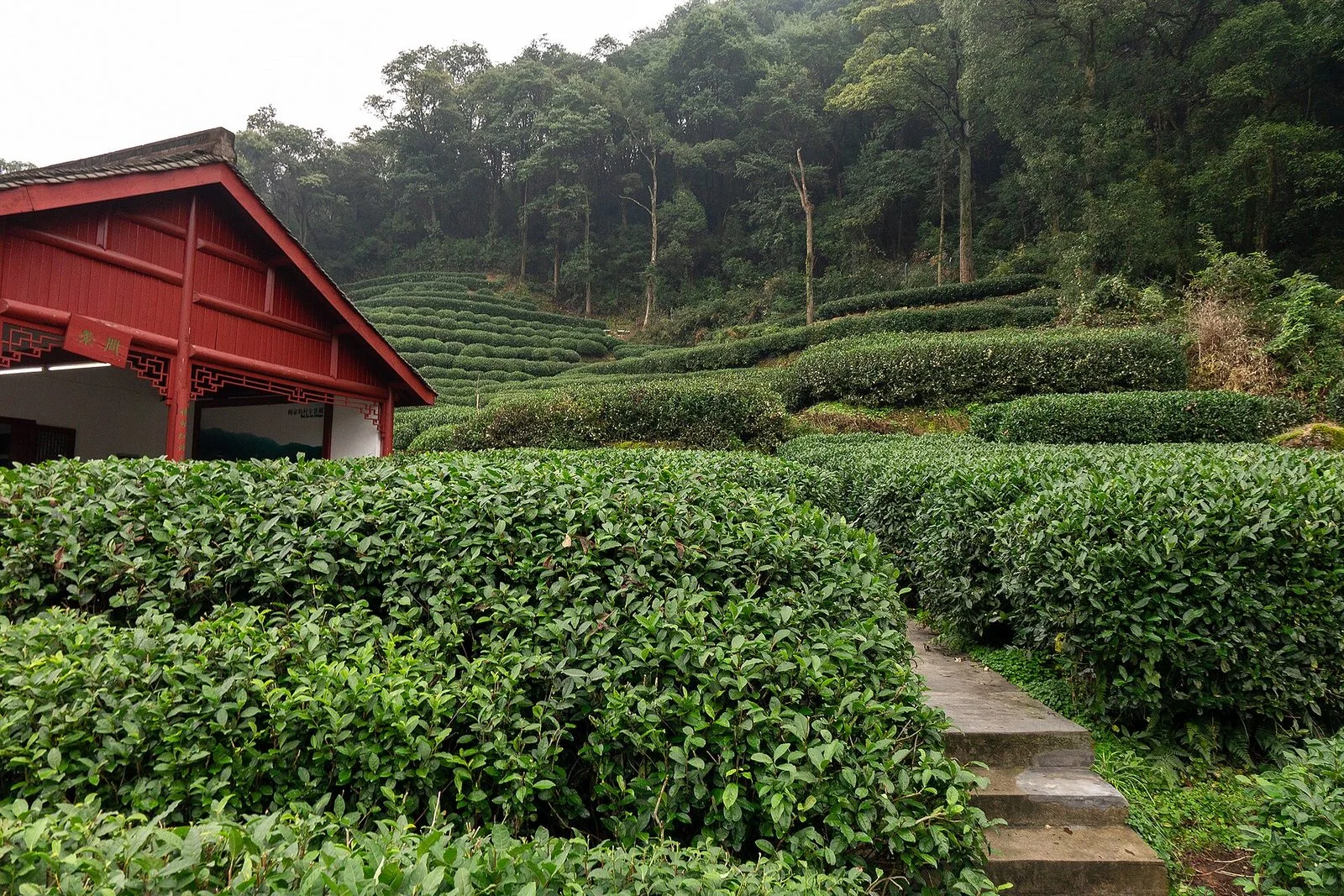
The tea fields around Longjing and Meijiawu connect the hills with Hangzhou's tea-drinking traditions. Rows of tea bushes follow the slopes, beside villages and tea houses, forming an agricultural landscape still in production. Longjing is a green tea, while West Lake Longjing has a specific geographical meaning. A tea's name, leaf shape and flavor offer another way to get to know Hangzhou. The photograph shows Meijiawu's tea fields; its season does not mean that tea will necessarily be harvested during your visit.
Hubin, Hefang Street and the silk trade
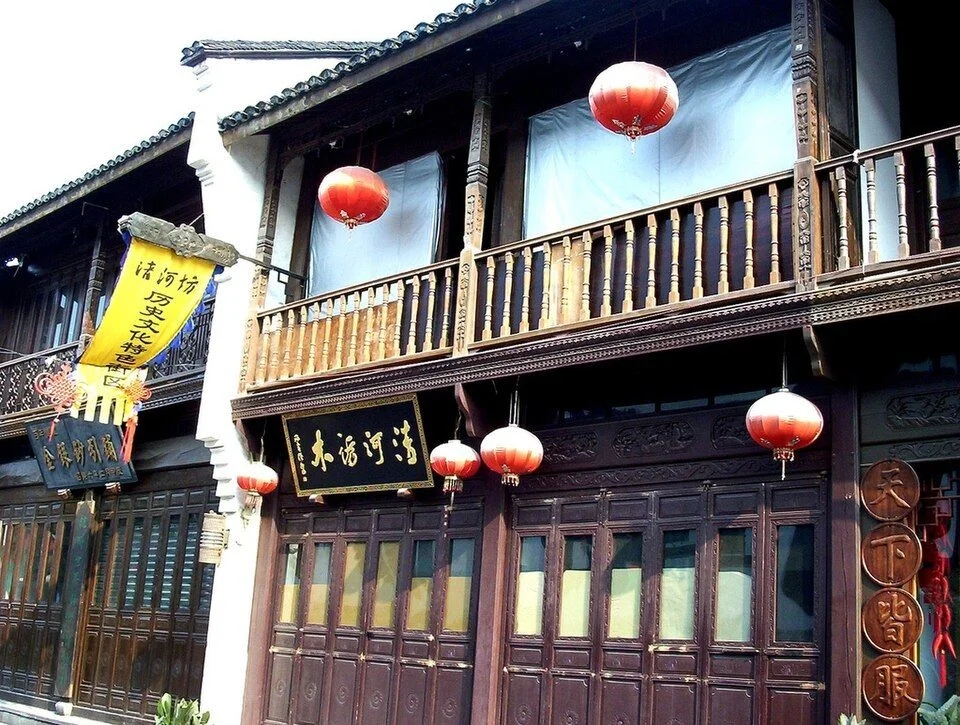
Hangzhou was the Southern Song capital under the name Lin'an. Today's city still has neighborhoods, established businesses and goods connected with its historical life, alongside restoration, changes of use and new commercial development. Hefang Street offers an introduction to the old city through its lanes, shops and traditional goods. Traditional-style storefronts coexist with contemporary design products and tourist restaurants; not every shop has an equally long history.
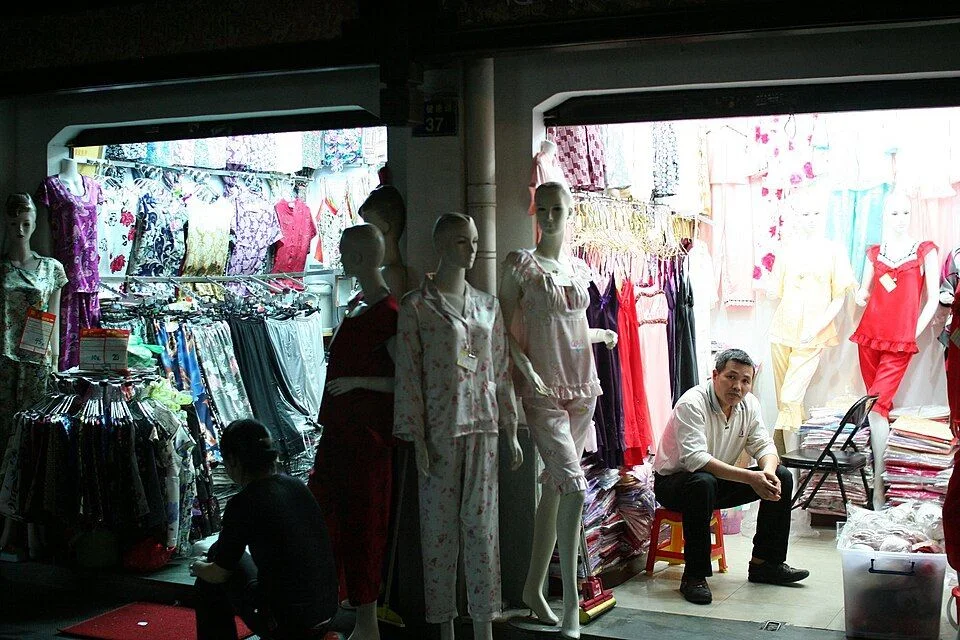
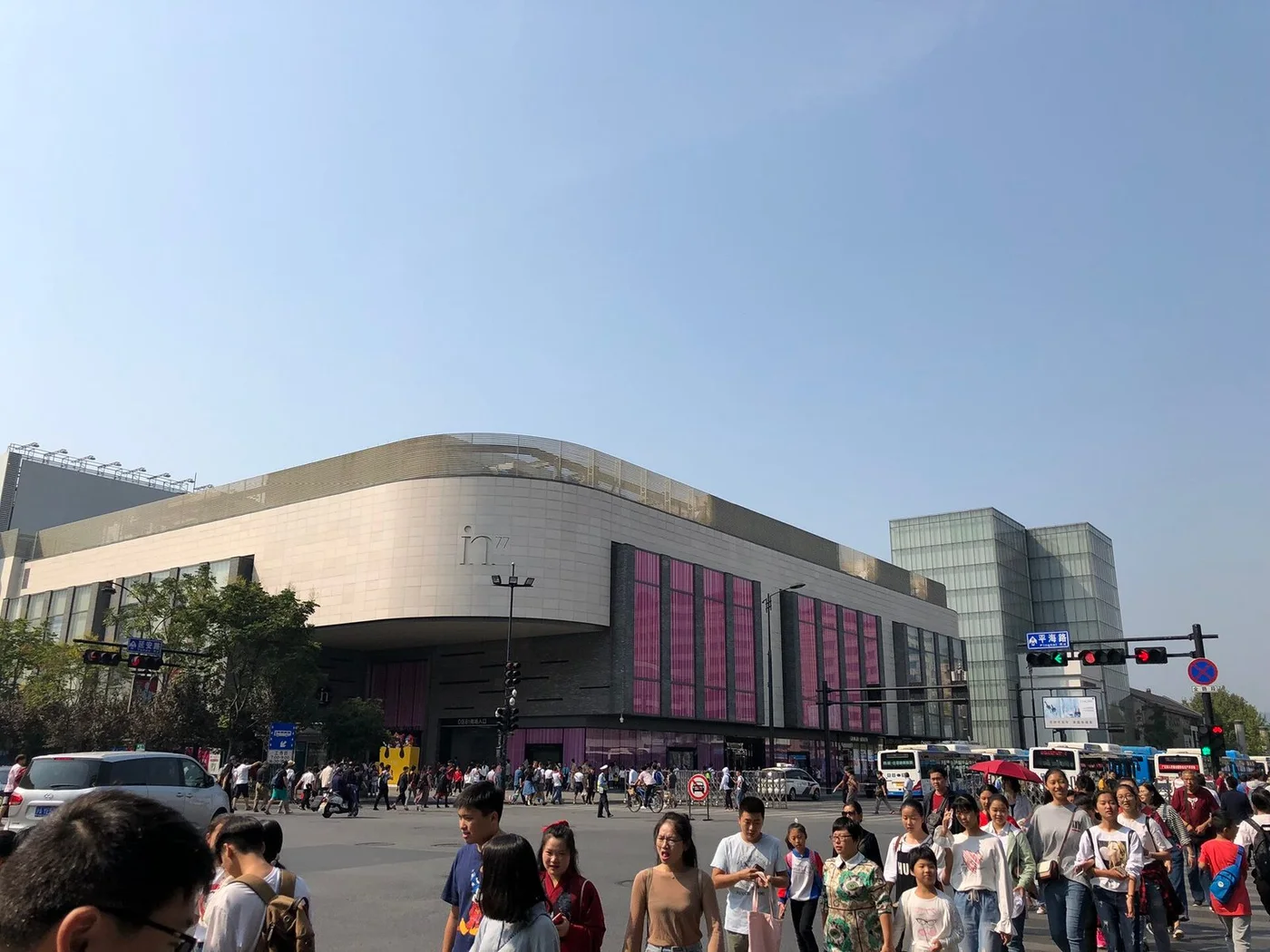
Hubin Intime in77 has a different focus from Hefang Street. Along the streets beside West Lake's eastern shore, it combines branded retail, dining and open shopping blocks. Hangzhou China Silk City offers a more concentrated focus on silk and related textiles. Looking at small goods and storefronts on the old street, contemporary shopping at Hubin, and fabrics at the silk market provides three ways to understand the city's commercial life according to your interests, rather than treating them as interchangeable shopping streets.
Stone bridges and streets along the canal
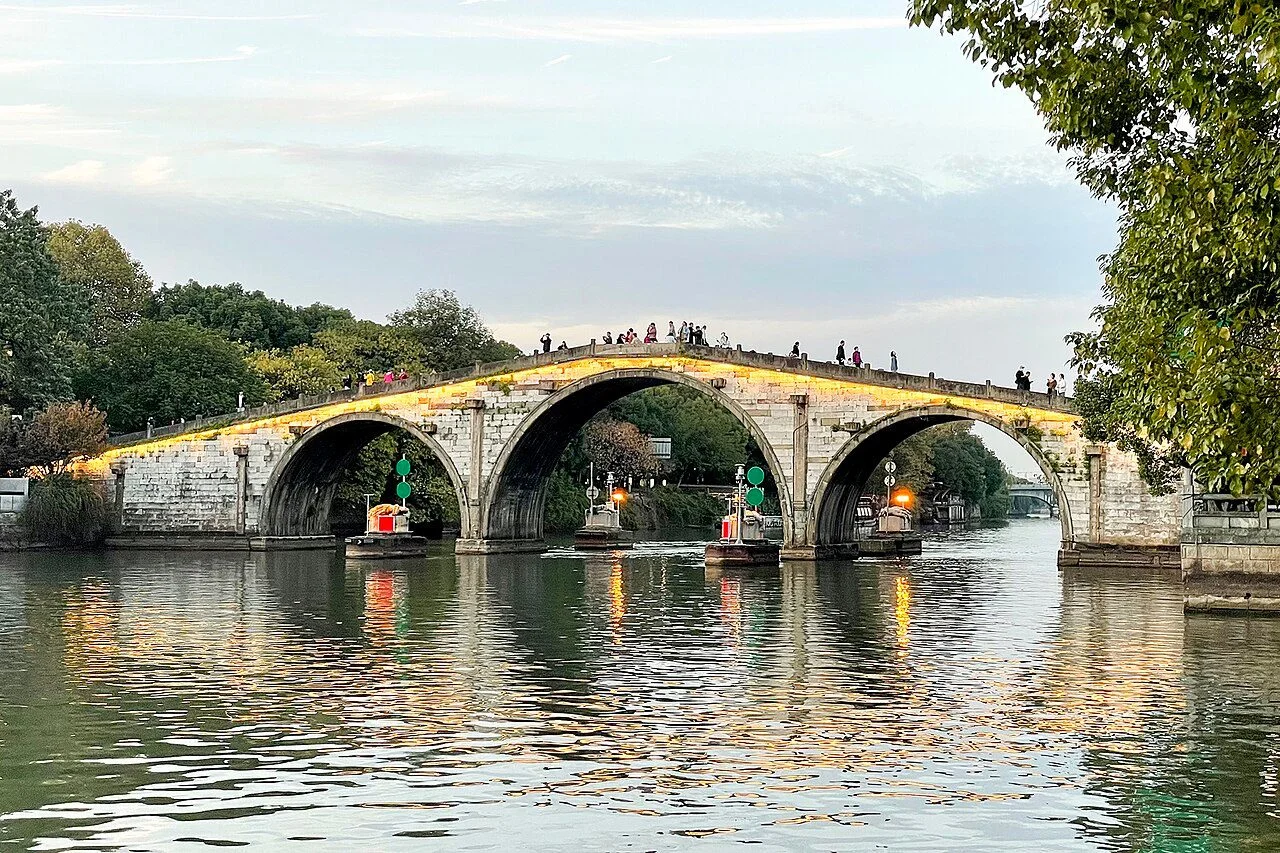
Life beside the water in Hangzhou also includes the Grand Canal. Gongchen Bridge crosses it with three stone arches, forming a recognizable scene with the buildings on either bank. Hangzhou's official account dates its construction to 1631 in the Ming dynasty, followed by repeated repairs. The bridge and waterfront seen today reflect continued use and maintenance across different periods. The canal also connects Hangzhou with the broader north–south water transport network.
Compared with West Lake's open water and distant hills, the canal makes the close relationship between bridges, waterside streets and the channel easier to see. Restored historic buildings around Xiaohe Straight Street now house tea shops, cafés and craft businesses. Old houses and lanes remain alongside contemporary shopping and leisure. Seen together with Hefang Street and Hubin, they show that Hangzhou's commercial spaces are more varied than a single type of “old street” or shopping mall.
From a bowl of noodles to a Hangzhou meal
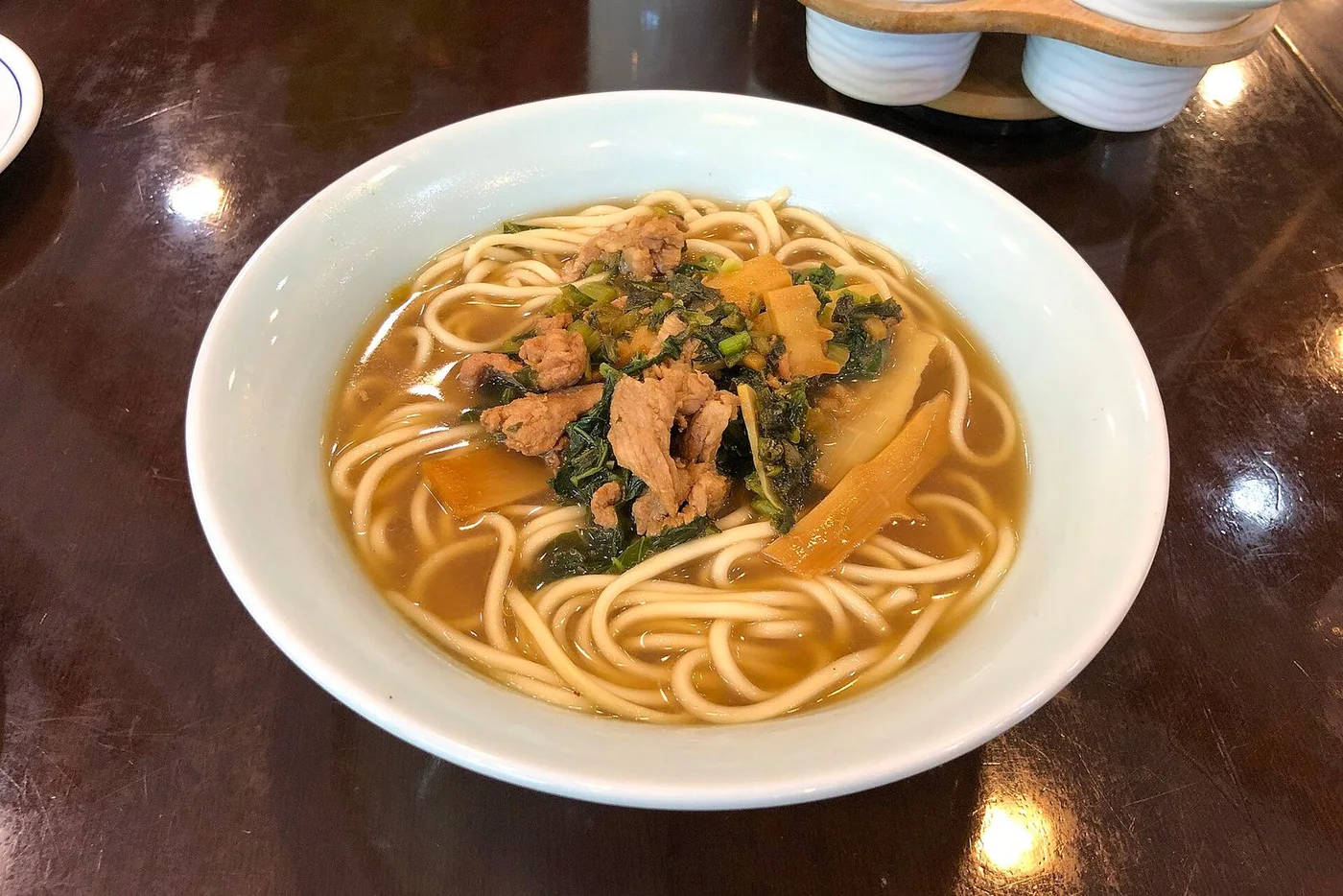
Pian er chuan introduces Hangzhou cooking in a bowl of hot noodle soup. Preserved mustard greens, bamboo shoot slices and pork slices form its recognizable topping, combining savory flavors with noodles and broth. Compared with a whole fish or braised meat meant for sharing, a bowl of noodles fits readily into an everyday meal. Shops vary in how they prepare the broth, pork and bamboo shoots. These details are part of the local food's character; the same dish name does not mean an identical recipe.
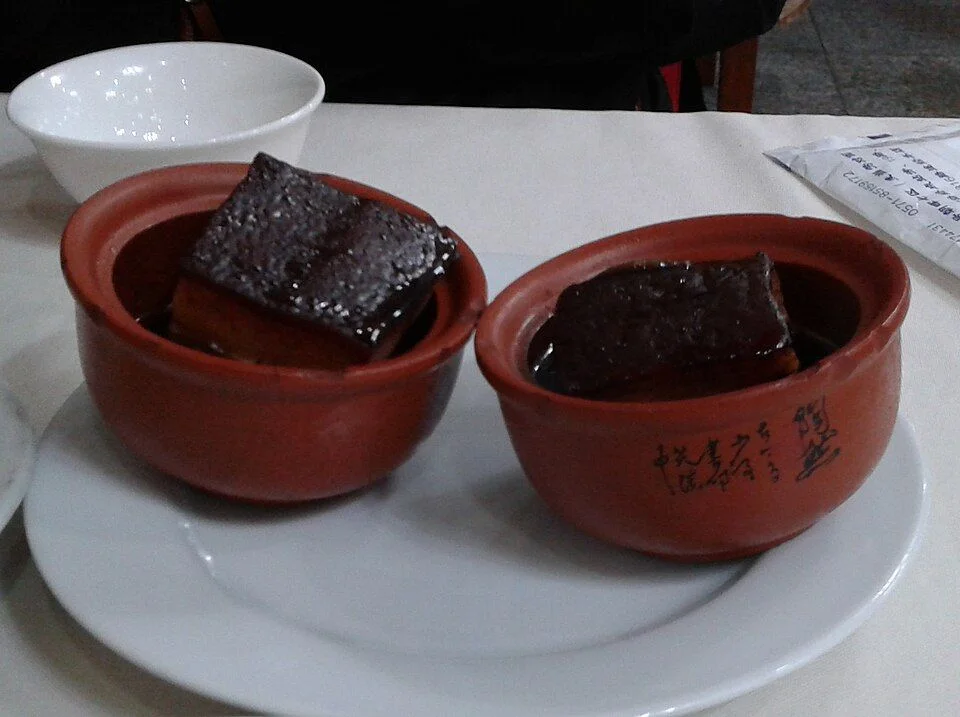
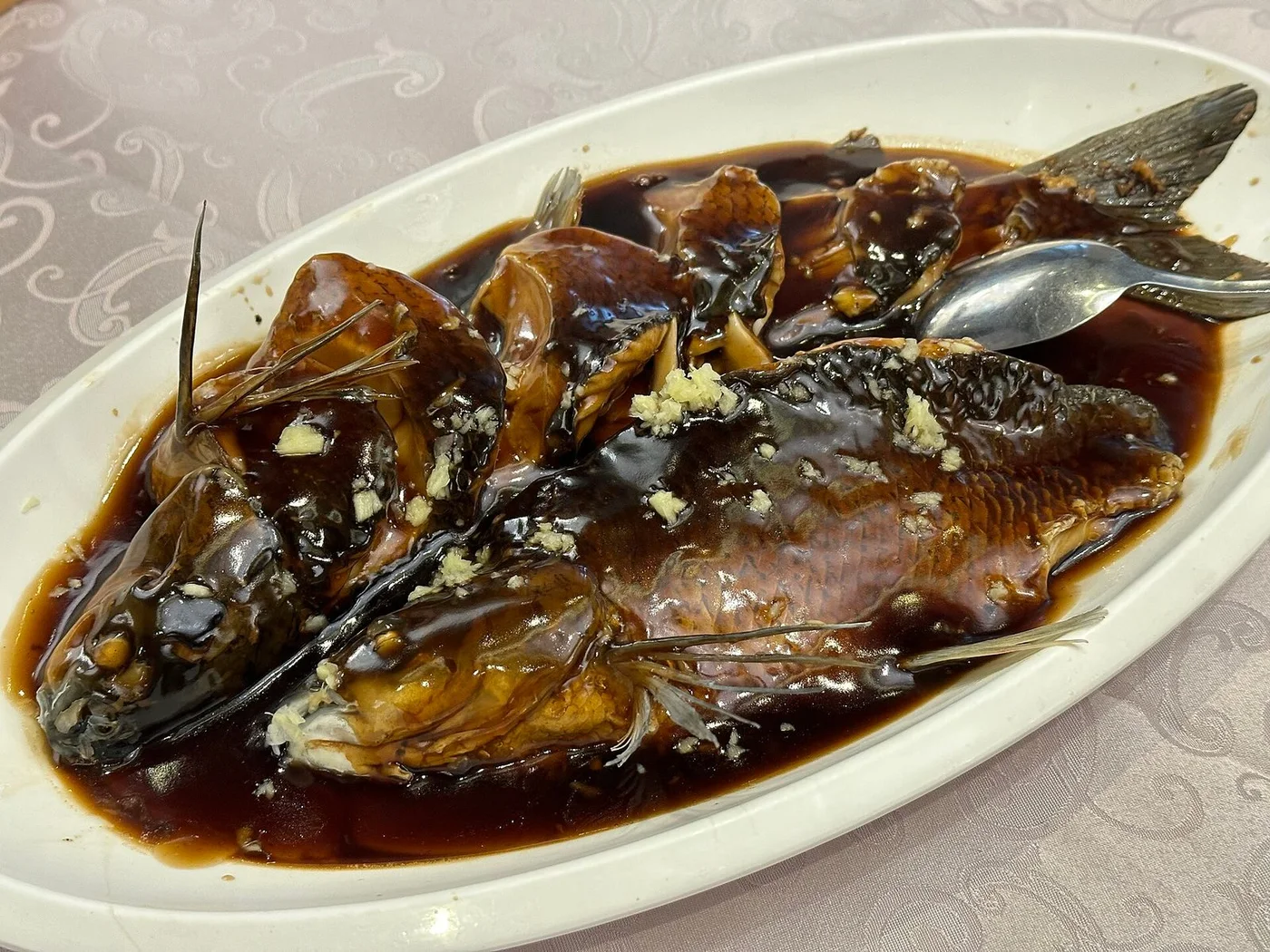
Dongpo pork and West Lake fish in vinegar sauce illustrate two other cooking methods. Skin-on pork belly is cooked slowly to produce soft meat, fat and a rich sauce. The fish is served with a thickened sweet-and-sour sauce, offering a different balance of flavors and way of eating. They help explain the variety of Hangzhou cooking, rather than suggesting that all its dishes share one sweet flavor. Meat, fish, cooking wine and seasonings also matter for dietary restrictions; actual ingredients and preparation depend on the restaurant.
Liangzhu archaeology and the new city by the Qiantang
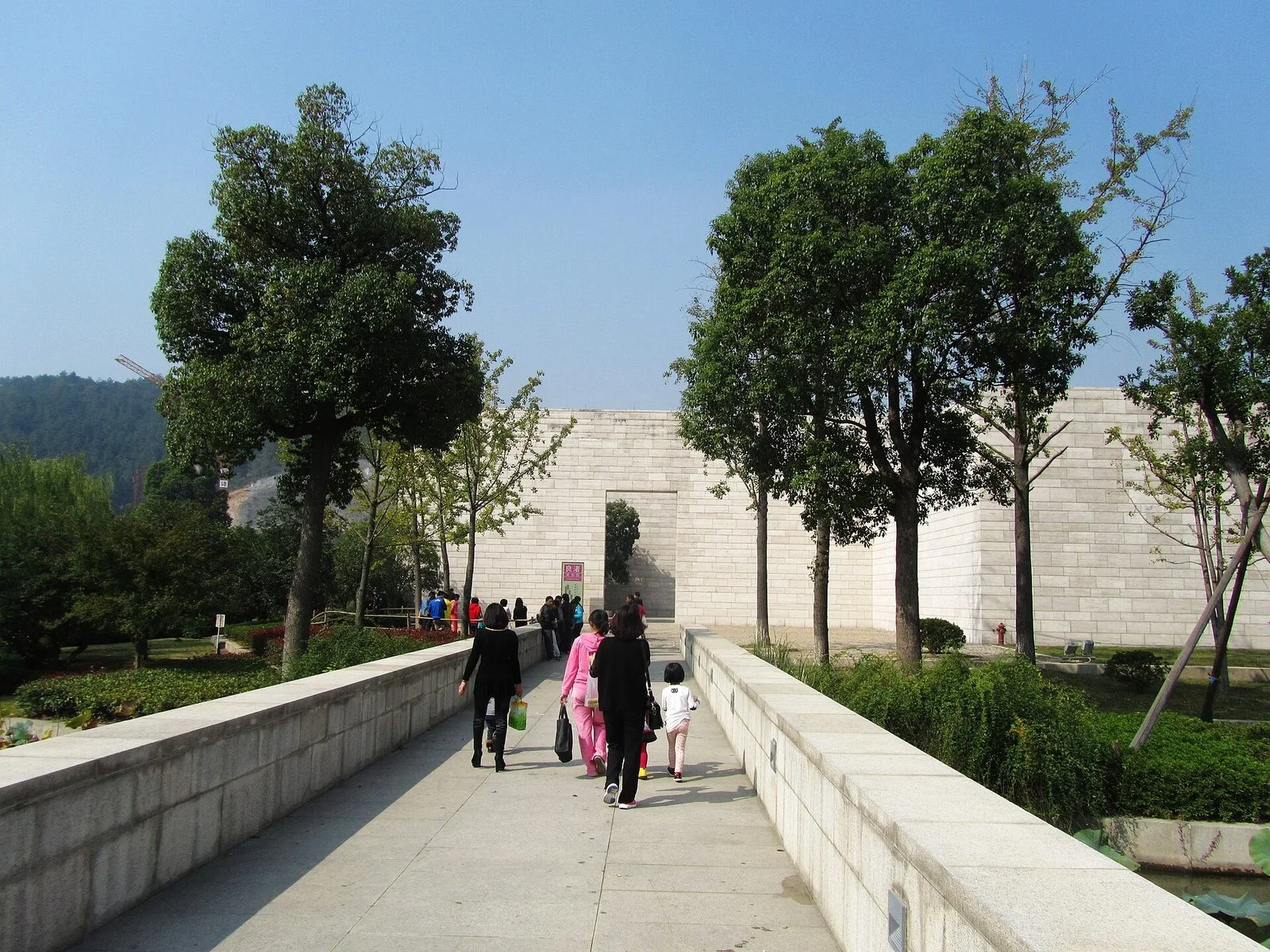
Hangzhou's history extends beyond Tang and Song poetry. Northwest of the city, Liangzhu Museum uses archaeological materials and jade objects to explore a prehistoric society. The museum and the Archaeological Ruins of Liangzhu City provide different ways of understanding it: the former explains excavated objects, craftsmanship and research, while the latter focuses on the site's space and setting. The museum is not the entire World Heritage property. Distinguishing them avoids reducing all of Liangzhu's history to one building.
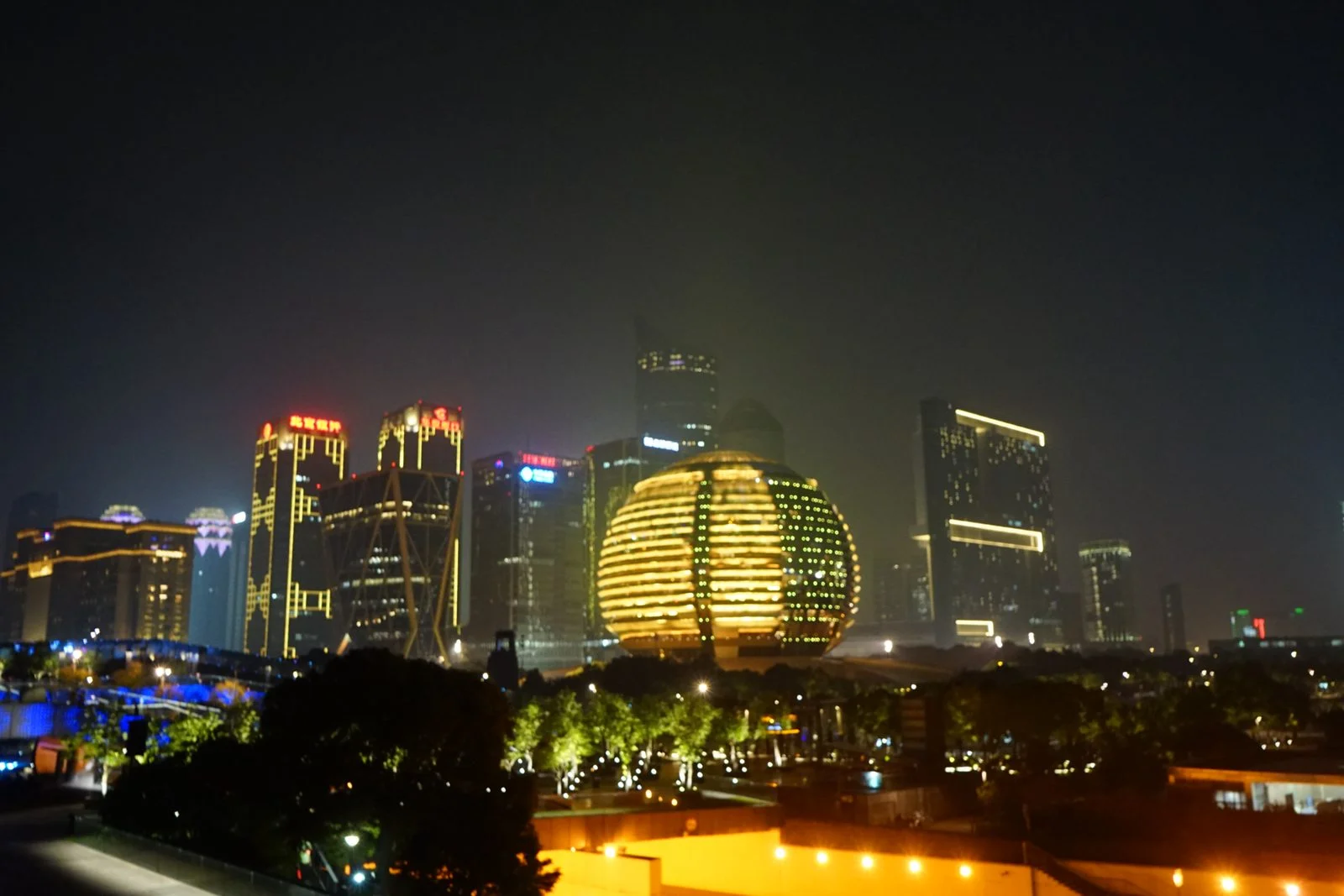
Along the Qiantang River, another side of Hangzhou emerges. Qianjiang New City's tall buildings, broad public spaces and riverside scenery differ from the lower urban skyline around West Lake. New urban development also extends across the river. Hangzhou has grown from the lakeside to both riverbanks, with historic neighborhoods, tea fields, archaeological heritage and new districts coexisting. The night photograph used here dates from 2019, recording the buildings and lighting then; it does not confirm today's light-show schedule.