Understand the wetlands before examining the jade
Liangzhu Museum, in Meilizhou Park in Hangzhou's Yuhang District, collects, researches and displays Liangzhu culture. Dating from about 5,300–4,300 years ago, this culture long predates Hangzhou's role as the Southern Song capital. For visitors from abroad, it offers a historical perspective very different from West Lake's temples and pagodas or Song urban culture: how people lived in a region of waterways, and how objects and rituals expressed social relationships.
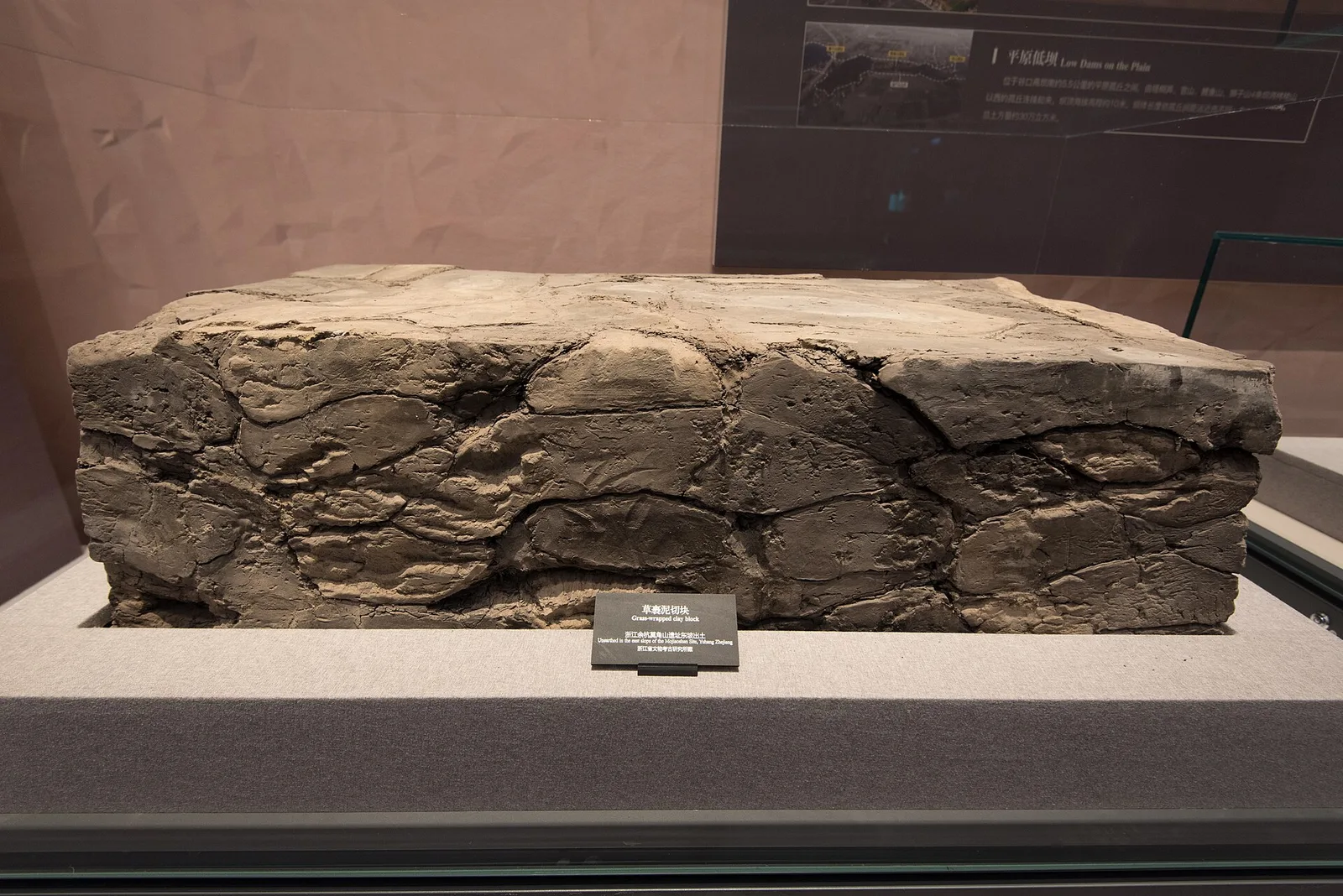
The permanent exhibition comprises three galleries, “水乡泽国” (a land of waterways and wetlands), “文明圣地” (a sacred place of civilization) and “玉魂国魄” (jade and the spirit of a state). The museum describes more than 600 objects or sets, including jade, stone, pottery, lacquer and wood. Follow the gallery order to understand the environment and daily life first, then social organization, before examining the jade closely. Looking only for the prettiest jade pieces can mean overlooking how stone tools and pottery help explain the conditions that produced these elaborate ritual objects. Reconstructed scenes and digital displays connect abstract dates with daily life.
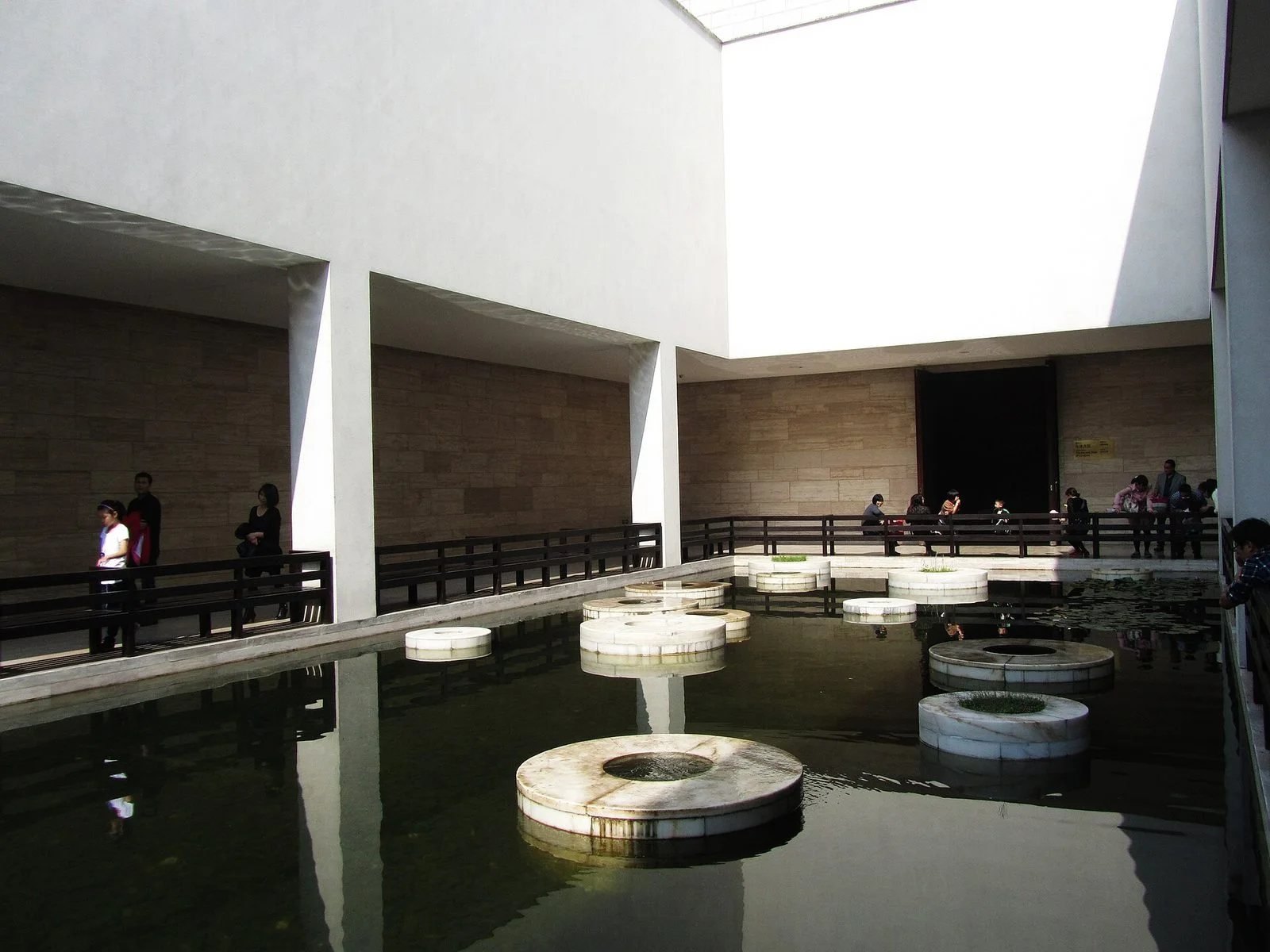
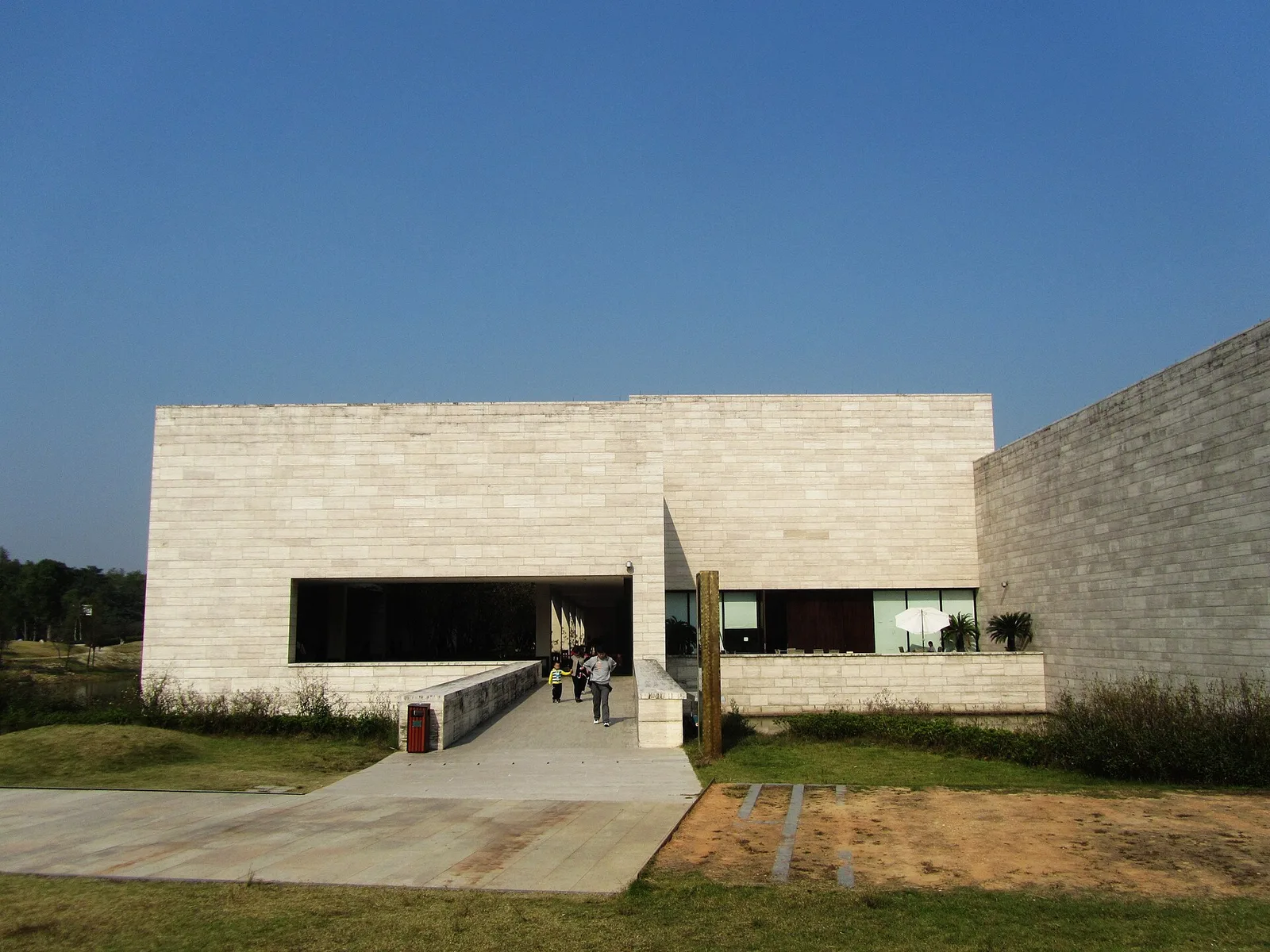
Make the building and courtyards part of the visit
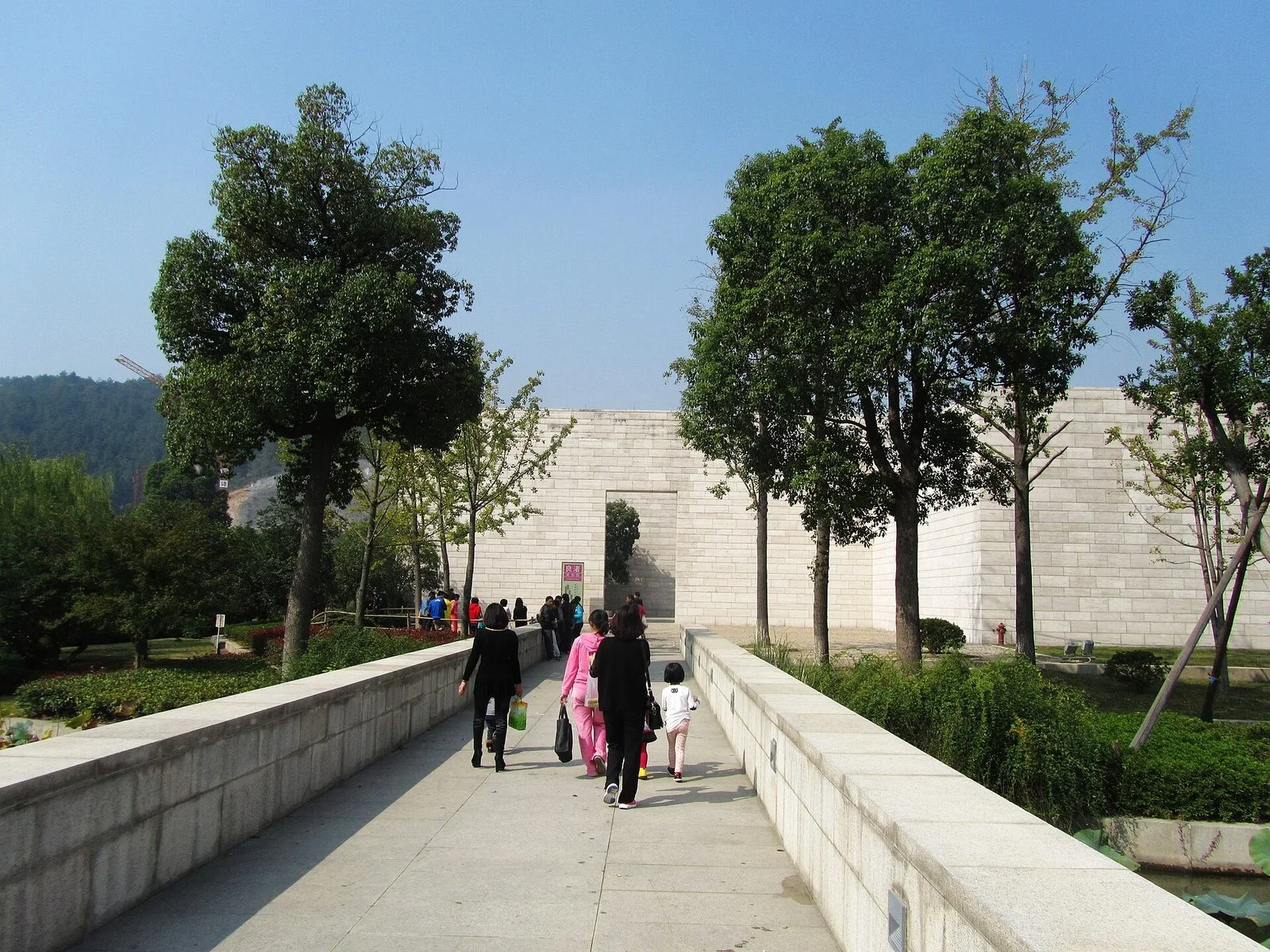
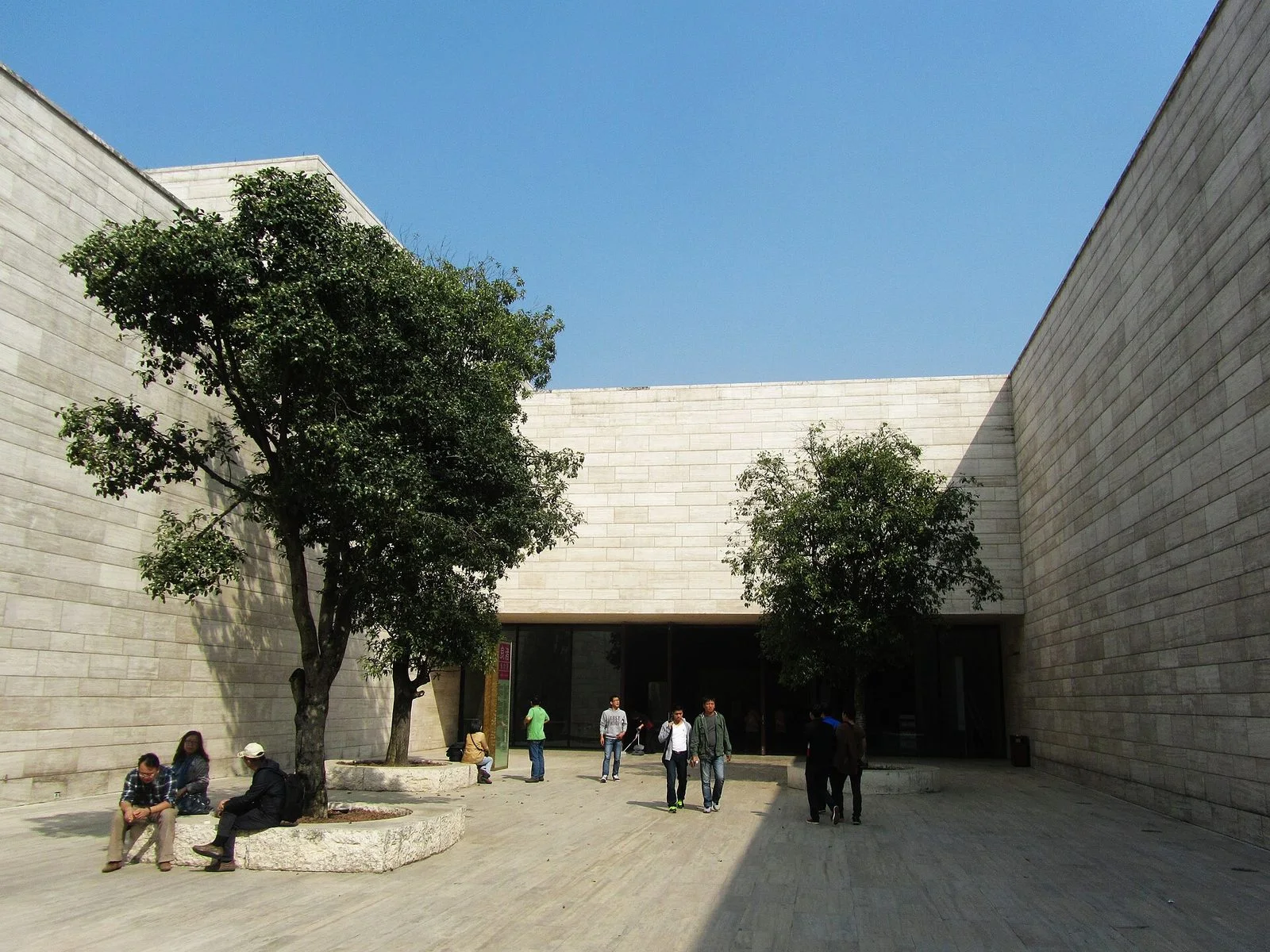
The present museum building, designed by architect David Chipperfield, opened in 2008. Its permanent exhibition reopened after renovation in 2018. The building covers about 10,000 square meters, with more than 4,000 square meters of permanent exhibition space. Its simple, low forms sit beside water and planting in the park. Notice the transitions between indoor galleries and courtyards rather than leaving after a single photograph at the entrance.
For architecture enthusiasts, the entrance walls, openings and courtyards between galleries offer several viewpoints. For families with children, the courtyards can provide short breaks between exhibitions. The courtyard photographs here were taken in 2013, before the 2018 exhibition update; they illustrate the architecture, not current displays. Allow roughly 2–3 hours for the permanent exhibition and building. This is an estimate; reading labels closely or using a guide will take longer.
After the galleries, take a moment to connect the building's courtyards with the exhibition sequence. Moving between indoor rooms and open spaces offers a pause to recall the progression from the waterways and daily life described in the first gallery to the social world and jade discussed later. The older courtyard photographs document the architecture only; use the museum's current displays for the present exhibition.
Hours and identification requirements
As checked on November 11, 2026, the permanent exhibition is free. Regular hours are Tuesday–Sunday, 9:00 a.m.–5:00 p.m., with last admission at 4:30 p.m.; the museum is closed on Mondays except public holidays. The address is 1 Meilizhou Road, Yuhang District, Hangzhou. The museum and Liangzhu Ancient City Ruins Park are separate places. Select “良渚博物院” when navigating or booking; a ticket to the outdoor archaeological park is not a museum admission charge.
The official visitor rules require real-name reservations and presentation of the original valid identity document used to register, together with the reservation QR code. The exemption from reservations for individual visitors on non-weekend, non-holiday days explicitly lists Chinese identity cards or social security cards. Passport holders should not assume this allows them to enter without booking. Check document options in the “良渚古城” mini program, or call 0571-88773875 to confirm with the museum. A further announcement dated November 9, 2026 states that maintenance and operation of relevant “文旅壹卡通” services will cease from November 12; groups must switch to the “良渚古城” WeChat account or mini program. Flash, selfie sticks, tripods, stabilizers and similar equipment are prohibited in the galleries, as are umbrellas. Plan photography according to the museum's rules.
Useful official references
Check the relevant official service before making arrangements. These links are references, not a guarantee of current services.