City introduction
Get to know Zhengzhou by considering its Shang remains, museums, shopping streets and lakeshore together. The Henan provincial capital is also a transport hub for other parts of the Central Plains. Within the city, rammed-earth walls reveal remains of an ancient capital, while huimian and breakfast offer a view of present-day life. Zhengzhou's wider administrative area includes Dengfeng. Shaolin Temple and Mount Song's historic buildings lie west of the urban center in an environment very different from Erqi Square and Zhengdong New District.
South of the Yellow River, an ancient capital and a modern provincial capital
Zhengzhou lies in central Henan, with the Yellow River to its north and the Mount Song area to its west. First distinguish the urban city commonly meant by Zhengzhou from its larger administrative area. The Shang walls, Henan Museum, Erqi Square and Zhengdong New District occupy different urban neighborhoods. Dengfeng's monasteries, pagoda forest and mountains form a different landscape to the west. Treating them all as neighboring attractions risks underestimating the distances between them.
The city's history also spans different periods. Rammed-earth walls and archaeological finds preserve traces of the Shang dynasty. The Erqi Memorial Tower connects with the modern railway workers' movement, while convention, cultural and high-rise buildings around Ruyi Lake show the development of today's provincial capital. Zhengzhou's sights are distributed across urban areas still in everyday use. Explore these layers according to your interests rather than expecting an ancient capital to mean one fully preserved old city.
Walls and artifacts provide tangible evidence of Central Plains history
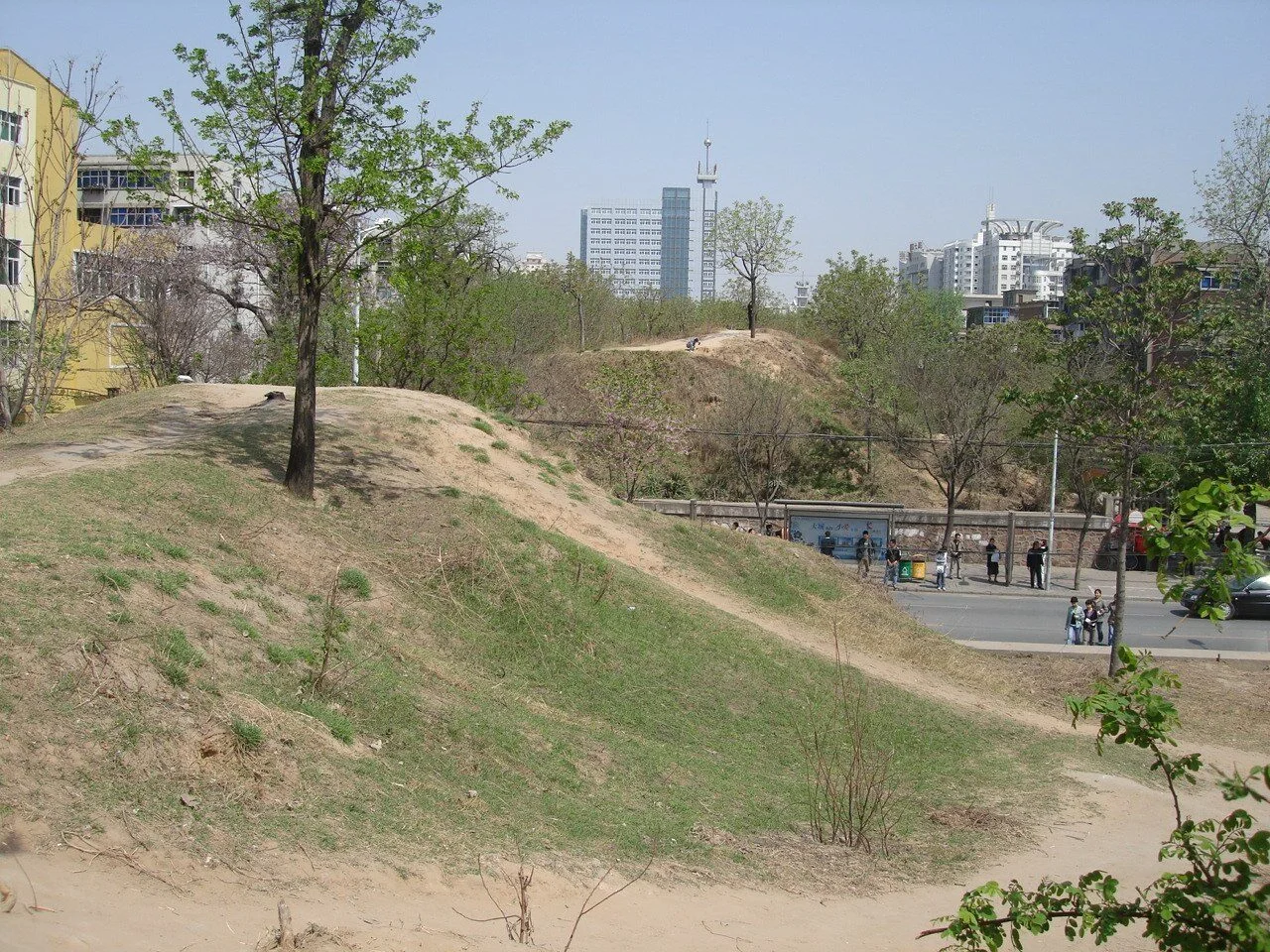
The Zhengzhou Shang City Site in the old urban area preserves walls and other remains of an early Shang capital. Beside the earthworks, you see their rammed-earth bulk and the setting created through site conservation. Unlike later brick walls with towers and battlements, these remains are best understood by connecting the earth layers, extent of the city site and archaeological explanations. Modern streets remain in use around them, placing traces of the ancient capital beside everyday urban life.
Henan Museum widens the view from Zhengzhou to the whole province. Musical instruments, bronzes and objects from different periods provide another approach to Central Plains civilization. The walls suggest the size of a city; collections reveal technology, rituals and everyday utensils. Visitors unfamiliar with Chinese dynasties can begin with an object's use and excavation location before reading its date, rather than following only a list of celebrated treasures. Henan Museum on Nongye Road and the Zhengzhou Shang City Site Museum are separate institutions with different names and collection focuses.
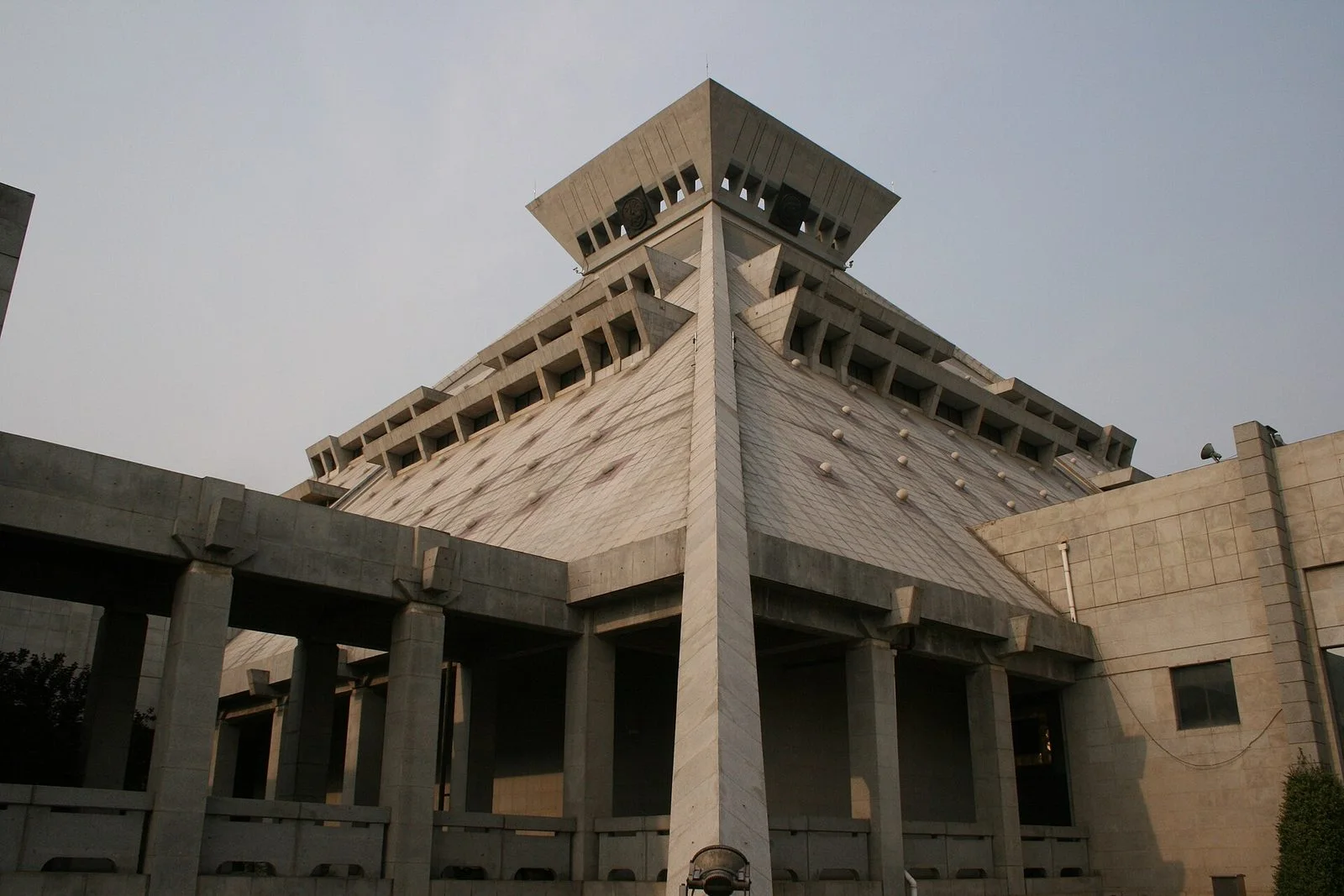
Landmarks and shopping streets around Erqi Square
The connected twin towers of the Erqi Memorial Tower are an easily recognized landmark in Erqi Square. Built in 1971 to commemorate the 1923 Beijing–Hankou railway workers' movement, the tower represents Zhengzhou's modern railway and social history. Its tiers of upturned eaves do not make it an ancient building. The square connects with nearby shopping streets including Dehua Street, bringing commemoration, retail and dining together in one urban area.
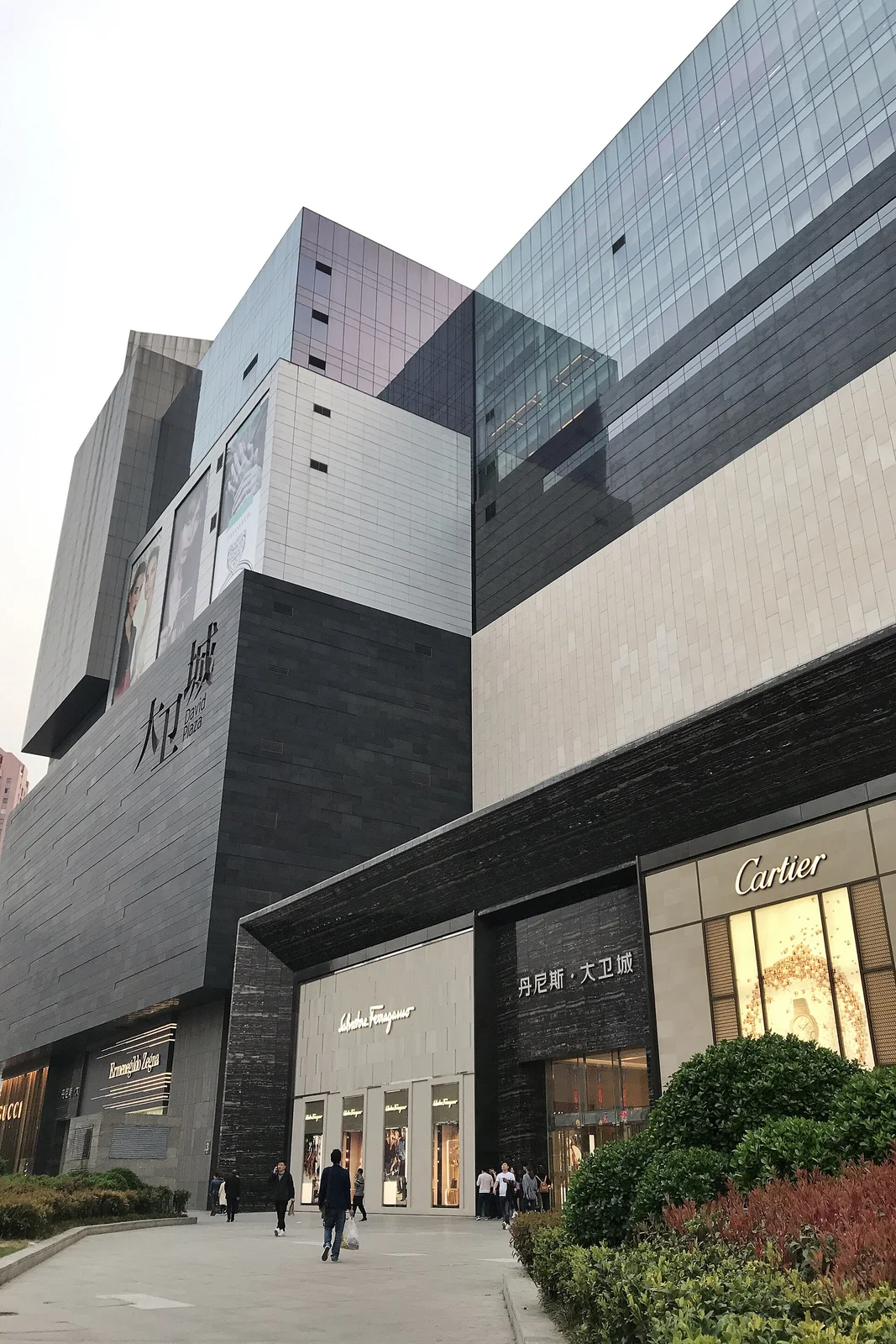
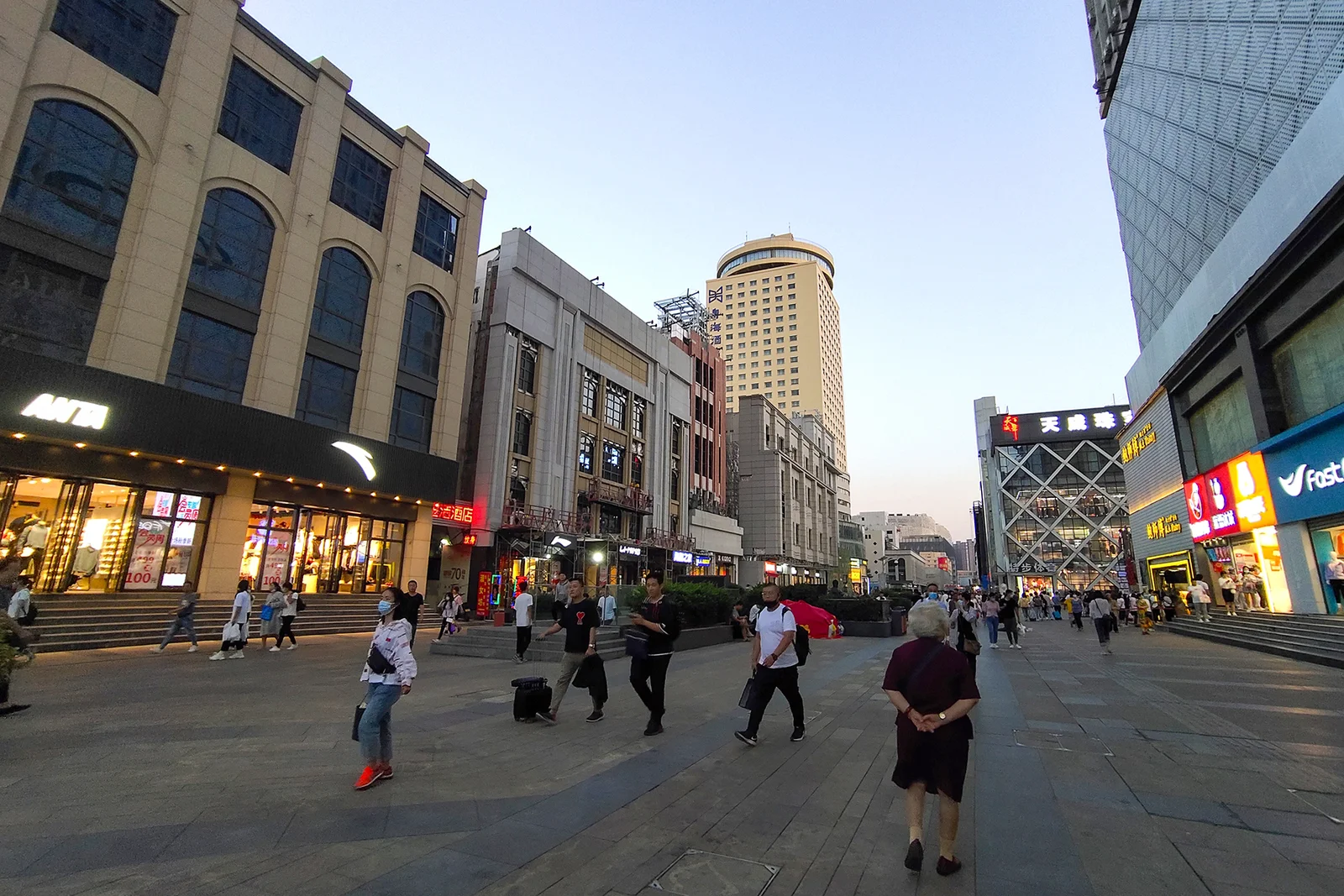
Dehua Street suits browsing shops and observing pedestrians along an open shopping street. Dennis David Plaza and Grand Emporium offer indoor department-store shopping, retail and dining in different districts and commercial settings. Shopping need not focus only on gifts to take home. For older-city street life, consider Dehua Street; for indoor meals, brands or a break, compare the two malls. Tenant mixes change, and signs in photographs record only the scene when the picture was taken.
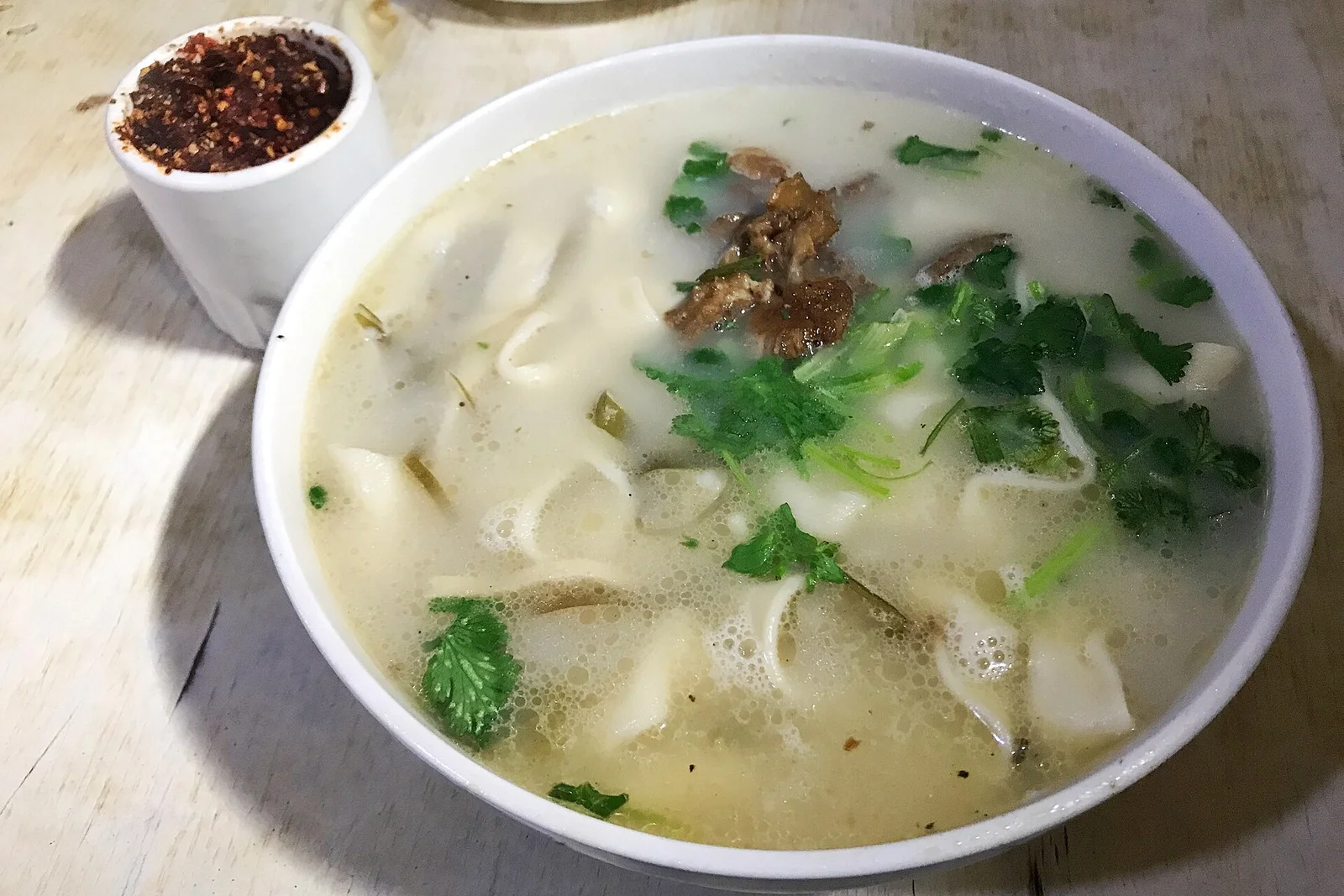
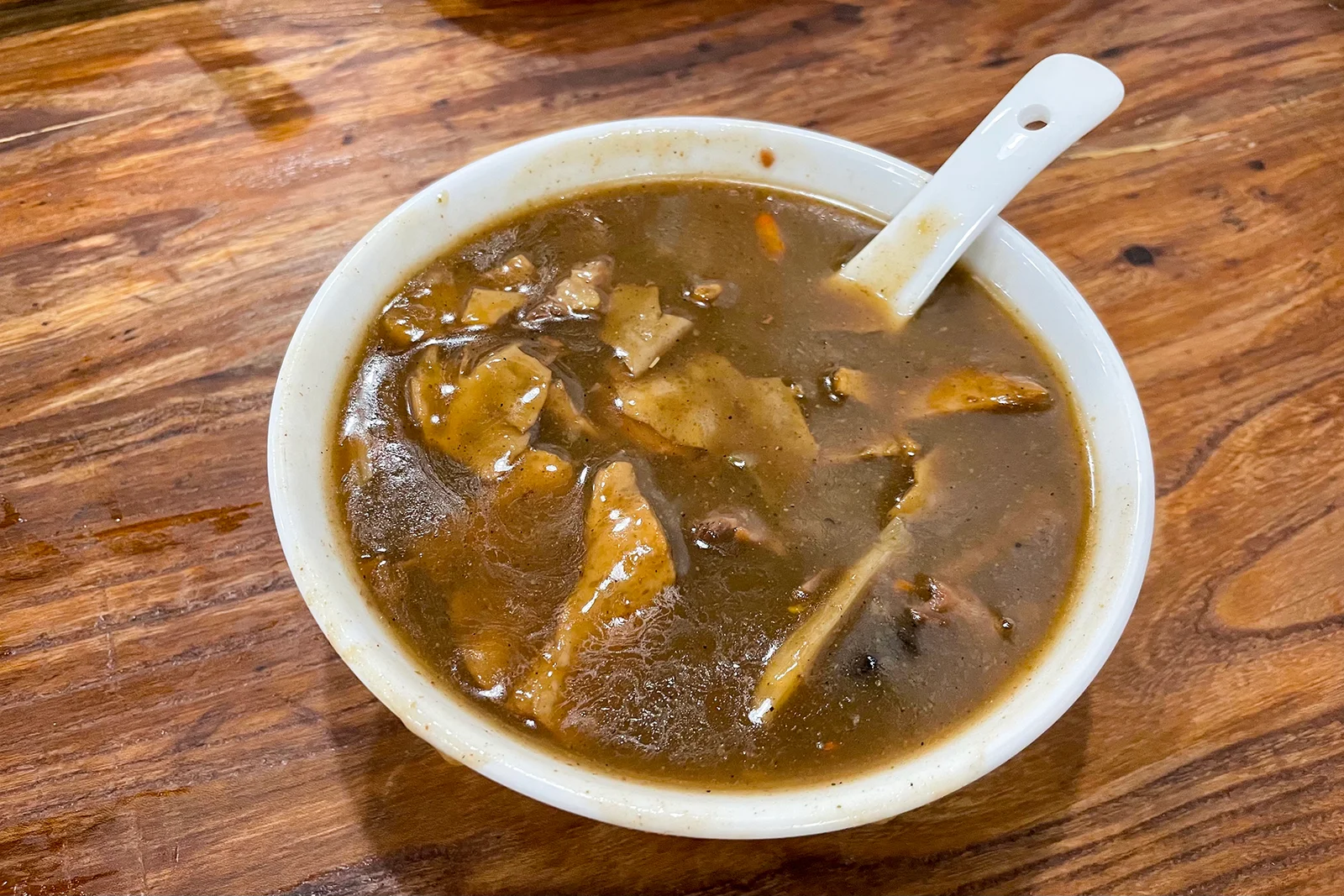
Huimian and hulatang offer different kinds of meals
Zhengzhou huimian centers on wide noodles, broth and toppings. Pieces of dough are stretched before cooking, leaving variations in the noodles' width and thickness. Mutton broth with meat, kelp and soy products is a common form, though recipes differ by restaurant. The bowl combines a staple with soup and accompanying ingredients, making it a meal in itself. On a menu, identify the broth and meat first, then choose according to your appetite and taste. Bowls bearing the huimian name do not all contain the same combination.
Hulatang often appears at breakfast. Its thick soup contains wheat gluten, meat or other ingredients, pairing pepper's pungency with wheat-based foods in a way that differs from clear soup or sweet porridge. Many parts of Henan have their own versions, so it is not exclusive to Zhengzhou. Breakfast restaurants may also sell fried flatbread, buns and other foods. A small portion first makes it easier to discover your preferences. Check the actual recipe for wheat, peanuts, sesame, meat broth or other allergens; a dish's name alone cannot establish that it is vegetarian or allergen-free.
Ruyi Lake and a different cityscape in Zhengdong New District
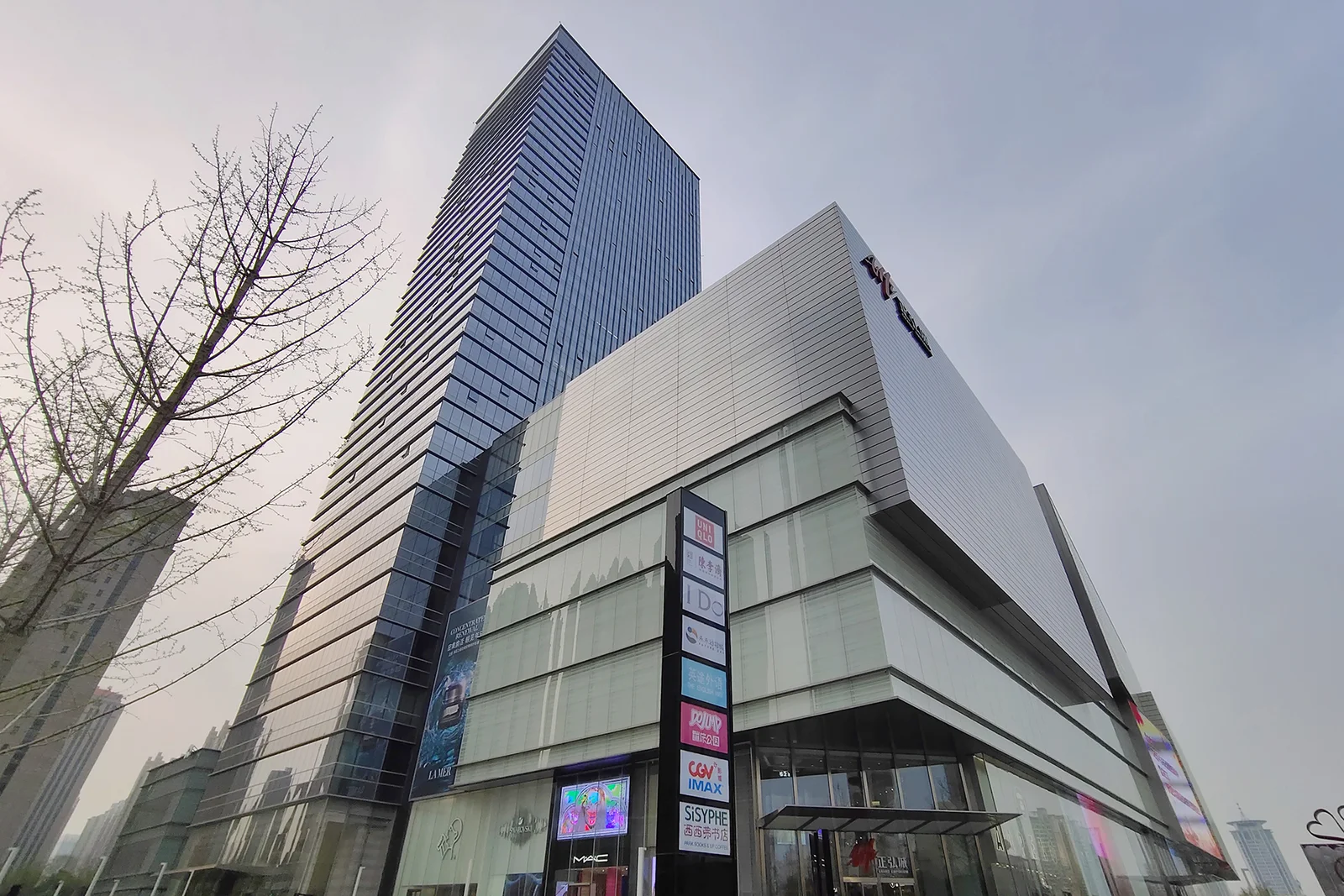
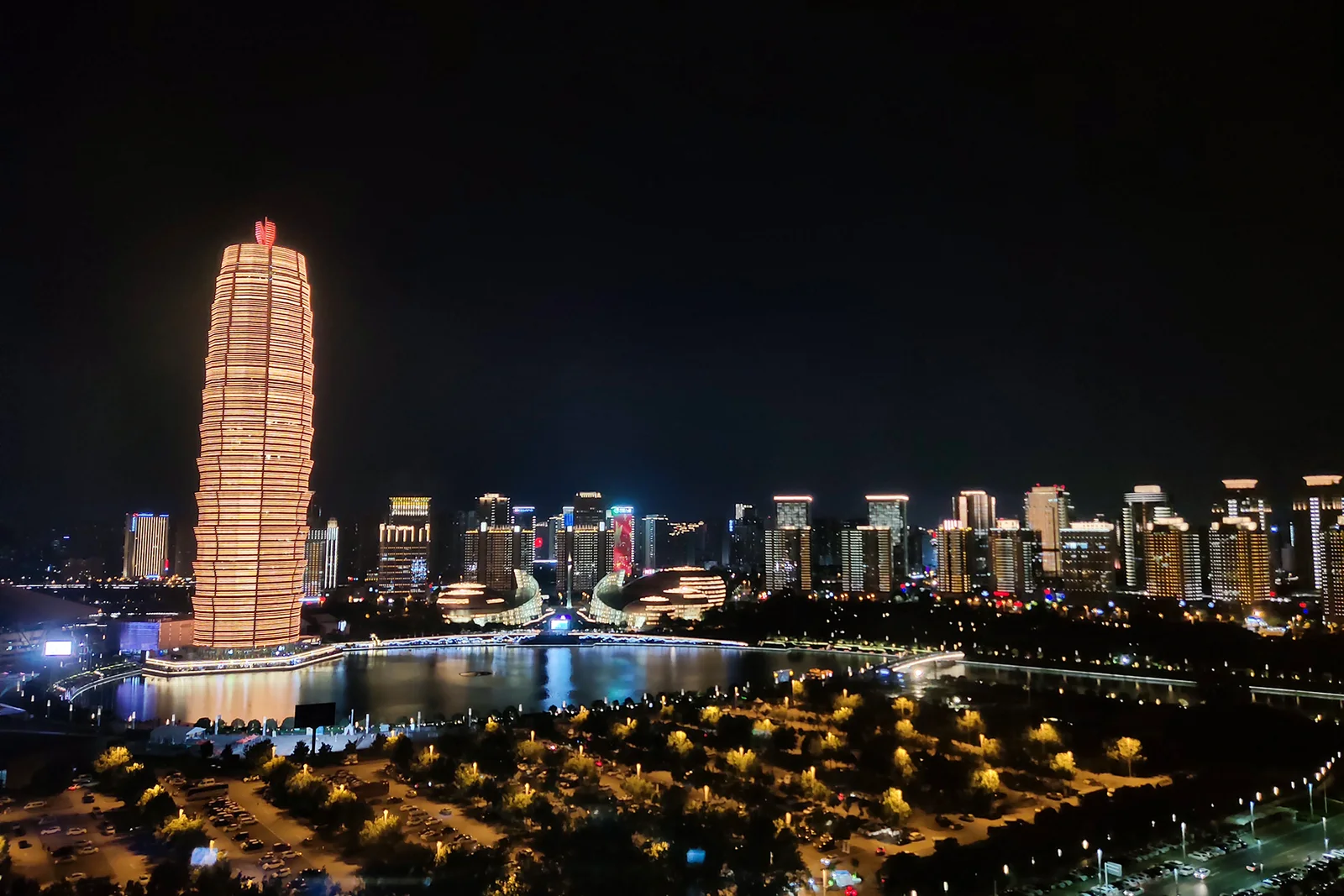
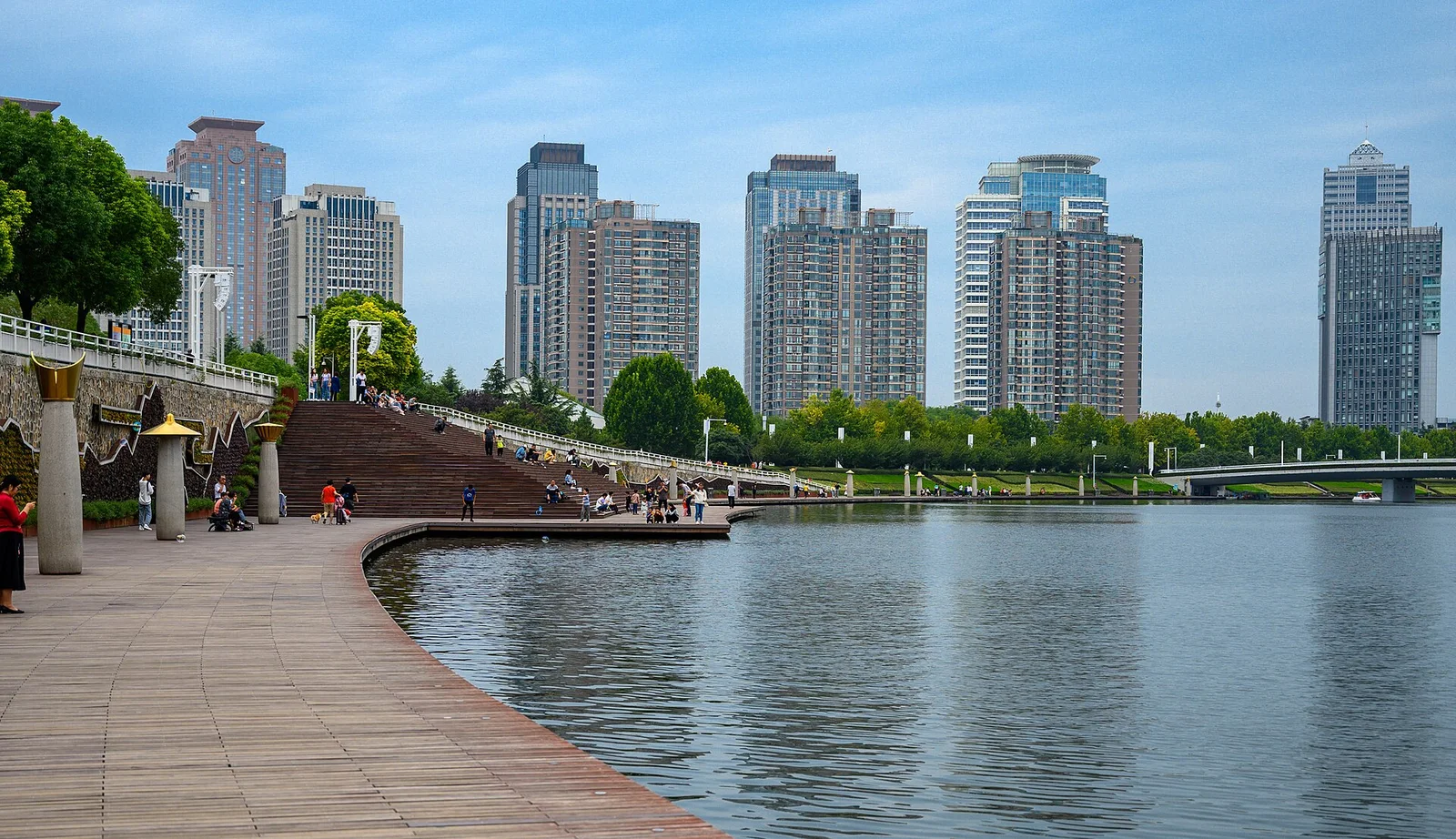
Zhengdong New District's central business district surrounds Ruyi Lake, whose open water creates broad views between the convention center, Henan Art Center and high-rises. The tower-like main building of Greenland Center's Qianxi Plaza stands here, its tapering outline contrasting with surrounding buildings. Looking at buildings and reflections from the lakeshore explains the spatial relationships more clearly than remembering a single photograph of a tall building.
The focus here is urban architecture and public lakeside space, offering a different experience from the Shang remains or Dehua Street. Daylight reveals materials, paths and the water; night photographs show illuminated outlines, but lighting, events and temporary management arrangements change. Walking beside the lake, entering a building and visiting an elevated viewpoint are separate activities. An exterior photograph does not establish that every interior is open to visitors.
Seasons and hospital campuses affect your choices
Zhengzhou has four distinct seasons. Summer experiences at the outdoor walls and lakeshore differ considerably from winter walking conditions. Henan Museum and indoor commercial spaces offer alternatives to open-air remains, while Dengfeng's mountain environment cannot be judged by urban street conditions. During heavy rain, follow local weather and transport announcements, avoid flooded roads and underground spaces, and respect temporary closures. Past extreme rain events show why these precautions matter; they do not mean that Zhengzhou is normally in a continuing disaster situation.
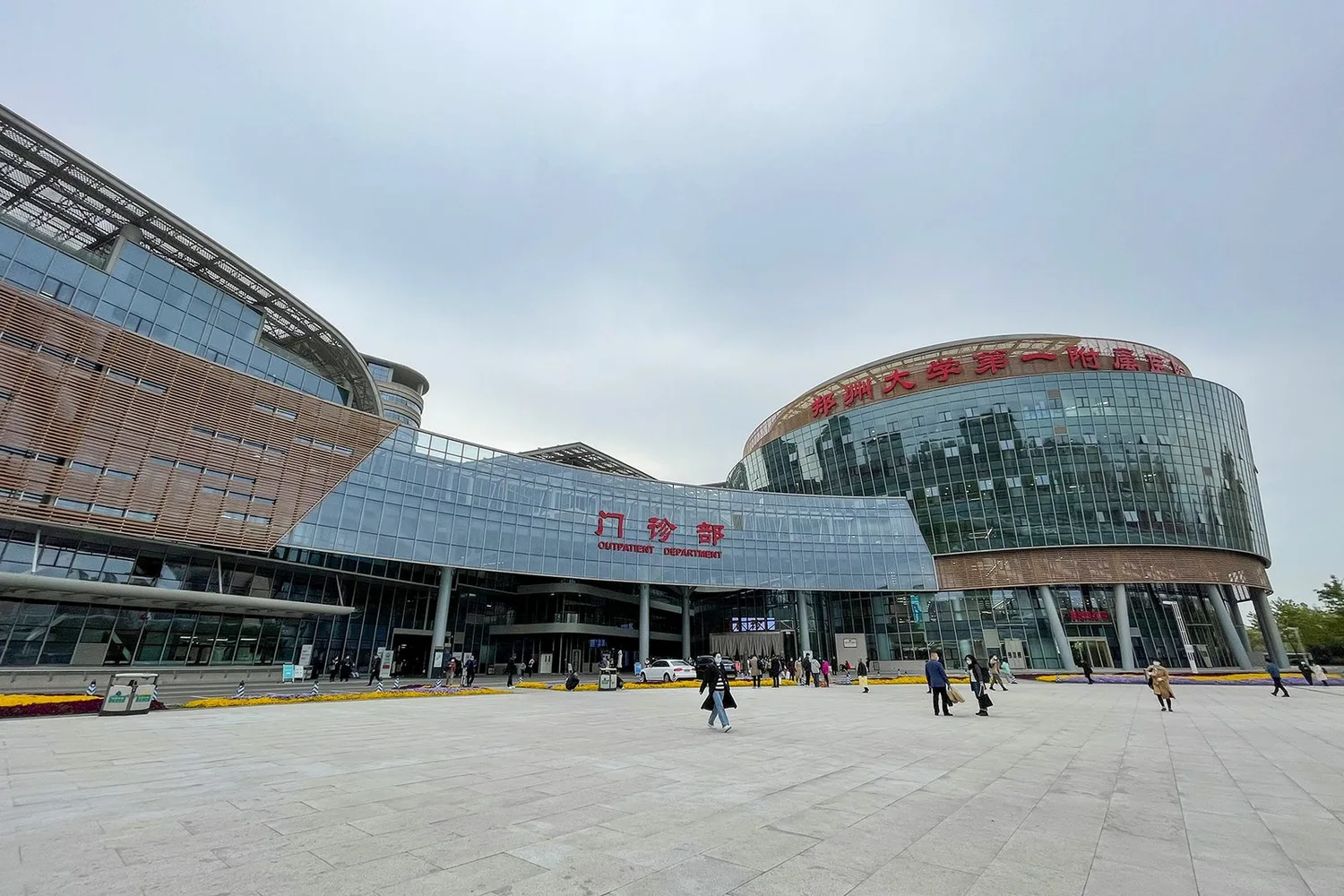
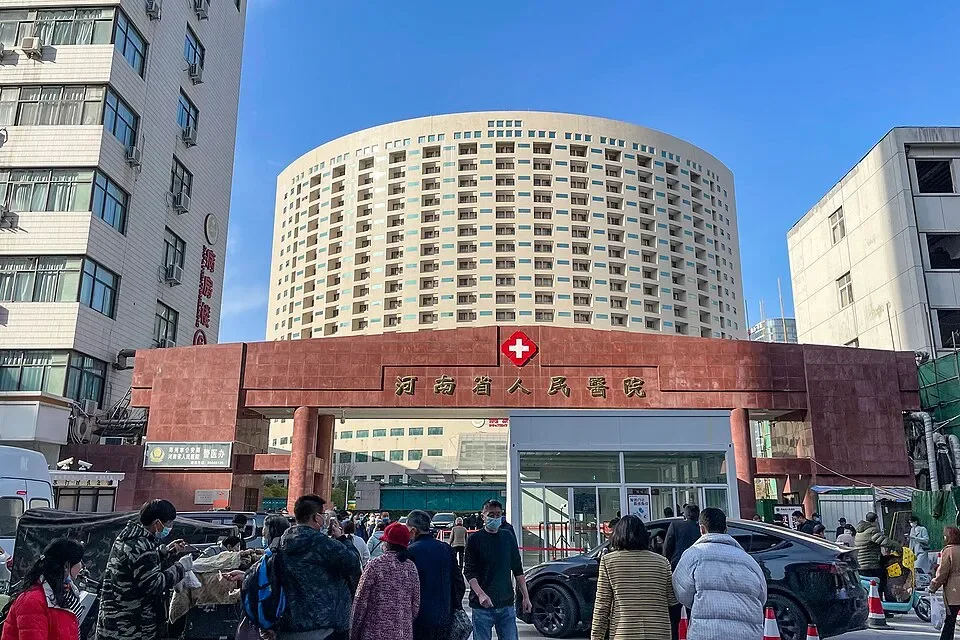
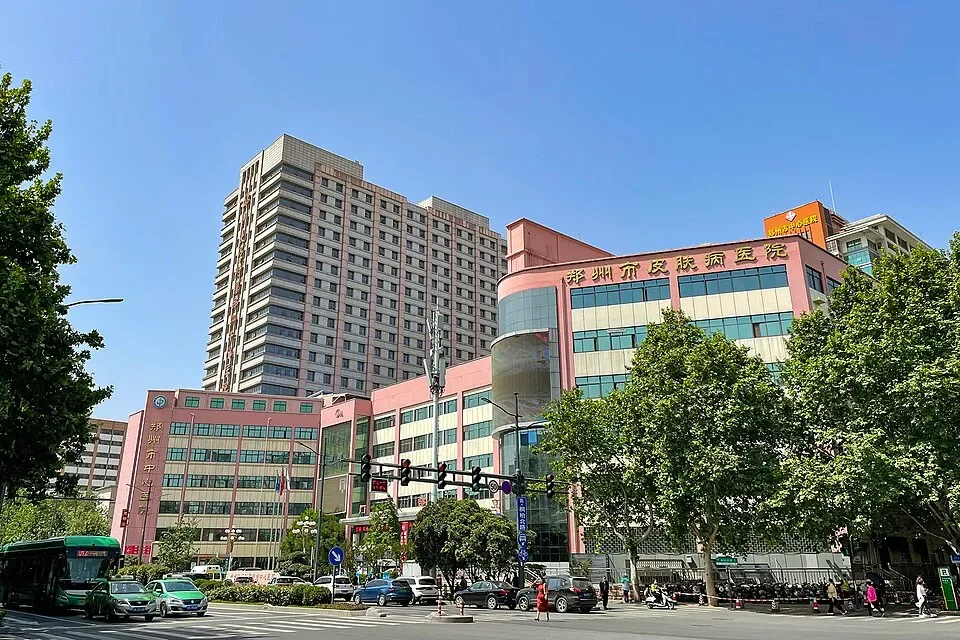
If medical care is needed during a trip, Henan Provincial People's Hospital on Weiwu Road, Zhengzhou Central Hospital's Tongbai Road Campus in Zhongyuan District and the Zhengdong Campus of the First Affiliated Hospital of Zhengzhou University occupy different areas. Identify the specific campus as well as the full hospital name. Confirm passport registration, language assistance and insurance documents with the chosen hospital and booking channel. The related entries list contacts found and the limits of the services described. A hospital's name does not guarantee foreign-language care or direct insurance billing.
Dengfeng and Mount Song extend the view into the mountains
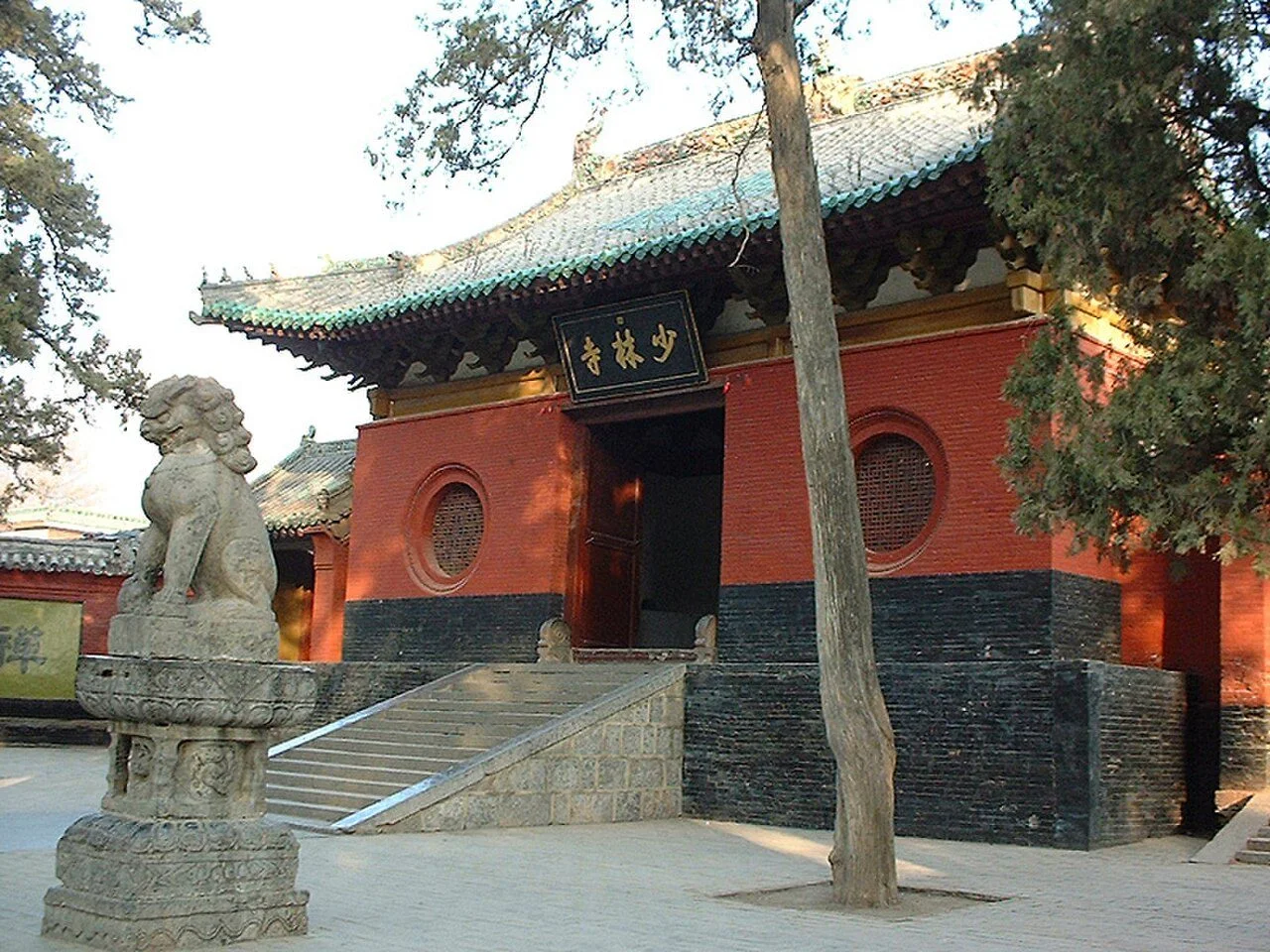
Dengfeng and Mount Song, west of urban Zhengzhou within its wider administrative area, suit visitors interested in Buddhist architecture, ancient history and mountain settings. Shaolin Temple's compound and Pagoda Forest provide two distinct focuses. The compound has halls, courtyards and inscriptions along an axis; the forest contains monks' funerary pagodas from different periods, with varied forms and dates. Understanding the temple as a place with continuing religious significance, rather than only a backdrop for martial arts performances, helps explain its architecture and visitor etiquette.
UNESCO's World Heritage property, the Historic Monuments of Dengfeng in the Centre of Heaven and Earth, contains multiple sites. Shaolin Temple is only one part, and the designation does not mean all the buildings are concentrated there. Urban museums and shopping streets provide another type of experience, while Dengfeng requires separate consideration of mountain walking and distances between places. Deciding whether your main interest is archaeological objects, monastery buildings or natural mountain scenery helps clarify the different sides of Zhengzhou and its surroundings.