Follow the chronology of Henan's history
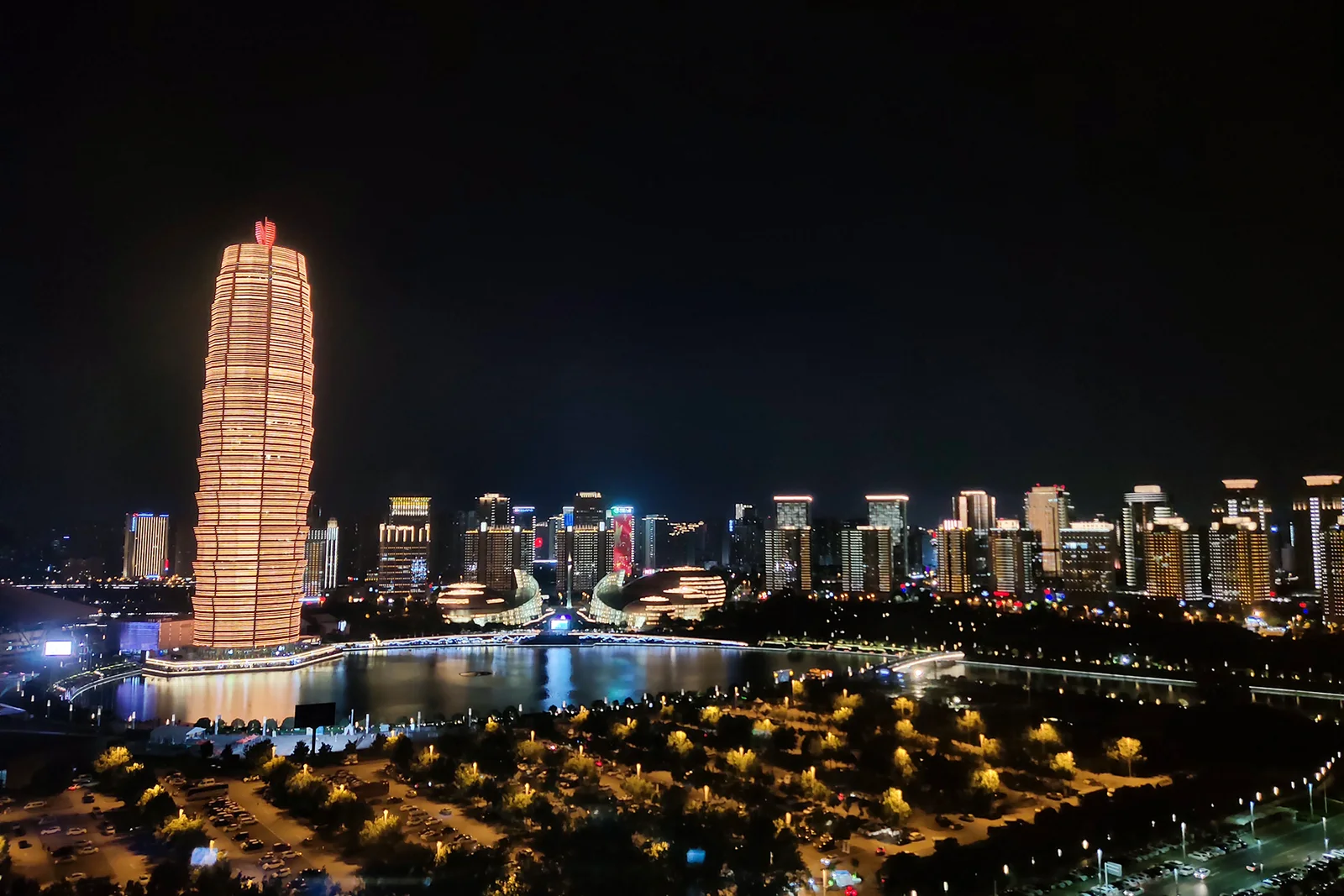
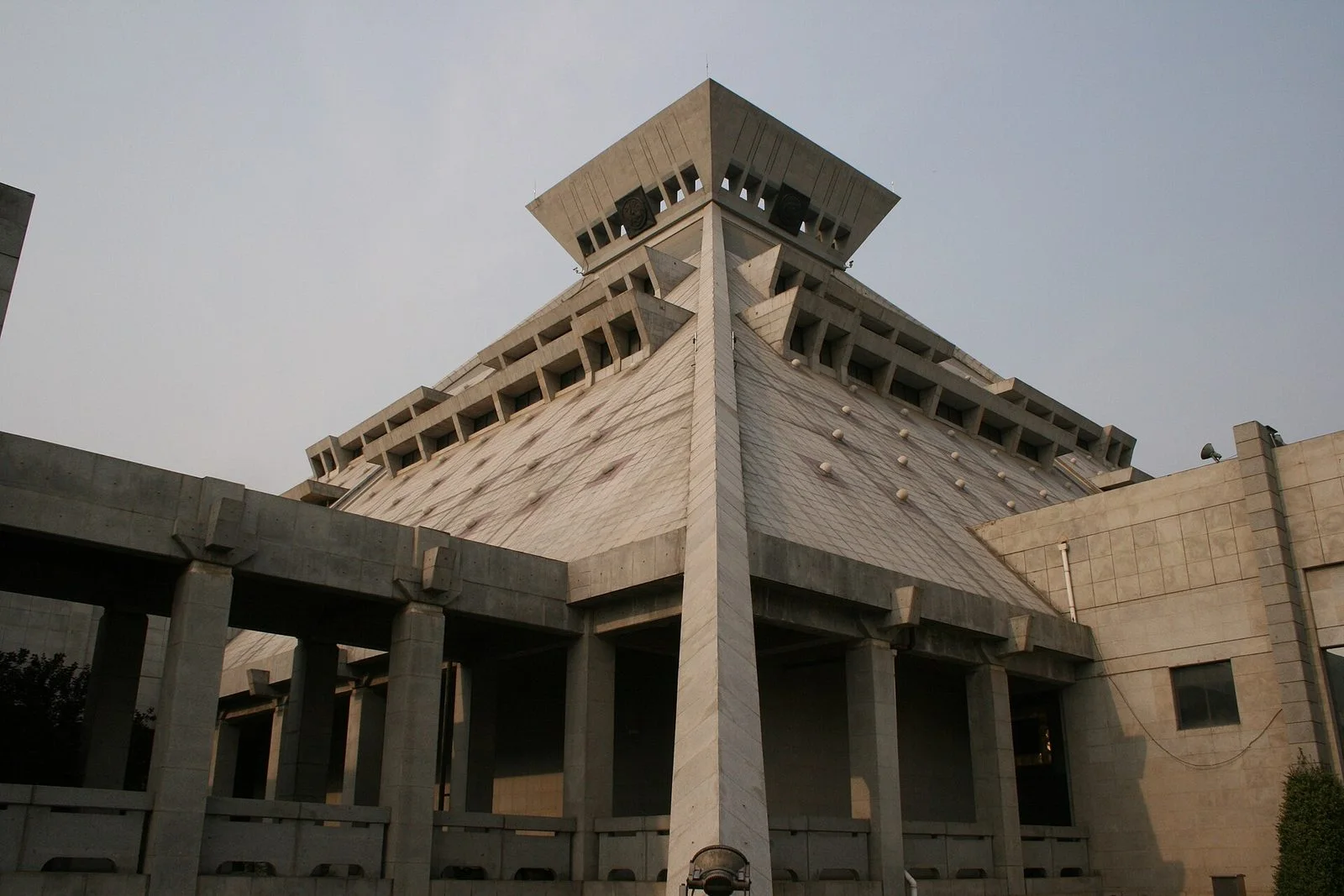
Henan Museum, at 8 Nongye Road in Zhengzhou's Jinshui District, offers a concentrated introduction to ancient Henan. Its collections come from different parts of the province; the discoveries on display were not all excavated in urban Zhengzhou. Zhengzhou Shang City, Yinxu in Anyang, the capital sites around Luoyang and Kaifeng's Song dynasty history together establish a wider Central Plains context. On a first visit to Henan, understanding how these places and periods relate can be more useful than rushing to find a few celebrated objects.
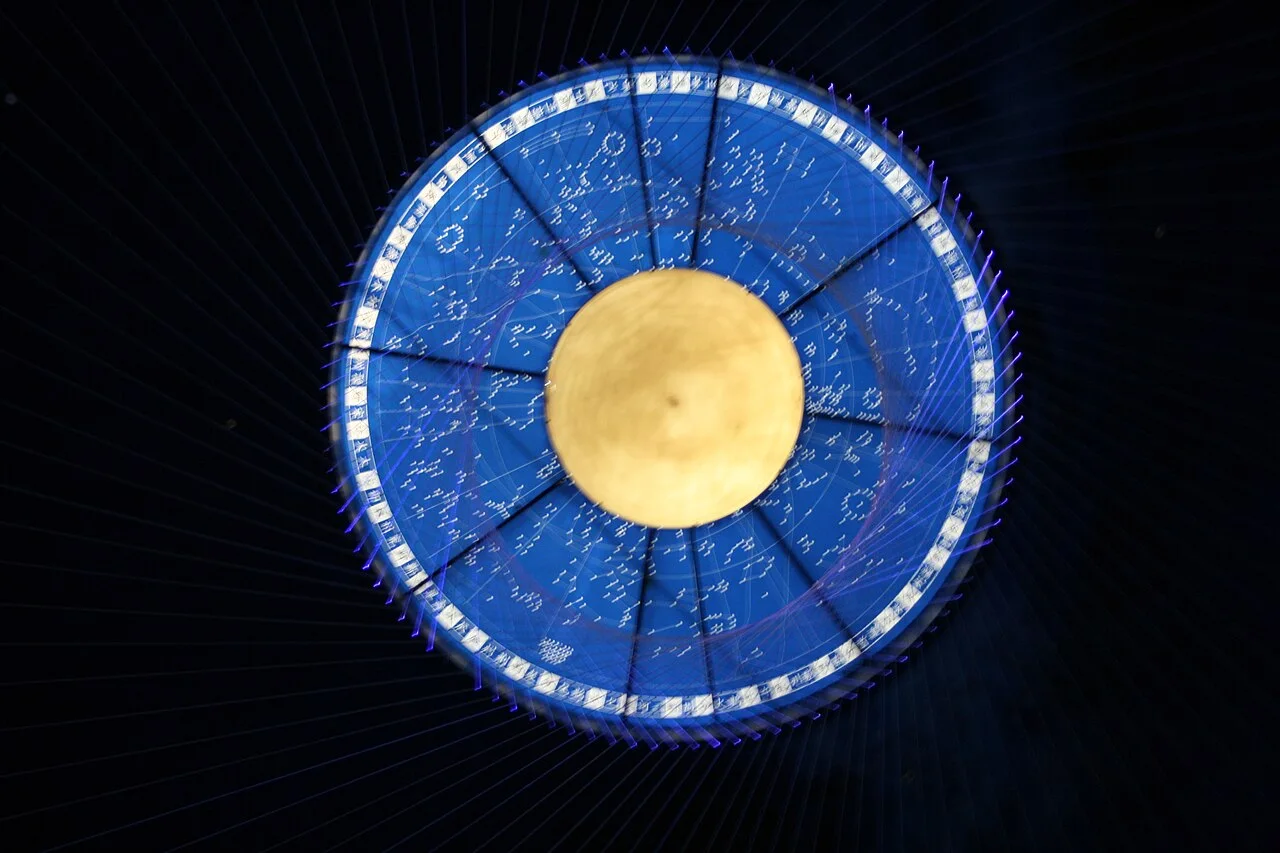
The permanent exhibition, whose Chinese title is Yangyang Huaxia, Zezhong Jiandu, occupies ten galleries on the main building's first three floors. Its seven parts cover the Neolithic period; Xia and Shang; Western Zhou; Eastern Zhou; Qin, Han, Wei, Jin and the Northern and Southern dynasties; Sui and Tang; and Song, Jin and Yuan. The history of establishing capitals in the Central Plains connects cities, ritual systems and people's lives. Consider following the chronological sequence first, then returning to the period that interests you most. This makes changes in the shapes of objects easier to place in history, rather than simply remembering their names.
Look beyond the bronzes to everyday life
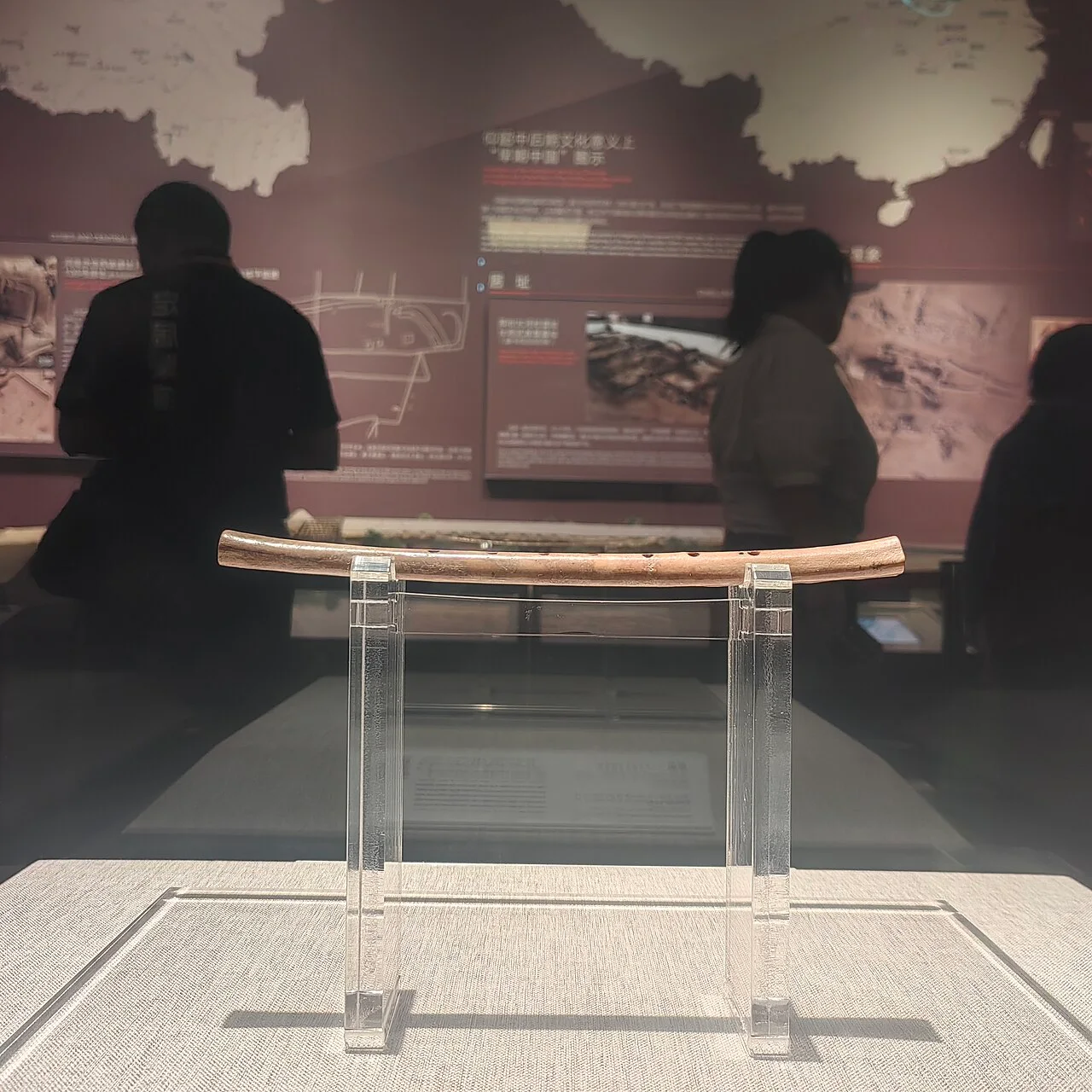
Representative objects in the collection include the Jiahu bone flute, Duling square ding, Fu Hao owl-shaped zun and lotus-and-crane square hu. The flute gives tangible form to music in prehistoric life. The ding and owl-shaped zun offer opportunities to examine the outlines, feet, handles and decoration of ritual vessels. On the lotus-and-crane hu, first identify the lotus petals and standing crane on the lid, then the ornaments on either side of the body, to see how a container can also have an elaborate sculptural form. Objects may change because of loans, maintenance or exhibition adjustments. Check the museum's exhibition information before visiting, and follow the labels and displays actually present when you arrive.
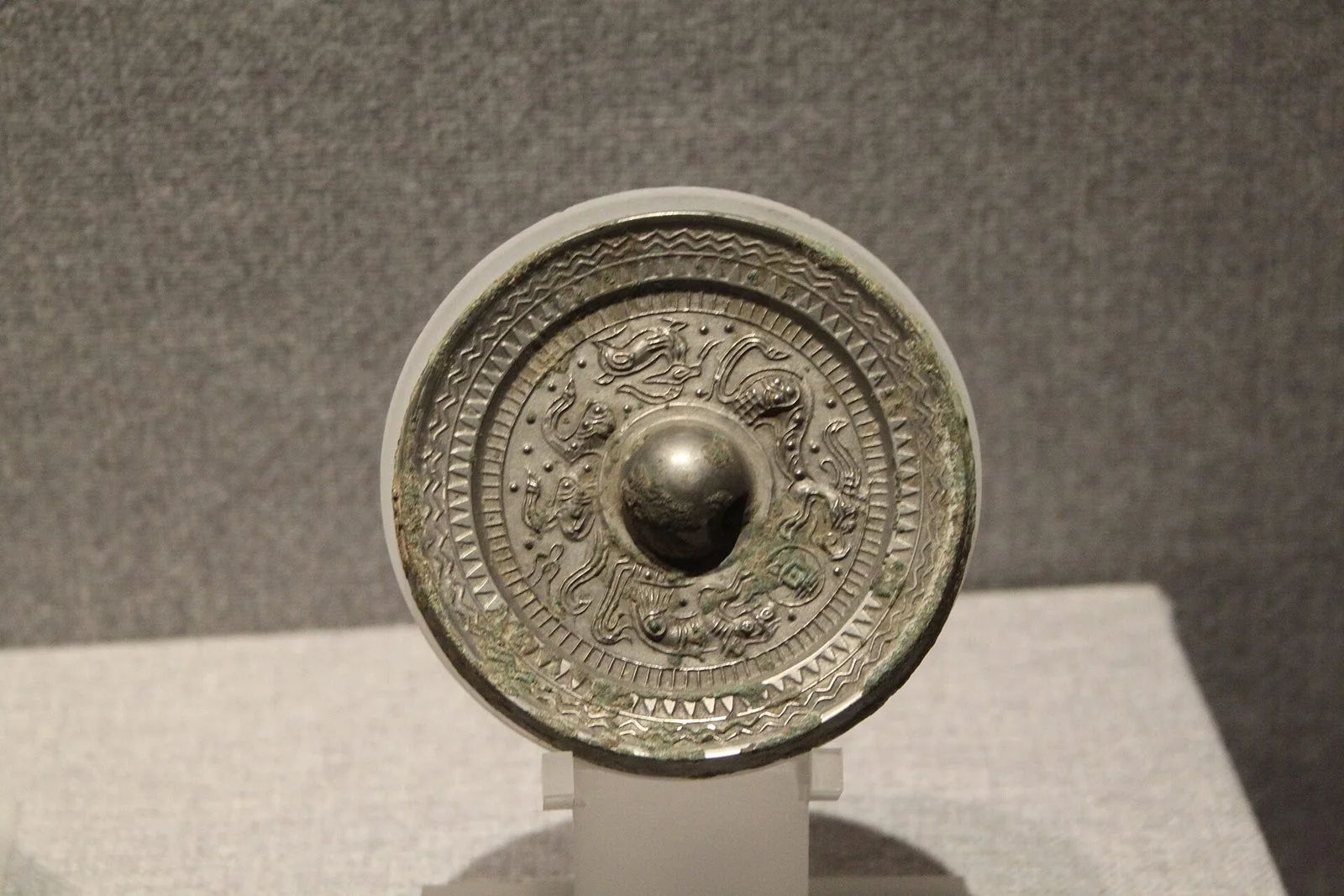
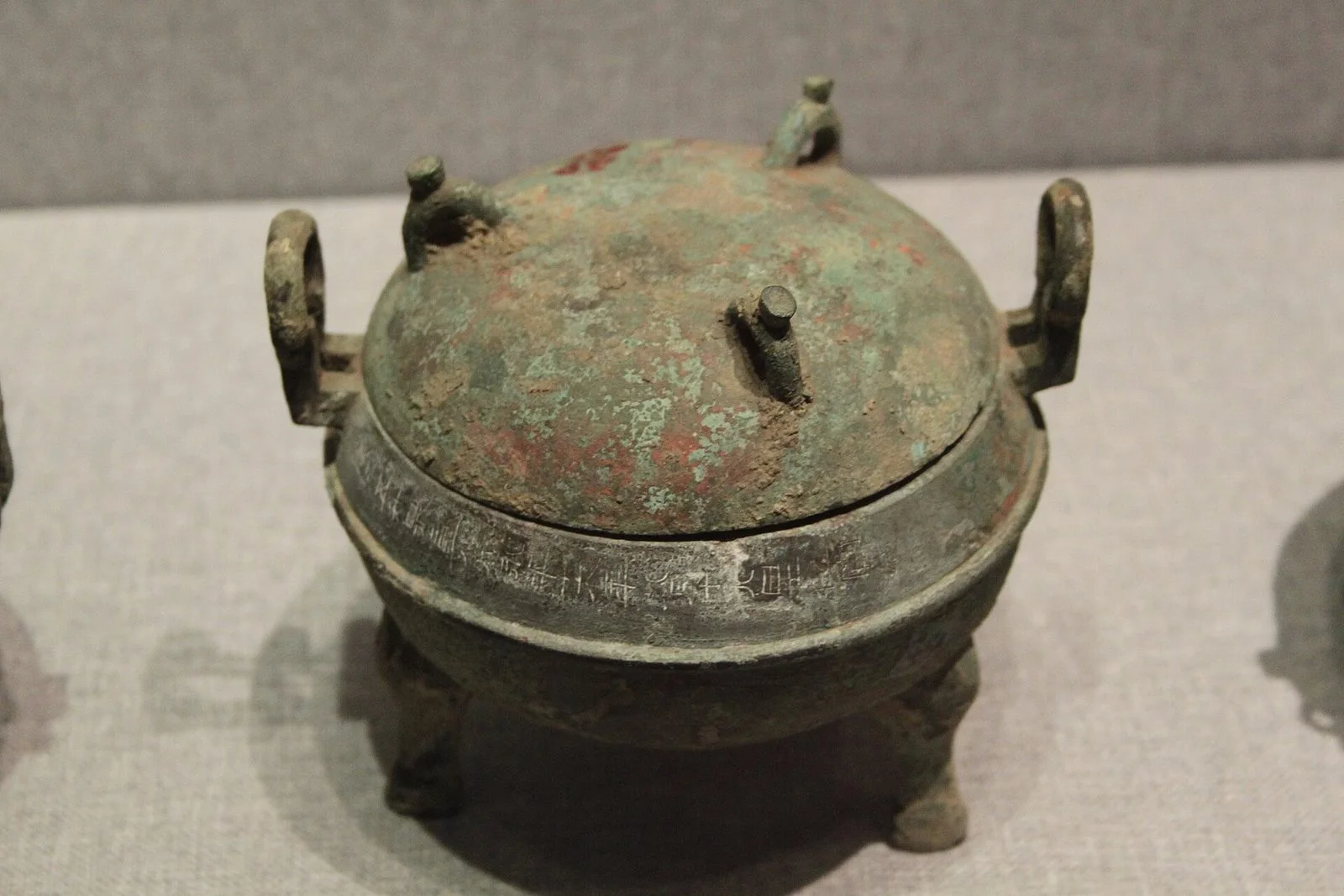
Do not stop only at the large bronzes. Patterns on the backs of bronze mirrors, pottery shapes and small ornaments also connect history to everyday use. Ask how an object was held, used as a container or worn, then read its date and excavation location on the label. Visitors unfamiliar with Chinese dynasties can approach the exhibition through the purposes of its objects. The accompanying photographs of a bronze mirror and a Han dynasty bronze ding record earlier displays in the museum. They illustrate ways to examine form and decoration, rather than indicating that the objects remain in the same cases today.
Planning a visit and booking with a passport
If you want to see the permanent exhibition in one visit, consider allowing half a day. A visit focused on one period can be shorter. This is a suggested estimate, not a museum requirement. There are also themed exhibitions on stone carvings, Chu bronzes, and Ming and Qing treasures. Leave enough time for your interests without letting temporary exhibitions distract you before you have finished the main display. Activities such as performances of ancient Chinese music are separate experiences from visiting the galleries. Check that day's official information for sessions and any separate reservation or ticket requirements.
As of November 11, 2026, the website lists regular opening hours of 9:00–20:30 from Tuesday to Sunday, with last admission at 19:30. The museum closes on Mondays, with separate arrangements for national public holidays. Admission is free with a real-name reservation, available through the official WeChat account or smart-guide mini program. The website explicitly accepts passport reservations. Bring the original passport used for booking and use the staffed verification channel on the day of your visit. Reservation slots and evening opening arrangements may change, so check the website again before setting out and arrive within your booked slot. Third-party tickets sold online are not a necessary condition of entry.
Useful official references
Check the relevant official service before making arrangements. These links are references, not a guarantee of current services.