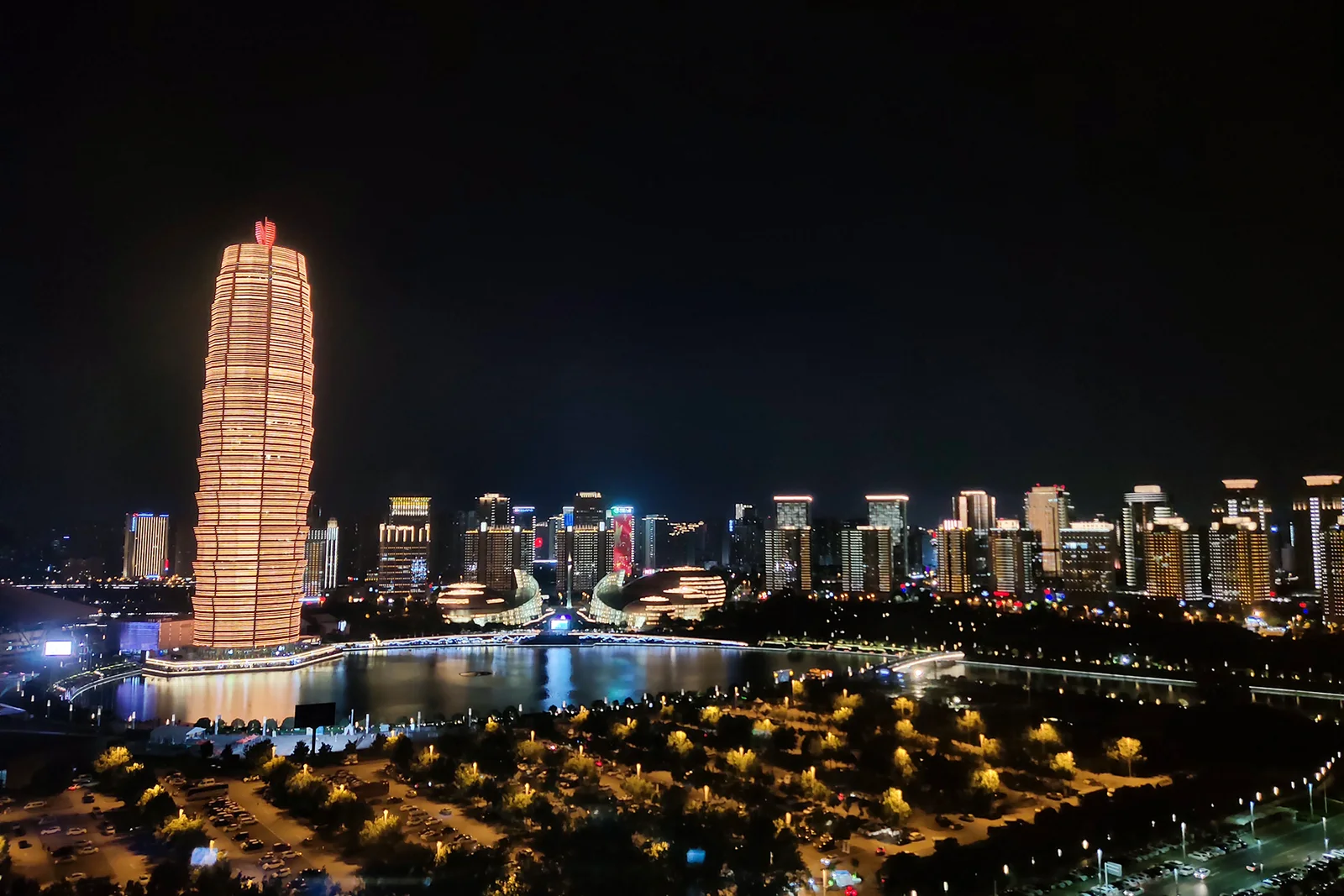
Distinguish the monastery from the mountain routes
Shaolin Temple is in the Mount Shaoshi area of Mount Song, in Dengfeng, Henan. Although Dengfeng is administratively part of Zhengzhou, it is far from central Zhengzhou. Plan it as a separate outing rather than a temple that can be visited in passing within the city. Visitors interested in Buddhist architecture, inscriptions and Shaolin culture can focus on the main compound and nearby Pagoda Forest. Walking mountain trails, taking cableways or visiting other Mount Song sites requires additional energy and time. A monastery visit and a Mount Song hike cover different areas.
Shaolin Temple was founded during the Northern Wei dynasty, conventionally dated to AD 495. This marks the monastery's historical beginning; it does not mean that every hall visible today survives intact from that period. Rebuilding and destruction have shaped the monastery, while its surviving buildings, inscriptions and funerary pagodas record different periods. The Historic Monuments of Dengfeng in the Centre of Heaven and Earth, inscribed as a World Heritage property in 2010, includes buildings associated with Shaolin Temple. The property also includes other buildings and sites in Dengfeng and should not be reduced to Shaolin Temple alone.
Halls and inscriptions in the main compound
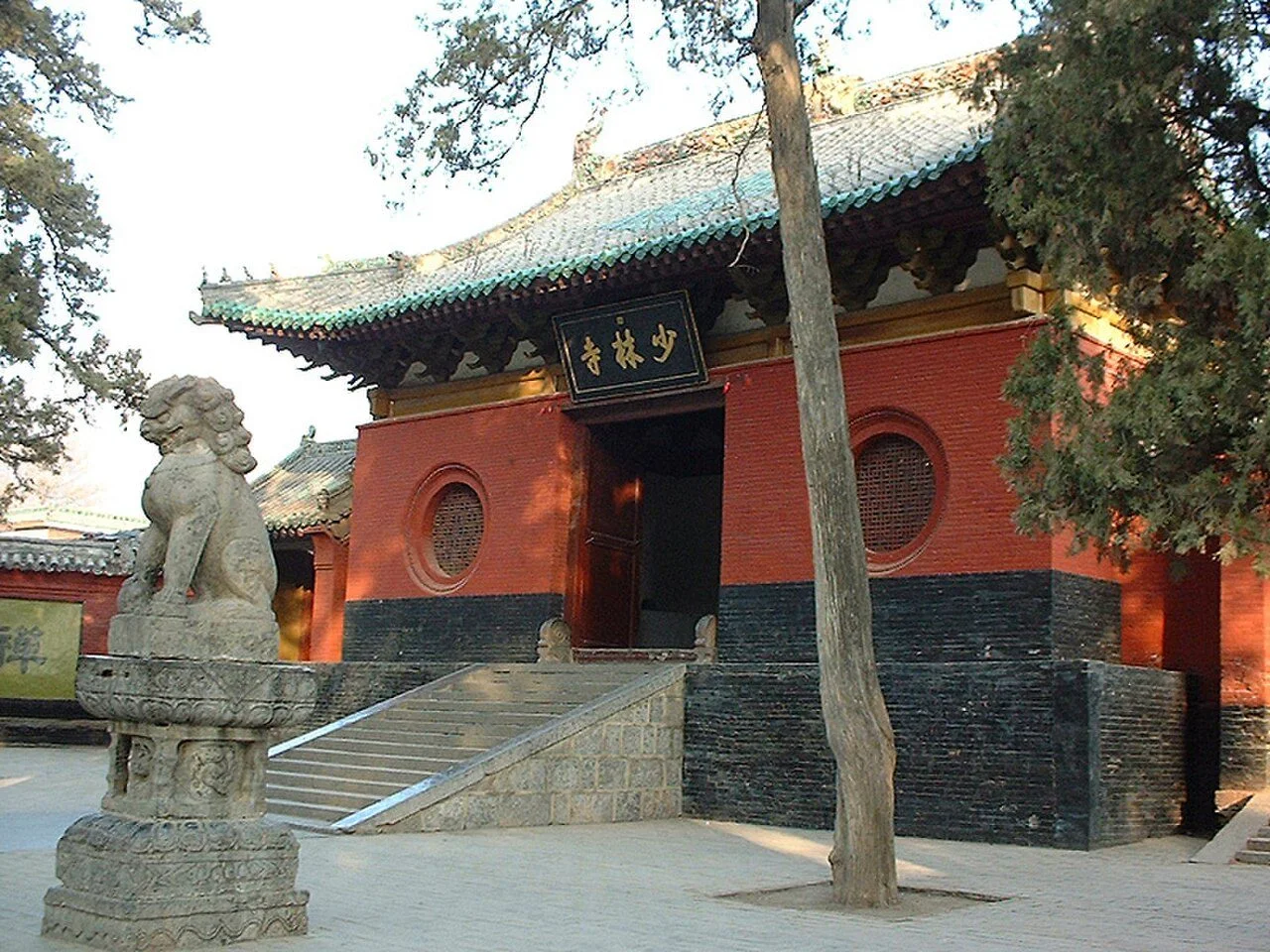
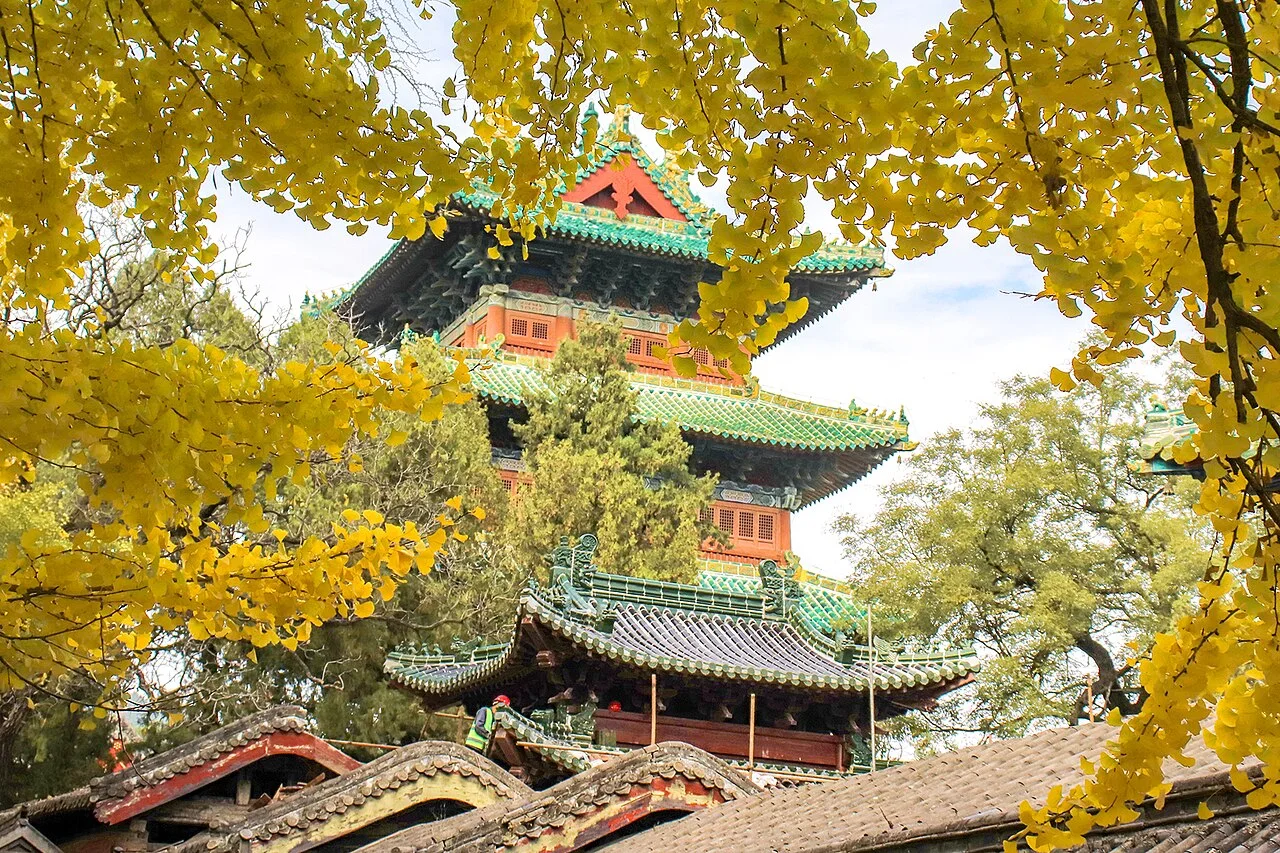
The main compound forms the core of the monastery, with halls and courtyards connected along a central axis. At the entrance gate, first look at the red walls, name plaque and roof outline. Inside, notice transitions between courtyards, inscriptions beneath the corridors and changes in the proportions of halls. The interest extends beyond the familiar Shaolin name to the way buildings and stone inscriptions from different periods share a monastery where religious activities continue.
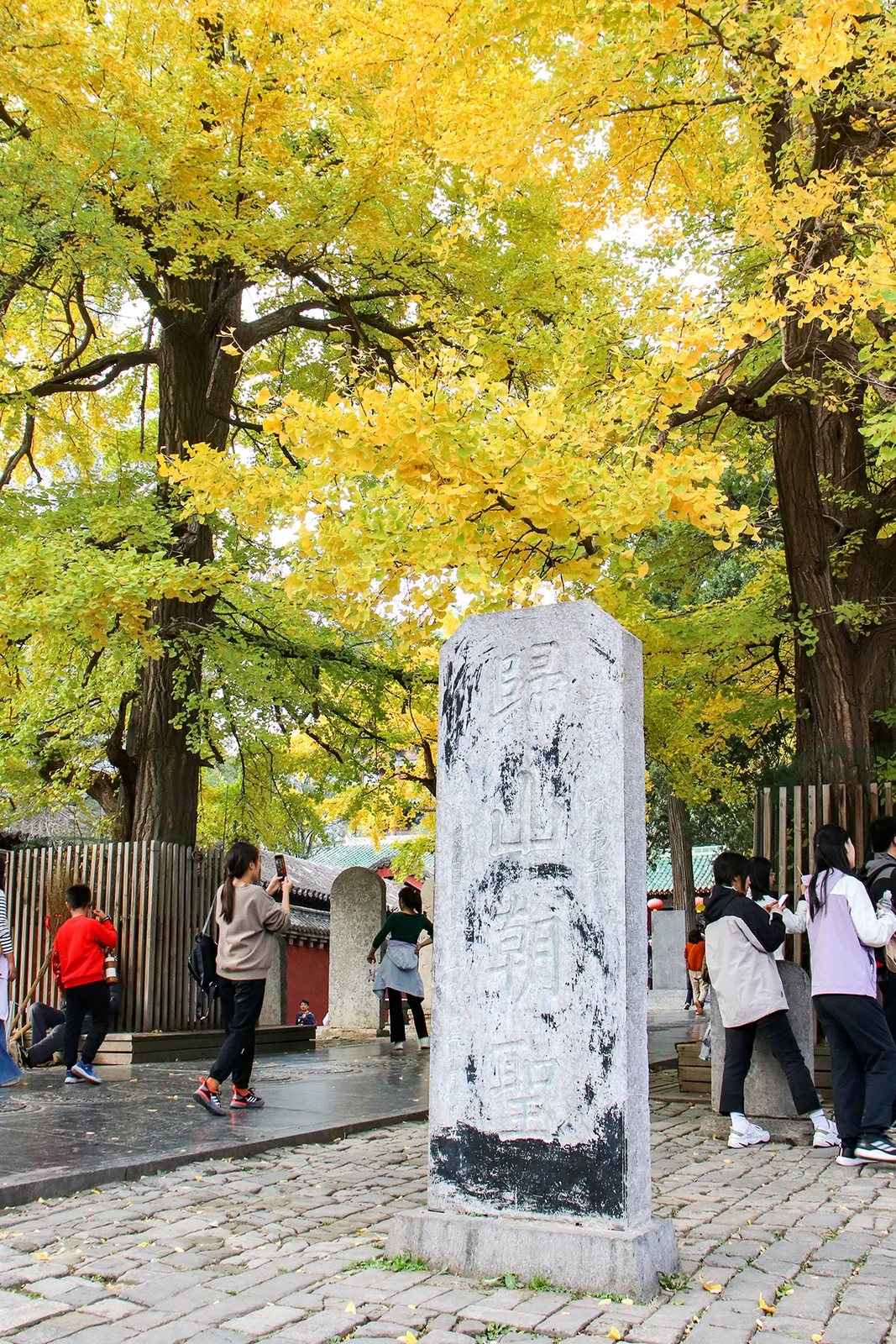
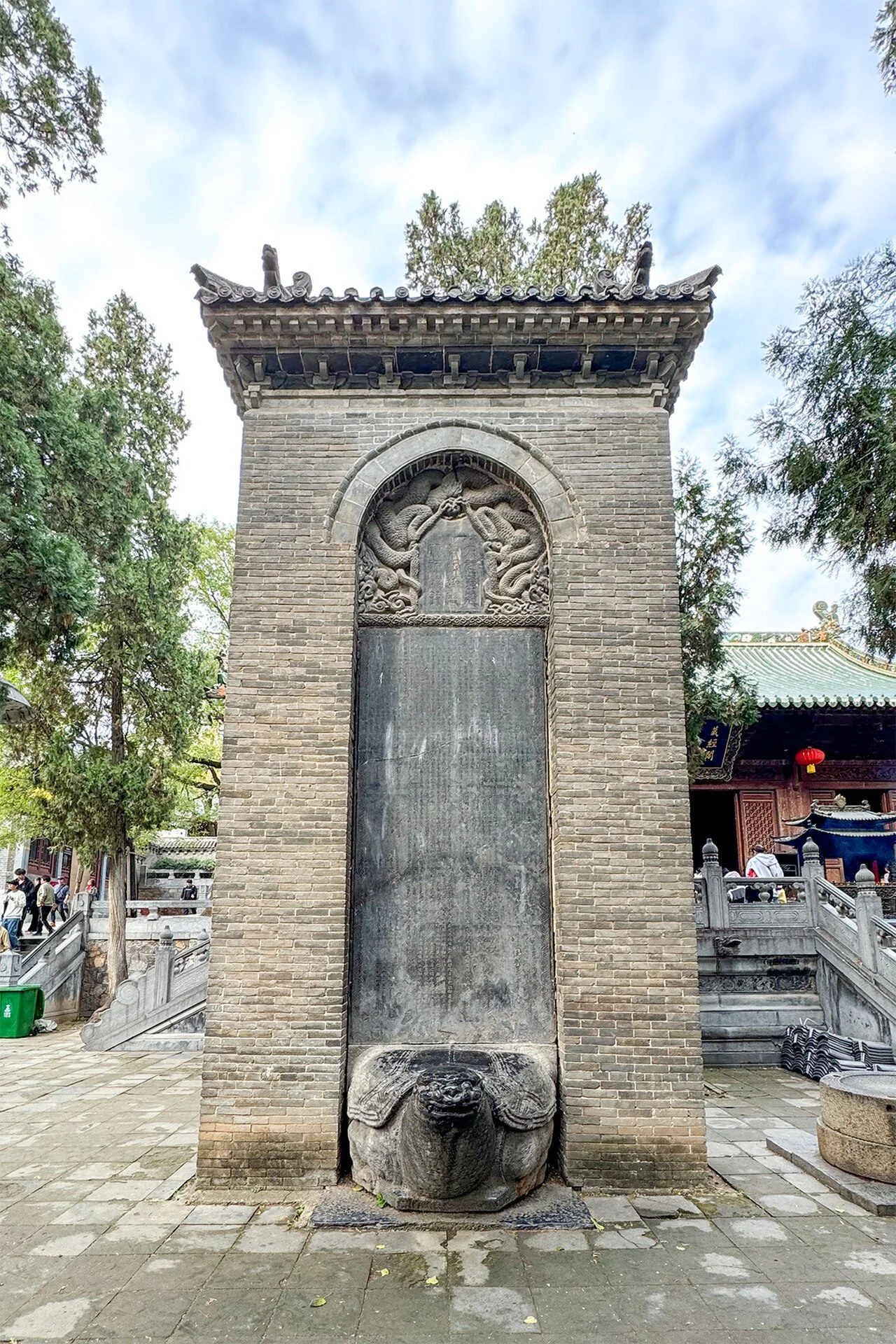
Take time with the stone inscriptions. Even without reading the text, you can examine the combination of carved top, inscribed slab and base, and the differences between calligraphy and relief carving. On-site explanations can then introduce their dates and associated people. These stones are material for understanding the monastery's history and cultural connections, rather than simply photographic backdrops. Respect worship and religious activities. Follow the signs at each location concerning entry, photography and flash; permission to take pictures in public visitor areas does not apply automatically to every hall.
Look for differences in the Pagoda Forest
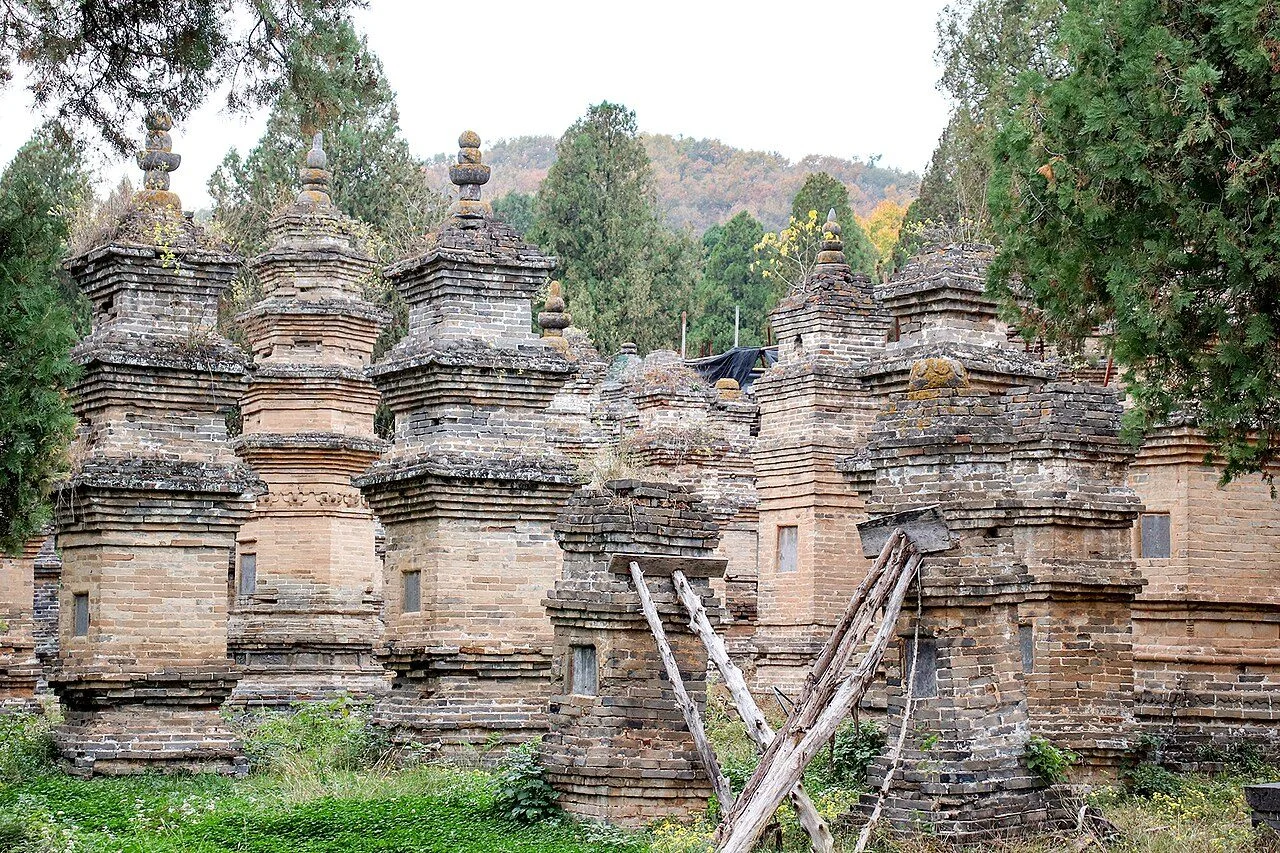
The Pagoda Forest contains funerary pagodas of Shaolin monks from successive periods and offers a different experience from the courtyards of the main compound. Heights, ground plans, tiers of eaves and finials vary, as do the colors and weathering of brick and stone. First view the distribution among the trees from a distance, then examine one or two clearly visible silhouettes beside the paths. This makes the differences easier to recognize than trying to photograph every pagoda. These are funerary monuments: observe conservation boundaries, do not climb them and do not touch fragile decoration.
Shaolin martial arts may be the reason many visitors first hear of the monastery, but performances, martial arts school experiences and visits to the main compound are separate activities. The Shaolin name does not establish that a course is provided by the monastery, nor does admission guarantee that you will catch a performance. If a show is central to your visit, check the scenic area's schedule for that day before dividing your time between the temple and Pagoda Forest. The gate, steles and funerary pagodas provide a clear cultural focus without requiring a performance to explain the place.
Allow extra time for walking at the mountain's foot
Allow several hours on site if you are focusing on the main compound and Pagoda Forest, and a wider margin when including the journey from and back to central Zhengzhou. This is planning advice; actual time depends on the approach from the entrance, crowds and the area you choose to explore. Mountain sections, temple steps and courtyard surfaces are not uniformly level. Visitors with limited mobility or young children should first confirm accessible areas before adding any mountain walking.
Ticket coverage, cableways and other paid activities, identification requirements and opening arrangements may change. Check formal scenic-area channels before departure. This page does not list prices or fixed performance times that have not been confirmed through current first-party information. In rain, snow, icy conditions or changing mountain weather, adjust activities according to on-site management rather than shortening your return margin to fit in extra sights. Older photographs of the entrance illustrate the architecture, not current ticket-checking facilities or crowd levels.
Useful official references
Check the relevant official service before making arrangements. These links are references, not a guarantee of current services.