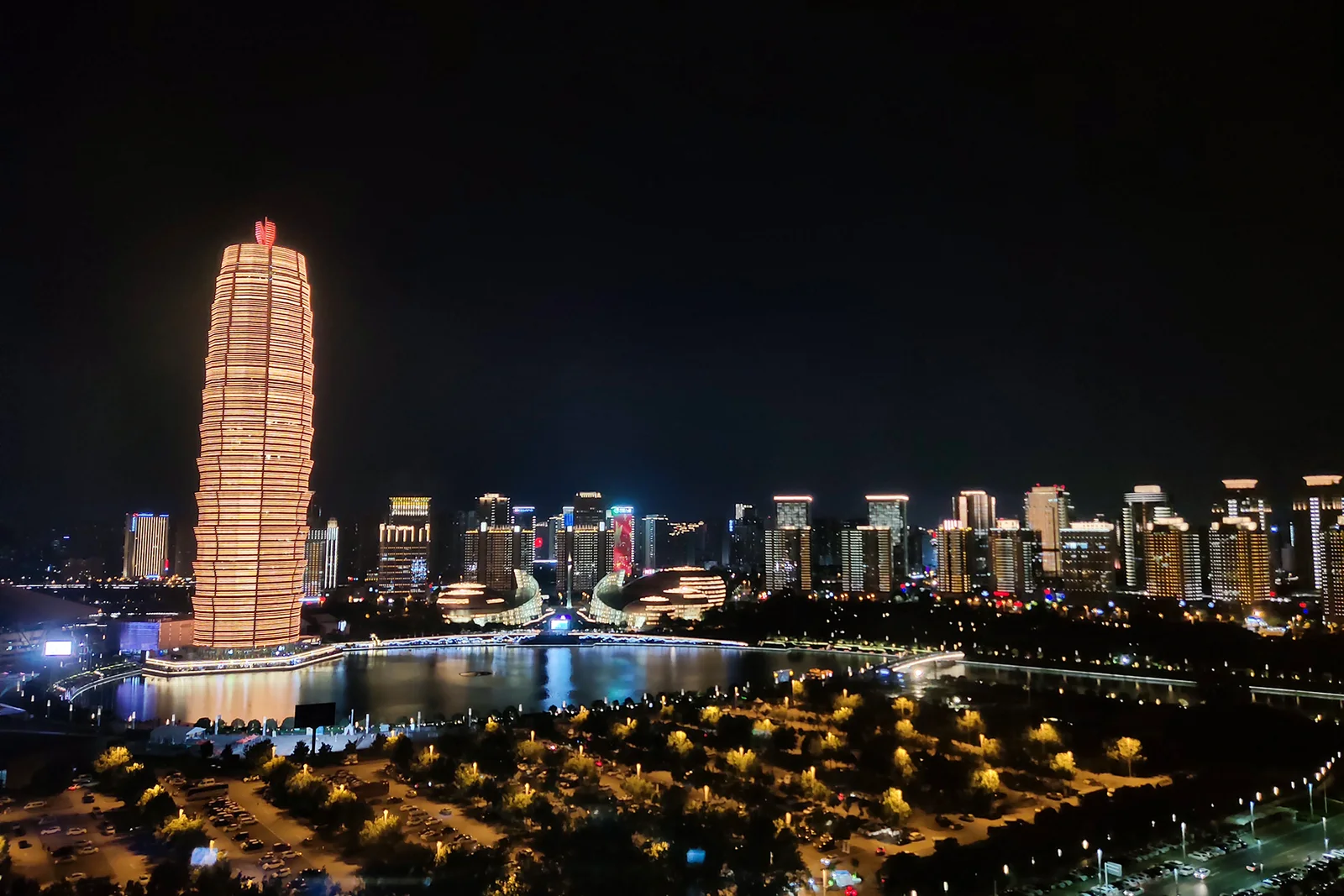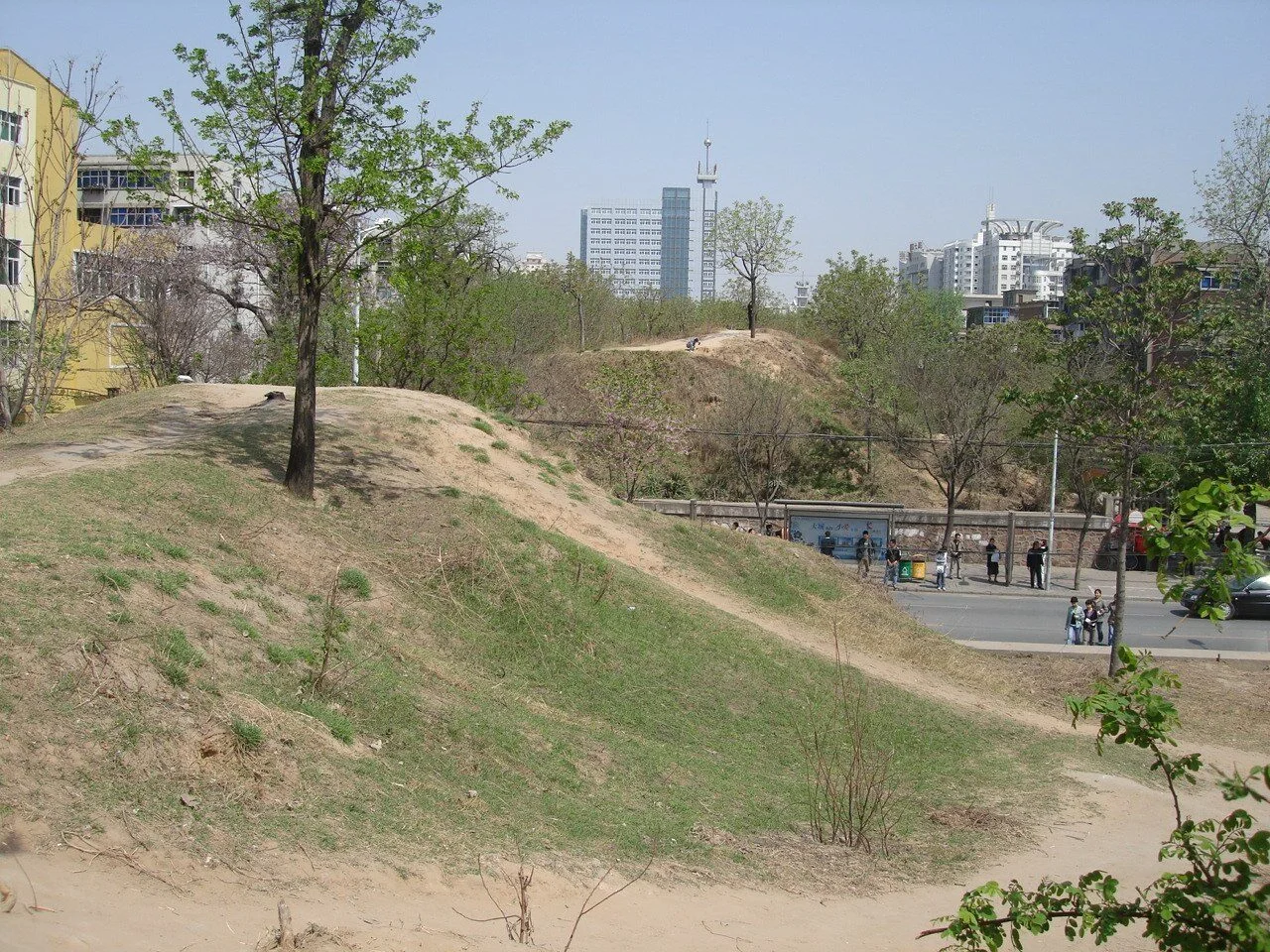
Early Shang walls within the modern city
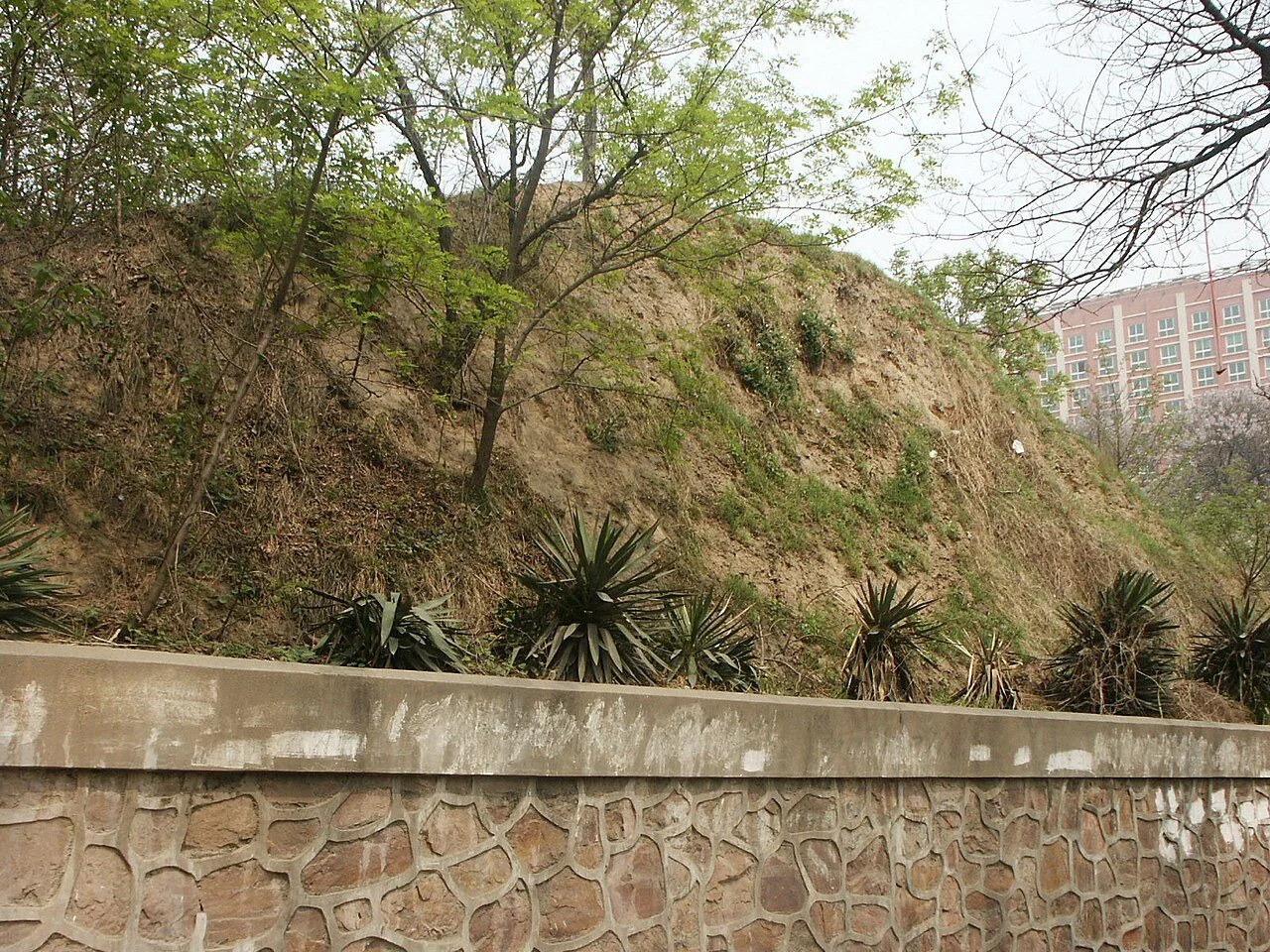
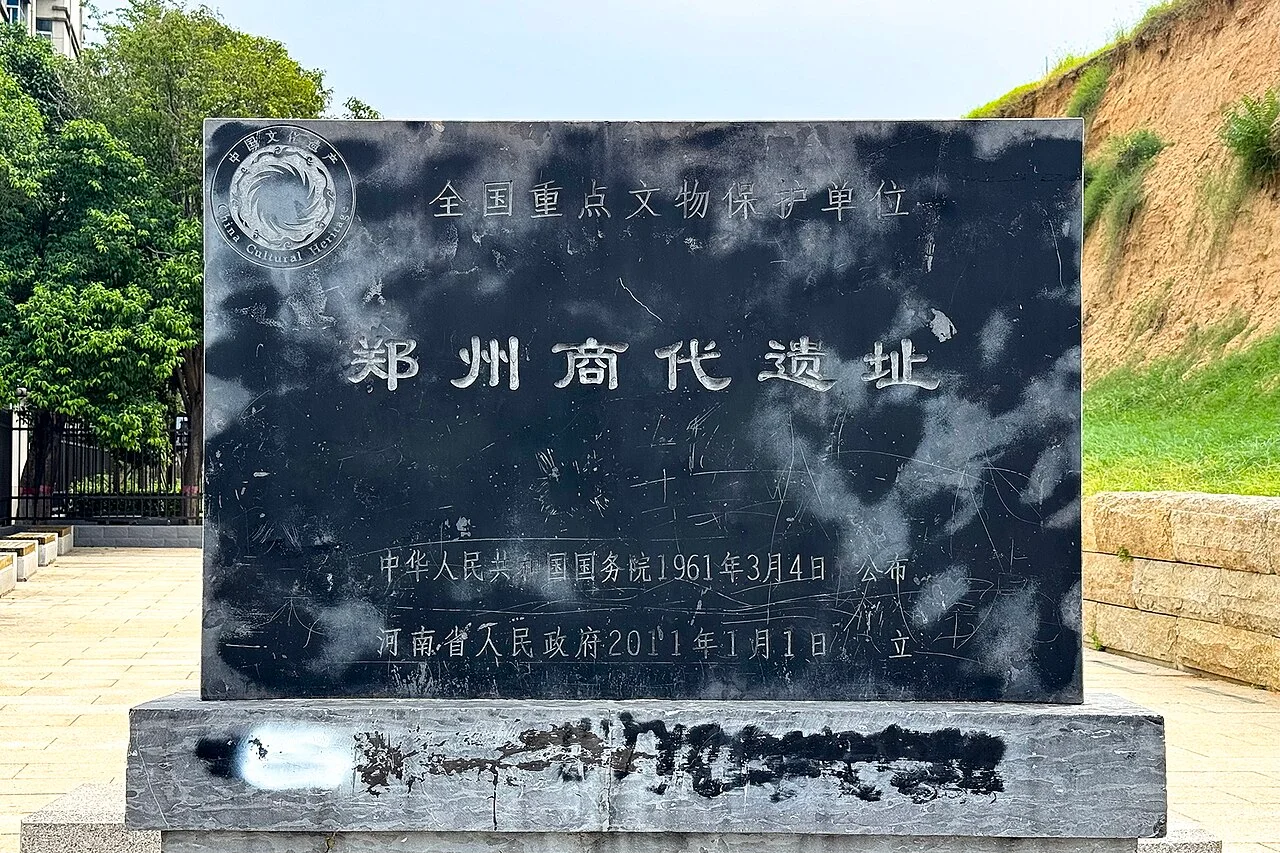
The Zhengzhou Shang City Site lies within today's old urban area. Its main features are the rammed-earth walls and surrounding remains of an early Shang city. Predating Yinxu in Anyang, it helps researchers understand the size and organization of early Shang capitals. The inner walls originally totaled nearly seven kilometers, but this is not an ancient city with a complete wall that can be followed all the way around. Some sections survive above ground and others are buried, with modern roads and residential areas between them. On a first visit, think of it as an archaeological site dispersed through the city.
The thick, sloping earthworks look very different from familiar brick-built city towers. Shang builders used rammed earth. After prolonged erosion and conservation, the surfaces visible today also reflect protective earth covering, reinforcement and landscaping. Notice the walls' thickness, changes in height and relationship to the streets, but do not assume that every exposed surface is untouched Shang earth. Do not climb the walls to search for ancient bricks.
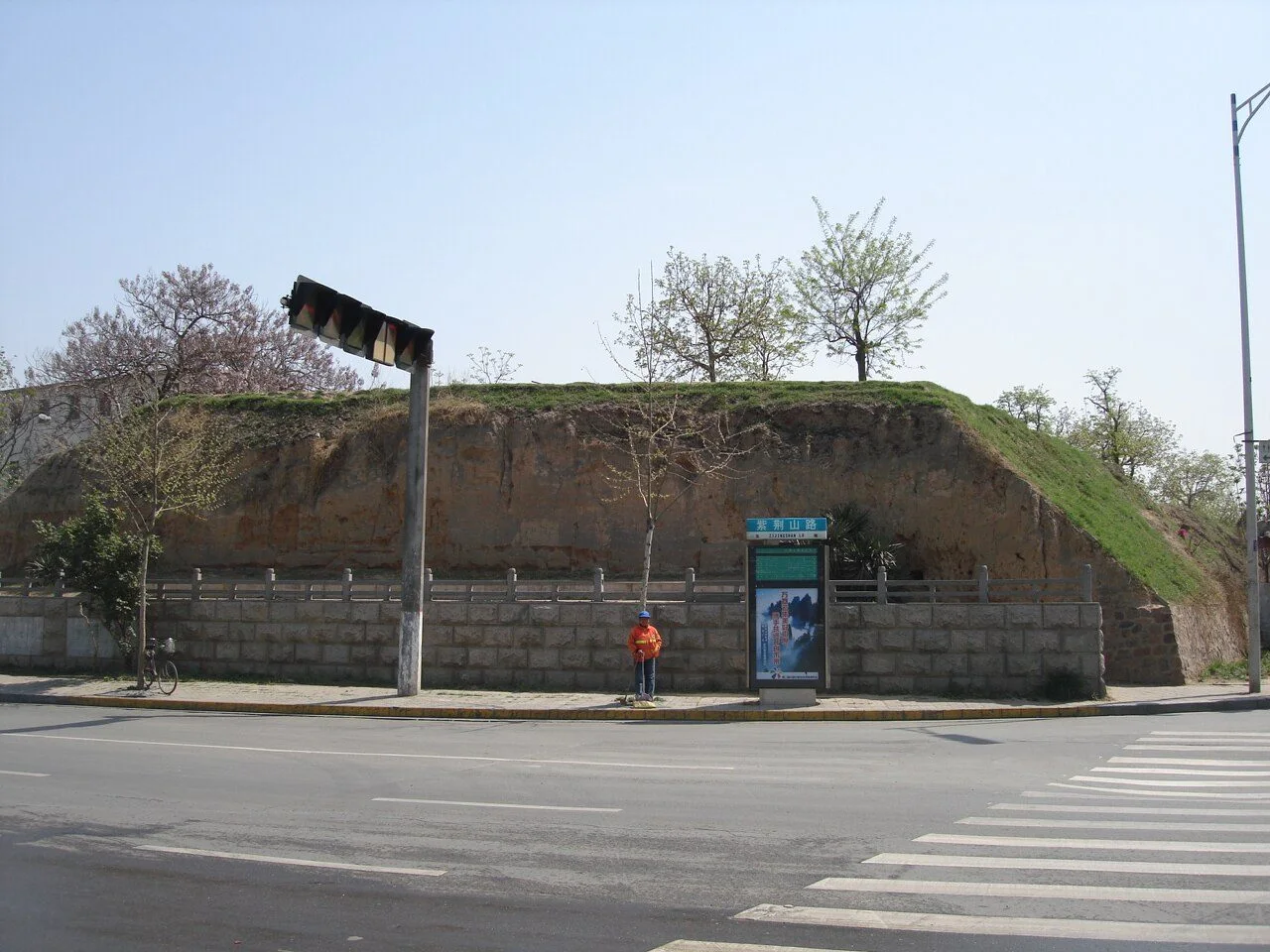
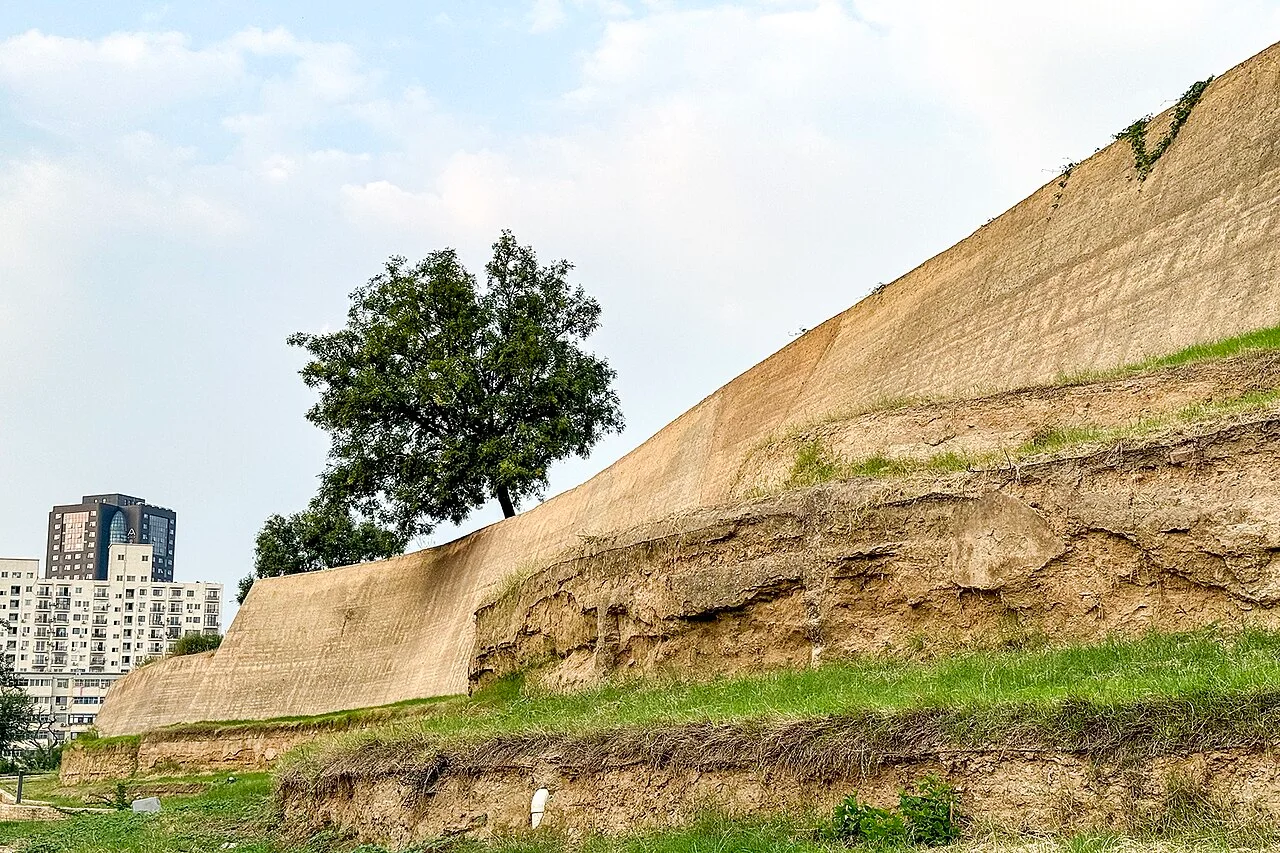
Connect the walls with archaeological discoveries
One stretch of earth wall alone makes it hard to imagine a royal capital. Archaeological discoveries provide further clues: large rammed-earth buildings, water systems, bronze workshops and aristocratic cemeteries together reveal early Shang planning and production. The wall was one part of a city whose palaces, storage areas, workshops and water facilities needed to work together. These connections make the remains worth examining carefully. Do not expect to see every published discovery beside the park paths; many finds are not routinely displayed at publicly accessible locations.
The Zhengzhou Shang City Site Museum complements the outdoor walls and park. Excavated objects and displays explain the layout inside, while the outdoor remains show the walls' physical relationship with the surrounding city. Henan Museum covers the wider history of the Central Plains; the site museum focuses on this early Shang capital. Despite the similar names, they are separate museums. Objects may move for loans, so an artifact described in a news report about a temporary homecoming exhibition should not be assumed to remain permanently on display.
Choosing outdoor remains or indoor exhibitions
If you are interested in how urban space, archaeology and everyday life coexist, allow time for a leisurely walk around the walls. If you want to understand dates, finds and the capital's layout, an indoor exhibition first may make the site easier to interpret. Consider one to two hours for a wall section and nearby green space, with additional time for the museum. This is a suggested visit length, not a walking time for the whole site. Trying to see every surviving section should not take priority over road and pedestrian conditions on site.
Access to the outdoor site and entry to the museum are separate matters. An accessible park does not mean that exhibition halls need no reservation. Before visiting the galleries, check official information for that day's opening, booking and identification arrangements. This page does not guarantee current ticket availability, exhibits or temporary activities. In summer, allow for sunshine and thunderstorms when walking between the earthworks and green spaces. After rain, stay on paths and respect barriers without stepping onto the slopes. Including nearby roads and buildings in photographs often explains the site's character better than photographing an isolated patch of earth.
Useful official references
Check the relevant official service before making arrangements. These links are references, not a guarantee of current services.