City introduction
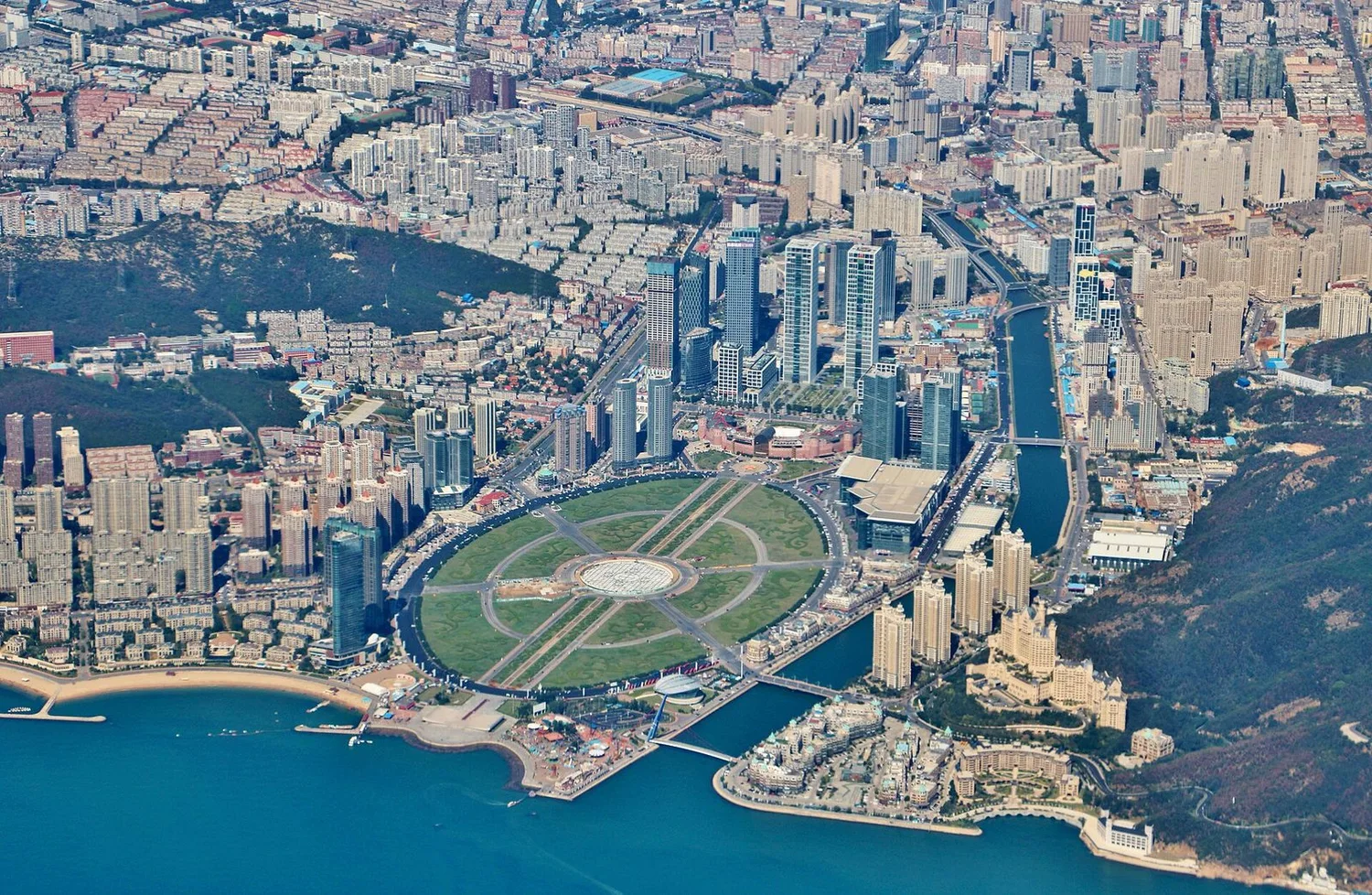
Dalian stands at the southern tip of the Liaodong Peninsula, facing the Bohai Sea to the west and the Yellow Sea to the southeast. Hills, headlands and bays divide the city and coast into distinct areas: the central districts with their modern-era buildings, broad Xinghai Bay and more distant Jinshitan each have different points of interest.
Bays, hills and city districts
To understand Dalian, start with the peninsula's shape. The coast twists repeatedly on the map and hills rise inland; the city does not run along a single straight beach. The port, residential neighborhoods, shopping areas and leisure waterfronts lie in different directions. Arriving in Dalian does not mean that every coastal view is concentrated in one place.
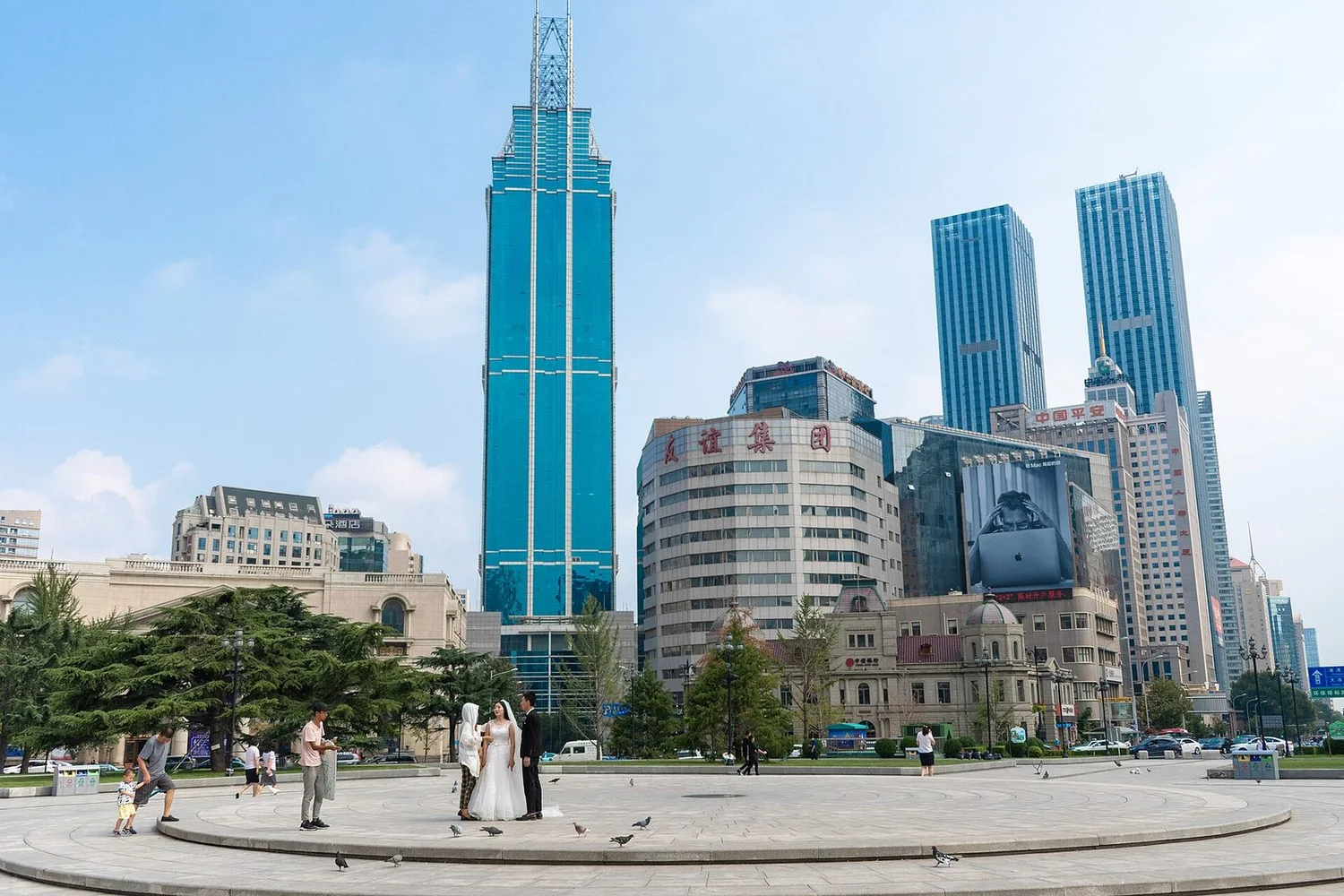
Zhongshan District in the eastern part of the city center retains many modern-era buildings. The streets, banks and hotels around Zhongshan Square help explain the port city's development. To the southwest, Xinghai Square connects urban green space with the bay, offering views of open water, a sea-crossing bridge and buildings along the shore. Jinshitan is farther northeast, where the focus shifts to sandy and rocky shores and geological scenery.
These areas suit different interests: Zhongshan Square for comparing old facades, Xinghai Bay for walking by the sea within the city, and Jinshitan for rocks, coastal erosion and observing nature. Distinguishing them builds a clearer picture of Dalian than a list of attraction names alone.
Port history in modern-era buildings
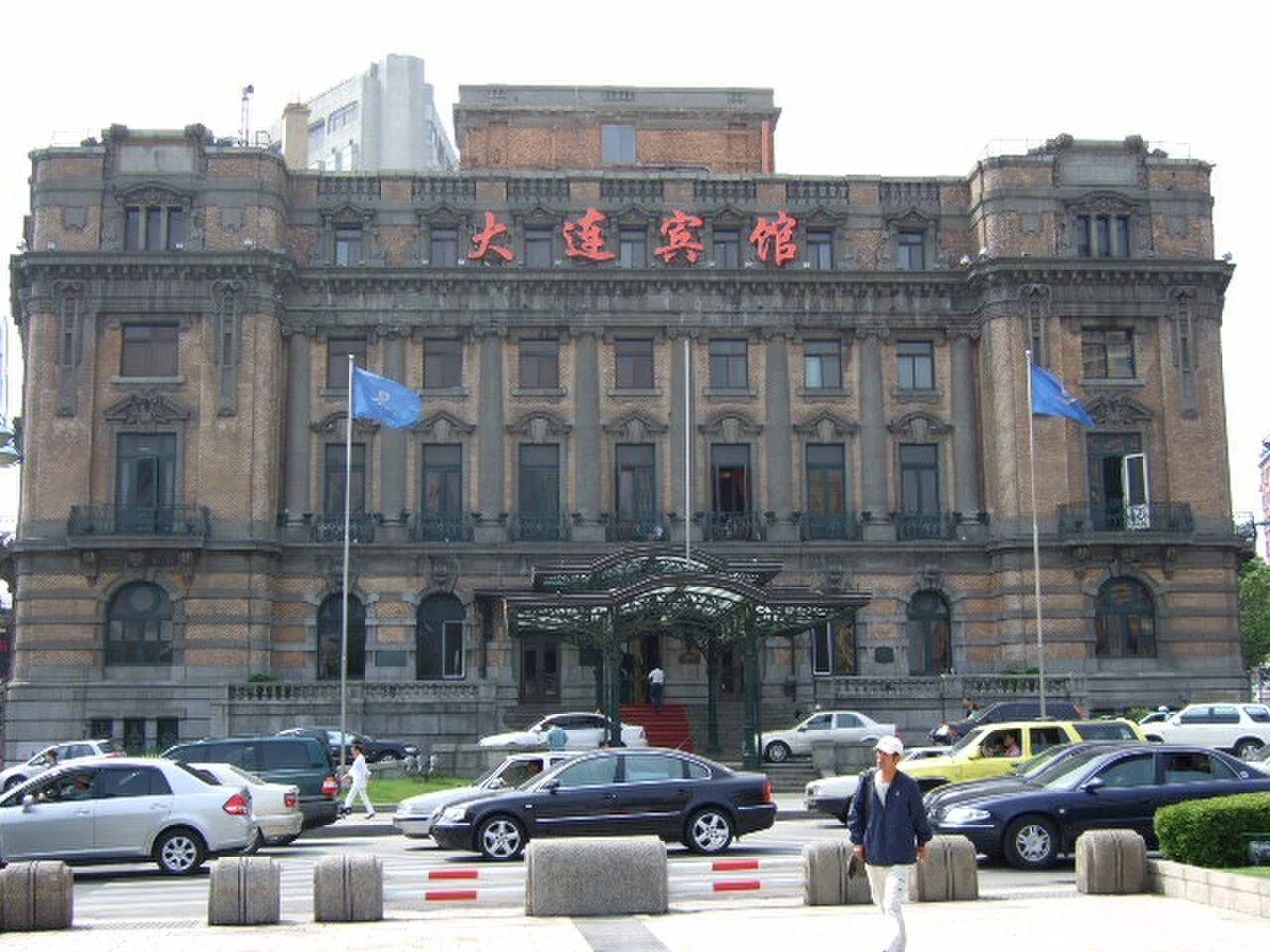
Dalian's formation as a modern city is connected with port construction and Russian and Japanese colonial rule. In 1898, Russia forced a lease of Dalian and then planned a city and commercial port around Qingniwa; Japan took over after the Russo-Japanese War. The buildings around Zhongshan Square belong in this historical context: European-style colonnades, window frames and roofs do not make it an unchanged transplant of a European city.
The former Yamato Hotel, the former Dalian branch of the Bank of Chosen and the former Dalian Civil Administration Office preserve architectural clues to hospitality, finance and administration. Look at how entrances are emphasized, how columns are distributed and how doors and windows form each facade, then compare them with the modern towers behind. Uses and occupants have changed, and the district still serves everyday living and working needs.
This gives a walk through Dalian clear things to observe: historic buildings stand alongside roads, trees, businesses and vehicles rather than being separated into a single attraction. Viewing exteriors from public streets is fairly easy to arrange, while interior access must be checked with each venue. A beautiful photograph of a lobby does not mean entry is unrestricted.
Xinghai Bay's city waterfront
Xinghai Square is a representative place to understand Dalian's urban waterfront. Lawns, roads and seaside walking spaces open toward the bay. At the southern end, the centenary city sculpture resembles an open book, connecting commemoration of the city's founding with the shore. A visit to this large space can focus on a few simple things: its layout, the sculpture and time beside the water, without walking through every patch of green.
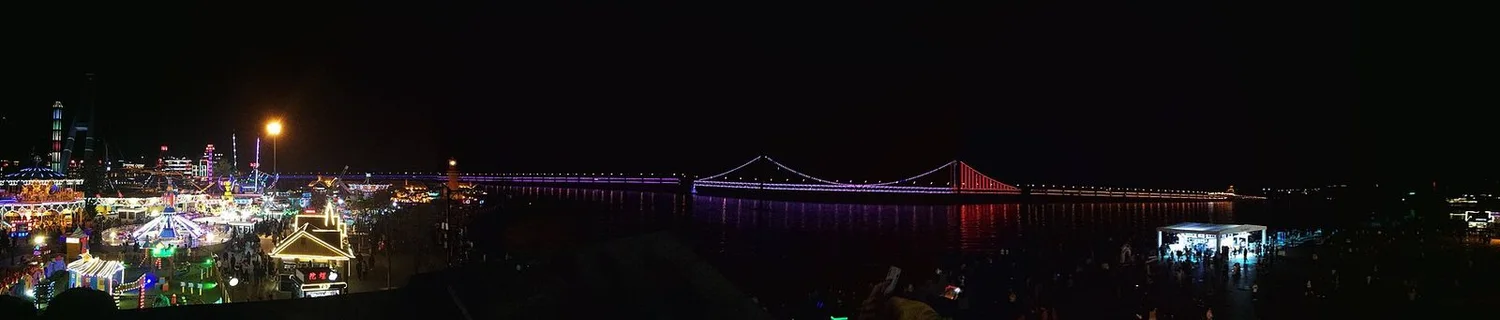
By day, you can distinguish the water, the sea-crossing bridge and coastal buildings. At night, lighting emphasizes the outlines of the bridge and towers. Compared with studying individual buildings at Zhongshan Square, this is a place to view architecture and sea together. Weather and wind affect comfort, including sun exposure on the open shore and wind chill in cooler seasons.
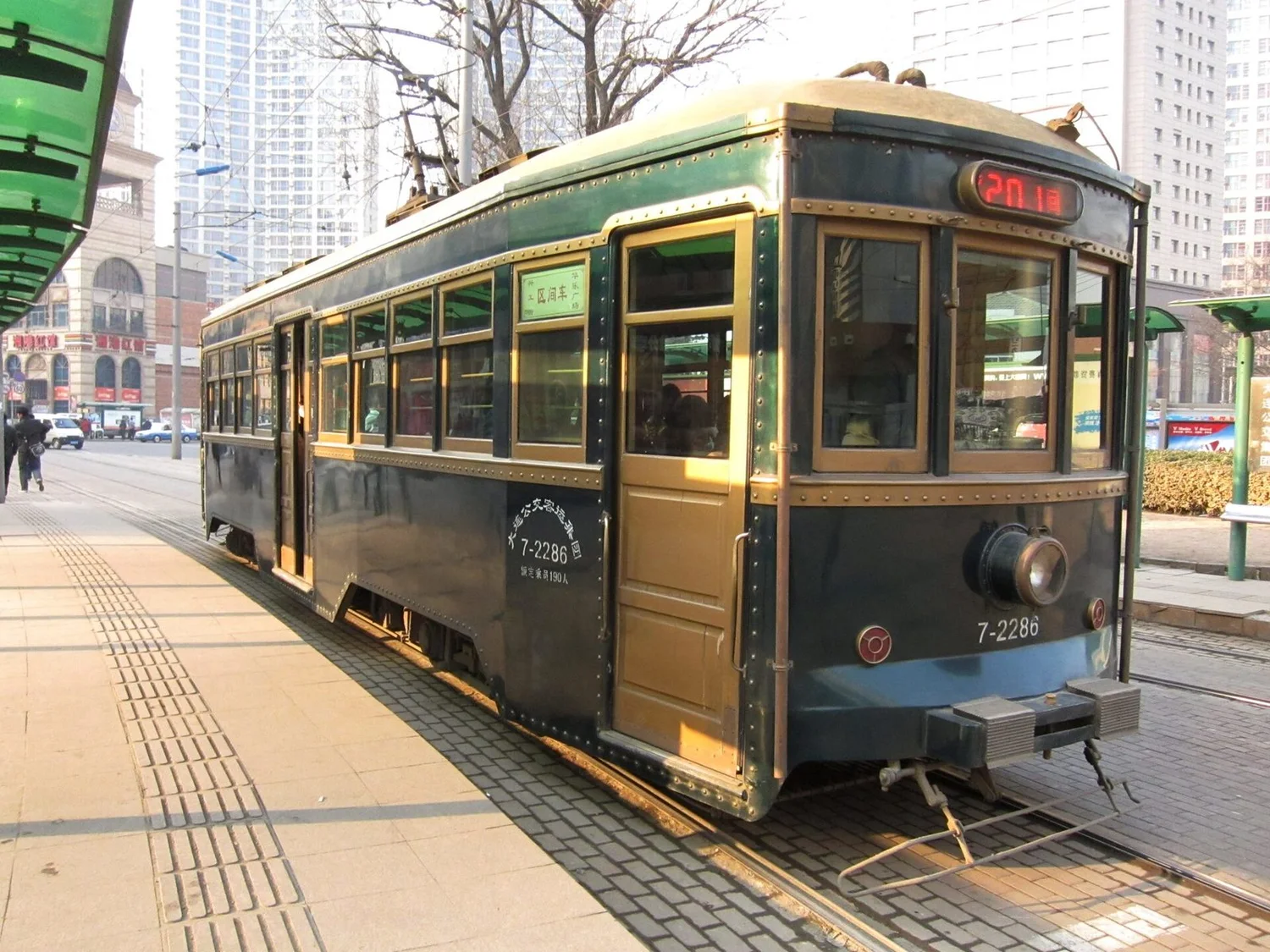
Trams also remain part of the city's transport identity. Photographs of historic vehicles help explain the streetscape, but models and operating arrangements change; an old image cannot establish that a particular ride today will use the same vehicle. Together with squares and street architecture, trams form part of the Dalian cityscape visitors commonly encounter.
From an urban bay to a geological coast
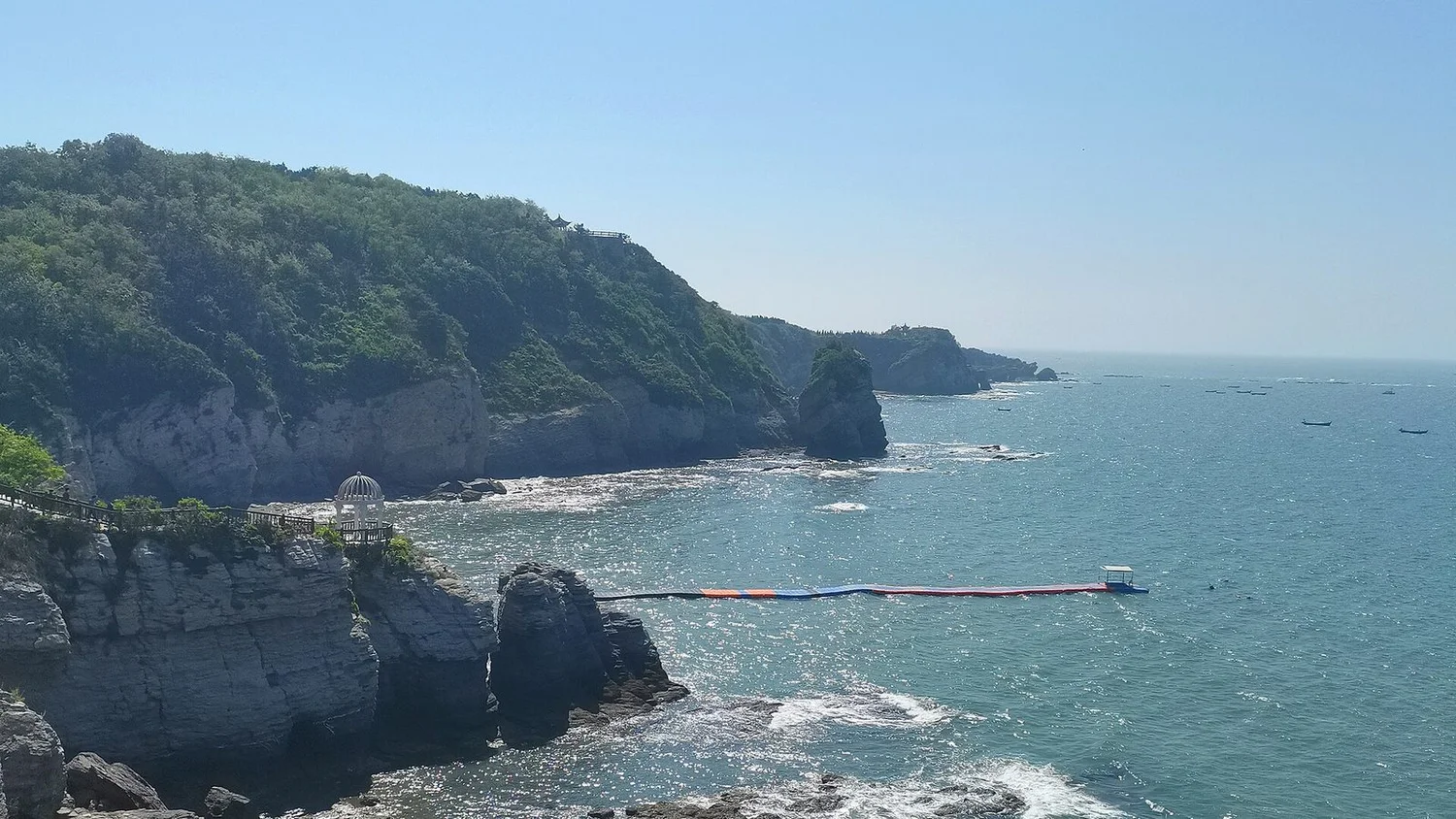
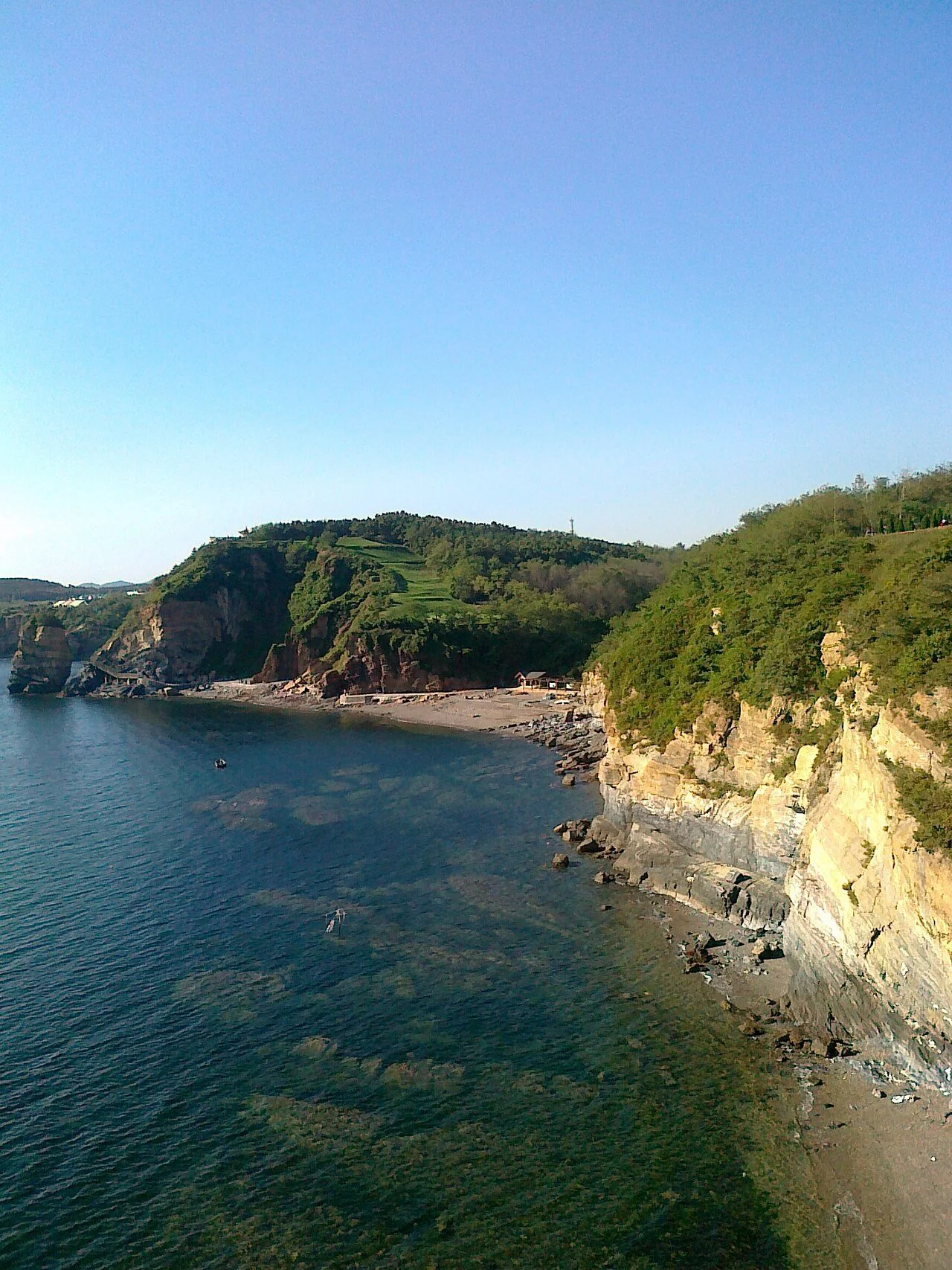
Jinshitan's appeal is closer to observing nature. In the coastal national geopark, layered cliffs, headlands and eroded formations line the shore. Names such as Dinosaur Exploring the Sea and Roc Spreading Its Wings help identify shapes, while Turtle-Back Rock draws attention for its surface texture. Here, the details of rock layers and coastal erosion can be the focus rather than only distant sea views.
Jinshitan is also a large tourism area. Beach leisure, the geopark and other commercial attractions do not share one entrance or one set of visiting conditions. A sandy or pebbly beach shown in a photograph is not automatically an open bathing beach. Decide whether you are more interested in the rocky shore or spending time on a beach, then check the corresponding location to align expectations with the actual visit.
Dalian's port history, city squares and geological coast span different periods: modern-era buildings tell of the port city's formation, the sculpture records a city commemoration, and rock layers point to much older natural processes. Together they help explain this coastal city without needing to be compressed into a hurried route.
Menzi and everyday shopping districts
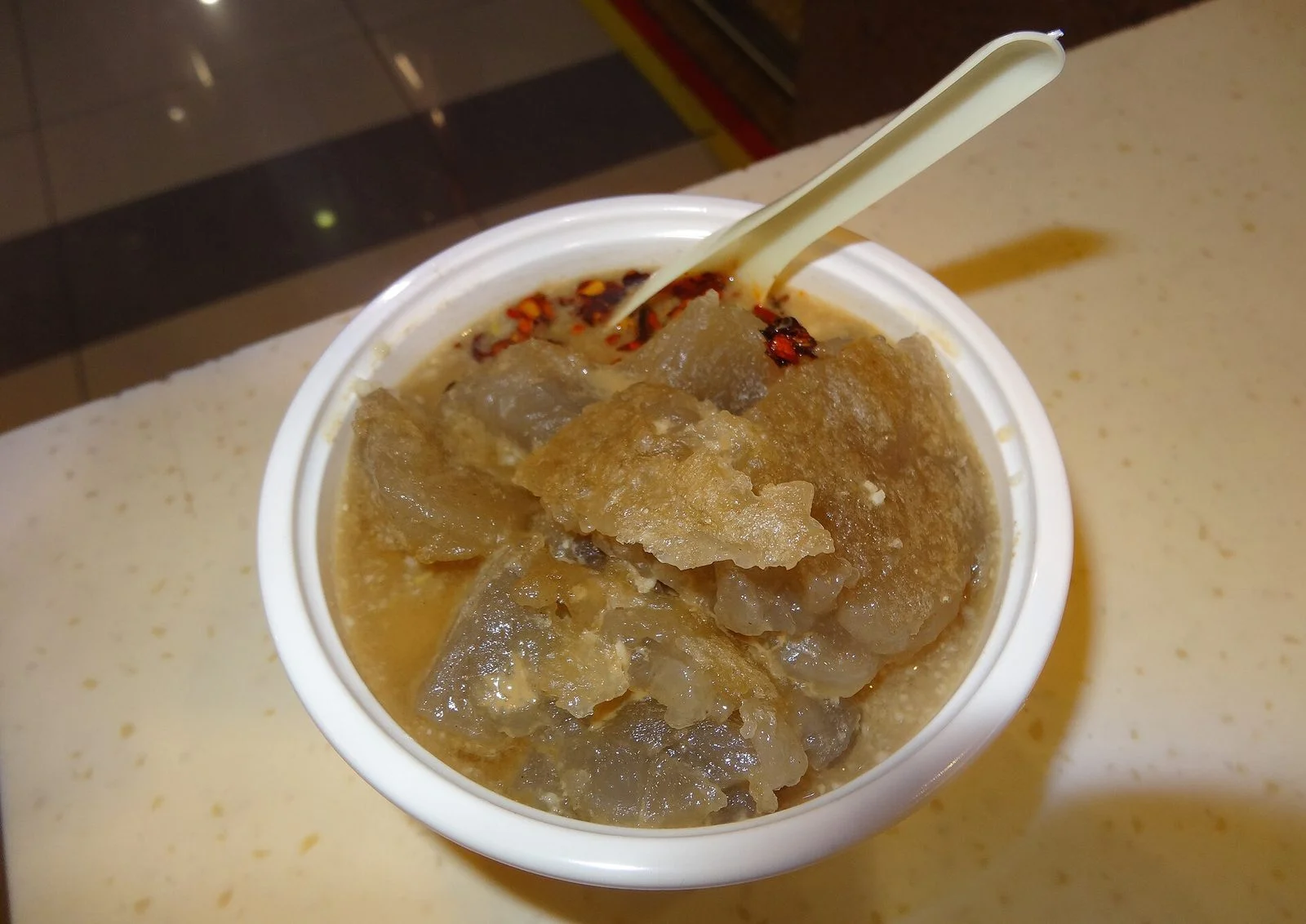
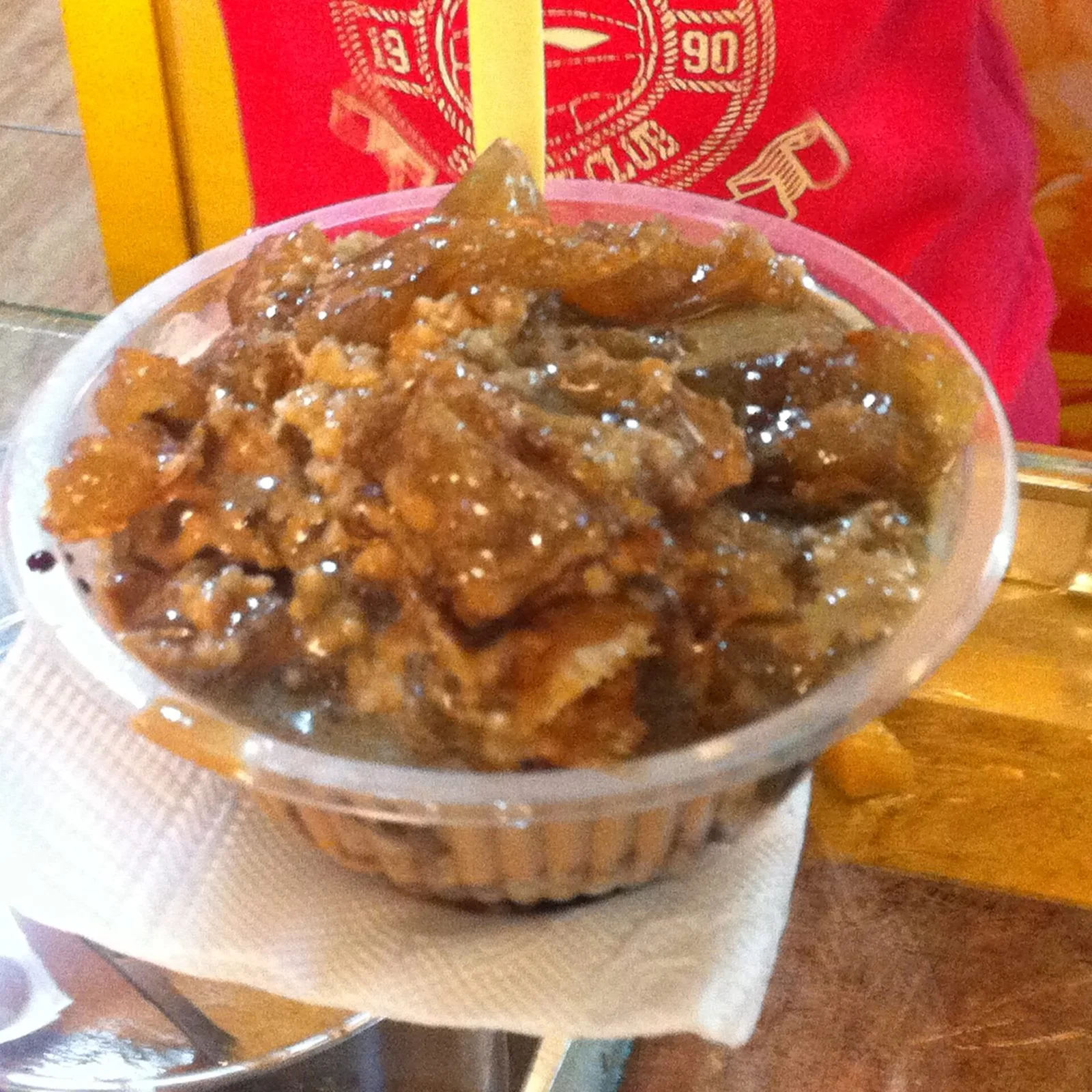
Getting to know Dalian's food need not mean focusing only on a full seafood banquet. Menzi is made from starch set into translucent blocks, then pan-fried until lightly crisp outside and dressed with sesame paste, garlic, soy sauce and other seasonings. The fried exterior contrasts with the soft starch inside, while the rich sauce makes it suitable as a snack. Seafood variations also exist, so check the actual ingredients rather than assuming all menzi is vegetarian.
Sea fish also appears in everyday staples. Spanish mackerel dumplings are one of Dalian's seafood dumplings, alongside fillings such as spoon worms and sea urchin that reflect local use of marine ingredients. Spanish mackerel dumplings are also found in Qingdao and other coastal cities; there is no need to present them as unique to Dalian. Comparing the filling, wrapper and seasoning helps explain the food more than seeking a single exclusive origin.
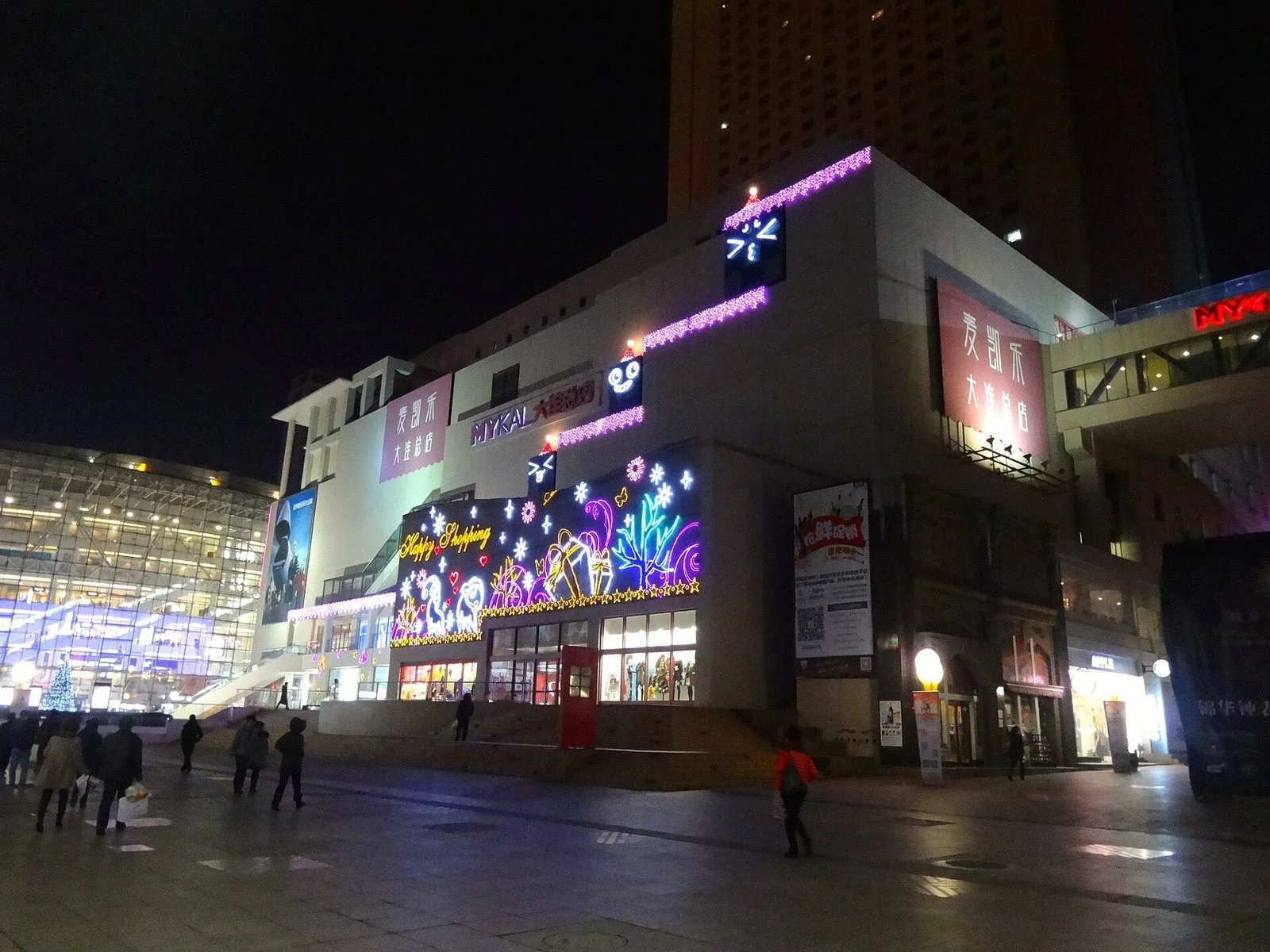
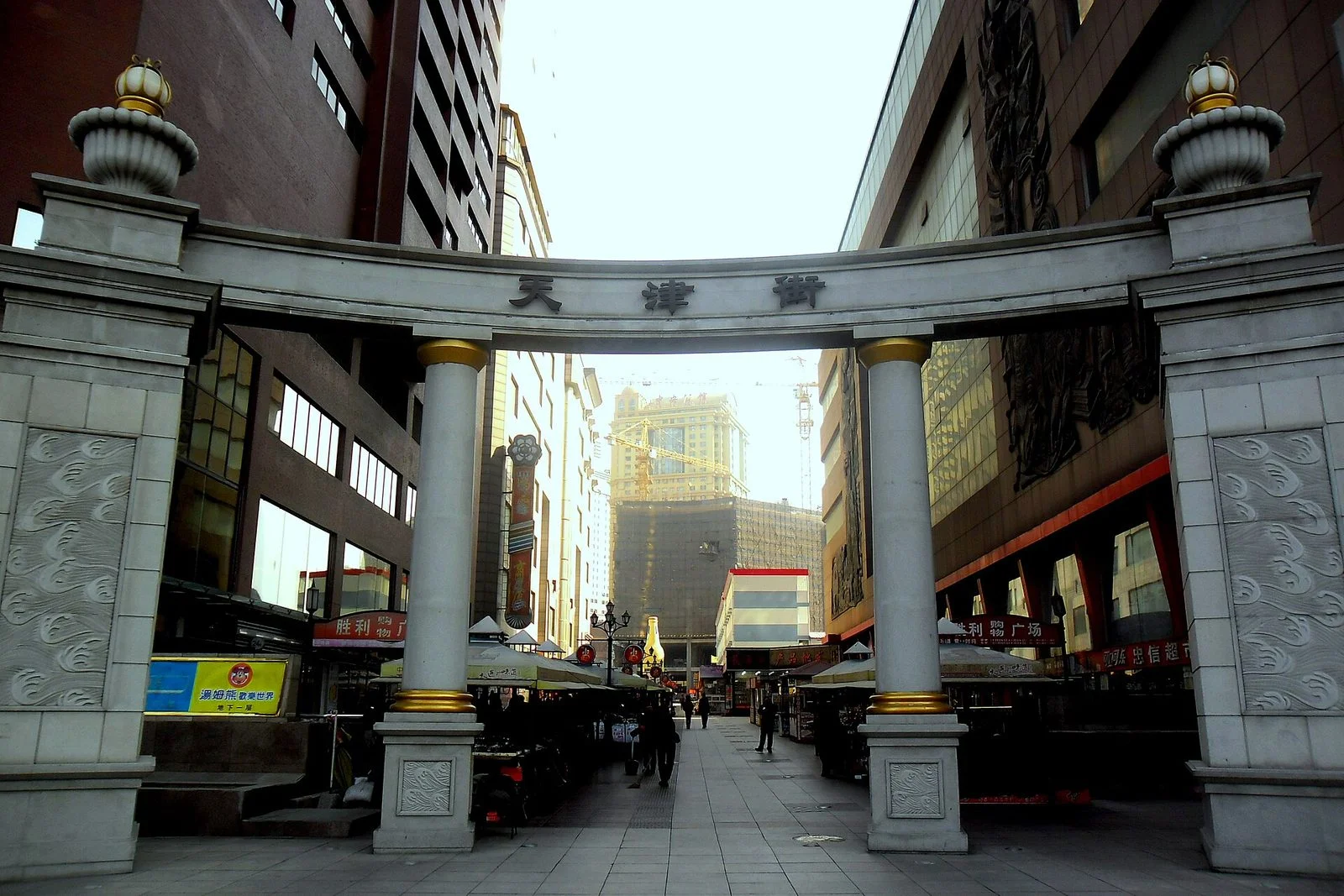
Shopping streets show another side of city life. South of Dalian Railway Station, Qingniwaqiao brings together department stores and commercial buildings, where specific shopping needs can guide your choice of mall. Tianjin Street is another established commercial area; recent renewal has introduced bookshops, creative retail, coffee and public activity spaces. Fangsuo Bookstore, covered by Dalian Daily in 2025, combines books, art exhibitions and leisure spending, offering a place to pause for reading and observing the neighborhood. Exhibitions and markets change, so check the current schedule.
Xi'an Road in Shahekou District places more emphasis on large shopping complexes and surrounding dining. Shopping spaces such as Roosevelt and Central Avenue combine with snacks and food businesses to form the district. Visitors can choose according to shopping, dining or indoor rest needs rather than treating it and Tianjin Street as interchangeable streets. Beyond the seafront scenery, these districts with their goods and commercial functions show everyday life in a city still changing.