Distinguish the resort area from the geopark
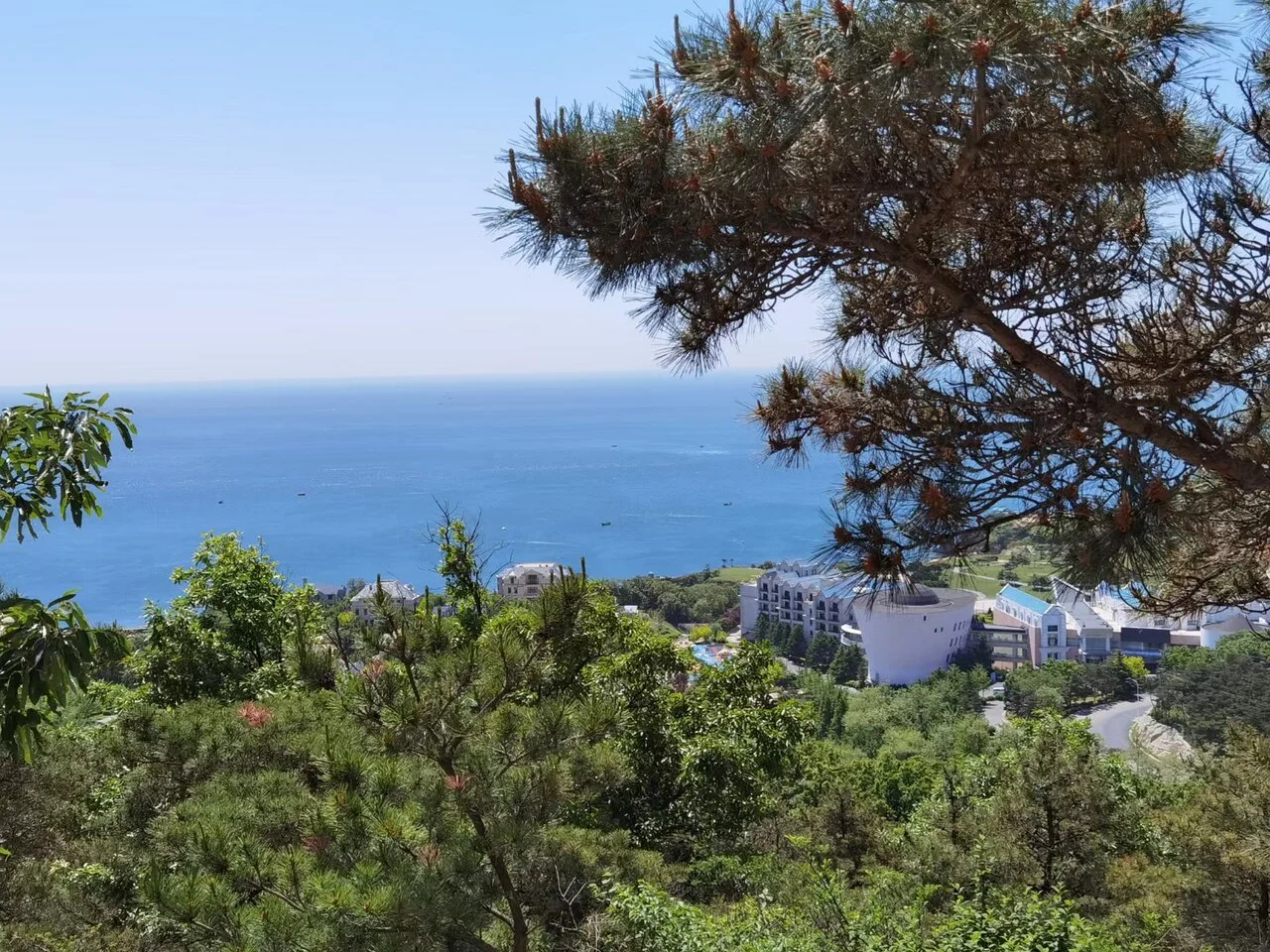
Jinshitan lies northeast of Dalian and is a tourism area encompassing beaches, geological scenery and various leisure attractions. Search results for Jinshitan may refer to the resort area, a particular beach or the coastal national geopark; these are not a single entrance. Before setting off, decide whether your main interest is spending time on the beach or studying the rocky coast, then check the specific destination.
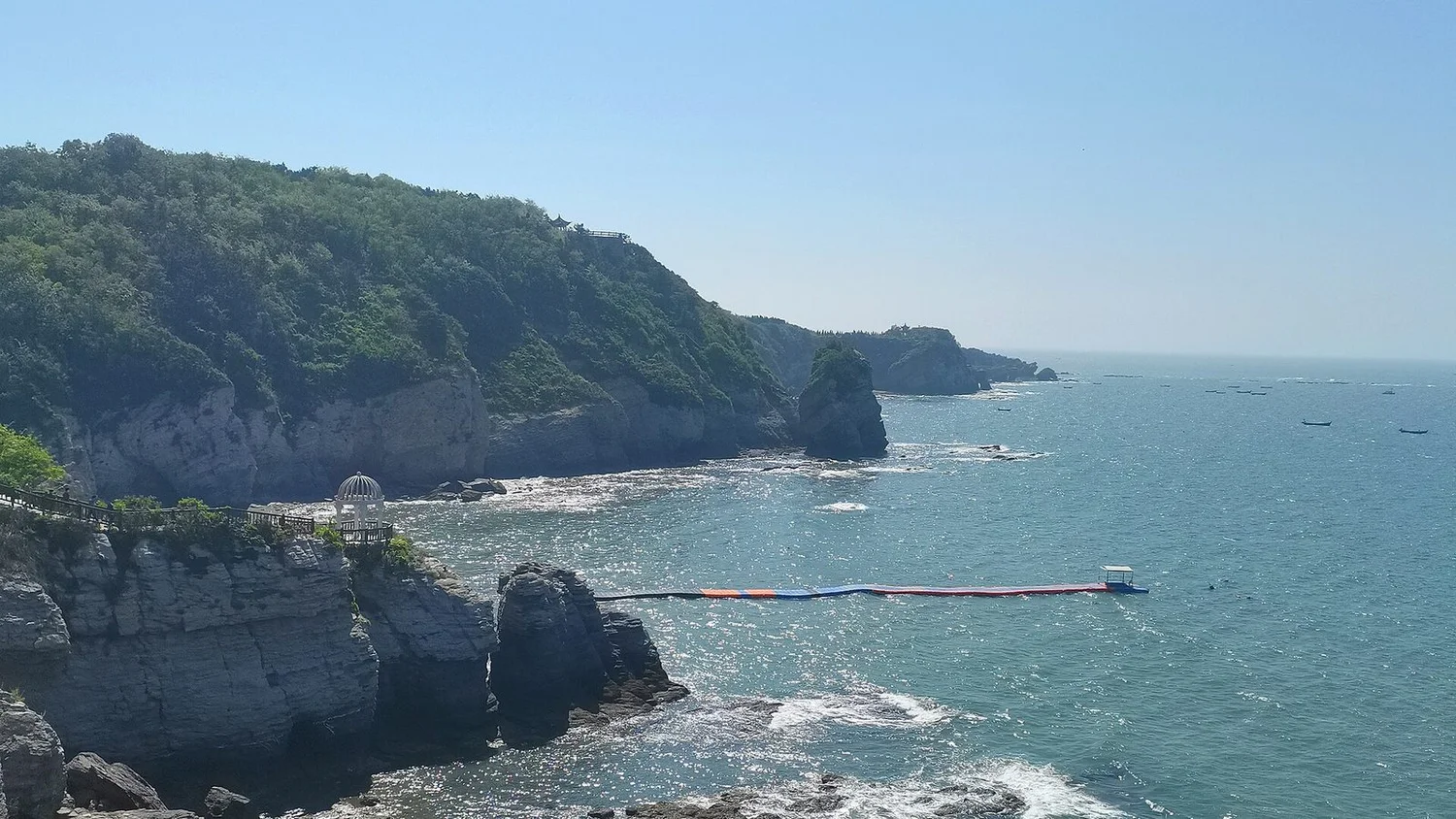
The geopark is known for sedimentary rocks, fossils and landforms shaped by coastal erosion. The sea's long action on the rock layers has created headlands, cliffs, reefs and openings, while some formations have names such as Dinosaur Exploring the Sea and Roc Spreading Its Wings because of their shapes. Look at the layers and outlines first, using the names as clues rather than trying to make every rock resemble an animal.
Unlike looking out across the sea from a city square, the focus here is closer to your feet and the shore: cliffs of different colors, fractures and wave-worn edges reveal many details along one stretch of coast. Visitors interested in geology, coastal photography or observing nature are more likely to find these differences engaging.
What to see on rocky shores and beaches
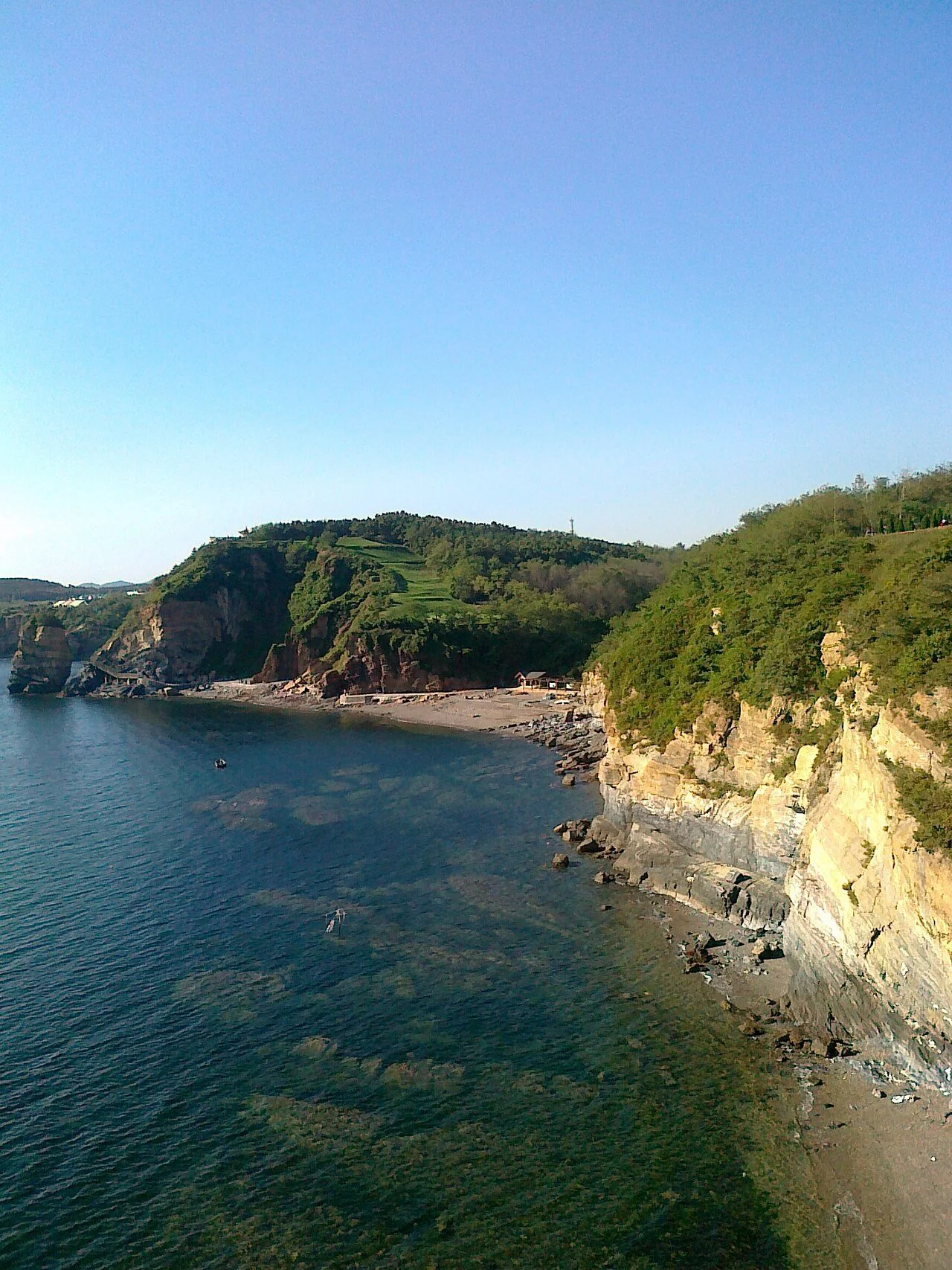
A 2024 Guangming Daily article identifies Jinshi, Rose, Dinosaur, Nanxiu and Aotan gardens as groups of scenery within the park. Turtle-Back Rock is noted for the cracked pattern on its surface, while the named animal-like formations emphasize overall silhouettes. These sites extend along a substantial stretch of coast; appearing in the same article does not mean they can all be seen in a short walk from one entrance.
Along the rocky coast, compare the cliffs' layers, where water meets stone and the way outlines change from different angles. Photographing textures requires a closer view than looking from a distance, but stay within permitted paths and viewing areas. Geological features are best observed in place: do not strike, collect or remove rocks or fossils.
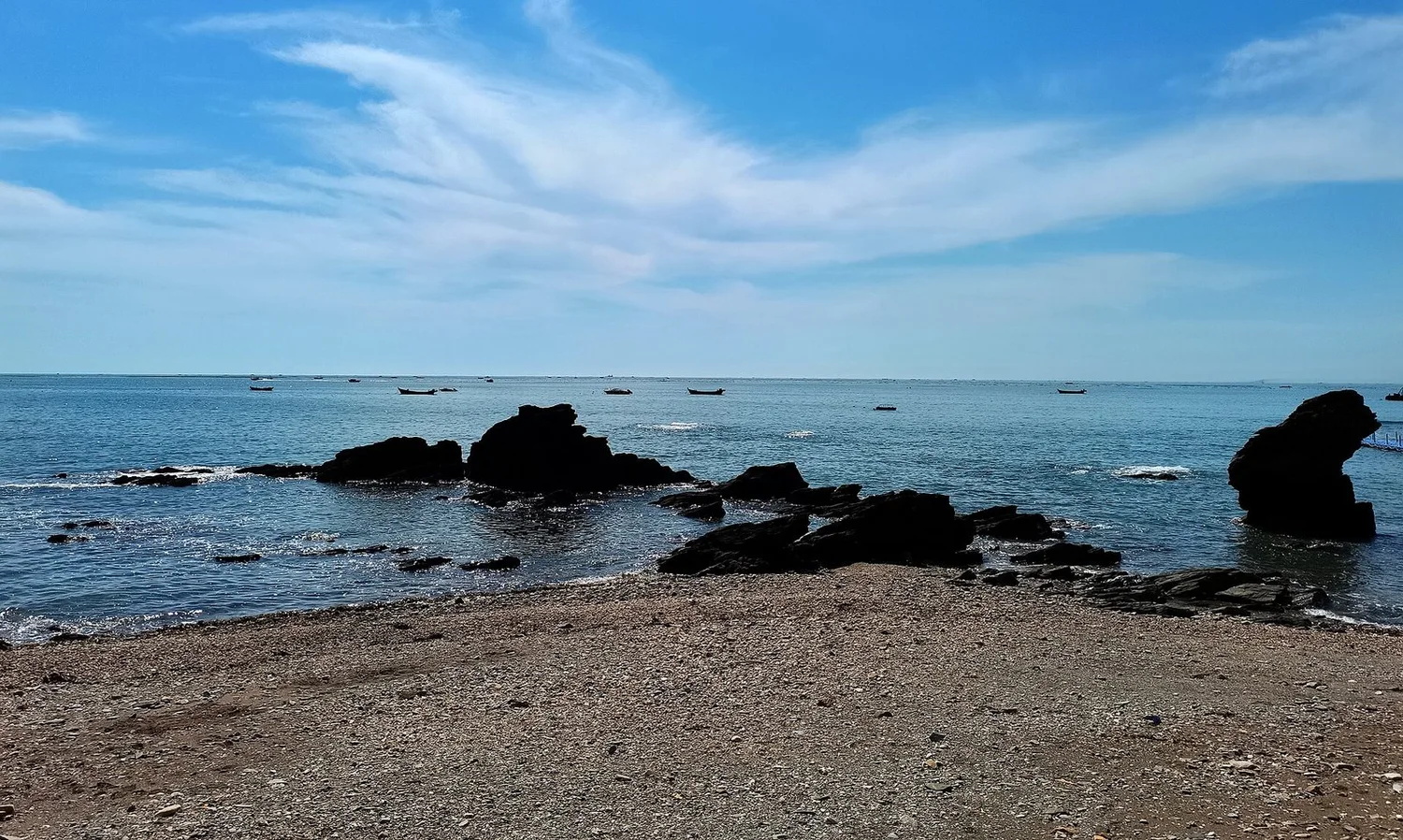
Beach leisure focuses more on the shoreline, sand and pebbles, and open water. A shore visible in a photograph is not necessarily open for swimming that day, and beaches, rocky areas and commercial attractions may be managed differently. If some of your group want to swim and others want geological scenery, check the distance between your destinations and that day's opening conditions first.
Allow for weather and widely spaced sites
Jinshitan should not be treated simply as a quick stop near the city center. To look closely at the rocky coast, allow at least half a day as a suggestion, extending this according to the areas you choose and allowing separate time for travel to and from the city. Check the specific entrance, internal shuttles and selected viewpoints before leaving, rather than assuming a single place name on a resort map marks the entrance to every attraction.
Wind, waves and visibility affect the experience. Follow management instructions during strong winds, rain or closures, and do not cross barriers to photograph from slippery rocks. Some paths may have steps and uneven ground. Visitors with strollers, wheelchairs or limited mobility need to ask the attraction about actual access to their chosen area.
Jinshitan includes several separately managed places, so ticket types, seasonal arrangements and attraction openings need individual checks. Before buying, read which locations the ticket covers and whether shuttles or separately charged attractions are included; a geopark ticket does not necessarily cover every activity in the resort area.
Useful official references
Check the relevant official service before making arrangements. These links are references, not a guarantee of current services.