City introduction
Qingdao is often thought of as a summer seaside city, but its character is closer to a port city on the bay combined with a residential city at the foot of the mountains. In the old city, red tile roofs rise and fall with the hills; turn a corner and you come upon a pier, a church or a liyuan courtyard. To the east, the area around May Fourth Square and the Olympic Sailing Center has a different, modern skyline; farther east, Laoshan closes the city off. Beer, clams and fresh draft beer are not tourist attractions but part of everyday life after work and at the dinner table. The West Coast lies across Jiaozhou Bay, facing the main city over the water, and has a different scale.
Jiaozhou Bay, Laoshan and a long, narrow coastal city
The main city of Qingdao is not laid out on a plain. Jiaozhou Bay cuts into the land from the west, its mouth facing south, and the old urban districts and port areas of Shinan, Shibei and Licang lie on its east shore. To the east is Laoshan, whose main peak, Jufeng, rises to 1,132.7 meters, with ridges running west and north; Signal Hill, Qingdao Hill, Taiping Hill, Fushan and other hills within the city break up the flat ground. From Tuandao past Qingdao Bay, Huiquan Bay, Taiping Bay, Fushan Bay and Maidao Bay to Shilaoren (Old Stone Man), the coast alternates between headlands and bays. The flat land squeezed between mountains, bays and hills is narrow, so the old city and port area could only stretch northeast along the east shore of Jiaozhou Bay, forming a long, narrow band of a city.
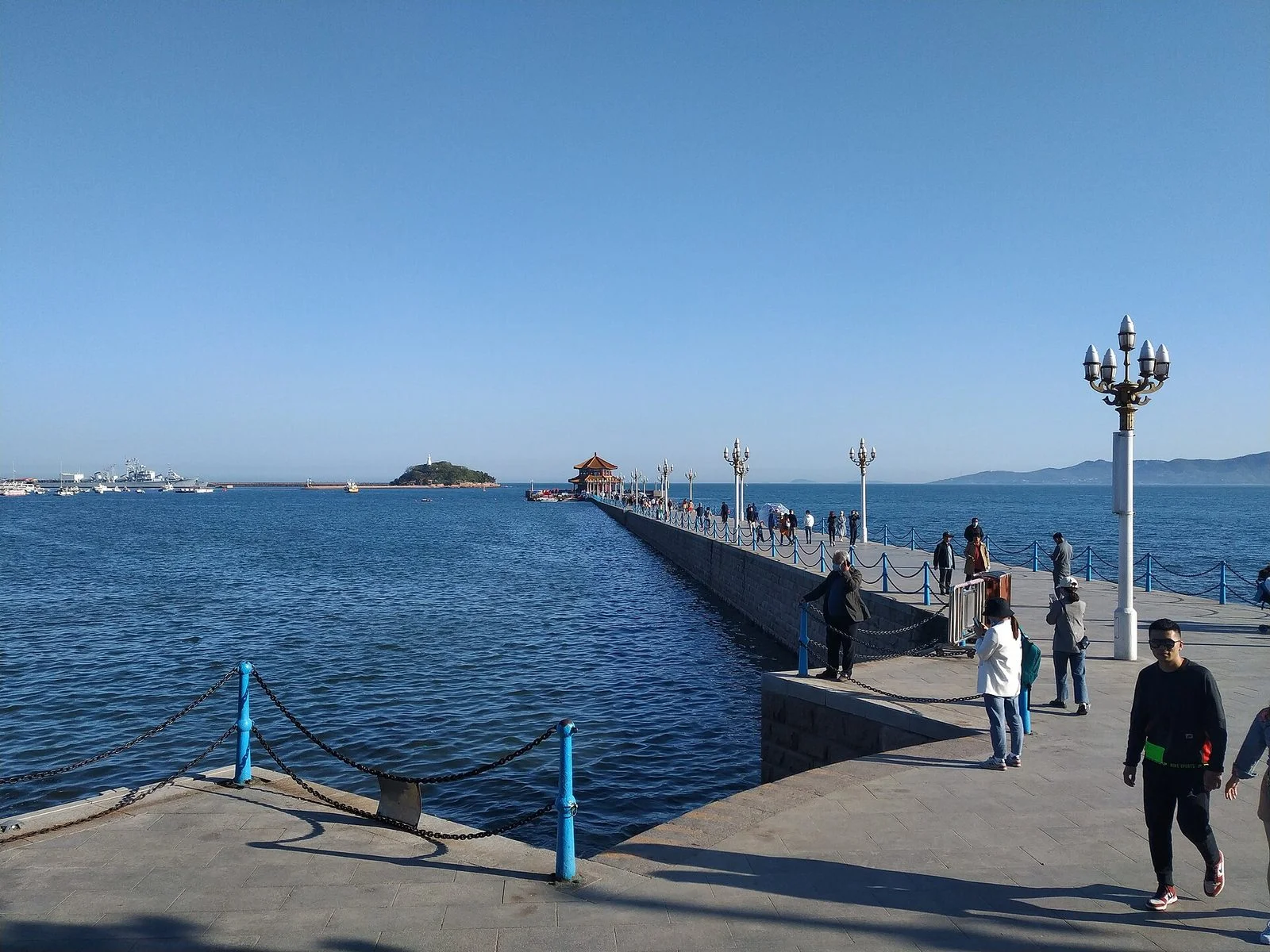
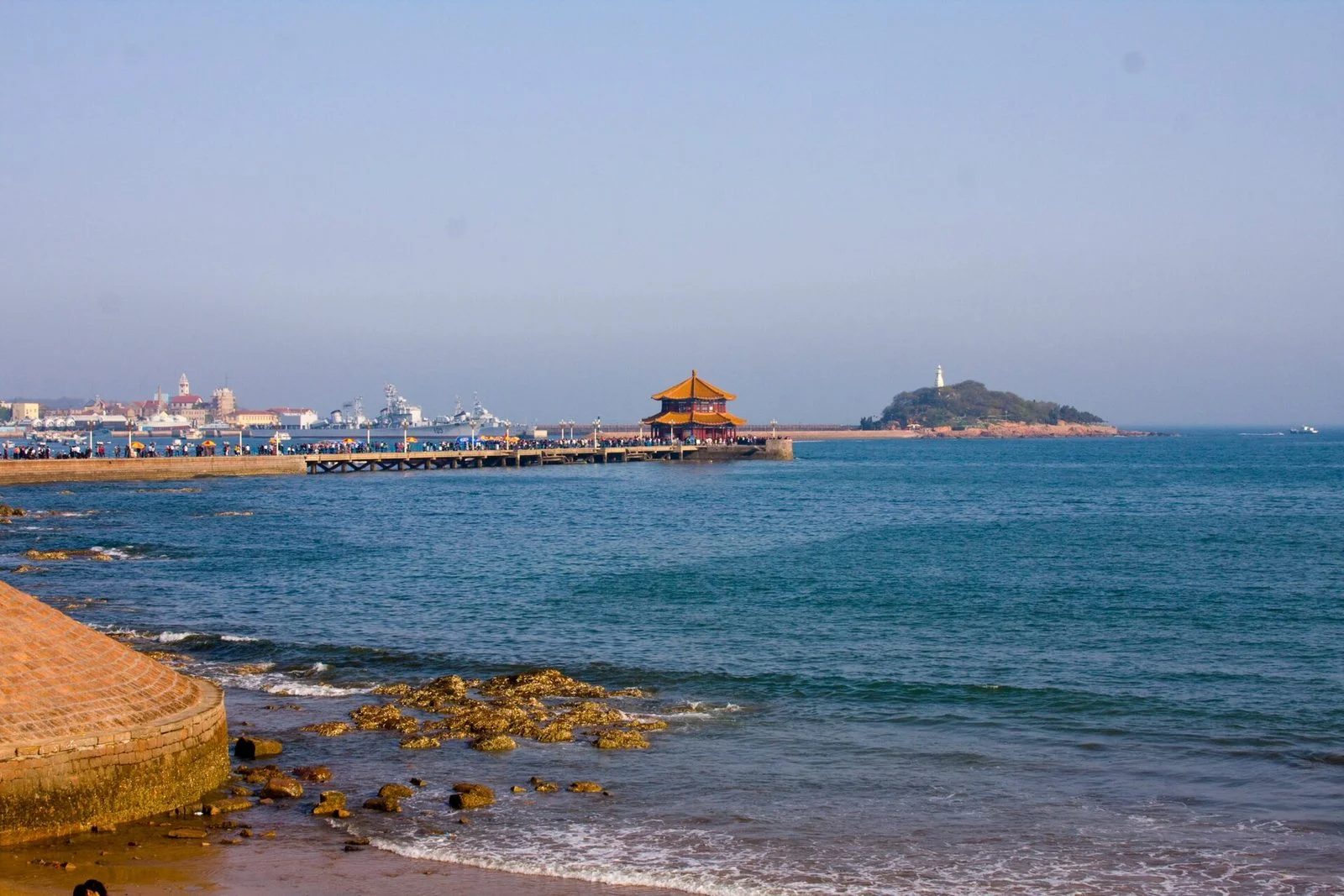
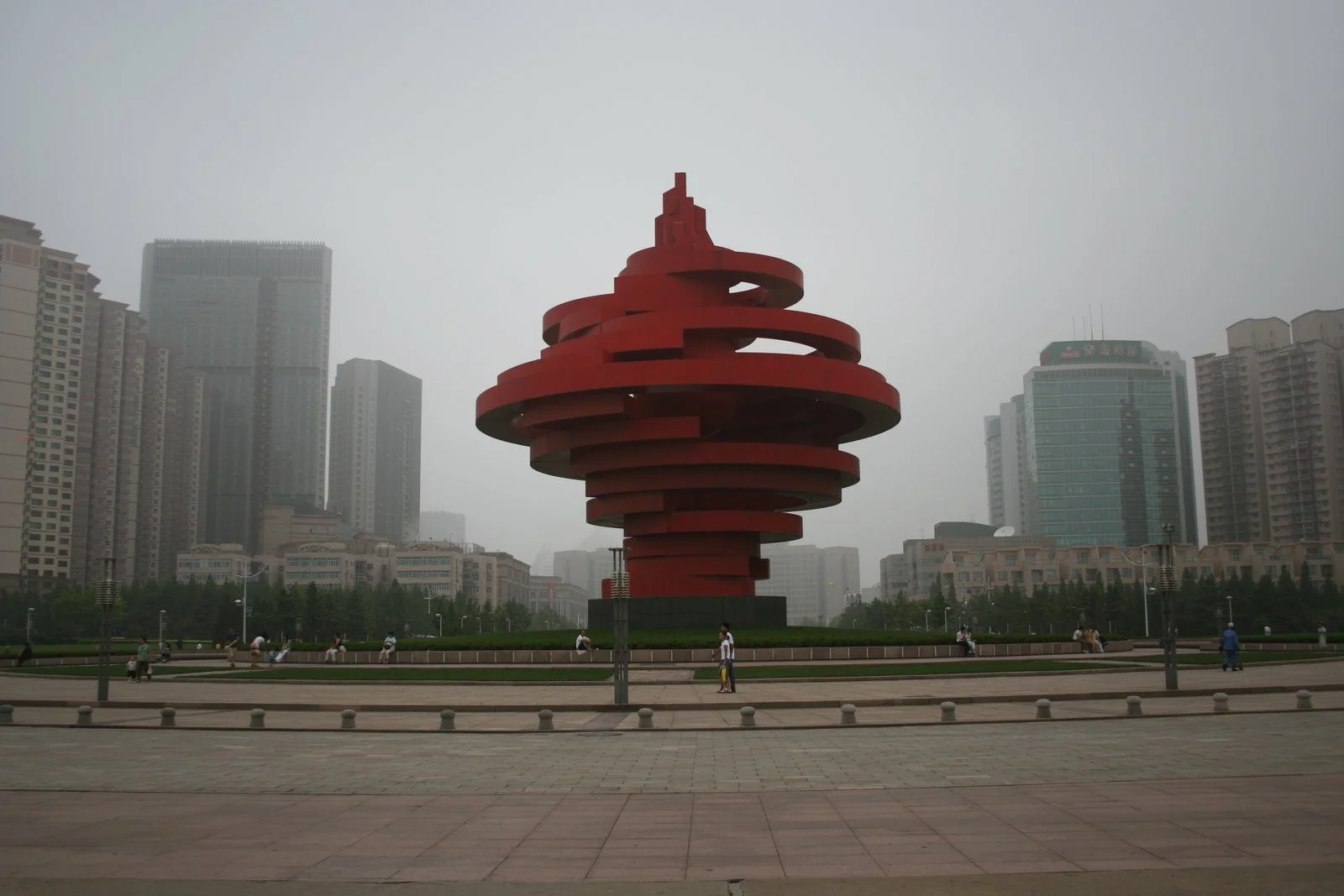
At the southwestern end of the band is Tuandao; east of it is Qingdao Bay, where Zhanqiao Pier stands. The pier was built in 1892 as a Qing army wharf, extended to 394.38 meters in 1931, and Huilan Pavilion was added at its southern end. Farther east, Badaguan lies between Taiping Cape and Huiquan Cape; a villa district took shape there in the 1930s, with the Second Bathing Beach immediately to its south. Beyond Taiping Cape is Fushan Bay, where May Fourth Square was completed in 1996, the May Wind sculpture facing the bay and a new office district behind it. Continuing east into Laoshan District, the Shilaoren area forms another stretch of coast; the upper part of that sea stack collapsed in October 2022, leaving a remnant of the column. These stretches of coast each have their own uses and dates; they are not a walkway that can be followed from one end to the other. Only on a map does it become clear why Qingdao is a band rather than a block.
The German lease period, liyuan and 1922: history on the street
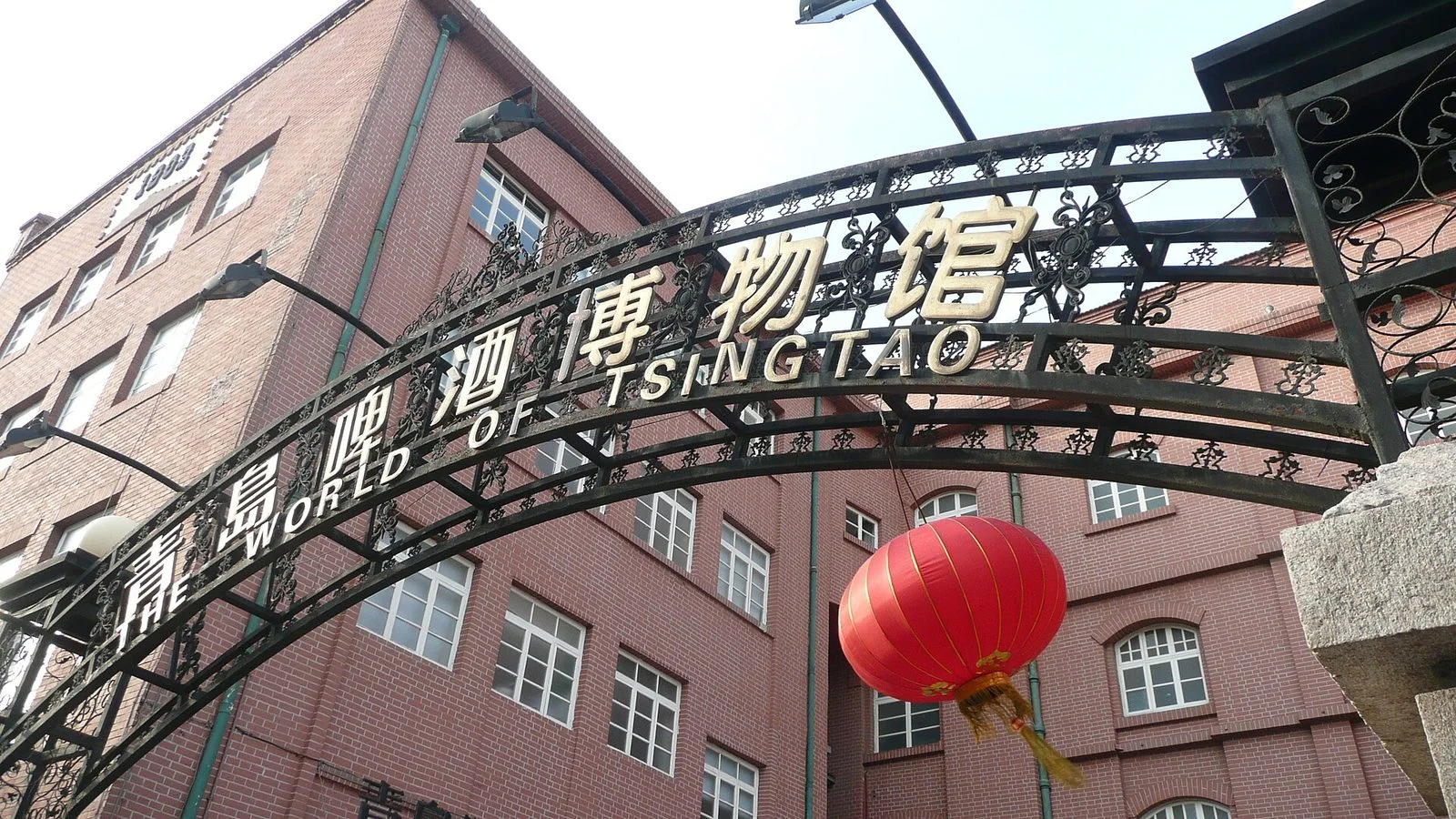
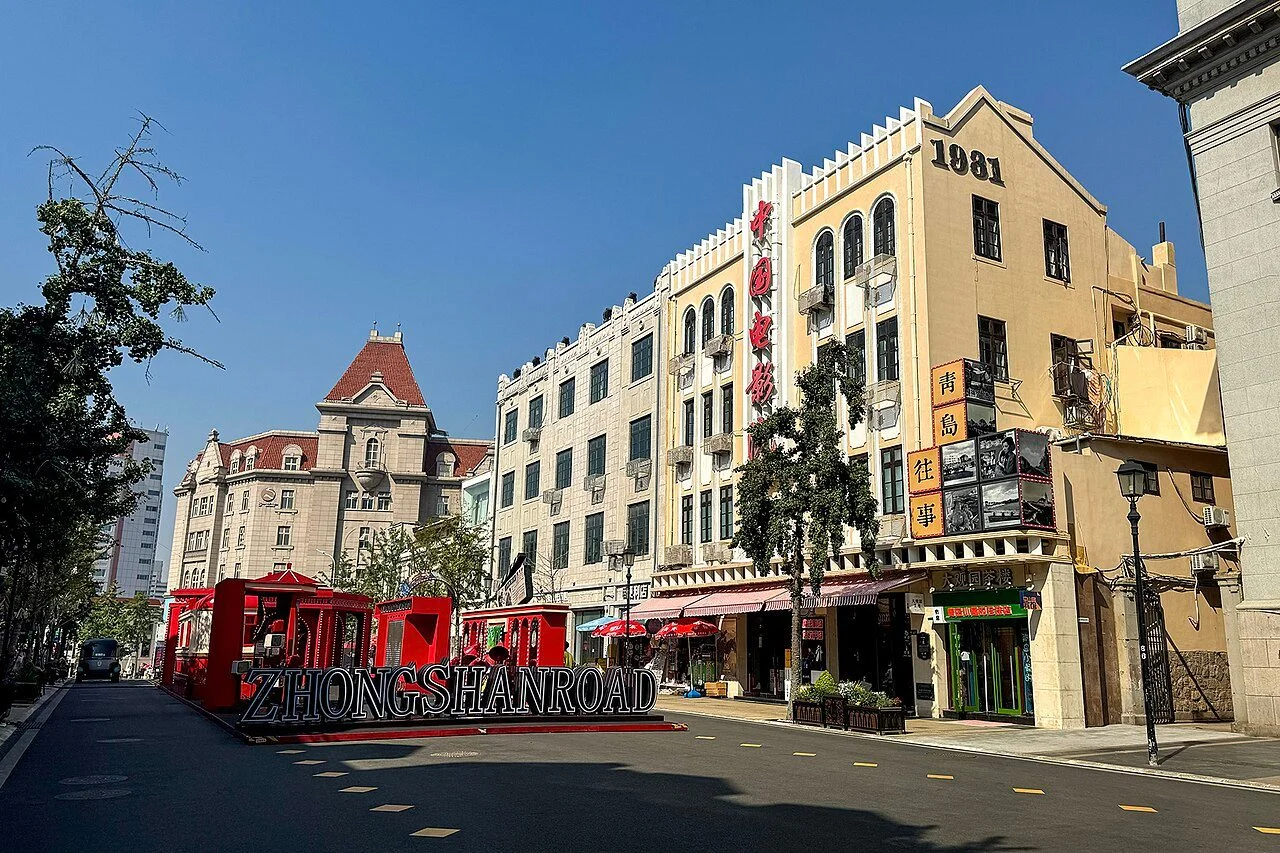
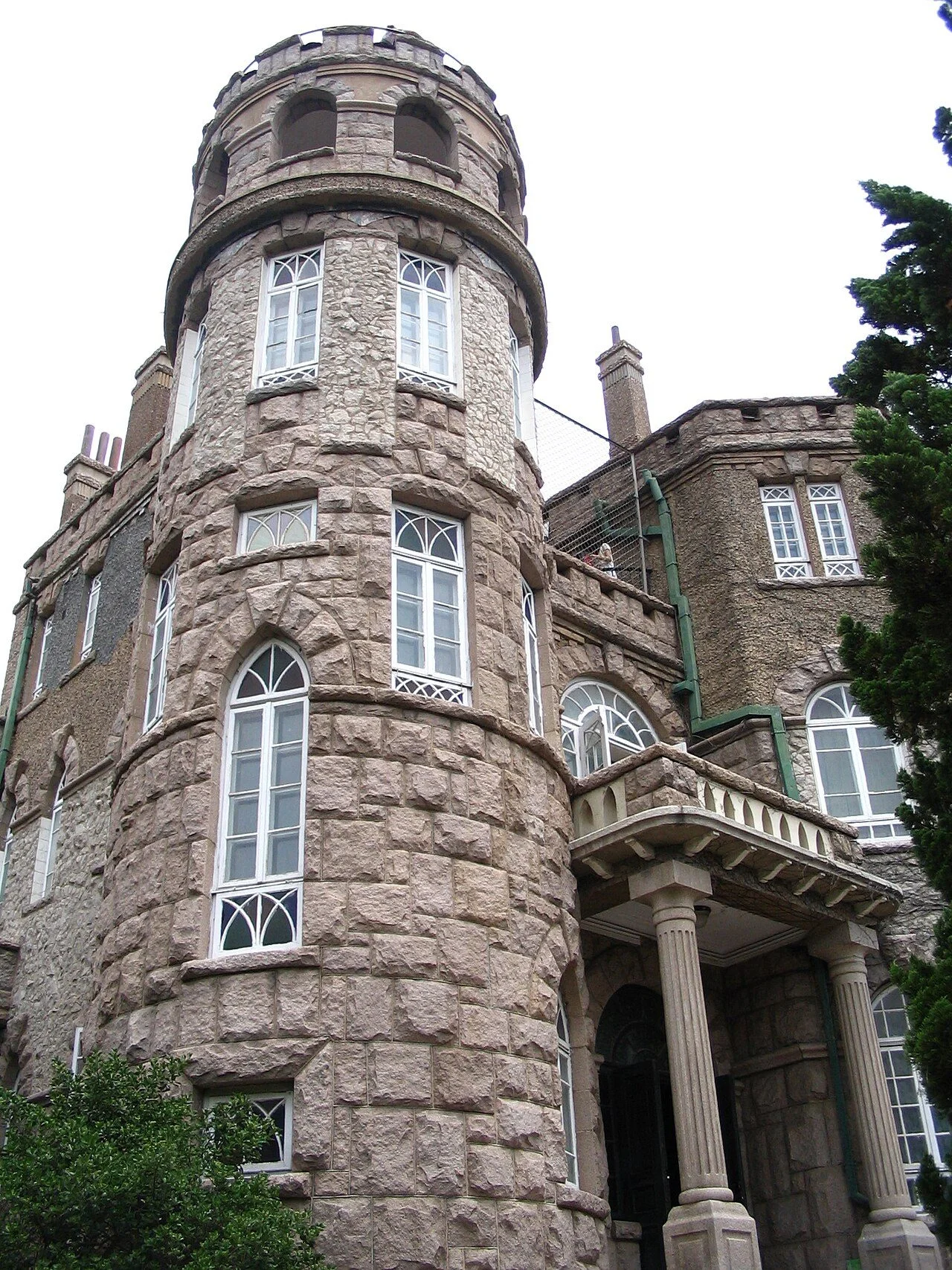
In November 1897, a German fleet occupied Qingdao; on 6 March 1898, Germany and the Qing government signed the Jiao'ao Concession Treaty, leasing both shores of Jiaozhou Bay. The first Qingdao city plan, drawn up in September 1898, placed the urban area on the coastal flat south of the port and railway, with the port, railway and city concentrated at the southern end of the east shore of Jiaozhou Bay. The plan put the European quarter on the southern coast and the Chinese quarter in Dabaodao to the north; the revised plan of 1899 kept this division, and a buffer strip was left between the two areas. In 1904 the Jiaoji Railway opened along its full length, settling the relationship among port, railway and city, and factories and wharves continued to stretch the urban area northward. In 1903, the Germania Brewery Qingdao joint-stock company opened at 56 Dengzhou Road and won a gold medal at the Munich World Beer Festival exhibition in 1906; the plant later became the state-owned Tsingtao Brewery, and its old buildings now house the Tsingtao Beer Museum. Japan occupied Qingdao in 1914, and China recovered sovereignty over the city in 1922. After that, Shandong Street in Dabaodao (now the northern section of Zhongshan Road) remained one of Qingdao's most flourishing commercial streets.
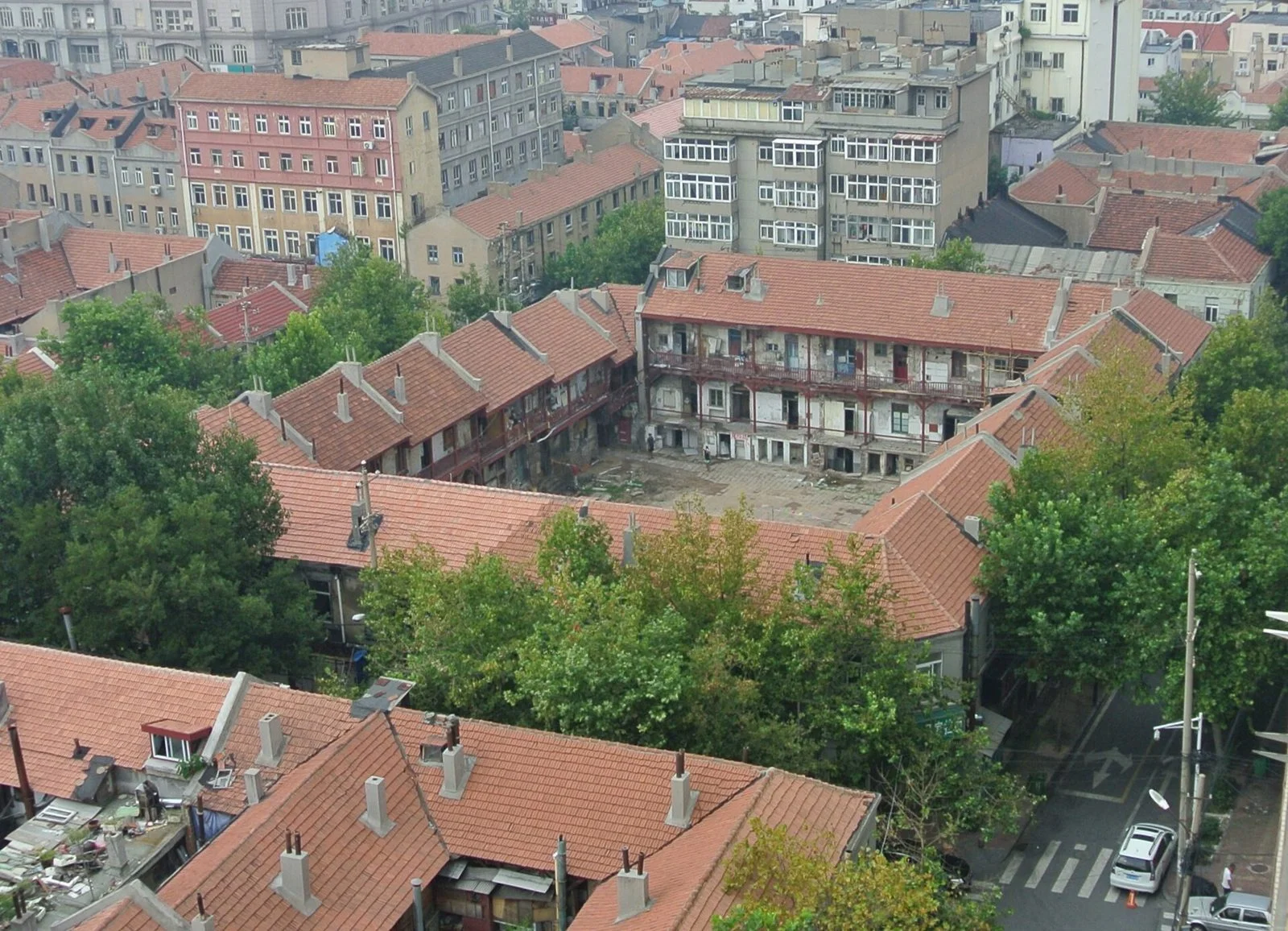
Liyuan are another layer of this history visible at street level. They are mostly two- or three-story courtyard compounds in the Dabaodao area: shops on the ground floor facing the street, living quarters above, laundry hung and goods stored in the courtyard, and buildings enclosing all four sides, their plan like an enlarged siheyuan. During the German lease period, Dabaodao was a base for Chinese merchants; of the 367 buildings approved in 1900–1901, 234 two-story shop-and-residence buildings belonged to Chinese owners, and many of them were liyuan. Dabaodao still has 187 liyuan today, 102 in Shinan and 85 in Shibei. Guangxingli is one of them, with more than 70 businesses in the compound at its busiest. Pichaiyuan, on the north side of Zhongshan Road, is another liyuan block that can be entered, reached by turning off Zhongshan Road onto Jiangning Road. Walk north from Zhanqiao Pier along Zhongshan Road to the Dexian Road and Sifang Road area and you can see these liyuan; they are not fenced-off historical exhibits. Some have been converted into exhibition spaces and shops, others are still lived in, and walking through them shows the true scale of the old city.
Shinan, Shibei, Laoshan and the West Coast: four kinds of urban experience
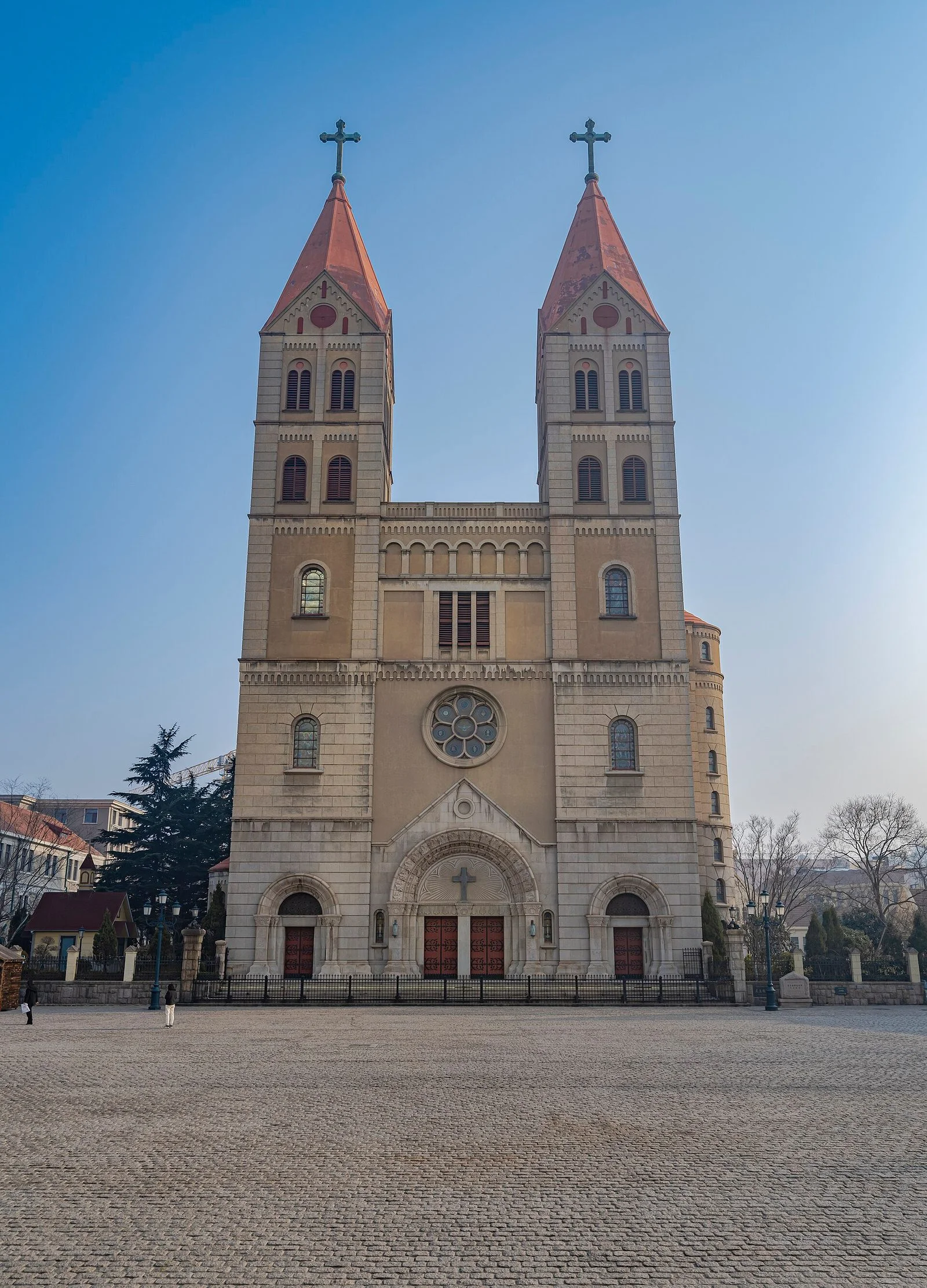
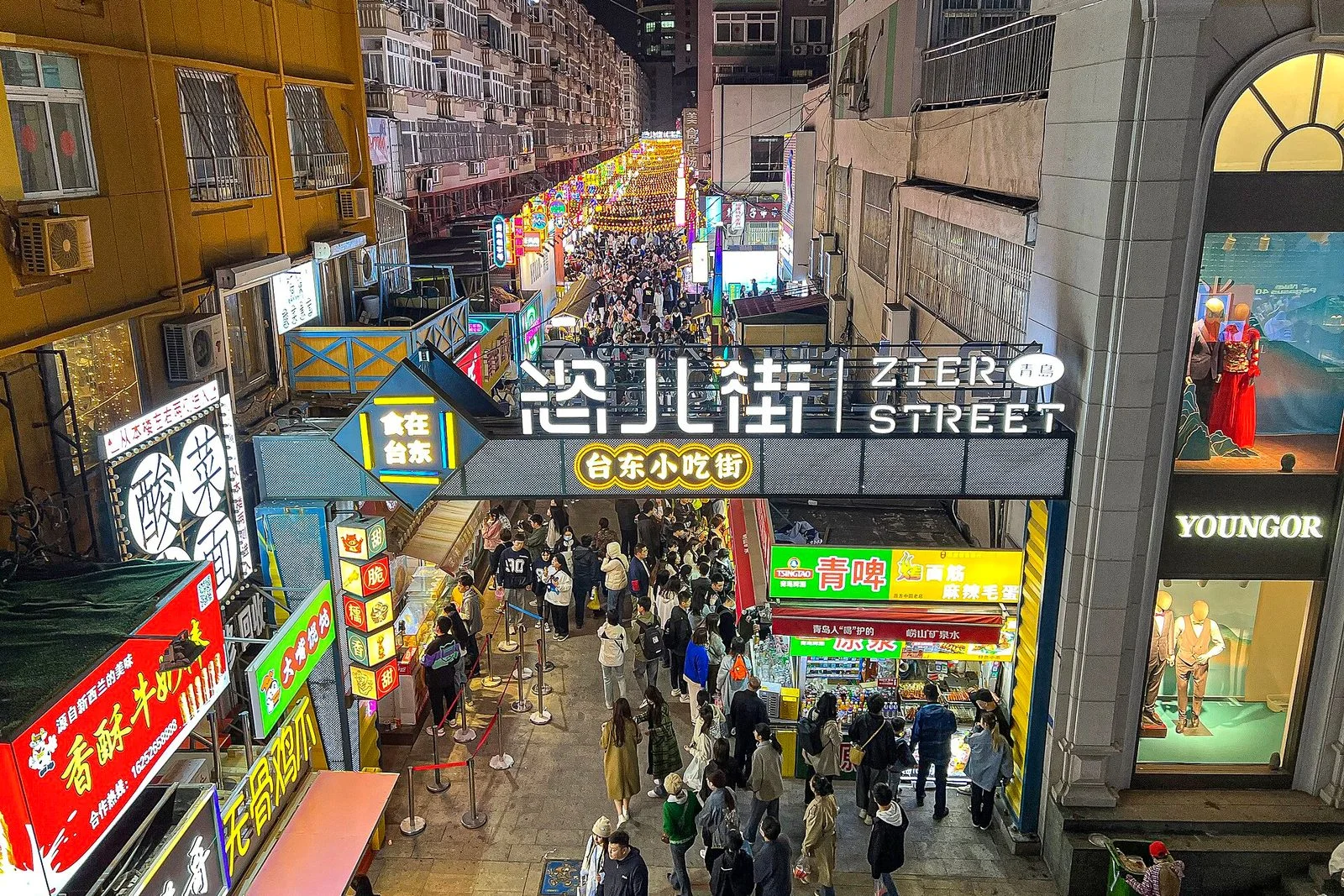
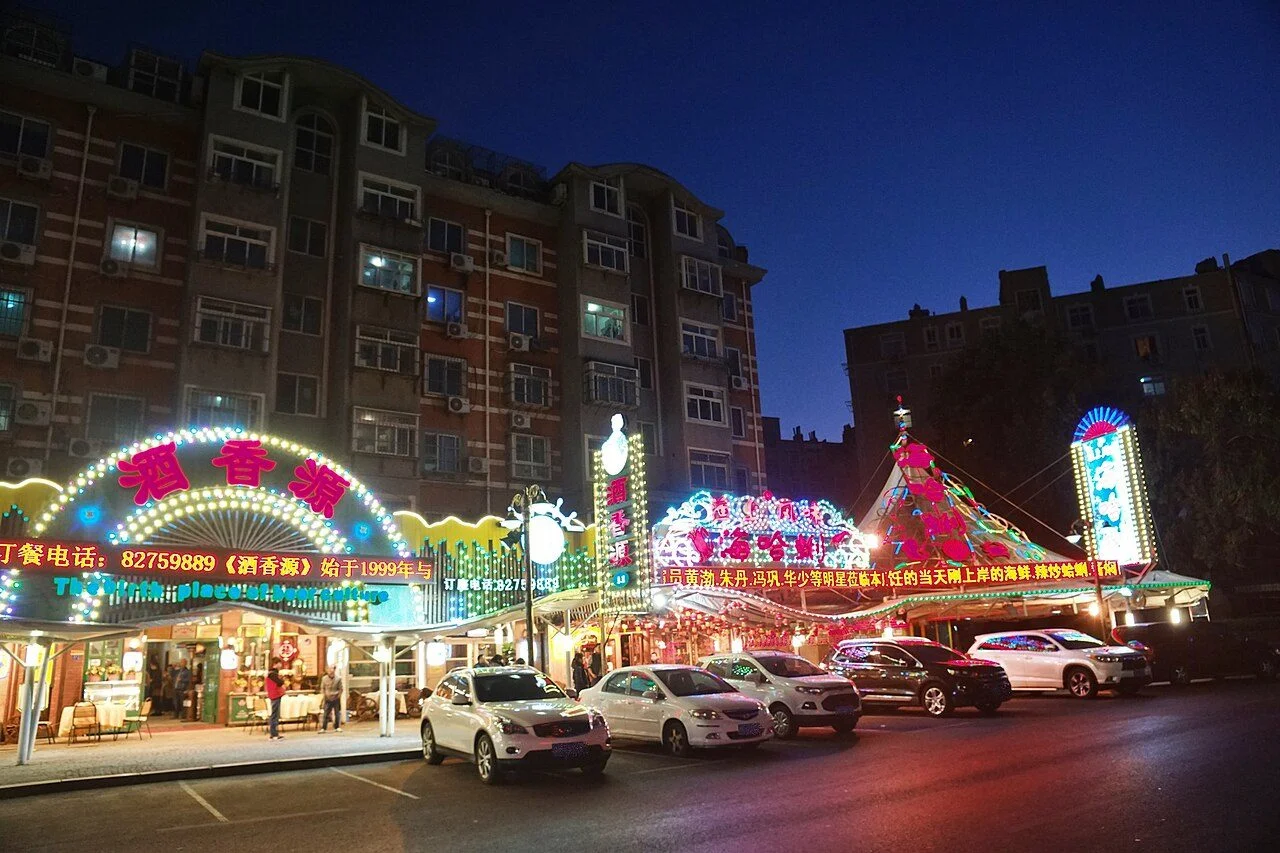
Shinan's old commercial axis begins at Zhanqiao Pier: the southern end of Zhongshan Road meets the pier, and the road runs north through Dexian Road and Sifang Road into Dabaodao, with Pichaiyuan on its northern section; the southern section faces the sea, while the northern section is dense with liyuan. The twin towers of St. Michael's Cathedral on the high ground at the northern end of Zhejiang Road are the most striking element of the skyline along this axis. Shinan links the old city, the waterfront and the eastern office district. Everyday shopping and eating in Shibei take place in a different set of streets: Taidong's main street is Taidong Third Road, which appeared in 1900 and has continued without a break for more than a century; by day the street has clothing shops, general merchandise stores and snack stalls, and at night Zier Street on Changxing Road, the Hexing Road night market and the main street merge into a continuous area. Dengzhou Road Beer Street runs along the outer wall of the Tsingtao Brewery, with the beer museum on the same street; on warm-season evenings, seafood restaurants and beer houses set tables out by the road. Taidong is for eating as you walk, Beer Street for sitting down to drink; the two streets are close together, but they are not the same kind of night market.
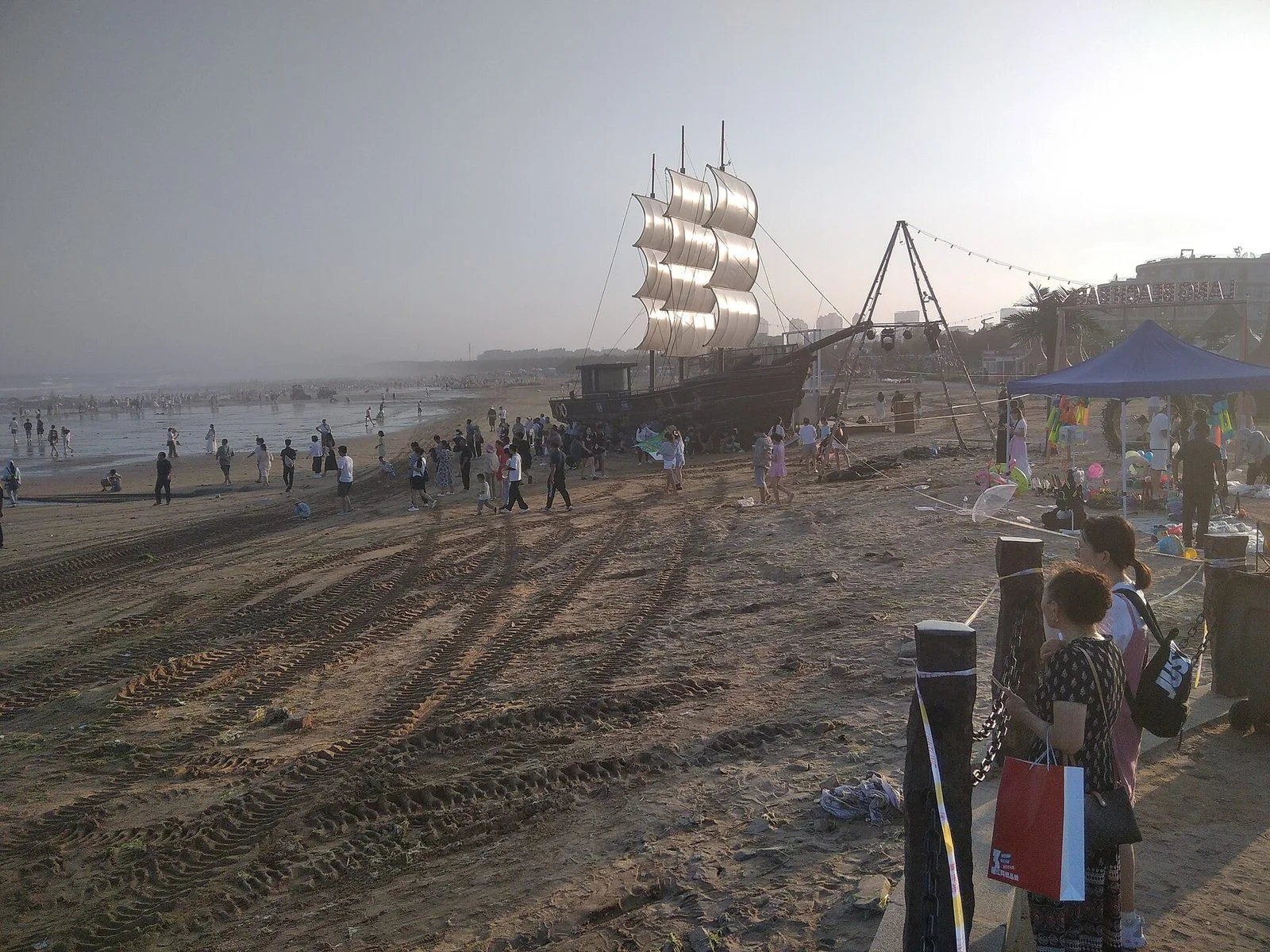
Laoshan District is on another scale. The Laoshan Scenic Area takes up a large expanse of mountain, and along the coast at the foot of the mountains are villages and beaches around Shilaoren and Shazikou; the Ocean University of China has a campus in Laoshan. The West Coast New Area lies on the west shore of Jiaozhou Bay and is administratively Huangdao District, separated from the main city by the bay: Jinsha Beach is a crescent-shaped beach about 3.5 kilometers long, facing Tuandao across the water, 2.26 nautical miles away. It has its own port, industrial areas and urban center; getting there from the old city means crossing the water, not a distance you can walk. To treat the West Coast as 'a stretch of beach beside the old city' is to underestimate the water between the two shores.
Beer, seafood markets and daily life by the sea
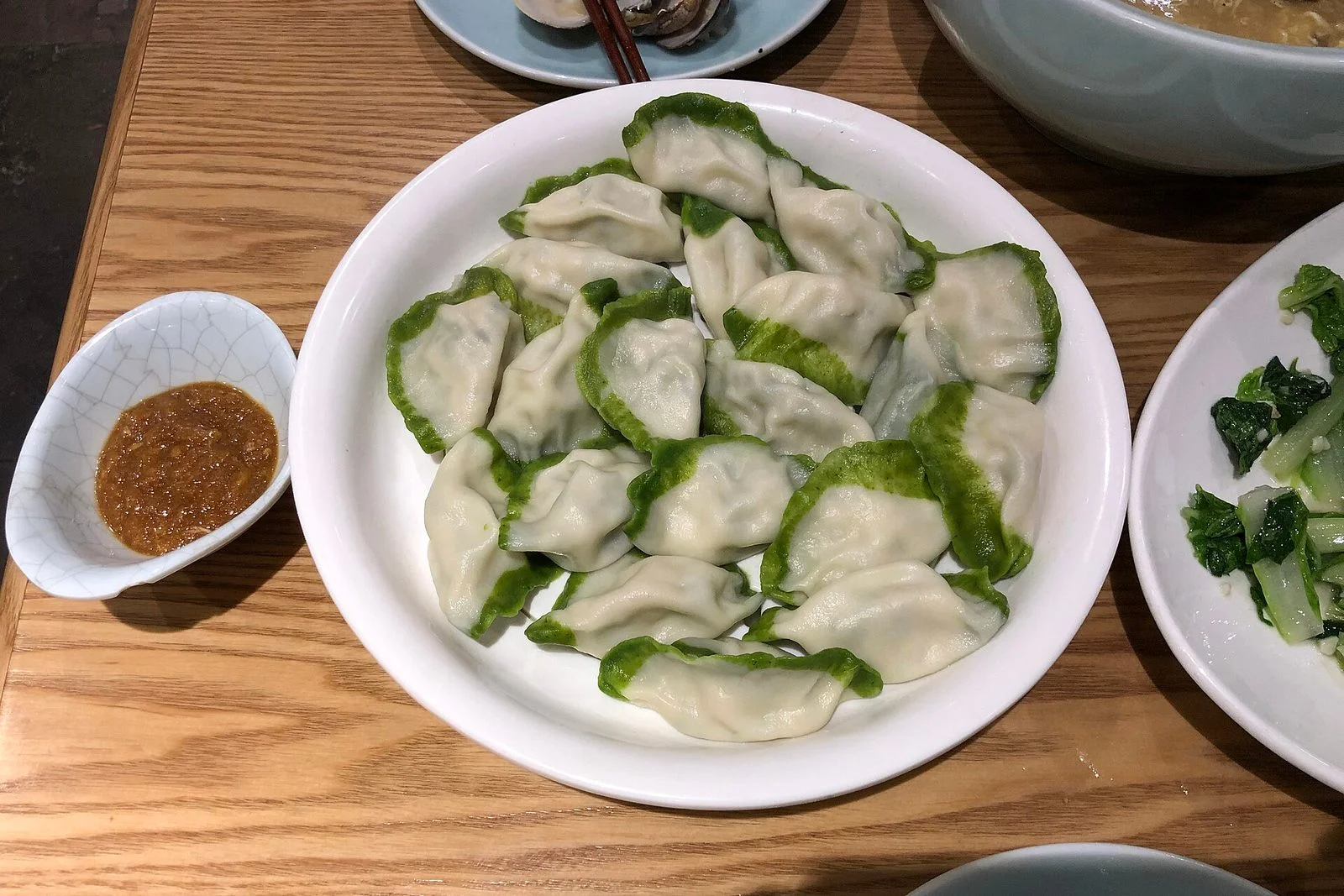
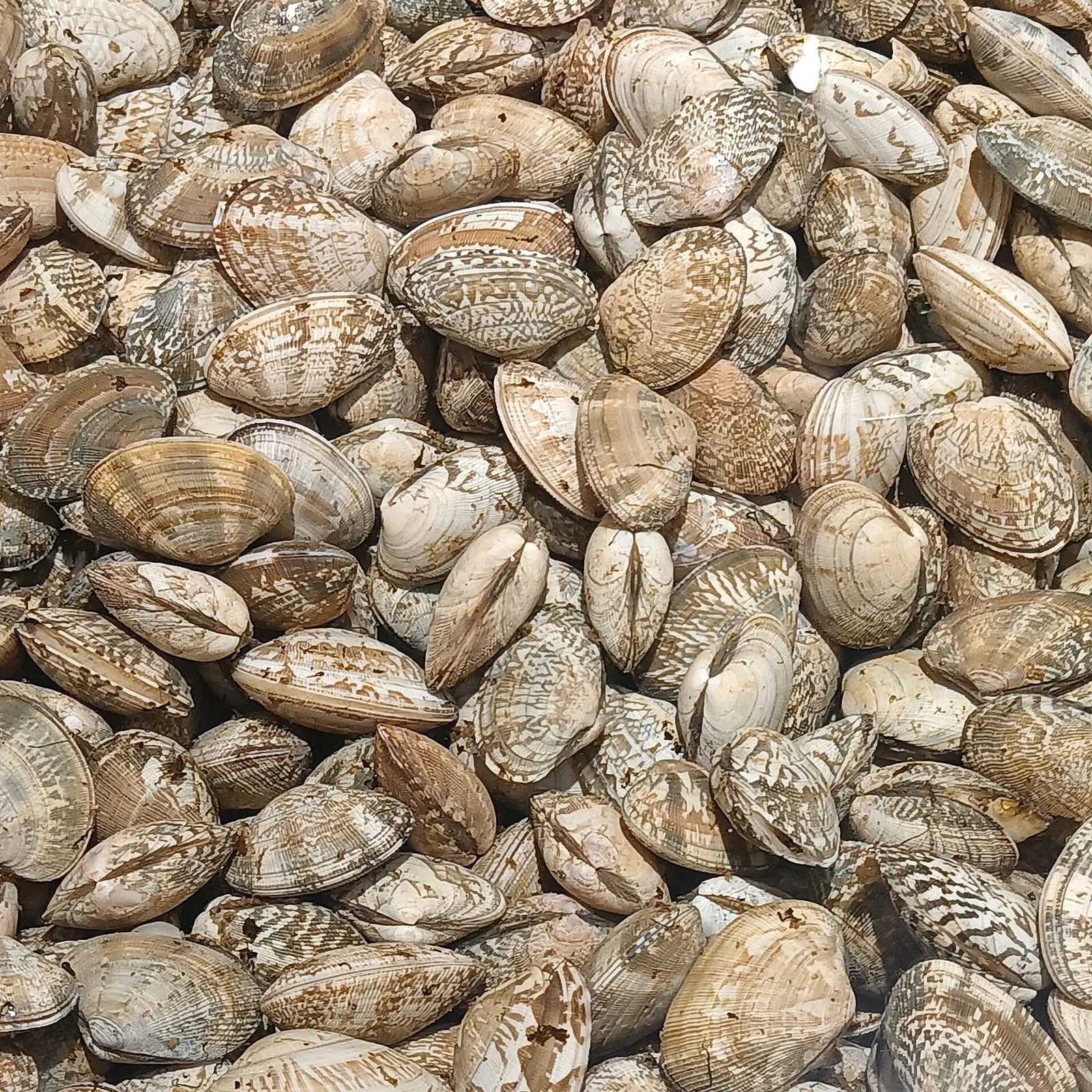
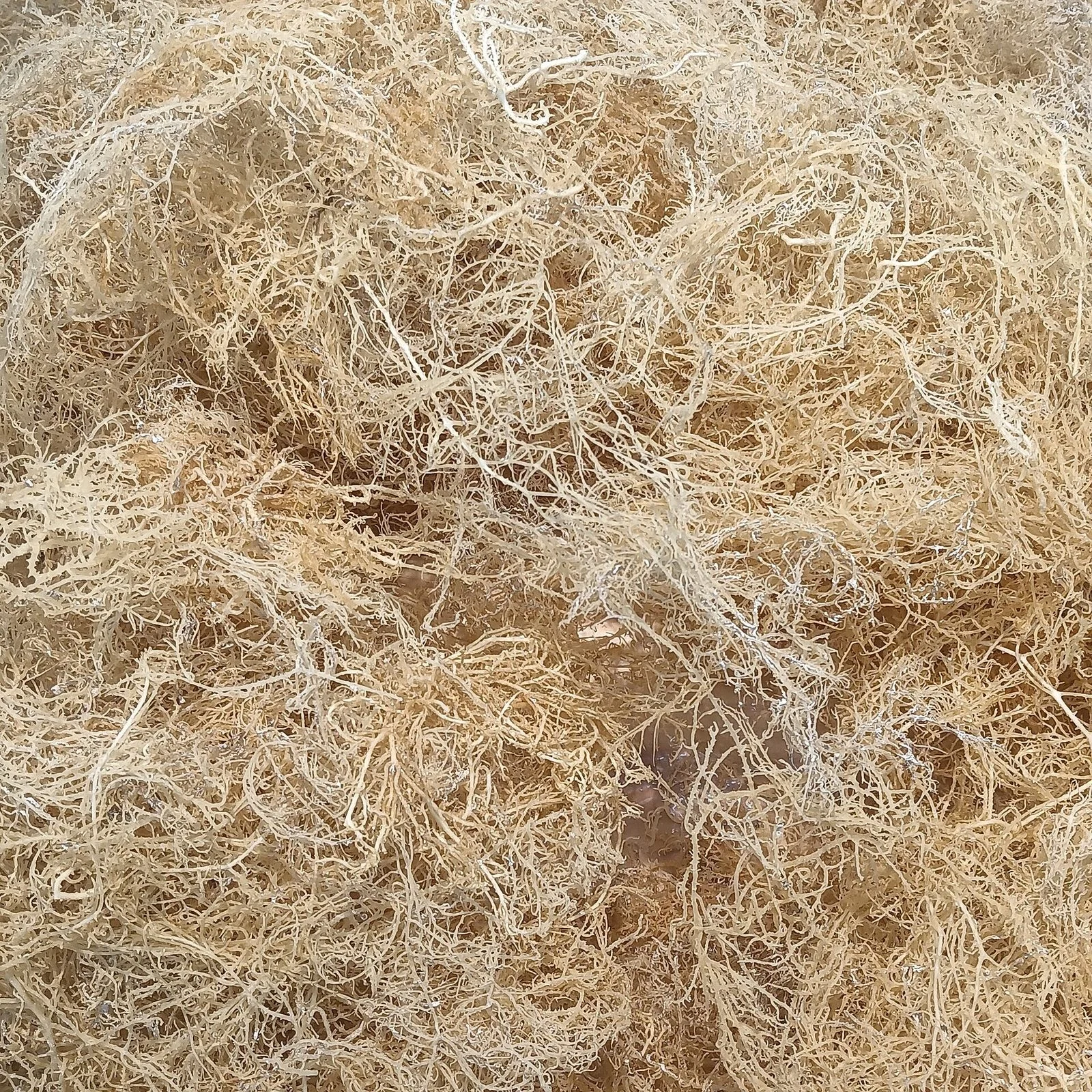
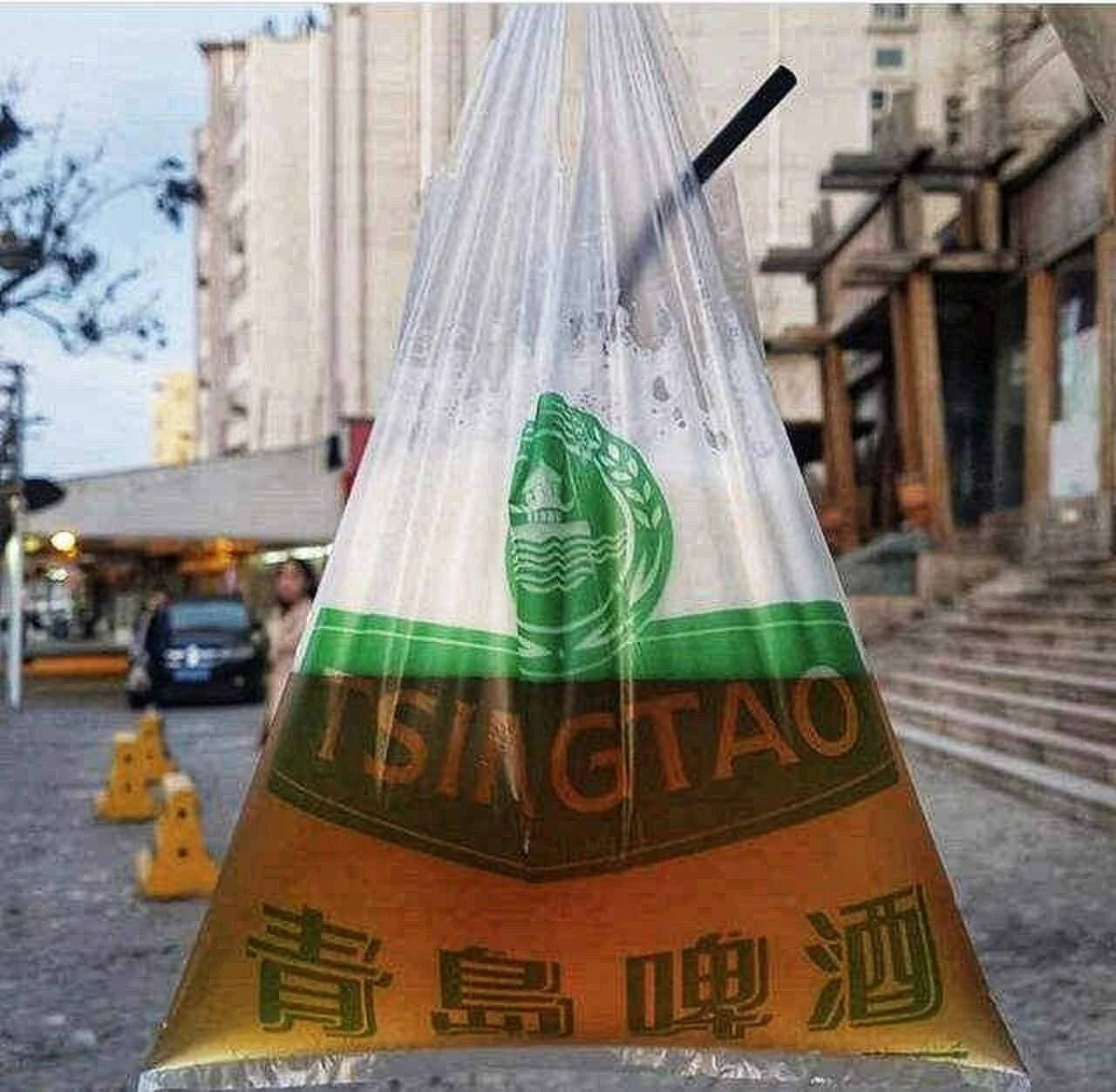
In Qingdao, beer is first of all an everyday drink. In summer, beer barrels stand outside neighborhood shops, and people carry clear plastic bags of draft beer home to drink. In beer houses, spicy stir-fried clams are a common dish to go with beer; in spring, when Spanish mackerel comes into season, mackerel dumplings are a seasonal dish in local homes and dumpling restaurants; in summer people often order a bowl of chilled seaweed jelly in a sour, spicy dressing, refreshing and light. Draft beer is valued for its freshness, so drink it soon after it is bought.
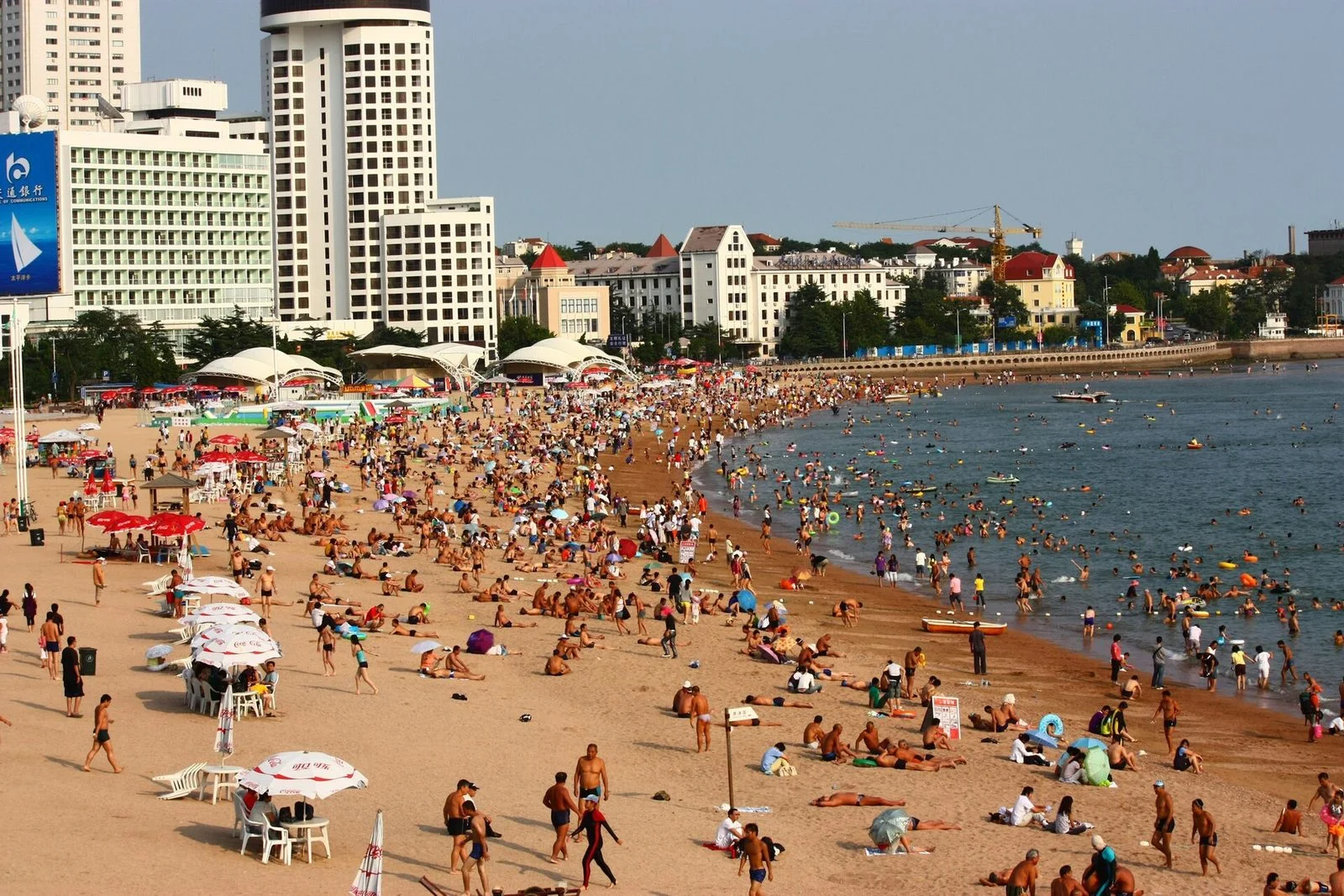
Seafood markets and beer houses go together. At the farmers' markets around Tuandao and Yingkou Road, you can buy clams, whelks and scallops and take them to a nearby beer house to be cooked; when buying, check the scale and the price, and people with shellfish allergies should avoid pots and broths that have been used to cook shellfish. Toward the sea, the First Bathing Beach is in Huiquan Bay; it was opened as a public bathing beach in 1901–1903, and on summer afternoons the sand is crowded. Whether you can go into the water depends on the swimming season and the flags flying that day; do not go into the water at beaches without lifeguards. Laoshan green tea is a local tea, picked in spring around Wanggezhuang.
Laoshan: the mountain-and-sea boundary east of the city
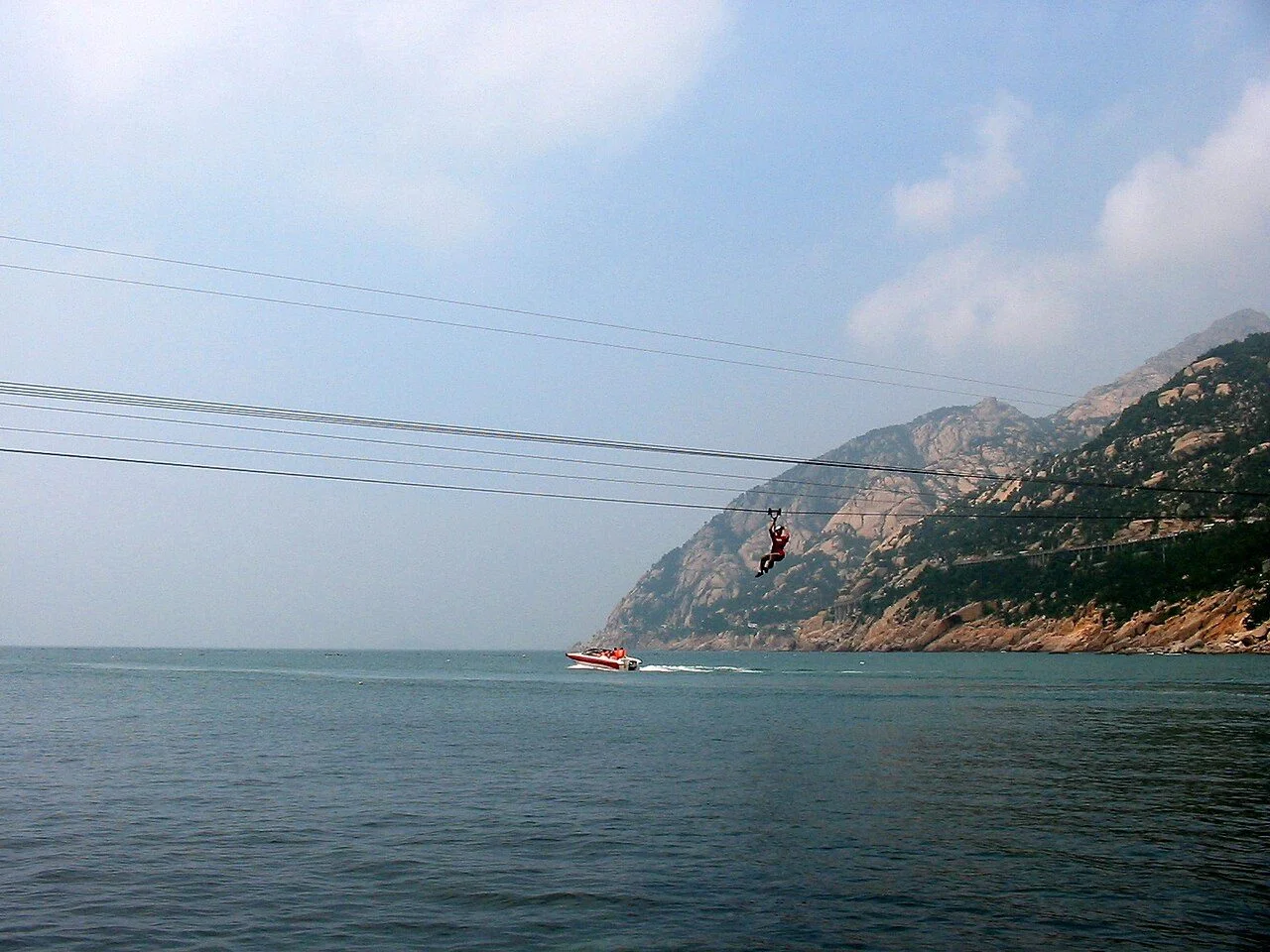
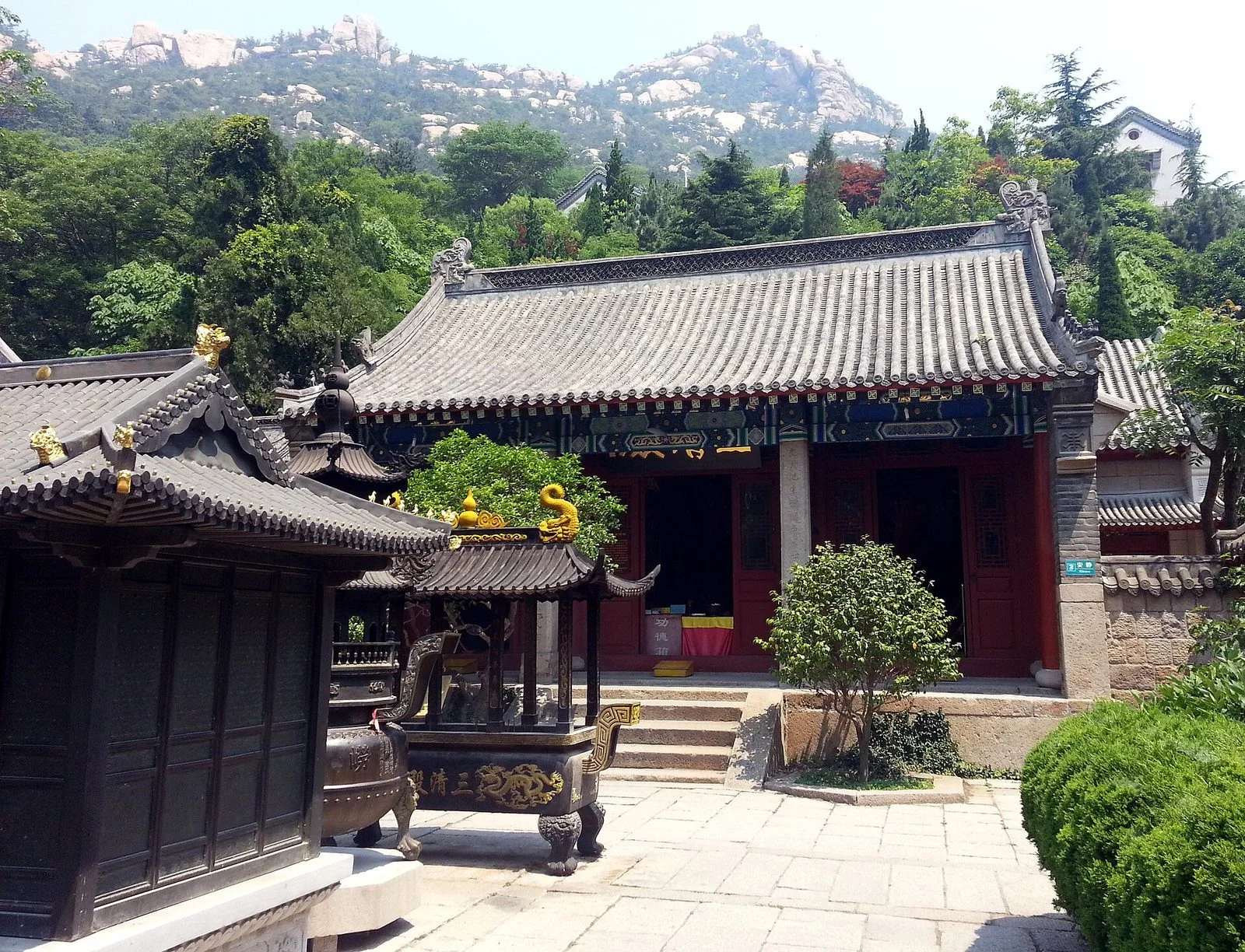
Laoshan is not a city park but a mountain that closes off Qingdao's eastern side. The scenic area covers 446 square kilometers in total, and its main peak, Jufeng, rises to 1,132.7 meters; according to the scenic area's materials, Jufeng is the highest peak on the mainland coast of China. The core visiting area has seven sections, spread across different sides of the mountain: Liuqing, Jufeng, Taiqing, Huayan, Yangkou, Jiushui and Hualou. Jufeng is for the summit and the sea of clouds, Taiqing Palace stands on the coast at the southern foot of the mountain, Yangkou faces the bay to the north, and Jiushui lies in the gorge. The Taiqing Palace area is known as 'Little Jiangnan,' and Jiushui to the north as 'Little Guandong'; on the same mountain, the microclimates of north and south differ.
Laoshan does more than any single sight to shape the city's sense of space. It narrows the east coast beyond Shilaoren, so that roads and villages run close to the foot of the mountain and the shore; mountain streams run short and fast into the sea, and tea gardens and villages are distributed along this line. In good weather, the Laoshan ridge can be seen from the coast in the eastern part of the city; when sea fog comes in, the mountain often disappears entirely, leaving only the nearby shore. For visitors, Jufeng, Taiqing and Yangkou are three separate trips, not a single entrance through which all of Laoshan can be seen in one visit.