City introduction
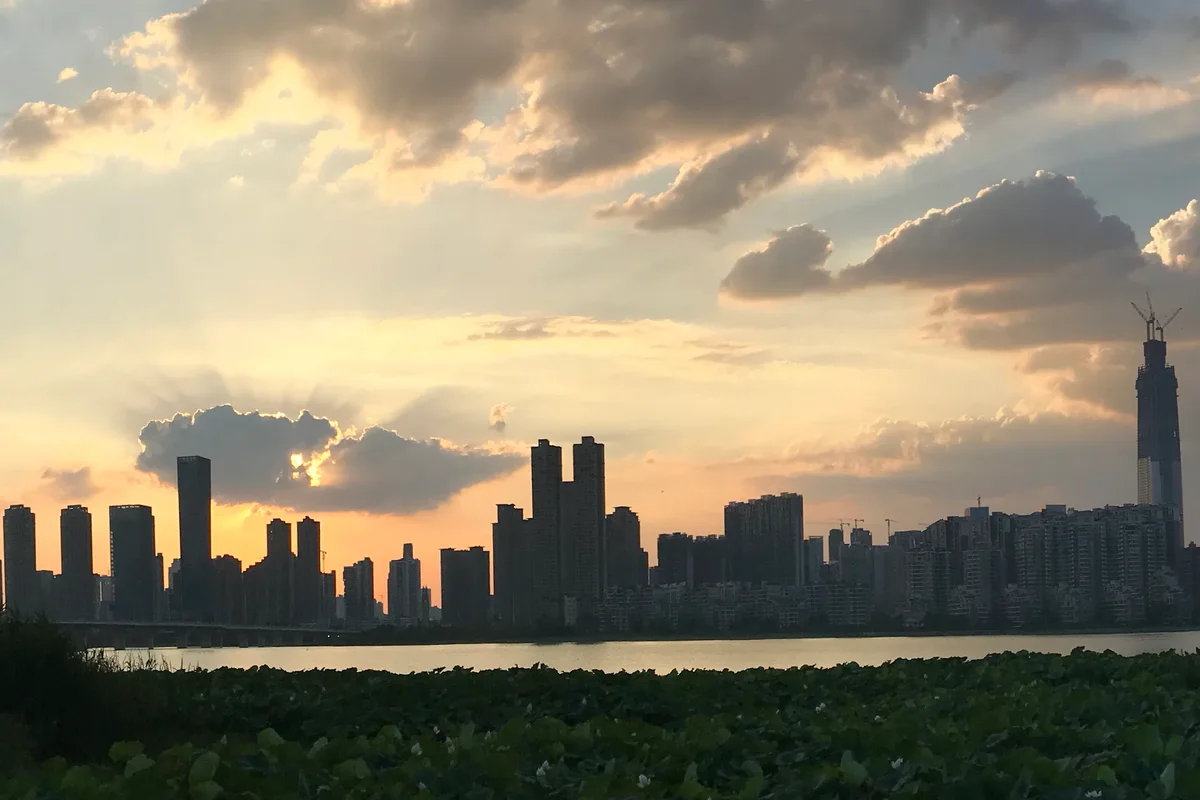
Get to know Wuhan through its rivers, streets, lake and breakfast culture. The Yangtze and Han rivers divide the city into Hankou, Hanyang and Wuchang, with bridges linking their banks. Along the waterfront, landmark buildings stand near historic commercial districts; farther into the city, breakfast stalls serve the lively local tradition known as guozao. To the east, East Lake opens onto broad waters, while Hubei Provincial Museum offers a glimpse of the region's history through its collections. Seen together, these places reveal Wuhan as both a city shaped by its rivers and a city made up of distinct neighborhoods and everyday life.
Two rivers and three towns shape Wuhan
The Yangtze and Han rivers meet in Wuhan. Hankou lies north of the Han, Hanyang sits between the two rivers, and Wuchang faces Hanyang across the Yangtze. Bridges, riverbanks and cross-river transport connect the three towns, but each has a distinct streetscape: Hankou retains neighborhoods shaped by its past as a trading port; Hanyang has a riverfront around Tortoise Hill and Qingchuan Pavilion; and Wuchang is associated with Snake Hill, Yellow Crane Tower and its urban waterfront.
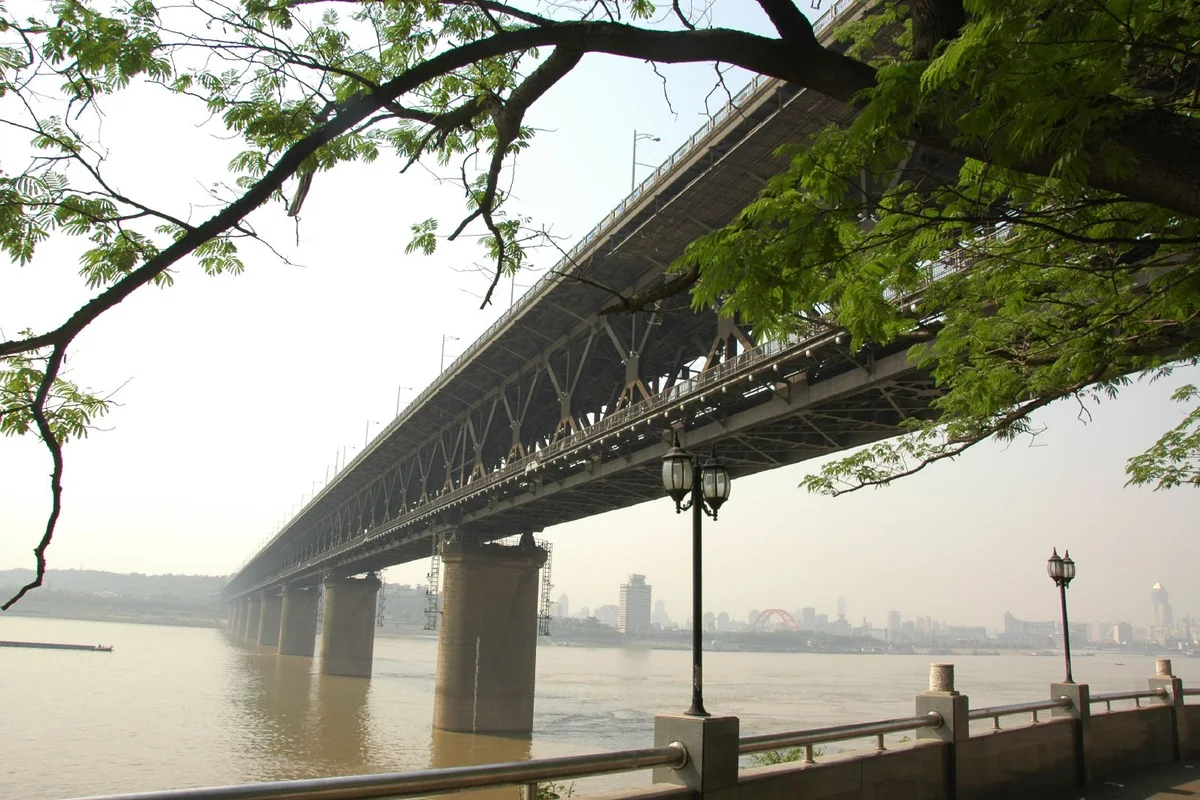
The Yangtze River Bridge makes this geography tangible. Road and rail traffic cross on separate levels, with the Yangtze shipping channel below. From the riverbank, the bridge and the two shores help explain why Wuhan's main sights are spread across different districts. Here, the river is more than a backdrop: bridges and cross-river travel are part of everyday city life.
Yellow Crane Tower and the Wuchang waterfront
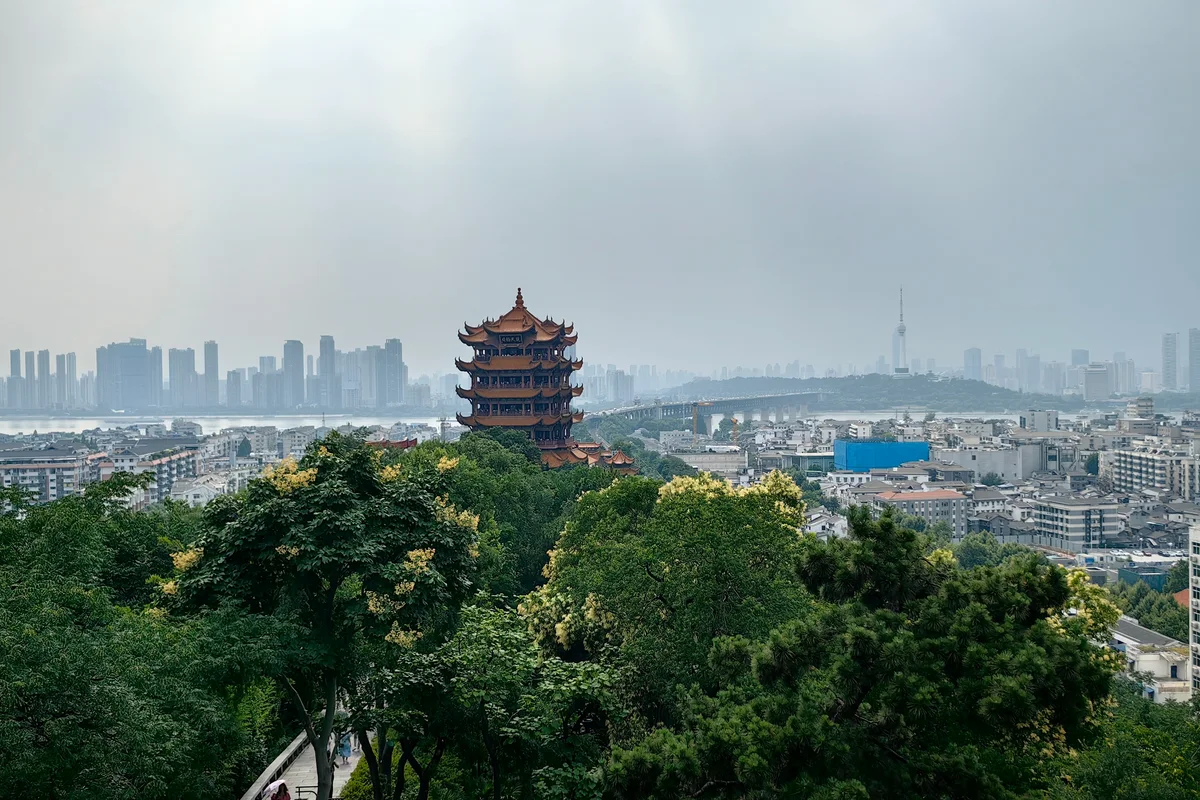
Yellow Crane Tower stands on Snake Hill in Wuchang and is one of Wuhan's most recognisable landmarks. From the tower, visitors can look out over the Yangtze River Bridge, the river and the urban districts on both banks. Its position above the city also reveals the broad waters formed where the two rivers meet. Poems by Cui Hao, Li Bai and other writers are associated with the tower; the park's stele corridors and pavilions give that literary history a physical setting among its buildings and hillsides.
A view from the Yellow Crane Tower area towards the Yangtze River Bridge brings a historic landmark, the riverfront and transport infrastructure still in use into one cityscape. For a first-time visitor, this perspective makes the relationship between Wuchang and the opposite bank easier to grasp than remembering the tower on its own.
Hankou’s old streets and three shopping choices
Hankou's neighborhoods preserve traces of Wuhan's modern commercial history. Around Lihuangpi Road, visitors can see former banks and trading houses, churches and residences; shops and everyday life continue along these streets. Along Yanjiang Avenue, buildings such as the Jianghan Customs House can be seen in relation to the Yangtze riverfront. These historic buildings are part of the neighborhood, not isolated exhibits.
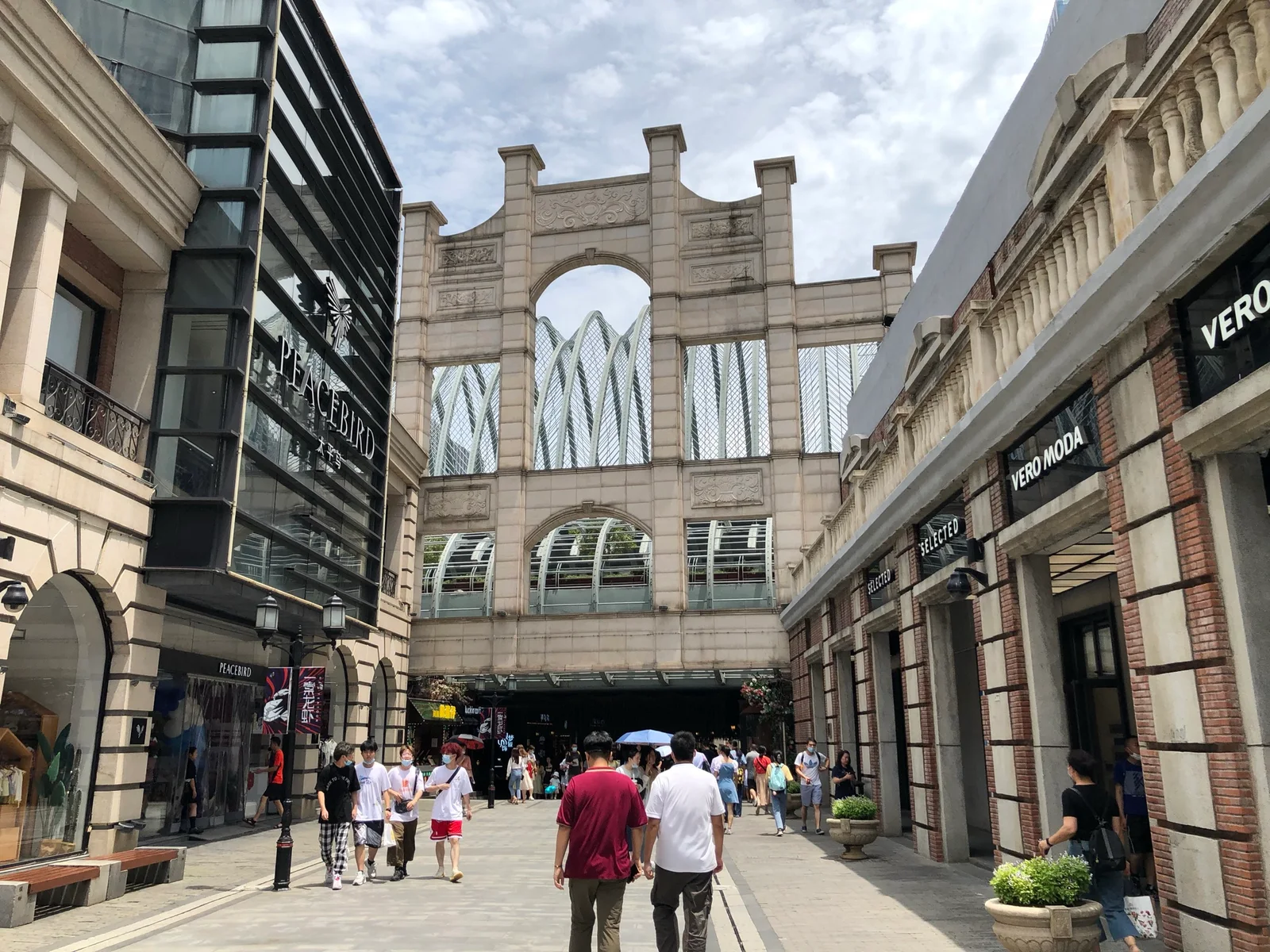
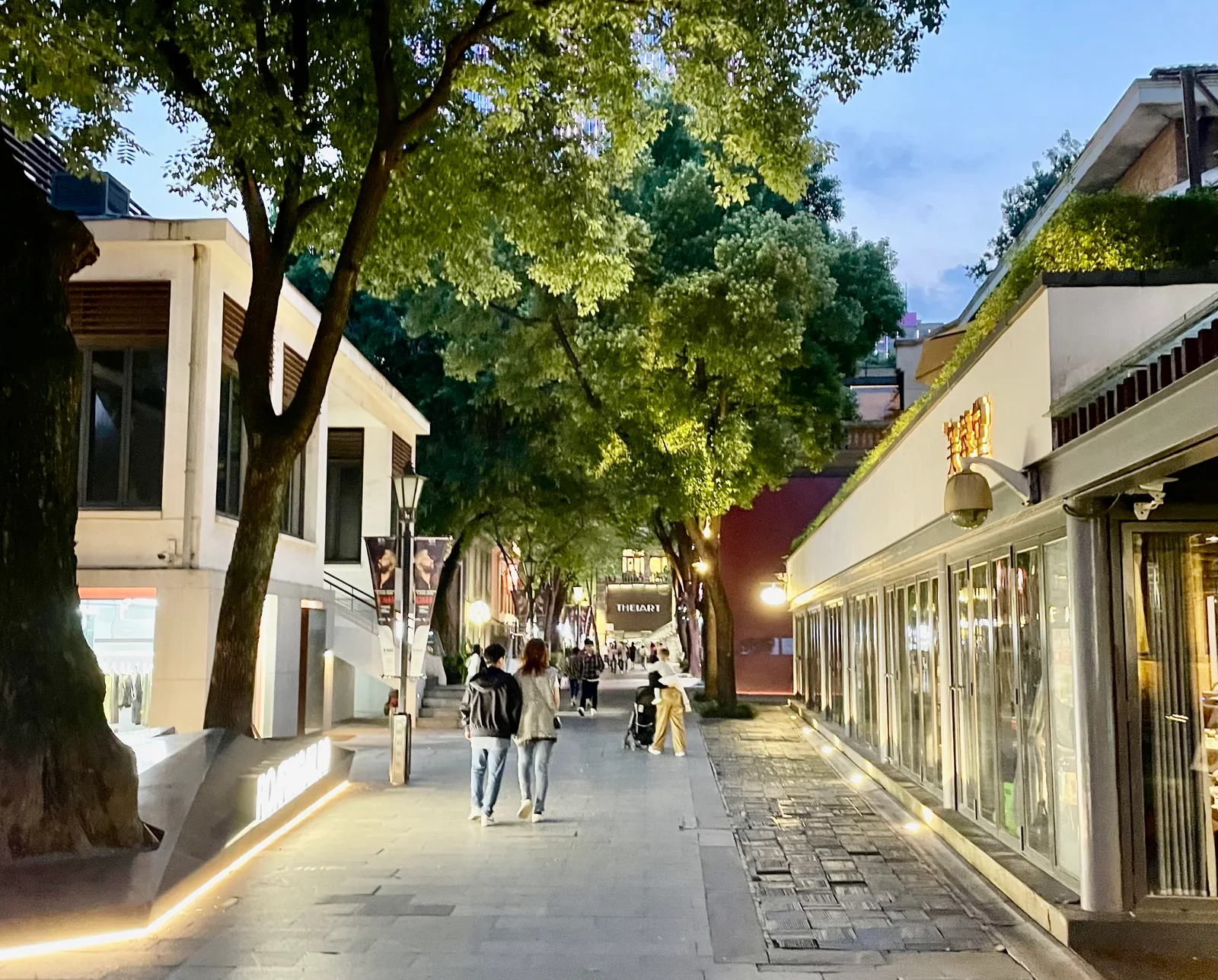
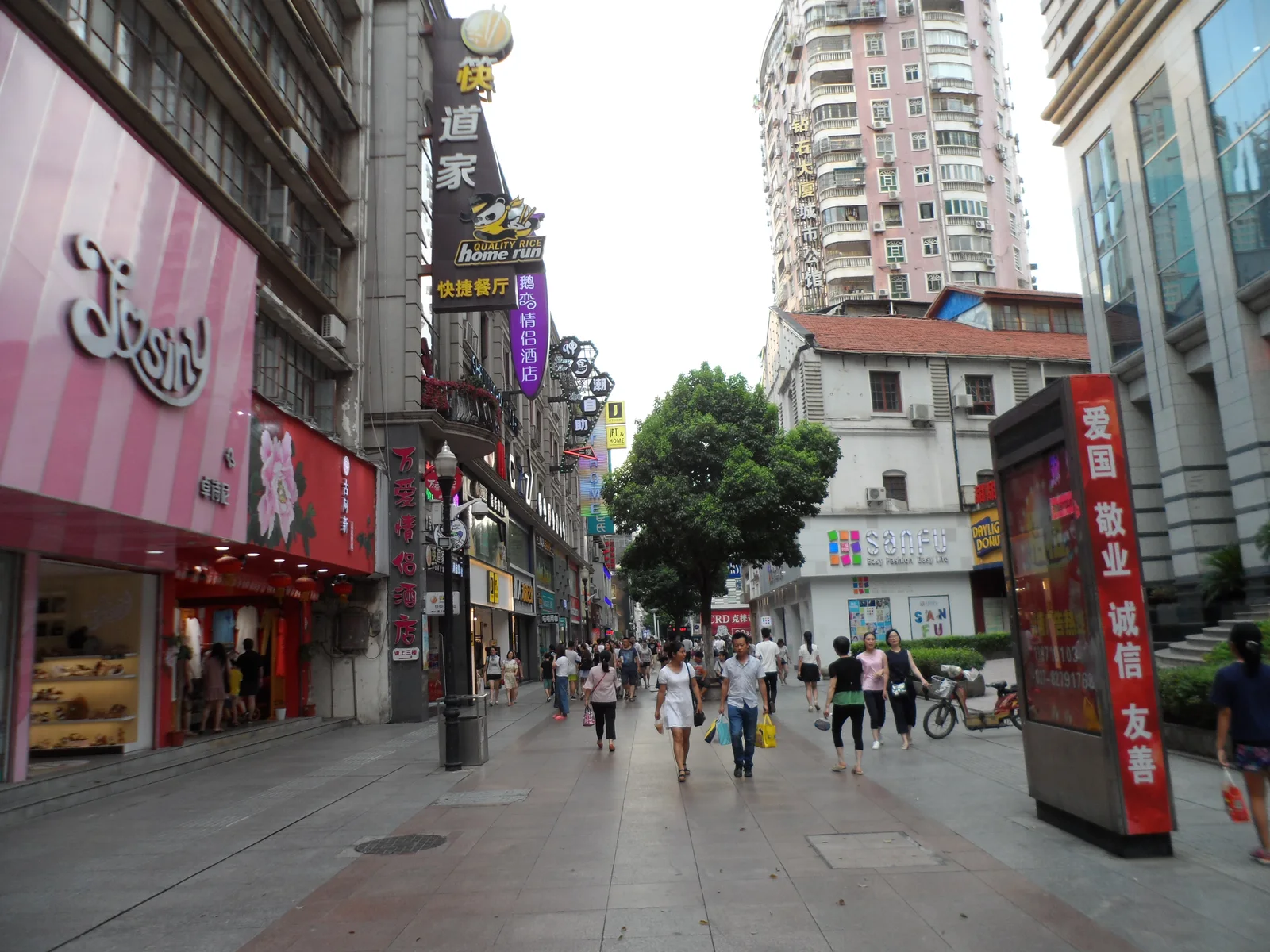
Jianghan Road Pedestrian Street reveals another side of Hankou in the same part of the city: historic facades stand alongside shopping centers, restaurants and retail and entertainment spaces. In Wuchang, Chuhe Hanjie stretches along the Chu River, packing retail, dining and performance venues into a 1.5-kilometer waterfront pedestrian street. In Hankou, Wuhan Xintiandi preserves early modern buildings and combines an open-air street district with its South and North Halls; it suits a slower meal or a stroll. Each has a different focus: Jianghan Road is tied to old Hankou, Chuhe Hanjie is a newer waterfront commercial district, and Wuhan Xintiandi is more of an open-air district for dining and leisure.
Getting to know Wuhan through guozao, its breakfast culture
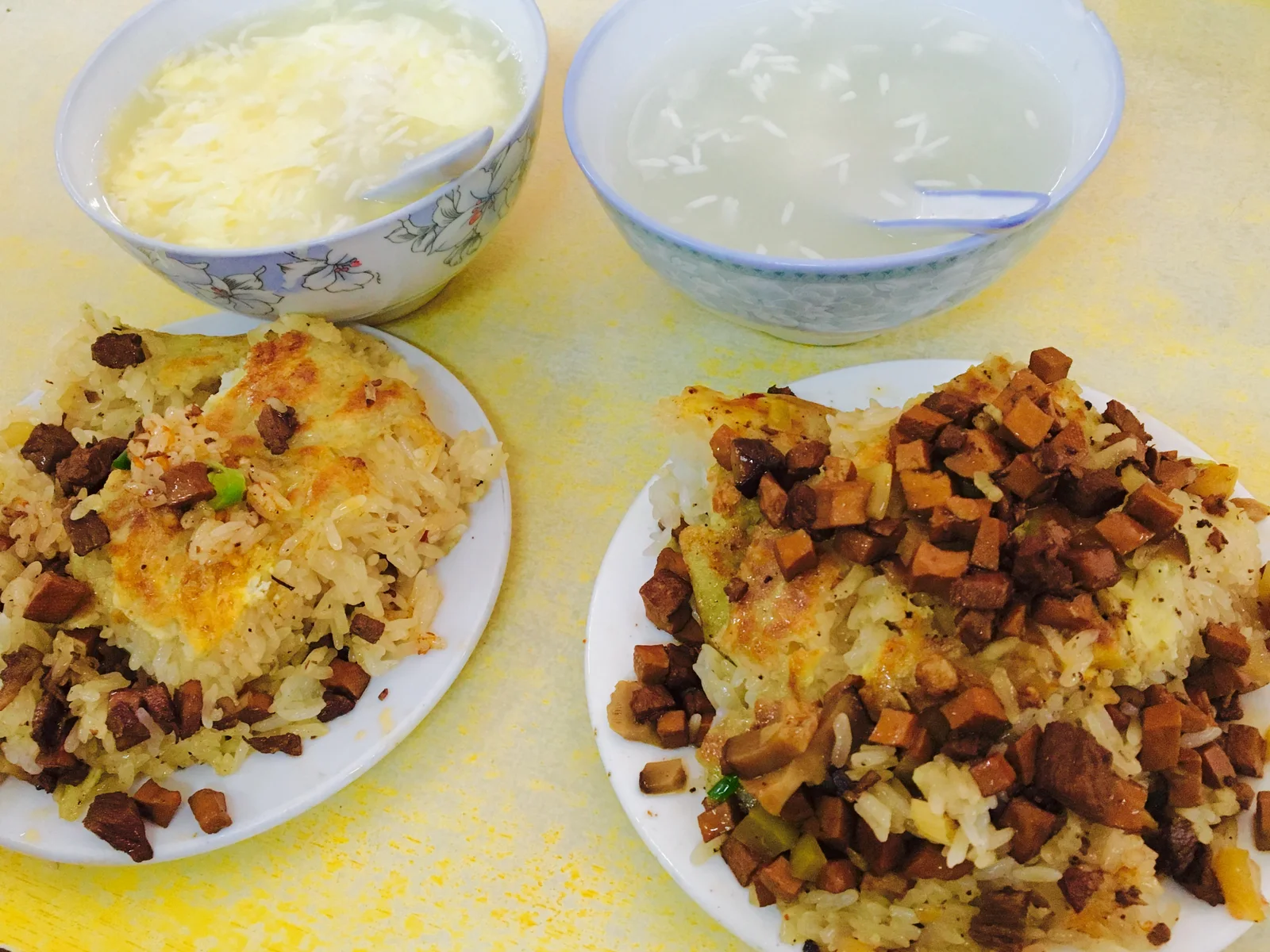
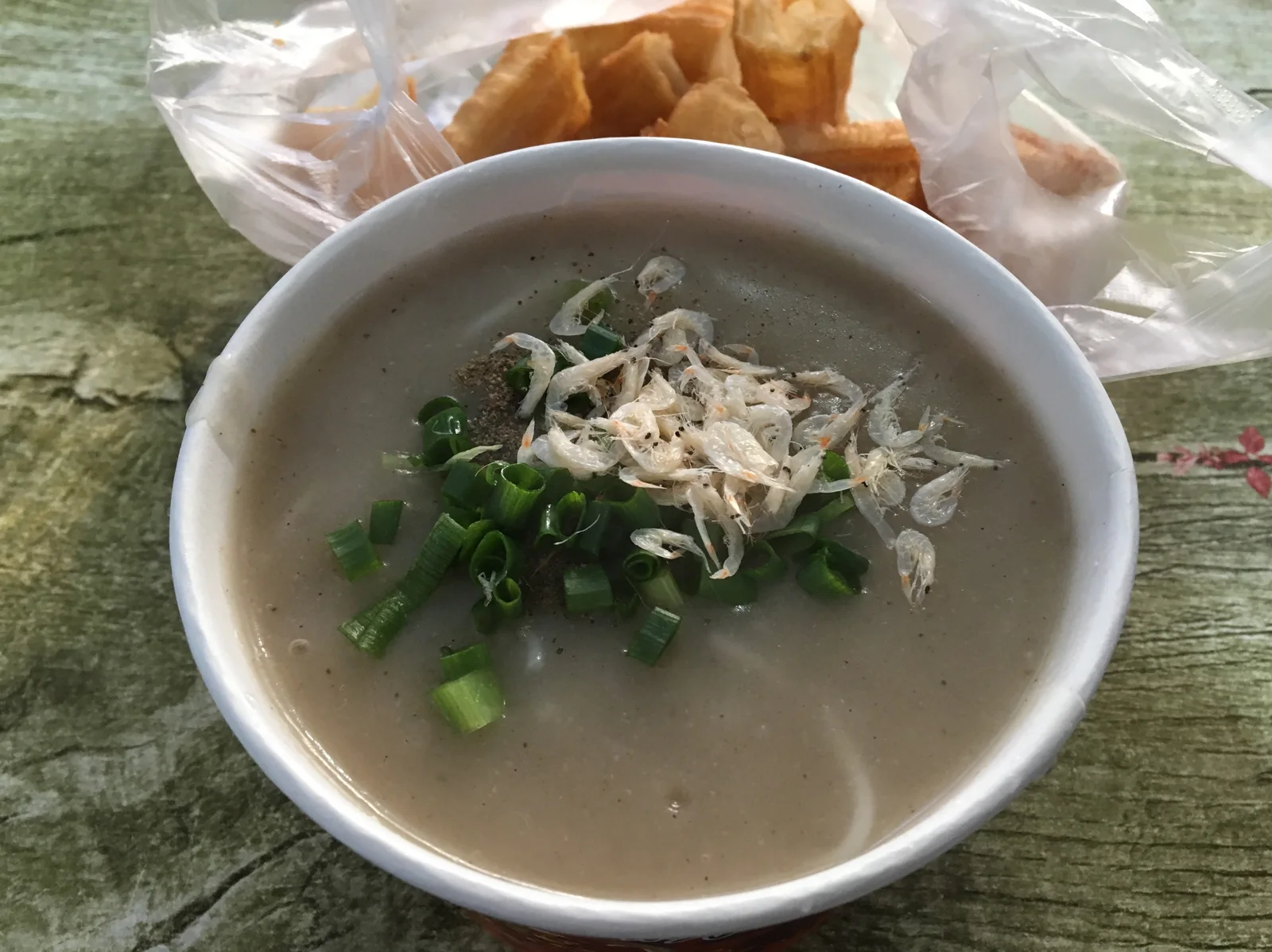
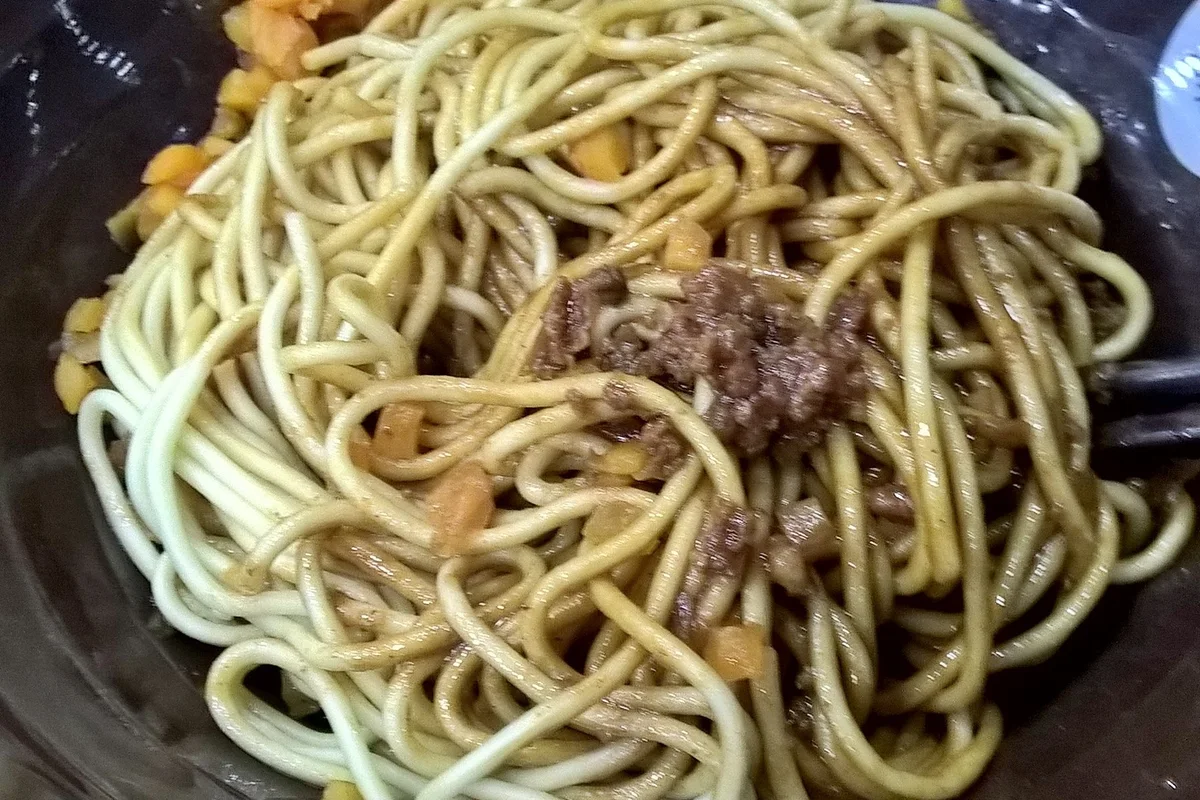
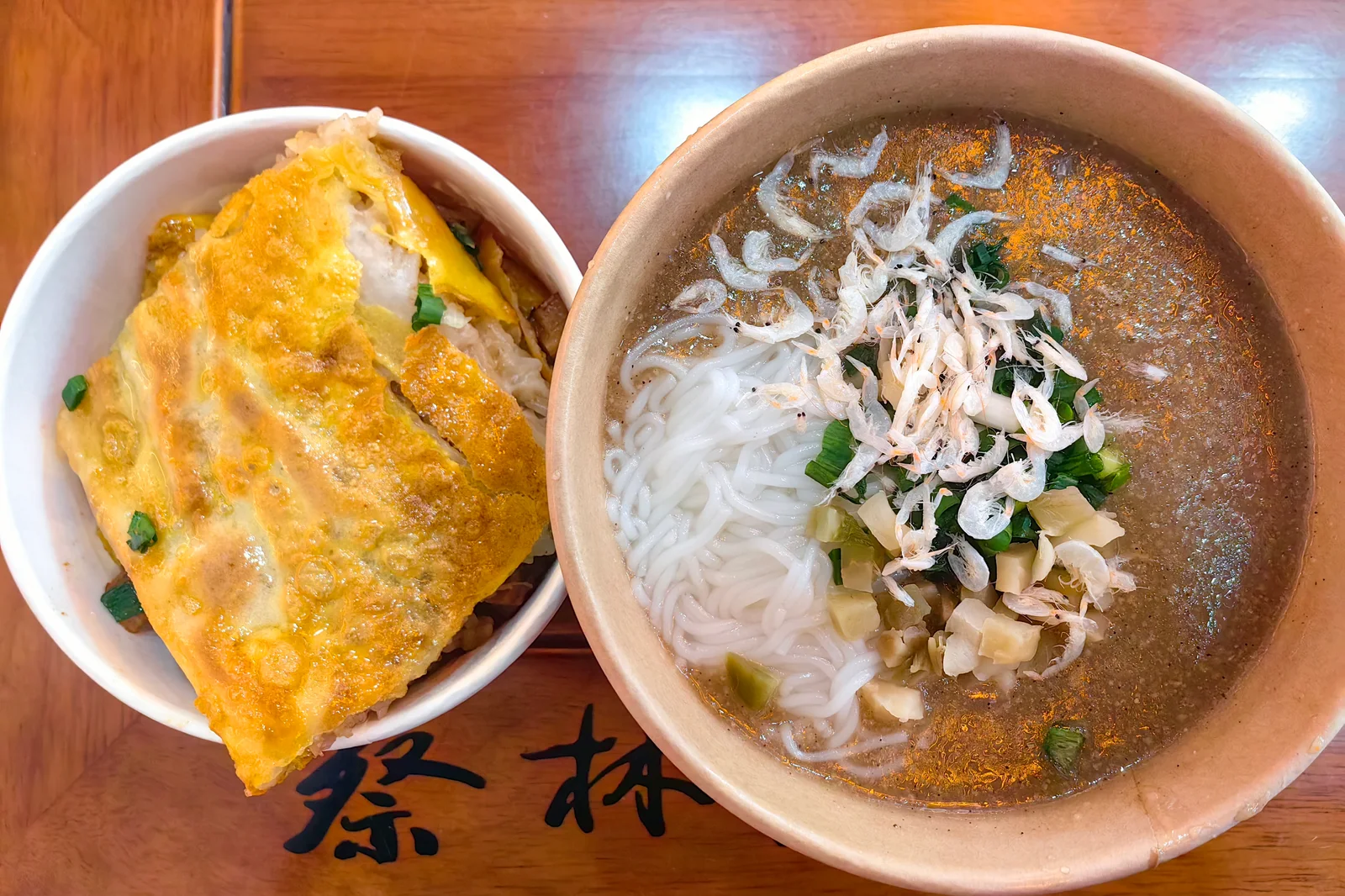
In Wuhan, having breakfast is often called guozao. Hot dry noodles are alkaline noodles tossed with sesame paste and seasonings, served without broth. Three-delicacy doupi wraps a glutinous-rice filling in a mung-bean-and-rice wrapper with an egg-fried outer layer. Fish soup rice noodles pair rice noodles with a thick, savory fish broth, often seasoned with pepper, ginger and scallions. Mianwo, soup dumplings and danjiu (a sweet egg drink) also appear at breakfast stalls, so there is no single set breakfast combination.
Together, these foods offer a glimpse of everyday eating in Wuhan: the dry fragrance of sesame paste, the crisp, pan-fried aroma of doupi and the peppery savor of fish broth come from different cooking methods, and ingredients vary by vendor. Sesame, eggs, fish or shellfish, and meat may appear in different dishes. If you have dietary restrictions or allergies, check each ingredient with the vendor rather than relying on a dish's name alone.
East Lake and the Provincial Museum: lakeshore and history
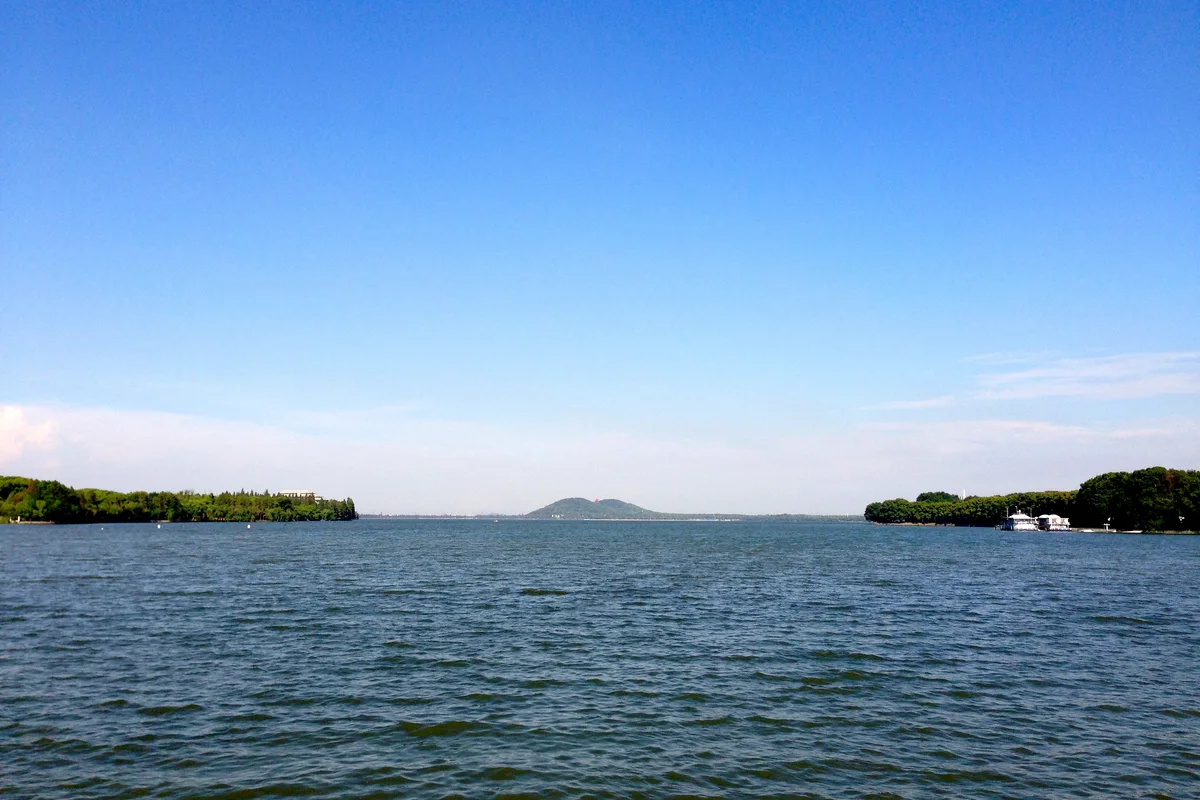
East Lake includes distinct areas such as Tingtao and Moshan, and its greenway links shorelines, woodland, embankments and islands. The broad water lies alongside urban neighborhoods; as the view shifts from buildings to the lake, Wuhan reveals a side quite different from old Hankou or the Wuchang riverfront. The scenery and visitor experience vary across East Lake, so it is best understood as a collection of areas rather than one single attraction.
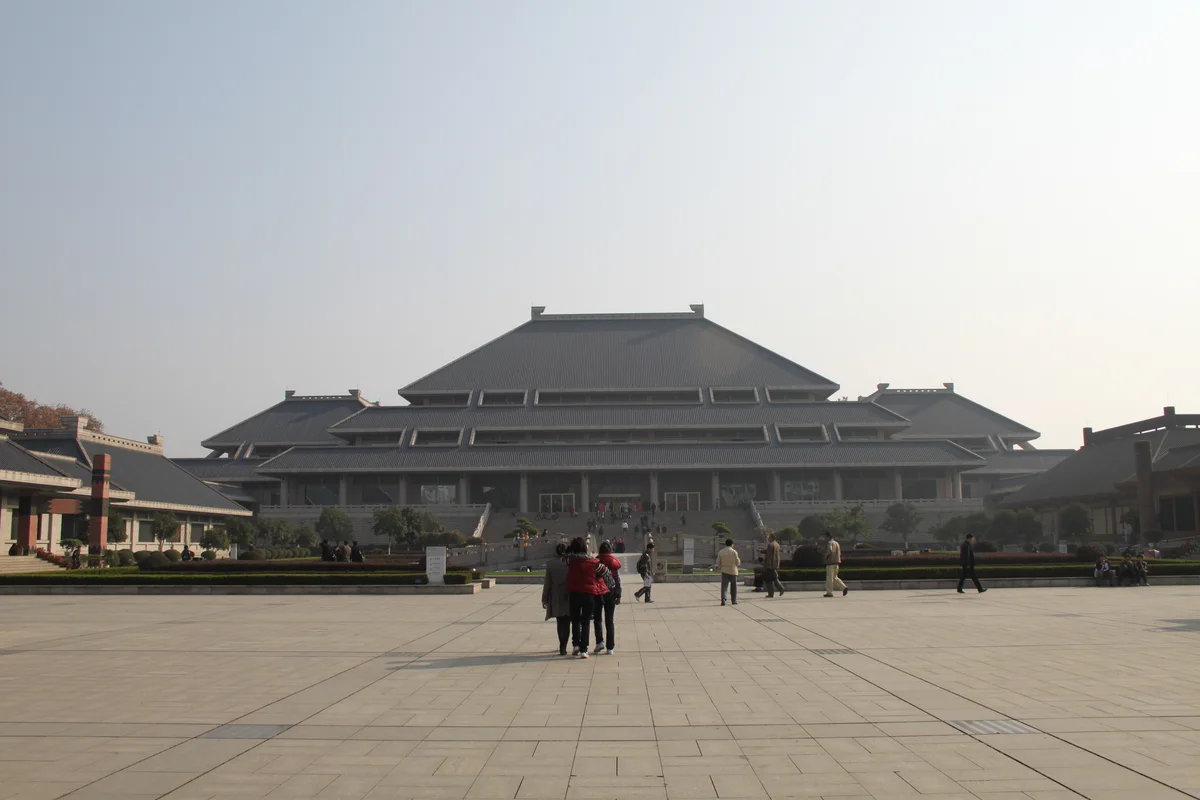
Hubei Provincial Museum presents the history of Hubei through archaeology and its collections. The Marquis Yi of Zeng chime bells and the Sword of Goujian are among its notable objects: the bells offer a glimpse of pre-Qin ritual music and bronze-casting techniques, while the sword is tied to the circumstances of its discovery. Together, East Lake and the museum show two sides of Wuhan's surroundings: open lakeshores and a rich historical collection. The museum photo shows the former building's courtyard and is a historical image, not current entrance guidance.