City introduction
When you first look at a map of Xi'an, find the city wall: an almost square ring encloses the old city, four main streets meet at the center, and the Bell Tower stands at the intersection. Inside the wall are the old districts of Beilin, Lianhu and Xincheng, with dense lanes and a small scale; outside it, the High-tech Zone, Qujiang New District and Chanba Ecological District each form a distinct area. Xi'an is not a city that spreads outward in rings from the Bell Tower; it is an old city set alongside several new ones. Farther out, the Qinling Mountains lie to the south and the Wei River to the north, and the Qin tomb and Mount Li at Lintong are also within the city's administrative area.
The Square Old City Inside the Walls
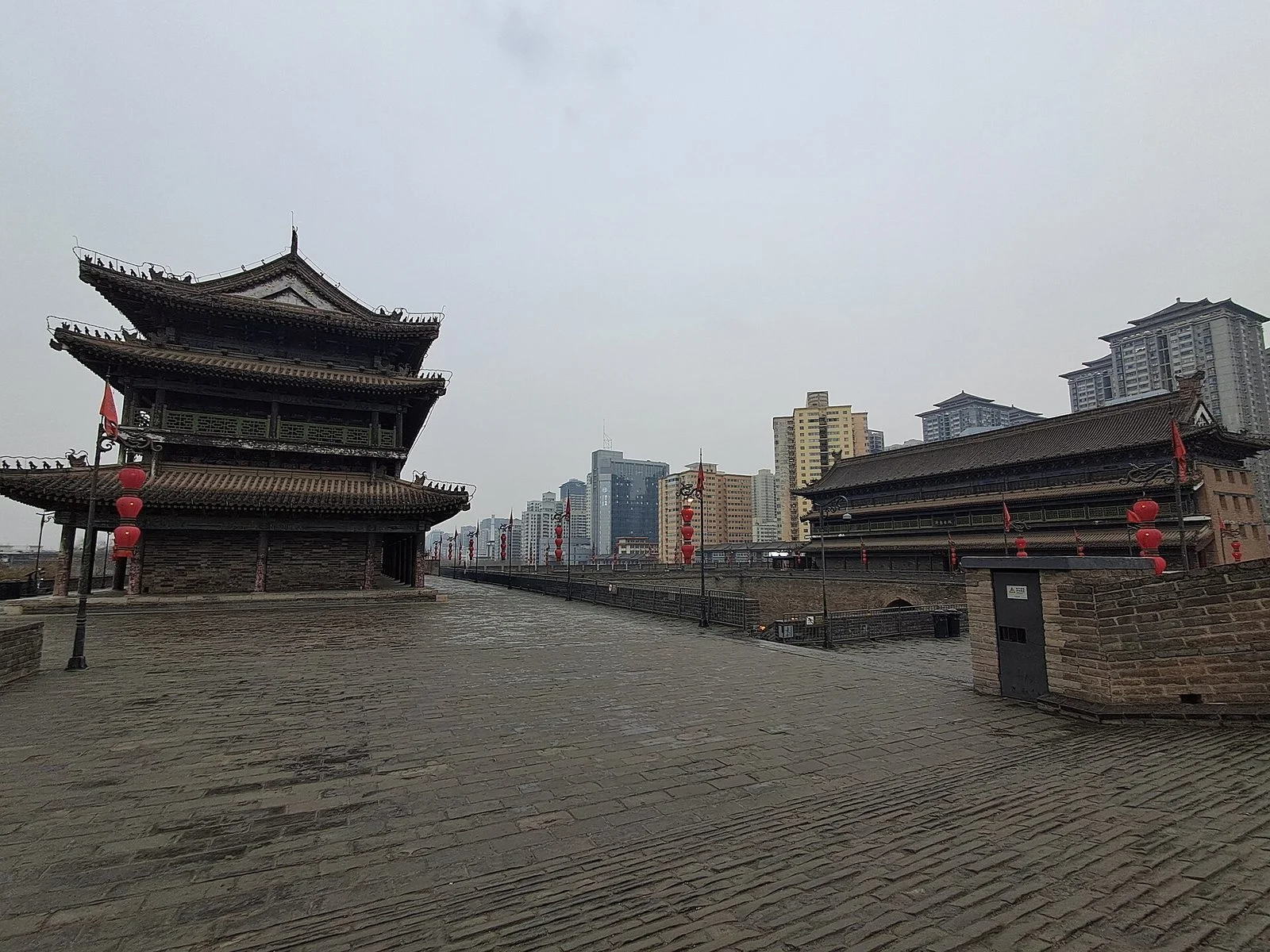
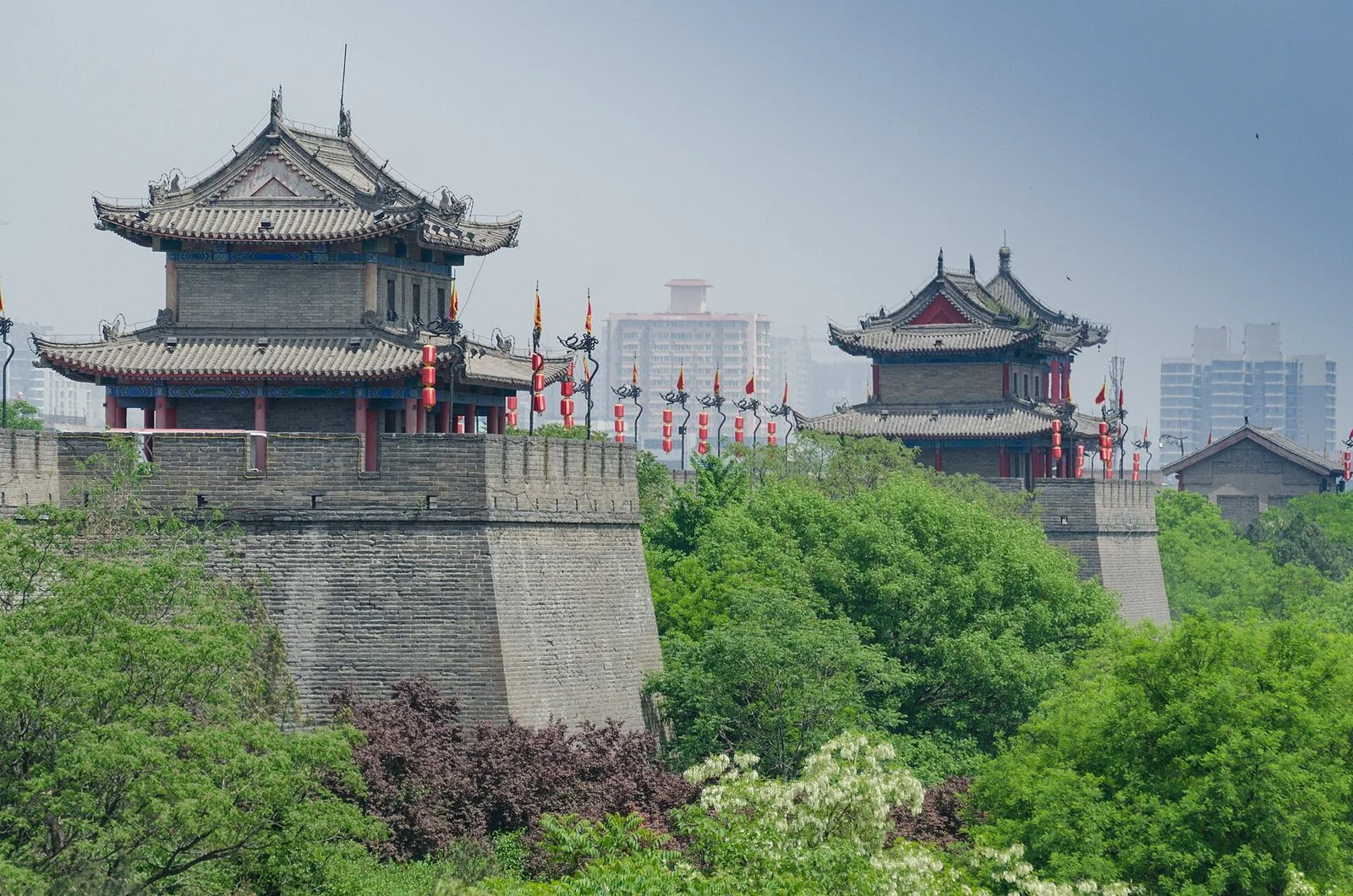
The wall you see today is the Xi'an prefectural city wall, enlarged in the Hongwu era of the Ming dynasty (1370–1378) on the foundations of the Tang imperial city. It runs 13.74 kilometers around, and its brick face, bastions, watchtowers, battlements and moat form one complete defensive system. Inside, the grid of streets survives: four main streets, east, west, south and north, radiate from the Bell Tower and divide the old city into blocks, with lanes reaching in from both sides.
From the top of the wall, the difference between the two sides is plain: inside are low courtyard houses, street trees and old buildings, while outside the ring park and moat run close to the wall and high-rises begin beyond. The wall makes the old city a walkable unit, and it has made 'inside the city' and 'outside the city' everyday terms for giving directions in Xi'an.
Bell Tower, Drum Tower and the Hui Quarter
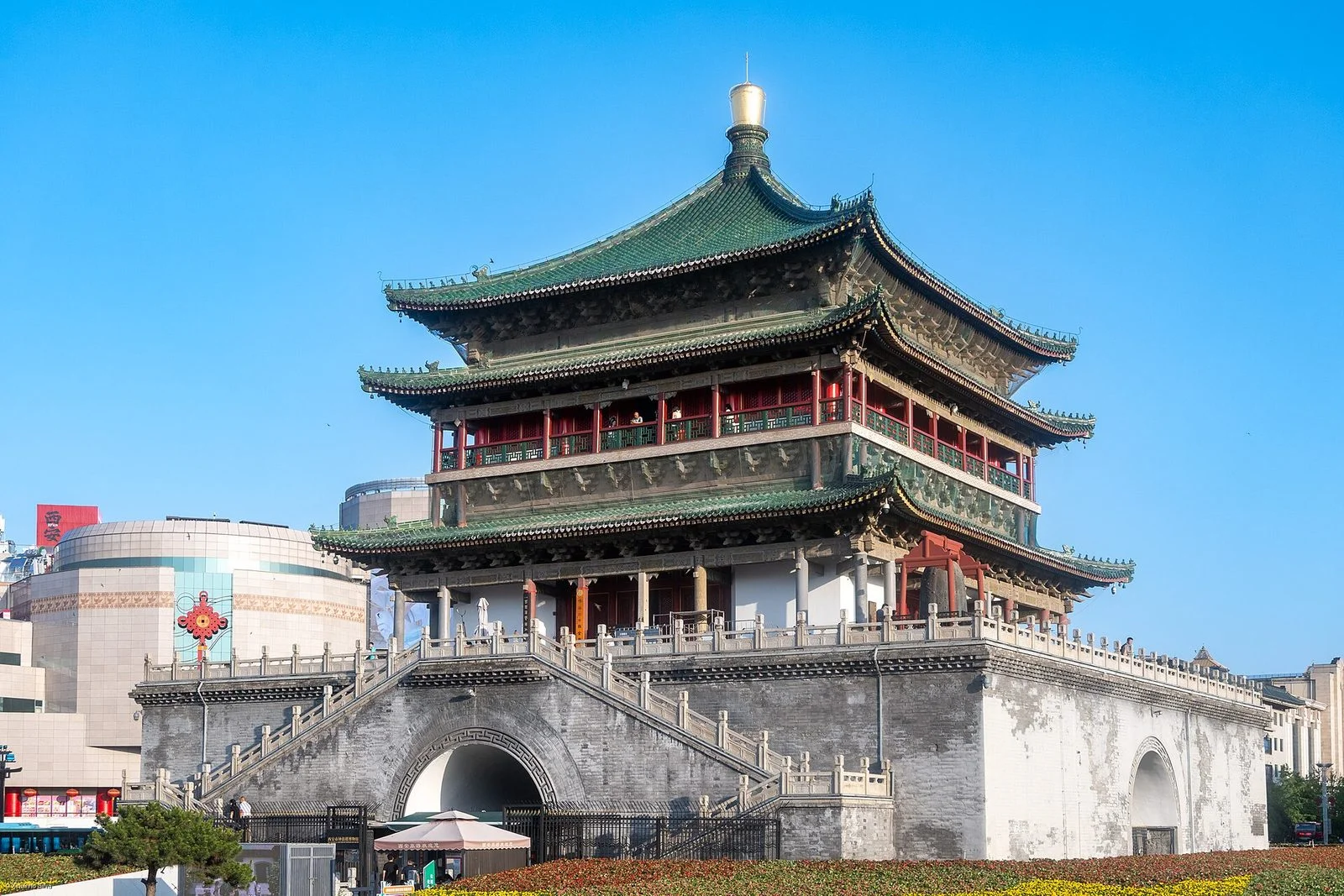
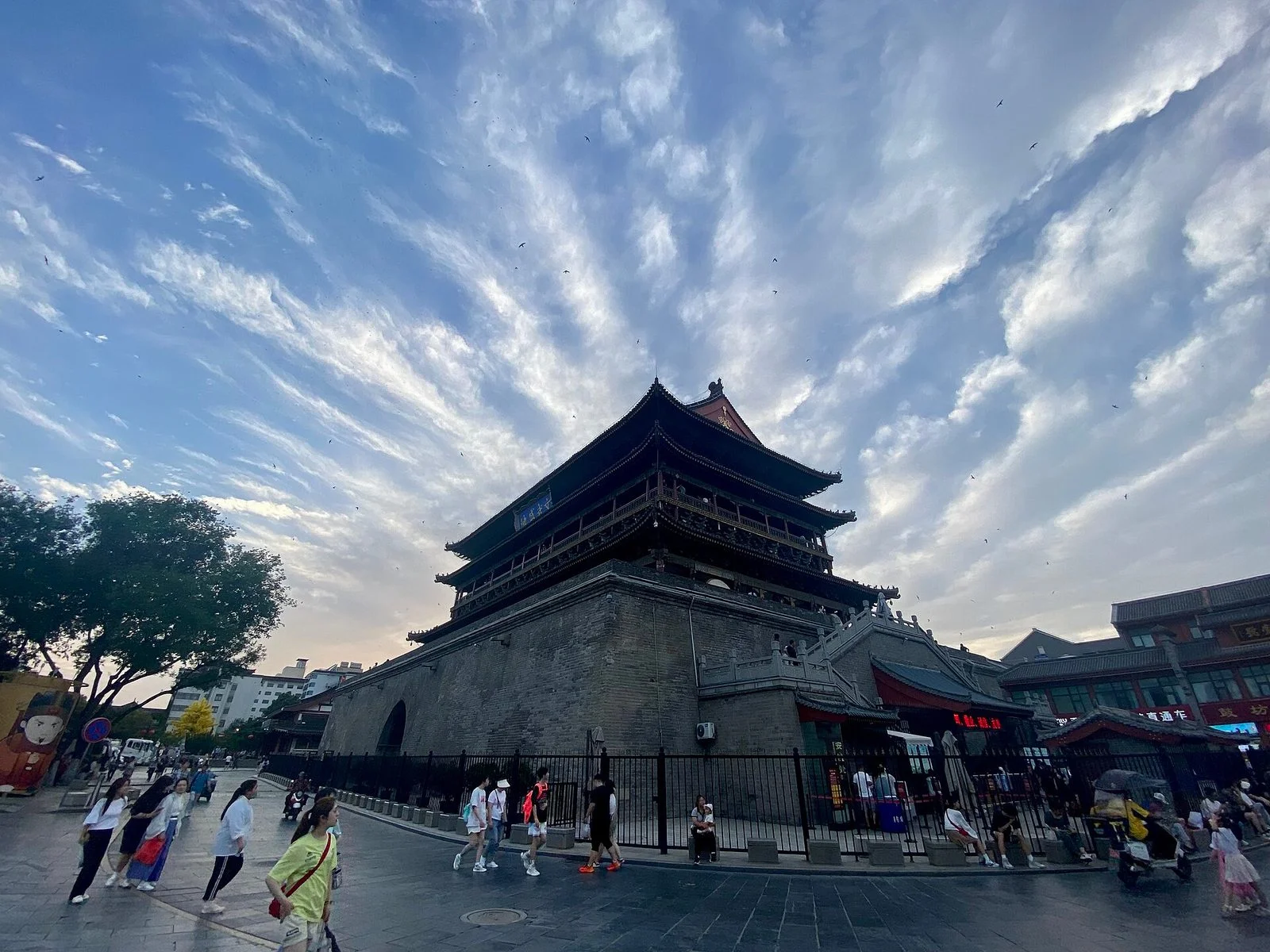
The Bell Tower stands at the meeting point of the four main streets, with the Drum Tower to its northwest. Both are Ming buildings, though their present form comes from later rebuilds. Traffic runs in a ring below the Bell Tower, with a pedestrian passage; turn west from the Drum Tower and you enter the Hui Quarter (Huifang): Beiyuanmen, Xiyangshi, Huajue Lane and Dapiyuan.
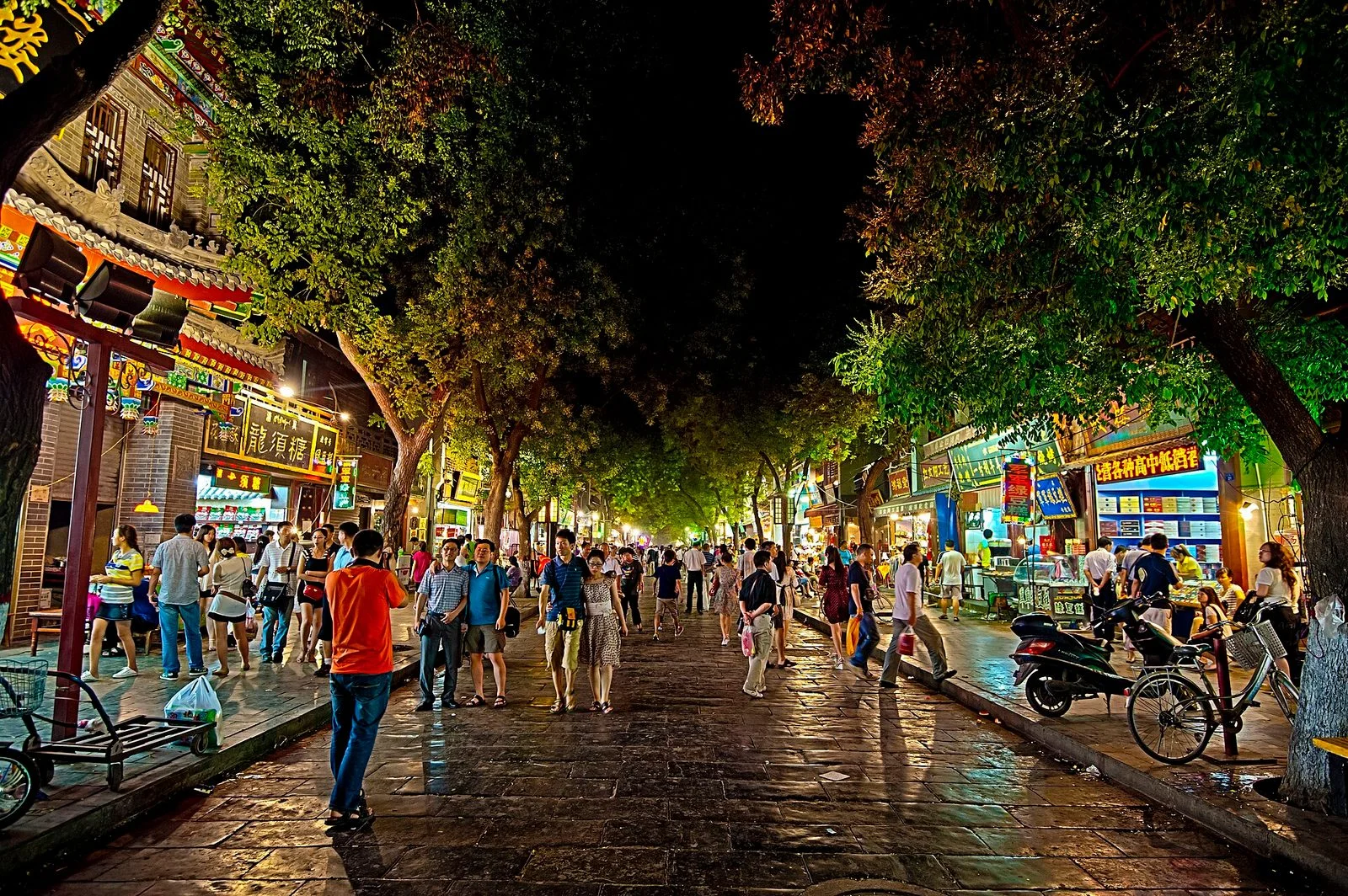
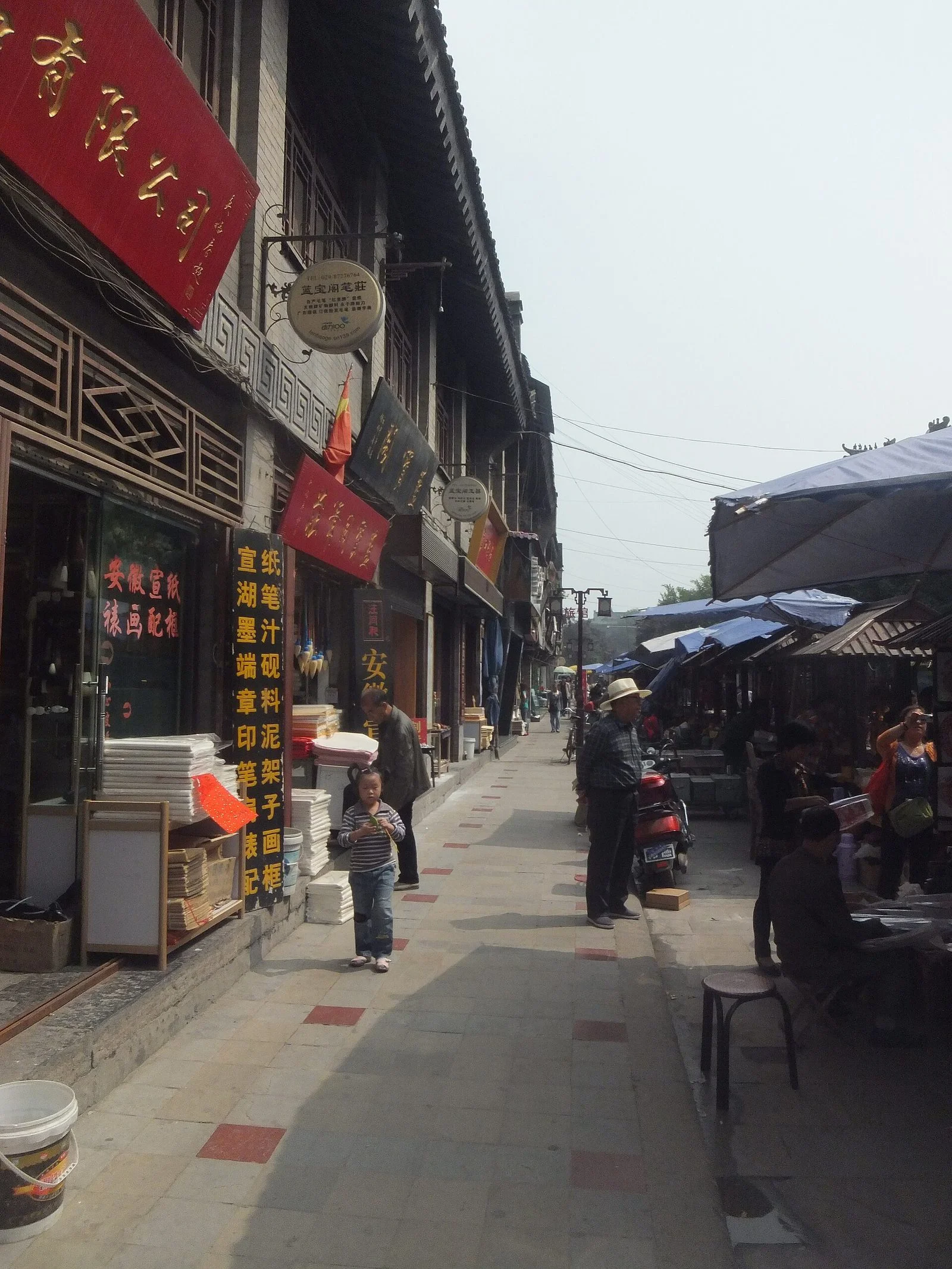
The Hui Quarter is where Hui residents live, not a set built for tourists. Its streets hold mosques, butcher shops, pastry stalls and paomo restaurants, and residents, delivery tricycles and visitors share the lanes. Slow down here: gateways, brick carvings, shop signs and the bread on the stove say more about daily life than the calls from the main street.
Tang Chang'an Was Not Where the Wall Stands Today
Xi'an is often called the capital of thirteen dynasties, but today's wall does not coincide with Tang Chang'an. The outer city of Tang Chang'an was far larger than the Ming city; the Ming wall reused only one section of the Tang imperial city's foundations. Inside today's wall is the Ming prefectural city, not the whole of Tang Chang'an.
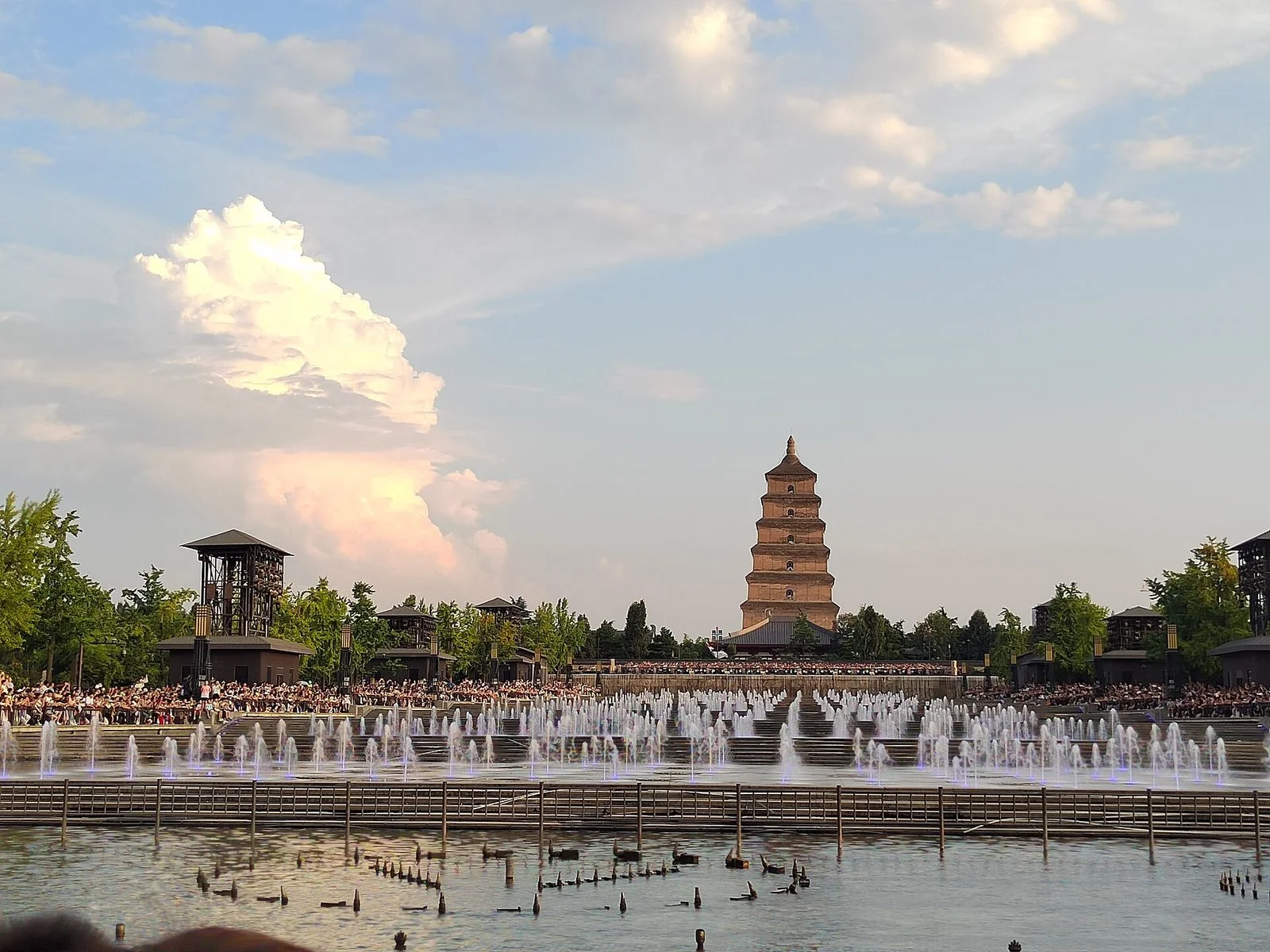
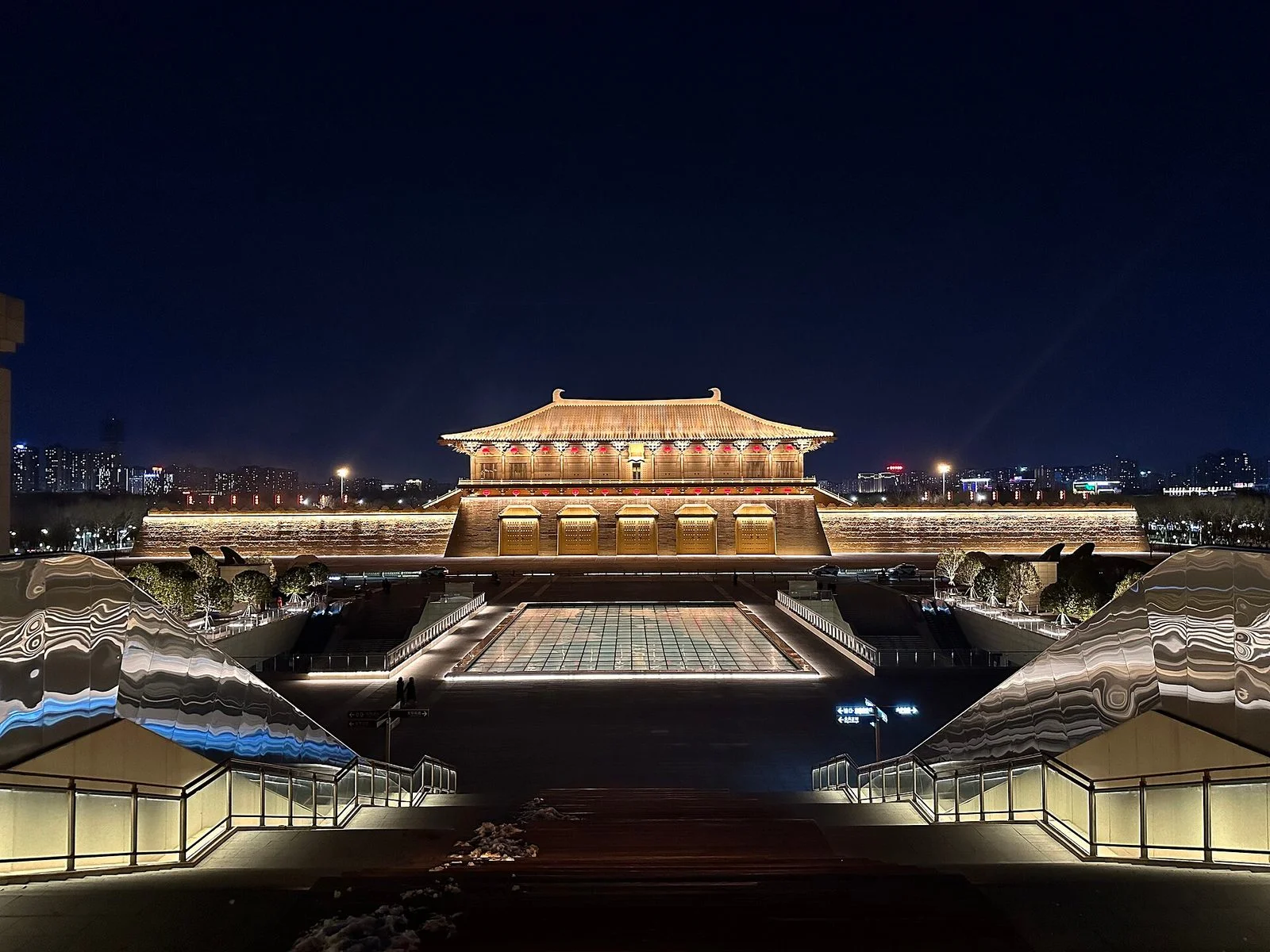
Traces of Tang Chang'an are scattered outside the wall. Daming Palace stood on Longshou Plain north of the city; its site park preserves the platforms of Hanyuan Hall, Linde Hall and others, and Danfeng Gate, due south, has been rebuilt in Tang form, with the Danfeng Gate Site Museum inside. No Tang original survives there. The Giant Wild Goose Pagoda is in Da Ci'en Temple south of the city; Xuanzang built it to store the scriptures he brought back, and in 2014 it was inscribed on the World Heritage List as part of the Silk Roads: the Routes Network of Chang'an–Tianshan Corridor. At these places, distinguish the Tang original sites from later reconstruction and display.
Lintong: The Qin Tomb and Mount Li
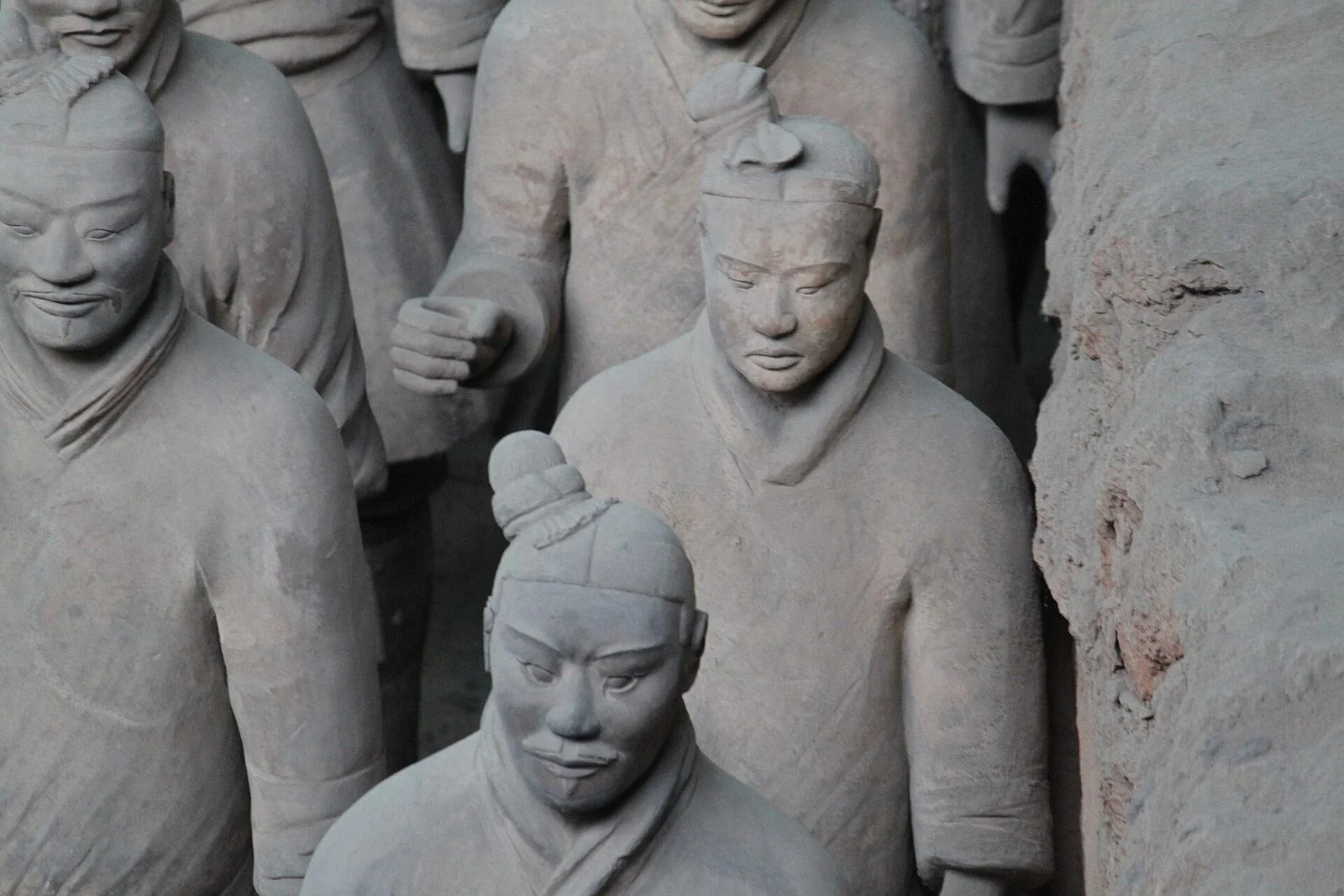
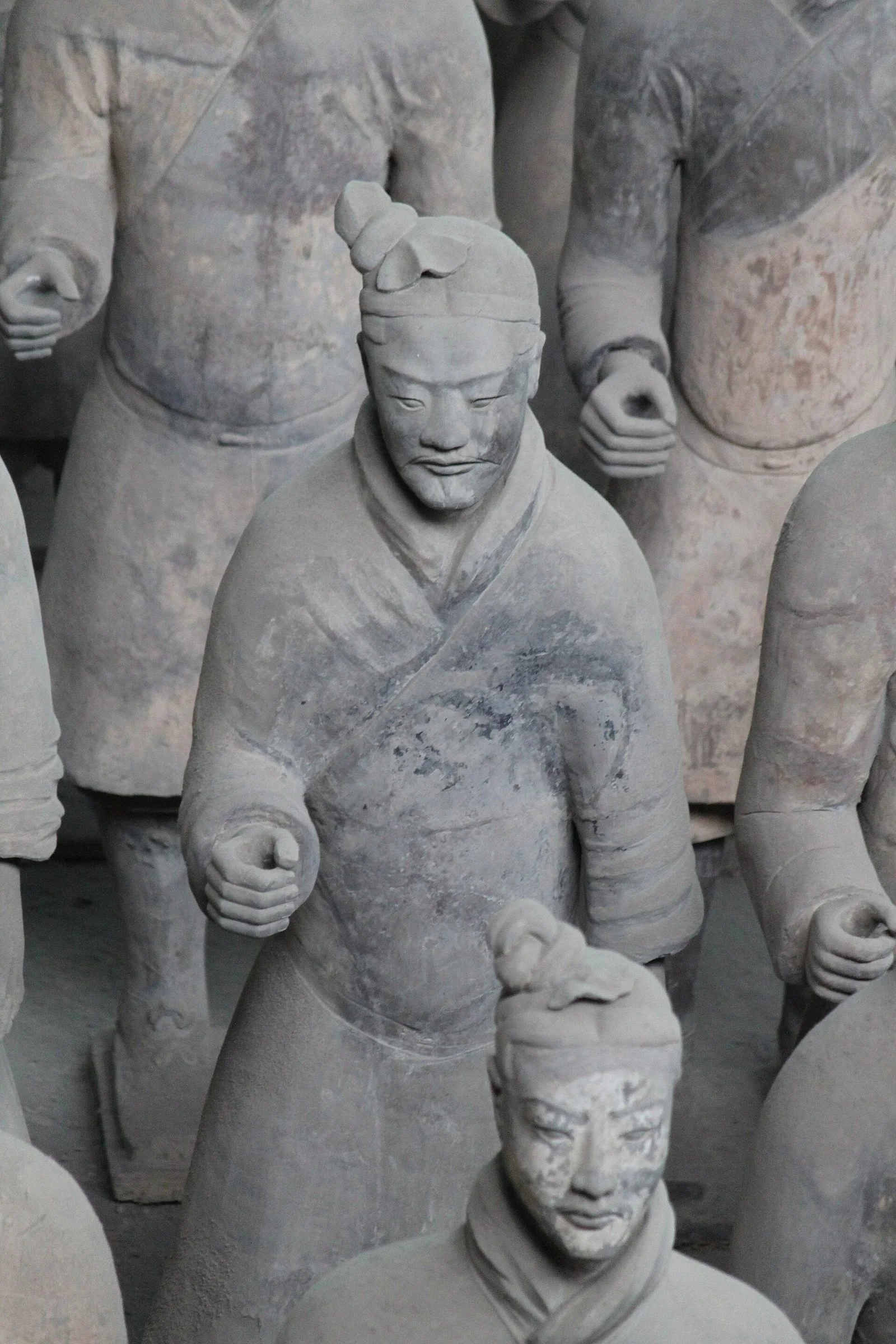
The Terracotta Army is in Lintong District, about 30–40 kilometers from the old city. It belongs to Xi'an's administrative area but is well beyond walking range. The Mausoleum of the First Qin Emperor and the terracotta pits were inscribed on the World Heritage List in 1987; Pits 1, 2 and 3, open today, are part of the tomb complex's accompanying pits. The bronze chariots are displayed at Lishan Garden to the west. The underground palace beneath the burial mound has not been excavated.
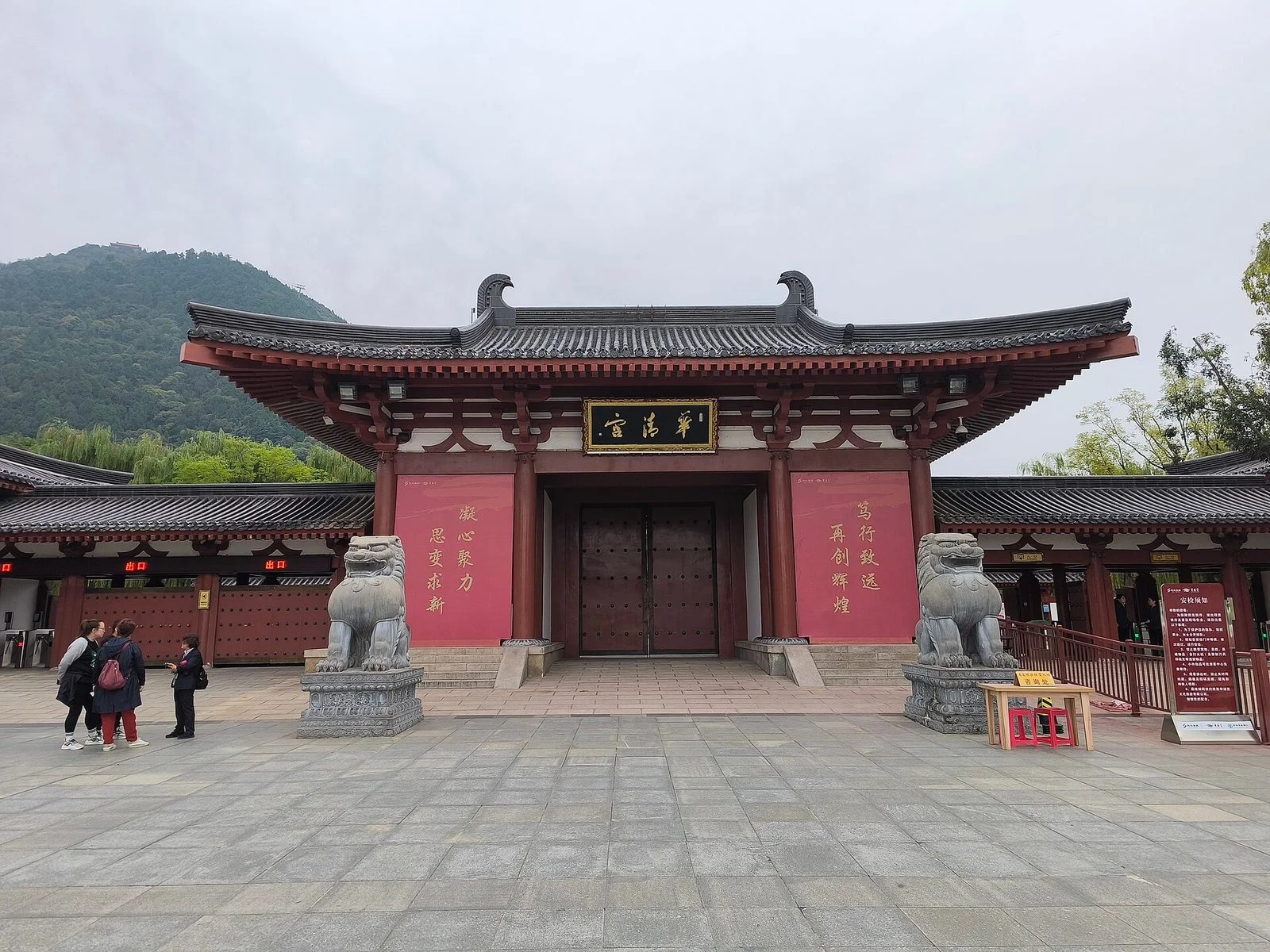
Huaqing Palace, on the northern slope of Mount Li, is also in Lintong. Five groups of Tang bathing pools survive on the site of the Tang palace, and the Bingjian Pavilion halfway up the mountain commemorates the Xi'an Incident of 1936. The distance between Lintong and the old city is substantial: if you plan to fit the Qin tomb, Huaqing Palace and the walled city into one day, work out the travel time first.
Wheat Foods, Paomo and Xi'an Beyond the Wall
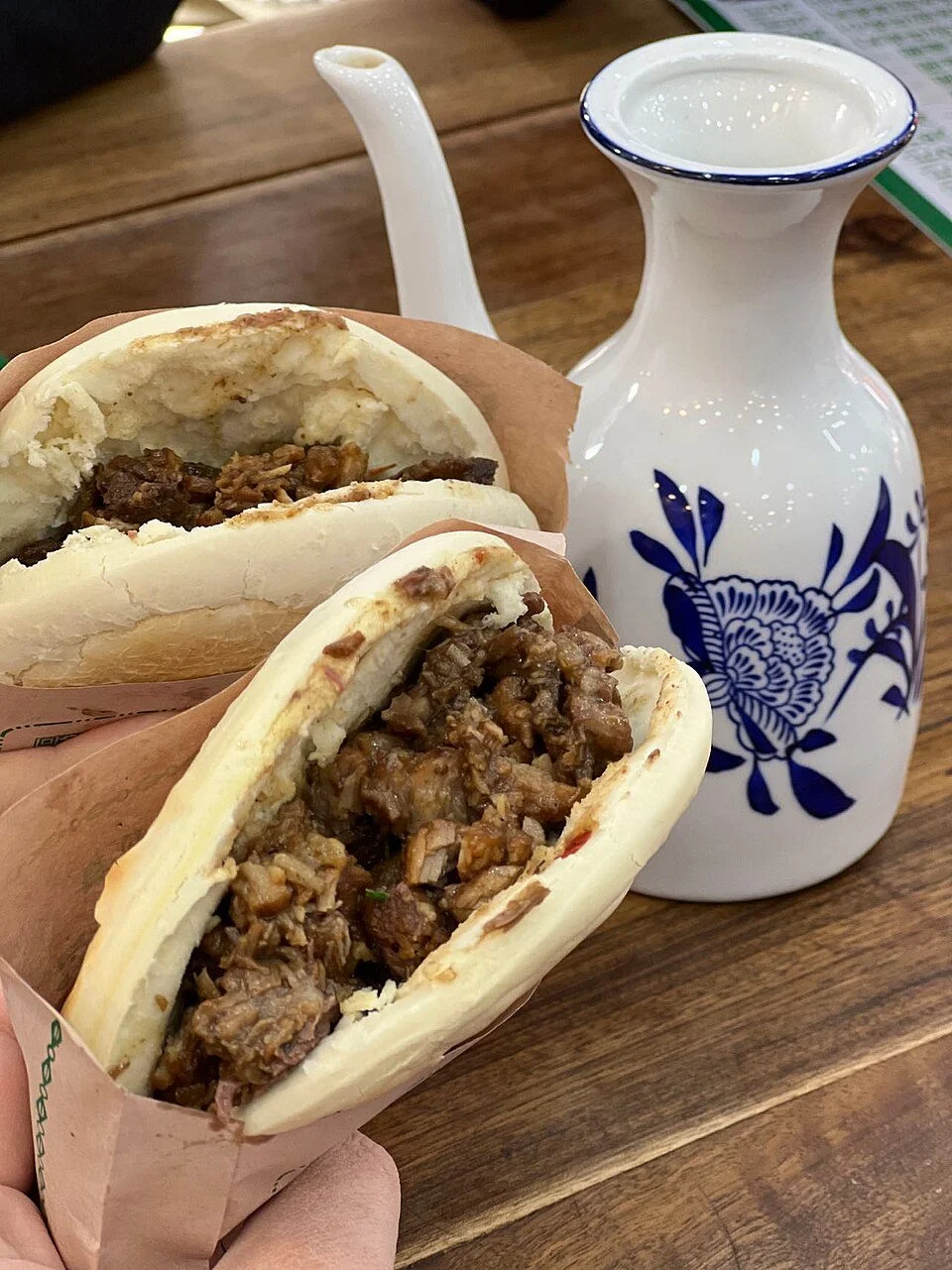
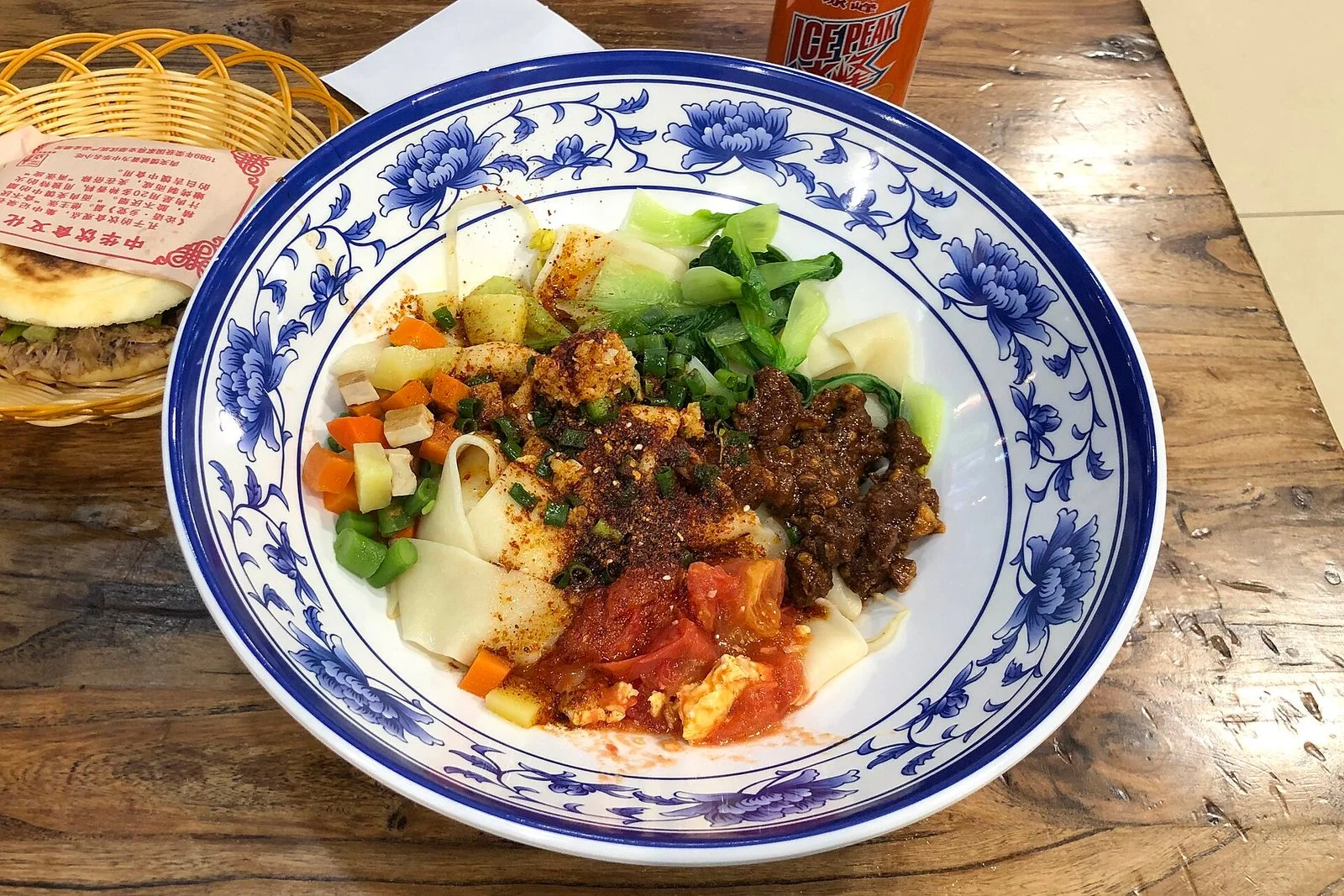
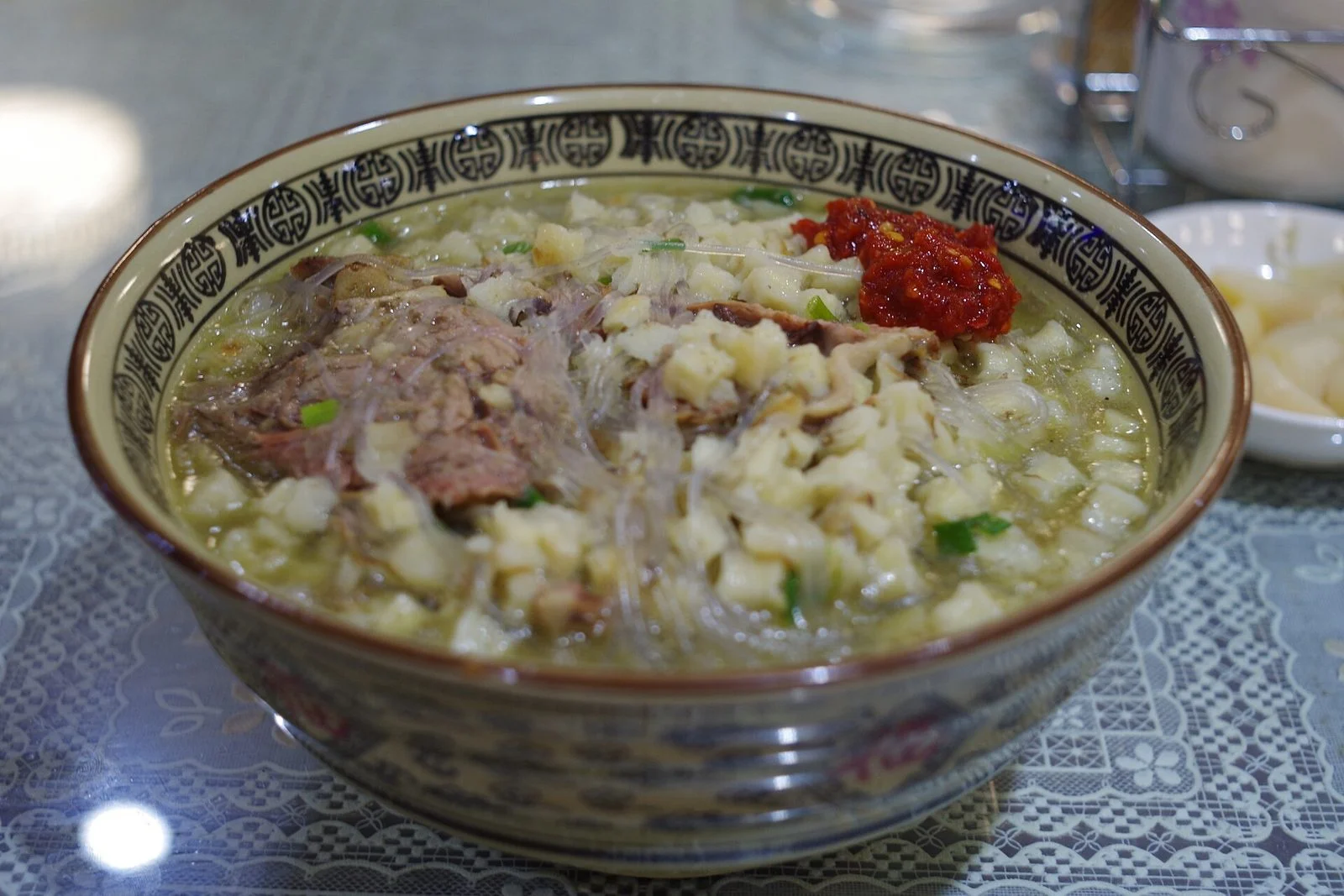
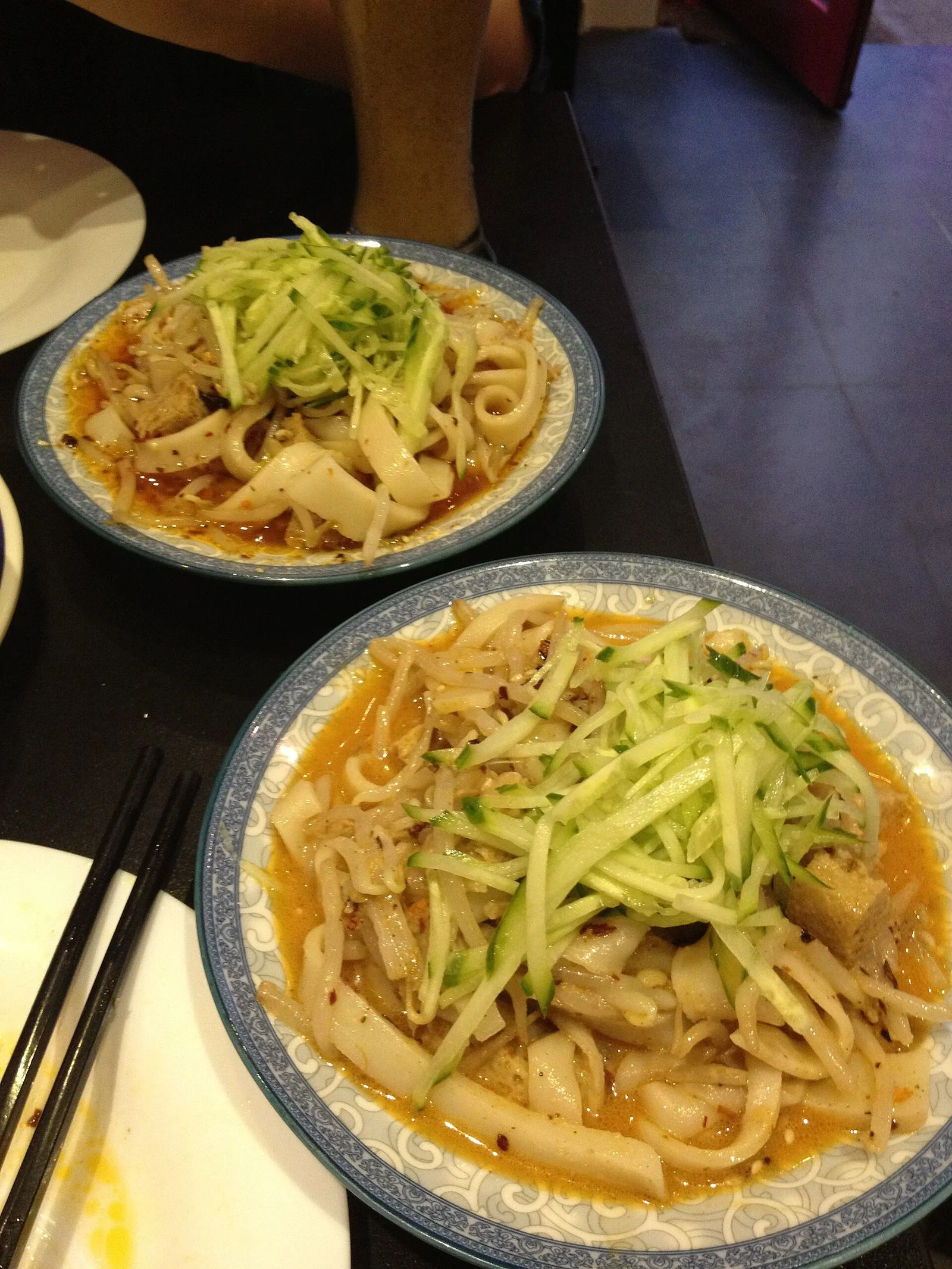
Wheat is the staple grain of the Guanzhong Plain, and daily eating in Xi'an revolves around bread and noodles: pork simmered in a spiced brine and stuffed into a baijimo flatbread, wide noodles dressed with chili oil, and tuotuo bread torn up and simmered into paomo. All are eaten from morning to night. The halal kitchens of the Hui Quarter use beef and mutton, setting a second repertoire beside the first in the same streets; the broth in a bowl of paomo, or the thickness of a piece of bread, often says more about a shop than its menu does.
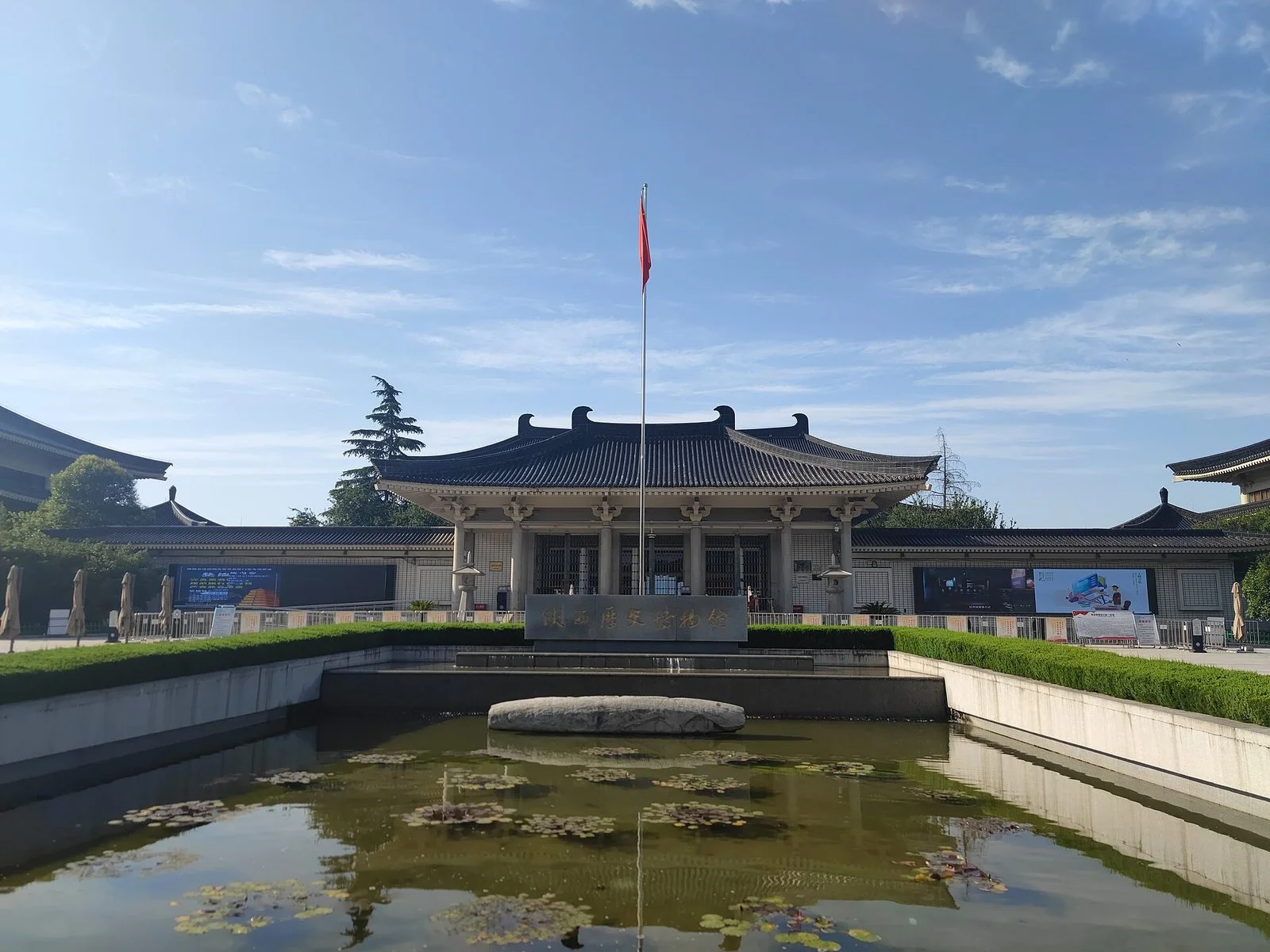
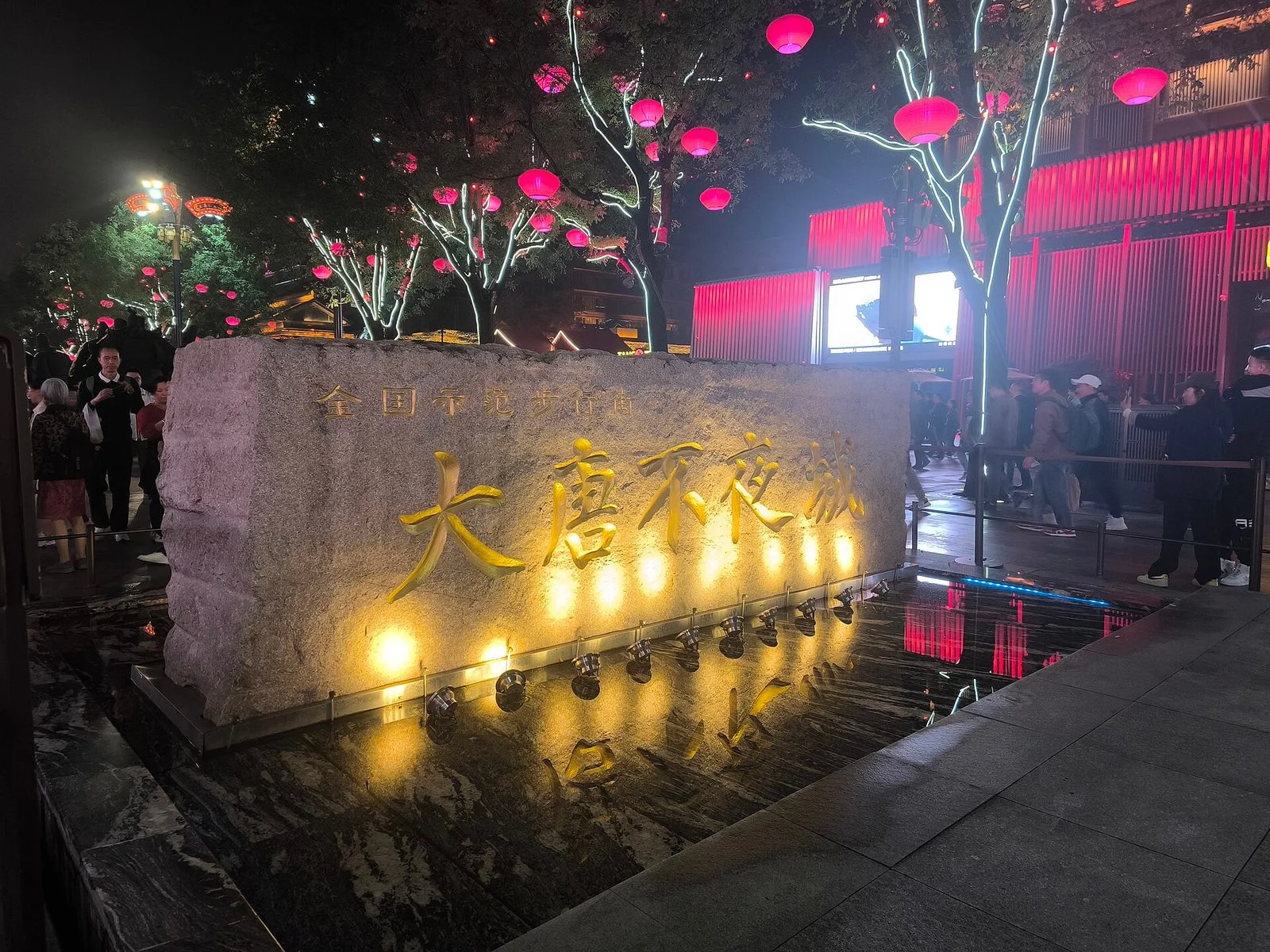
Xi'an beyond the wall is worth seeing too. The High-tech Zone concentrates office towers, software parks and universities; Qujiang links Datang Everbright City, the Shaanxi History Museum and the Giant Wild Goose Pagoda into a single area for evening visits; Chanba, east of the city, is a new district for exhibitions and ecology. The metro connects these districts, so the slow old city and the fast new one can both be part of the same day.