A Building in Tang Style
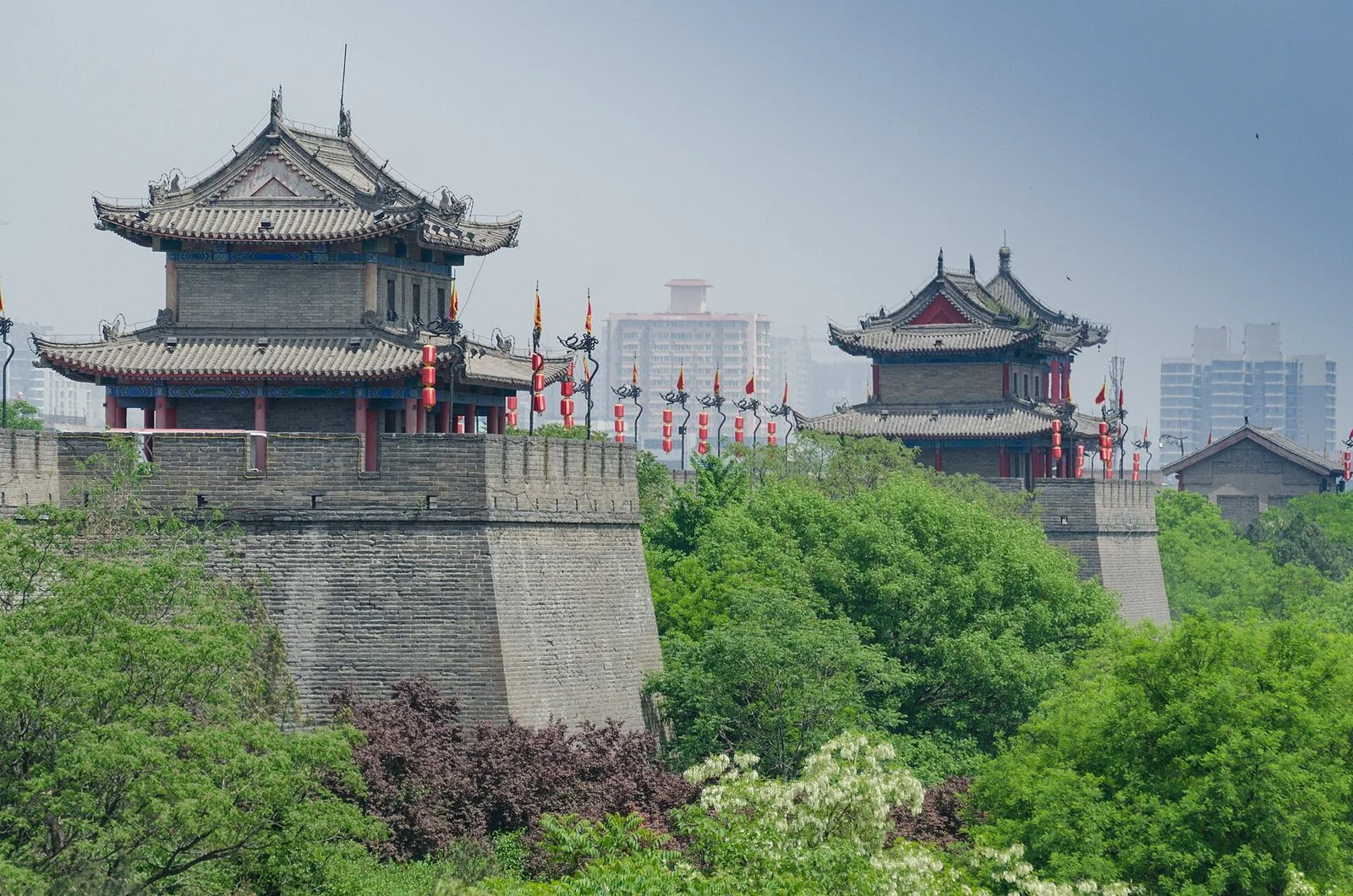
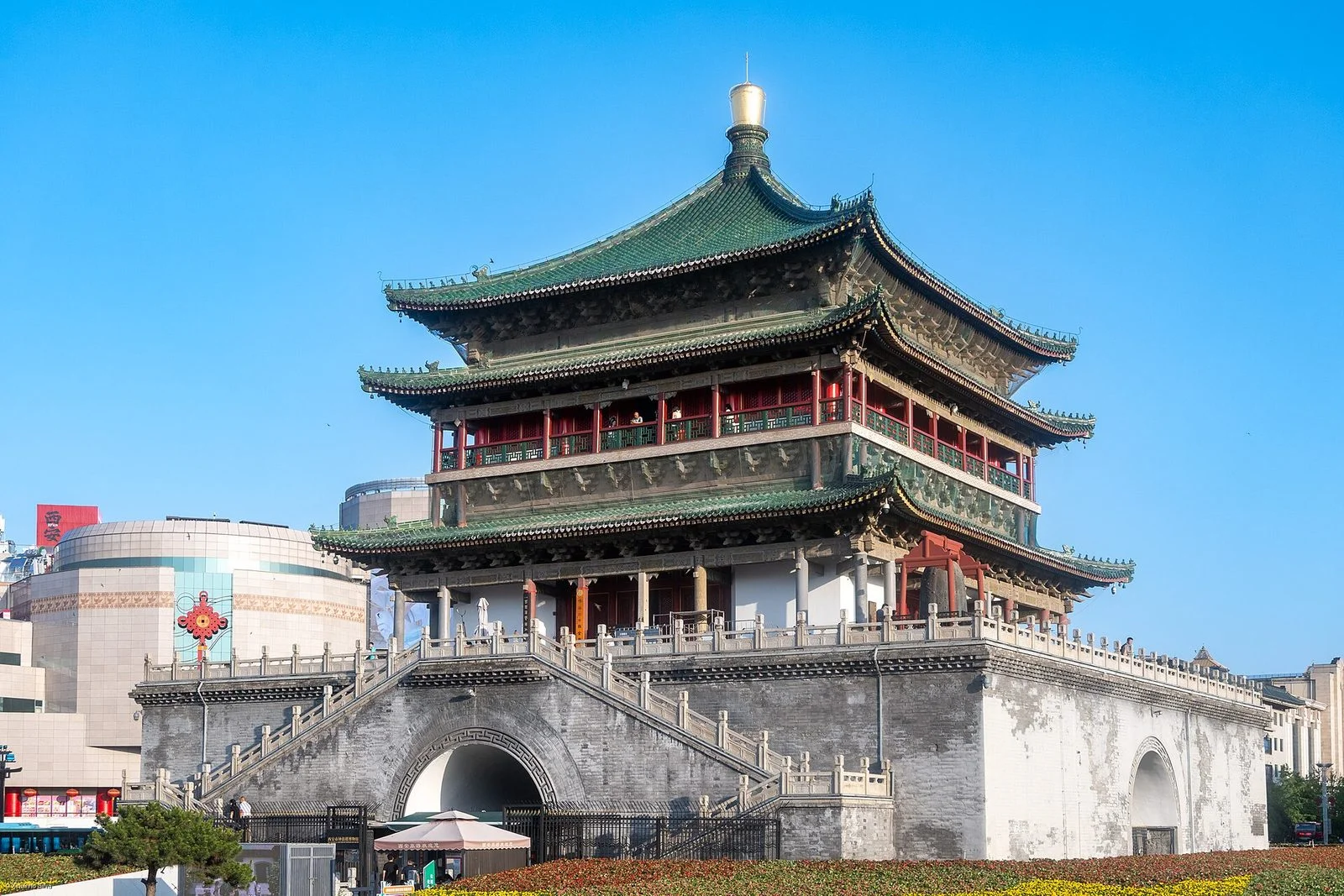
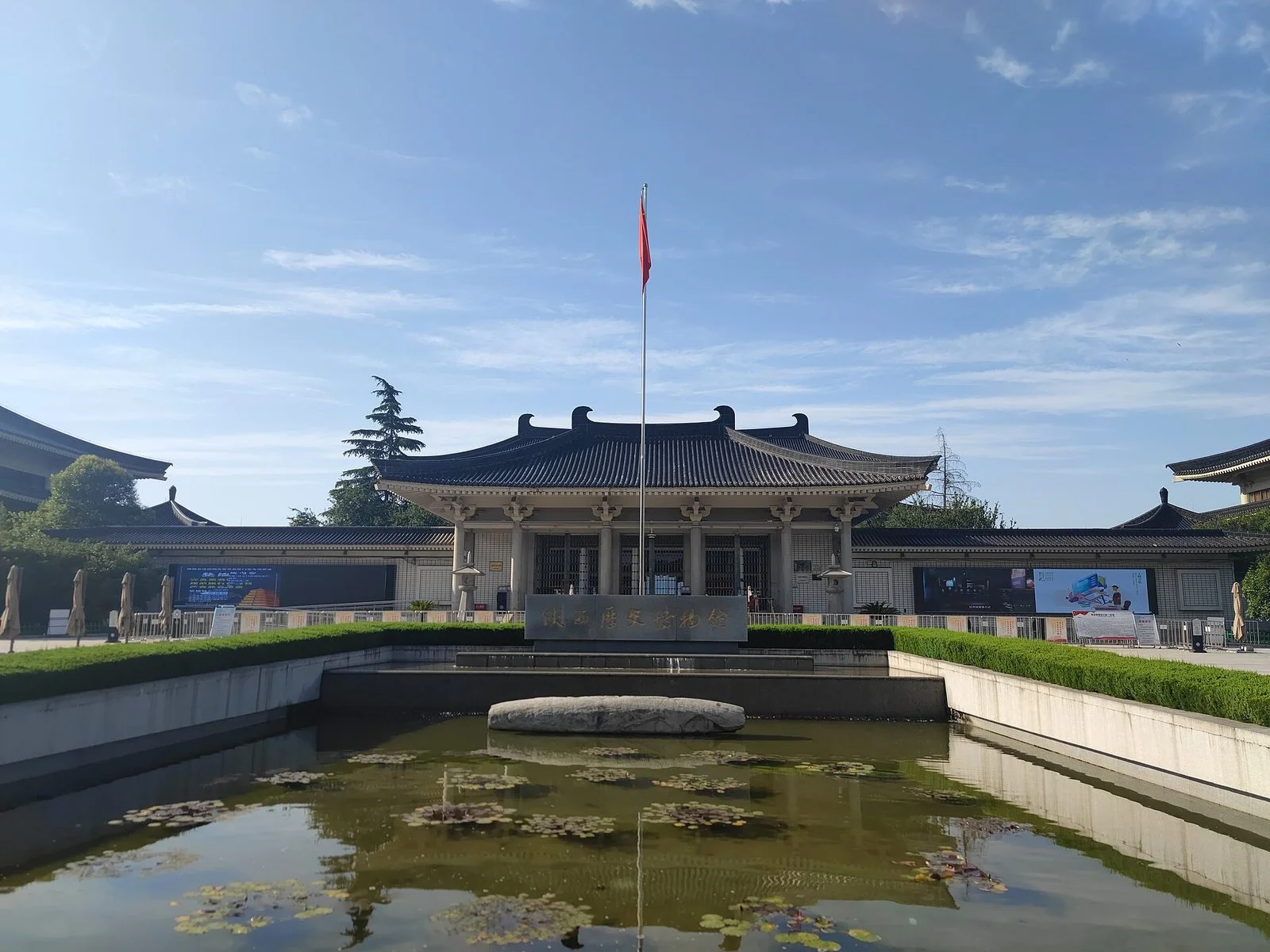
Shaanxi History Museum is at 91 Xiaozhai East Road in Yanta District. It was completed and opened on June 20, 1991, the first large modern national museum built in China after reform and opening began. The plan follows a central hall with four corner towers: the main building sits in the middle, with a tower at each corner, and the roofs, eaves and colors draw on Tang palaces, setting the building apart from the modern blocks around it.
A pool and a plaza lie in front, with the museum's name above the main entrance. Inside, a large hall on the first floor leads to the exhibition rooms. The collection holds more than 1.7 million objects and groups, with systematic holdings from prehistoric stone tools and Shang and Zhou bronzes to pottery figures of successive dynasties, Tang tomb murals and Tang gold and silver. The building deserves a circuit before you go in: the raised platform of the central hall, the projecting eaves of the corner towers and the proportions of the main block seen from the plaza are all part of the Tang-style design.
From Zhou and Qin to Han and Tang
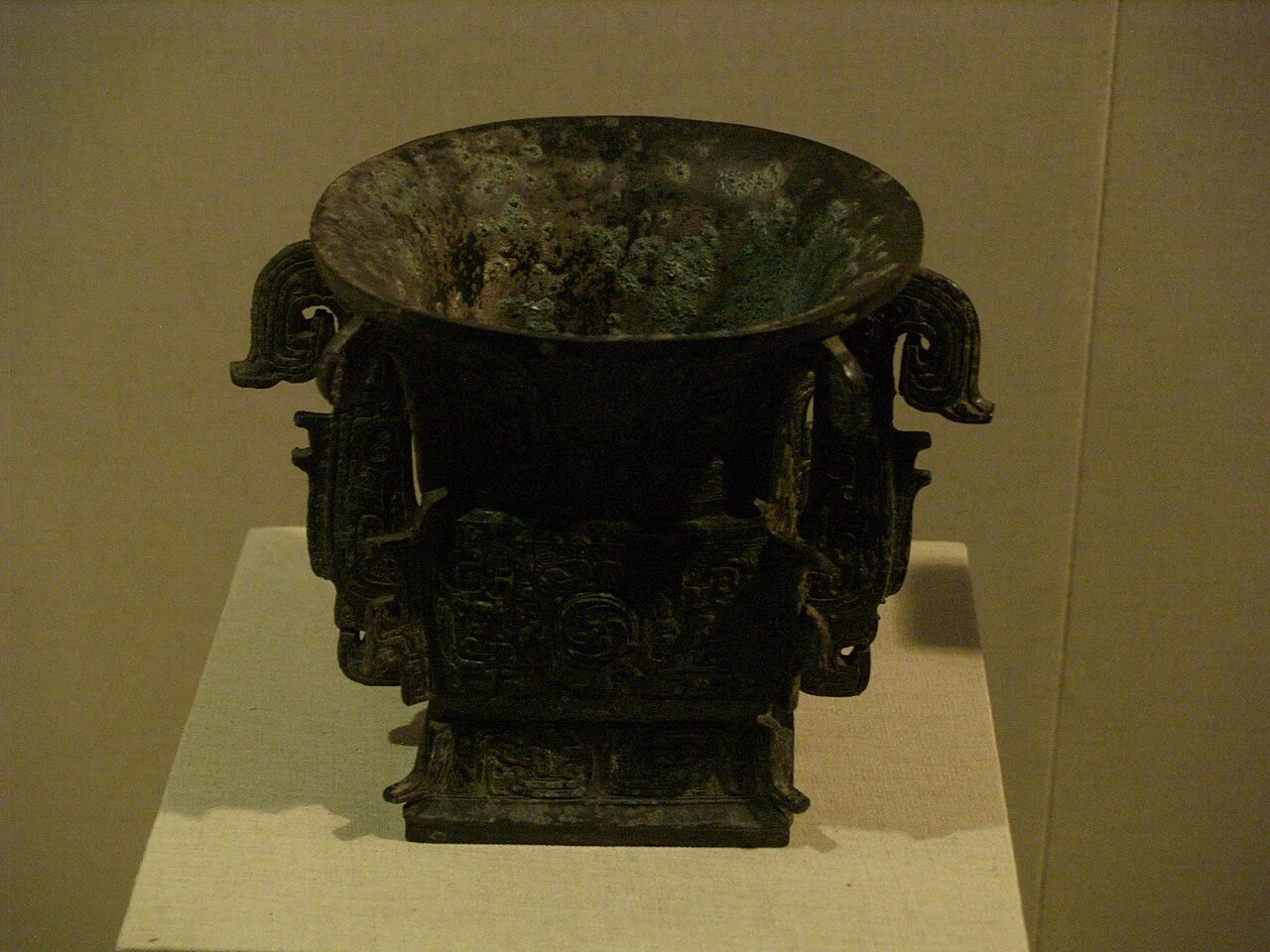
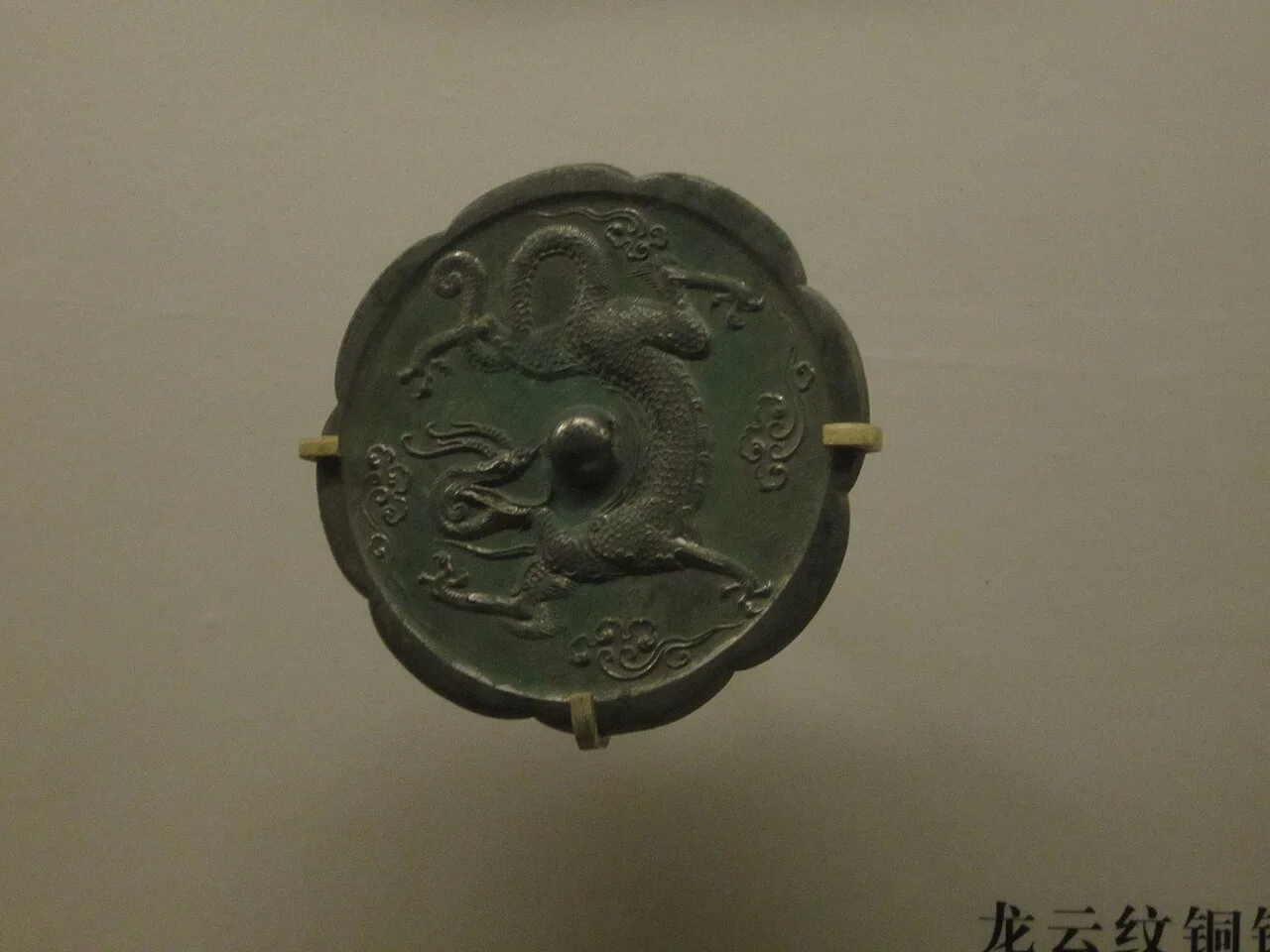
The permanent exhibition, Ancient Civilization of Shaanxi, fills Galleries 1, 2 and 3 and runs in chronological order from prehistory to the Tang and Song. Gallery 1 focuses on Shang and Zhou bronzes; the inscriptions and decoration on ding, gui, zun and you vessels reveal the detail of Western Zhou ritual. The Qin and Han sections in Gallery 2 hold pottery figures, roof tiles, bronzes and fragments of silk. Gallery 3 moves into the Sui and Tang, where gold and silver, sancai, pottery figures and epitaphs open up daily life in Chang'an.
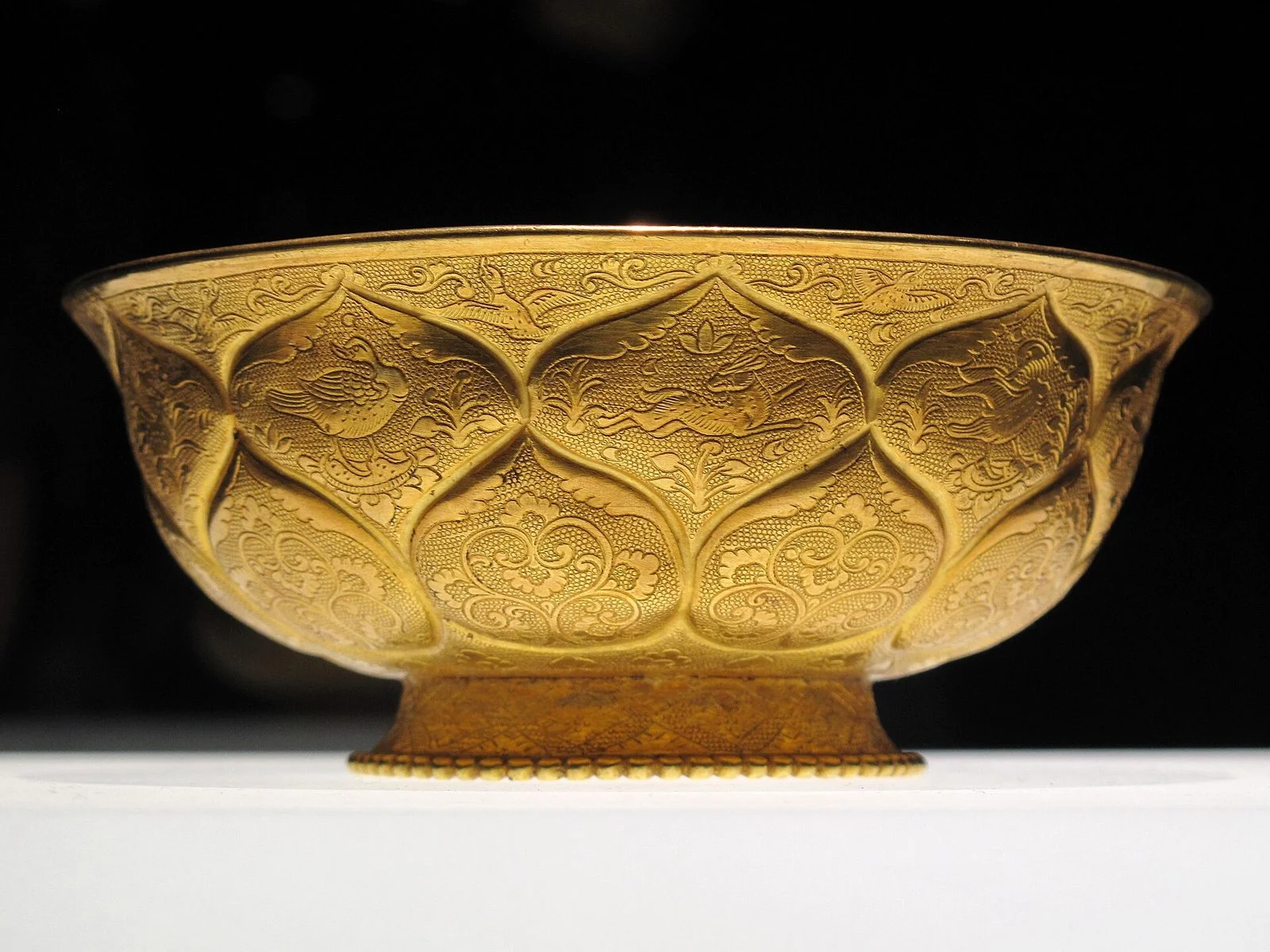
Gallery 4 holds Treasures of the Great Tang: Objects from the Hejiacun Hoard. In October 1970 a Tang cache was found at Hejiacun in Xi'an; the quantity, variety and workmanship of the objects made it one of the most important Sui–Tang archaeological discoveries of the twentieth century. The agate cup with a gold-mounted beast head, the gilt silver ewer with a dancing horse holding a cup, and the gold bowl with mandarin ducks and lotus petals show how Tang goldsmiths absorbed Persian and Sogdian styles. The Hejiacun hoard is not a tomb but a group of objects buried underground, as the labels make clear.
The Tang Tomb Mural Gallery
The exhibition of Tang mural masterpieces is on the first basement level of the East Gallery and holds the museum's most distinctive and most fragile material. It brings together nearly 600 murals from more than 20 Tang tombs, covering more than 1,000 square meters, of which 82 murals in 69 groups are graded first-class. The subjects include processions, foreign envoys, polo, palace women, hunting, music and dance, and the clothing, objects and architecture in them are more direct than any written description.
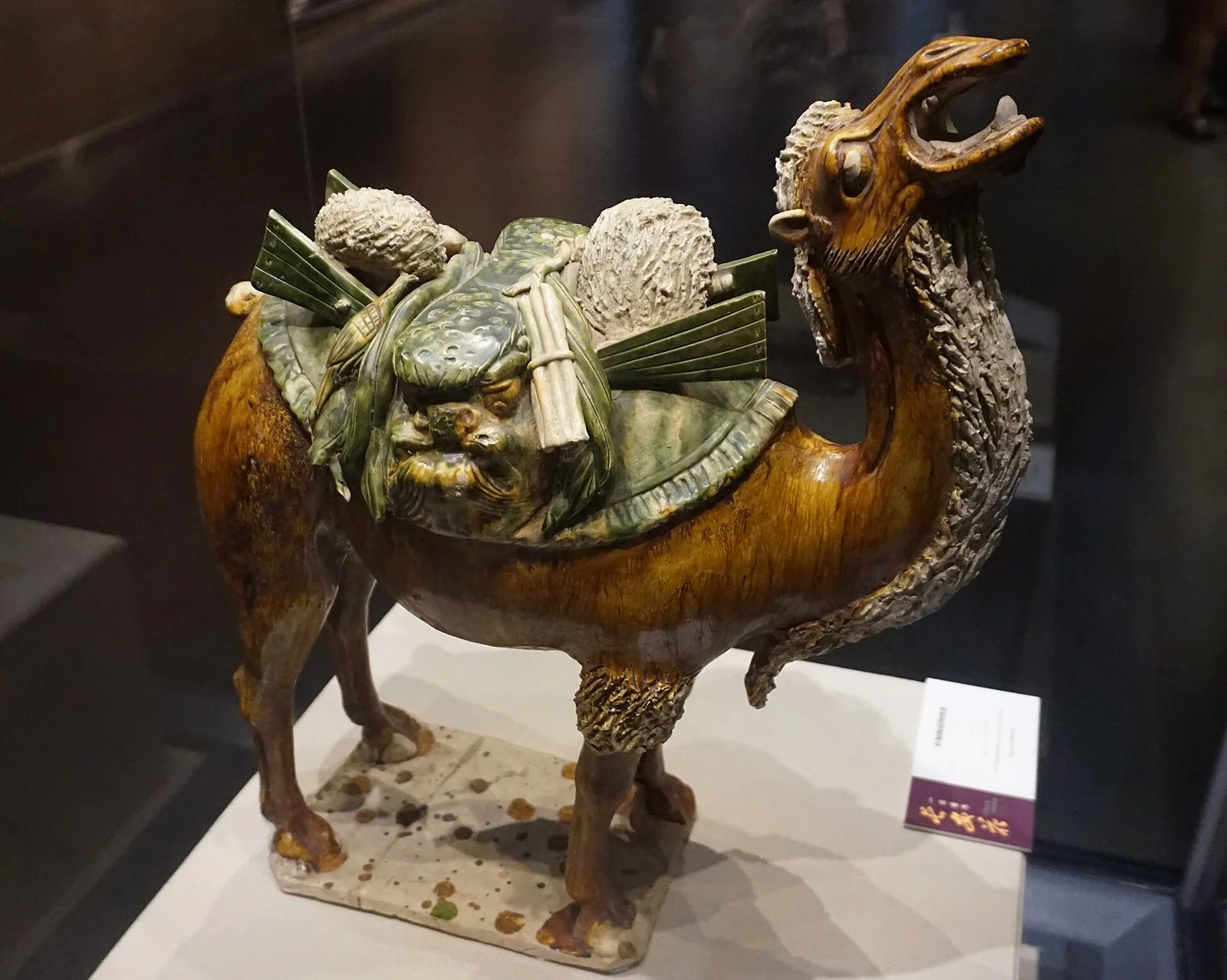
The mural gallery is a ticketed exhibition and needs a separate ticket; visitors who buy a mural ticket online in advance do not need to book the museum's free admission ticket as well. Light and humidity are controlled, so the gallery is dim overall; seeing detail means standing close to the cases, and it takes longer than the permanent exhibition. Beyond the murals, the pottery figures and sancai from Tang tombs are worth seeing, such as the sancai camel carrying goods, with silk and game on its back, a miniature of the trade between Chang'an and the Western Regions.
Booking, Closing Days and Two Museums Not to Confuse
Admission to the Shaanxi History Museum is free but still requires a ticket. Visitors make a real-name booking through the museum's WeChat account (Shaanxi History Museum); tickets are released five days ahead at 17:00 each day. Each document may make one booking per day, with a maximum of four successful bookings in 30 days. Passports, Hong Kong and Macau travel permits and Taiwan compatriot permits can all be used to book; visitors over 65, active-duty military personnel and others are exempt from booking under policy. From March 15 to November 14 the museum is open 8:30–19:00 (last ticket check at 18:00); from November 15 to March 14 it is open 9:00–17:30 (last check at 16:30). It closes on Mondays except national public holidays. The above was verified on the official website on 2026-11-11.
The main museum is at 91 Xiaozhai East Road. Xi'an Museum, at 72 Youyi West Road in Beilin District, is a separate museum centered on the Small Wild Goose Pagoda, with a different booking channel and a different closing day — do not mix the two. Shaanxi History Museum also has the Qin-Han Museum in Qin-Han New Town, Xixian New Area, whose permanent exhibition and closing day differ from the main museum. Allow at least three hours for the permanent exhibition plus one special exhibition; the Hejiacun gallery and the mural gallery are crowded, so see the highlights just after opening and come back to the permanent galleries later.
Useful official references
Check the relevant official service before making arrangements. These links are references, not a guarantee of current services.
- Shaanxi History Museum: visitor guide (opening hours, tickets and booking rules; verified 2026-11-11) ↗
- Shaanxi History Museum: notice on winter opening hours (2026-11-09) ↗
- Shaanxi History Museum: Tang Dynasty Mural Treasures Gallery (verified 2026-11-11) ↗
- Xi'an Municipal Bureau of Culture and Tourism: 2026 list of A-level scenic areas in Xi'an (2026-02-25) ↗