City introduction
Harbin extends along both banks of the Songhua River. Central Street, the cathedral square and old Daowai on the south bank preserve different aspects of the city's modern history, while Sun Island and the ice and snow attractions on the north bank offer wide riverside spaces to explore. Summer water and shade and winter ice and snow reveal the same city in different seasons. A meal of guobaorou, hongchang sausage and daliba bread offers another way to understand its food traditions.
The Songhua River and the railway: two ways to understand Harbin
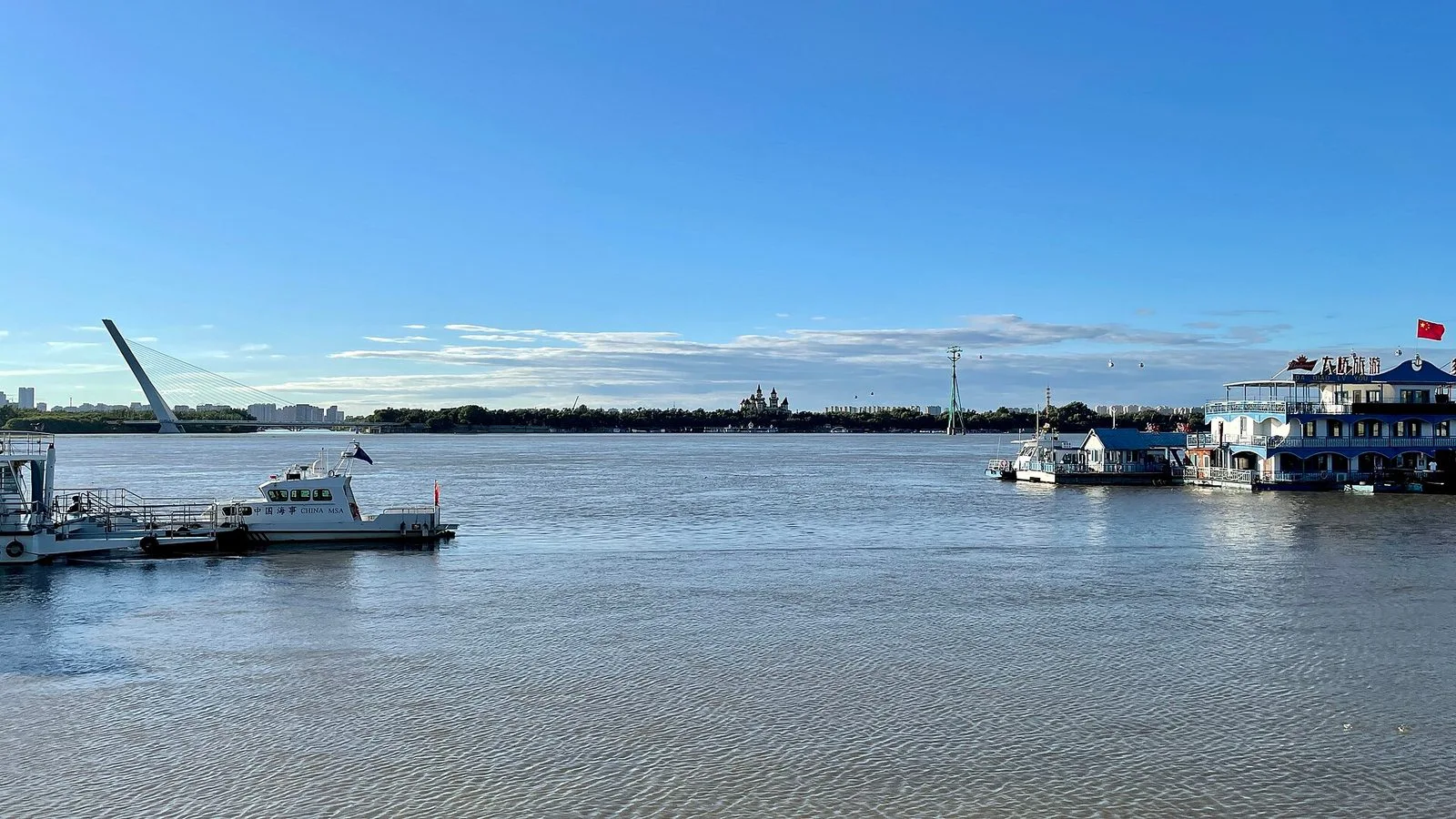
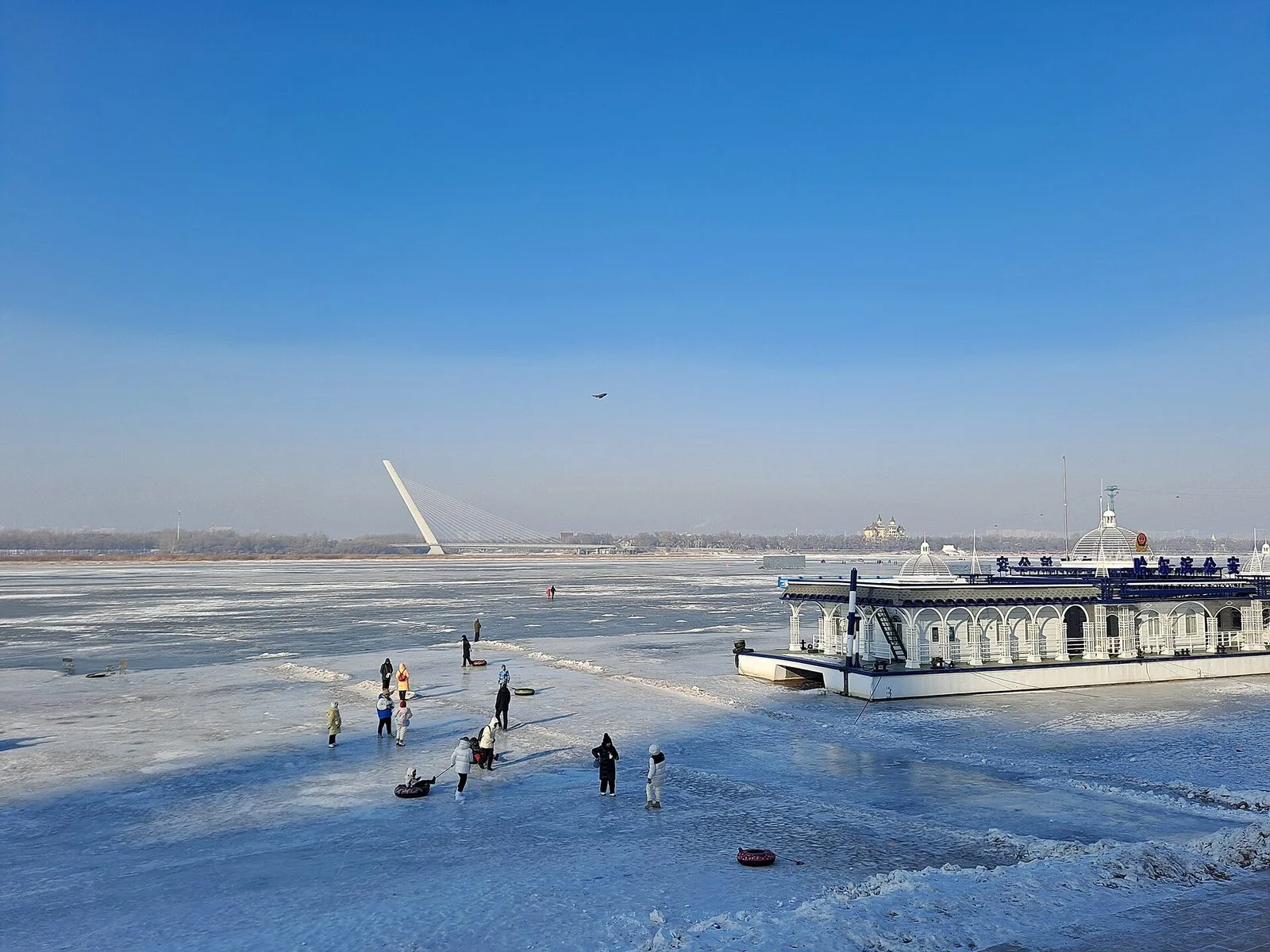
Start by finding the Songhua River on a map. Central Street and old Daowai are in the old city south of the river, while Sun Island is on the north bank. Along the south bank, the streets meet the river near the Flood Control Memorial Tower, where the view shifts from shopfronts to water, boats and the opposite shore. The two banks look very different: one has dense city streets, the other extensive green areas and riverside ecological spaces. They are not simply a group of neighboring streetscapes.
The railway offers another way to understand the city. The Binzhou Railway Bridge across the Songhua River is also known locally as “Lao Jiangqiao” (老江桥, the old river bridge). Completed and provisionally opened to traffic in 1901, it entered regular service in 1903 when the full Chinese Eastern Railway opened. After rail traffic ended in 2014, the bridge and its associated tracks became part of Chinese Eastern Railway Park (中东铁路公园). Its steel girders and piers above the water make this transport history a recognizable part of today's cityscape.
What to see on Central Street and at Saint Sophia Cathedral
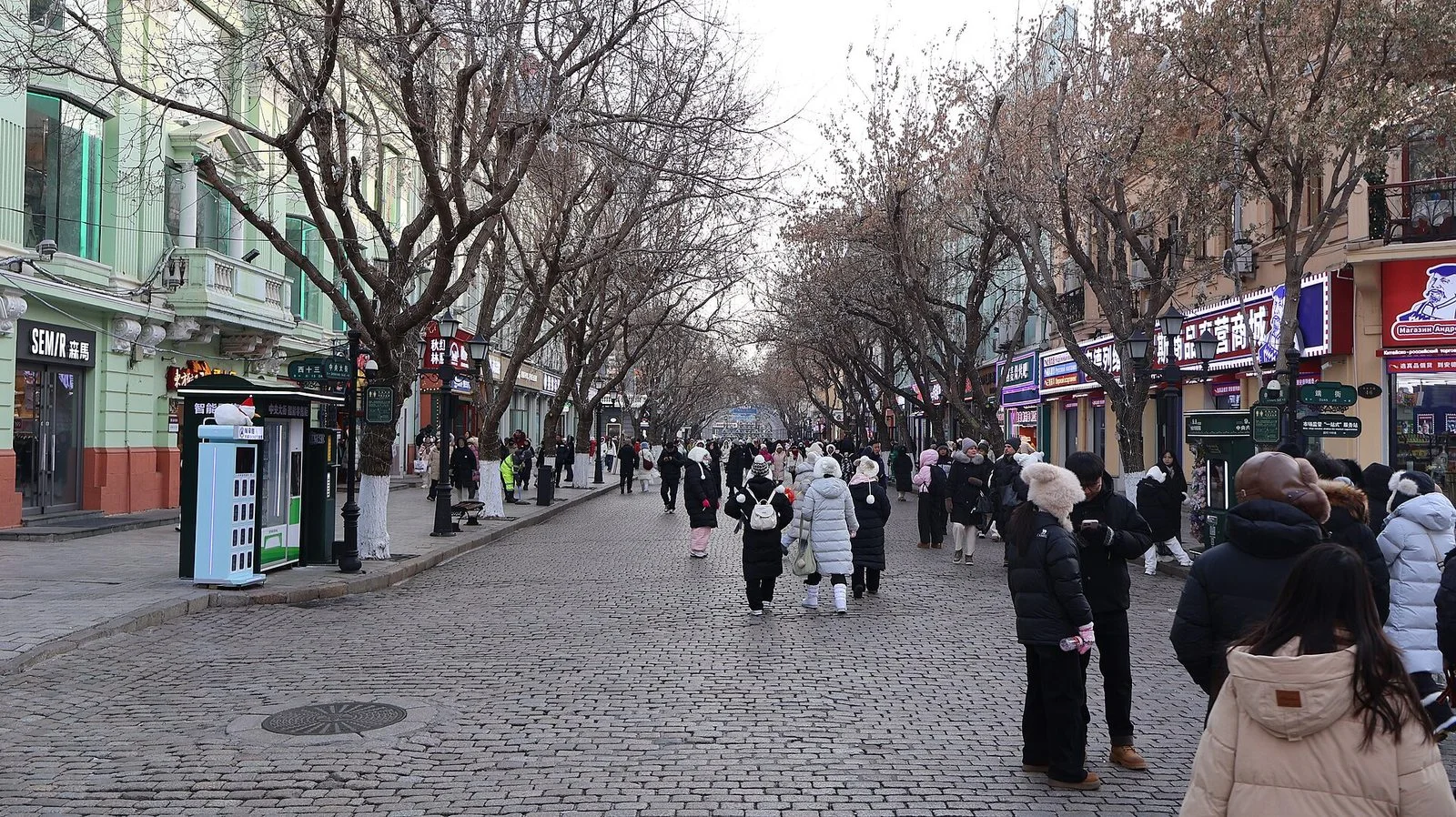
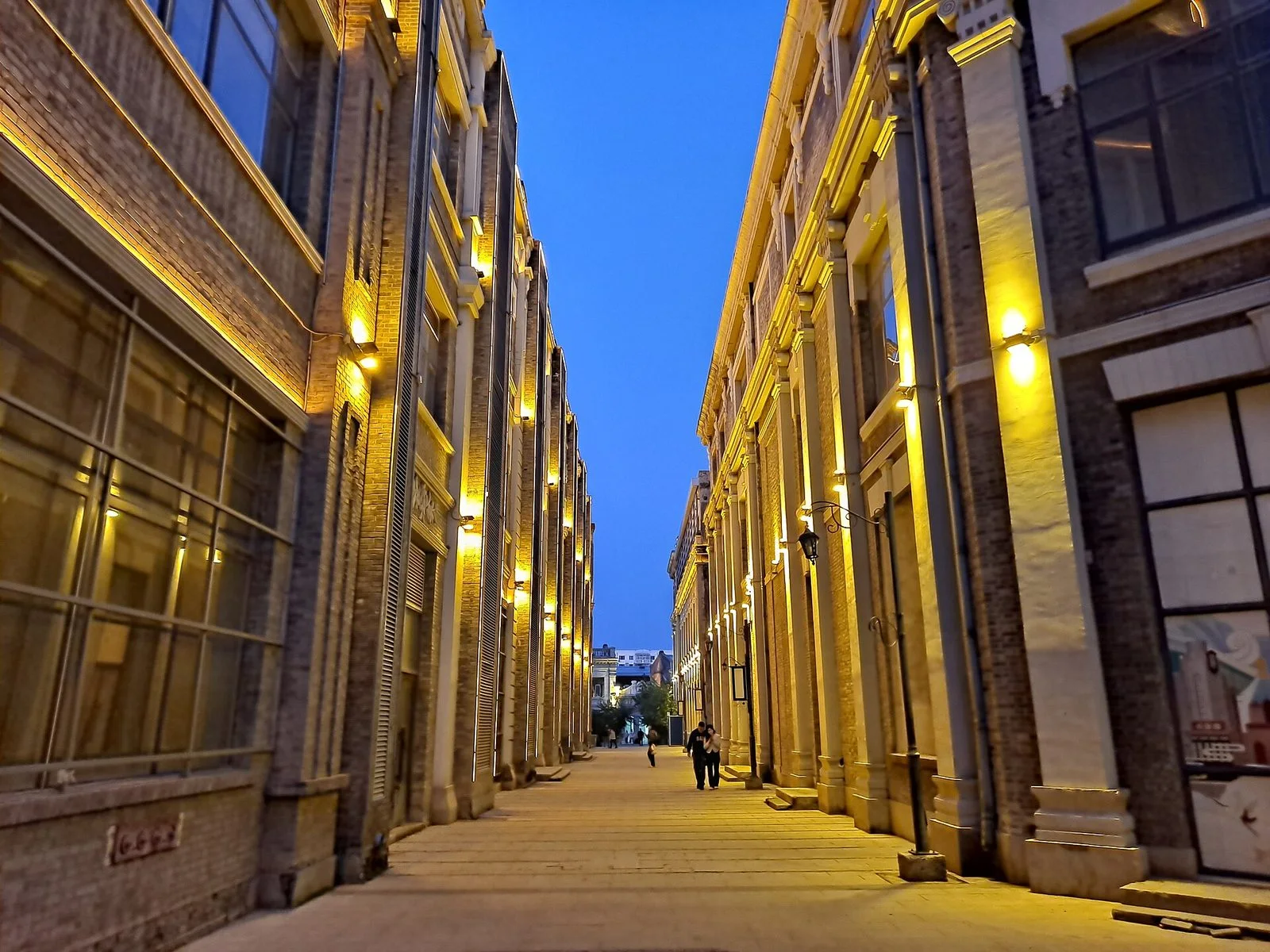
Central Street is a good place to begin exploring Daoli's streetscape. Historic buildings, stone paving and continuous rows of shops define the street. Look at the changing heights of the facades as a whole, then at window lintels, arches and cornices. This is also a working commercial street: food shops, restaurants and retailers keep the old buildings part of everyday shopping. Visitors interested in architecture and those buying gifts can find different reasons to stop along the same street.
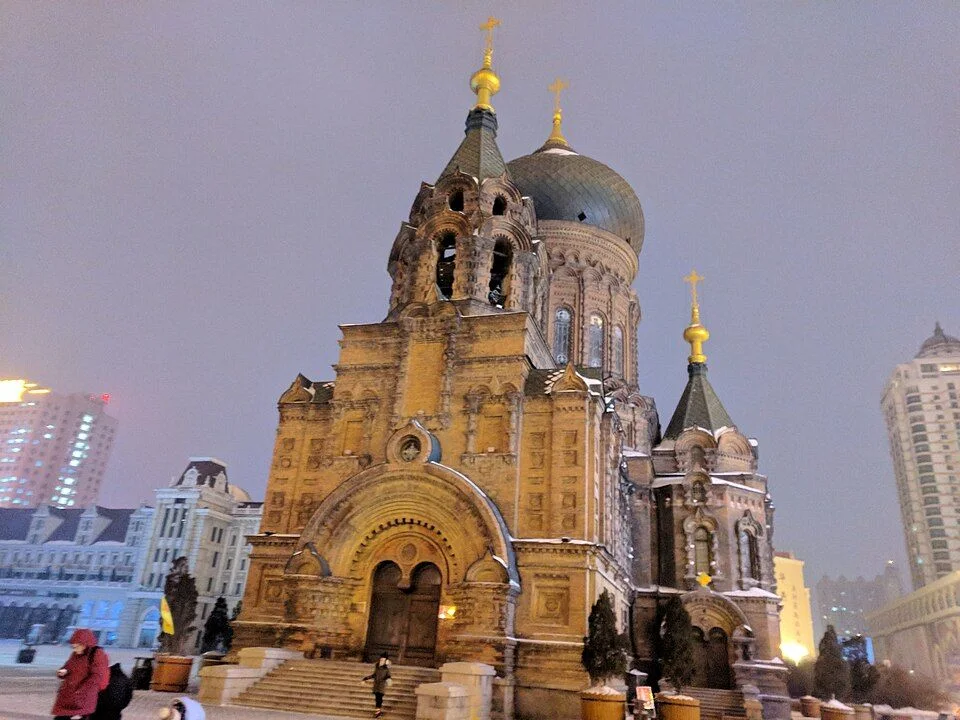
Saint Sophia Cathedral's red brick walls and green dome draw attention to a single building. From the square, you can see the dome, doorways and layers of the walls; viewing the exterior and entering the building are different experiences. Both the cathedral and Central Street help explain Harbin's historic architecture, but one invites a walk past continuous commercial facades, while the other rewards a closer look around an individual building. There is more to them than interchangeable photo backdrops.
Old Daowai and Nangang shopping: how the neighborhoods differ
In Daowai's Chinese Baroque district, attention shifts from church domes to streets combining shops and homes. Street facades mix Western column capitals with traditional Chinese decorations such as grapes, pomegranates and bats. Beyond the doorways are light wells, courtyards and covered galleries. Shops at the front and homes behind help explain how these buildings combine different traditions. The attraction is the setting formed by several streets together: a walk can combine a meal, historic architecture and browsing shops.
Qiulin Company (秋林公司) in Nangang offers a different commercial setting. Its connections with Harbin's department store history and food traditions can be explored through the building and the foods sold there, part of a commercial history that continues today. Central Street, Chinese Baroque and Qiulin serve different interests: a pedestrian shopping street in Daoli, a district of shops and homes in Daowai, and department store and food shopping in Nangang. Choose according to whether you want streetscapes, architecture or food, rather than treating them as interchangeable shopping malls.
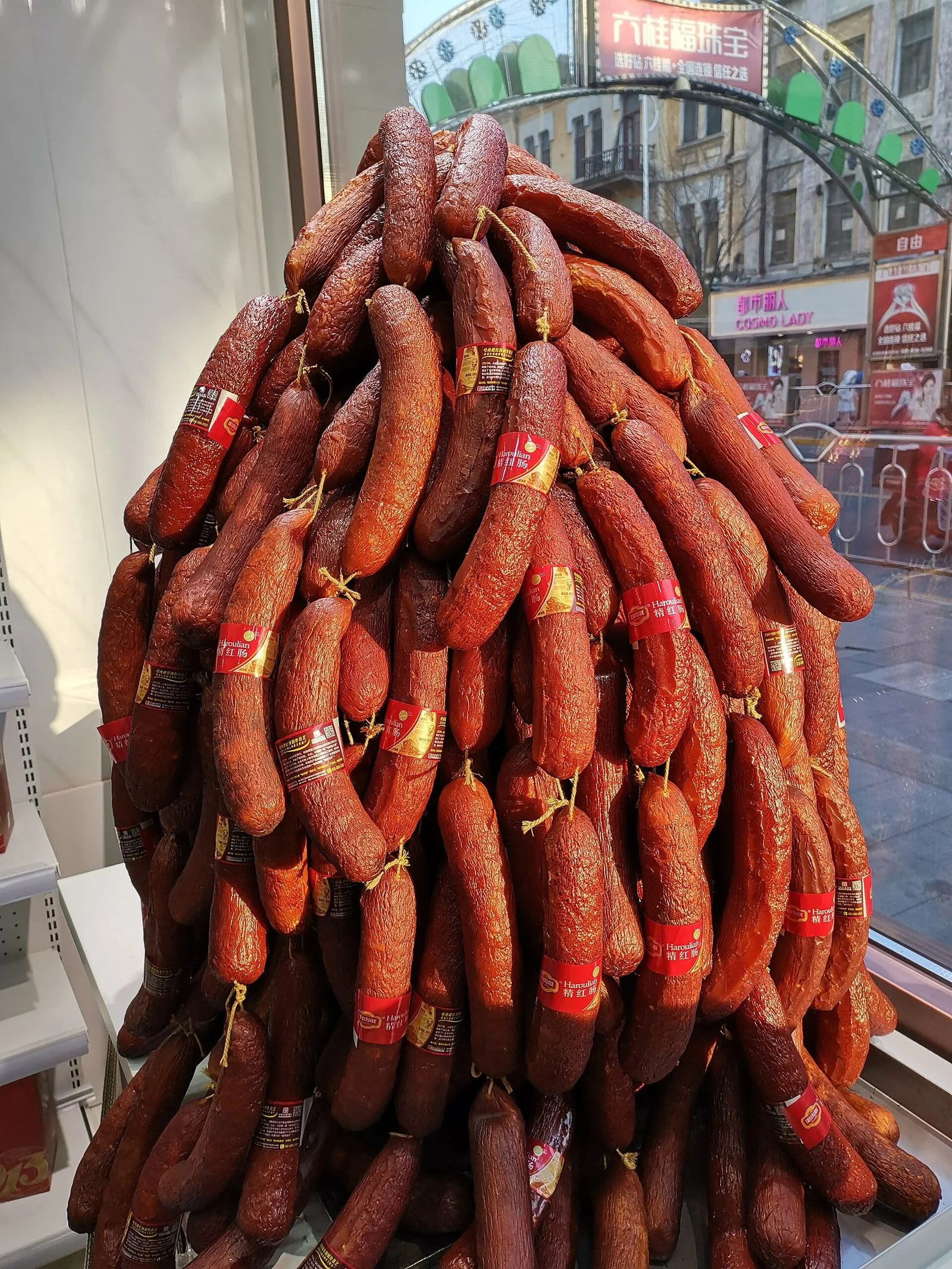
From guobaorou to hongchang sausage and daliba bread
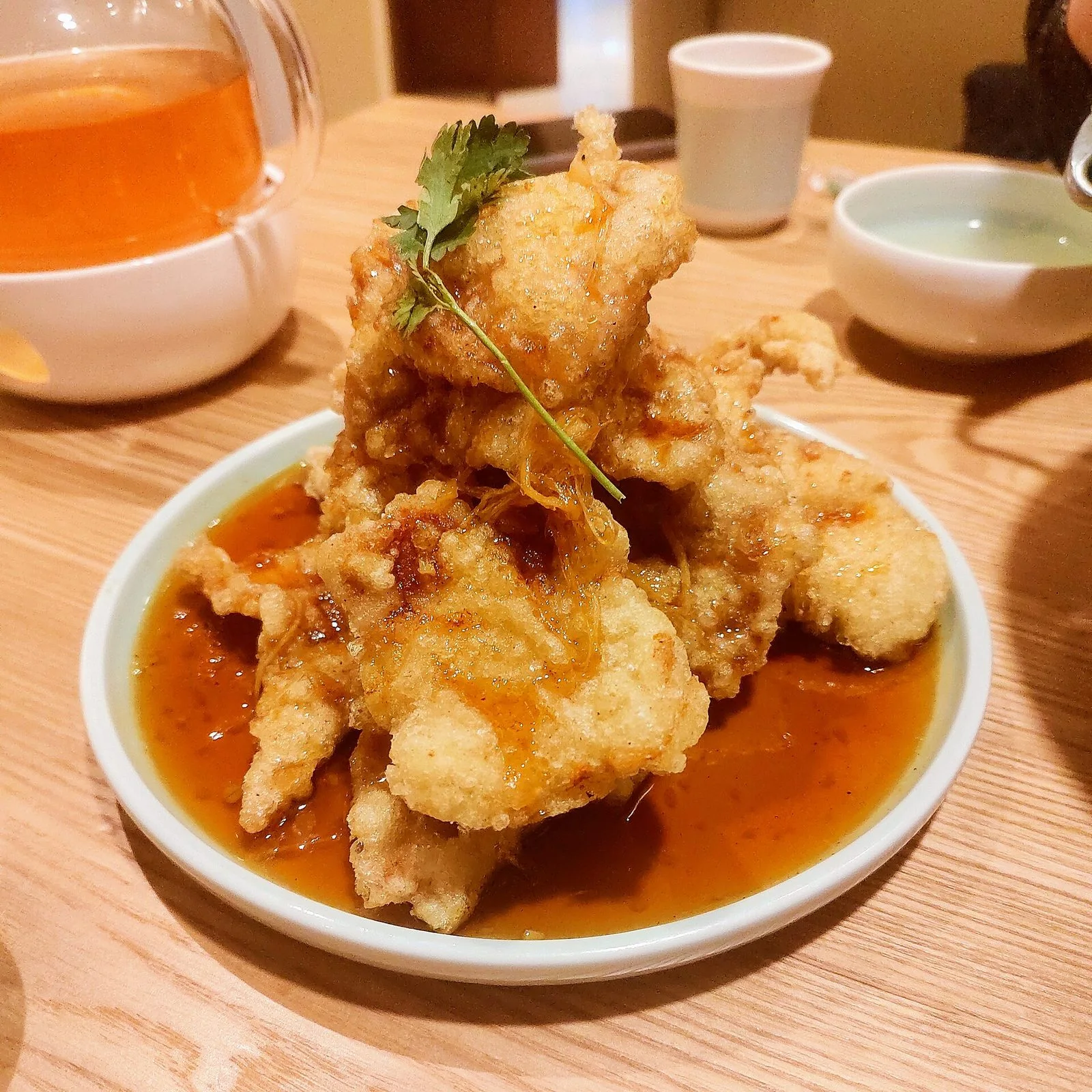
Guobaorou, hongchang and daliba represent different kinds of food on a Harbin table. Guobaorou is a freshly cooked hot dish: thin meat slices are battered, deep-fried and coated in sweet and sour sauce, bringing together a crisp outer layer, meat and seasoning. Hongchang is a processed sausage, with a more prominent smoky flavor and the textures of meat and fat. Calling both “local snacks” overlooks how they are eaten: a hot dish suits sharing at a table, while packaged sausage also raises questions about storage and transport.
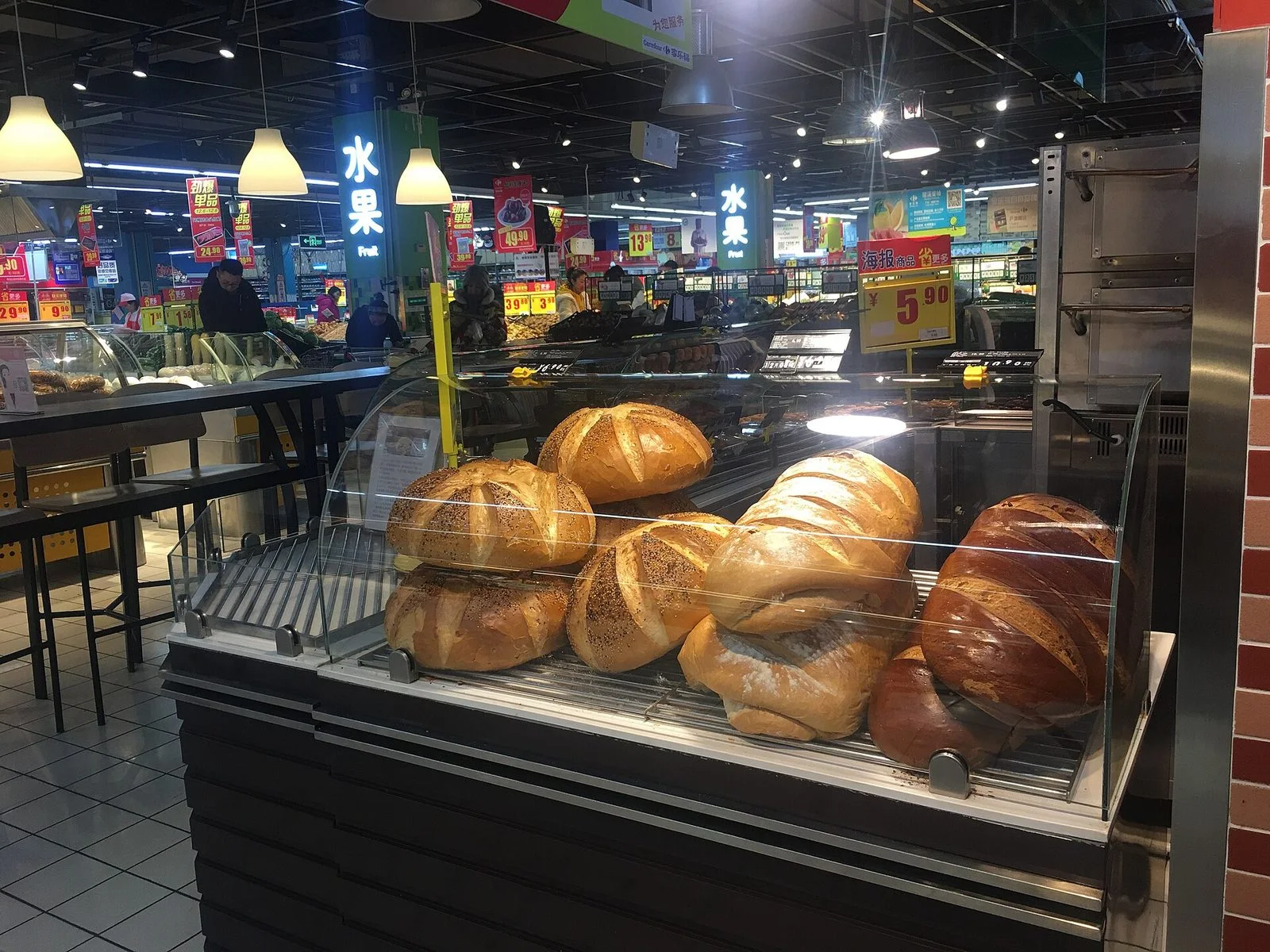
Daliba is a Russian-style bread associated with Harbin. Traditional fermentation, hops and hardwood baking are part of the city's food heritage. A fairly thick crust and dense interior distinguish it from soft, sweet bread; sliced, it can be paired with hongchang and other foods. Products now called lieba also include modern breads of different shapes and ingredients, so the name alone does not tell you the texture. Check individual products and menus for wheat, meat, dairy, eggs and other ingredients. How food is made and what it contains are more useful guides than labels such as “authentic” or “must-try.”
Sun Island's green spaces and winter ice and snow
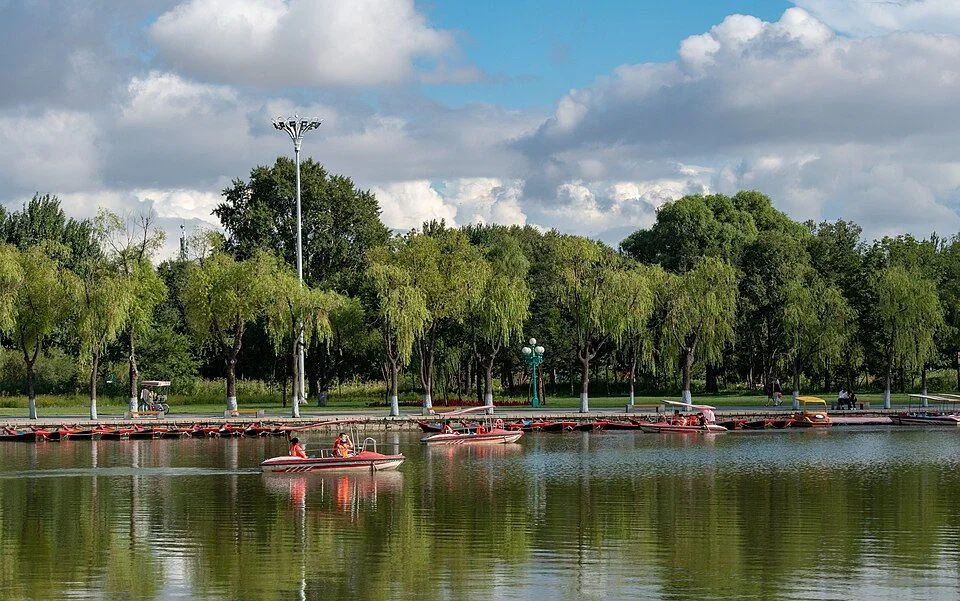
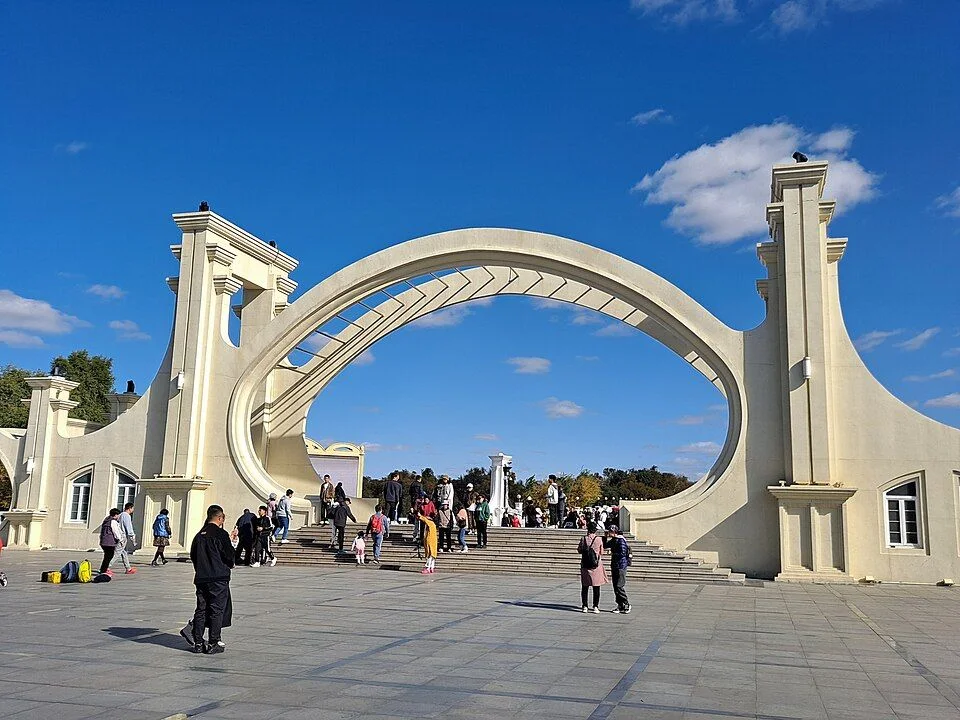
Sun Island lies on the north bank of the Songhua River. Its riverside ecological spaces, trees and water create a different urban setting from the shopping streets on the south bank. In warmer months, the focus is on plants, lakeshores and open garden views. In winter, snow sculptures turn white snow into figures, buildings and large forms, drawing attention to volume, shadows and carved details. Sun Island's snow sculptures and Ice and Snow World are separate attractions; their names, entrances and exhibitions should not be confused.
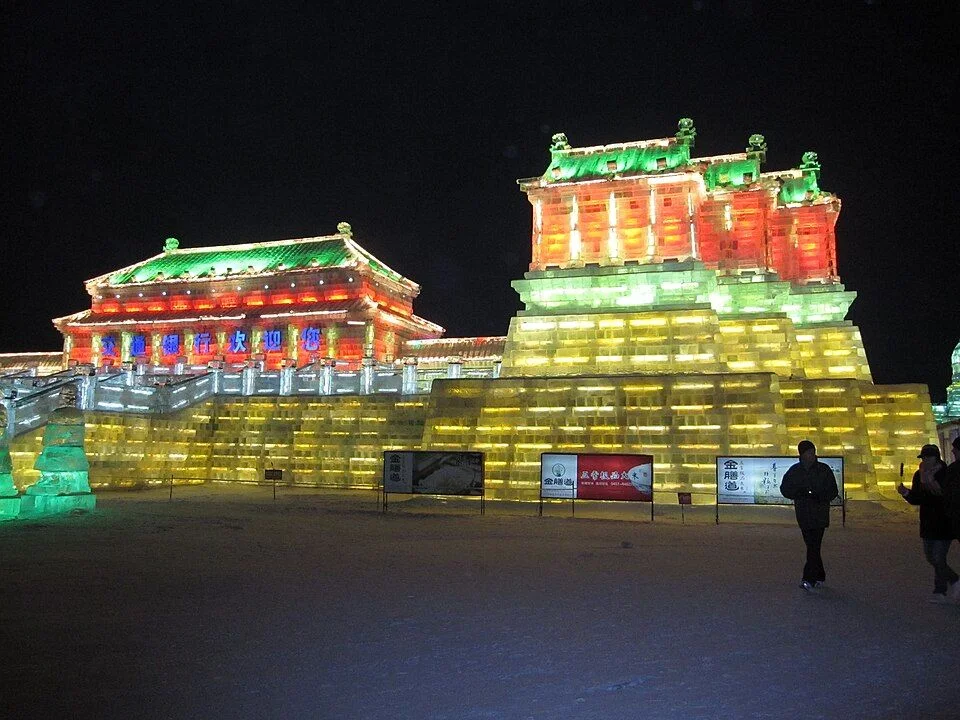
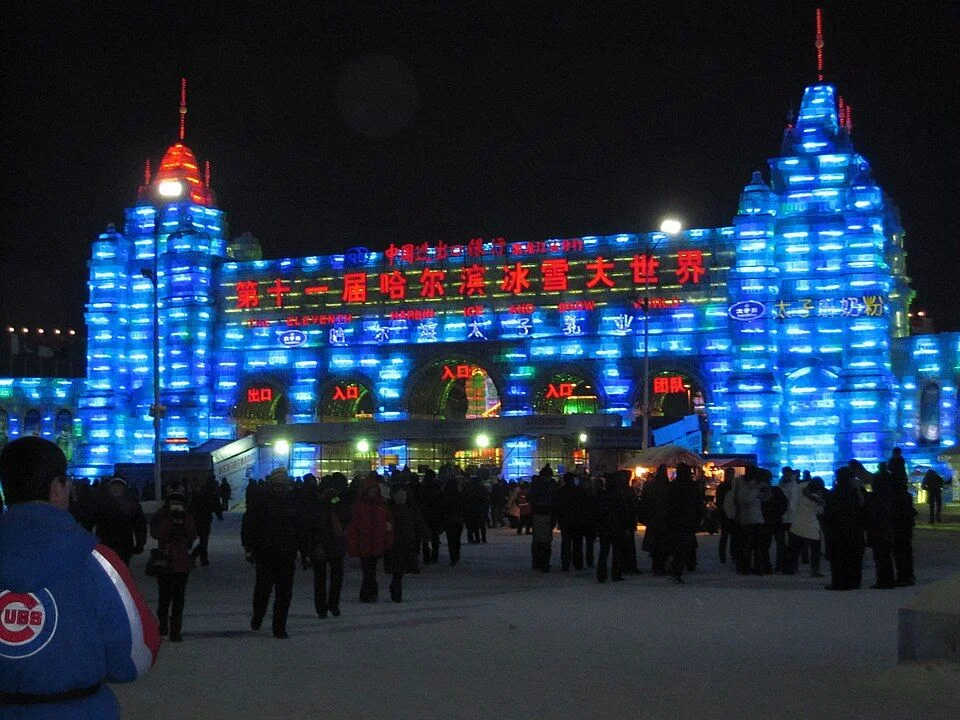
Ice and Snow World centers on large ice buildings and illuminated displays. At night, colored light shines through the ice, creating a different effect from daytime. Its winter park is built afresh for each edition, so previous castles, slides and opening dates do not describe the following season. Harbin makes sense as a seasonal destination: riverbanks, green spaces and architecture in warmer months, with ice and snow exhibitions added in winter. The frozen river is a seasonal sight, but people or footprints in a photograph are no evidence of safety. Follow current access restrictions and on-site management before going onto the ice or joining activities.