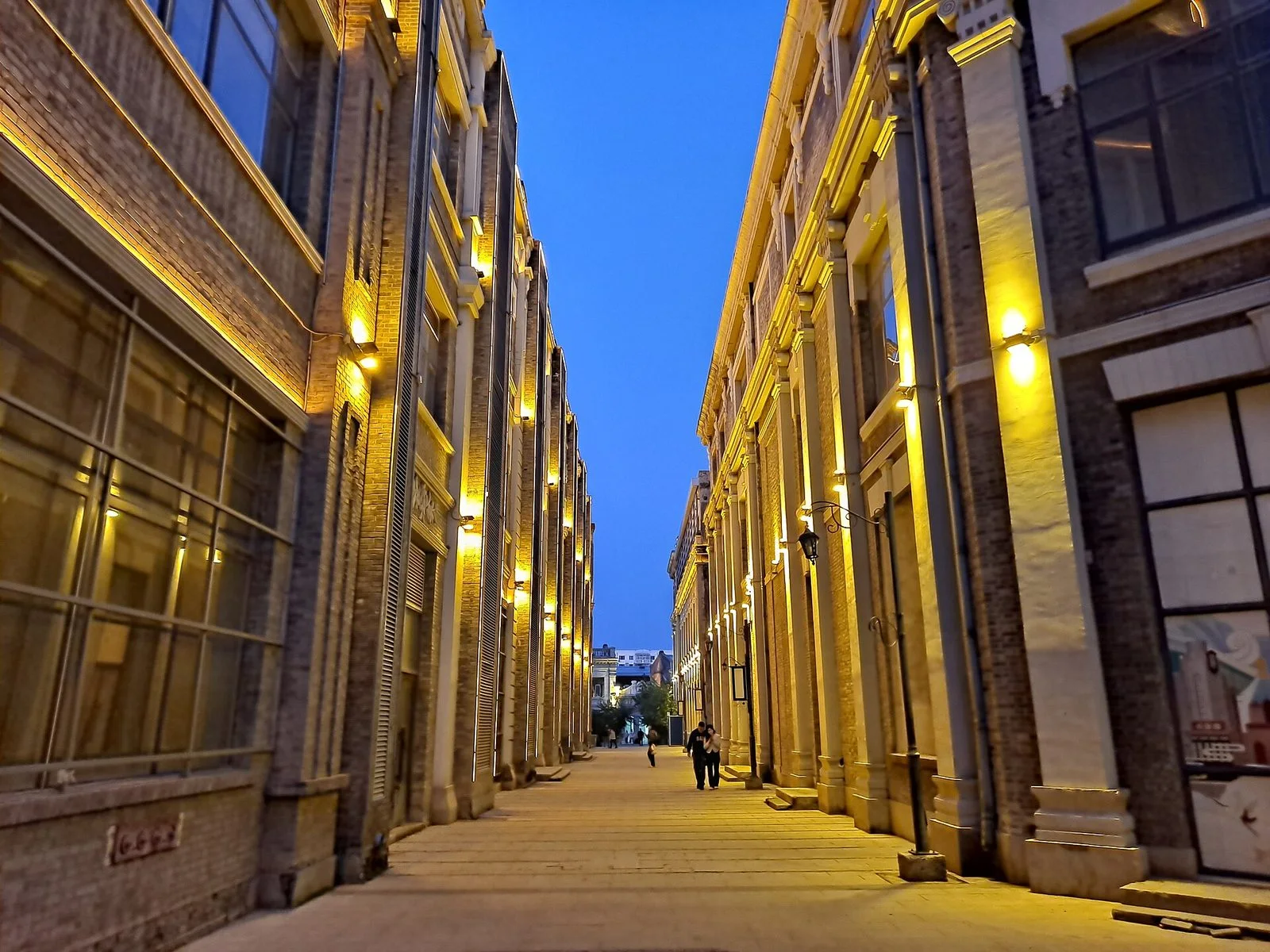
Old Daowai's streets and trading history
The Chinese Baroque Historic District is in Harbin's Daowai District, separate from Central Street in Daoli. A 2023 on-site report by Xinhua Daily Telegraph explains the architecture through the growth of trade in Fujiadian (傅家甸). Merchants built shops and homes combining Western street-facing decoration with traditional Chinese courtyards, gradually forming a distinctive neighborhood.
Today, visitors see a commercial and cultural area that has been protected, renewed and kept in use. It suits combining architecture, snacks and small shops. If your main aim is to compare many chain brands or buy all your clothing in one stop, this setting of streets and courtyards offers a different experience from a full-service shopping mall.
From facades to courtyards: Chinese and Western features
Take time over the architectural details. Xinhua Daily Telegraph records Western column capitals combined with traditional Chinese motifs, including grapes, pomegranates, bats and ruyi forms carrying different auspicious meanings. Behind the facades, doorways, light wells and covered galleries link the courtyards. Shops at the front and homes behind explain the architecture better than viewing it simply as a “European-style streetscape.”
Stay within streets and courtyards open to the public. A building's history, its present shop use after renewal and the areas accessible that day are separate matters. A doorway does not give access to every staircase and room. Repair progress in an old report is also no promise that everything is open today.
Choose foods and purchases by the actual product
Food on Nan'erdao Street (南二道街) and nearby helps distinguish this area from an ordinary mall. The 2023 report describes traditions including Zhang Baopu (张包铺), Laodingfeng (老鼎丰) and smoked and braised meat businesses, as well as creative products, sand painting and performances. Choose according to what you want to try: steamed buns are hot food, pastries invite comparisons of flavor and packaging, and smoked and braised meats require checking the type of meat and storage needs.
These reports help explain the district, but are not a store-by-store operating list for 2026. If you are coming for a particular shop, confirm its Chinese name, exact street number and opening that day. When buying “time-honored brand” products, check the actual retailer and producer; the history of the street does not automatically belong to every new shop.
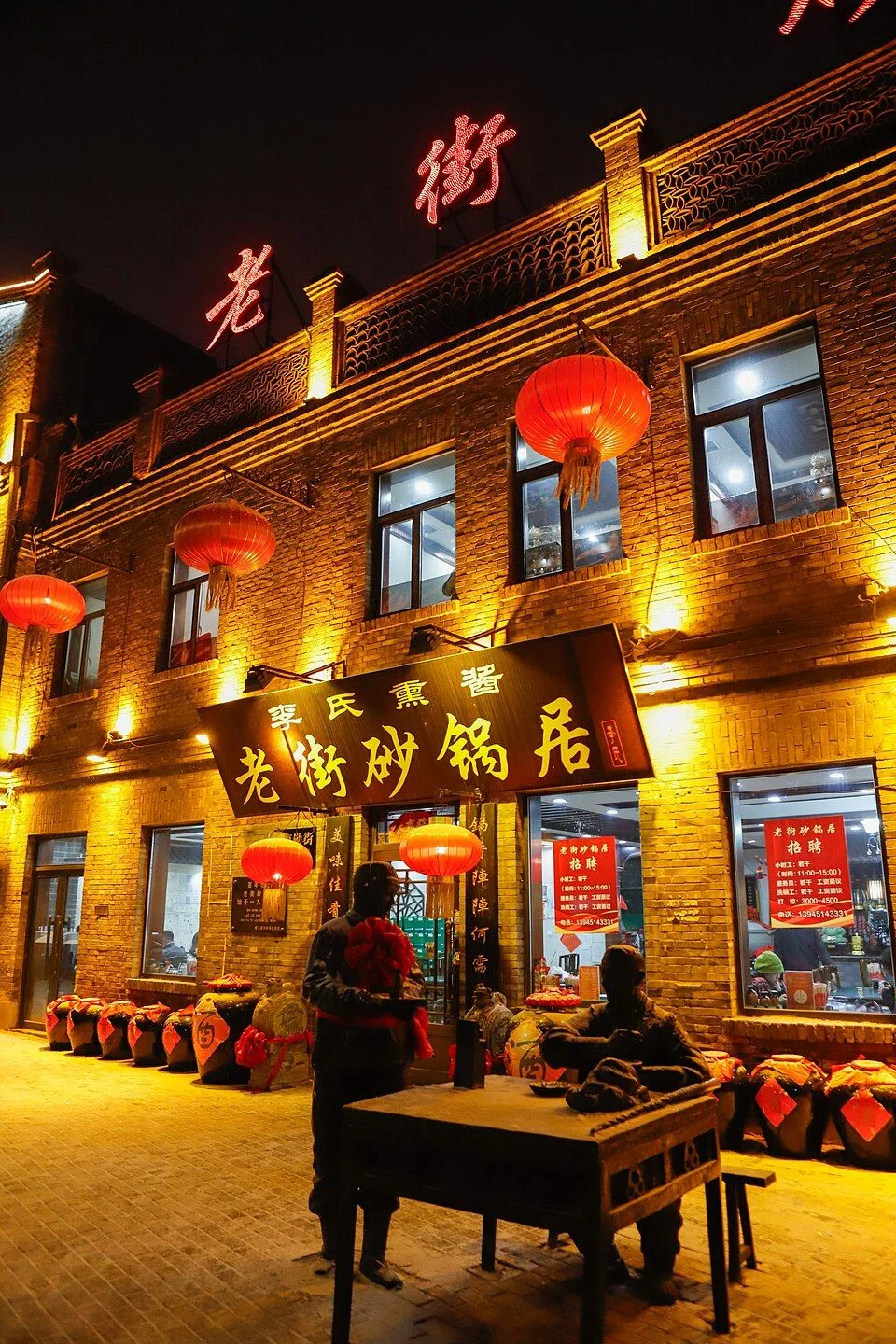
Allow time for a meal and a closer look
Around 2–3 hours can be a starting point if you want to see architectural details, explore open courtyards and have a meal. This is only a suggestion; queues, weather and access that day affect the experience. Compared with Central Street, Chinese Baroque rewards attention to intersecting streets, courtyard interiors and old Daowai foods, rather than simply walking along one long street.
In winter, allow warming breaks between taking photographs and browsing shops. Illuminated buildings and decorative details visible in daylight offer different views, so choose a time according to your interests. Check the day's program for performances and festivals; events in reports are not necessarily permanent features. With food allergies or restrictions on particular meats, ask about each item. Broad names such as “steamed buns,” “pastries” or “smoked and braised meats” do not establish ingredients.
Useful official references
Check the relevant official service before making arrangements. These links are references, not a guarantee of current services.