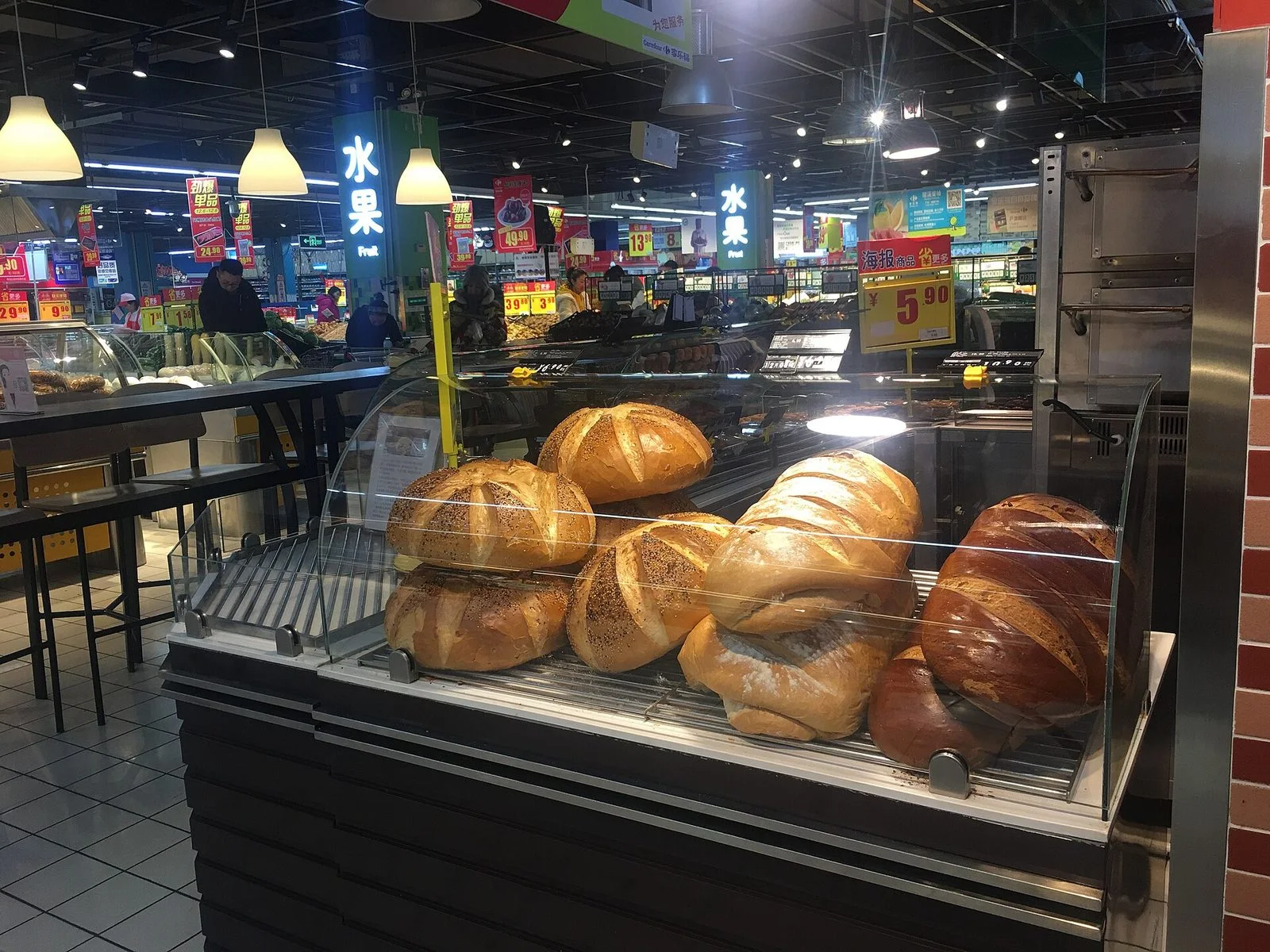
How a large loaf became a Harbin food
“Lieba” is a transliteration of the Russian word for bread. Bread-making continued and developed in Harbin with the arrival of Russian-style cuisine, and daliba became a representative local food. A Xinhua feature interviewing a fifth-generation practitioner of Qiulin daliba-making links it with the city's Chinese Eastern Railway history and food heritage. Its significance lies both at the everyday table and in the tangible craft left by this cultural exchange.
Traditional Harbin daliba is often a very large round loaf, with a thick crust and fairly dense crumb. Look at the product itself rather than just its name: today's “lieba” may be a large whole loaf, presliced bread or a variety with dried fruit. Size, sugar content and texture can all differ.
A thick crust, slight acidity and fermented aroma
Didao Fengwu describes fermentation and baking in traditional Harbin daliba, with hops and hardwood baking among the features of the inherited technique. For visitors, understanding the texture is more useful than memorizing process names. It is usually chewier than soft, sweet bread, with a more noticeable difference between crust and crumb.
Firmness changes between freshly baked bread and bread that has been stored. For a first taste, buy slices or a small amount, ask when it was made and how to store it, then decide whether you enjoy the fermented flavor. “Hard” does not describe every product, and not all lieba will be as soft and sweet as butter-enriched sandwich bread.
Slicing makes it easier to choose how to eat it
Daliba can be sliced and spread with jam or butter, served with hot soup, or paired with hongchang. A traditional round loaf is large; if you do not have a suitable knife, asking the shop to slice it is easier than dealing with it later at your accommodation. For a savory pairing, start with a little bread and sausage. If you prefer sweetness, add jam separately, tasting the plain bread first.
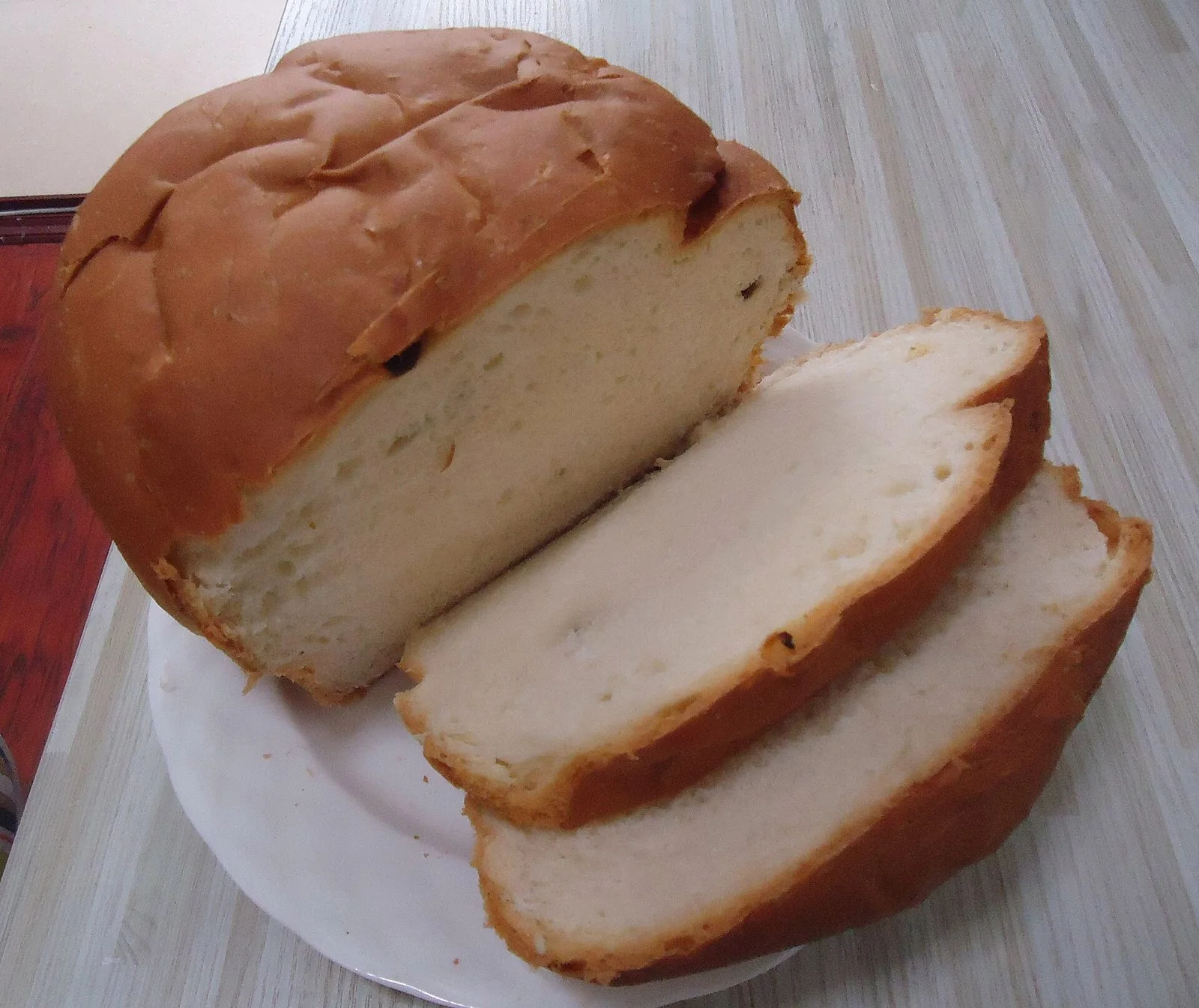
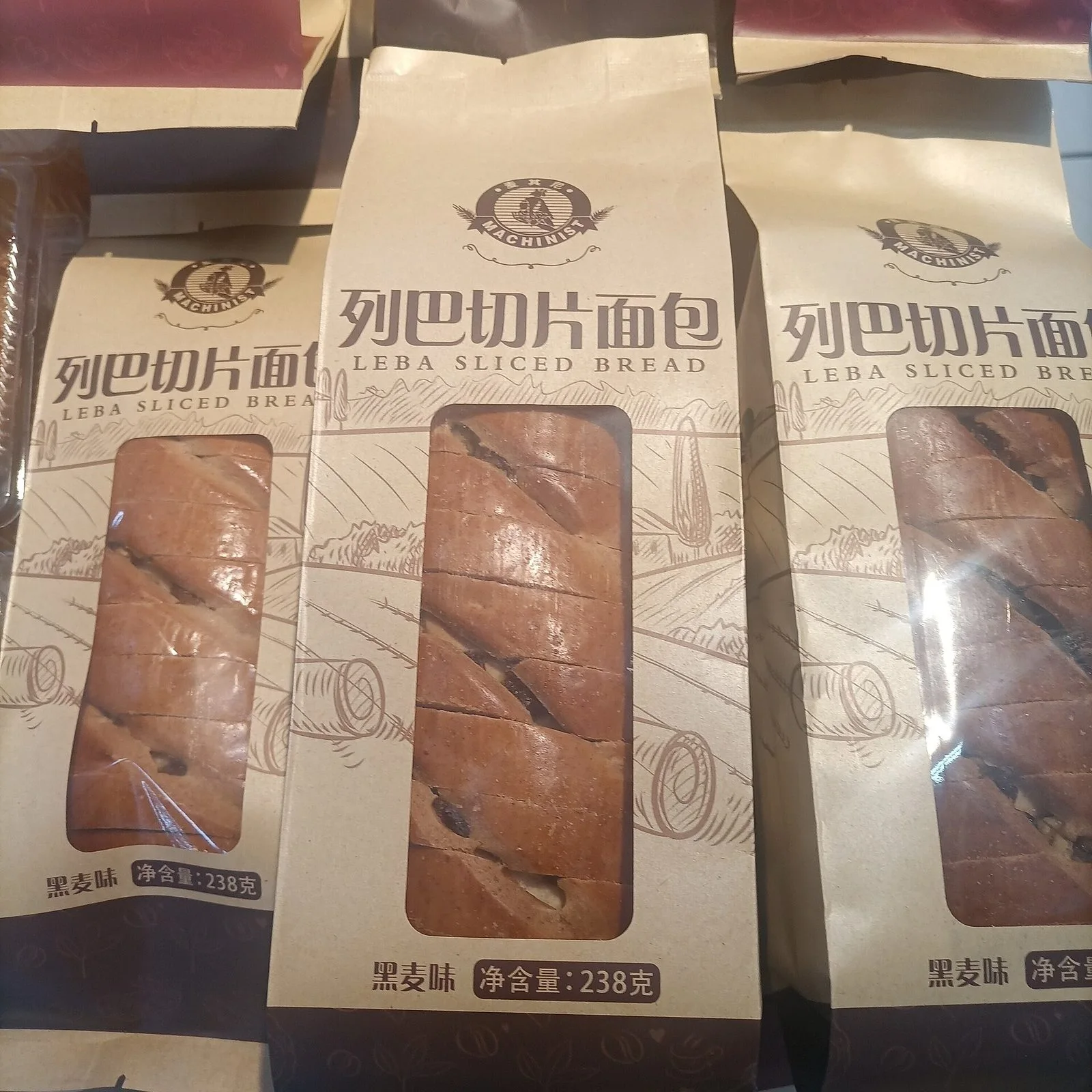
The bread photographed for sale in Dalian is also sold as daliba, but its cut surface shows ingredients and a shape different from a traditional large round Harbin loaf. Another photograph shows a modern packaged sliced lieba product. These illustrate the range sold under the same name; packaged slices cannot represent the texture of all traditional Harbin daliba.
Consider portions and storage before buying a whole loaf
Daliba can be shared as a staple food or bought as a gift, but check the size and weight of the actual loaf. Dimensions in historical reports are not a uniform standard for every product today. If only one or two people are traveling and refrigeration or sealed storage is limited, a small portion to try is usually easier to finish than the largest loaf.
Flour is the main ingredient, usually involving wheat and gluten. Milk, eggs, nuts and dried fruit depend on the recipe. If you have allergies or dietary restrictions, check the specific ingredient list; an account of traditional bread cannot guarantee the ingredients of every modern product. Storage temperature, how soon to eat it after opening and whether it can enter your next destination also depend on the actual product and destination rules.
Useful official references
Check the relevant official service before making arrangements. These links are references, not a guarantee of current services.