Food
Browse all guides in this category. Select a card for details and related places.
All guides (71)
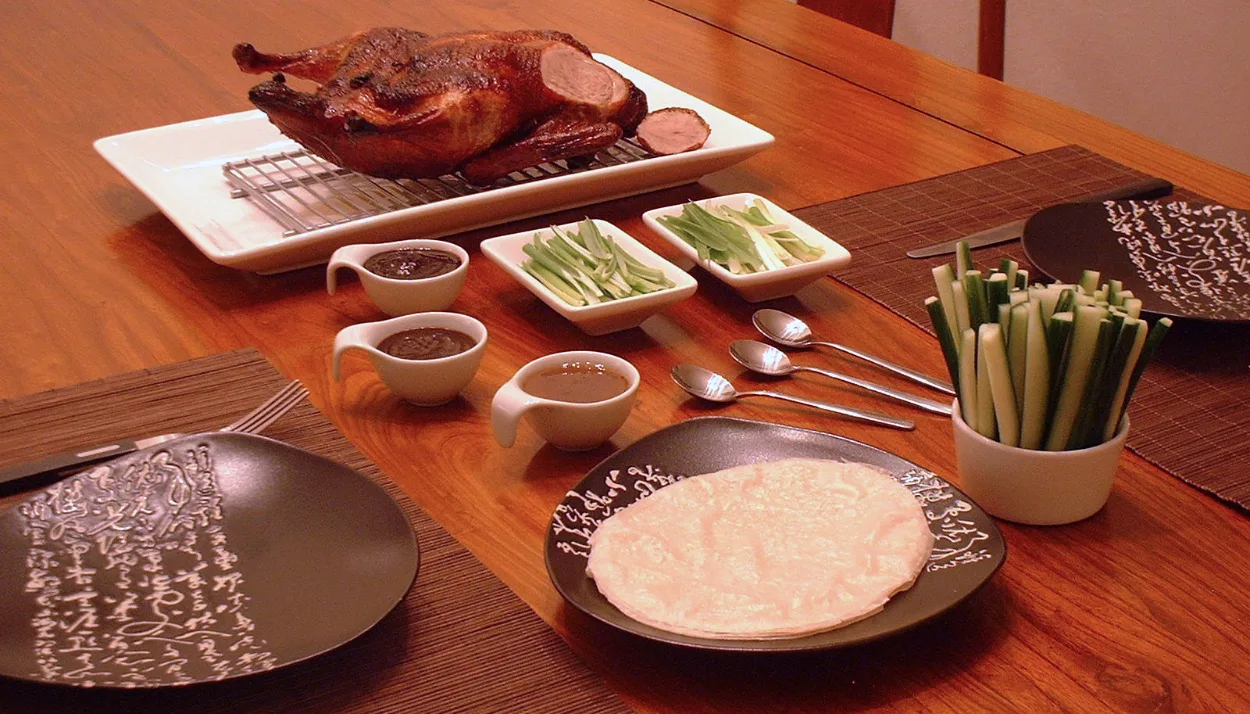
Peking Duck
A whole duck is roasted until its skin is crisp, then carved into thin slices and served with sweet wheat sauce, shredded scallions, cucumber and thin pancakes. It makes a shared meal in Beijing, with traditions of hanging-oven and closed-oven roasting and more than one way to eat it.
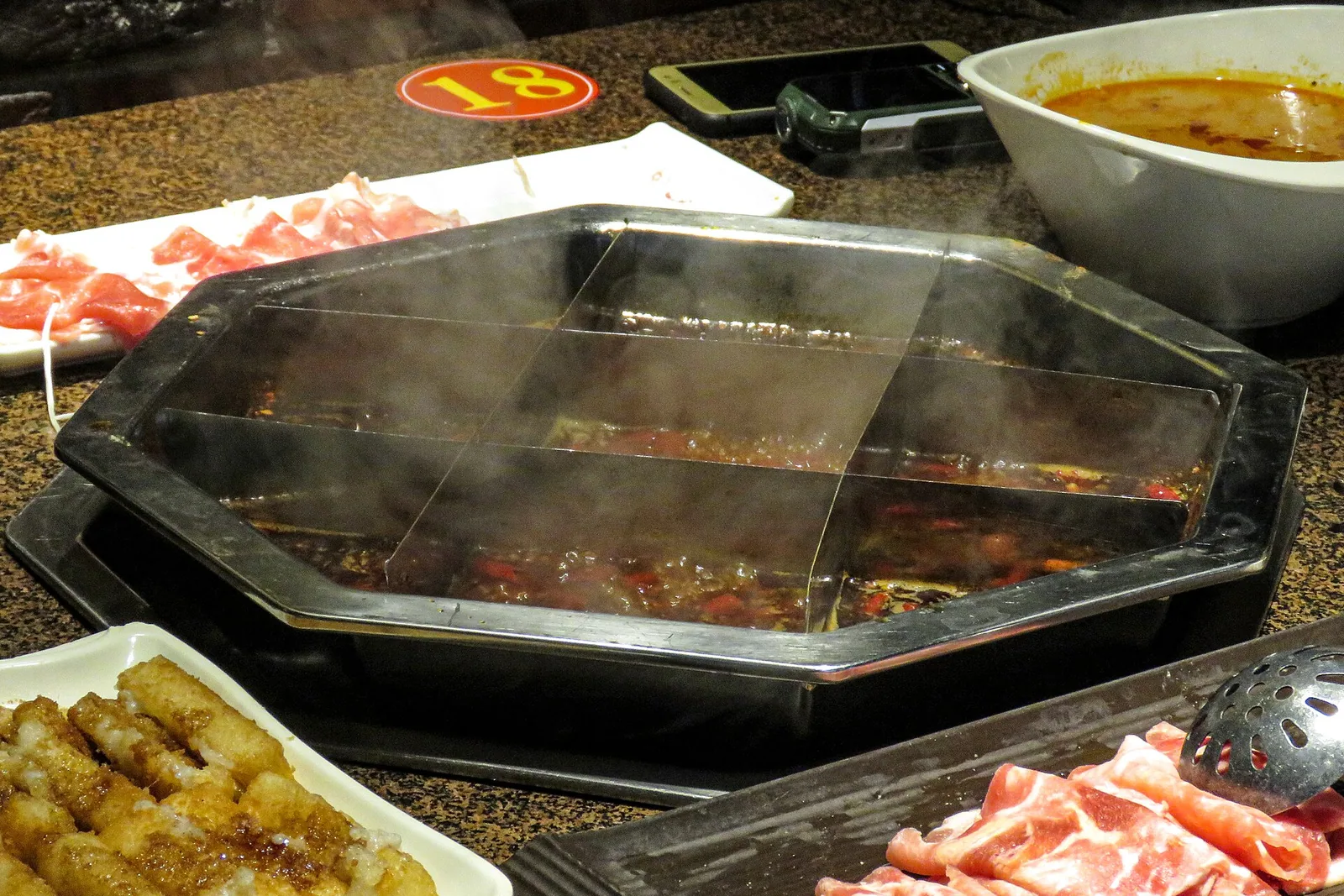
Chongqing Hotpot
Beef-tallow red broth, chilies and Sichuan pepper create a familiar flavor. Diners cook tripe, duck intestines, meat and vegetables around the table; broth and ingredients vary by restaurant.
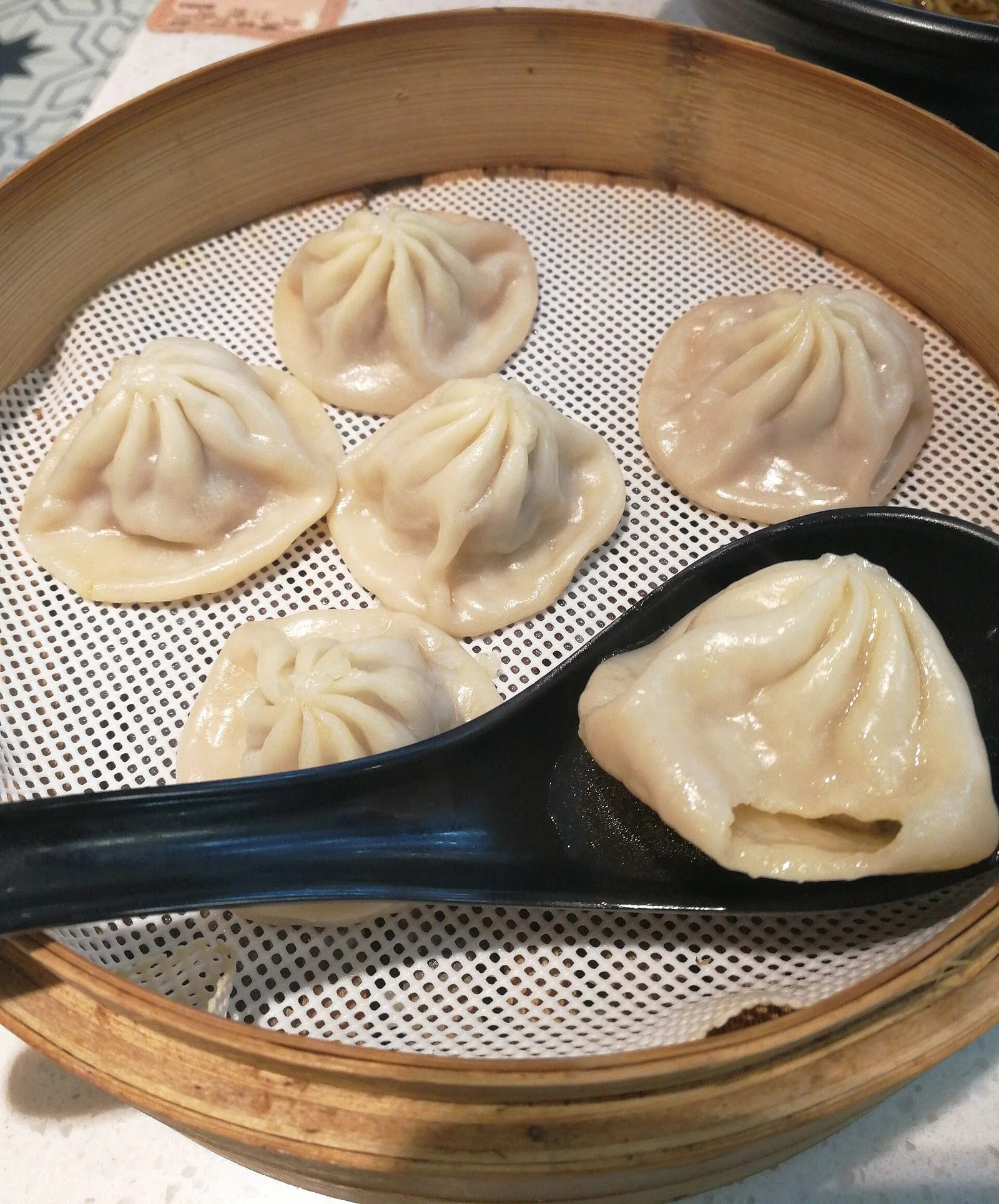
Xiaolongbao
Thin wrappers enclose meat and hot broth, served in small steamer baskets. Shanghai's Nanxiang-style xiaolongbao balance wrapper, filling and broth, with variations that add crabmeat or crab roe.
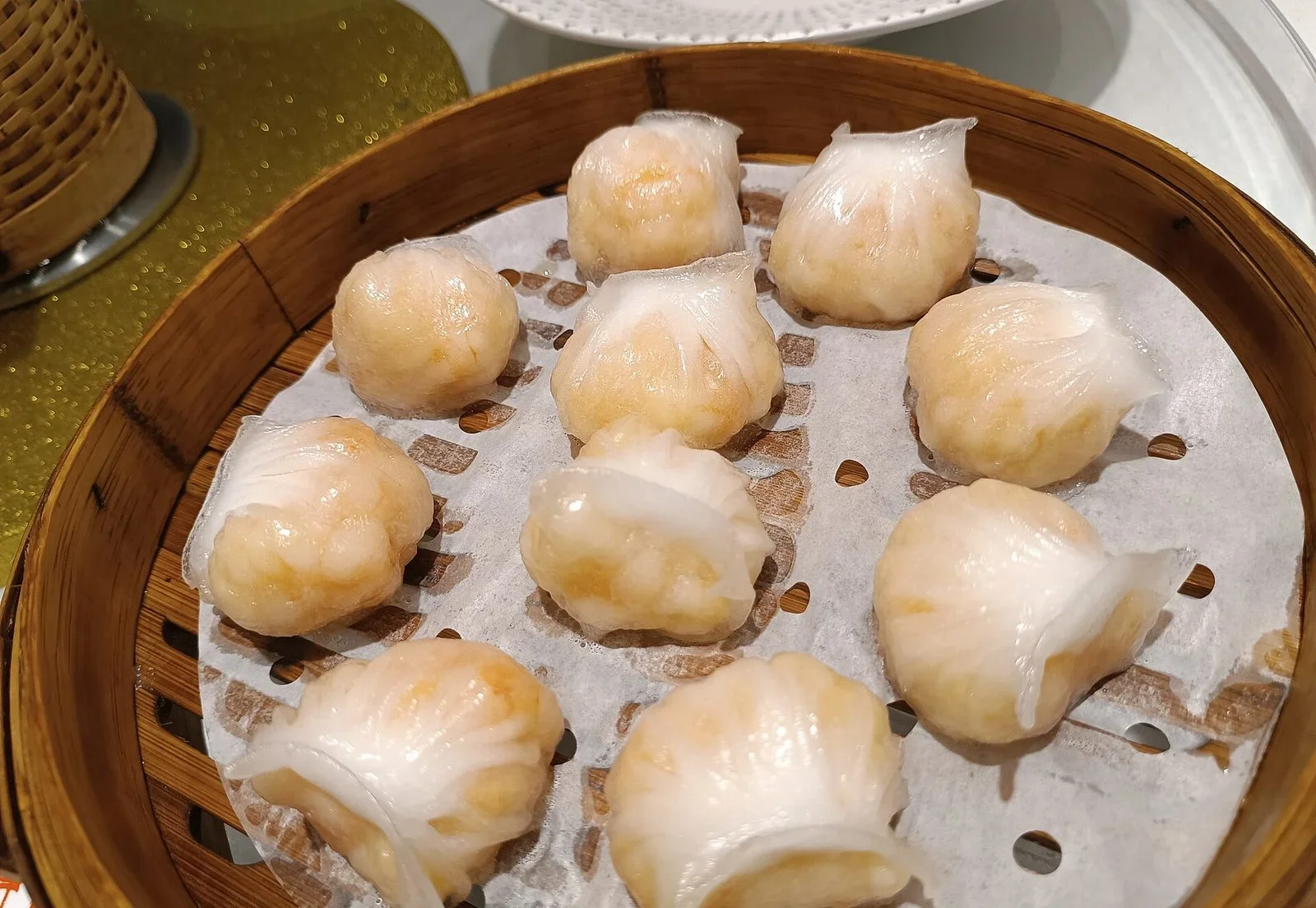
Cantonese Morning Tea
Guangzhou’s tea houses put tea, dim sum and conversation at the same table. Har gow, siu mai, char siu bao and rice noodle rolls each have their own method, and there is a set of habits for ordering and eating.
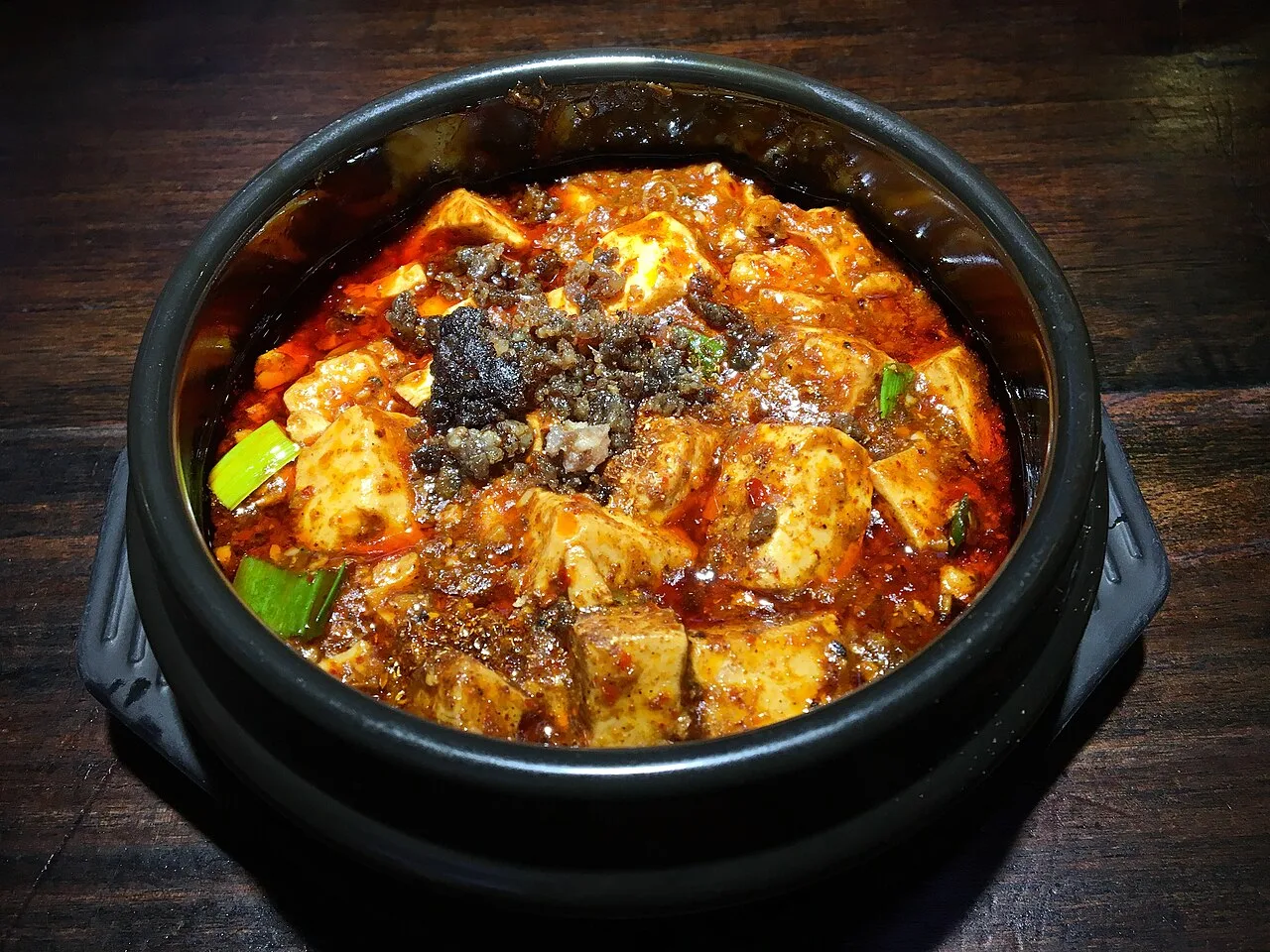
Mapo Tofu
Soft tofu, minced meat, doubanjiang and Sichuan pepper come together in this classic Chengdu dish served with rice. Sichuan pepper's numbing sensation differs from chili heat; the glossy red sauce also carries savory notes from minced meat and fermented bean paste. Tofu as the main ingredient does not make the dish vegetarian.
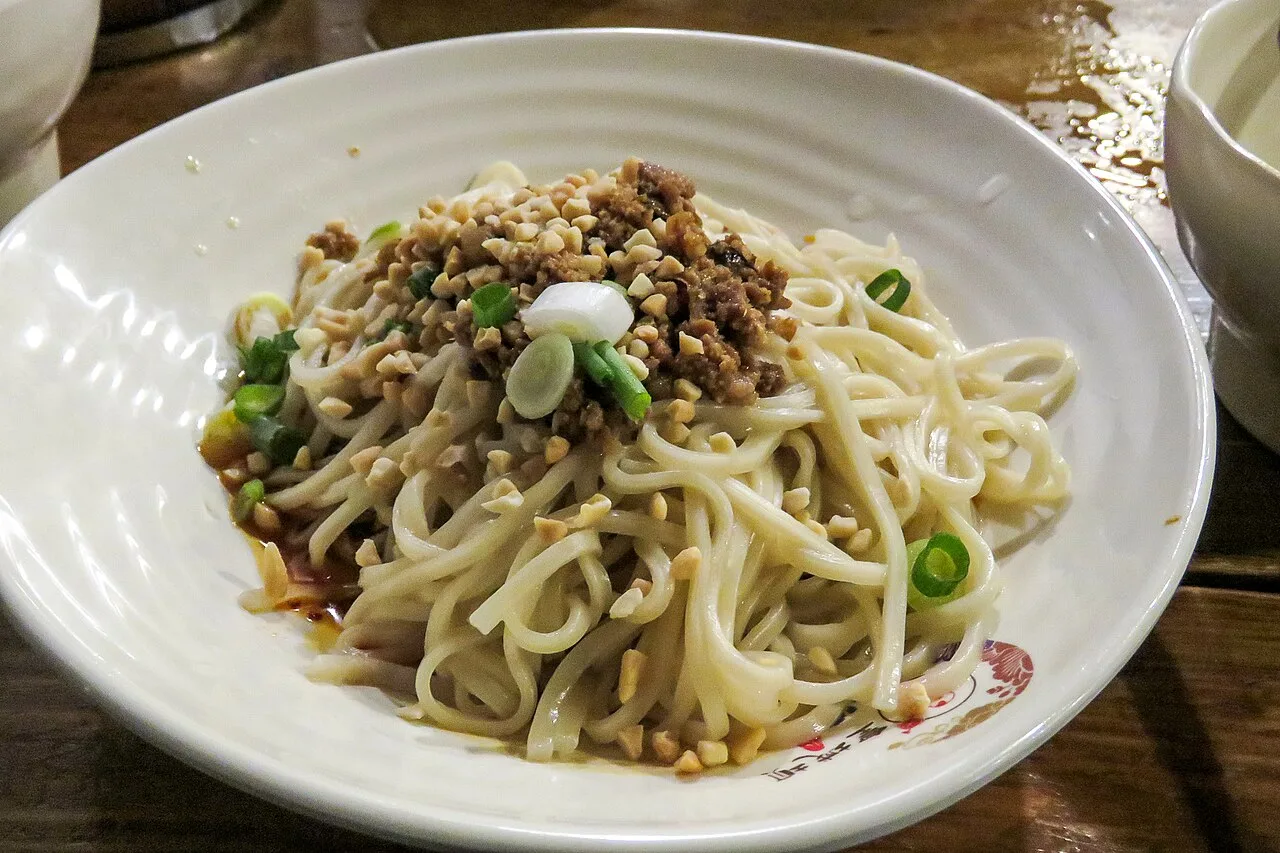
Dan Dan Noodles
Thin noodles topped with savory minced pork, preserved mustard greens and seasonings at the bottom of the bowl make a familiar small dish in Chengdu. Mix the noodles with the sauce first, then notice the crisp aroma of the pork and the salty savoriness of the pickled greens. Spice level, broth and toppings vary by shop.
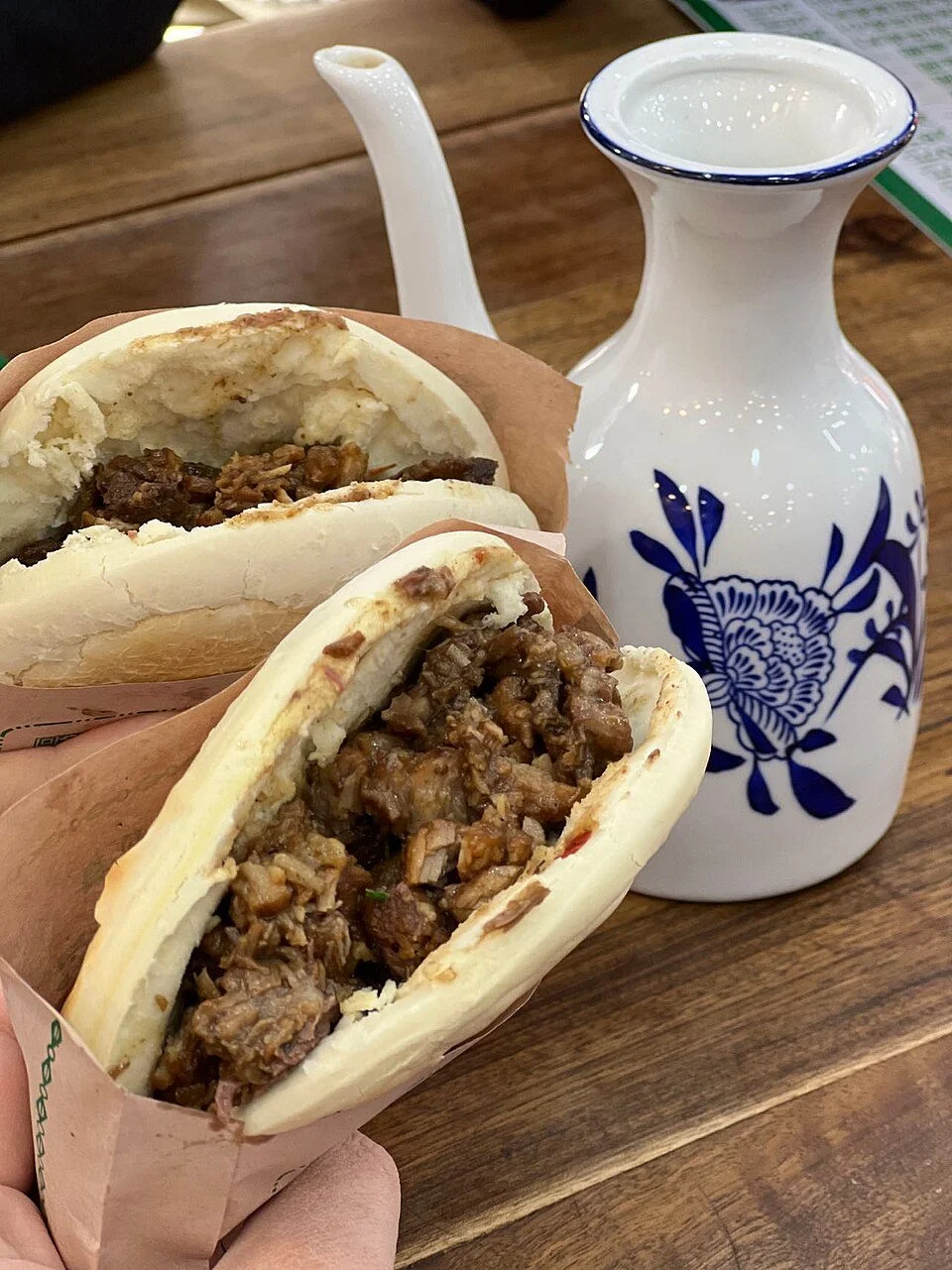
Roujiamo
Roujiamo (肉夹馍) is the most common stuffed bun on Xi'an's streets: a baiji bun (白吉馍) griddled until the crust is browned and the inside stays soft, filled with pork braised in an old stock until tender, chopped, and moistened with the braising juices. The Hui version uses cured beef or mutton with tuotuo bread (饦饦馍), for a different flavor.
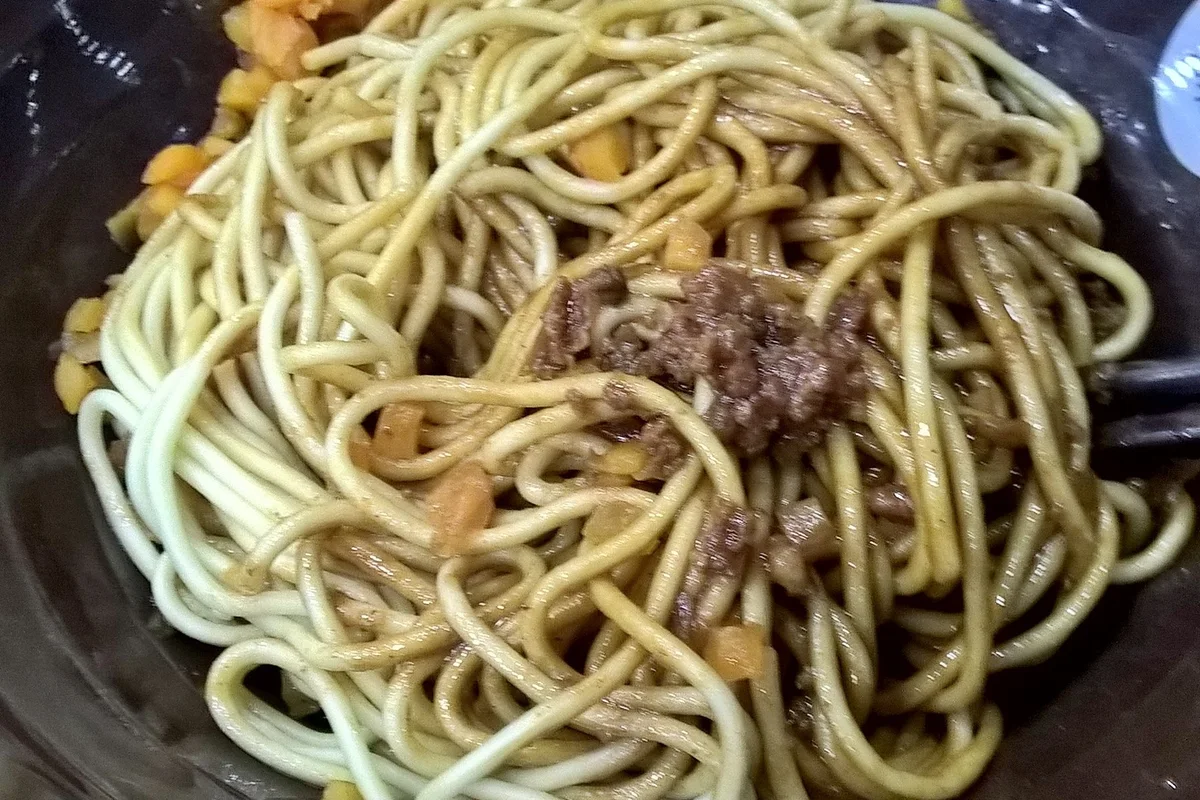
Hot Dry Noodles
Springy alkaline noodles, rich sesame paste and crunchy pickles give Wuhan’s hot dry noodles their characteristic taste and texture. On a first try, mix thoroughly and add chilli to taste; there is no need to rush across town in search of the most authentic shop.
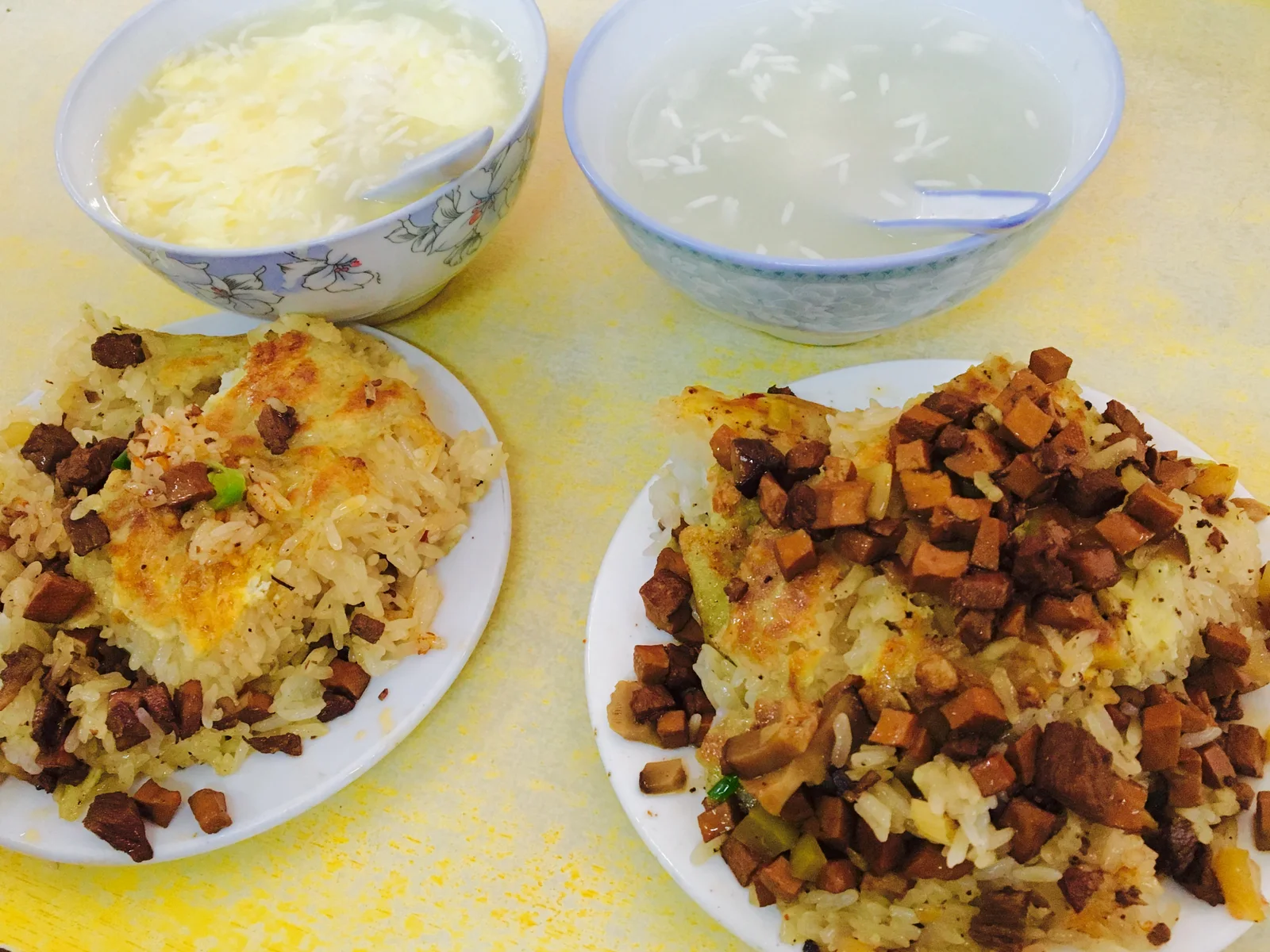
Three-Delicacies Doupi
A Wuhan breakfast made by pan-frying glutinous rice, a mung-bean rice wrapper, and egg. The outside is crisp and golden while the rice inside stays soft; fillings such as mushrooms and diced meat vary by vendor.
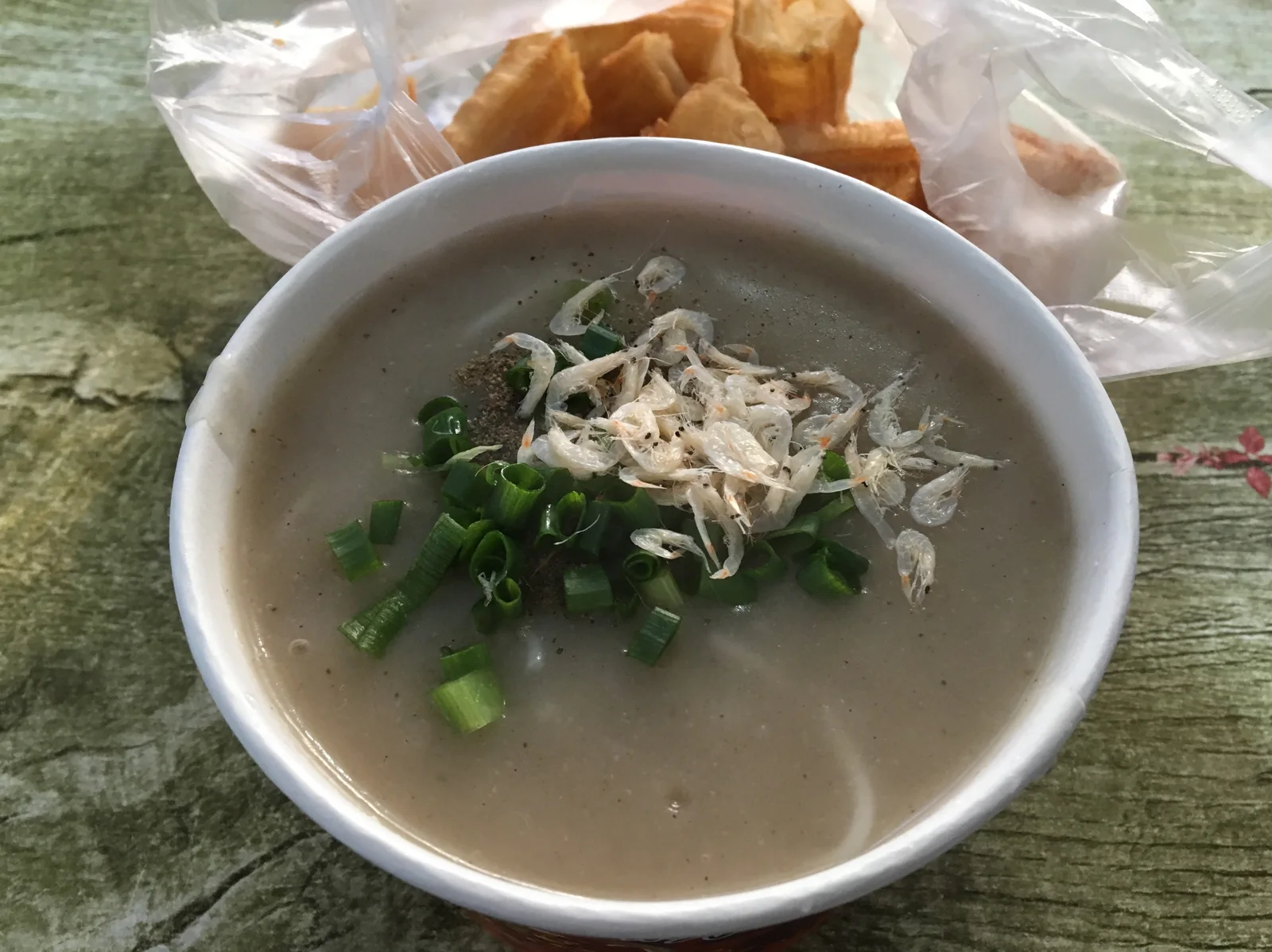
Fish-Soup Rice Noodles
A Wuhan breakfast of rice noodles served in a thick fish soup. The broth is often seasoned with pepper, ginger, and scallions, while other ingredients vary by vendor.
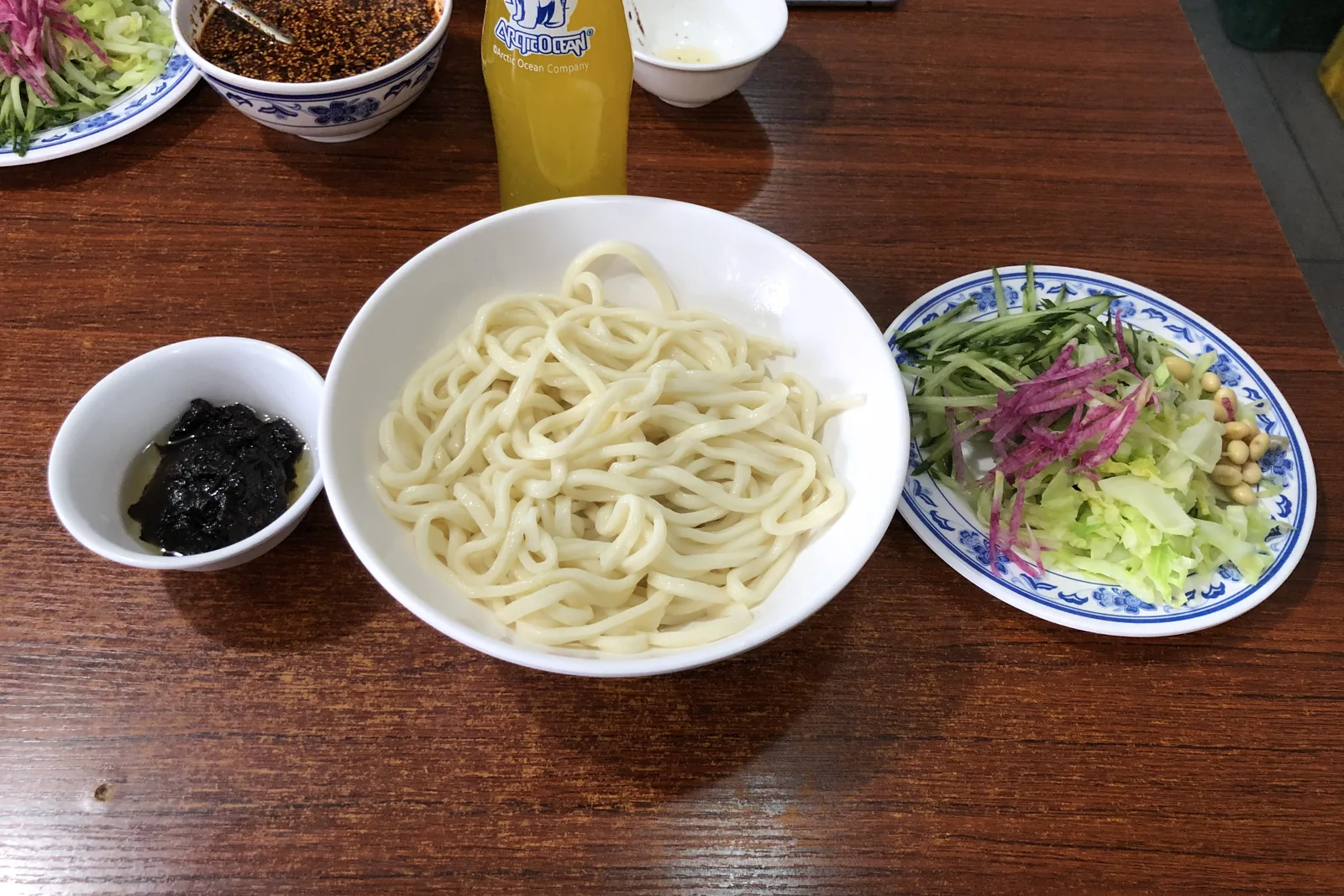
Beijing Zhajiangmian
Springy wheat noodles, thick diced-meat sauce and crisp vegetable toppings make up this common Beijing noodle dish. Identify the three parts and add the sauce a little at a time to appreciate their different textures and flavors.
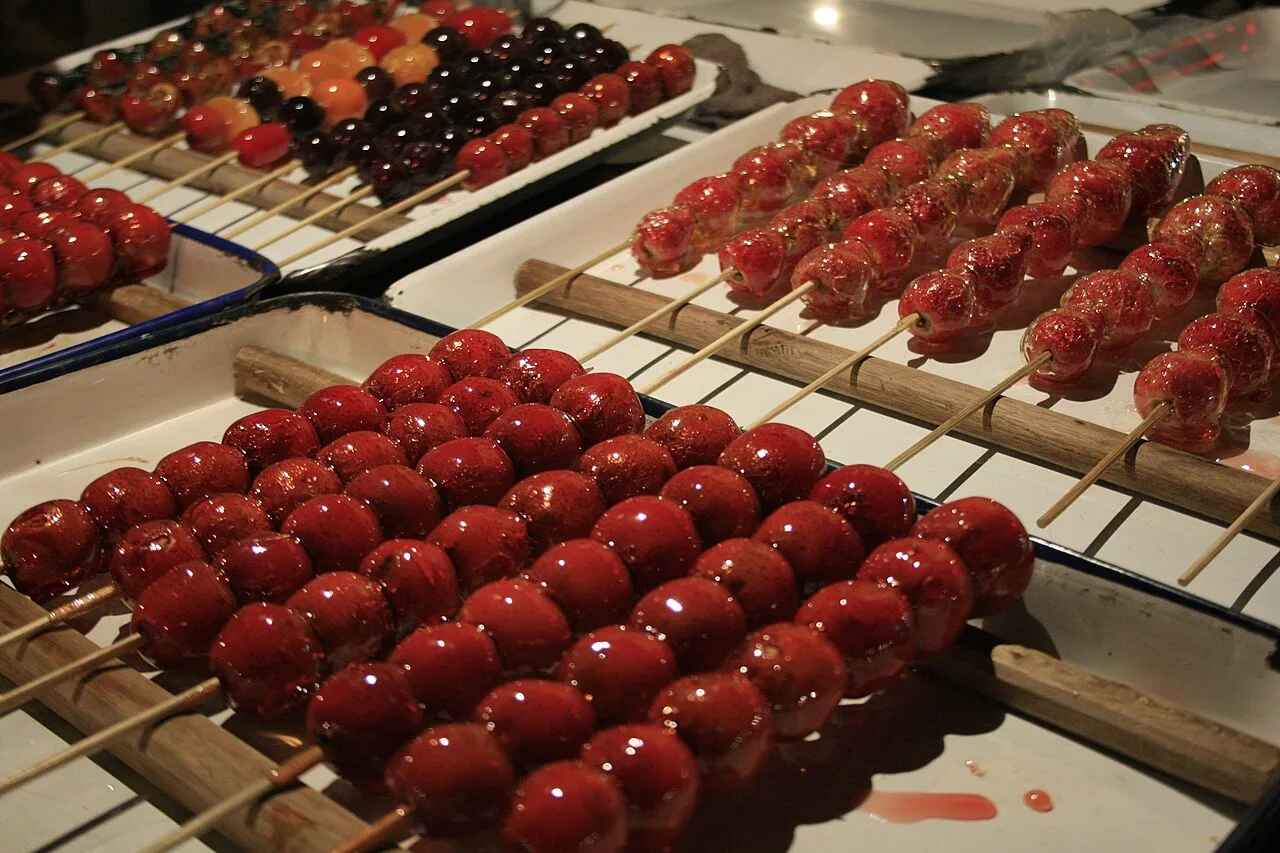
Tanghulu
A thin, crisp sugar shell around tart hawthorn is a recognizable Beijing winter snack. Strawberry, grape, mixed-fruit and filled versions offer different textures. Check the fruit and filling before choosing one to try.
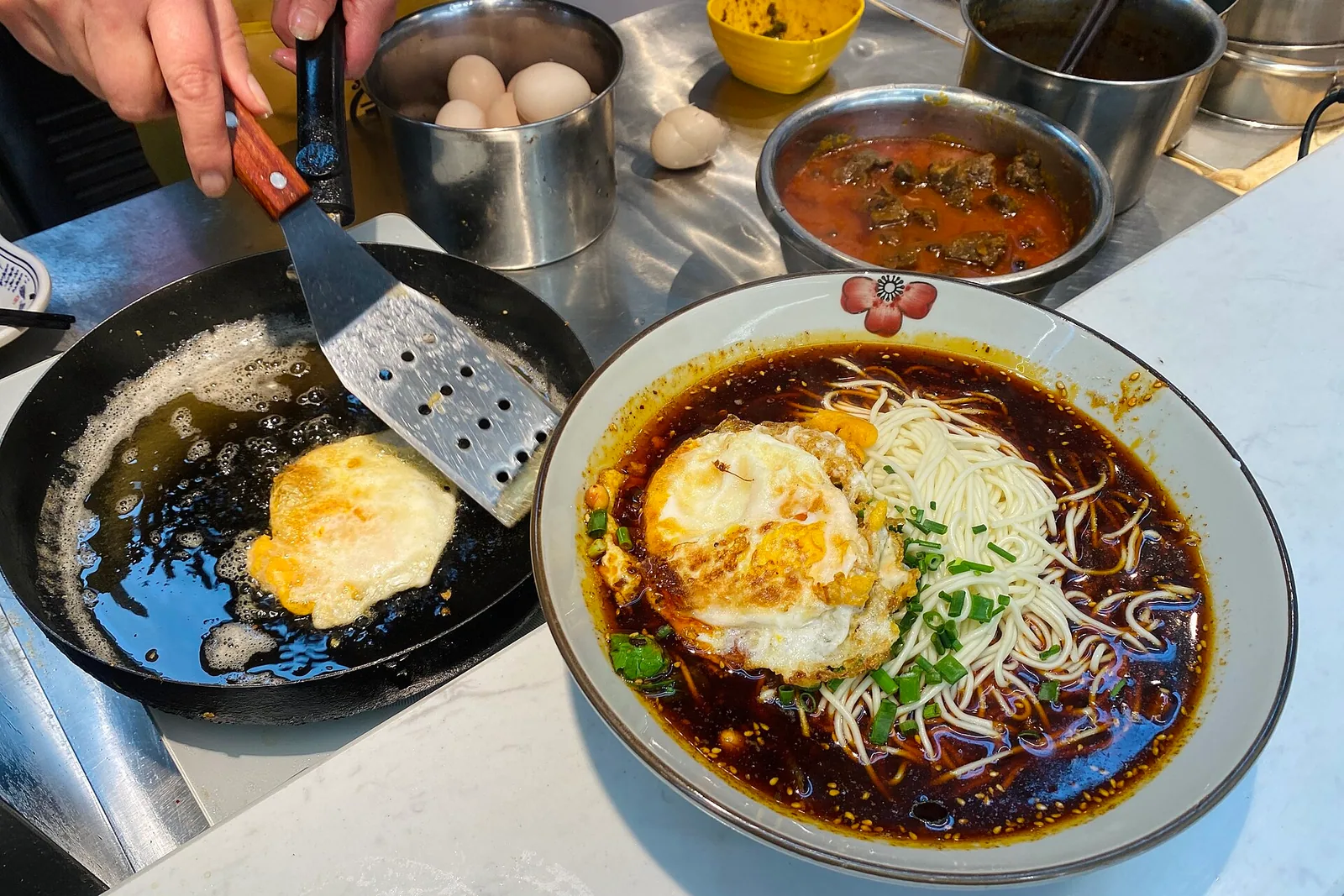
Chongqing Xiaomian
Alkaline wheat noodles are mixed with chili oil, Sichuan pepper, soy sauce, ginger, garlic and preserved mustard greens. Toppings and the level of spice and numbing flavor vary by shop.
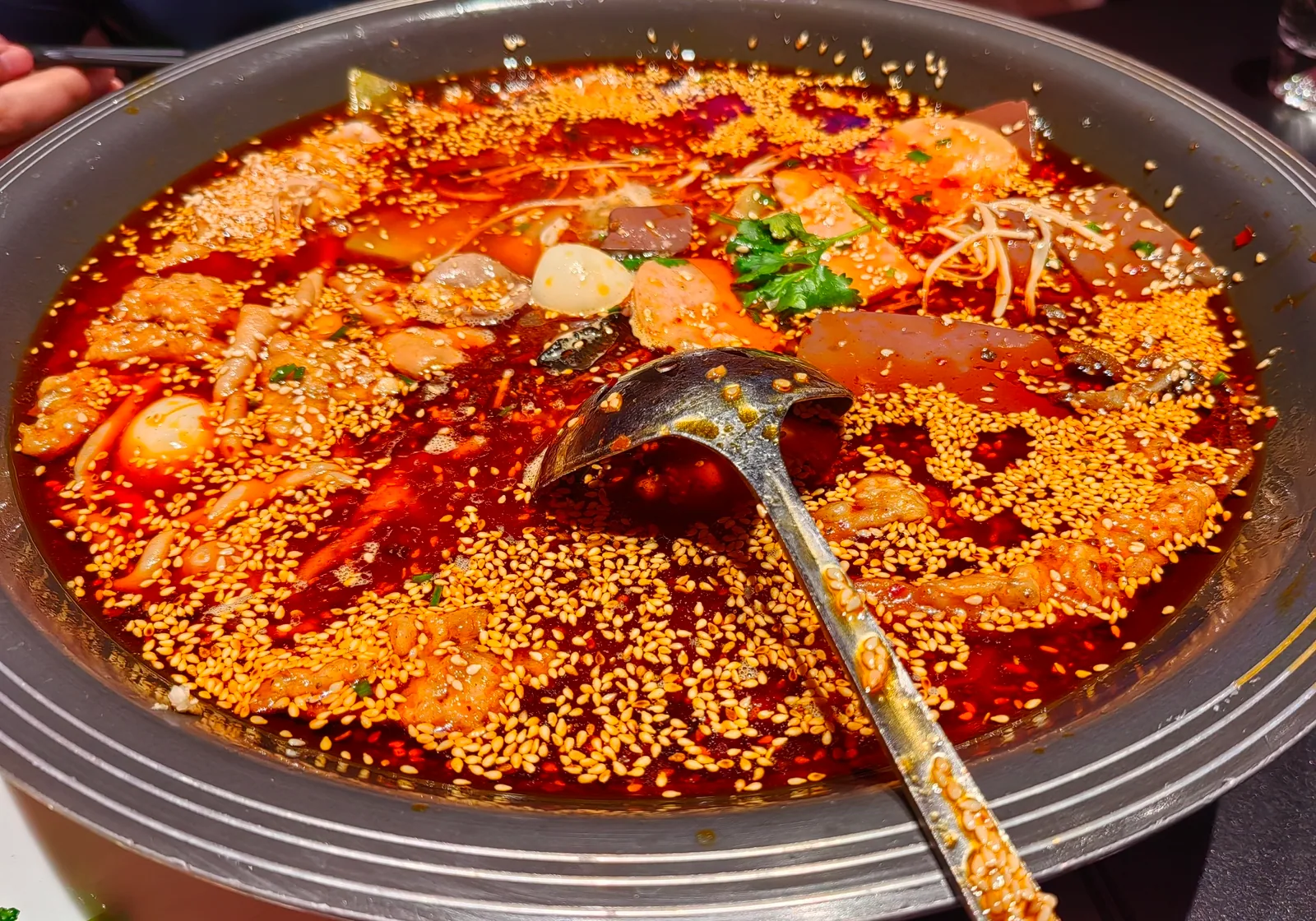
Maoxuewang
A representative Chongqing jianghu dish cooked with blood curd and a variety of meat and vegetable ingredients. The modern version commonly has a glossy, spicy red broth, with ingredients varying by restaurant.
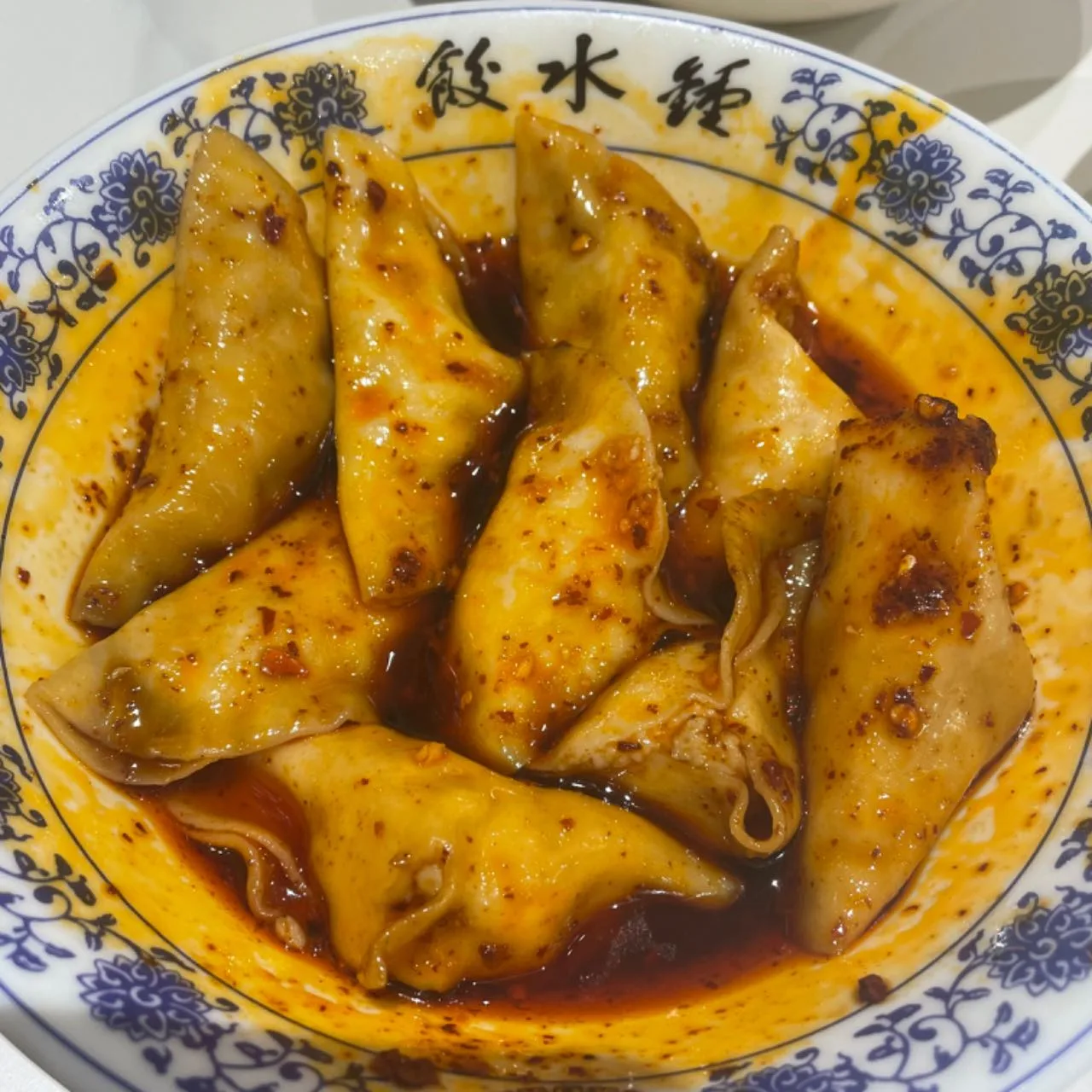
Zhong Dumplings
Thin-skinned pork dumplings with seasoned sweet soy sauce, chili oil and garlic are a signature Chengdu snack. The chili-oil version combines sweetness, salt and heat, and a clear-broth version is also available. Start with a small portion to notice the different textures of the wrapper, filling and sauce.
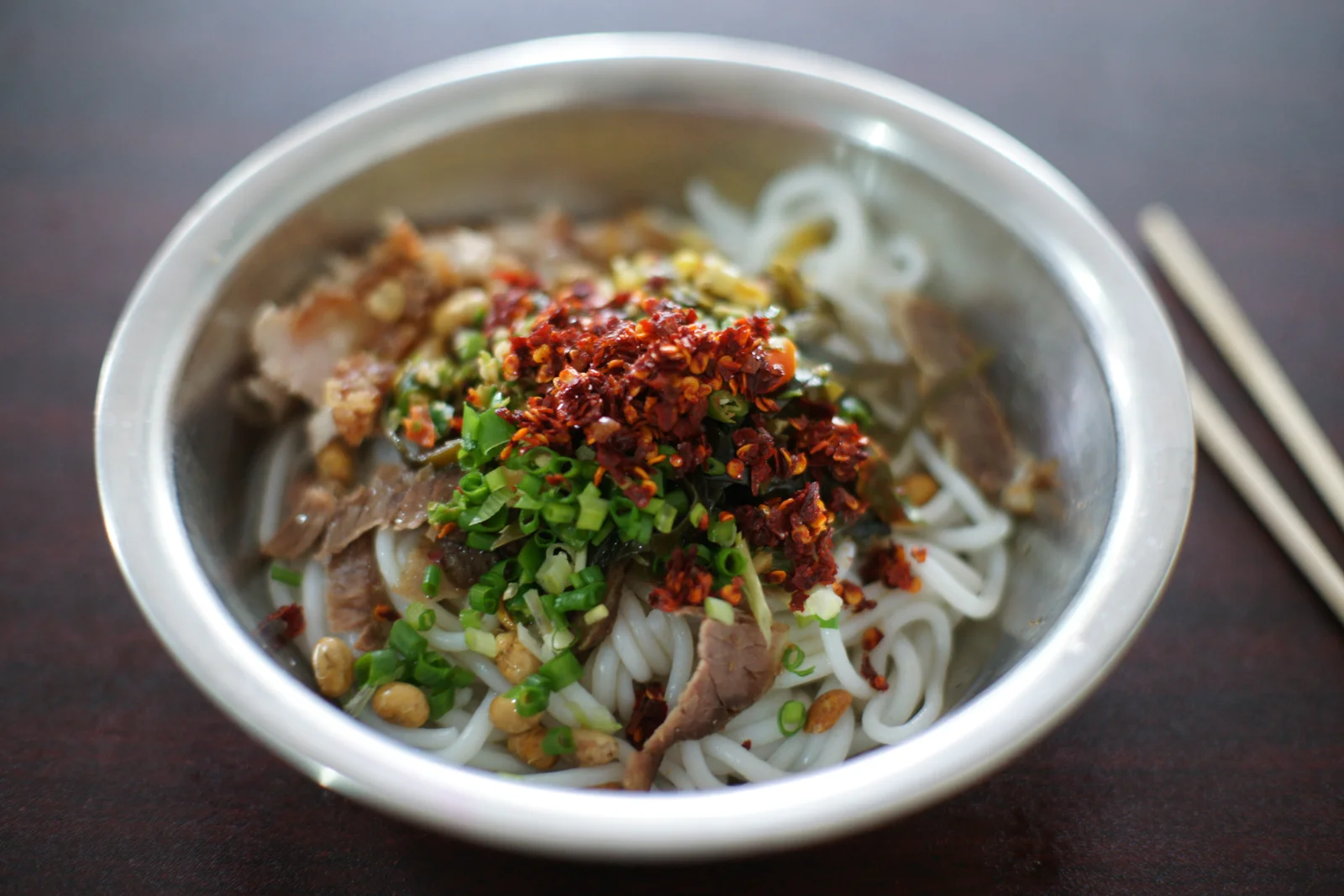
Guilin Rice Noodles
Guilin rice noodles combine fresh rice noodles, braising sauce and a range of toppings. The noodle texture, sauce and choice of meat vary by shop.
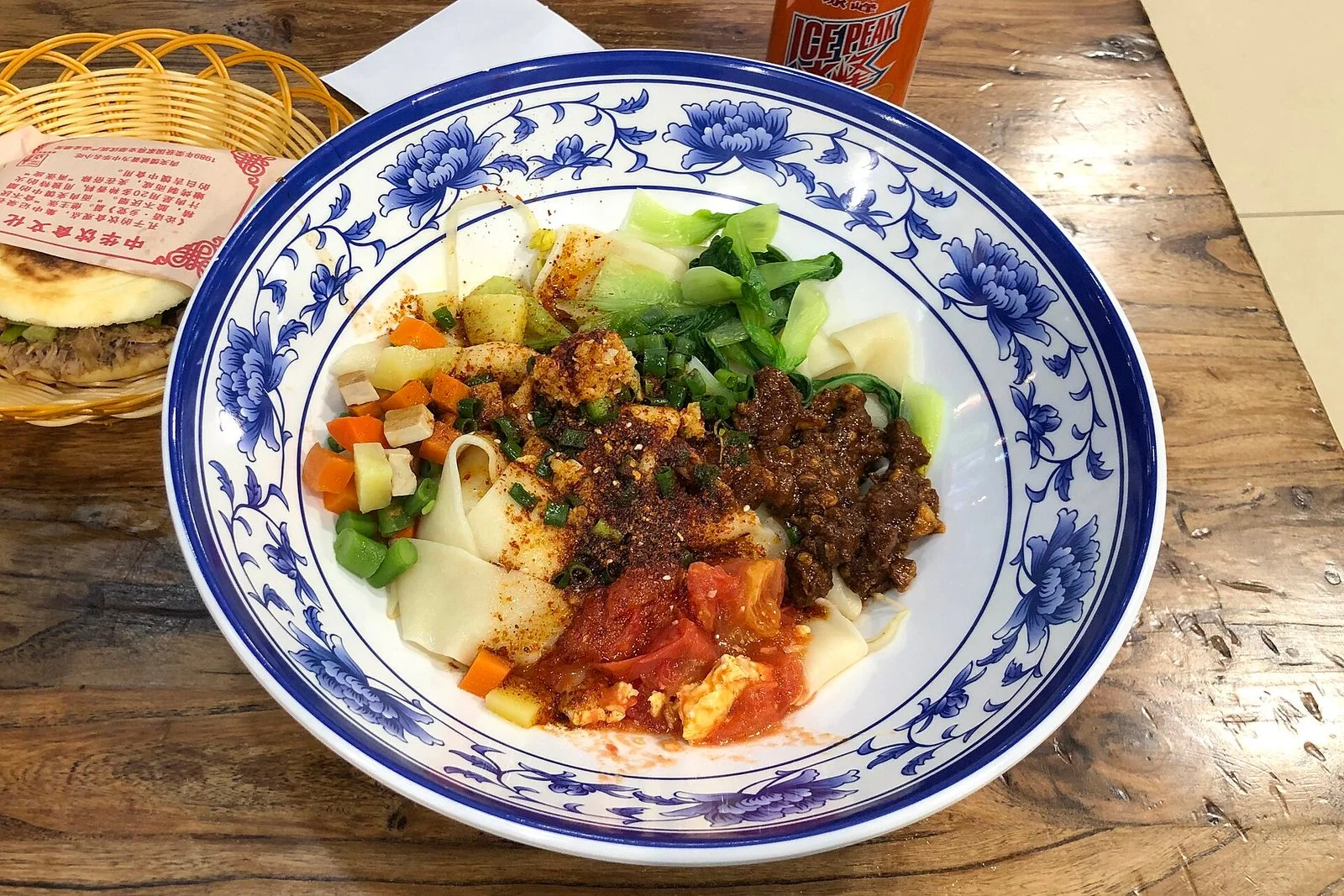
Biangbiang Noodles
Biangbiang noodles (biangbiang面) are Guanzhong's wide hand-pulled noodles: rested dough is stretched by hand and slapped on the counter into noodles as wide as a belt, with a springy bite. They are commonly served either with sizzling chili oil or with a saozi topping. The name is usually written with the notoriously complex, variously written “biang” character; in Xianyang, the craft is a provincial-level intangible cultural heritage.
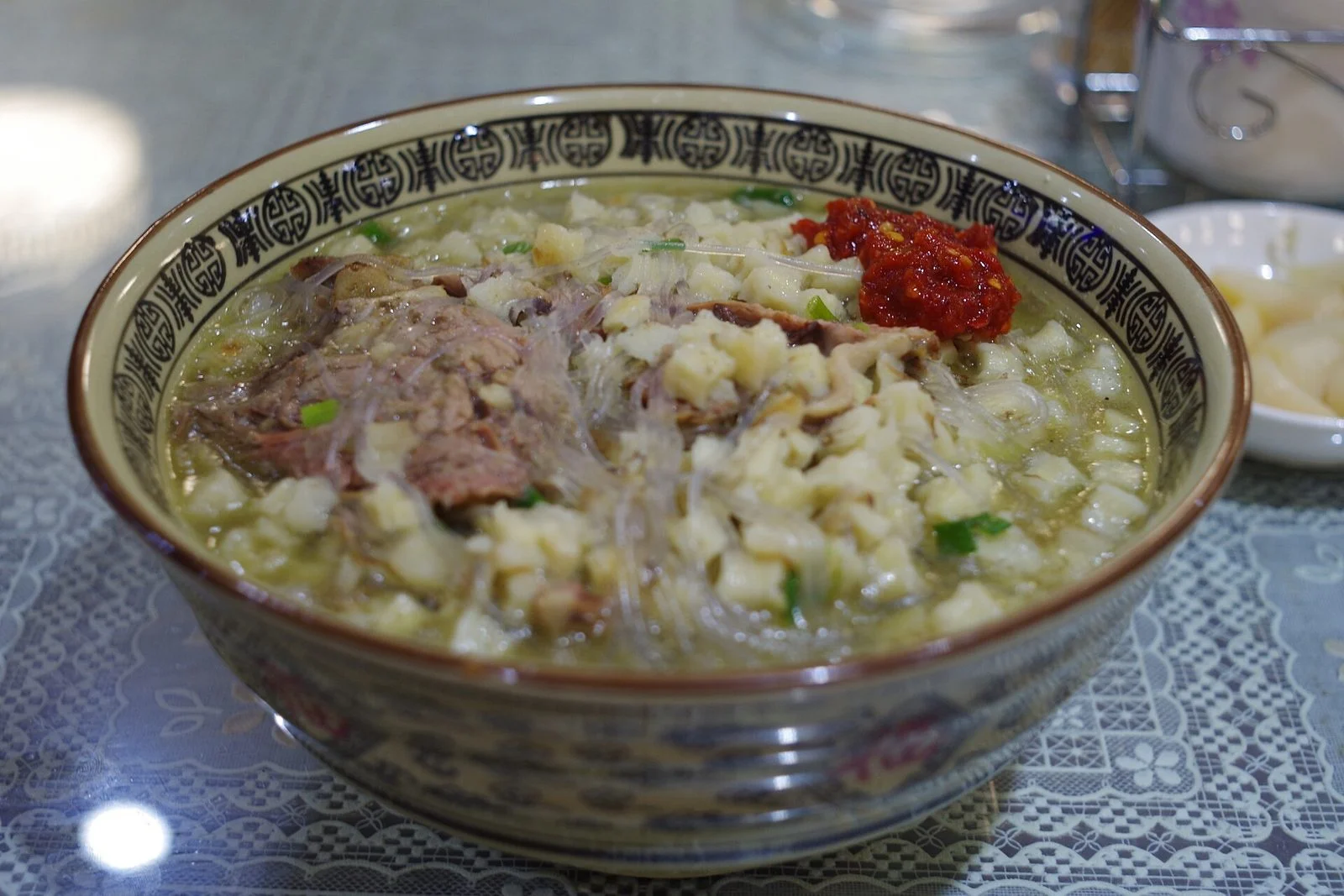
Yangrou Paomo
Yangrou paomo (羊肉泡馍) is the signature dish of Xi'an's halal cuisine: tuotuo bread (饦饦馍), a mix of unleavened and leavened dough, is torn into soybean-sized pieces and cooked by the chef in mutton broth, served with sweet garlic and chili sauce. The styles ganba, koutang, and shuiweicheng differ in how much broth is left, and Xi'an locals take their time tearing the bread and talking.
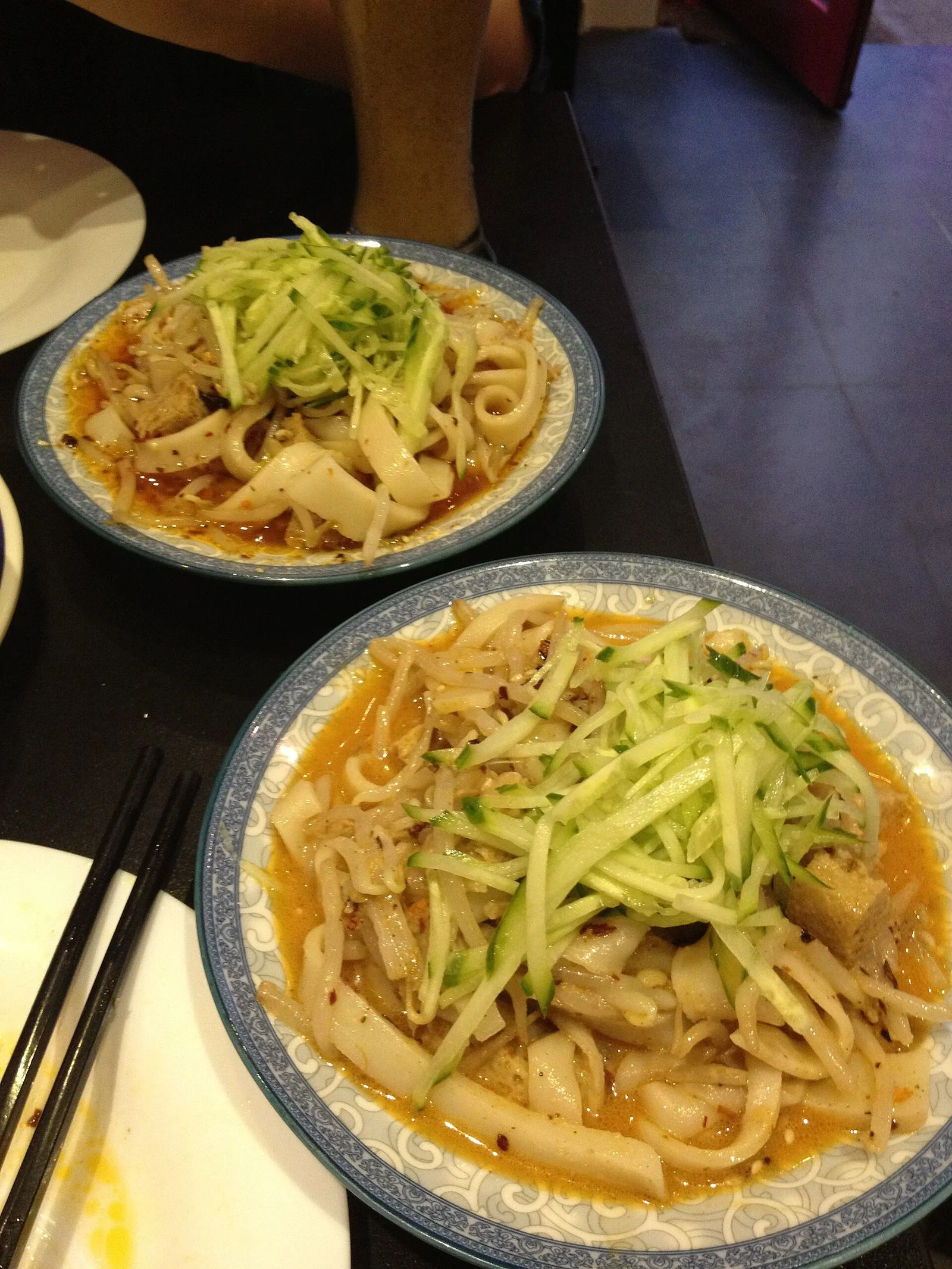
Liangpi
Liangpi (凉皮) is an everyday Shaanxi summer snack: rice or wheat batter steamed into sheets, cut into strips, and dressed with vinegar, chili oil, and garlic water, often with wheat gluten and shredded cucumber. Qinzhen rice noodles (米皮) are soft and slippery; Qishan ganmianpi (擀面皮) is chewy with a slight sourness. Recipes vary across Shaanxi, and summer is when most people eat it.
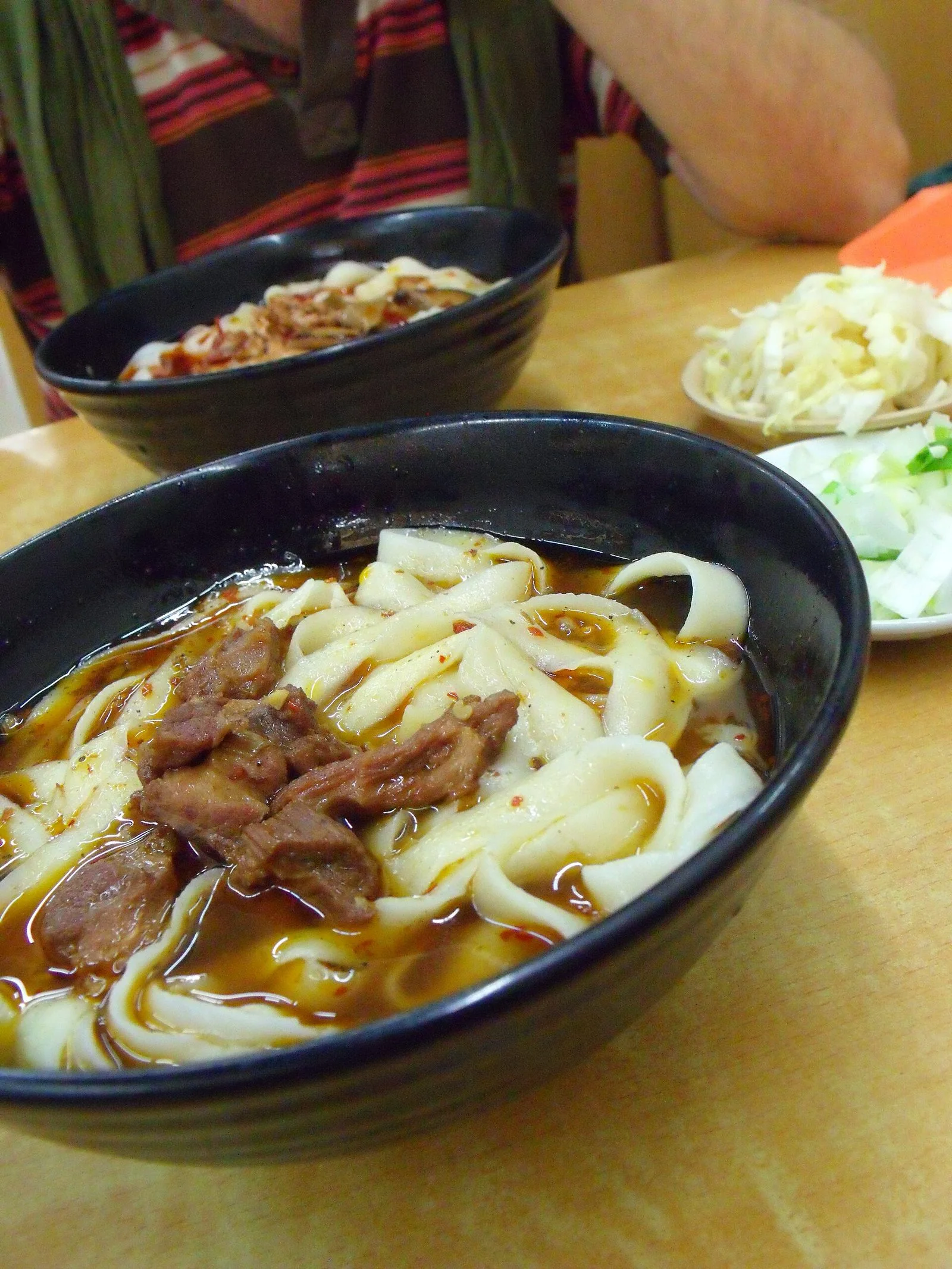
Datong Knife-Cut Noodles
Willow-leaf-shaped pieces shaved from a block of dough into the pot, served with pork topping, a braised egg or dried tofu. Their thick centers and thin edges are key to the texture of this Datong staple.
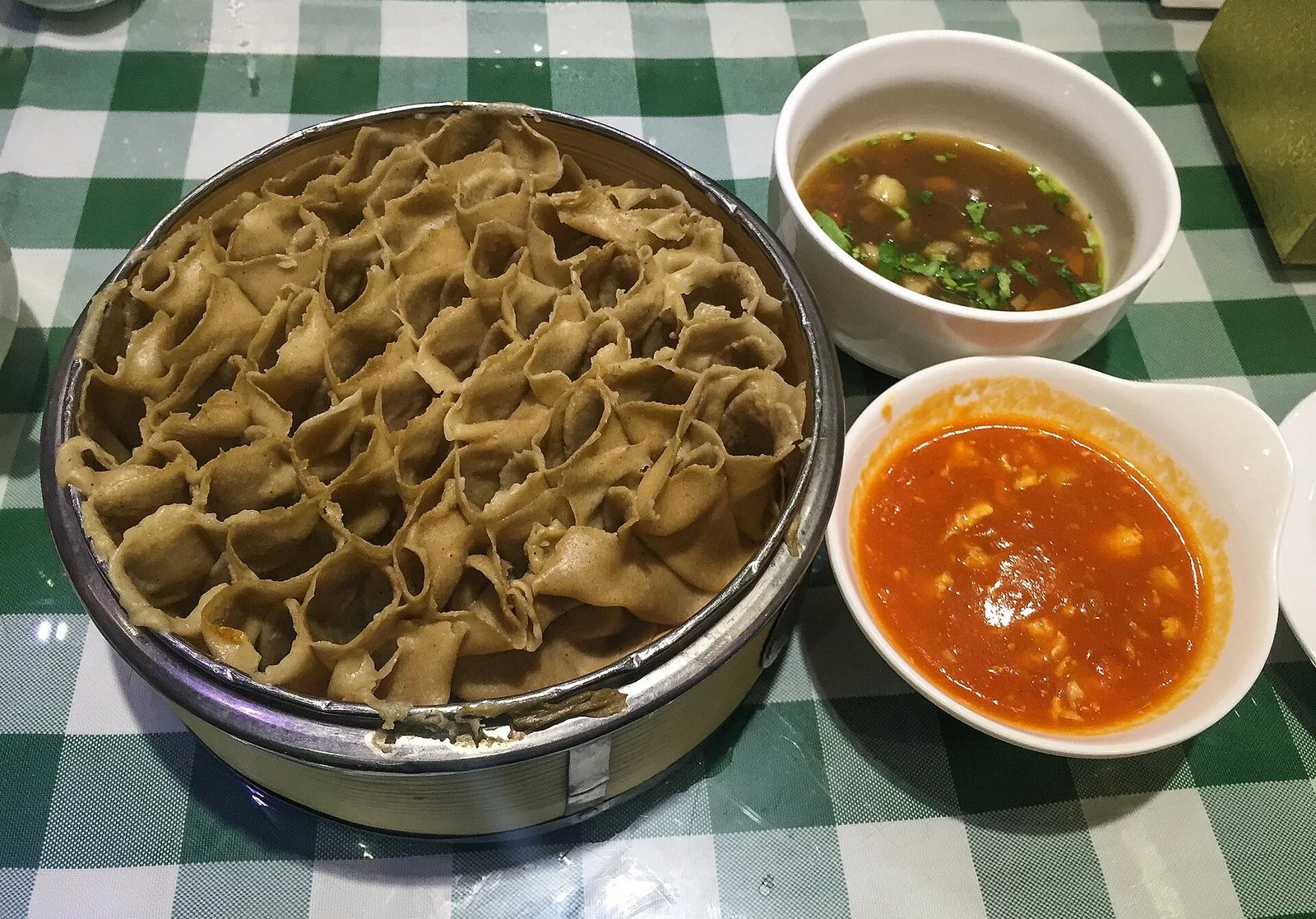
Youmian Kaolaolao
A grain-based staple made by pressing naked oat flour dough into thin sheets, rolling them into small tubes and arranging them in a steamer. This form offers a useful introduction to oat flour dishes and their sauces in Datong.
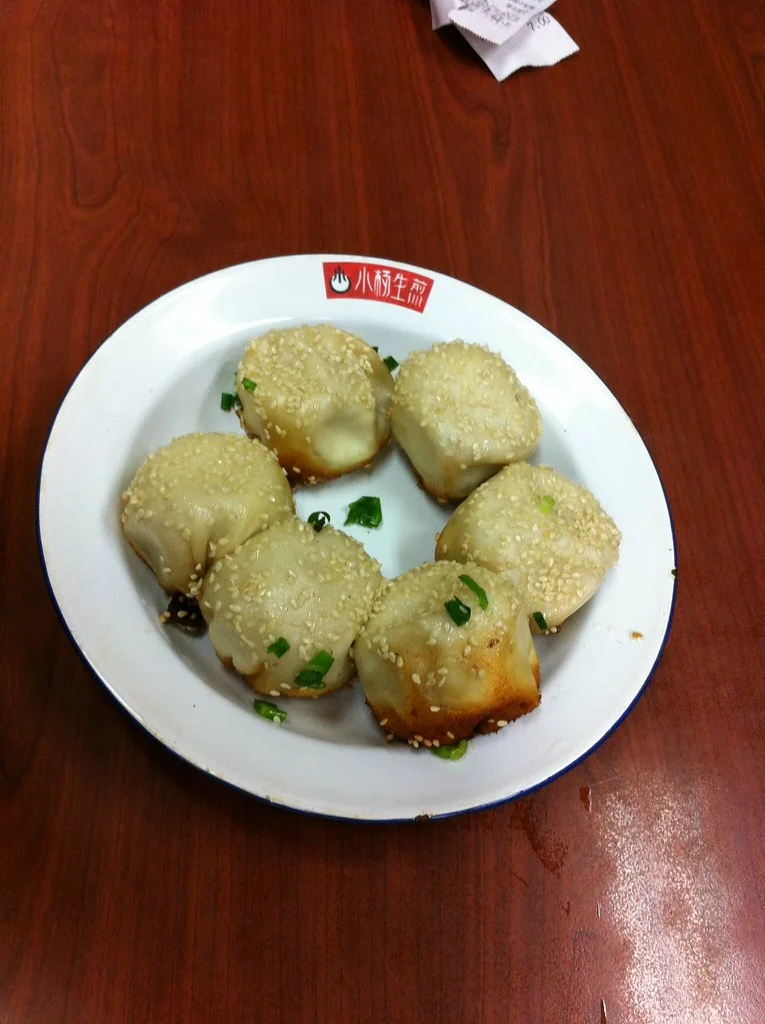
Shengjian
Often called shengjian mantou in Shanghai, these pork-filled buns have crisp fried bottoms and softer dough above. Qingshui and broth-rich styles differ; start by choosing your preferred dough and amount of soup.
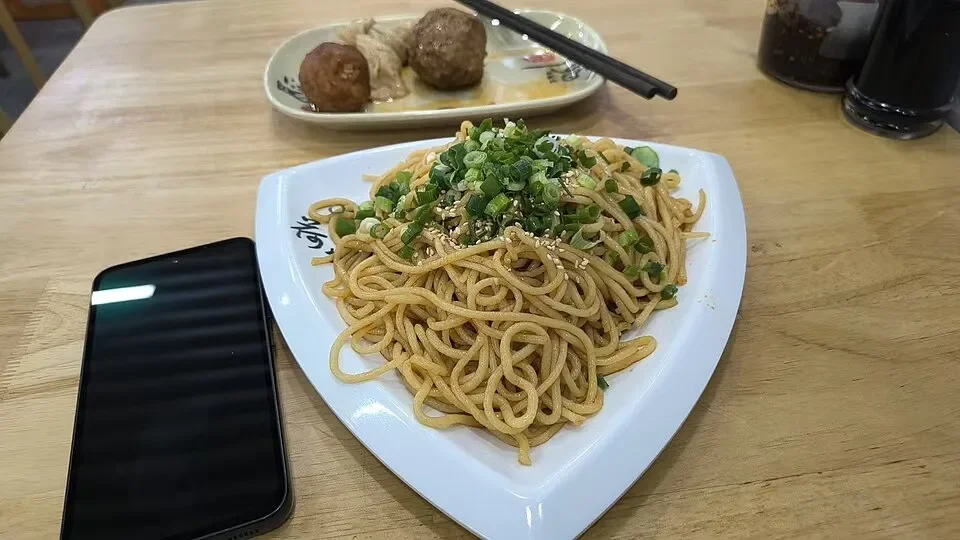
Scallion oil noodles
Noodles tossed with oil infused by slowly frying scallions, plus soy sauce. Scallion aroma, noodle springiness and the balance of salt and sweetness define the dish. Kaiyang versions add dried shrimp; pork chops, eggs and other toppings may be ordered separately.
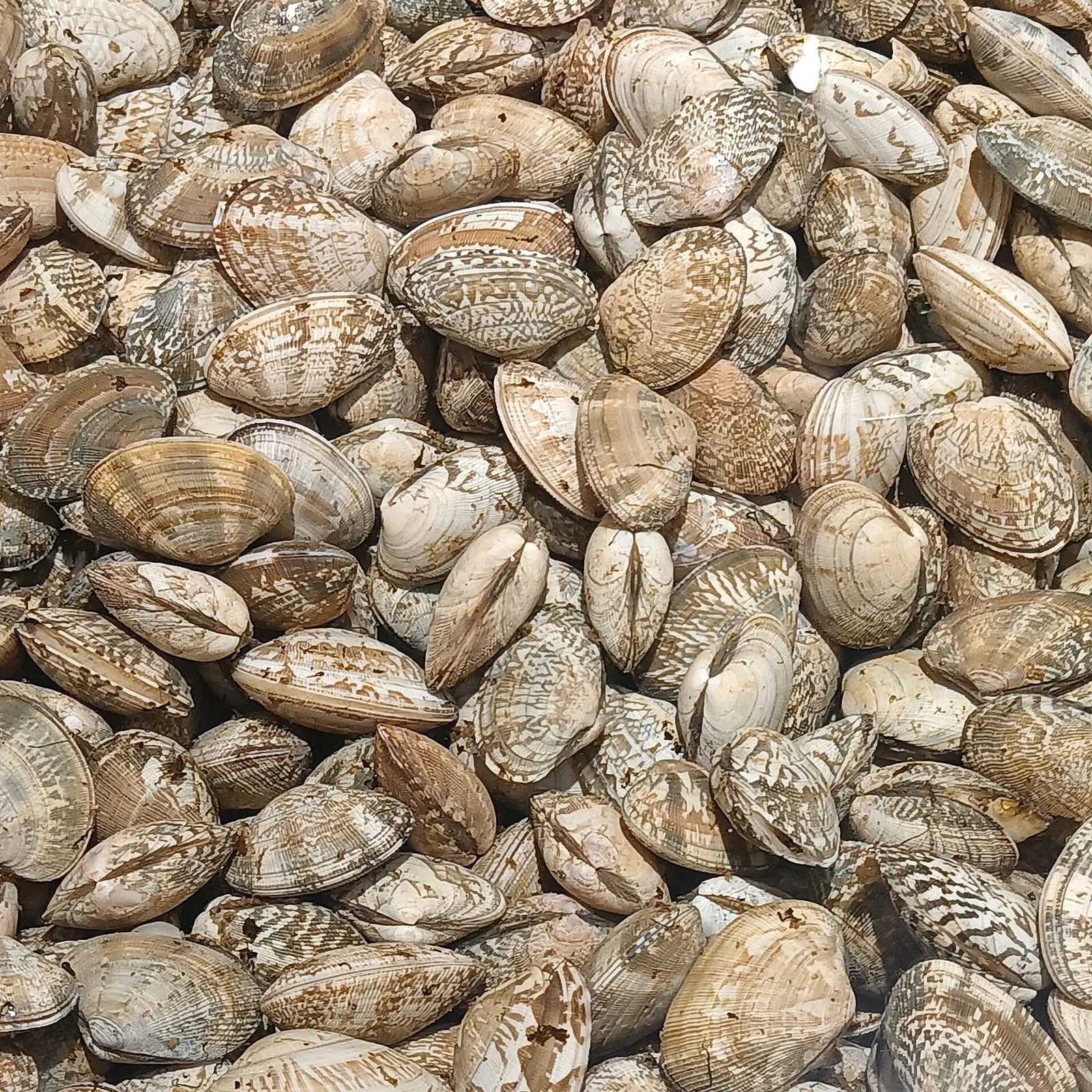
Spicy Stir-Fried Clams
Qingdao people call clams “gá la,” and stir-frying them with chili is one of the common local preparations: first the clams are purged of sand; then scallion, ginger, and dried chilies are fried in oil to release their aroma, and the clams go in over high heat until the shells open and come to the table with their juices. The clams are small and thin-shelled, and the point is that mouthful of fresh, spicy broth.
Seaweed Jelly
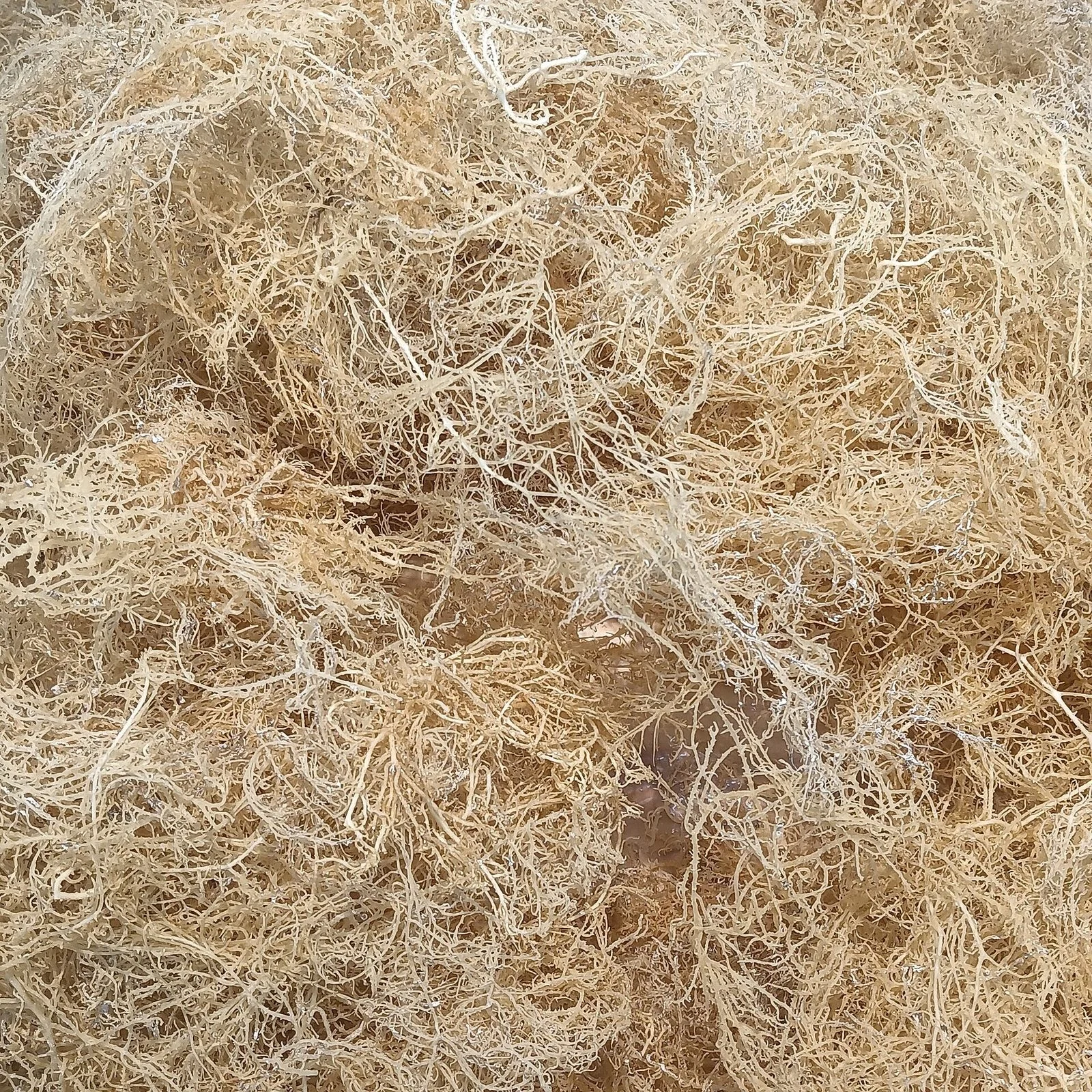
A summer cold dish in Qingdao: dried Gelidium is simmered in water so its seaweed-derived gelling compounds thicken the liquid; after straining and cooling, it sets into a translucent jelly. It is cut into strips and dressed with mashed garlic, rice vinegar, cilantro and dried shrimp. No starch is used; the texture is slippery with a touch of crispness, unlike the starch-based jellies common in northern China.
Mackerel Dumplings
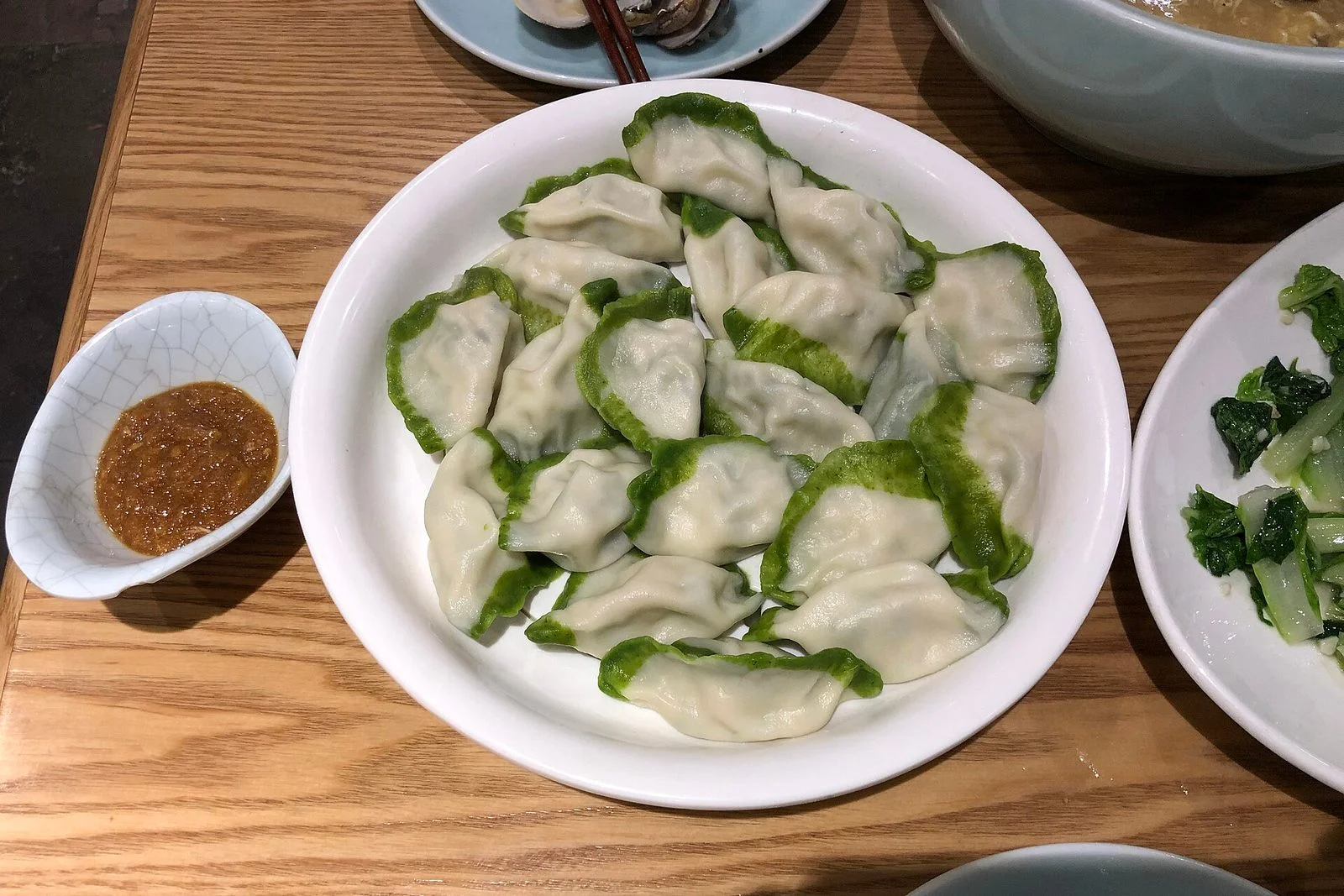
A seafood dumpling found in both Qingdao and Dalian, with a tender, juicy fish filling that often includes Chinese chives and may also contain pork. Qingdao's spring mackerel gift-giving customs belong to its local background; in Dalian, this is one of the common seafood dumpling choices.
Dongpo Pork
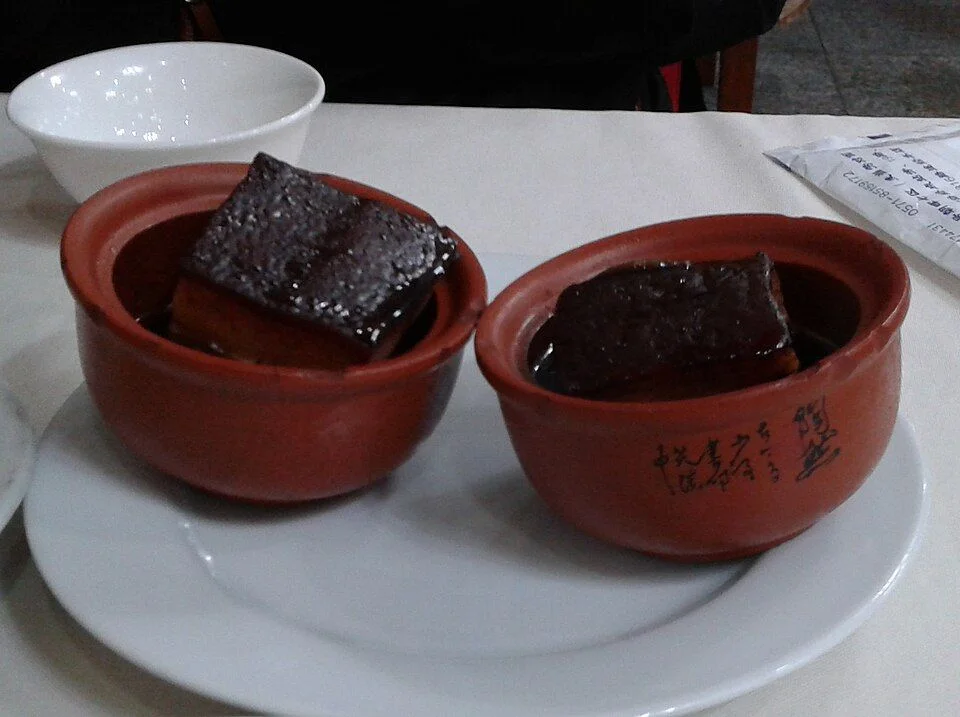
Skin-on pork belly slowly braised with huangjiu rice wine, soy sauce and sugar, producing soft skin and distinct layers of fat and lean meat. Share it with rice and lightly seasoned vegetables for an introduction to the rich side of Hangzhou cooking.
Pian Er Chuan
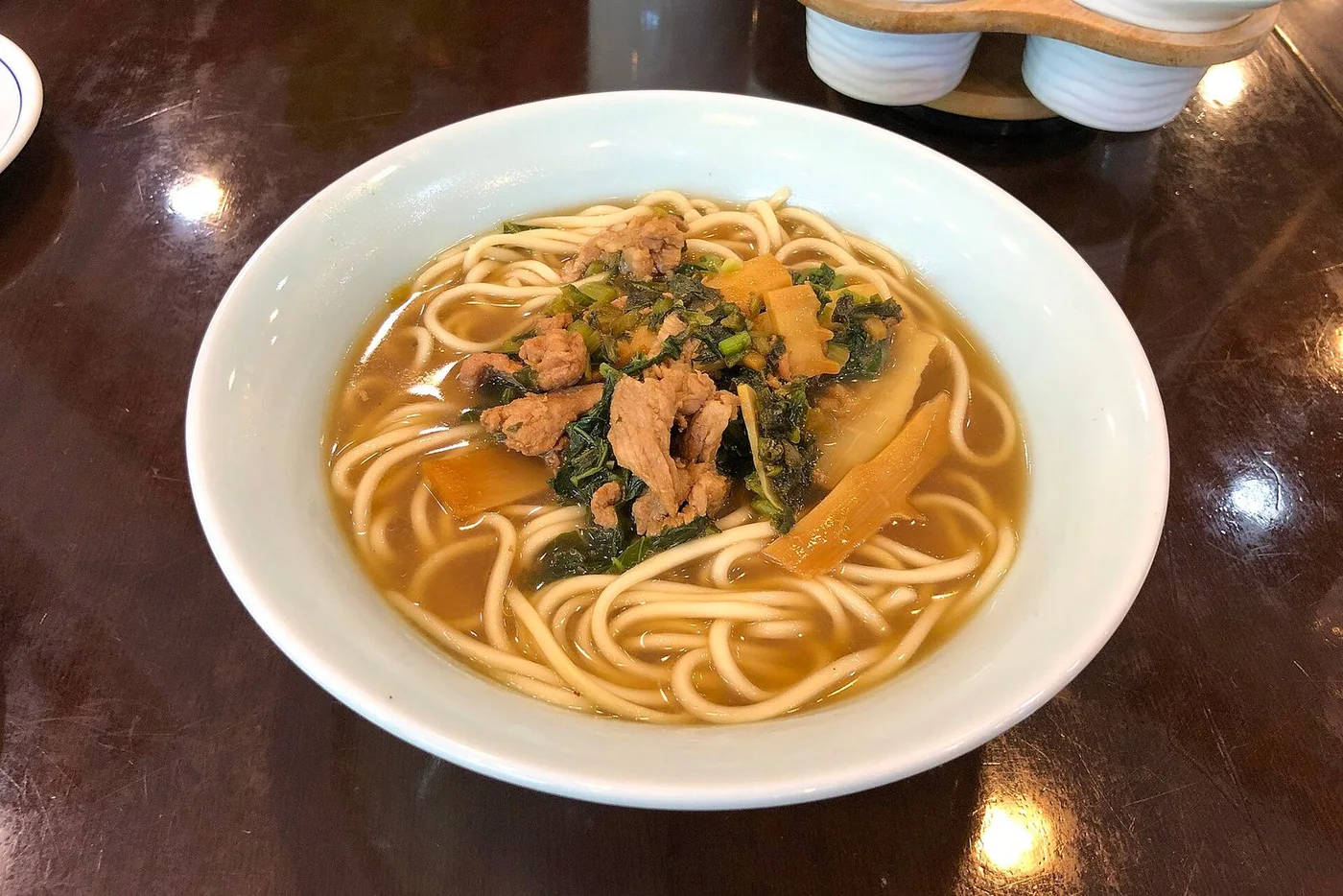
Hangzhou noodle soup topped with preserved mustard greens, bamboo shoot slices and pork slices. Its savory broth brings together crisp bamboo shoots, tender pork and smooth noodles, offering a bowl-sized introduction to the city's everyday flavors.
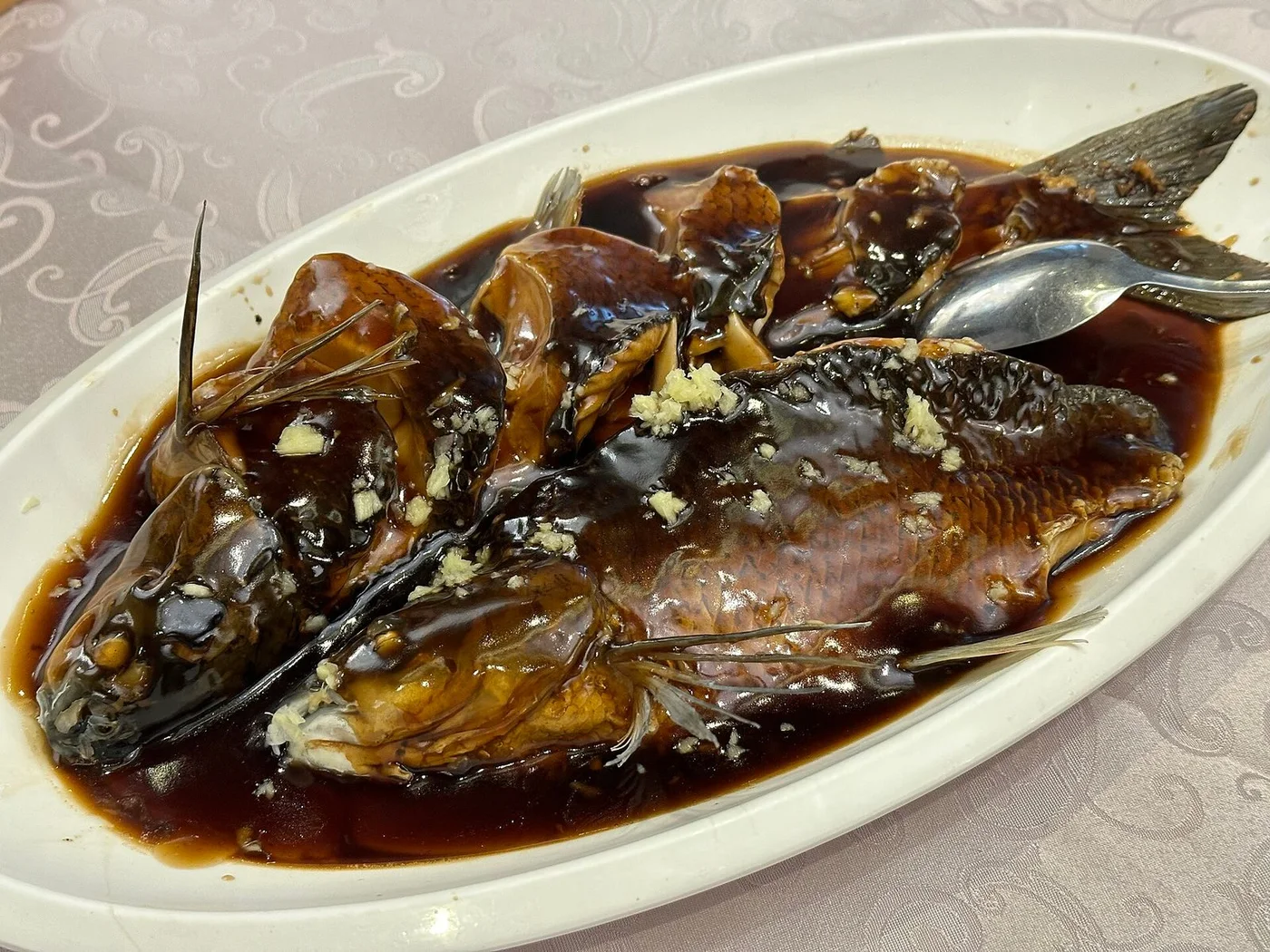
West Lake Fish in Vinegar Sauce
A Hangzhou dish of cooked fish with a thickened sweet-and-sour sauce. Grass carp is traditional, but versions use other fish too. Confirming the species, pricing and bones before ordering is more useful than choosing by the dish name alone.
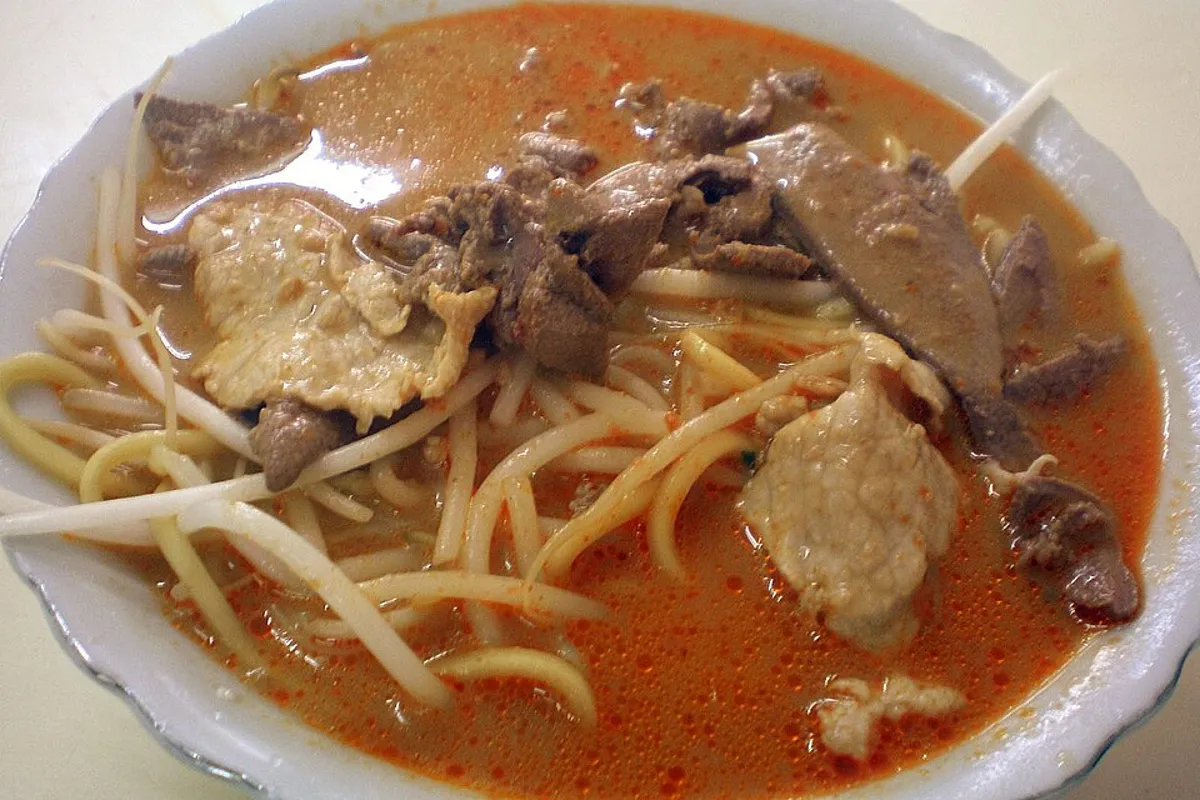
Shacha Noodles
Xiamen shacha noodles combine youmian (oiled wheat noodles) with broth scented with peanuts and seafood. Choose bean products, meat or seafood from the vendor's selection. Understand the broth first, then choose your additions to find a bowl that suits you.
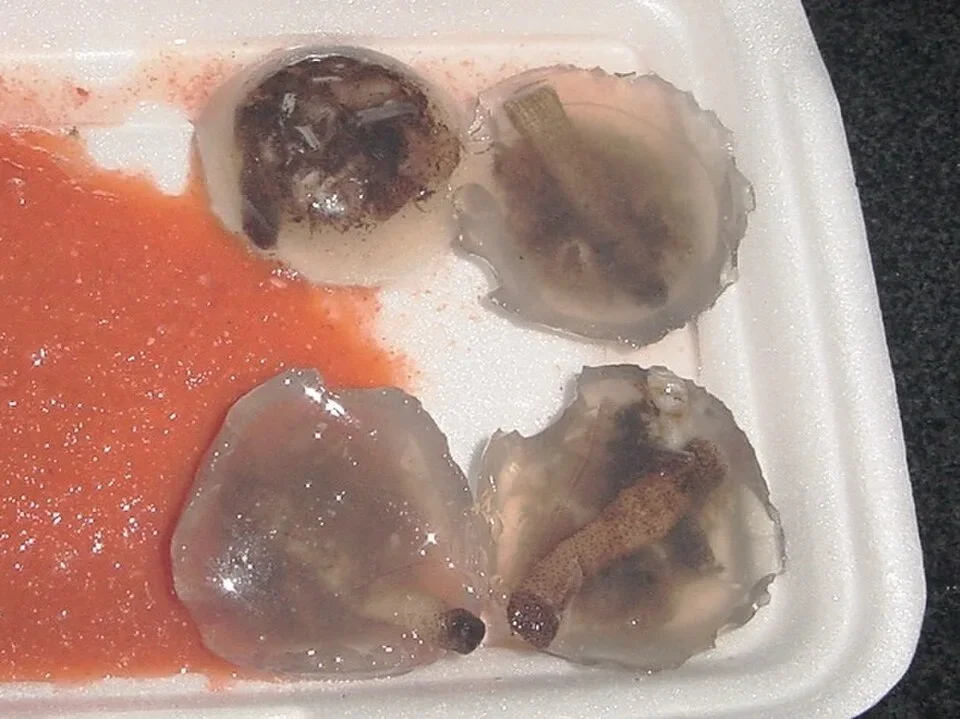
Tusundong
Tusundong is made by cooking edible marine worms and cooling them into a jelly. Their texture remains visible in the translucent jelly, often served with garlic, soy sauce or other dips. This is a savoury cold dish; the 'sun' in its name does not mean bamboo shoot.
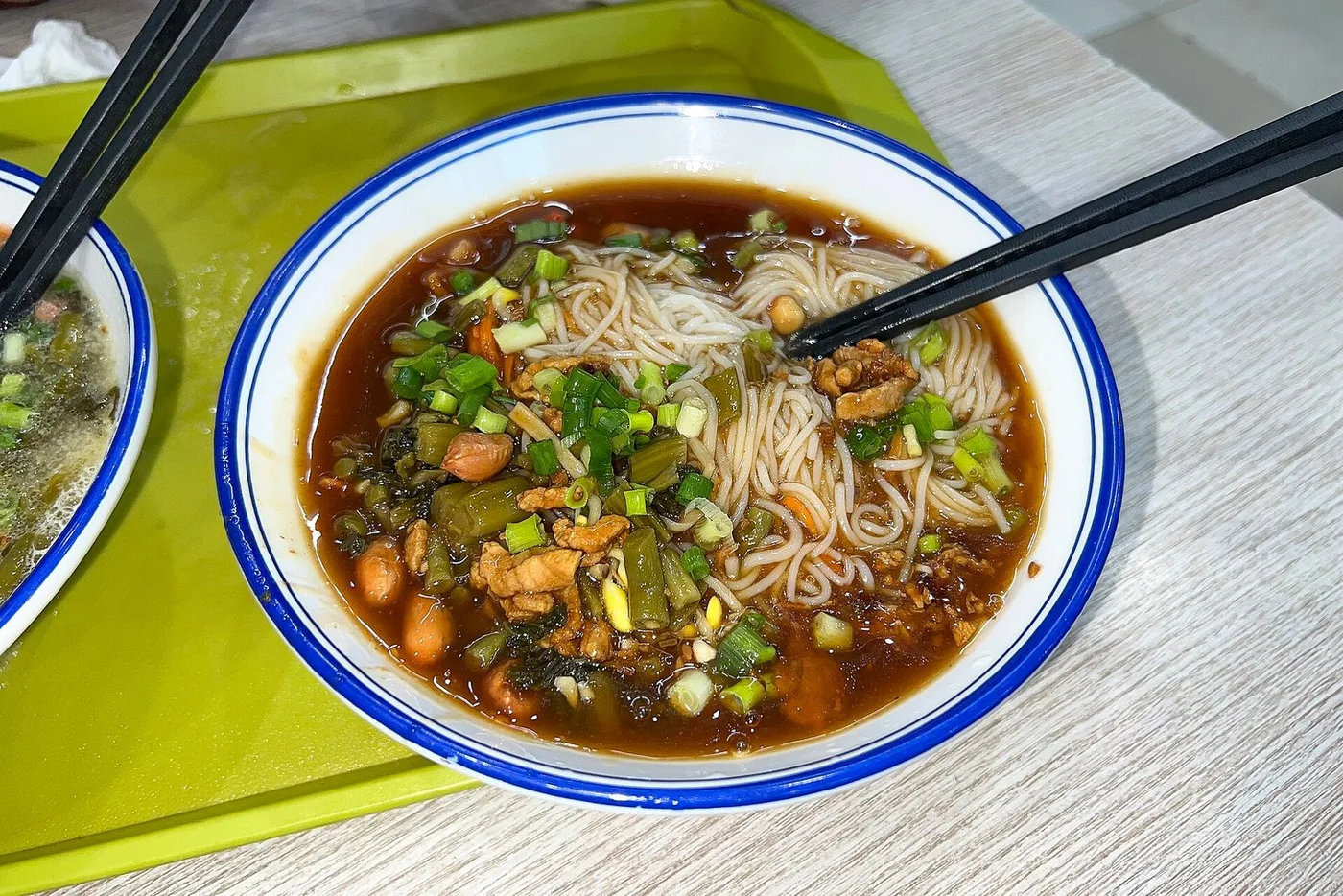
Hainan rice noodles
Thin rice noodles mixed with sauce, pickled greens, peanuts and meat are a common breakfast in Haikou's old streets. Their many toppings and the need to mix them thoroughly are the starting point for understanding this dish.
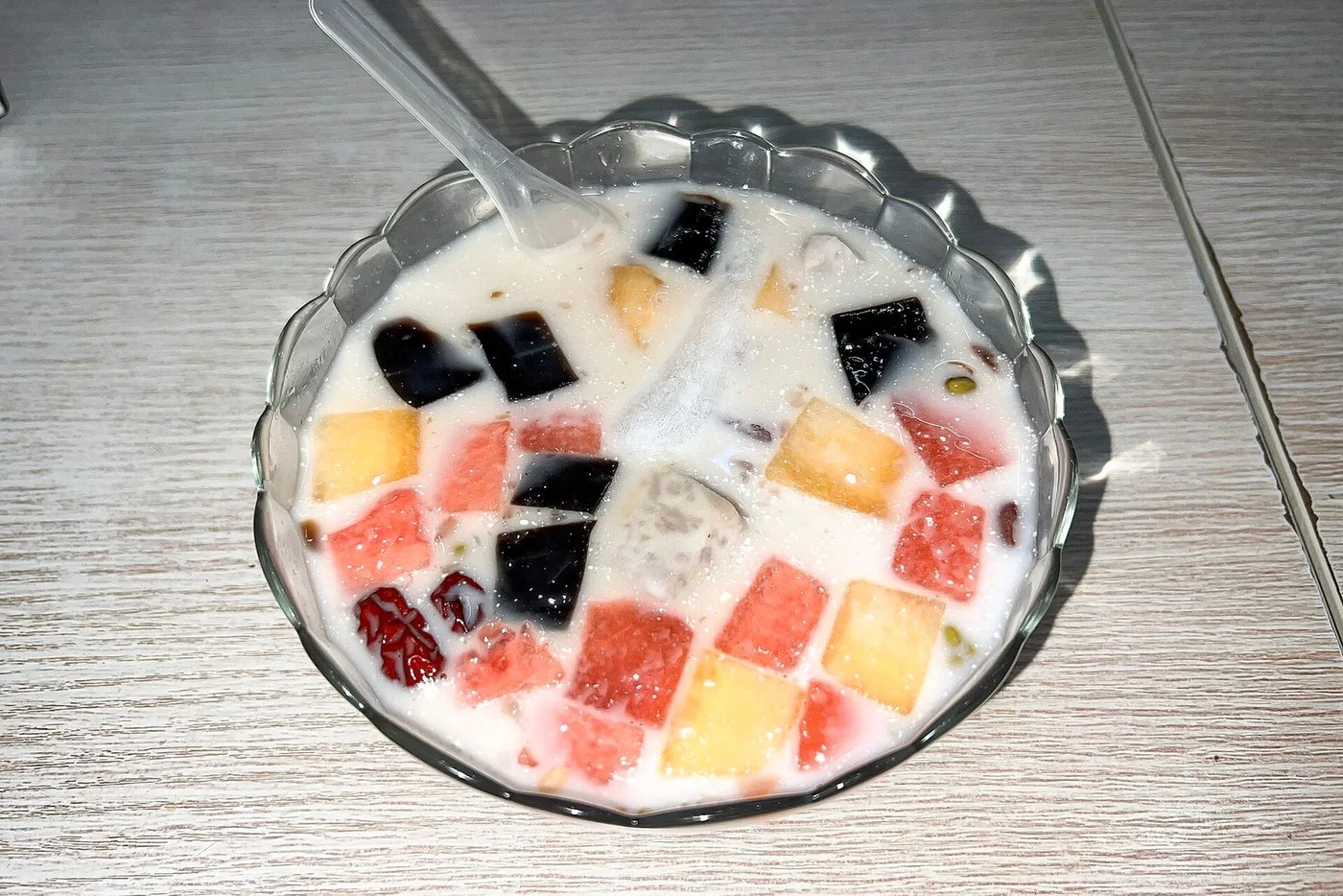
Qingbuliang
Coconut milk or sweet syrup combines with beans, grains, jelly and fruit in qingbuliang, a chilled dessert common in Haikou with many variations in its base and toppings.
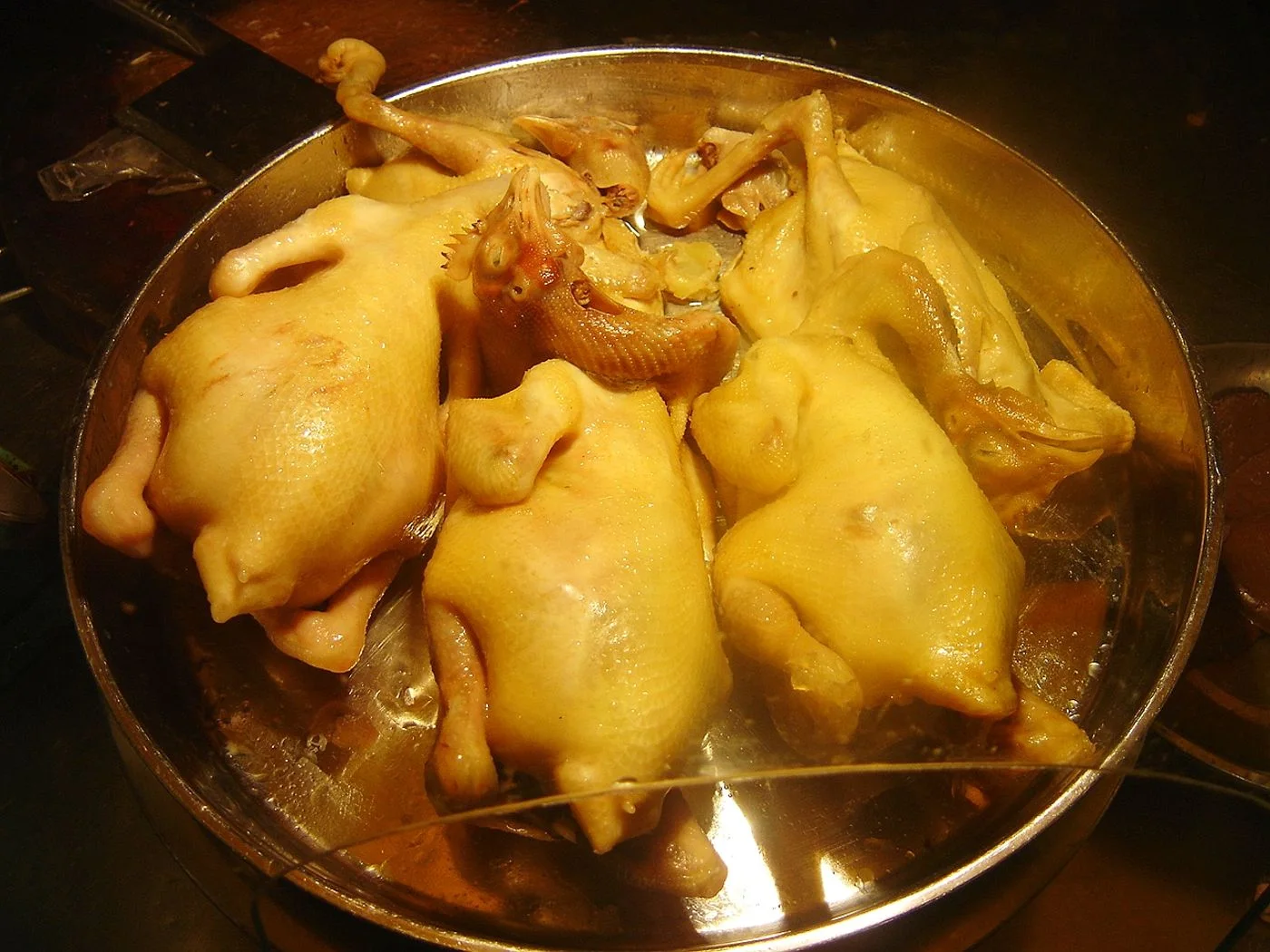
Wenchang chicken
Best known for its plain poached preparation, Wenchang chicken is also available in Haikou. Tasting the meat and skin before adding dipping sauce helps reveal the original flavor of this Hainan dish.
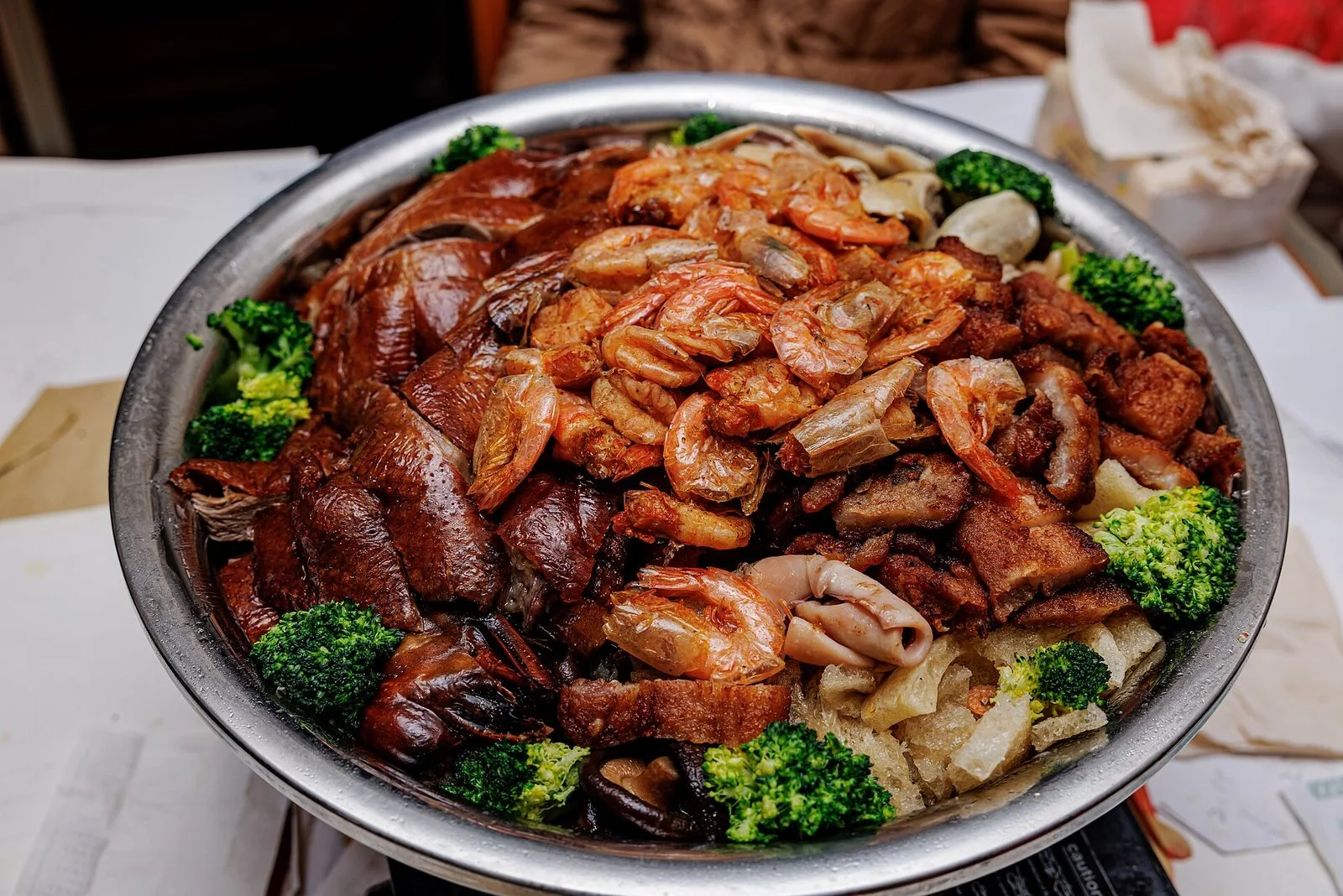
Poon Choi
With ingredients layered in a large shared basin, poon choi is a communal dish found in Shenzhen, Hong Kong and elsewhere, and is linked to Xiasha's Lantern Festival village banquets in Futian.
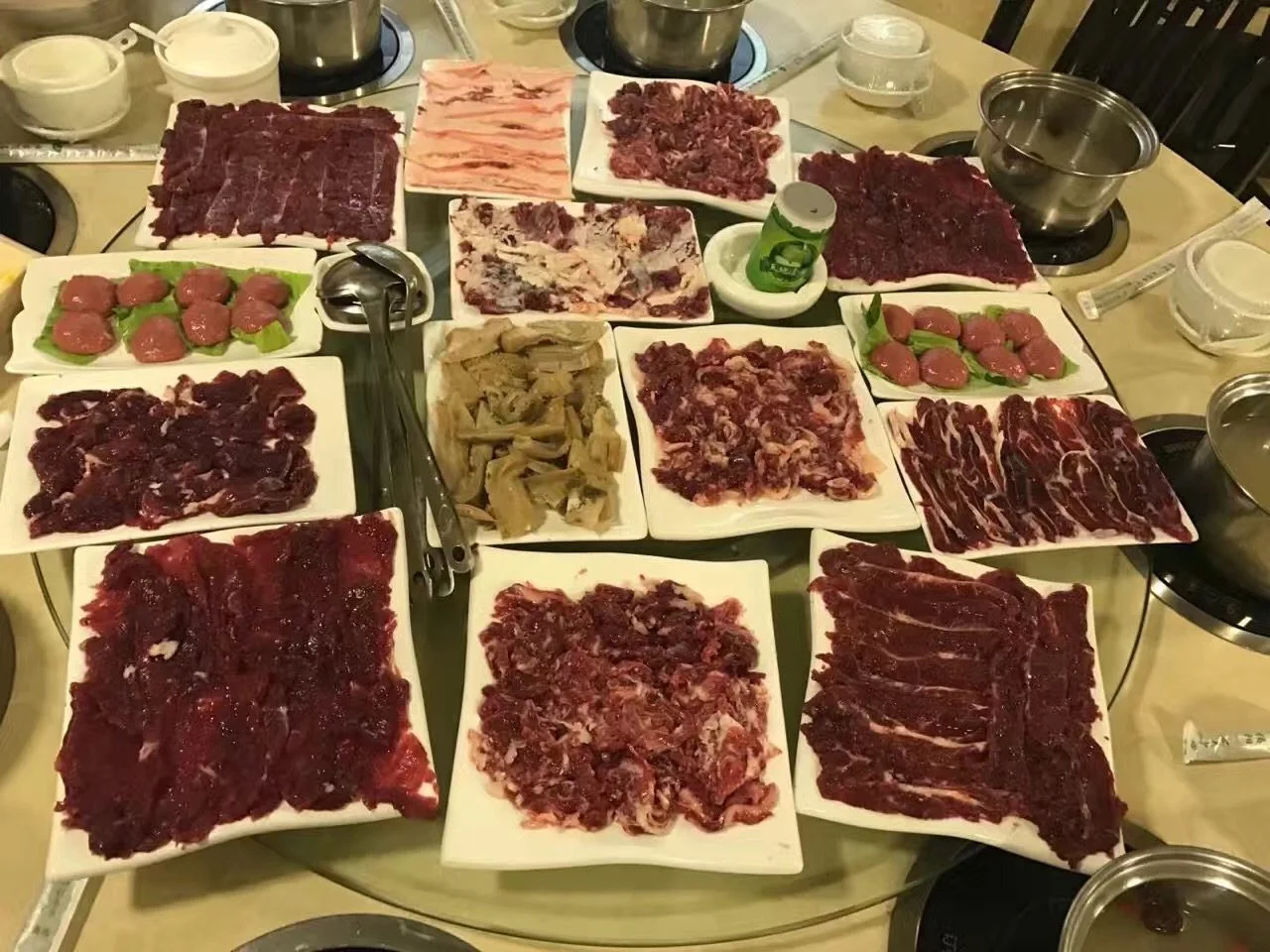
Chaoshan Beef Hotpot
Thinly sliced beef, beef balls and clear broth define this hotpot style from Guangdong's Chaoshan region, which is also widely available in Shenzhen.
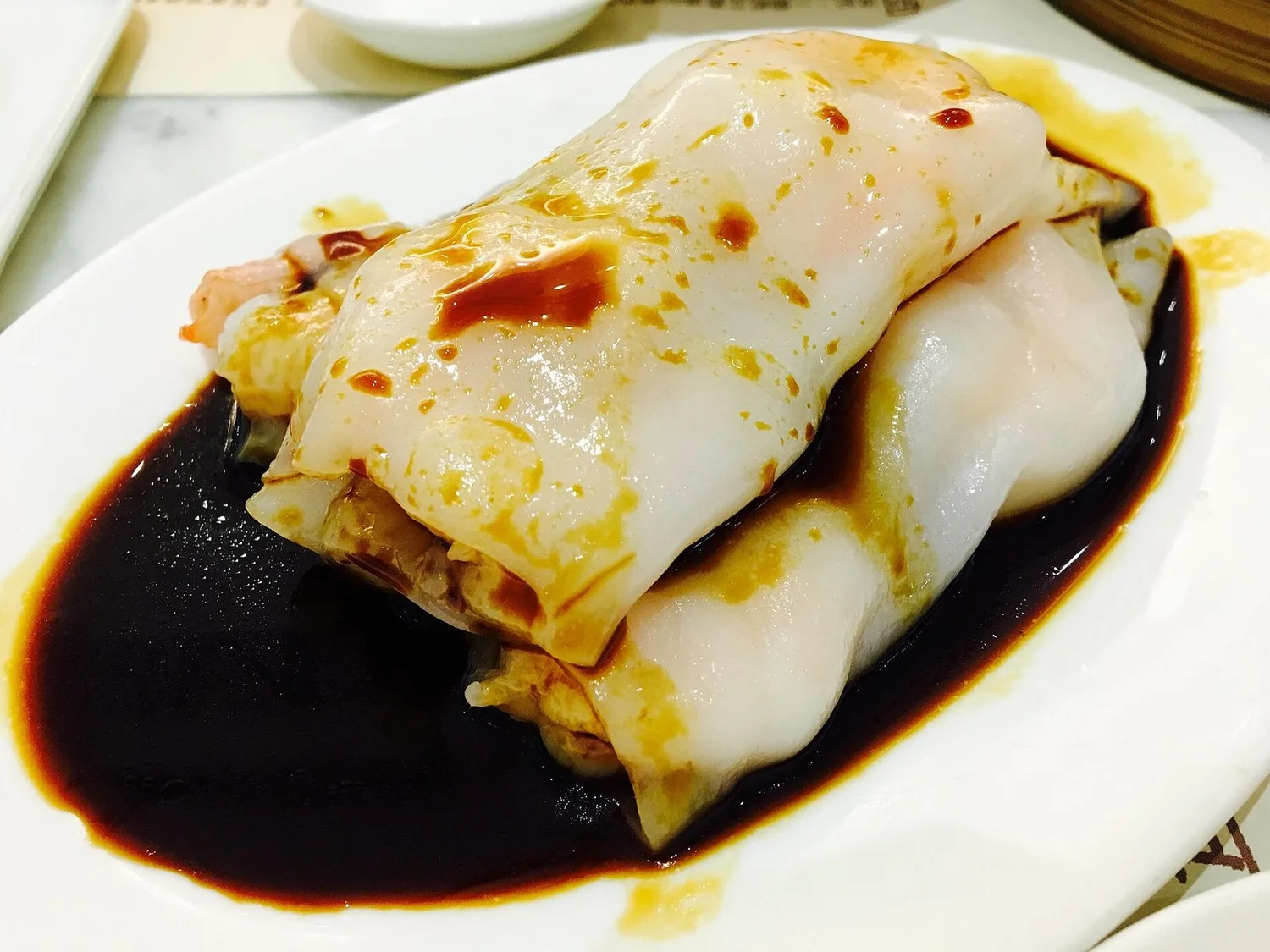
Rice Noodle Rolls
A Cantonese snack made by steaming rice batter into thin sheets, rolling them and serving with sauce. Shenzhen has both Cantonese versions and breakfast shops serving Chaoshan styles.
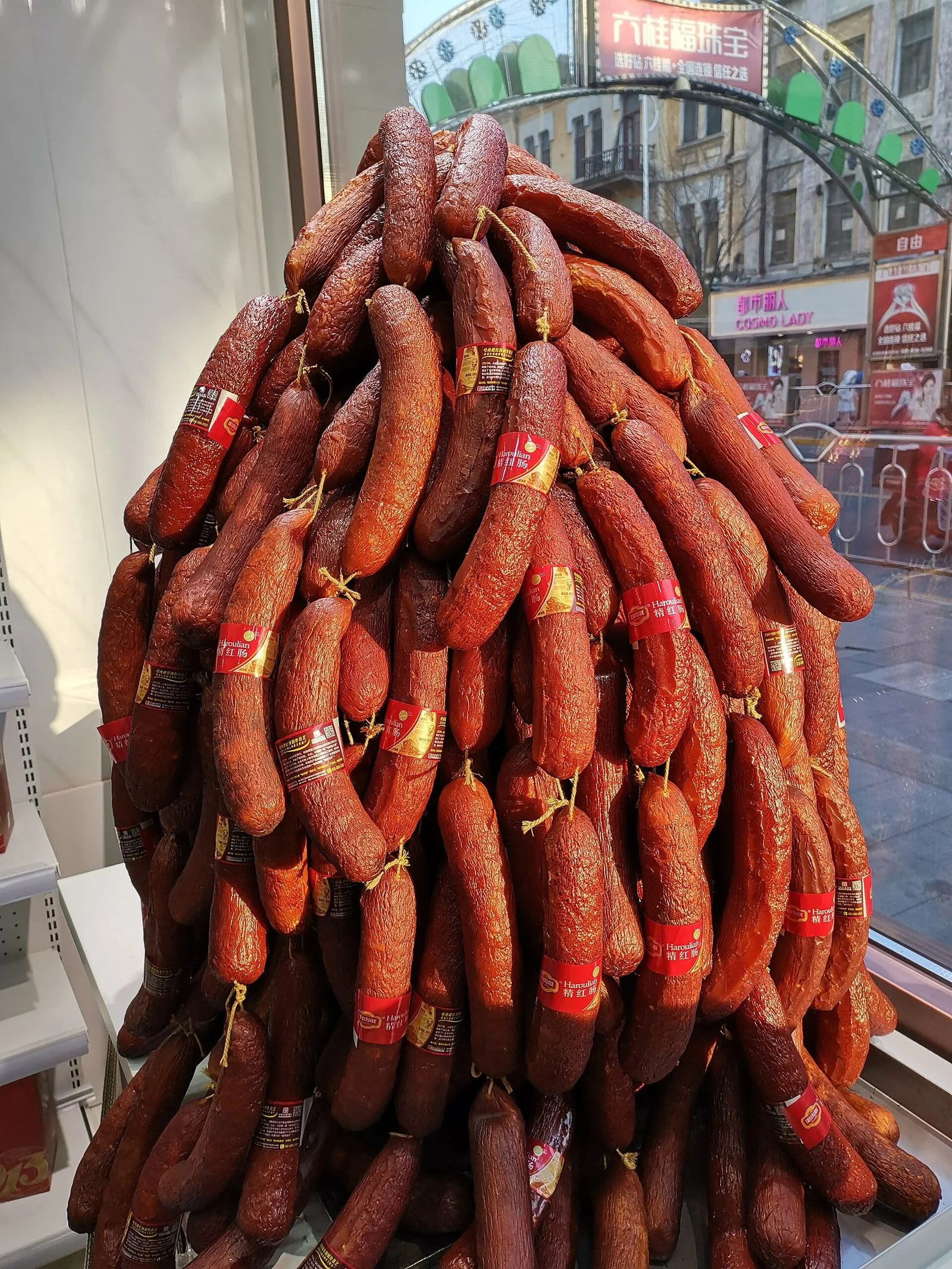
Harbin Hongchang Sausage
Garlic, smoke and firm meat are recognizable features of Harbin hongchang. Taste different products, then choose according to ingredients and storage needs: the name “hongchang” alone cannot tell you which will suit your taste.
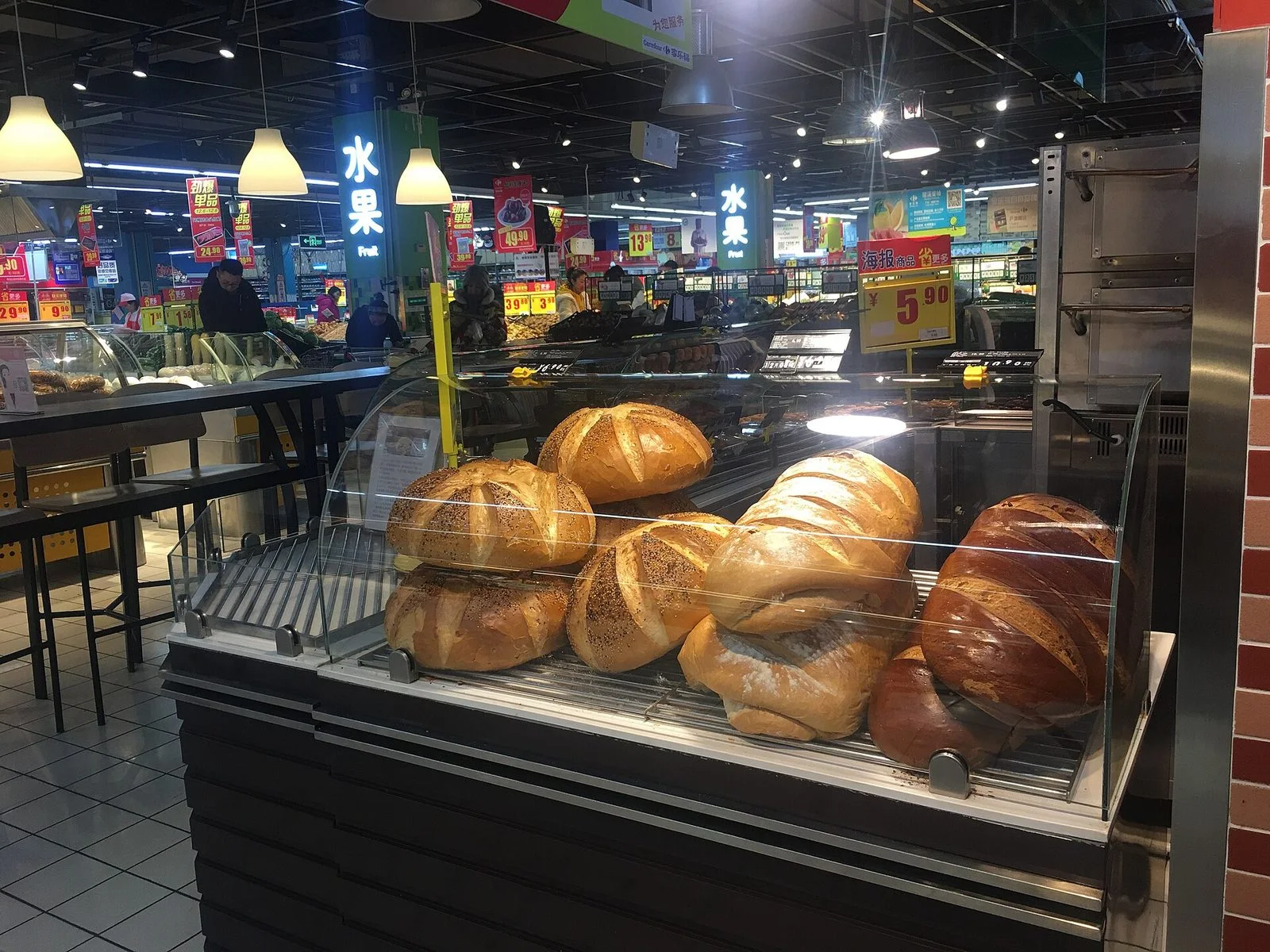
Daliba Bread
Harbin daliba is known for its large round shape, thick crust and fermented flavor. Check the difference between a traditional whole loaf and modern sliced products before deciding whether to slice it, serve it with soup or take it away.
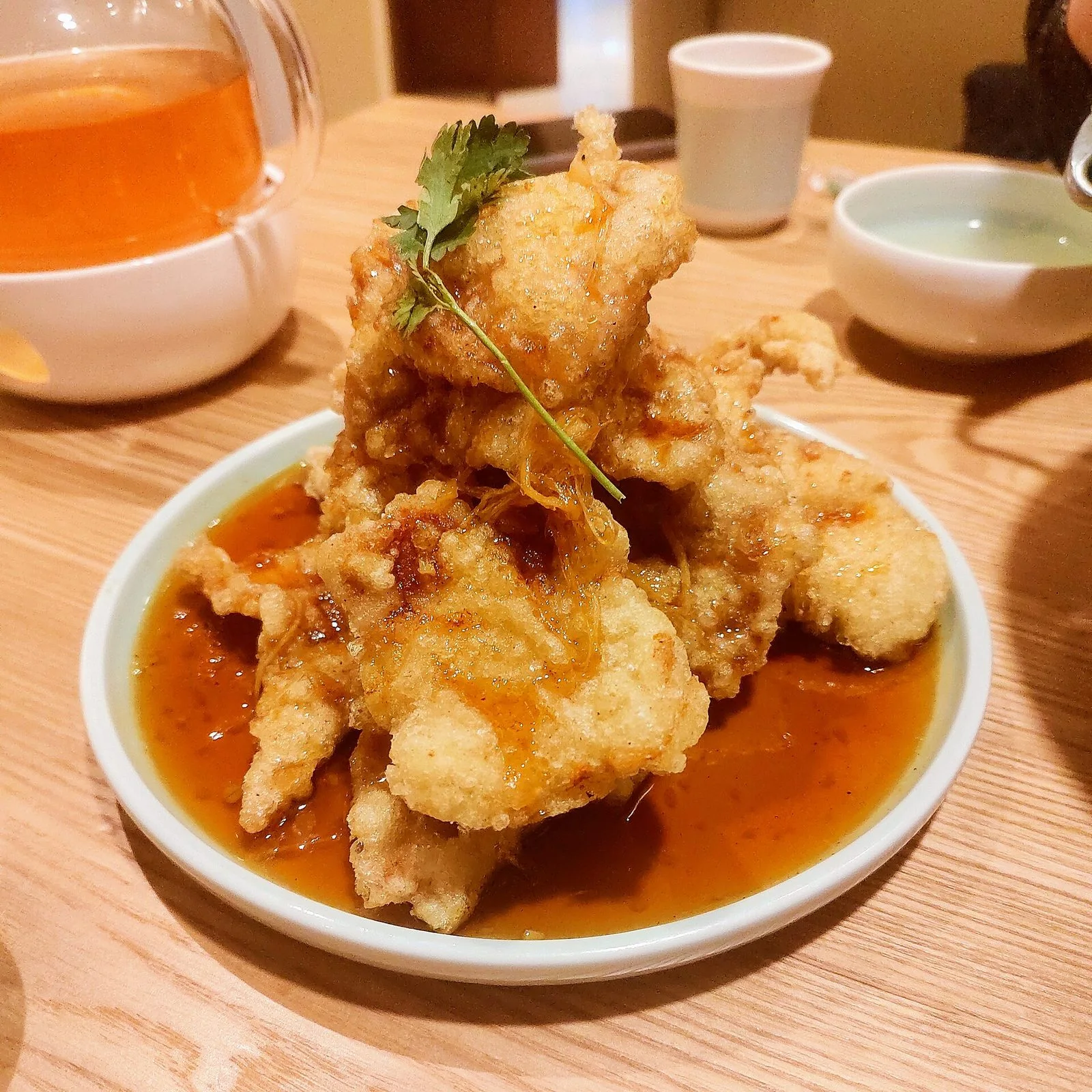
Guobaorou
Thin meat slices are coated in starch, fried crisp and quickly tossed in sweet and sour sauce. Guobaorou is about the texture of both crust and meat, as well as the sauces that vary between regions and restaurants.
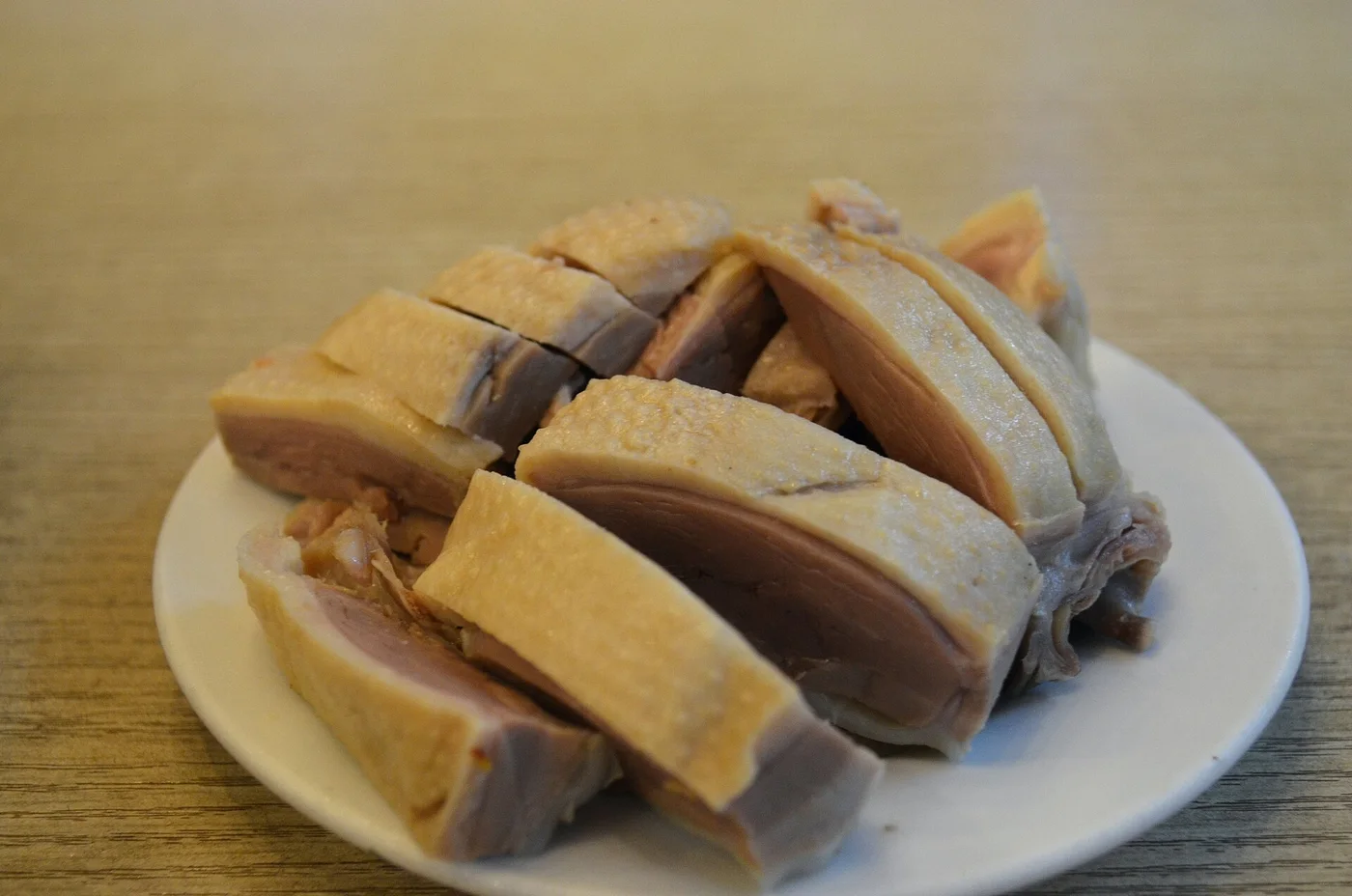
Salted Duck
A Nanjing duck dish flavoured with salt and brine and gently cooked through. Its pale skin and meat are chopped into bone-in pieces; a small portion offers an introduction to the local style.
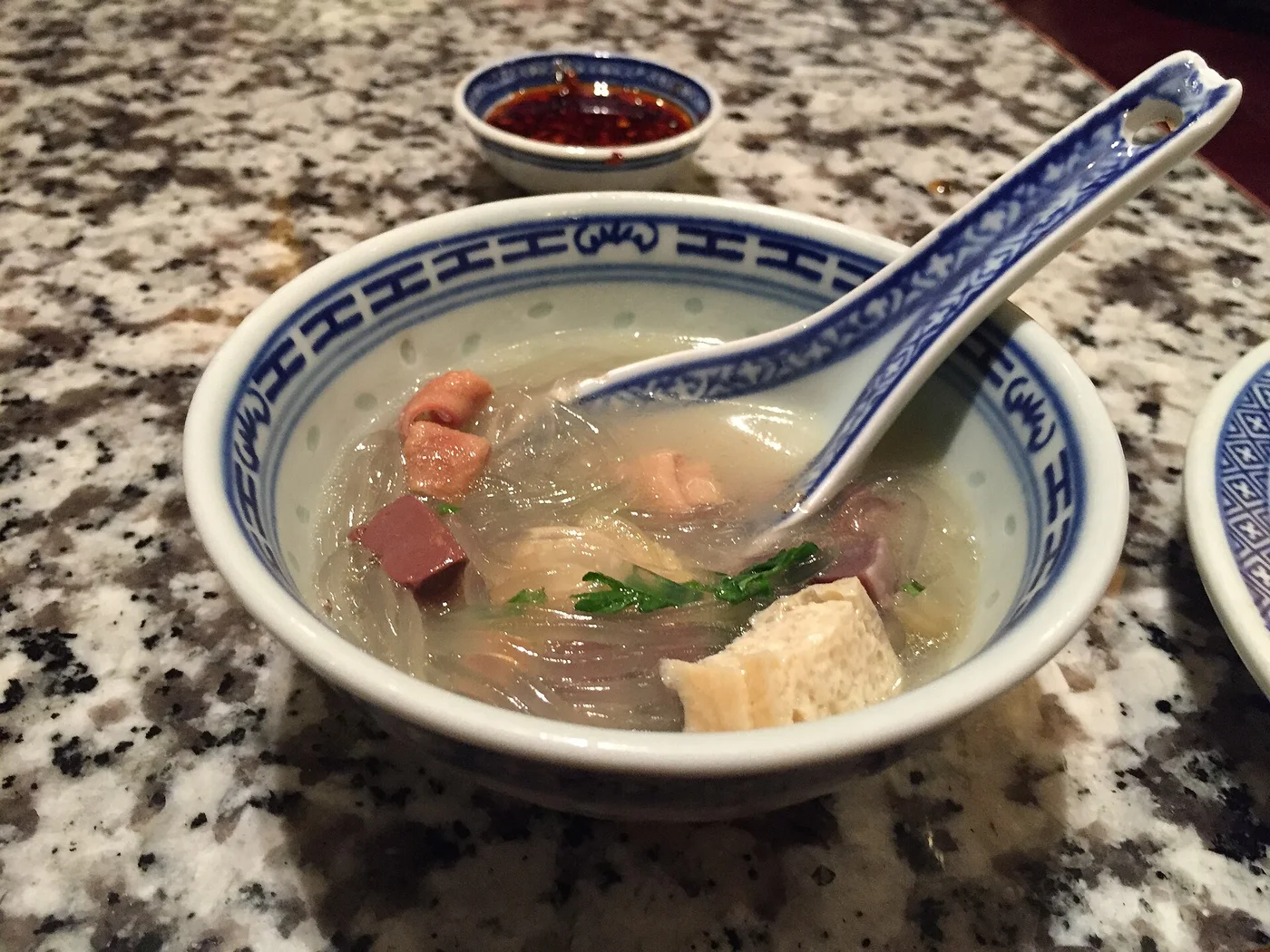
Duck Blood Vermicelli Soup
A hot Nanjing snack combining duck blood, vermicelli and duck offal. One bowl offers soft, smooth, firm and springy textures, as well as ingredients that absorb the broth.
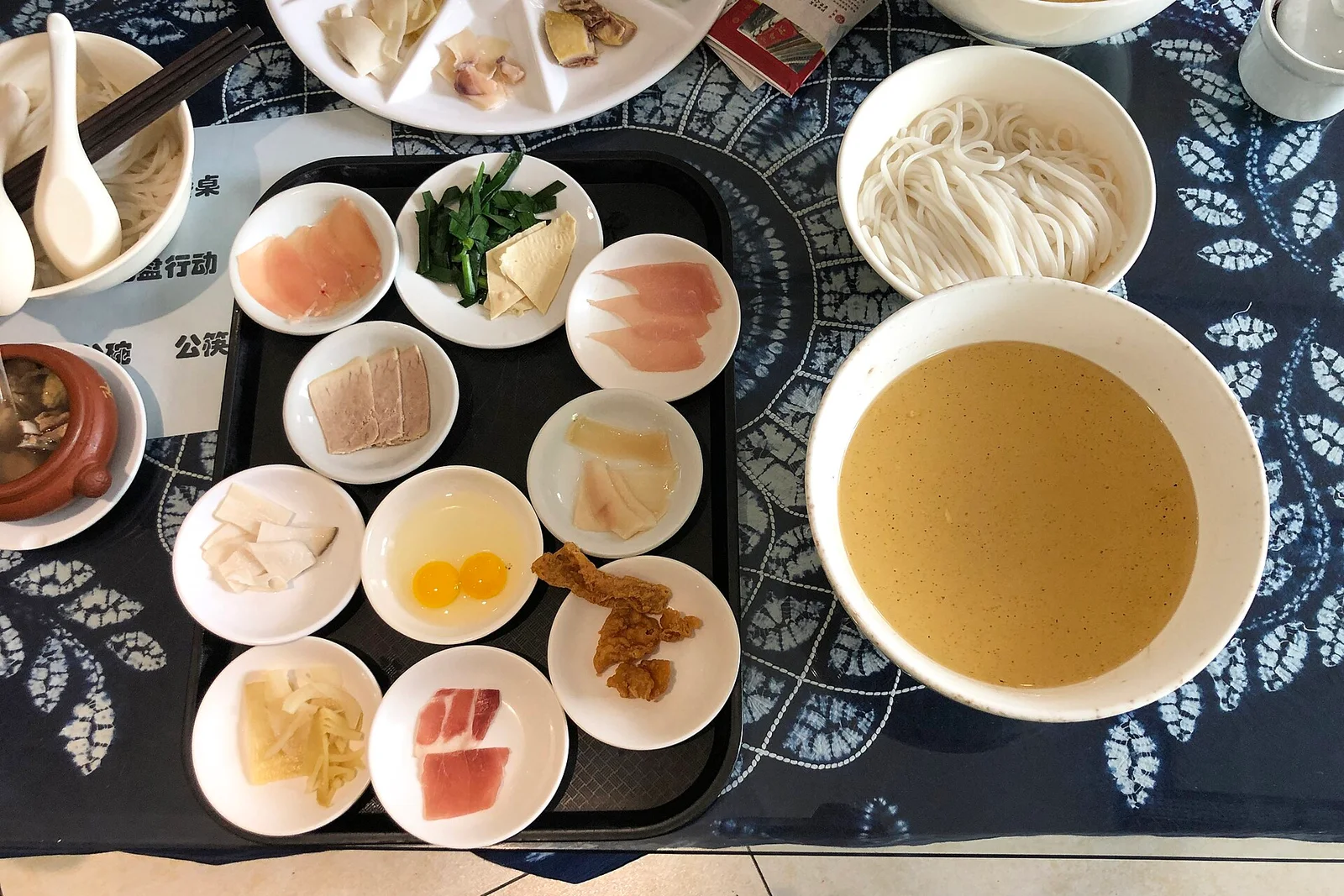
Crossing-the-Bridge Rice Noodles
Hot broth, rice noodles and small dishes of ingredients arrive separately and come together in one bowl at the table. This southern Yunnan speciality is one way to begin exploring the province's rice noodles in Kunming.
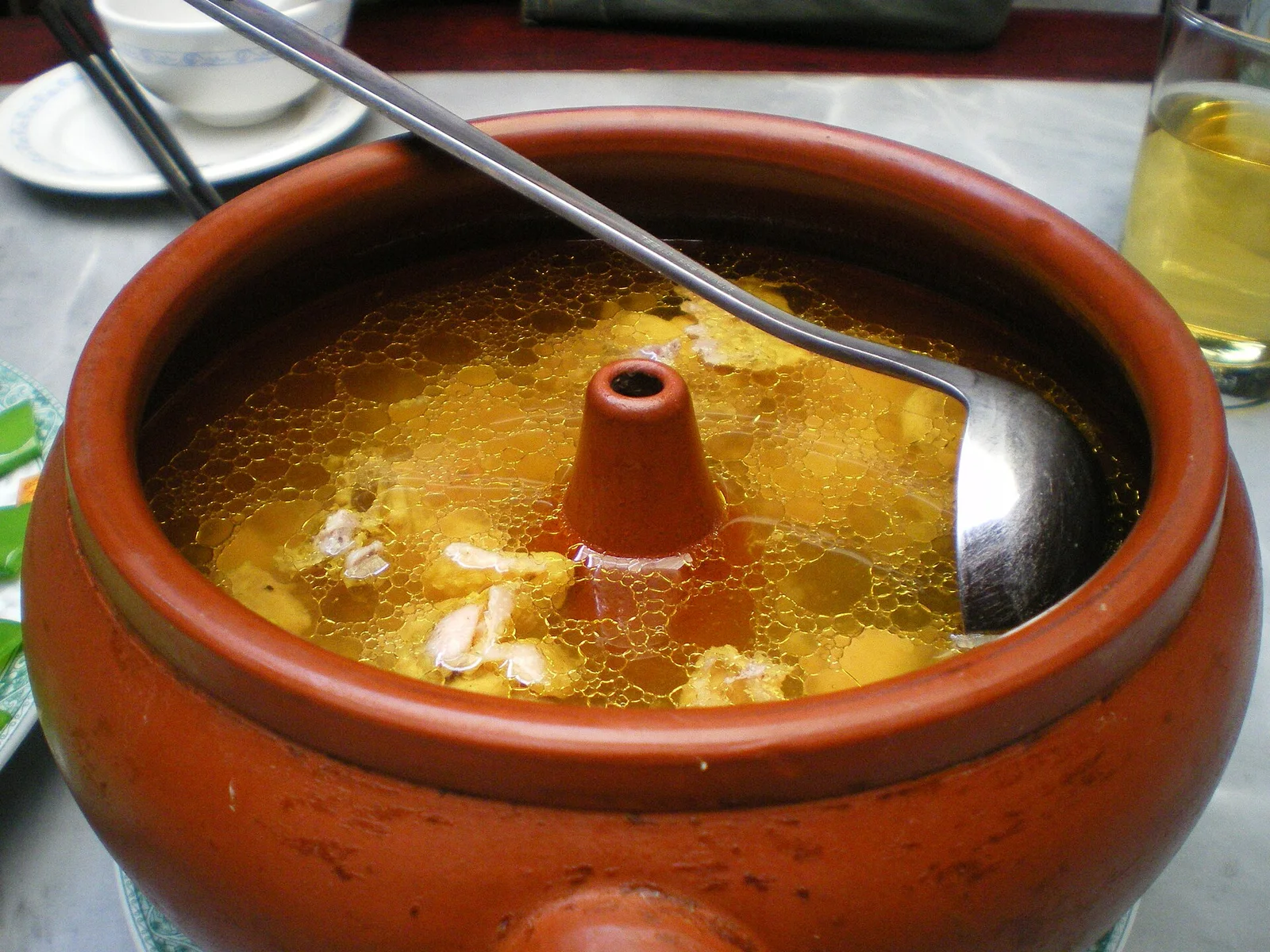
Steam-Pot Chicken
A central chimney brings steam into a ceramic pot, where chicken cooks and condensed steam forms the broth. This is one way to discover the lighter, savoury side of Yunnan cooking.
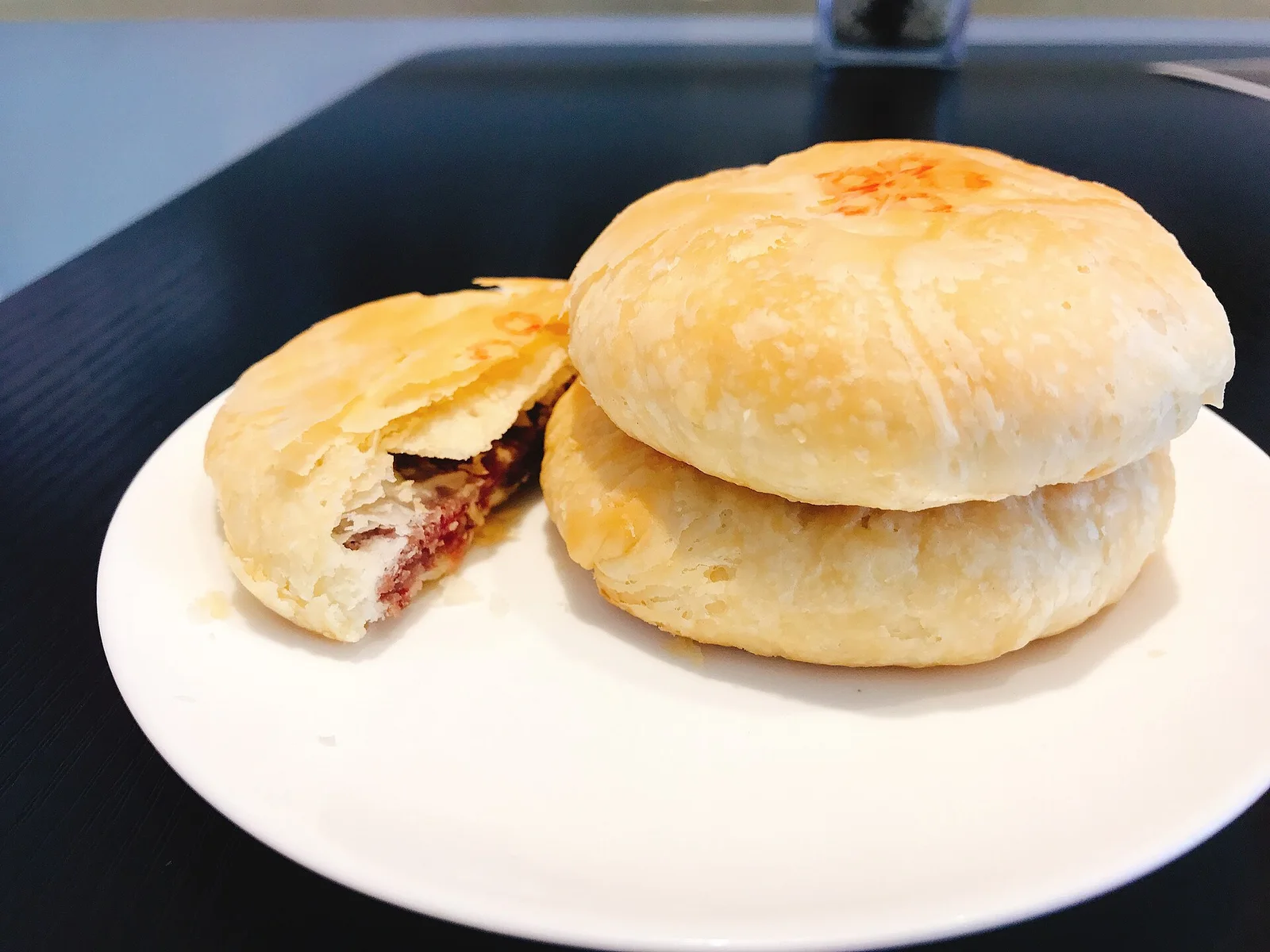
Rose Flower Cakes
Yunnan pastries filled with edible rose petals are sold for eating fresh and as gifts. Check the recipe and production date when choosing what to buy.
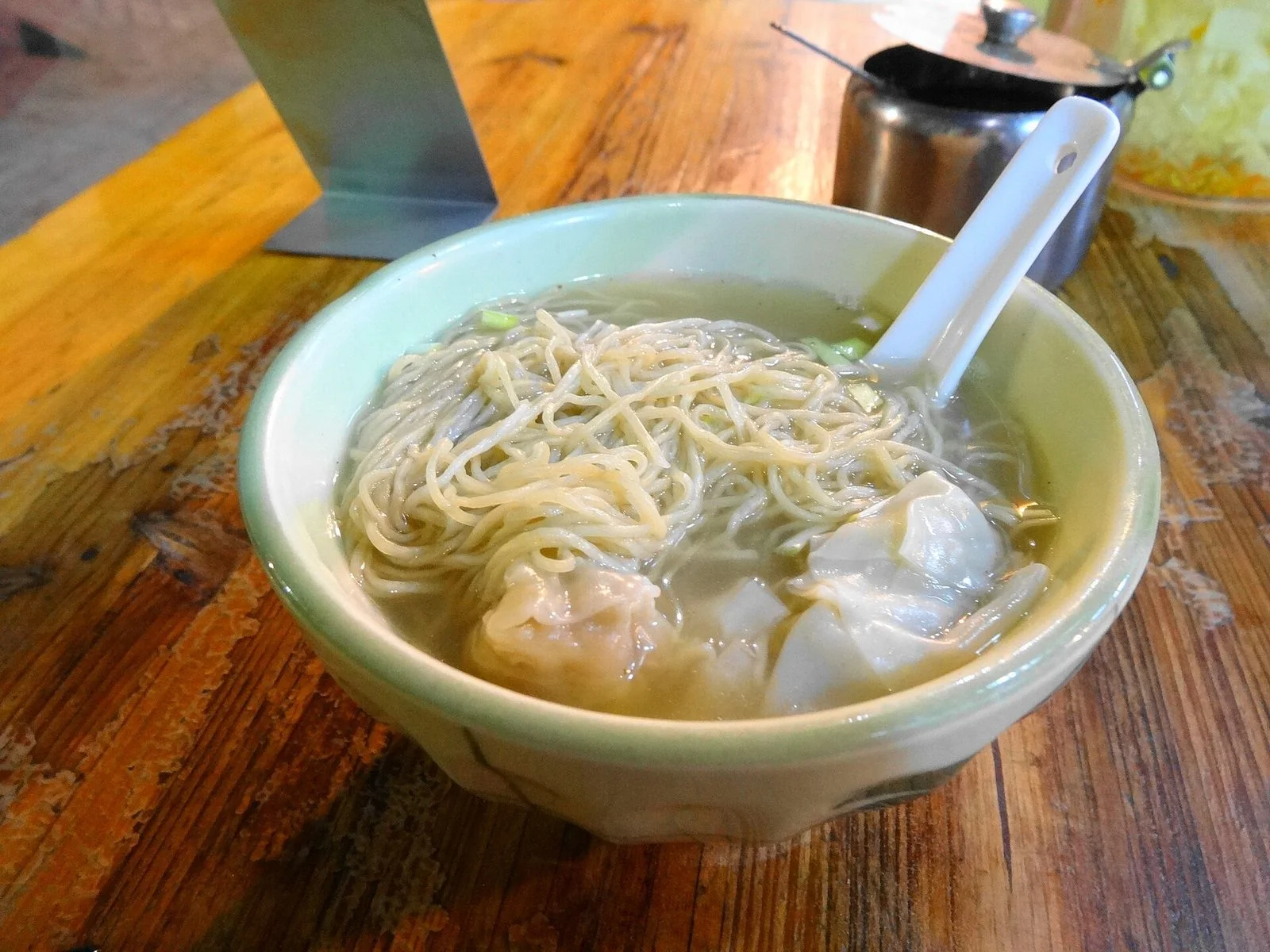
Wonton Noodles
Bamboo-pressed noodles, pork or fresh shrimp wontons and a dried flatfish broth: a bowl of noodles carried on from Xiguan. The broth, noodles and wontons are handled separately, and there is an order to eating them.
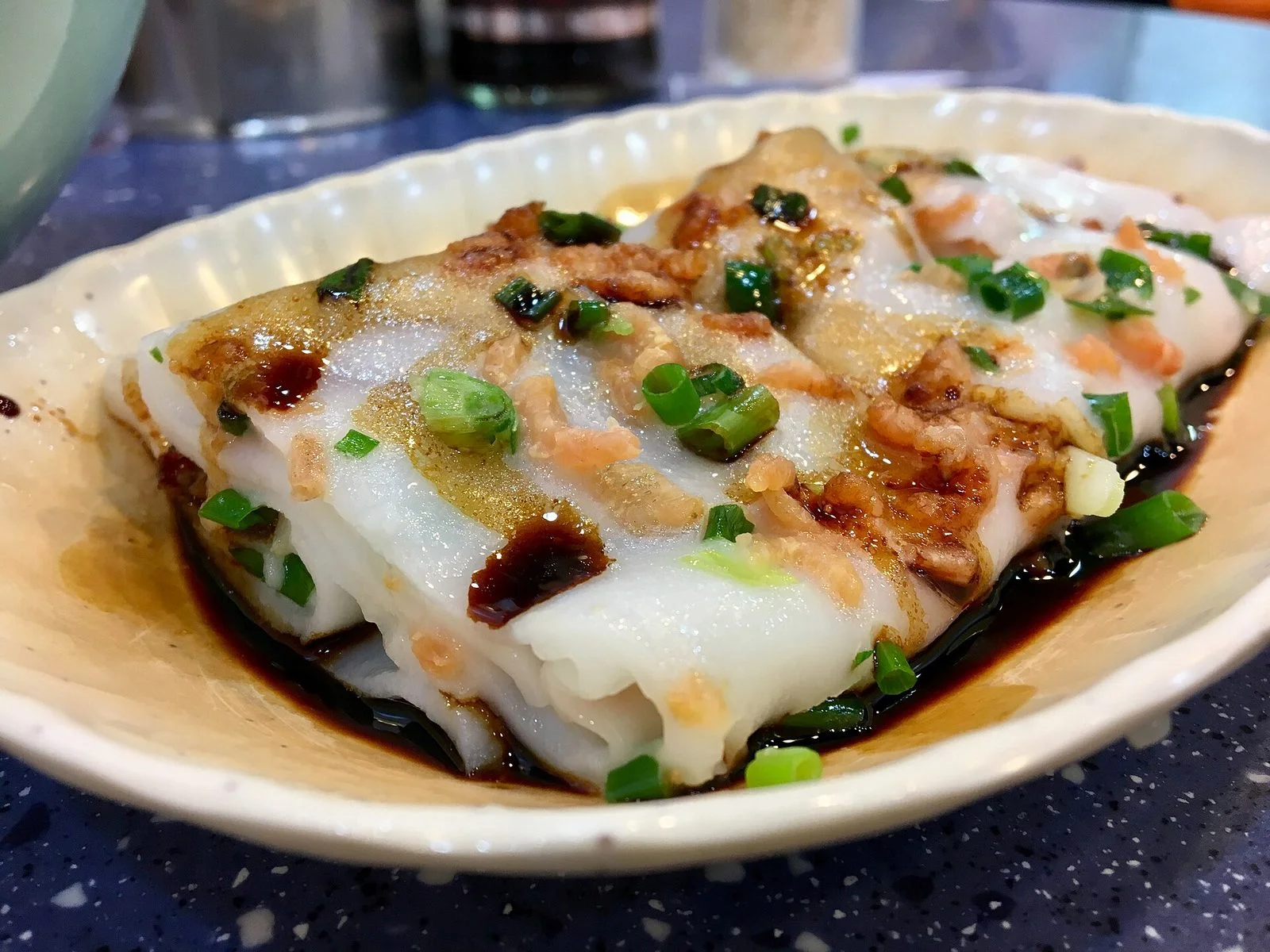
Guangzhou Rice Noodle Rolls
Rice batter steamed into a thin sheet, rolled around meat, shrimp, egg or fried dough, and dressed with soy sauce. The cloth, drawer and bamboo-basket methods feel different in the hand and give different thickness and texture.
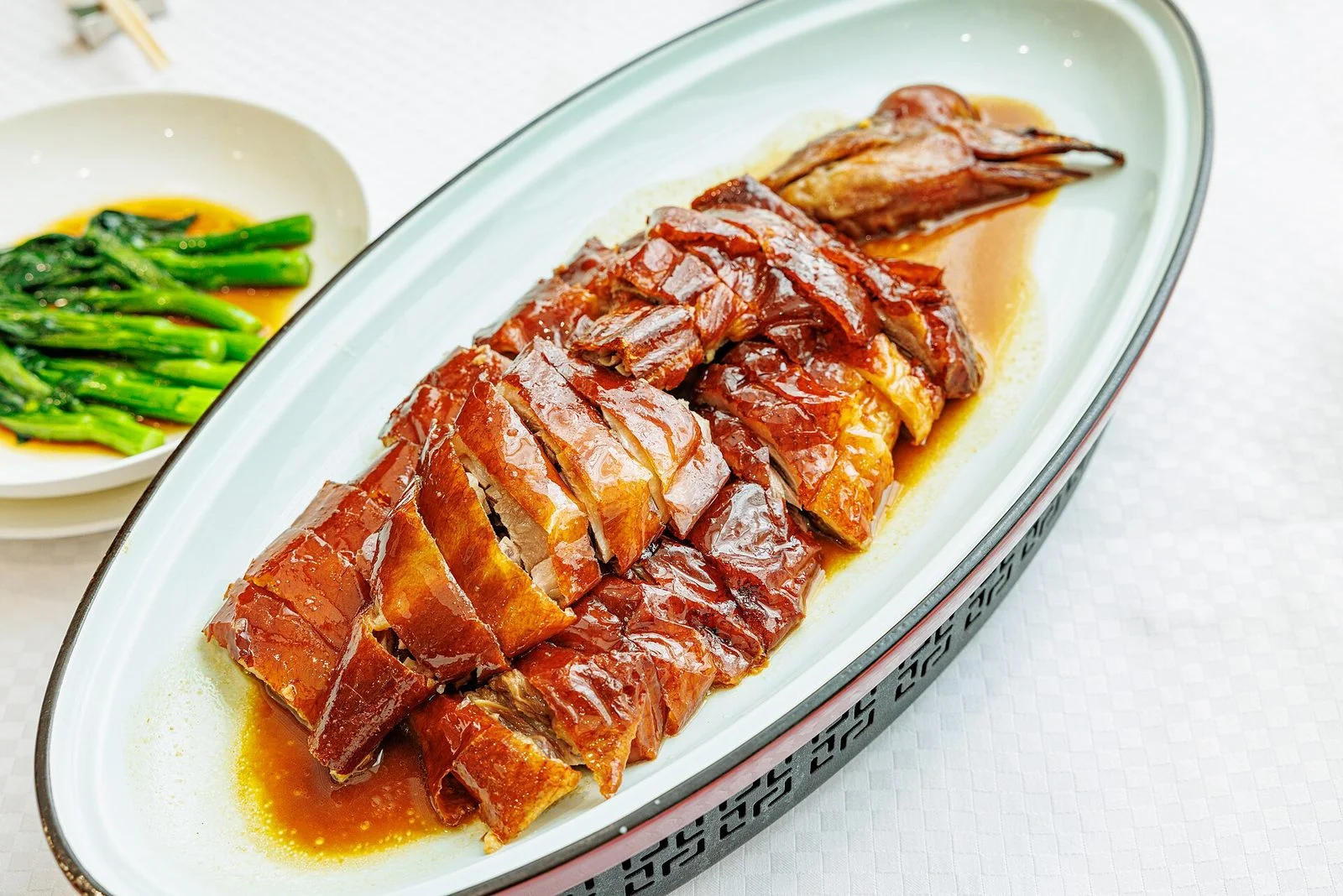
Roast Goose
The whole goose of Guangzhou’s roast-meat counters: choose the bird, stuff it, blanch the skin, apply a sugar wash and roast over charcoal until the skin is crisp and the meat tender. Shenjing village uses a clay jar sunk in a well and lychee wood for a different aroma.
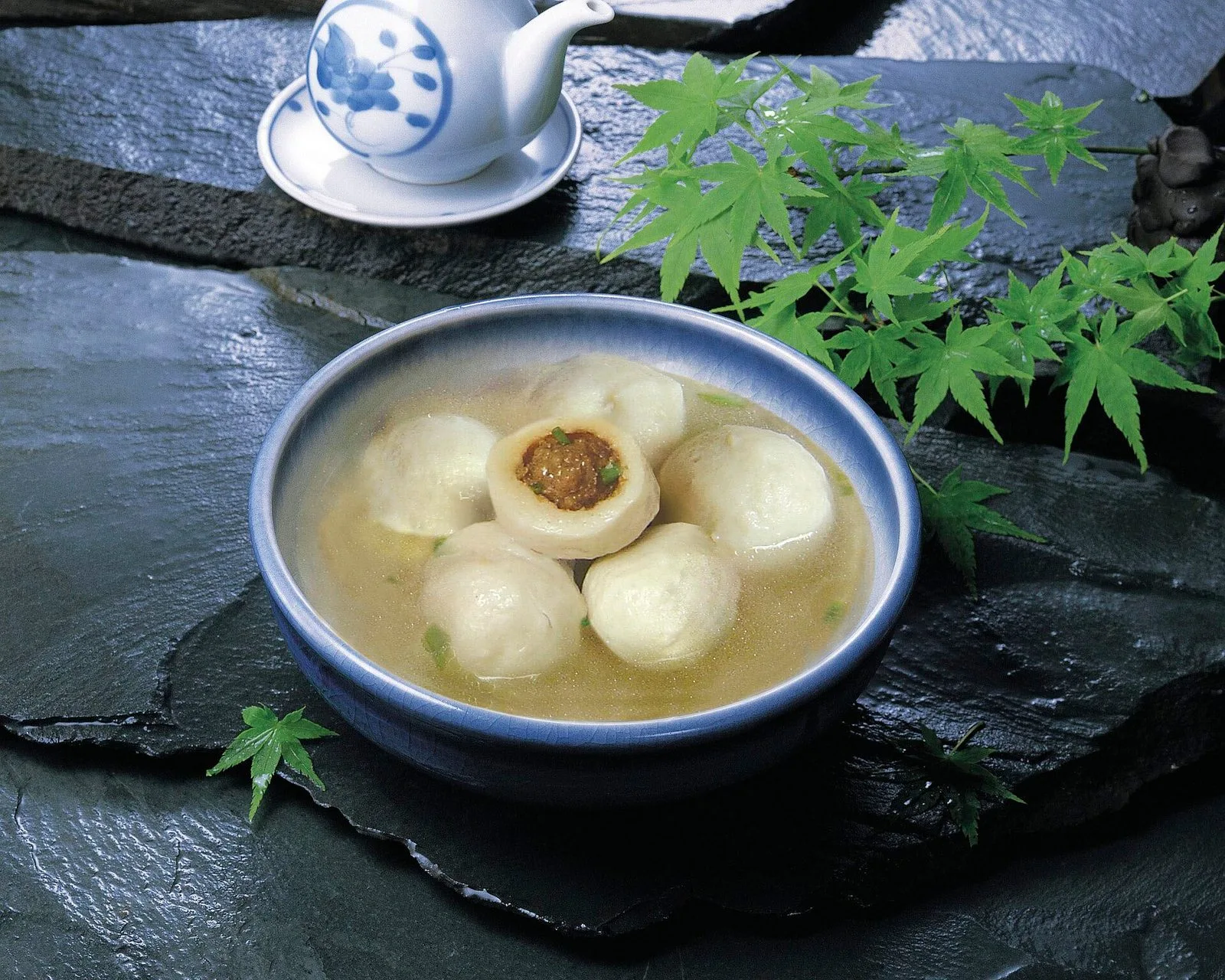
Fuzhou Fish Balls
A springy wrapper of fish and sweet potato starch encloses a meat filling. In a bowl of clear soup, Fuzhou fish balls offer distinct layers of fish, filling and broth.
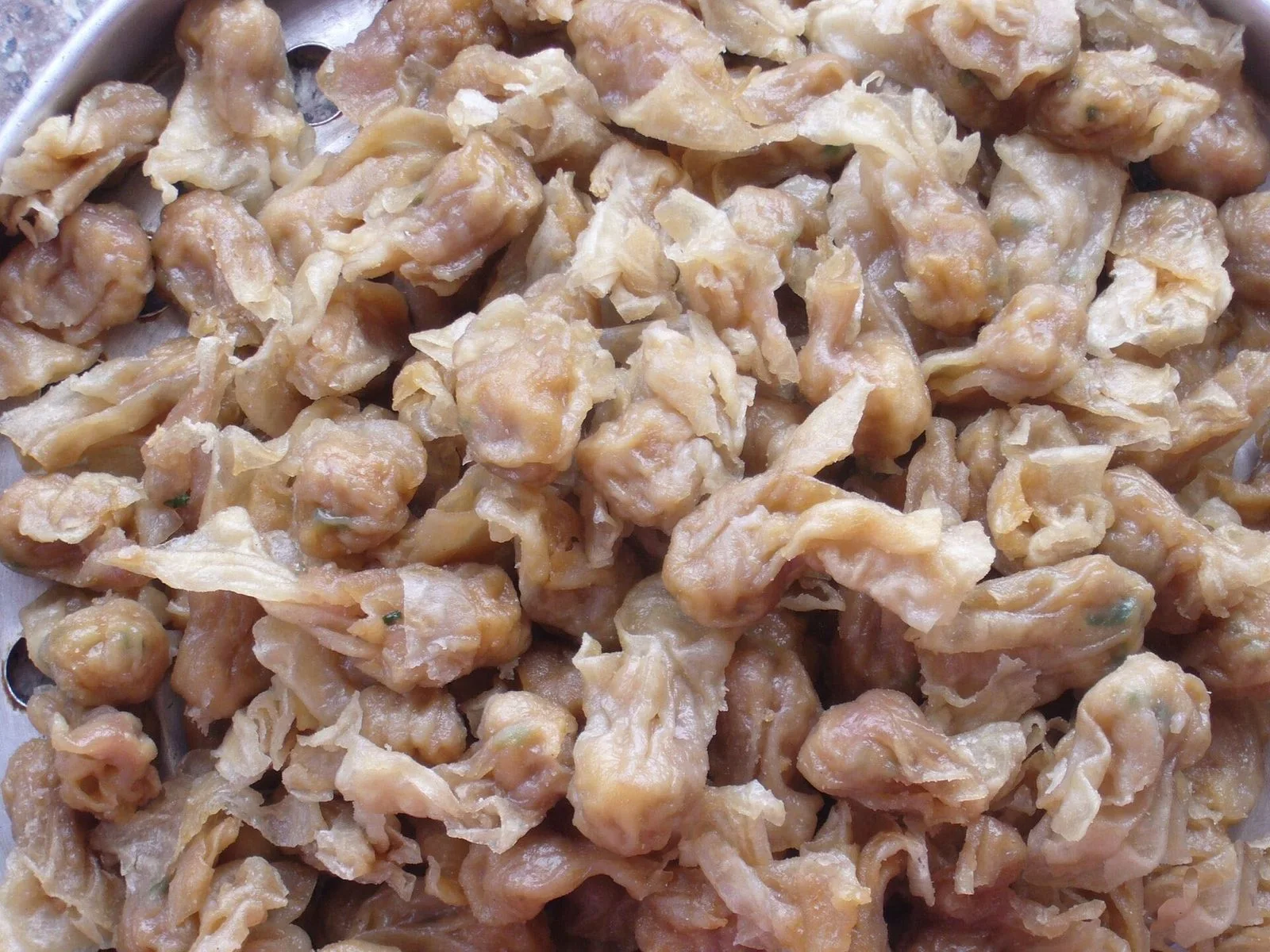
Rouyan
Lean pork is pounded into a paste, mixed with sweet potato starch and rolled into yanpi wrappers around a filling. The delicate wrapper of Fuzhou rouyan is itself a meat preparation worth tasting closely.
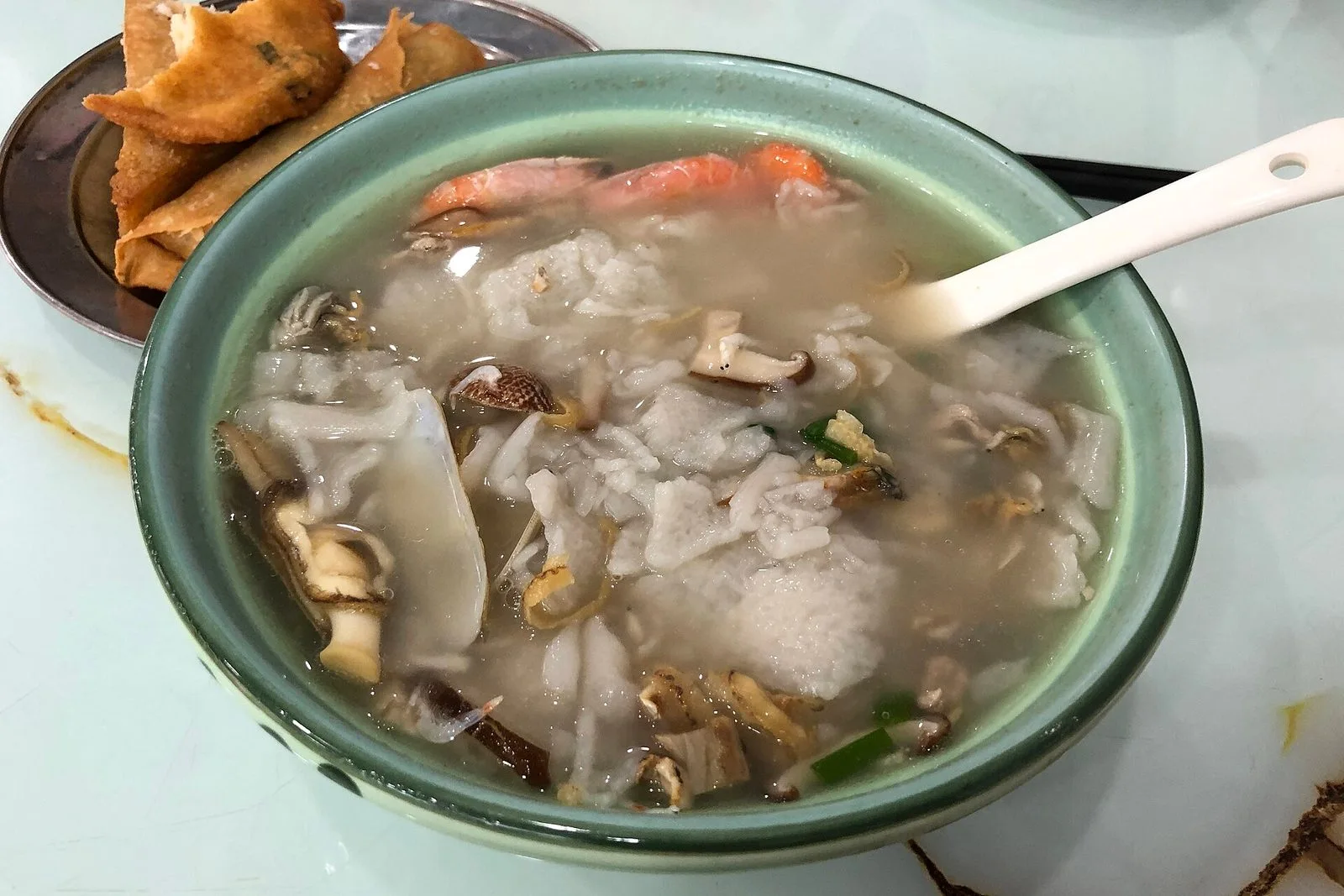
Guobianhu
Rice batter sets in thin sheets on the hot sides of a wok, then is scraped into savory broth to make Fuzhou guobian. Compare the soft rice sheets with the seafood flavors of the soup.
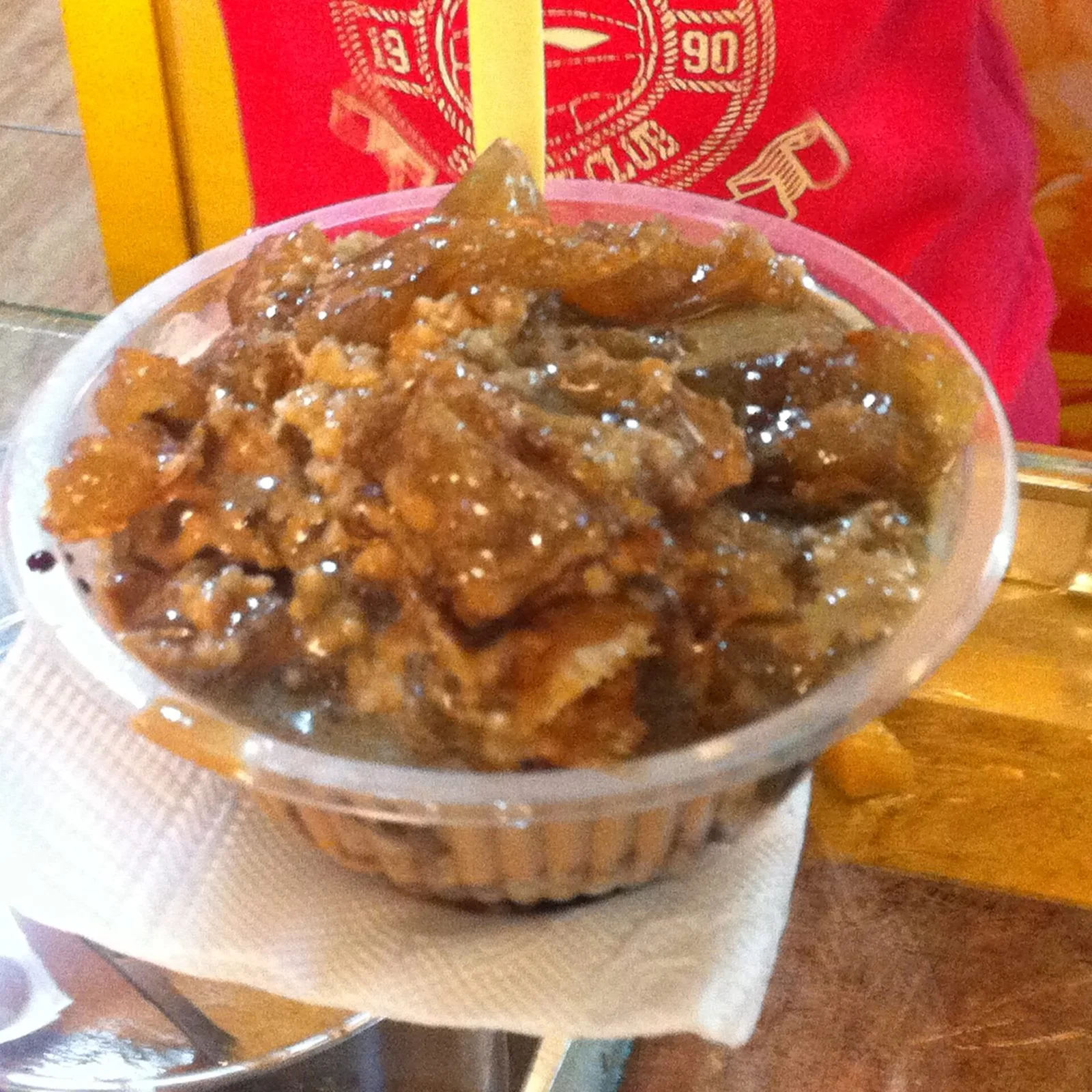
Dalian Menzi
Sweet potato starch is set into blocks, pan-fried until crisp outside, then topped with sesame paste and garlic sauce. The contrast of softness, crisp edges and rich sauce makes this a direct introduction to Dalian street snacks.
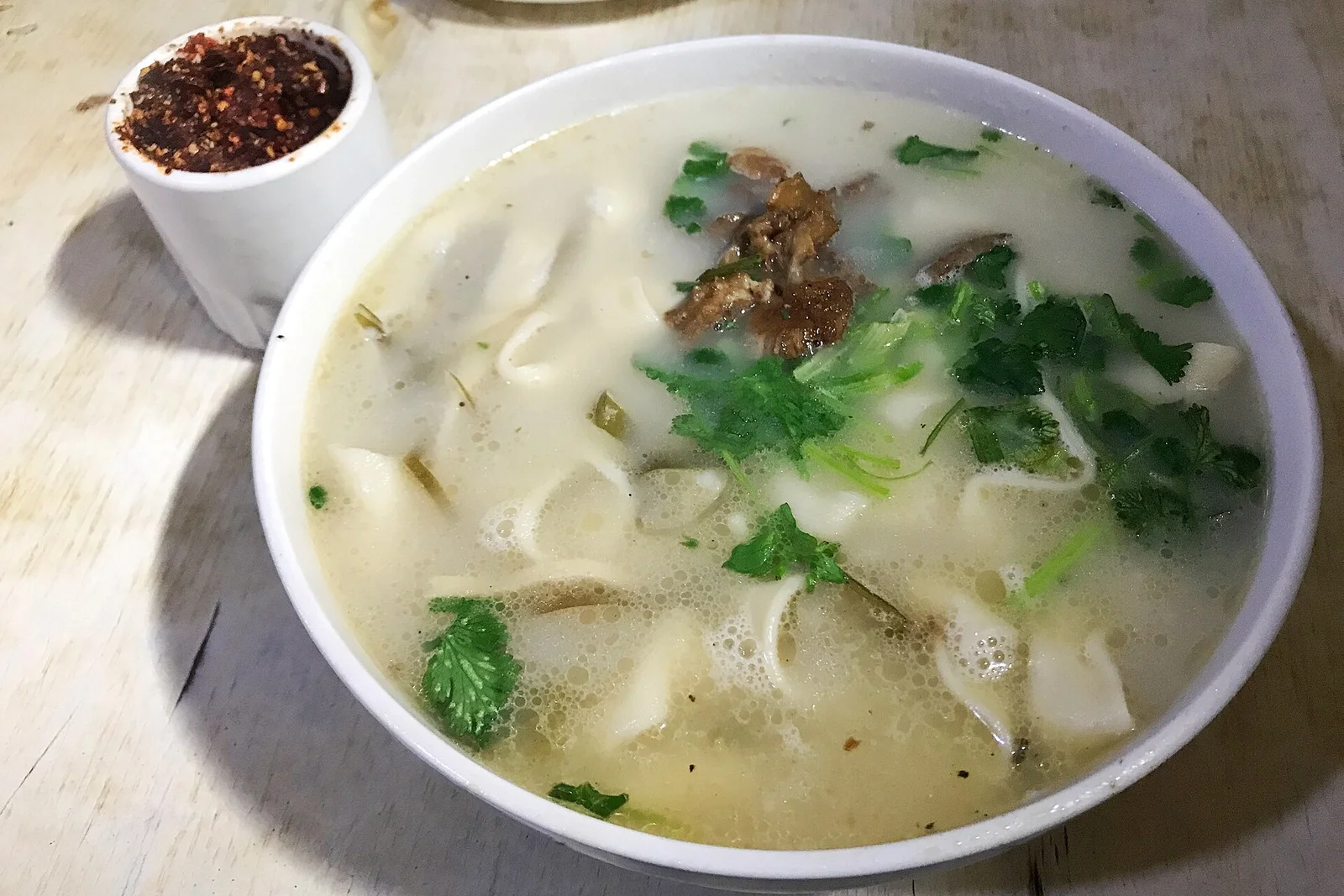
Henan Huimian
Wide strips of dough cook in meat broth with mutton, vermicelli and vegetables. A bowl of huimian in Zhengzhou is an opportunity to explore different combinations of noodles and soup.
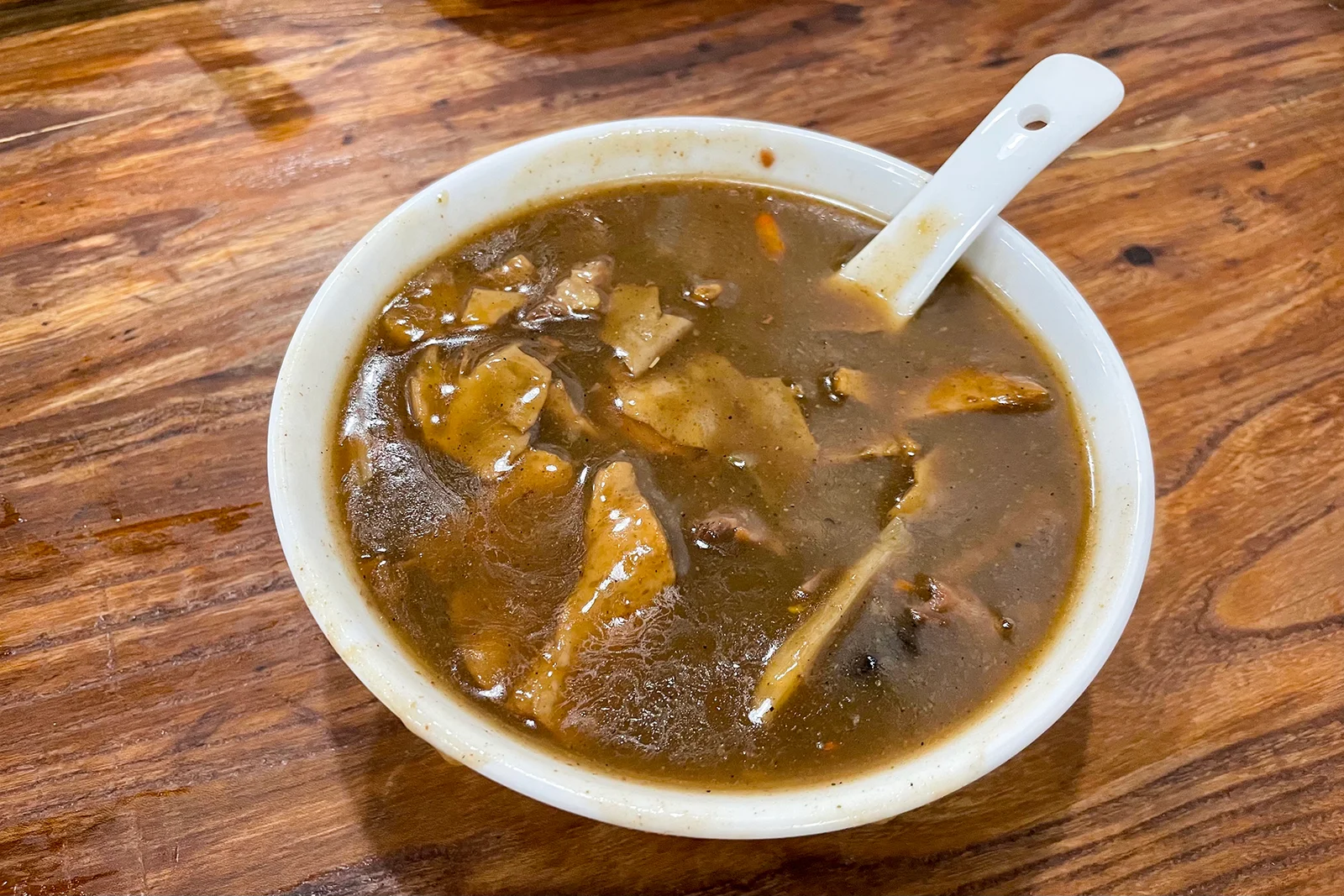
Hulatang
A hot, peppery Henan soup with plentiful ingredients, often served with dough-based foods for breakfast. Understanding its wheat gluten and the liangchan combination makes it easier to find a version you enjoy.
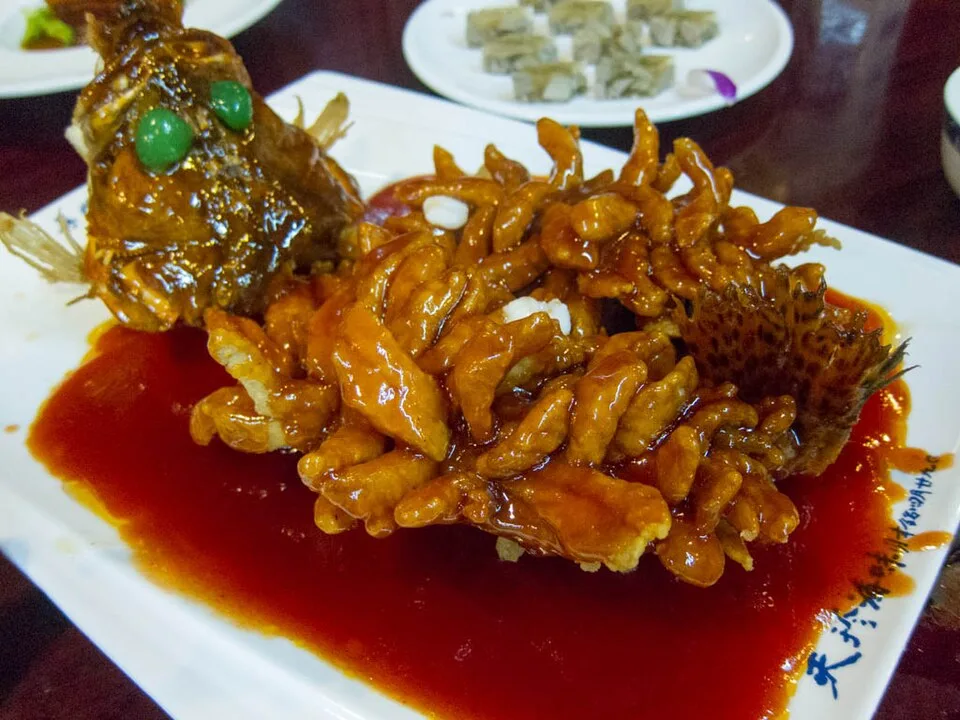
Squirrel-shaped Mandarin Fish
A well-known Suzhou fish dish made from mandarin fish cut into a crosshatch, fried until the flesh opens, and served with sauce while hot.
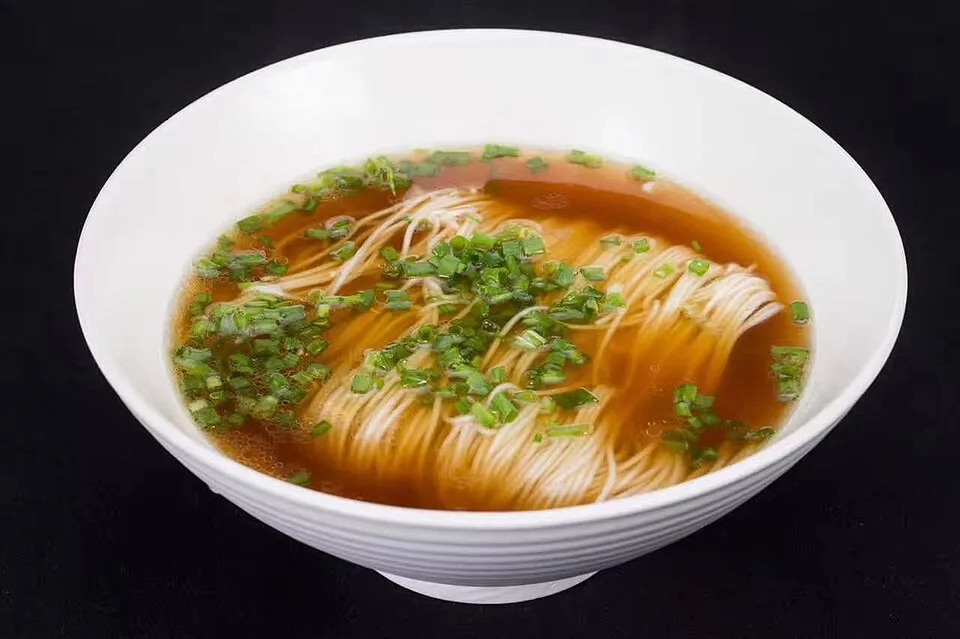
Suzhou Noodle Soup
Suzhou noodles are a broad local tradition, with Fengzhen pork noodles among the named varieties. Their broth, noodles and toppings make for a more filling meal than a small snack.
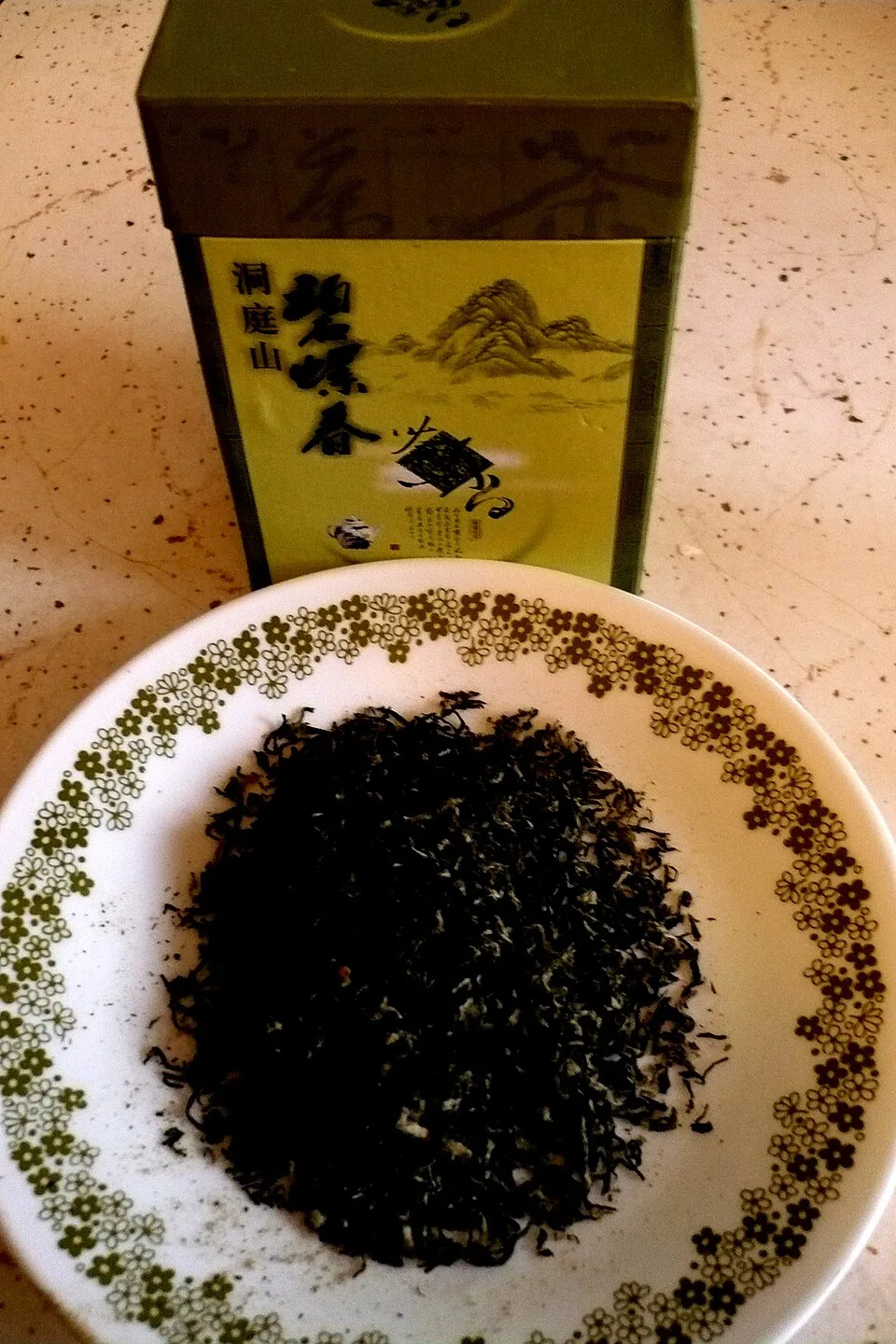
Dongting Biluochun Tea
A green tea from Suzhou’s Dongting East and West mountains, known for fine curled leaves, a lingering tender aroma and a fresh, sweet aftertaste.
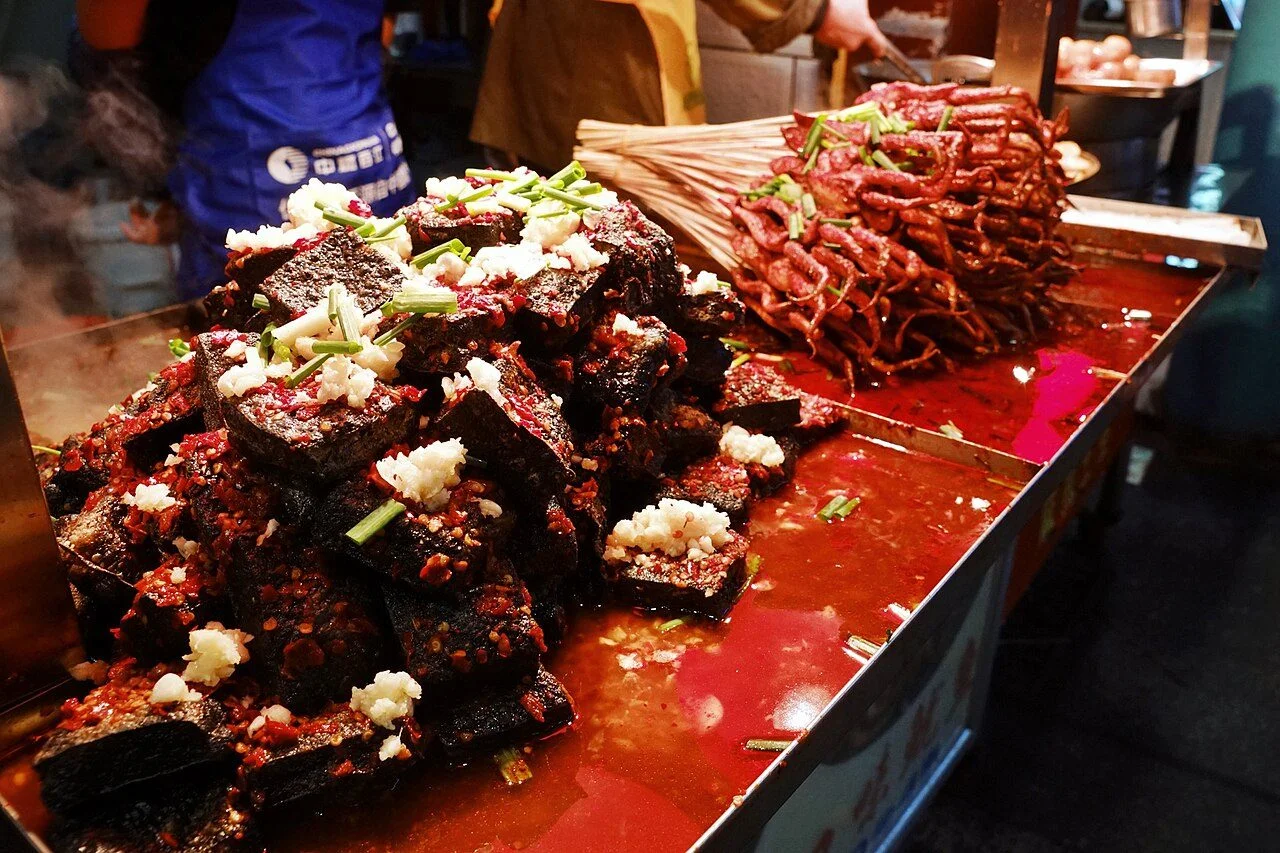
Stinky Tofu
Changsha's stinky tofu is white tofu steeped in a special brine until it darkens, then fried so the crust crisps while the inside stays tender. Vendors pour in a chili-garlic sauce; it smells strong and tastes hot and savoury.
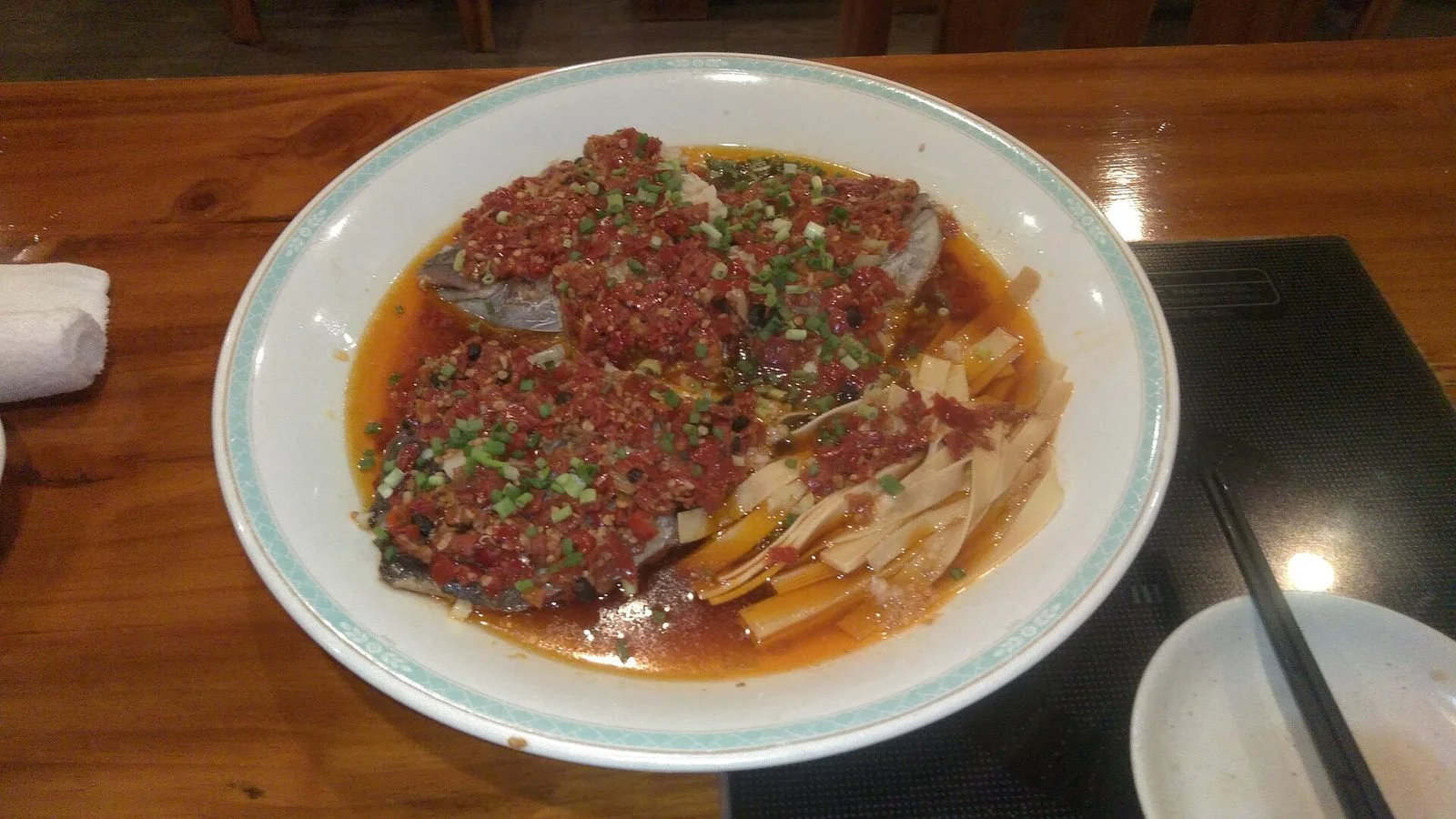
Chopped-Chili Fish Head
A bighead carp head is covered with salted, fermented red chopped chili and steamed over high heat, giving tender fish with a salty-sour heat. In some Changsha Hunan restaurants, noodles are tossed in the leftover red broth to finish the meal.
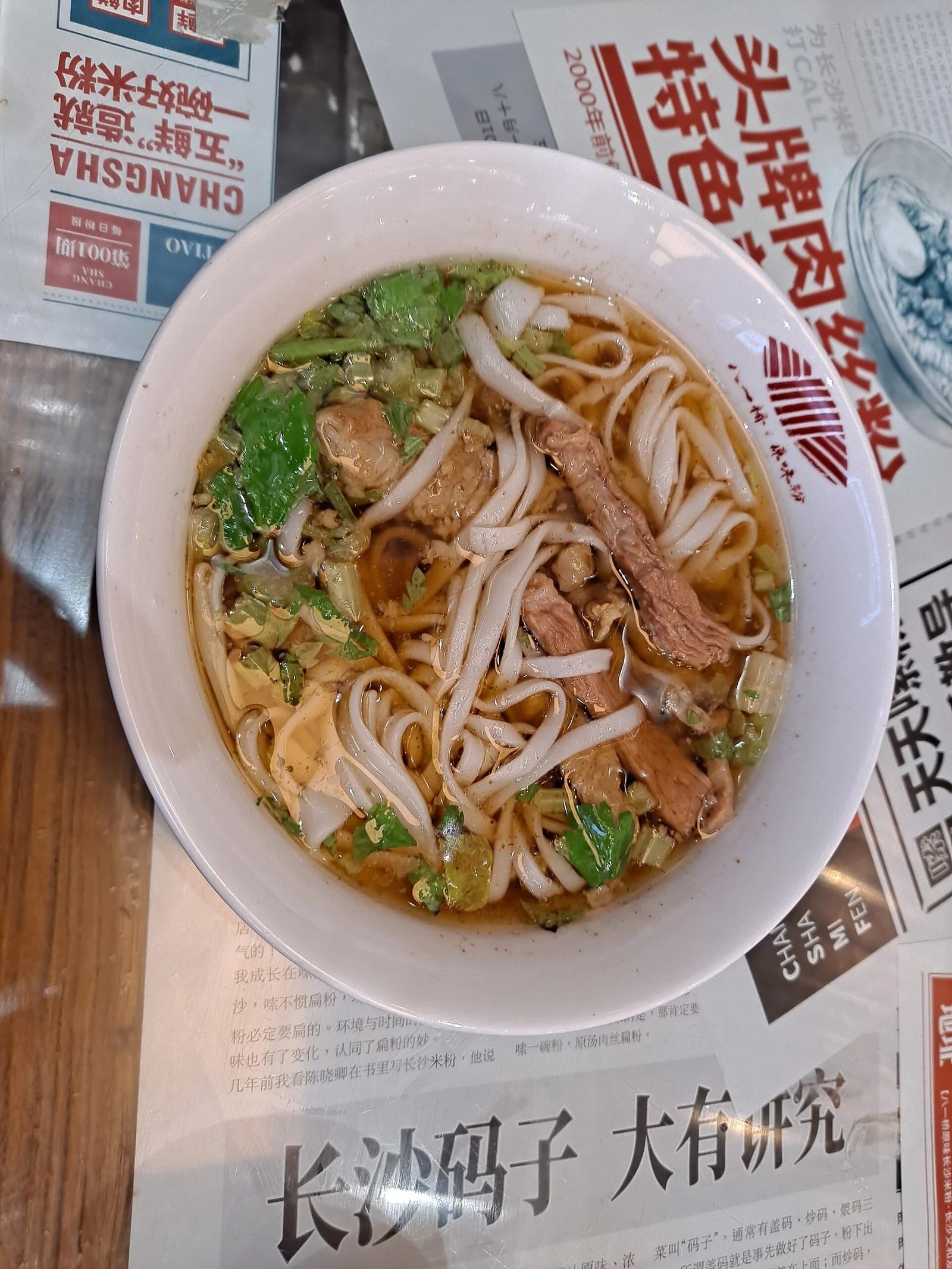
Changsha Rice Noodles
Changsha rice noodles are made from rice and come flat or round, eaten at breakfast with bone broth and toppings. Flat noodles soak up broth, round ones have more bite; shredded pork, steamed egg with minced pork and chili-fried pork are common toppings.
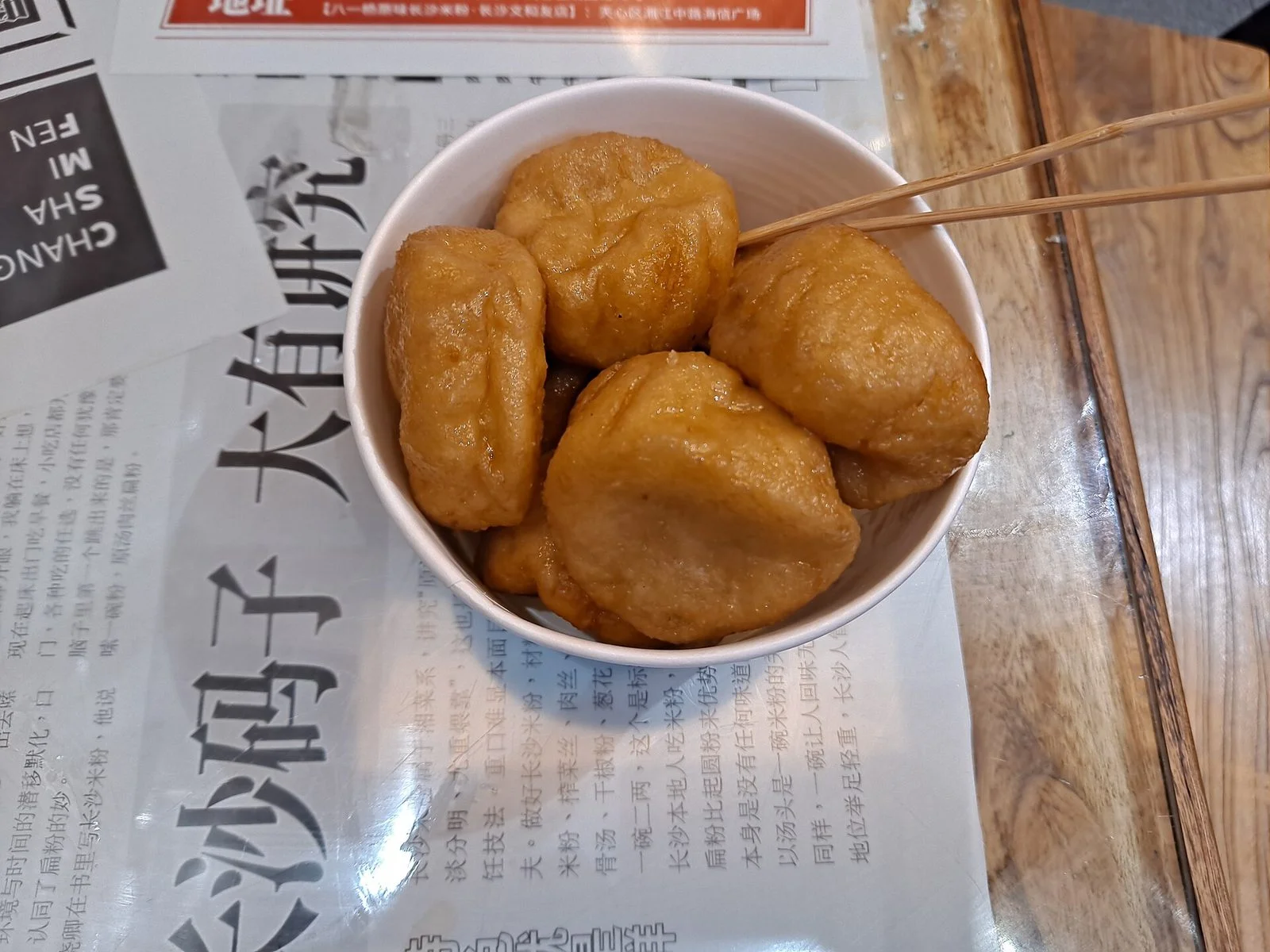
Sugar-Oil Baba
Glutinous rice dough is rolled in sugar and oil until golden, crisp outside and soft, sticky and sweet inside. It is a common Changsha street snack, best eaten hot; it hardens as it cools and is very sweet.
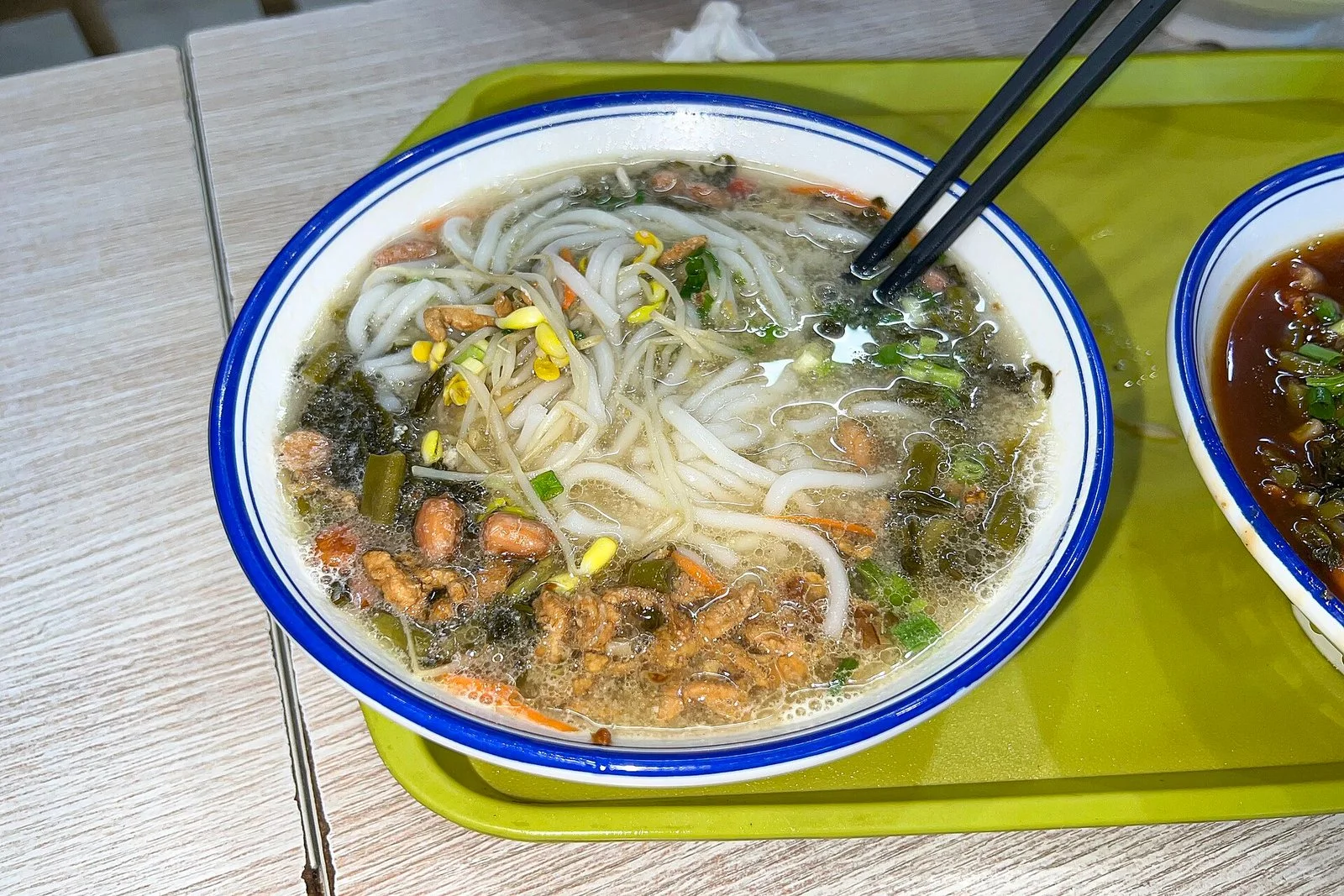
Baoluo noodles (Baoluofen)
Baoluo noodles (Baoluofen) are round rice noodles from Baoluo town in Wenchang. The noodles are slippery with a little chew, and the broth is light, sweet and slightly sour. They can also be served dry-tossed, mixed with beef jerky, peanuts, sesame, pickled vegetables and bean sprouts. When ordering, say first whether you want soup or the dry version, then add chili to taste.
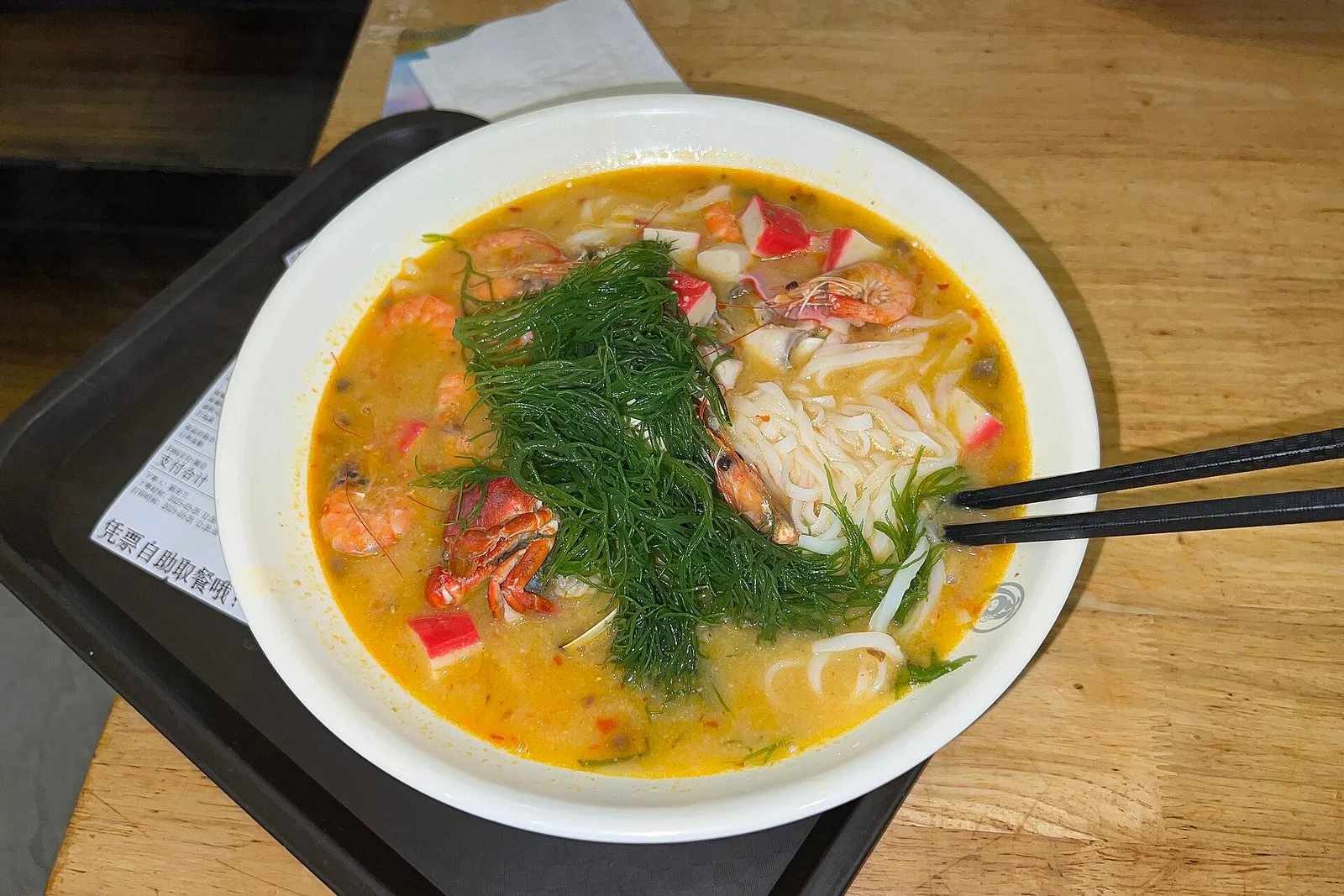
Zaopocu (fermented rice-vinegar broth)
Zaopocu is a sour soup from fishing families around Puqian in Wenchang. Lees left over from brewing rice wine are fermented a second time, then simmered with chili, garlic and other ingredients. It is sour and spicy with a rice aroma, often served with seafood or rice noodles, or used as a hot-pot broth. When ordering, confirm the heat level and toppings first.
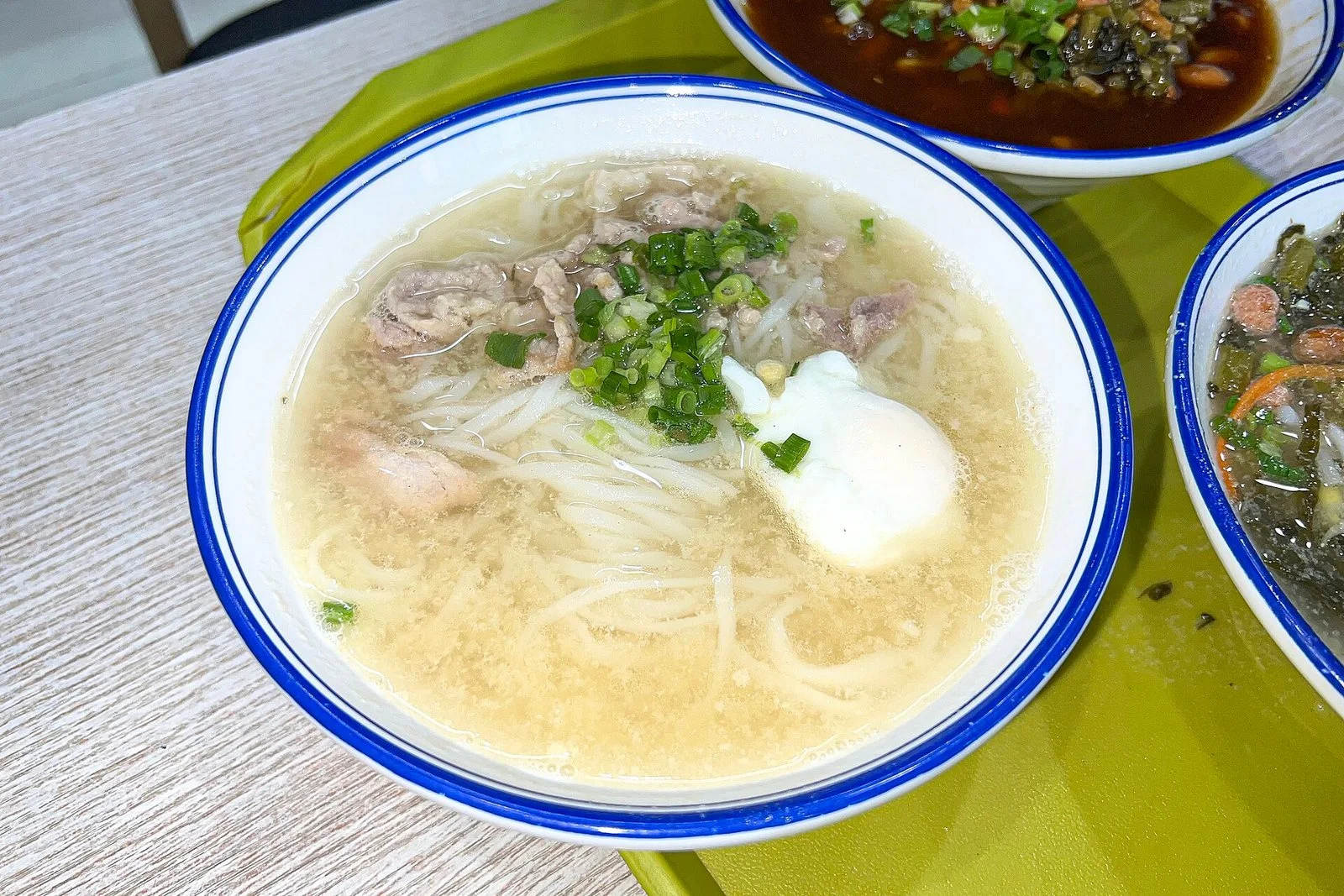
Hou'an noodles (Hou'anfen)
Hou'an noodles (Hou'anfen) are a pork noodle soup from Hou'an town in Wanning. Thin rice noodles sit in a rich broth simmered from pork bones and offal, topped with lean pork, pork intestine, dried shrimp and egg, with a distinct pepper aroma. You can add youtiao, and season with white pepper or yellow lantern chili to taste.
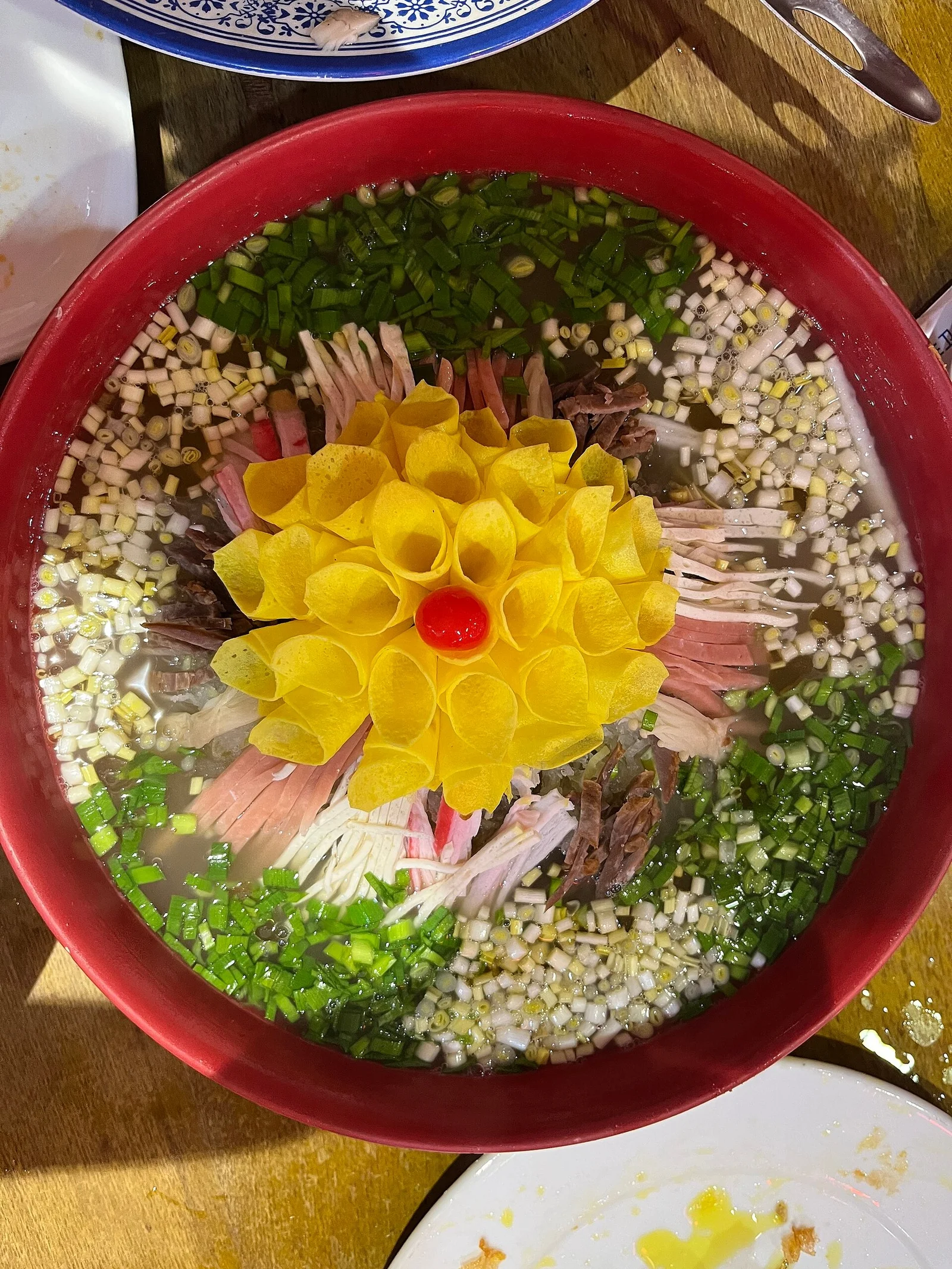
Luoyang Water Banquet
Twenty-four dishes arrive in sequence, most hot dishes carry broth, and Mudan Yancai often opens the meal. Understanding the order and the soup-based structure is more useful than searching for the single “most authentic” restaurant.
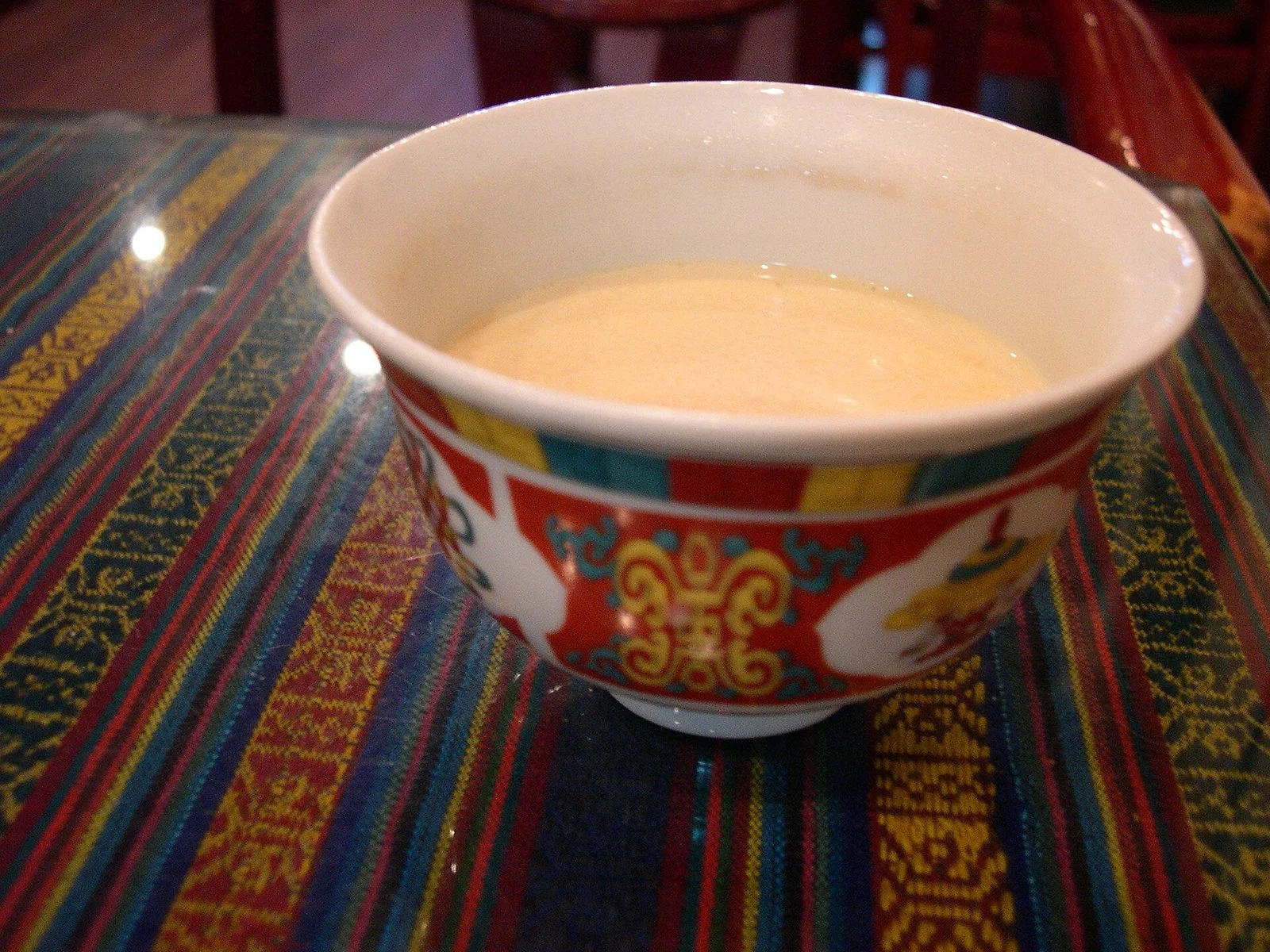
Tibetan butter tea
Brick tea is boiled down to a strong brew, then churned with butter and salt in a wooden cylinder until it turns into an emulsion. Salty and rich, it is the hot drink Lhasa people pair with tsampa in the morning, and the tea that is refilled again and again when guests arrive. On a first try, start with a small half-bowl.
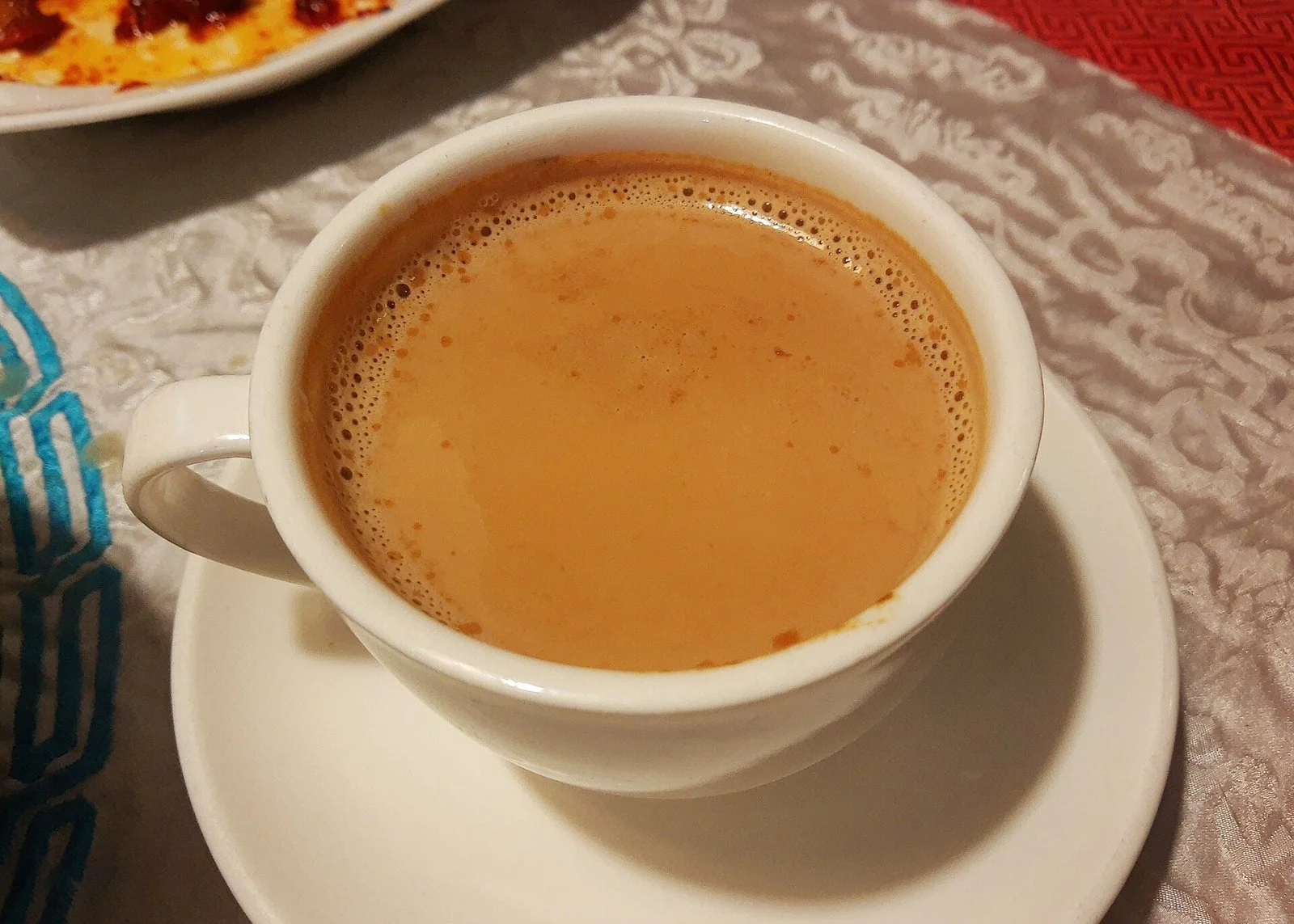
Tibetan sweet tea
Black tea is brewed strong and mixed with milk and sugar to make the cup most often seen in Lhasa's sweet tea houses. Sweet, smooth and clearly tea-flavored, it goes with thukpa or momo and anchors the hours locals spend chatting and meeting friends. After the doors open in the morning, locals often come for a cup.
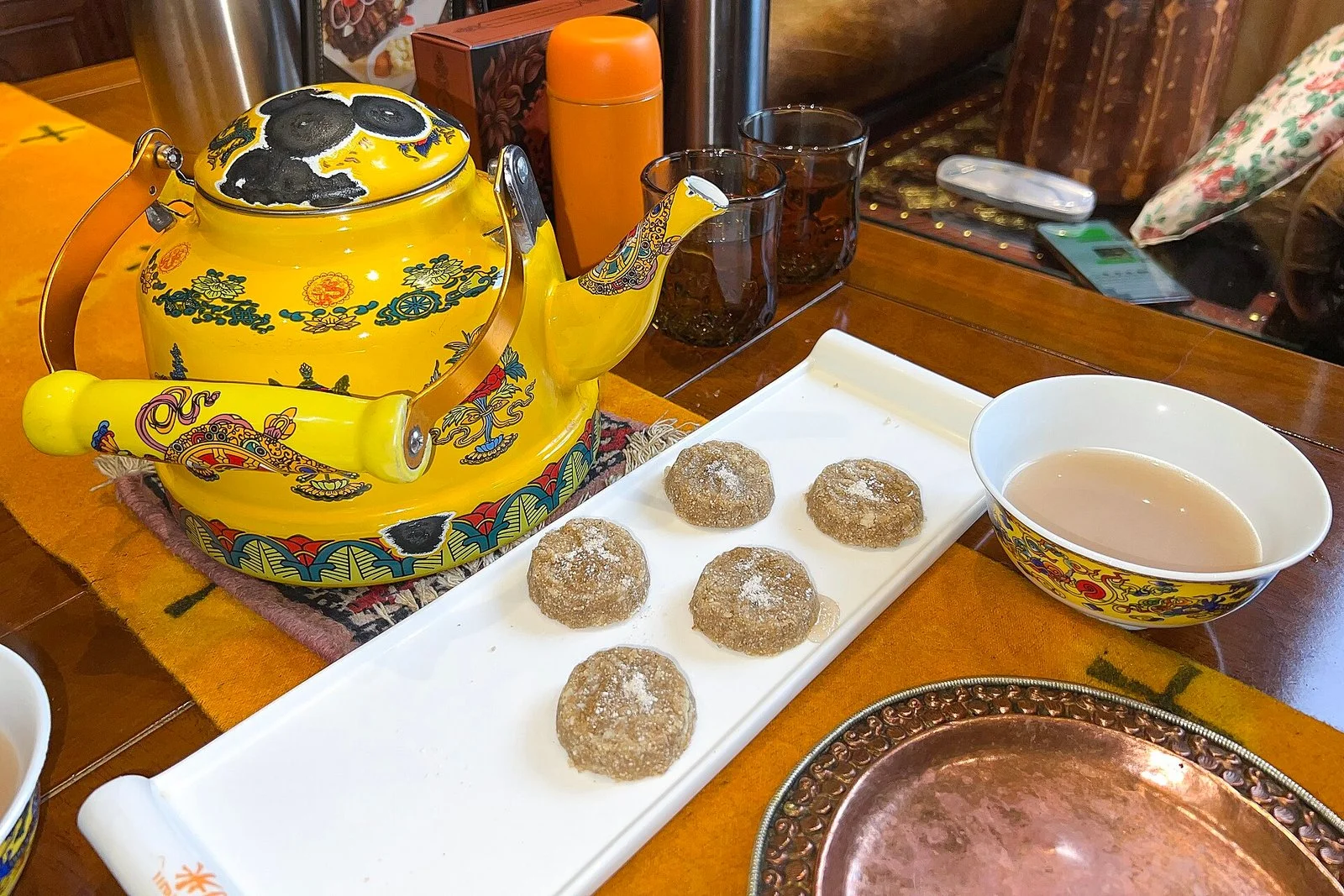
Tsampa
Highland barley is roasted and ground into flour, then mixed in a bowl with butter tea, cheese curds and sugar and pressed into balls with your fingers. Coarse, filling and tasting of roasted grain, it is a staple that Lhasa people eat at breakfast and carry when traveling, and it also appears in sweet tea houses and Tibetan restaurants.
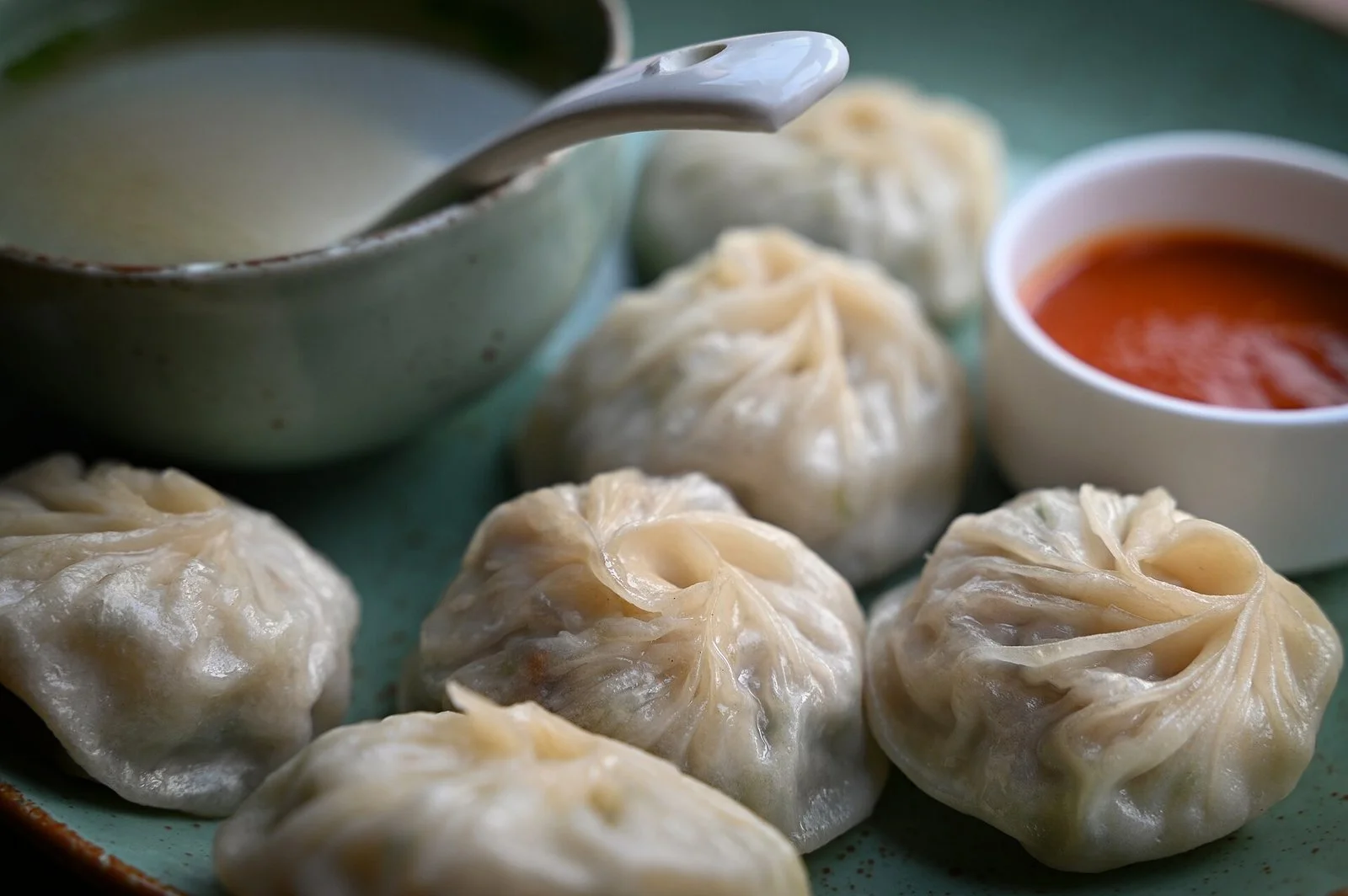
Momo (Tibetan steamed dumpling)
Unleavened dough is wrapped around a filling of beef, spring onion and Sichuan pepper, pleated into a swirl at the top, then steamed and served with chili sauce. Lhasa's momo share their name with Nepalese momo but the two are made differently, with distinct wrapper thicknesses and fillings, and it is worth telling them apart when ordering in Lhasa.
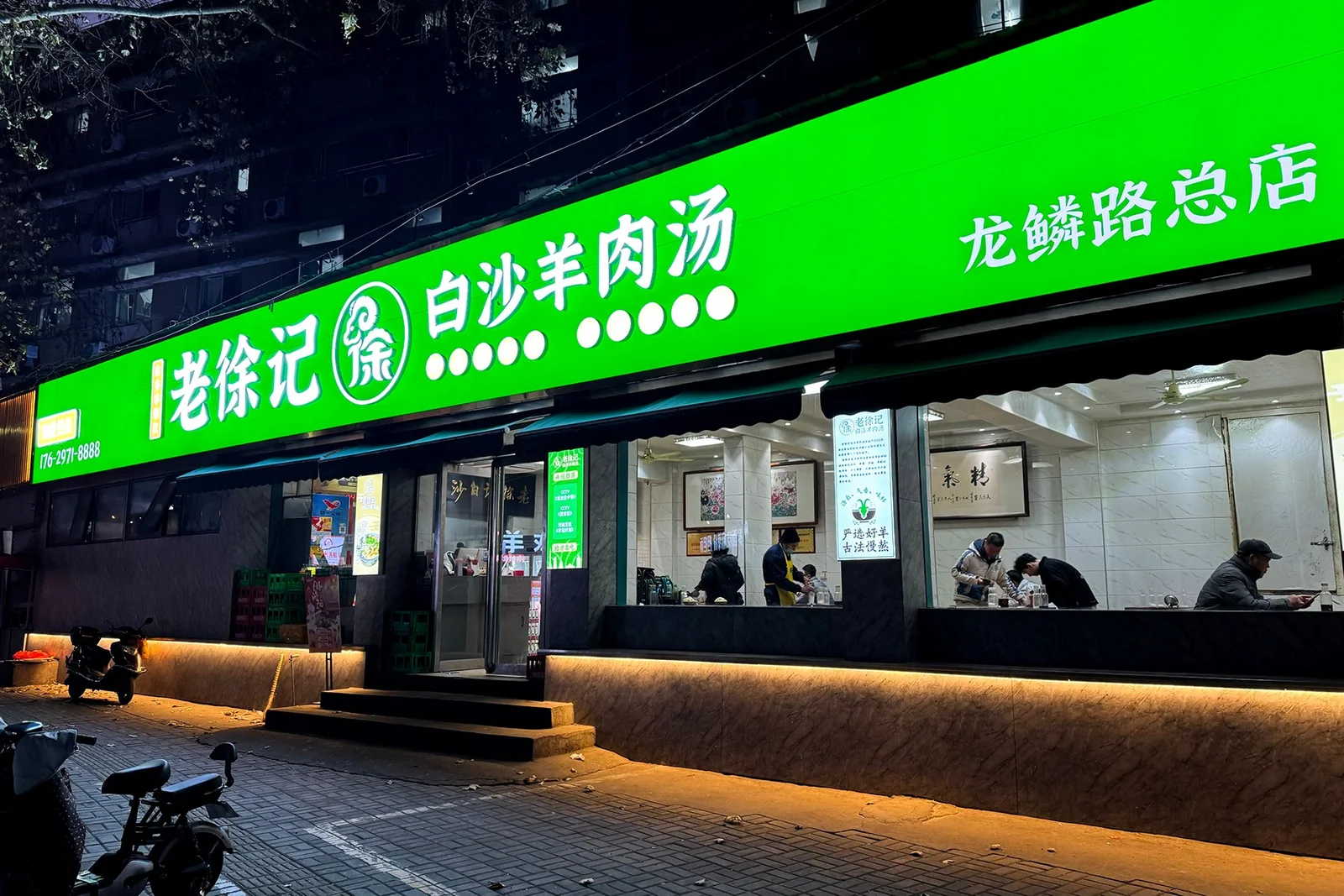
Luoyang Soup Shops
Soup is part of daily life in Luoyang: beef, mutton, donkey and bufan soups each have their own broth and accompaniments. Soup shops are busiest at breakfast, and some also open at night. A soup shop gets closer to local life than a search for a single “Luoyang dish”.
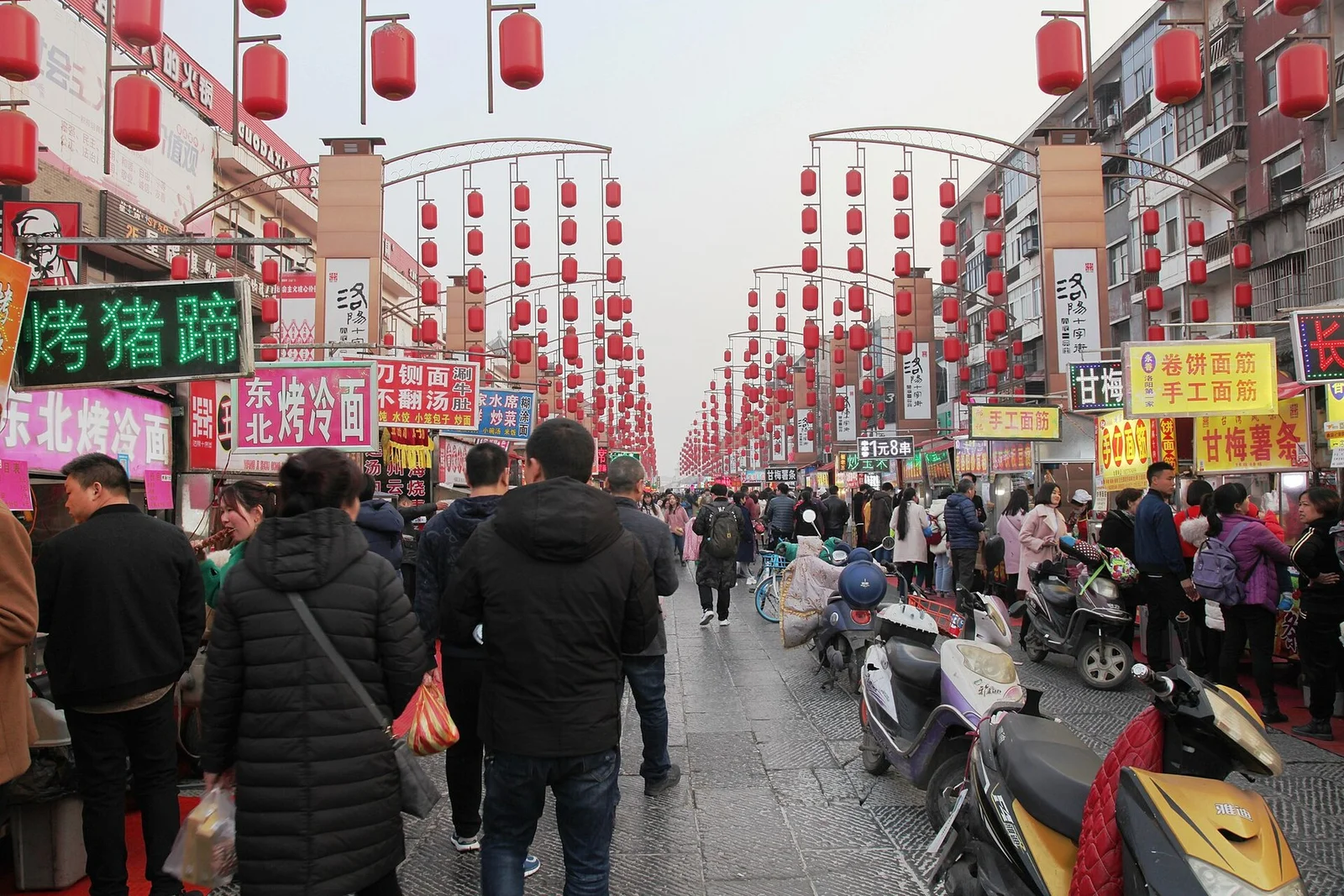
Luoyang Night Market Snacks
The Cross Street night market brings together more than 200 kinds of snack, from tripe hotpot and water-banquet dishes to bufan soup and small-bowl soup, alongside food from elsewhere. It is a busy commercial market for eating while walking, not a quiet local corner.