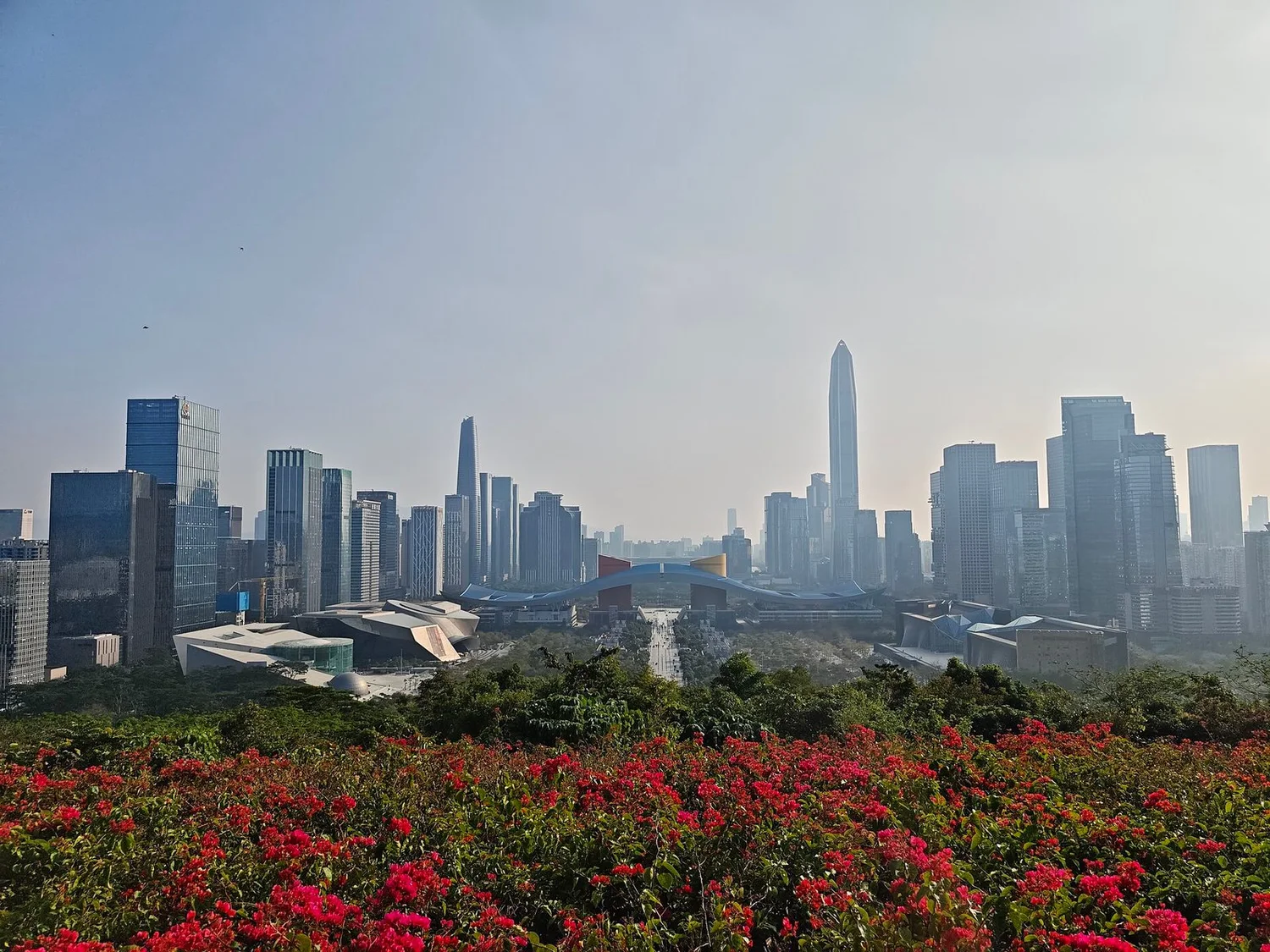
Thin sheets steamed from rice batter
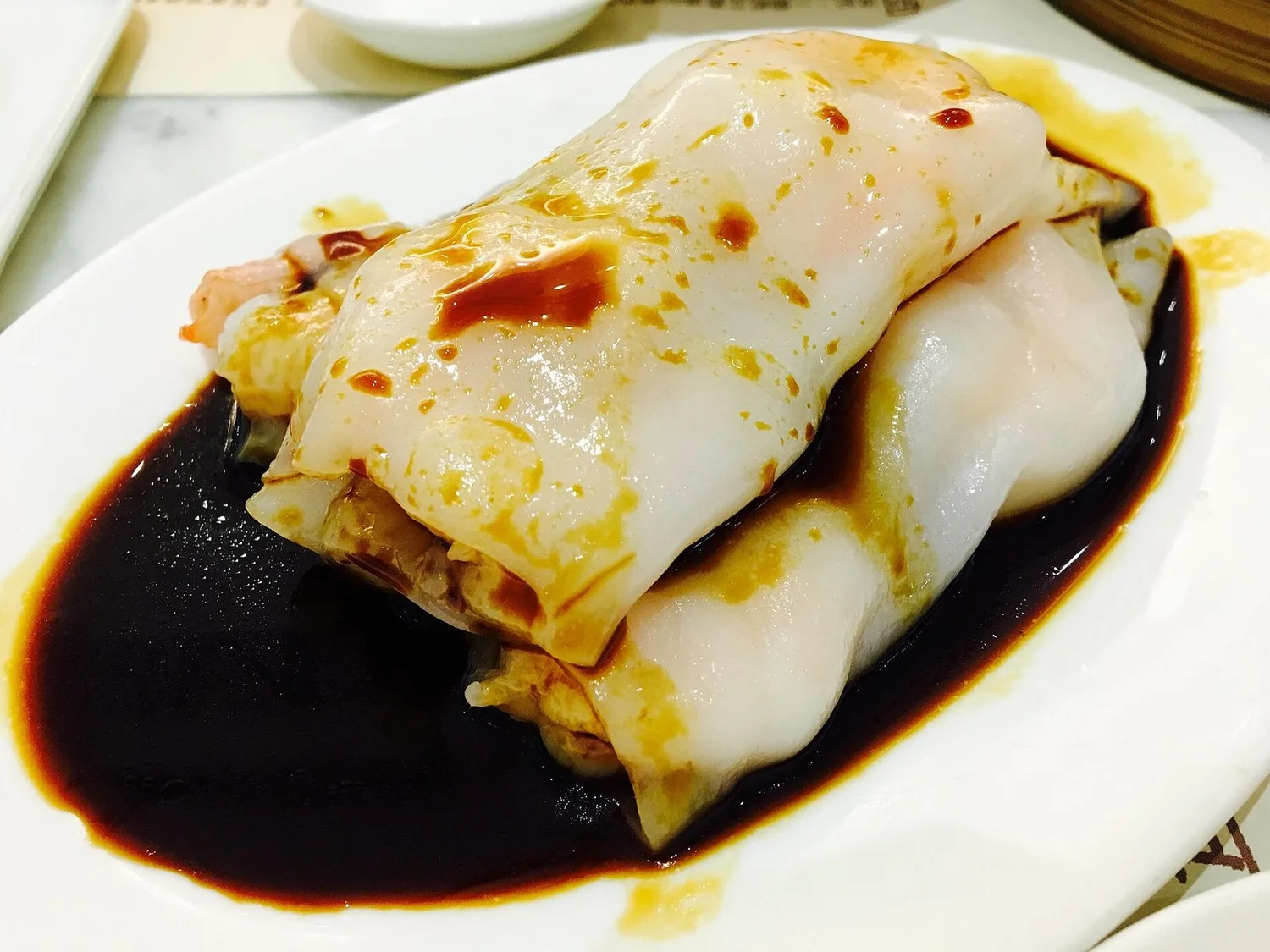
Rice noodle rolls are a rice-based snack from Guangdong that visitors can try as breakfast or dim sum in Shenzhen. The character chang, meaning intestine, describes the rolled shape; it does not mean the sheets are made from animal casings. Rice batter is spread thinly and steamed into a soft sheet, then rolled or folded and served with sauce. Some versions include meat, prawns or egg, while others emphasise the texture of the sheet itself.
Unlike a bowl of rice noodles in soup, the focus is the combination of steamed sheets, filling and sauce. Lifting a piece reveals the folded layers, and eating it hot makes the softness and smoothness more apparent. Sauce affects the savoury and salty flavour. If you prefer lighter seasoning, try a little first before adding more; appearance alone cannot reveal every shop's recipe.
Different regional styles in Shenzhen
Rice noodle rolls are not unique to Shenzhen. They also show how regional food traditions meet in everyday city life. A 2025 Shenzhen Evening News report recorded a Puning-style shop on Huafa North Road in Huaqiangbei, connecting breakfast with the people starting businesses and working nearby. Such a neighbourhood account gives Shenzhen's Chaoshan breakfast flavours a concrete business and social context. It does not justify calling all the city's rolls one Shenzhen recipe.
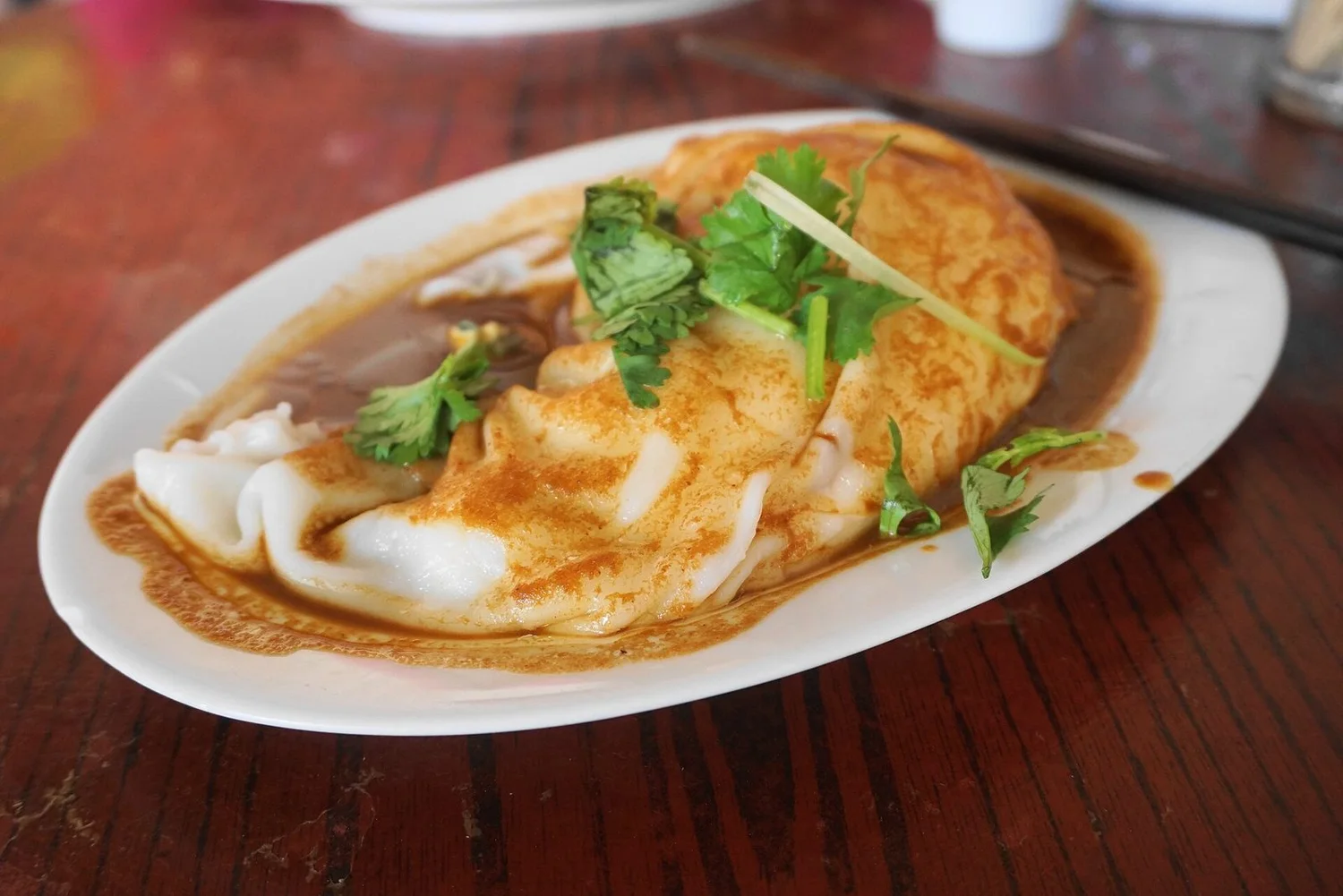
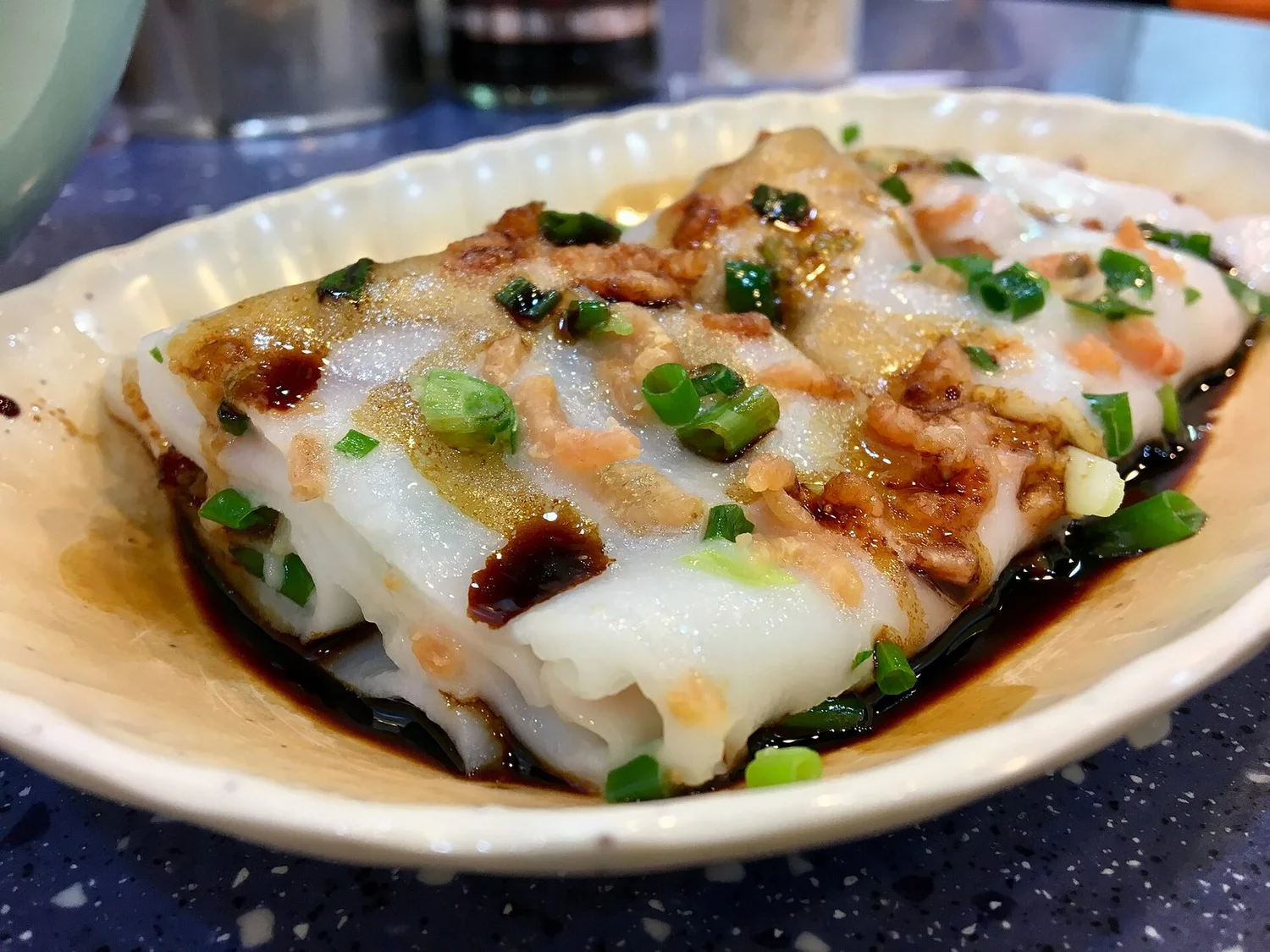
When ordering, see whether the shop describes its style as Cantonese, Chaoshan or a more specific regional version, then ask about fillings and sauce. The photographs here illustrate a dish shared across the region: a portion photographed in Chaozhou has plenty of sauce, while another dried-shrimp version shows ingredients on the surface. They help compare forms rather than serving as a Shenzhen shop's menu, and do not establish that all Chaoshan rolls use the same sauces.
Choosing ingredients and portions
For a simple solo breakfast, ask first about portion size and included ingredients. At a group dim sum meal, rolls can be a shared dish. Street breakfast shops serve differently from tea restaurants; seating, whether orders are freshly steamed and how soon takeaway food will be eaten can all affect the choice. An article or older report mentioning a shop does not guarantee its former prices, hours or portions today.
If avoiding meat, seafood, egg or specific allergens, check the sheets, fillings and sauce separately. A rice-based batter does not guarantee the whole dish is free of wheat, soy or sesame; ask about soy sauce and other seasonings too. No meat also says nothing about contact with other ingredients on steaming trays and utensils. A business that can clearly explain its recipe makes choices easier for travellers with strict dietary needs.
Useful official references
Check the relevant official service before making arrangements. These links are references, not a guarantee of current services.