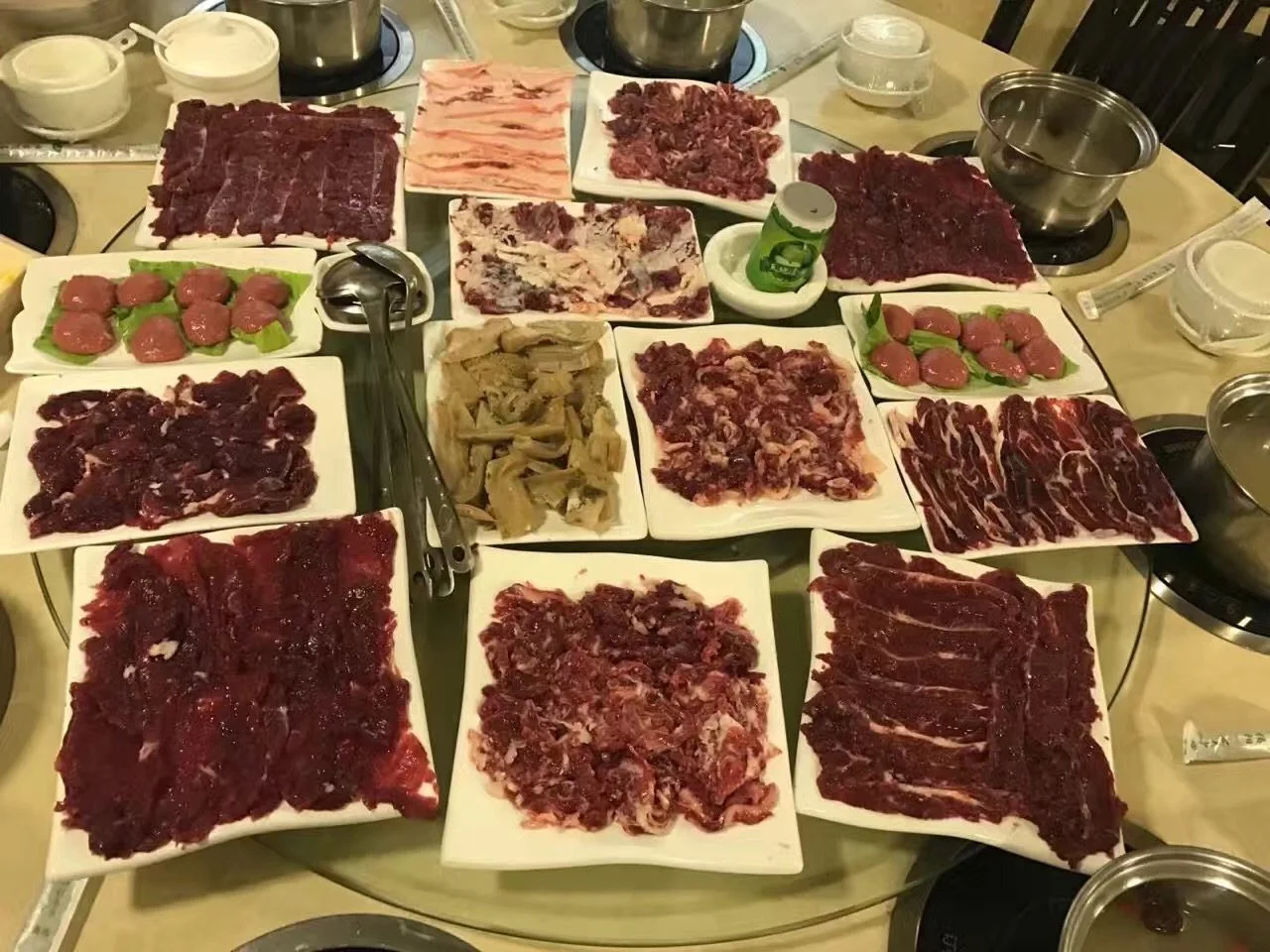
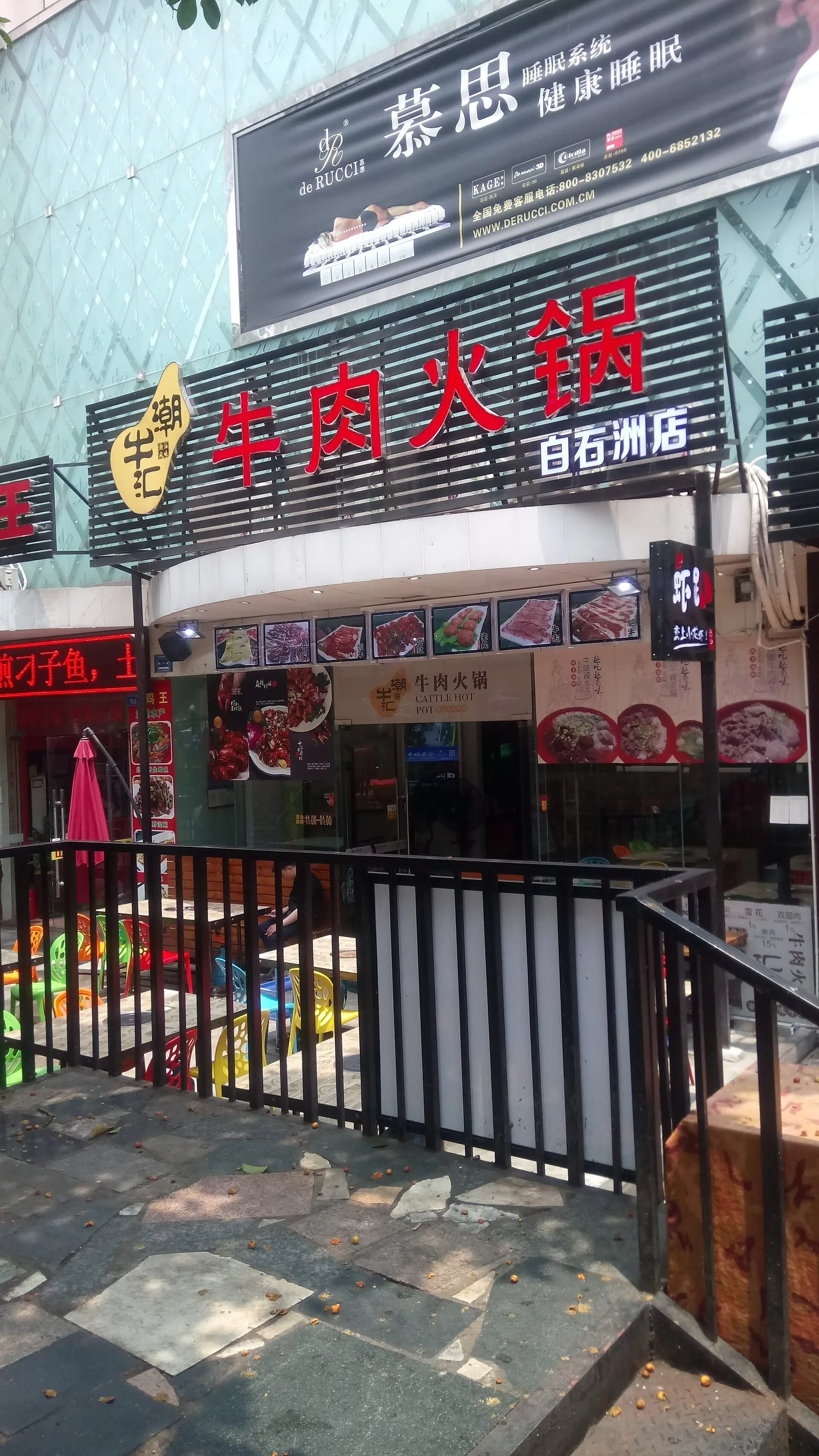
Trying Chaoshan flavours in Shenzhen
Chaoshan beef hotpot comes from the food culture of eastern Guangdong's Chaoshan region; it was not invented in Shenzhen. The city's tables accommodate regional styles, and this hotpot is one that visitors can readily encounter. EyeShenzhen's 2025 introduction to Shenzhen food listed it among common local dining choices. In 2018, Shenzhen Daily also took readers to a Chaoshan restaurant to learn about beef cuts and making beef balls.
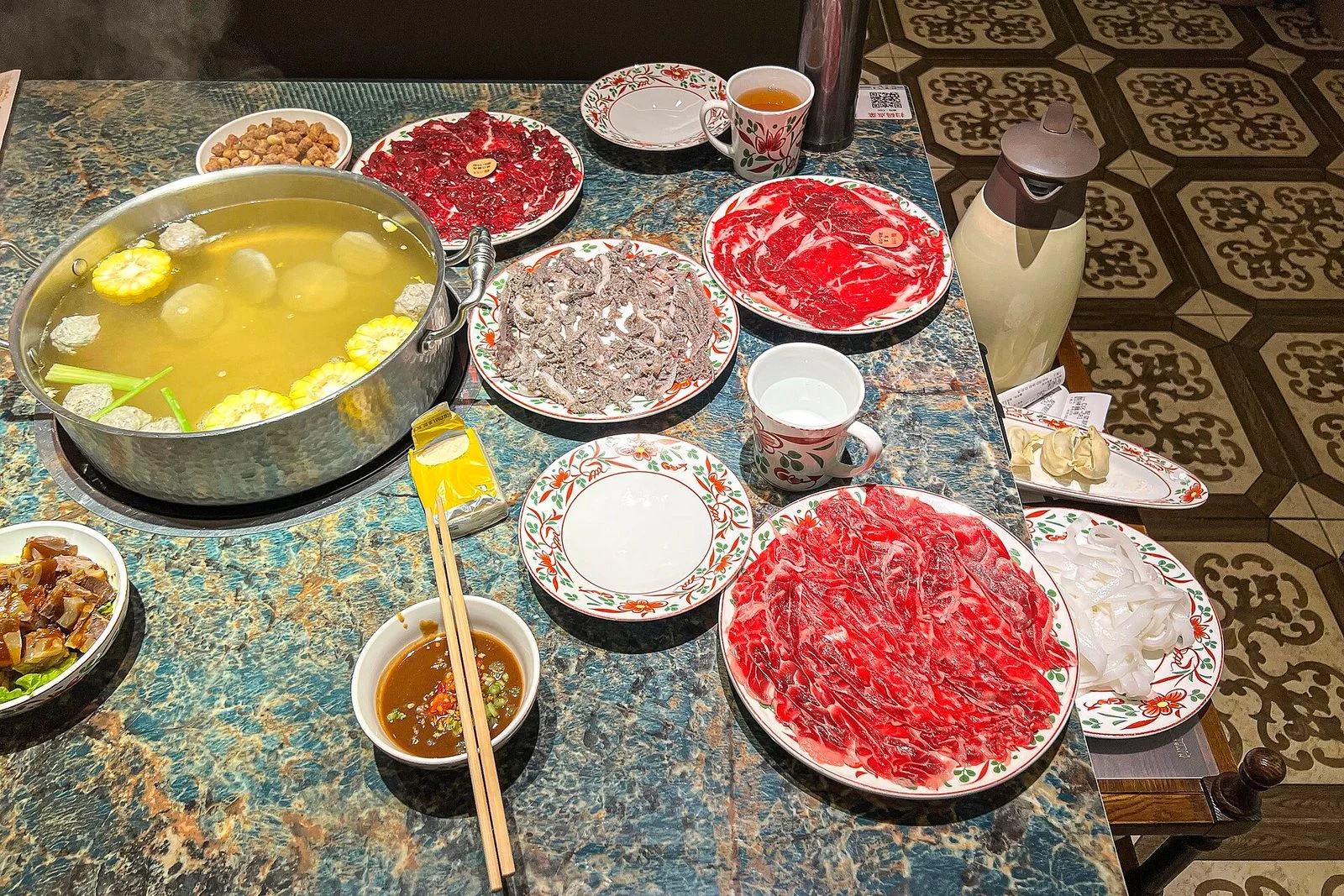
Compared with hotpots whose first impression comes from a strongly flavoured base, Chaoshan beef hotpot often uses a lighter beef or beef-bone broth so diners can compare cuts and textures. Clear does not mean there is only one recipe, and restaurants may offer different bases. When ordering, establish whether you want beef in clear broth, whether you need spice and whether everyone eats beef, rather than choosing on the word hotpot alone.
Distinguishing sliced beef from beef balls
Thin slices are usually served on separate plates by cut. Menu names such as diaolong, neck meat and others represent different butchering and texture choices. The proportions of fat, connective tissue and muscle fibres affect tenderness and chewiness. Names and portions vary between restaurants; first-time diners can ask staff to explain, then choose a few small portions rather than ordering every cut at once.
Beef balls involve a different preparation. Shenzhen Daily's chef demonstration recorded beef being repeatedly pounded into a sticky paste, seasoned and squeezed into balls. Beef balls tend to be smooth and tender, while those with added tendon are chewier. Their thickness, structure and heating requirements differ from thin slices, so they should not be given the same cooking time. Also distinguish raw balls from products that have already been cooked when ordering.
Dips, cooking and sharing
Shacha sauce is a common accompaniment, and some restaurants offer chilli sauce or other dips. Tasting a little broth and cooked meat before adding sauce makes it easier to compare the meat itself. Diners who prefer lighter flavours need not copy someone else's large dipping mixture. Visitors allergic to peanuts, sesame, beans or seafood should ask separately about shacha sauce, broth and seasonings. Beef on the menu does not mean the whole meal contains no other ingredients.
Let the broth return to the boil before adding food, keep utensils for raw and cooked items separate and cook thoroughly according to actual thickness and staff guidance. Online rules counting only a few seconds do not cover every slice, ball or pot temperature and should not be treated as a universal safety standard. In a group, start with modest quantities of slices and balls, then decide whether to add vegetables or a staple. This allows texture comparisons while making total portions easier to manage.
Useful official references
Check the relevant official service before making arrangements. These links are references, not a guarantee of current services.