Brick tea, butter and salt
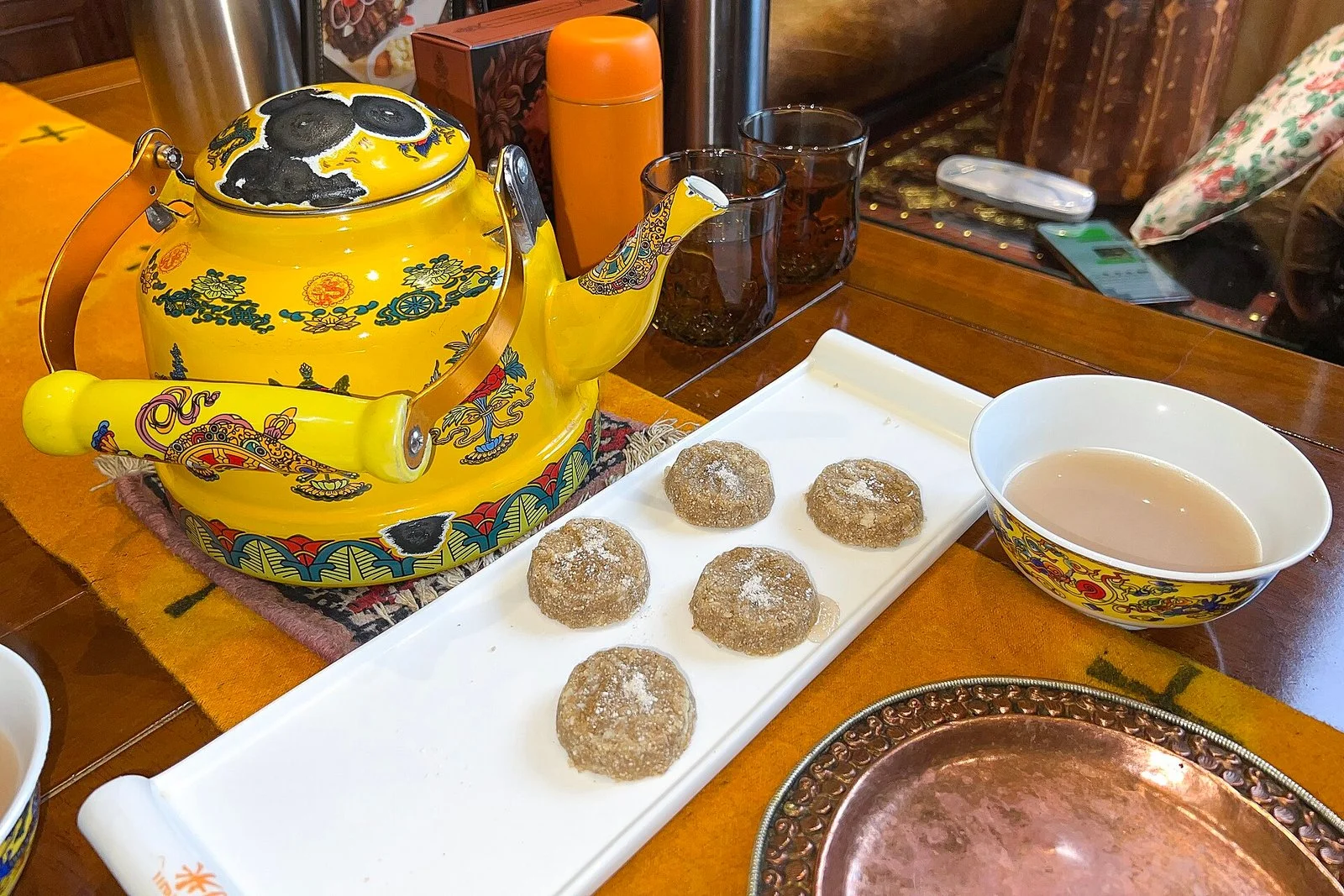
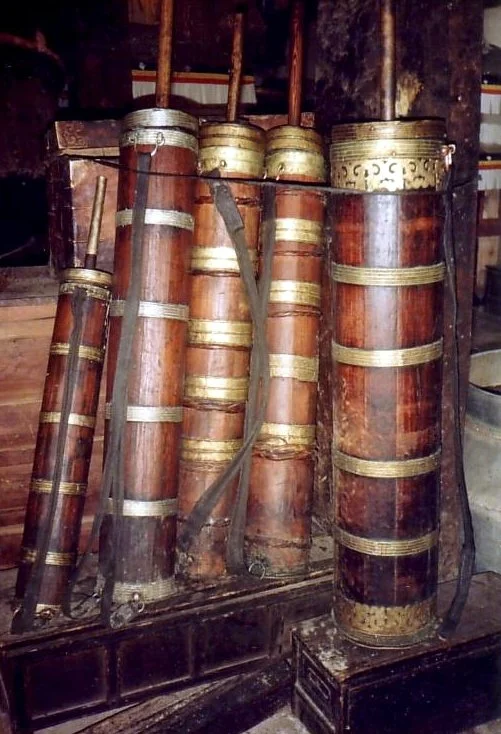
Tibetan butter tea starts with very strong brick tea. Tea bricks mostly come from around Ya'an in Sichuan; they are pressed hard so they travel and store well. Before use the brick is broken up, boiled for a long time with water, and strained to give a dark brown brew. Butter made from yak milk, salt and hot tea are put into a tall wooden cylinder called a dongma and churned with a plunger until the fat and tea temporarily form an emulsion.
The traditional method is done by hand and takes several minutes each time; today many households and tea houses use an electric blender, but the order is still to brew the tea first, then blend it with butter and salt. The finished tea is poured hot into a thermos or teapot and served as needed; once cold, the fat congeals on the surface. Butter is the fat separated from milk, yellowish and carrying the distinctive smell of yak milk; it thickens the tea and raises its calorie content. There is no fixed ratio of tea, butter and salt, so home-made and tea-house versions differ in strength, and some add a little milk.
Salty, rich and strongly tea-flavored
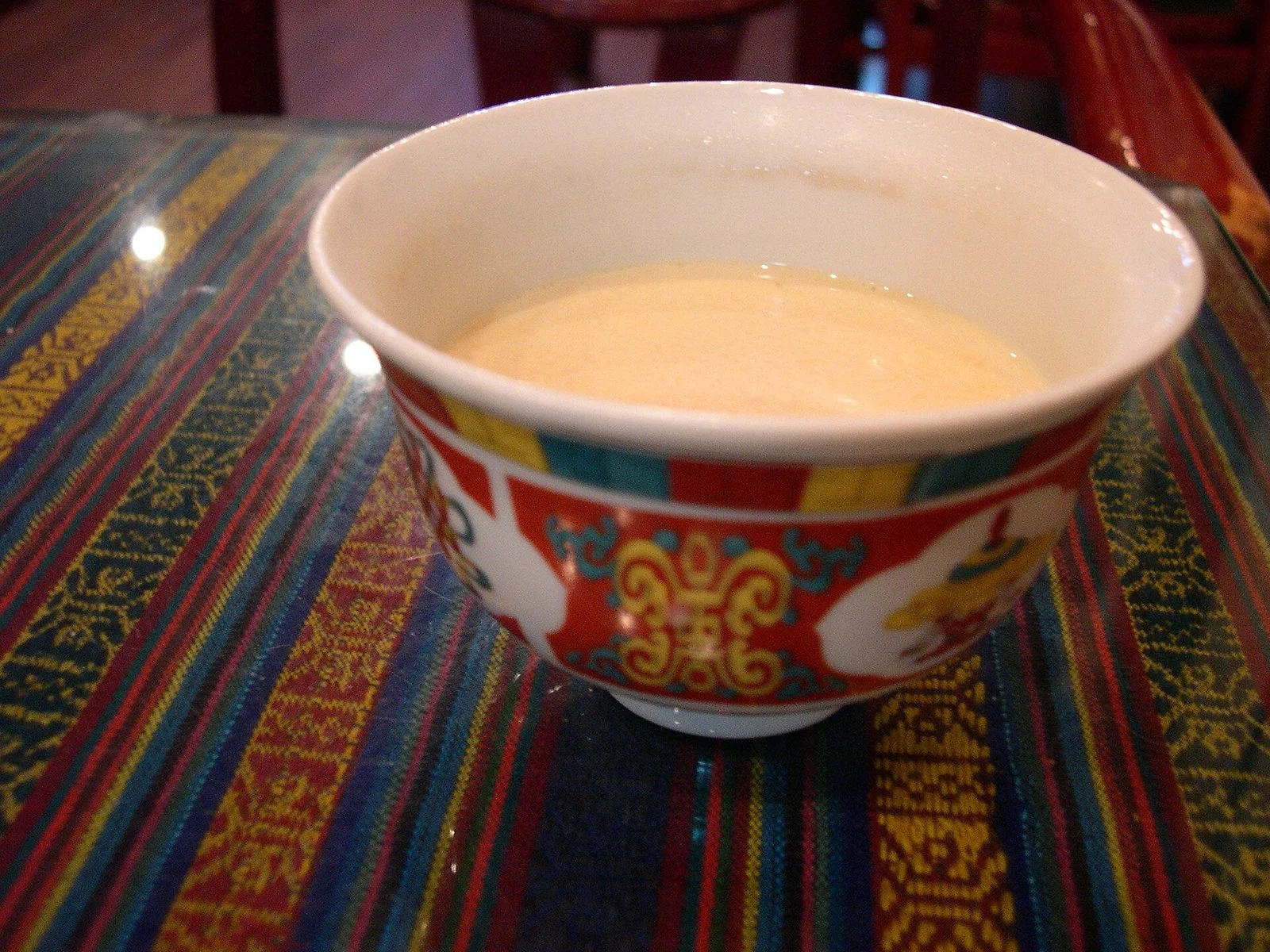
The first sip of butter tea is usually not like milk tea. It is salty, with the tea flavor first and a rich fattiness after, leaving a buttery aroma in the mouth. Small beads of oil often float on the surface, the smell is strongest when hot, and more fat congeals as it cools. On a first try, sip it slowly with a little staple food; there is no need to finish a whole bowl at once.
In Tibetan homes, a guest's bowl is usually never empty, and the host refills it again and again; when you do not want more, put the bowl back on the table and say so. It is often eaten with tsampa: take a few sips of tea to moisten your mouth, then use the tea to press highland barley flour into a ball. Drinking it steadily on its own can taste salty and cloying, so it goes better with tsampa, thukpa or other staple foods. Those who do not take to butter tea can try sweet tea first, which is also a sweetened drink.
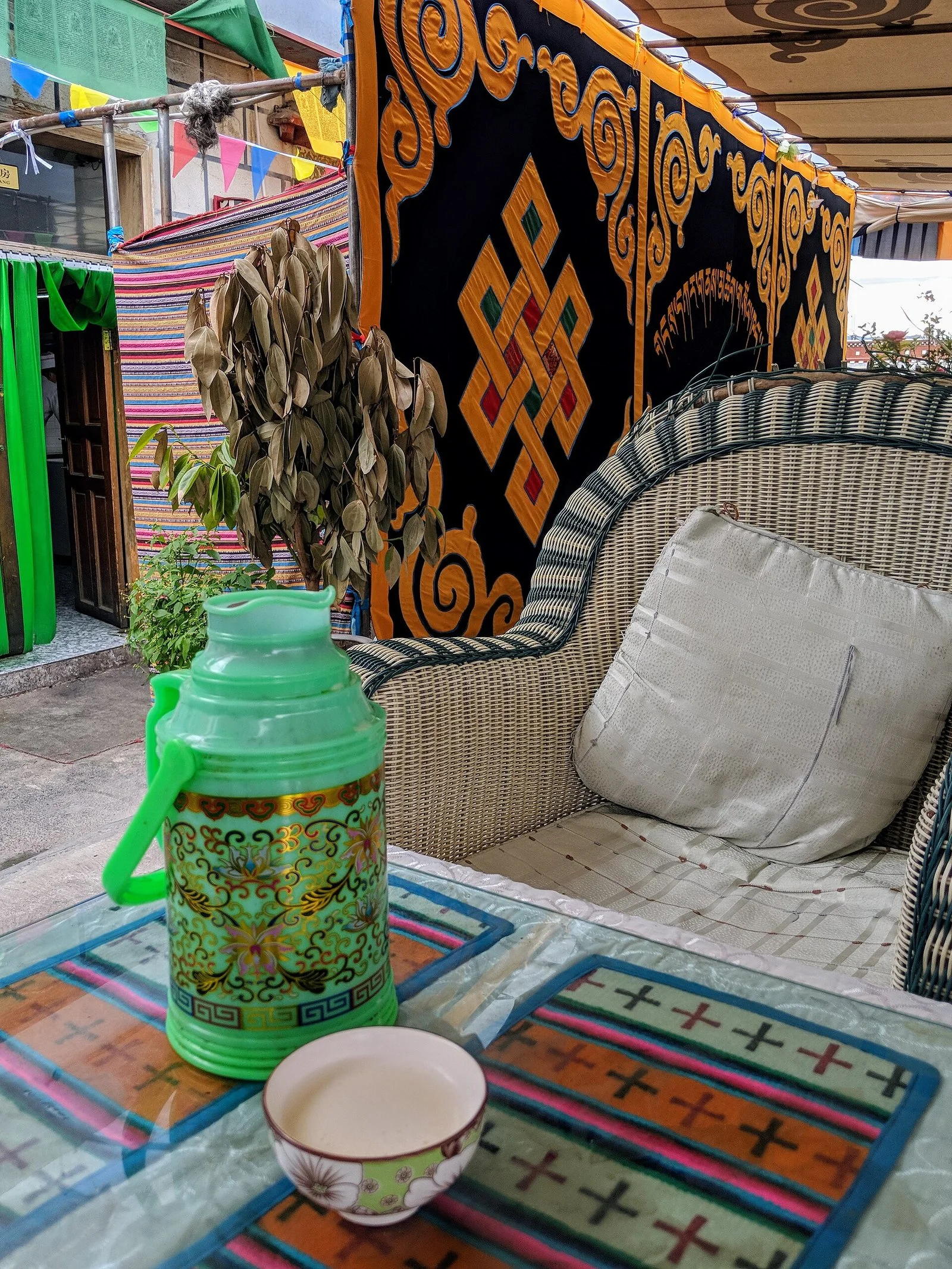
Mornings and guest tables in Lhasa
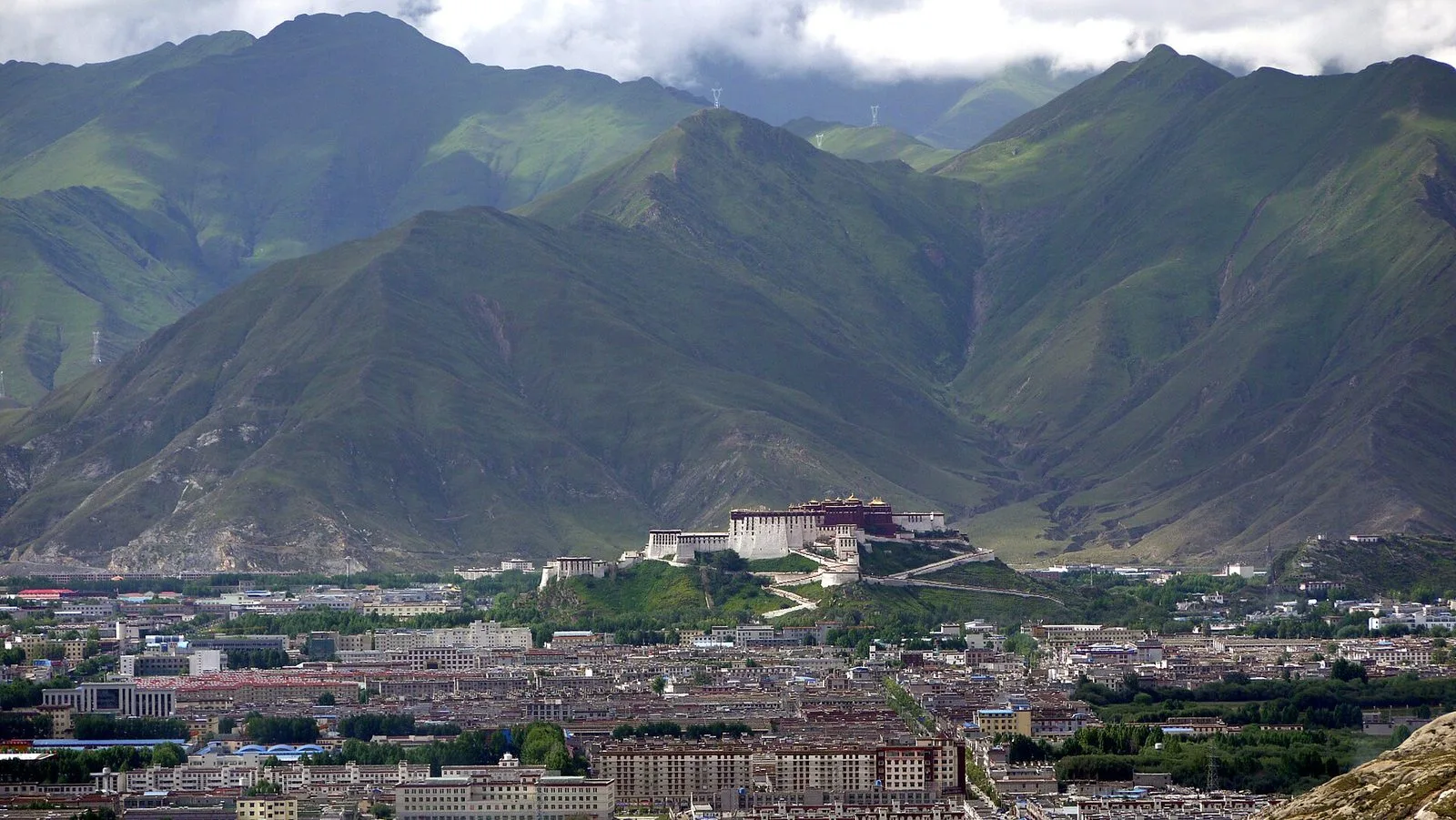
In Lhasa, butter tea appears at family breakfasts, in Tibetan restaurants and in monasteries. Churning a pot of tea in the morning, with tsampa or thukpa, is a fixed start to the day for many households; when guests arrive, hosts often pour tea first. Monasteries boil tea in large cauldrons and distribute it to the halls, with portions and occasions different from those at home.
Sweet tea houses in the old town mainly sell sweet tea; butter tea is more common in Tibetan restaurants, homes and monasteries. If you want some, ask first whether it is priced by the cup, the pot or the thermos. The tea contains caffeine, the butter is a dairy product, and salt is added directly: if you are sensitive to caffeine, drink less in the afternoon; if you are lactose intolerant or allergic to milk protein, ask whether milk has been added; and if you need to limit salt, it is not a substitute for water.
Useful official references
Check the relevant official service before making arrangements. These links are references, not a guarantee of current services.