White tofu turns black in the brine
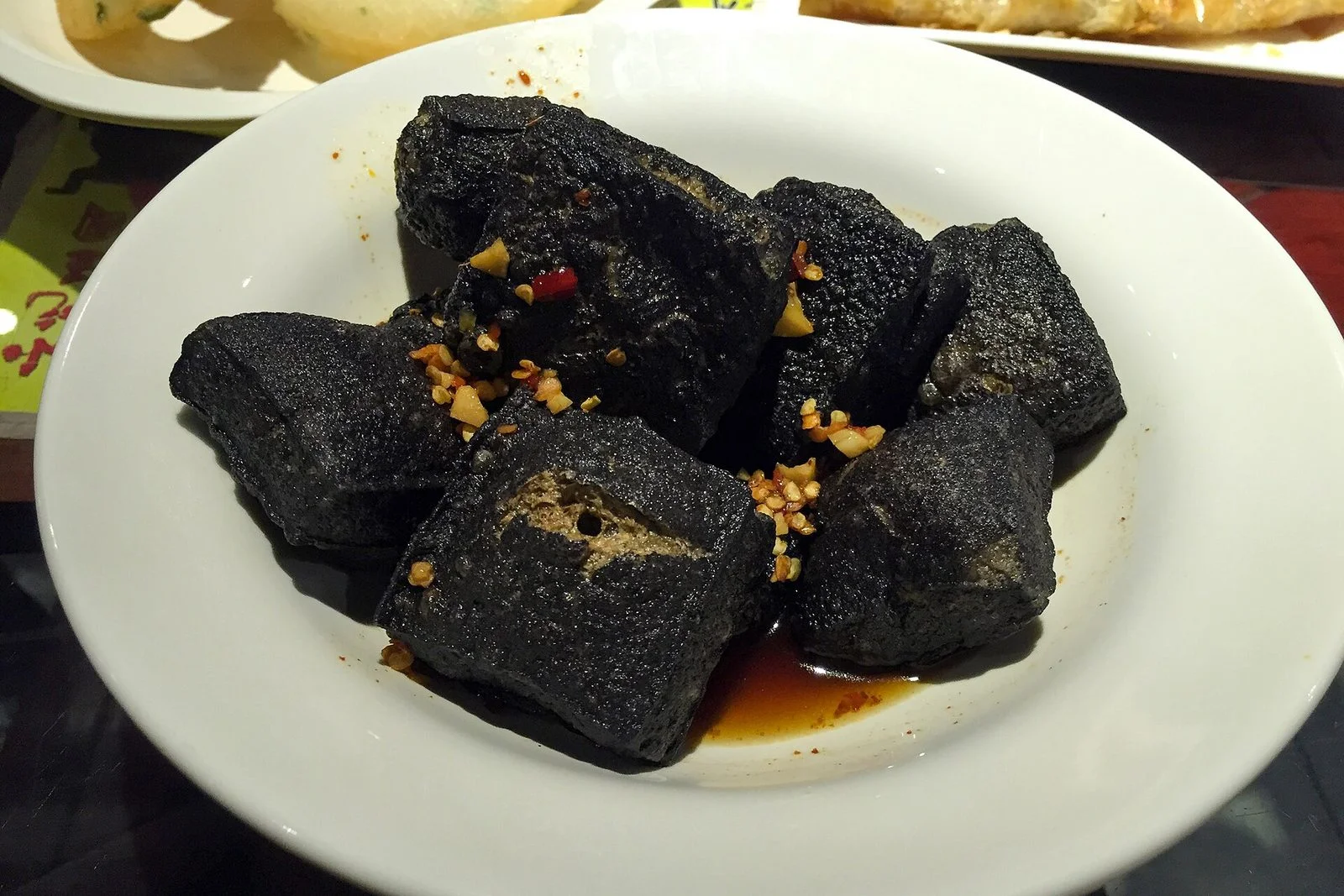
Changsha stinky tofu starts as an ordinary block of white tofu. According to the records of the Huogongdian stinky tofu technique, the tofu is cut into squares about 5 cm across and 1 cm thick, then steeped in brine for two to six hours. The brine is made from fresh winter bamboo shoots, shiitake, perilla and Liuyang fermented black beans, simmered in winter water and left to ferment for years after rice wine is added. Colour and smell work into the surface, and the tofu comes out black or blue-black.
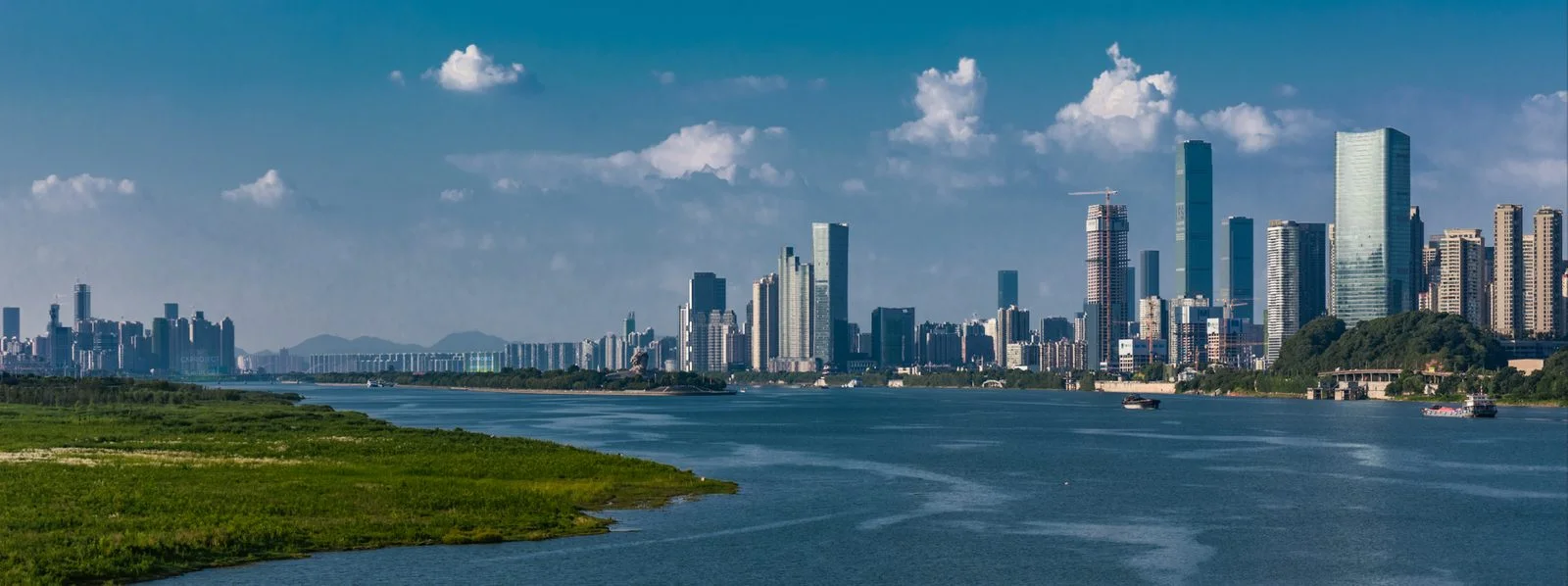
The technique has five stages — brine, blank, soak, fry, sauce — and more than thirty steps, and it joined the fifth national intangible cultural heritage list in 2021. Its history is traced to the Tongzhi era of the Qing, when a Jiang family in Xiangyin created it; in 1908 Jiang Bingkun, a descendant, set up a stall at Huogongdian on Pozi Street, and the snack took root in Changsha. Changsha's river traffic and its local shiitake, winter bamboo shoots, soybeans and perilla made the brine ingredients easy to obtain, and blanks are made from plump soybeans with high moisture. Street stalls also sell yellow and black versions, black shells being more common; the colour comes from the brine, not from burning. The older the brine, the stronger the smell, and recipes and upkeep vary widely between shops.
Fried until crisp, then filled with sauce
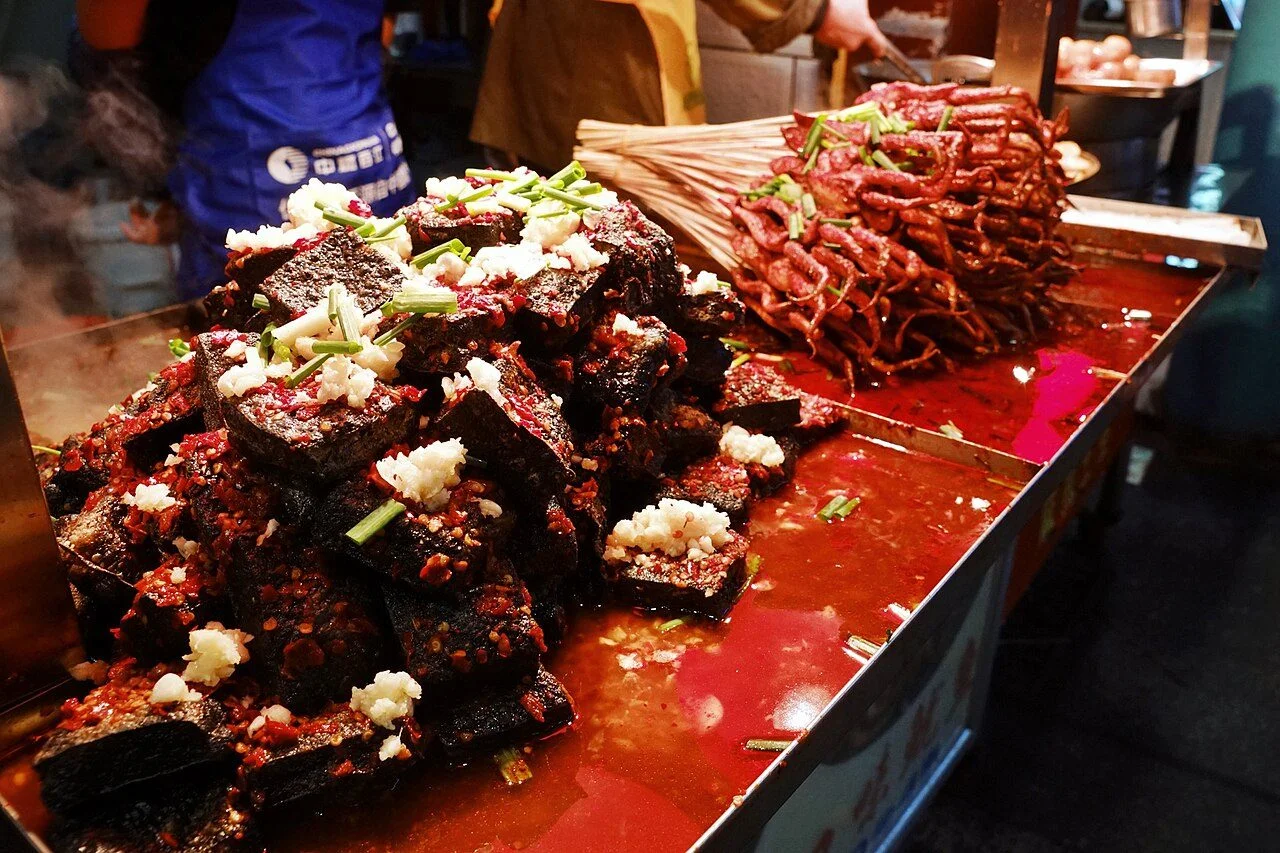
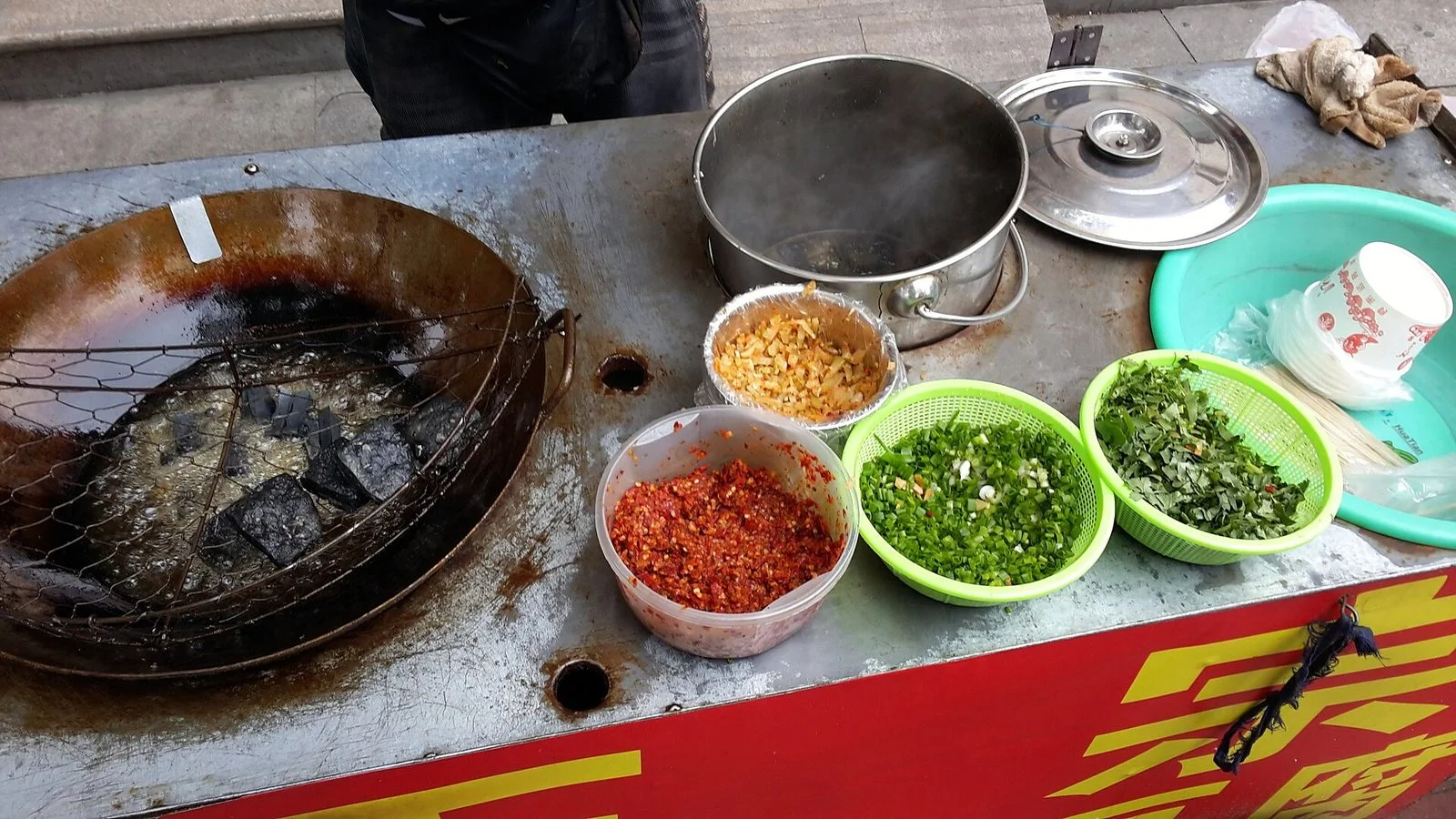
Frying is about heat, and the traditional oil is tea oil. The tofu is fried until the surface is crisp while the centre stays soft; when it comes out, a slit or hole is opened and a sauce of chili and minced garlic is poured in, then scallion and coriander are scattered on top. Huogongdian's version is brined white tofu fried to order and served with a sauce simmered from chili and garlic; the crust is crisp and the inside still tastes of soybean. Changsha's stinky tofu is squarish, one piece to a bite, so the contrast between crust and centre is obvious.
Eat it hot, biting a small hole first to let the steam out so the sauce does not burn you. The heat comes mainly from the chili sauce and chopped chili; if you do not eat spicy food, ask the vendor to go easy or just dip a little. The tofu itself is a soy product, but brine and toppings vary by shop, so buy a small portion first if you are wary of fermented flavours or particular ingredients. Changsha summers are hot and humid; fried food is better shared than bought in quantity.
Eating on Pozi Street and at street stalls
To see the method and the way it is eaten together, go to Huogongdian on Pozi Street. The complex grew out of a temple to the fire god, and its courtyard has long gathered snack stalls; its stinky tofu has a clear lineage. Order a portion fried to order and eat it with the sauce, which is simmered with chili and garlic and poured into the tofu. Pozi Street itself is a cluster of Changsha snacks, a short walk from the Wuyi business district, and you can try sugar-oil baba and rice noodles nearby; it runs east to Huangxing Road South and west to the Xiang River, so it fits naturally into a shopping walk.
Street stalls are more casual, usually selling by the portion and handing it over freshly fried. Share one portion among a few people, then move on; it is crisp only when just fried, and the crust softens as it cools. The smell is strong and clings to coats, so walk a while before entering a mall or getting on transport.
Useful official references
Check the relevant official service before making arrangements. These links are references, not a guarantee of current services.
- Hunan Provincial Government: local snack — stinky tofu (November 2017) (information checked 2026-11-12) ↗
- China Intangible Cultural Heritage Network: snack-making technique (Huogongdian stinky tofu) ↗
- Changsha Evening News: Huogongdian stinky tofu technique added to the national intangible heritage list (10 June 2021) ↗