City introduction
Changsha's sights lie along the Xiang, but what shapes a visit is the contrast between the old city on the east bank and the mountain on the west. The Han tombs at Mawangdui, the old lecture hall at Yuelu Academy, and the chili heat of rice noodles, stinky tofu and late-night stalls keep history and daily life close together.
The Xiang River divides the city into east and west
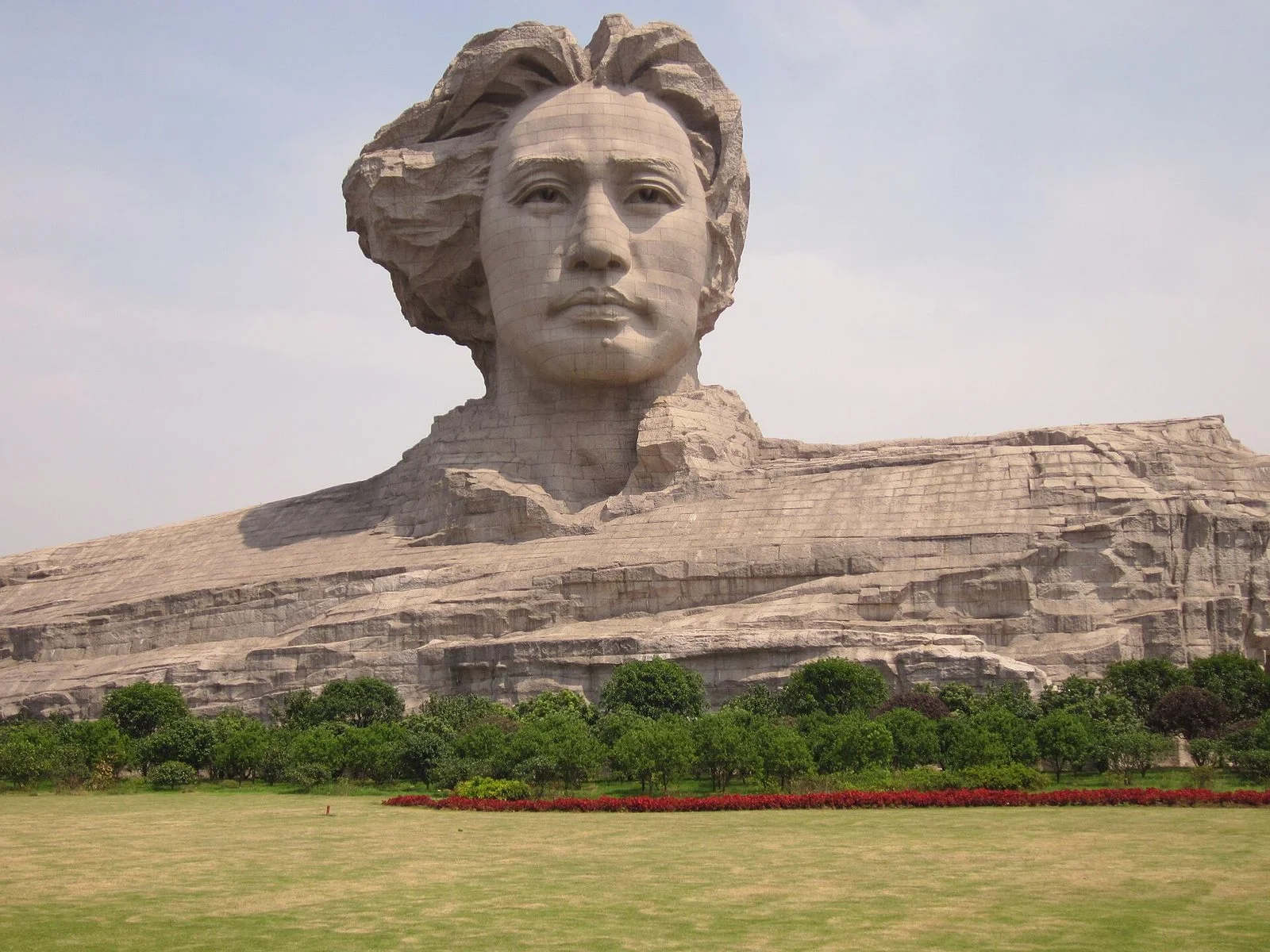
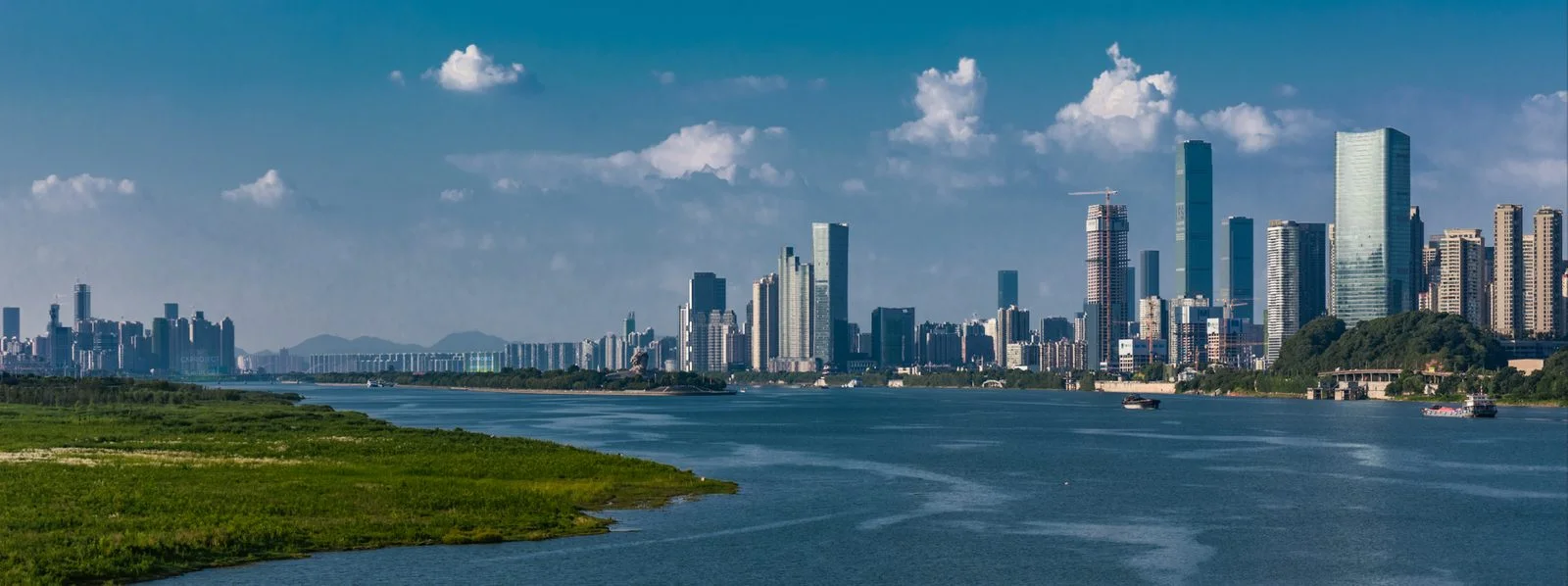
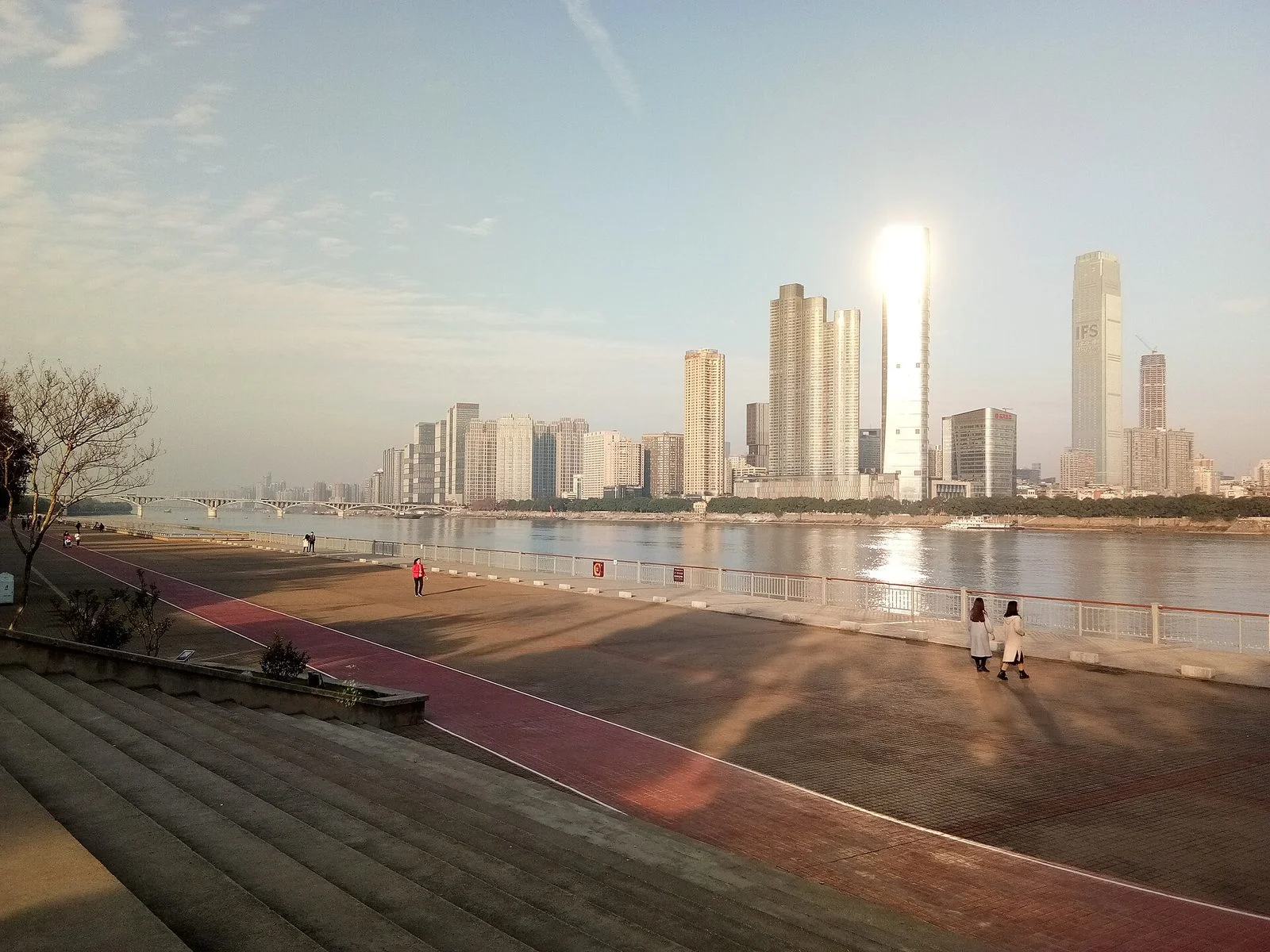
The Xiang flows south to north through urban Changsha, with the long, narrow Orange Isle in the middle of the river. Yuelu Mountain on the west bank is not high; Hunan University, Yuelu Academy and the university district cluster at its foot. The east bank holds the old city, including Tianxin Pavilion, Taiping Street and Wuyi Square. On a first look at the map, work out which side you are on before deciding where to go that day; it saves a lot of backtracking.
Bridges and metro lines connect the two banks, so crossing is not difficult, though traffic concentrates at rush hour and on holidays. Orange Isle is long from north to south, and visitors mostly walk or use the park's own transport; from either end you can see Yuelu Mountain, the towers and the river at once. Changsha's main sights line the river, so understanding the river means understanding the city's layout.
Yuelu Mountain and Yuelu Academy
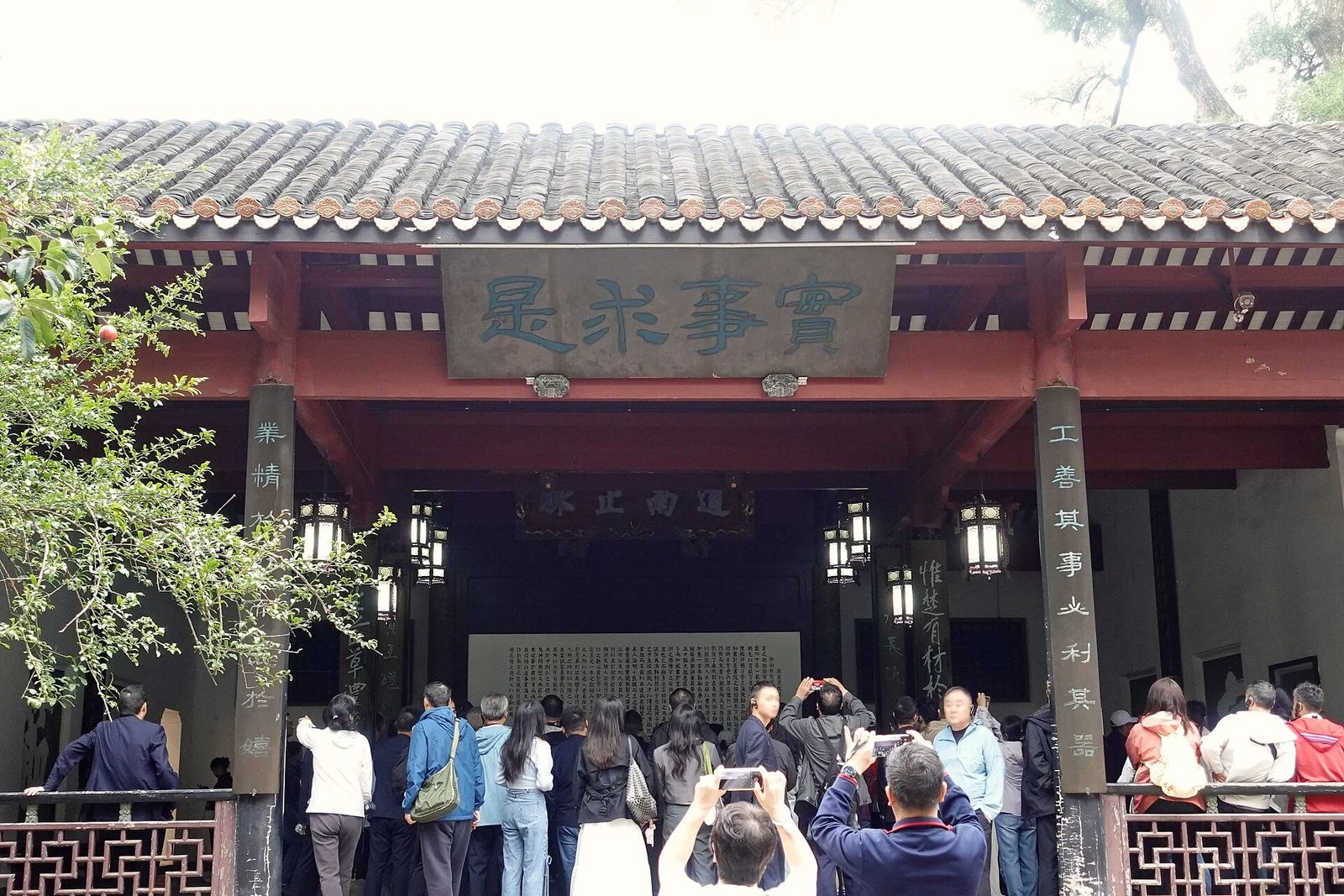
Yuelu Academy sits at the eastern foot of Yuelu Mountain. Founded in 976, the ninth year of the Kaibao era of the Northern Song, it is counted among the four great academies of imperial China. The surviving buildings largely follow the courtyard layout of the Ming and Qing periods, with lecture halls, dormitories and courtyards on a central axis. In 1167 Zhu Xi visited and debated with Zhang Shi here, an event the academy still recalls. It remains part of Hunan University, so a visit mixes historic buildings with campus life. Entry requires a real-name booking through the official channel; visitors from outside mainland China can book with a passport.
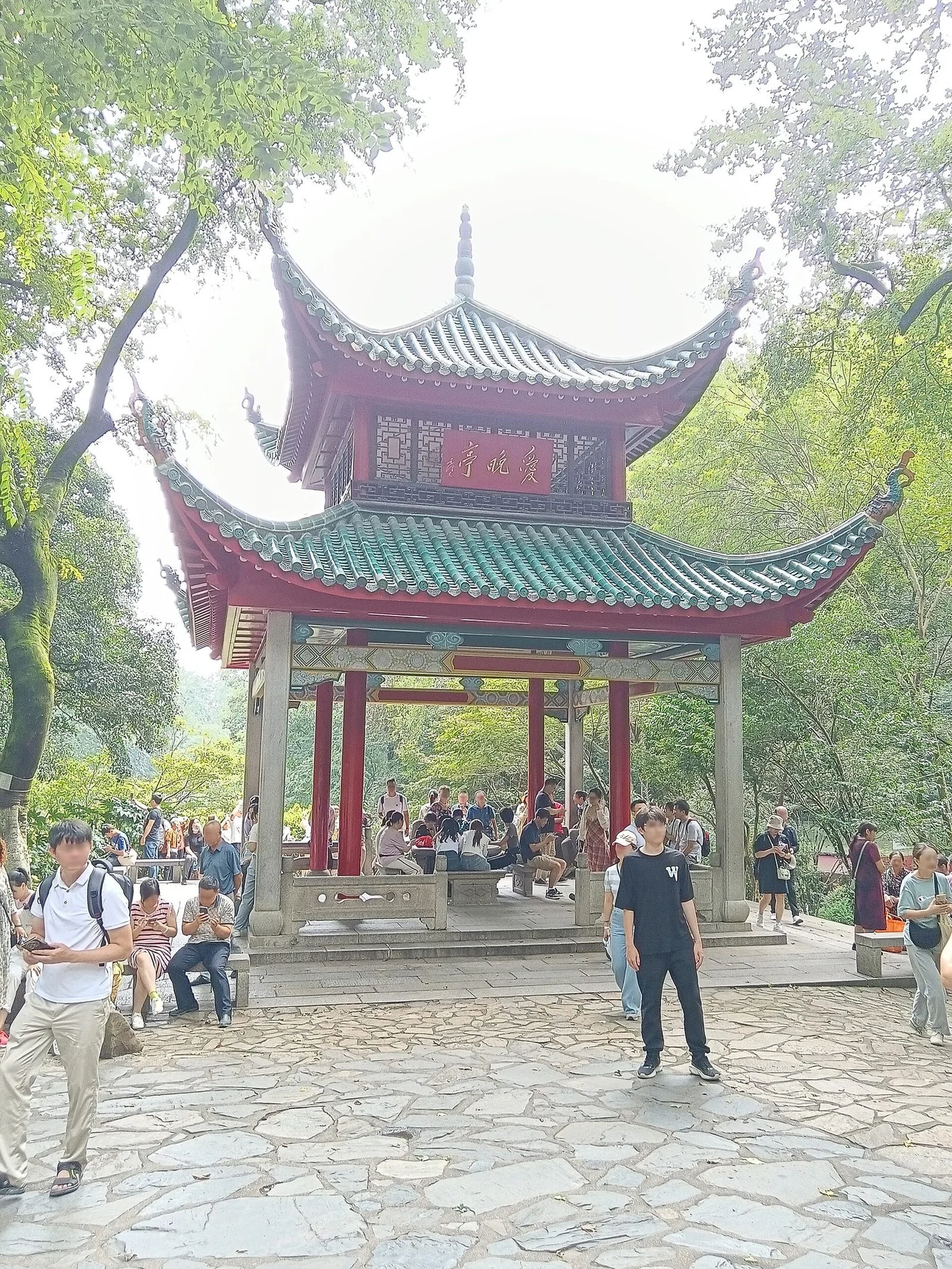
Walking uphill from the academy brings you to Aiwan Pavilion. Built in 1792, the fifty-seventh year of the Qianlong era, it was first called Hongye (Red Leaf) Pavilion and later renamed by Bi Yuan, governor-general of Huguang, after Du Mu's line about stopping the carriage to enjoy the maple woods at dusk; it is counted among China's four great pavilions alongside Zuiweng, Huxin and Taoran. Maples, a stream valley and mountain paths surround it. Autumn is the most colourful season, but the double eaves and surrounding trees are visible year-round. Yuelu Mountain also has Lushan Temple, Yunlu Palace and graves of modern figures, and the paths rise and fall, so half a day is comfortable. The academy and the mountain can be visited separately, but they are close enough to combine.
Tianxin Pavilion, Taiping Street and the Wuyi business district
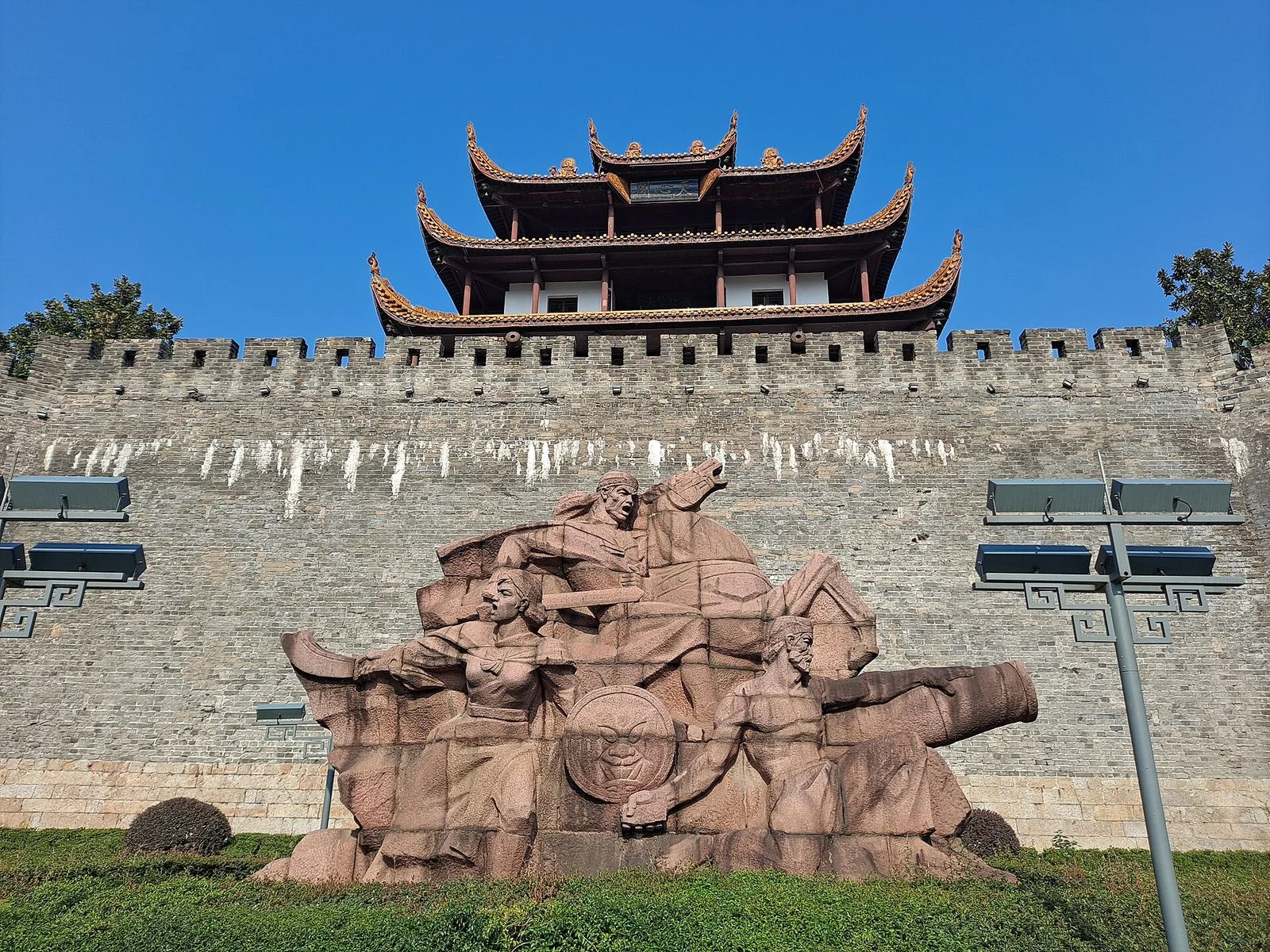
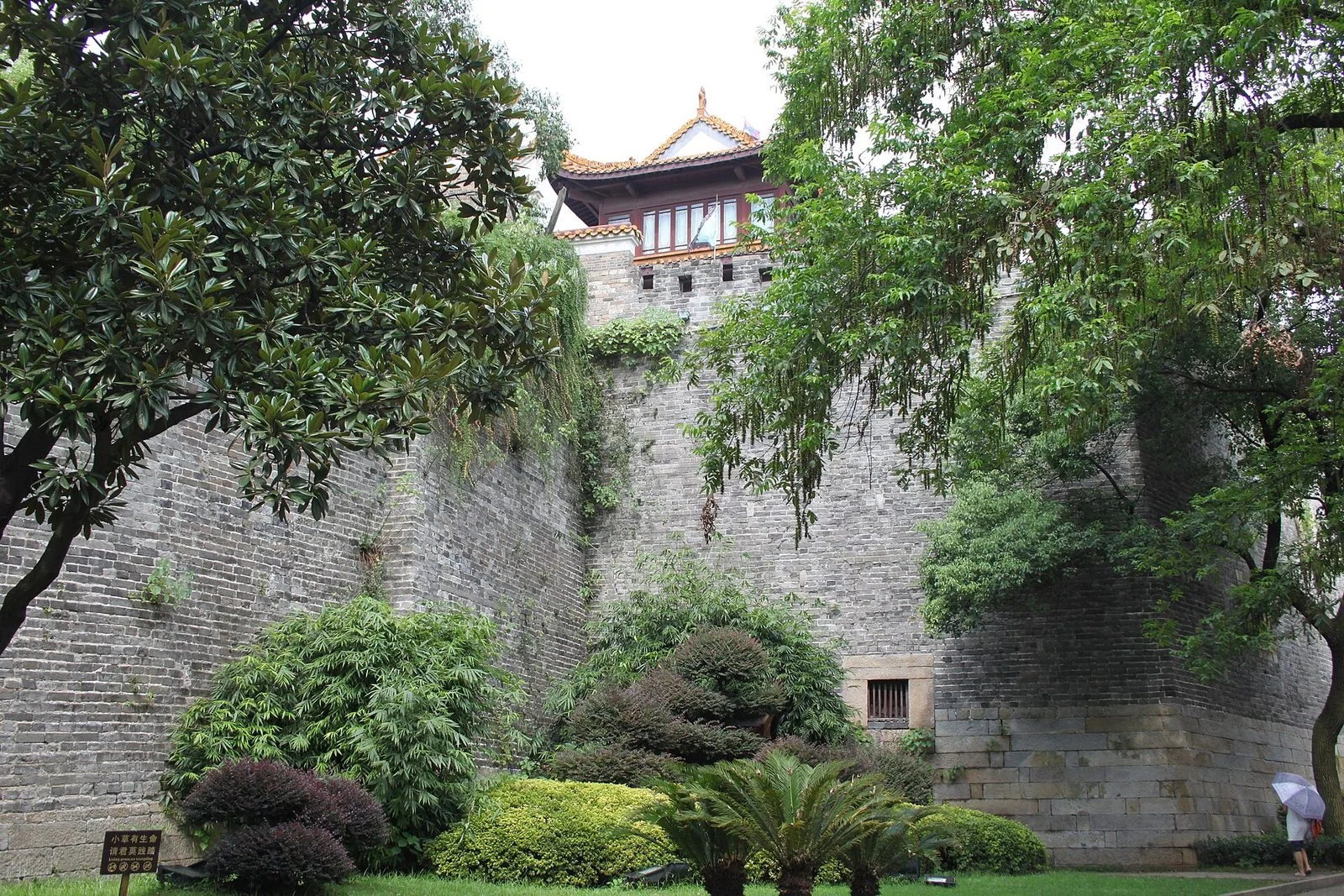
The old city was devastated in the Wenxi fire of 1938, when eight or nine out of ten buildings burned; Tianxin Pavilion was destroyed too and later rebuilt as a teahouse. The pavilion seen today was rebuilt in 1983, and the city wall beneath it preserves a 251-metre section, with a warning bell beside it. The wall is short, but it turns “the old city of Changsha” from a name into actual brick; from the pavilion you can look over old rooftops toward the Xiang.
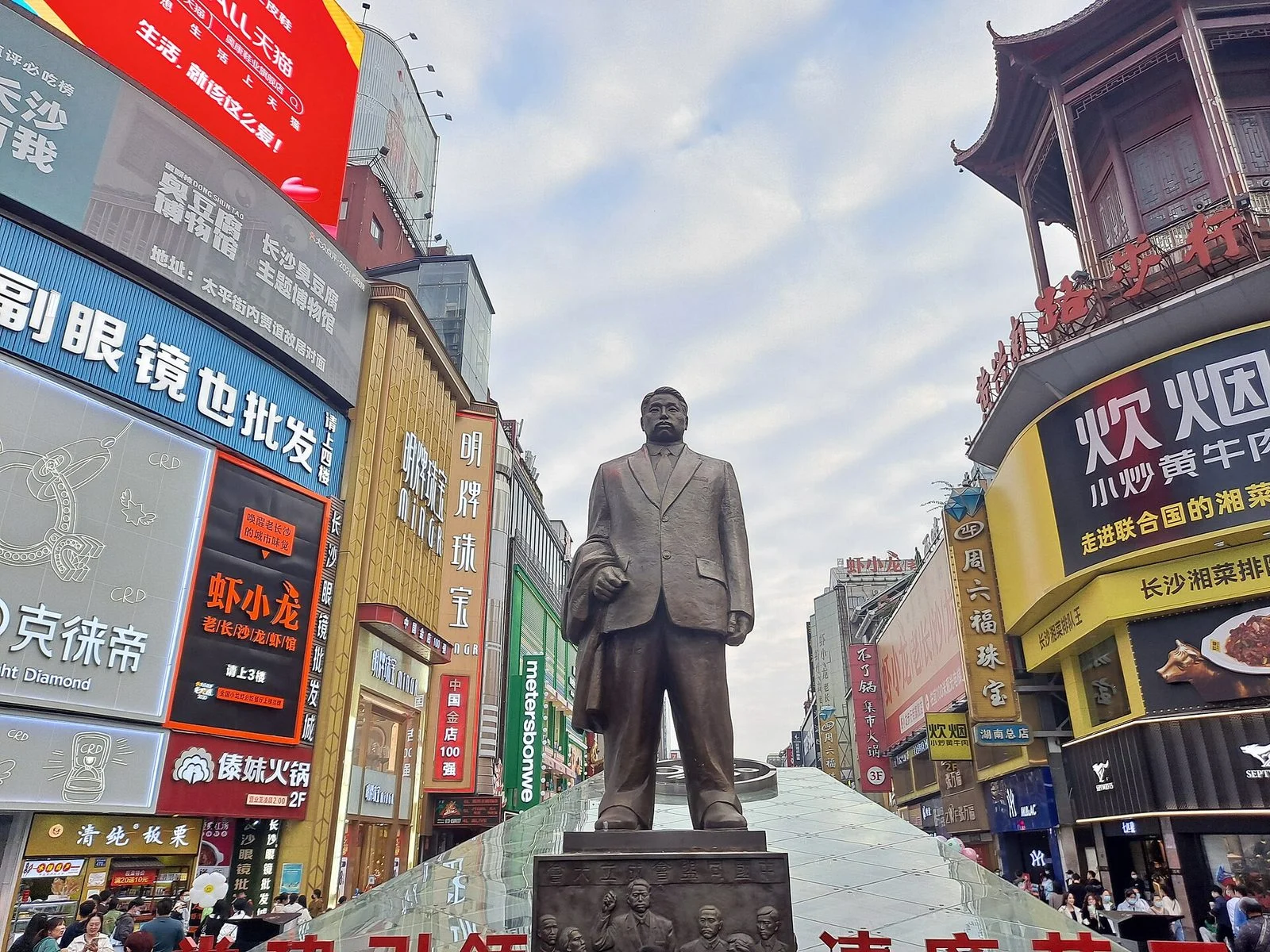
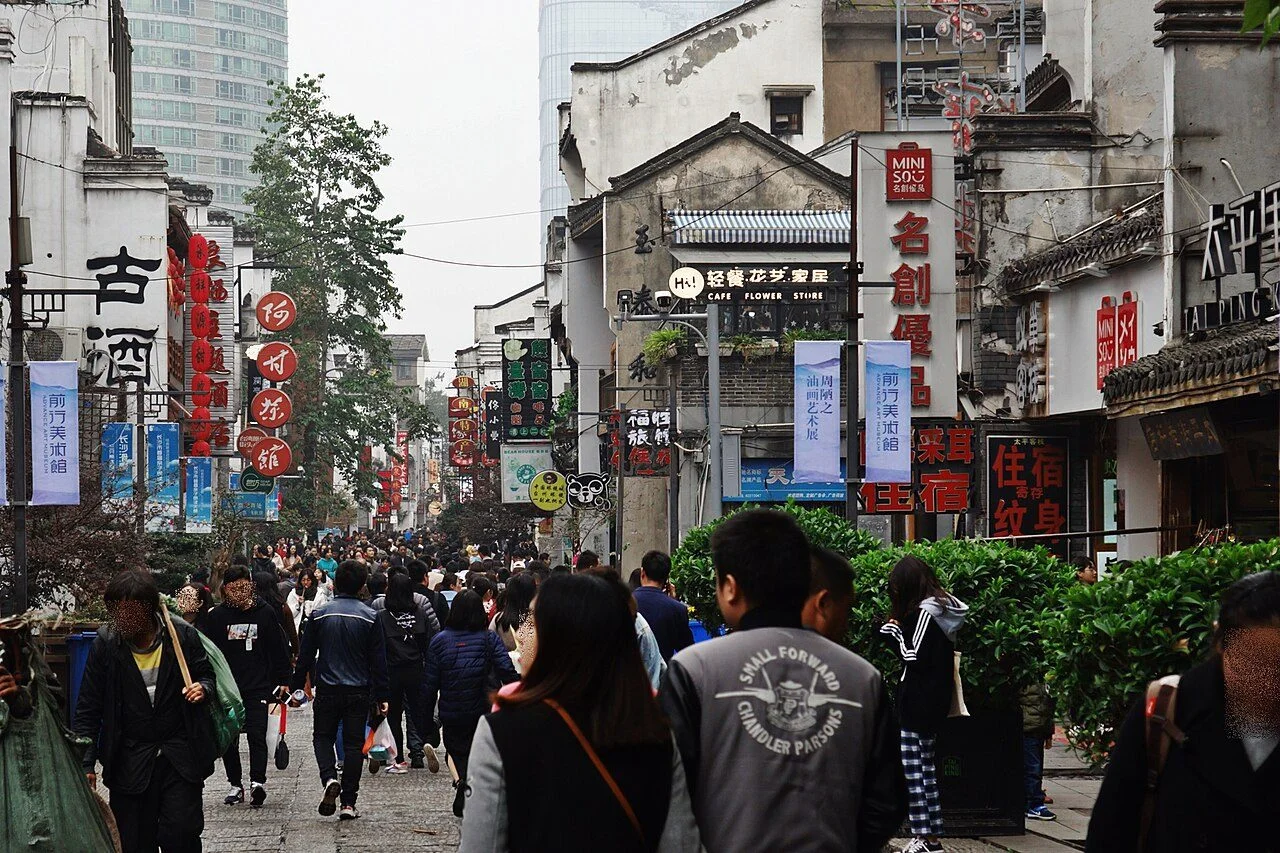
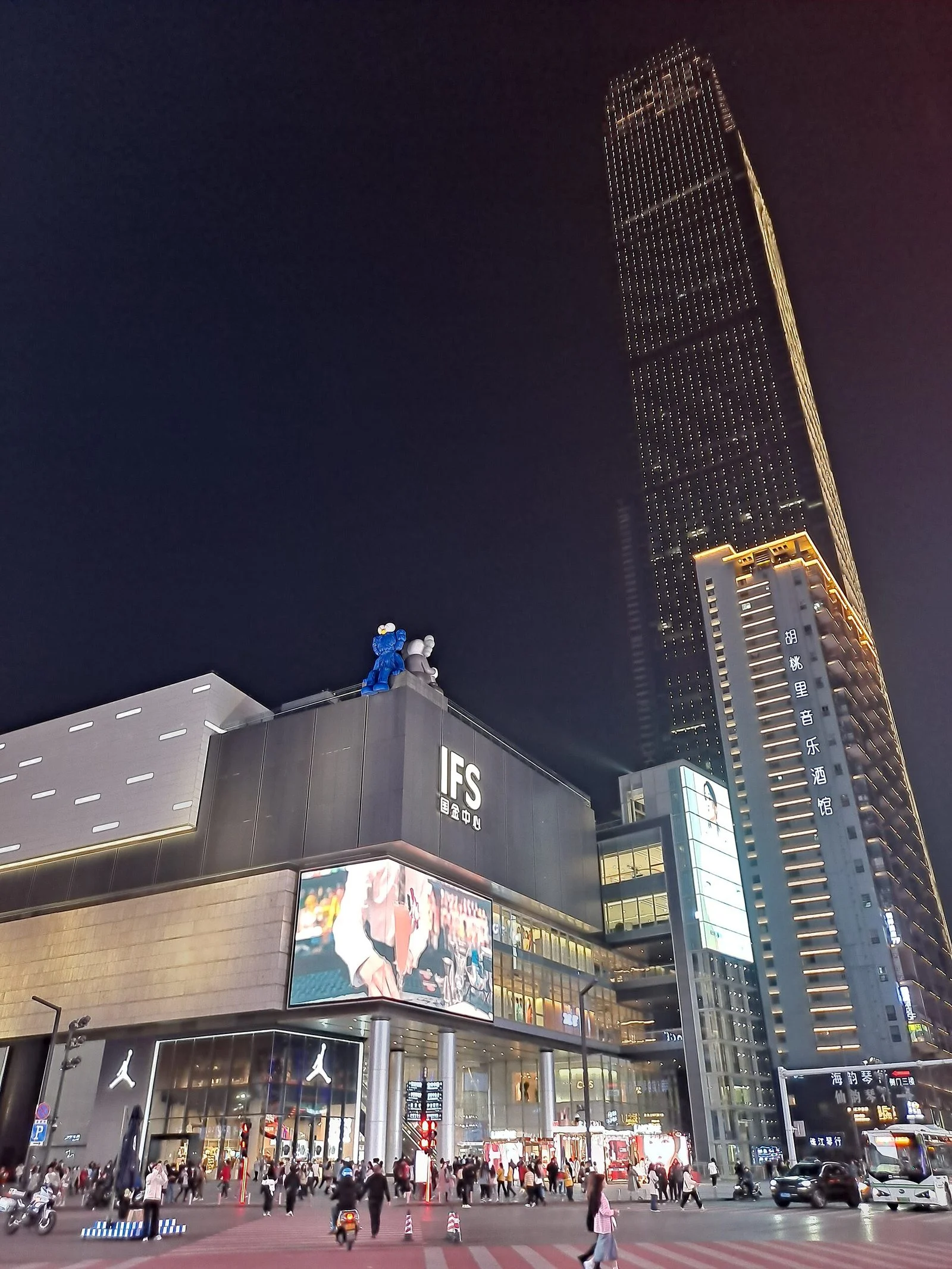
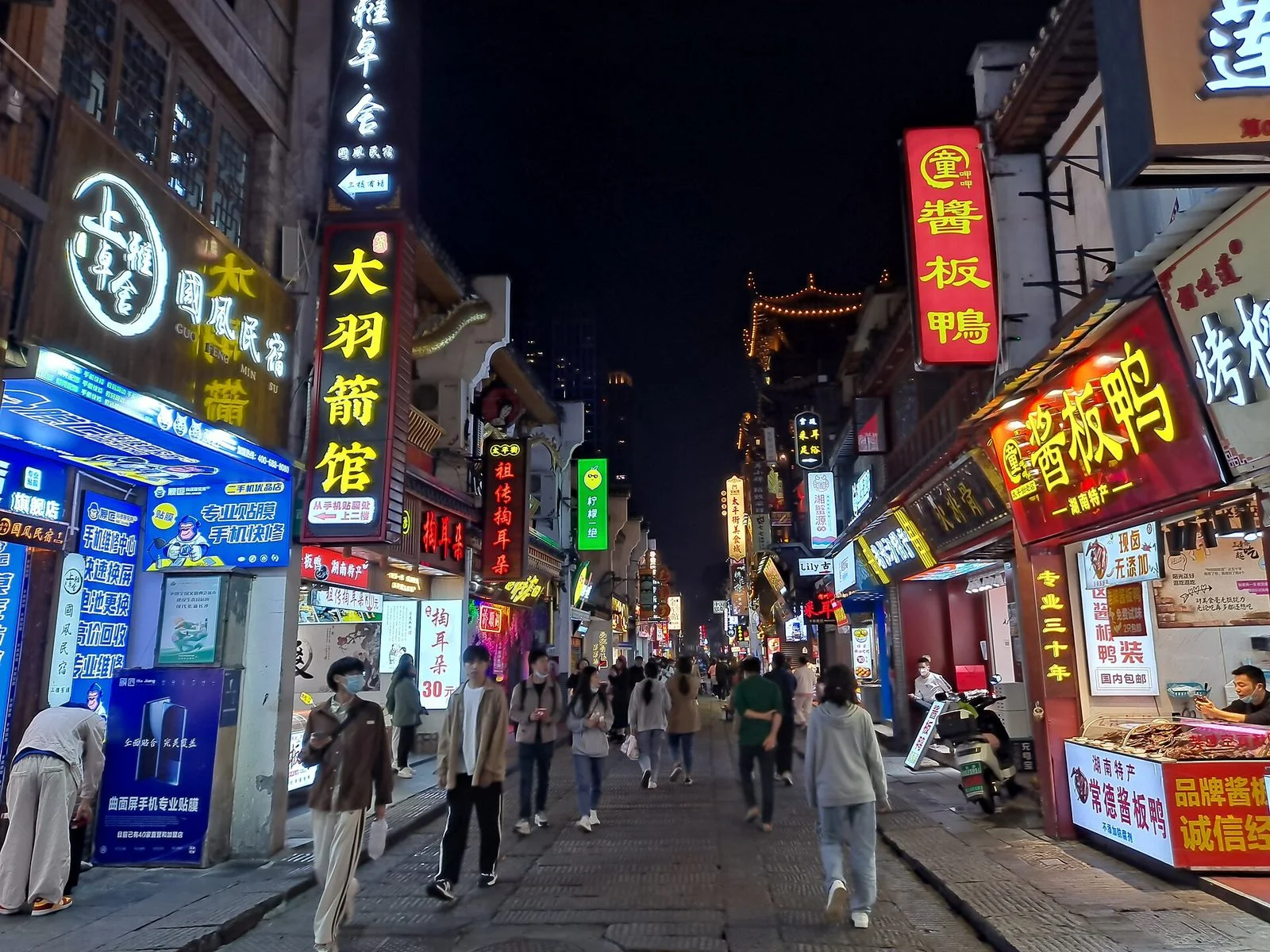
Northwest of the pavilion lie Taiping Street and Wuyi Square. Taiping Street keeps the scale of an old lane, with snack stalls, local products and design shops along stone paving; Huangxing Road pedestrian street and Changsha IFS sit on the same route, mixing time-honoured shops, chain brands, restaurants and evening crowds. The three are close enough to link on foot, but weekends and holidays are very busy, especially after dusk.
Mawangdui and Hunan Museum
The Mawangdui tombs lie in eastern Changsha. Excavated between 1972 and 1974, they belong to the family of Li Cang, chancellor of the Western Han kingdom of Changsha. The silk paintings, textiles, lacquerware and bamboo slips found there make the life, beliefs and craft of the early Western Han concrete; the body of Lady Dai (Xin Zhui), the plain silk robe and the T-shaped silk painting are the exhibits most often mentioned.
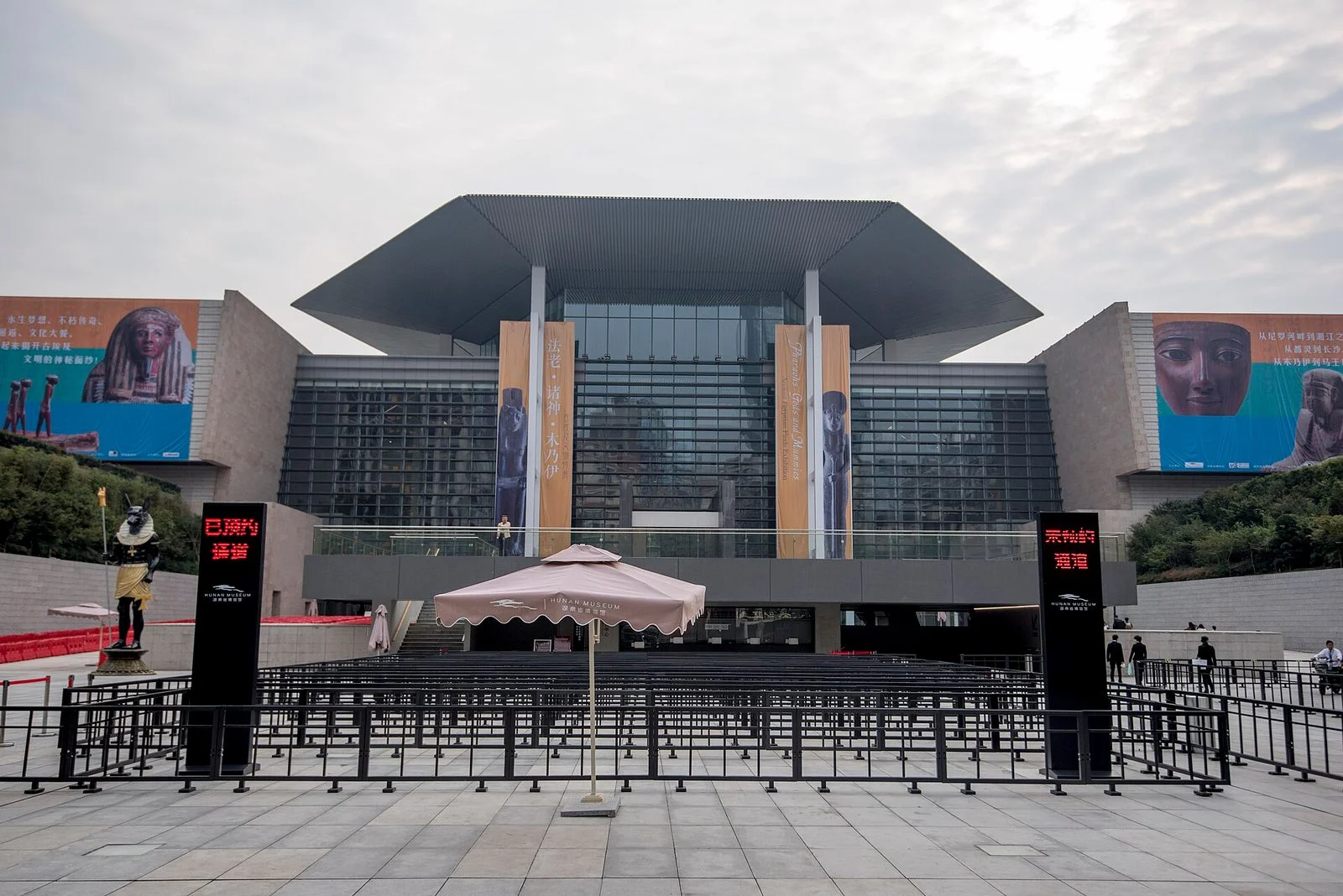
Most of these objects are displayed at Hunan Museum on Dongfeng Road in Kaifu District, where the Mawangdui galleries form the core of the permanent display alongside the Sanxiang history galleries. Visits require a real-name reservation; visitors from outside mainland China can book and check in with a passport and must bring the original document used for the booking. Opening hours are generally 9 a.m. to 5 p.m., with last entry at 4 p.m., and the museum closes on Mondays (shifted for public holidays). Galleries are dim and crowded, so avoid the first wave of tour groups if you want a close look at the paintings and textiles.
Rice noodles, stinky tofu and chili
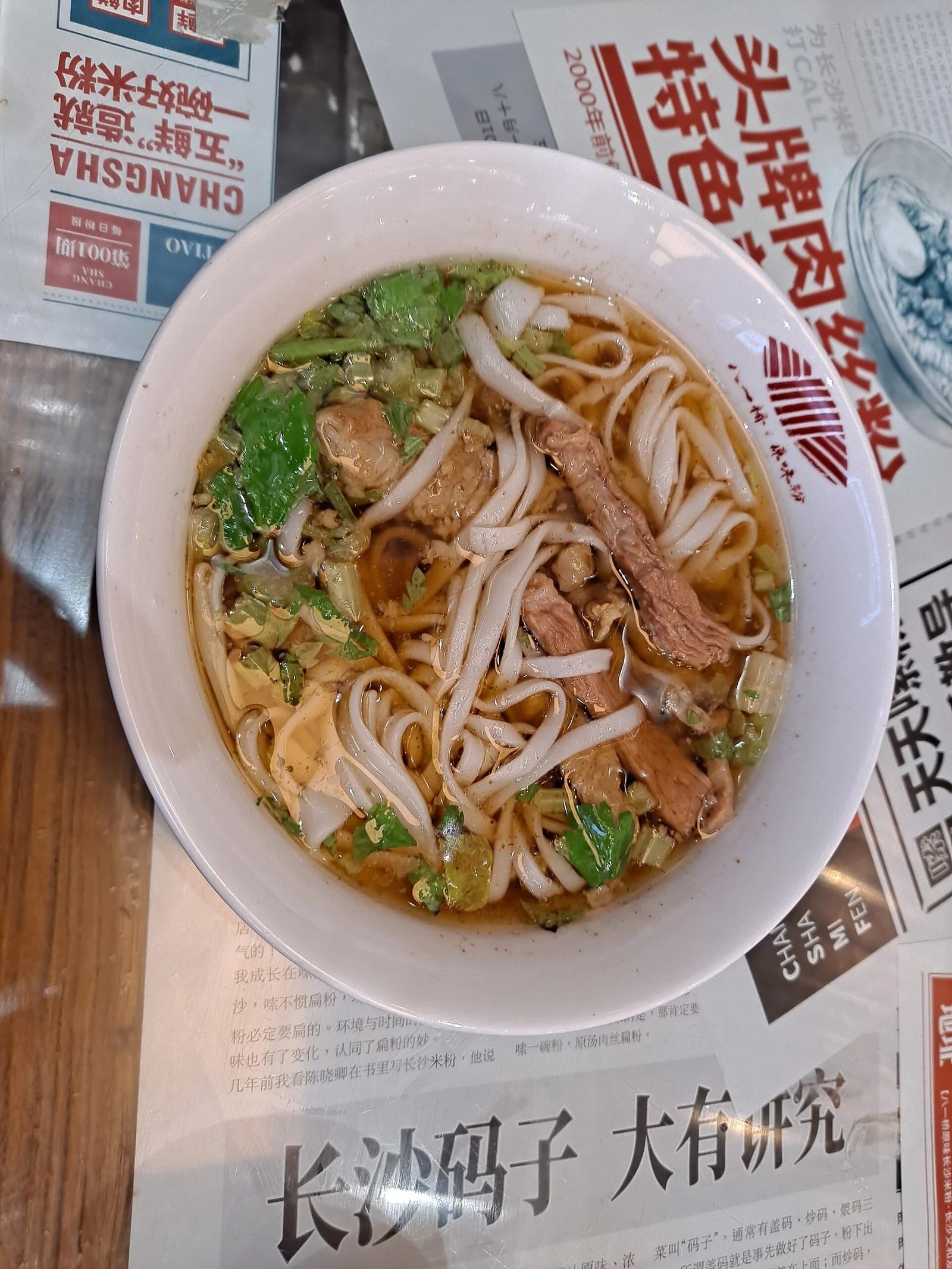
A Changsha day often starts with a bowl of rice noodles. They come round or flat; the shop blanches your choice and heats it in clear or red broth, then adds “maozi” toppings such as shredded pork, beef or pickled chili. Tables usually hold chopped chili, pickled beans and chili oil for you to add. Flat noodles soak up broth more readily, round ones have more chew, and they can also be served dry-tossed. This is everyday breakfast rather than a destination meal; the queue near your hotel in the morning is usually a good sign.
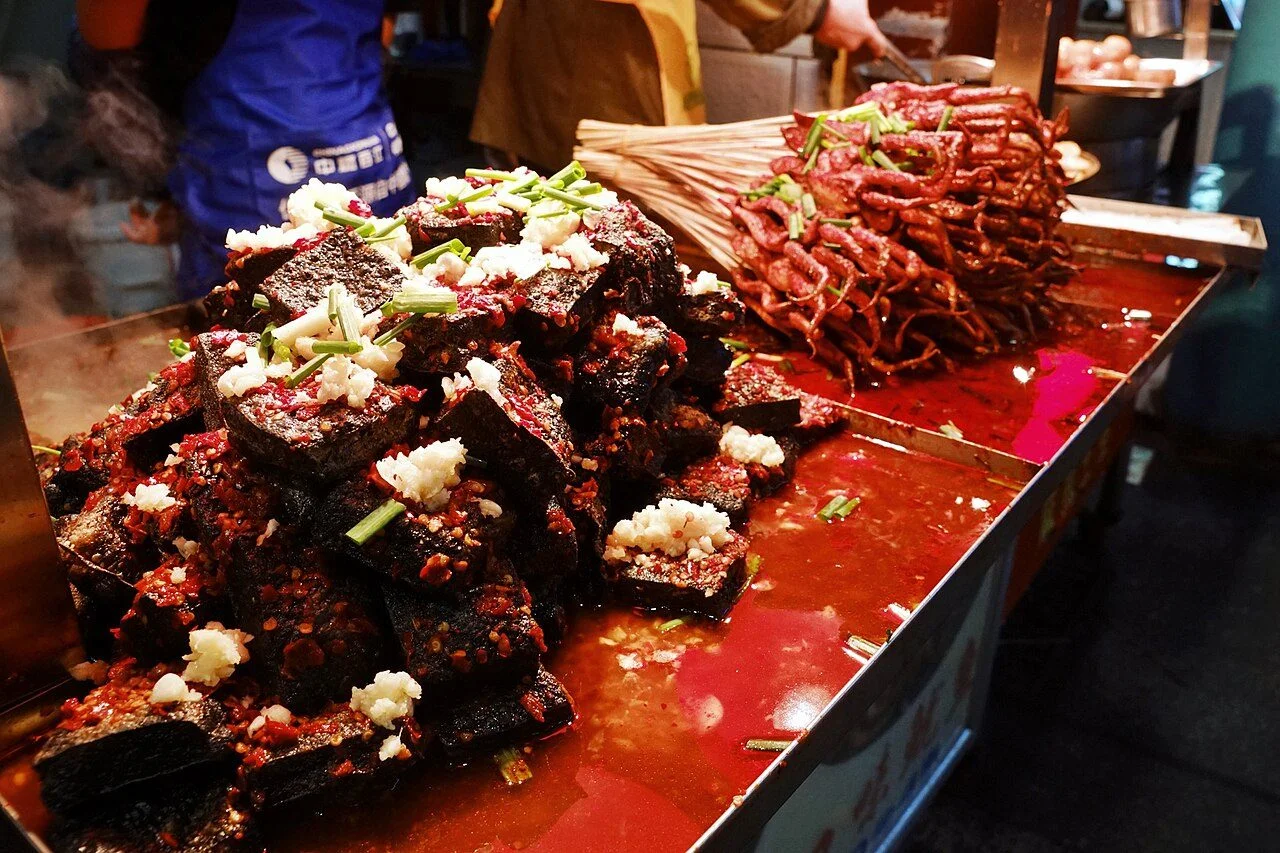
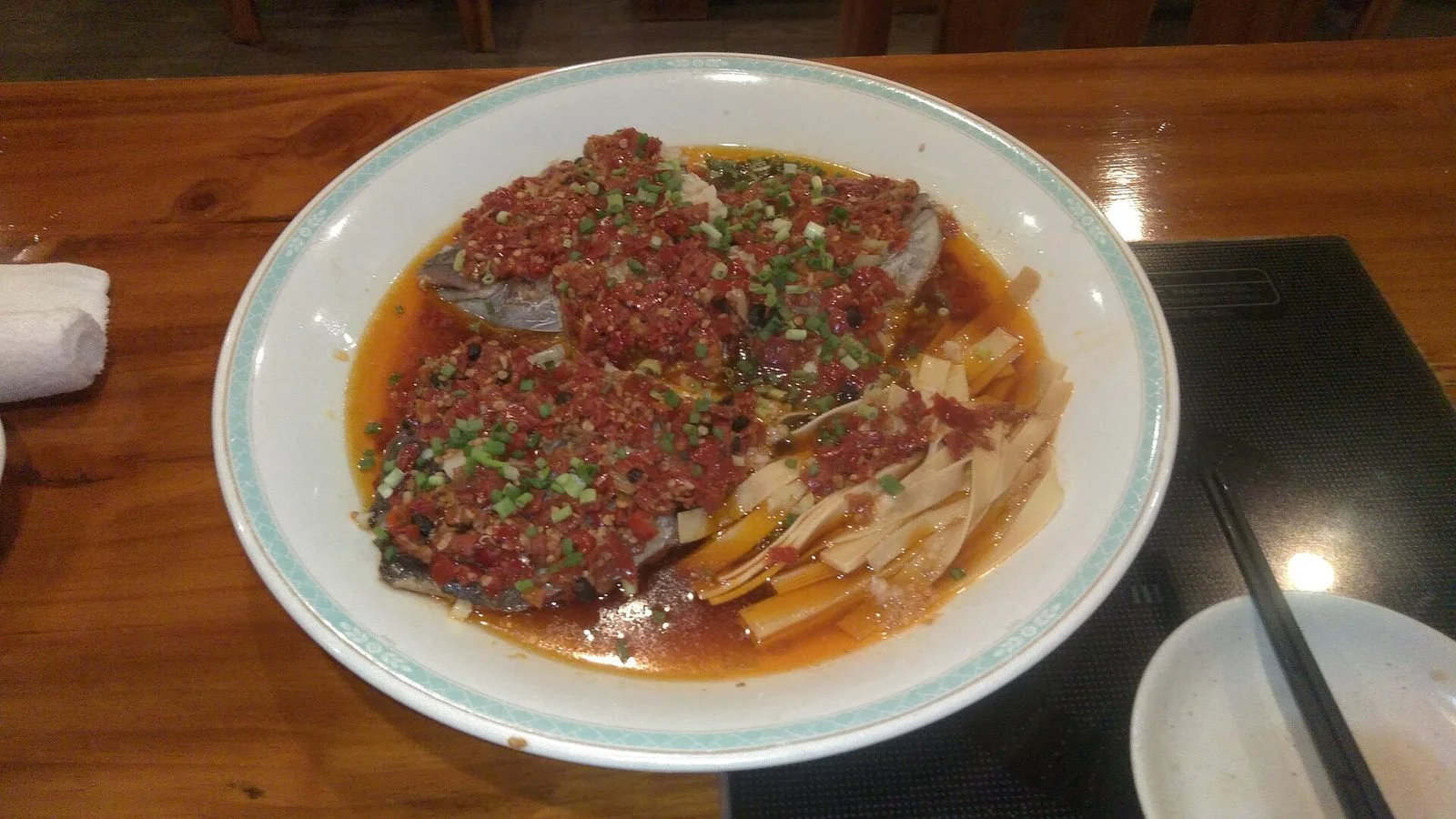
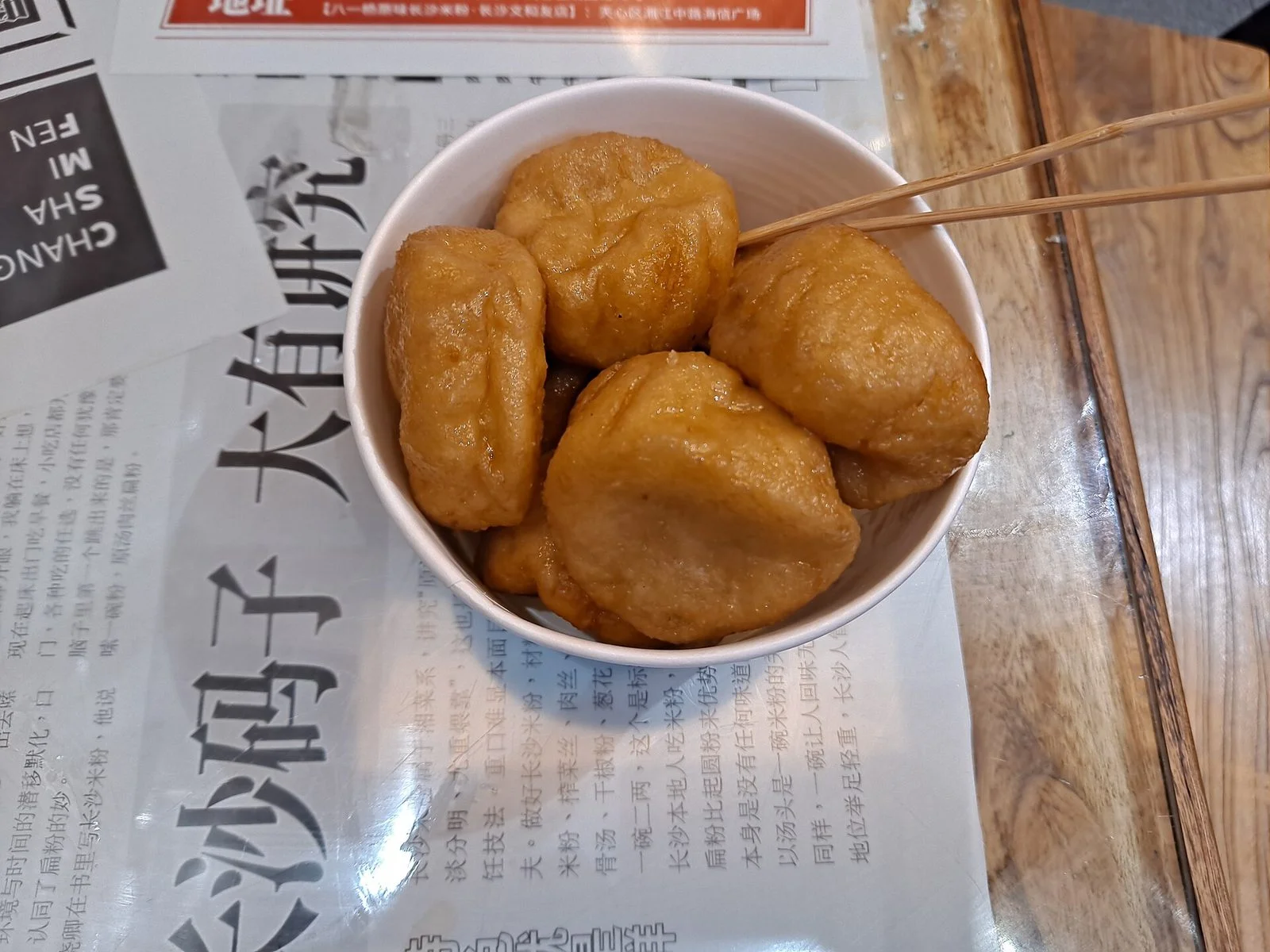
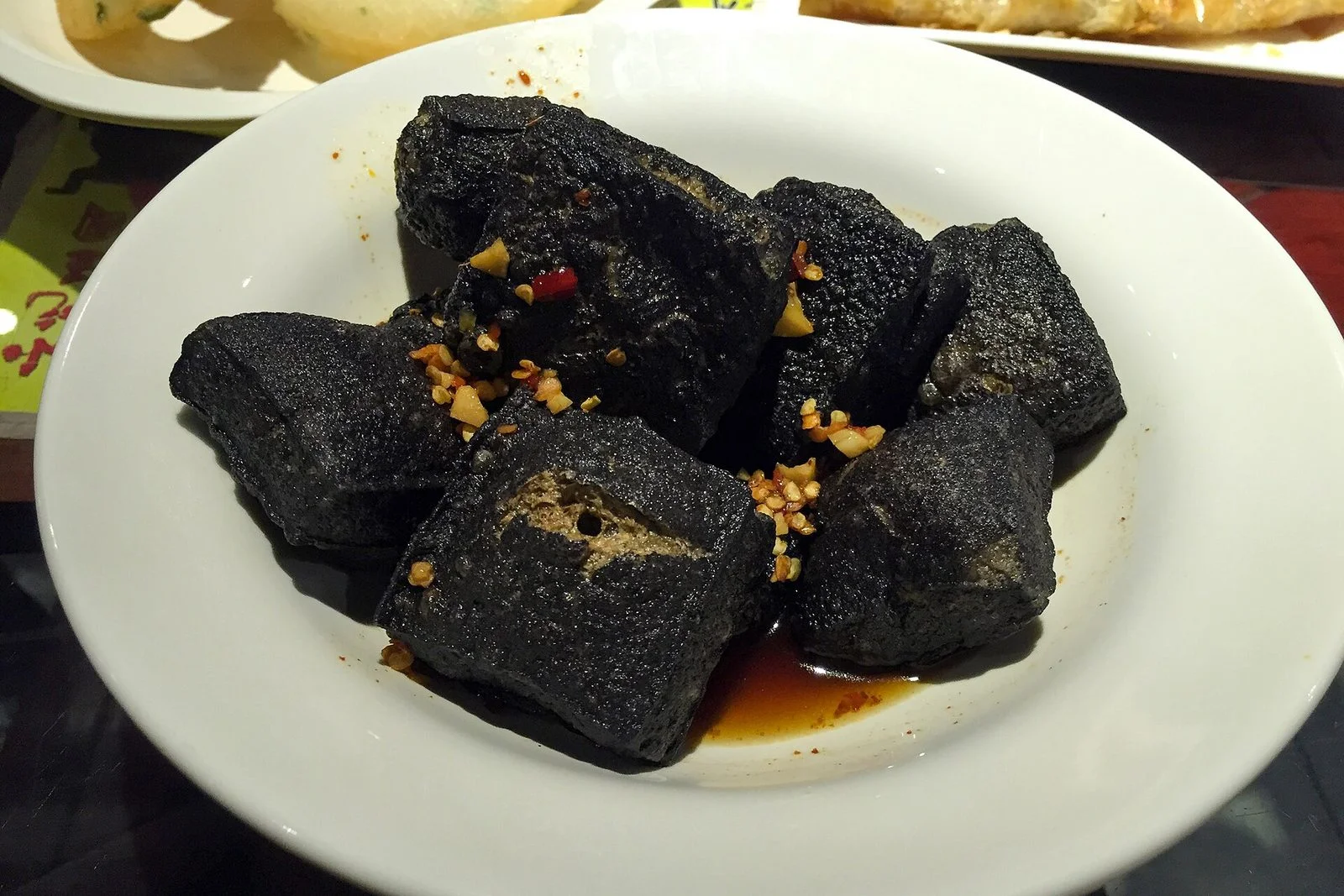
Stinky tofu is the city's most recognisable street snack: tofu is soaked in brine for colour, fried until the crust blisters, then filled with chili oil and seasoning, crisp outside and soft within. For chopped-chili fish head, a whole fish head is covered with fermented chopped chili and steamed, so the sour heat works into the flesh; in 2023 the cooking technique was added to Hunan's provincial intangible cultural heritage list. Sugar-oil baba are glutinous rice balls fried in a sugar-and-oil pan, golden outside and soft inside, best eaten hot. Changsha's heat is direct: ask for “wei la” (mild) or “bu yao fang lajiao” (no chili), and check the dipping sauces and broths too.
When to come, and how to pace a visit
Changsha summers are long, hot and humid. According to Hunan provincial climate data, the city averages about 28 days a year with a daily mean of 30°C or above and about 26 days reaching 35°C, with the hottest stretch from late June to August. Winters are damp and cold and feel colder than the thermometer suggests. April to June is the rainy season, when rain is concentrated, so an umbrella and shoes with grip are useful.
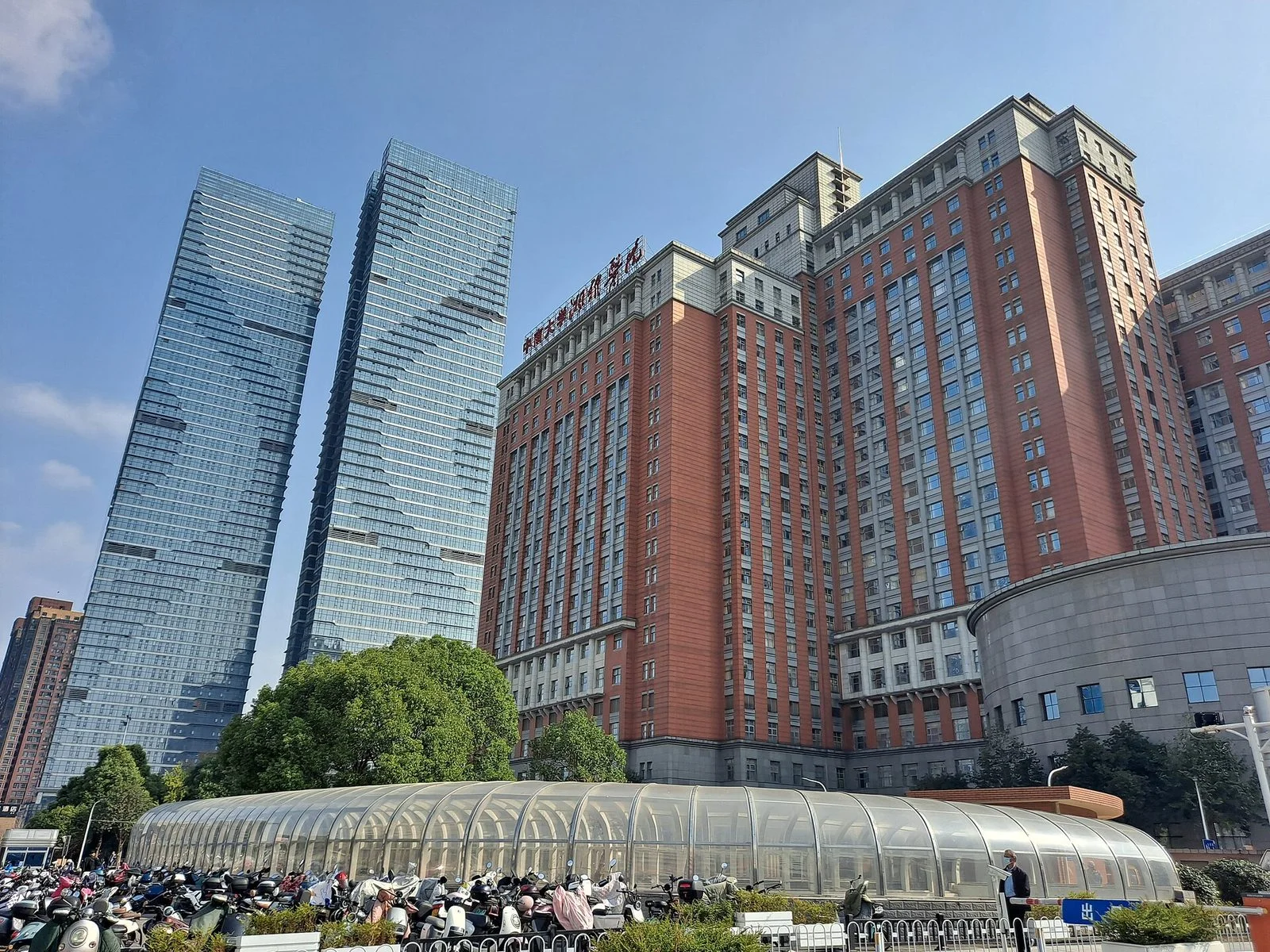
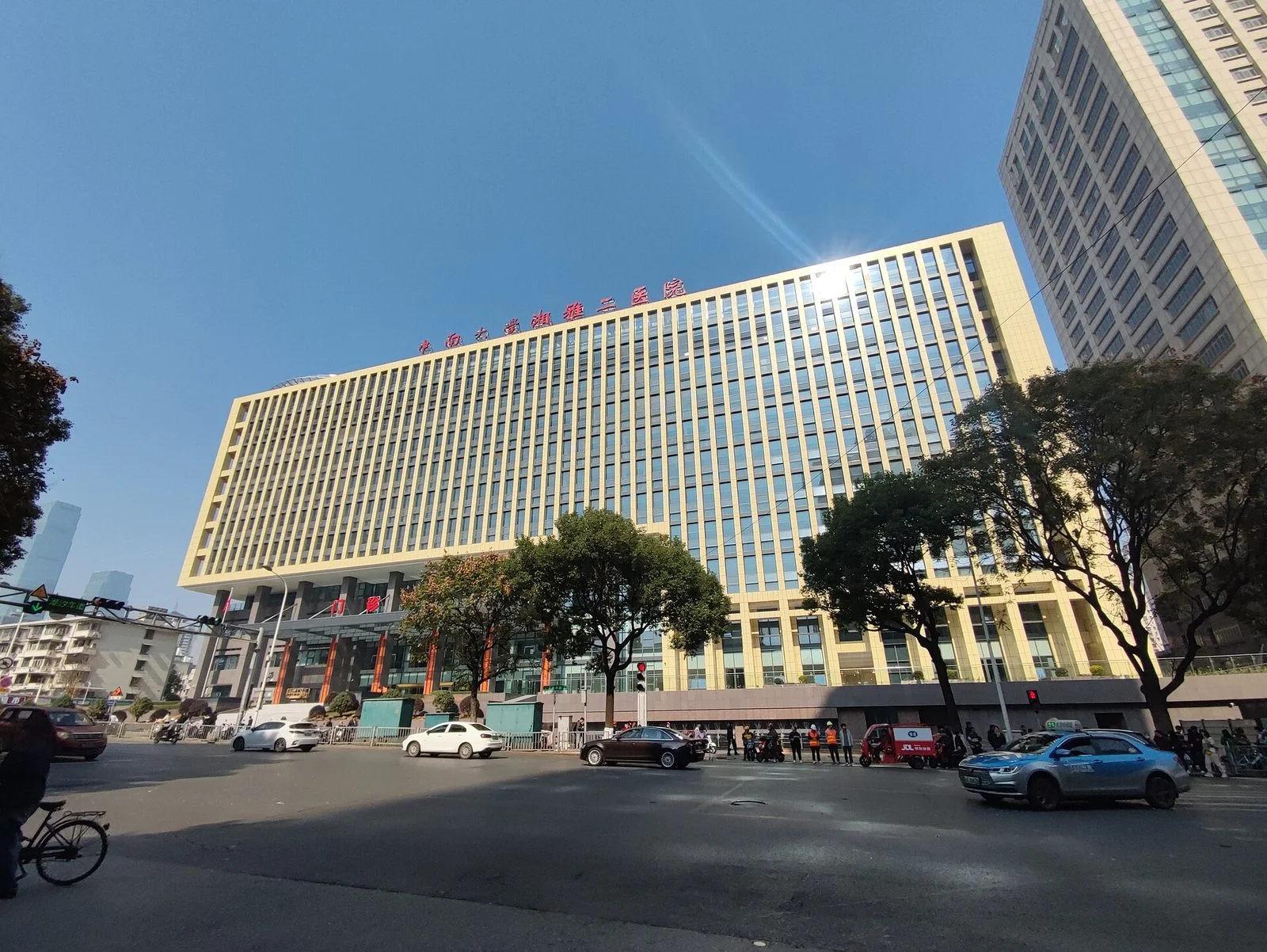
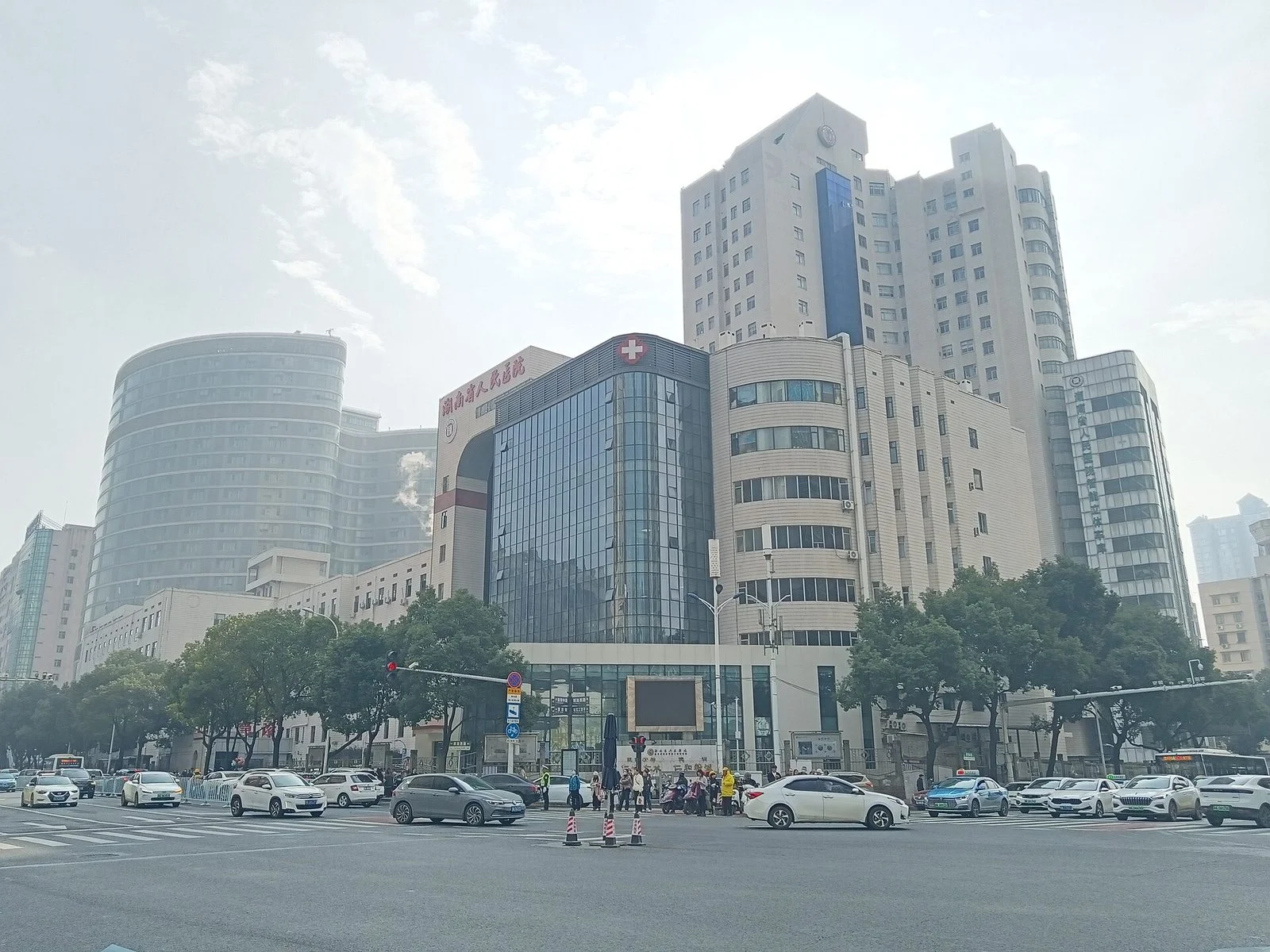
In summer, put outdoor sections early or late and keep midday for museums, malls and indoor galleries; in winter, watch for damp cold and alternate wet-weather walks with indoor stops. Orange Isle and riverside paths may adjust access at short notice because of river levels or events, so check the park's notices before setting out, and book popular sights and the museum ahead. If you need medical care, call 120 in a critical situation; Xiangya Hospital, the Second Xiangya Hospital and Hunan Provincial People's Hospital are all in the urban area; see their entries for campuses, emergency care and booking.