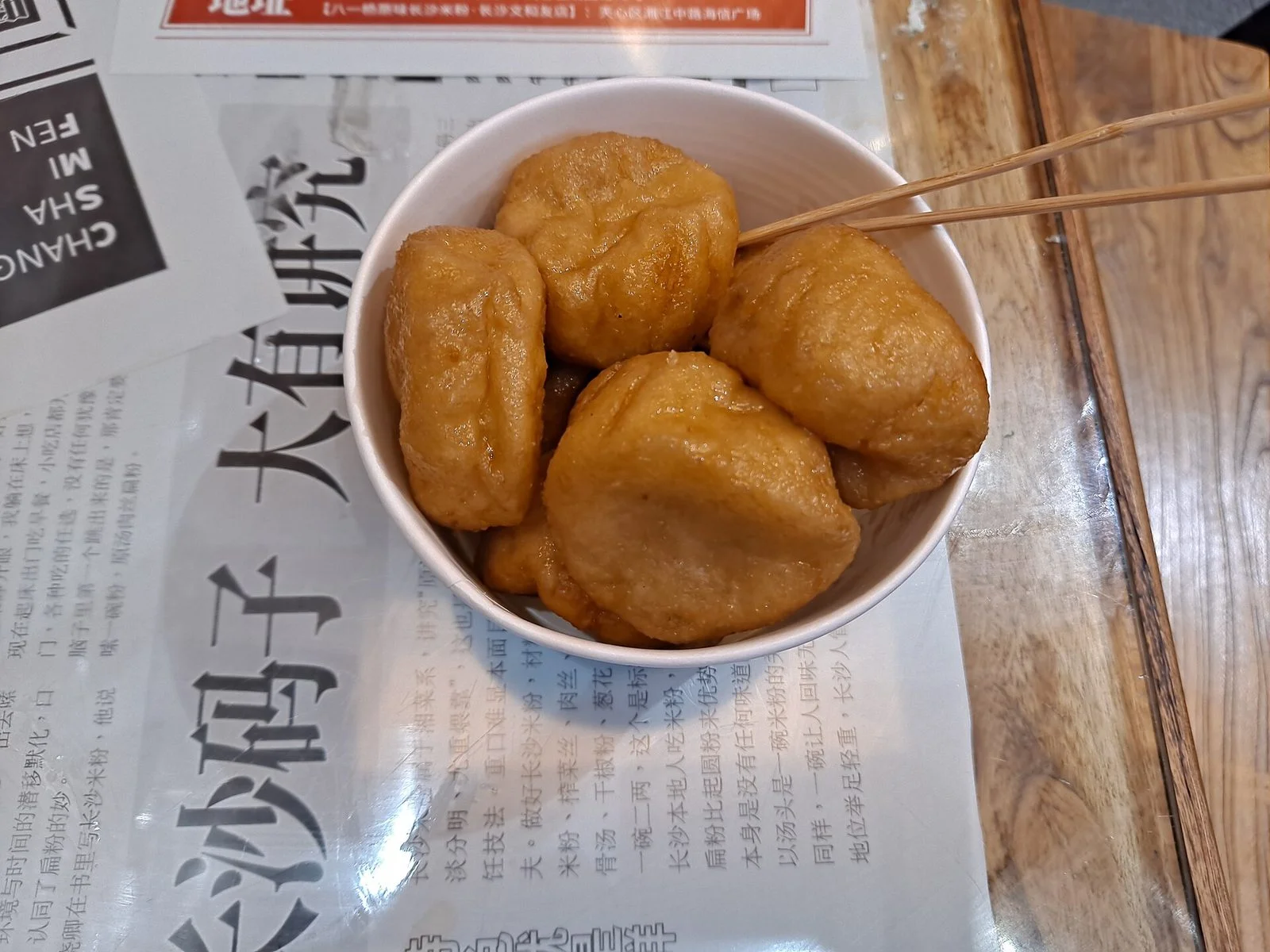
Rice cakes rolled in sugar and oil
Sugar-oil baba are made mainly from glutinous rice flour and sugar. Hunan people call round, cake-shaped foods “baba”, and this is the sweet kind; it is not a northern wheat flatbread. Glutinous rice flour is mixed with water and kneaded until it no longer sticks, then shaped into small round cakes of even size so they cook evenly. Oil and sugar go into the pan; the old method uses slab sugar or red slab sugar, which melts into syrup in the oil before the rice cakes are rolled in it. The depth of colour depends on the sugar and the heat, usually from golden to amber; the ratio of sugar to oil decides the thickness of the crust, with more sugar giving a thicker, sweeter shell.
Oil temperature is critical: too hot and the sugar blackens and turns bitter; too cool and the crisp shell does not form. When the cakes are golden and coated in syrup they come out. Many snack stalls in Changsha sell them, and you may come across them in the morning or afternoon.
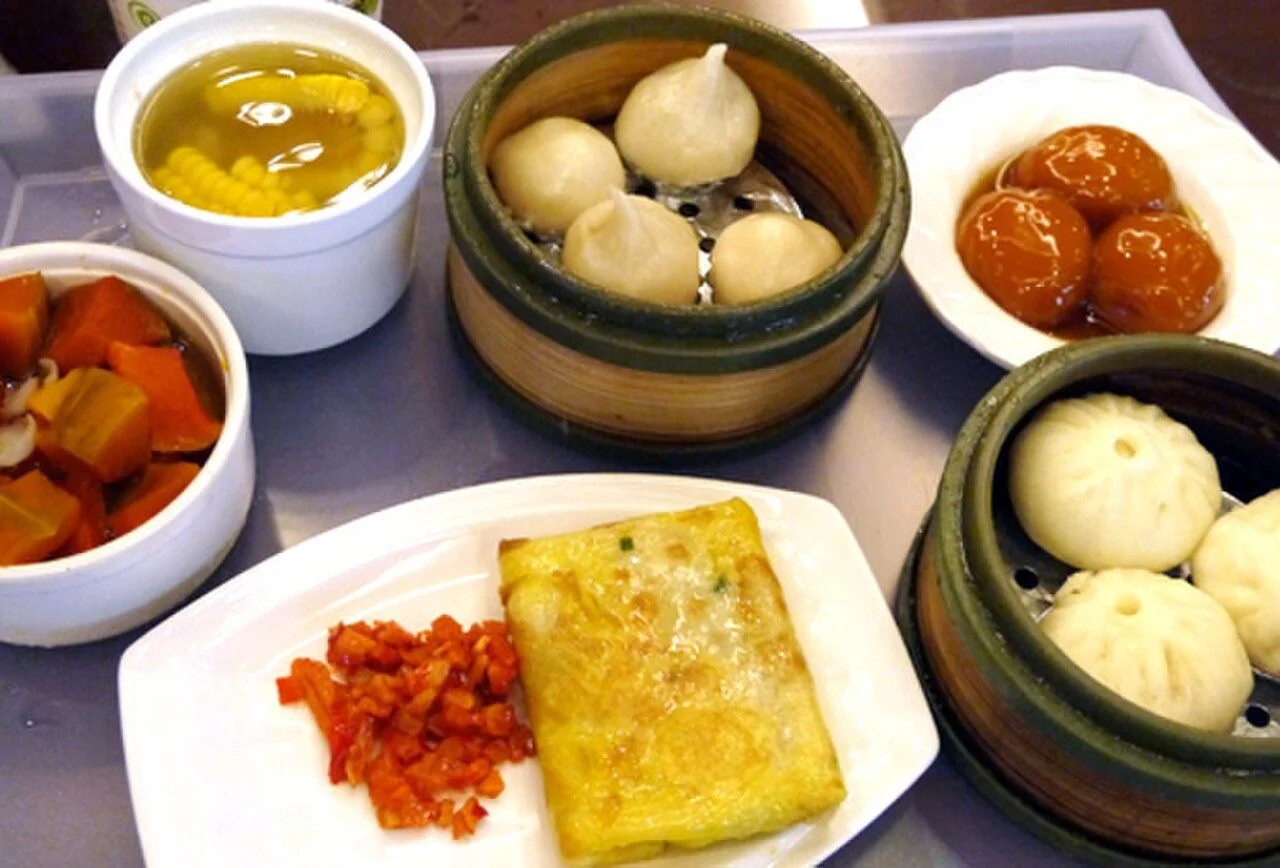
Crisp outside, sticky inside, best hot
Fresh from the pan, sugar-oil baba are golden, with a thin crisp sugar shell and a soft, sticky centre that pulls into threads when bitten; the sweetness comes mainly from the syrup on the surface. The shell is thin, so the first bite is crisp and then soft, contrasting with the chew of the rice. Once cool the shell hardens and the texture suffers, so it is best eaten standing by the stall; vendors usually fry one batch at a time and sell out before starting another.
They are sweet and oily, so two or three are enough to try the flavour. Freshly fried baba are very hot; bite small pieces and let the steam escape. When eating with children or older people, take care not to swallow a whole one, and remember that the shell hardens as it cools, so those with weak teeth should eat slowly.
Street stalls and the Huogongdian version
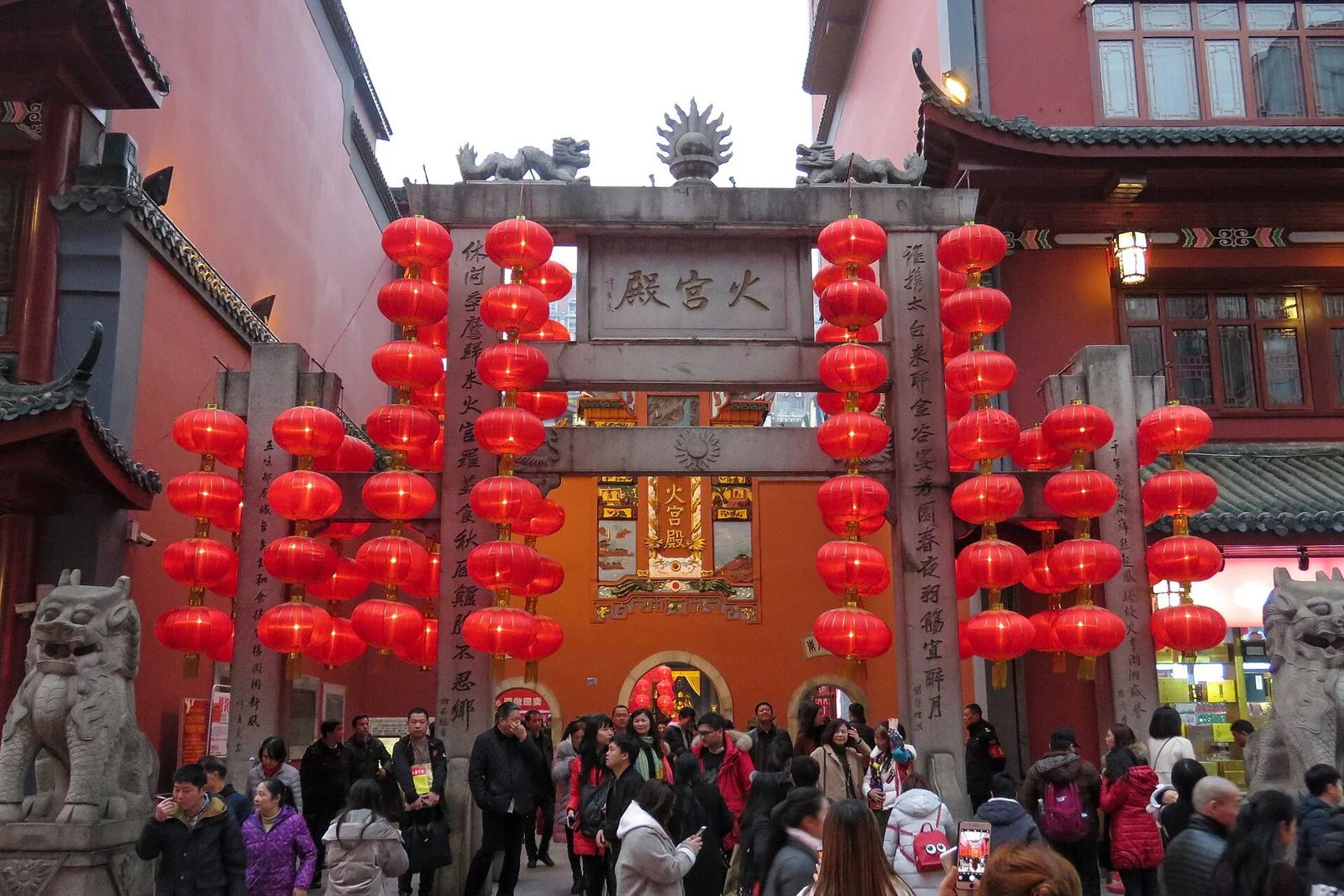
The common Changsha street version is deep-fried and round; there are also “sugar-oil tuotuo”, rice balls on skewers with a firmer texture. Huogongdian also makes a version simmered in sugar water, where the rice balls sit in syrup and stay soft longer, suited to eating at a table. The tables at Huogongdian even carry a notice warning older diners about choking, a sign of how sticky they are. In Changsha they often appear alongside stinky tofu and rice noodles at snack stalls.
To try several Changsha snacks at once, go to Huogongdian on Pozi Street and share a portion of sugar-oil baba with sister rice balls and stinky tofu; stalls around Taiping Old Street and Pozi Street also sell them, easy to share while walking. Street stalls usually sell by the portion, a few to a bowl or skewer; at Huogongdian the snack platter usually pairs them with sister rice balls and daopi, and one portion is enough for two. They do not travel well: reheated, they never regain the fresh crisp shell. Sugar-oil baba and sugar-oil tuotuo differ in method and texture, so there is no need to rank them by authenticity.
Useful official references
Check the relevant official service before making arrangements. These links are references, not a guarantee of current services.