A tofu dish that spread from a Chengdu eatery
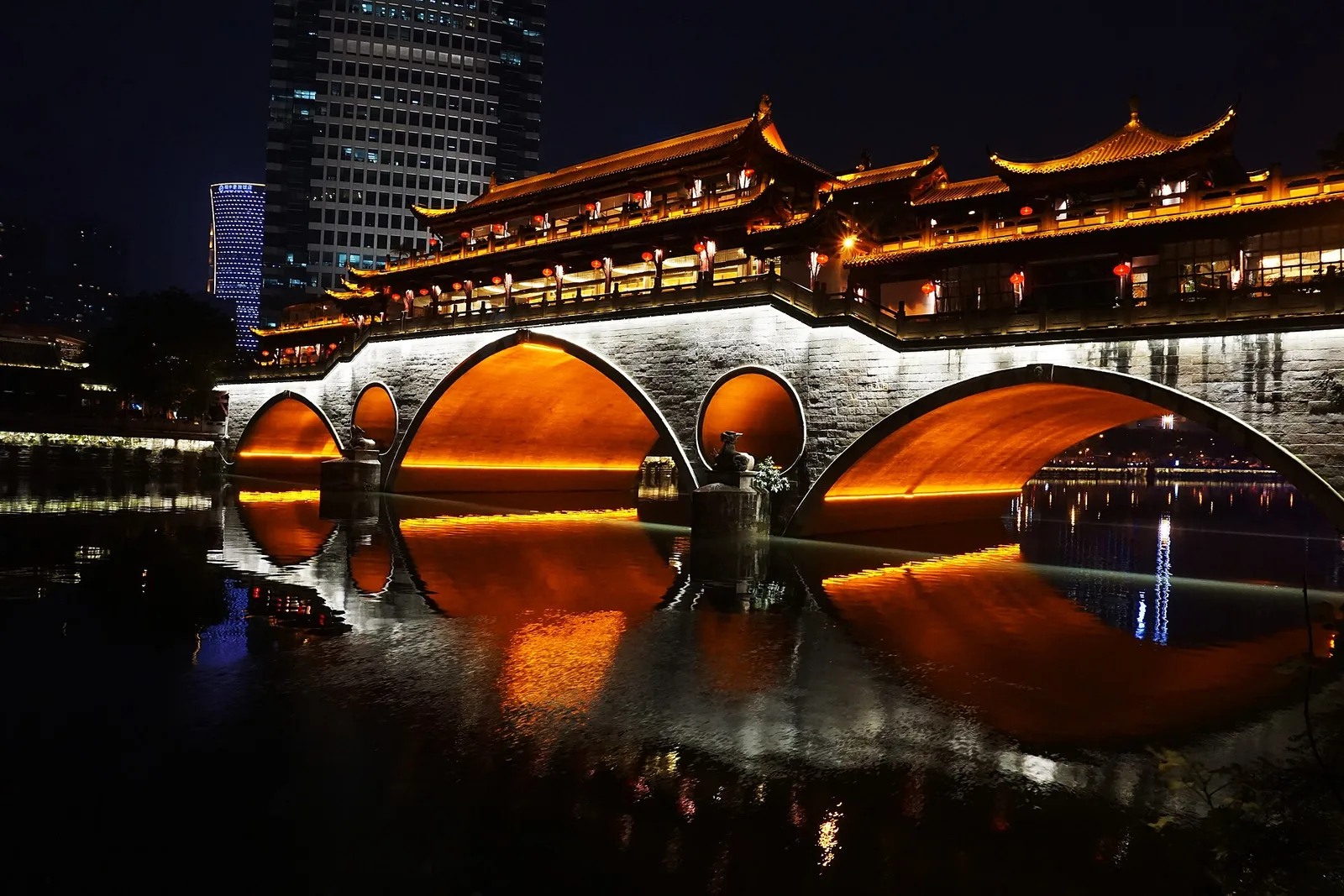
Mapo tofu is associated with the Chen family eatery near Wanfu Bridge in Chengdu. A local gazetteer account cited by the Chengdu municipal government traces its origins to the Tongzhi era of the Qing dynasty. Tofu and minced meat were everyday ingredients; doubanjiang, Sichuan pepper and careful cooking brought them together into the Sichuan dish now known widely. The name “mapo” comes from the proprietor's nickname, not from the numbing sensation itself.
You do not need to seek a version that tastes exactly like one served overseas. A common Chengdu style emphasizes the combined flavors of doubanjiang, Sichuan pepper, fragrant oil and tender tofu; shops vary the tofu's firmness, the meat, oil and heat. It is best understood as a shared dish eaten with rice, rather than a large bowl of mild tofu eaten on its own.
Numbing pepper, chili heat and tender tofu
Chili brings heat, while Sichuan pepper brings a numbing sensation. They can appear together, but they are different seasonings. Doubanjiang adds fermented savoriness and a deep red color; the tofu absorbs the surrounding sauce, while minced meat adds texture. Traditional preparations often use ground beef, though modern recipes and restaurants also use pork. Ask what meat is used if you avoid a particular kind.
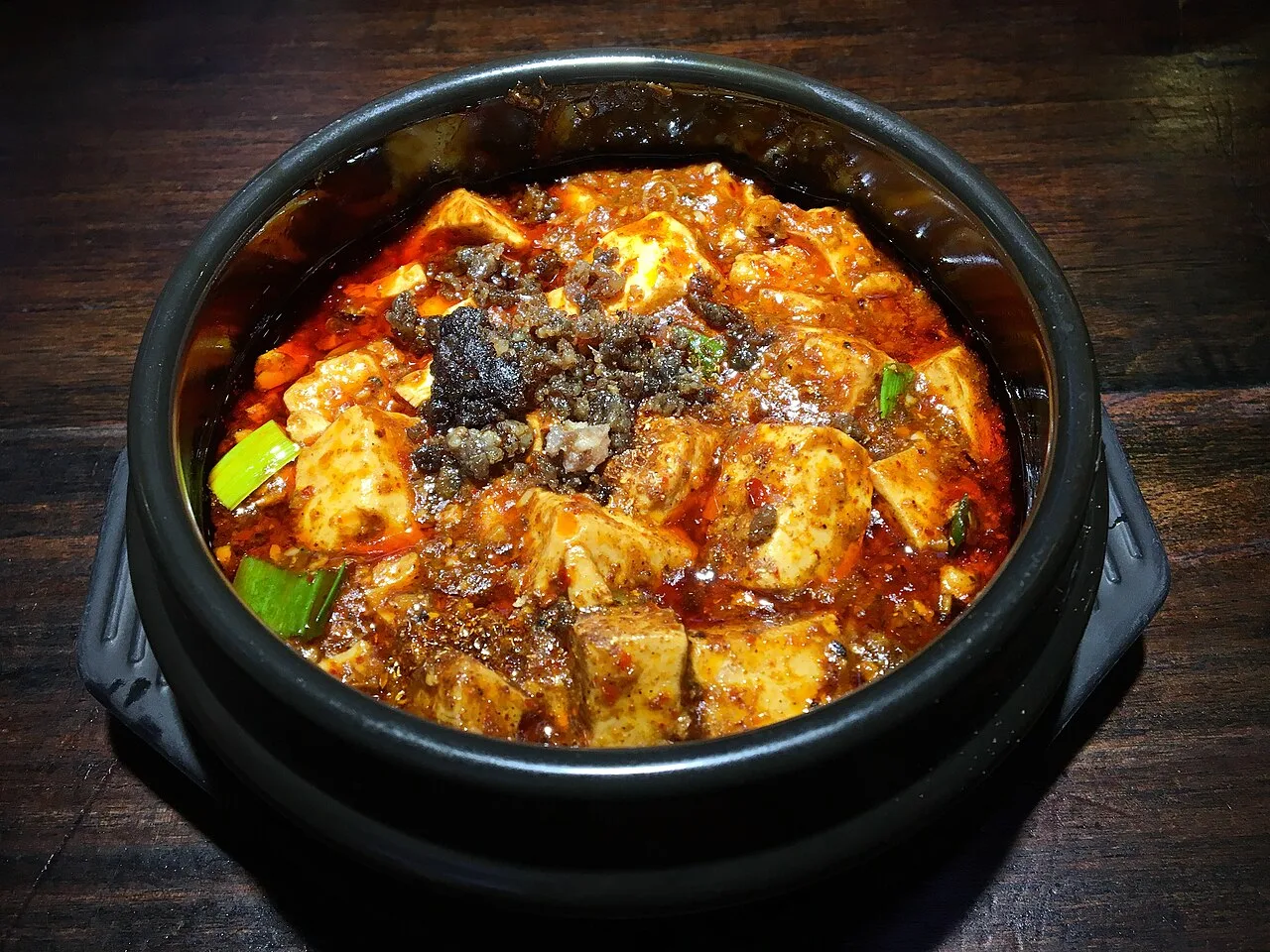
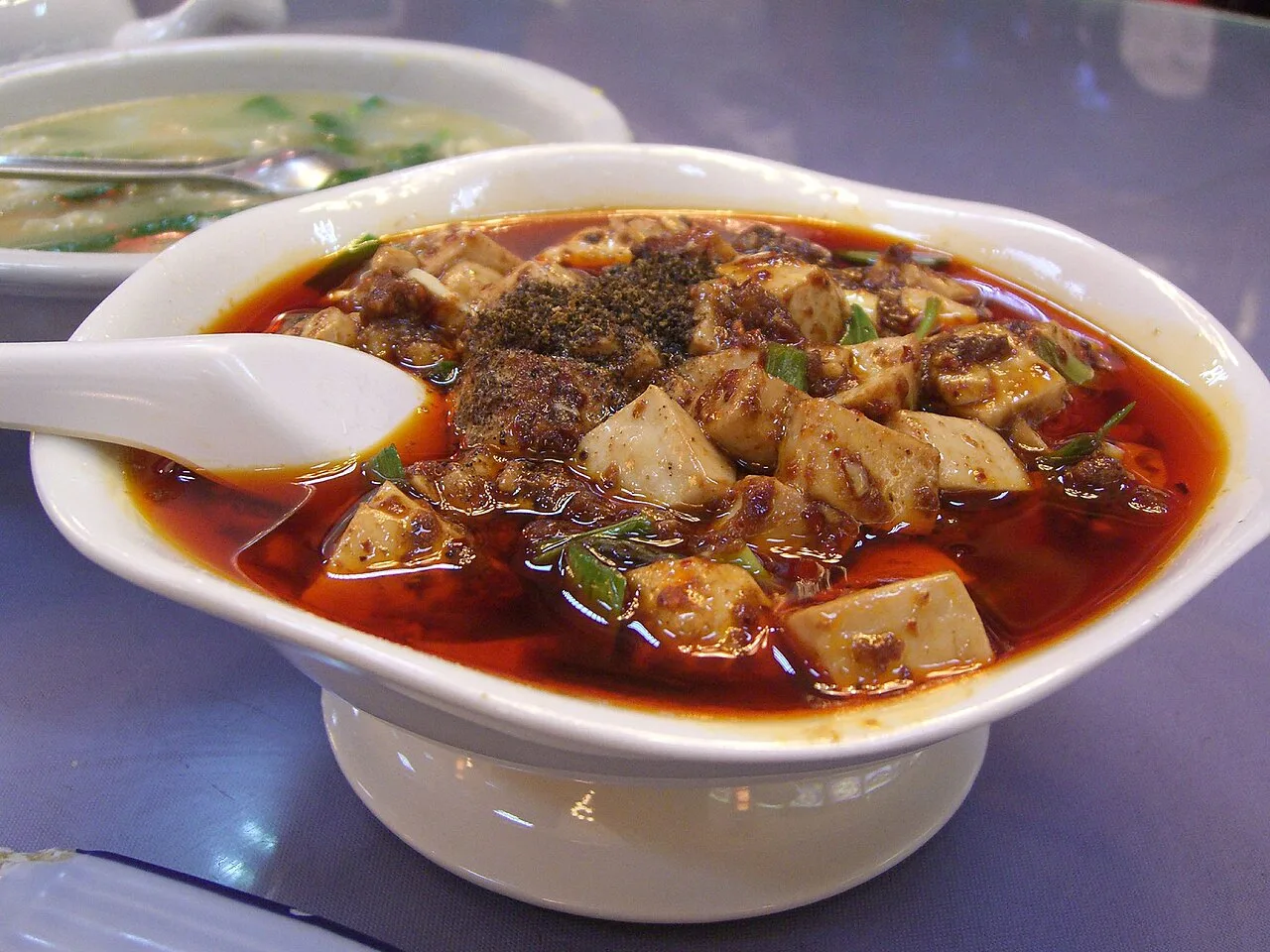
The minced meat and seasonings are first fried until aromatic, then simmered with broth and tofu; starch slurry helps thicken the sauce. The tofu should remain in recognizable pieces while feeling soft to the bite, contrasting with the firmer meat crumbles. A sheen of oil, ground Sichuan pepper or garlic shoots can help you observe the dish, but its color cannot confirm the heat level, and a photo cannot tell you which meat was used.
Eat it with rice and check the temperature first
Tofu and the thick sauce retain heat. When the dish arrives, take a small spoonful and let it cool before tasting, especially if it no longer appears to be steaming. Rice catches the sauce and makes it easier to control how much seasoning you get in each bite; there is no need to mix all the red oil at the bottom into your rice.
If you are concerned about the intensity, ask when ordering whether the dish can be made with less chili and less Sichuan pepper. Saying only “less spicy” may not tell staff that you also want less numbing pepper. Doubanjiang itself is salty and spicy, and some restaurants prepare the seasoning in advance, so making the dish completely mild may not be possible. If someone in your group needs very mild food, order another dish with ingredients that can be confirmed instead of making mapo tofu the only option for the table.
A tofu dish may contain meat and common allergens
Mapo tofu usually contains minced meat and may be prepared with meat broth or animal fat. Vegetarians should check each of these ingredients rather than assuming a dish named for tofu is meat-free. If you need to avoid beef or pork, say so before ordering; recipes vary between restaurants and regions.
Soy is the main ingredient in tofu; doubanjiang may contain fava beans or other legumes, and soy sauce or other seasonings may contain wheat. If you are allergic to these ingredients, ask about the actual products and recipe, and explain whether you must avoid cross-contact. A photo and dish name can help identify the food, but cannot replace checking the ingredients in the serving you are ordering.
Useful official references
Check the relevant official service before making arrangements. These links are references, not a guarantee of current services.