City introduction
Chengdu, the capital of Sichuan Province, lies in the western Sichuan Basin. Get to know it through the squares and lanes of the central city: People's Park has teahouses, Wuhou Shrine and Du Fu Thatched Cottage preserve courtyards commemorating historical figures, and Chunxi Road and Taikoo Li showcase modern commerce. Sichuan restaurants and snack shops are woven among them; tea, meals and a walk through the shops all offer ways to experience the city.
A large city on a plain, with distinct riverfronts and districts
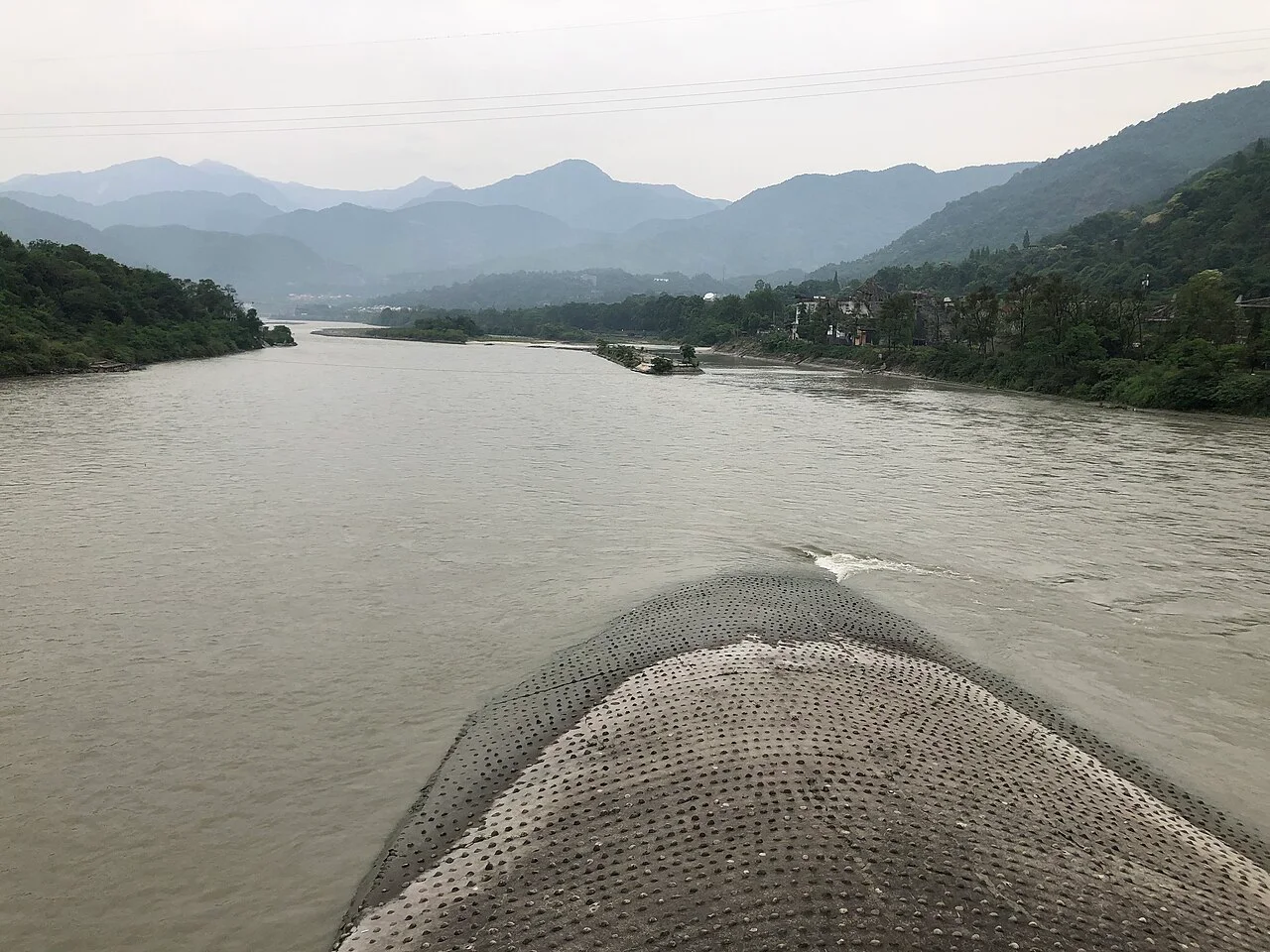
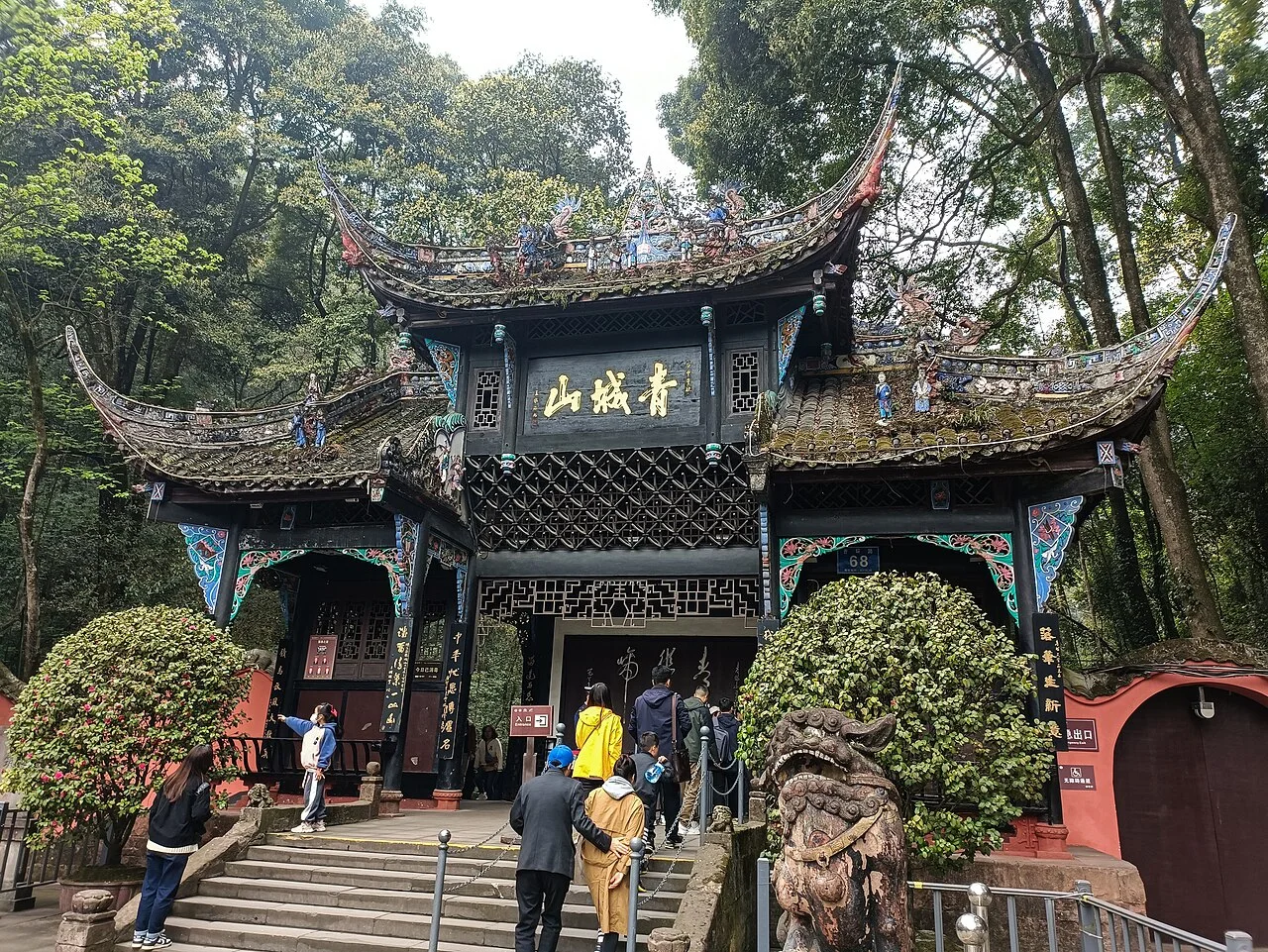
Most urban life in Chengdu unfolds on a plain, but the municipality also includes hills and mountains in the west. The high-rises downtown, the panda base and the more distant Qingcheng Mountain and Dujiangyan are all associated with Chengdu, but their landscapes and distances differ. The central urban area does not represent the whole municipality, and photos of distant mountains should not suggest that they are visible throughout downtown.
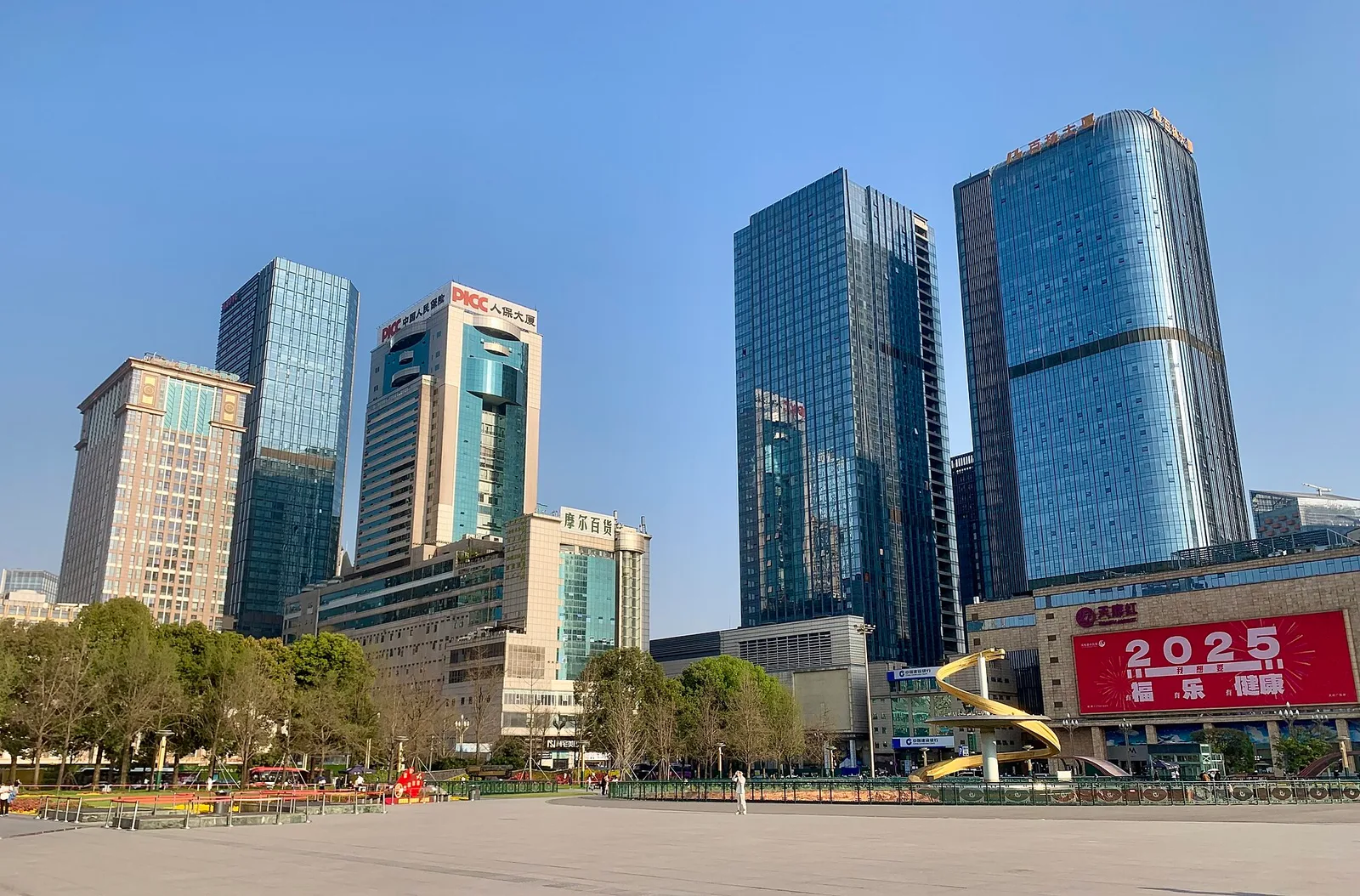
Tianfu Square is a landmark for finding the central city, surrounded by high-rises and public cultural facilities. The parks, shrines and gardens to the west offer a different walking environment from the commercial districts to the east. Old Chengdu and new commerce are not sharply separated: broad roads, residential lanes, riverside paths and large malls often alternate in neighboring areas.
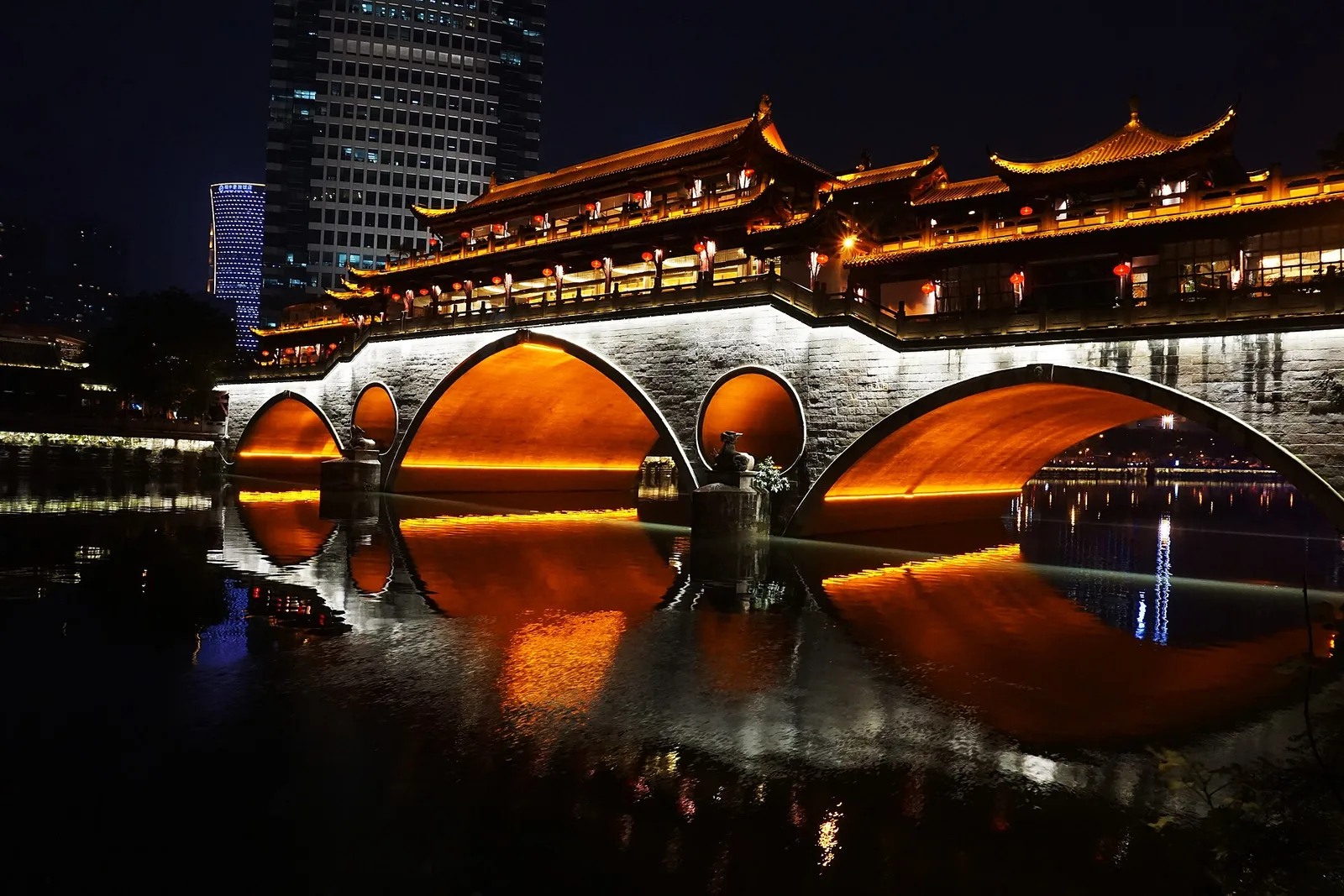
The Jin River offers another perspective, bringing together the water, bridges and buildings on both banks. The roof and arches of Anshun Bridge are among its most recognizable features. The cover photo was taken in 2016 and records the bridge at night at that time; lighting and businesses by the river change. The image mainly shows the relationship between the bridge and the river.
Teahouses in People's Park bring public life to a seat at the table
People's Park, originally called Shaocheng Park, was established in 1911. The Monument to the Martyrs of the Railway Protection Movement of 1911 preserves modern history; the lake, trees and teahouses support everyday leisure. Historical commemoration and civic life coexist in the same park, making it more than just a place to drink tea and take photos.
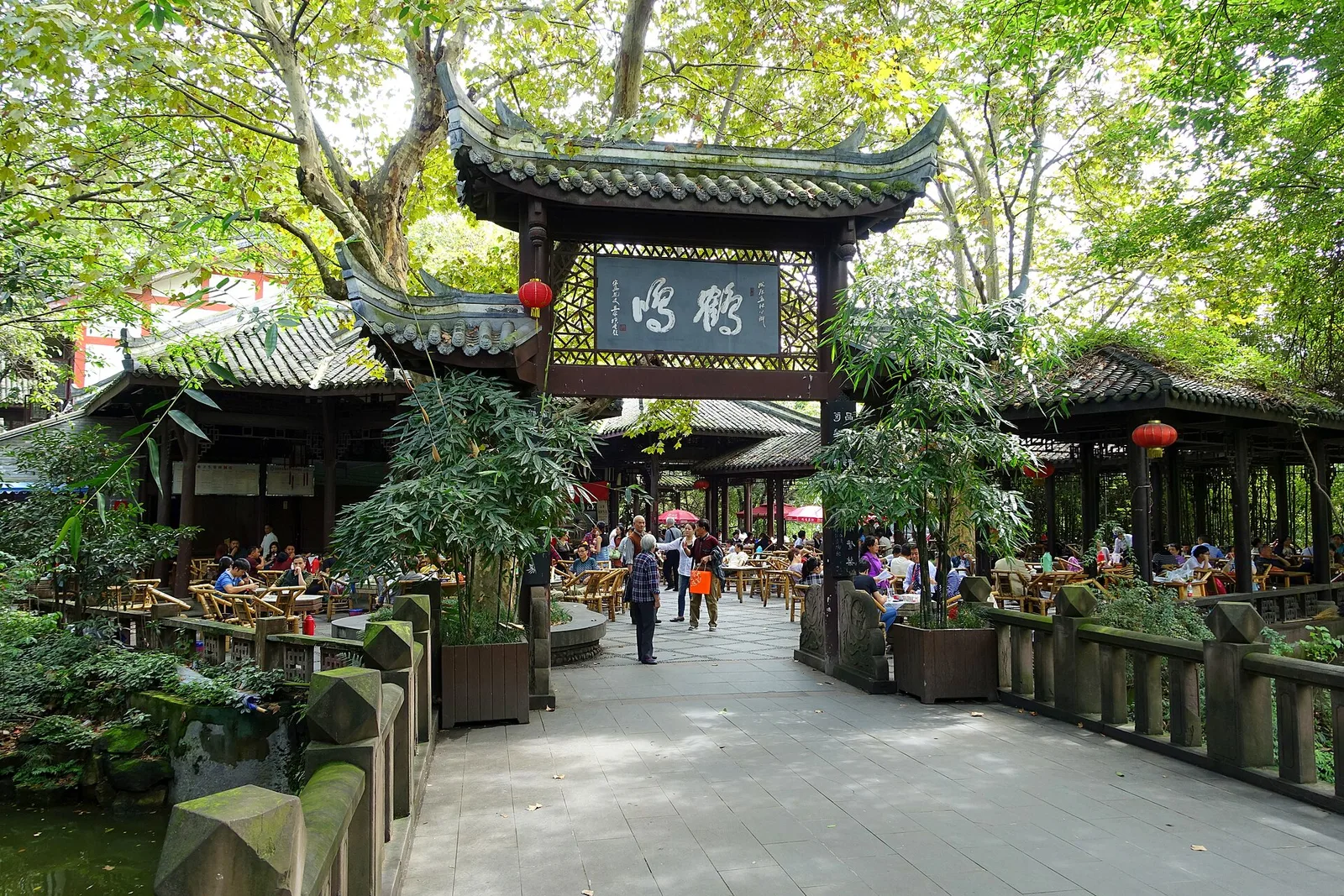
The history of Heming Teahouse dates back to 1923. Its covered walkway follows the lake, with trees and tea tables creating places to sit and talk. The entrance in the photo has a tiled roof and signboard, with customers seated on either side. This open arrangement makes drinking tea a way to observe life in the park. First-time visitors need no special tea etiquette; the bowl, refills and time people spend there offer a glimpse of the local habit.
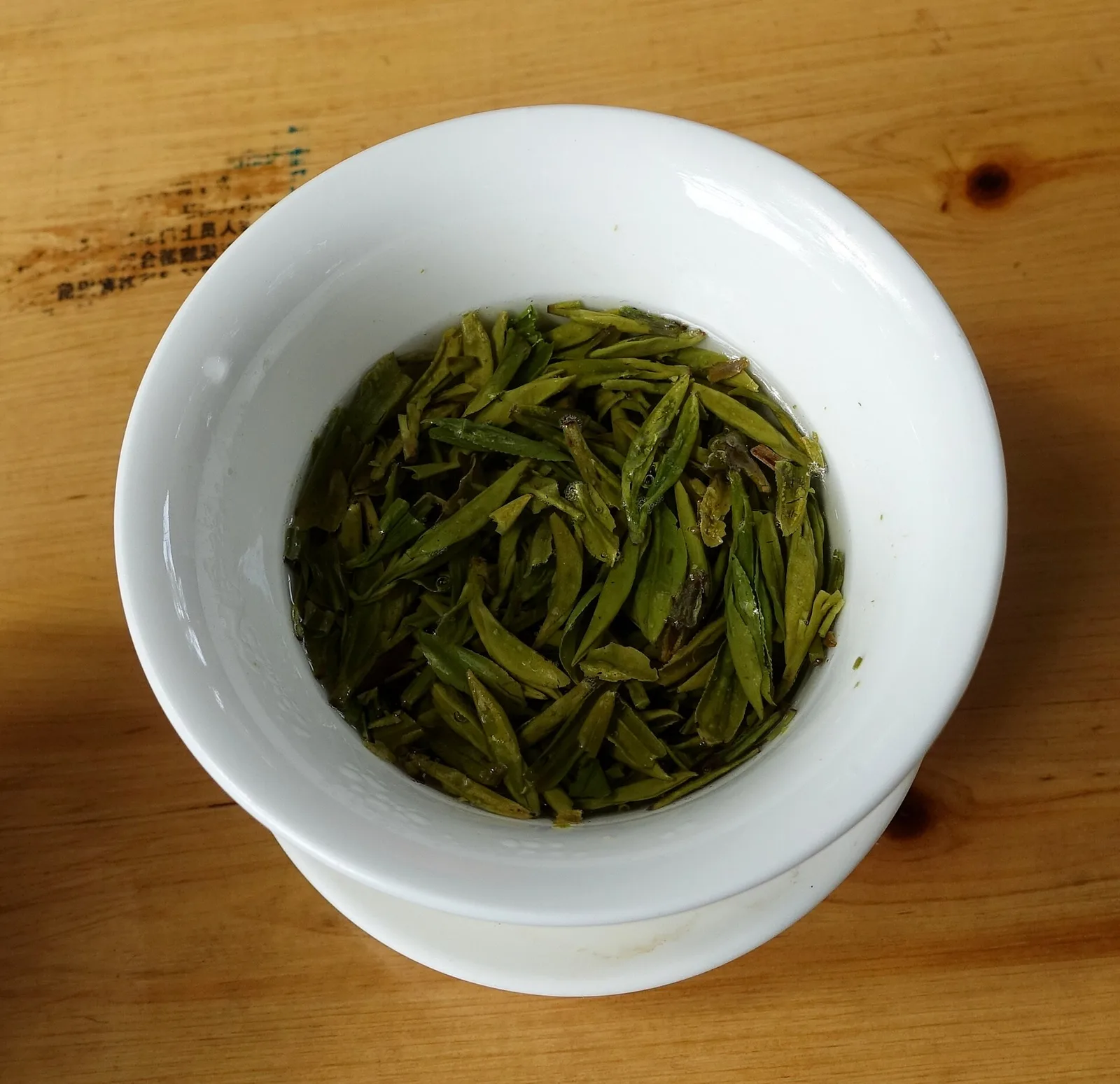
Gaiwan tea is part of Chengdu's teahouse culture. A gaiwan set consists of a bowl, lid and saucer, with tea leaves steeped directly in the bowl. The accompanying photo shows only a white porcelain bowl and unfurled leaves, not the complete set. Compared with a drink shop designed for a quick stop, a park teahouse also draws people for its shade, lakeside setting and neighboring tables, connecting tea with public space.
Wuhou Shrine and Du Fu Thatched Cottage bring history into courtyards
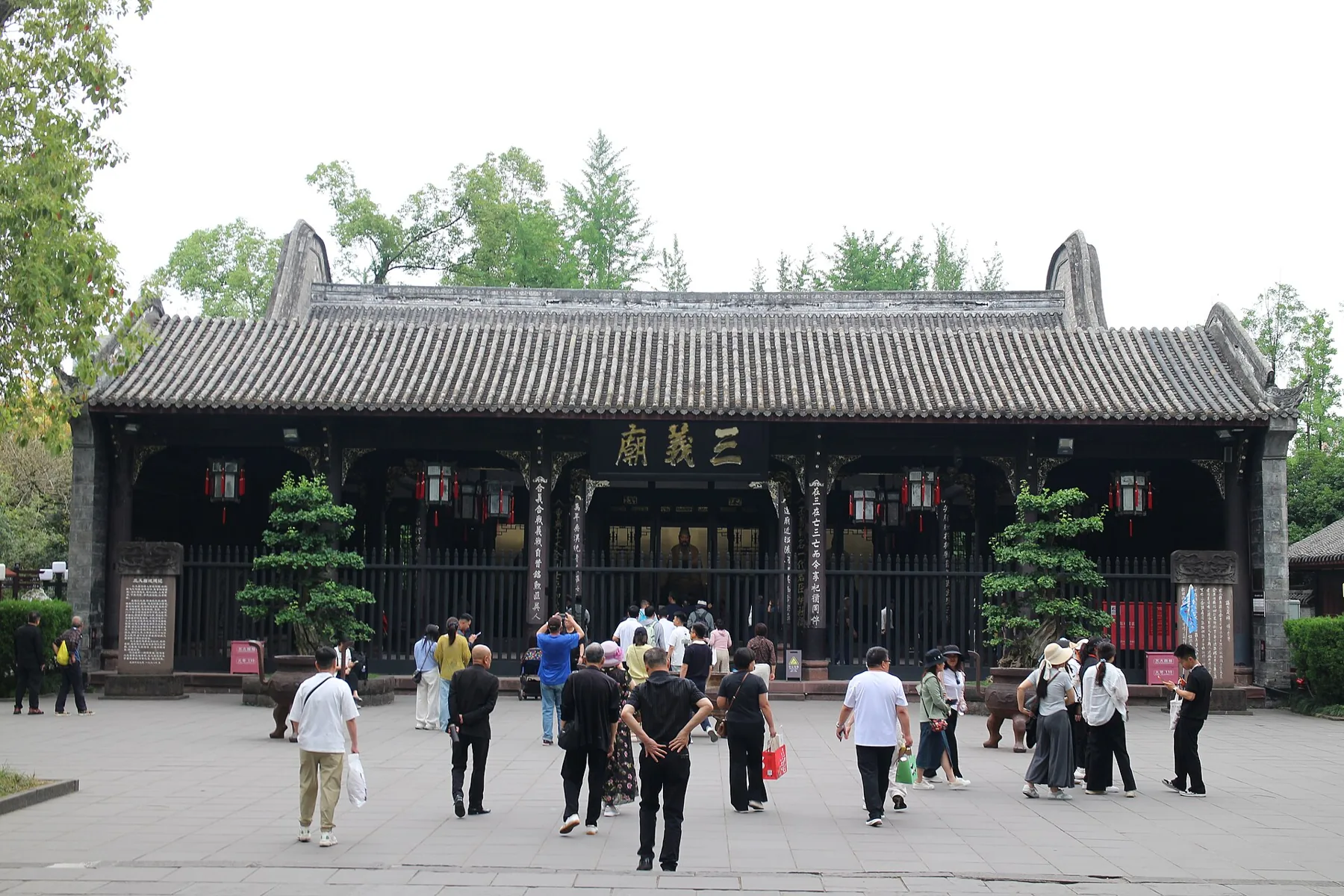
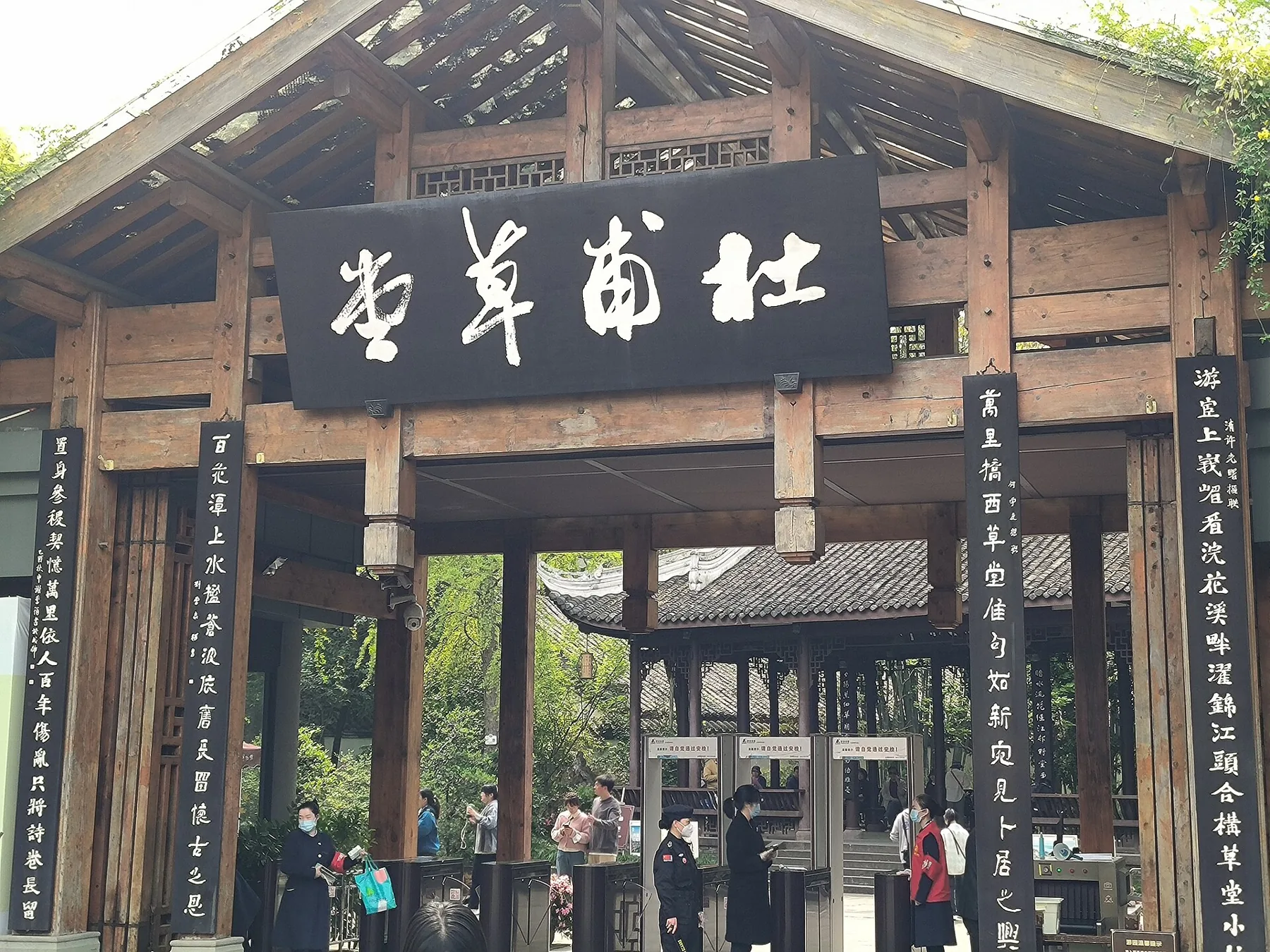
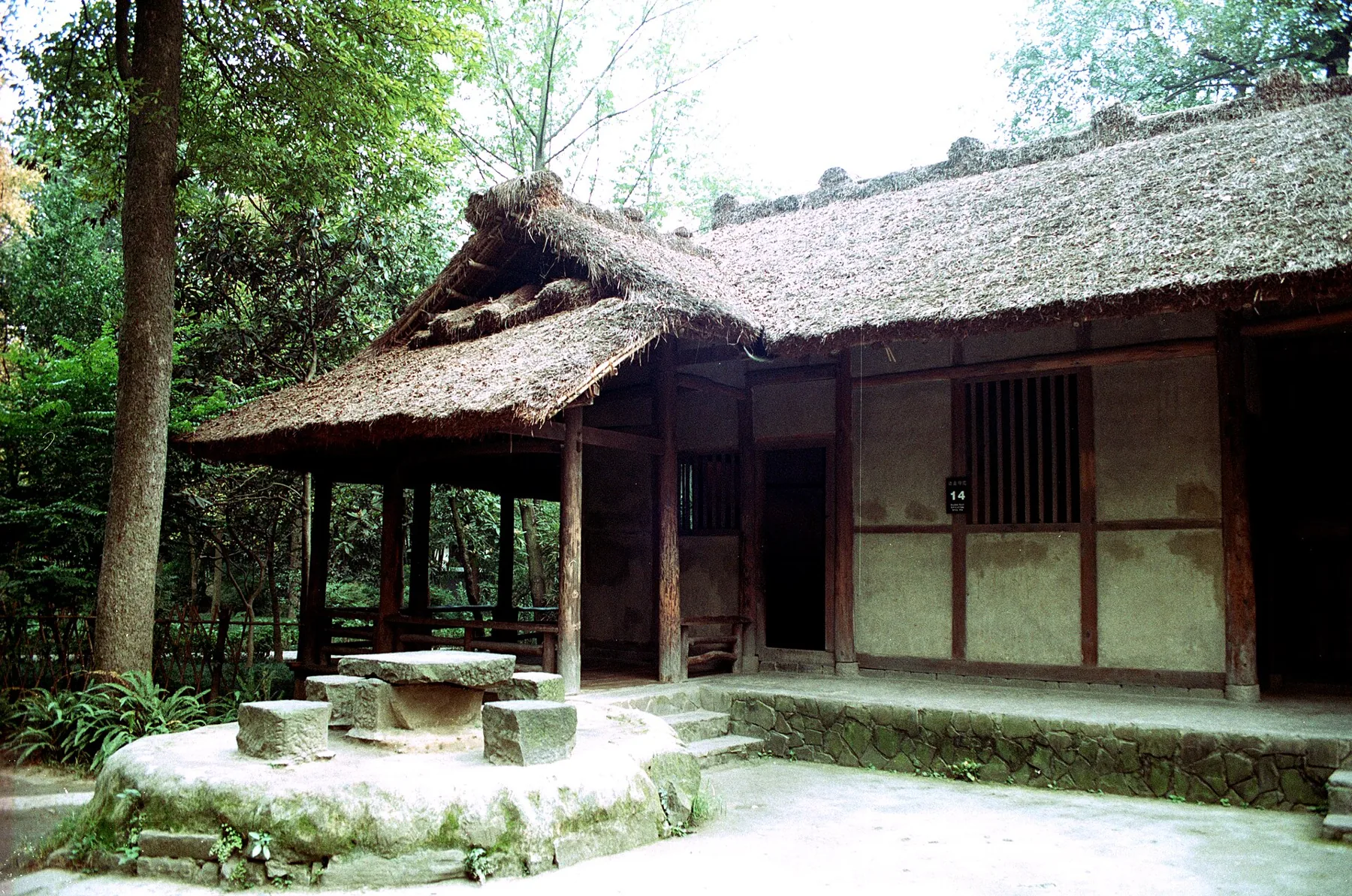
Chengdu's history is not confined to display cases. Wuhou Shrine and Du Fu Thatched Cottage both center on the memory of historical figures, while also offering architecture and gardens to explore. Wuhou Shrine commemorates Liu Bei, Zhuge Liang and other Shu Han figures; its arrangement, with Liu Bei's hall in front and Zhuge Liang's behind, took shape during Qing dynasty reconstruction. The cottage is associated with the Tang poet Du Fu, who arrived in Chengdu in the winter of 759 and built a home beside Huanhua Creek the following spring. Even without deep knowledge of Chinese history, courtyards, inscriptions and memorial buildings offer concrete ways in.
Wuhou Shrine uses halls, statues and inscriptions to express traditions of commemorating historical figures. Du Fu Thatched Cottage places the poet's memory among trees, water, halls and the image of a thatched home. Both are memorial sites shaped by centuries of building and repair, so not every building visitors see is an original from the figure's lifetime. Rather than memorizing dates, notice how architecture, inscriptions and plants organize each space to understand their different character.
Sichuan food and snacks offer more than chili heat
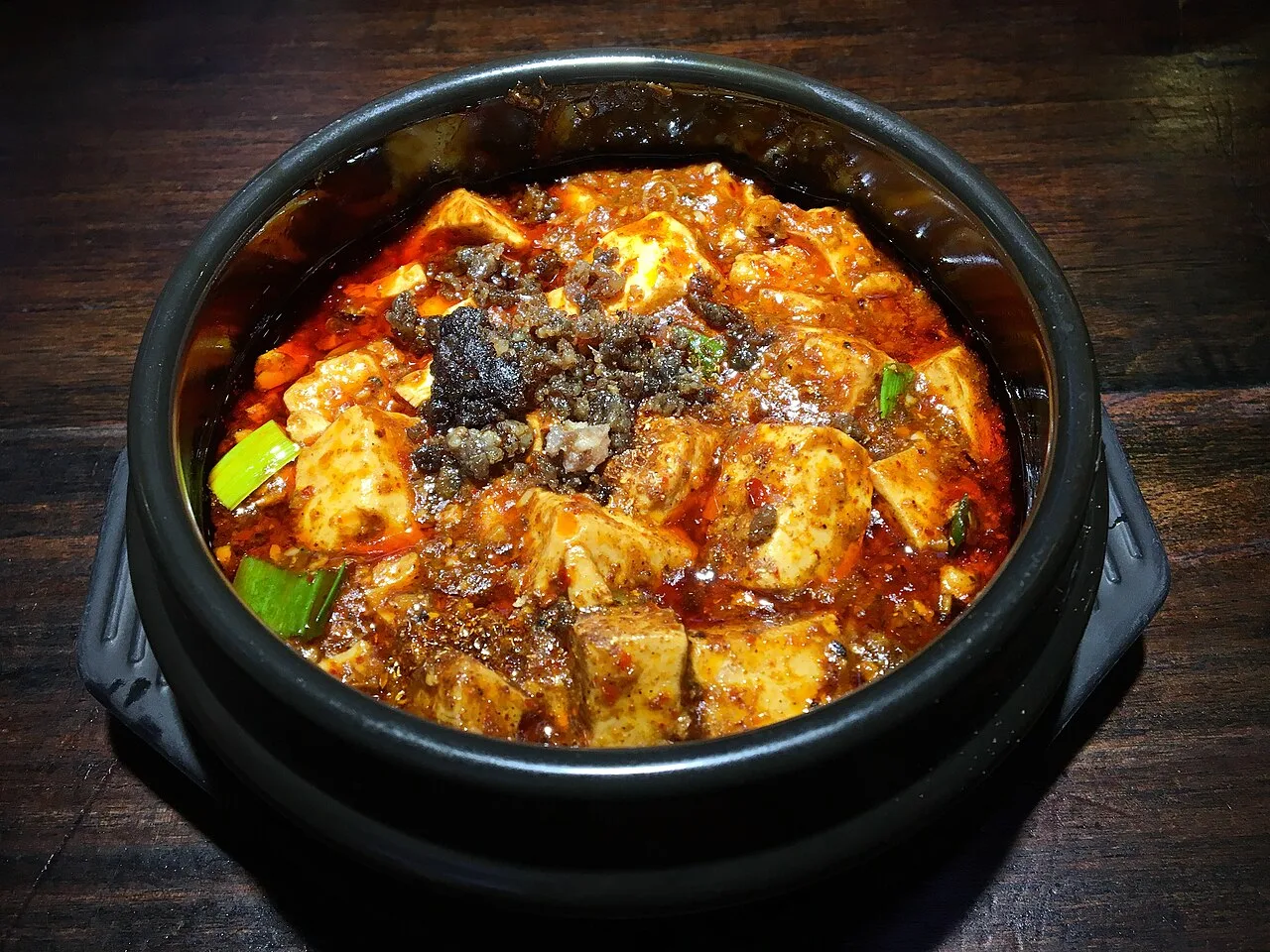
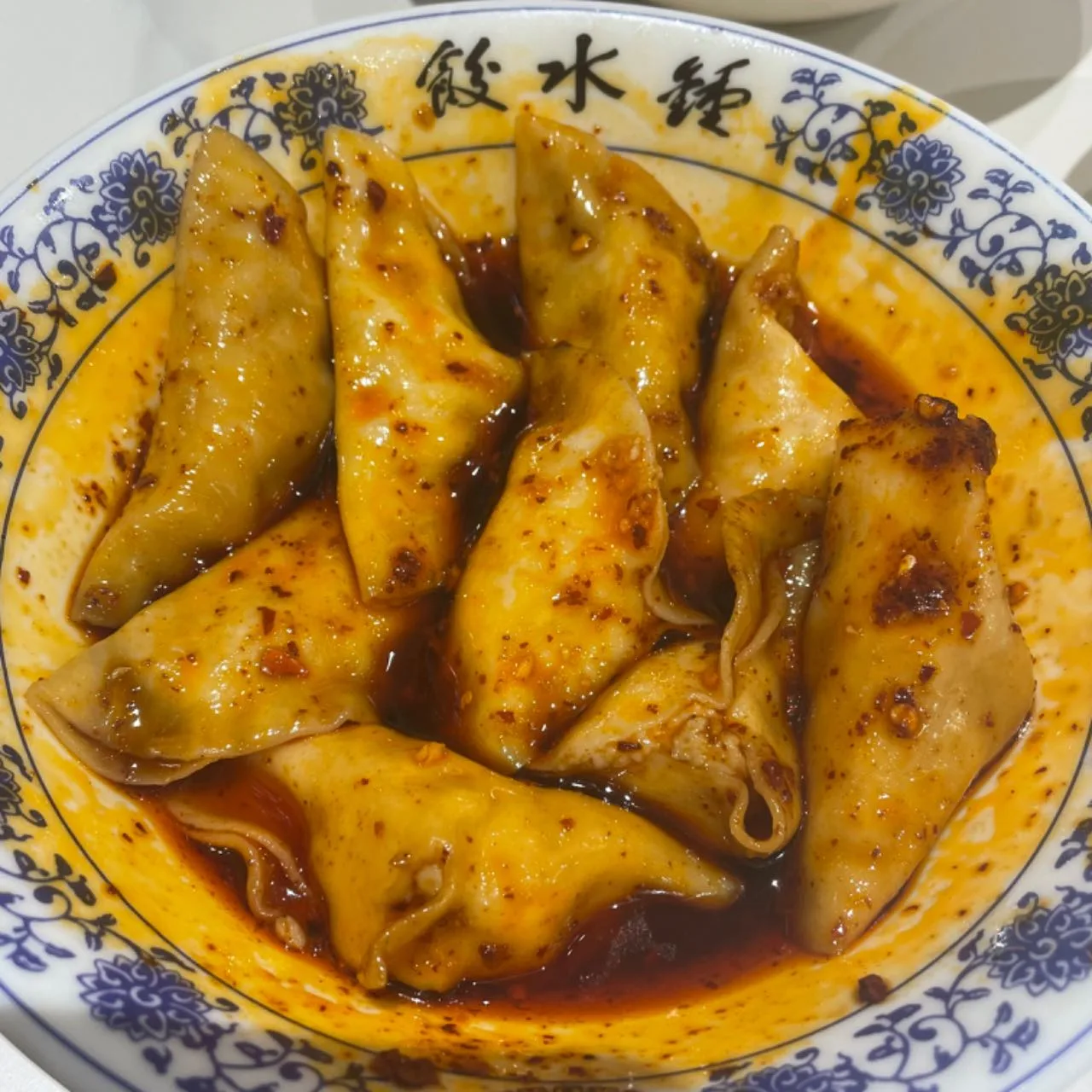
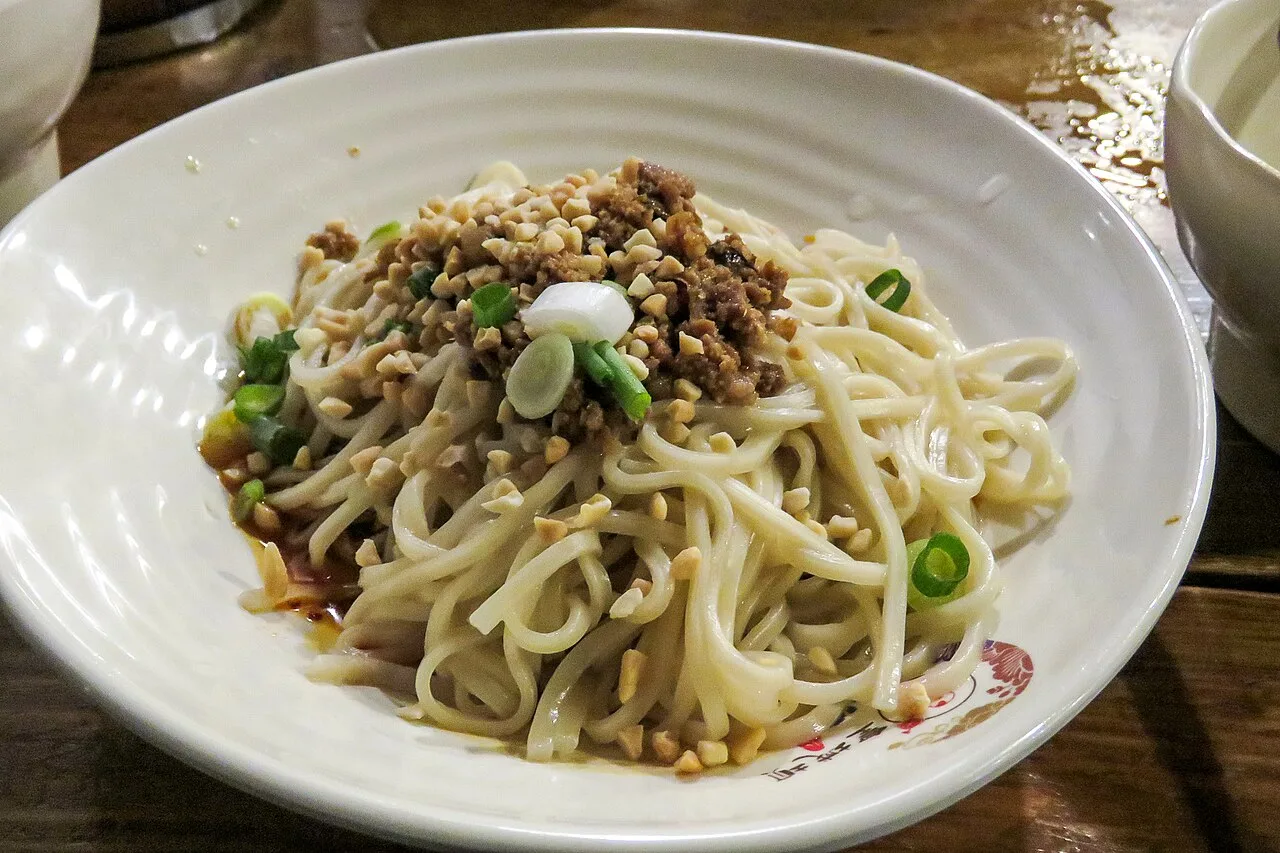
Chengdu's food can be explored through Sichuan dishes, snacks and hot pot. Chili and Sichuan pepper are distinctive, but different foods have different textures and flavors: mapo tofu combines soft tofu with minced meat, doubanjiang and Sichuan pepper; dan dan noodles coat thin noodles in sauce, with minced pork and preserved mustard greens adding savoriness and texture; Zhong dumplings pair thin-skinned pork dumplings with sweet soy sauce, chili oil and garlic, and also come in clear broth. Calling all of it simply “spicy” misses differences in texture, aroma and how each dish is eaten.
Small noodle dishes and dumplings offer different choices from hot dishes eaten with rice. For anyone new to Sichuan flavors, learning the ingredients behind a dish name can be more useful than chasing a famous restaurant. Tofu does not mean vegetarian; noodle or dumpling sauces may contain meat, sesame or soy. Recipes vary by shop, so dietary restrictions need to be checked for each dish. Teahouses and restaurants complement each other, making Chengdu's leisure culture about both lingering conversation and sitting down for a meal.
Taikoo Li, Chunxi Road and Kuanzhai Alley offer three kinds of shopping streets
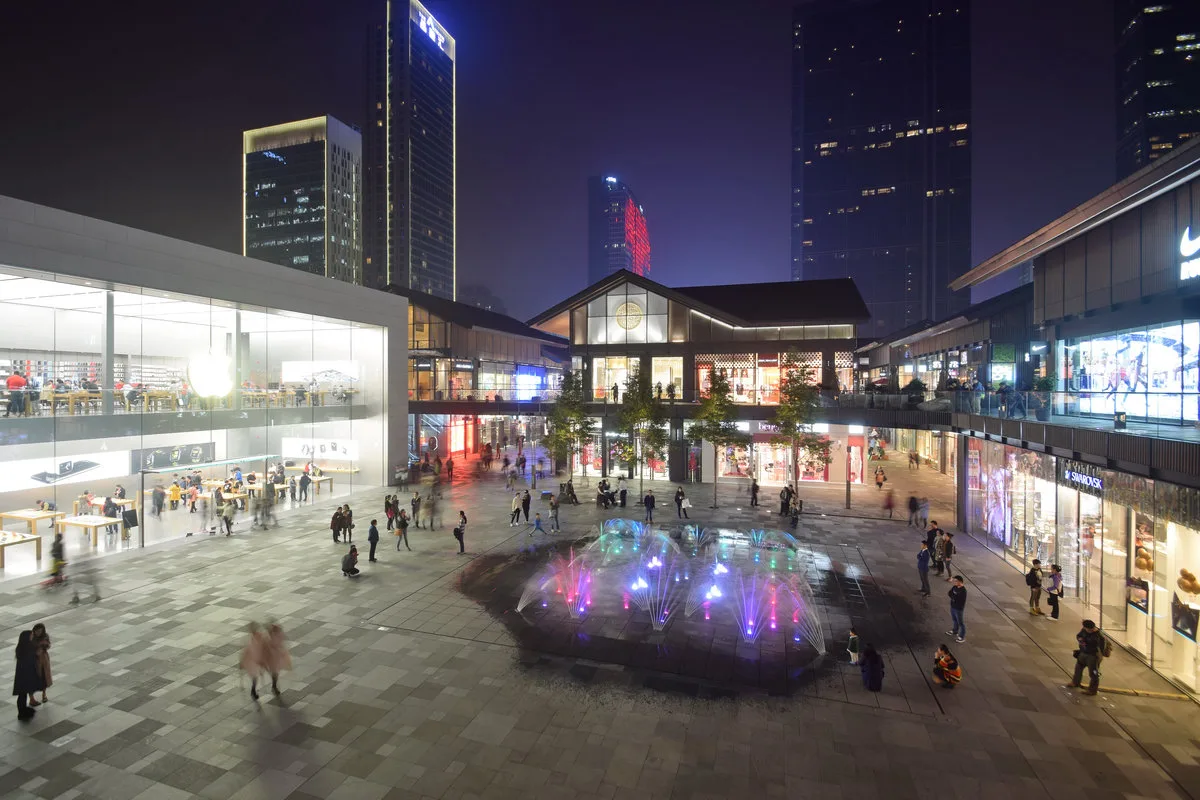
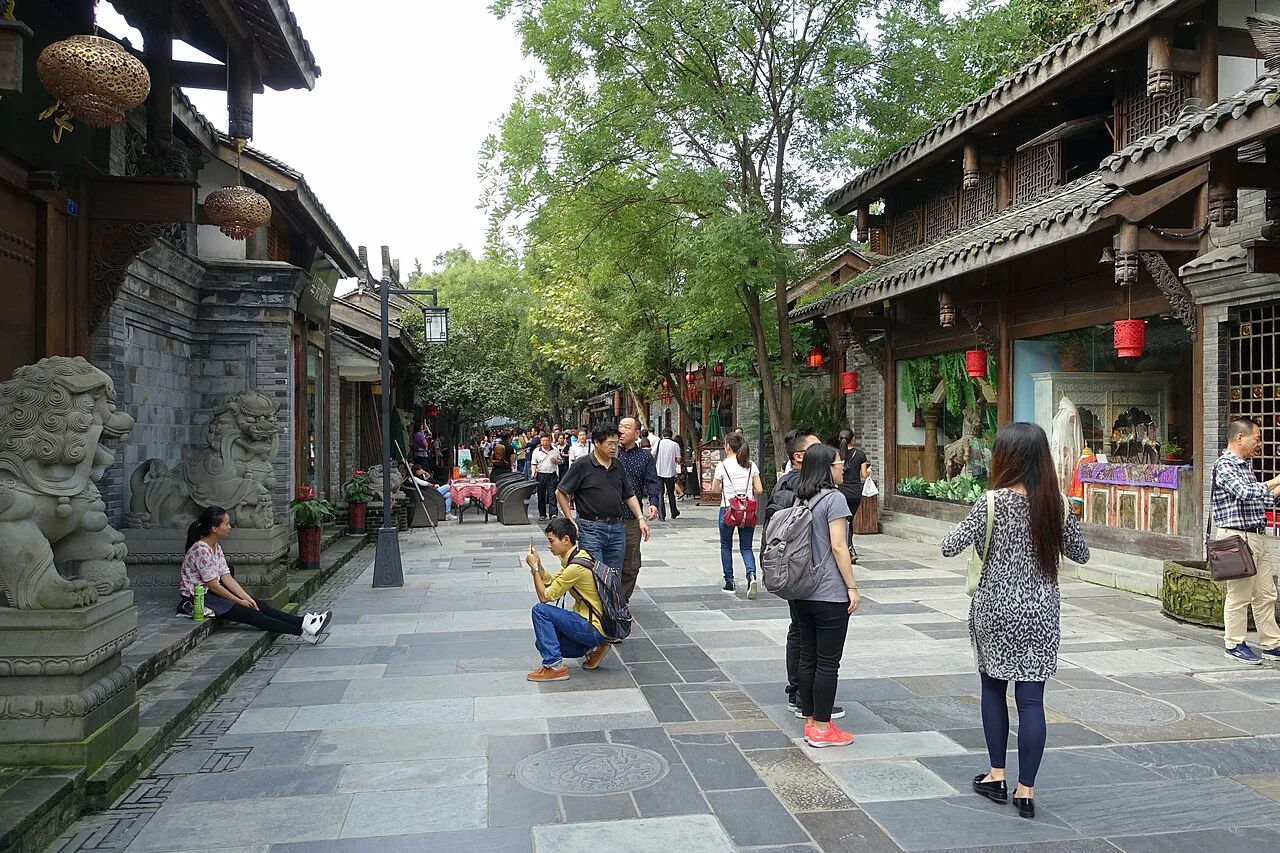
Chengdu Taikoo Li is an open-air, low-rise shopping district in the central Daci Temple area. Gray-tiled roofs, pedestrian lanes, courtyards and modern glass storefronts sit side by side; the outdoor spaces between shops also invite a look at the architecture. The district reinterprets traditional architecture in a modern way alongside preserved buildings; it should not be mistaken for an entire old city preserved intact.
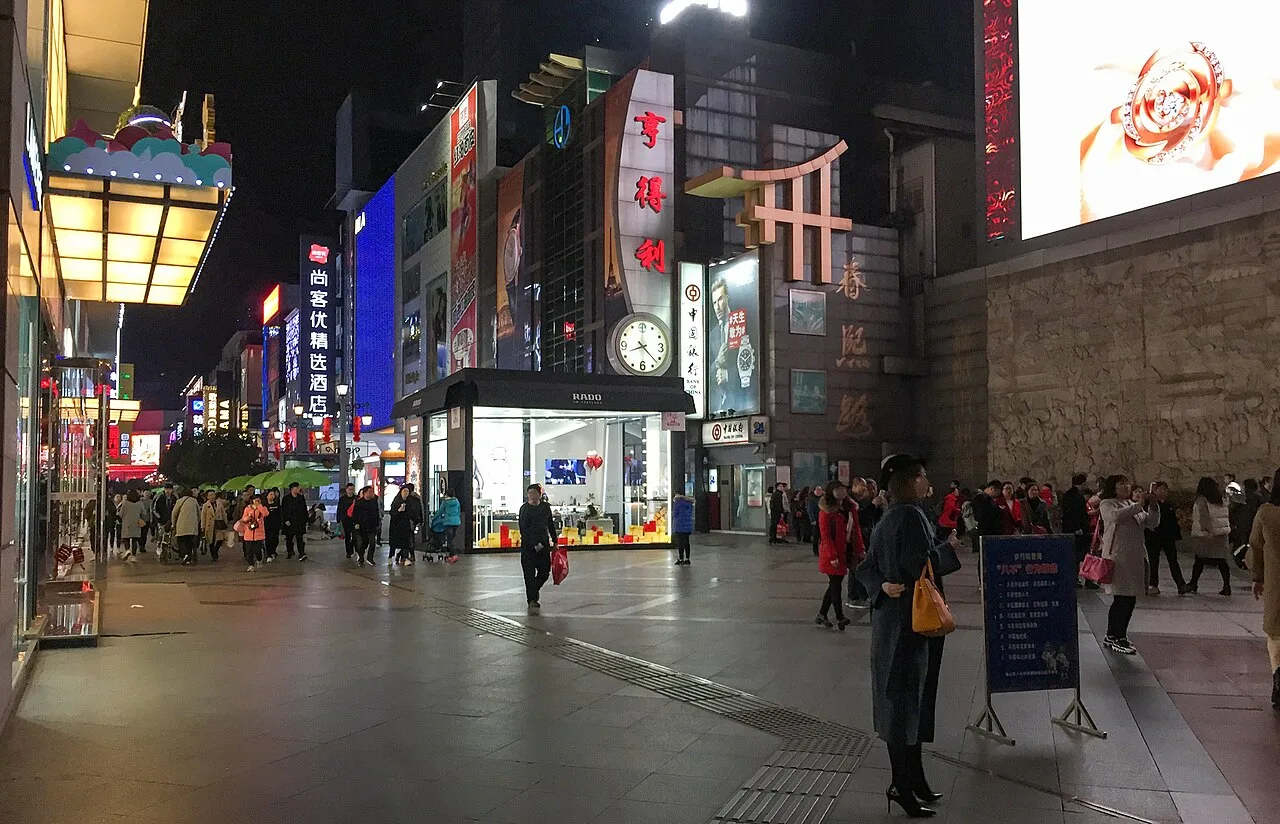
Nearby Chunxi Road connects street-level shops and department stores with large malls, making it a useful area for seeing old and new commerce together or comparing clothing and everyday retail. The name Chunxi Road refers both to a particular pedestrian street and, often, to the wider shopping district. Taikoo Li is a separate nearby development, not another floor of the same mall.
West of the central city, Kuanzhai Alley organizes commercial life around Wide Alley, Narrow Alley, Well Alley and their courtyards. Behind courtyard gates and gray-brick walls are bookshops, teahouses, restaurants, creative shops and retailers, making it easy to combine looking at storefronts with browsing small shops and Chengdu-themed items. All three areas operate as modern commercial districts; they differ in layout and shopping focus, rather than in which one represents all of “old Chengdu.”
Tea tables in parks, memorial gardens and shopping streets each serve a different part of city life, together showing Chengdu's long tradition of leisure and its changes as a modern metropolis. Open districts and gardens are also affected by weather. The local climate is humid, with rain and heat in the same season; wet paths on rainy days and summer heat can make resting or stepping indoors part of the experience.
The panda base extends the city story to conservation and research
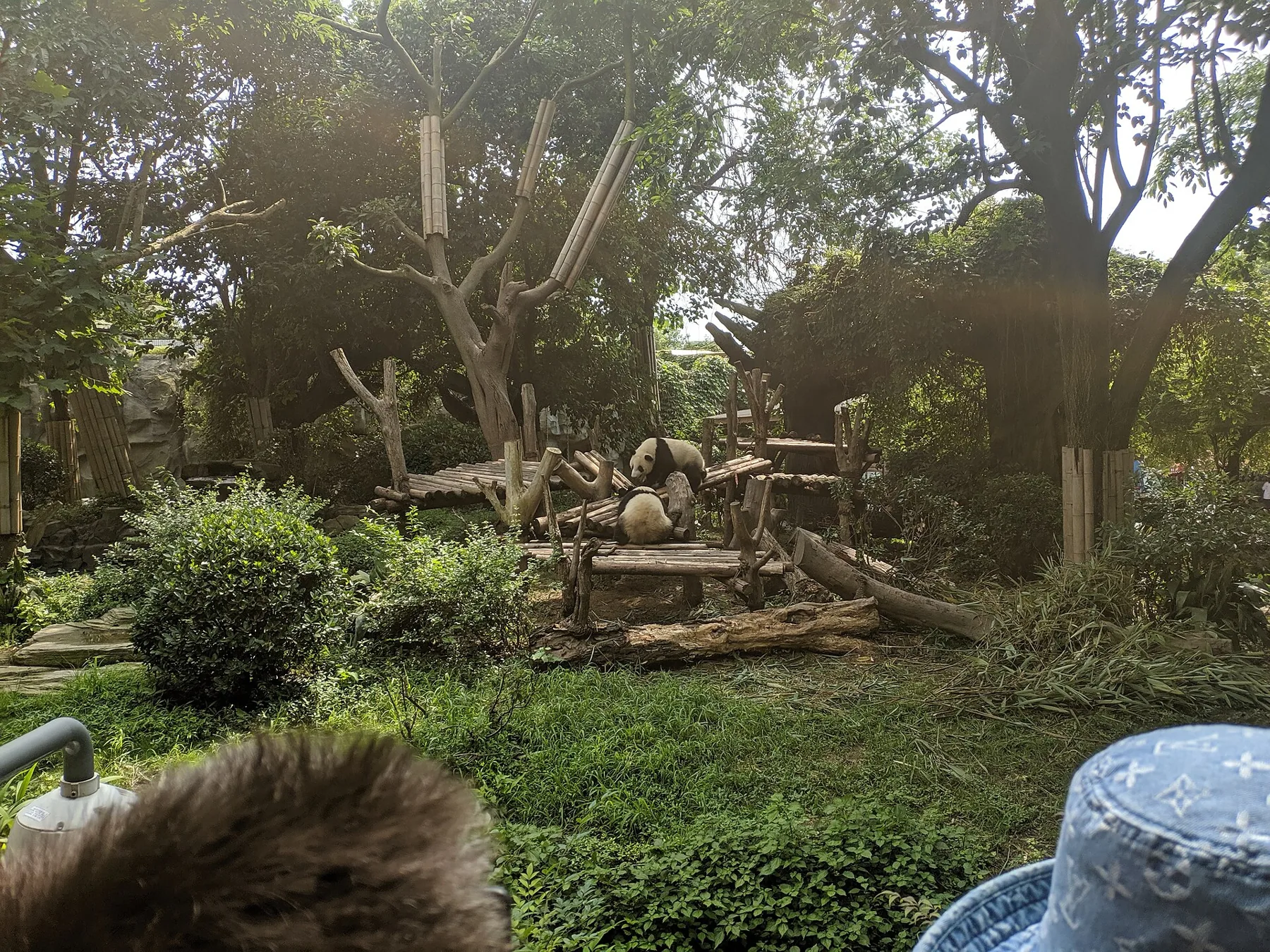
The Chengdu Research Base of Giant Panda Breeding lies northeast of the urban center, in a different setting from the central shopping districts and park teahouses. Its focus is giant panda conservation, breeding, research and public education. The panda habitats and interpretive displays offer visitors a starting point for learning about the animals and conservation work.
Giant pandas are compelling because of their real behavior: feeding, climbing and resting all change what visitors may observe; they are not performing on a fixed schedule. Red pandas in the grounds have reddish-brown fur and long tails and are not juvenile giant pandas. Viewing areas may change with animal care, weather and venue arrangements. Respecting the animals' activity and rest is part of understanding conservation. Seen alongside old-city courtyards, teahouses and food, the panda base adds another dimension to Chengdu.
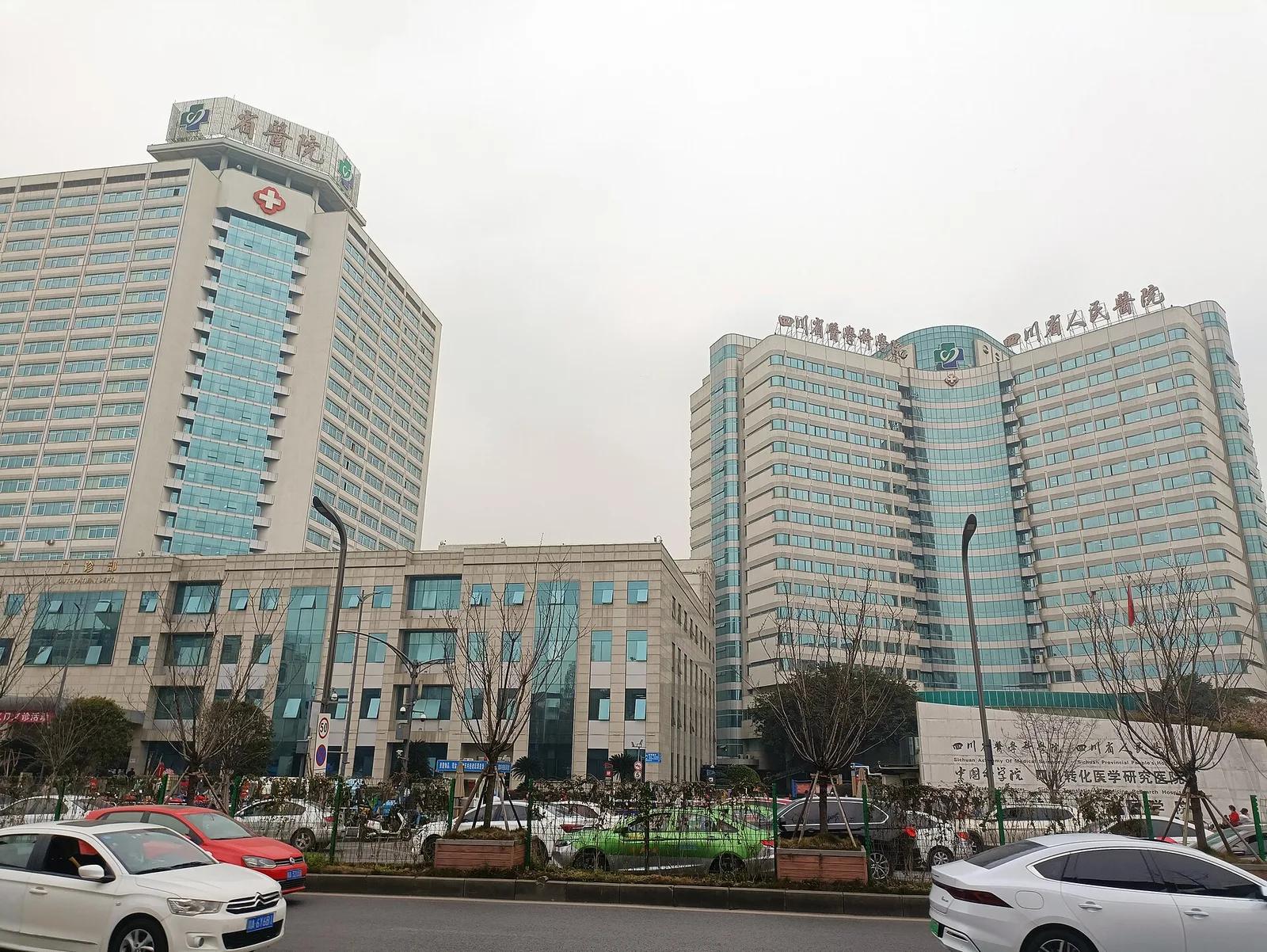
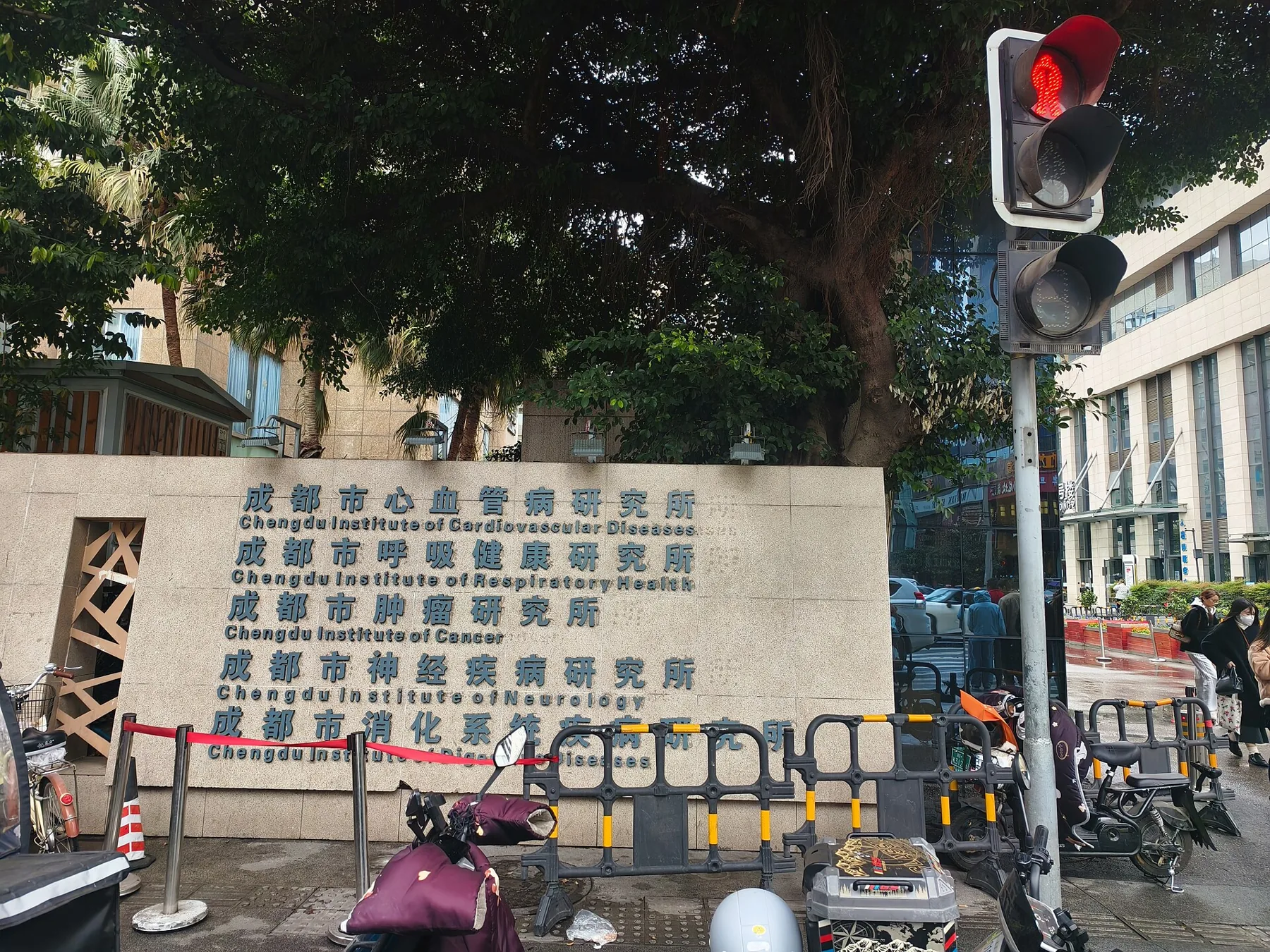
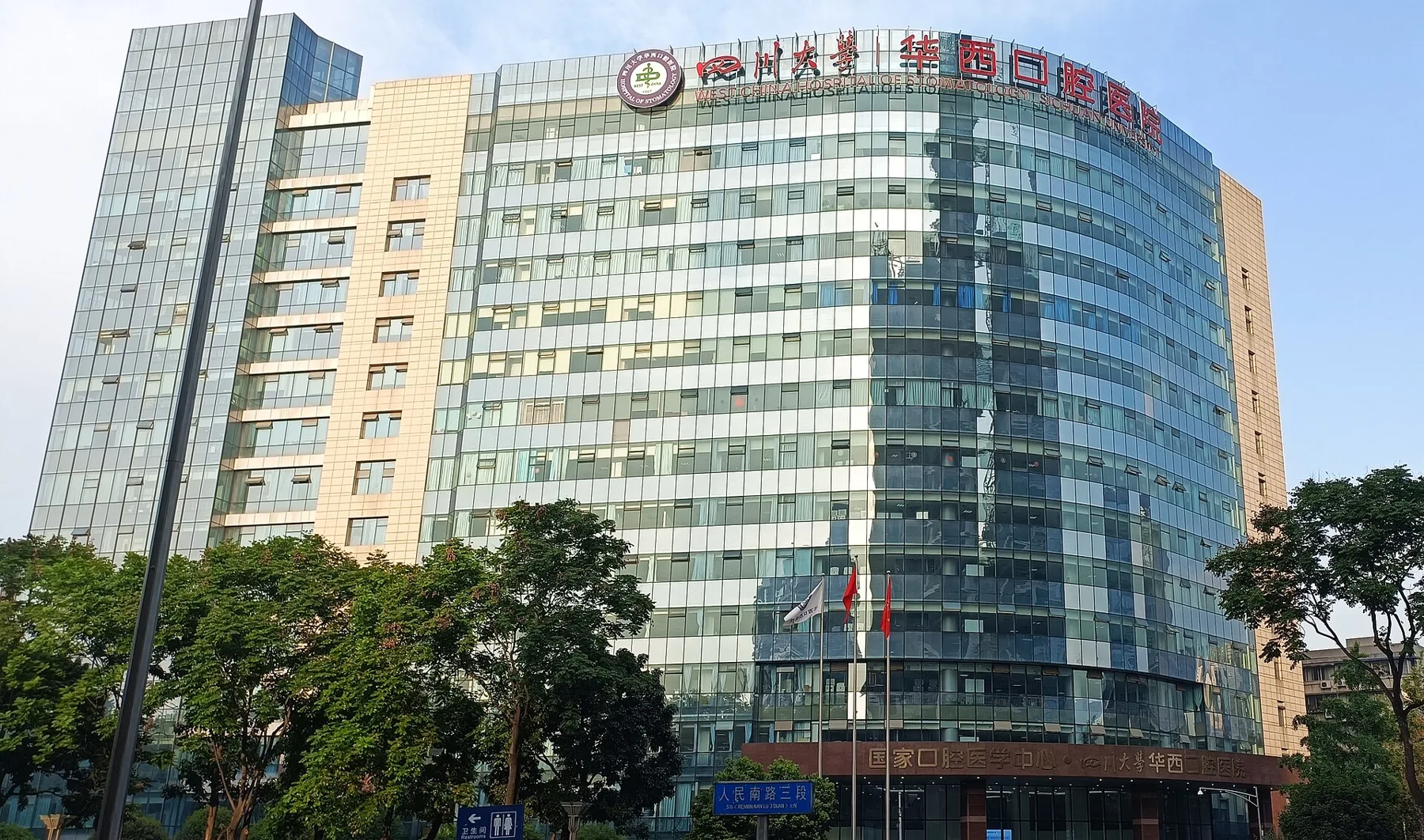
Services in this large city vary by specialty and campus. The main campuses of Sichuan Provincial People's Hospital and Chengdu Third People's Hospital on Qinglong Street provide general medical services; the main campus of West China Hospital of Stomatology specializes in dental care. Similar hospital abbreviations or a shared metro station name do not mean that facilities are the same. If you need care, check the specific campus and department details.