City introduction
To understand Shanghai, start with the two banks of the Huangpu River, then explore neighborhoods from different periods. The Bund preserves the architecture of a historic trading port, Lujiazui presents the towers built during Pudong's development, Yu Garden brings a classical Jiangnan garden into the old town, and shikumen neighborhoods show how homes and commerce became intertwined. Xiaolongbao, shengjian and scallion oil noodles offer another way to get to know the city: steamers, frying pans and a bowl of noodles reveal different approaches to everyday food in Shanghai.
The Huangpu River: the Bund and Lujiazui
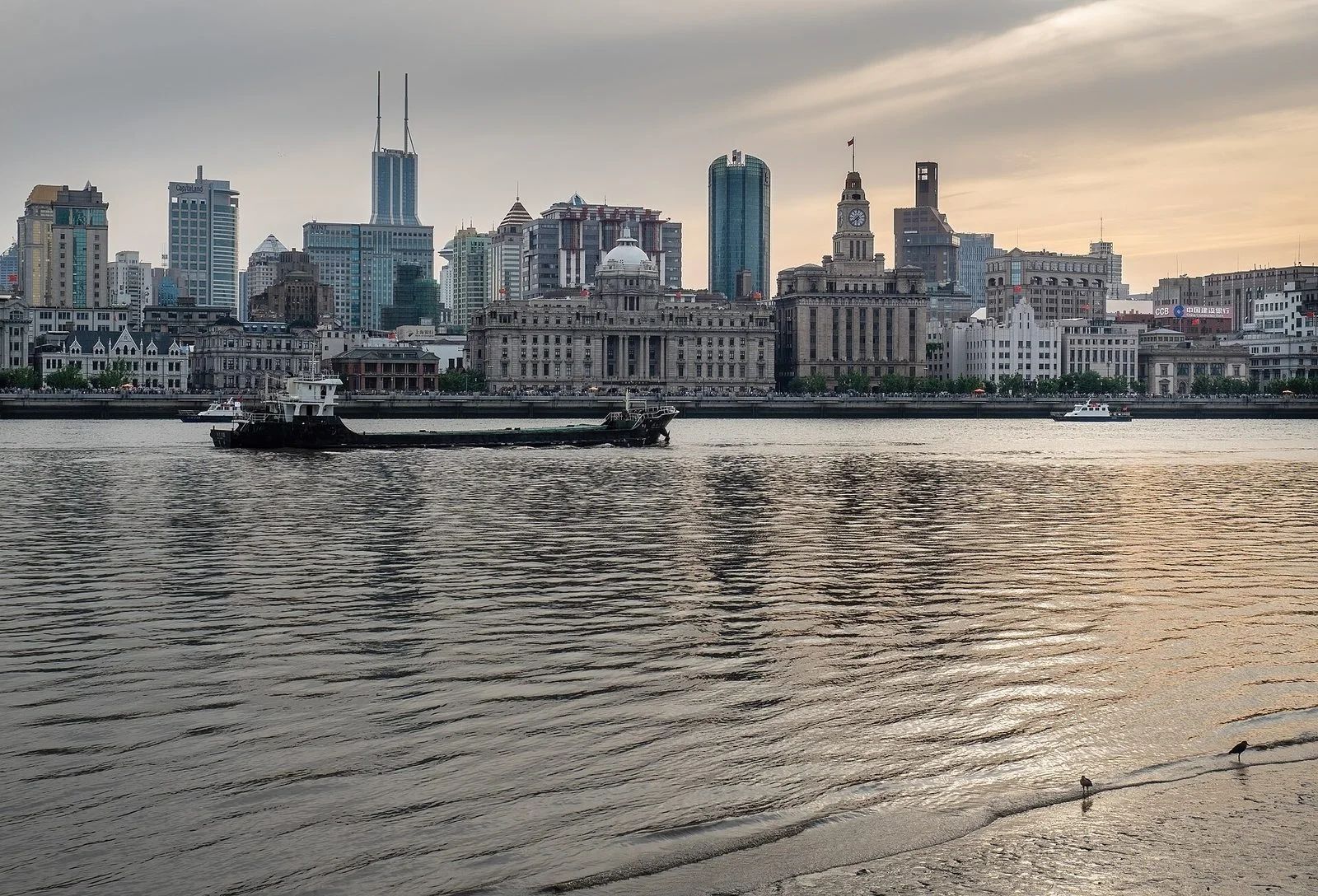
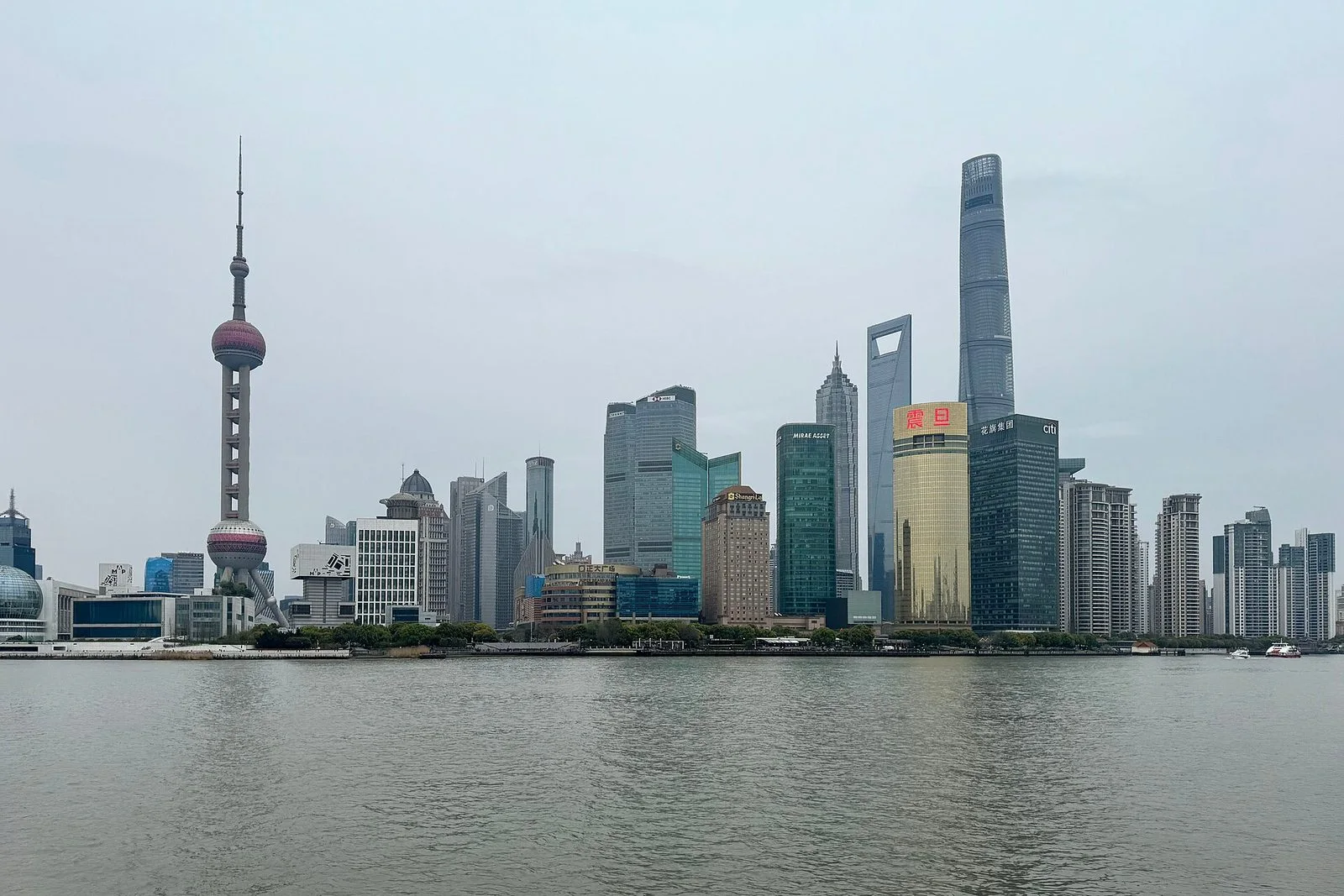
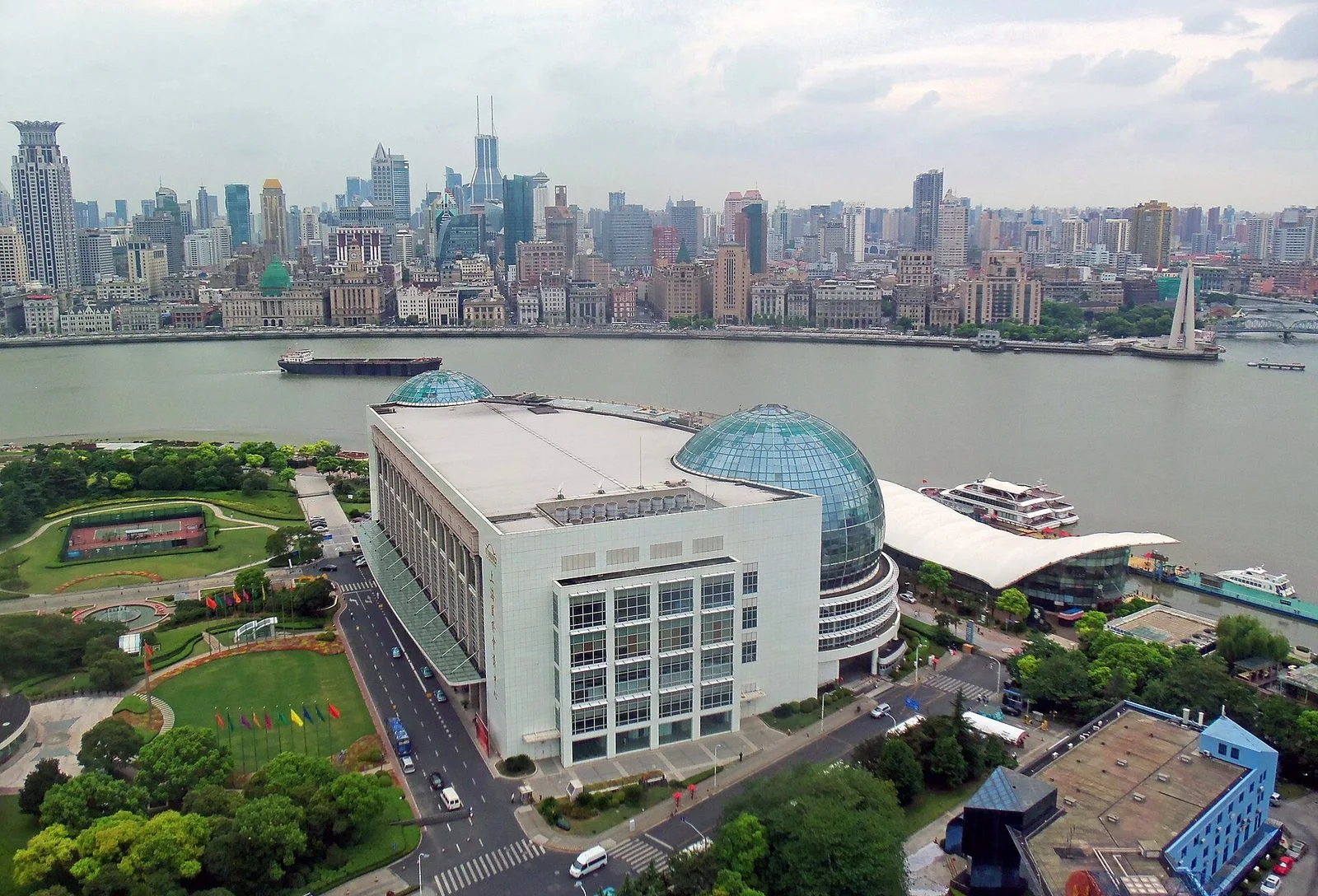
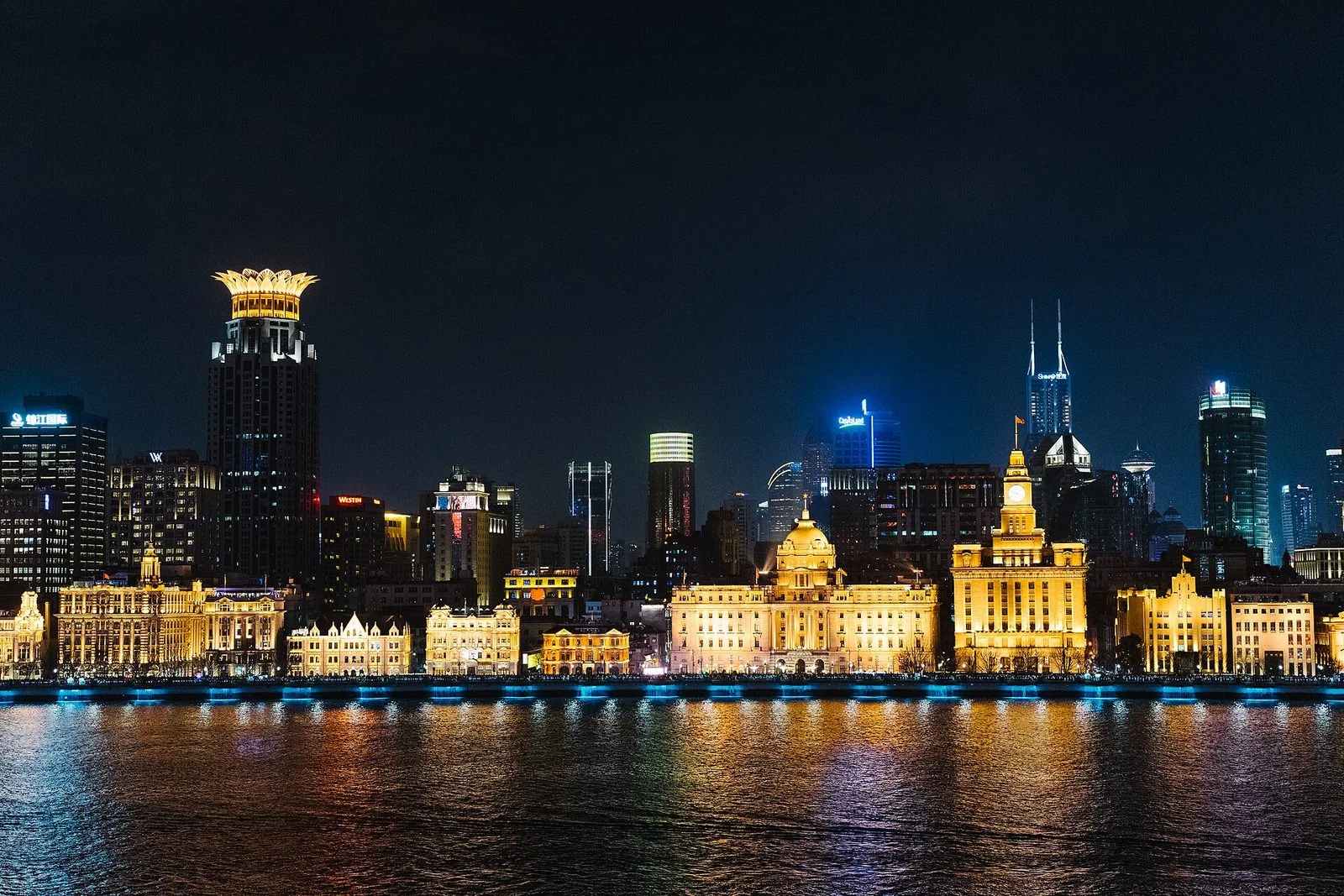
The Huangpu River divides central Shanghai into Puxi, to the west, and Pudong, to the east. The Bund stands on the Puxi waterfront, facing Lujiazui in Pudong; from the riverbank, you can see historic banks and trading houses alongside the view of modern towers. This relationship across the river is more useful for understanding Shanghai than remembering a single skyscraper. The waterfront provides public space for enjoying the view, while the neighborhoods behind the buildings each have their own history and uses.
The Bund offers a continuous line of building facades, clock towers and varied roofs, as well as shipping on the river. Across the water, the Oriental Pearl Tower, Jin Mao Tower, Shanghai World Financial Center and Shanghai Tower form Lujiazui's recognizable outline. Pudong's development and opening began in 1990, and today's dense cluster of towers reflects that phase of the city's growth. Daylight helps you examine architectural details and understand the two banks; at night, outlines and lighting become more prominent. Specific lighting arrangements should not be treated as a daily guarantee.
Yu Garden in the old town and ancient art in the museum
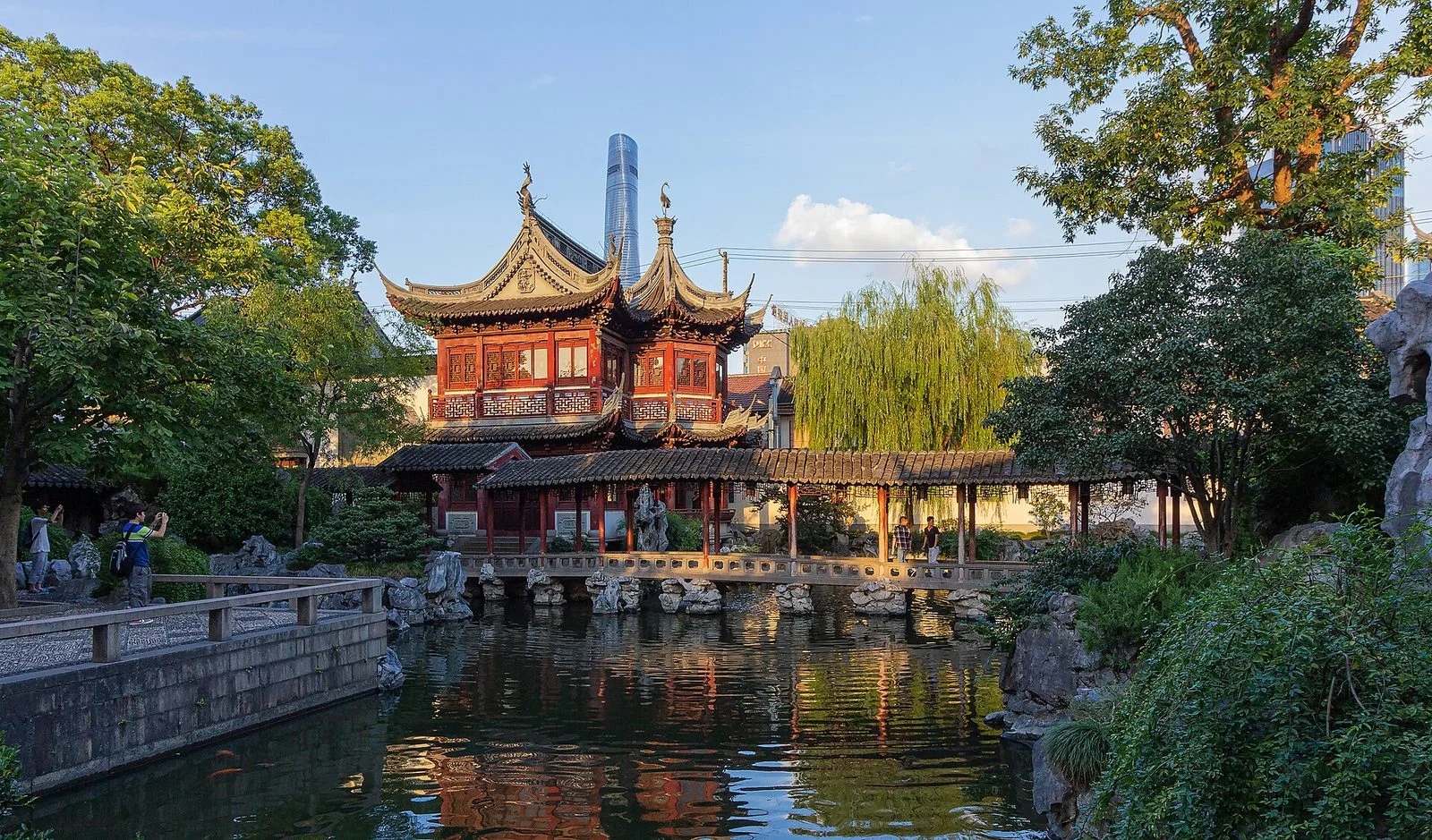
Yu Garden is in Shanghai's old town. The garden itself, the surrounding shopping streets and the City God Temple are separate places to visit. Rocks, ponds, halls and winding passages shape the garden, while walls, doorways and eaves continually redirect the view. Compared with the Bund's open river panorama, Yu Garden rewards a closer look at how spaces unfold: look through a doorway into the next courtyard, or walk around a rockery to see reflections on the water. Browsing the surrounding shops does not replace a visit inside the garden, and the neighborhood's opening arrangements do not determine the garden's admission rules.
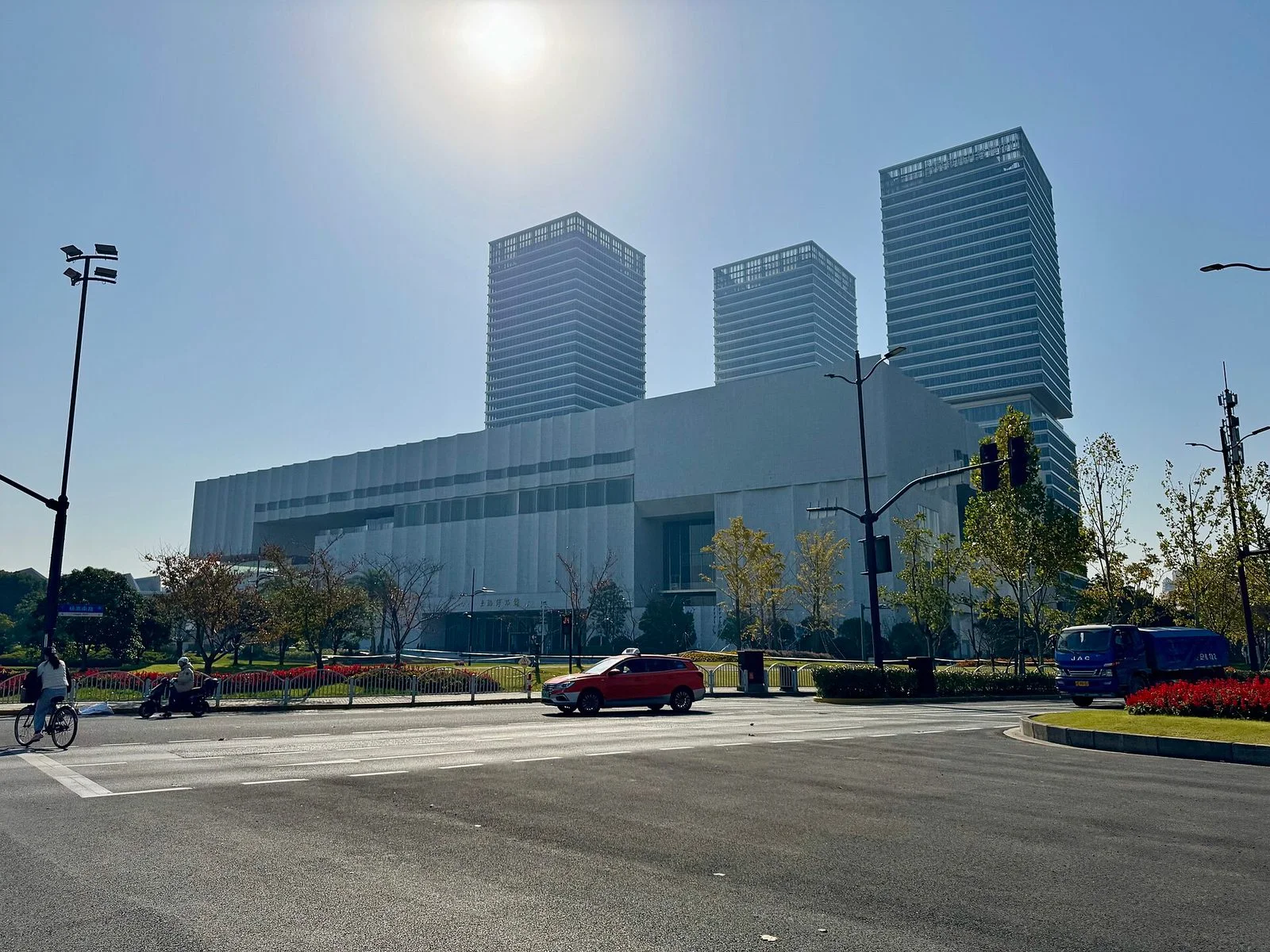
For Chinese history beyond architecture, consider Shanghai Museum East. This Pudong venue is separate from the People's Square branch, and each has its own exhibition program. The forms and decoration of bronzes, and changes in ceramic glazes and firing, offer ways to explore ancient art through materials. Before choosing a visit, identify the address and exhibition themes, then read that branch's current notices. The name “Shanghai Museum” alone is not enough to determine opening hours, reservation requirements or ticketing.
Shikumen lanes and the Suzhou Creek waterfront
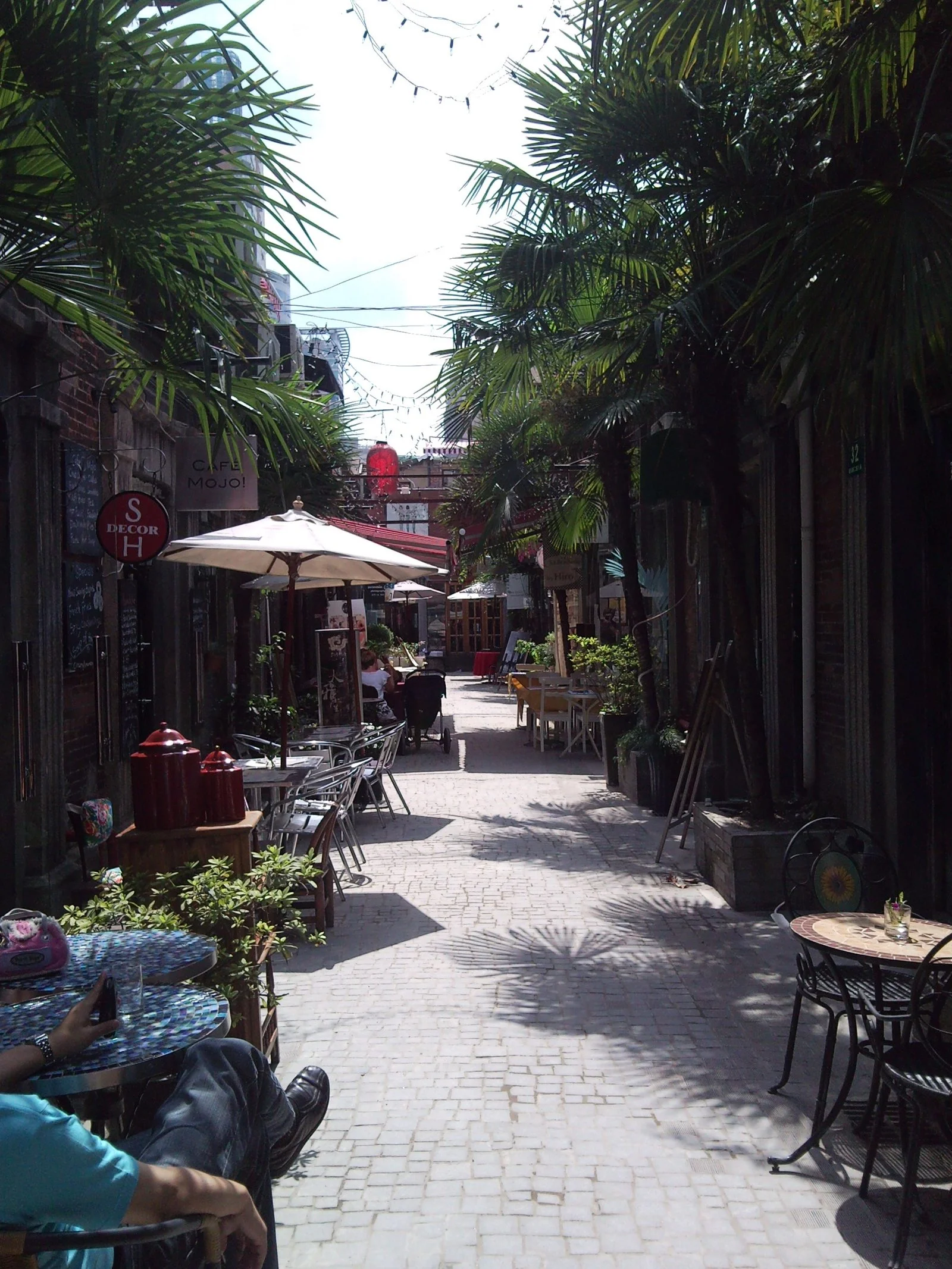
Shikumen is an important form of housing in modern Shanghai: brick walls, stone-framed doorways and rows of houses create lane neighborhoods that combine elements of Jiangnan homes with building practices from abroad. They once accommodated family life alongside small workshops, shops and cultural activities. Look at the relationship between door frames, window decoration, upper floors and lanes. The close spacing between house entrances and the street offers details suited to exploring on foot.
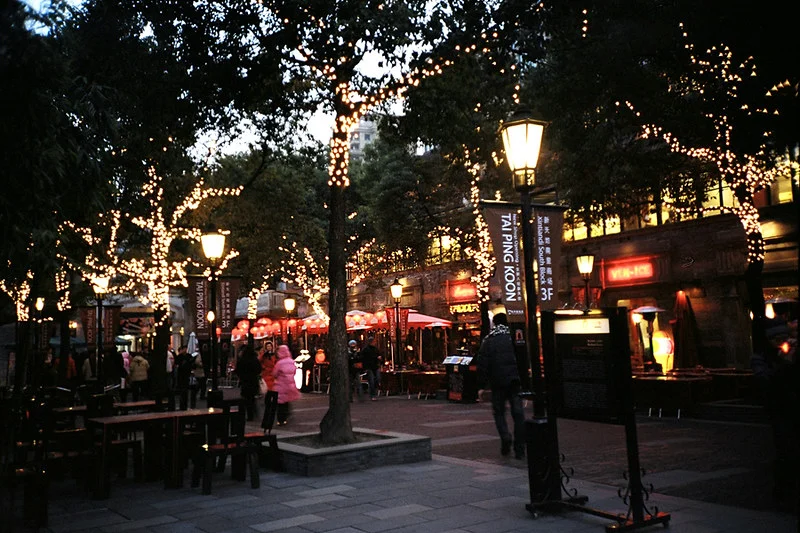
Today's Xintiandi and Tianzifang demonstrate different approaches to commercial redevelopment, with shopping and dining woven into their neighborhoods. For another aspect of urban history, look to the old warehouses, banks and industrial buildings along Suzhou Creek; the Jing'an section retains buildings associated with modern industry and commerce. The Huangpu offers broad views of the city on both banks, while Suzhou Creek makes it easier to focus on bridges, warehouses and streets. Historic photographs help explain the buildings and waterfront, but do not mean every old entrance or business remains unchanged.
Xiaolongbao, shengjian and scallion oil noodles
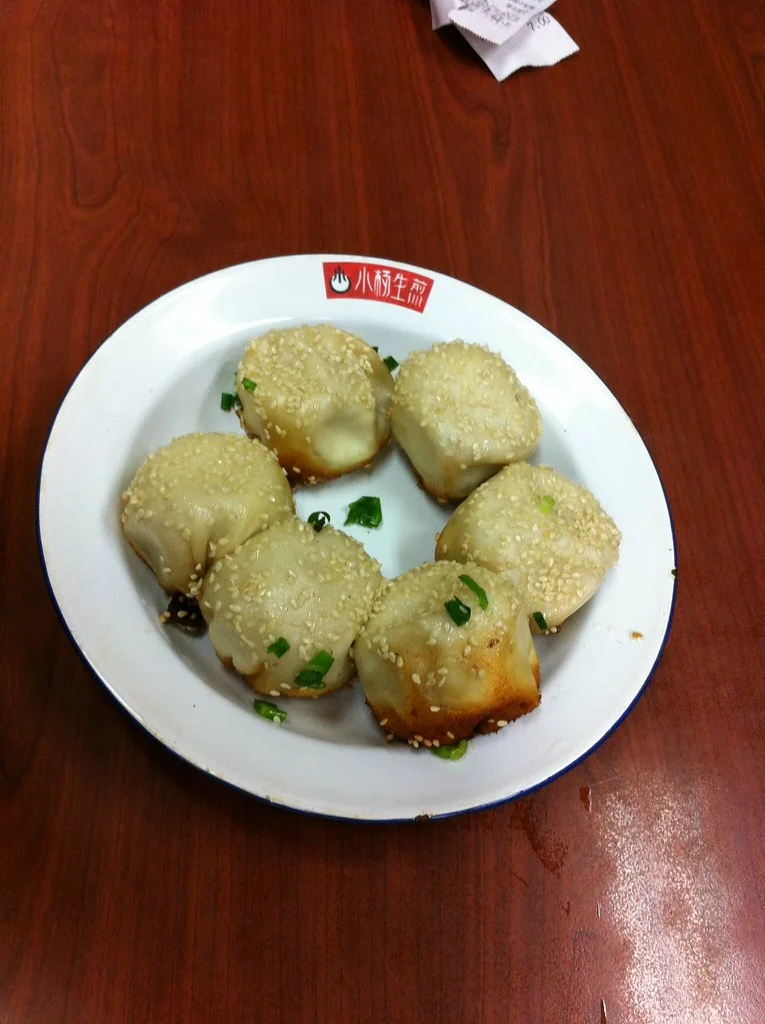
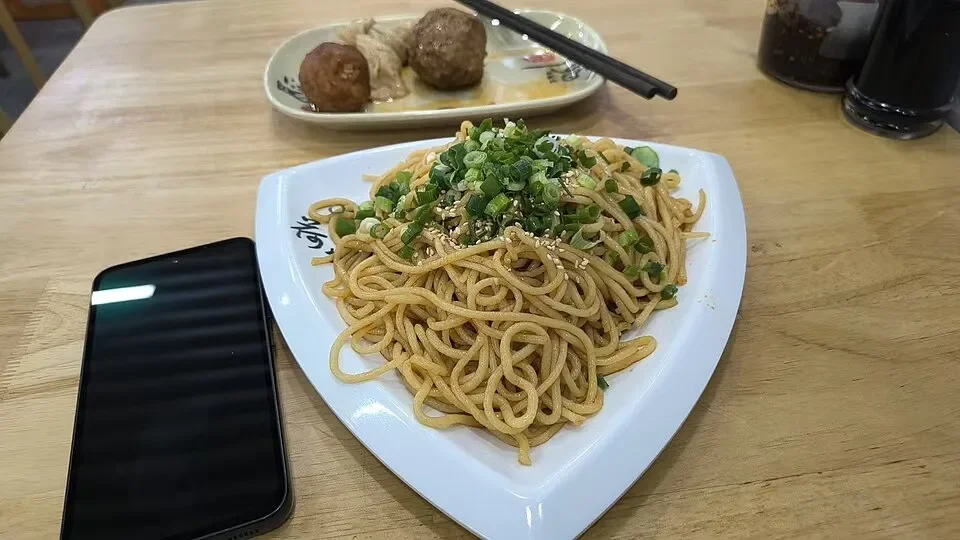
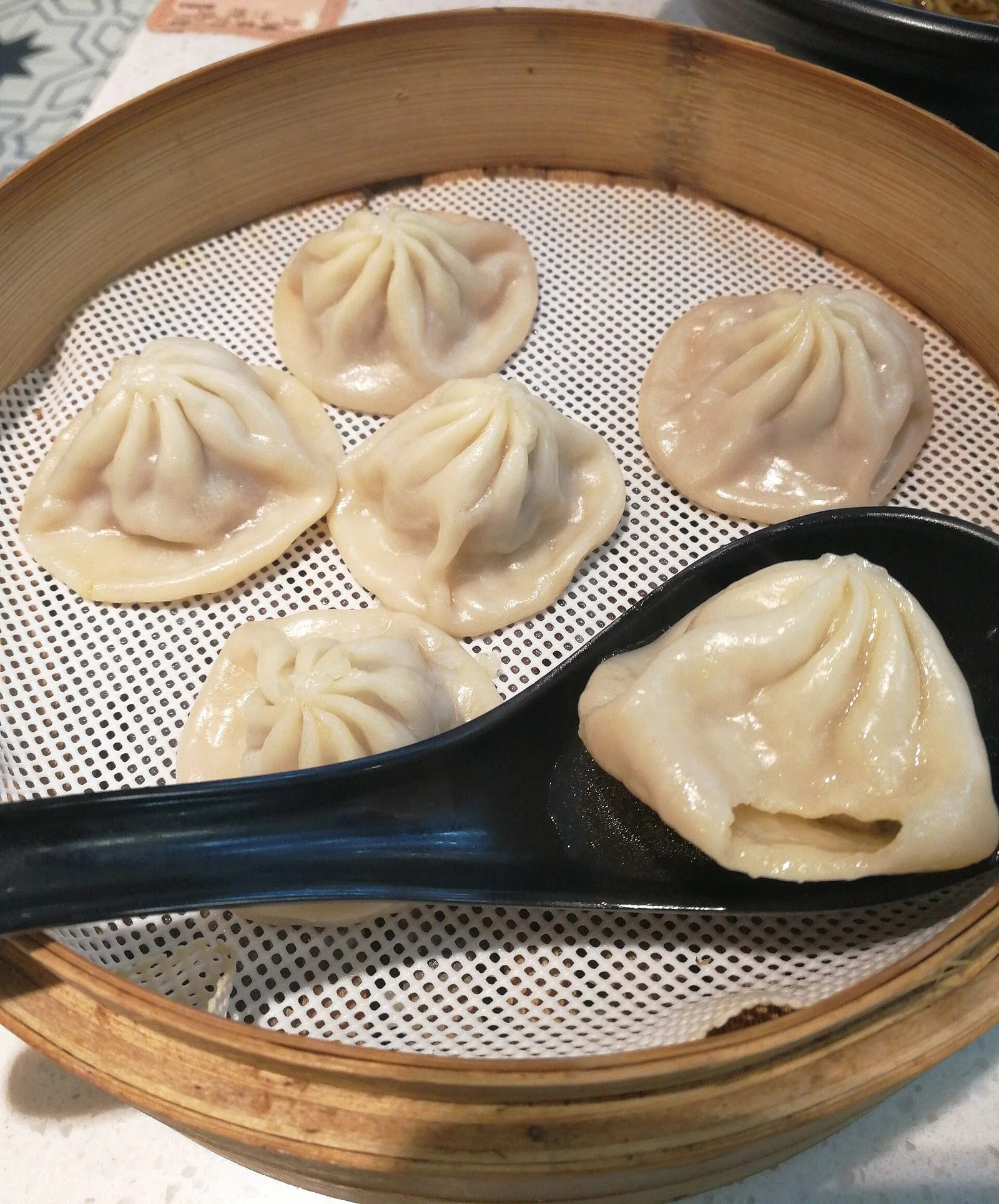
Shanghai's snacks use different cooking methods. Xiaolongbao are steamed in baskets, with thin wrappers enclosing filling and broth. Shengjian are cooked in a flat pan, contrasting crisp bottoms with softer dough above. Scallion oil noodles use scallions, oil and soy sauce to coat the noodles with flavor. Texture and eating methods offer useful ways to understand these dishes, without reducing the city's food to a single description such as “sweet.”
These three foods also call for different choices when ordering and eating. Check the temperature of the broth inside xiaolongbao and shengjian; mix scallion oil noodles thoroughly with the seasoning at the bottom of the bowl. Meat filling, pork skin jelly, shrimp or crab, lard and soy sauce vary by version and restaurant. A dish's name does not reveal its full recipe. If you are allergic to wheat, shellfish or soy, or need vegetarian food, ask about specific ingredients rather than relying on labels such as “mixed noodles” or “dim sum.”
Three kinds of neighborhood shopping
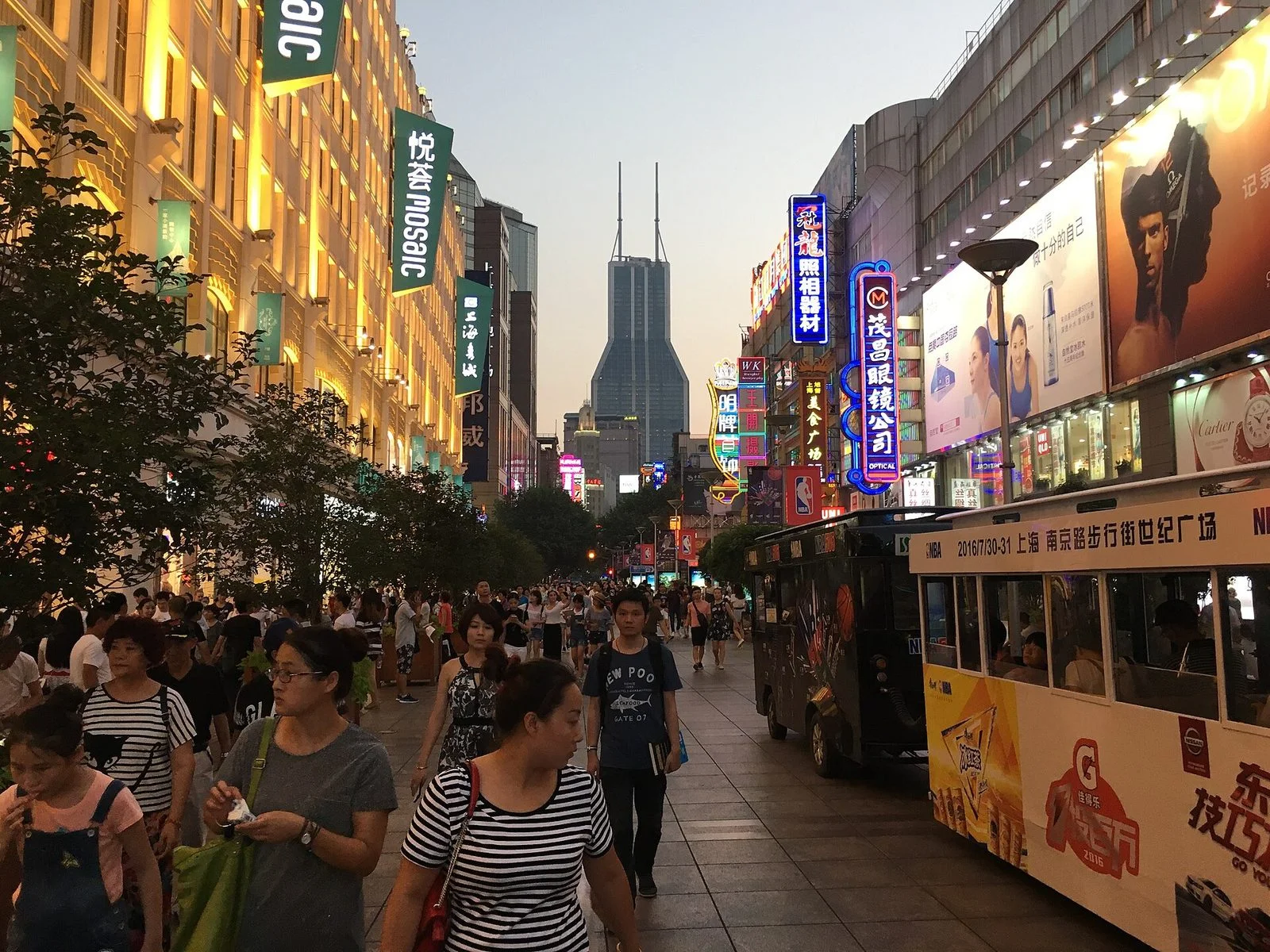
Nanjing Road Pedestrian Street, Tianzifang and Shanghai Xintiandi serve different shopping interests. Nanjing Road has continuous commercial frontages and large retail spaces, where traditional shopping streets meet contemporary brands. Tianzifang has narrower lanes, with small shops and restaurants throughout the old neighborhood. Xintiandi combines shikumen exteriors with dining, retail and public spaces. Understanding these differences helps you choose between department stores, small gifts and a neighborhood meal or break.
These places are also architectural and street environments: entering shops and observing public streets are different experiences. When buying souvenirs, check specific labels and shop information for materials, origin, portability and price. An old street setting does not establish that a product is a traditional handmade item. These are working commercial areas, and tenants change. Older streetscape photographs are useful for explaining their layout, but cannot guarantee a particular shop is still open.
Damp seasons and time in the city
Shanghai's summers are hot and humid. The plum rain season generally falls between mid-June and early July, while winters tend to feel damp and cold. Waterfronts, gardens and shopping streets are mainly outdoor experiences; museums and indoor exhibitions offer alternatives. Weather can help shape your choices: muggy heat or persistent rain may make long neighborhood walks less appealing, while exhibitions reward uninterrupted time to read the labels. The beginning and end of the plum rain season vary each year, so fixed dates cannot predict whether it will rain on a particular day.
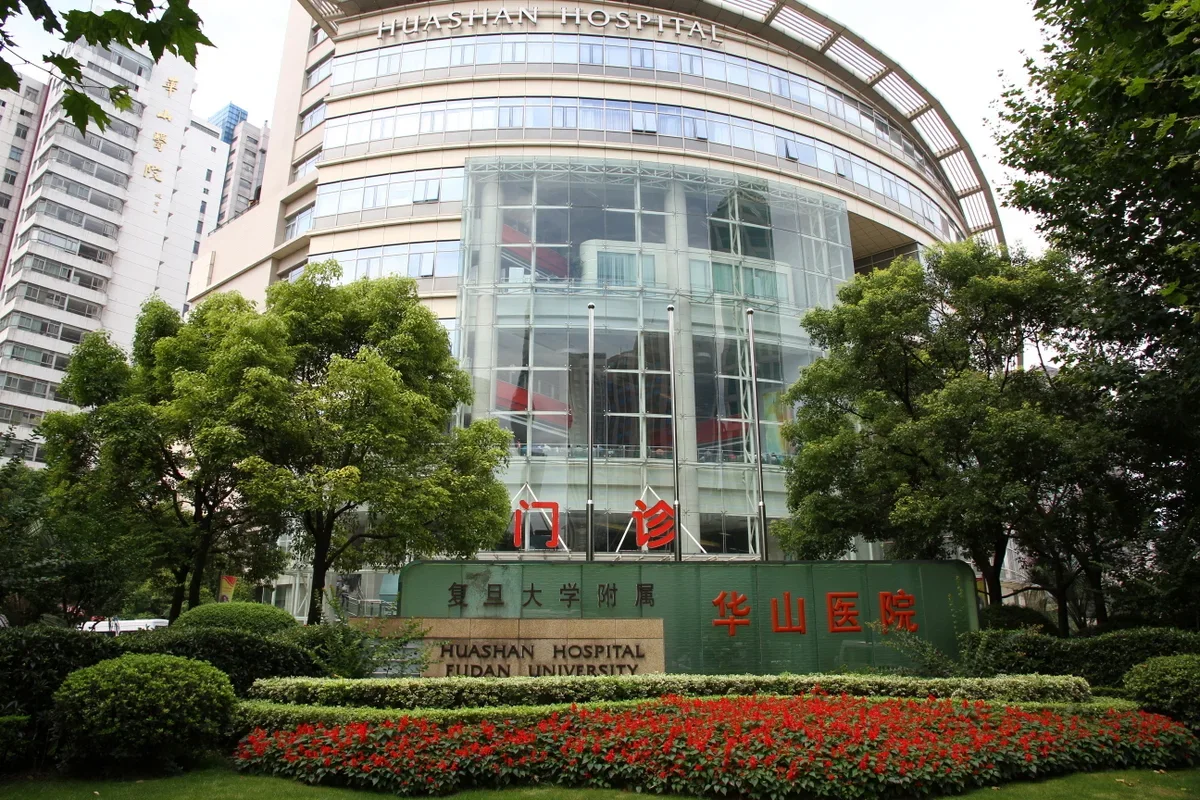
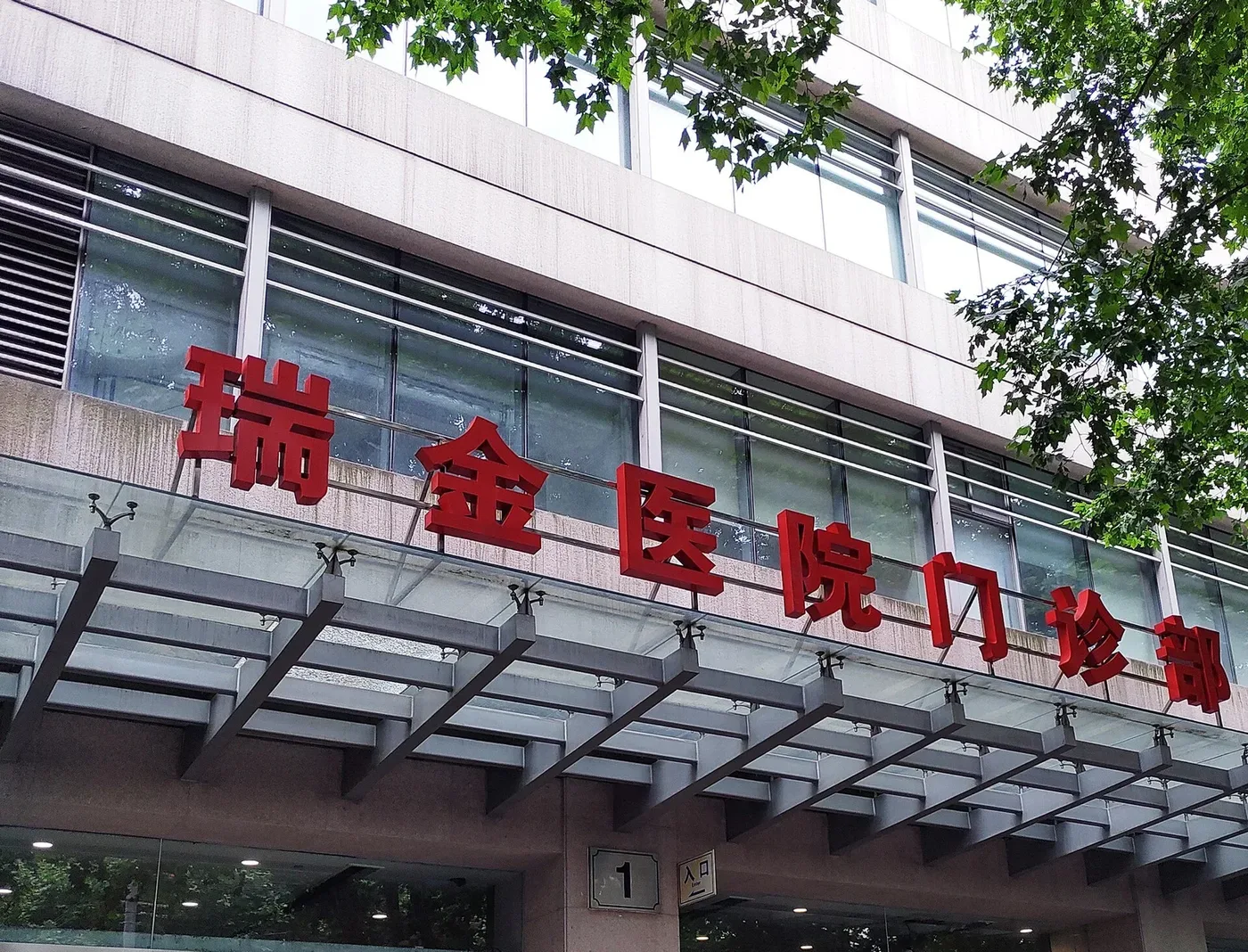
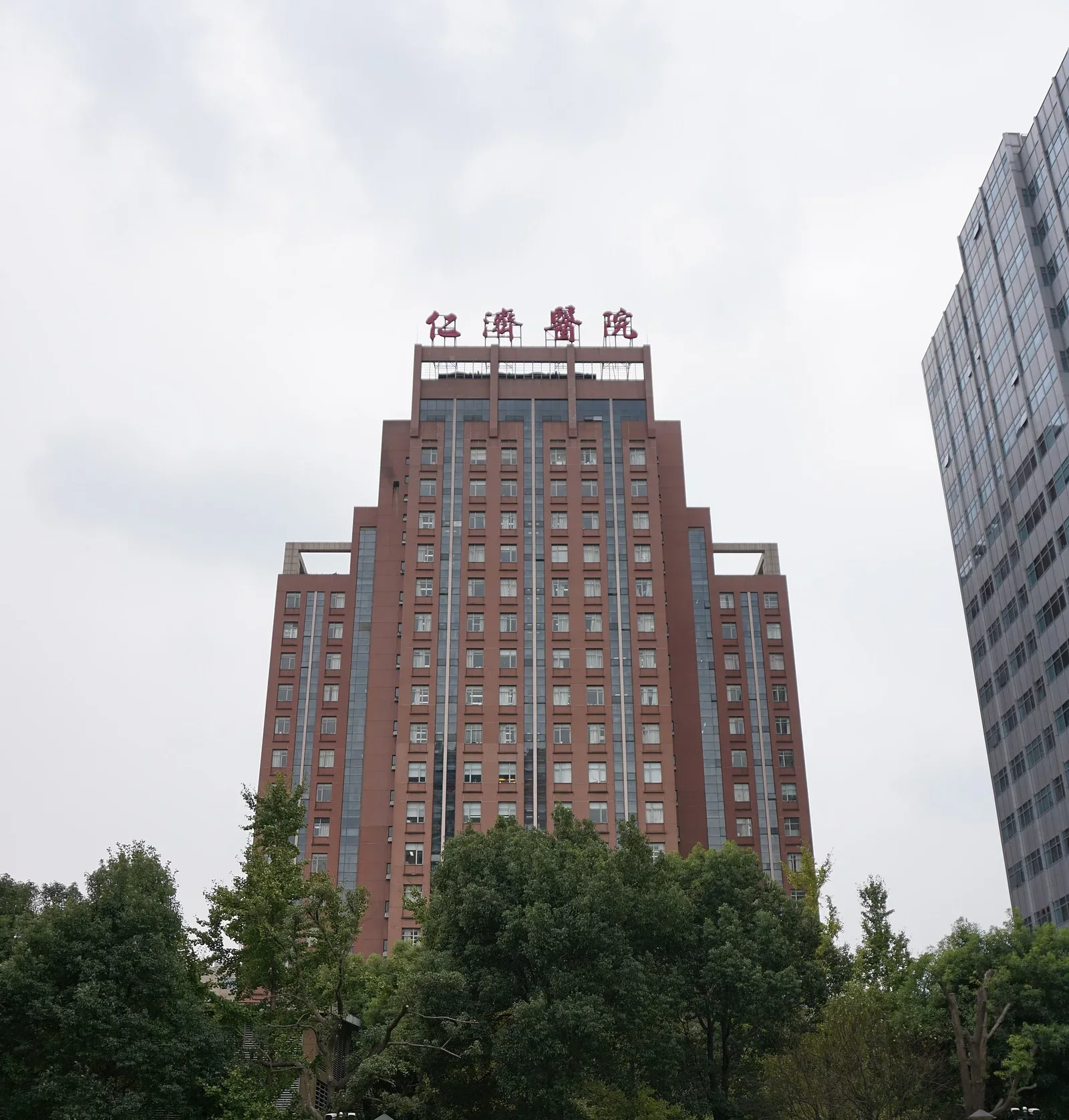
The Huangpu's two banks face each other across the water, but actual connections rely on bridges, tunnels, rail services or ferries. Two buildings that look close in a river photograph may not be connected by a direct walk. This geography also affects shopping, museum visits and medical care. Huashan Hospital's international medical center and Ruijin Hospital are in Puxi, while Renji Hospital East's international clinic is in Pudong; their services differ too. Renji's international clinic has no emergency department, while Huashan's international medical center lists 24-hour emergency services. When seeking care, identify the specific campus and distinguish ordinary outpatient care from international services. Confirm language assistance and insurance arrangements with the relevant provider.