Understand the two riverbanks
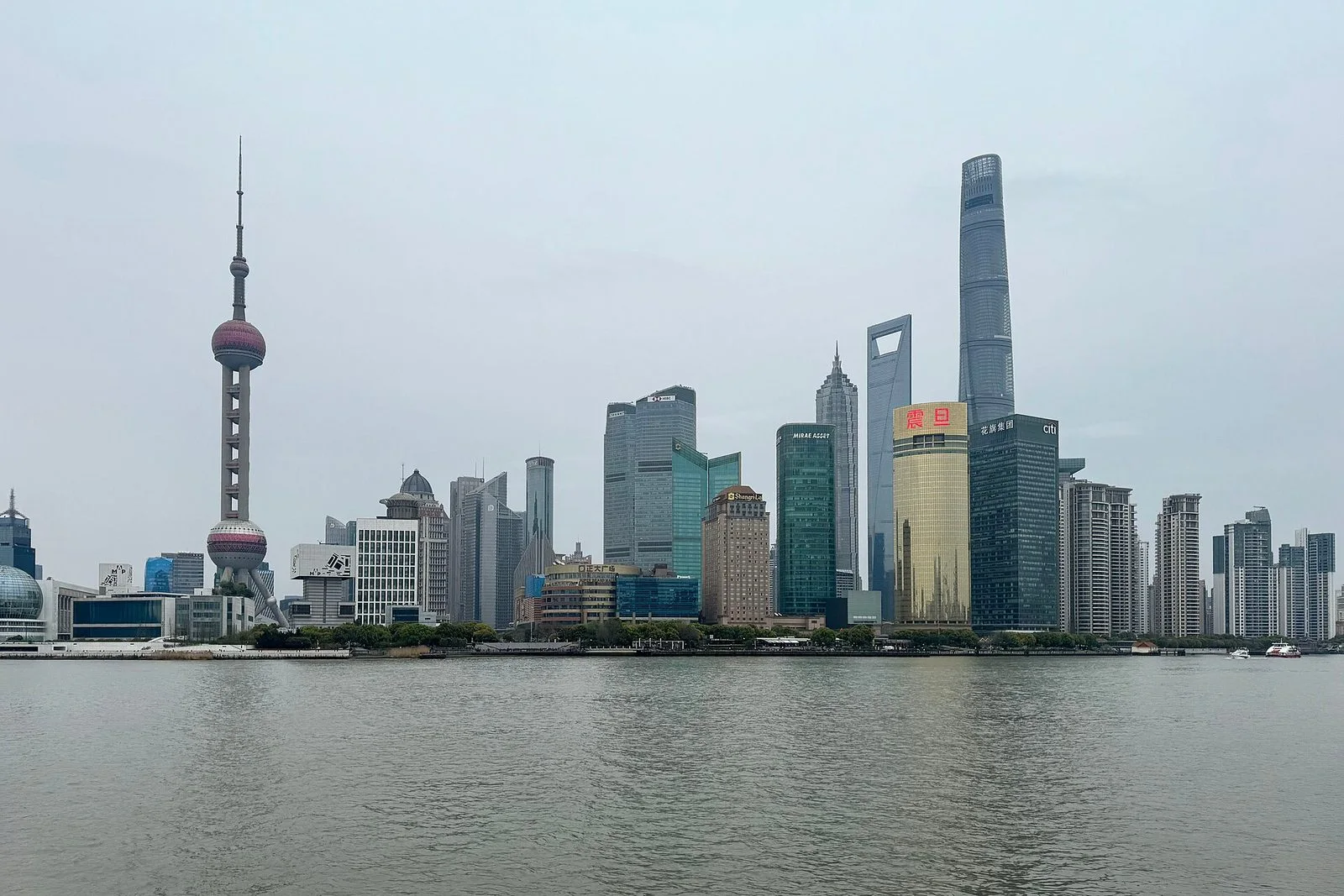
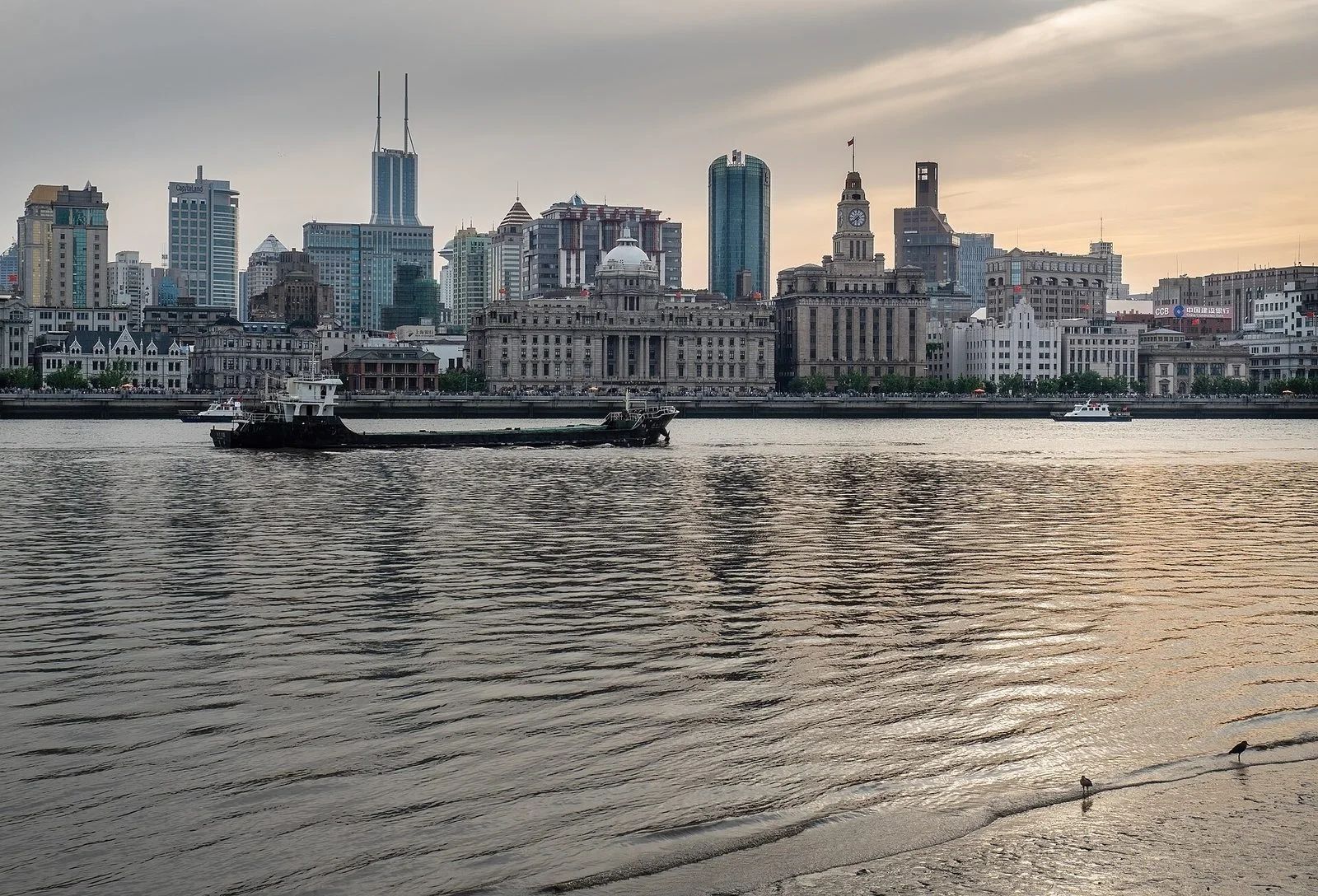
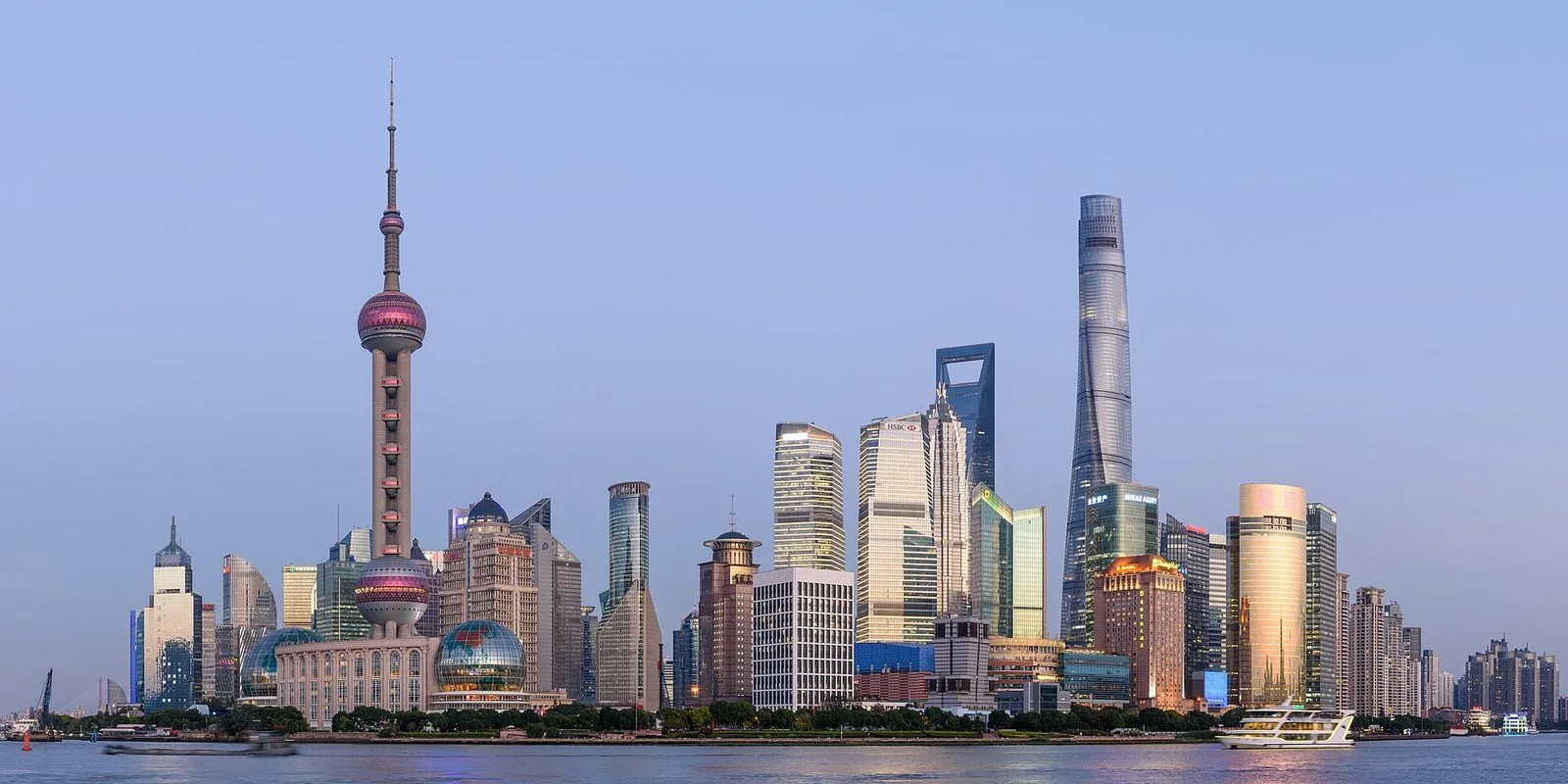
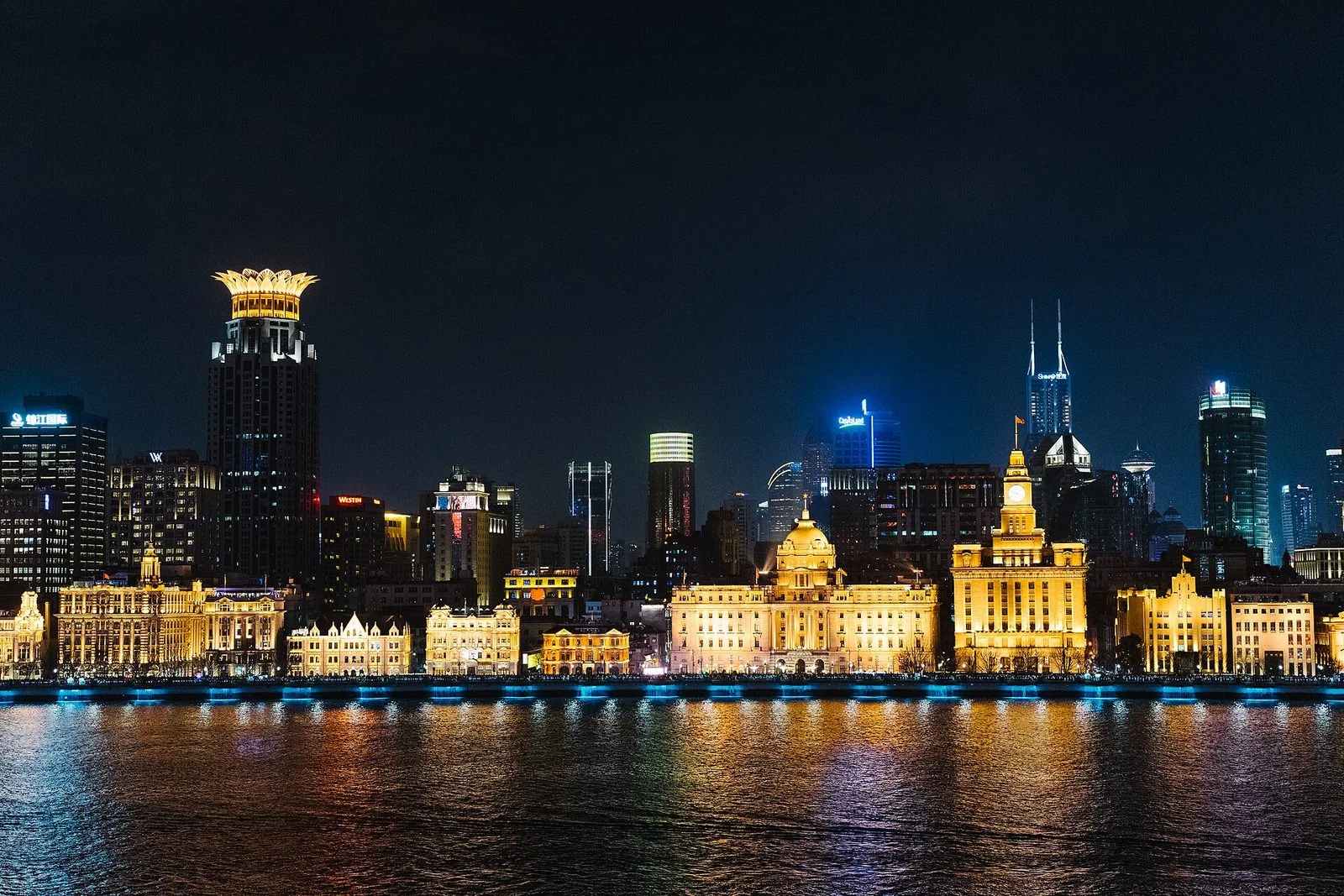
The Bund lies along Zhongshan East 1st Road in Huangpu District, on the west bank of the Huangpu River. Shanghai's official tourism website defines its extent from Yan'an East Road in the south to Waibaidu Bridge at the mouth of Suzhou Creek in the north. The waterfront promenade faces Lujiazui in Pudong, with a row of historic buildings across the road behind it. On a first visit, understand this relationship: the towers seen from the Bund are on the opposite bank, while the Bund itself is defined by historic waterfront buildings and public riverside space.
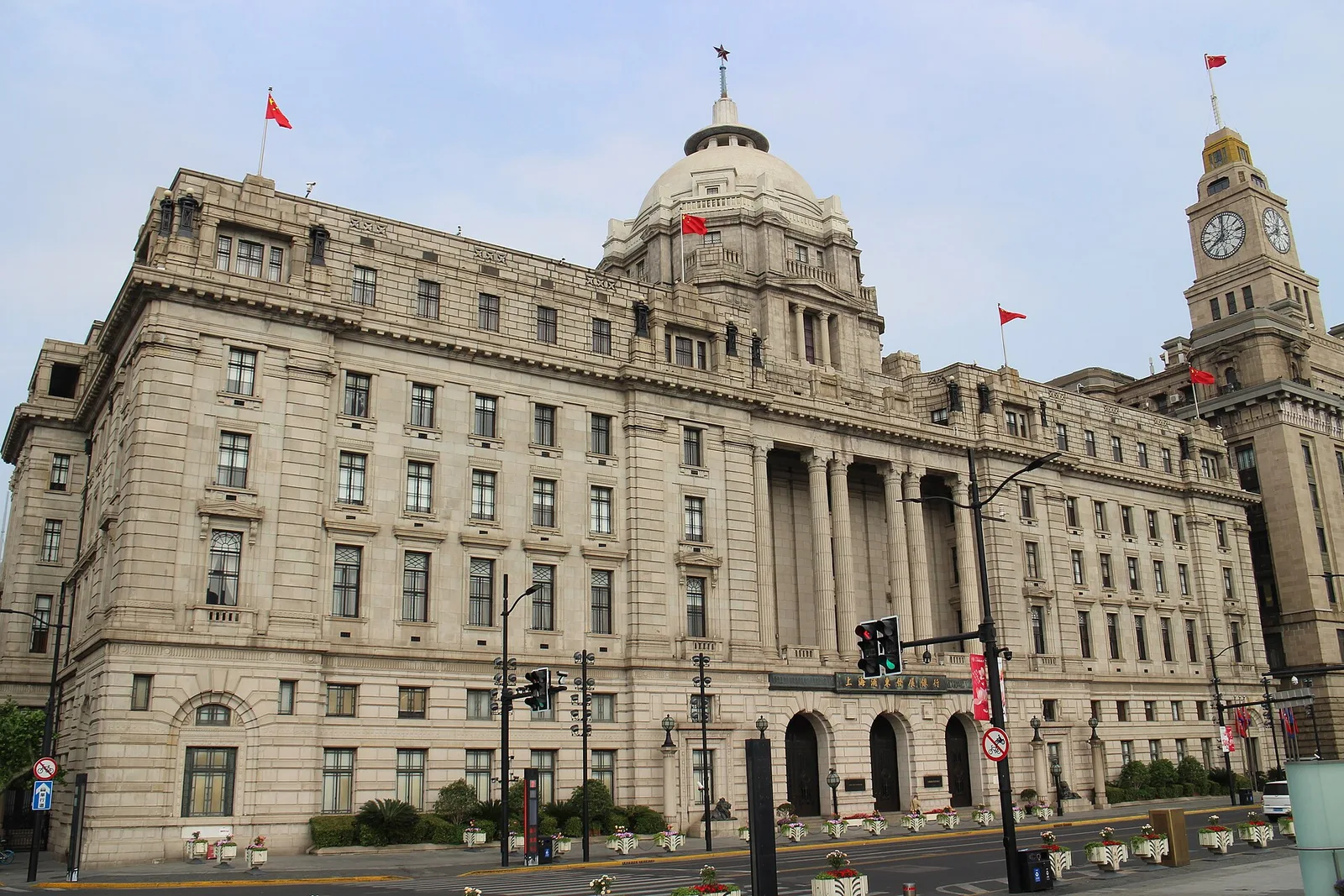
Alternate between the river and the buildings. Facing the water, you can watch boats and the city outline across the broad river; turning west, you can compare roofs, windows, porches and facade materials. Taking just one skyline photograph from the waterfront can mean missing the differences between buildings. If your main interest is Shanghai's modern architectural history, daylight usually makes these details easier to distinguish.
Read history through architectural details
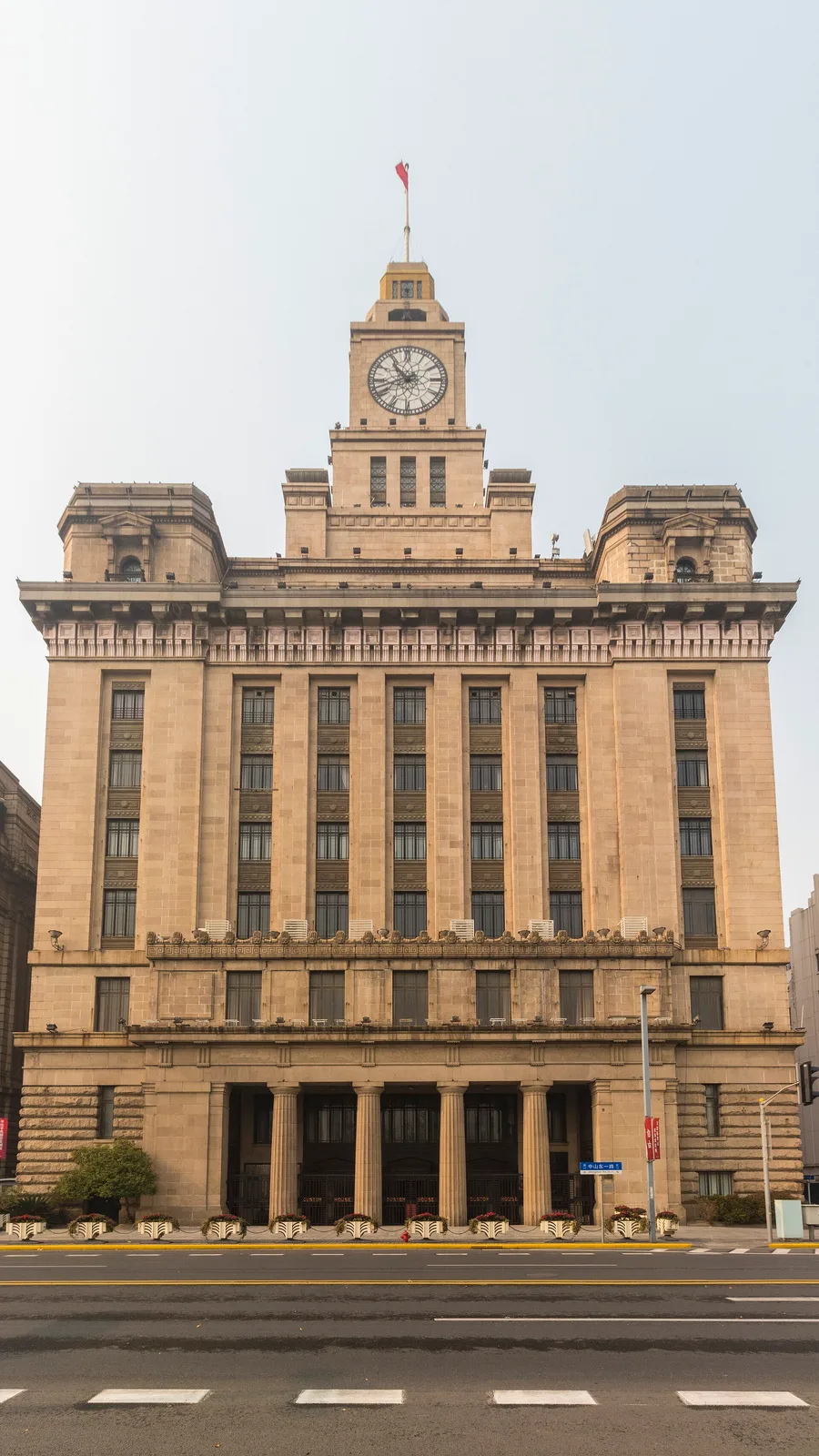
The description “exhibition of international architecture” refers to the variety of styles here. The Asia Building, former HSBC Building, Customs House, Bank of China Building and Sassoon House, among others, record changes in commerce and finance after Shanghai opened as a treaty port. The group became a nationally protected cultural heritage site in 1996. It was not built all at once, and the whole street cannot be treated as a copy of any single European architectural style.
Facade color offers an accessible starting point. Architectural histories describe early use of gray bricks, followed by more red brick, and the gray stone or imitation-stone finishes common in the first half of the 20th century. Comparing window frames, brickwork and colonnades along the street reveals these changes more readily than memorizing a list of names. The Customs House clock tower and the Peace Hotel's green pyramidal roof also provide reference points in the streetscape.
These buildings still function as offices, hotels, shops and restaurants. Viewing their exteriors and entering them are separate experiences. If you want to visit an exhibition, restaurant or historic interior, check that building's access and spending requirements. An open public promenade does not mean that every building can be entered freely.
For a more focused walk, choose a few buildings already identified here and compare them from the pavement: look at rooflines, facade materials and the rhythm of windows, then step back toward the river to see how each frontage contributes to the whole streetscape. This turns a list of landmarks into a sequence of visible differences.
Choose a time and plan your arrival
Dusk lets you compare the two banks as the light changes; at night, illumination emphasizes building outlines. No fixed light-show schedule is guaranteed here. Choose daylight for naturally lit facades, and treat the night view as another opportunity to observe lights and reflections. Overcast or rainy weather affects distant visibility, and photography beside the river should leave space for people to pass.
The city's tourism website lists East Nanjing Road station on Metro Lines 2 and 10 as an option for reaching the Bund. You still need to walk from the station to the river; the station is not an entrance to the promenade. Allow roughly 1–2 hours for a walk and a look at several buildings. This is a sightseeing estimate, excluding shopping, meals, visits inside buildings and queues. The tourism page lists the Bund as open around the clock; follow on-site directions if crowd controls apply during festivals.
Useful official references
Check the relevant official service before making arrangements. These links are references, not a guarantee of current services.