Confirm which branch you are visiting
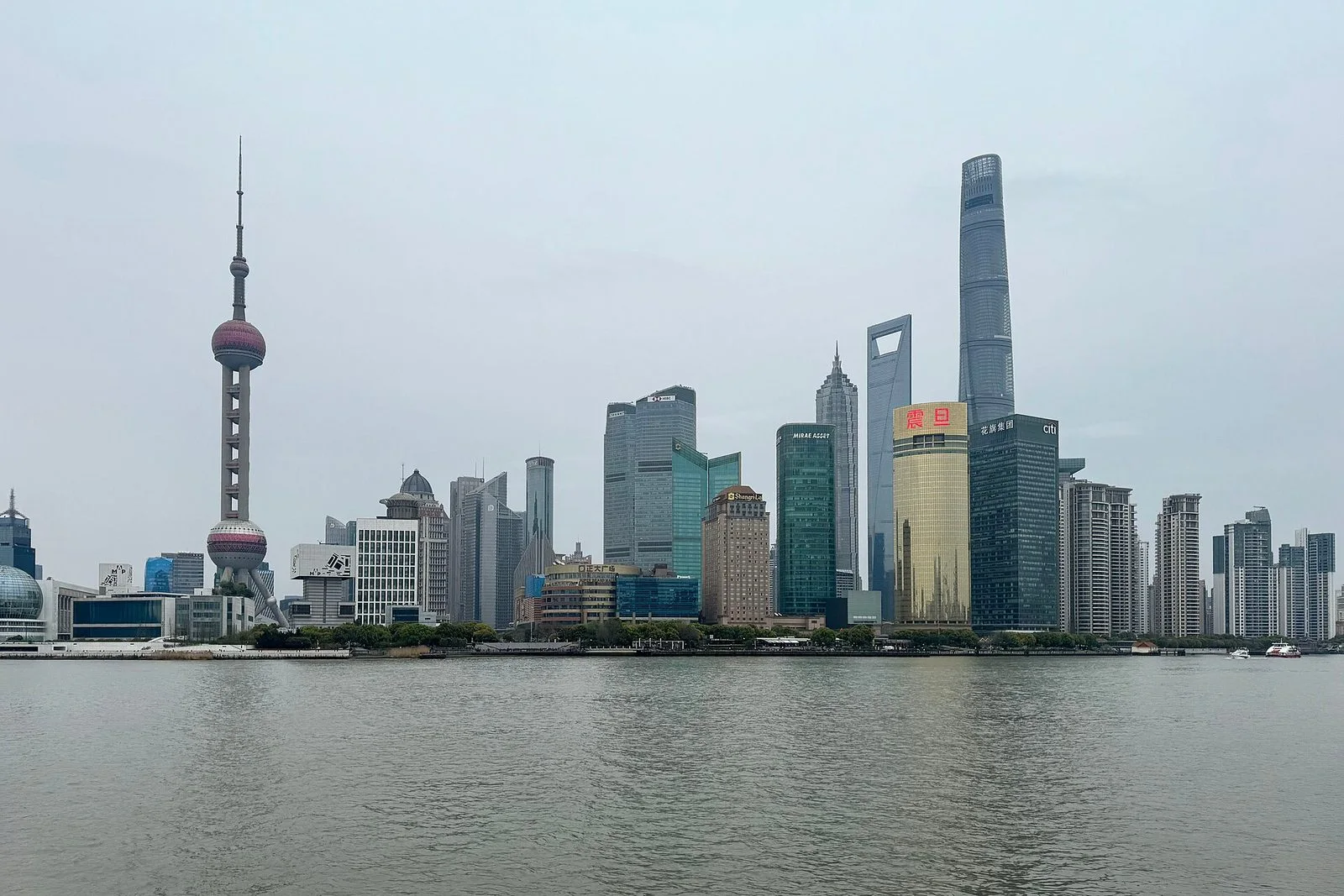
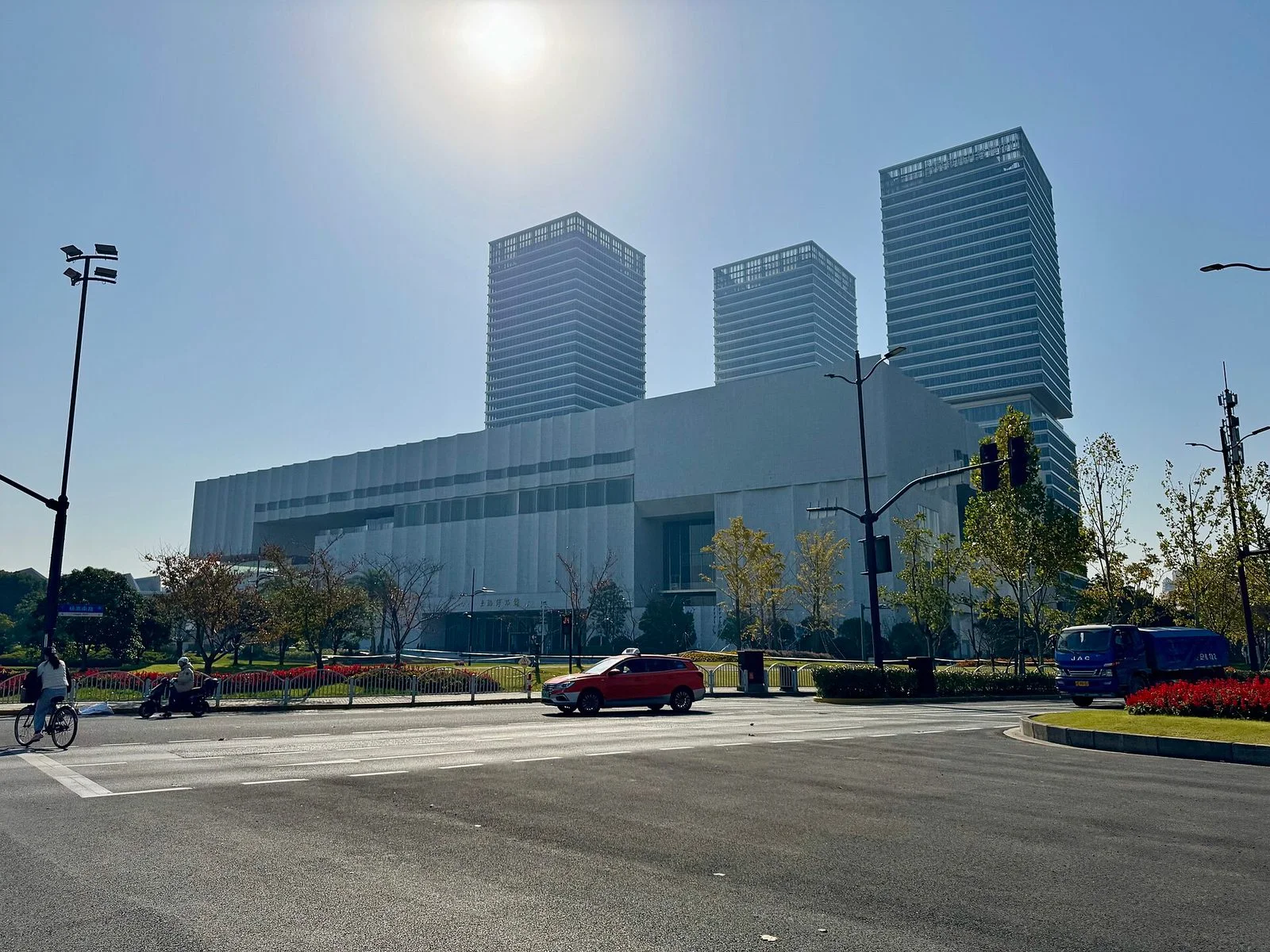
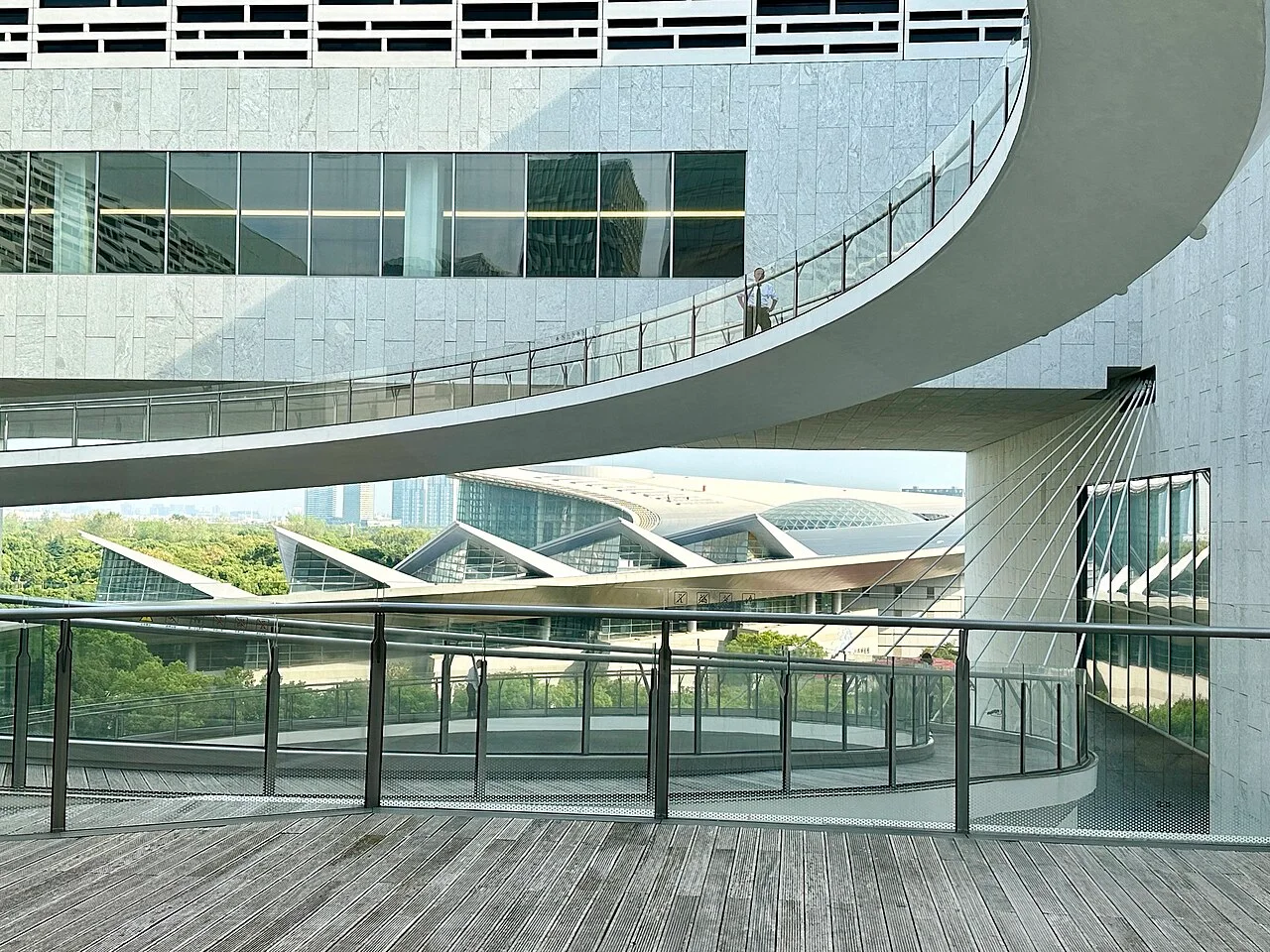
Shanghai Museum East is at 1952 Century Avenue in Pudong New Area, separate from the People's Square branch in Huangpu District. This article covers only the East branch. Its displays organize ancient Chinese art by material and subject, suiting visitors who want to place artifacts in historical context, or spend a longer, focused museum visit on a rainy day in Shanghai. If you simply enter “Shanghai Museum” into a map, double-check the branch name and address to avoid arriving at the other venue.
The two branches' exhibitions and visiting rules are not interchangeable. The official notice checked on November 11, 2026 states that the People's Square branch has special ticketing and exhibition arrangements during “At the Top of the World Tree: Ancient Civilizations of the Americas.” For permanent displays of ancient Chinese art, check which East branch galleries are currently open, then choose your subjects. Older travel accounts describing floors at People's Square should not be used to plan a visit to the East branch.
Start with bronze and ceramics
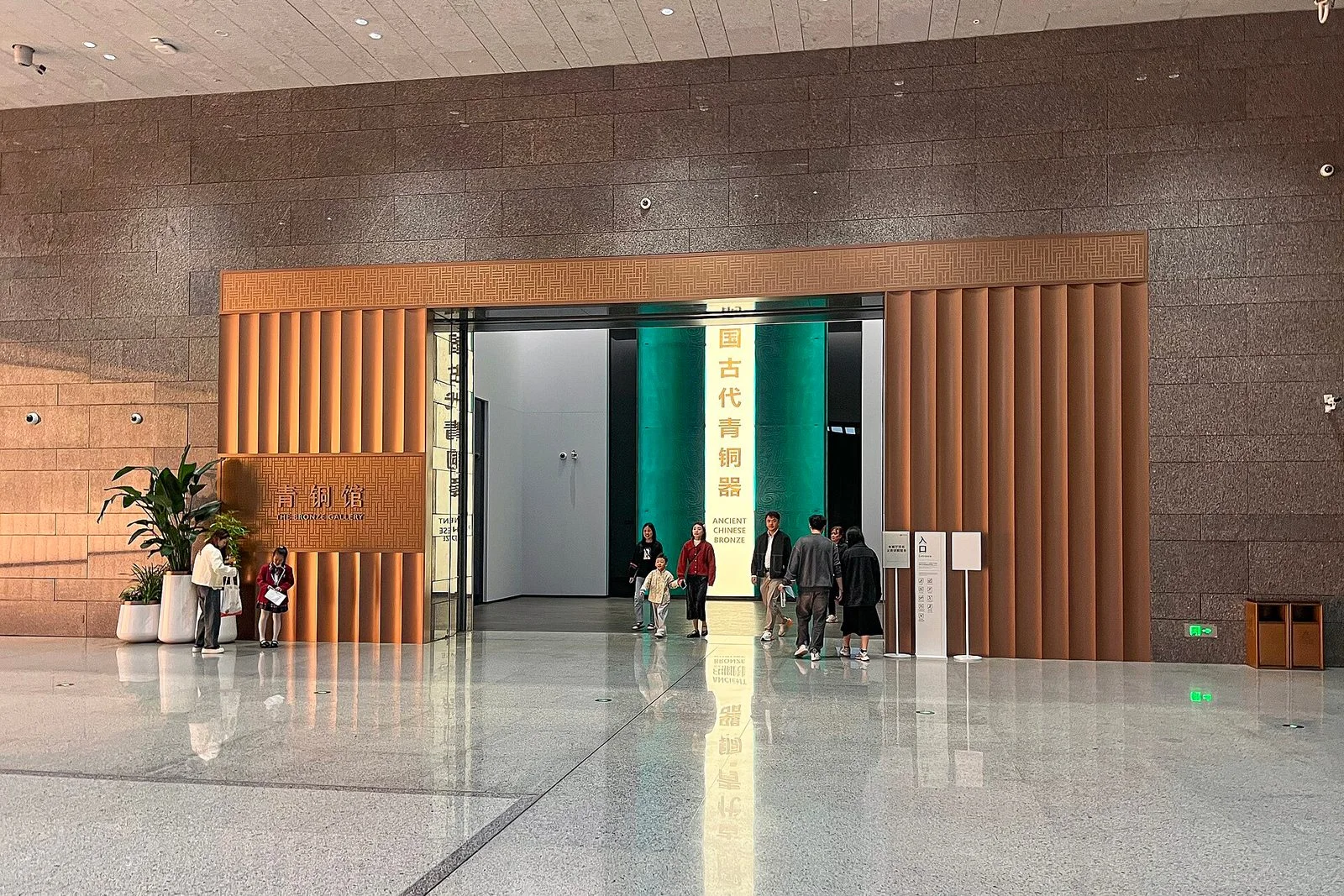
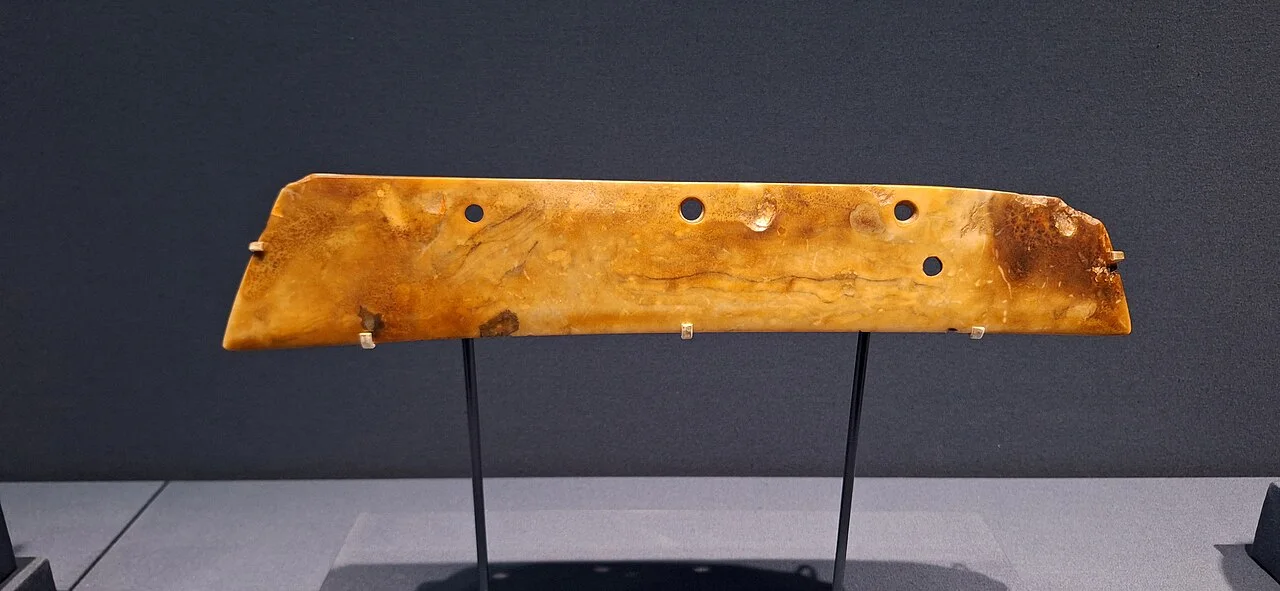
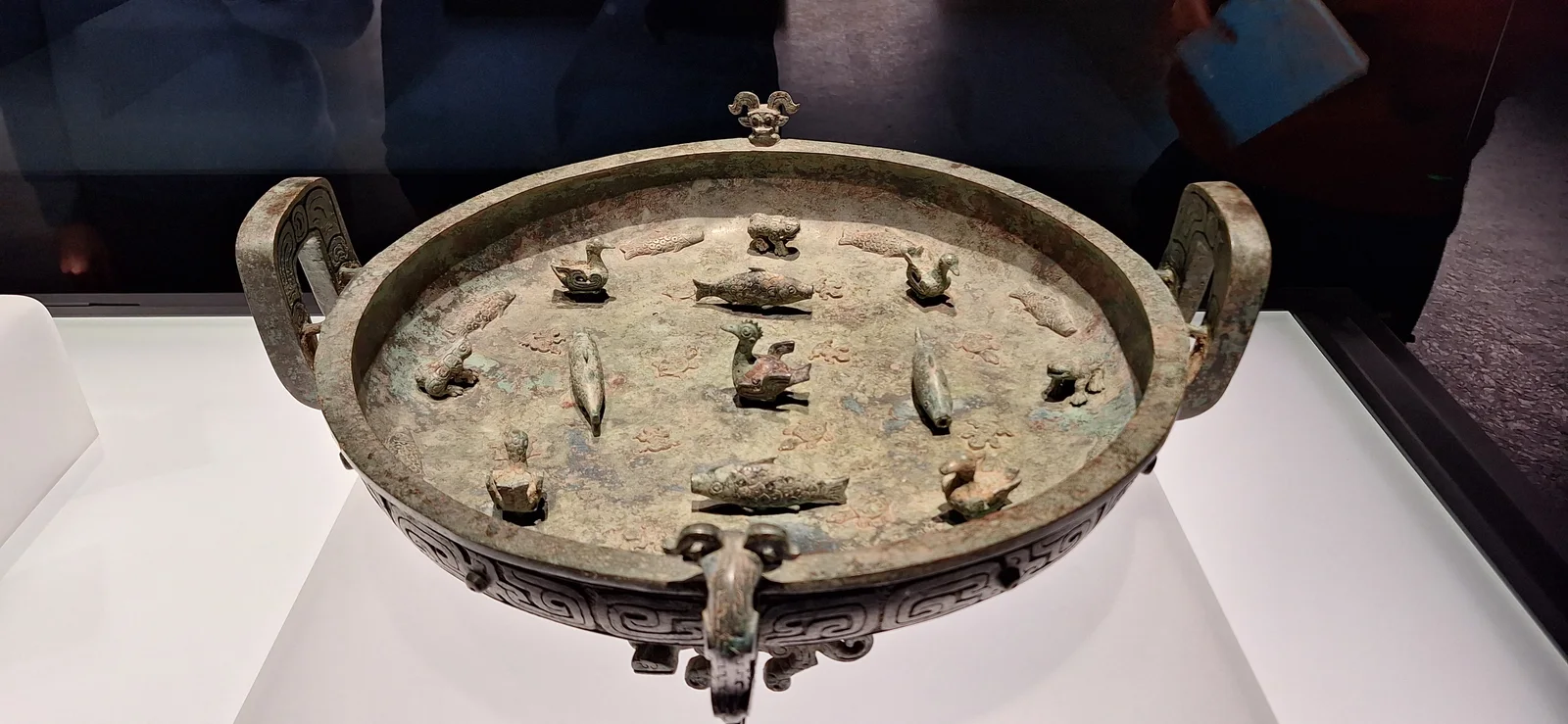
Bronze, sculpture, ceramics, jade, currency and seals offer different starting points in the East branch. If ancient Chinese art is new to you, choose one or two familiar materials: bronzes let you compare form, decoration and use, while ceramics reveal changes in glaze, decoration and firing technology. Rather than trying to see every case, look for differences from earlier periods when you encounter similar objects. This can be more rewarding than remembering names alone.
The Ceramics Gallery follows a chronological sequence from early pottery to later porcelain. A separate ceramics-themed gallery explores exchanges between China and other countries, placing traded ceramics from the Sui and Tang through the Ming and Qing periods in a wider context. The former helps establish a basic timeline; the latter encourages you to consider how objects traveled between regions. Their purposes differ, so choose according to your interests if time is limited rather than assuming all ceramics galleries cover the same material.
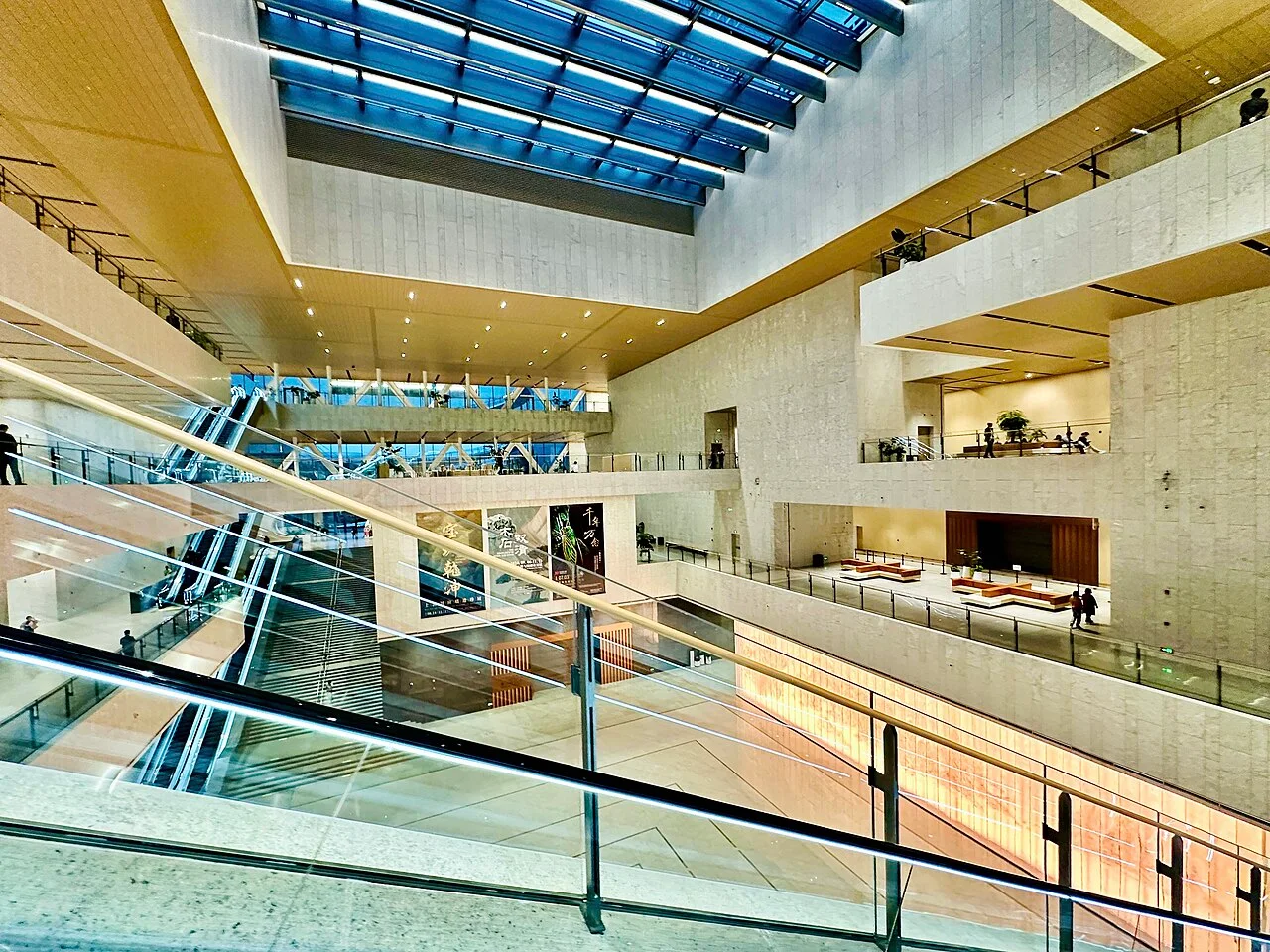
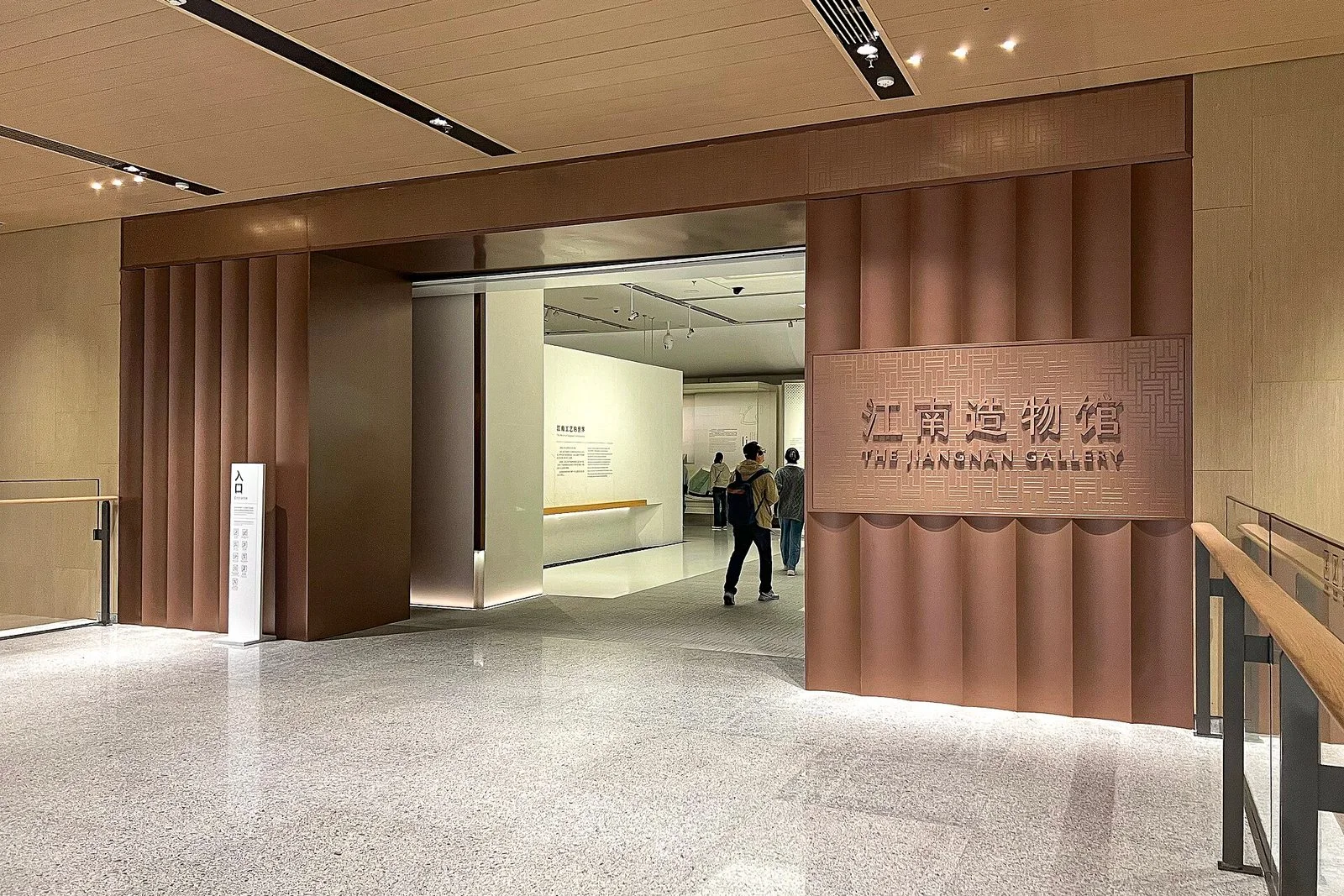
If your interest lies in Shanghai and its surroundings, archaeology and Jiangnan displays add regional context. A conservation experience space presents another aspect of museum work: diagnosis, restoration and preventive care of objects in the cases. Conservators' demonstrations and interactive activities have their own schedules, so do not assume a demonstration is available whenever you arrive. Read the museum's guide and activity information on the day before deciding where to spend your time.
Treat each gallery as a theme to explore rather than a checklist to complete. When you find an object made from a familiar material, start with its overall outline, then look for surface decoration, signs of use, and clues to its date in the label. If two objects are several cases apart, you can return to compare their forms. This approach does not depend on any particular artifact being on view, so you can adapt it to the galleries open on the day of your visit.
Separate museum entry from activity reservations
As checked on November 11, 2026, the East branch's website lists opening hours of 10:00–18:00, with last admission at 17:00. It closes on Tuesdays except national public holidays. Individual visitors do not need a reservation but must bring an original valid identity document and pass security at the B1 East Gate. Foreign visitors should bring their original passport. For questions about document checks, call +86-21-60226699 in advance; inquiry hours are 10:00–18:00 on opening days.
Interactive spaces such as the ancient civilizations exploration area and digital gallery still require a separate reservation through “Special Reservations” in the official mini program. Reservation-free individual entry does not include these experiences. Paid special exhibitions have their own ticketing requirements, and the museum or individual galleries may restrict entry at capacity. With children, distinguish ordinary gallery visits from interactive activities in advance. Children under 12 must be accompanied by an adult throughout; do not arrive assuming every activity accepts walk-ins.
Transport and time for the galleries
The museum lists Metro Line 2 to Shanghai Science and Technology Museum station, Exit 8; Line 4 to Xiangcheng Road station, Exit 2; and Line 6 to Pudian Road station, Exit 1. You still need to walk from the station to the museum. The individual visitor entrance is near Dingxiang Road, separate from the first-floor North Gate used by groups. After navigating to the building, follow on-site signs to the appropriate entrance.
Allow about half a day for two or three galleries that interest you, as an estimate including time to read labels and take breaks. Flash, selfie sticks and support-mounted photographic equipment are prohibited in galleries; some collaborative exhibitions may also prohibit photography, so check the signs. Food and drink are restricted to designated areas. Floor guides show accessible toilets, storage and nursing facilities, helping you avoid repeated searches inside the museum.
Useful official references
Check the relevant official service before making arrangements. These links are references, not a guarantee of current services.
- Shanghai Museum: East branch opening hours, directions and visitor rules ↗
- Shanghai Museum: visiting notices for both branches ↗
- Chinese Museums Association: East branch galleries, contributed by Shanghai Museum ↗
- Shanghai Municipal Government's English website: East branch galleries and passport entry guidance ↗