The garden and the shopping area
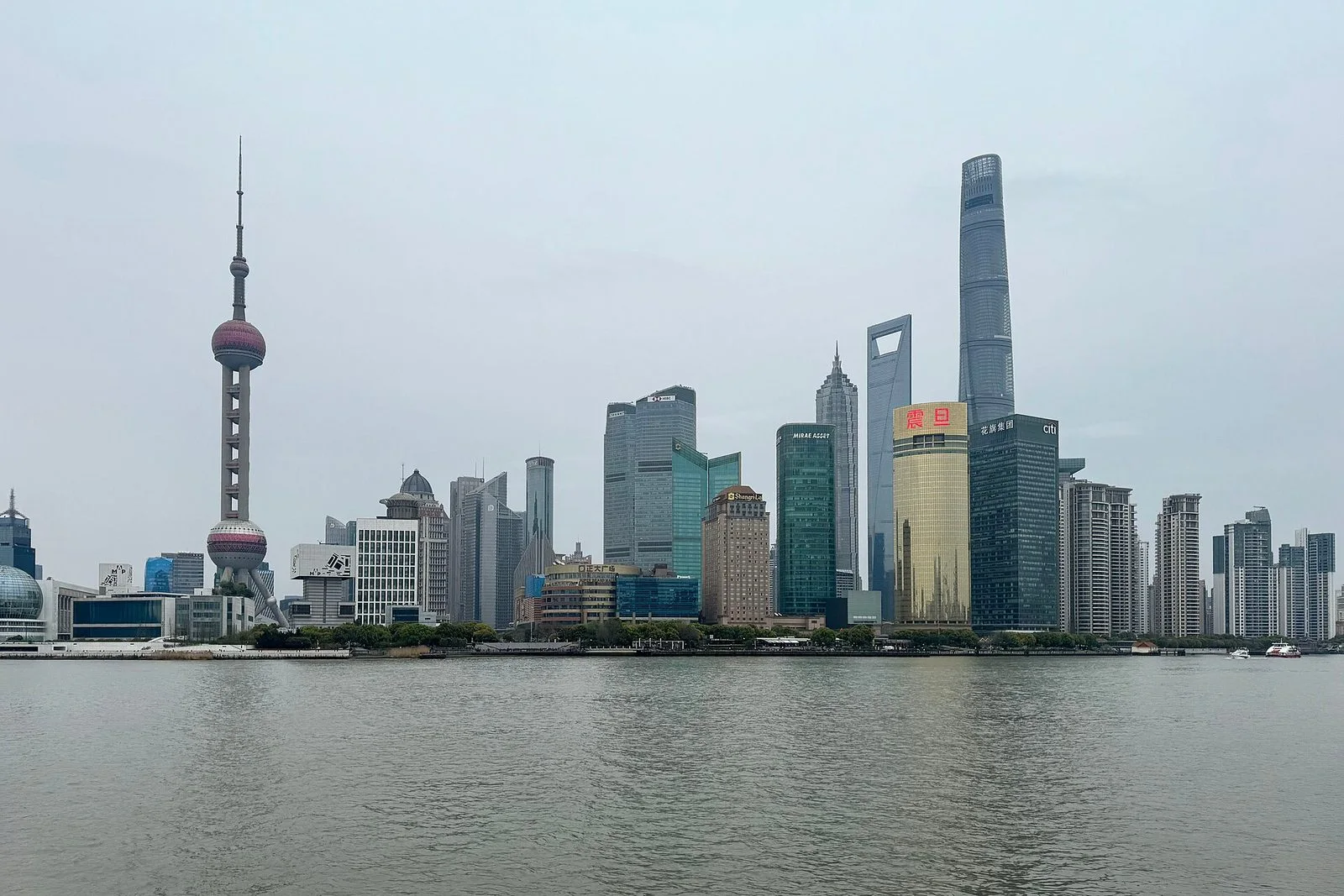
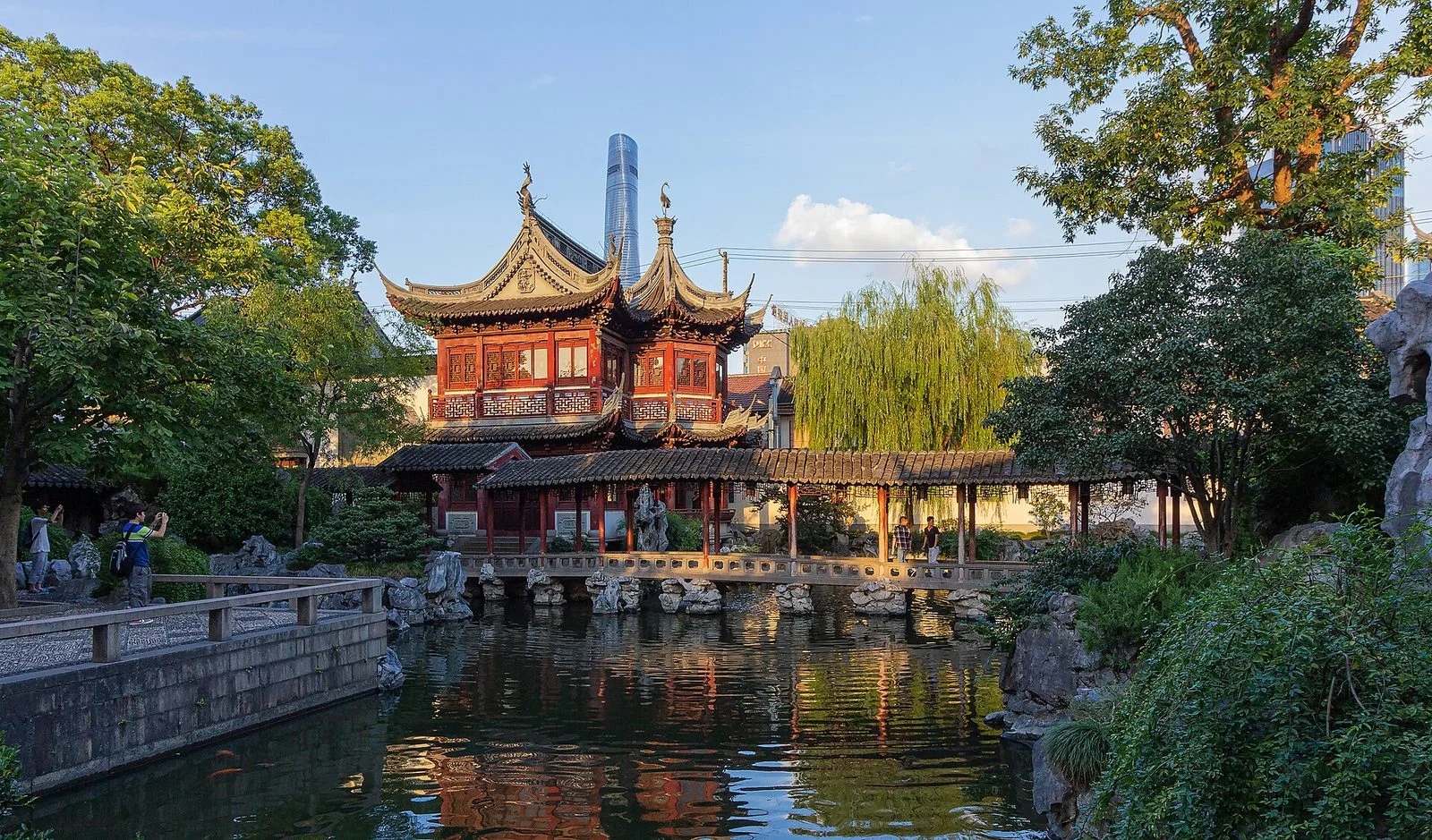
Yu Garden is in Shanghai's old town. Construction began in 1559 under Pan Yunduan, and its name expressed his wish to bring pleasure to his parents. The garden seen today has undergone several restorations, opened fully to the public in 1961 and is a nationally protected cultural heritage site. Compared with the Bund's line of waterfront buildings, Yu Garden rewards close observation. Walls, doorways, covered walkways and small bodies of water connect its halls, while a rock formation can take on a different outline as your viewing position changes.
On maps and in tourism material, “Yuyuan” sometimes refers to a larger commercial area that includes Yuyuan Mall and the City God Temple. This article covers the classical garden itself. Restaurants, festival decorations and the Nine-Turn Bridge area in the surrounding shopping streets can be separate stops. Traditional roofs in the shopping complex do not mean you have entered the garden. For rockeries, ornamental windows and courtyards, identify the garden entrance; for shops or festival activities, check the shopping area's arrangements separately.
Rocks, doorways and water
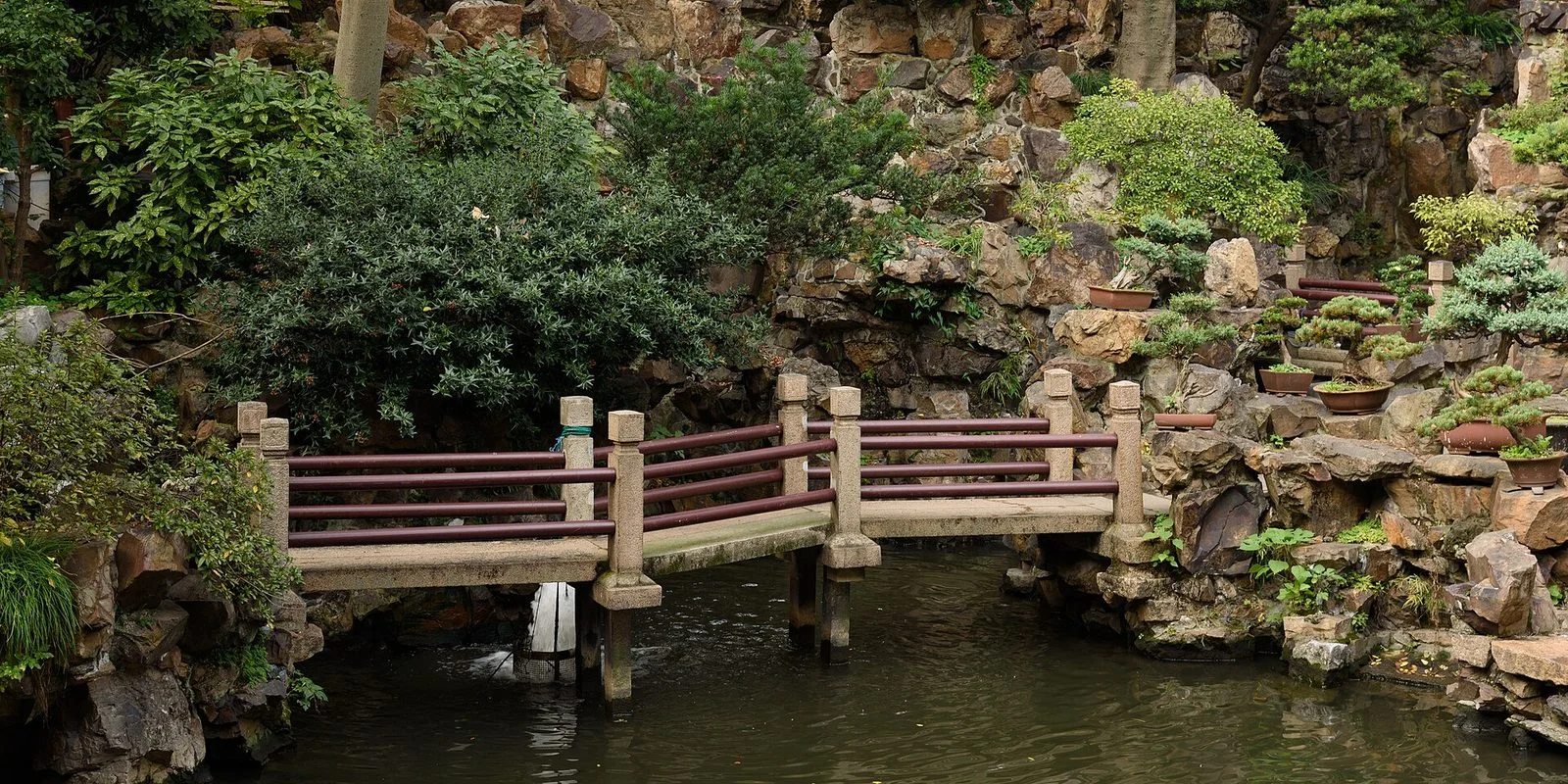
The Great Rockery was designed by the Ming rockery specialist Zhang Nanyang using yellow stone from Wukang in Zhejiang. Its interest lies in how rock faces, slopes and openings suggest a mountain, rather than in the size of any single stone. Start from a distance to see the full outline, then examine nearby surfaces and their height relative to neighboring buildings. Historic accounts of climbing for river views describe a past landscape; they do not promise a view of the Huangpu River from the garden today.
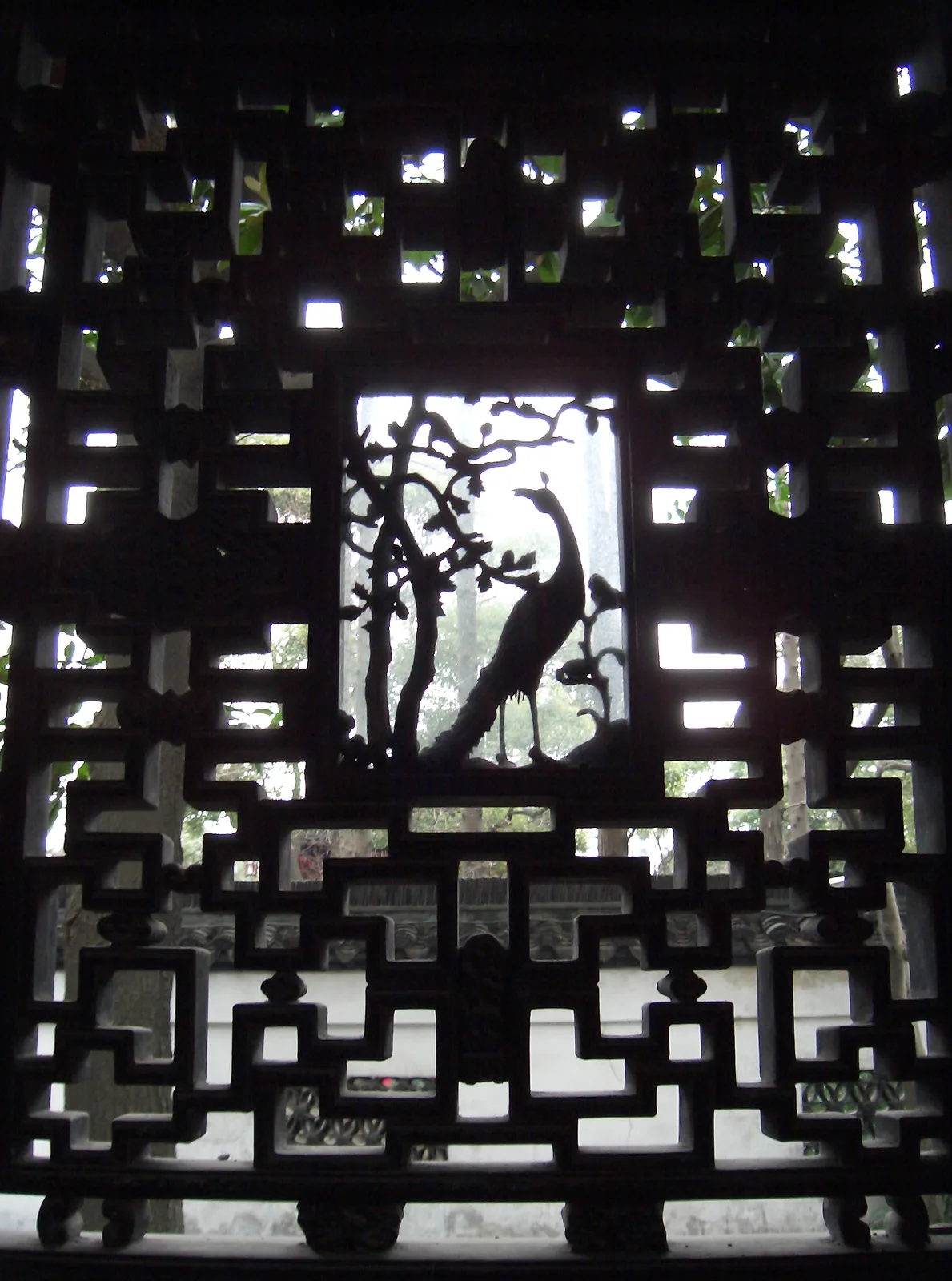
Yulinglong, the Exquisite Jade Rock in front of Yuhua Hall, offers a different way to appreciate stone. This porous Taihu rock has an uneven surface, folds and openings that pass through it. Its size and material differ from the Great Rockery, making its lines and openwork form worth examining in their own right. Ornamental windows, rounded doorways and walls across the water also deserve a pause. They direct your gaze into another courtyard, introducing concealment, revelation and borrowed views within a limited space.
You need not fit every roof into one photograph. Building reflections beside the water, layers seen through a doorway or a bird motif in an ornamental window can all illustrate the garden's design. In narrow covered passages, leave room for other visitors when stopping to take pictures. Stone surfaces and steps can be slippery in rain. With older people or young children, consider spending more time in flatter courtyards and beside the water instead of seeking every camera angle.
Try reading one small sequence rather than collecting isolated details: notice how a doorway frames the next courtyard, how a wall partly screens the view, and how water or a rockery changes what is visible from the path. The garden's design becomes easier to follow when each pause connects one space to the next.
Shanghai history inside the halls
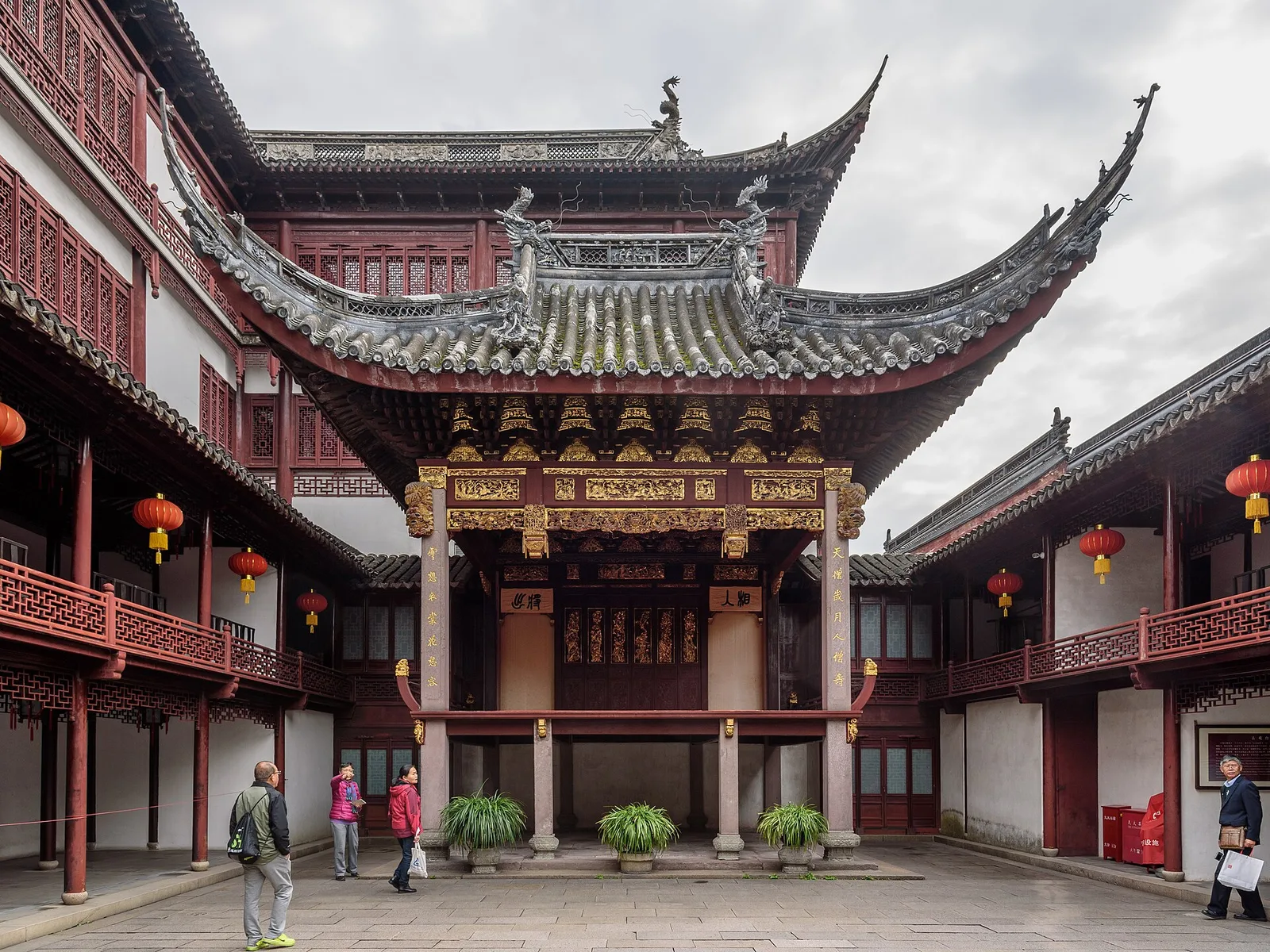
Dianchun Hall connects Yu Garden with history beyond that of a private estate. Built in the Qing dynasty, it served as a guildhall for Fujian merchants in the huatang trade, then became the northern headquarters of Shanghai's Small Swords uprising in 1853. The small stage in front preserves clues to merchants' gatherings, rituals and performances. After the rockeries and ponds, these halls help explain how the garden became connected with the city's commercial and social life.
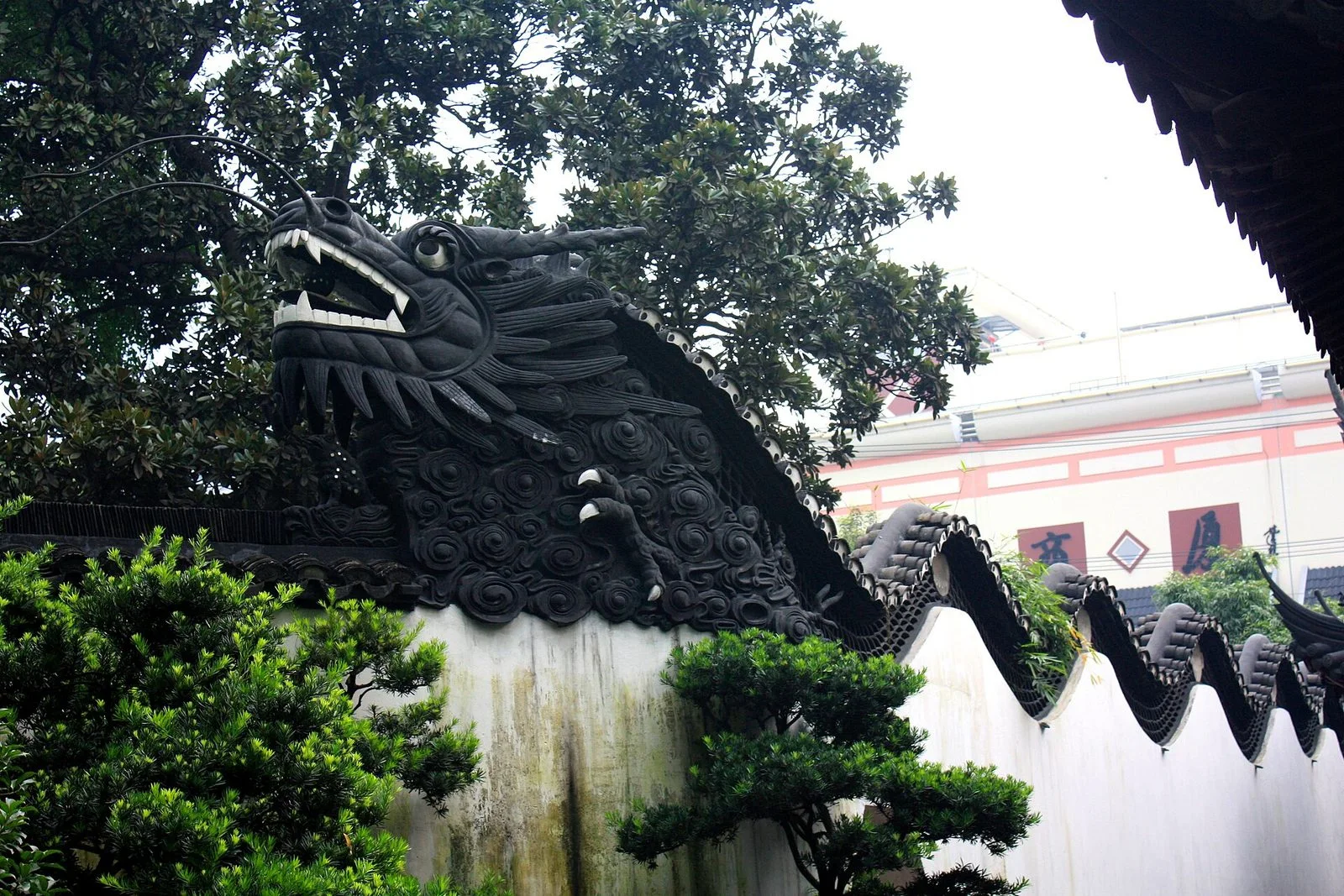
The smaller Inner Garden was joined to Yu Garden during restoration. It brings together rockeries, waterside pavilions, doorways, dragon walls and brick and wood carving. A quick architectural walk can easily pass over it; visitors interested in traditional crafts can examine carving on doors, windows and walls, then compare it with the earlier garden spaces. Allow about 1.5–2 hours for an ordinary visit. This is a sightseeing estimate, excluding meals and shopping in the surrounding streets or festival queues.
Check opening notices before visiting
The city's tourism website lists the address as 279 Yuyuan Old Street, Huangpu District, and the telephone number as +86-21-63260830. The garden and neighboring commercial area have separate opening arrangements. Busy shopping streets at night do not mean the garden still admits visitors. Before leaving, check the garden's official notices or telephone to confirm that day's opening, last admission and ticket arrangements. In particular, do not apply the surrounding lantern festival or shopping complex's hours to the garden. Address and telephone details were checked on November 15, 2026.
Useful official references
Check the relevant official service before making arrangements. These links are references, not a guarantee of current services.