City introduction
Datong lies in northern Shanxi. Once the Northern Wei capital of Pingcheng, it remained an important city under the Liao and Jin dynasties. Three architectural settings offer a useful introduction: at Yungang west of the city, Buddhas are carved into cliffs; in the old city, Huayan Temple preserves Liao and Jin art in timber halls and painted sculptures; and in Hunyuan, the Hanging Temple extends along a rock face. Beyond the temples, street-side knife-cut noodles, steaming baskets of oat flour rolls and the old city's shopping streets place these historic sites within a city where everyday life continues.
The old city, Yu River and surrounding mountains
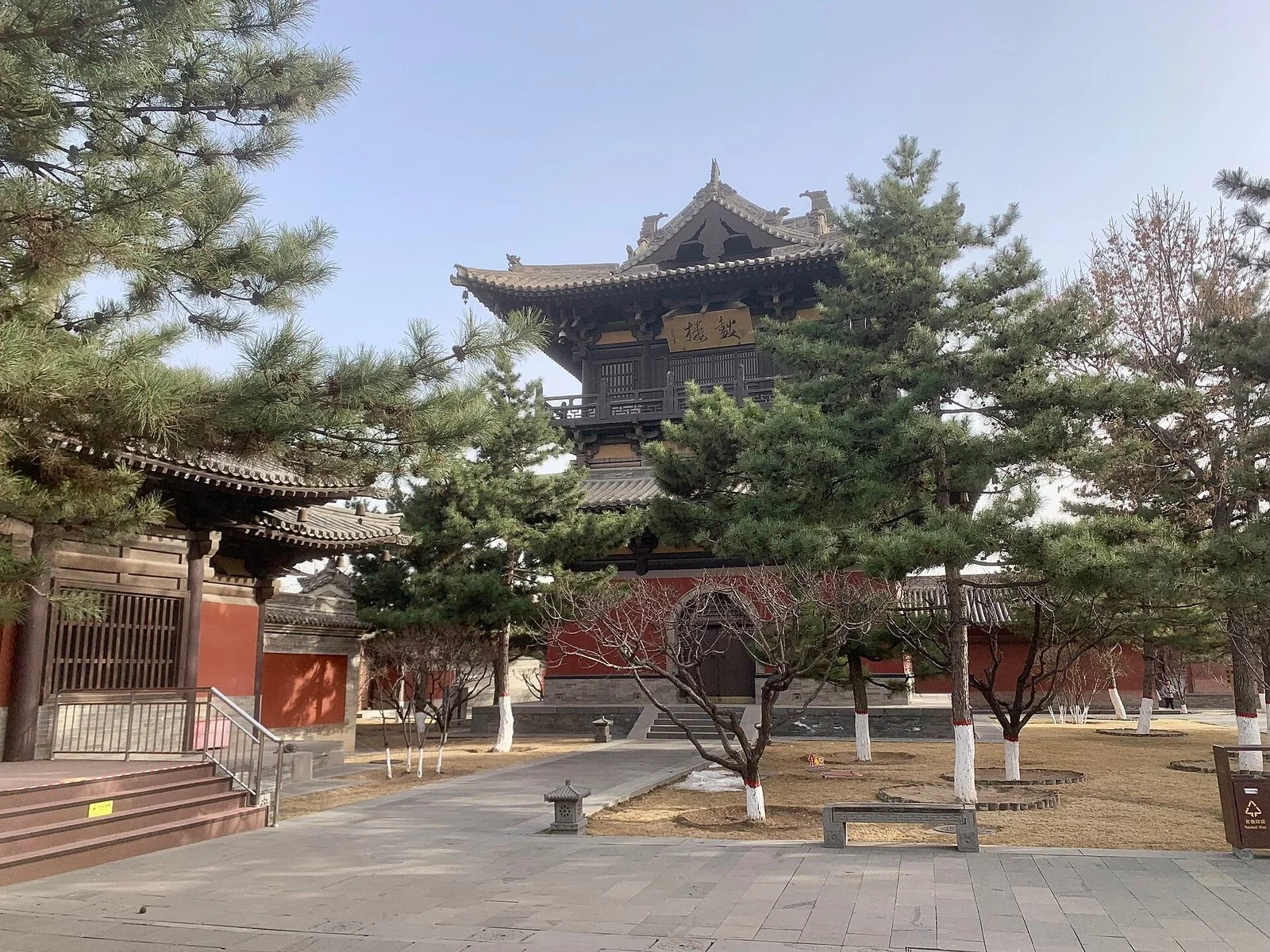
Datong's historic center lies west of the Yu River. Huayan Temple, the Drum Tower and surrounding streets form a relatively concentrated old city, while another modern urban area extends east of the river. Datong's administrative area is much larger than the old city: Yungang Grottoes lie to the west of the urban area, and the Hanging Temple is in Hunyuan County. Understanding these locations helps distinguish a walk through the old city, a grotto visit and a mountain temple visit.
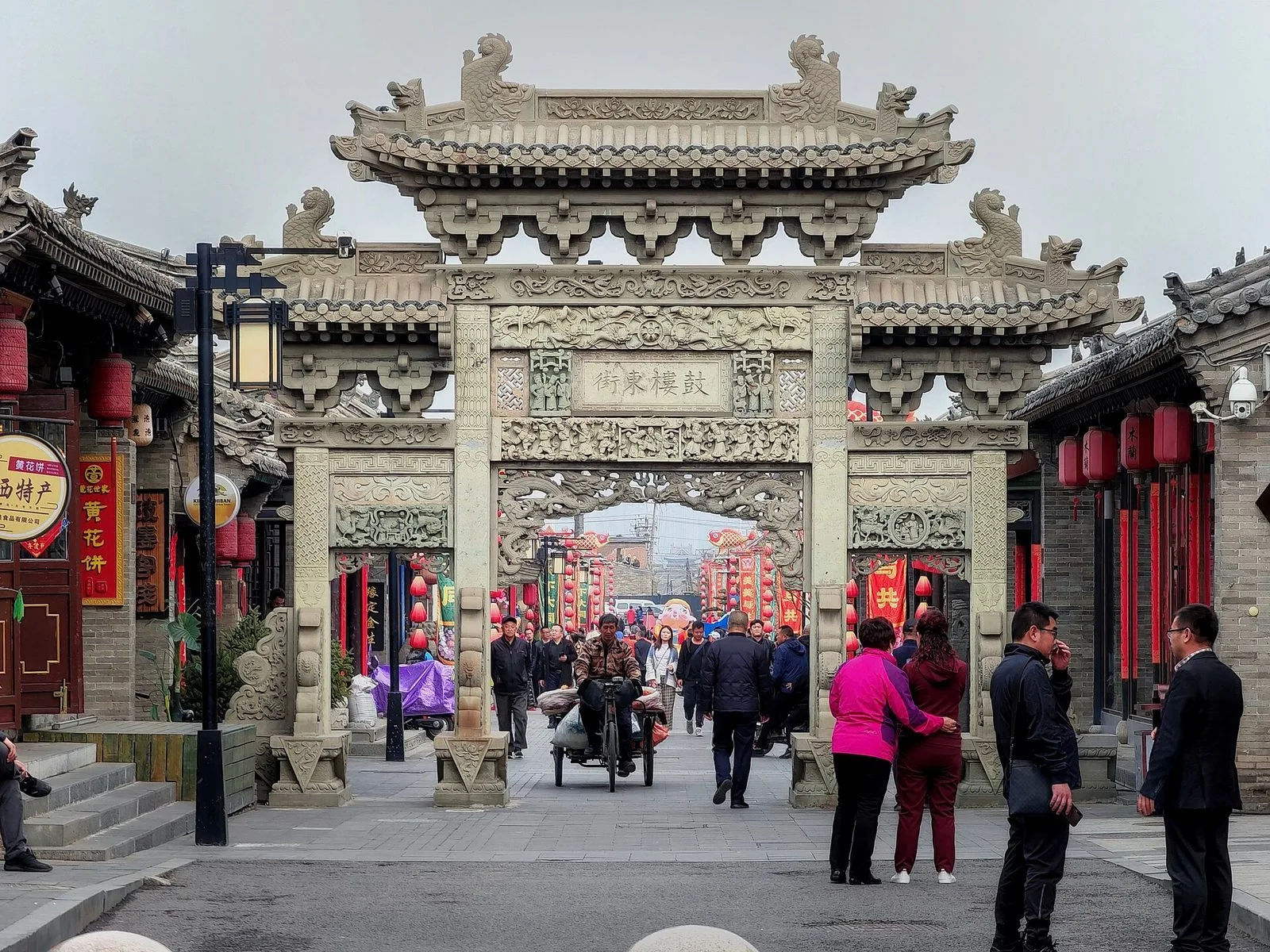
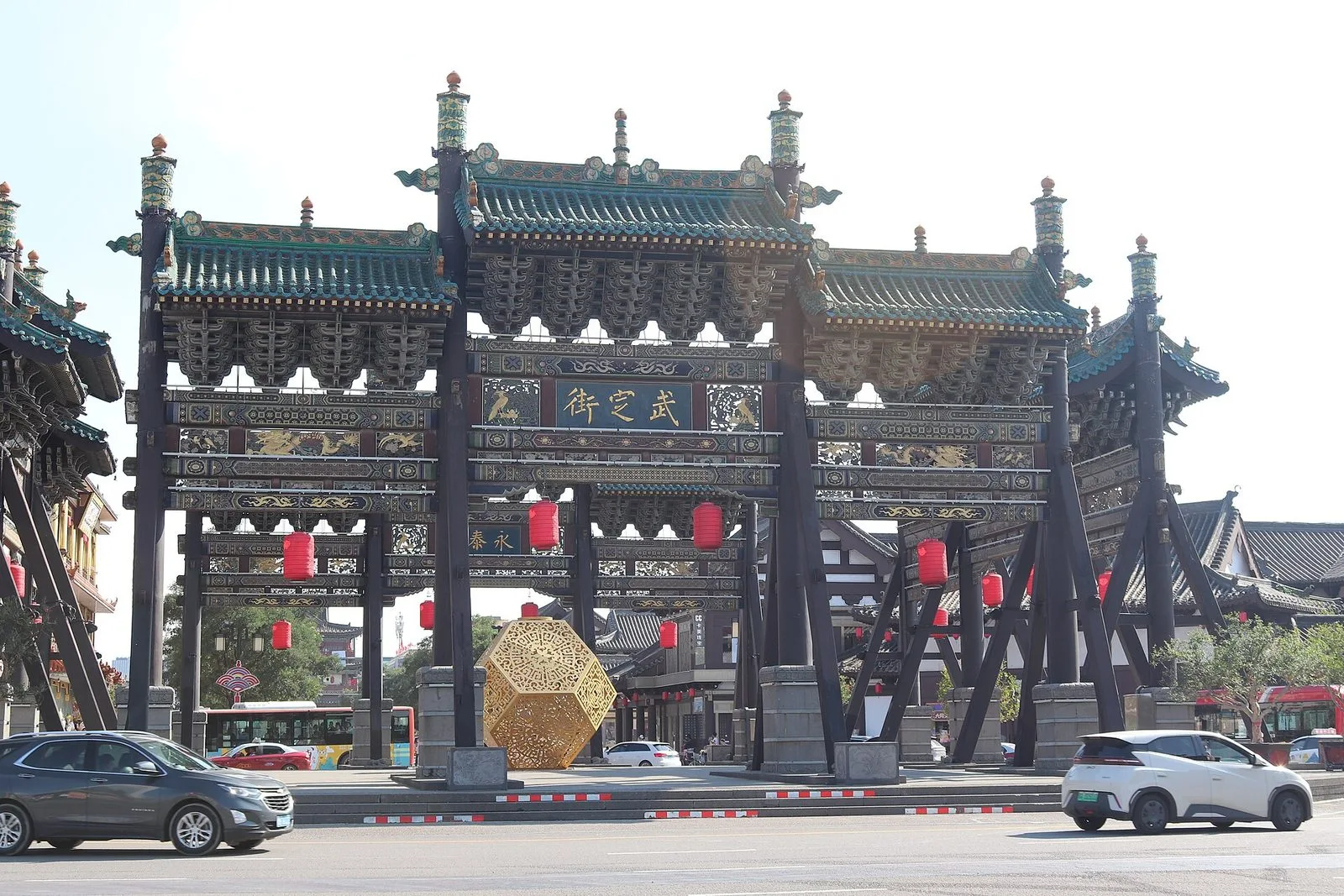
The city walls and some old-city streetscapes seen today include recent restoration and reconstruction. Datong began its old-city conservation and restoration project in 2008, and displays at the wall ruins also show rammed-earth remains from different periods. Alongside the complete-looking walls and orderly streets, look for surviving historic buildings. Distinguishing the city's long history, older remains and modern conservation work helps avoid treating every wall section and ceremonial archway as an unchanged survival from a thousand years ago.
Yungang Grottoes and Northern Wei Pingcheng
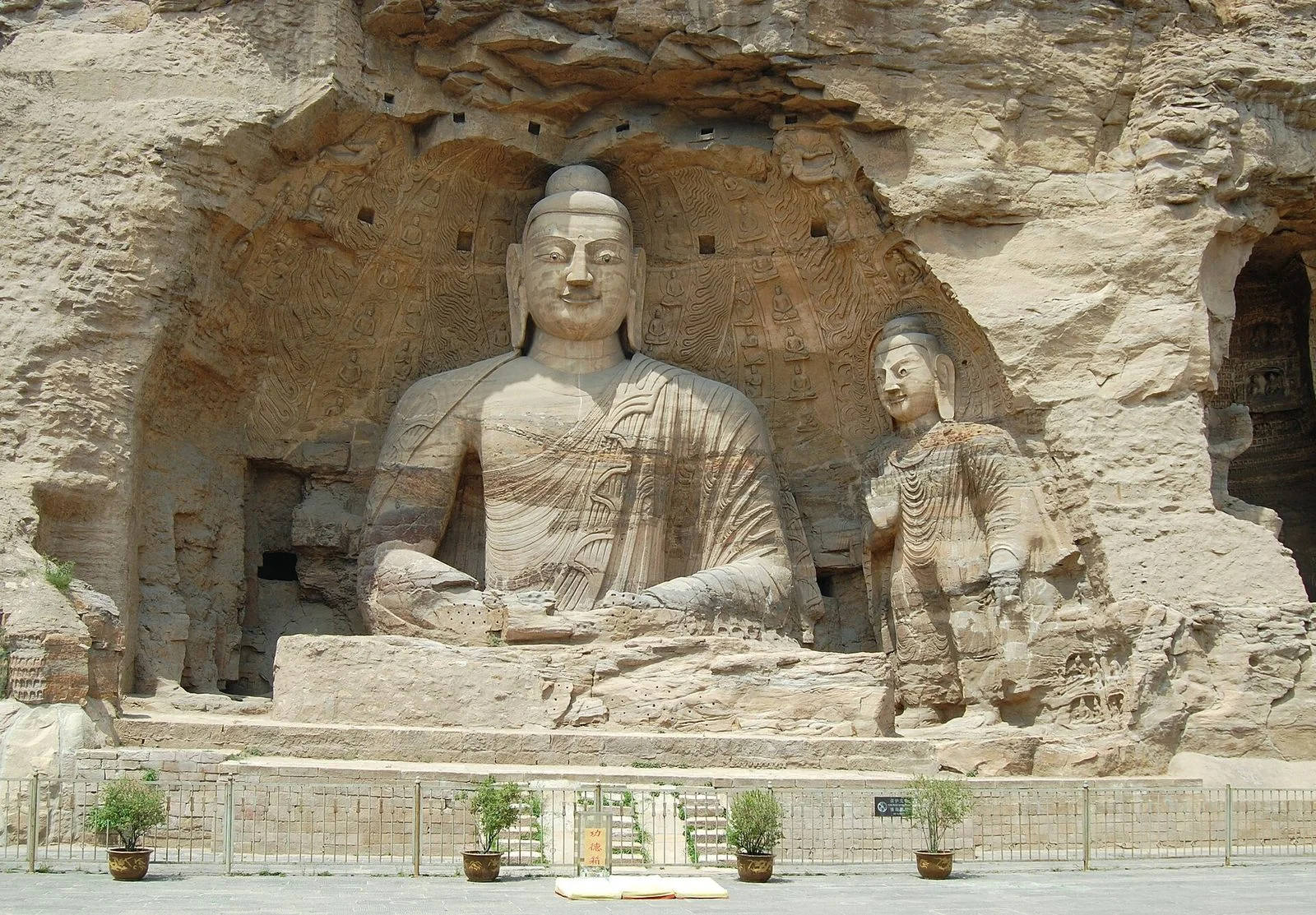
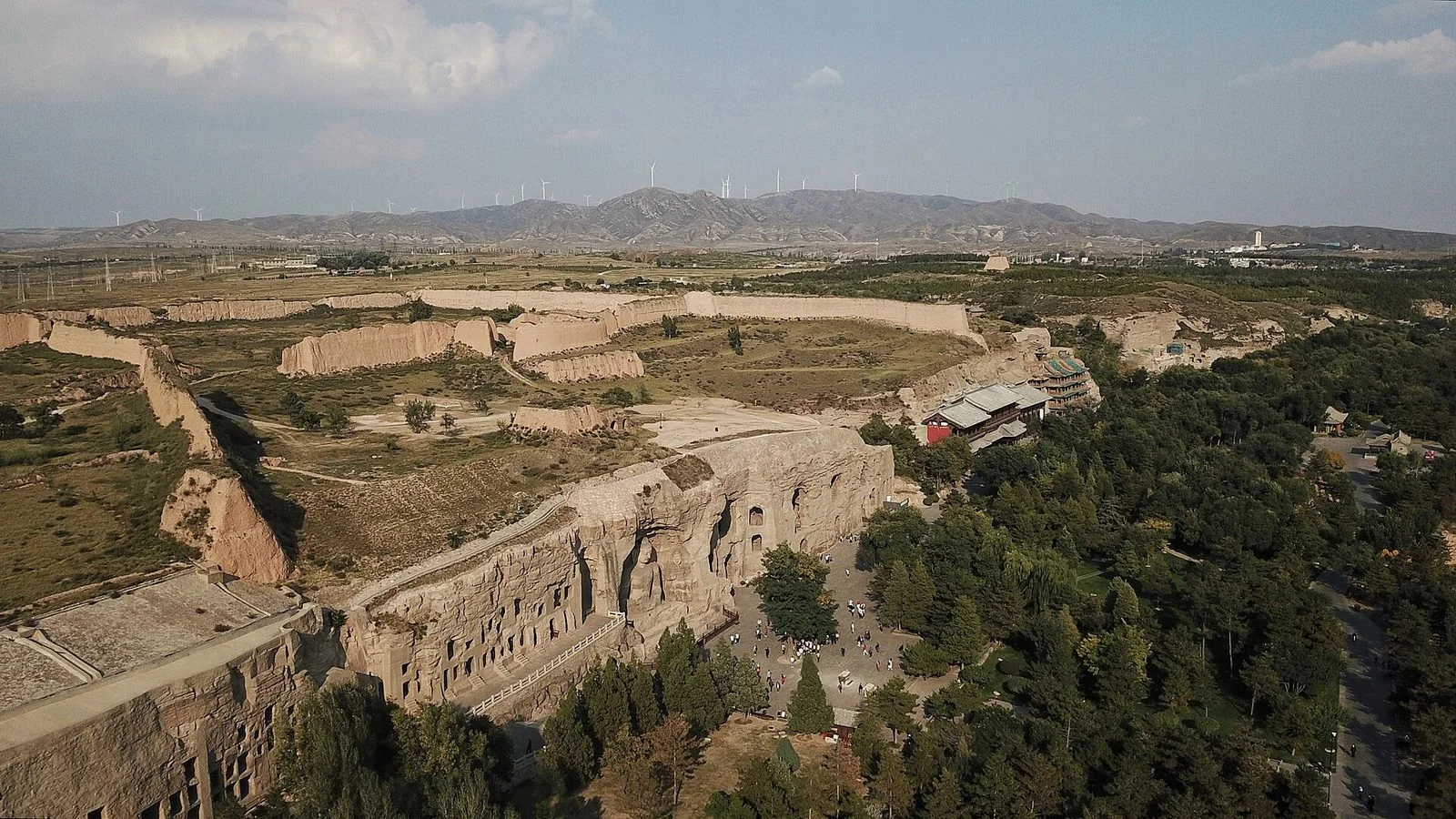
Yungang Grottoes preserve substantial physical evidence of the Northern Wei period when Pingcheng was the capital. The caves extend along the southern foot of Wuzhou Mountain. They contain enormous Buddhas as well as small niches, carved decoration and architectural forms arranged around the main figures. For visitors new to Chinese Buddhist art, comparing the proportions of statues and caves before examining drapery, faces and surrounding decoration is a more accessible introduction than simply memorizing dynasty names.
The open-air Buddha in Cave 20 is particularly easy to recognize. Daylight makes the relationship between its face, shoulders and surviving cave walls clear; inside other caves, attention shifts to denser carving and the arrangement of space. Yungang was inscribed on the World Heritage List in 2001. Its appeal lies both in the size of its Buddhas and in artistic changes across different phases of sculpture. The old city's timber temples offer a different viewing experience from these stone carvings, and each deserves to be understood on its own terms.
Liao and Jin architecture and sculpture at Huayan Temple
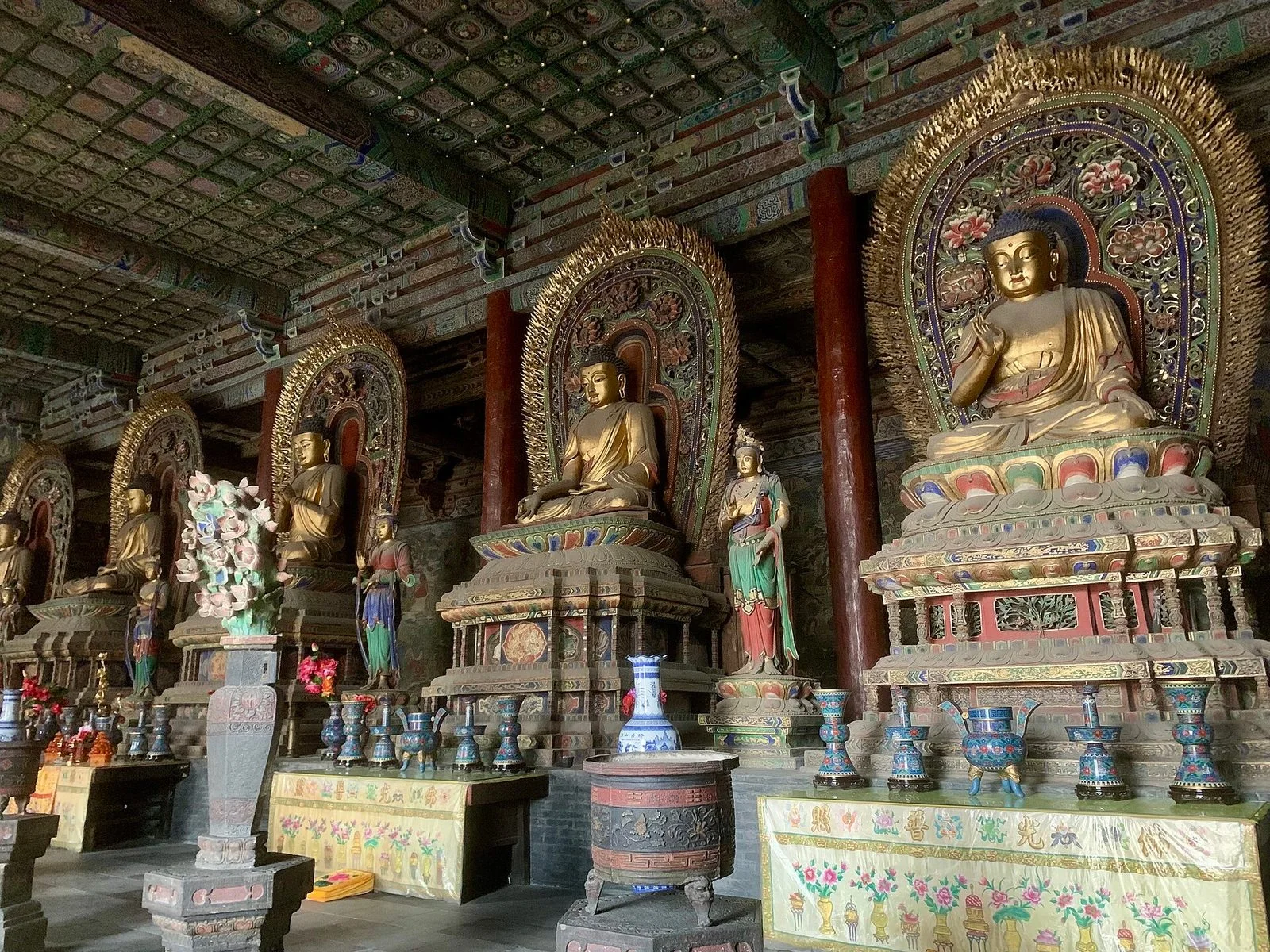
Back in the old city, Huayan Temple introduces another period of Datong's history. Datong was a secondary capital under both the Liao and Jin, and the temple's timber buildings and painted sculptures preserve artistic evidence from those periods. Its main buildings face east rather than south, unlike many Chinese temples. Observe the orientation, courtyards and raised platforms before moving closer to the wooden columns and eaves to see how the buildings organize space.
Compare the large scale of the Mahavira Hall with the details of the Bojia Scripture Hall. Built in 1038, the latter is noted for its Liao sculptures and wooden scripture cabinets: the figures' expressions and clothing, and the miniature pavilions, differ greatly from Yungang's monumental Buddhas carved into the mountain. The temple has also undergone later repairs and recent refurbishment. Identify the dates of individual buildings and sculptures rather than assigning the entire complex to one period.
The Hanging Temple and Hengshan mountains in Hunyuan
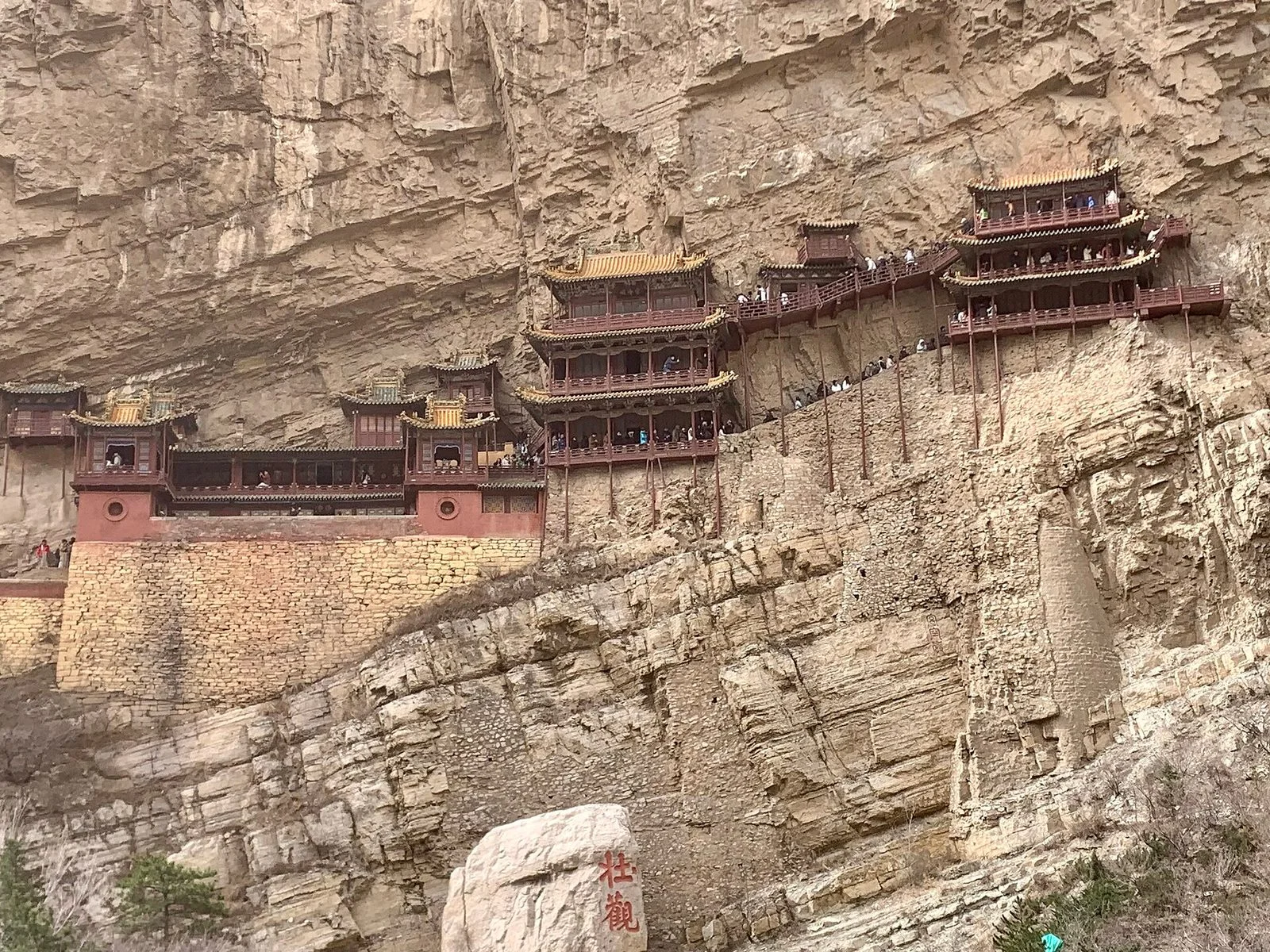
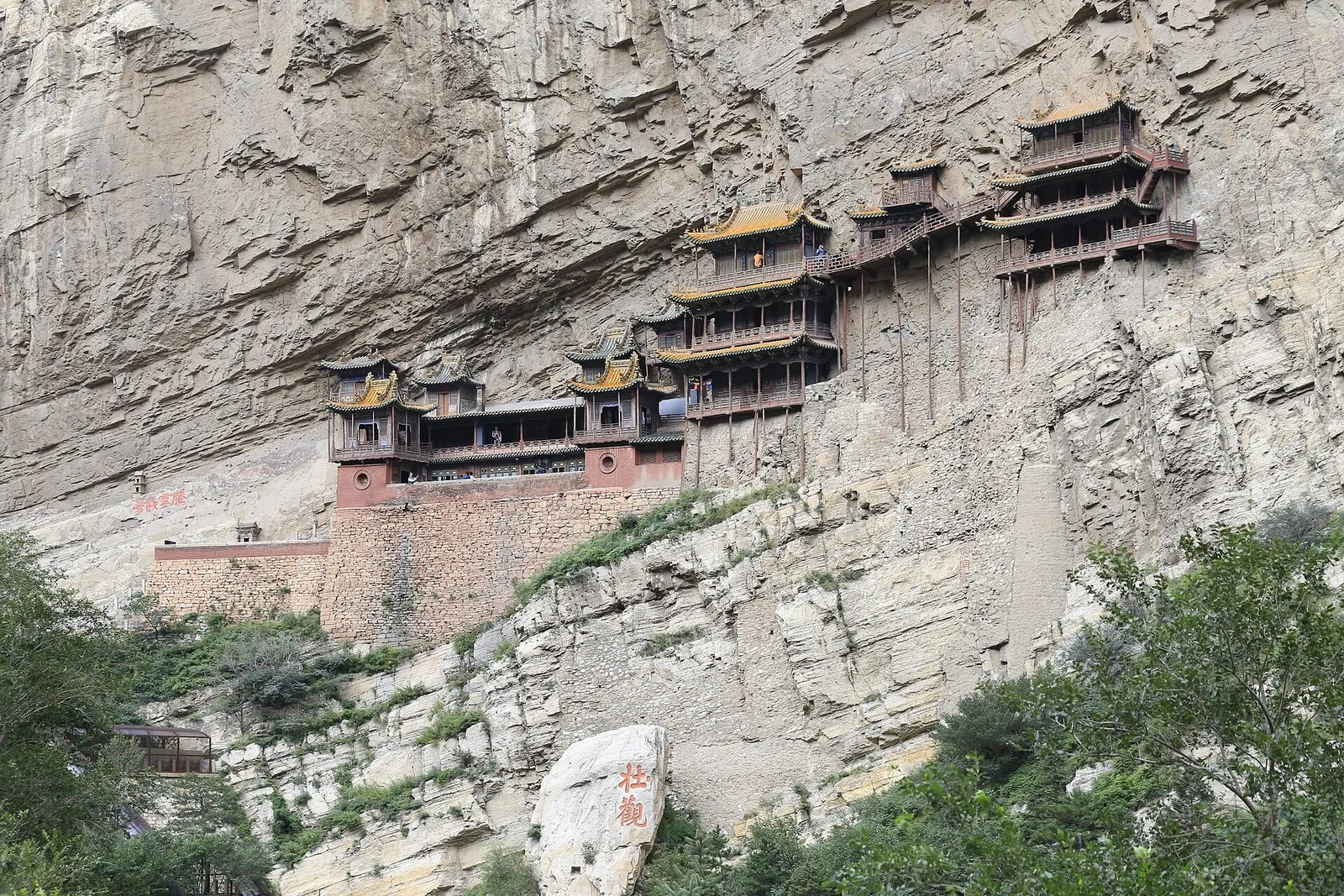
The Hanging Temple is in Hunyuan County, within Datong's administrative area, in a setting very different from the temples of the old city. Its buildings follow a steep cliff. Viewing the pavilions, corridors and valley below together makes its form easier to understand. From a distance it appears as a whole suspended against the rock; closer up, it becomes a series of connected spaces turning along the cliff face.
The temple is connected with the Hengshan mountain landscape, but visiting the Hanging Temple and hiking Hengshan are different activities. Their names often appear together, which should not suggest a single small attraction requiring no separate preparation. The Hanging Temple's cliffs invite attention to architecture and terrain; Huayan Temple in the old city lends itself to a close look at timber construction and sculpture. Visitors uncomfortable with heights or narrow passages can focus on views from ground level. Access to the raised buildings also depends on site opening arrangements and personal circumstances.
Knife-cut noodles, oat flour dishes and northern Shanxi meals
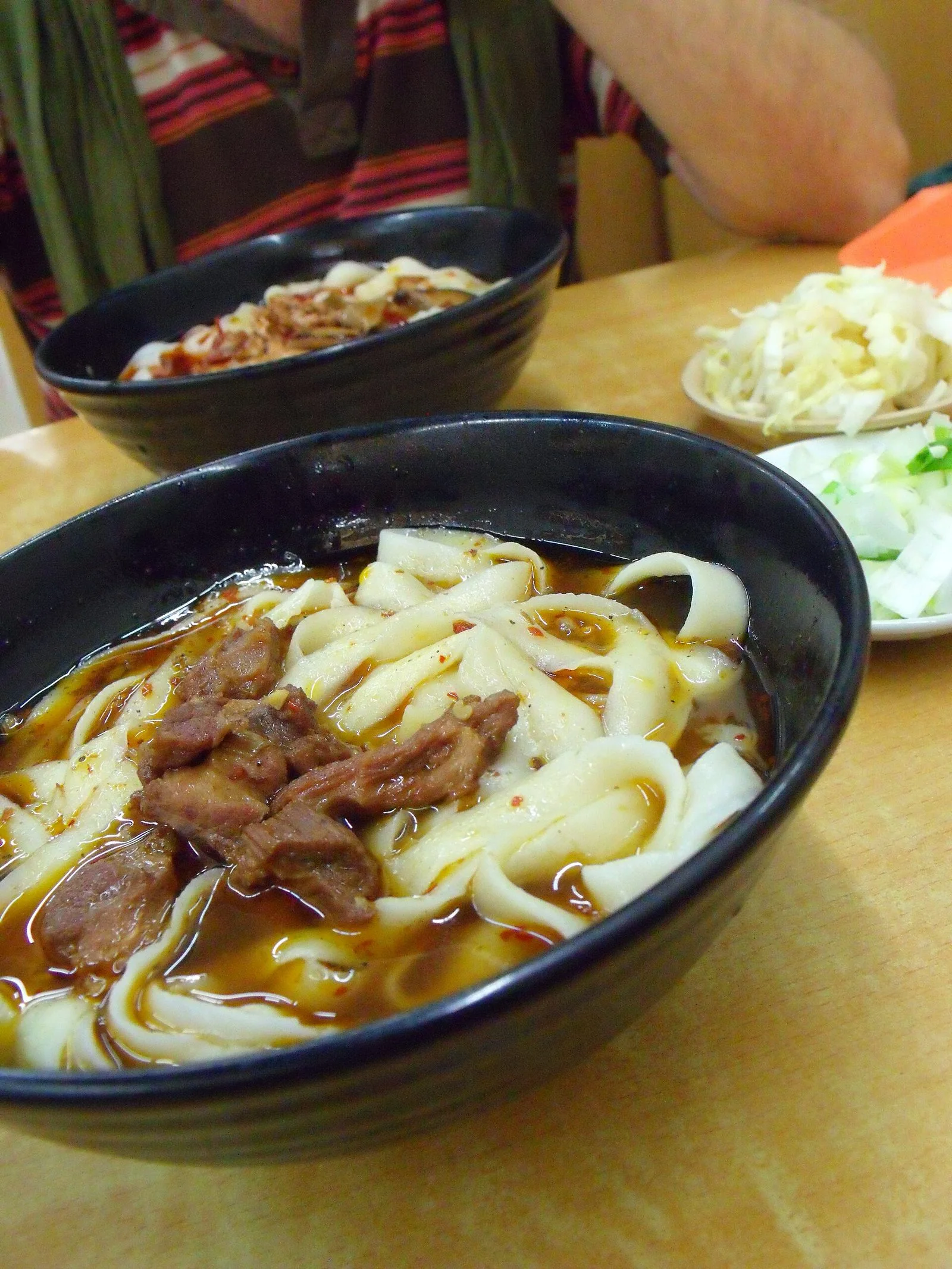
Datong's flour-based foods make differences in ingredients and preparation easy to see. For knife-cut noodles, dough is shaved into pieces of varying thickness, boiled and served with broth and toppings. Watching the cutting, then comparing the texture of each piece's center and edges, is a direct way to understand the dish. Meat toppings, broth and side dishes vary by restaurant. The dish's name alone cannot tell you whether it contains meat or replace an allergen check.
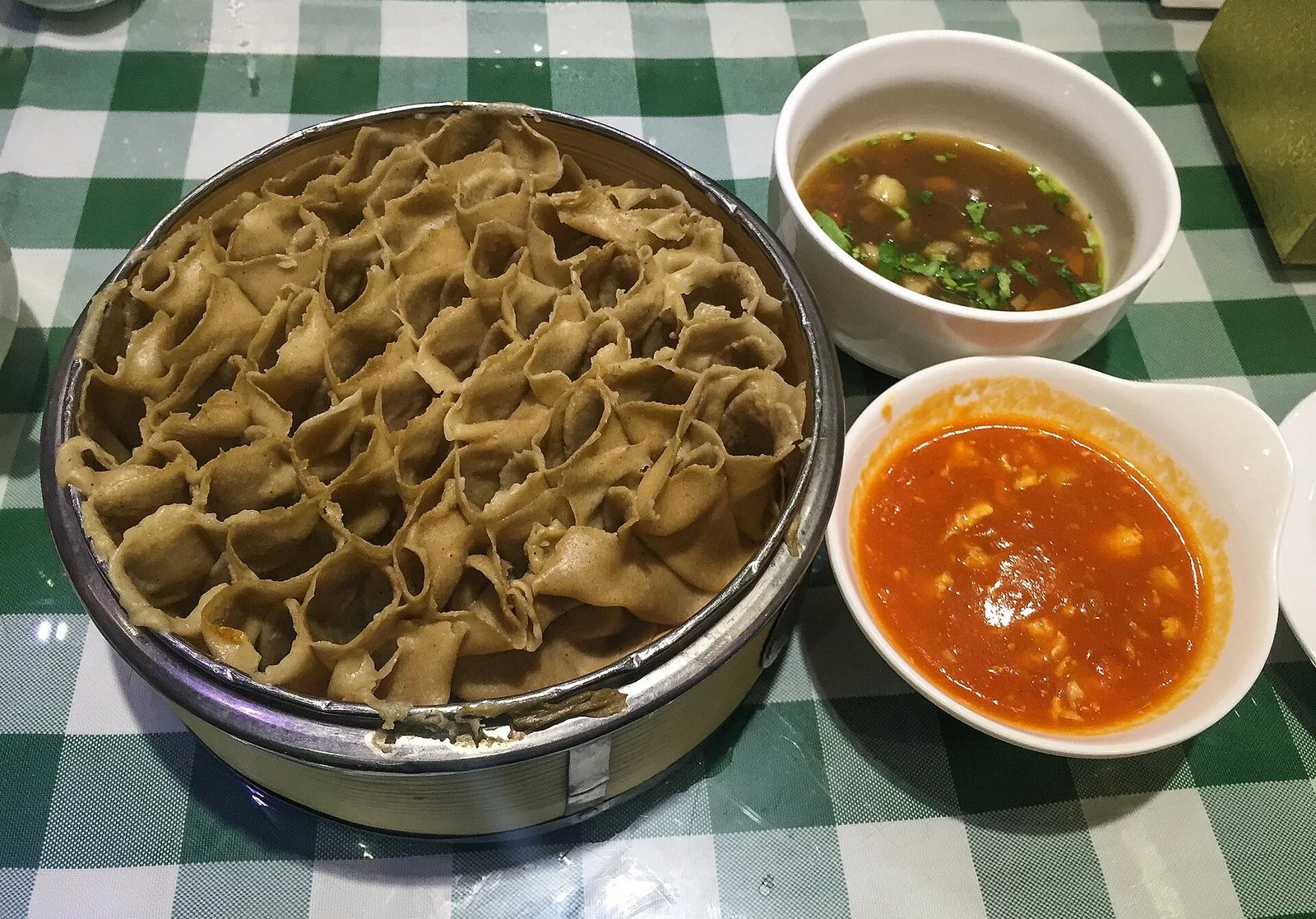
Youmian kaolaolao are made from naked oat flour. Thin pieces of dough are rolled into tubes and packed closely in a steamer, making them easy to distinguish from knife-cut noodles. The steamed rolls are usually served with dipping or pouring sauces, with the grain and sauce together forming the meal. This food is shared across northern Shanxi and neighboring regions; it is not unique to Datong. When trying different flour-based dishes, identify the staple ingredient and preparation first, then choose a sauce to suit your taste.
Old-city shopping streets and seasonal changes
Commercial areas such as Gulou East Street bring dining, retail and cultural activities into the streets beyond the temples. They offer a way to continue exploring city life after visiting historic sites. Looking at what shops actually sell and how goods are made is more useful than simply admiring traditional-style facades. Visitor souvenirs and everyday shopping serve different purposes. Compare materials, practical use and ease of carrying an item before buying; goods sold on an old-city shopping street are not necessarily locally handmade.
Seasons also affect outdoor experiences in Datong. China Weather's city climate introduction describes windy springs, rainfall concentrated in summer, and long, cold winters. Exposed grotto cliffs, areas around the city walls and the mountains of Hunyuan can feel different from courtyards sheltered by eaves. This seasonal background does not replace the forecast for your travel date. In cold wind or rain, adjust how long you stay outdoors to the conditions at the site.