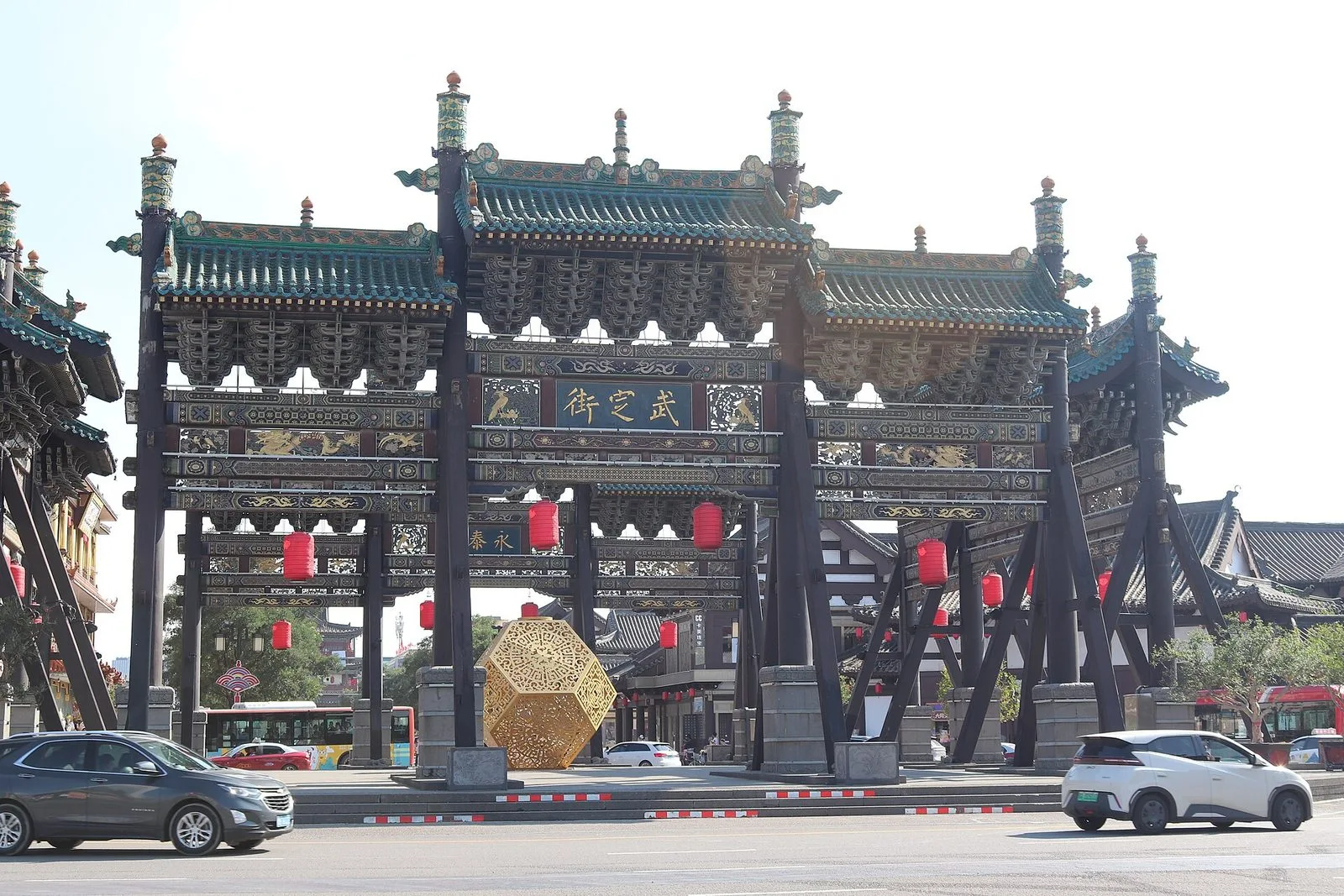
Start with the temple's relationship to the cliff
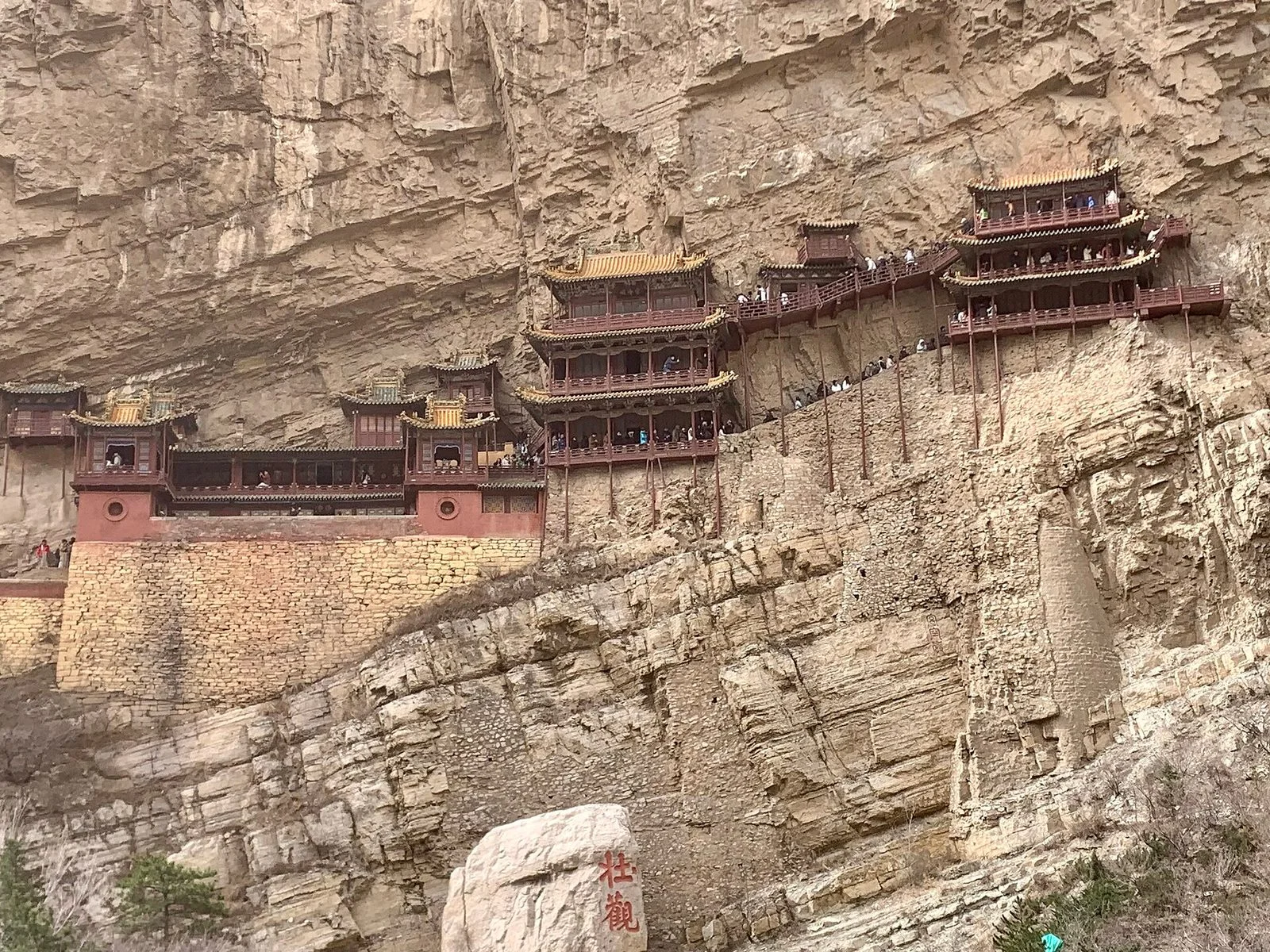
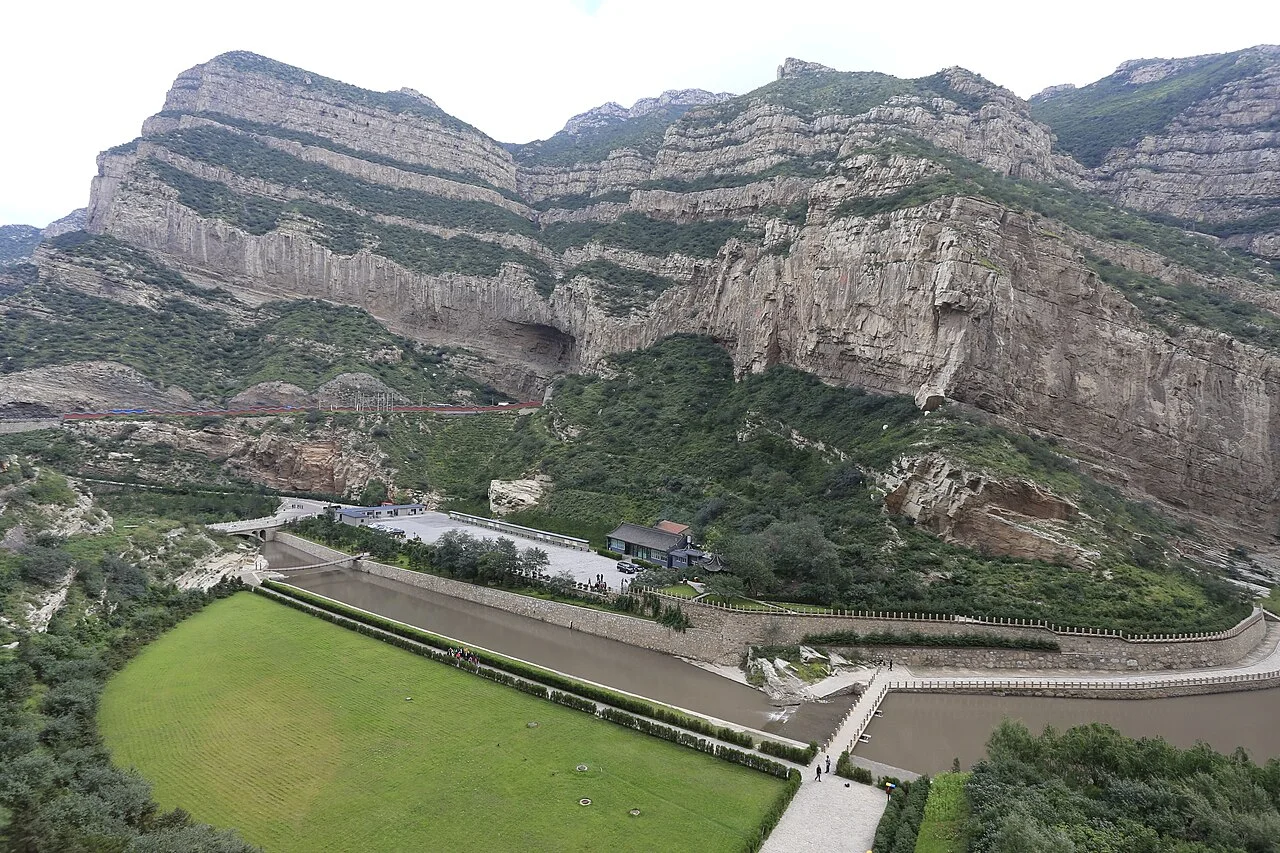
The Hanging Temple stands on the cliffs of Hengshan's Cuiping Peak in Hunyuan County, Datong. It is outside the old city's walkable sightseeing area. The buildings follow the rock face, with stone behind and a gorge in front. From a distance, their proportions against the cliff stand out; closer up, the connections between corridors, upper and lower windows, and roofs become easier to see.
The scenic area's introduction traces the temple's foundation to the late Northern Wei period. That starting date does not mean every wooden component visible today is 1,500 years old. Distinguish the institution's history from its surviving structures: repeated repairs have maintained the religious space, while the most immediate architectural interest is how pavilions and circulation fit onto a limited rock face.
Pavilions, walkways and compact spaces
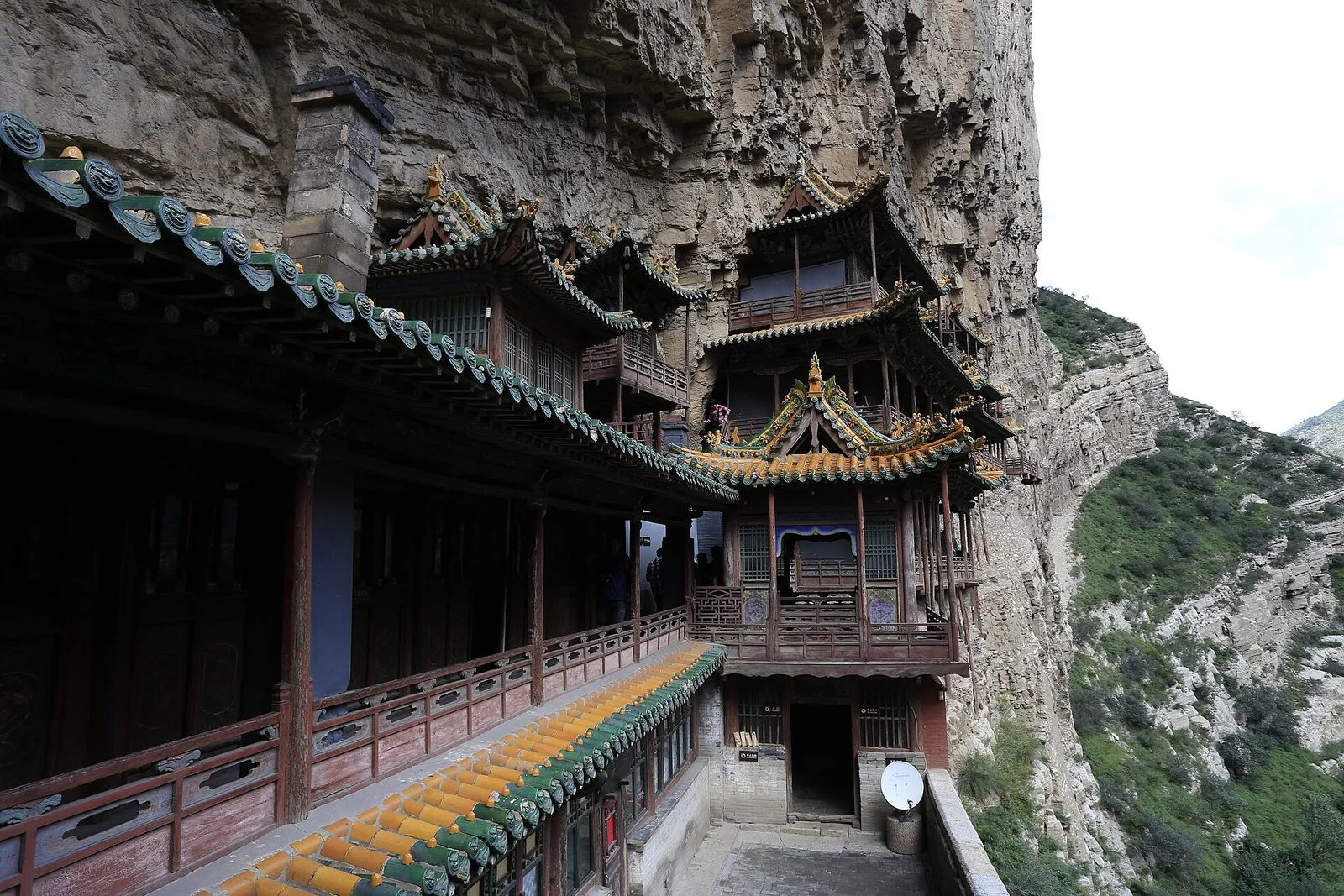
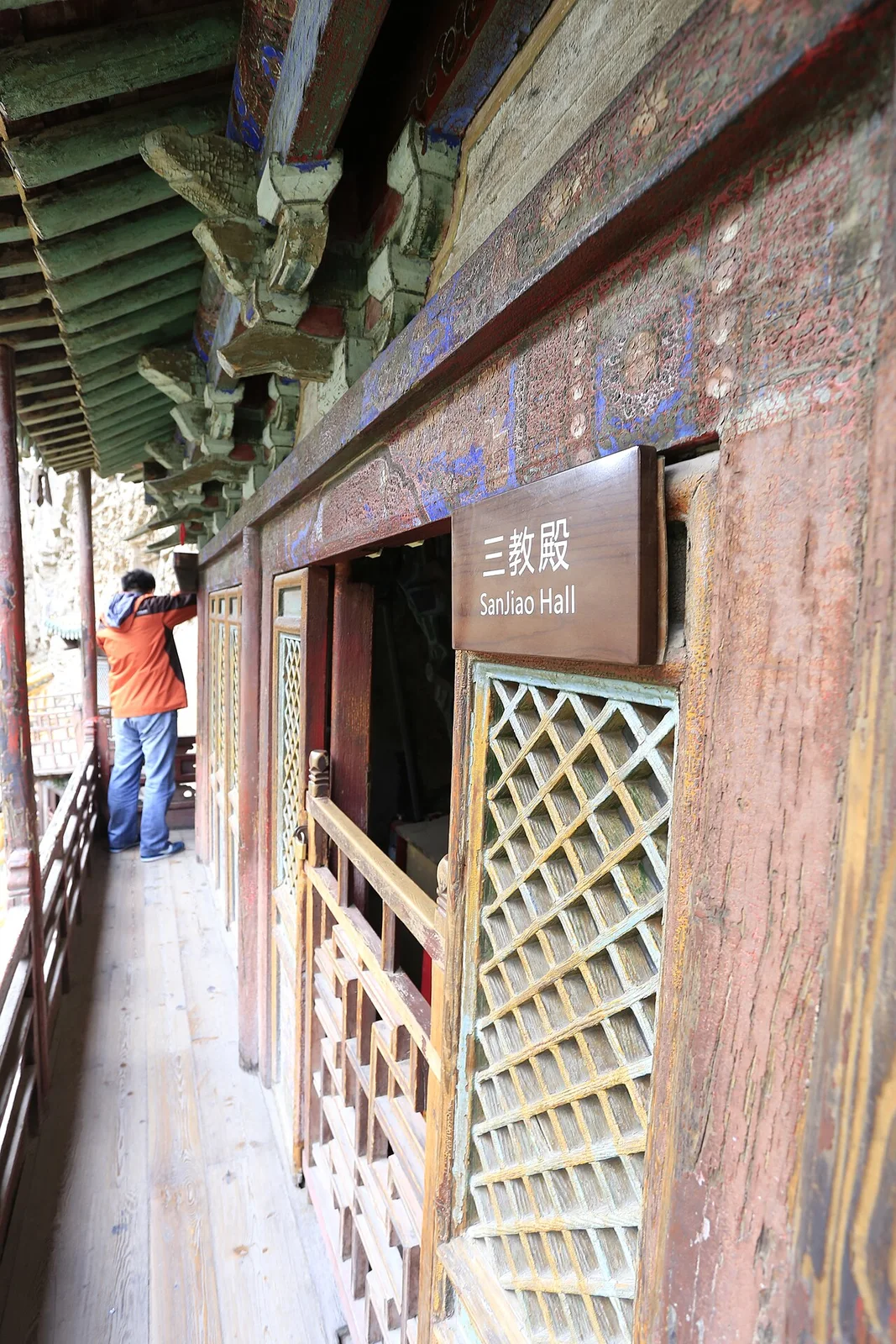
The rooms and corridors sit close against the mountain, linking pavilions at different heights. Unlike a temple spread across broad courtyards, a visit here requires attention to steps below, rock beside you and eaves above. Photographs from the ground show the overall outline; on the walkways, the compactness of the space becomes more apparent.
Consider this distinction when deciding whether to enter the raised buildings. Visitors uncomfortable with narrow passages, heights or repeated stairs can appreciate the architecture from ground level without treating access to the upper structures as essential. If you enter, secure items that could knock against the surroundings and follow one-way instructions and staff guidance. Do not block a narrow passage while trying to photograph the whole complex.
Different beliefs within one temple
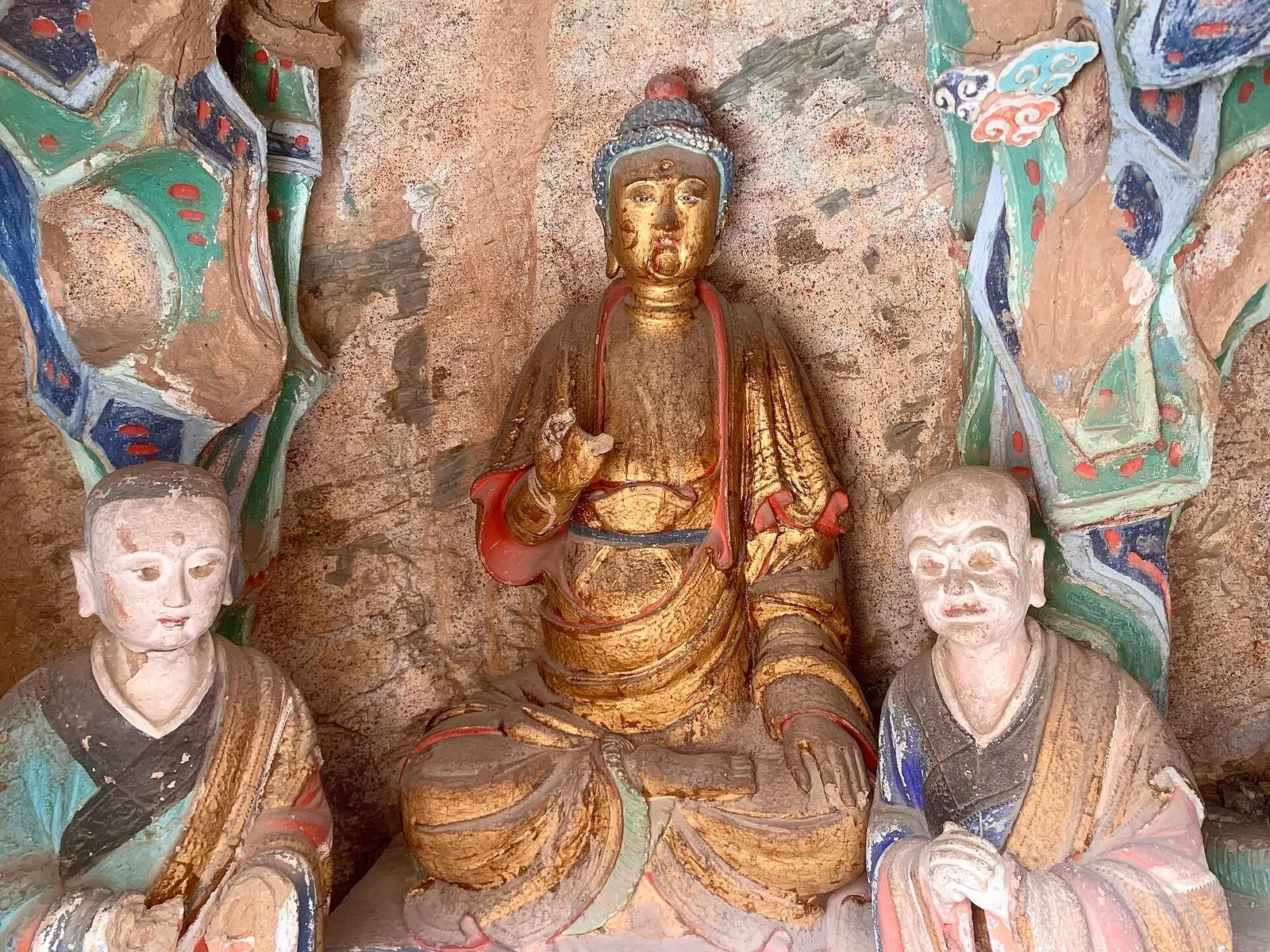
The Hanging Temple is also known for bringing Buddhism, Daoism and Confucianism together. The site's information lists bronze, iron, clay and stone figures, showing that there is more to explore than the exterior architecture. Compare clothing, seated poses and groupings rather than assuming every figure is the same kind of Buddha.
Pavilions, caves and worship spaces connect, bringing religious content into the cliffside arrangement. For visitors interested in sculpture, on-site explanations and guided interpretation can help identify particular halls. If you do not recognize the figures, start with their materials and layout; this offers a fuller understanding than concentrating only on a dramatic photographic viewpoint.
Confirm admission and raised-building access separately
The scenic area's ticketing page, read on 2026-11-11, lists Hanging Temple admission and access to the raised structures as separate charges. An admission ticket should not be understood as securing access to those structures. The scenic area also directs visitors through the Hengshan Visitor Center for the relevant visiting arrangements. Check that day's shuttle, ticketing and opening information before departure.
A China Tourism News report from June 2026 describes a quota for raised-building access and includes foreign visitors among the categories served by offline ticketing. The ticket-release times in that report do not entirely match the general ticketing page on the official website. Passport holders should contact the scenic area to confirm the applicable channel rather than relying on release times in old guides. The official ticketing number is 0352-8333031, and tourist information is 0352-8333077. This page does not guarantee tickets on arrival or present past ticket allocations as a current commitment.
Useful official references
Check the relevant official service before making arrangements. These links are references, not a guarantee of current services.