Approaching the caves through Pingcheng's history
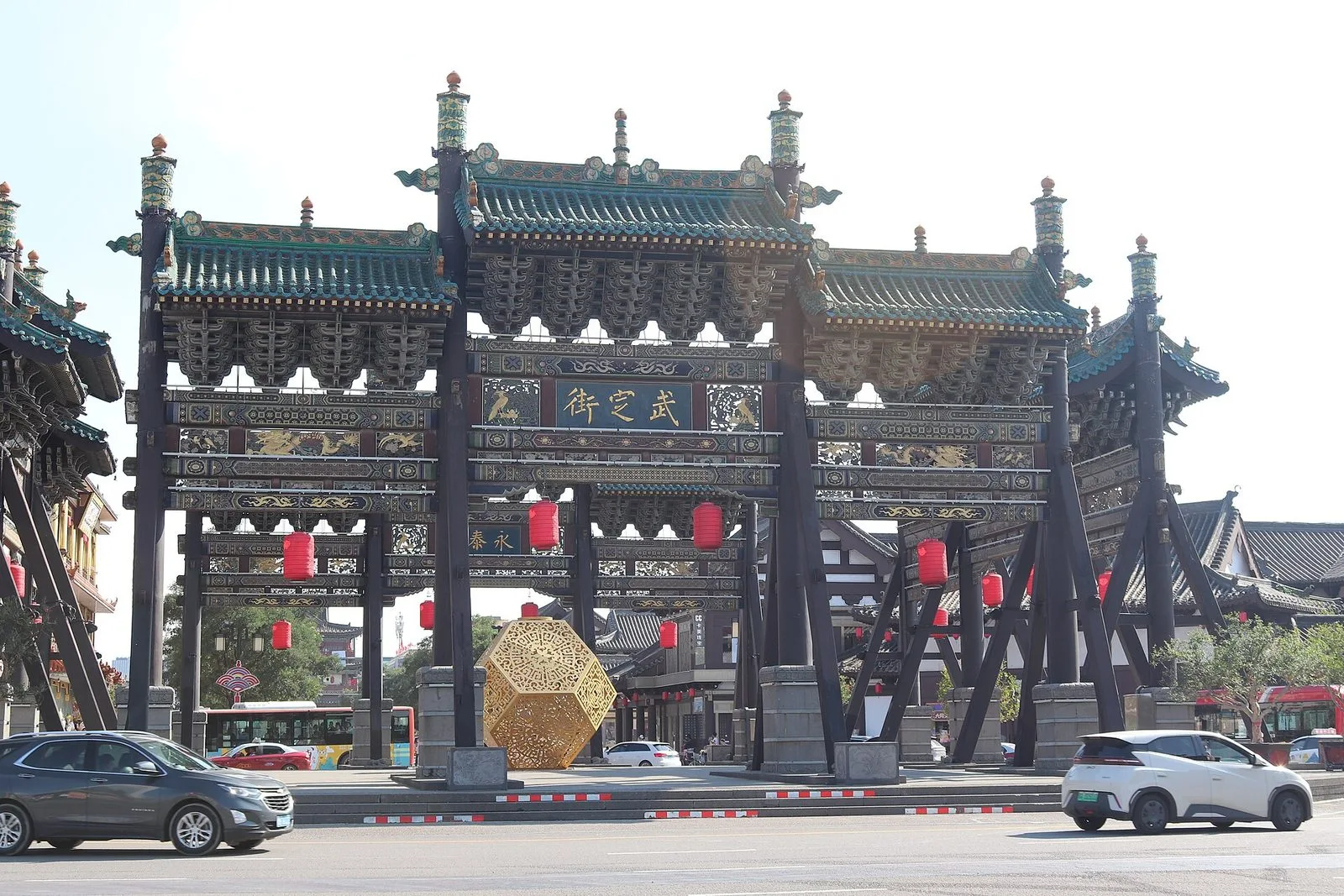
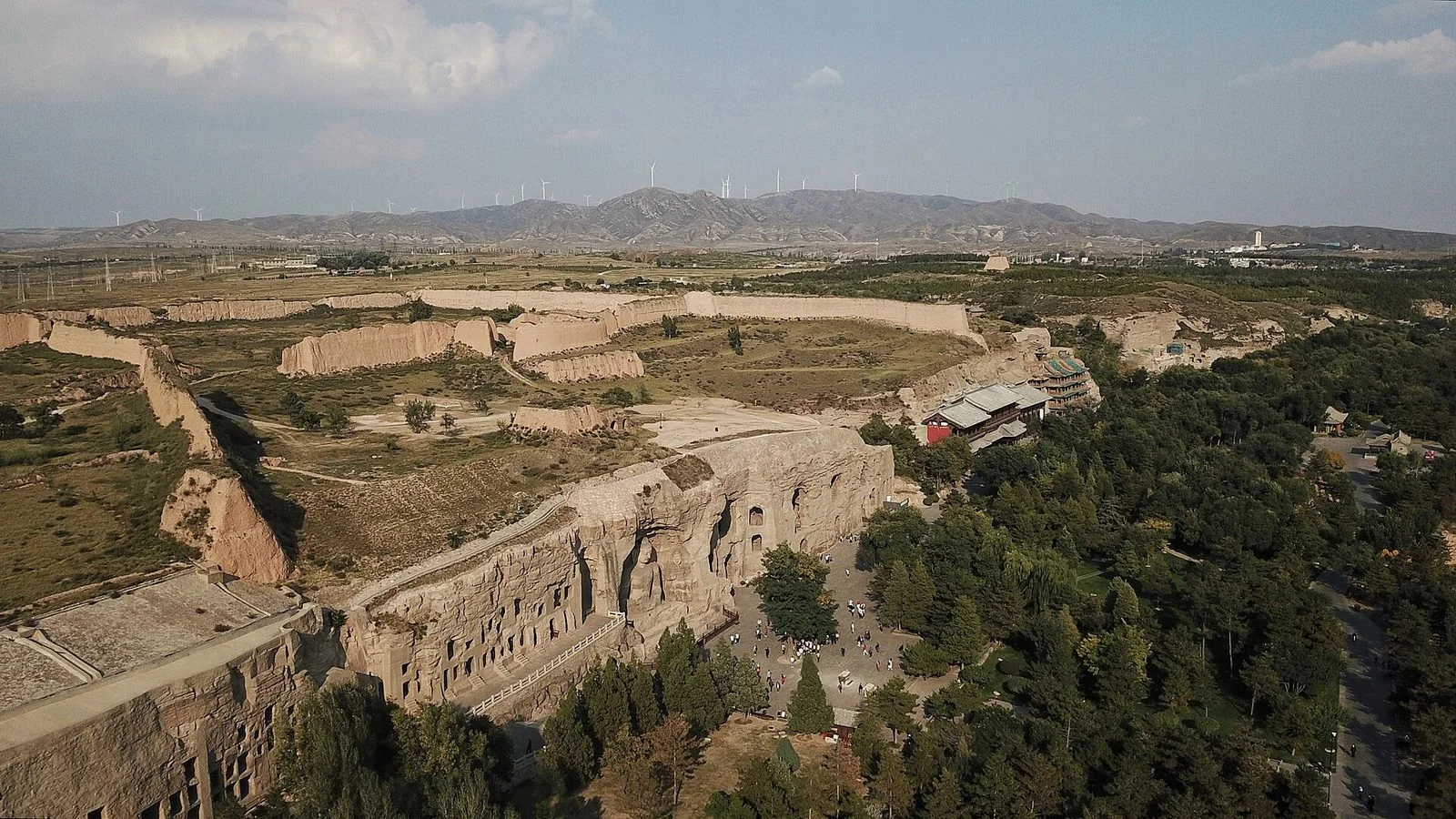
Yungang Grottoes lie at the southern foot of Wuzhou Mountain, west of Datong's old city. When Pingcheng was the Northern Wei capital, the imperial court supported cave excavation and statue carving here, with the main work concentrated in the fifth and sixth centuries. The caves extending along the cliffs reveal connections between the capital and Buddhism. Monumental figures show the scale of imperial projects, while smaller statues, decoration and narrative scenes reward a closer look.
UNESCO assesses the site's 252 caves and niches and approximately 51,000 statues as a whole. Yungang was inscribed as World Heritage in 2001. These figures need not become a checklist for your visit. A more useful approach is to compare proportions, drapery and cave layouts to understand the different artistic styles developed along the same cliff.
The Five Caves of Tan Yao and the open-air Buddha
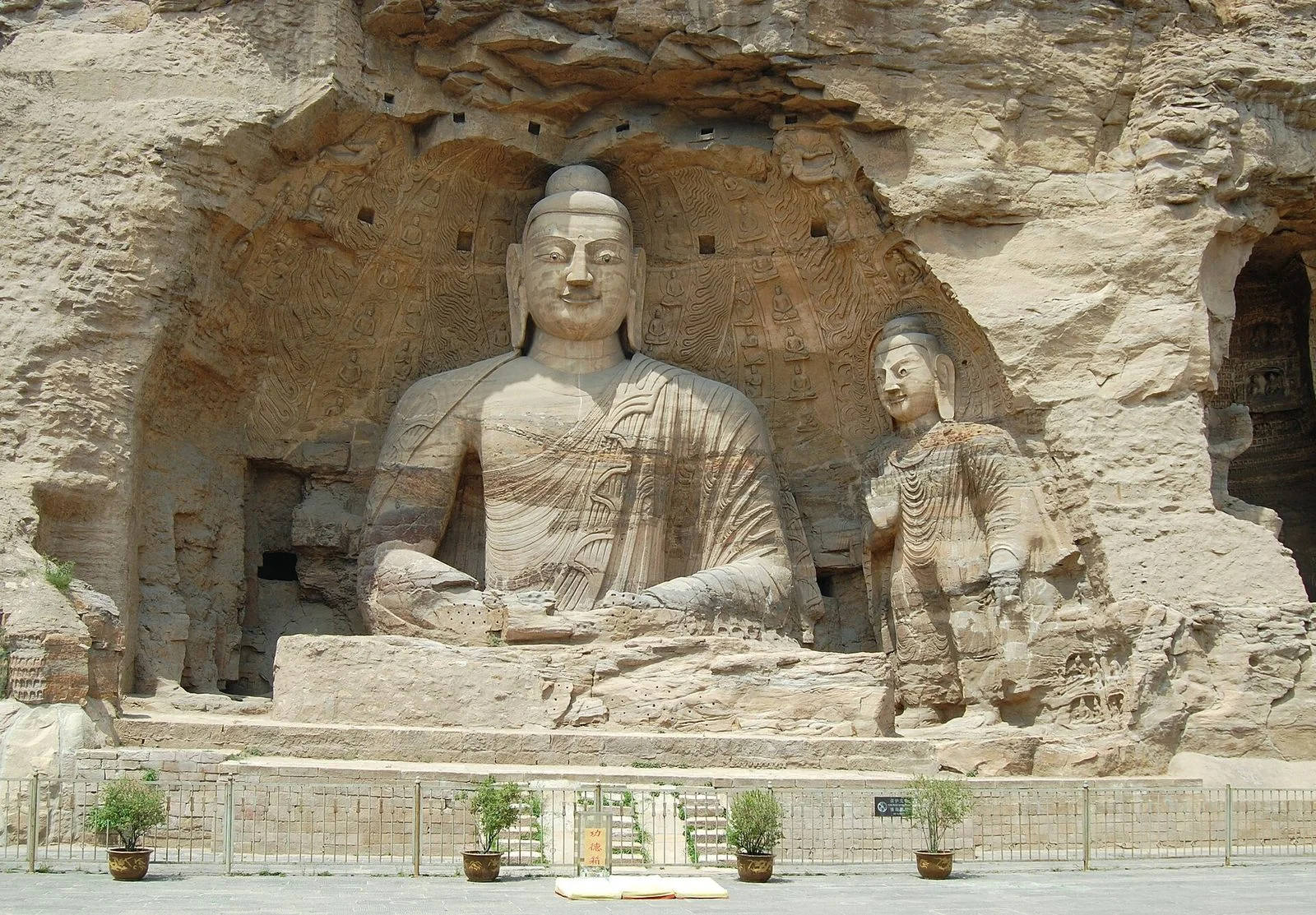
Caves 16 to 20 are collectively known as the Five Caves of Tan Yao and form an important part of Yungang's early excavations. The great Buddha in Cave 20 now faces the open air, with the rock backdrop continuous with the statue itself—one of the most recognizable views of Yungang. Step back to compare the main figure with those beside it, then examine its face, gestures and drapery to understand its size through specific forms.
The relationship between grottoes and mountain also deserves attention. These Buddhas were not freestanding sculptures brought into caves: the spaces and figures were carved together from the rock. Visible weathering, damage and repairs are part of the reality of conserving this heritage over time. Do not assume that every color visible in photographs preserves its original Northern Wei appearance.
Comparing caves and niches along the cliffs
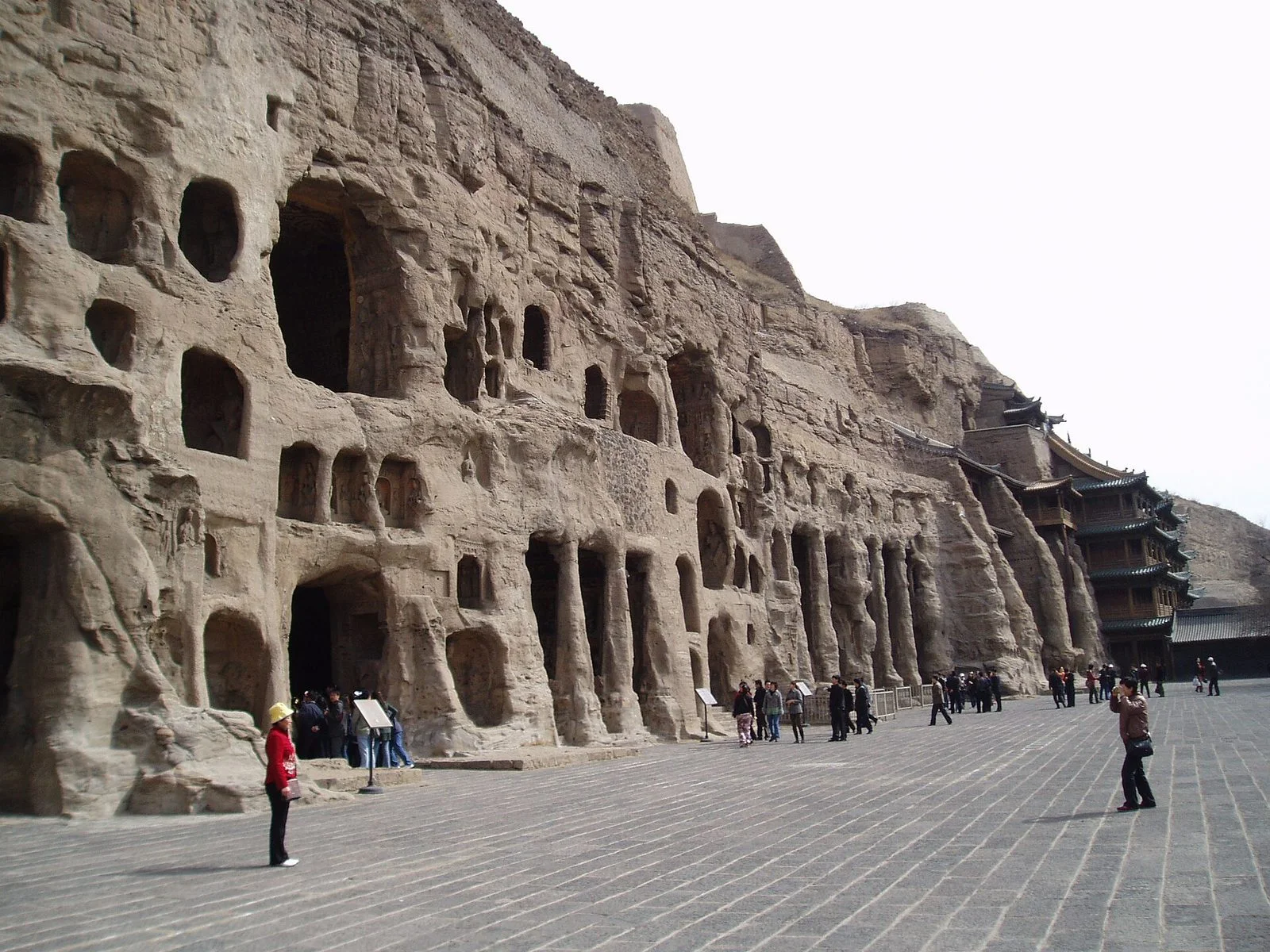
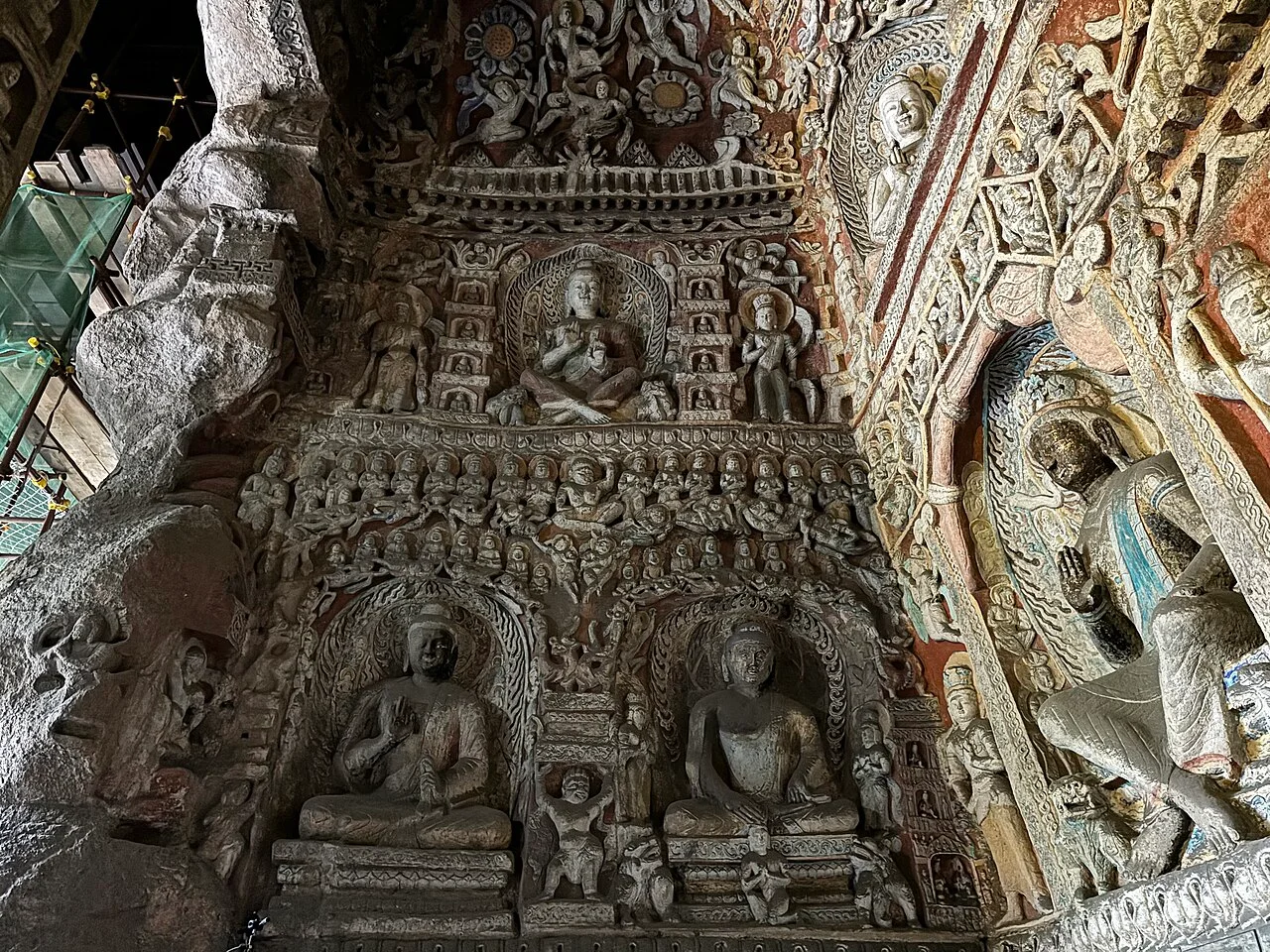
Yungang offers more than the enormous open-air Buddha. Dense groups of small caves and niches on the cliff provide a different experience from larger caves protected by wooden facades and eaves. The distribution of smaller niches can be viewed from outside; larger caves invite attention to interior space within the areas open to visitors. Look up at decoration and down at bases to avoid searching only for the largest statues.
The meeting of South Asian and Central Asian Buddhist art with local Chinese traditions is an important part of the site's World Heritage assessment. Visitors new to cave art can start with differences in clothing, architectural decoration and groups of figures rather than trying to name every motif. Follow the site's conservation rules when visiting or taking photographs, and do not touch the carvings.
Choosing how to visit
Yungang suits visitors willing to spend time with sculpture, history and religious art. Stopping only for a photograph at the open-air Buddha can mean missing smaller caves and interior details. Allow some flexibility for walking along the cliffs, looking and resting. Light inside the caves differs from outdoors; give your eyes time to adjust and read the explanations before rushing to find a camera angle.
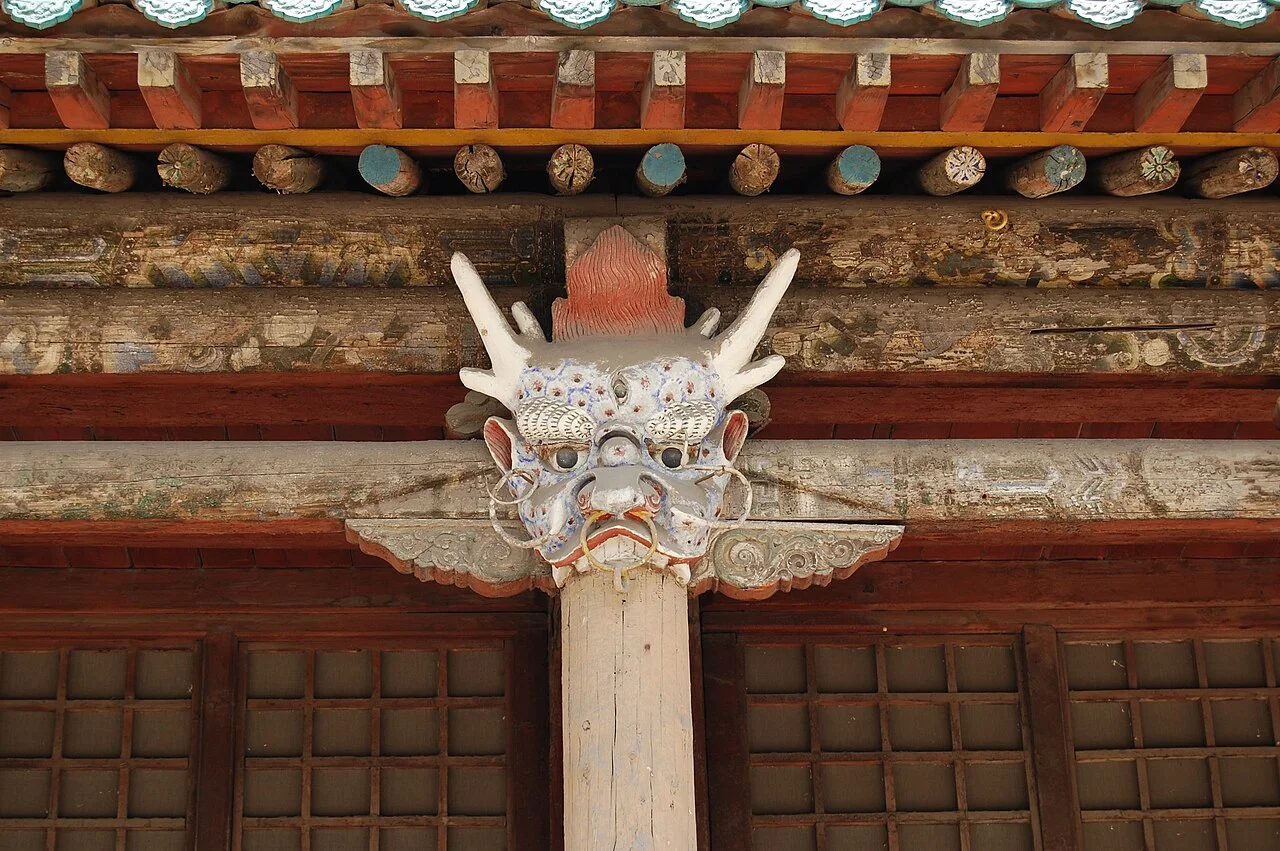
The surrounding scenic-area landscaping should be distinguished from the Northern Wei grotto heritage. Cave access, ticketing and photography restrictions can change with conservation arrangements. Check Yungang's official announcements before departure, and do not use old photographs to assume a particular cave will be open that day. Yungang and Huayan Temple in the old city differ markedly in material and space: focusing on stone carving at one and timber architecture at the other offers distinct experiences.
Useful official references
Check the relevant official service before making arrangements. These links are references, not a guarantee of current services.