City introduction
Guangzhou sits at the northern edge of the Pearl River Delta. The Pearl River runs through the city, and Baiyun Mountain lies to the northeast. The old districts of Liwan and Yuexiu are on the north bank, Tianhe’s new office towers spread east along the same bank, Haizhu is an island district in the river, and Panyu and Nansha push the city south toward the Pearl River estuary. Mountains and water, old streets and new districts sit side by side; that is the starting point for understanding Guangzhou.
Guangzhou has been a city for more than 2,200 years, and it has long depended on its port and trade. From 1757 to 1842, the Qing court concentrated trade with Europe and the United States in Guangzhou, handled by the Thirteen Factories (shisan hang). The Canton Fair, founded in 1957, carried that commercial tradition into the present. Shops under arcades, dim sum in tea houses, and the exhibition halls and office towers of Tianhe and Pazhou all show this trading city at different points in its history.
Baiyun Mountain, the Pearl River and the districts on both banks
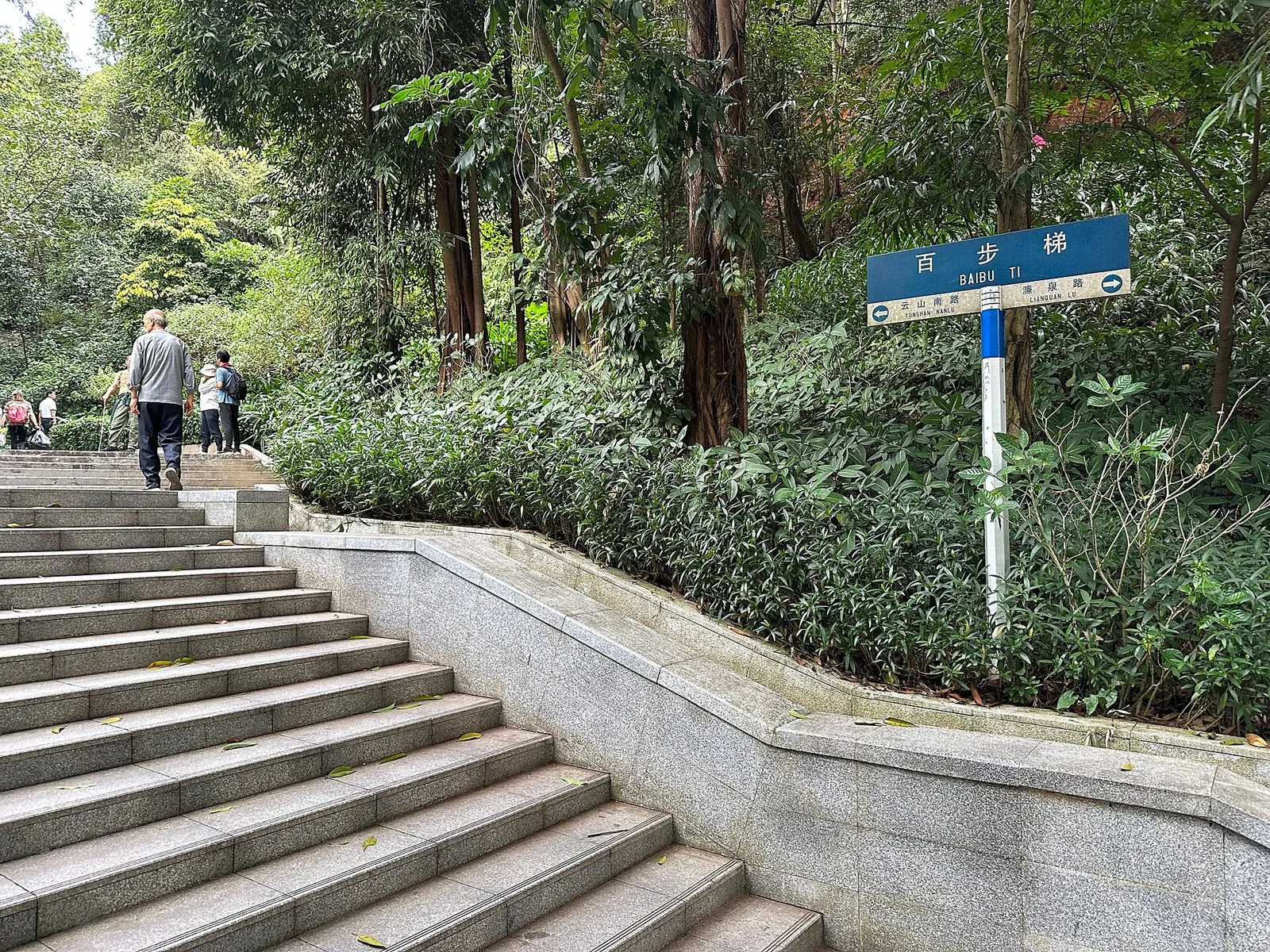
Baiyun Mountain lies in the northeast of the urban area. It comprises more than 30 peaks and covers about 21 square kilometers; its main summit, Moxing Ridge, rises about 382 meters. The mountain is not high, but it is close to the city and densely wooded. Official material says its green coverage exceeds 95 percent, and it is also called Guangzhou’s “city lung.” Looking south from the mountain, you see continuous built-up areas and the Pearl River; it is therefore not just a scenic area but also a green boundary within the city’s space.
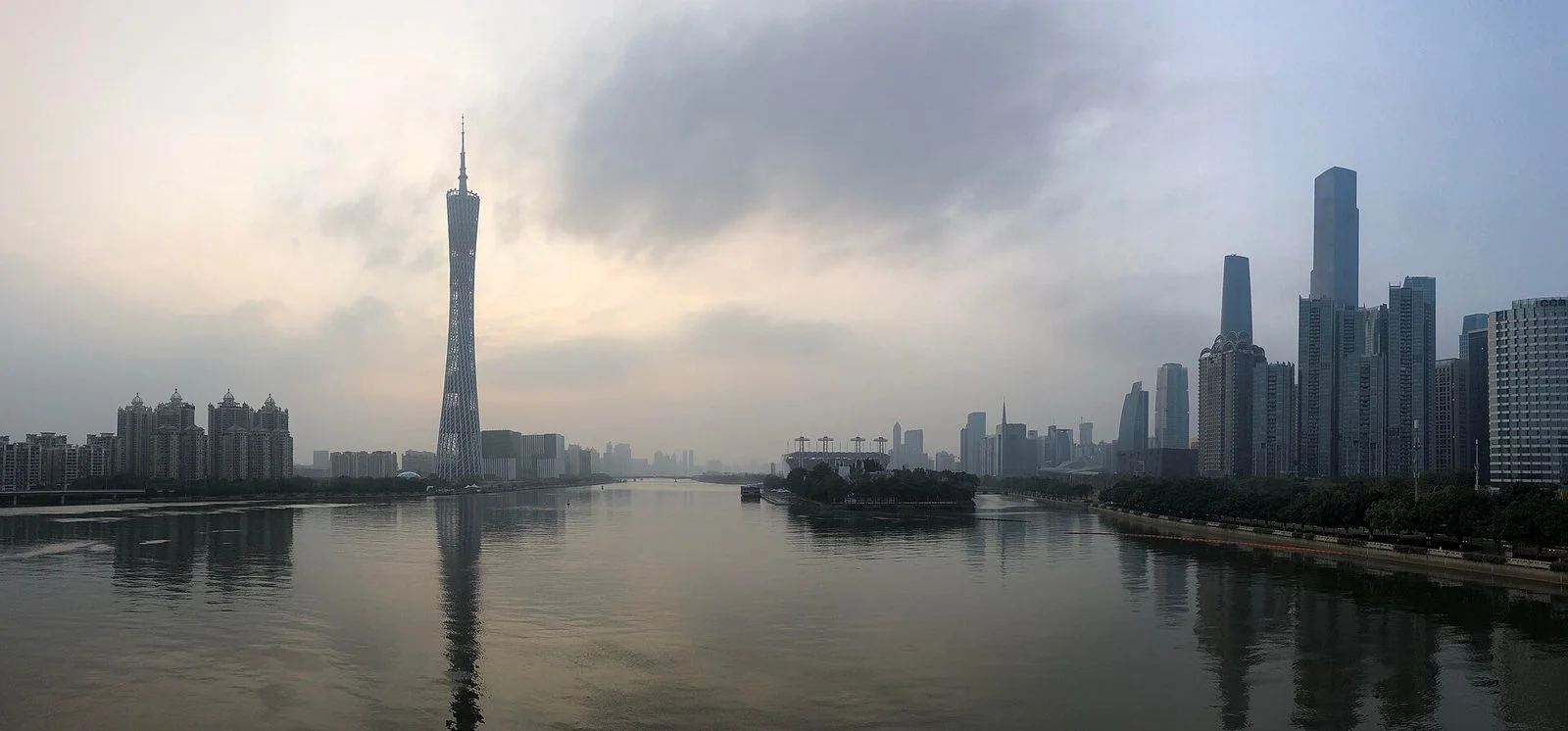
The Pearl River runs through the urban area. The old city is on the north bank, Haizhu is an island district in the river, and Tianhe is the new district where office towers, shopping malls and Huacheng Square cluster. Liwan and Yuexiu retain dense lanes and arcaded streets; farther south, Panyu and Nansha extend the city to the Pearl River estuary. Guangzhou administers 11 districts, but visitors most often encounter the several kinds of cityscape on the two banks. Bridges and the metro connect the two sides, and the river, creeks and ferry crossings remain useful clues for finding your way.
From the city of Panyu to the Thirteen Factories
In 214 BCE, after Qin forces pacified Lingnan, Ren Xiao built the city of Panyu on the site of present-day Guangzhou. This is the starting point of Guangzhou’s city history. The city long remained the administrative and trading center of Lingnan and an important port on the maritime Silk Road. Guangzhou is a National Historical and Cultural City, with a recorded urban history of more than 2,200 years.
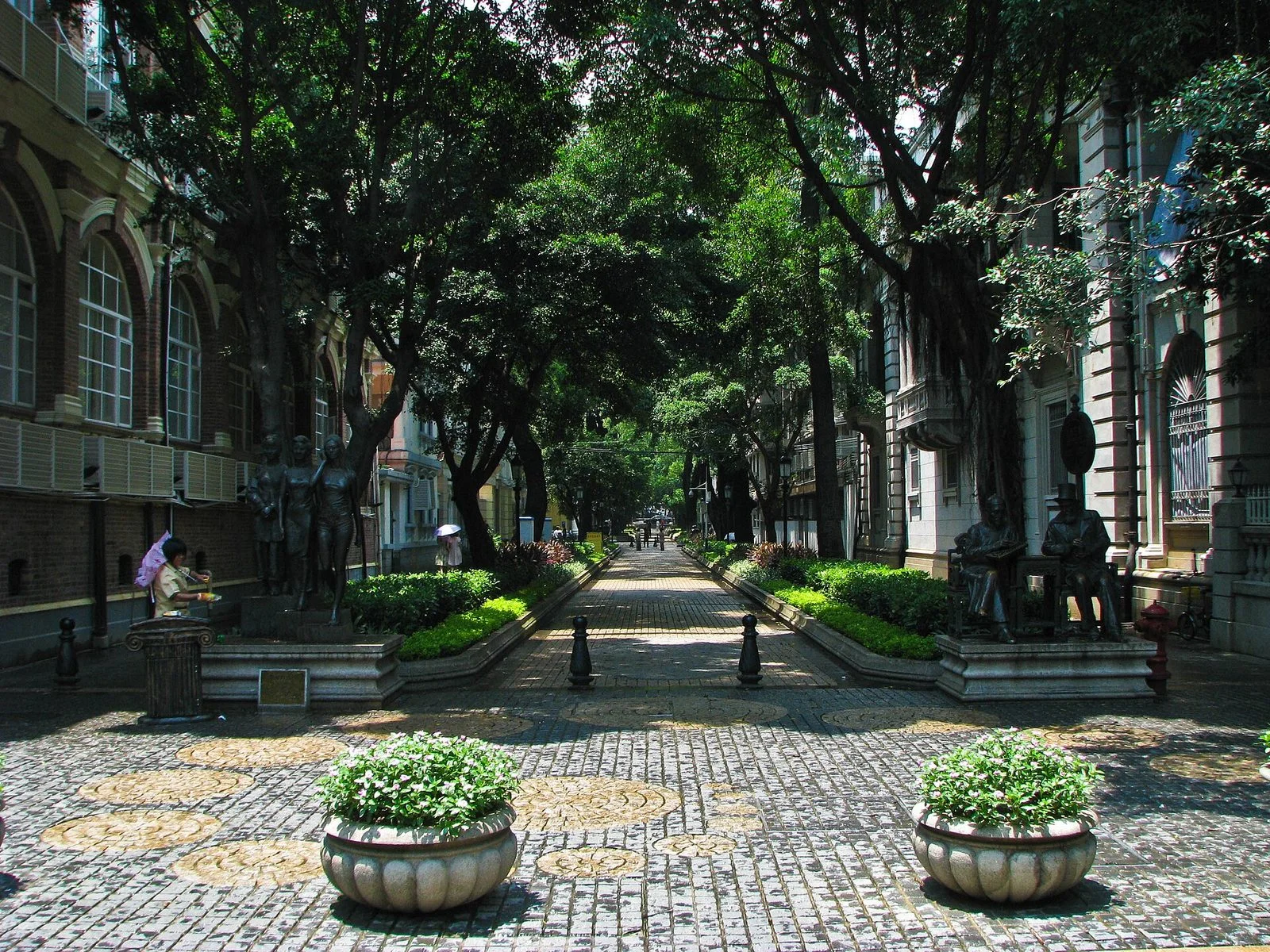
In 1757, the Qing court concentrated trade with Europe and the United States in Guangzhou; until 1842, Guangzhou was the sole port for that trade, which was handled by the Thirteen Factories. The Thirteen Factories were not a fixed group of thirteen firms: the number ranged from more than twenty at its height to as few as four. Tea, silk and porcelain left through the port; woolens, cotton, metals and spices came in. In 1856, the Thirteen Factories were destroyed by fire during the Second Opium War. Afterwards, British and French concession buildings appeared around Shamian, and whole stretches of European-style buildings survive on the island. The Thirteen Factories are gone, but the trading network they left behind and the memory of the single-port system still form one of the deepest layers of Guangzhou’s urban history.
In April 1957, the first Chinese Export Commodities Fair opened in Guangzhou. It later became known as the Canton Fair and is held twice a year, in spring and autumn. From the Thirteen Factories to the Canton Fair, Guangzhou’s commercial role has changed systems, but it has always revolved around the port, trade fairs and merchants from elsewhere.
Arcades, Xiguan and everyday life in the old city
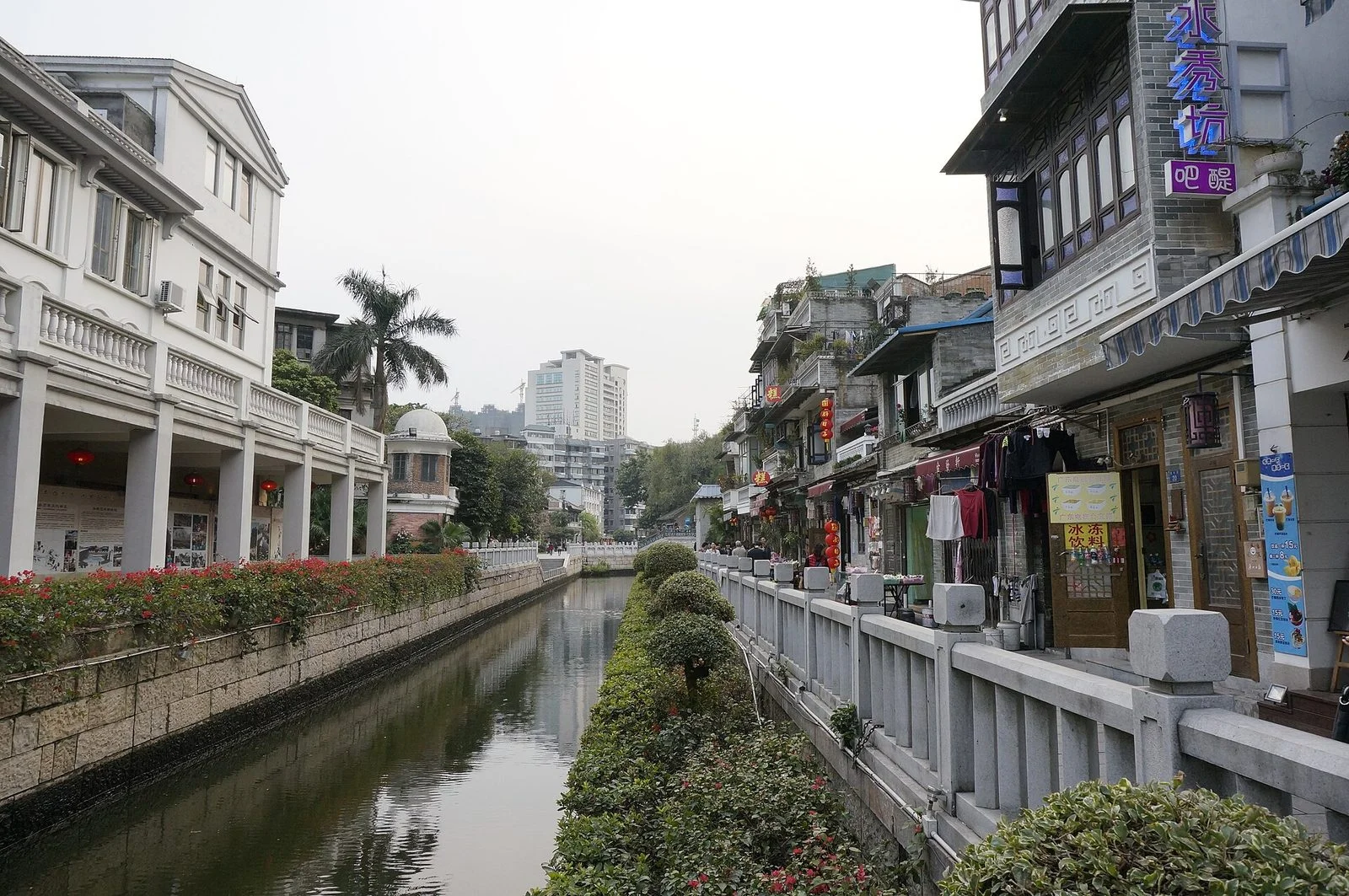
Guangzhou’s qilou arcades arrived via Southeast Asia in the late 19th century. The ground floor forms a continuous covered walkway, while the second storey and above project over the pavement, creating a pattern of shops below and homes above, or a shop in front and a residence behind. A 1912 building code required new shops along roads to leave an arcade eight chi wide, called a “qilou with feet.” By the 1920s and 1930s, the old city had about 60 arcade streets with a total length of more than 40 kilometers. Current conservation planning counts the traditional arcade streets included in protection: 60 streets, about 26.5 kilometers, and 3,886 arcade buildings.
Xiguan arcades are richly decorated, mixing gable finishes, arches, Manchu windows and Western columns; Dongshan arcades are plainer. The Enning Road arcade street was built in 1931 and runs 1,115 meters; it is one of the more completely preserved stretches. The clear height under the arcade is usually 4 to 6 meters, shading shoppers on sunny days and keeping shoes dry in the rain. Shops, tea houses and residents line this corridor.
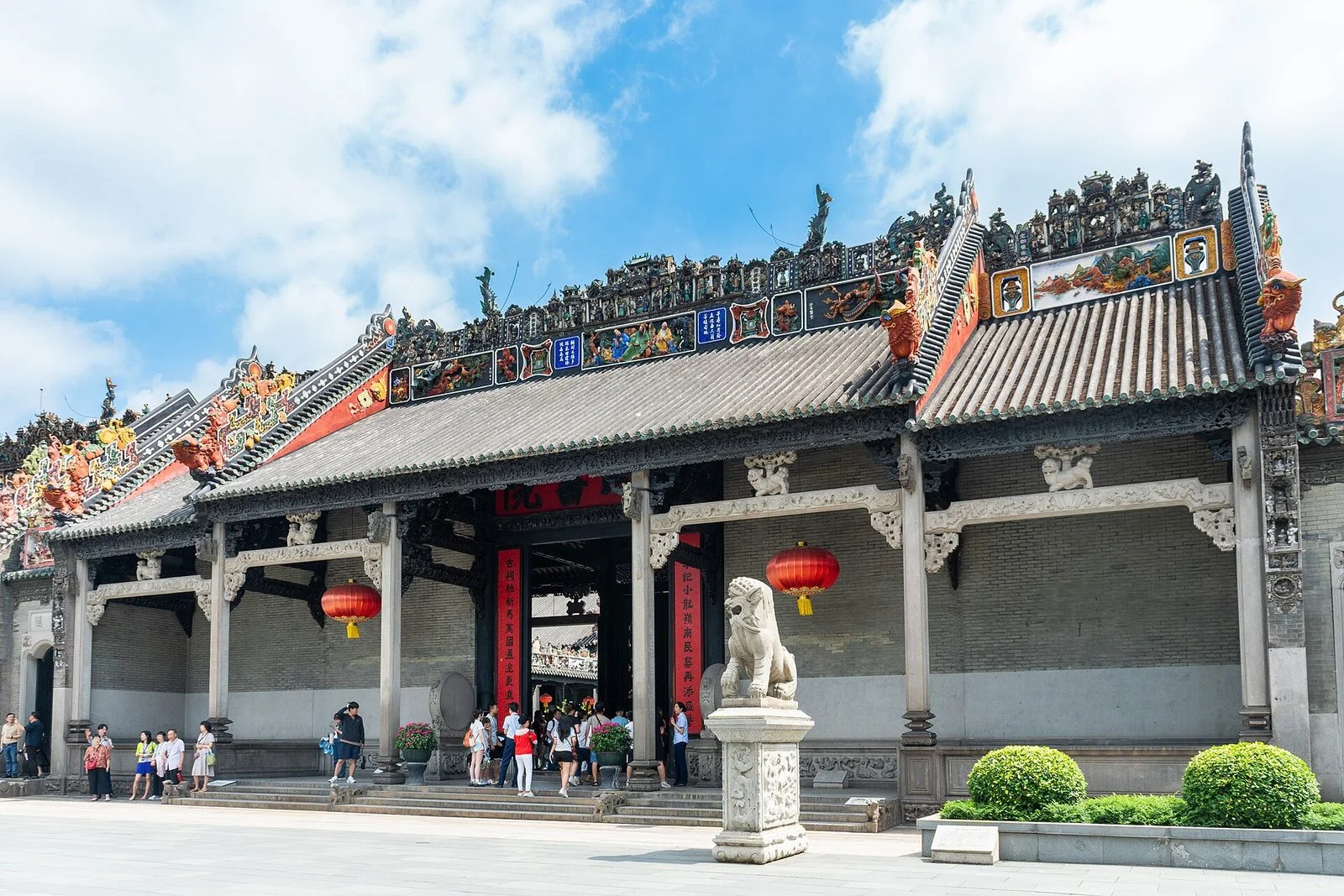
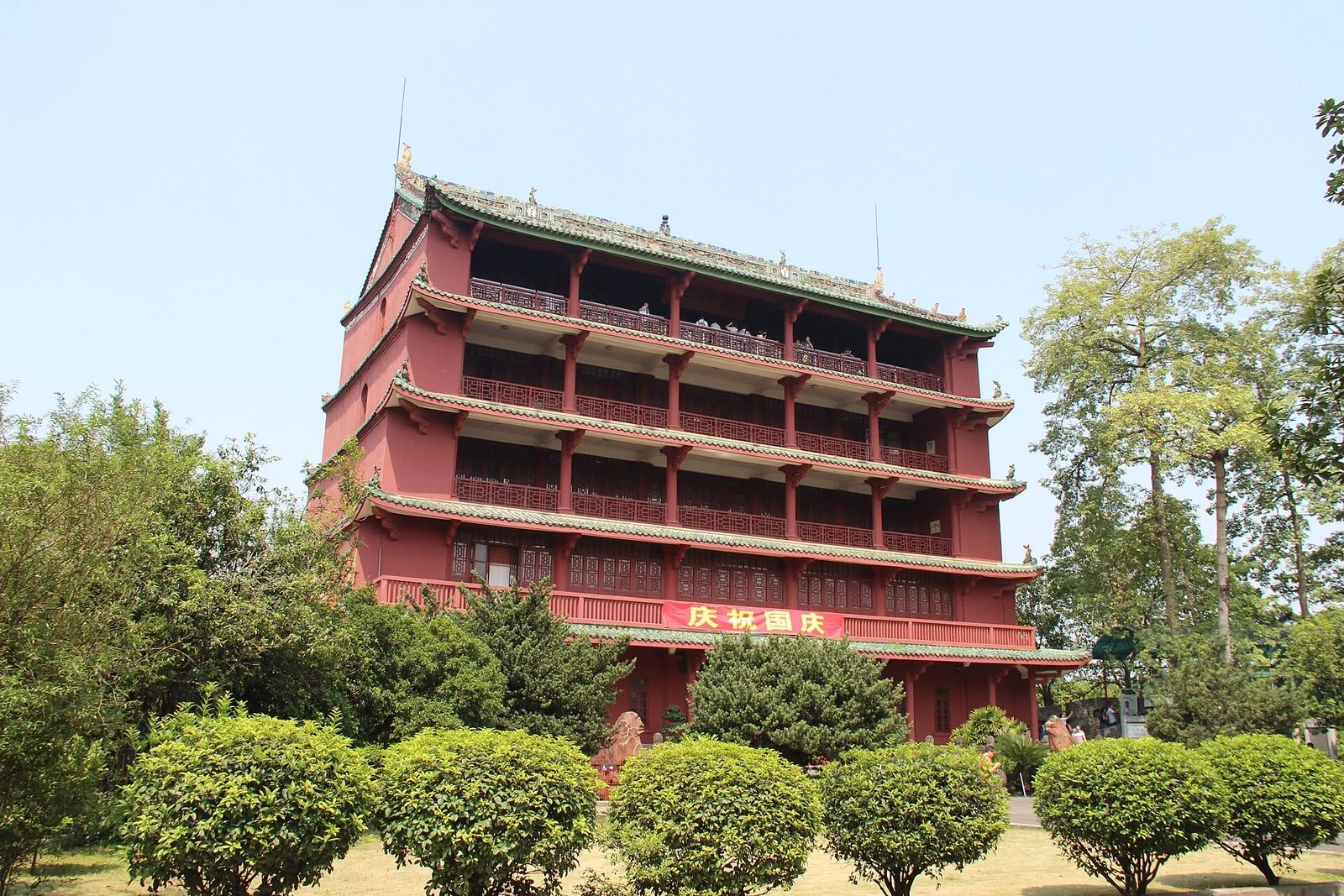
The old city is not only about arcades. The ceramic ridge figures, brick carvings and carved wooden screen doors of the Chen Clan Ancestral Hall show craftsmanship; the Zhenhai Tower and the Ming city wall on Yuexiu Hill show the city’s history.
Locals in Guangzhou mostly speak Cantonese, which you hear in tea houses, markets and on buses; Mandarin is also used in public places. Everyday old-city life is carried in these sounds too: under the arcades there are often herbal tea shops, roast-meat shops and general stores, with people living upstairs and doing business downstairs. Walking through Xiguan, you do not need to look for a specific sight; a stretch under the arcades shows this mixed commercial and residential street life.
One pot, two pieces, and street food
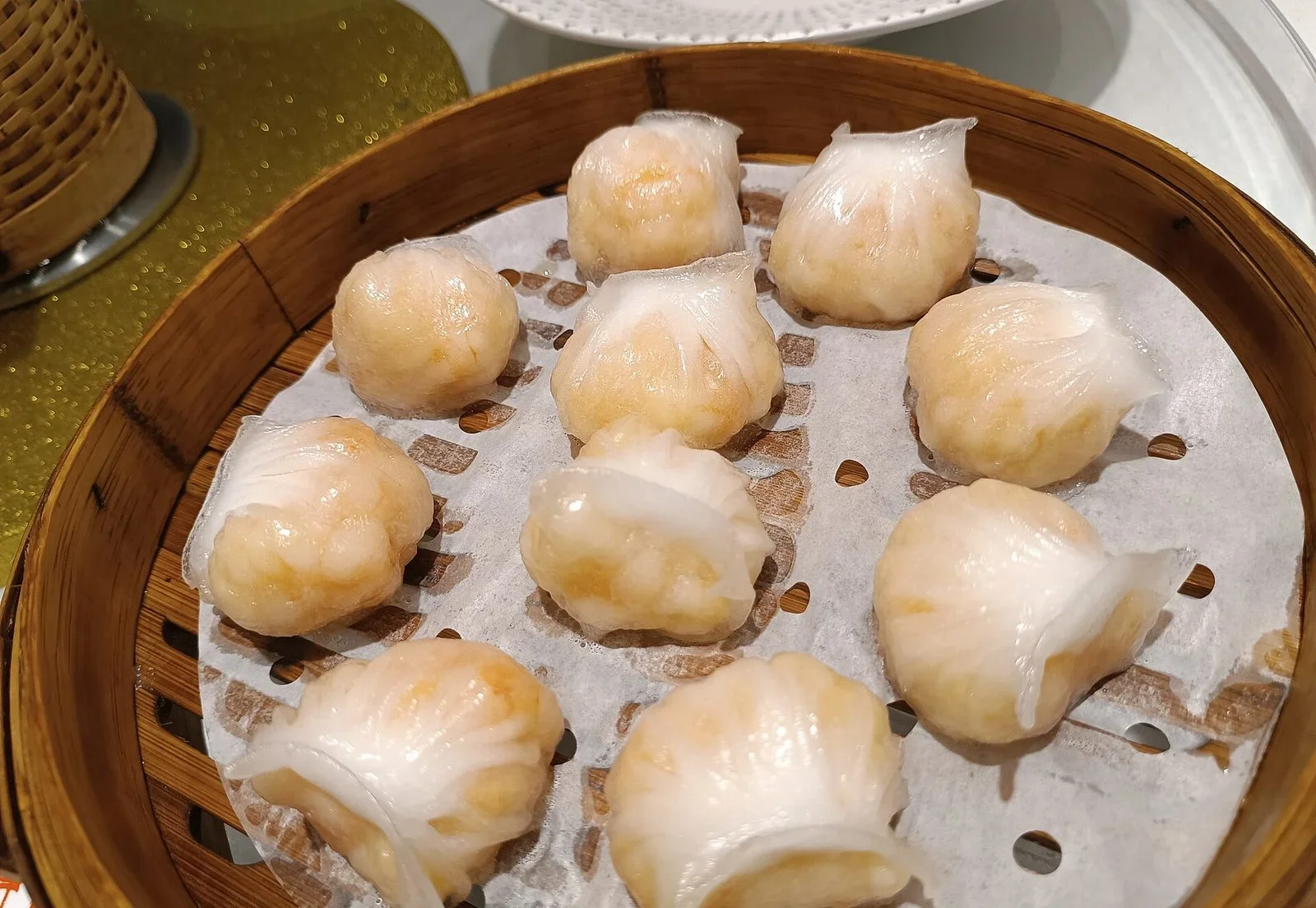
Guangzhou people call drinking tea “tan cha” (savoring tea), and “yizhong liangjian” means one pot of tea with two dim sum items. Morning tea grew out of “erli guan” teahouses by the docks and markets during the Xianfeng and Tongzhi reigns of the Qing dynasty; tea rooms (chaju) and tea houses (chalou) later appeared, and Sanyuan Lou, opened during the Guangxu reign, is regarded as one of Guangzhou’s earlier large-scale tea houses. Tao Tao Ju was founded in 1893 and in 1925 combined a tea house and a restaurant under one roof. Har gow, siu mai, char siu bao and egg tarts are often grouped as the “four heavenly kings.” In 2022, the Cantonese yum cha custom was added to Guangdong Province’s eighth batch of provincial intangible cultural heritage items.
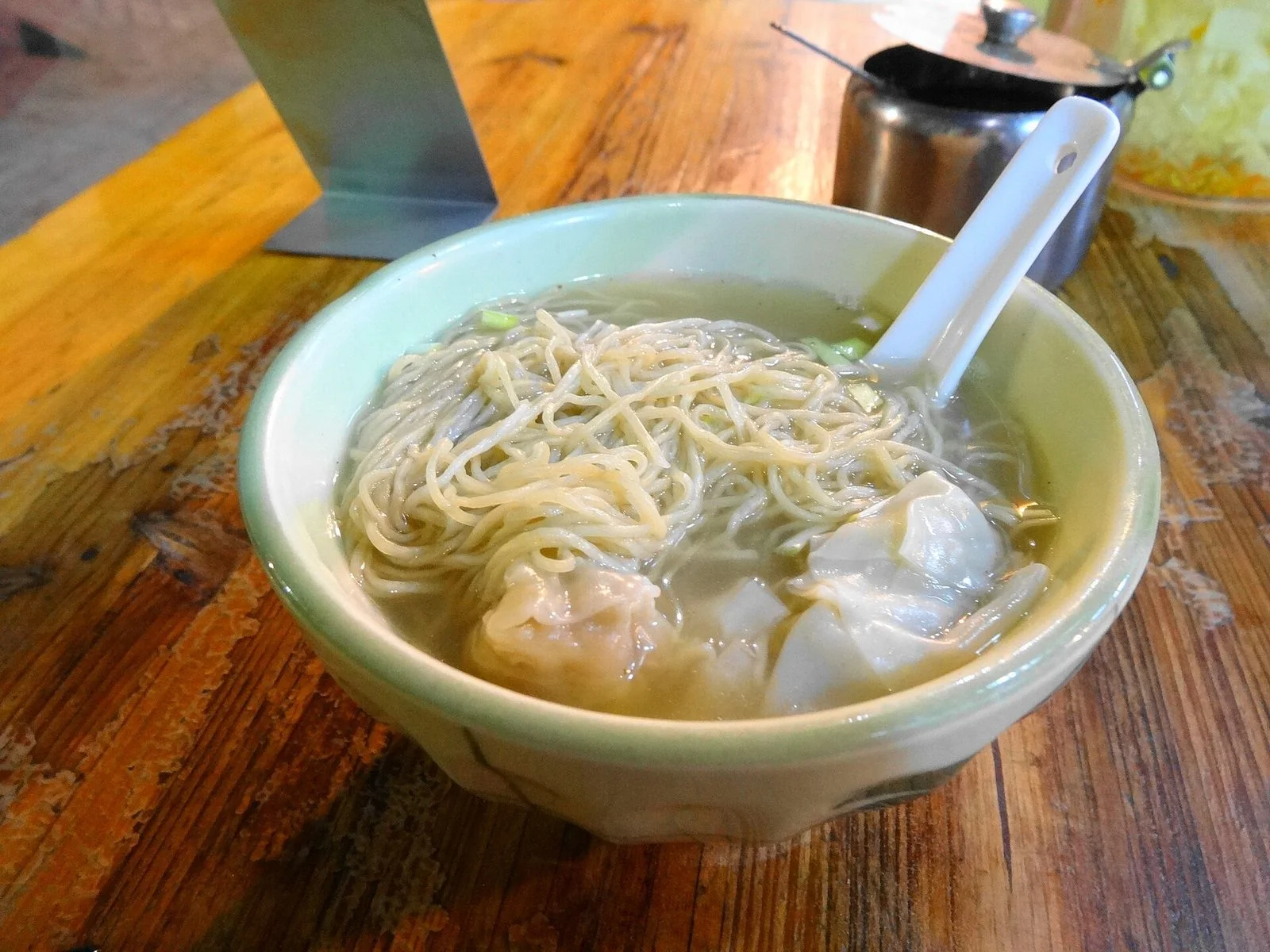
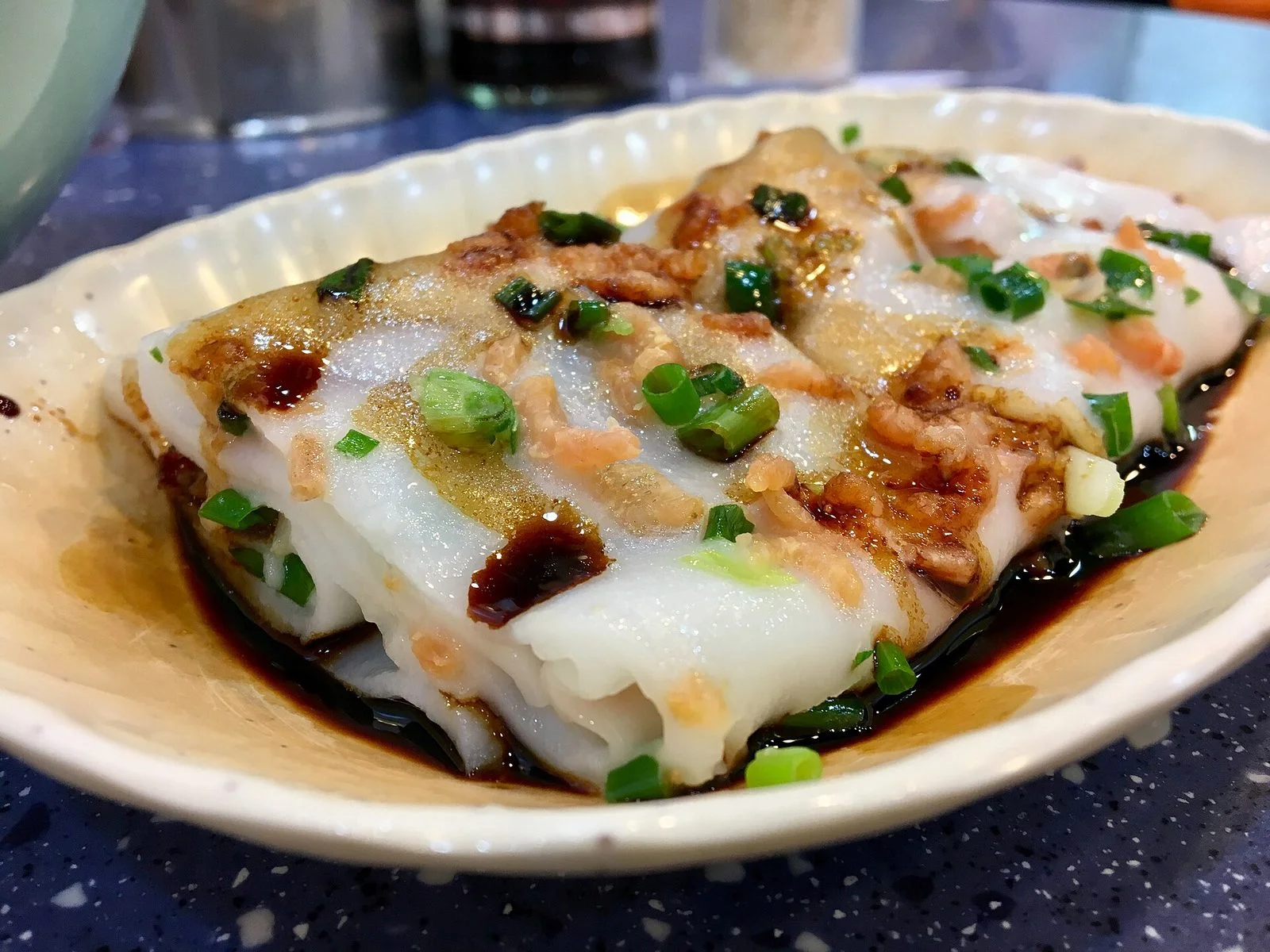
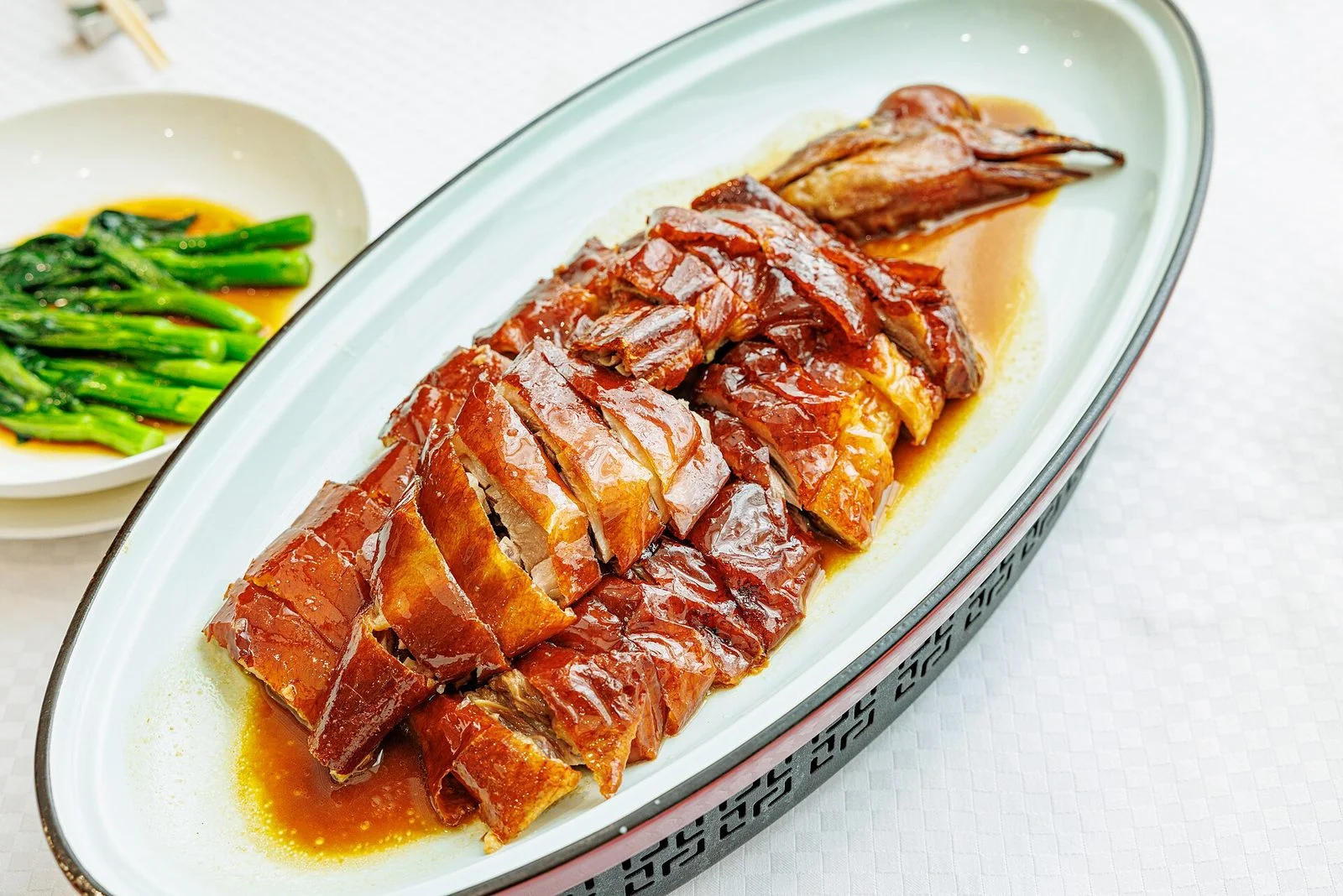
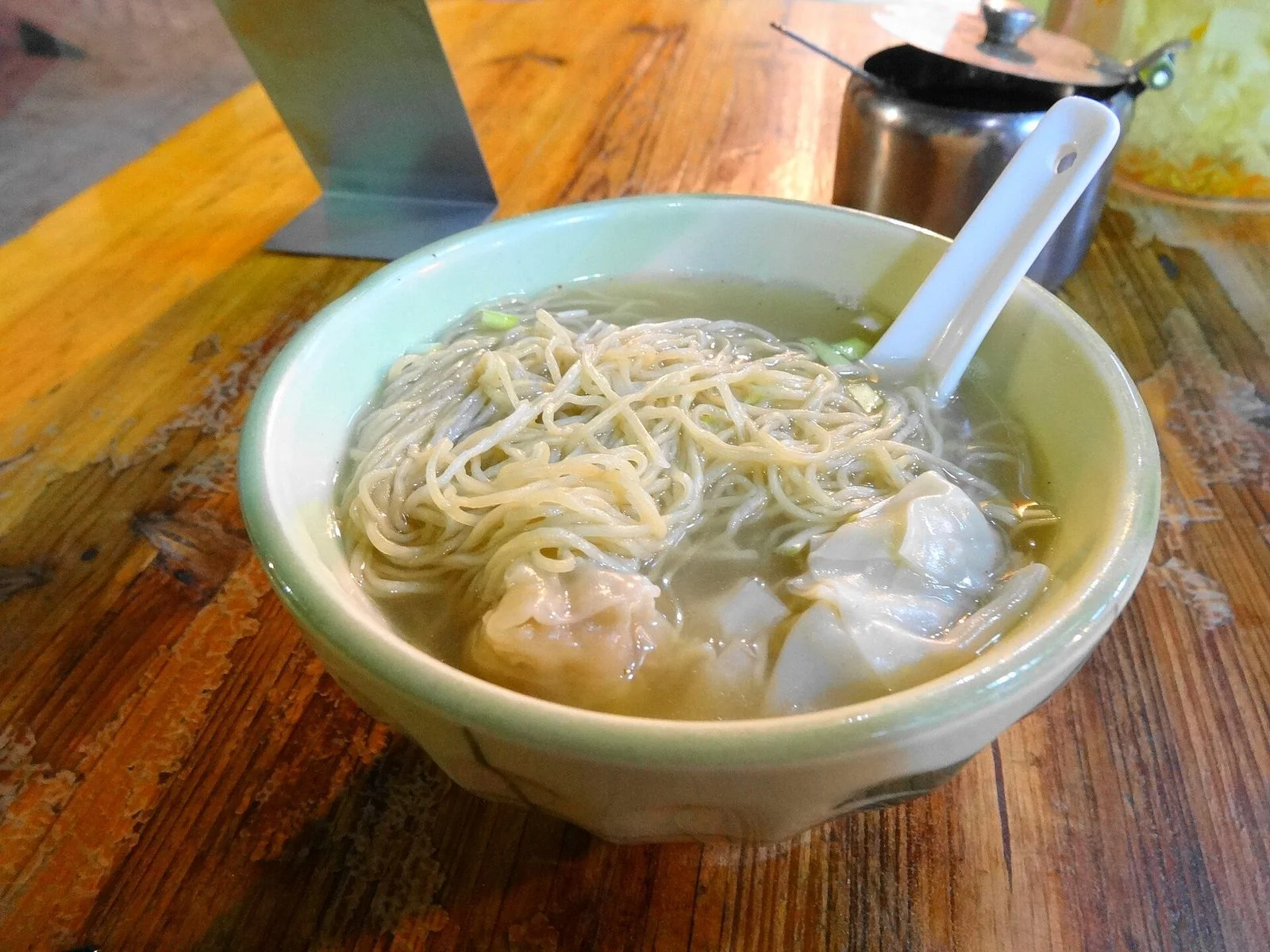
Some gestures in a tea house are worth knowing. When the teapot is empty, lift the lid; a server will come to refill it. When someone pours tea for you, tap the table lightly with your fingers to say thank you. Dim sum is usually charged by the steamer or plate; for a small group, three or four items are enough, and a larger group can order more to share. Beyond morning tea, wonton noodles, rice noodle rolls and roast goose cover different times of day: wonton noodles are a mainstay of noodle shops, rice noodle rolls are often breakfast or a late-night snack, and roast goose is chopped to order and sold by the standard plate at siu mei counters. Morning tea is for sitting down and eating slowly; noodle shops and roast-meat counters are closer to everyday fast food.
These foods are tied to Guangzhou’s commercial life. The rise of tea houses was connected to the merchants of the Thirteen Factories, dock workers and city commerce; today they also follow office towers, exhibition halls and markets. Roast-meat stalls, vegetable stands and dried-goods shops in the markets, together with the tea houses, form the supply network for everyday eating. The old city has old tea houses and small arcade shops, Tianhe has chain stores in malls, and during Pazhou trade fairs there are more visitors from other places. When looking for something to eat, noticing what kind of neighborhood a place is in is often more useful than memorizing shop names.
Tianhe, Canton Tower and the exhibition district
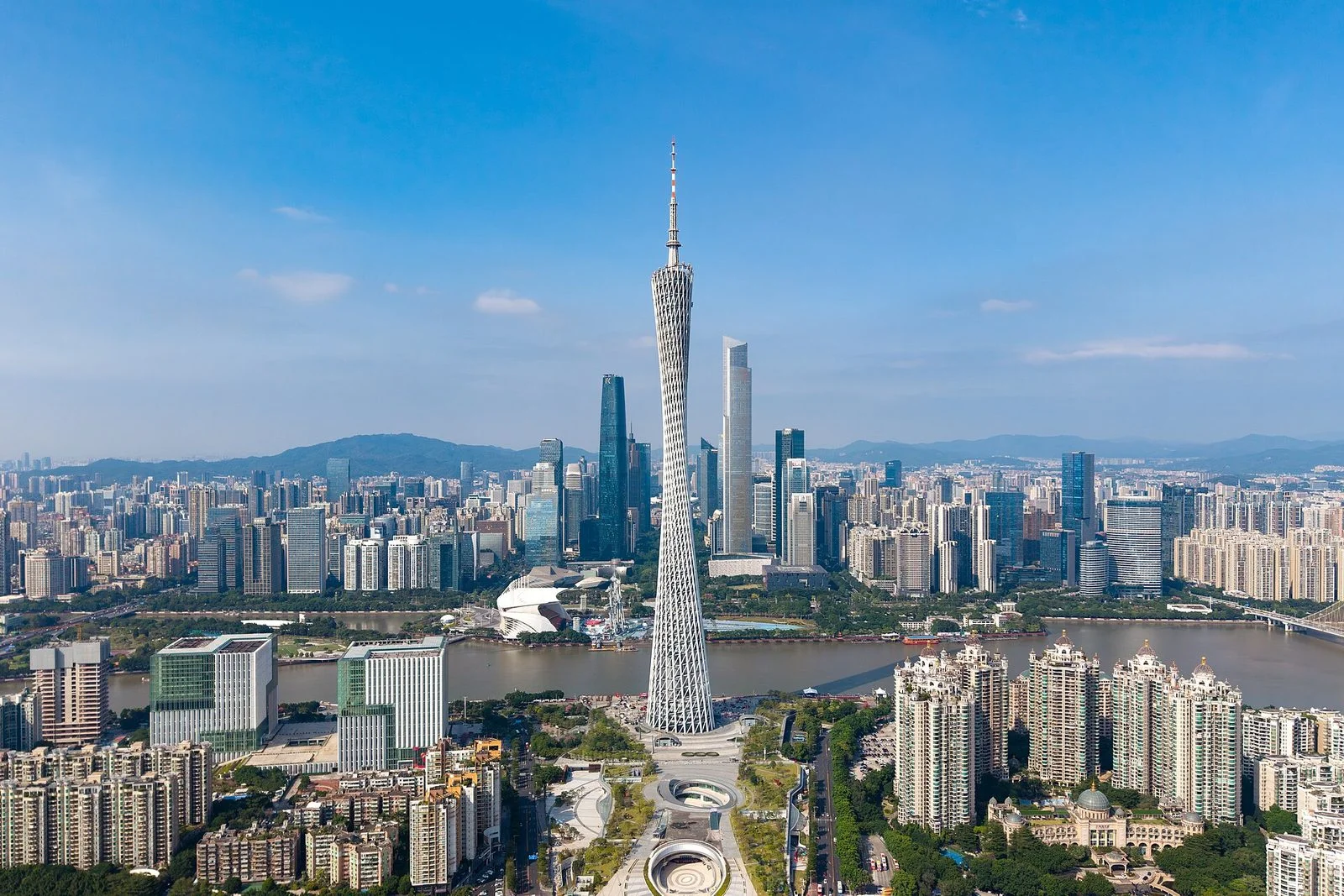
Tianhe Central Business District consists of Tianhe North, Zhujiang New Town and Guangzhou International Financial City. Zhujiang New Town contains Huacheng Square, Guangzhou Library, Guangdong Museum and Guangzhou Opera House, with office towers and malls laid out along the new central axis. High-rises are dense here, and offices, shopping and public cultural facilities overlap, forming a distinctively new face of Guangzhou.
Canton Tower stands on the south bank of the Pearl River, facing Zhujiang New Town across the water. The tower body is formed by two twisted ellipses; the outer tube’s 24 steel columns and 46 steel rings create an open lattice. The 2010 Asian Games opening ceremony was held at Haixinsha on the opposite bank, and the tower’s lights and fireworks were the most conspicuous urban backdrop of that ceremony. The tower has an outdoor observation deck at 488 meters. From the 488-meter deck, the new central axis and the Pearl River landscape belt fall into a single view; the tower also gives the Haizhu side a city landmark of its own.
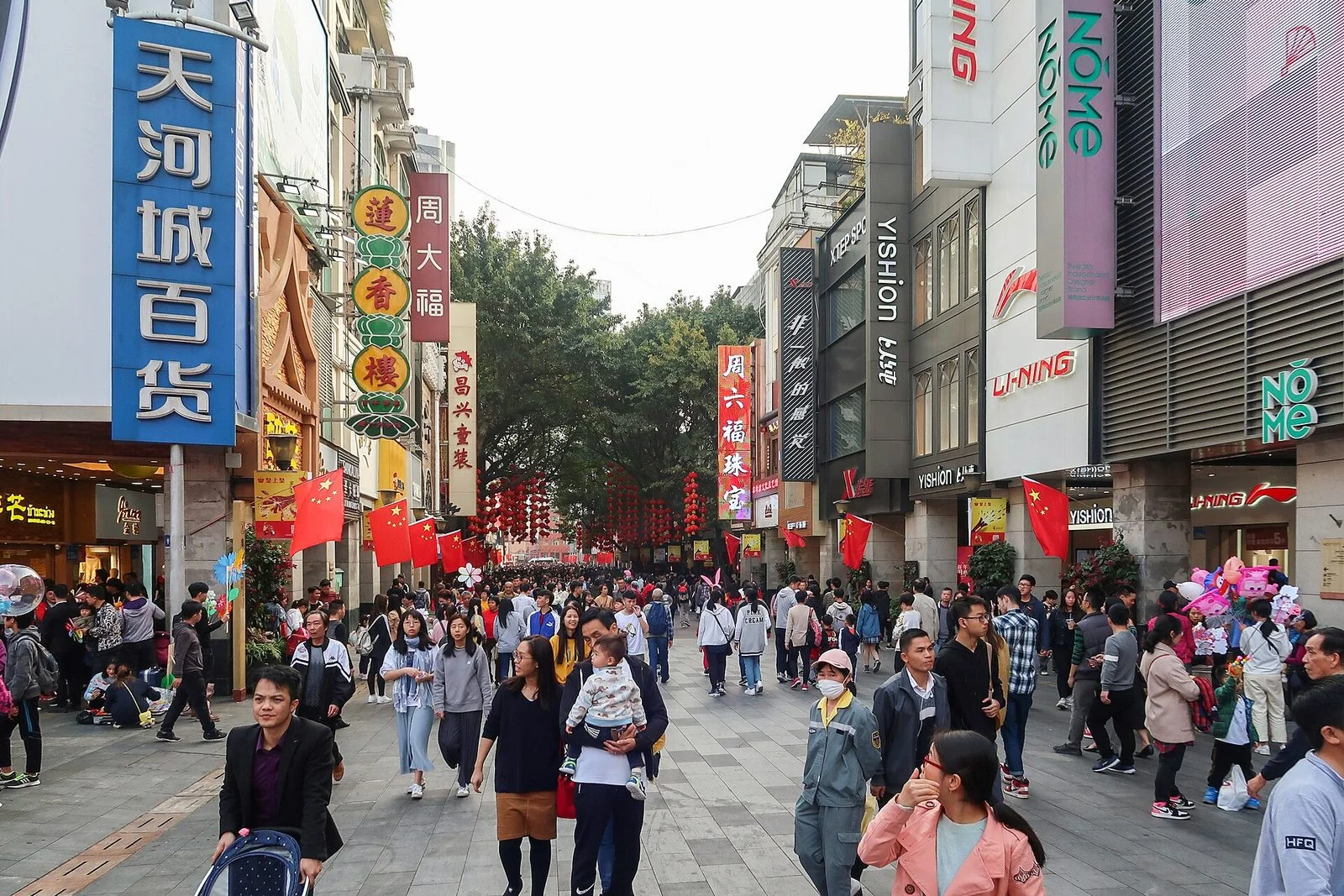
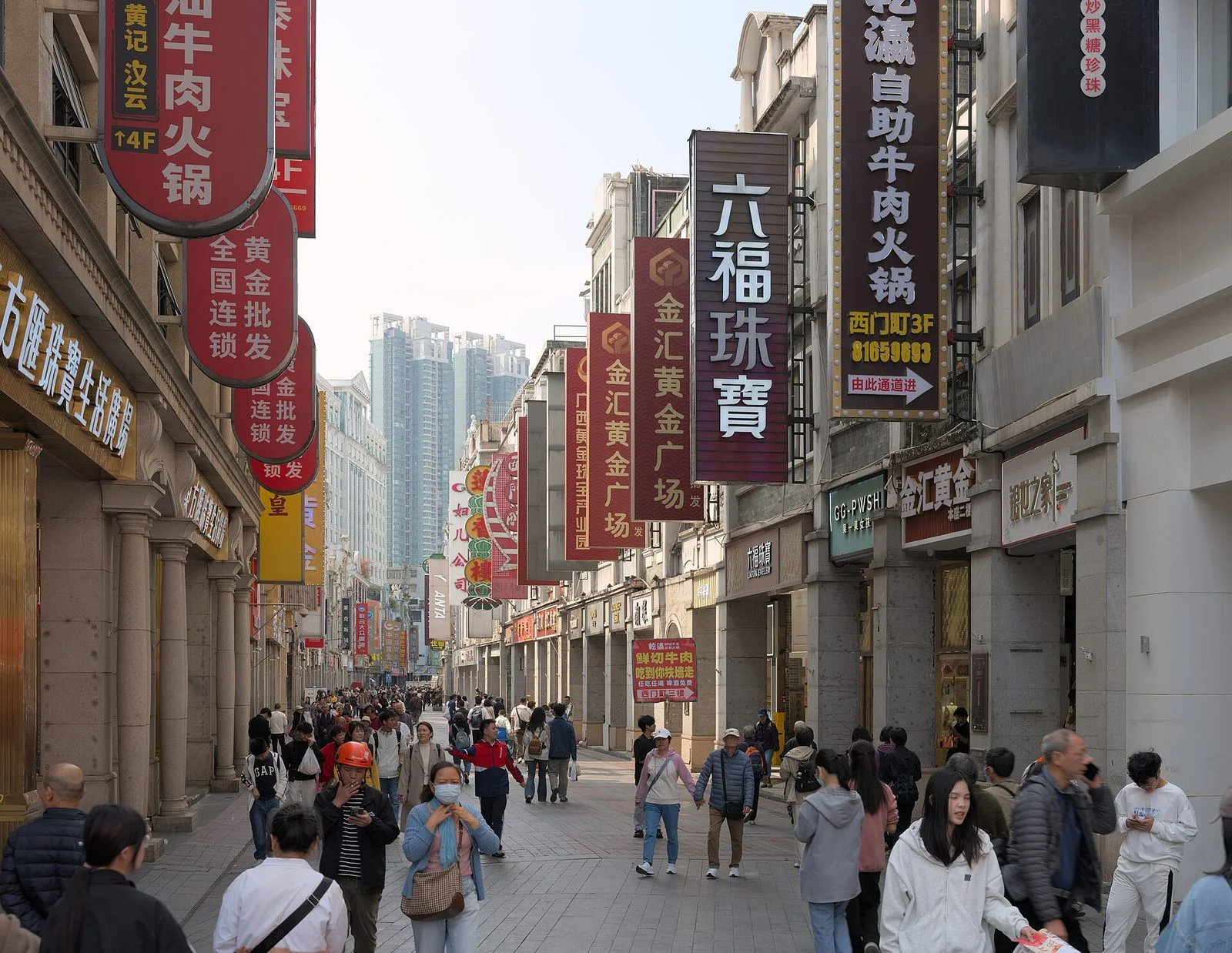
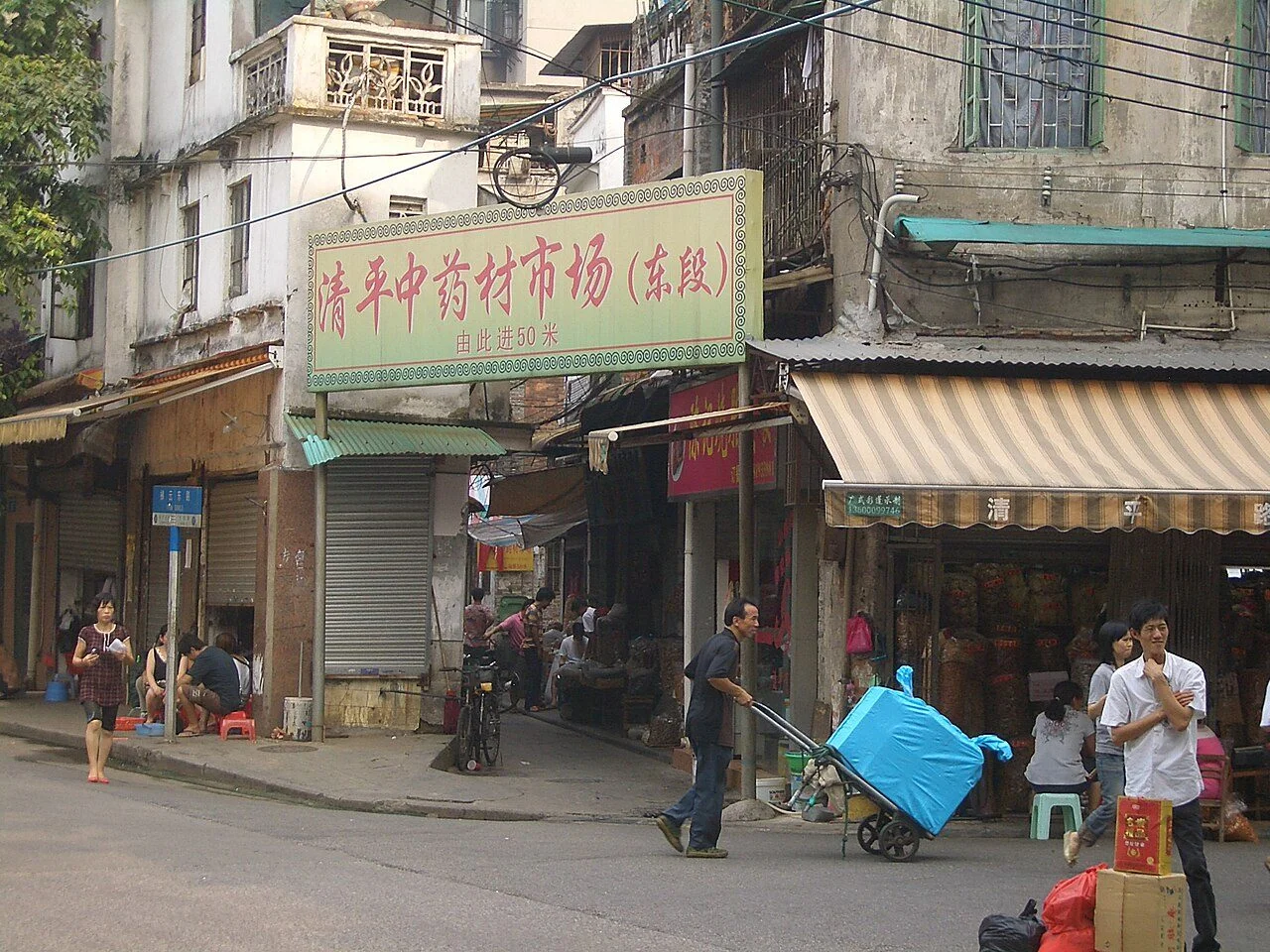
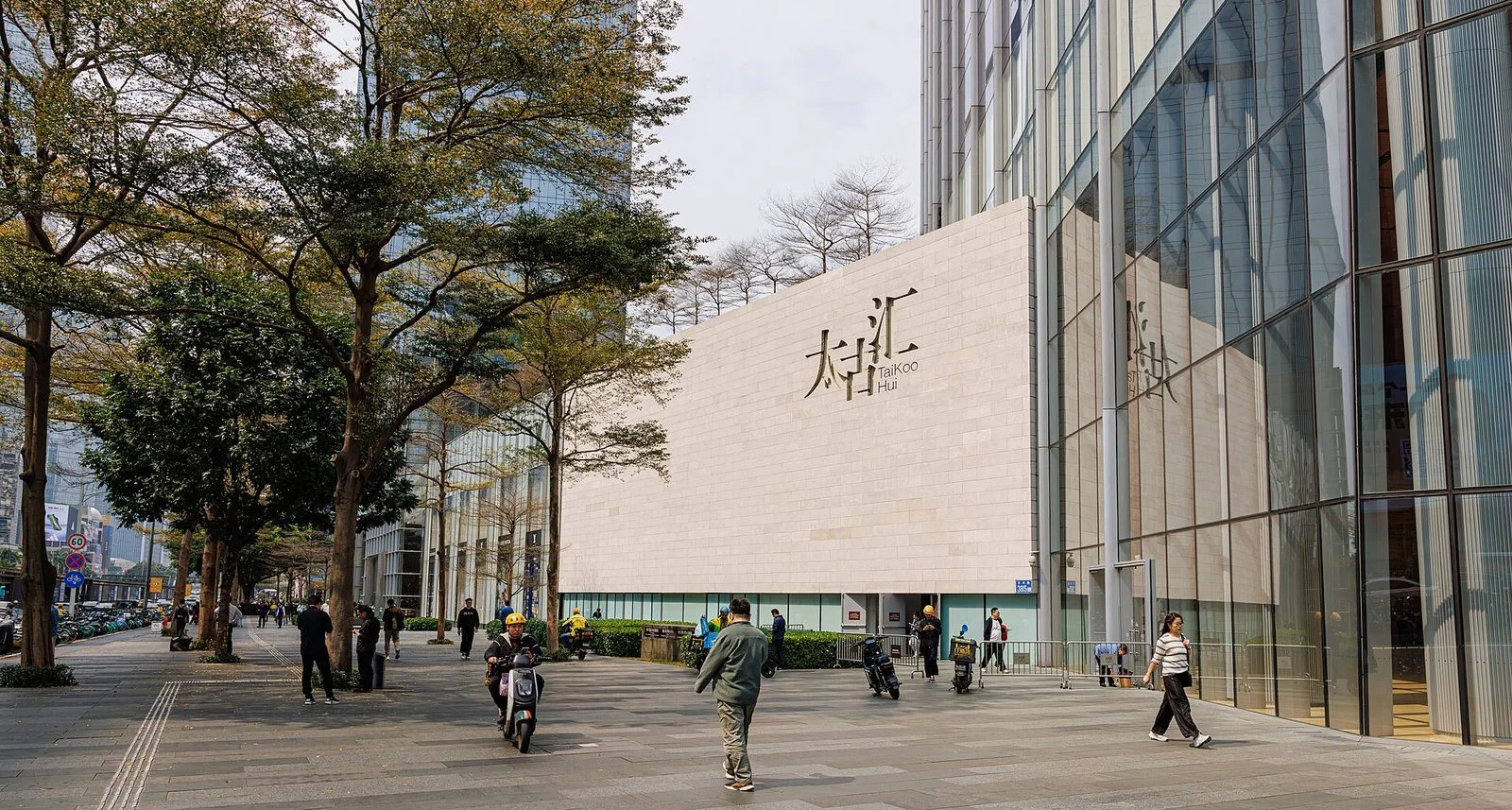
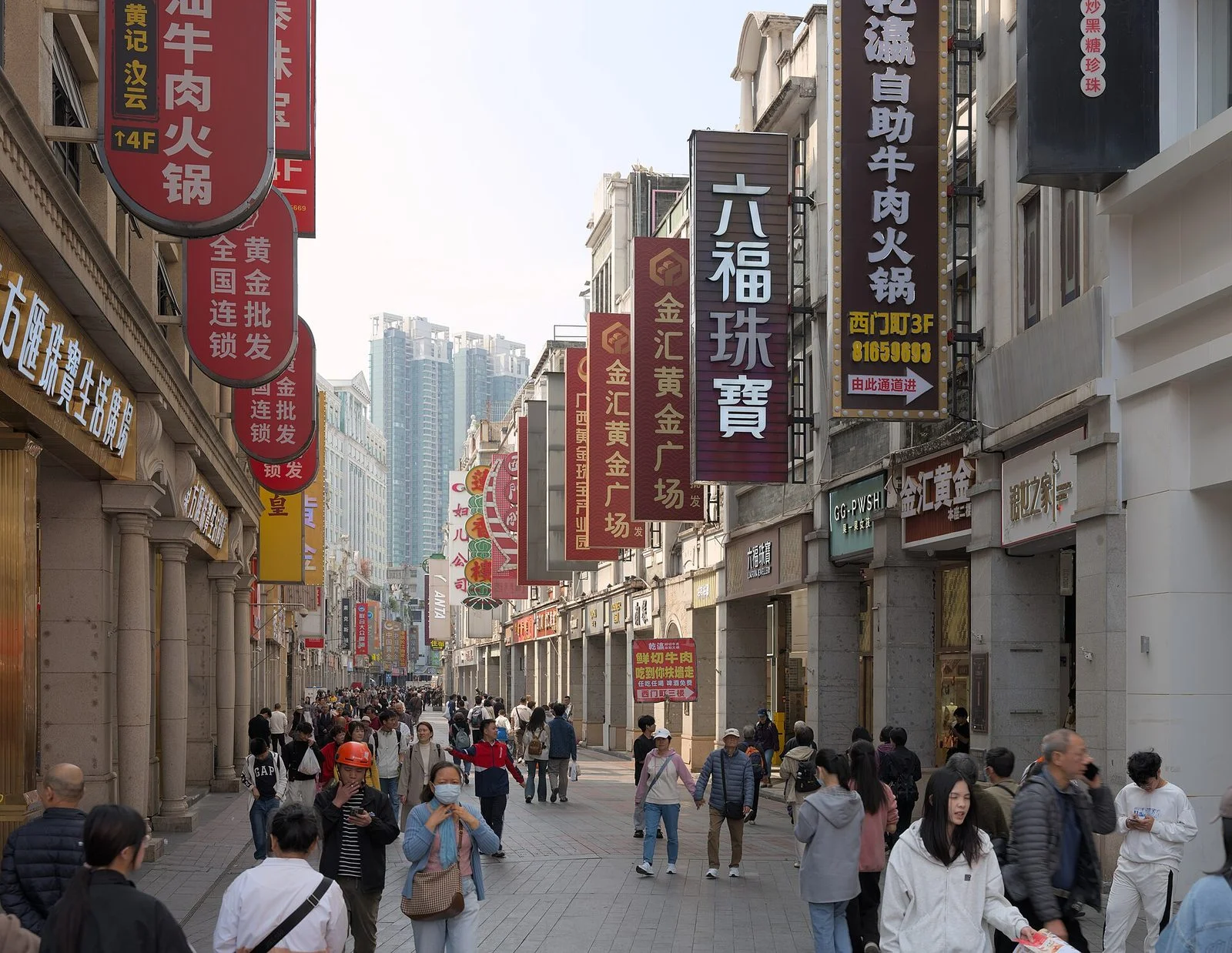
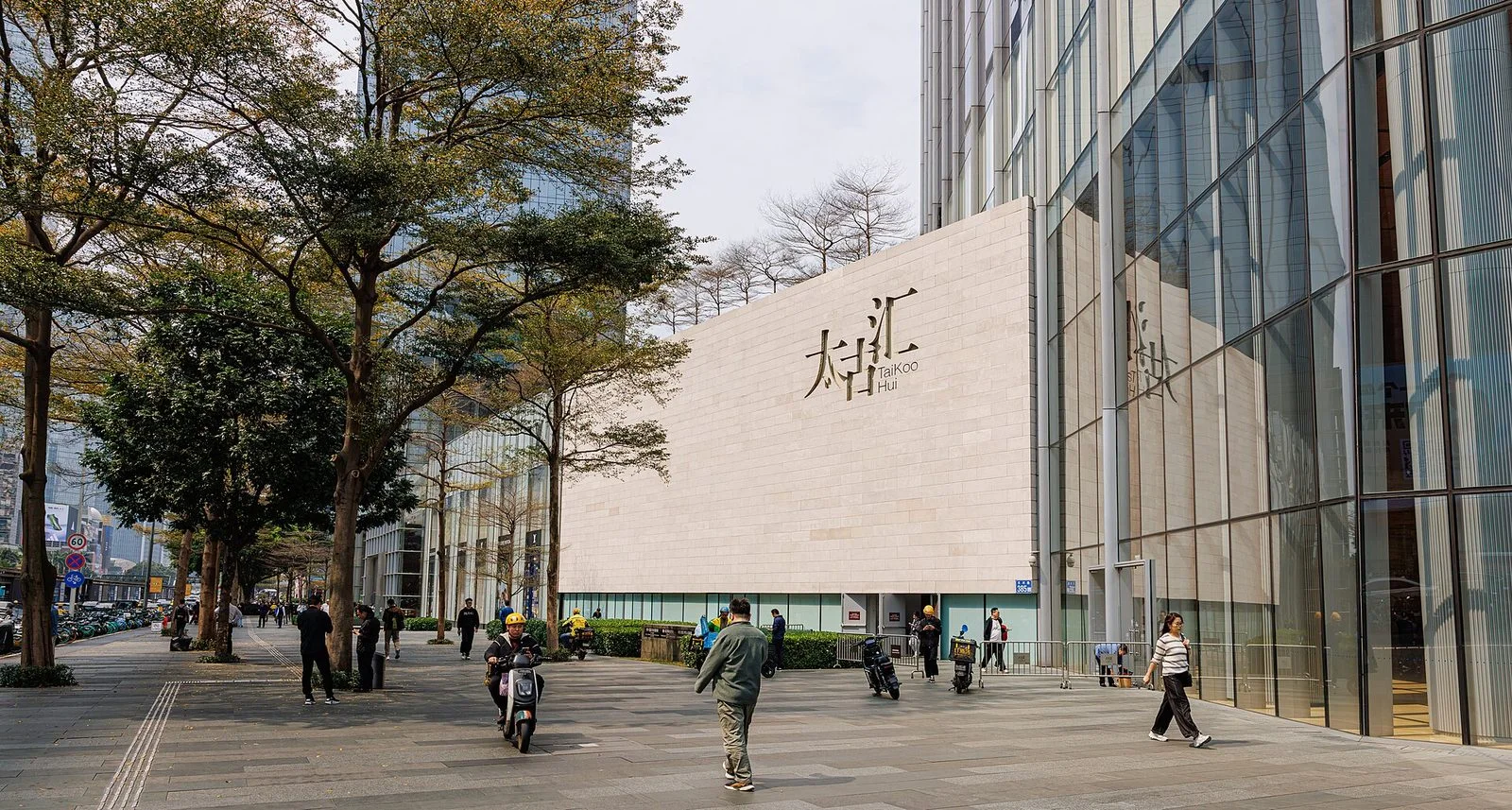
The exhibition calendar sets another rhythm. The Canton Fair has run from 1957 to the present, twice a year in spring and autumn, at the Pazhou complex on the south bank of the Pearl River. During fairs, Pazhou, Zhujiang New Town and the metro lines are usually more crowded than usual, and hotels and restaurants are busier. Shopping falls into several types: Beijing Road keeps an ancient road dating back a thousand years under glass, with arcades and department stores along the street; Shangxiajiu is an open commercial street formed by Xiguan arcades; Qingping Market deals in medicinal herbs, soup ingredients and dried goods, with stalls spreading along streets and lanes; Taikoo Hui is an enclosed mall in Tianhe, with shops gathered in a building with air conditioning and escalators.
Hospital campuses and the limits of care
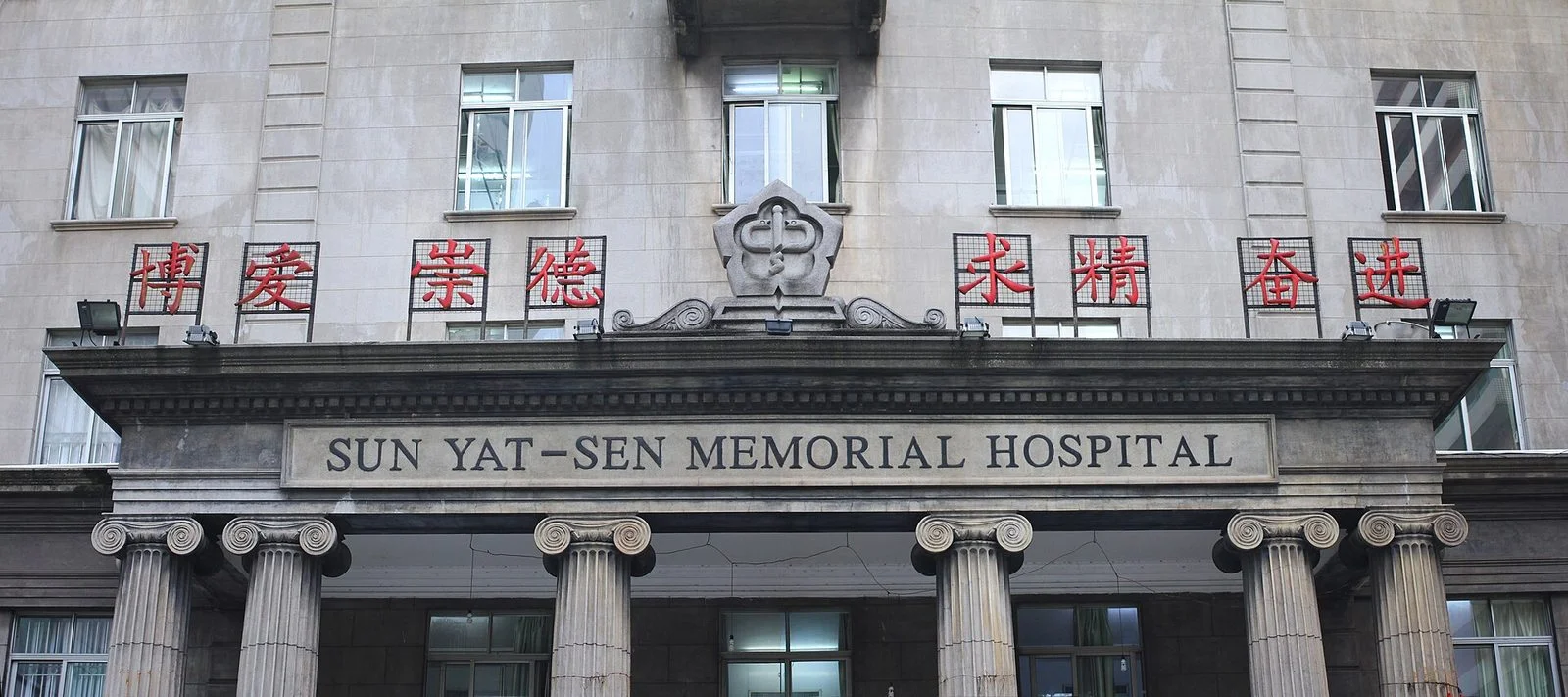
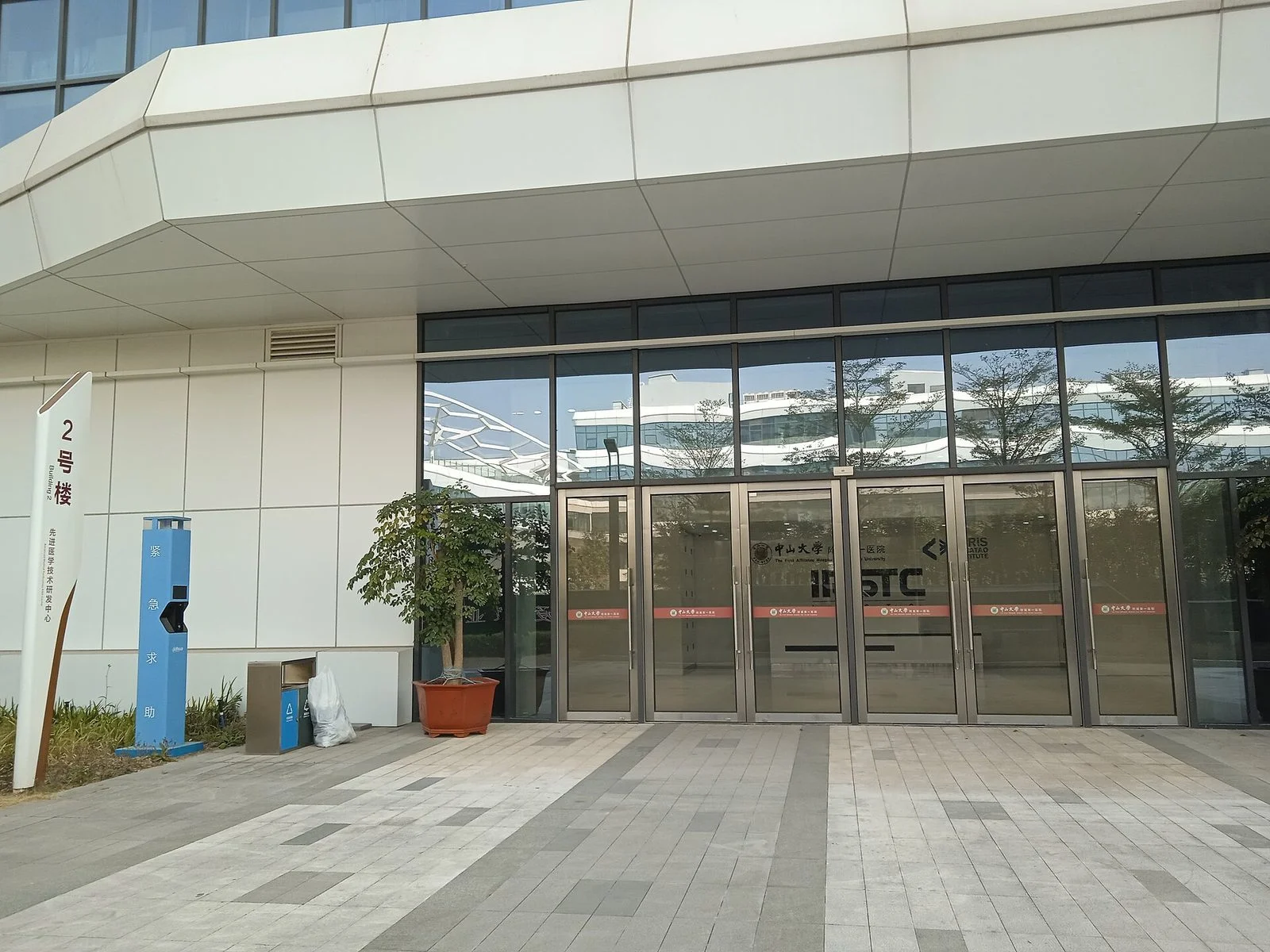
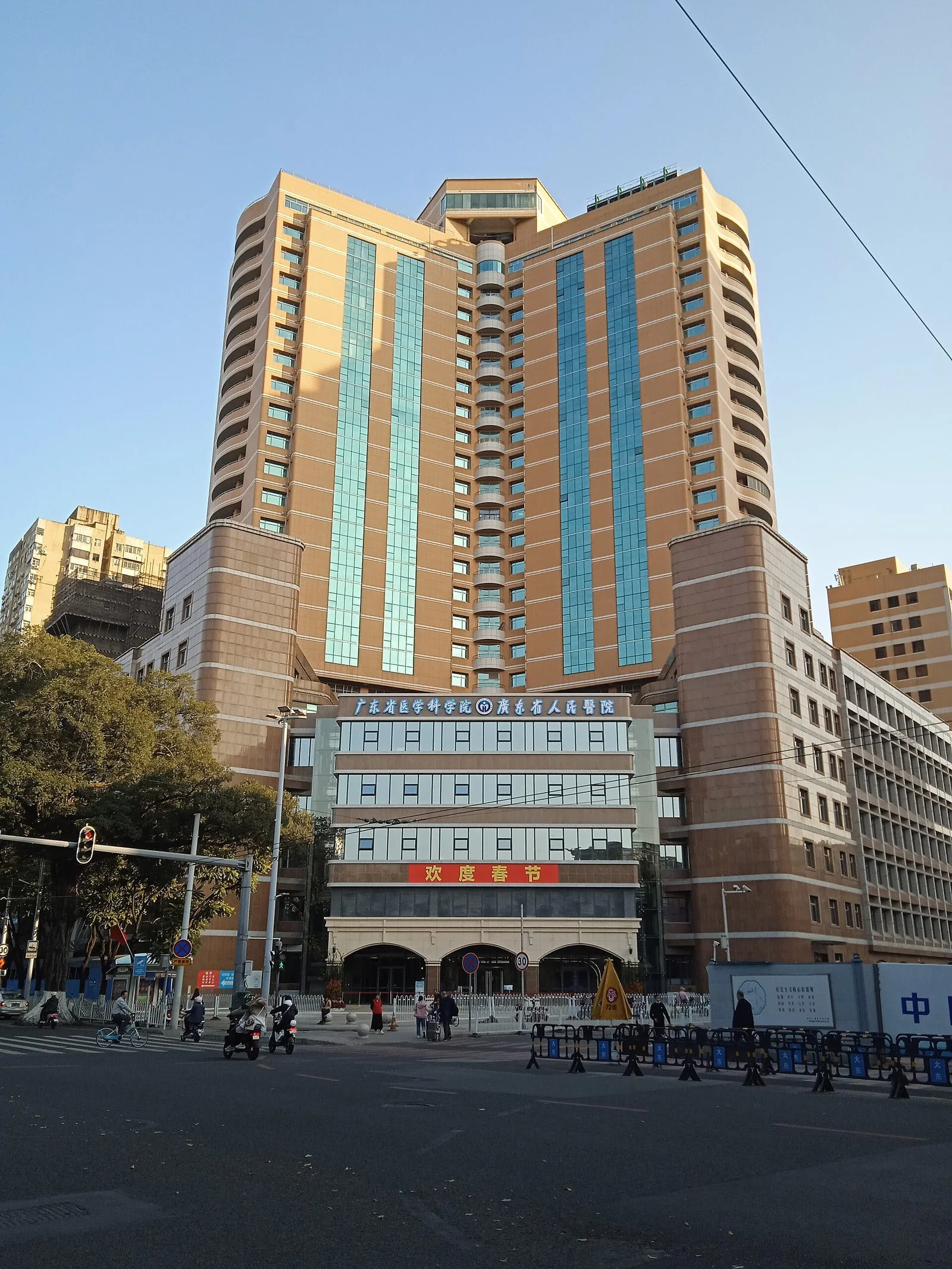
Medical care starts with confirming the campus. All three general hospitals have multiple campuses: Sun Yat-sen Memorial Hospital has three campuses in Guangzhou—Yuexiu, Haizhu and Huadu; the main campus of the First Affiliated Hospital of Sun Yat-sen University is far from its Nansha campus; and Guangdong Provincial People’s Hospital’s main site and its Huifu, Hequn and other outpatient points are spread across several streets, with the Yingdong outpatient clinic on Dongchuan Road. Before booking, confirm which campus a department is at, and use the emergency entrance for emergency care. Ask the specific hospital and center about English services, passport registration and direct insurance billing; do not infer from an “international department” that these apply across the whole hospital.