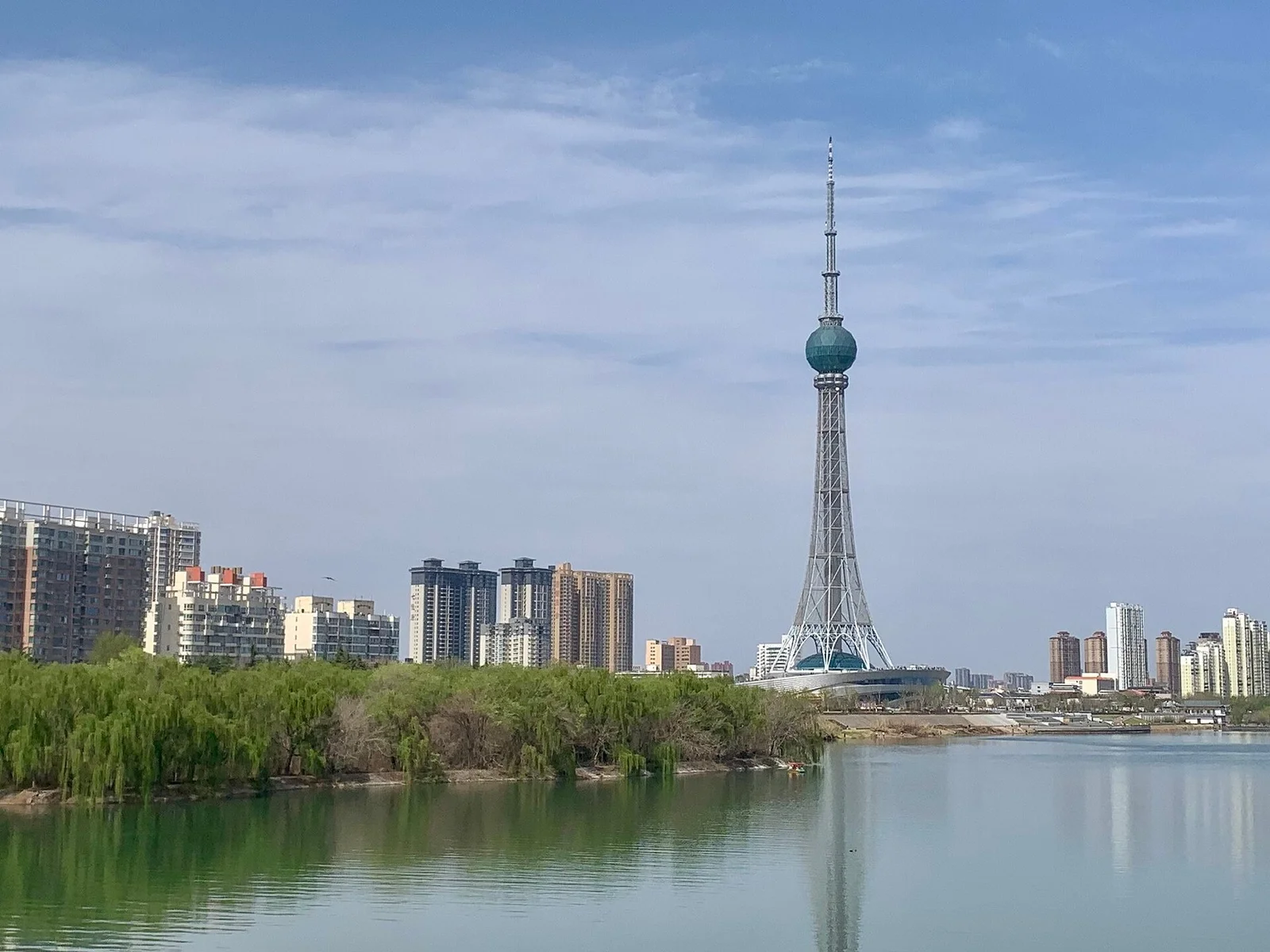
City introduction
Luoyang lies in western Henan, with the Luo River running through the city. In Chinese tradition the north bank of a river is called yang, and the city takes its name from its position north of the Luo. Modern Luoyang is made up of several districts, including the old town, Jianxi and Luolong; some retain historic lanes, others are newer urban areas. The city served as a capital under several dynasties and was an important centre of Buddhist art. That history is not contained in one preserved old town: it appears across the city as archaeological sites, temples, museums and commercial streets.
A first visit can easily mistake an “ancient capital” for a single old town that can be covered on foot. Luoyang is the opposite: Longmen lies to the south, White Horse Temple to the east, the Sui-Tang palace remains in the centre, the ancient tombs museum to the north, and early capital sites such as Erlitou further out. Grouping places by direction and deciding which area to take on each day is more practical than working through a list of names. The old town suits a slow evening walk; sites and museums each need a block of time of their own.
The Luo and Yi rivers, and five capital sites
The Luo River crosses the urban area; the Yi River comes from the south, cuts the cliffs on both banks at Longmen, and continues north to join the Luo near Yanshi. The municipal tourism map marks five capital-city sites along the Luo corridor: Erlitou, the Shang city at Yanshi, the Eastern Zhou royal city, Han-Wei Luoyang and Sui-Tang Luoyang. They belong to different periods. They do not form one continuous archaeological park, nor do they sit on a single walking route.
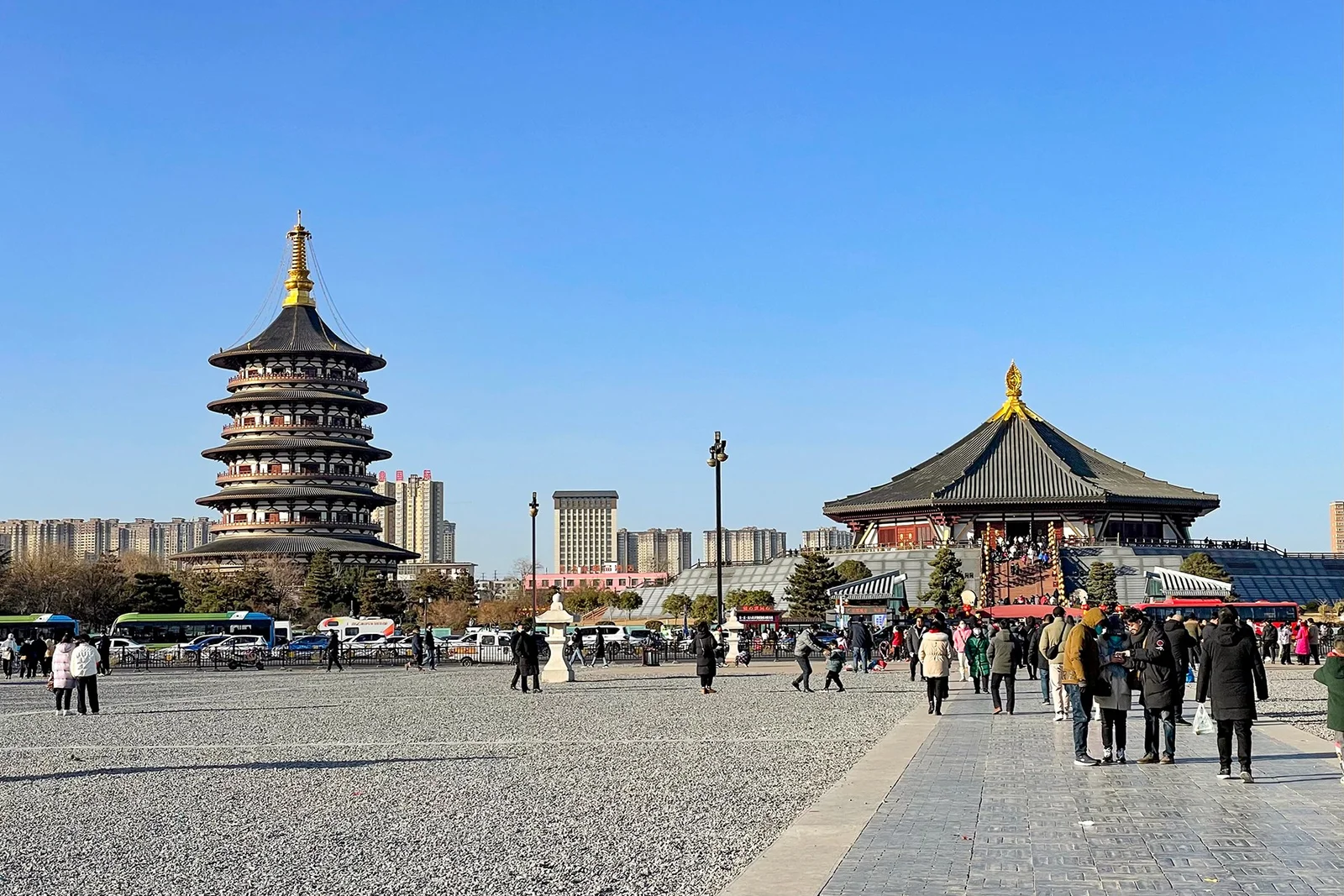
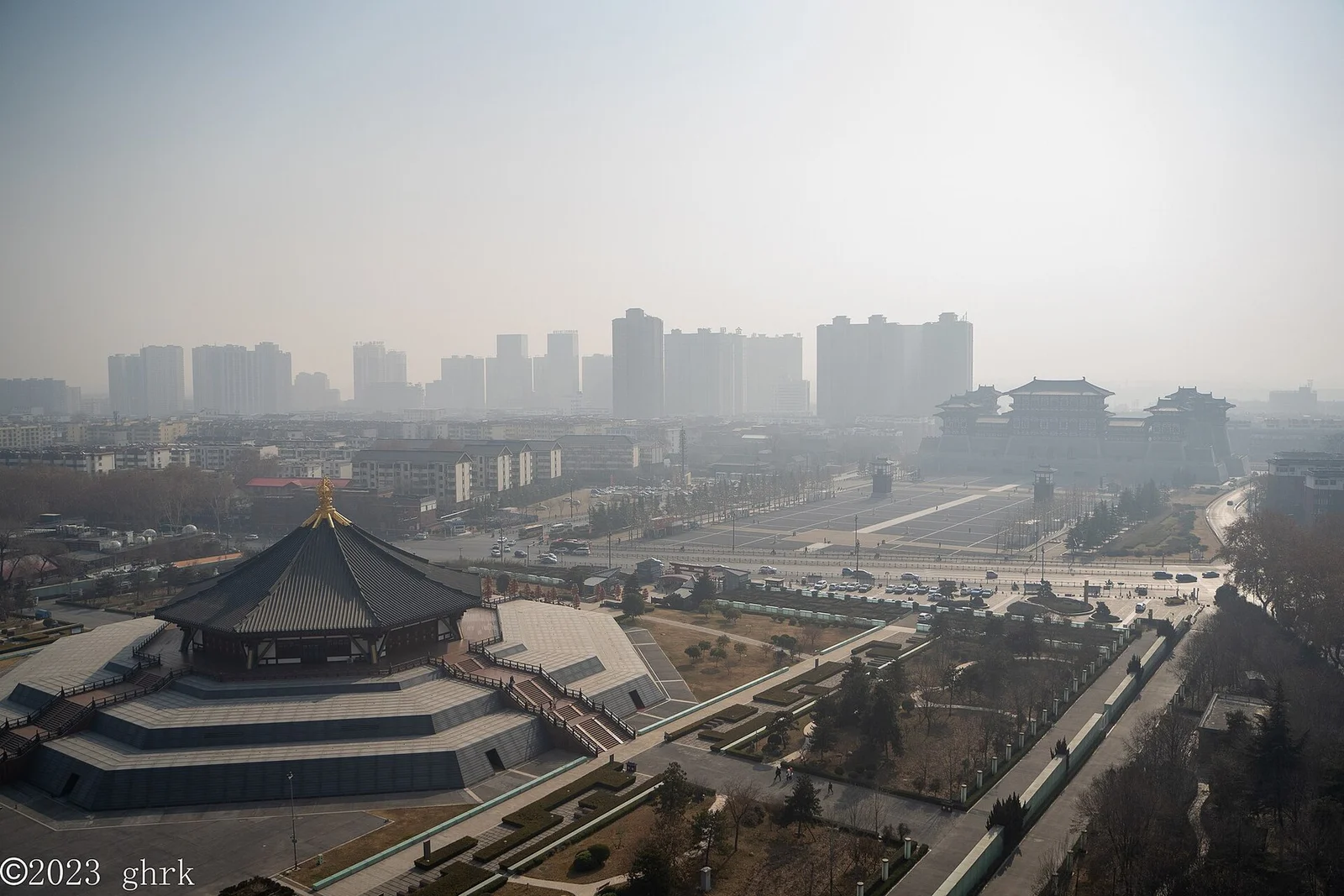
Sui-Tang Luoyang was founded in 605 and served as a capital or western capital under the Sui, Tang, Five Dynasties and Northern Song for about 530 years. The National Development and Reform Commission describes a site of roughly 47 square kilometres, spread across today’s Xigong, Laocheng, Chanhe and Luolong districts and made up of palace, imperial, eastern, granary, outer-city and western-garden components. The Mingtang, Tiantang, Yingtianmen and Jiuzhou Pool that visitors see today are only part of the palace area.
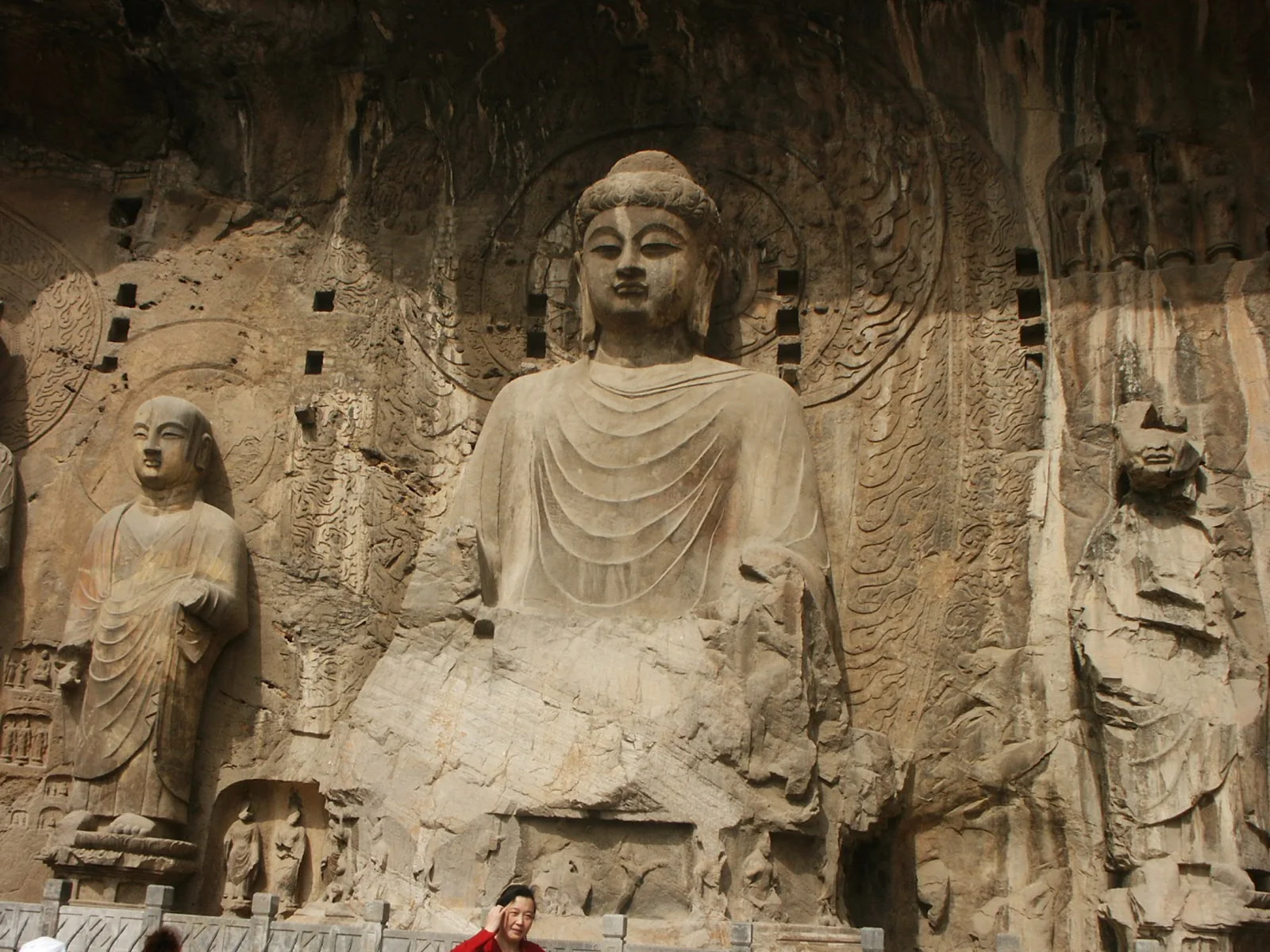
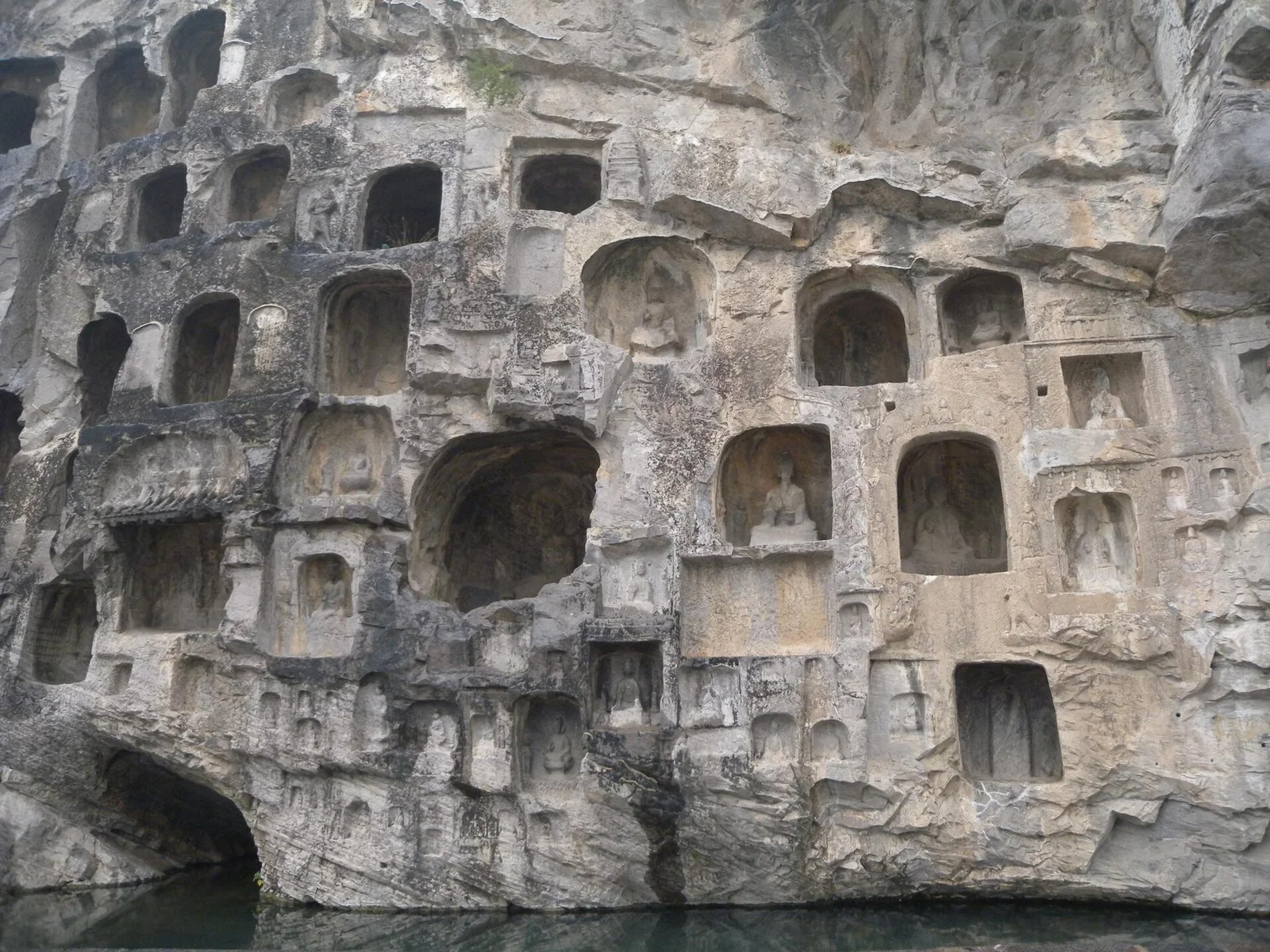
The Longmen Grottoes lie about 12 kilometres south of Luoyang. More than 2,300 caves and niches, some 110,000 Buddhist statues, over 60 stupas and more than 2,800 inscriptions are cut into the limestone cliffs on both sides of the Yi River. UNESCO dates the most intensive carving from the late fifth century to the mid-eighth century. Longmen lies outside the city wall, yet together with the capital sites along the Luo it forms the historical geography of Luoyang.
Which district each site belongs to
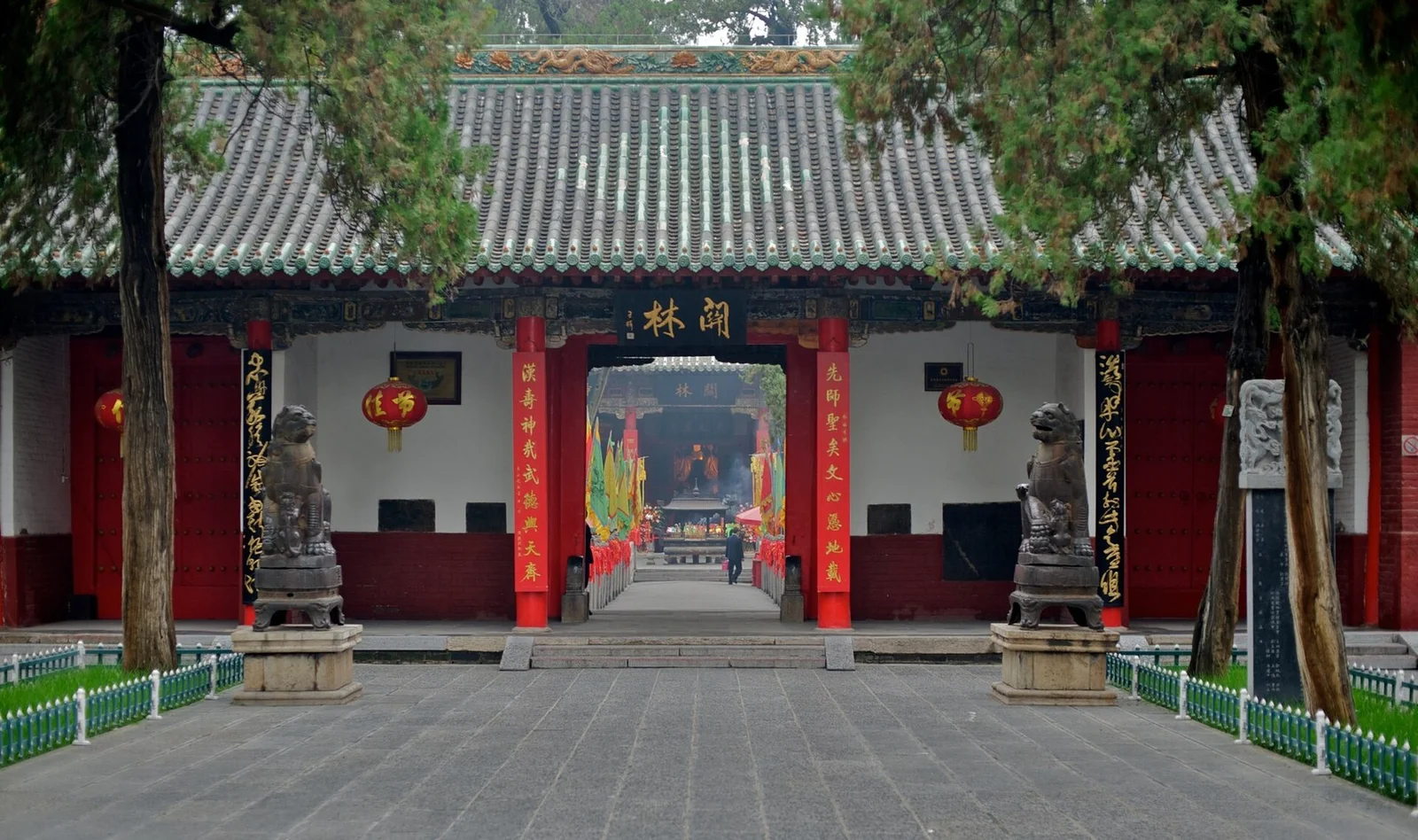
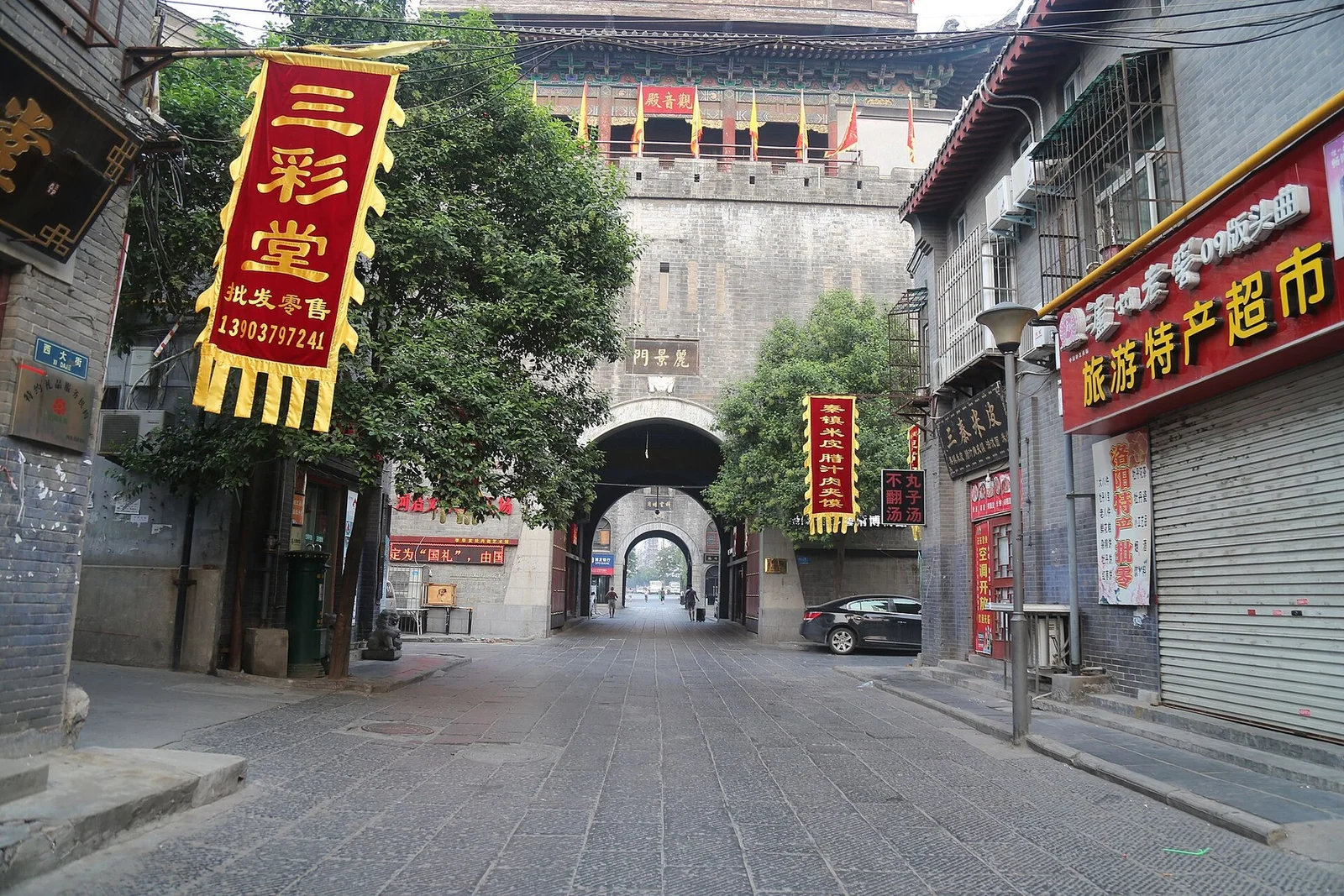
The main sites are not hard to place on a map. Xigong District contains Zhouwangcheng Square and part of the Sui-Tang palace remains. Laocheng, the old town, holds Lijingmen, West Street, Cross Street and Luoyi Ancient City. Chanhe Hui District lies to the east, with White Horse Temple in its area. To the south, Luolong District contains Longmen, Guanlin and some Sui-Tang remains. The Erlitou site in Yanshi District lies further east.
This layout means that seeing Luoyang is not a matter of walking through one city gate. A morning at Longmen and an afternoon in the old town require time to cross the city; putting White Horse Temple and Longmen into the same day often leaves little but travel. Rather than trying to see everything at once, divide the visit by direction over two or three days and give each area its own time.
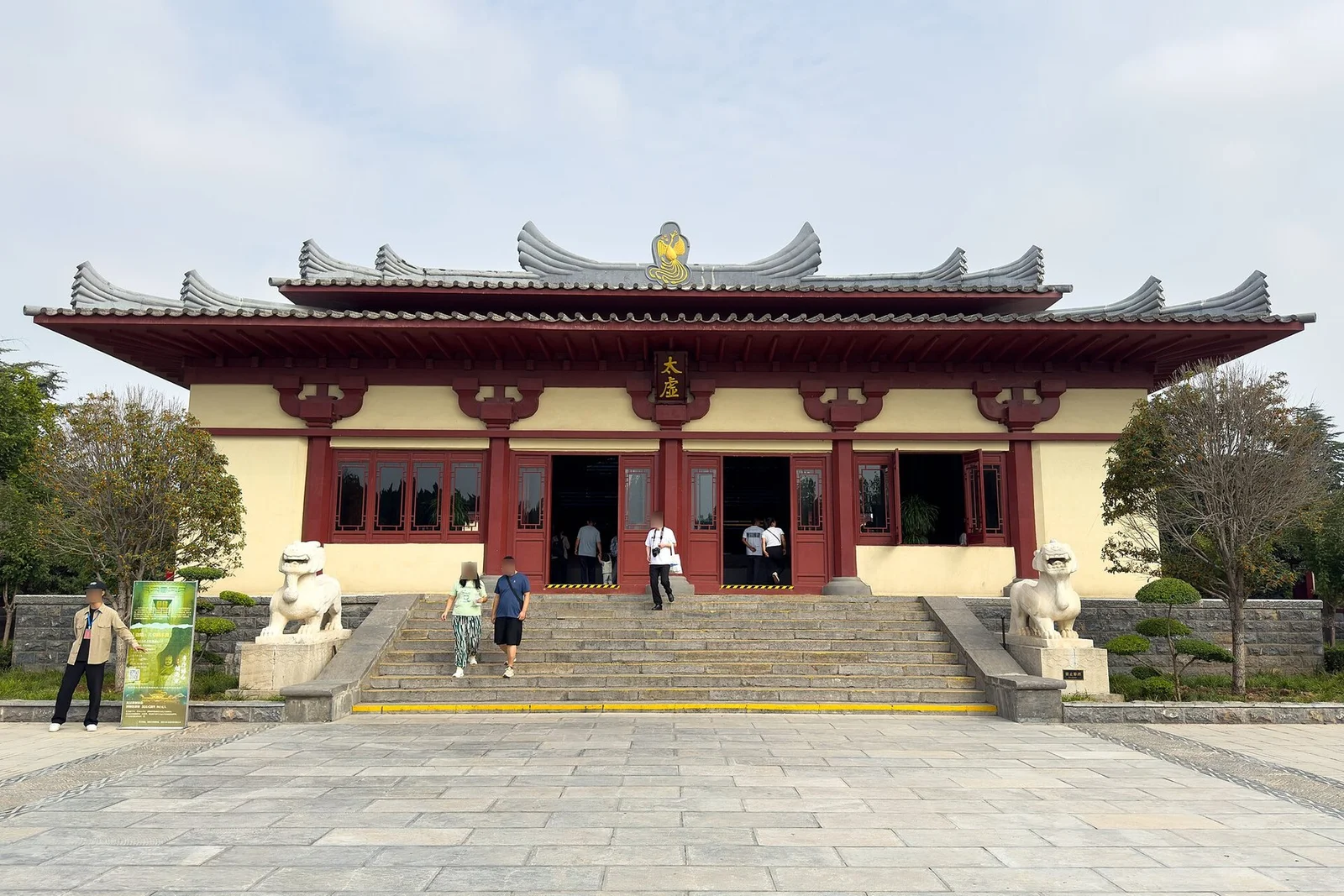
Museums also need their own time. Luoyang Museum has been closed for renovation since 19 October 2026, with the work expected to take about a year; no reopening date has been announced, so check the official notice before planning a collection visit. Other museums in the city, such as the Luoyang Ancient Tombs Museum and the Sui-Tang Grand Canal Cultural Museum, offer different ways into the history of the Heluo region.
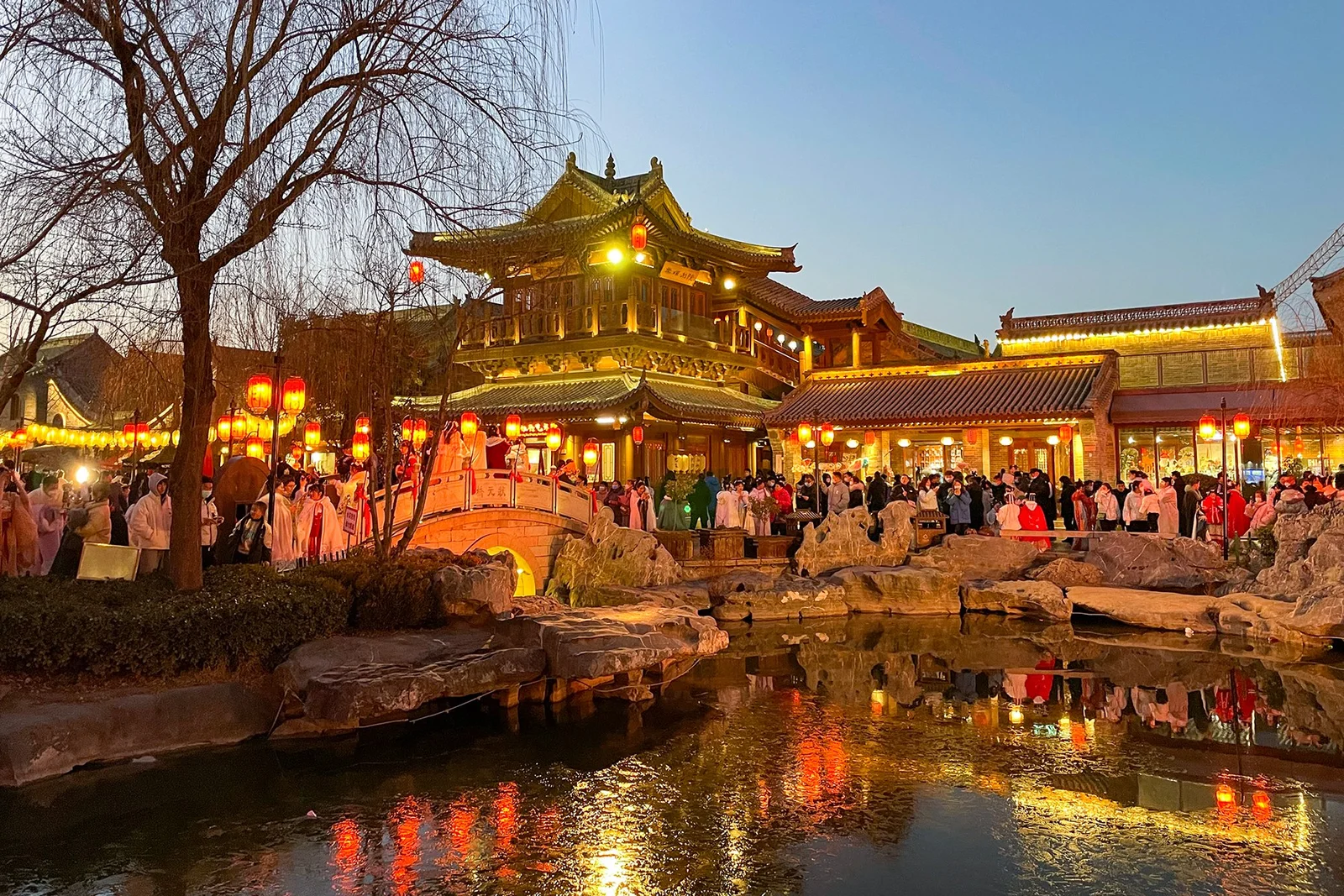
The old town, night markets and hanfu
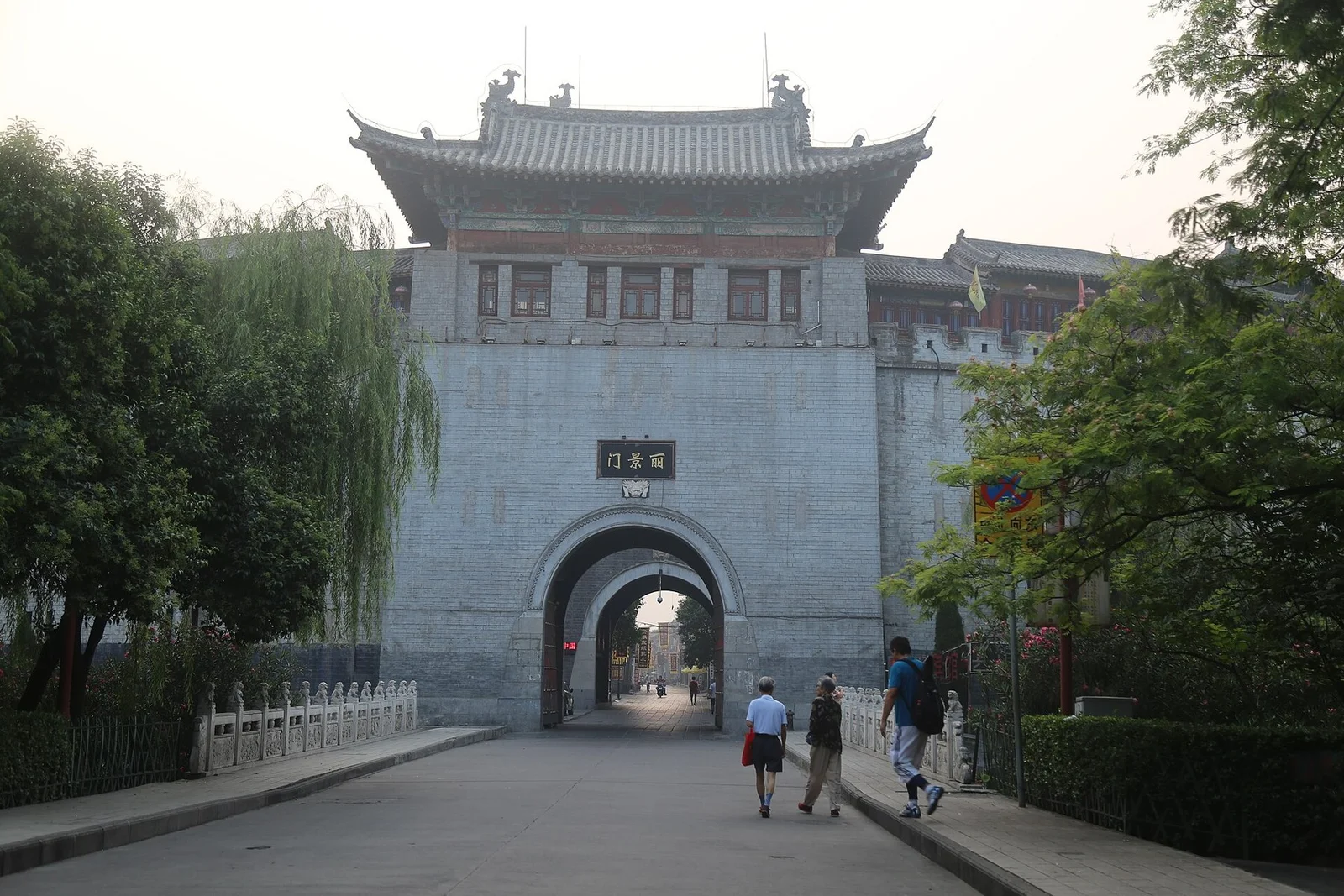
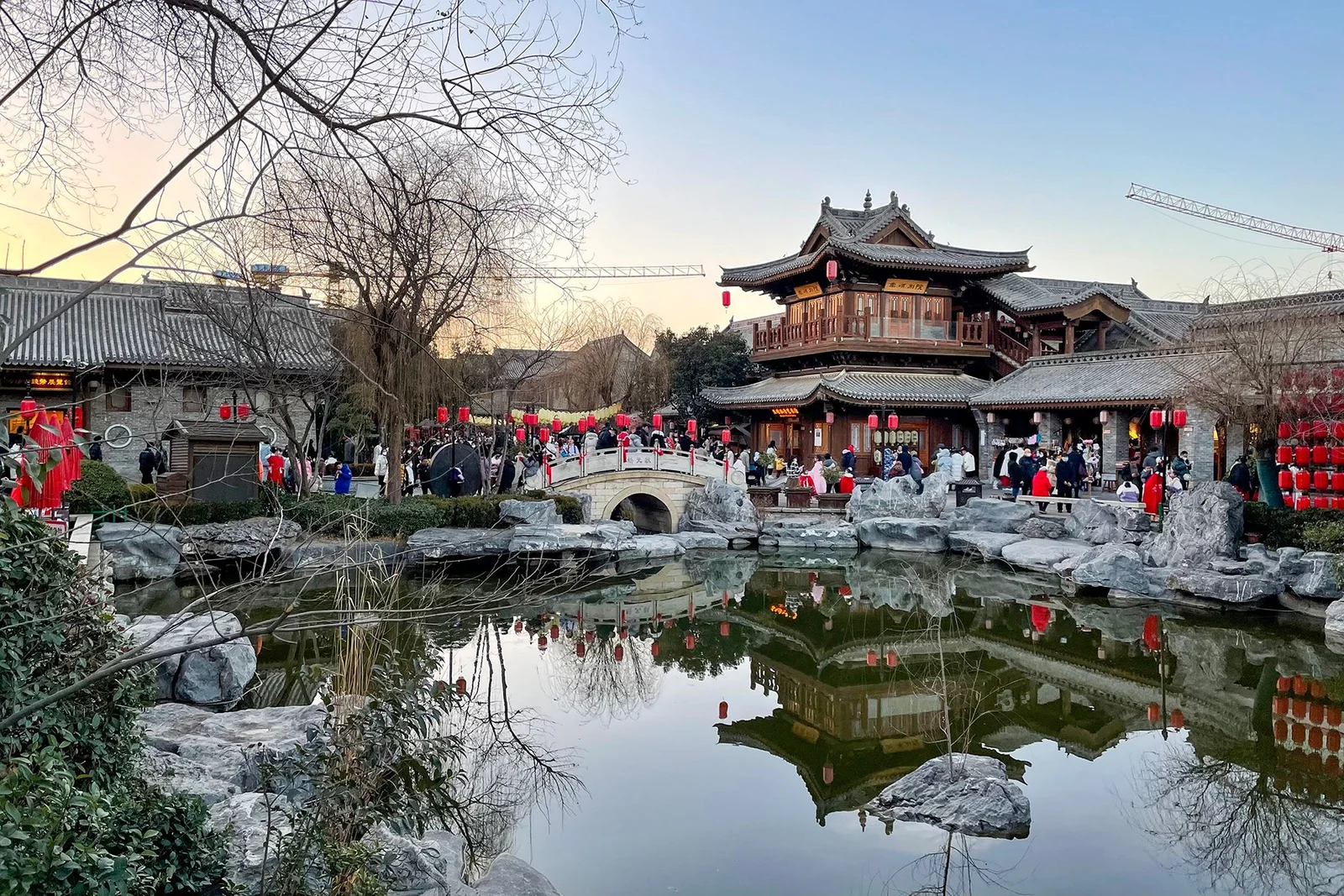
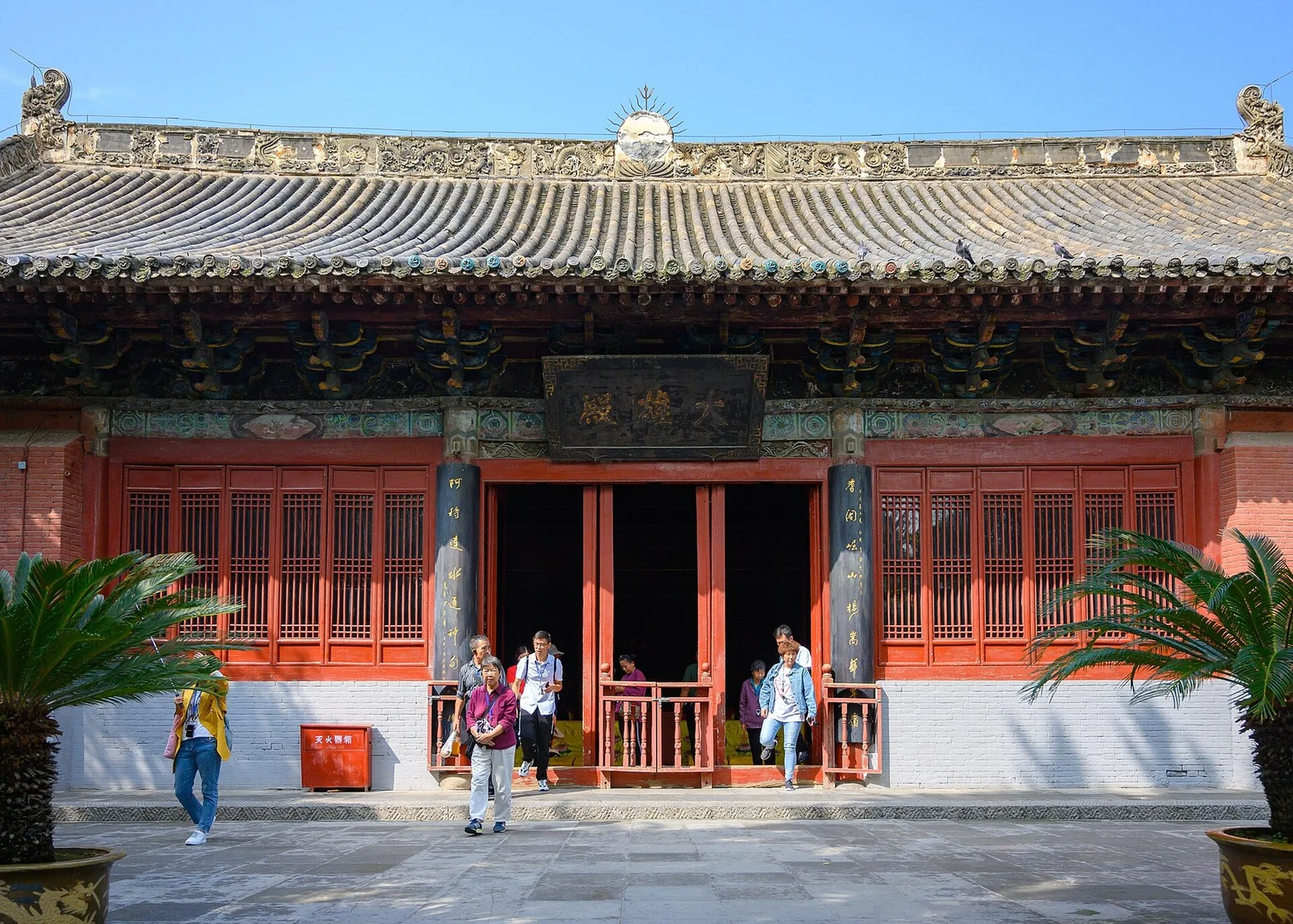
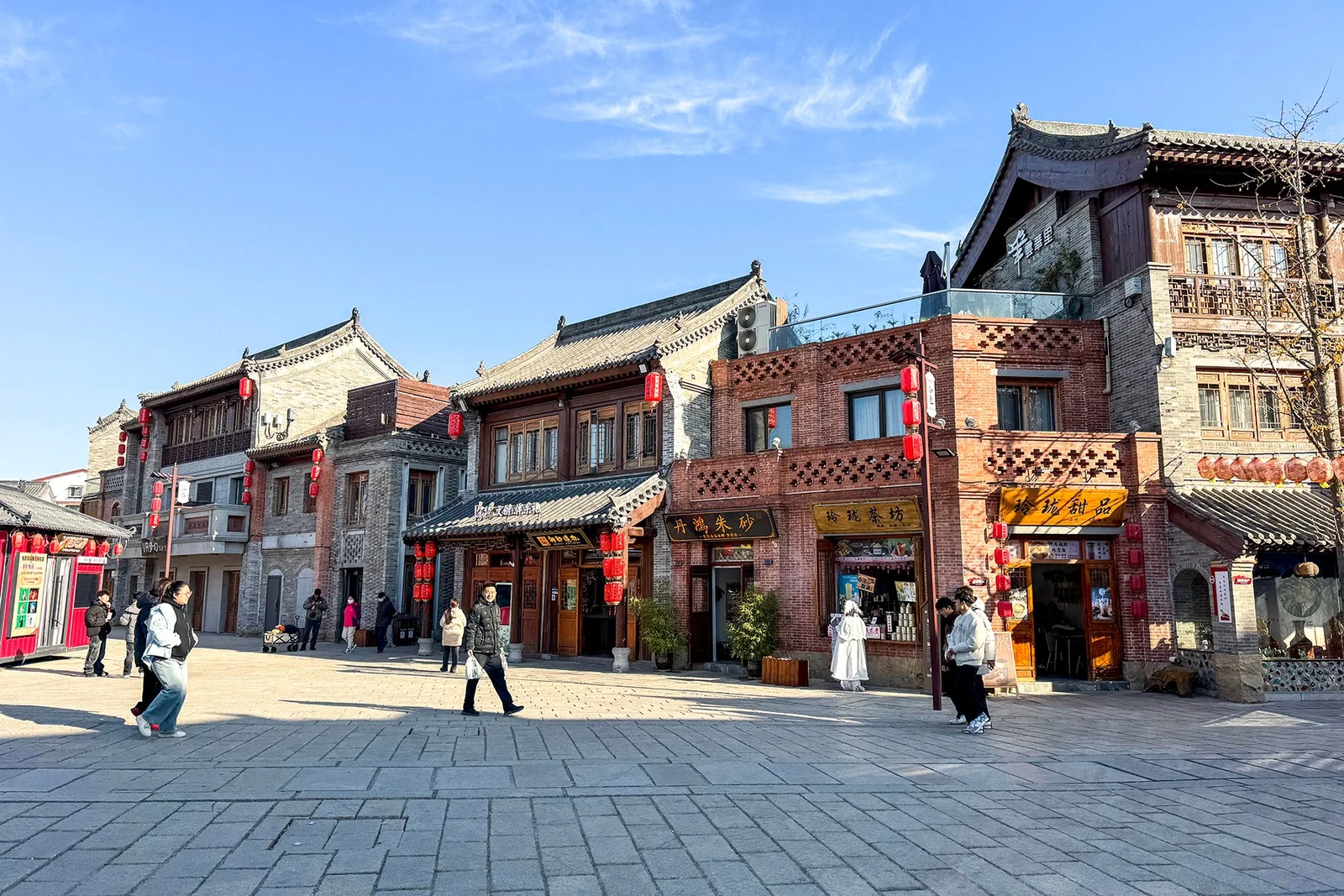
The old town is the most walkable part of Luoyang. Lijingmen was the western gate of the Jin-Yuan city; West Street runs east from the gate for about 1.5 kilometres, with more than 280 shops along a streetfront in a Ming-Qing style. By day you can look at the gate, old houses and craft shops; after dusk, food stalls, hanfu rental shops and photographers fill the street.
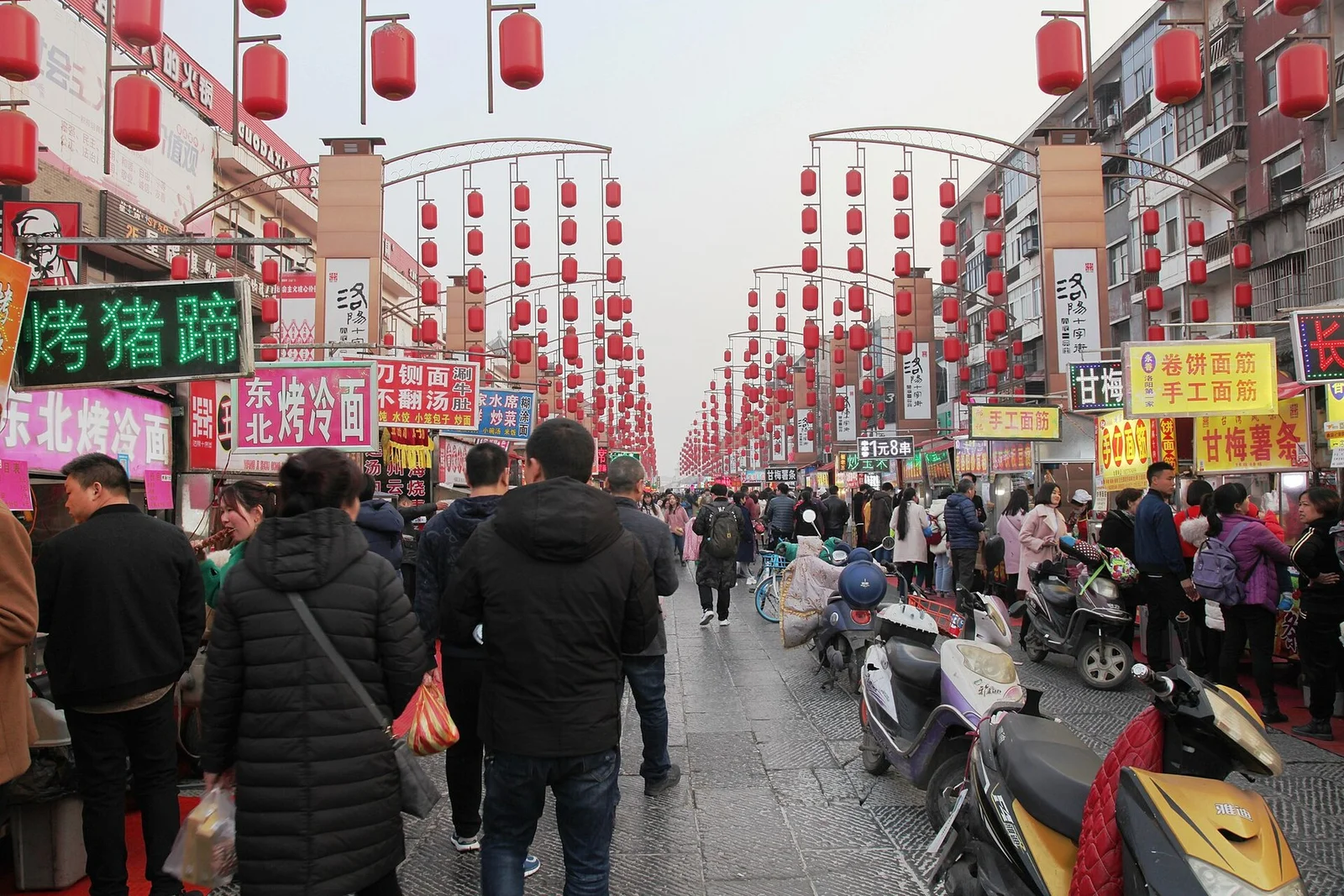
West Street continues east to Cross Street. The night market there has been reorganised repeatedly since 2009. Alongside local dishes such as the Luoyang water banquet, bufan soup and small-bowl soup, it now includes snacks from elsewhere; a 2025 Xinhua report counted more than 200 kinds of snack. This is a busy commercial night market rather than a quiet corner where locals eat every day. It suits anyone looking for street life, not for silence.
Luoyi Ancient City opened in 2017 southeast of the old town. It centres on Wenfeng Pagoda and includes the Henanfu Confucian Temple, Tuoling Palace, the Four-Eyes Well and remains of the Jin-Yuan city wall. Entry is free and the lights come on at 18:30. Hanfu rental, styling and photography shops cluster here, and the evening lighting and performances are the main draw. It is a reconstructed cultural-tourism district, not a preserved ancient town; knowing that makes the visit easier to judge.
Water banquet, soups and peonies
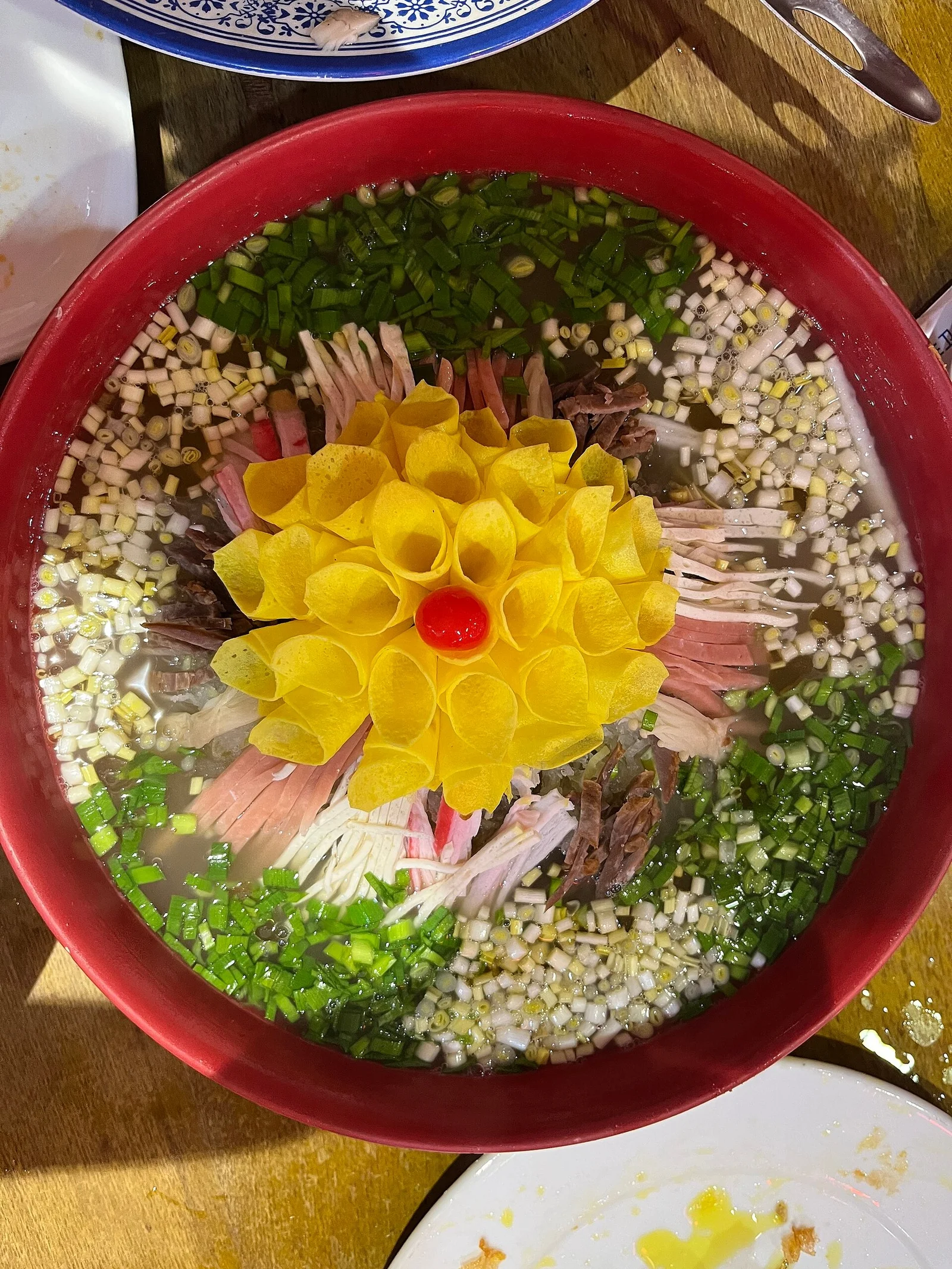
Luoyang has two distinct eating settings. One is the water banquet: a set of 24 dishes divided into eight cold starters, four centrepiece dishes, eight main dishes and four closing dishes. Most hot dishes carry broth and arrive one after another. The other is the everyday soup: beef soup, bufan soup, tofu soup and hulatang, often eaten with flatbread or other wheat foods, and a common way for locals to start the day. The banquet suits a group; the soups are closer to an everyday breakfast.
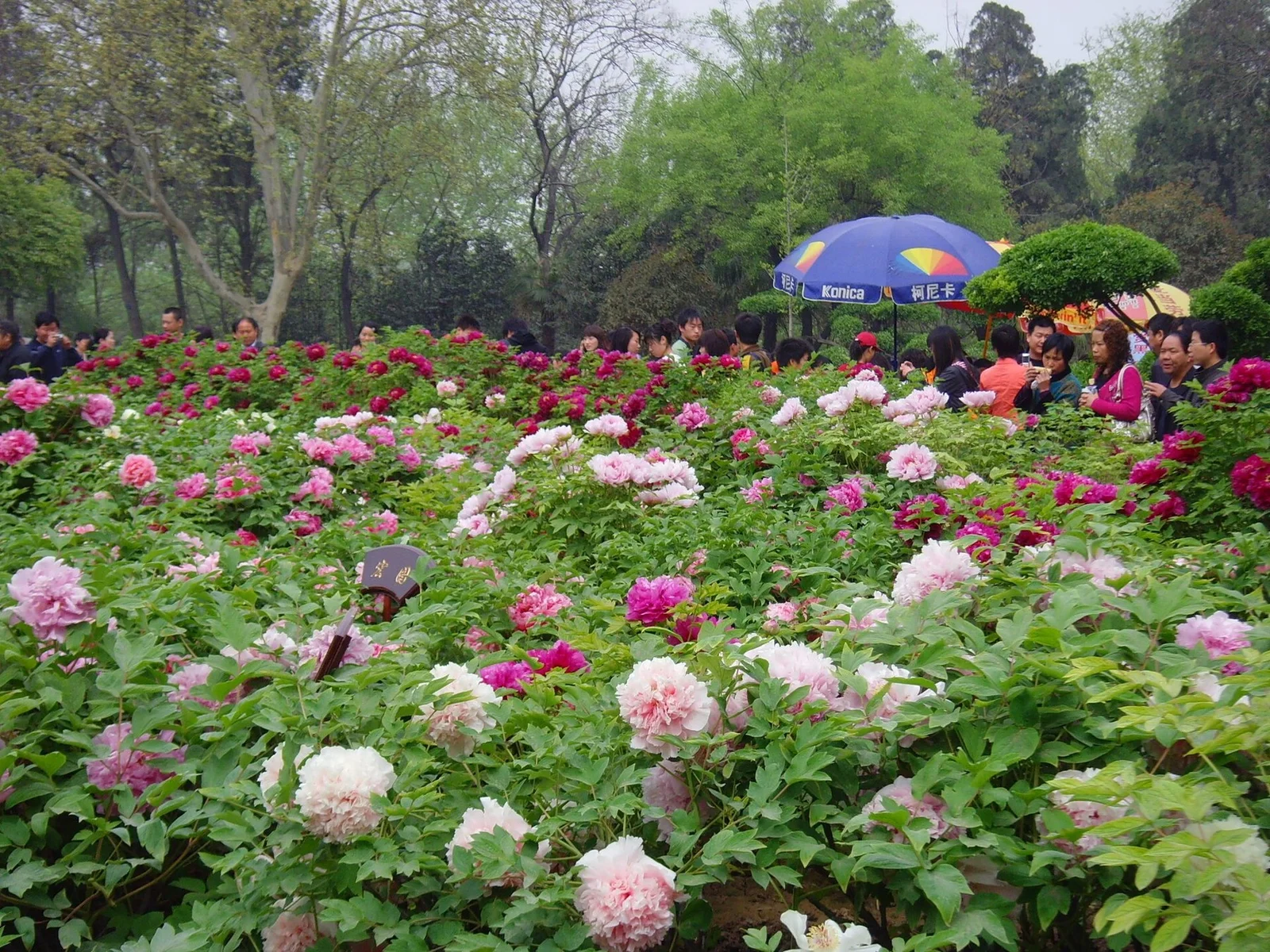
Peonies are seasonal. The Luoyang Peony Culture Festival usually takes place in spring, but the actual bloom depends on weather, cultivar and the individual garden, and varies from year to year. The municipal tourism map marks several peony gardens, not all of them in the city centre. Check that year’s festival dates and each garden’s notice rather than treating a photograph of full bloom as a guarantee.
Plan by area, check by season
Luoyang’s sights are spread out, so the most practical approach is to group them by direction: Longmen and Guanlin to the south, White Horse Temple to the east, the Sui-Tang palace remains and the old town in the centre, the ancient tombs museum to the north. Give each area half a day or a day to reduce cross-city travel. Summer sun is strong, and Longmen and the archaeological sites involve walking outdoors; in winter, closing times come earlier.
Opening hours, tickets, reservation rules and evening programmes all change. Longmen, White Horse Temple, the Sui-Tang park units and the museums each have their own official channels. Luoyang Museum is currently closed for renovation, and peony dates and festival arrangements change from year to year. Checking the official notice before setting out is more reliable than following an old itinerary.