A palace city founded in 605, presented as a park today
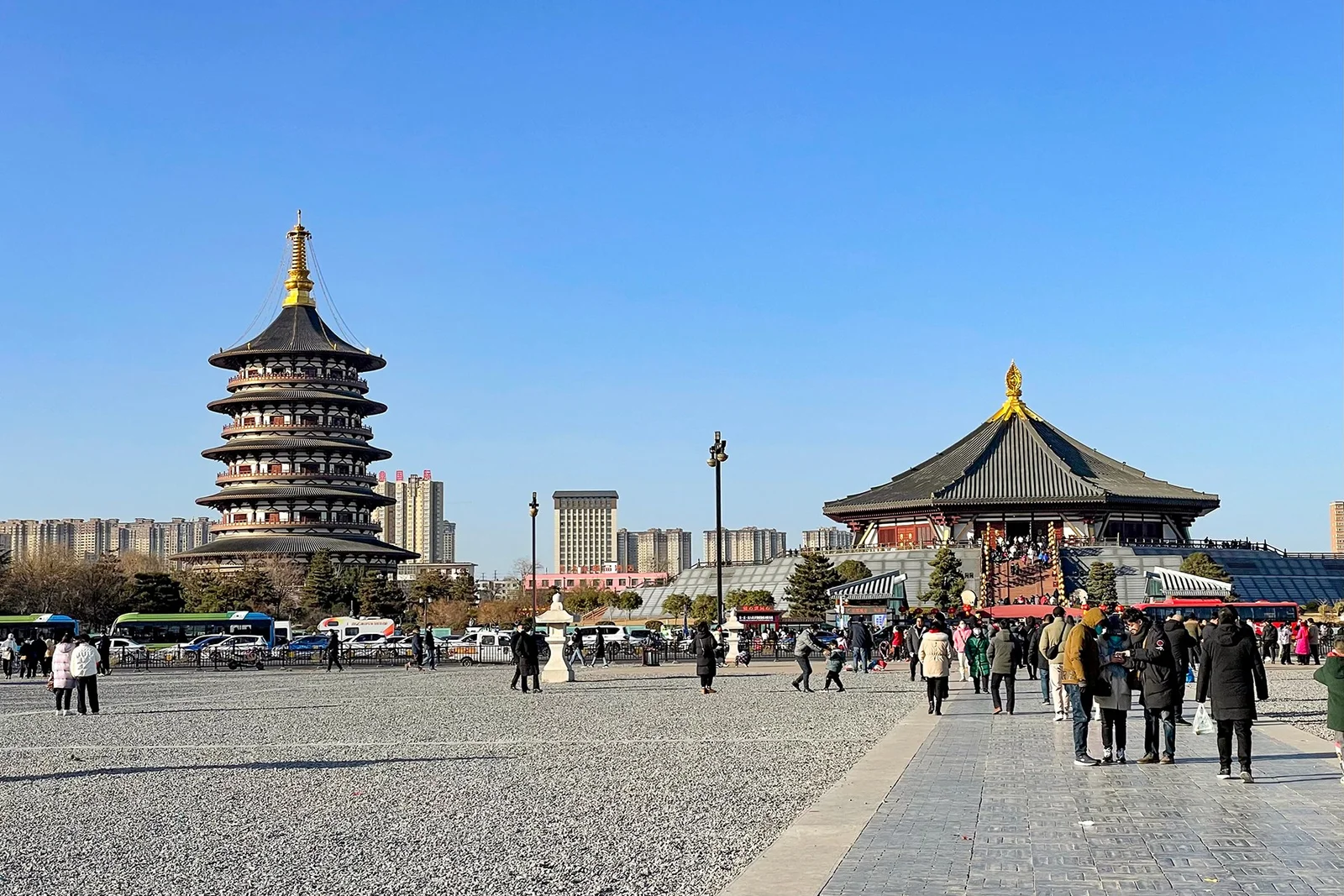
Sui-Tang Luoyang was founded in 605 and served as a capital or western capital under the Sui, Tang, Five Dynasties and Northern Song for about 530 years. The National Development and Reform Commission describes a site of roughly 47 square kilometres, spread across today’s Xigong, Laocheng, Chanhe and Luolong districts and made up of palace, imperial, eastern, granary, outer-city and western-garden components. Today’s national archaeological site park concentrates on the palace area, with Mingtang, Tiantang, Yingtianmen and Jiuzhou Pool.
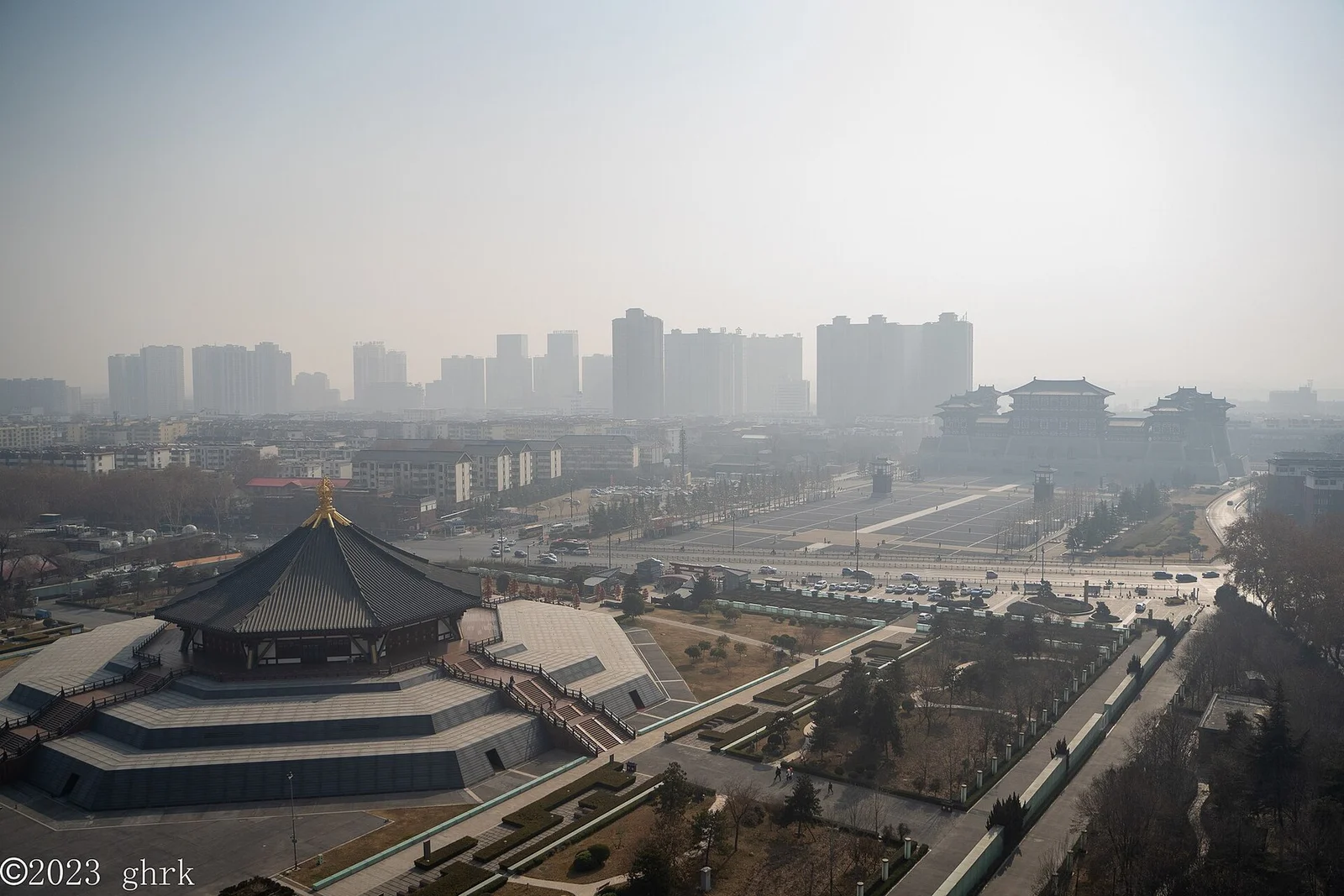
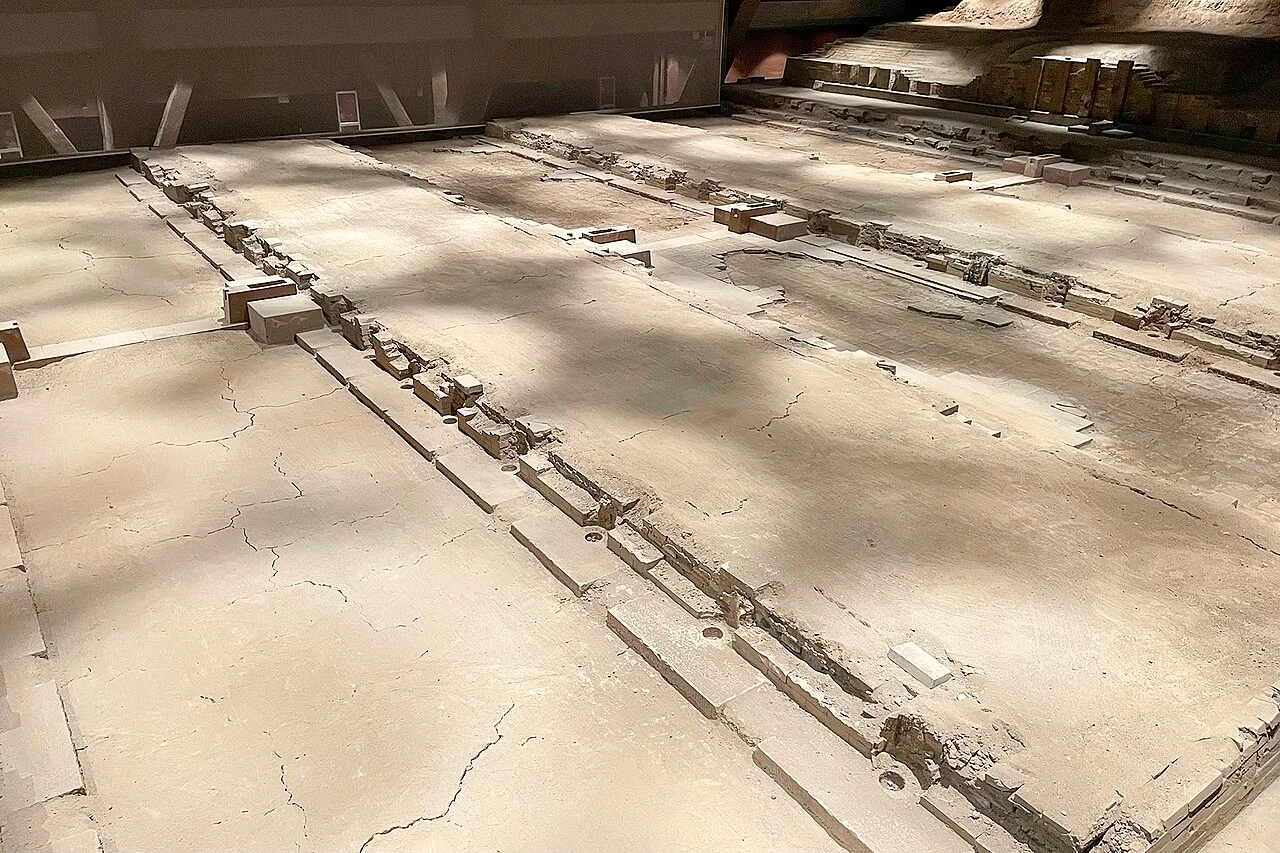
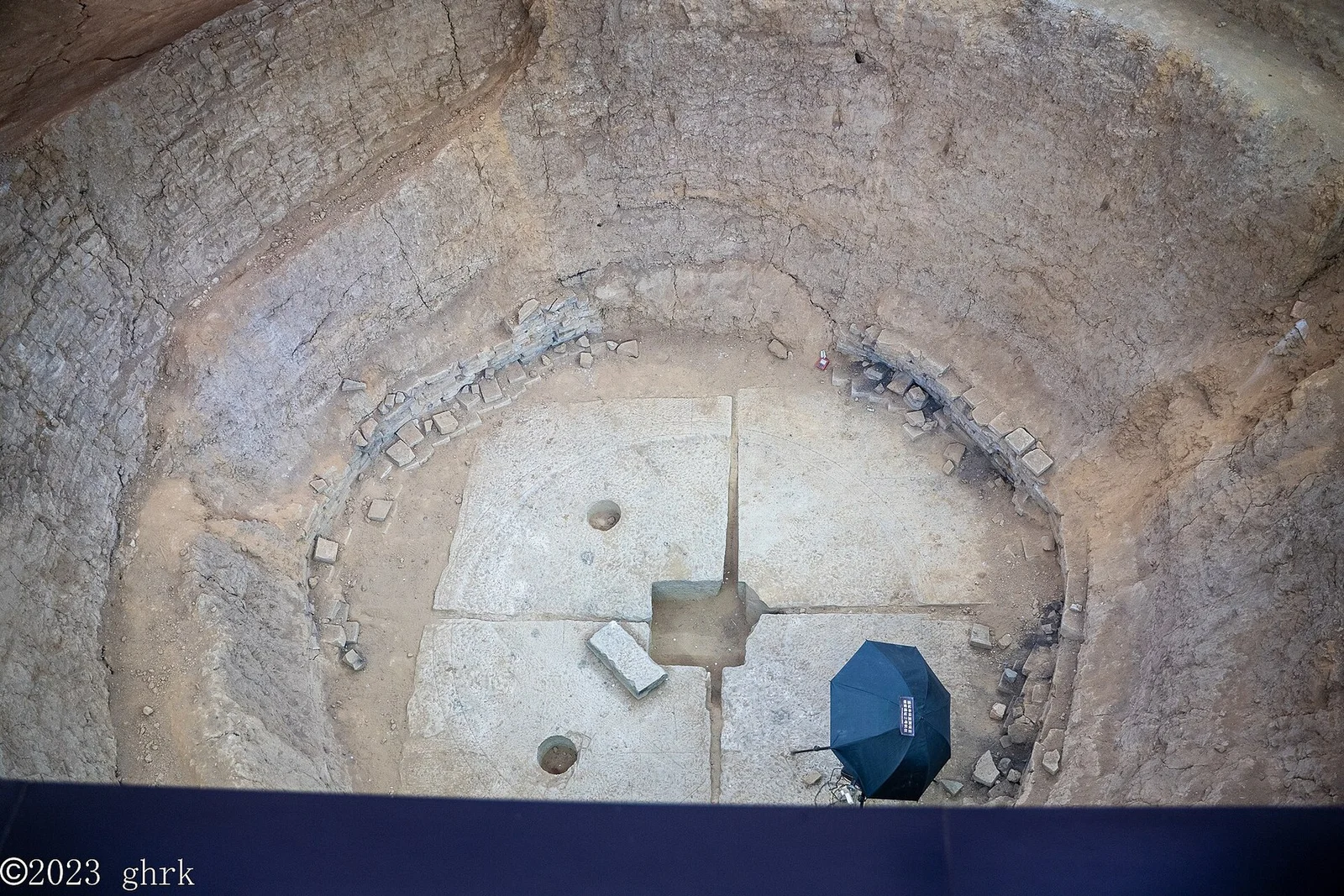
These are not preserved Tang timber buildings but protective structures and reconstructions built over the remains. Mingtang and Tiantang opened in 2015; Yingtianmen and Jiuzhou Pool opened in 2019, and the Yingtianmen site museum covers about 30,000 square metres. Understanding the combination of original remains and reconstruction prevents the new buildings from being mistaken for Tang fabric.
Mingtang, Tiantang and Yingtianmen
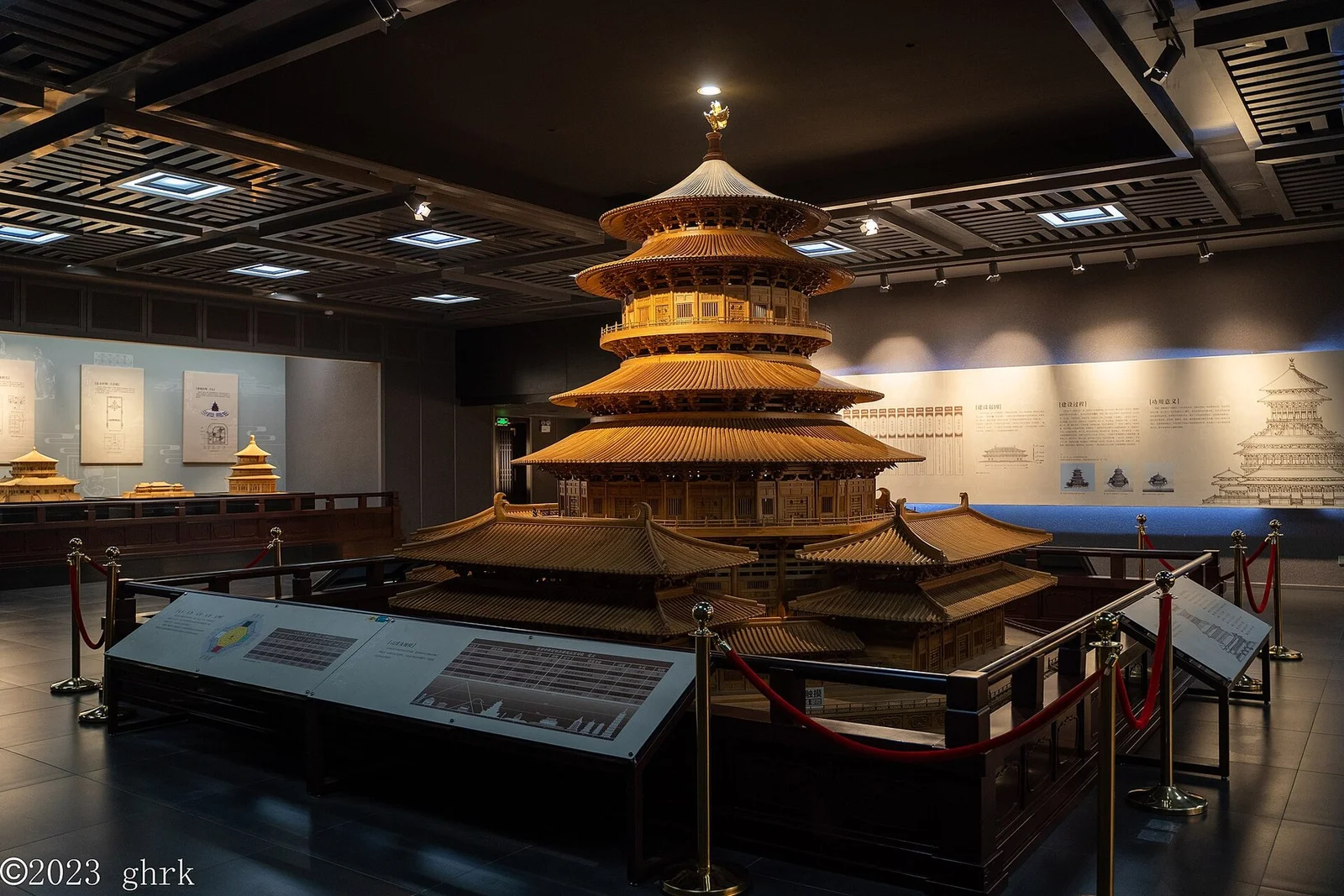
Mingtang, also called the Palace of Ten Thousand Images, was used for sacrifices, court audiences, celebrations and the selection of officials. The protective structure seen today is 33.52 metres high, with three outer and two inner levels. Tiantang stands northwest of Mingtang and served as a palace chapel under Wu Zetian; its structure is 88.88 metres high, with five outer and nine inner levels. Both contain remains and reconstruction models; seeing the model before the remains makes the column grid and spatial relationships easier to follow.
Yingtianmen was the main south gate of the palace city, first built in 605. Its “two-tiered viewing gallery and triple-que” form is described as the highest-ranking gate site found in China. The protective structure is 50.3 metres high, with six central levels and four-level side towers; the site museum displays the gate foundations and excavated components. After the lights come on in the evening, the gate and square feel largest, and the crowds are densest.
Jiuzhou Pool, evening visits and tickets
Jiuzhou Pool was a royal garden in the western subsidiary city of the palace, used by princes and princesses and as a retreat for the emperor and empress. The first phase of the present display covers 156 mu and preserves 12 sites, with water, islands and covered bridges integrating the remains with a garden. Evening lighting, water-screen shows and performances run in some seasons; the schedule changes.
Mingtang-Tiantang, Yingtianmen and Jiuzhou Pool sell separate tickets as well as combinations. Prices and performance packages change with events, so check the day’s options on the official channels. The three areas require walking or a short taxi ride; wear comfortable shoes. With limited time, see the Mingtang and Yingtianmen remains by day and return for the lights in the evening rather than buying every performance at once.
Useful official references
Check the relevant official service before making arrangements. These links are references, not a guarantee of current services.