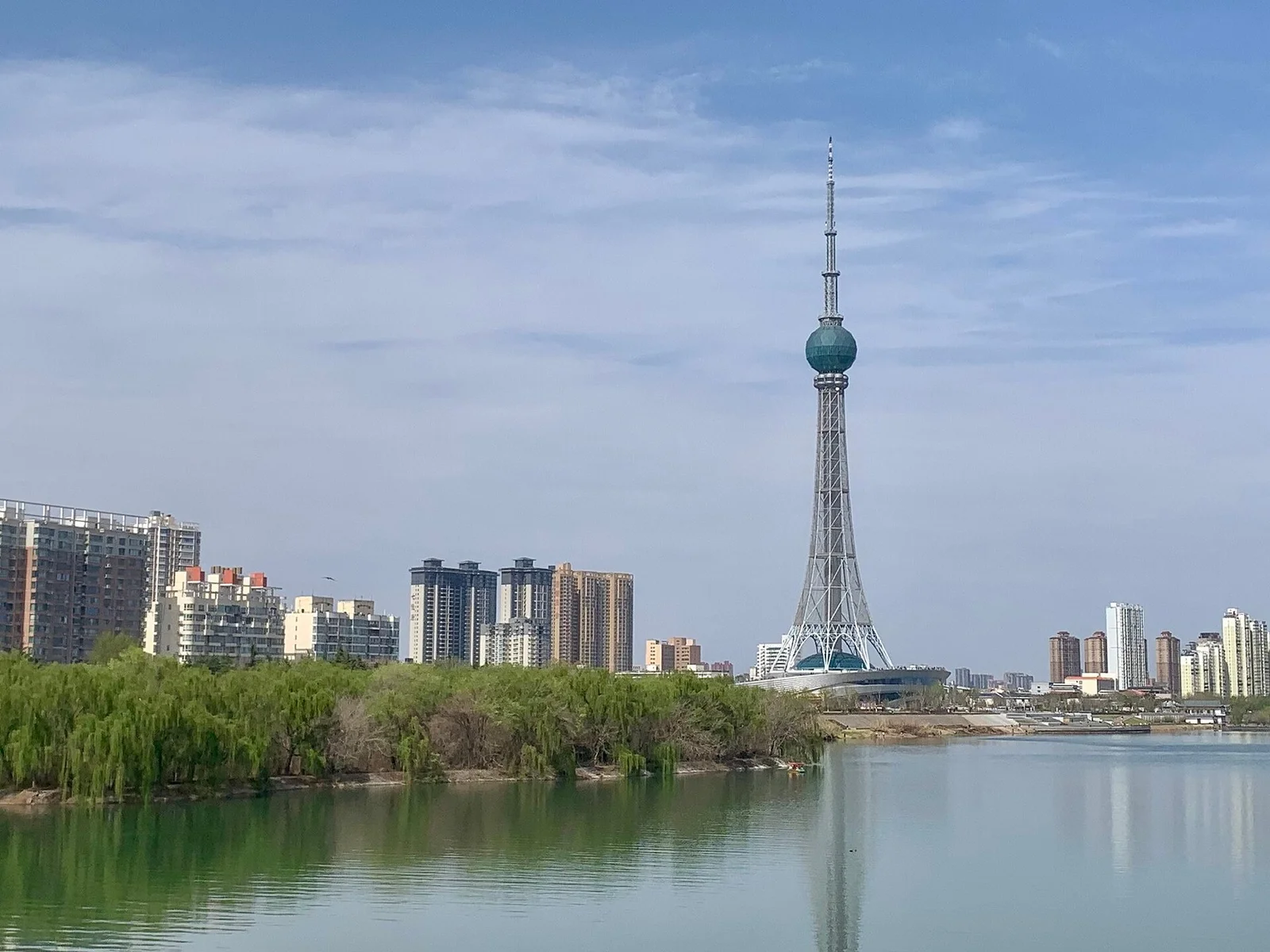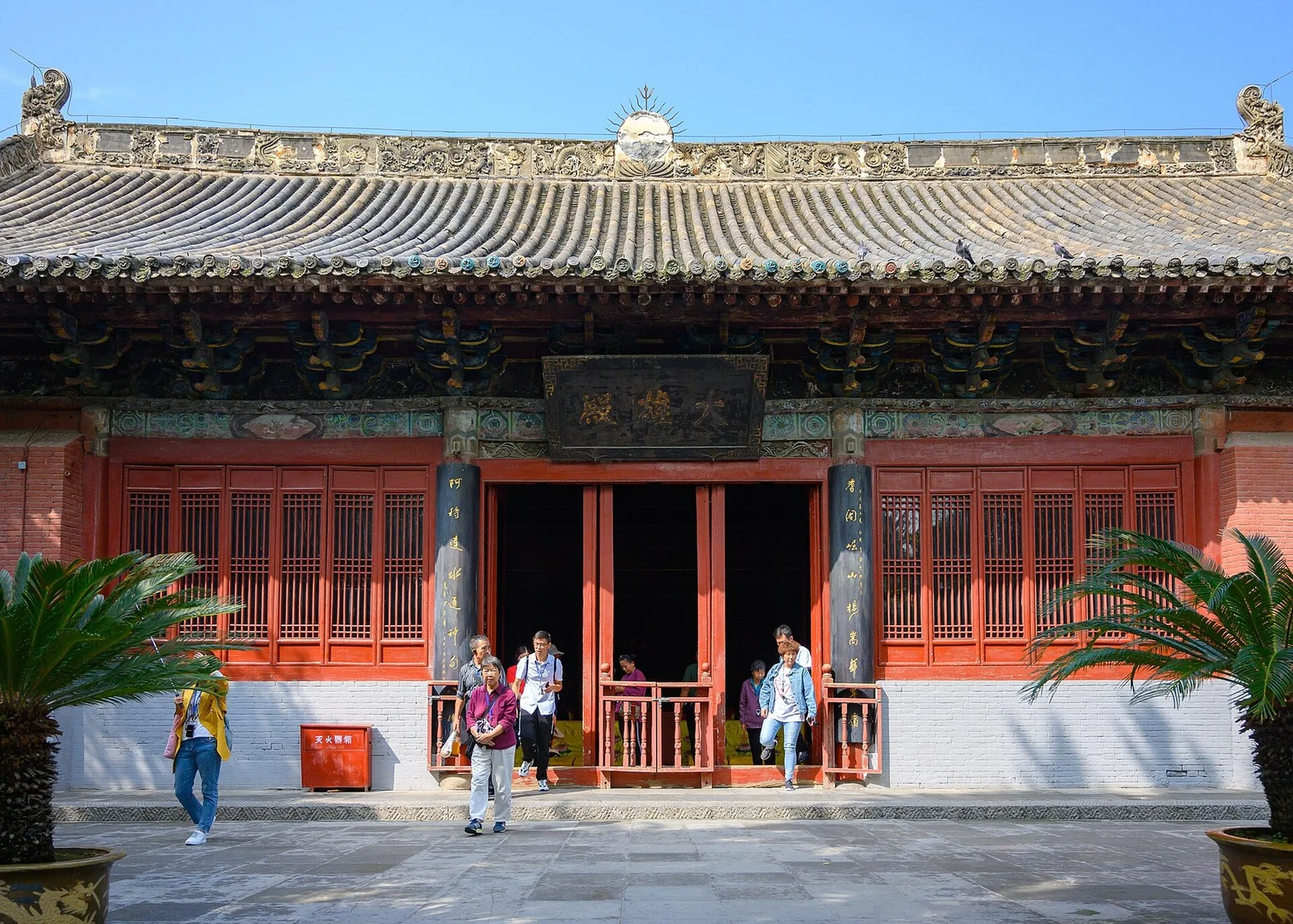
A temple still in use
White Horse Temple lies east of Luoyang and was founded in 68 CE, the eleventh year of the Yongping era of the Eastern Han. The Ministry of Culture and Tourism describes it as the first temple officially built in China after Buddhism arrived: Emperor Ming sent envoys to seek the teaching, they returned to Luoyang with monks from Tianzhu and sutras carried on white horses, and a monastery was founded the following year. The temple has been damaged and rebuilt over the centuries; today’s layout largely reflects Ming and Qing reconstruction.
The temple faces south. Its central axis runs through the Hall of Heavenly Kings, the Great Buddha Hall, the Mahavira Hall, the Hall of Receiving and the Vairocana Pavilion, with side halls and courtyards. It is not a site preserved only for viewing but a working religious place. Lowering your voice and following the signs for worship matter more than getting an empty photograph.
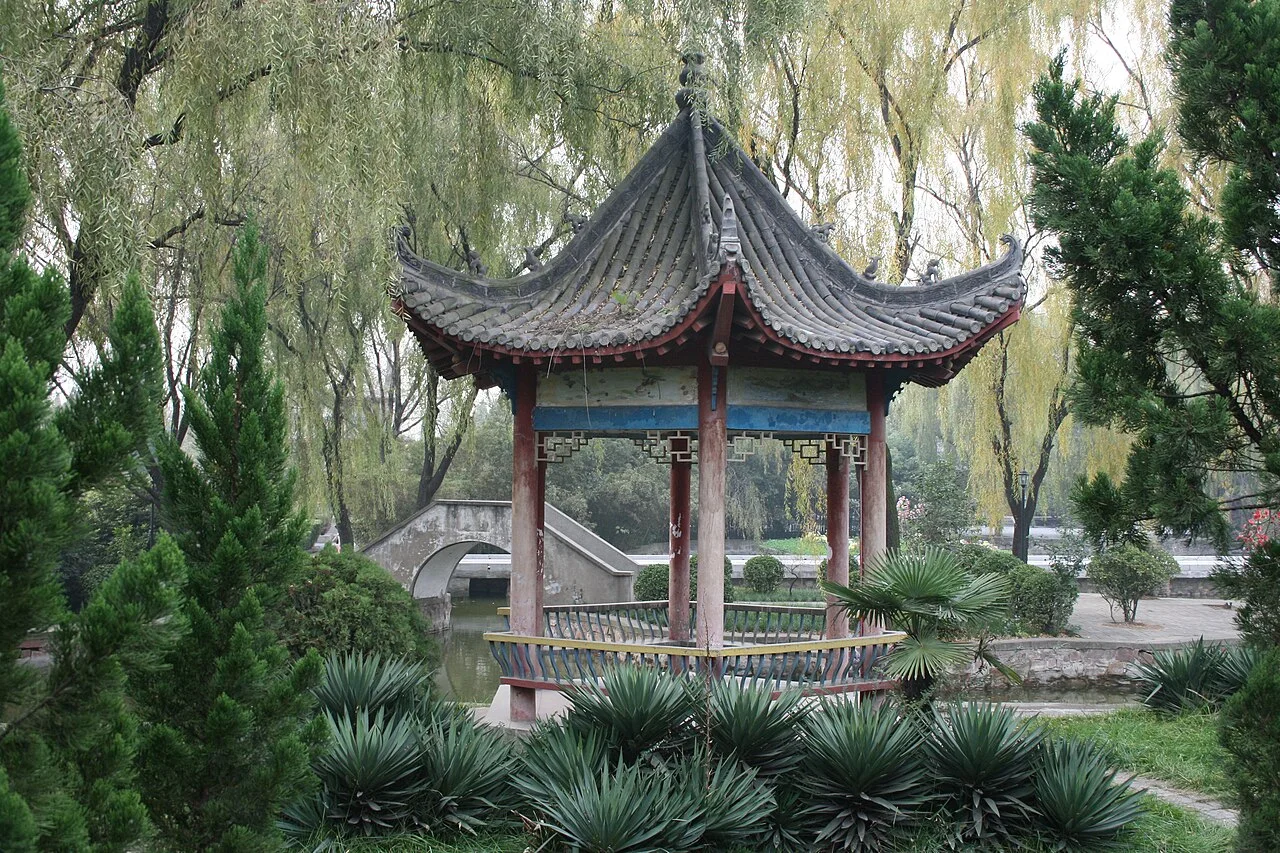
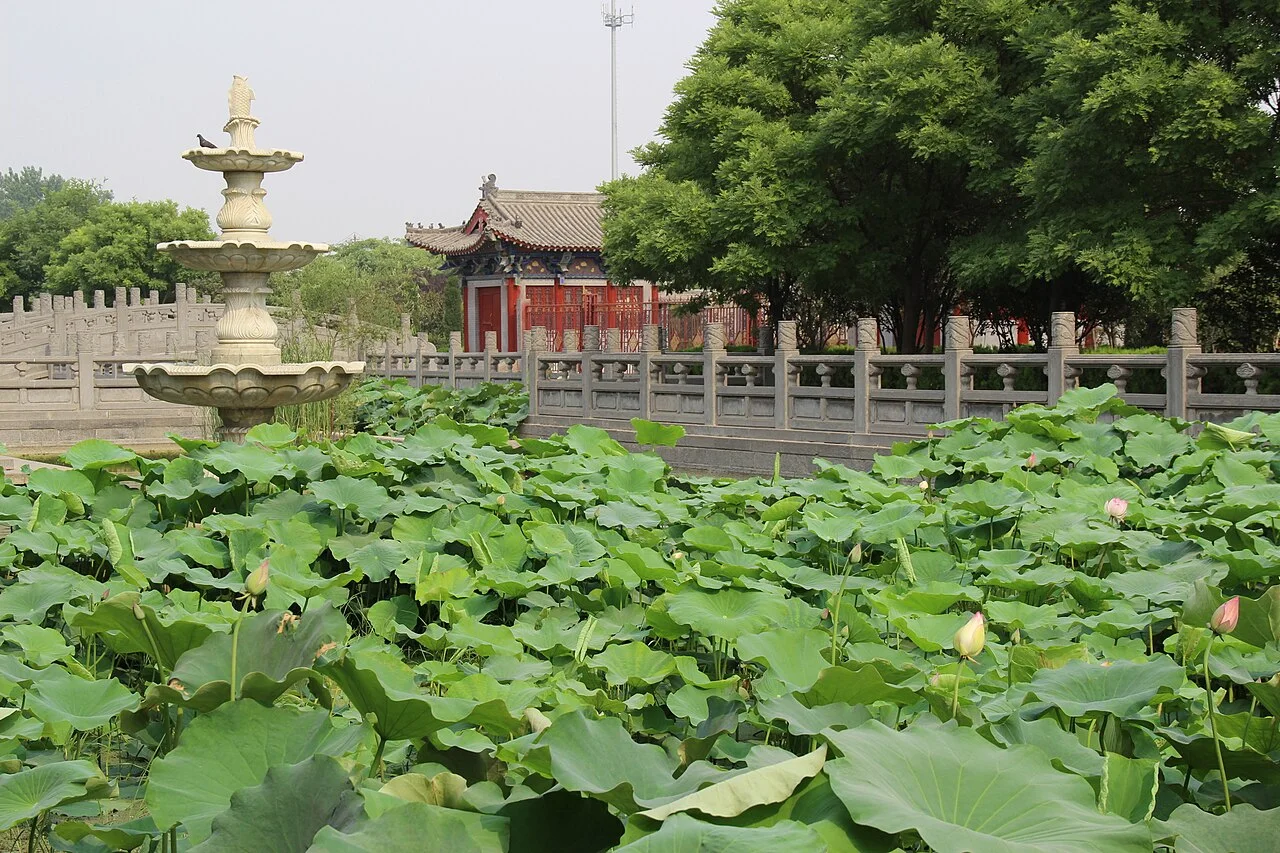
Qiyun Pagoda and the details inside the halls
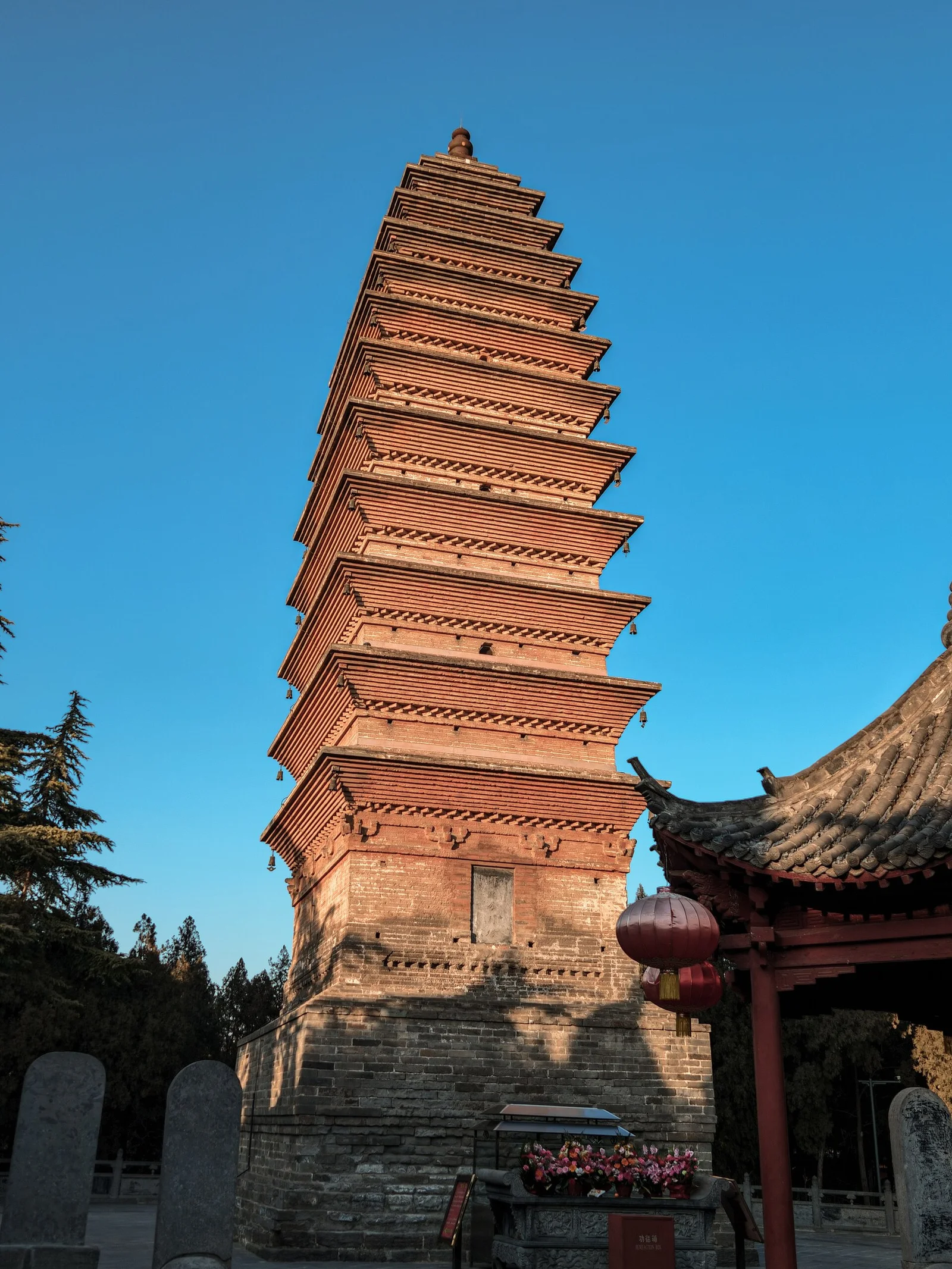
The Qiyun Pagoda court lies southeast of the main temple. Its multi-storey brick pagoda is the most distinctive element of the skyline. The Ministry of Culture and Tourism calls it China’s first pagoda built for Sakyamuni relics and notes that the temple was listed among the first batch of national key cultural relics in 1961. The pagoda court is a walk from the main temple; with limited time, see the main complex first and then decide whether to continue.
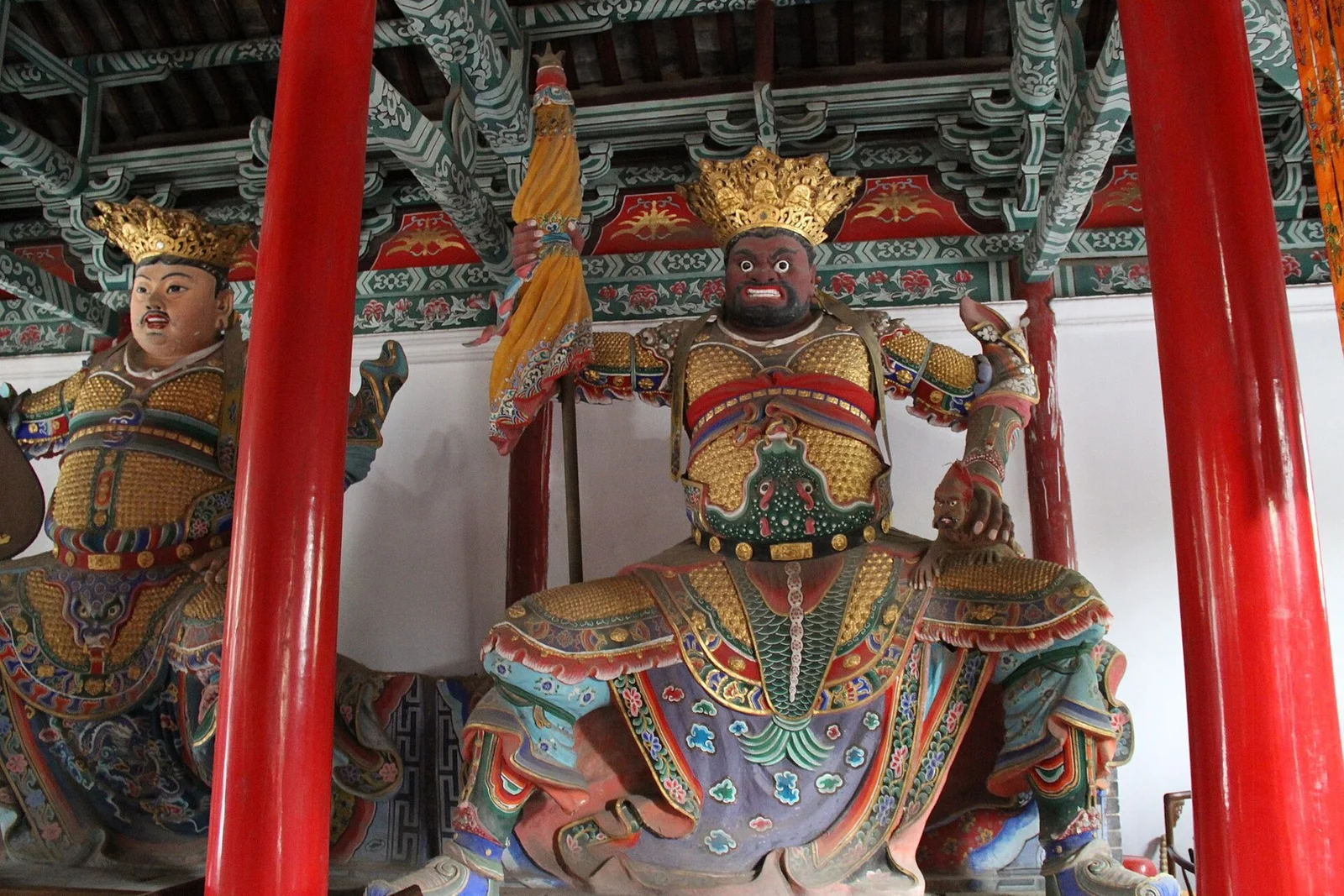
The statues and guardian figures inside the halls reward a slower look. The style is not uniform: some figures are closer to Ming-Qing temple sculpture, while others show more recent repair.
Reservations, dress and visiting conditions
White Horse Temple uses timed online reservations, staggered entry and visitor limits. A notice for the 2026 Peony Culture Festival states that entry begins at 07:40, ticket sales and entry stop at 18:00, and the temple closes at 18:30. The only official ticket channel is the “洛阳白马寺” WeChat account, with real-name reservations up to seven days ahead; do not go without a reservation. Hours change outside the festival period, so check the account again before visiting. Reservation channel and inquiry number were checked on November 15, 2026.
The temple asks visitors to dress modestly: men should avoid shorts, sleeveless tops and sandals; women should avoid bare shoulders, backless tops, shorts and short skirts, and skirts should reach below the knee. Smoking, photographing Buddha statues and flying drones are prohibited. The enquiry number is 0379-63789090. Treating the temple as a religious place rather than only a sight makes most of these rules easy to understand.
Useful official references
Check the relevant official service before making arrangements. These links are references, not a guarantee of current services.