A cave complex stretched along the Yi River
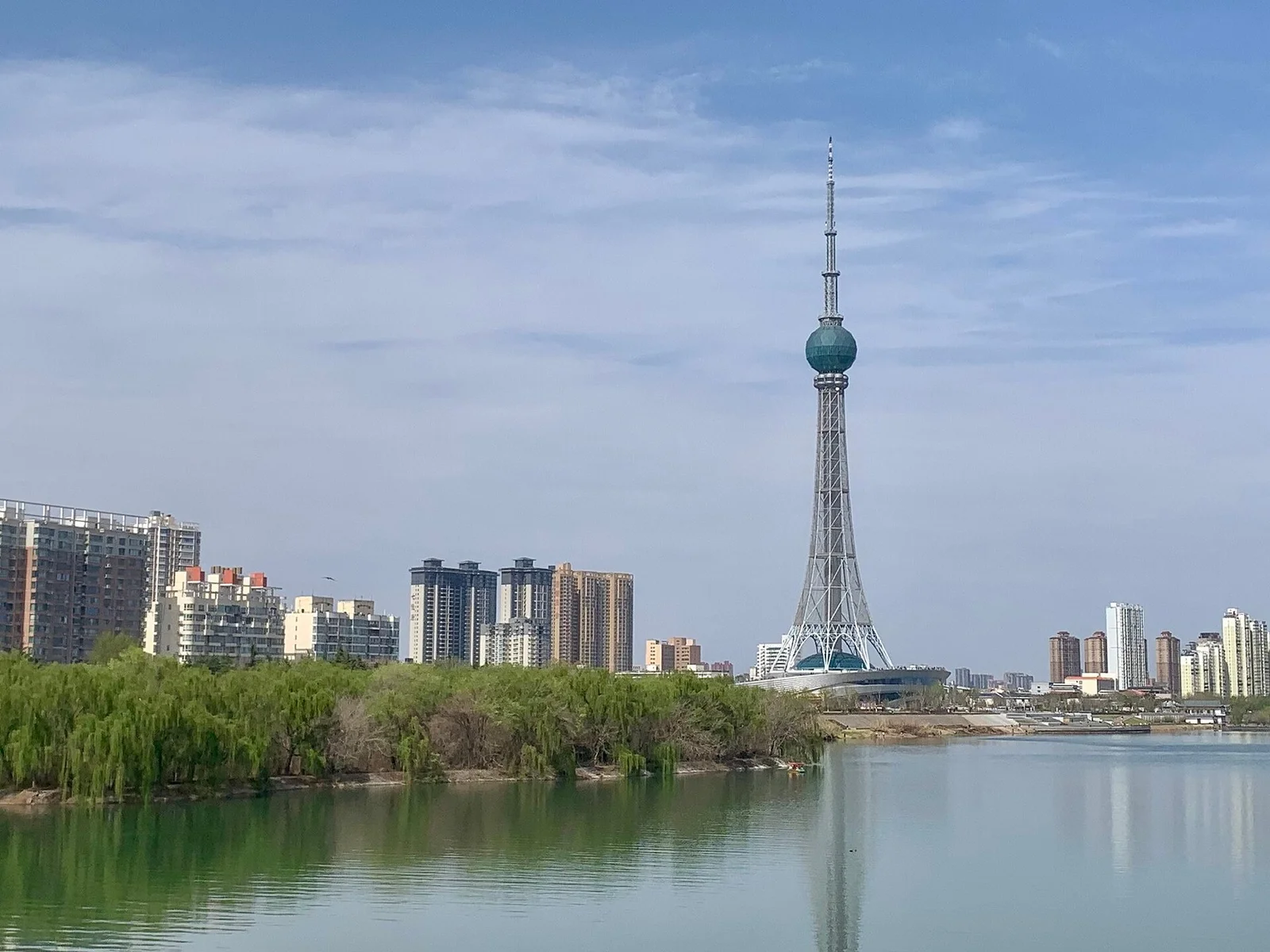
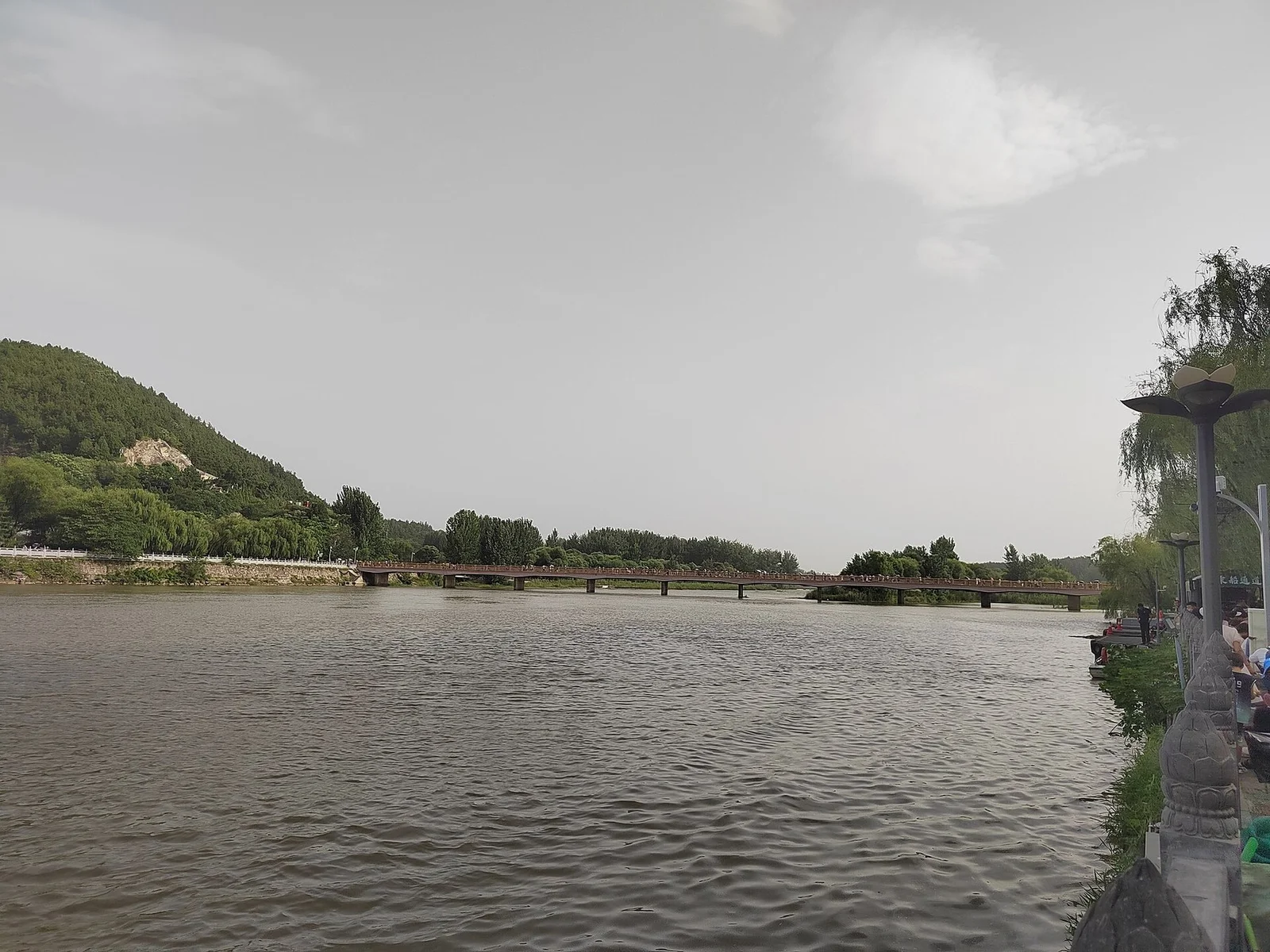
The Longmen Grottoes lie about 12 kilometres south of Luoyang. The Yi River runs between two hills, and the caves are cut into the limestone cliffs on both banks over roughly one kilometre. Most visitors start on the West Hill, where Fengxian Temple, the three Binyang Caves, Wanfo Cave and Guyang Cave are found. Crossing the bridge to the East Hill gives a view back across the West Hill cliffs and access to the East Hill caves, Xiangshan Temple and Bai Garden.
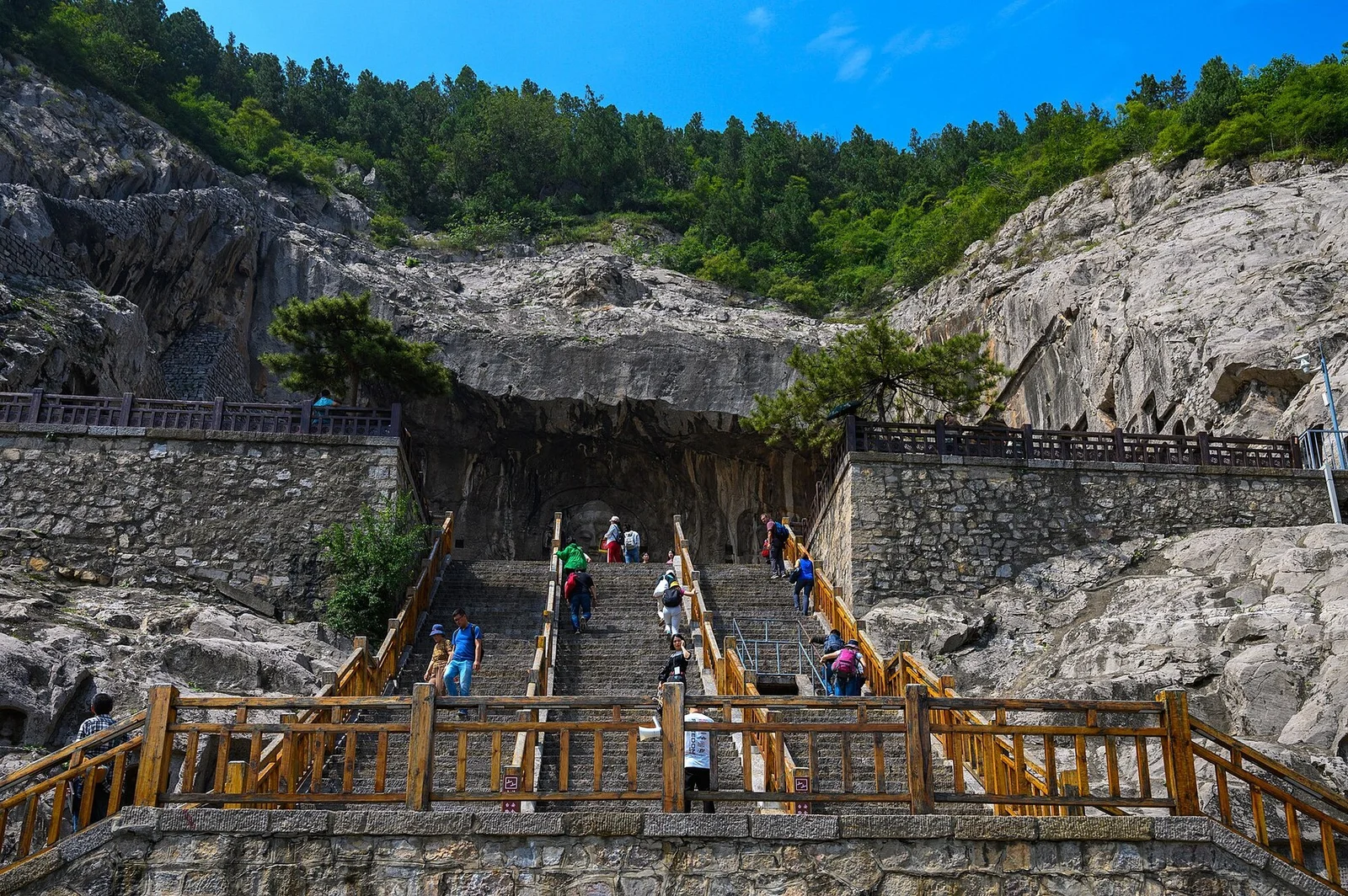
This is not an indoor museum: visiting means walking beside the river and climbing steps. The route from the West Hill to the East Hill crosses a bridge, and covering the whole site takes energy. Electric carts run from the northeast and northwest service areas to the ticket checkpoints for 10 yuan one way, shortening the walk from the entrances. Summer sun is strong, so water and sun protection matter more than rushing.
Two carving styles, Northern Wei and Tang
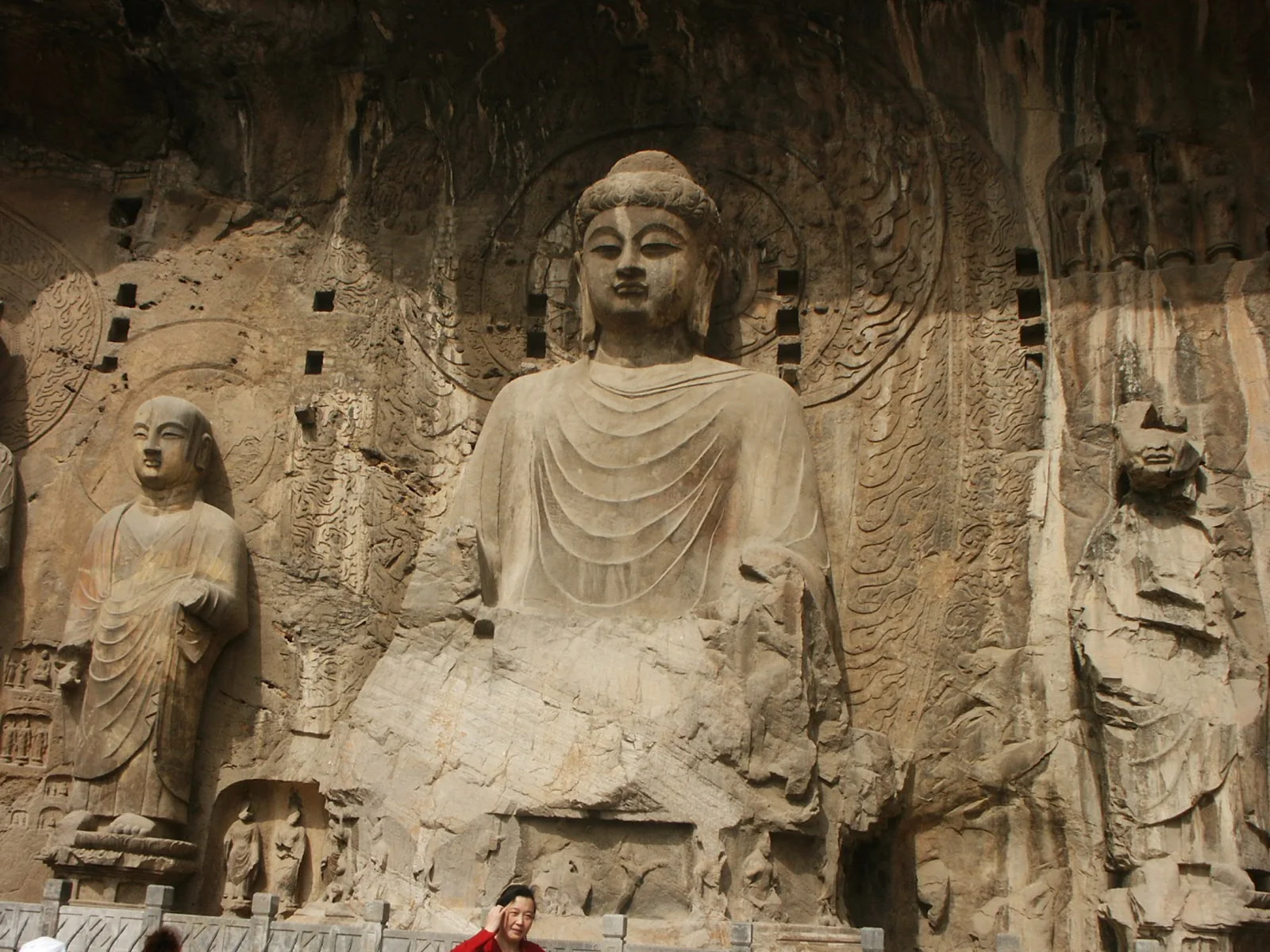
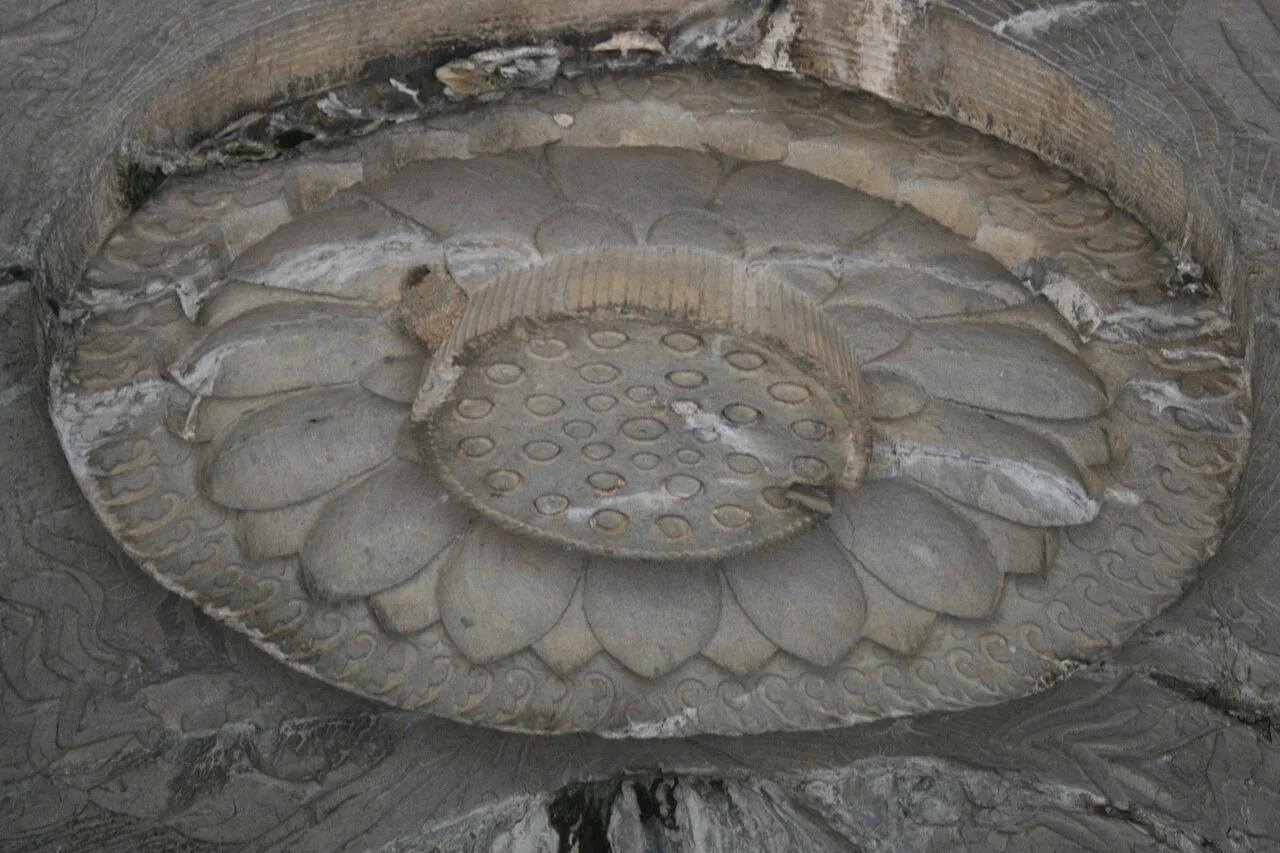
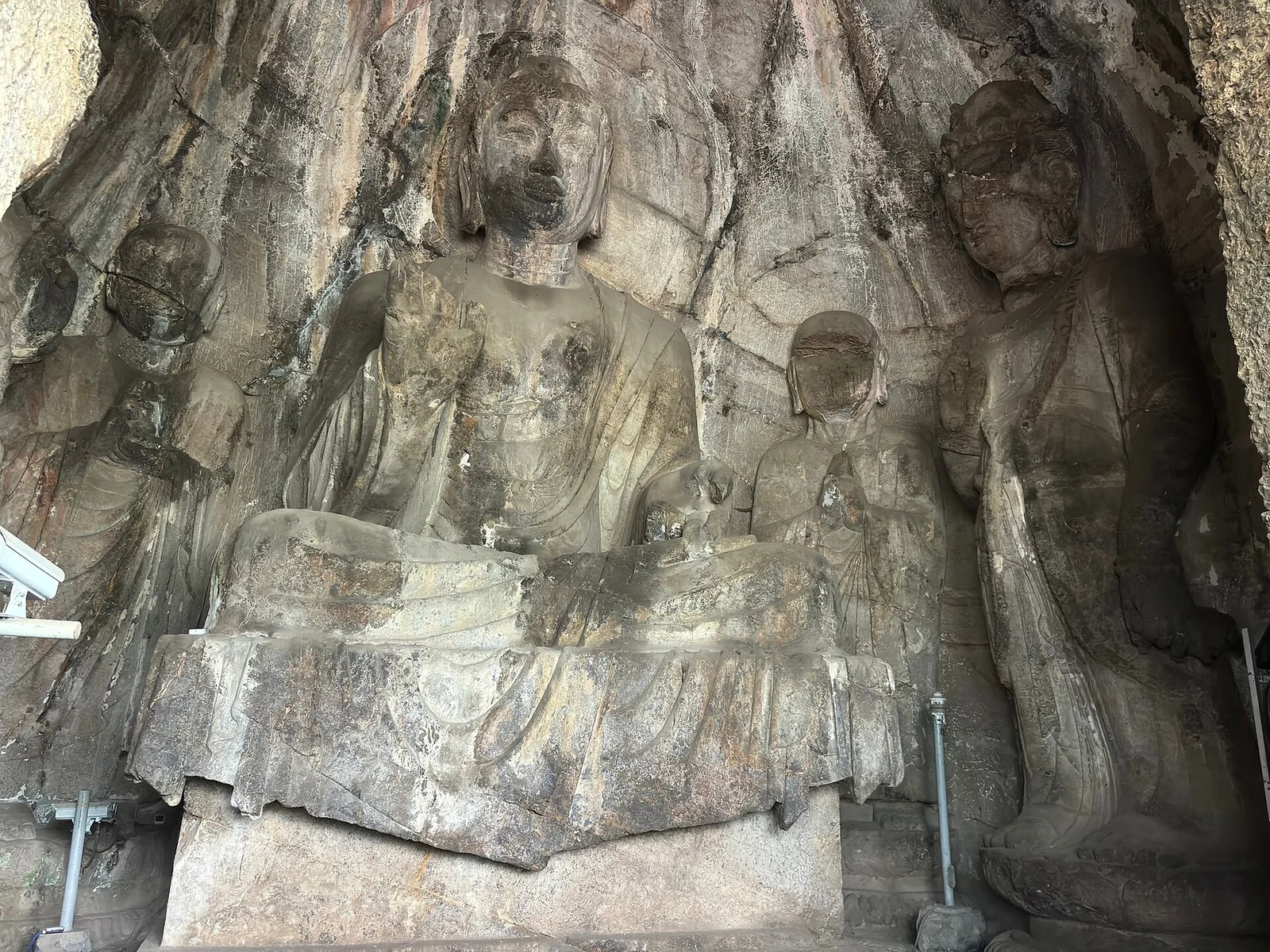
UNESCO dates the most intensive carving at Longmen from the late fifth century to the mid-eighth century. The Northern Wei caves, including Guyang Cave and the three Binyang Caves, show slender figures with orderly drapery. The Tang Fengxian Temple groups a main Buddha with disciples, bodhisattvas, heavenly kings and guardian figures at a larger scale and with fuller faces. Seeing both styles on the same cliffs is the most direct reason to visit.
The Vairocana Buddha at Fengxian Temple is often treated as the symbol of Longmen, but it is one cave among many. Beyond the main figure, look at the attendants and heavenly kings: their poses, clothing and expressions differ. Yaofang Cave preserves more than 140 inscriptions concerned with treating illness, a reminder that the caves record practical knowledge as well as images of deities.
Getting there, opening hours and choosing a route
The official Longmen hours are 08:00–18:00 from 1 March to 31 October and 08:00–17:00 from 1 November to the end of February. Ticket sales and entry cutoff times follow the site’s notice for the day. The open areas include the West Hill caves, East Hill caves, Xiangshan Temple and Bai Garden. Tickets and reservations are handled through the site’s official channels; the daily cap is 68,900 visitors. Opening hours, shuttle fare and transit access were checked on November 15, 2026.
A taxi from Luoyang Longmen high-speed railway station takes about 10 minutes, and bus 71 also runs to the site; from Luoyang Beijiao Airport the drive takes about 40 minutes. The site is large. With only half a day, start with the main West Hill caves and decide later whether to cross the river. Do not force Longmen and White Horse Temple into the same half-day: travel and walking will eat into the time spent at the caves.
Useful official references
Check the relevant official service before making arrangements. These links are references, not a guarantee of current services.