The Haikou area and the wider Leiqiong geopark
The place visitors commonly call Haikou Crater Park is in Shishan Town, Xiuying District, and its main attraction is the Ma'anling volcanic scenic area. It is part of Leiqiong UNESCO Global Geopark. The full geopark crosses the Qiongzhou Strait, encompassing areas in Haikou, Hainan, and Zhanjiang, Guangdong. Figures for its area and volcanoes, or lists of its attractions, should not be taken to describe everything visible on one walk through the Haikou scenic area.
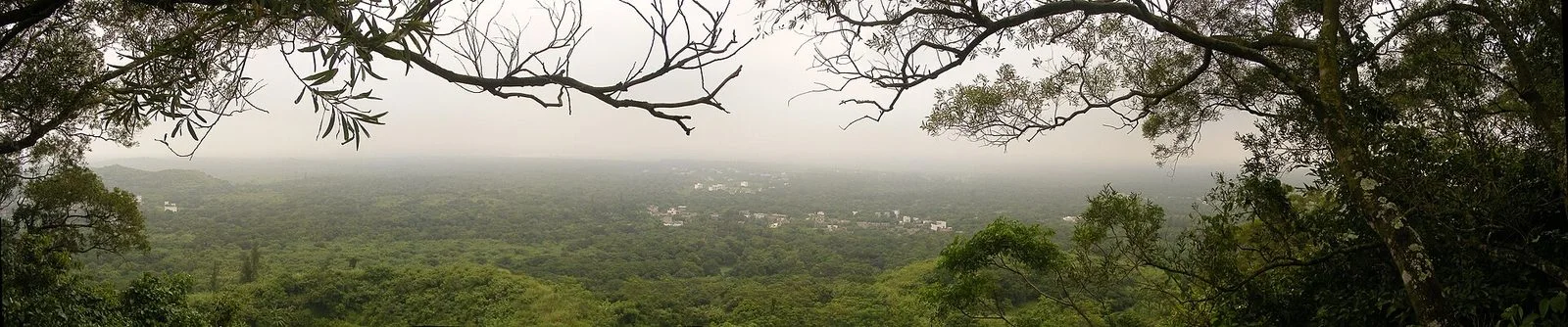
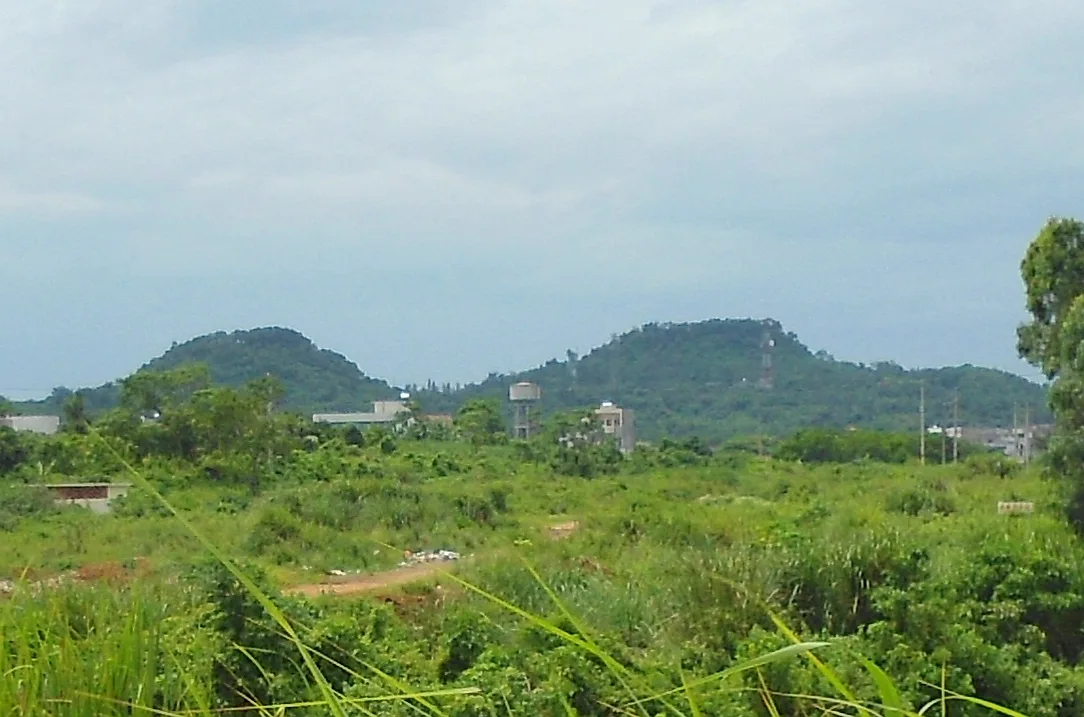
The appeal on the Haikou side lies in the combination of volcanic remains and tropical vegetation. From a distance, green growth often covers the hills; on the paths, rocks among the plants begin to connect with the slopes and volcanic cones. It suits visitors wanting natural landforms beyond the city streets, and those willing to read geological explanations as they walk. Expecting only an enormous bare crater or active lava would give a misleading idea of the experience.
Observe rocks and hills along the paths
Official park information identifies Ma'anling as representative of the Quaternary volcanic belt. UNESCO also describes trails in the Ma'anling scenic area where visitors can observe lava flows, tropical forest and volcanic cones. You can therefore look at three different levels of detail: hill shapes from more open areas, volcanic rocks beside the paths, and the way plants cover and divide the ground.
Basalt is an important rock type for understanding this landscape. Cooled volcanic rock, weathering and plant growth together form the surface visible today. Notice differences in texture and pores, then compare them with the information boards. Do not climb over railings, chip off specimens or leave open paths to photograph details. Weather affects distant views; the visibility in publicity photographs is not guaranteed on your visit.
How volcanic stone became part of local life
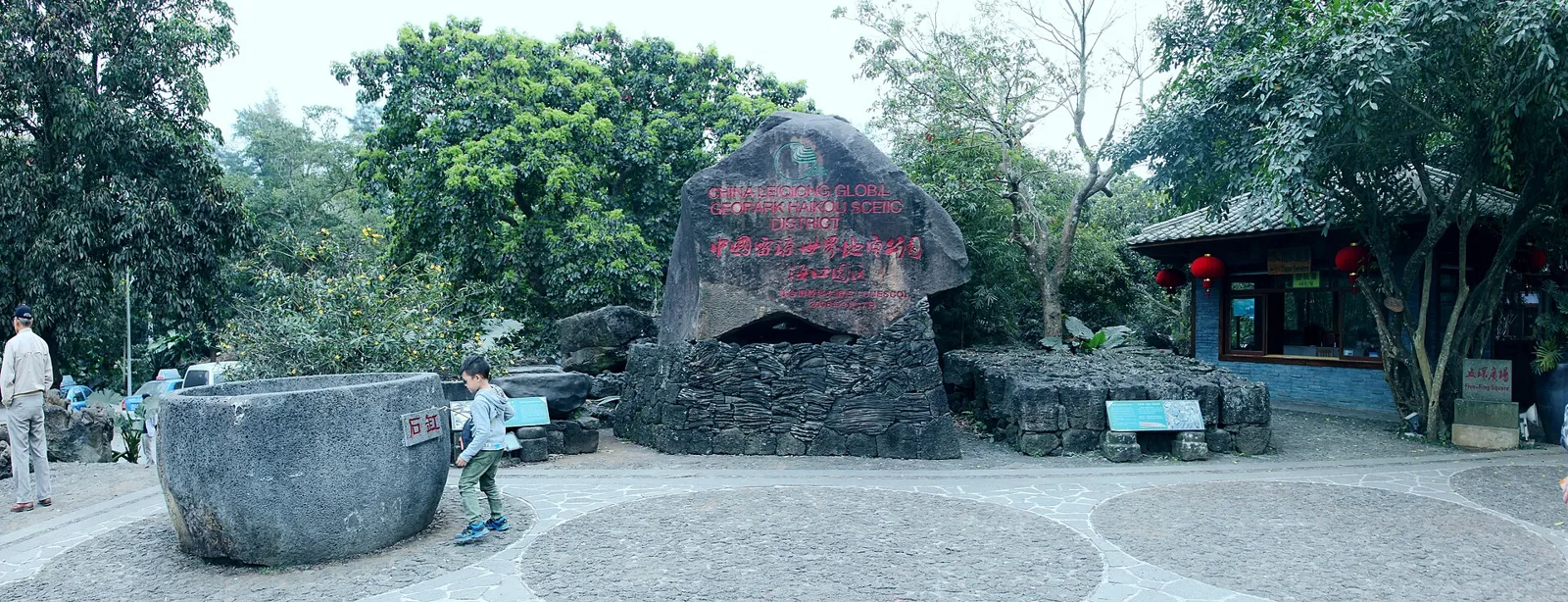
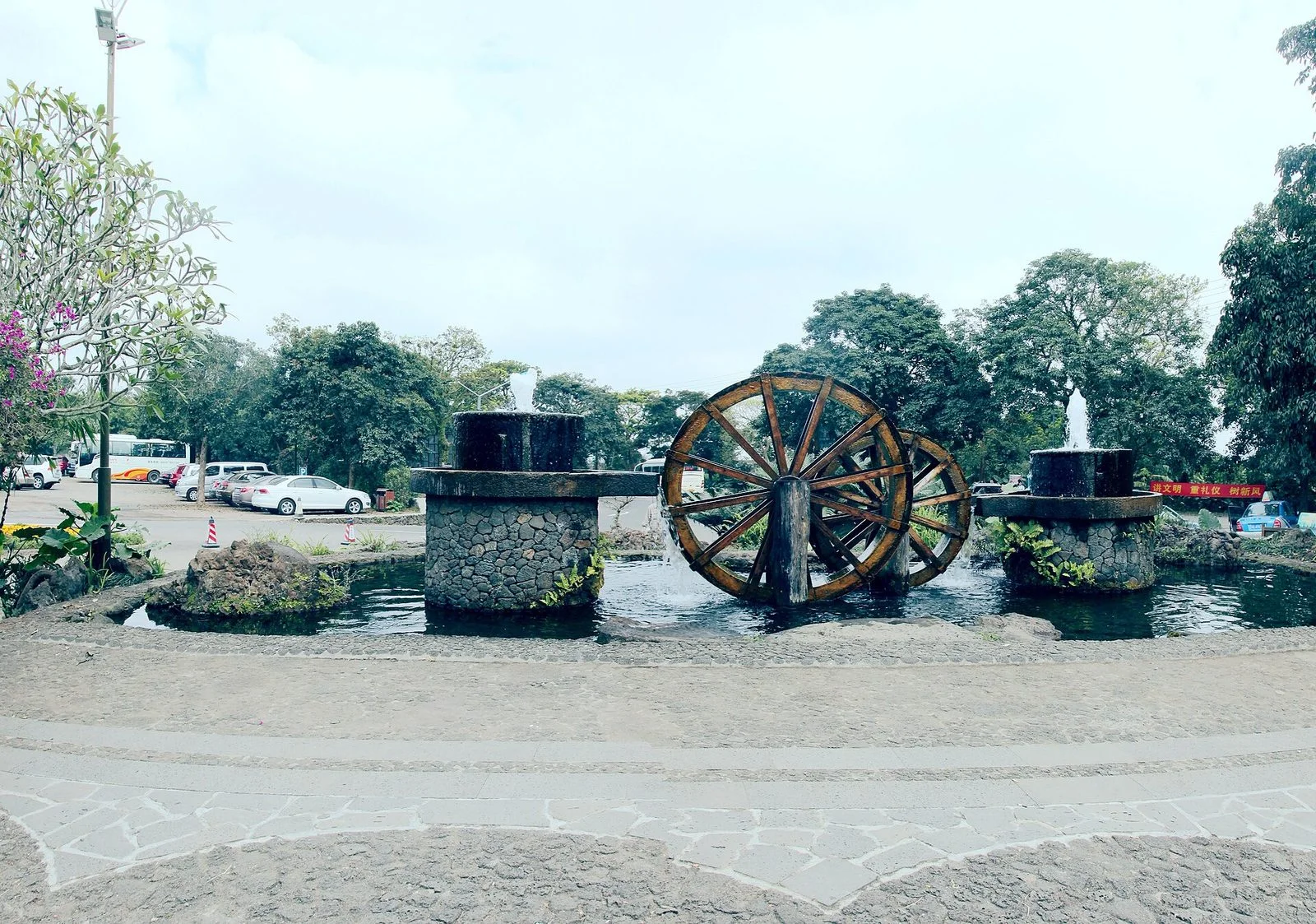
The volcanic landscape extends beyond the hills. Both official Leiqiong park information and UNESCO describe traditional villages in the region using volcanic stone for houses, courtyard walls, village gates and roads. The stone connects geology with daily life: the same rock is both a natural remnant and an available building material. Stone features in the Haikou scenic area offer a starting point for observation, but decorative stone structures should not automatically be treated as ancient buildings preserved in their original locations.
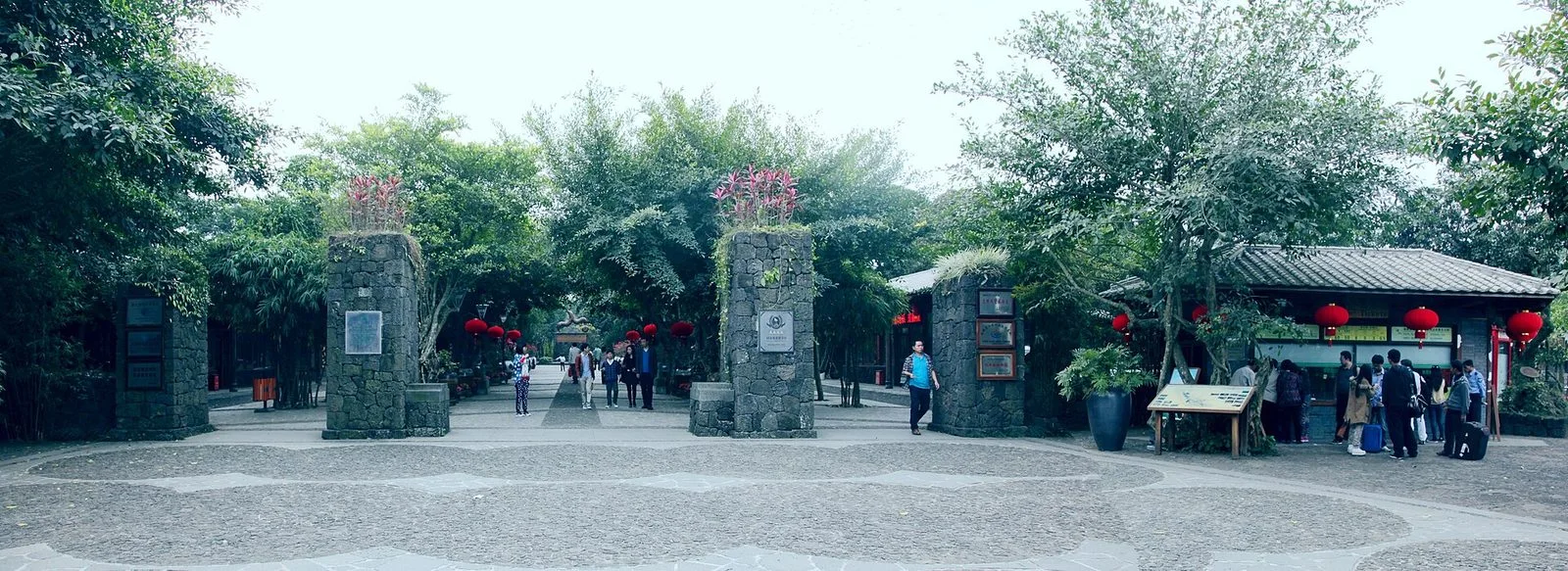
The entrance and visitor areas also contain gardens and recreational facilities. The waterwheel and stone structures in the photograph belong to this visitor setting and should be distinguished from natural remains of volcanic eruptions. If nearby stone villages or lava caves interest you, check their specific locations and access conditions separately. Do not assume they are included in a Ma'anling ticket or the usual walking paths.
Prepare for an outdoor walk
This visit mainly involves outdoor walking, slopes and steps. Non-slip shoes, drinking water, sun protection and rain gear are advisable. Watch rock and step surfaces after rain, and follow park instructions to avoid exposed places during thunderstorms. Visitors with limited mobility or for whom sustained stair climbing is unsuitable should first confirm accessible areas and the day's open routes with the park. The presence of paths does not mean the entire visit is accessible without barriers.
For Ma'anling's main open areas alone, allow around 2 to 3 hours for walking and reading the information, excluding travel to and from the site. This is a planning estimate. Check that your destination is “Shishan Town, Haikou” before setting out, to avoid selecting the Zhanjiang area across the strait. Tickets, opening hours and temporary closures may change; check park notices or the ticketing page for your intended date.
Useful official references
Check the relevant official service before making arrangements. These links are references, not a guarantee of current services.