The origins of a coastal defence town
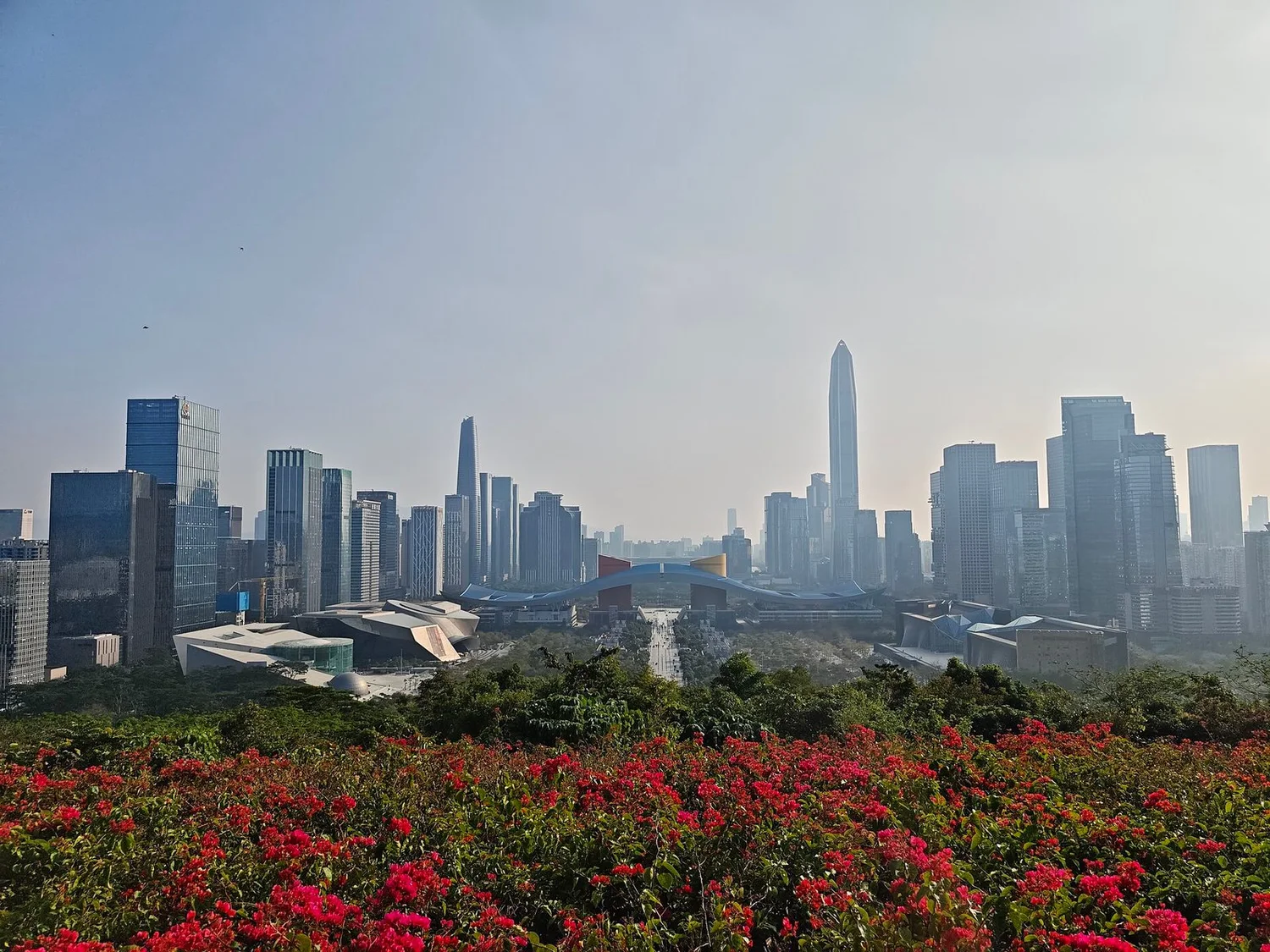
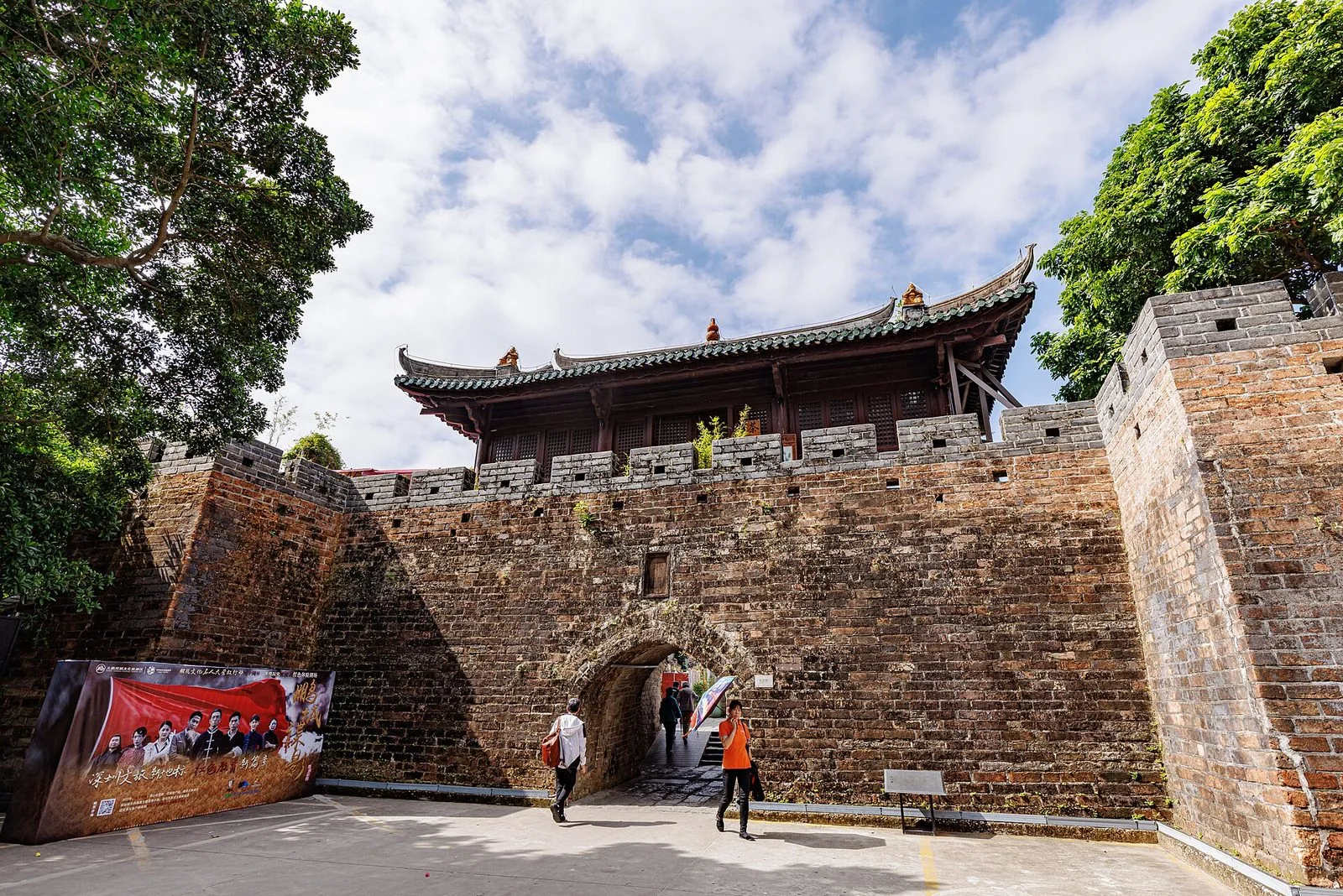
Dapeng Fortress lies in Dapeng New District in eastern Shenzhen. Founded in the 27th year of the Ming Hongwu reign, or 1394, it was an important coastal defence post during the Ming and Qing dynasties. Its history is closely connected with coastal defence, the garrison and surrounding settlements, and it is also associated with Shenzhen's nickname, Pengcheng. In contrast to Futian's towers and Nanshan's modern industrial districts, it presents an old-town layout of gates, walls and low-rise lanes.
The fortress suits visitors interested in military architecture, local history and traditional streets. Its sights are spread among gates, lanes, residences and exhibition spaces; it is not a single museum building that you view in sequence after entering a hall. Deciding whether defensive structures, architectural details or historical displays interest you most helps you allocate attention on site. A quick walk along the shopping street can miss the spatial relationships that make the town distinctive.
From the gates to the generals' residences
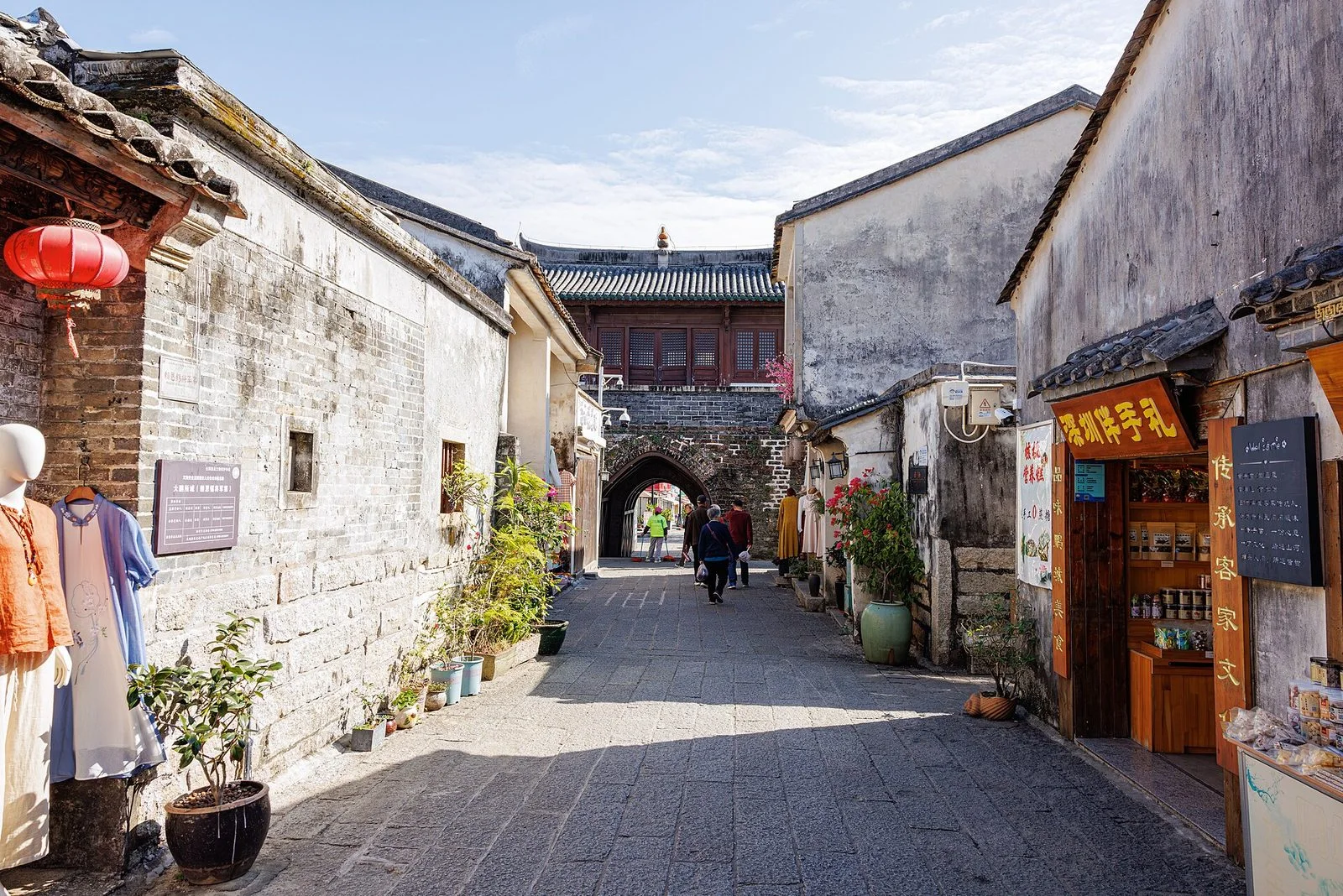
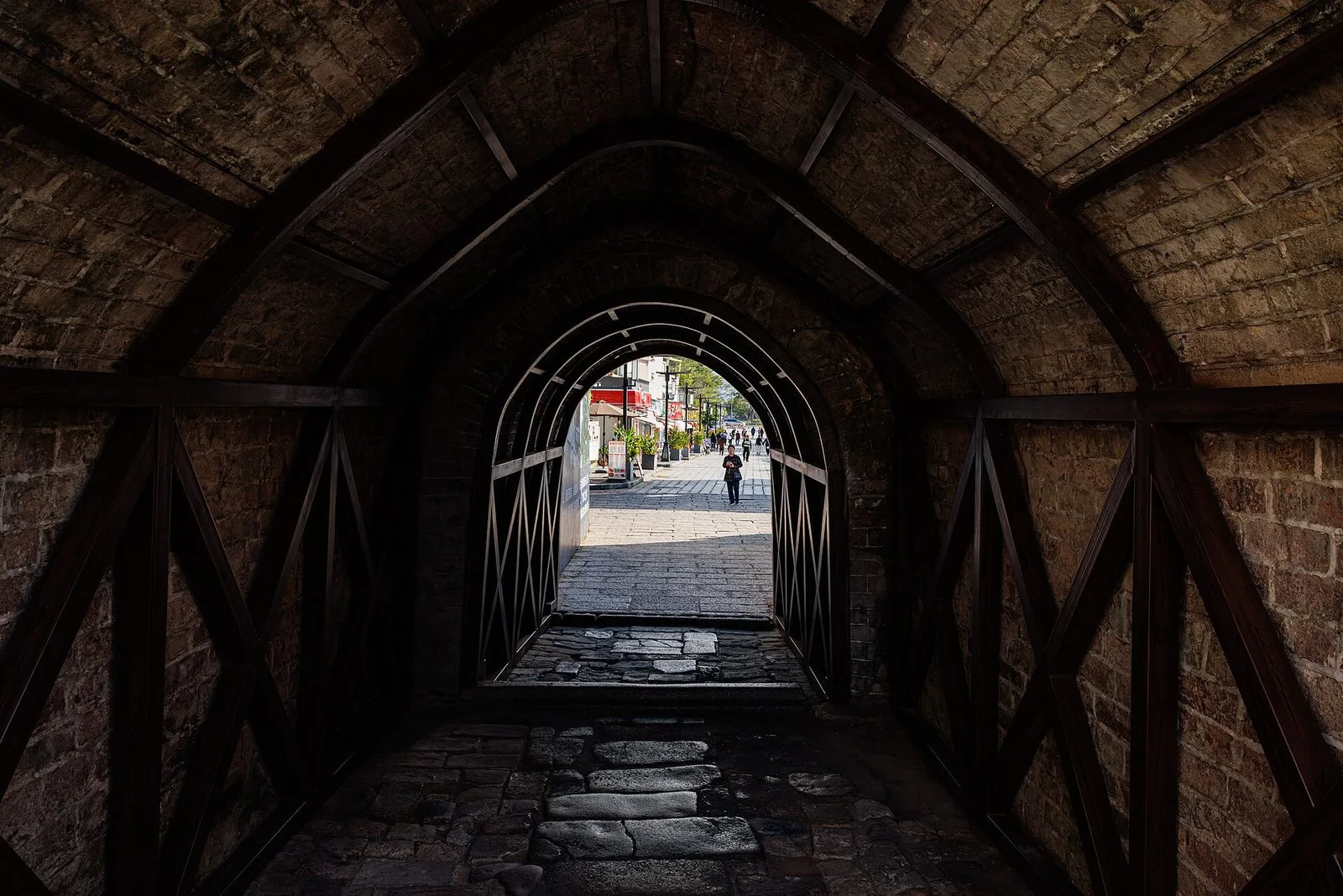
As you enter a gate, notice the substantial walls, arched passage and the way streets inside connect with the opening. Looking back after passing through shows two perspectives: the outward-facing defensive gate and the inward-facing lanes that organise daily life. Stone paving, brick and stone walls, tiled roofs and narrow alleys create the clearest architectural impression on foot. Beyond wider views, inscriptions above doors and details of the eaves also reward attention.
The residences of Qing generals such as Lai Enjue and Liu Qilong are important historic buildings here. Their doorway inscriptions, woodwork and courtyards help explain domestic life and expressions of status more clearly than names alone. The fortress also has museums and historical displays. When reading labels, distinguish the Ming origins of the military garrison, the activities of Qing figures and later repairs, rather than assigning remains from different periods to one era.
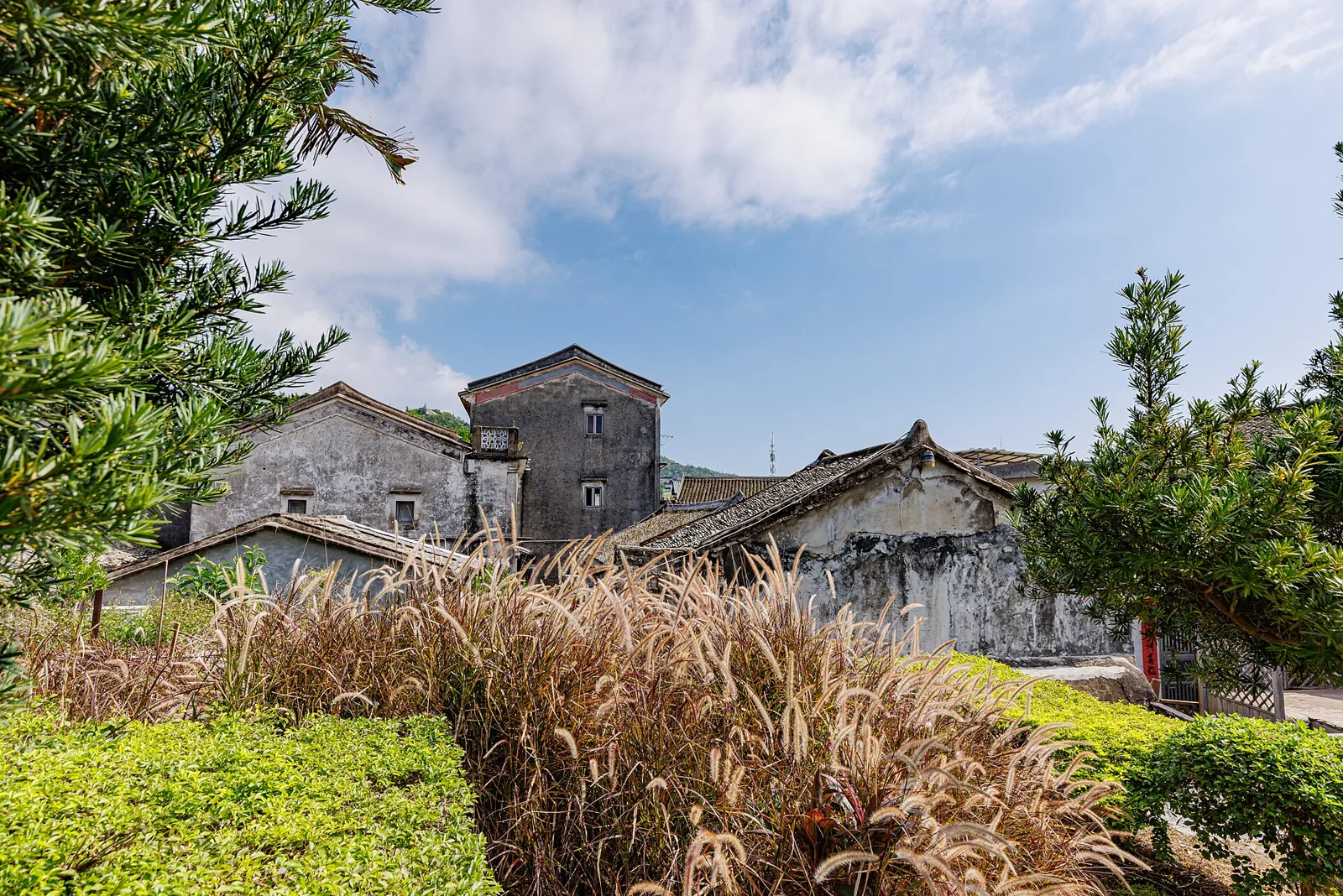
Historic lanes and coastal recreation are different visits
The town's history extends beyond war. Garrison, Hakka, Cantonese and coastal communities' cultures meet here, and the lanes have long been connected with homes, shops and everyday life. Respect living spaces while looking at buildings: an open door does not mean a private home is open to visitors. Ask before photographing residents or interiors. The presence of shops does not mean every historic residence follows the same opening hours.
Dapeng Fortress is often mentioned alongside seaside attractions on the Dapeng Peninsula, but a visit to the fortress centres on architecture and history. It does not include beaches, water activities or coastal hikes. Check the location and conditions of each place separately instead of assuming that arriving in Dapeng means reaching every seaside attraction. Watch for stone paving, steps and slippery surfaces after rain. If someone in your group has limited mobility, ask the attraction about the specific entrances of buildings you hope to visit.
Historical visitor guides have listed opening hours and bus routes for the fortress and its exhibition spaces, but these do not guarantee that every venue still operates in the same way. If a particular residence or gallery is essential to your visit, check current notices before leaving. Treating the streets and building exteriors as the basic experience, then adding exhibitions according to actual access, helps set realistic expectations.

Useful official references
Check the relevant official service before making arrangements. These links are references, not a guarantee of current services.