Ceremonial stone animals along Stone Elephant Road
Ming Xiaoling is the tomb of Zhu Yuanzhang, the founding emperor of the Ming dynasty, and Empress Ma. Construction began in 1381, Zhu Yuanzhang was buried here in 1398, and the Shengong Shengde Stele was completed in 1413, bringing the full construction period to 32 years. It became a World Heritage Site in 2003 as an extension of the Imperial Tombs of the Ming and Qing Dynasties. Today's heritage site includes the Sacred Way, mausoleum complex and surrounding woodland, with walking required between its different parts.
Stone Elephant Road is the first section of the Sacred Way. It runs for 615 metres and is lined with six kinds of stone animal, each carved in the round from a single large block. Compare the size and poses of animals such as elephants and camels, and their paired arrangement on either side, rather than rushing to photograph each one. The animals originally carried ceremonial, protective and evil-averting symbolism. Viewing them as part of the whole road makes the solemn entrance to an imperial tomb easier to understand than photographing one animal alone.
Steles, the square terrace and the restored Minglou
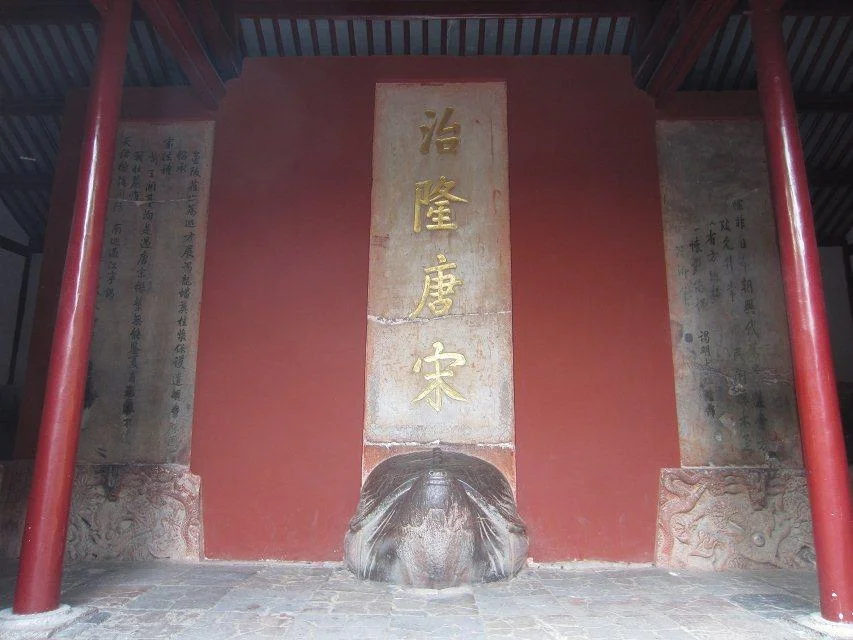
As you leave the Sacred Way for the mausoleum complex, shift your attention from animals to gates, steles and changes in elevation. The Shengong Shengde Stele inside Sifangcheng was erected by Zhu Di for his father and records Zhu Yuanzhang's life. Other inscriptions within the mausoleum date from different periods. Even without reading Chinese, you can examine the top of each stele, the script, the supporting base and the way buildings shelter the inscriptions, distinguishing commemorative writing from ordinary decoration.
The Fangcheng terrace and Minglou tower at the rear form the largest surviving architectural remains at Ming Xiaoling. Built on the terrace, the Minglou creates a clear visual endpoint, but its complete roof today is not an unchanged Ming original. The original roof was destroyed in warfare; a protective re-roofing project was completed in 2009. Keeping this in mind when looking at the tall stone walls, vaulted passage and roof helps distinguish historic remains from conservation and restoration.
Choosing your visiting area and entrance
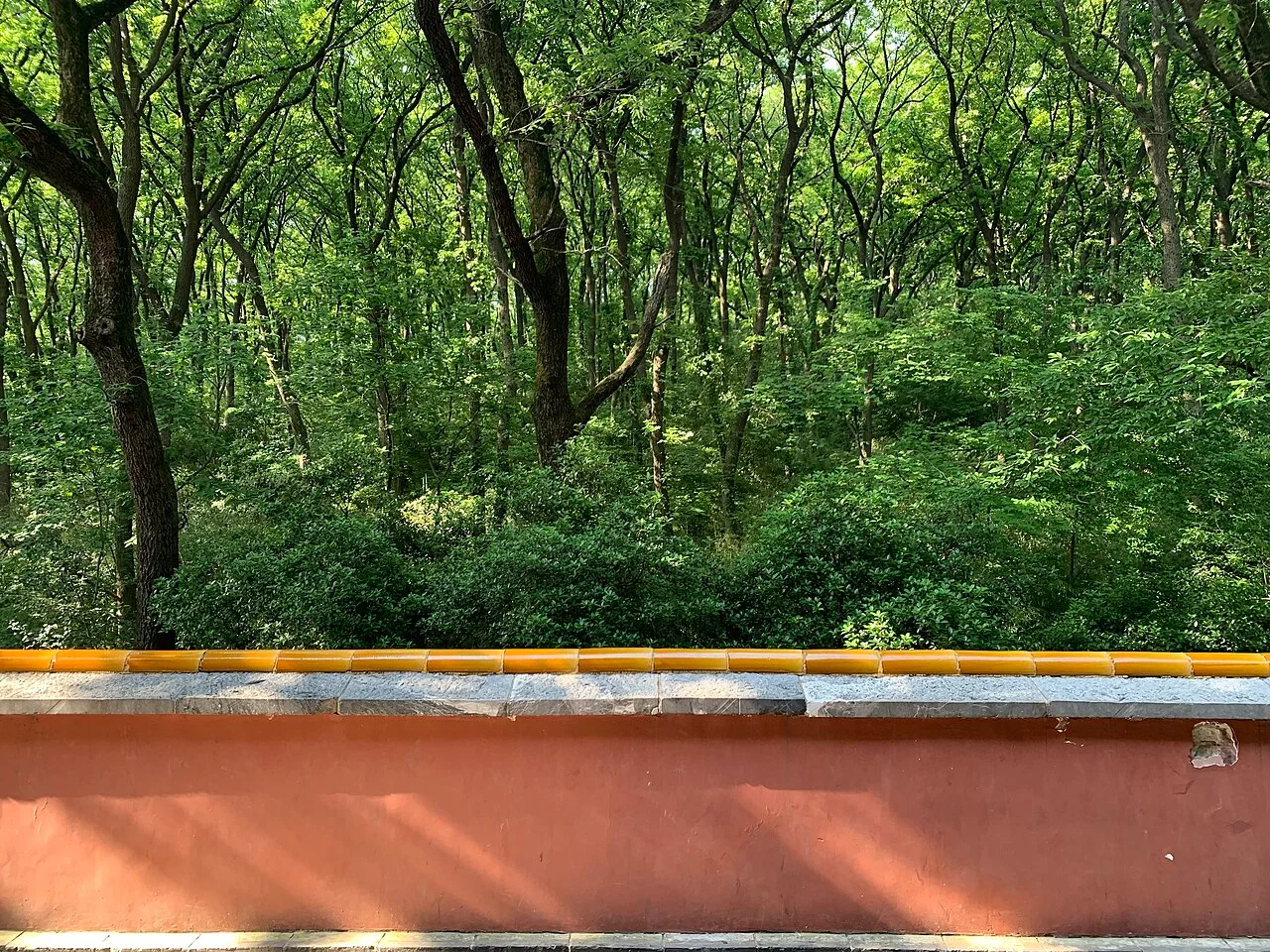
To focus on stone carvings and the tomb, allow about 2–3 hours for Stone Elephant Road and the main mausoleum complex, an estimate for walking and stops. The wider scenic area also includes Plum Blossom Hill, Plum Blossom Valley, Ming Dongling and Zixia Lake. Adding all of these increases both time and walking. Visitors mainly interested in historic architecture can prioritise the Sacred Way and mausoleum, while those interested in plants and gardens can consider surrounding areas according to the season and their stamina.
Official information consulted on 11 November 2026 lists a standard Ming Xiaoling ticket at RMB 70 per person, available at the scenic-area entrance or through the official mini-program. Real-name ticketing accepts passports and other valid identification. The official guide lists ticket-sale hours as 06:30–18:30 from February to November and 07:00–17:30 from December to January; these are not uniform opening hours for every associated venue. Take Metro Line 2 to Muxuyuan station, then walk or transfer to a scenic-area shuttle. Match your entrance to the area you want to see rather than estimating walking distance from the general name “Ming Xiaoling” alone.
Useful official references
Check the relevant official service before making arrangements. These links are references, not a guarantee of current services.