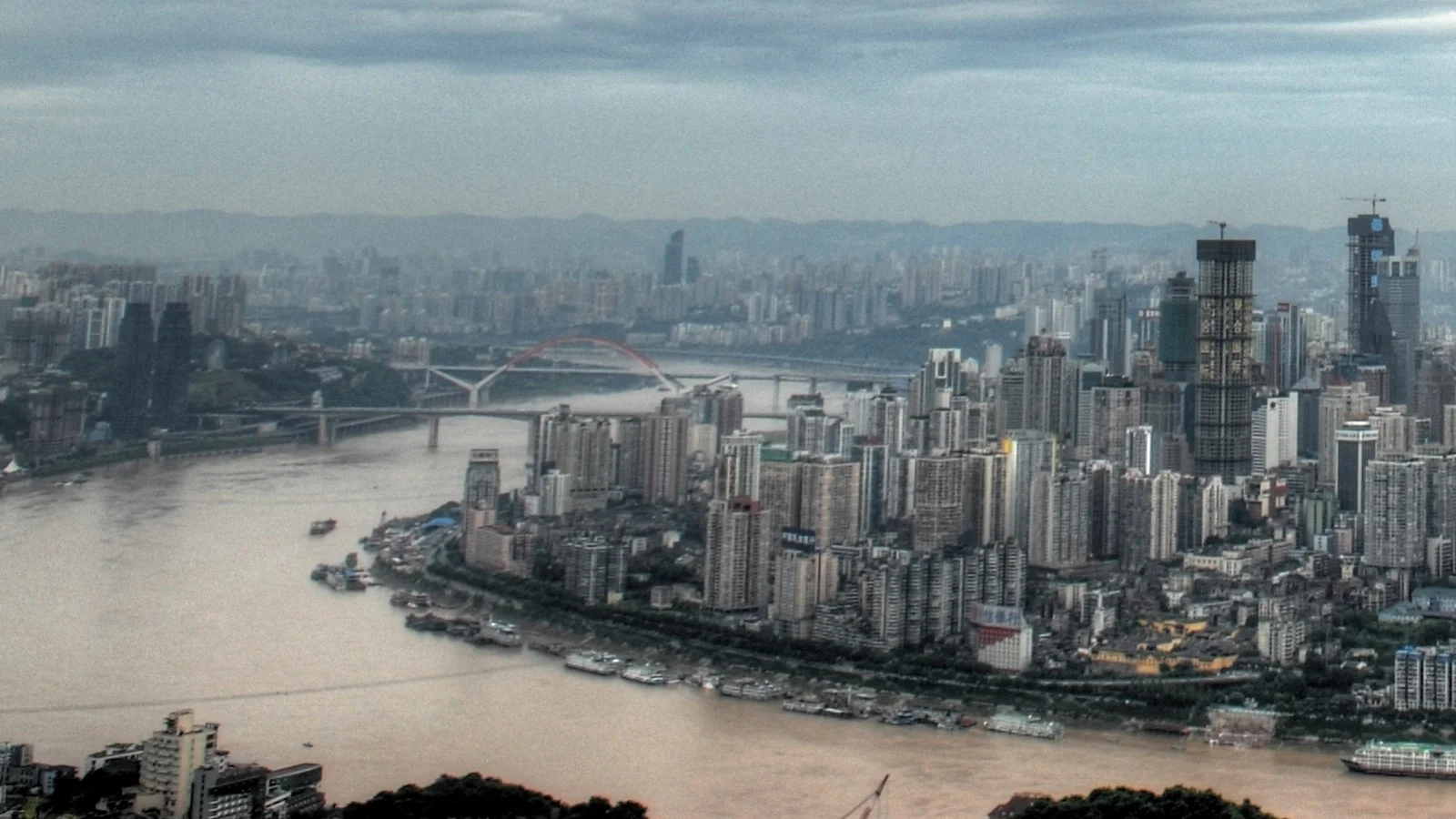
The Three Gorges and Chongqing in one museum
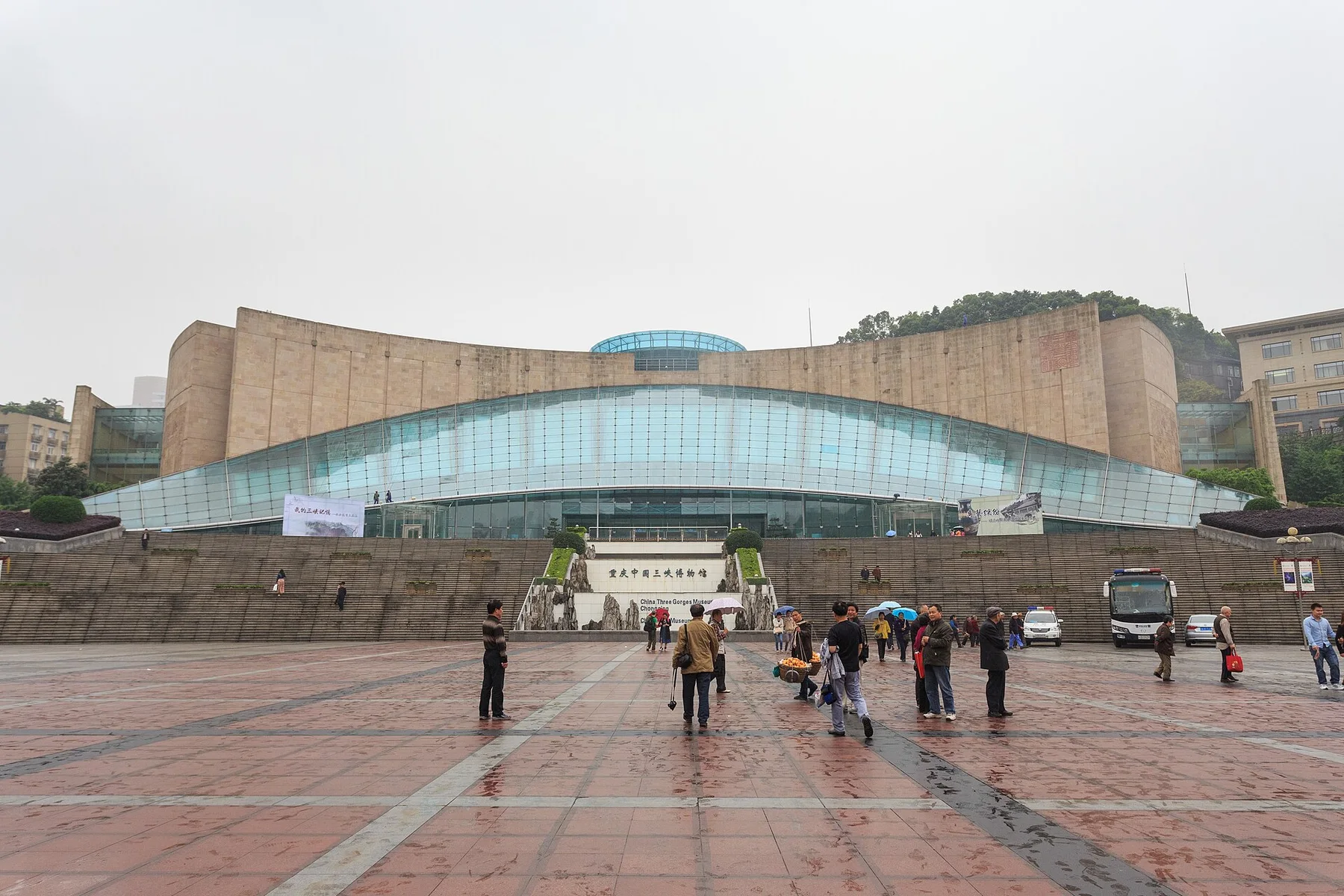
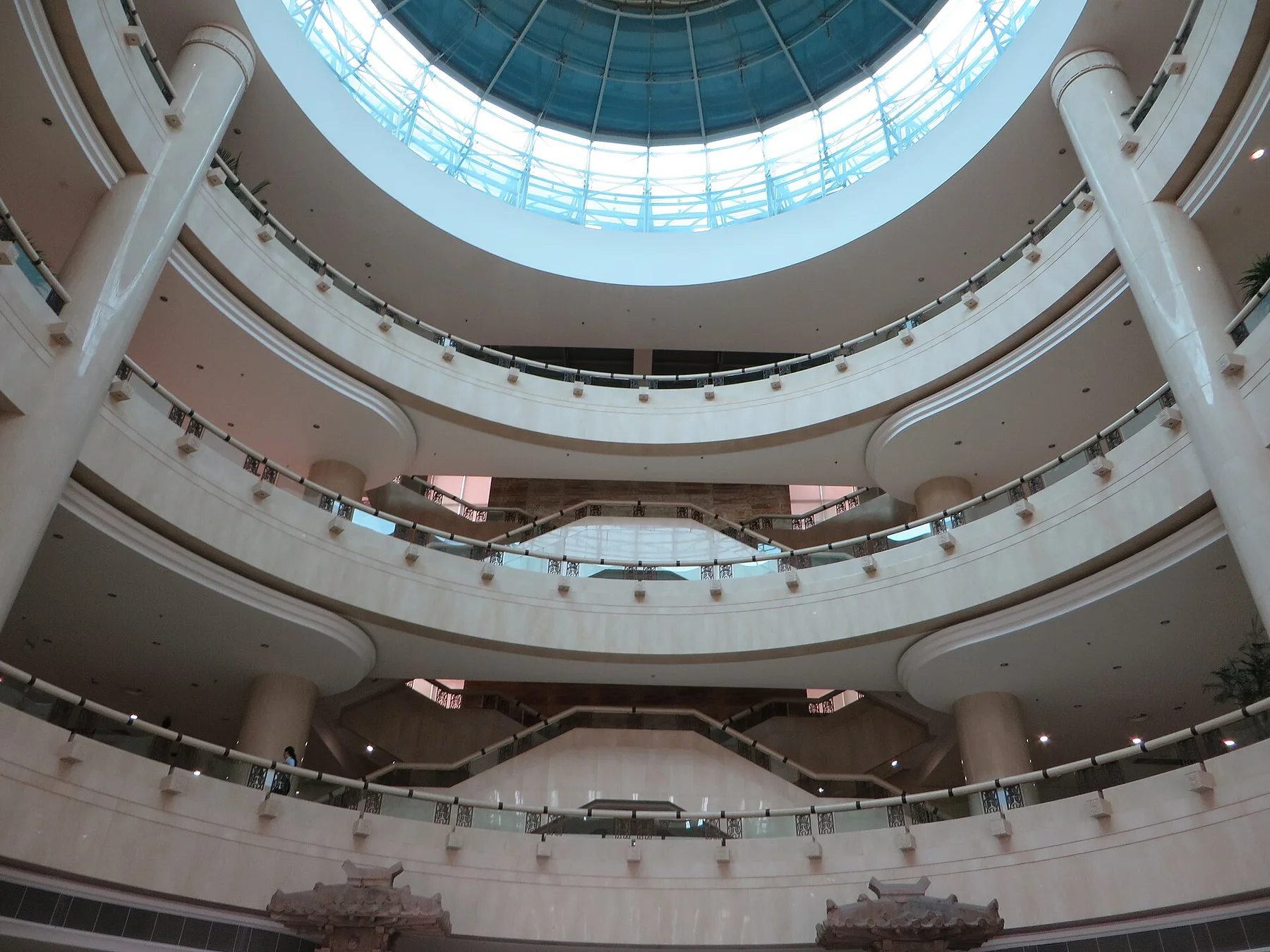
The main building of the Chongqing China Three Gorges Museum is at 236 Renmin Road in Yuzhong District, beside the People's Square and the People's Great Hall. It opened in 2005. Its predecessor was the Southwest Museum, established in 1951 and later renamed the Chongqing Museum. Cultural heritage protection work in the Three Gorges added a major theme to the institution. The Three Gorges provide one starting point, alongside regional history, urban development, the War of Resistance against Japanese Aggression and migration.
Permanent exhibitions include The Splendid Three Gorges, Ancient Ba and Yu, Chongqing: The Road to a City, and The War Years, with additional displays on ceramics, coins, Han-dynasty sculpture and ethnic customs in southwest China. For a first visit, choose a thread that interests you: the Three Gorges for the Yangtze's gorge region, or city history together with the war years for Chongqing itself. The museum also has venues elsewhere; not every exhibition belonging to the institution is in this building on Renmin Road.
From the formation of the gorges to human life
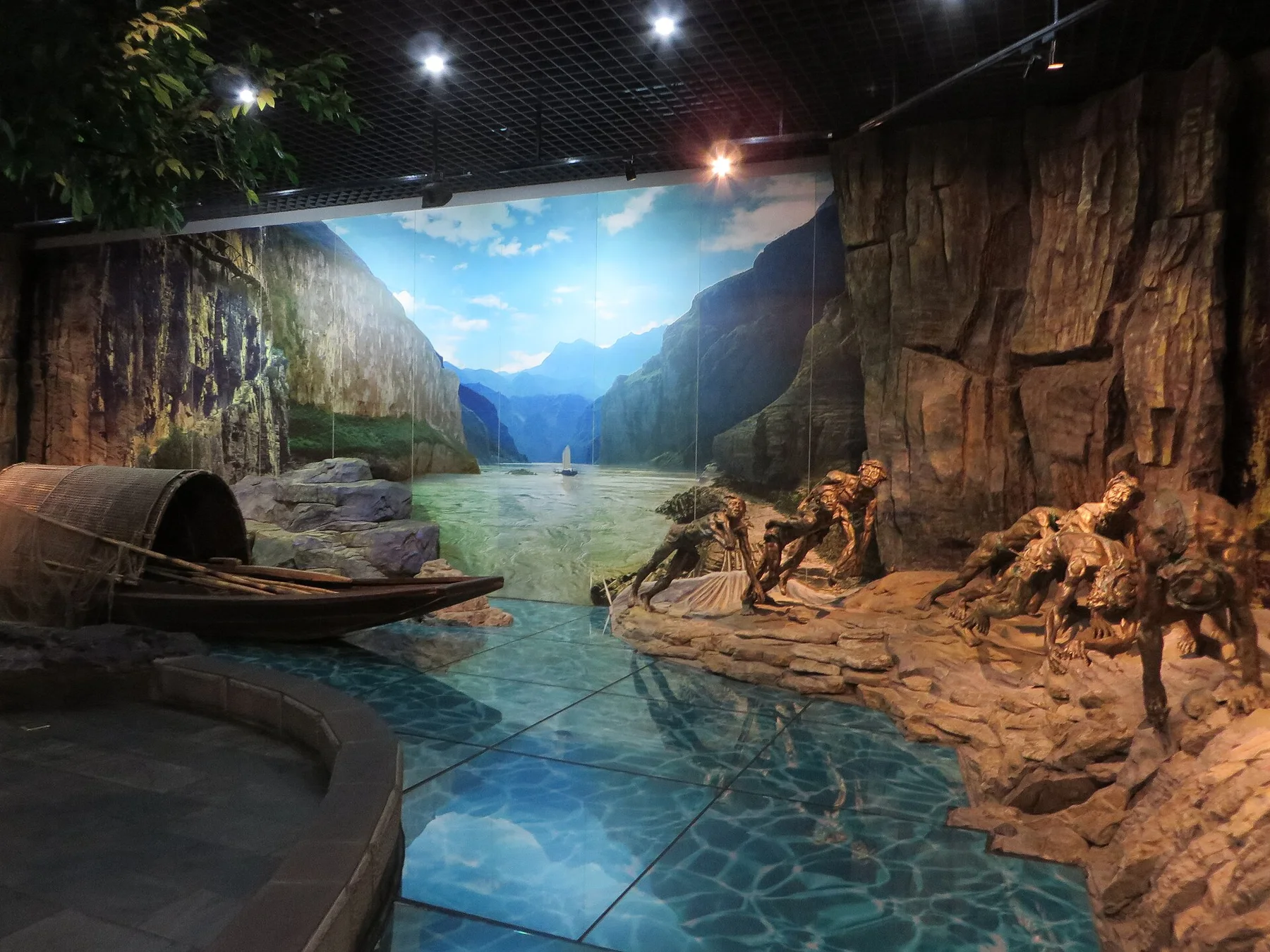
The new Splendid Three Gorges exhibition opened on New Year's Day in 2025, organized around three themes: natural wonders, a historical panorama, and cultural sites. It brings together the natural formation of the gorges and human activity, with a three-dimensional digital display on the formation of the Three Gorges, a large warship model and objects from different periods of history along the Yangtze.
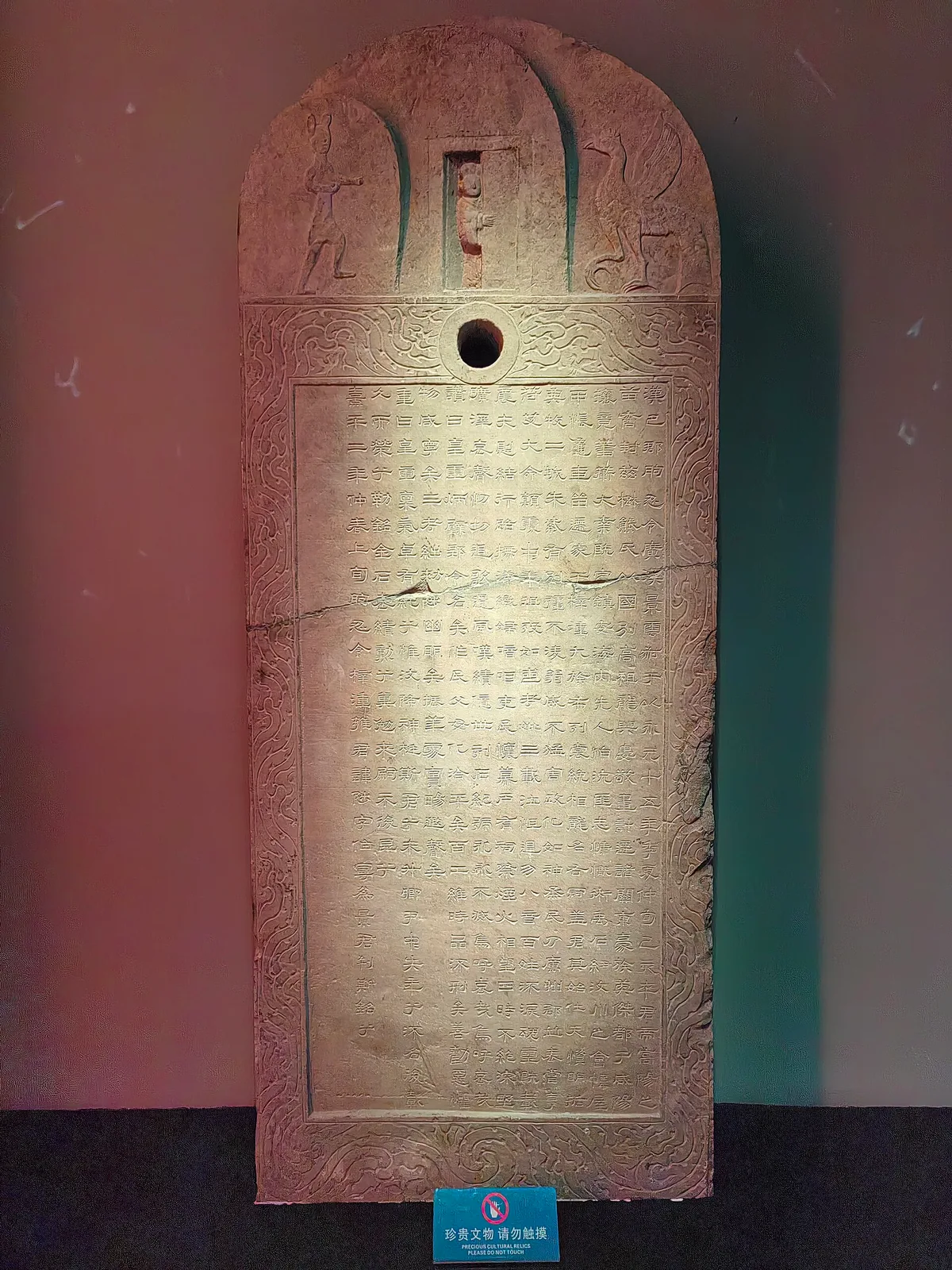
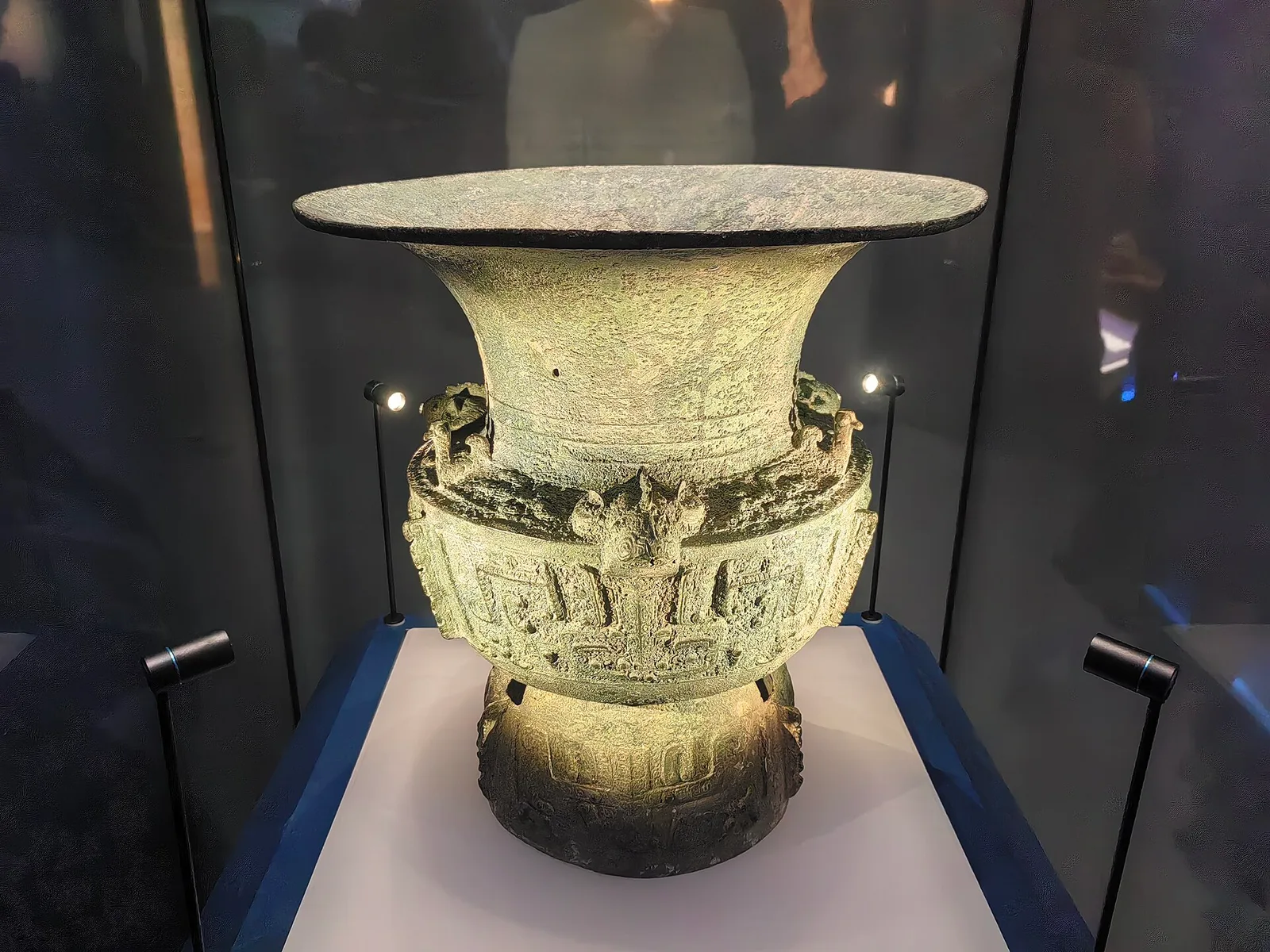
Representative exhibits listed by the museum include a Wushan hominin jaw fossil, a Shang-dynasty bronze zun vessel with three ram figures, a Warring States chunyu bronze percussion instrument with a tiger-shaped knob, a bird-shaped zun vessel, a Han-dynasty gold seal and the Jingyun stele. Notice changes in materials, forms and uses: the region's history encompasses ritual, transport, writing and social life as well as rivers and cliffs. The 2014 photograph of a Three Gorges scene on this page records the exhibition at that time; it does not show how every gallery looks after the redesign.
Connecting the streets to city history
Chongqing: The Road to a City turns to the modern city, using photographs and historical records to cover commerce after the port opened in 1891, changes in industry and transport, and wartime urban life. The museum's description also mentions historical scale models, a full-size reconstruction of Dongshui Gate, and everyday settings such as an oil-and-wax shop and a hotpot restaurant. These turn dates into streets, shops and spaces people used, offering points of comparison with the riverside commerce and old streets of the Yuzhong Peninsula.
If you prefer the details of objects, choose ceramics, coins or Han-dynasty sculpture. If the city itself is your focus, there is no need to rush through every subject just to finish. The museum publishes separate information on temporary exhibitions and reservations. Checking its official visitor information before arriving helps you focus on the displays that interest you.
Useful official references
Check the relevant official service before making arrangements. These links are references, not a guarantee of current services.