Find the new museum in Guandu
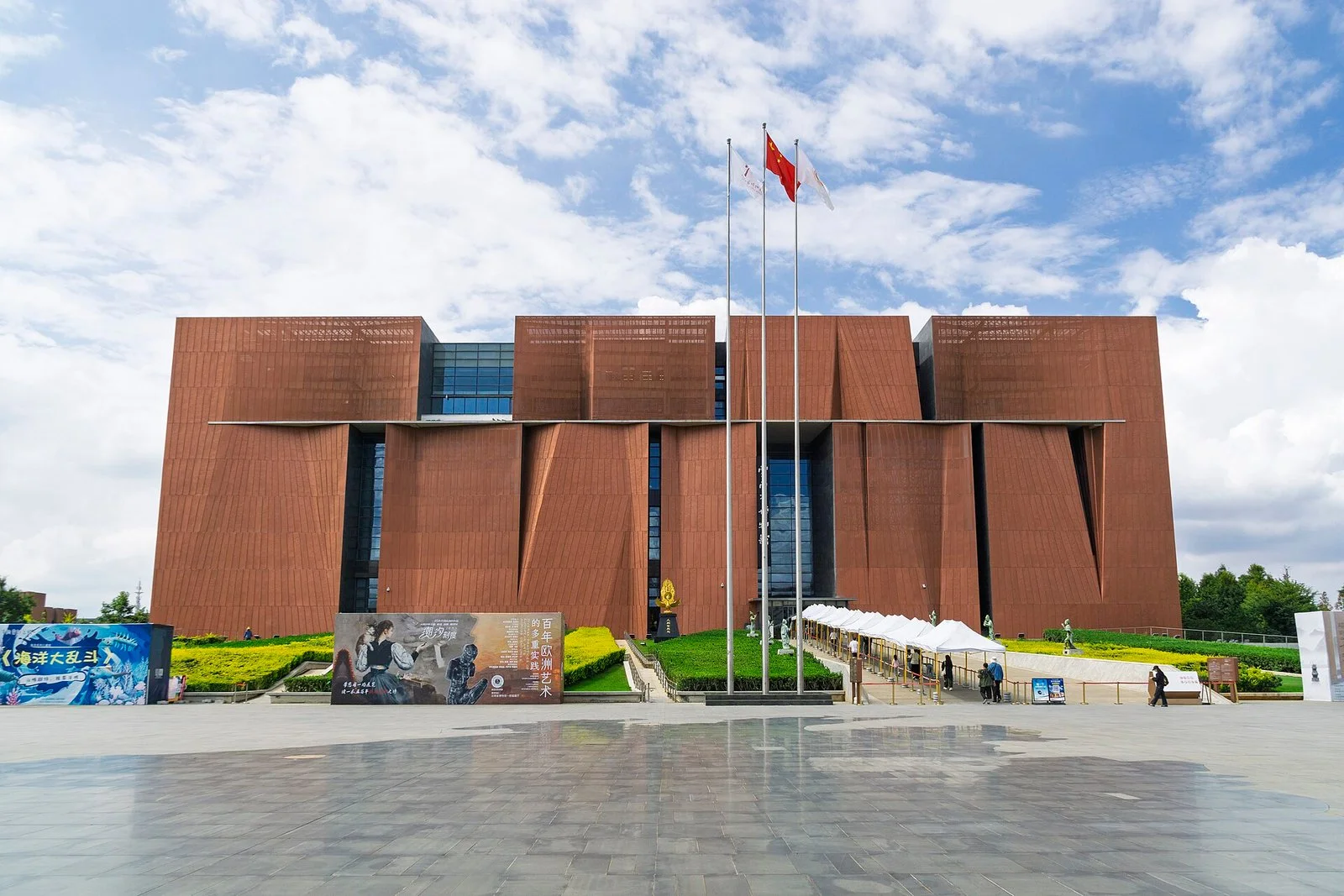
The new Yunnan Provincial Museum in Guandu has a distinctive outline of ochre-red walls and angular, shifting building forms. It is a different location from the old museum on Wuyi Road. If a map or photograph shows a pale historic building with a tower, check whether it refers to the old site. For the provincial museum's permanent displays, choose the new museum in Guandu rather than relying on a building name alone.
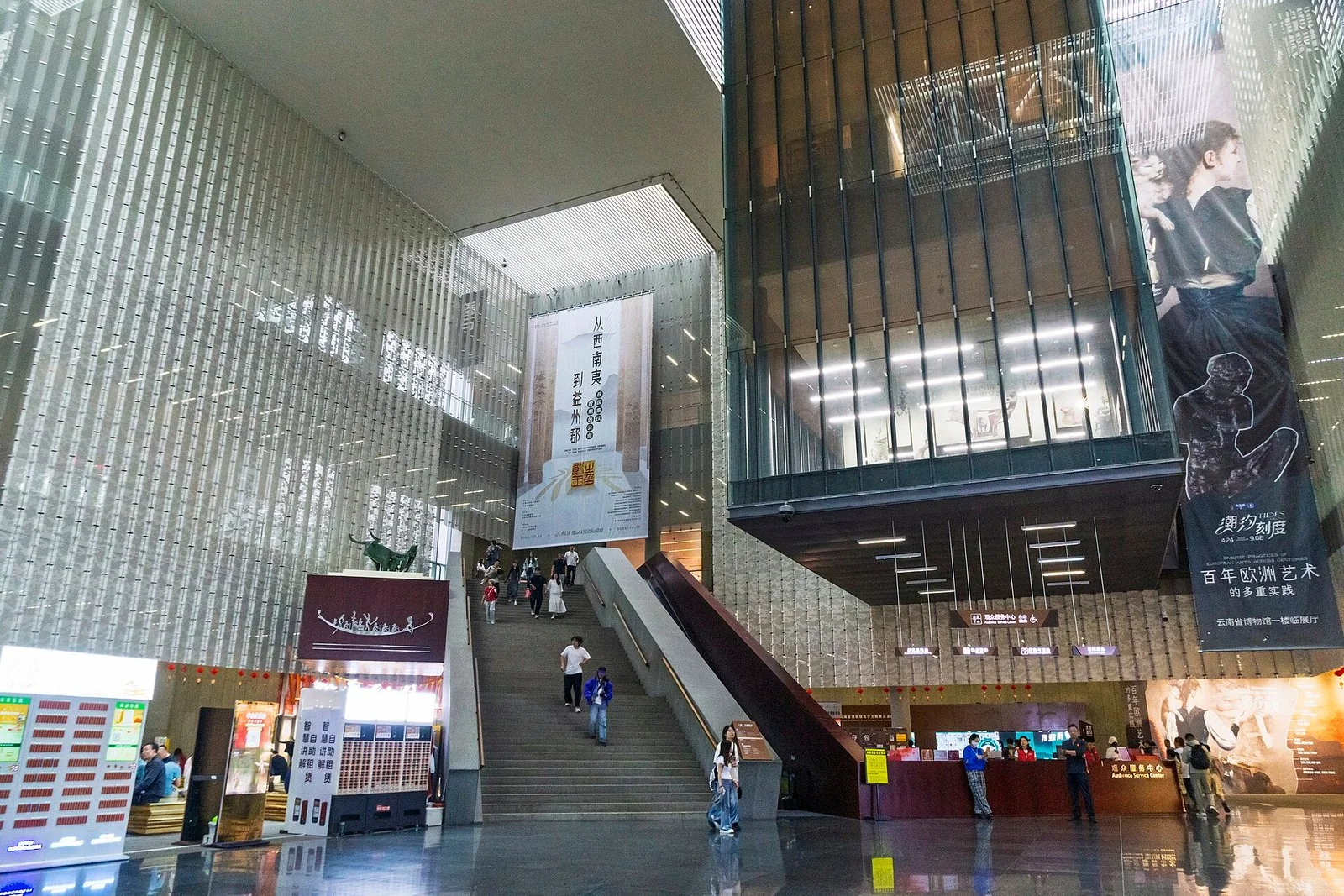
The permanent exhibition begins with prehistoric civilisation and continues through Yunnan's modern history. Following the displays chronologically can help first-time visitors establish the basic relationships between geography and history. Those with a particular interest can concentrate on ancient Dian bronzes or the Nanzhao and Dali periods. Allow about half a day as an estimate for reading the exhibitions; the density of the displays, your reading pace and temporary exhibitions will affect the actual time needed.
People and animals in bronze
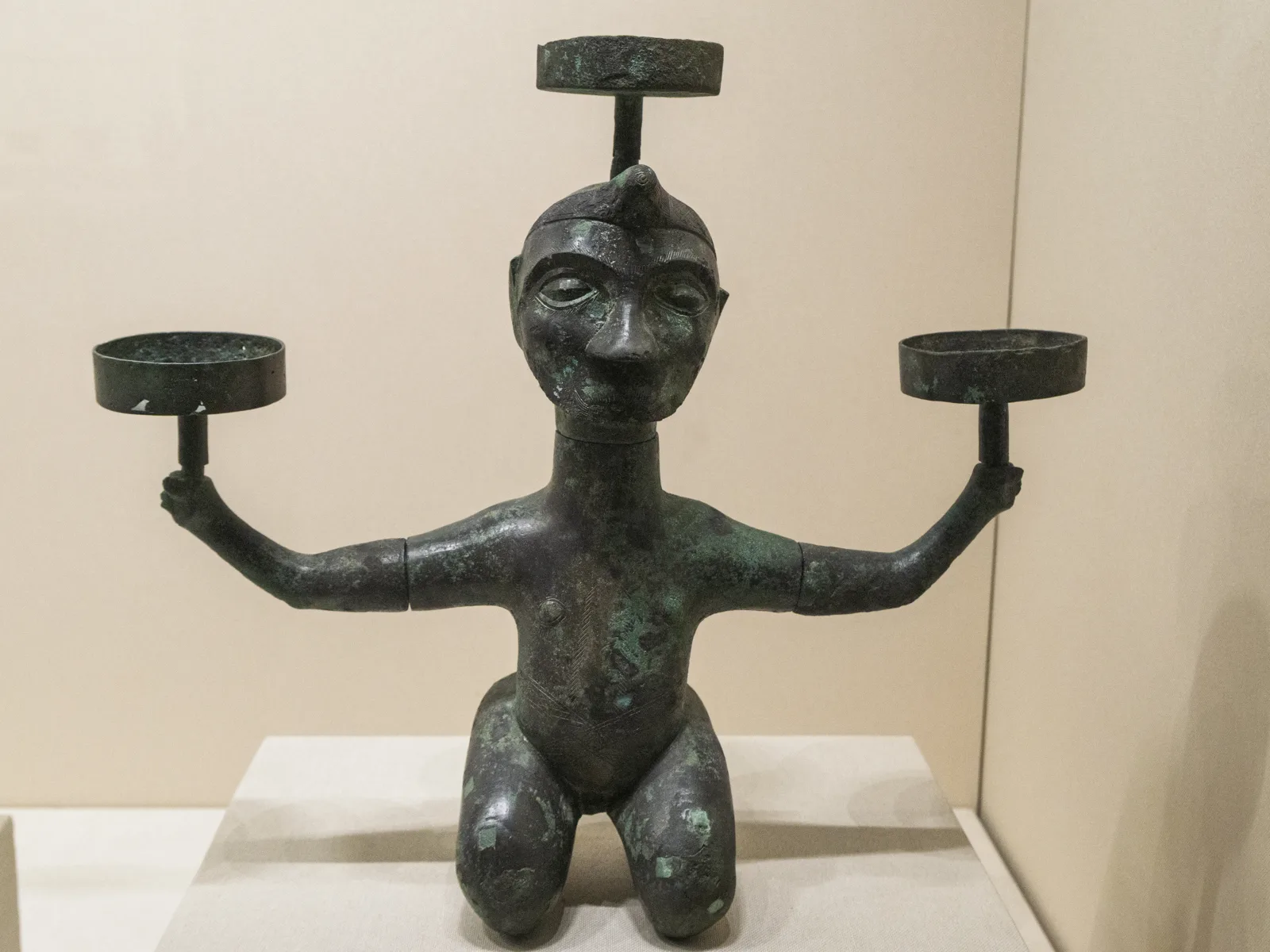
Ancient Dian bronzes are a useful starting point for understanding the museum. Look beyond the overall shapes at the small people and animals on belt plaques, cowrie-shell containers and other objects. Scenes of music and dance, figures carrying objects or riding horses, and interacting animals turn an abstract ancient society into details you can examine one by one. The connection between cowrie-shell containers and shell currency also offers a different perspective from more familiar bronze ritual vessels.
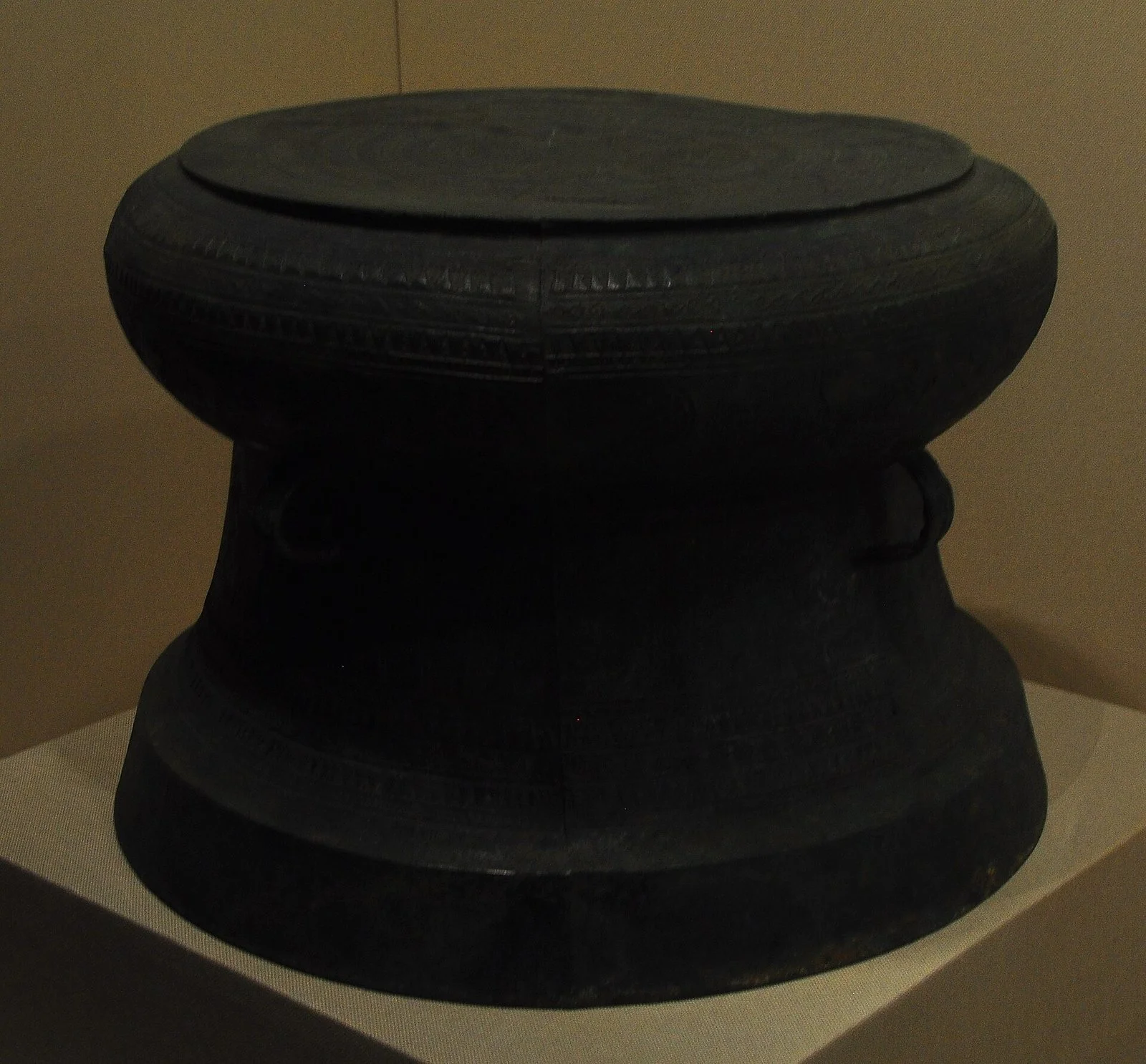
The Ox-and-Tiger Bronze Table creates a striking relationship between its animal figures. Start with the whole object, then look beneath the belly, at the tail and at the points of support. Bronze drums, weapons and mirrors in the collection show other uses and decorative approaches. Individual objects may change because of conservation, loans or display rotations. If you are coming for a particular piece, check the museum's exhibition information rather than assuming that every object in the collection catalogue is on view that day.
Buddhist objects and planning your visit
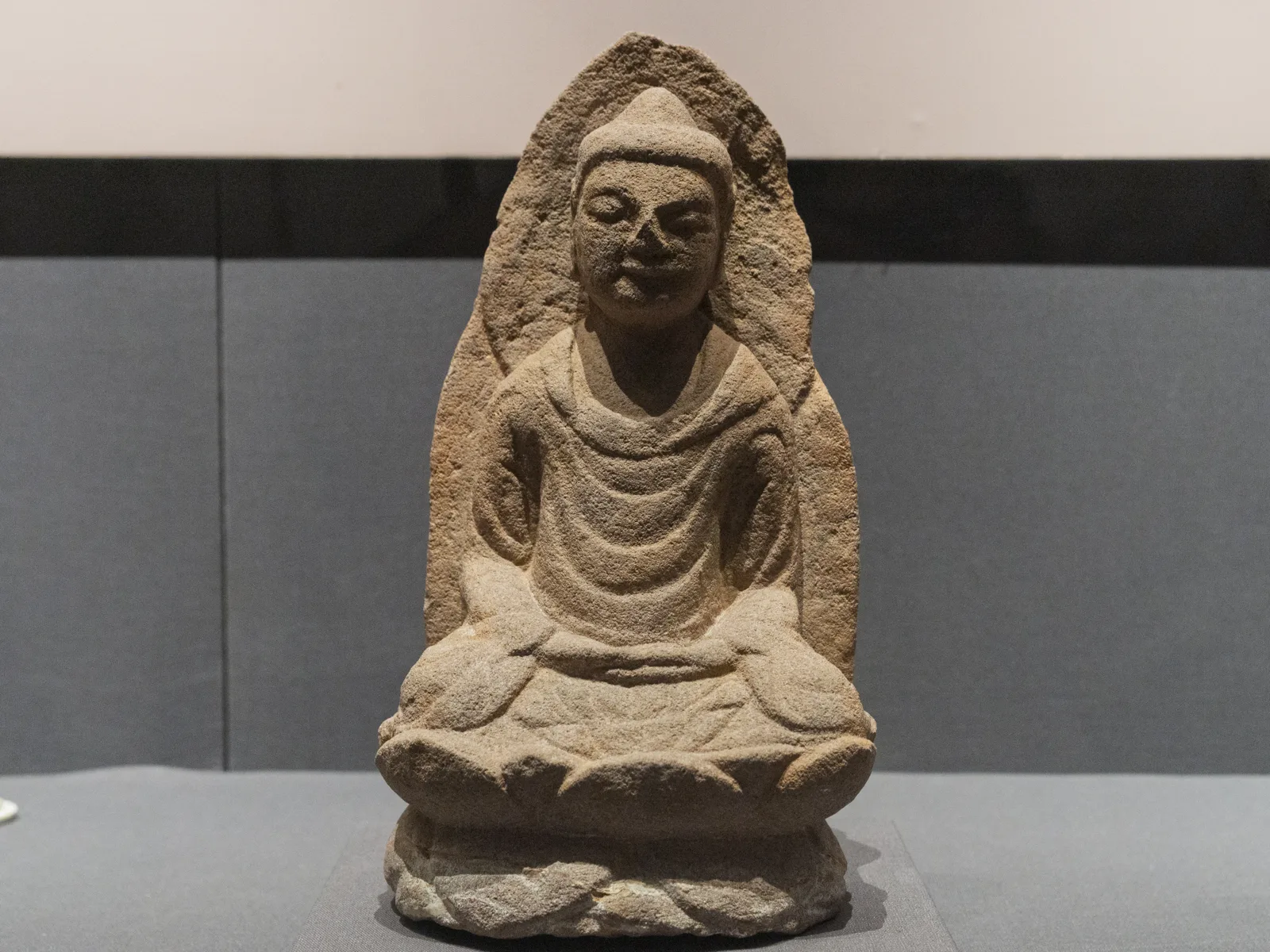
Buddhist objects from the Nanzhao and Dali periods offer another way to understand Yunnan. Compared with the scenes of daily life and ritual on bronzes, Buddhist figures draw attention to faces, crowns, drapery and halos. The Acuoye Guanyin is one of the objects highlighted by the museum. You need not memorise every name at once: comparing postures and details can leave a clearer impression than simply photographing labels.
The museum's visitor service page, read on 11 November 2026, gives normal opening hours of 09:00-17:00, with last entry at 16:30 and closure on Mondays. Public-holiday arrangements are announced separately. Individual reservation information is published through the museum's official WeChat account; the visitor enquiry number is +86 871 67286223. Visitors using foreign passports should ask in advance about booking and document checks. Where public information does not explain the process, do not assume that instructions for Chinese resident identity cards apply.
Useful official references
Check the relevant official service before making arrangements. These links are references, not a guarantee of current services.