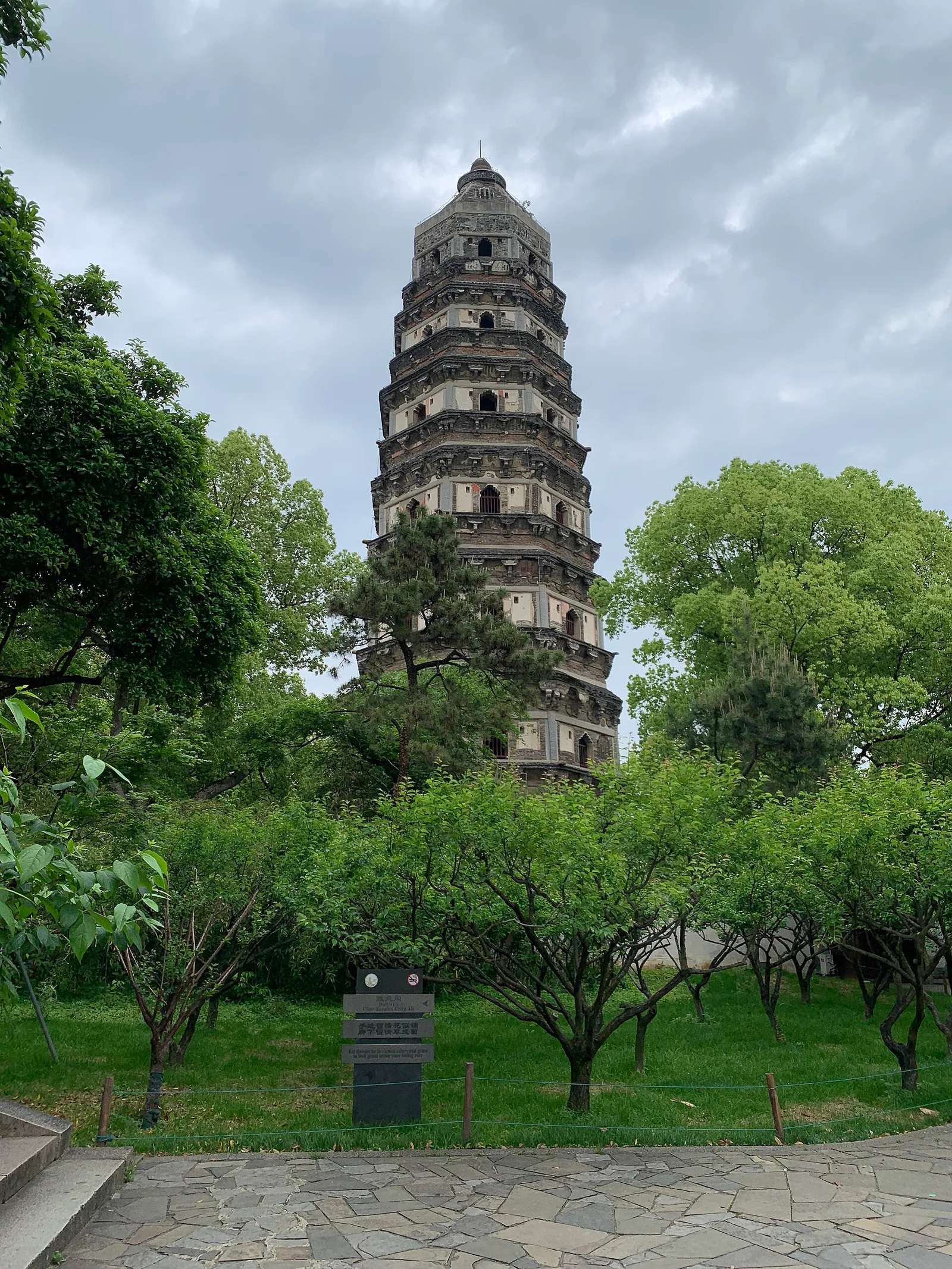
The pagoda and the hill
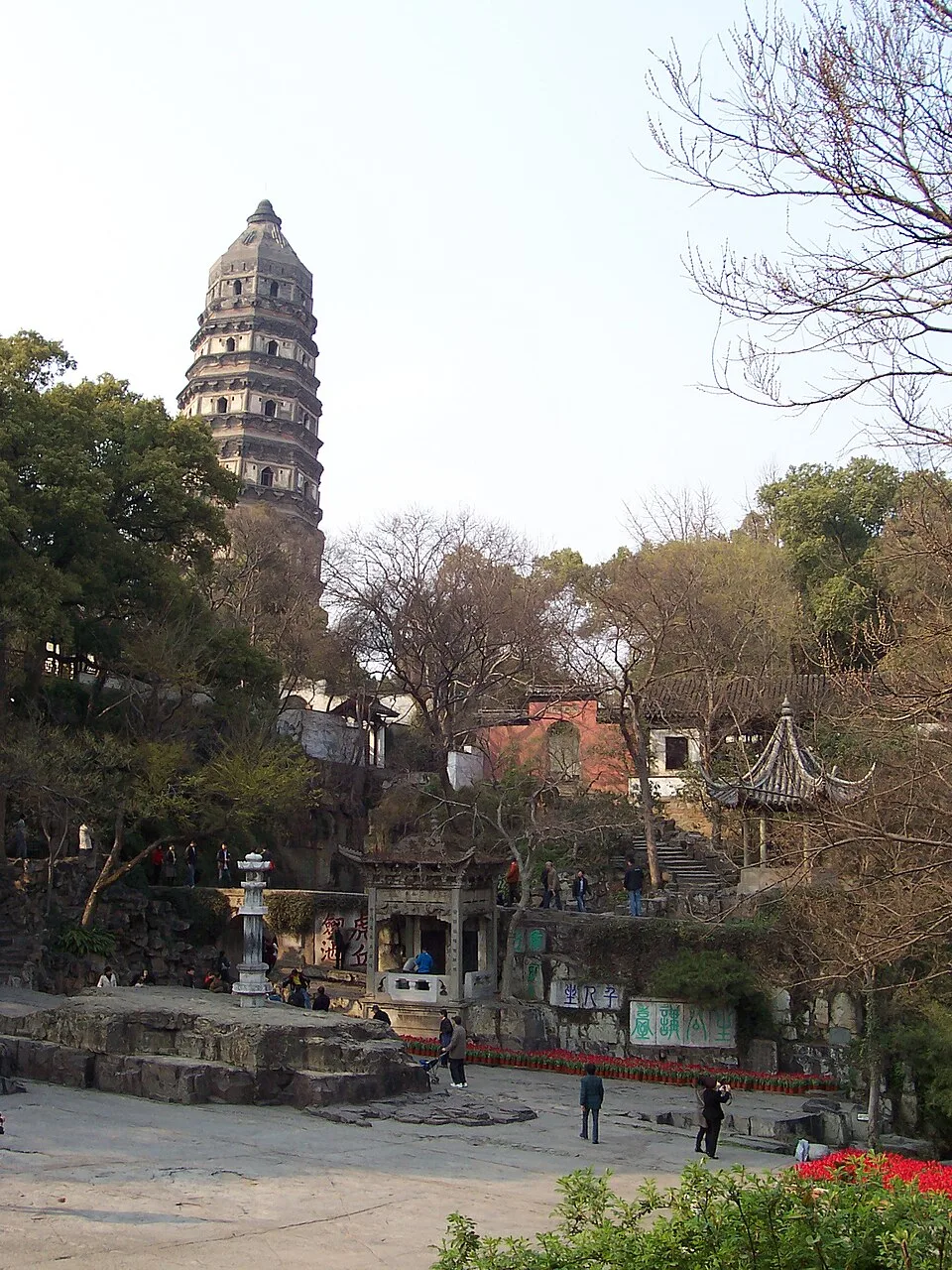
Suzhou's garden authority describes Yunyan Pagoda as an octagonal, seven-storey brick pagoda begun in 959 and completed in 961. Its upper levels began leaning toward the northwest by the Ming period. The tilt is part of the structure visitors can see from the grounds, not a reason to climb or touch it; look for the changing angle against the vertical tree trunks and roof edges nearby.
A walk through a historic landscape
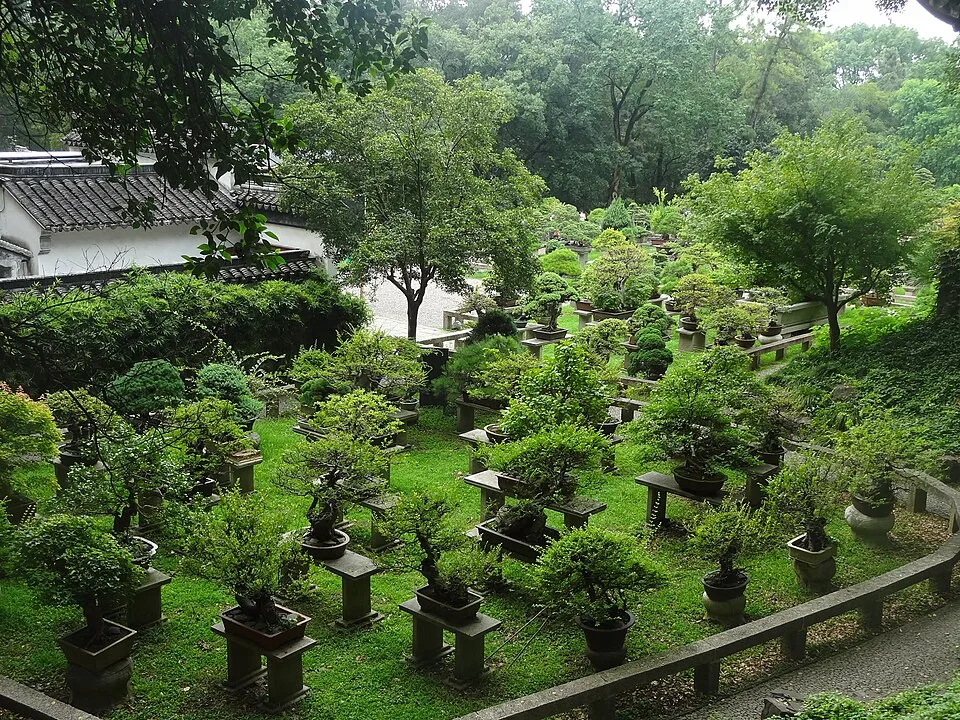
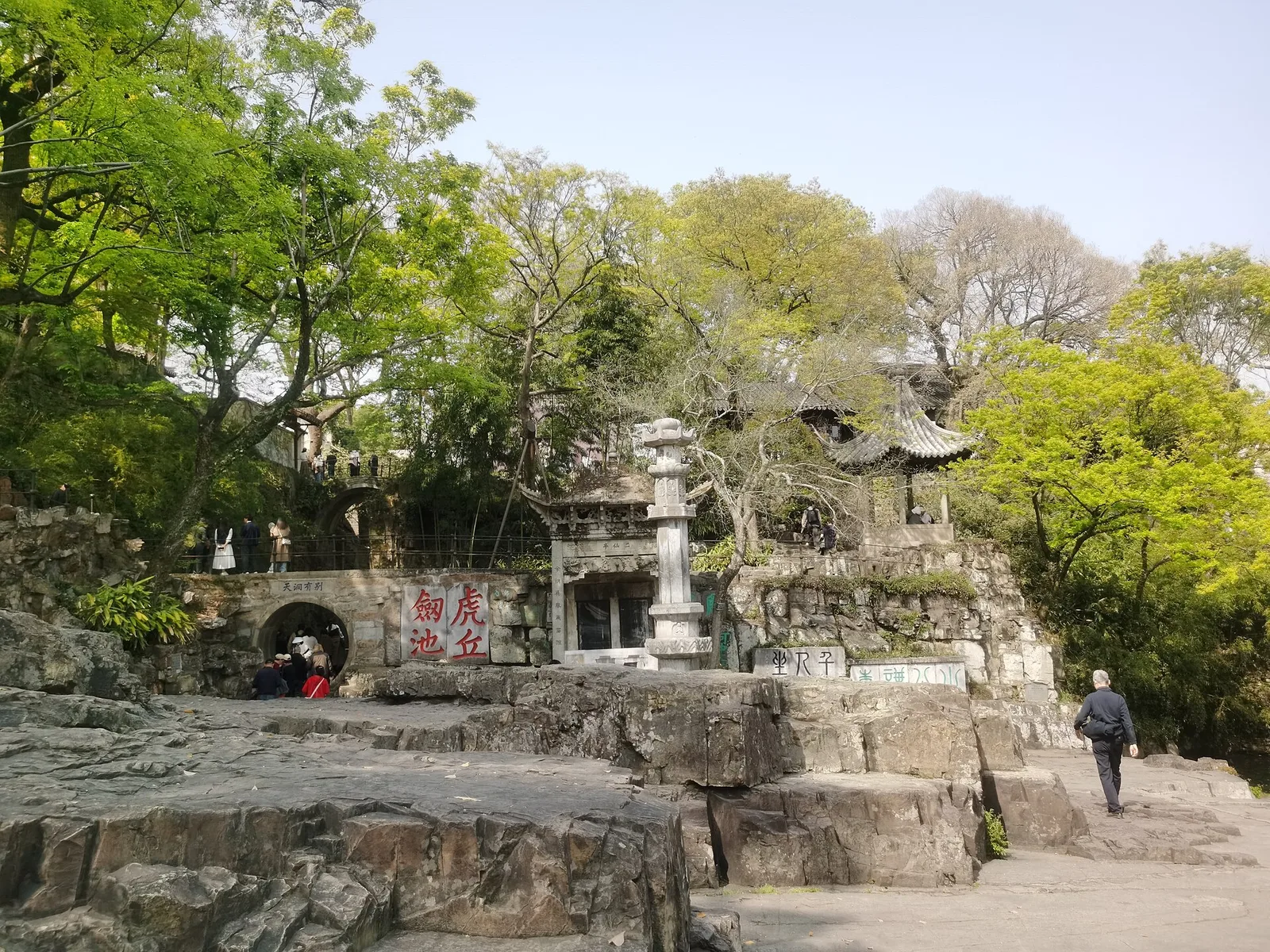
Paths connect the landmark with garden scenery and historic structures across the site. Expect walking on uneven or sloping sections rather than a level museum route; comfortable footwear helps. Visitors with limited mobility should check the current access information before setting out. Allow roughly two hours as a flexible visit estimate, with more time if you prefer to pause at several viewpoints.
Useful official references
Check the relevant official service before making arrangements. These links are references, not a guarantee of current services.